Web Analytics

Recent Posts

Mastering Public Behavior Norms While Traveling Abroad

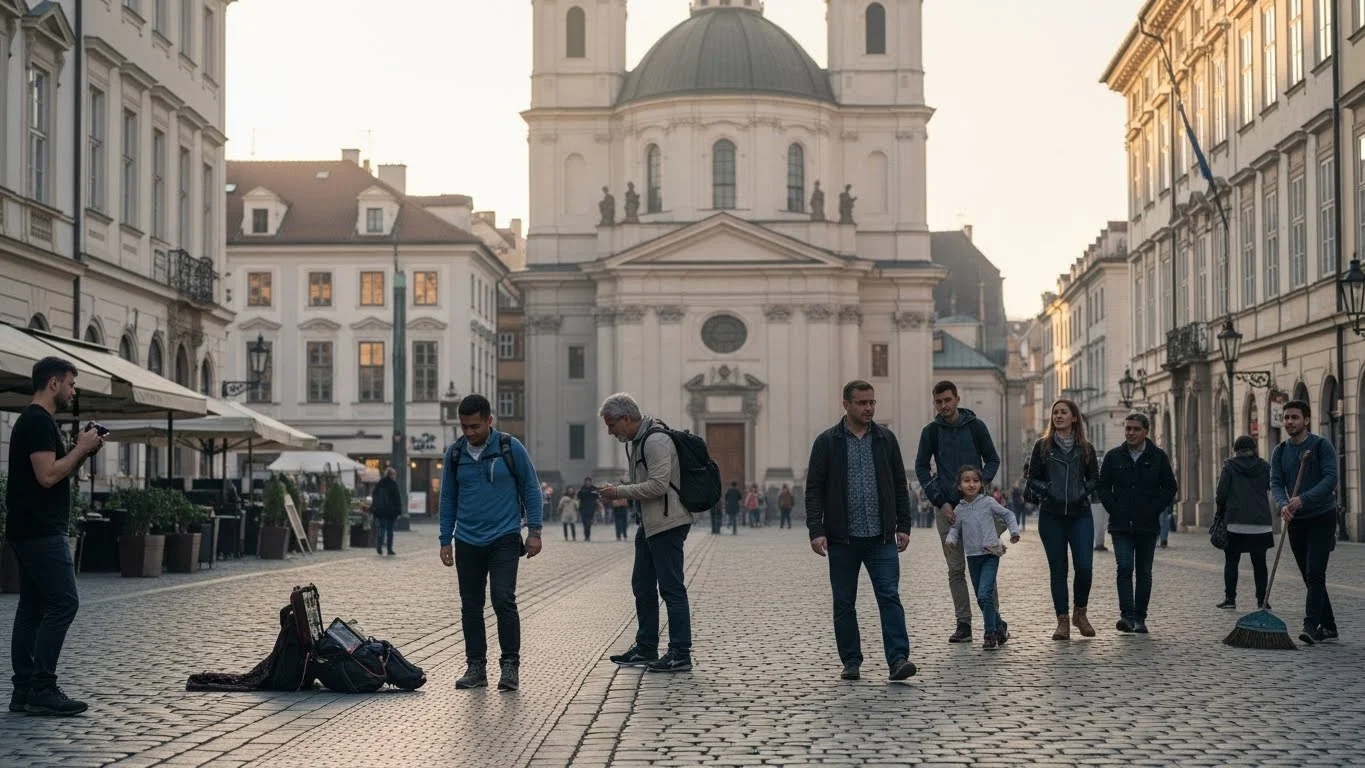
Traveling abroad can be a thrilling adventure, but navigating the unspoken rules of public behavior is crucial for a smooth journey. Mastering these norms helps us connect with locals and enhances our travel experience. For more insights, check out Navigating Cultural Norms: Solo Travel Etiquette Essentials.
Mastering Public Behavior Norms While Traveling Abroad

Understanding Cultural Norms and Public Behavior

What Are Public Behavior Norms?

Public behavior norms are the unwritten rules that dictate how we interact with others in various social settings. These norms can vary significantly from one culture to another, shaping everything from greetings to dining etiquette. For example, in some cultures, a firm handshake is a sign of confidence and respect, while in others, a light touch on the forearm may convey warmth and friendliness. I’ve learned that understanding these subtleties can make a remarkable difference in how we’re perceived and how we connect with people when we travel.

The Importance of Respecting Local Customs

Respecting local customs isn’t just about being polite; it’s about honoring the culture we’re visiting. When I traveled to Japan, I quickly realized how important bowing was as a form of greeting. At first, I felt awkward, but I made an effort to bow slightly to show my respect. The smiles I received in return were heartwarming. I believe that when we show respect for local traditions, we open ourselves up to deeper connections and more meaningful experiences. It’s a way of acknowledging that we’re guests in someone else’s home.

Key Public Behavior Norms by Region

North America

Social Etiquette and Personal Space

In North America, personal space is highly valued. I remember feeling a bit uncomfortable when someone stood too close while talking to me. It’s common for people to maintain about an arm’s length distance. This norm helps create a sense of comfort and respect. I recommend being mindful of your surroundings and adjusting your distance based on the comfort level of those around you. Also, a friendly smile and eye contact can go a long way in making connections.

Tipping Practices

Tipping is another essential aspect of public behavior in North America. I found it interesting that service workers often rely on tips as a significant part of their income. Generally, a tip of 15-20% in restaurants is standard. I’ve made it a habit to check if a service charge has already been included in the bill, especially in larger groups. Understanding these practices not only shows appreciation but also helps us fit in with local customs. Additionally, for tips on staying safe while traveling, refer to Solo Travel Safety: Your Ultimate Guide for Backpackers.

Europe

Dining Etiquette Across Countries

Dining etiquette can vary widely across Europe. For instance, I discovered that in Italy, finishing every crumb on my plate is a compliment to the chef. In contrast, in countries like Germany, leaving food can signal that you were not satisfied. I recommend researching specific dining norms for the countries you plan to visit, as they often come with unique customs that enrich the dining experience.

Gestures and Body Language

Gestures can also have different meanings. I once made the ‘OK’ sign in a European country, only to be informed that it was considered offensive. This incident reminded me of the importance of being aware of body language and gestures. I suggest being cautious and observing others before jumping into conversation or using hand signals.

Asia

Respect for Elders and Authority

In many Asian cultures, showing respect for elders and authority figures is essential. When I visited Thailand, I was struck by how young people would bow and greet their elders with great reverence. This cultural practice made me reflect on my own interactions back home. I’ve learned that showing respect through our words and actions can help us build rapport and trust with local communities.

Gift-Giving Traditions

Gift-giving is another significant aspect of Asian cultures. I remember gifting a small token to a host in Japan, and I was surprised at the elaborate way it was received. In many Asian countries, the manner in which a gift is presented is just as important as the gift itself. I recommend wrapping gifts beautifully and presenting them with both hands to show thoughtfulness and care.

Africa

Greetings and Communication Styles

African cultures often place a strong emphasis on greetings. During my travels in Kenya, I learned that taking time to greet someone properly can be seen as a sign of respect. I found myself adopting a slower pace, allowing conversations to flourish. Engaging in small talk and asking about someone’s family or well-being is essential. Building rapport before diving into business or personal matters can make a significant difference in how you are received.

Community and Family Values

Family and community are at the heart of many African cultures. I noticed how people often refer to each other as “brother” or “sister,” even among strangers. This creates a sense of belonging and connection. I believe that embracing this sense of community can enrich our travel experiences and foster deeper relationships.

South America

Cultural Festivals and Celebrations

South America is known for its vibrant cultural festivals. I was fortunate to experience Carnival in Brazil, where the energy was infectious. The locals welcomed me with open arms, and I learned the importance of participation and enthusiasm. Embracing local celebrations is a great way to immerse ourselves in the culture and create lasting memories.

Personal Interaction Norms

In South America, personal interactions are often warm and expressive. I’ve noticed that hugging and cheek-kissing are common greetings. This closeness may be surprising, especially if you come from a culture that values personal space. I recommend being open to these interactions and reciprocating the warmth to make meaningful connections.

Common Mistakes to Avoid While Traveling

Inappropriate Dress Codes

One of the first things I learned while traveling is that what we wear can say a lot about our respect for a culture. I remember stepping into a beautiful temple in Thailand and instantly feeling out of place because I was dressed too casually. I hadn’t thought about the importance of dressing appropriately for such a sacred space. I realized that many cultures have specific dress codes, especially in religious or formal settings. For instance, in places like the Middle East, covering shoulders and knees is often expected. To avoid any faux pas, I suggest researching the dress norms of your destination. Keeping a lightweight scarf or wrap handy can also be a lifesaver for unexpected visits to sacred sites.

Misunderstanding Gestures

Gestures are another area where misunderstandings can lead to awkward situations. I once unintentionally offended someone in Greece by using a hand gesture that I thought was harmless but was actually quite rude. It was a wake-up call for me to pay closer attention to non-verbal communication. Each culture has its own set of gestures, and what might be friendly in one place could be insulting in another. I think it’s essential to familiarize ourselves with common gestures before traveling, especially if we’re visiting countries known for rich cultural nuances. I often find that a little research can save us from embarrassment and help us communicate more effectively.

Ignoring Local Laws and Regulations

When we travel, it’s easy to get caught up in the excitement and forget that we’re bound by the laws of the land. I learned this lesson the hard way during a trip to Singapore, where I didn’t realize that littering could lead to hefty fines. While I consider myself a responsible traveler, I wasn’t aware of the strict regulations in place. Ignoring local laws, even unintentionally, can lead to serious consequences. I recommend taking some time to familiarize yourself with local laws and customs before your trip. It’s not just about avoiding trouble; it’s also about showing respect for the place you’re visiting. For further tips on travel safety, consider reading Travel Safety: How to Prepare Emergency Procedures Abroad.

Tips for Adapting to Local Customs

Researching Before You Go

Before embarking on any journey, I find that doing a little research can make a world of difference. I like to read up on the customs, language basics, and even the dining etiquette of the places I’m visiting. Websites, travel blogs, and cultural guides are fantastic resources. When I traveled to India, I dived into the importance of hand gestures and how eating with hands can be a sign of respect rather than rudeness. My preparation helped me navigate social situations with confidence and respect, allowing me to connect with locals on a deeper level.

Observing Local Behavior

Once I arrive at my destination, I’ve learned that simply observing those around me can be incredibly enlightening. I remember sitting in a café in Paris, watching how people interacted with each other and the staff. The French have a unique way of greeting one another, and I picked up on the nuances just by observing. I suggest taking a moment to sit back and watch how locals engage in daily life. It’s a great way to pick up on unspoken rules and behaviors without the pressure of jumping in right away. Plus, it gives us a chance to appreciate the culture at a slower pace.

Asking Locals for Guidance

Don’t hesitate to reach out to locals for advice or clarification on customs. I’ve found that most people are more than happy to share their insights. For example, during my visit to Morocco, I struck up a conversation with a shopkeeper who not only advised me on bargaining but also shared tips on local dining etiquette. This not only enriched my experience but also led to some memorable interactions. In my opinion, asking questions shows a genuine interest in the culture and fosters a sense of connection with the people. It’s a win-win for everyone involved.

How to Handle Cultural Misunderstandings

Apologizing and Taking Responsibility

Despite our best efforts, misunderstandings can happen. When I accidentally violated a cultural norm in a small village in Peru, I felt awful. I quickly learned that the best approach is to apologize sincerely. A simple “I’m sorry, I didn’t know” can go a long way in mending any offense. It shows that we respect their culture and are willing to learn from our mistakes. I’ve found that most locals appreciate the effort to acknowledge the error rather than brush it off. It’s all part of the learning process when we immerse ourselves in new cultures.

Learning from the Experience

Each cultural mishap can serve as a valuable lesson. After my experience in Peru, I took the time to reflect on what went wrong and how I could prevent it in the future. I believe that approaching these situations with humility and openness to learn enriches our travel experiences. It’s a reminder that we’re all human, and part of traveling is embracing the journey, mistakes and all. Every encounter is an opportunity to grow and understand the world around us better.

Resources for Understanding Public Behavior Norms

Travel Guides and Books

When it comes to understanding public behavior norms, I find that travel guides and books are invaluable resources. They often include sections on cultural etiquette, which can provide insights into the dos and don’ts of a region. I’ve relied on guidebooks for destinations like Japan, where understanding the nuances of bowing and gift-giving made my trip more rewarding. I recommend checking local libraries or bookstores for updated travel literature before embarking on your adventures.

Online Forums and Communities

Online platforms like travel forums and social media groups have become a treasure trove of information. I often browse sites like Reddit or Facebook groups where travelers share their experiences and tips. For instance, I once found a thread about cultural norms in Southeast Asia that helped me prepare better for my trip. Engaging in these communities can provide real-time insights and recommendations from fellow travelers who have recently experienced what you’re planning.

Local Cultural Organizations

Many cities have local cultural organizations that offer workshops or resources for travelers. I discovered this while visiting a cultural center in Mexico City, where they held classes on local traditions and etiquette. Participating in these events not only enhances our understanding but also provides a chance to meet locals and other travelers. I encourage everyone to seek out these organizations as they often offer a wealth of knowledge that can greatly enhance our travel experiences.

Making the Most of Your Travel Interactions

Embracing Curiosity and Openness

When I travel, I try to adopt a mindset of curiosity and openness. I believe that every interaction, no matter how small, has the potential to enrich our experience. For example, during my time in Morocco, I decided to step out of my comfort zone and strike up conversations with shopkeepers and locals. I learned fascinating stories about their lives and traditions that I would have missed if I had kept to myself. Embracing curiosity opens doors to connections we might not otherwise have made.

Participating in Local Activities

One of my favorite ways to engage with a culture is through local activities. Whether it’s joining a cooking class in Italy or taking part in a traditional dance in Brazil, these experiences allow me to connect with the culture on a deeper level. I remember participating in a weaving workshop in Guatemala, where I not only learned about the craft but also made friends with fellow travelers and locals. These shared experiences create lasting memories and foster a sense of belonging, no matter how far from home we are.

Building Long-Lasting Connections

Keeping in Touch

After making connections abroad, I’ve found it rewarding to keep in touch with the friends I’ve made. Whether it’s through social media or email, reaching out after my travels allows me to maintain those relationships. I remember chatting with a family I met in Vietnam; we still exchange messages about our lives and cultures. This not only enriches my understanding of their world but also provides a network of friends I can visit in the future.

Sharing Your Own Culture

While immersing myself in another culture, I also take the opportunity to share aspects of my own background. I’ve found that locals often appreciate learning about where I come from, which can lead to fascinating exchanges. I remember sharing a traditional dish from my hometown with a family in Turkey, and their enthusiasm was heartwarming. Sharing our cultures creates a two-way street of understanding and connection.

Frequently Asked Questions

What are public behavior norms?

Public behavior norms are the unwritten rules that dictate how we interact with others in various social settings. These norms can vary significantly from one culture to another and shape interactions such as greetings and dining etiquette.

Why is it important to respect local customs while traveling?

Respecting local customs honors the culture we are visiting and helps build deeper connections with locals. Showing respect, such as bowing in Japan, can lead to more meaningful experiences and positive interactions.

What is the typical personal space norm in North America?

In North America, personal space is highly valued, with an approximate arm’s length distance generally maintained during conversations to create a sense of comfort and respect.

How does dining etiquette differ across Europe?

Dining etiquette varies widely across Europe; for example, finishing every crumb on your plate is considered a compliment in Italy, while leaving food may indicate dissatisfaction in Germany. Researching specific dining norms for each country is recommended.

What is a common greeting practice in many African cultures?

African cultures often emphasize the importance of greetings, with taking time to greet someone properly seen as a sign of respect. Engaging in small talk and asking about someone’s well-being is also important in these interactions.

What should travelers know about gift-giving traditions in Asian cultures?

In many Asian cultures, the manner in which a gift is presented is as important as the gift itself. It’s recommended to wrap gifts beautifully and present them with both hands to show thoughtfulness and care.

What are some common mistakes to avoid while traveling?

Common mistakes include inappropriate dress codes, misunderstanding gestures, and ignoring local laws and regulations. Researching dress norms and being aware of local gestures can prevent misunderstandings and show respect for the culture.

How can travelers adapt to local customs effectively?

Travelers can adapt by researching local customs before their trip, observing local behavior upon arrival, and asking locals for guidance on customs and practices.

What should you do if you accidentally violate a cultural norm?

If you accidentally violate a cultural norm, it’s important to apologize sincerely. Acknowledging the mistake shows respect for the culture and a willingness to learn from the experience.

What resources can help travelers understand public behavior norms?

Travel guides, online forums, and local cultural organizations offer invaluable resources for understanding public behavior norms. Engaging with these resources can enhance travel experiences and provide insights into cultural etiquette.
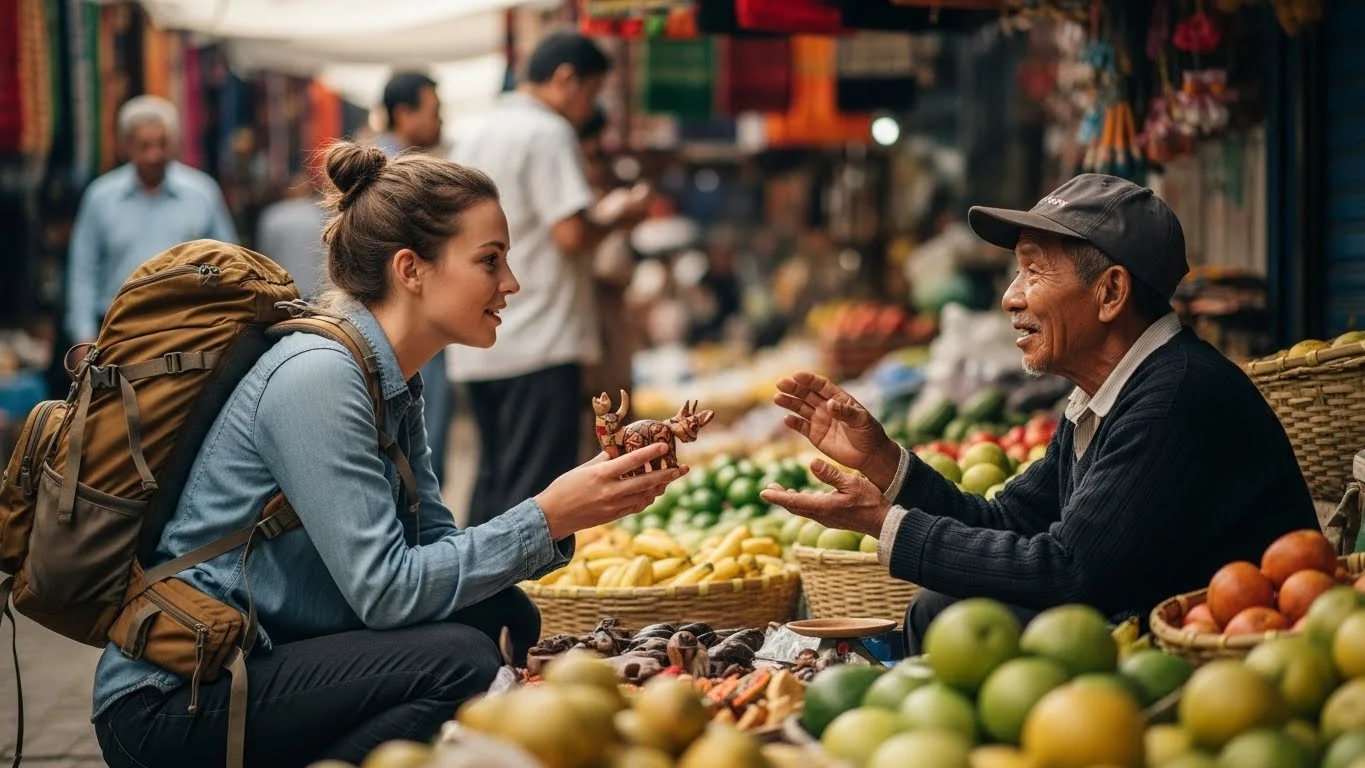
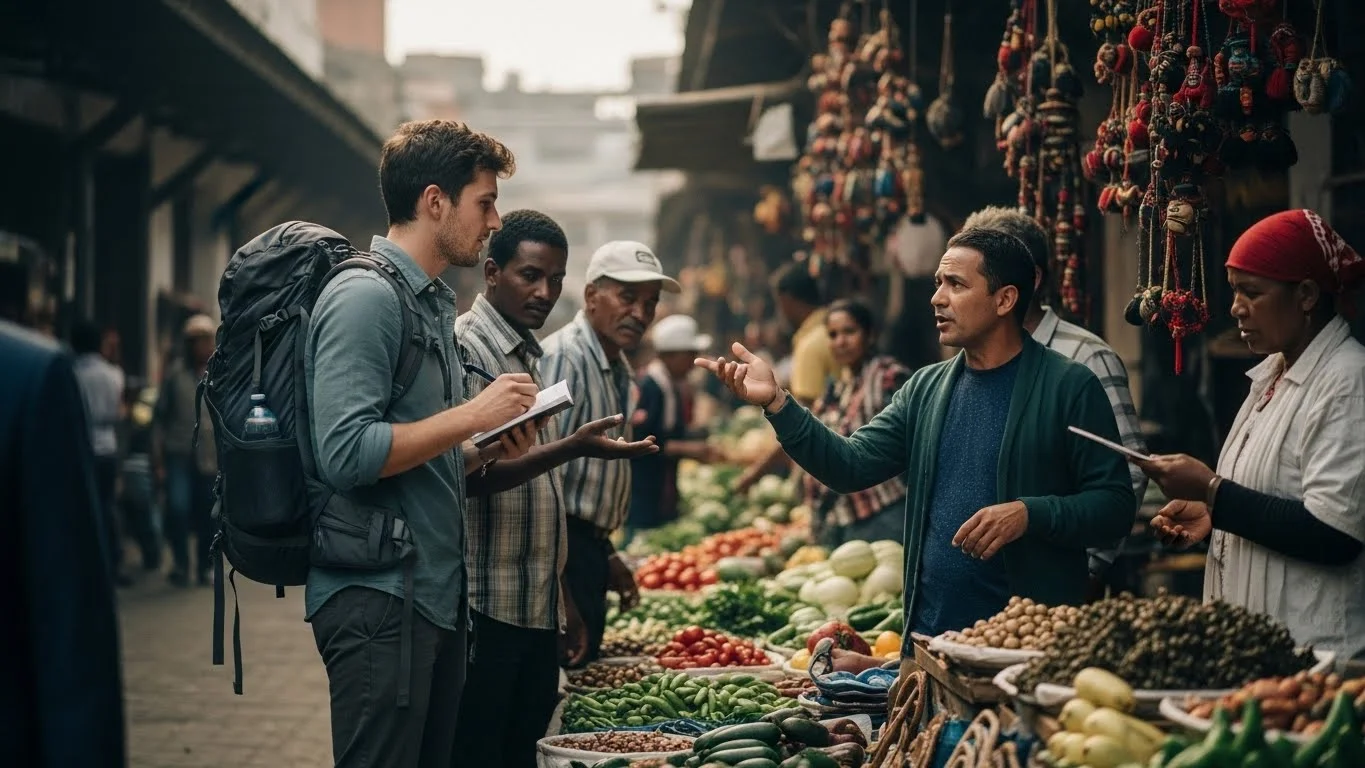
Backpacking Etiquette: Communicating with Locals Effectively

Backpacking is not just about exploring new places; it’s about connecting with the people who live there. Good communication with locals can enhance our travel experience, making it richer and more memorable. Backpacking Abroad? Navigate Cultural Etiquette Like a Pro!

Backpacking Etiquette: Communicating with Locals Effectively

Understanding Backpacking Etiquette

When I first started backpacking, I quickly learned that etiquette goes far beyond following travel rules; it’s about being respectful and aware of cultural differences. Every destination has its own set of unwritten rules, and understanding these can make our interactions with locals smoother and more enjoyable. The essence of backpacking etiquette is rooted in cultural sensitivity, which helps us build connections rather than barriers.

Importance of Cultural Sensitivity

Cultural sensitivity is crucial for effective communication while backpacking. I remember my first trip to Thailand, where I was eager to immerse myself in the local culture. I made a conscious effort to learn about their customs and traditions. For instance, I discovered the significance of the “wai,” a traditional Thai greeting involving a slight bow and pressed palms. This small gesture opened doors to friendly conversations and made me feel welcomed. By showing that I respected their culture, I found that locals were more open and willing to engage with me.

Understanding cultural norms helps us avoid misunderstandings that could lead to uncomfortable situations. For example, in some countries, direct eye contact can be seen as disrespectful, while in others, it’s a sign of confidence. I learned that being observant and adapting to the environment can make a significant difference in how locals perceive us. I always try to educate myself about the local culture before I arrive; it’s a small step that leads to big rewards. Cultural Communication Etiquette for Budget Travelers

General Backpacking Etiquette Tips

There are a few general etiquette tips I’ve picked up along the way that can help enhance our backpacking experience. Here’s what I recommend:

  • Be Polite: Simple phrases like “please,” “thank you,” and “excuse me” can go a long way. I make it a point to use these words in any language I can, and locals often appreciate the effort.
  • Ask Before Taking Photos: I’ve learned that not everyone wants their picture taken. It’s always best to ask for permission, especially in more remote or traditional communities.
  • Respect Local Customs: If you’re visiting sacred sites, dress appropriately. For example, when I visited temples in Bali, I made sure to wear a sarong, as it’s a sign of respect.
  • Keep Noise Levels Down: In many cultures, being loud can be seen as rude. I try to be mindful of my volume, especially in public transport or quiet areas.
  • Leave No Trace: This mantra is important for any backpacker. I always clean up after myself to show respect for the environment and the communities I visit. It feels good to know I’m leaving the place as beautiful as I found it.

These tips might seem basic, but they form the foundation of respectful and meaningful interactions. I’ve found that locals respond positively when I show that I care about their customs and values. It’s like building a bridge where both sides can connect and share stories.

As we navigate through different cultures, we can enhance our experiences significantly by being aware of how we present ourselves and interact with the people around us. Learning about etiquette isn’t just about following rules; it’s about fostering genuine connections and understanding the essence of the places we visit. I’ve discovered that every interaction, no matter how small, can be a rich opportunity for learning and growth.

Effective Communication with Locals

Verbal Communication Skills

When I think about my travels, one of the most rewarding aspects has been the moments of genuine connection with locals. Effective communication is key, and I’ve learned that even a little effort can go a long way. One of the first things I do is try to learn key phrases in the local language. It’s amazing how a simple “hello,” “thank you,” or “how are you?” can break down barriers. I remember being in Italy and learning to say “grazie” and “per favore.” The smiles I received in return were priceless and made me feel so much more connected to the people around me.

Learning Key Phrases in Local Languages

Taking the time to learn some basic phrases shows locals that I respect their culture and language. I often use language-learning apps or even just Google Translate to help me with pronunciation. During a trip to Japan, I was thrilled to learn how to say “sumimasen” when I wanted to get someone’s attention. The locals appreciated my effort, and it led to some wonderful conversations. Even if my pronunciation wasn’t perfect, they seemed delighted that I tried. I believe that showing genuine interest in their language fosters a sense of camaraderie.

Using Simple and Clear Language

When speaking with locals, I’ve found that using simple and clear language is crucial. Sometimes, I get caught up in trying to sound clever or sophisticated, but I’ve learned that clarity is more important. I try to avoid slang or complex phrases. Instead, I focus on being straightforward. For instance, when asking for directions, I keep my questions simple: “How do I get to the bus station?” This makes it easier for the other person to understand and respond. Plus, it saves us both time, and I often get better directions!

Non-Verbal Communication

Verbal communication is just one part of the equation; non-verbal communication plays a huge role as well. I’ve noticed that body language and gestures can convey a lot, sometimes even more than words. Being aware of my own body language is just as important as understanding the signals from others.

Body Language and Gestures

In my travels, I’ve learned that body language varies from culture to culture. For instance, a thumbs-up can mean “great job” in some places, but it’s considered rude in others. I make it a point to observe how locals communicate non-verbally. When I was in Greece, I noticed that people often used hand gestures to emphasize their points. I tried to mimic some of these gestures, and it not only helped me communicate better but also brought smiles to their faces. It’s like an unspoken language that can bridge gaps.

Respecting Personal Space

Another crucial aspect of non-verbal communication is understanding personal space. In some cultures, people stand close during conversations, while in others, it’s important to keep a certain distance. I remember traveling to Brazil and feeling a bit surprised by how closely people stood to one another while chatting. At first, I felt a bit uncomfortable, but then I realized it was a normal part of their culture. I learned to adapt, and it helped me connect with the locals on a different level.

Engaging with Local Communities

How to Approach Locals

Engaging with locals can sometimes feel daunting, especially if you’re shy or unsure of how to start a conversation. I’ve been there, and I can say that taking the initiative can lead to some truly rewarding experiences.

Starting Conversations

When I want to start a conversation, I often look for common ground. I’ve found that asking about local recommendations works like a charm. In Vietnam, I approached a street vendor and asked what their favorite dish was. This simple question sparked a lively exchange, and before I knew it, I was sitting down with them enjoying a delicious bowl of pho. It was a beautiful example of how curiosity can lead to connection.

Asking for Help or Directions

Another great way to engage with locals is by asking for help or directions. I’ve noticed that most people are more than willing to assist. When I was lost in Barcelona, I approached a couple enjoying their coffee. They not only helped me find my way but also shared some insider tips on what to see. This approach made me feel more connected to the city and its people.

Participating in Local Customs

Being active in local customs is another fantastic way to engage with communities. It opens doors to experiences I might not have considered otherwise.

Understanding Local Norms and Values

Before visiting a new place, I try to do a little research on local norms and values. This helps me navigate social situations with more ease. For instance, I learned that in many Middle Eastern cultures, sharing a meal is a sign of friendship. When invited to a local’s home in Jordan, I felt honored and made sure to embrace their customs, including eating with my right hand only. This gesture showed my respect for their traditions.

Involving Yourself in Community Activities

Participating in community activities, like local festivals or workshops, has been one of the highlights of my travels. In Thailand, I joined a community cooking class that not only taught me how to cook authentic dishes but also allowed me to meet local families. It was an enriching experience where I learned about their values and traditions while making new friends. These kinds of engagements make travel feel more personal and memorable. Mastering Communication Styles When Backpacking Abroad

Building Trust and Rapport

The Role of Listening in Communication

One of the most important aspects of effective communication is listening. I’ve learned that when we genuinely listen, we create a space for meaningful dialogue. During my travels, I’ve found that people appreciate when I take the time to hear their stories and experiences. It’s not just about hearing the words; it’s about understanding the emotions behind them. I remember sitting in a small café in Morocco, listening to a local storyteller share tales of his ancestors. I could see the passion in his eyes, and it made me feel connected to his culture in a way that words alone couldn’t convey.

Active listening involves nodding, making eye contact, and showing that I’m engaged in the conversation. I often ask open-ended questions that encourage the other person to share more. For example, instead of asking, “Did you like this place?” I might say, “What do you love most about living here?” This approach not only enriches my understanding but also builds trust, as the other person feels valued and respected.

Showing Appreciation and Gratitude

Expressing appreciation can significantly enhance our interactions with locals. I’ve found that simple gestures of gratitude can leave a lasting impression. When someone goes out of their way to help me, I make it a point to acknowledge their kindness. Saying “thank you” is universal, but I like to take it a step further by sharing why I’m grateful. For instance, after receiving directions from a local in Paris, I told them how their help made my day so much easier and more enjoyable.

Thank You in Local Languages

Using the local language to express thanks can be a game changer. I remember my trip to Brazil, where I learned to say “obrigado” for men and “obrigada” for women. The joy on the faces of the locals when I used their language was priceless. It’s a small effort that shows respect and fosters goodwill. I always try to learn how to say thank you in the language of the country I’m visiting, and it often leads to smiles and warmth in our interactions.

Giving Compliments Appropriately

Compliments can go a long way in building rapport, but I’ve learned to be mindful of how I deliver them. In some cultures, compliments can be seen as overly forward or insincere if not done carefully. I remember complimenting a woman in India on her beautiful sari, and she responded with a smile, sharing the story behind it. It was a reminder that genuine compliments can open doors to deeper conversations, but I always gauge the context and the person before I speak.

Handling Language Barriers

Using Translation Apps and Tools

Language barriers can feel intimidating, but I’ve found that technology can be a helpful ally. There have been countless times when I relied on translation apps during my travels. I remember trying to order food in a tiny restaurant in Vietnam where English wasn’t spoken. I quickly pulled out my phone and used a translation app to communicate my order. The locals were amused and impressed, and it turned into a fun interaction as we both tried to understand each other. These apps make it easier to bridge communication gaps and can even lead to unexpected friendships.

Finding English-Speaking Locals

While I always aim to learn the local language, I also realize that not everyone speaks it. In many places, I’ve been fortunate to meet locals who speak English, especially in tourist areas. I’ve learned to approach these conversations with an open mind, recognizing that they can provide valuable insights into their culture. For example, I was exploring a market in Istanbul when I struck up a conversation with a vendor who spoke English fluently. He not only helped me with my purchases but also shared fascinating stories about the city’s history. These interactions remind me that language barriers can often be overcome with a little curiosity and friendliness.

Dining Etiquette When Communicating with Locals

Understanding Local Dining Customs

Sharing a meal is one of the most intimate ways to connect with locals, and I’ve learned that understanding dining customs is essential. In many cultures, meals are a time for bonding and sharing stories. I remember visiting a family in Italy, where I was welcomed with open arms and a delicious homemade pasta dish. They took the time to explain the significance of each dish, and it turned into a delightful evening of laughter and storytelling. Being aware of dining etiquette, such as when to start eating or how to use utensils, can make a huge difference in how locals perceive us.

Polite Table Manners

Practicing good table manners is crucial when dining with locals. I’ve come to realize that what’s considered polite can vary significantly from one culture to another. In Japan, for example, I learned that it’s respectful to say “itadakimasu” before a meal and “gochisosama deshita” after finishing. These small phrases show gratitude for the food and the effort that went into preparing it, and locals appreciate when visitors honor their customs.

Ordering Food and Asking Questions

When it comes to ordering food, I’ve found that asking questions can lead to delightful discoveries. Instead of just ordering what’s popular, I like to ask locals for their recommendations. On a trip to Thailand, I asked a street vendor what their favorite dish was. They enthusiastically recommended a local specialty that I would have never tried otherwise. This not only enriched my dining experience but also sparked a conversation about the ingredients and preparation methods, making the meal even more enjoyable.

Respecting Local Traditions and Beliefs

Understanding Religious and Cultural Practices

One of the most rewarding aspects of backpacking is diving deep into the rich tapestry of local traditions and beliefs. I’ve often found that embracing these practices not only enriches my travel experience but also shows my respect for the culture. For instance, when visiting a Buddhist temple in Cambodia, I was astounded by the reverence people showed during prayer. I took my time to observe the rituals, from the way they offered flowers to the respectful bows. This experience opened my eyes to a world that many tourists often overlook. By understanding these customs, I felt a deeper connection not only to the place but also to its people.

I remember attending a local festival in Mexico where the community celebrated the Day of the Dead. I was initially hesitant, not wanting to intrude on such a sacred occasion. However, after speaking with a local family, I was invited to join the festivities. They explained the significance of honoring their ancestors and how it’s a celebration of life. Participating in this event gave me a profound appreciation for their beliefs, and I left with newfound knowledge and respect for their traditions.

Being Mindful of Dress Codes

Dress codes can vary dramatically from one culture to another, and I’ve learned that being mindful of what I wear can speak volumes about my respect for local customs. In many countries, modesty is a key aspect of dress, especially in religious or traditional settings. I’ve made it a habit to research dress codes before my trip. For example, during my time in Morocco, I ensured I wore loose-fitting clothing that covered my arms and legs. This not only helped me blend in but also showed my appreciation for their cultural norms.

On another occasion, while visiting a shrine in India, I was required to remove my shoes before entering. Initially, I was surprised, but I quickly realized it was a sign of respect. I tried to adapt and even learned that many locals often carry a pair of flip-flops in their bags specifically for such situations. This small act of being respectful created a memorable experience, allowing me to engage more deeply with the culture.

Tips for Backpackers on Communicating with Locals

Dos and Don’ts of Communication

As I’ve navigated through various cultures, I’ve picked up some dos and don’ts that can make a significant difference in how we communicate with locals. First, I always try to greet people warmly and with a smile; this simple gesture can set a positive tone for the interaction. On the flip side, I’ve learned to avoid making assumptions or generalizations about a culture based on stereotypes. Instead, I approach every interaction with an open mind and a willingness to learn.

Another important tip is to be patient. I remember trying to communicate with a local artisan in a bustling market in India. Our conversation was slow, with lots of gestures and an occasional laugh. It took time, but the connection we built was worth it. I’ve found that patience fosters understanding and creates a more enjoyable experience for both parties.

Utilizing Local Resources: Guides and Community Centers

When I’m in a new city, I’ve discovered that local resources can be incredibly helpful for enhancing communication. Community centers often provide valuable insights into cultural norms and can connect you with locals who are eager to share their experiences. I once visited a cultural center in Peru, where I met residents who organized workshops on traditional crafts. This not only helped me learn more about their culture but also provided opportunities for meaningful interactions.

Additionally, I’ve found hiring local guides to be one of the best ways to bridge communication gaps. They can offer insider knowledge and help facilitate conversations. During my travels in Kenya, I teamed up with a local guide who not only spoke the language fluently but also had deep ties to the community. His presence opened many doors, allowing me to engage with locals in ways I wouldn’t have been able to alone.

Making the Most of Your Interactions

To truly make the most of my interactions, I focus on being present and engaged. I try to put away my phone and immerse myself in the moment, whether I’m sharing a meal or exploring a market. I’ve learned that active engagement often leads to spontaneous conversations and unforgettable memories. I remember one afternoon in Thailand when I joined a group of locals playing a traditional game. I felt a little awkward at first, but the laughter and camaraderie that followed made it one of my favorite memories of the trip.

Final Thoughts

Backpacking is more than just visiting new places; it’s about building connections and truly understanding the world around us. By respecting local traditions, embracing effective communication, and engaging with communities, we can create lasting memories and friendships. Each encounter teaches us something new and enriches our travel experiences. So, the next time you set off on an adventure, remember that it’s the people you meet along the way who will leave the most profound impact on your journey.

Frequently Asked Questions

“`html

What is the essence of backpacking etiquette?

The essence of backpacking etiquette is rooted in cultural sensitivity, which helps build connections with locals rather than barriers. Understanding unwritten cultural rules enhances interactions and creates a more enjoyable travel experience.

Why is cultural sensitivity important while backpacking?

Cultural sensitivity is crucial for effective communication. It helps avoid misunderstandings and shows respect for local customs, leading to more positive interactions with locals. Learning about a destination’s culture before arrival can significantly enrich the travel experience.

What are some general backpacking etiquette tips?

General etiquette tips include being polite, asking for permission before taking photos, respecting local customs, keeping noise levels down, and leaving no trace. These basic actions help create respectful and meaningful interactions with locals.

How can learning key phrases in the local language enhance communication?

Learning key phrases in the local language shows respect for the culture and often leads to friendlier interactions. Even simple greetings can break down barriers and create a sense of camaraderie with locals.

What role does non-verbal communication play when interacting with locals?

Non-verbal communication, such as body language and gestures, conveys significant meaning and can often bridge gaps in verbal communication. Being aware of and adapting to different cultural norms regarding personal space and gestures can enhance interactions.

How can travelers engage effectively with local communities?

Travelers can engage effectively by starting conversations about local recommendations, asking for help or directions, and participating in local customs or community activities. This approach fosters genuine connections and enriches the travel experience.

What are some ways to show appreciation and gratitude to locals?

Expressing appreciation can enhance interactions. Simple gestures like saying “thank you” in the local language or sharing why you are grateful can leave a lasting impression and foster goodwill.

What are some dining etiquette practices to be aware of when communicating with locals?

Understanding local dining customs, practicing polite table manners, and asking locals for food recommendations can enhance the dining experience. These practices show respect and can lead to deeper conversations about local cuisine.

How can travelers handle language barriers while communicating?

Travelers can handle language barriers by using translation apps and tools or by finding English-speaking locals. These methods can facilitate communication and often lead to interesting interactions and insights into local culture.

What is the significance of respecting local traditions and beliefs while backpacking?

Respecting local traditions and beliefs enriches the travel experience and demonstrates appreciation for the culture. Engaging in local customs and understanding their significance can create memorable interactions and a deeper connection with the community.

“`

Understanding Local Communication Styles on a Budget

Understanding local communication styles can be a game-changer, especially when you’re on a budget. It opens doors to deeper connections and enhances our interactions in diverse environments. Read Interesting article: Essential Tips for Navigating Communication Abroad

Understanding Local Communication Styles on a Budget

Overview of Local Communication Styles

Definition of Communication Styles

When I think about communication styles, I imagine the unique ways we express ourselves, influenced by our backgrounds, cultures, and even the regions we inhabit. Communication styles encompass not just the words we choose but also our tone, body language, and the context in which we communicate. For instance, I’ve noticed that in some places, people are more expressive and animated, while in others, a more reserved approach is preferred. This variety makes communication a rich tapestry of human interaction, and understanding these styles is essential for effective communication.

Importance of Understanding Local Communication

From my experience, understanding local communication styles can significantly enhance our personal and professional relationships. When I moved to a new city, I quickly learned that misinterpretations could easily arise from cultural differences. Knowing how to communicate appropriately helped me connect with my neighbors and coworkers. It’s about more than just avoiding awkward moments; it’s about building trust and rapport. Think about it: when we align our communication style with those around us, we often foster a sense of belonging and mutual respect. In a world that feels increasingly disconnected, this understanding can pave the way for more meaningful interactions.

Factors Influencing Local Communication Styles

Cultural Background

Cultural background plays a pivotal role in shaping how we communicate. I remember attending a gathering where people from various cultures shared their experiences. Some were comfortable with direct eye contact, while others preferred to avoid it, seeing it as a sign of respect. This divergence in communication norms reflects how deeply our cultural roots influence our style. For example, in my travels, I’ve noticed that collectivist cultures often emphasize harmony and indirect communication, whereas individualistic cultures might promote assertiveness and straightforwardness. It’s fascinating to see how these differences manifest in day-to-day conversations.

Regional Dialects and Accents

Another layer to this conversation is the impact of regional dialects and accents. Growing up in the Midwest, I often encountered the friendly, laid-back tone typical of that area. But when I visited the East Coast, I was met with a faster pace and a sharper tone that took me a moment to adjust to. I’ve learned that accents can convey much more than just pronunciation; they carry a wealth of regional identity and character. Adapting to these nuances can enhance our understanding and help us connect better. I know that simply making an effort to understand local phrases or expressions can break down barriers and create a welcoming atmosphere. Read Interesting article: Cultural Communication Etiquette for Budget Travelers

Non-Verbal Communication

Non-verbal communication is another crucial factor to consider. It’s amazing how much can be conveyed through gestures, facial expressions, and posture. I recall a time when I misread someone’s crossed arms as a sign of defensiveness, only to find out later that they were just feeling chilly! By paying attention to non-verbal cues, we can gain insights into how someone is feeling, even if their words don’t fully express it. I believe being aware of these signals helps us navigate conversations more effectively. In my experience, a friendly smile or open body language can go a long way in making others feel at ease.

Common Local Communication Styles

Direct vs. Indirect Communication

One of the most striking differences I’ve noticed in local communication styles is the contrast between direct and indirect communication. In some cultures, being straightforward is valued, while in others, subtlety is preferred. For instance, I often find that in direct communication styles, people appreciate honesty and clarity, even if it means being blunt. On the other hand, indirect communicators might use hints or suggestions to convey their message, aiming to maintain harmony. This difference can sometimes lead to misunderstandings, especially if one party is unaware of the other’s style. I’ve learned to adapt my approach based on the situation, which has helped me avoid unnecessary conflict.

Formal vs. Informal Communication

Another aspect that shapes communication is the divide between formal and informal styles. In professional settings, I often find that formal communication is expected, with a focus on politeness and structure. However, in casual settings, such as among friends or family, informal language and slang can flourish. I remember attending a formal dinner where everyone was on their best behavior, using titles and last names. But once we moved to a more relaxed environment, the atmosphere shifted, and laughter replaced the formality. Recognizing this shift can help us navigate different contexts with ease.

High-context vs. Low-context Communication

Lastly, there’s the distinction between high-context and low-context communication. In high-context cultures, much of the information is implied or understood through the context of the conversation. I’ve found this to be true in many Asian cultures, where body language and situational cues play a critical role. Conversely, low-context cultures, like in many Western societies, depend heavily on explicit verbal communication. I often have to remind myself to be aware of these differences, especially when I’m in a diverse group. It’s a learning curve, but recognizing these styles has helped me communicate more effectively across various groups.

How to Adapt to Local Communication Styles on a Budget

Researching Local Customs and Etiquette

When I moved to a new area, I realized that understanding local customs and etiquette was key to fitting in and communicating effectively. I started by doing some research online, reading blogs and articles about the community I was stepping into. I discovered that many places have unique greetings, gestures, and even dining etiquette that can impact how we communicate. For instance, in some cultures, it’s polite to greet people with a hearty handshake, while in others, a simple nod or bow might be preferred. I remember feeling a bit overwhelmed at first, but as I learned more, I began to feel more confident in my interactions. I recommend checking out local tourism websites or community forums to gather insights. This type of research is often free and can provide a solid foundation for understanding how to communicate effectively in your new environment.

Utilizing Free Online Resources

In today’s digital age, we are fortunate to have access to a wealth of free online resources that can help us adapt to local communication styles. I often turn to platforms like YouTube, where I can find videos on cultural nuances and communication tips. There are also podcasts dedicated to various cultures that offer practical advice from people who have firsthand experiences. For example, I stumbled upon a podcast episode discussing the importance of small talk in certain regions, which helped me navigate social situations more smoothly. Additionally, social media groups can be a fantastic way to connect with locals and learn from their experiences. I’ve found that engaging with these resources not only broadens my understanding but also deepens my appreciation for different cultures. Taking advantage of these free tools can be a game-changer when you’re trying to adapt to a new environment without breaking the bank. Read Interesting article: Mastering Communication Styles When Backpacking Abroad

Community Engagement and Networking

Getting involved in local events and community groups has been one of the most rewarding ways for me to adapt to new communication styles. I remember attending a neighborhood potluck where everyone brought a dish to share. It was a casual setting, and I found that the relaxed atmosphere made it easier for me to engage in conversations. By participating in these types of events, you not only learn about local customs but also have opportunities to practice your communication skills in real-life situations. I’ve also joined local clubs related to my hobbies, which provided me with a built-in network of people who were more than happy to share their perspectives on communication styles. Whether it’s a book club, sports league, or volunteer group, immersing yourself in the community has a way of teaching you what you can’t learn from books alone.

Practical Tips for Effective Communication

Active Listening Techniques

Active listening is a skill that I’ve worked hard to develop over the years. I’ve learned that it’s not just about hearing the words someone is saying; it’s about fully engaging with the speaker. I often practice techniques like nodding, maintaining eye contact, and summarizing what the other person has said to ensure I understand their message. This not only helps me grasp their communication style but also shows that I value their input. I recall a conversation with a coworker who initially seemed closed off. By actively listening and reflecting back what I heard, the dialogue opened up, and we ended up having a rich discussion. It’s amazing how being present can shift the dynamics of a conversation. I believe that the more we practice active listening, the more we can adapt our communication to suit different styles.

Asking Clarifying Questions

Another effective way to ensure that I’m on the same page as someone else is by asking clarifying questions. I remember a time when I misunderstood a friend’s intentions because I didn’t fully grasp her way of expressing concerns. I learned that instead of making assumptions, it’s better to ask questions like, “Can you tell me more about that?” or “What do you mean when you say…?” This not only provides clarity but also demonstrates my interest in understanding their perspective. It’s an approach that’s worked wonders for me, especially when communicating with individuals from different backgrounds. I’ve found that asking questions fosters openness and helps bridge communication gaps, making interactions more meaningful.

Using Simple Language and Local Expressions

Adapting my language to fit the local context has been another crucial step in enhancing my communication. I’ve noticed that using simple language and incorporating local expressions can create a sense of familiarity. For example, once I learned some common phrases used in my community, I felt more connected to the people around me. I remember using a local greeting that my neighbor taught me, and the smile on their face was priceless. It’s these little efforts that can break down barriers and build rapport. I recommend keeping a journal of phrases or expressions you hear and trying to use them in conversations. This not only strengthens your communication skills but also shows respect for the local culture.

Common Mistakes to Avoid

Assuming Understanding Without Clarification

One of the biggest traps I’ve fallen into is assuming that I completely understand someone just because I recognize a few familiar words. I remember chatting with a colleague from a different background, and I thought I was following the conversation perfectly. But as the discussion progressed, it became clear that I had missed the nuances of what they were saying. This experience taught me the importance of not taking understanding for granted.
When we assume we know what someone means, we risk miscommunication and misunderstandings. I’ve learned to pause and ask questions if I feel unsure. Instead of nodding along, I might say, “Could you clarify that for me?” or “I want to make sure I’m understanding you correctly.” It’s a small step, but it can make a huge difference in ensuring everyone is on the same page.

Overusing Jargon or Slang

Another common mistake I’ve noticed—both in myself and others—is the habit of relying too much on jargon or slang. While it might feel comfortable to use language specific to our industry or community, it can leave others feeling excluded or confused. I once attended a networking event where I kept using technical terms from my field, only to notice a few puzzled looks from folks outside my industry. It was a moment of realization for me.
To bridge communication gaps, I’ve learned to choose my words carefully, especially in diverse groups. Instead of relying on jargon, I aim to use clear and simple language. This approach not only makes it easier for everyone to understand but also fosters a more inclusive environment. I recommend being mindful of your audience and adapting your language to ensure everyone feels welcome in the conversation.

Resources for Learning About Local Communication Styles

Books and E-books on Communication

When it comes to enhancing my understanding of local communication styles, I’ve found that books can be a treasure trove of knowledge. I love browsing through titles that delve into cultural communication, social interactions, and even specific regional nuances. One of my favorites is “The Culture Map” by Erin Meyer, which explores how cultural differences impact communication in business settings. It opened my eyes to various styles and taught me how to navigate them effectively.
Another great resource is “Crucial Conversations” by Kerry Patterson, which offers practical strategies for communicating effectively during high-stakes discussions. I often find myself returning to these books for tips and insights, and I highly recommend checking out your local library or online platforms for e-books. Many times, you can find valuable insights without spending a dime!

Online Courses and Webinars

With the rise of the digital world, online courses and webinars have become my go-to for learning about local communication styles. I remember signing up for a free webinar on intercultural communication, and it was enlightening! The facilitator shared real-life scenarios and practical tips for adapting our communication styles based on cultural contexts. I appreciated how interactive it was, allowing participants to ask questions and share their experiences.
Platforms like Coursera, Udemy, and even local community colleges often offer courses on communication skills, cultural awareness, and interpersonal relationships. I think investing a few hours in one of these courses can significantly boost our ability to connect with others. Plus, many of these resources are either free or low-cost, making them accessible for anyone looking to enhance their communication skills.

Local Community Centers and Workshops

One of the most enriching experiences I’ve had in learning about local communication styles has been through community centers and workshops. I remember attending a cultural exchange event at my local community center, where people from different backgrounds shared their customs, languages, and communication styles. It was eye-opening! I not only learned about the diversity of communication but also forged relationships with people from various walks of life.
Many community centers host workshops on communication skills, cultural awareness, and conflict resolution. These programs often encourage participation and discussion, allowing us to practice what we learn in real-time. I’ve found them to be an excellent resource for anyone eager to enhance their understanding of local communication styles while making new connections. Engaging with your community can be a fun and effective way to broaden your horizons!

Final Thoughts

Reflecting on my journey with local communication styles, I can’t help but feel grateful for the experiences and lessons learned along the way. Each interaction has shaped my understanding and appreciation of the rich diversity in how we express ourselves. I’ve found that the more I delve into the nuances of communication, the more rewarding my connections with others become. It’s like peeling back layers of an onion, discovering new flavors and meanings in every conversation.

One of the most significant insights I’ve gained is that effective communication goes beyond just exchanging words. It’s about building relationships grounded in mutual understanding and respect. I remember attending a workshop focused on intercultural communication, where we practiced various scenarios. That hands-on experience highlighted the importance of flexibility in adapting my communication style. It’s not always easy, but I believe that stepping outside of our comfort zones can lead to rich, meaningful interactions.

Moreover, I’ve learned that everyone has a unique story shaped by their background and culture. Being open to these stories has enriched my life. I cherish those moments of connection when someone shares their perspective or a cultural tradition. These experiences often foster a sense of community and belonging, which I think is essential in today’s fast-paced world. I feel that promoting understanding through communication is a step toward creating a more inclusive society.

As we navigate different environments, I encourage you to embrace the journey of learning about local communication styles. There’s no one-size-fits-all approach, and that’s what makes it exciting! Whether it’s through reading, attending workshops, or engaging with community members, each effort is a step toward enhancing our interactions. I believe that as we become more aware of these styles, we not only improve our communication skills but also open our hearts and minds to the beauty of diversity.

In my opinion, making a conscious effort to adapt our communication styles is not just beneficial for personal growth; it also fosters a sense of empathy and connection among us all. Let’s celebrate the differences and find joy in the commonality that we all share as human beings. With each conversation, we have the opportunity to bridge gaps and create lasting connections. I hope you find inspiration in this journey as much as I have.

So here’s to all of us—let’s continue learning, growing, and communicating with kindness and curiosity, making every interaction count!

Frequently Asked Questions

What are local communication styles?

Local communication styles refer to the unique ways individuals express themselves, influenced by their backgrounds, cultures, and regions. These styles encompass not just the words used but also tone, body language, and context.

Why is it important to understand local communication styles?

Understanding local communication styles enhances personal and professional relationships by helping individuals connect more effectively. It reduces misinterpretations that can arise from cultural differences and fosters trust and rapport.

What factors influence local communication styles?

Factors influencing local communication styles include cultural background, regional dialects and accents, and non-verbal communication. Each of these elements plays a crucial role in how messages are conveyed and interpreted.

What is the difference between direct and indirect communication styles?

Direct communication styles value straightforwardness and clarity, while indirect communication styles prefer subtlety and hints to maintain harmony. This difference can lead to misunderstandings if parties are unaware of each other’s communication preferences.

How can I adapt to local communication styles on a budget?

You can adapt to local communication styles by researching local customs and etiquette online, utilizing free online resources, and engaging with community events to practice your communication skills in real-life situations.

What are some effective active listening techniques?

Effective active listening techniques include nodding, maintaining eye contact, and summarizing what the speaker has said. These techniques help ensure understanding and show that you value the other person’s input.

What mistakes should I avoid when communicating with others?

You should avoid assuming understanding without clarification, as well as overusing jargon or slang that may exclude or confuse others. Asking clarifying questions and using simple language can help bridge communication gaps.

What resources can I use to learn about local communication styles?

Resources for learning about local communication styles include books and e-books on communication, online courses and webinars, and workshops offered by local community centers.

How can community engagement help in understanding communication styles?

Community engagement through local events and groups provides real-life opportunities to practice communication skills, learn about local customs, and connect with people from diverse backgrounds, enriching your understanding of communication styles.

What is the overall message about adapting communication styles?

The overall message is that adapting communication styles is essential for effective interactions. It promotes empathy, connection, and understanding among individuals, celebrating the diversity in human expression.

Essential Tips for Navigating Communication Abroad

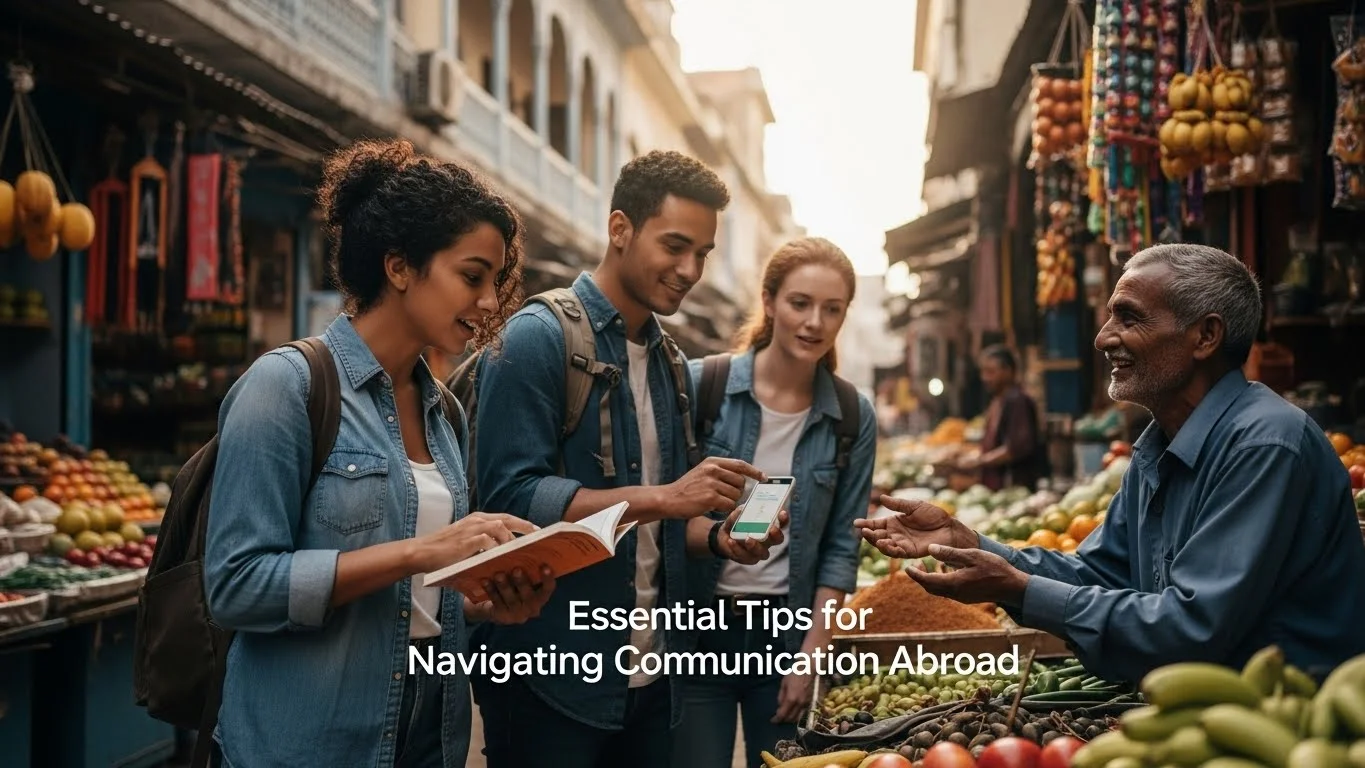
Traveling is an adventure, but navigating communication abroad can be challenging. Whether you’re exploring new cultures or conducting business, understanding how to connect with locals is essential for a successful experience. One way to enhance your travel experience is by learning about cultural communication etiquette for budget travelers.

Essential Tips for Navigating Communication Abroad

Understanding Cultural Differences in Communication

When I first traveled abroad, I was excited but also a bit anxious about how to communicate effectively. I quickly learned that communication goes beyond just words. Each culture has its unique way of expressing thoughts, and understanding these nuances can make a big difference in how we interact with others. I found that diving into cultural differences in communication styles helped me connect better with people, and I believe it can do the same for you. For instance, mastering communication styles when backpacking abroad can greatly enhance your interactions.

Verbal Communication Styles

One of the first things I noticed was how people in different cultures use language in various ways. In some countries, direct communication is the norm. For instance, in the United States, we often say exactly what we mean without much hinting. However, I found that in places like Japan, communication can be much more indirect. People might imply things rather than state them outright. This subtlety can lead to misunderstandings if you’re not aware. I learned to pay attention to the context of conversations and the tone of voice used, which often conveyed more than the actual words.

Another interesting aspect is the use of formal versus informal language. In some cultures, how you address someone can significantly impact the conversation. For example, in many Latin American countries, using formal titles when meeting someone for the first time is respectful and expected. I remember the first time I addressed someone without a title; I could see they were taken aback. It was a small mistake, but it taught me a valuable lesson about the importance of understanding verbal norms in different cultures.

Non-Verbal Communication Cues

Non-verbal communication is another layer that adds richness to the interaction. I’ve seen firsthand how gestures, facial expressions, and body language vary widely from one culture to another. For instance, a thumbs-up gesture is a positive sign in most places, but in some parts of the Middle East, it can be considered offensive. This is why I always try to observe how locals communicate through gestures before jumping in myself.

Eye contact is another area where I’ve experienced cultural differences. In many Western cultures, maintaining eye contact shows confidence and attentiveness. However, in certain Asian cultures, too much eye contact can be seen as rude or confrontational. I remember feeling awkward when I misread these cues, and it reminded me to be more aware of how my non-verbal signals might be interpreted.

Contextual Communication: High vs. Low Context Cultures

Understanding whether a culture is high-context or low-context can drastically change how we communicate. For example, I realized that in high-context cultures, like those in many Asian and Middle Eastern countries, the context surrounding the conversation carries a lot of meaning. Relationships and background are crucial, and much of the communication happens beneath the surface. In contrast, low-context cultures, such as in Germany or the U.S., rely heavily on explicit verbal communication. I found it helpful to adapt my communication style based on the context I was in, which helped me build stronger connections with locals.

In my experience, being aware of these differences has often made my travels more enjoyable and enriching. It has opened my eyes to the beauty of diverse communication styles and helped me navigate my interactions with greater ease. I believe understanding these cultural nuances is key to fostering mutual respect and connection while abroad.

Language Barriers: Tips for Overcoming Them

Aside from cultural differences, language barriers can also present challenges when communicating abroad. I’ve encountered situations where I didn’t speak the local language fluently, but I found several strategies that helped me bridge that gap and connect with others more meaningfully. For example, learning about essential dining etiquette tips for cultural travel adventures can also enhance your communication in dining situations.

Learning Key Phrases in the Local Language

One of the most effective tips I can share is to learn a few key phrases in the local language. It may seem daunting, but I’ve found that even mastering simple greetings or polite expressions can go a long way. When I traveled to France, I took the time to learn “bonjour,” “merci,” and “s’il vous plaît.” The smiles I received from locals when I tried to speak their language were incredibly rewarding. It showed that I respected their culture, and it often opened doors for deeper conversations.

Using Translation Apps Effectively

In today’s digital age, translation apps are fantastic tools for overcoming language barriers. I’ve relied on apps like Google Translate during my travels. They helped me communicate basic needs or understand restaurant menus when my vocabulary fell short. However, I learned to use these apps wisely; sometimes, translations can be awkward or inaccurate. It’s always a good idea to double-check or ask a local for clarification if something doesn’t quite sound right. I remember once using an app to ask for directions, only to realize later that my phrasing was a bit off, leading to confusion. These moments taught me the importance of being adaptable and patient.

Body Language as a Universal Communication Tool

While language can be a barrier, I discovered that body language often speaks louder than words. I’ve found that gestures, facial expressions, and even my tone of voice can convey my feelings or intentions. When I was in Italy, I noticed how animated and expressive people were during conversations. Even if I didn’t understand every word, the enthusiasm and warmth were palpable. I learned to use my own gestures to support my communication, which helped me convey meaning even when words failed me.

By embracing these strategies, I’ve not only improved my communication skills but also enriched my travel experiences. Overcoming language barriers is about being open, friendly, and willing to learn from others. I believe these efforts create connections that transcend words and foster understanding between cultures.

Etiquette and Protocols in Different Countries

As I’ve traveled to various countries, I discovered that understanding etiquette and protocols is just as important as learning the language or communication styles. Each culture has its own set of rules that govern social interactions, and being aware of these can enhance our experiences and help us avoid unintentional faux pas. I remember feeling a mix of excitement and nervousness as I navigated these customs, and I think sharing some of these insights can help you on your own adventures.

Greeting Customs Around the World

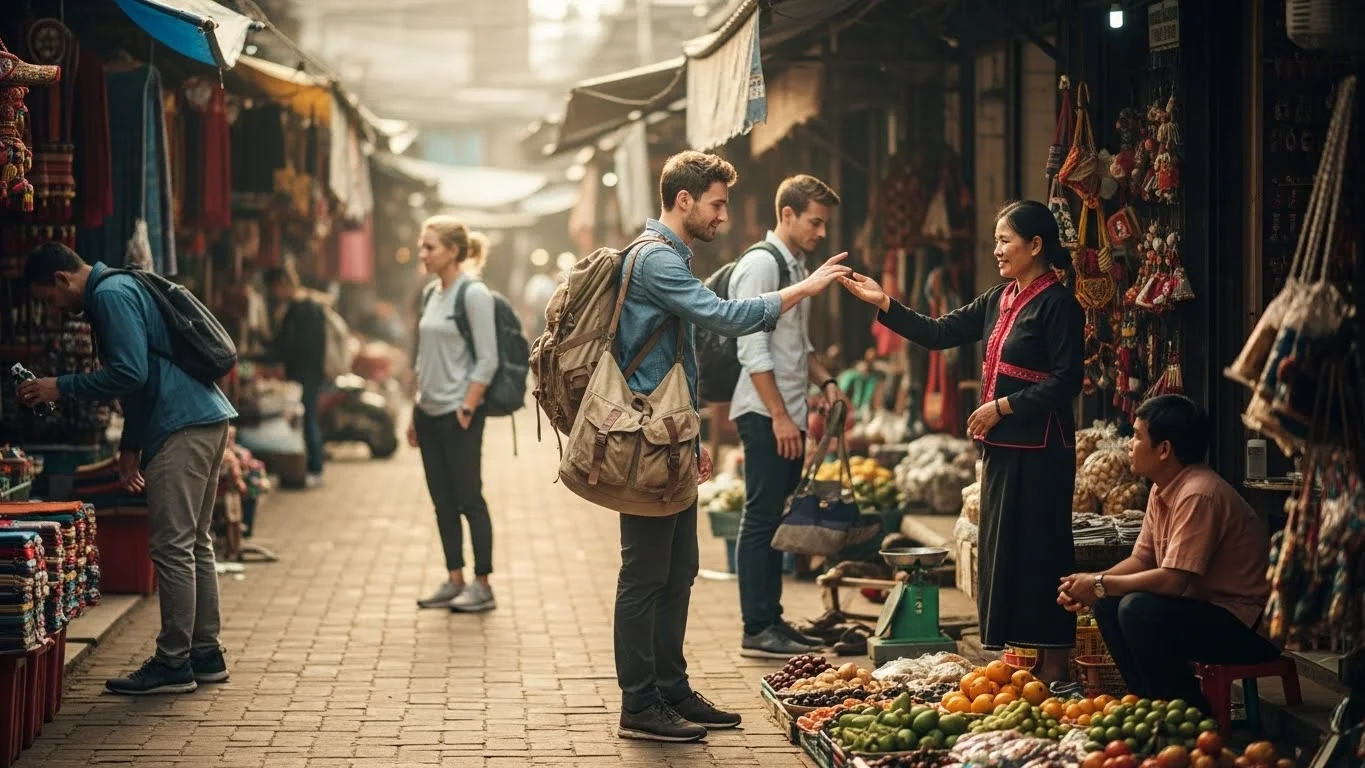
When it comes to greetings, I’ve seen a fascinating variety of customs. In many Western countries, a firm handshake is the norm, often accompanied by eye contact and a smile. However, I was surprised to learn that in certain Asian cultures, a bow is the preferred greeting. I vividly recall my first encounter in Japan, where the subtle art of bowing made me feel both honored and a bit clumsy as I tried to mimic the locals. It was a reminder that every culture has its nuances, and respecting these customs can lead to warmer interactions.

In some Latin American countries, I found that a light hug or cheek-kissing is common among friends. I remember feeling a bit out of place at first, as I wasn’t accustomed to such intimate greetings. But once I embraced the local customs, I felt a greater sense of connection with the people I met. Understanding these greeting customs can help set the tone for your interactions and show that you appreciate the local culture.

Dining Etiquette: Dos and Don’ts

Dining out can be a rich experience that reveals much about a culture, but it can also be a minefield of etiquette rules. I’ve learned that what’s considered polite or rude varies significantly from one place to another. For instance, in Italy, it’s common to ask for a glass of water with your meal, while in some Asian cultures, it might be seen as disrespectful to leave food on your plate. I remember feeling nervous during my first dinner in Thailand, where I had to navigate their unique table manners. I quickly realized that observing others and mimicking their behavior helped me blend in and enjoy the meal more.

Another important tip I picked up is to wait for the host to start eating before I dig in. In many cultures, this shows respect and appreciation for the meal being shared. I once made the mistake of starting to eat before everyone was served, and I could feel the eyes of my hosts on me. It taught me a valuable lesson about patience and respect during communal dining experiences.

Business Communication Protocols

When it comes to business, I found that communication protocols can be quite formal in some cultures, while others might adopt a more casual approach. In countries like Germany, punctuality is highly valued, and being late can be seen as disrespectful. I learned this the hard way when I arrived a few minutes late to an important meeting and saw my colleagues’ disapproving glances.

On the other hand, in places like Brazil, business interactions often blend socializing with work. I found that building relationships before discussing business was essential. I remember sitting through lengthy conversations about family and local sports teams before getting to the crux of our meeting, which, while different from my usual approach, helped foster a strong rapport with my Brazilian colleagues.

In my experience, adapting to local business etiquette has not only enhanced my professional interactions but also allowed me to build lasting connections across cultures. Remember, doing a bit of research about the expectations in a business context can go a long way in ensuring effective communication and collaboration.

Understanding Local Dialects and Slang

As I traveled, I realized that even when I had a basic understanding of the language, local dialects and slang could trip me up in conversations. It’s fascinating how language evolves and adapts within regions, and I believe being aware of these variations can enrich our interactions.

Regional Variations in Language

In my travels through the UK, I quickly learned that English is not always the same everywhere. The first time I visited Scotland, I found myself struggling to understand the local dialect. Words I thought I knew took on completely different meanings. I remember being confused when someone asked if I wanted “a wee dram” and had no idea they were offering me a small drink. That experience taught me the importance of asking questions and being open to learning.

Similarly, when I traveled to India, I encountered a variety of regional languages and dialects. Even within Hindi, different states have their own slang and expressions. I felt like I was on a treasure hunt, discovering new words and phrases everywhere I went. This diversity made my experience richer and highlighted the beauty of language in connecting people.

Common Slang Terms to Know

Familiarizing myself with some common slang terms can make conversations more enjoyable and relatable. For instance, when I was in Australia, learning that “arvo” meant “afternoon” helped me blend in and sound less like a tourist. Similarly, in the United States, picking up on phrases like “what’s up?” or “cool” made it easier to engage in casual conversations. I remember feeling a sense of belonging when I could finally use these terms naturally.

Overall, taking the time to learn local dialects and slang can transform your interactions. It shows effort and respect for the culture, which locals often appreciate. By embracing these variations, we not only enhance our communication skills but also deepen our understanding of the communities we visit.

Effective Listening Skills While Abroad

During my travels, I quickly realized that effective communication isn’t just about speaking; listening plays a crucial role as well. I’ve often found that the way I listen can greatly influence how I connect with locals. Good listening skills help me understand cultural nuances and build deeper relationships. Here are some techniques I’ve found particularly useful in enhancing my listening abilities while abroad.

Active Listening Techniques

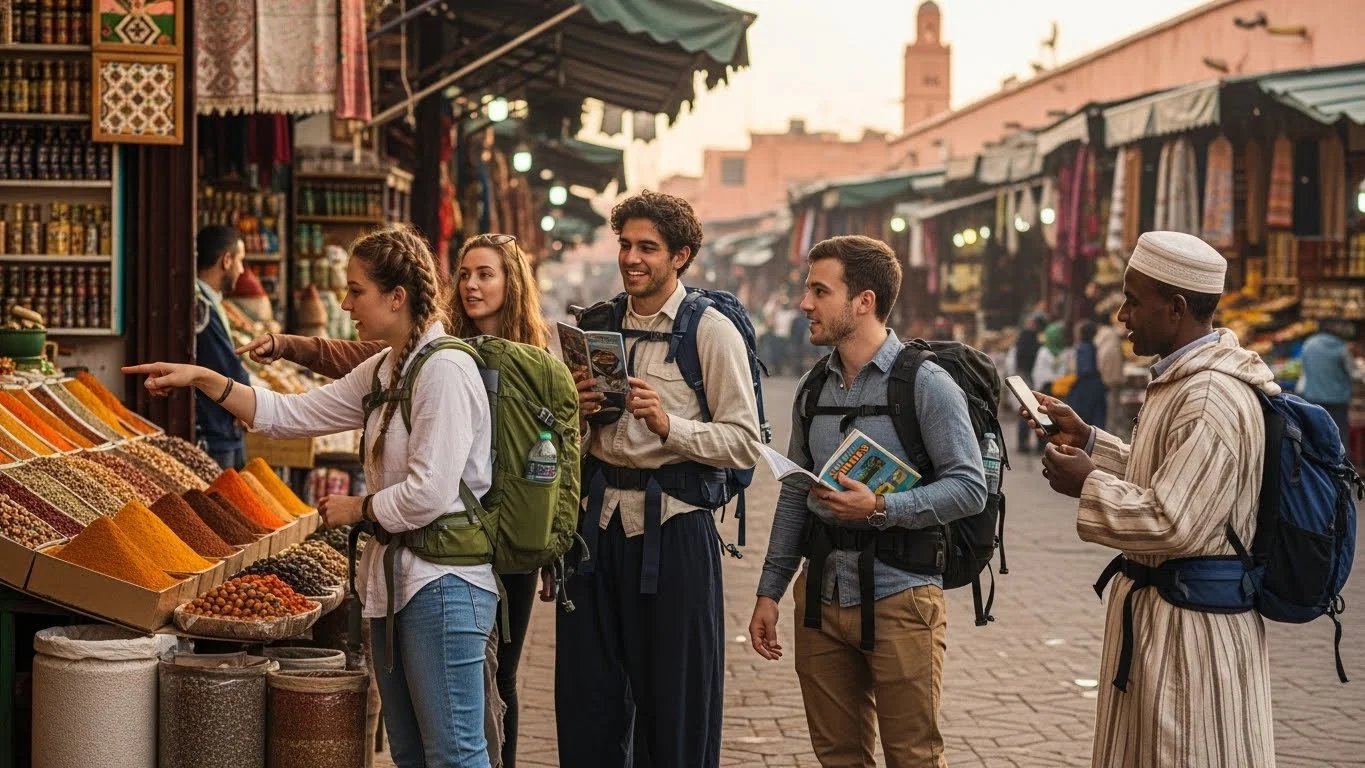
Active listening involves fully concentrating, understanding, and responding to what others are saying. I remember my first experience in a crowded market in Marrakech. The vibrant atmosphere was buzzing with energy, and I felt overwhelmed. However, by practicing active listening, I was able to engage with local vendors more effectively. Instead of simply hearing their pitches, I focused on their words and body language. I nodded, made eye contact, and asked follow-up questions. This approach not only helped me understand their offerings better but also showed them that I valued their input. I believe active listening can transform a simple conversation into a meaningful interaction, allowing us to connect on a human level.

Clarifying and Confirming Understanding

As I traveled, I learned that sometimes, I didn’t grasp everything that was being said, especially when language barriers were involved. In those situations, I found it helpful to clarify and confirm my understanding. For instance, while chatting with a local in a small café in Lisbon, I felt a bit lost when they shared their thoughts on the city’s history. I decided to paraphrase what I thought I heard and asked, “So, you’re saying the old town has a lot of hidden gems?” This not only ensured that I was on the same page but also encouraged the local to elaborate further. I believe this technique fosters a sense of connection and shows that we are genuinely interested in what the other person has to say.

Communicating in Diverse Situations

Communication can vary widely depending on the context, especially when I find myself in different situations like traveling, dining out, or shopping. I’ve learned that being adaptable and aware of the setting is essential to making effective connections.

Traveling: Asking for Directions and Assistance

When I’m in a new city, asking for directions can be intimidating, particularly if I don’t speak the language. However, I’ve discovered that a smile, polite gestures, and basic phrases can work wonders. I remember wandering through the narrow streets of Venice, feeling a bit lost. I approached a friendly-looking shopkeeper and simply said, “Per favore, dove si trova…?” while gesturing to my map. Even though my pronunciation wasn’t perfect, the shopkeeper understood my intent and responded with clear directions and a warm smile. It taught me the importance of body language and showing appreciation, which can often bridge any language gaps.

Dining Out: Ordering Food and Interacting with Staff

Dining out is one of my favorite ways to experience a culture, but it can also be a bit of a challenge when it comes to communication. I’ve learned that being polite and respectful goes a long way when interacting with restaurant staff. For example, in Japan, I was amazed at how the staff would bow slightly when taking my order. I tried to mirror their respect by using simple phrases like “arigato” for thank you. Additionally, I discovered that observing how locals ordered their meals helped me navigate menus more confidently. Whether it was pointing to dishes or asking for recommendations, being open and friendly made dining experiences much more enjoyable.

Shopping: Negotiating Prices and Making Purchases

Shopping in local markets is always an adventure. I remember my first time in a bustling bazaar in Istanbul, where haggling is the norm. At first, I was unsure how to approach negotiating prices. I learned that it’s all about building rapport with the vendor. I would greet them with a friendly “merhaba” and engage in light conversation about their products. This created a connection that made the negotiation process feel more like a friendly exchange rather than a transaction. I also discovered that showing genuine interest in their craft often led to better prices and a more enjoyable shopping experience. It’s amazing how good communication can lead to mutual respect and understanding.

Using Technology to Enhance Communication

In this digital age, technology has opened up new avenues for communication while traveling. I’ve found that using various tools can help me navigate language barriers and enhance my interactions with locals.

Mobile Apps for Translating Languages

One of the best resources I discovered during my travels was mobile translation apps. I relied heavily on them when I ventured to places where I didn’t speak the language. For instance, during my trip to Thailand, I used a translation app to help me order food from street vendors. Although I stumbled a bit with pronunciation, the app provided a safety net that made me feel more confident. However, I learned to be mindful of the nuances and context; some translations could be literal and not reflect local expressions. This experience reminded me to be patient and engage with locals, who often appreciated my efforts even if I got it wrong.

Social Media as a Communication Tool

Social media platforms have also been a game changer for me while traveling. I found that connecting with locals through platforms like Instagram or Facebook not only helped me gather tips about places to visit but also opened doors for conversations. I remember reaching out to a local artist in Barcelona whose work I admired. We ended up meeting for coffee, and it was a wonderful way to learn more about the culture and art scene from someone who lived there. Social media can be a bridge to understanding and building relationships, making the world feel a little smaller.

Using Online Forums for Local Insights

Online forums like Reddit or travel-specific sites have been invaluable for me, providing insights into local customs and tips from experienced travelers. Before heading to Vietnam, I browsed forums to gather advice on cultural etiquette and must-try dishes. The information I found helped me feel more prepared and confident in my interactions. I believe these online communities are amazing resources for discovering hidden gems and connecting with fellow travelers, enriching our overall experience.

Frequently Asked Questions

What is the importance of understanding cultural differences in communication while traveling?

Understanding cultural differences in communication is essential for effectively connecting with locals and enhancing travel experiences. Each culture has its unique way of expressing thoughts, and being aware of these nuances helps avoid misunderstandings and fosters mutual respect.

How do verbal communication styles differ across cultures?

Verbal communication styles can vary significantly between cultures. For instance, direct communication is common in the United States, while indirect communication is more typical in countries like Japan. Additionally, the use of formal versus informal language can impact interactions, as seen in many Latin American countries where formal titles are expected in initial meetings.

What role does non-verbal communication play in different cultures?

Non-verbal communication adds richness to interactions and varies widely across cultures. Gestures, facial expressions, and body language can have different meanings; for example, a thumbs-up is positive in many places but offensive in some Middle Eastern countries. Understanding these cues is crucial for effective communication.

What strategies can help overcome language barriers while traveling?

To overcome language barriers, travelers can learn key phrases in the local language, use translation apps effectively, and utilize body language as a universal communication tool. These strategies help bridge gaps in communication and foster connections with locals.

Why is it important to understand etiquette and protocols in different countries?

Understanding etiquette and protocols is crucial as each culture has its set of rules governing social interactions. Being aware of these customs can enhance experiences and help avoid unintentional faux pas, leading to warmer interactions with locals.

What are some common greeting customs around the world?

Greeting customs vary across cultures; for example, a firm handshake is common in many Western countries, while bowing is preferred in certain Asian cultures. In Latin America, light hugs or cheek-kissing are common among friends, highlighting the importance of respecting local customs.

What dining etiquette should travelers be aware of?

Dining etiquette varies significantly; for instance, leaving food on the plate may be disrespectful in some Asian cultures, while it’s common to ask for water with meals in Italy. Observing local dining practices and waiting for the host to start eating can enhance communal dining experiences.

How can effective listening skills improve communication while traveling?

Effective listening skills, such as active listening and confirming understanding, play a crucial role in building deeper relationships while traveling. Engaging fully in conversations and asking clarifying questions can enhance connections with locals and improve overall communication.

What are some tips for communicating effectively in diverse situations like shopping or dining?

In diverse situations, being adaptable and polite is key. When shopping, building rapport with vendors through friendly greetings can lead to better negotiations. In dining contexts, using simple phrases and observing how locals interact can enhance the experience and show respect for the culture.

How can technology enhance communication while traveling?

Technology can enhance communication through mobile translation apps, social media, and online forums. These tools help travelers navigate language barriers, connect with locals, and gather insights about cultural etiquette, enriching their overall travel experience.

Cultural Communication Etiquette for Budget Travelers

Traveling can be an eye-opening adventure, especially when we step into different cultures. But to truly enjoy the experience, understanding cultural communication etiquette is essential, especially for budget travelers like us. Read Interesting article: Cultural Greeting Etiquette: Tips for Budget Travelers

Cultural Communication Etiquette for Budget Travelers

Understanding Cultural Communication Etiquette

What is Cultural Communication Etiquette?

Cultural communication etiquette refers to the rules and norms that dictate how we interact with others in different cultures. It encompasses a wide range of practices, from the way we greet someone to the topics we discuss. For example, in some cultures, direct eye contact is a sign of confidence, while in others, it may be considered disrespectful. I remember my first trip to Italy; I was surprised to find that a simple handshake isn’t always the norm. Instead, I quickly learned that a warm hug or kiss on the cheek could mean much more in terms of friendliness and connection.

Importance for Budget Travelers

As budget travelers, we often rely on local interactions for guidance, recommendations, and support. Understanding cultural communication etiquette can significantly enhance our travel experiences. When we respect local customs, we create positive interactions, which can lead to unexpected opportunities, discounts, or even friendships. During my travels, I found that a simple “hello” in the local language could open doors and make locals more eager to help. Learning these nuances not only deepens our understanding of the culture but also makes our adventures more enjoyable and enriching. Read Interesting article: Mastering Communication Styles When Backpacking Abroad

Key Cultural Differences to Consider

Verbal Communication Styles

One of the first things I noticed while traveling is that people communicate differently based on their cultural backgrounds. In some countries, being straightforward is valued, while in others, indirect communication is preferred. For instance, while in Japan, I learned that saying “no” directly can be seen as rude. Instead, people might use softer phrases to convey disagreement. I found that picking up on these styles helped me navigate conversations more smoothly.

Non-Verbal Communication Cues

Non-verbal communication is another critical aspect that varies widely across cultures. For example, in many Western countries, maintaining eye contact is considered a sign of honesty, while in certain Asian cultures, it might be viewed as confrontational. I remember a moment in Thailand when I enthusiastically waved at a local vendor, only to realize that waving one hand is a sign of greeting, but waving both hands is seen as a sign of disrespect. Paying attention to these cues is essential in ensuring respectful interactions.

Contextual Communication

The context of a conversation can also influence how messages are delivered and interpreted. In high-context cultures, such as those found in many Asian and Middle Eastern countries, the surrounding atmosphere, tone, and even silence carry a lot of weight. In contrast, low-context cultures, like those in the U.S. or Germany, often rely more on explicit verbal communication. When I traveled to Egypt, I noticed that conversations often drifted into personal territory before any business discussions began. Understanding this helped me build rapport before getting to the point, making my interactions feel more genuine.

Country-Specific Communication Etiquette

Asia

Japan: Bowing and Politeness

In Japan, bowing is a traditional greeting that expresses respect. The depth of the bow can indicate the level of respect you are showing. I remember being taught that a slight bow is sufficient for casual greetings, while a deeper bow is reserved for more formal occasions. This small gesture made a big difference in how I connected with the locals.

China: Indirect Communication

In China, direct communication can sometimes be perceived as aggressive. I learned that it’s best to approach conversations with subtlety. When asking questions or making requests, phrasing them in a way that allows for a comfortable response is key. I often found myself using phrases like, “Would you be open to…” to create a more inviting atmosphere.

Europe

France: Formal vs. Informal Address

In France, addressing someone informally can be seen as disrespectful unless you have established a rapport. I learned to use “Monsieur” or “Madame” until a friendlier tone was established. This subtlety made my interactions smoother and helped me enjoy the French cafés even more.

Germany: Directness and Honesty

Germans value honesty and directness in conversation, which I found refreshing. When I visited Germany, I appreciated the straightforward approach. It helped me understand expectations better, and I noticed that this directness often led to quicker solutions when seeking help or information.

Africa

South Africa: Multilingual Communication

South Africa is rich in languages and dialects, and I found that many locals switch between languages in conversations. Being open to this diversity and trying to pick up a few words in different languages can create a connection that transcends simple cultural barriers.

Nigeria: Respect for Elders

In Nigeria, respect for elders is paramount. I learned to greet older individuals first and use titles like “Sir” or “Ma.” This practice not only shows respect but also opens up deeper conversations with the locals, enriching my travel experience.

Latin America

Mexico: Personal Space and Touch

In Mexico, personal space tends to be smaller than what I was used to. Touching arms or shoulders during conversation is common and signifies warmth. I remember feeling a little taken aback at first, but I quickly adapted and found it a beautiful way to connect.

Brazil: Warmth and Friendliness

Brazilians are known for their warmth and friendliness, and I discovered that a smile can go a long way. Greeting with a kiss on the cheek and expressing enthusiasm in conversations made locals feel comfortable and welcomed me into their community.

Practical Tips for Communicating Effectively

Learning Basic Local Phrases

One of the best ways I’ve found to make connections while traveling is by learning a few key phrases in the local language. It doesn’t have to be an entire conversation; just a simple “thank you,” “please,” or “hello” can work wonders. I remember visiting Spain and practicing my Spanish with shopkeepers. Their faces lit up when I attempted to speak their language, even if my pronunciation wasn’t perfect. These small efforts often lead to warmer interactions and a sense of camaraderie. I encourage everyone to take a moment to learn a few basic phrases before visiting a new country; it really shows respect for the culture.

Utilizing Translation Apps

In our digital age, translation apps have become indispensable tools for travelers. I’ve used apps like Google Translate and Duolingo to bridge the communication gap in various situations. On one trip to Vietnam, I stumbled upon a fantastic street food stall but had no idea how to order. After a quick consultation with my translation app, I managed to convey my order with a smile. The vendor appreciated the effort, and I ended up getting recommendations for other local delicacies. I recommend downloading these apps before your trip, especially if you’re visiting a country with a language that uses a different script.

Observing Local Customs

Another effective way to communicate respectfully is by observing how locals interact with each other. I’ve found that just sitting back and watching can provide invaluable insights. During my time in Italy, I noticed how people would greet each other with warmth and familiarity, often taking a moment to ask about family or health before diving into business. This inspired me to adopt a similar approach when engaging with locals. By being observant and adapting to the social norms, we can make our interactions feel more genuine and heartfelt.

Body Language and Gestures

Body language is a universal form of communication, but it varies significantly across cultures. I learned this the hard way during a trip to Greece, where I accidentally used a gesture that is perfectly innocent in my culture but considered rude there. It was a humbling experience that made me realize the importance of being aware of non-verbal cues. Researching common gestures beforehand can help avoid potential misunderstandings. I also discovered that a warm smile and open posture go a long way in any culture, signaling friendliness and approachability. Read Interesting article: Essential Dining Etiquette Tips for Cultural Travel Adventures

Budget-Friendly Ways to Learn Cultural Etiquette

Online Resources and Apps

Thanks to the internet, there are countless resources available to help us learn about cultural etiquette on a budget. Websites like CultureGrams and YouTube channels dedicated to travel can provide quick insights into what to expect in different countries. I found several free online courses on platforms like Coursera that cover cultural communication. These resources allowed me to prepare for each destination without breaking the bank. I suggest setting aside a little time before your trip to explore these options; it can make a big difference in your experience.

Local Workshops and Classes

If you have the opportunity, I highly recommend attending local workshops or classes when you arrive at your destination. Many places offer inexpensive courses that cover local customs, traditional cooking, or even language lessons. I took a cooking class in Thailand, where not only did I learn to make a delicious green curry, but I also gained insights into the cultural significance of various ingredients and cooking methods. Engaging in these activities helped me connect with local people and gain a deeper understanding of their culture.

Engaging with Locals

One of the best ways to learn about cultural etiquette is simply by talking to locals. I’ve often found myself in conversations with people I met at cafes or parks, asking them about their customs and traditions. Many locals appreciate the curiosity and are happy to share their knowledge. During my trip to Morocco, I struck up a conversation with a shop owner who not only taught me about bargaining but also shared fascinating stories about his culture. Engaging with locals not only helps us learn but often leads to friendships that enrich our travels.

Common Miscommunications to Avoid

Assumptions About Language Proficiency

While it’s easy to assume that everyone speaks English, that’s not always the case. I’ve been caught off guard a few times when locals didn’t understand my language or my accent. It’s essential to approach conversations with patience and an open mind. When I traveled to rural areas in Eastern Europe, I made a point to slow down and use simple words, sometimes even resorting to gestures. This approach often led to laughter and camaraderie, breaking down any language barriers.

Misinterpretations of Gestures

As I mentioned earlier, gestures can vary widely in meaning across cultures. I once made a thumbs-up gesture in the Middle East, only to be met with puzzled looks. I learned that this gesture can be offensive in that region. It’s worth taking some time to research common gestures and their meanings before traveling. I’ve found that a little knowledge can prevent awkward situations and foster better connections.

Ignoring Local Norms

Finally, one of the biggest pitfalls I’ve noticed is ignoring local norms or customs. Whether it’s dress codes, dining etiquette, or social practices, being mindful of the local way of life shows respect and willingness to adapt. During my visit to a traditional tea house in Morocco, I learned the importance of using my right hand to eat and drink. Such insights not only helped me fit in but also deepened my appreciation for the local culture.

Understanding Cultural Communication Etiquette

What is Cultural Communication Etiquette?

Cultural communication etiquette encompasses the rules and norms that shape how we interact with people from different backgrounds. These can include greetings, body language, and even the topics we choose to discuss. For instance, in some cultures, it’s customary to ask about one’s family as a way of establishing a connection, while in others, that might be seen as overly personal at first meeting. I remember a trip to Morocco where I quickly learned that asking about someone’s family is not only common but also a sign of genuine interest. It made conversations flow much more naturally.

Importance for Budget Travelers

For budget travelers like us, understanding cultural communication etiquette can transform our experiences. We often rely on local recommendations and support, so respecting local customs can enhance our interactions. During my travels, I found that demonstrating respect for local traditions opened up new opportunities. For example, while in Vietnam, I greeted locals with a smile and a “xin chào” (hello). This simple act often led to invites to local homes or shared meals, making my journey far more enriching than I could have imagined.

Key Cultural Differences to Consider

Verbal Communication Styles

As I ventured into different countries, I noticed how varied communication styles could be. In some places, like Italy, conversations are animated and expressive, whereas in more reserved cultures, like Finland, people might prefer brevity. When I was in Italy, I found myself drawn into lively discussions, where interruptions were common and encouraged. This experience taught me that understanding these verbal styles helps us align our communication with the local norms, making our interactions smoother and more enjoyable.

Non-Verbal Communication Cues

Non-verbal communication is a fascinating part of cultural etiquette that can change the way we connect with others. For example, while in India, I learned that the head nod can mean different things depending on the context—it can indicate agreement, acknowledgment, or simply that the person is listening. I remember being confused at first, but once I paid attention and adjusted my responses accordingly, my conversations became much more engaging. These non-verbal cues are often just as crucial as the words we say, so being aware of them can make a world of difference.

Contextual Communication

The context in which we communicate can greatly influence the message being conveyed. In cultures with high-context communication, like those in Japan or the Middle East, much is left unsaid, and the surrounding environment plays a vital role in conversations. For example, when I visited Japan, I quickly realized that silence can be just as meaningful as spoken words. I learned to be patient and allow for pauses in conversation, which often led to deeper discussions. Understanding the context helps us navigate social interactions more effectively, preventing miscommunications that could arise from differing expectations.

Country-Specific Communication Etiquette

Asia

Japan: Bowing and Politeness

In Japan, bowing is an essential part of communication, expressing respect and acknowledgement. I was amazed by the various degrees of bowing—something I hadn’t considered before. I learned that the depth and duration of a bow can convey different meanings, and I made it a point to practice this during my stay. It was a simple gesture, but it opened up many doors and created a bond with the locals.

China: Indirect Communication

In China, being direct can sometimes lead to misunderstandings. I learned to approach conversations with an air of subtlety. When I wanted to ask for a favor, I would preface my request with a compliment or context, which made the other person feel comfortable and valued. This approach not only eased the interaction but often resulted in a positive outcome.

Europe

France: Formal vs. Informal Address

In France, I quickly learned that formality matters. Initially, I made the mistake of addressing someone informally without establishing rapport. It was a bit awkward! I soon realized that using titles like “Monsieur” or “Madame” was a sign of respect. This small adjustment made my interactions much more pleasant, especially when dining in cafes or shops.

Germany: Directness and Honesty

During my travels in Germany, I appreciated the straightforward nature of conversations. People would get right to the point, which I found refreshing after navigating more indirect communication in other cultures. It helped me understand what was expected and what could be improved in my own interactions. Embracing this directness made getting assistance much easier and more efficient.

Africa

South Africa: Multilingual Communication

In South Africa, I encountered a beautiful mix of languages. Many locals switch between different languages mid-conversation, which I found incredibly fascinating. I made it a point to learn a few basic words in Afrikaans and Zulu, which not only pleased the locals but also created a sense of camaraderie. It truly enriched my experience, making me feel more connected to the culture.

Nigeria: Respect for Elders

One of the most striking aspects of Nigerian culture is the immense respect given to elders. I learned to greet older individuals first and use titles like “Sir” or “Ma.” This simple practice opened up many conversations and stories shared by the elders, making my experience more meaningful. Their wisdom and insights were invaluable, and I treasure those moments immensely.

Latin America

Mexico: Personal Space and Touch

In Mexico, I found that the concept of personal space is much closer than I was used to. Touching someone’s arm or shoulder during conversations is common and signifies warmth and friendliness. I initially felt a bit uncomfortable with this, but I soon embraced it and discovered that it added a layer of connection that I had not experienced before.

Brazil: Warmth and Friendliness

Brazilian culture is vibrant and full of life, characterized by warmth and friendliness. Greeting someone with a kiss on the cheek and an enthusiastic “Olá” made me feel instantly welcomed. I realized that being open and expressive in conversations not only broke the ice but also deepened relationships with the locals. It’s an experience that I truly cherished and appreciated throughout my travels in Brazil.

Frequently Asked Questions

What is cultural communication etiquette?

Cultural communication etiquette refers to the rules and norms that dictate how we interact with others in different cultures. This includes practices such as how we greet others and the topics we discuss, which can vary significantly from one culture to another.

Why is understanding cultural communication etiquette important for budget travelers?

For budget travelers, understanding cultural communication etiquette can enhance travel experiences by fostering positive interactions with locals. Respecting local customs can lead to helpful recommendations, discounts, and even friendships, making trips more enriching.

What are verbal communication styles, and how do they differ across cultures?

Verbal communication styles vary based on cultural backgrounds. Some cultures value directness, while others prefer indirect communication. For instance, in Japan, saying “no” directly can be seen as rude, leading to the use of softer phrases to convey disagreement.

How does non-verbal communication differ in various cultures?

Non-verbal communication, including gestures and body language, varies widely across cultures. For example, in many Western countries, maintaining eye contact is a sign of honesty, while in certain Asian cultures, it may be perceived as confrontational.

What is contextual communication, and why is it important?

Contextual communication refers to how the surrounding atmosphere, tone, and even silence influence messages in conversations. In high-context cultures, much is left unsaid, while low-context cultures rely more on explicit verbal communication, which can affect understanding and interaction.

What is the etiquette for greetings in Japan?

In Japan, bowing is a traditional greeting that expresses respect. The depth of the bow can indicate the level of respect being shown, with a slight bow for casual greetings and a deeper bow for more formal occasions.

How should one communicate in China?

In China, it is best to use indirect communication. Directness can be perceived as aggressive, so approaching conversations with subtlety and using phrases that invite a comfortable response is key.

What are some communication customs in Nigeria?

In Nigeria, showing respect for elders is paramount. It is customary to greet older individuals first and use titles like “Sir” or “Ma,” which opens up deeper conversations and enriches the travel experience.

What are practical tips for effectively communicating while traveling?

Practical tips include learning basic local phrases, utilizing translation apps, observing local customs, and being aware of body language and gestures to ensure respectful interactions with locals.

What common miscommunications should travelers avoid?

Travelers should avoid making assumptions about language proficiency, misinterpreting gestures, and ignoring local norms, as these can lead to misunderstandings and hinder positive interactions.

Mastering Communication Styles When Backpacking Abroad

Backpacking abroad can be one of the most thrilling experiences of our lives, but mastering communication styles is essential for connecting with new cultures. Let’s explore how we can enhance our communication skills while traveling. Read Interesting article: Cultural Greeting Etiquette: Tips for Budget Travelers

Mastering Communication Styles When Backpacking Abroad

Understanding Communication Styles

The Importance of Communication in Travel

When I first started backpacking, I quickly learned that communication goes beyond words. It’s about connecting with people, sharing experiences, and immersing ourselves in new cultures. In my travels, I noticed that the way we communicate can shape our entire experience. Being able to express ourselves, ask questions, and engage with locals can lead to friendships, unforgettable memories, and a deeper understanding of the places we visit.

Effective communication helps break down barriers and fosters a sense of belonging. I remember an instance in a bustling market in Marrakech, where my attempts to converse in Arabic led to smiles, laughter, and a warm invitation for mint tea. It’s moments like these that remind me of the power of communication while traveling.

Types of Communication Styles

As I traveled, I began to recognize different communication styles that varied not only between cultures but also among individuals. Some people are direct, getting straight to the point, while others prefer a more indirect approach, using hints and subtleties. Understanding these differences can help us navigate conversations more smoothly.

For example, in some cultures, being straightforward is appreciated, while in others, it may come off as rude or confrontational. I learned to adapt my style based on who I was speaking with. Sometimes, I would tone down my directness and embrace a softer approach, especially when engaging with individuals from cultures that value harmony and indirect communication.

Additionally, I discovered that some people lean towards a more expressive style, using gestures and emotions to convey messages. I found this particularly true in Mediterranean countries, where conversations seemed to dance with enthusiasm. In contrast, I encountered more reserved styles in Scandinavian countries, where communication was often succinct and to the point.

Cultural Influences on Communication

Culture plays a significant role in shaping how we communicate. I’ve seen how different traditions, values, and social norms influence our interactions. In some regions, maintaining eye contact is a sign of confidence and honesty, while in others, it may be seen as disrespectful. This realization hit home during a visit to Japan, where I was reminded to be mindful of my non-verbal cues. I noticed how body language, tone, and even silence conveyed meaning in different ways.

During my travels, I made it a point to observe and learn from locals. By immersing myself in their ways, I became more attuned to their communication preferences. I remember a lovely conversation I had with a local family in Italy, where gestures and laughter bridged any language gaps. Their warmth and openness were contagious, and I felt welcomed despite any initial awkwardness.

Another important aspect is understanding the role of context. In some cultures, the context of a conversation dictates what can be said, who can say it, and how. I learned this during a conversation in Thailand, where respecting the hierarchy within social structures became essential. I realized that addressing someone of higher status required a more formal approach, reflecting their cultural values and traditions. Read Interesting article: Essential Dining Etiquette Tips for Cultural Travel Adventures

In summary, understanding communication styles is a crucial part of our travel experience. Whether we’re navigating discussions with locals or engaging with fellow backpackers, having an awareness of these styles can help us connect on a deeper level. As I continue my journey, I find that adapting to different communication styles not only enriches my travels but also fosters a greater appreciation for the diverse cultures that make our world so vibrant.

Before You Go: Preparing for Communication

Researching Local Languages and Dialects

Before embarking on any journey, I find it incredibly helpful to research the local languages and dialects of the places I plan to visit. It’s fascinating to discover how certain words or phrases vary from one region to another. For instance, during my trip to Spain, I learned that there are significant differences between Castilian Spanish and the Catalan language in Barcelona. This knowledge not only helped me communicate better but also showed respect for the local culture. I’ve noticed that locals appreciate it when travelers make an effort to understand their language, even if it’s just a few key phrases.

Moreover, I’ve learned that some regions have unique expressions that may not translate well. In Italy, I remember hearing the phrase “fare una bella figura,” which means making a good impression. Understanding these nuances can help us connect more meaningfully with the locals. So, before you go, take the time to familiarize yourself with the language landscape—it’s an investment that pays off in rich experiences.

Understanding Non-Verbal Communication Practices

Non-verbal communication is another critical aspect to consider before traveling. I’ve discovered that gestures, facial expressions, and body language can vary widely across cultures. For example, in some Middle Eastern countries, a simple thumbs-up is considered offensive, while in others, it’s a sign of approval. When I was in Greece, I noticed that people often use their hands to express themselves, which added a vibrant layer to our conversations. I remember mimicking some of those gestures, which led to bursts of laughter and a sense of camaraderie.

Being aware of these non-verbal cues can prevent misunderstandings. I’ve found that observing how locals interact with one another can offer valuable insights. Before my journey to Brazil, I made it a point to read about the importance of personal space and eye contact in Brazilian culture. This preparation helped me navigate social interactions more comfortably and confidently.

Learning Key Phrases in the Local Language

One of the most rewarding things I’ve done is learn key phrases in the local language. I often use language learning apps to practice basic greetings and essential vocabulary. Simple phrases like “hello,” “thank you,” and “excuse me” can go a long way in bridging communication gaps. I recall a moment in Vietnam when I greeted a vendor in Vietnamese. The look of surprise and delight on her face was priceless. It was as if a door had opened, leading to a more authentic exchange.

Additionally, learning phrases that might be relevant for specific situations—like ordering food or asking for directions—can make a huge difference. I remember struggling to order a traditional dish in Morocco, only to have my effort rewarded with an unexpected culinary delight. The locals appreciated my attempts, and it made the experience all the more enriching.

Using Translation Apps and Tools

In this digital age, translation apps can be a lifesaver. I often download language translation apps before my trips, which help in situations where my language skills fall short. These tools can translate spoken phrases, which can be really helpful in a fast-paced environment where quick communication is essential. I remember using an app to ask for directions in Tokyo, and it not only got me to my destination but also impressed the locals who were around.

However, I try to use translation apps as a supplement rather than a crutch. I’ve noticed that relying solely on technology can sometimes lead to misunderstandings due to the nuances of language. Instead, I aim to use my knowledge of key phrases alongside the app, which creates a more personal connection. Finding this balance has enhanced my travel experiences significantly.

Communication Styles by Region

North America

Traveling in North America, I’ve found that communication is typically direct and straightforward. People tend to appreciate honesty and clarity. For example, when I visited New York City, I noticed how locals often speak quickly and efficiently. It took me a bit to adjust, but I learned that it was just their way of keeping conversations brisk. I found it refreshing to engage in no-nonsense dialogues that got straight to the point, and it made interactions feel more genuine.

Europe

In Europe, the communication styles can vary significantly from country to country. In the UK, I experienced a blend of politeness and indirectness, while in Germany, directness was valued. I remember feeling a bit taken aback when I first encountered the straightforwardness of the Germans, but I soon appreciated how it led to clear expectations. It was a lesson in adapting to the local style while maintaining my own authenticity.

Asia

Asia is a tapestry of diverse communication styles. In places like Japan, I learned the importance of non-verbal cues and indirect communication. It was fascinating to observe how silence often spoke volumes. On the other hand, in India, I encountered a rich blend of expressiveness and emotional warmth. The way people engaged in conversation often felt like a dance, filled with gestures and animated expressions that made me feel at home, even among strangers.

South America

In South America, I’ve often found that communication is vibrant and full of life. In countries like Brazil, conversations are rarely dull; people are animated and expressive. I remember being swept up in a conversation at a street festival, where the energy was contagious. It taught me that sometimes, being loud and enthusiastic is part of the charm of connecting with others.

Africa

Africa is incredibly diverse, and communication styles can vary widely from one region to another. In East Africa, for instance, I experienced a warm and welcoming approach, where greetings often took precedence over the actual topic of conversation. It was refreshing to see how important it was to build rapport before diving into discussions. I remember spending time in a village in Kenya, where I learned that a simple “Jambo” (hello) could open up a world of friendship.

Oceania

In Oceania, particularly in Australia and New Zealand, I found that communication is often laid-back and friendly. The locals value humor and casual interactions. I remember feeling at ease during my travels, as people often used light-hearted banter to break the ice. This made it easy to strike up conversations and feel a sense of belonging, even as a traveler.

Adapting Your Communication Style While Traveling

Active Listening Techniques

One of the most valuable skills I’ve developed while traveling is active listening. It’s easy to get caught up in our own thoughts or the next thing we want to say, but I’ve found that truly listening to others can create stronger connections. During my travels, I made a conscious effort to give my full attention to the person speaking, whether they were a local shopkeeper or a fellow traveler.

For example, while chatting with a group of locals in a small café in Greece, I noticed how attentive they were to each other. Nodding, maintaining eye contact, and even mirroring their expressions made a huge difference. It not only showed respect but also encouraged them to open up even more. I realized that when we actively listen, we create a space for meaningful exchange, which enriches our travel experiences.

Respecting Local Customs and Etiquette

Respecting local customs and etiquette can profoundly affect how we communicate. Each culture has its own set of unwritten rules that guide interactions. I learned this the hard way during my first trip to Thailand. I accidentally pointed my feet at someone, which is considered disrespectful. The look of surprise on their face immediately taught me the importance of understanding and respecting cultural norms.

Before visiting a new country, I make it a point to research local customs. For example, I discovered that in Japan, it’s polite to bow when greeting someone instead of a handshake. Adapting my behavior to align with local expectations has helped me build rapport with people I meet, leading to warm exchanges and lasting memories. I think it’s a small effort that goes a long way in showing appreciation for the culture. Read Interesting article: Navigating Cultural Etiquette Solo: A Traveler’s Guide

Building Rapport with Locals

Building rapport with locals has been one of the highlights of my travels. I remember wandering through the streets of Buenos Aires, where I struck up a conversation with an elderly gentleman who was sitting on a park bench. By asking about his life and sharing a bit about mine, I felt an immediate connection. He started sharing stories about his youth, and before I knew it, we were laughing and exchanging anecdotes as if we were old friends.

These moments have taught me that genuine curiosity can break down walls. When I approach locals with an open heart and a willingness to learn, I often find that they are eager to share their world with me. I’ve learned that asking open-ended questions encourages deeper conversations. Instead of simply asking questions that require a yes or no answer, I now try to frame them in a way that invites stories. This not only enriches my understanding of their culture but also builds trust.

Navigating Language Barriers

Language barriers can be daunting, but I’ve found that they also present unique opportunities for connection. I remember a hilarious yet heartwarming experience in a small village in India. I was trying to order a meal, but my pronunciation of the local dish was far from perfect. Instead of frustration, the vendor laughed and decided to teach me how to say it correctly. We ended up having a delightful exchange, and I left with not just a great meal but also a memory I cherish.

When faced with language barriers, I try to remain patient and open. Sometimes, simply using gestures or drawing pictures can help convey my message. I’ve found that a smile goes a long way, too. It’s amazing how much can be communicated through facial expressions and body language when words fail. I often remind myself that it’s not about speaking perfectly; it’s about the effort to connect that truly matters.

Practical Tips for Effective Communication

Body Language and Gestures

Body language and gestures play a crucial role in communication, especially when language is a barrier. I’ve noticed that a friendly smile, a nod, or even a wave can break the ice in any situation. During my trip to Morocco, I observed how locals often used their hands to emphasize their points. I found myself mimicking their gestures, which not only made our conversations more lively but also helped convey my enthusiasm and interest.

However, I’ve also learned to be mindful of cultural differences in gestures. For instance, I discovered that in some cultures, certain hand signals can be offensive. That’s why I make it a habit to observe local interactions before jumping in. This awareness allows me to adapt my body language to resonate better with those around me, making conversations more fluid and enjoyable.

Using Visual Aids and Sign Language

When words seem inadequate, using visual aids or even sign language can be incredibly helpful. I remember finding myself in a remote village in Vietnam, where the language spoken was completely foreign to me. Instead of feeling lost, I pulled out my phone and used pictures to communicate what I was looking for. The locals responded with enthusiasm, and we ended up having a delightful exchange that included laughter and gestures.

Carrying a small notepad or using a translation app to draw out what I’m trying to convey has proven useful in many situations. I’ve found that visuals can transcend language barriers, allowing for more engaging and meaningful interactions. It’s a wonderful reminder that communication isn’t just about words; it’s about sharing experiences and connecting with one another.

Asking Questions and Clarifying Information

Asking questions is a powerful tool for effective communication. I’ve learned that when I’m unsure about something, clarifying information can save me from misunderstandings. During my travels, I often take the opportunity to ask locals about their customs or recommendations. For example, while exploring the markets of Istanbul, I asked a vendor about the history of a particular spice. His enthusiasm led to an enlightening conversation that deepened my appreciation for the culture.

Additionally, I’ve found that repeating back what I’ve heard in my own words can help ensure that I’ve understood correctly. It’s a simple technique, but it fosters trust and shows that I value their input. Each interaction becomes an opportunity to learn and grow, enriching my travel experience.

Handling Misunderstandings Gracefully

Misunderstandings are bound to happen, especially when navigating different cultures. I’ve had my fair share of awkward moments, but I’ve learned that handling them with grace can turn a potentially uncomfortable situation into a memorable one. I remember one time in a small restaurant in Thailand, I accidentally ordered a dish that was far too spicy for my taste. Instead of getting flustered, I laughed it off and playfully gestured to the staff to help me cool it down. They joined in the laughter, and we spent the next few minutes sharing stories about our culinary adventures.

When misunderstandings arise, it’s important to remain calm and approach the situation with a positive attitude. A smile, a bit of humor, or even a simple apology can go a long way in easing tension. I’ve found that most people are understanding and are willing to help, as long as we approach them with kindness and respect.

Frequently Asked Questions

What is the importance of communication when backpacking abroad?

Communication is essential for connecting with people, sharing experiences, and immersing ourselves in new cultures. It helps break down barriers and fosters a sense of belonging, leading to friendships and a deeper understanding of the places we visit.

How do communication styles vary across different cultures?

Communication styles can vary significantly between cultures and individuals. Some cultures appreciate directness, while others prefer a more indirect approach. Being aware of these differences can help travelers navigate conversations more smoothly.

What role does culture play in shaping communication?

Culture influences our interactions through traditions, values, and social norms. For example, maintaining eye contact may be viewed as a sign of confidence in some cultures, while in others, it could be seen as disrespectful. Understanding these cultural nuances is crucial for effective communication.

How can travelers prepare for effective communication before their trip?

Travelers can enhance their communication skills by researching local languages and dialects, understanding non-verbal communication practices, learning key phrases in the local language, and using translation apps and tools to aid communication.

What are some effective techniques for active listening while traveling?

Active listening involves giving full attention to the speaker, maintaining eye contact, and mirroring their expressions. This shows respect and encourages deeper conversations, enriching the travel experience.

Why is it important to respect local customs and etiquette?

Respecting local customs and etiquette can profoundly affect communication. Understanding unwritten rules, such as appropriate greetings or gestures, helps build rapport and leads to warmer interactions with locals.

What strategies can travelers use to build rapport with locals?

Building rapport can be achieved by showing genuine curiosity, asking open-ended questions, and sharing personal stories. This approach encourages deeper conversations and fosters trust.

How can travelers navigate language barriers effectively?

Travelers can navigate language barriers by remaining patient, using gestures, drawing pictures, and maintaining a positive attitude. A smile can also facilitate communication when words fail.

What should travelers do when misunderstandings occur?

When misunderstandings happen, it’s important to handle them gracefully by remaining calm, using humor, and approaching the situation with kindness and respect. This can turn awkward moments into memorable experiences.

What role do body language and gestures play in communication?

Body language and gestures are crucial, especially when language is a barrier. A friendly smile, nod, or wave can break the ice, while being mindful of cultural differences in gestures can enhance communication and connection.