Web Analytics

Recent Posts

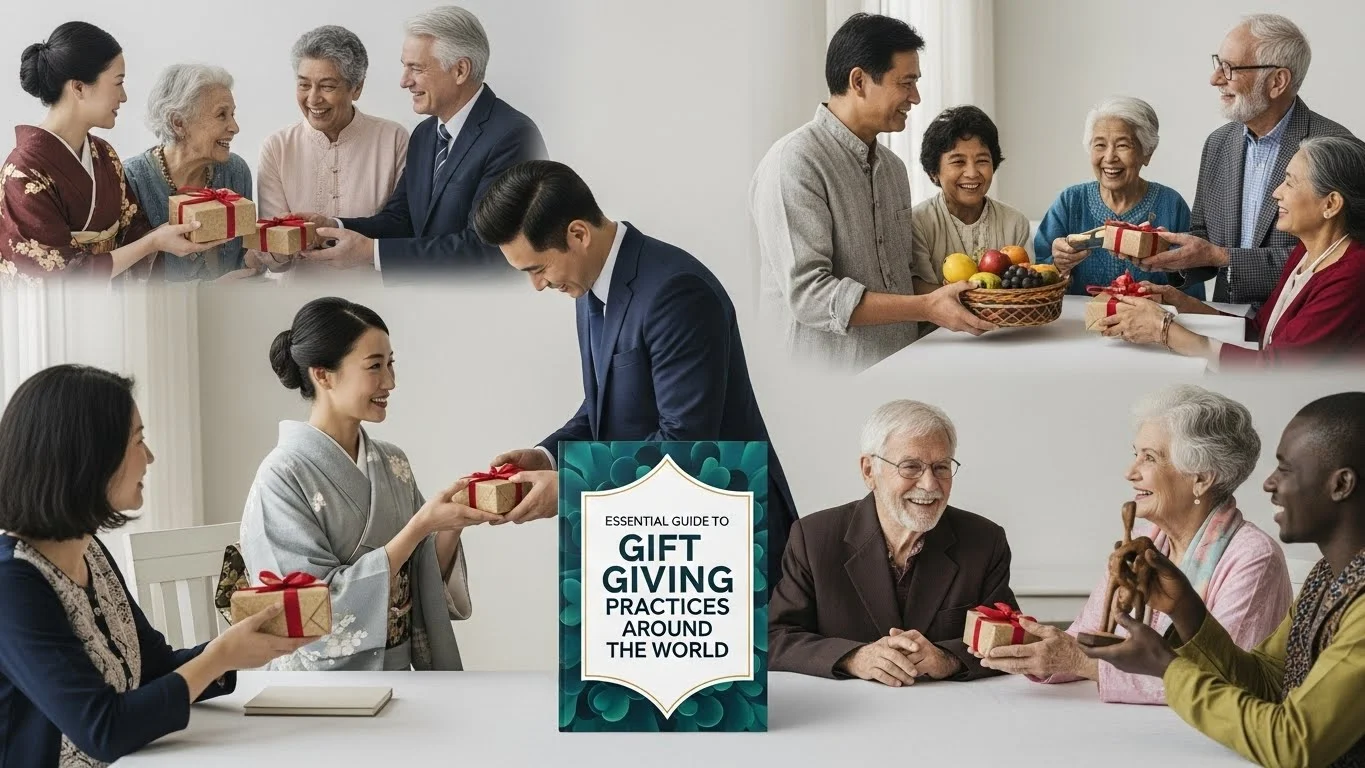
Essential Guide to Gift Giving Practices Around the World

Gift giving is a universal practice, rich with emotion and cultural significance. Whether celebrating a milestone or strengthening relationships, understanding these customs can transform our approach to connecting with others. Read Interesting article: Solo Travel Success: Understanding Cultural Etiquette
Essential Guide to Gift Giving Practices Around the World

Understanding the Importance of Gift Giving

Gift giving holds a special place in cultures around the world. I’ve often found that the act of giving isn’t just about the item itself but the meaning and connection behind it. Each gift can tell a story, reflecting the giver’s sentiments, cultural values, and the relationship shared. It’s fascinating to see how these practices vary from one region to another, each with its own unique flair.

Cultural Significance of Gifts

Cultural significance plays a huge role in how gifts are perceived and exchanged. I remember visiting a friend from Japan who explained the deep-rooted traditions behind gift giving in her culture. For instance, in Japan, the wrapping is just as crucial as the gift itself. Beautifully wrapped presents convey respect and thoughtfulness, which is why I’ve learned to pay attention to presentation in my own gift-giving experiences. Each culture has its unique customs; in some places, gifts are given modestly, while in others, extravagant presentations are the norm. This diversity highlights how gifts can symbolize various societal values, from humility to abundance.

Psychological Aspects of Gift Giving

The psychological aspects of gift giving are equally intriguing. I’ve noticed that the act of giving can foster a sense of connection and strengthen relationships. When I give a gift, I feel a rush of joy knowing that I might brighten someone’s day. There’s something profoundly fulfilling about seeing a loved one’s face light up with surprise and gratitude. Psychologically, gifts can also serve as a way to express emotions we might struggle to articulate. It’s a tangible manifestation of our affection, appreciation, or even an apology. This is something I’ve experienced firsthand; a carefully chosen gift can convey feelings that words sometimes can’t.

Regional Gift Giving Practices

Now, let’s explore how gift giving practices vary around the globe. I’ve always been curious about these traditions, so I decided to dive deeper into different regions and their unique customs.

North America

In North America, gift giving is often associated with significant life events and holidays. I’ve observed that birthdays, holidays, and weddings are the most common occasions. On birthdays, people usually celebrate with parties and expect gifts, which can range from practical items to fun surprises. Personally, I love giving thoughtful gifts that reflect the recipient’s personality.

Common Occasions for Gift Giving

Holidays like Christmas and Thanksgiving are also major gift-giving times. On Christmas, I’ve noticed families often engage in traditions like Secret Santa or White Elephant gift exchanges, which add a fun twist to the experience. Thanksgiving might not traditionally focus on gifts, but expressing gratitude through small tokens can often be seen, especially among close friends and family.

Popular Gifts and Trends

As for popular gifts, technology and personalized items have taken center stage recently. I often find myself opting for customized gifts that hold sentimental value, such as engraved jewelry or photo books. These gifts reflect a thoughtfulness that mass-produced items sometimes lack. Read Interesting article: Navigating Cultural Etiquette Solo: A Traveler’s Guide

Europe

Europe’s diverse cultures bring unique flavors to gift giving. During my travels, I’ve noticed that customs can vary dramatically from country to country.

Gift Giving in Western Europe

In Western Europe, particularly in countries like Germany and France, gifts are typically given on special occasions such as birthdays or Christmas. I learned that it’s common in Germany to give flowers as a gift for housewarming parties, while in France, the focus is often on gourmet food items and wine.

Unique Practices in Eastern Europe

Conversely, Eastern European countries have their unique approaches. For example, in Russia, it is customary to bring a small gift, like pastries or a bottle of wine, when invited to someone’s home. I’ve found that this practice reflects a sense of hospitality and the value placed on social gatherings.

Asia

Asia is rich with diverse traditions, and gift giving is no exception. I’ve experienced some of these customs firsthand, and they always leave a lasting impression.

Gift Giving in China

In China, gifting is intricately tied to symbolism. I learned that red is a favored color for wrapping paper because it represents good fortune. It’s fascinating to see how certain numbers also hold significance, such as avoiding the number four, which sounds like the word for death. The thoughtfulness behind these customs really deepens the meaning of the gift.

Japan’s Omiyage Tradition

Japan’s “Omiyage” tradition is another beautiful practice. Every time someone travels, they often bring back gifts or local delicacies for friends and family. I remember when a colleague returned from a trip to Kyoto with beautifully packaged sweets. It’s a lovely way to share experiences and keep connections strong.

India’s Festivals and Gift Giving

In India, festivals like Diwali are significant gift-giving occasions. During my visits, I’ve seen how exchanging gifts symbolizes goodwill and prosperity. I often find myself participating in these vibrant celebrations, where sweets and decorative items are exchanged, bringing joy and warmth to relationships.

Africa

Africa is a continent bursting with diversity, and this is powerfully reflected in its gift-giving customs. I’ve always been fascinated by how each country has its own unique practices, shaped by rich histories and cultural narratives. During my travels across various African nations, I’ve encountered some truly beautiful traditions that highlight the importance of community and connection.

Traditional Practices in Sub-Saharan Africa

In Sub-Saharan Africa, gift giving often intertwines with community gatherings and celebrations. I remember attending a vibrant wedding in Ghana where the couple received gifts not just from family but from the entire community. It felt like a collective celebration, where everyone contributed to the couple’s new life together. I found it heartwarming how the gifts ranged from practical household items to handmade crafts, reflecting the community’s love and support.

Another interesting aspect I noticed is the practice of giving livestock in some cultures. In countries like Kenya, a goat or cow can symbolize wealth and prosperity. When I visited a Maasai village, I learned that gifting a cow during important ceremonies demonstrates respect and strengthens bonds between families. It’s incredible how these gifts can signify unity and social status while also being deeply rooted in traditions.

Gift Giving in North Africa

Moving to North Africa, I’ve observed that gift giving often aligns with hospitality. In places like Morocco and Egypt, when you’re invited to someone’s home, it’s customary to bring a small gift, such as sweets or fruit. I recall being invited to a Moroccan home, and I brought a box of pastries. The host’s delighted smile as they opened the box was a moment I cherish. It’s a beautiful way to express gratitude and respect, creating a warm atmosphere that encourages connection.

In Egypt, I learned that gifting is a significant part of religious celebrations. During Ramadan, for example, sharing food and small gifts with family and friends is common. I participated in iftar gatherings where everyone brought something to share. The act of giving and receiving food highlighted the spirit of togetherness and generosity that I found so moving.

Latin America

Latin America is another region rich with colorful customs and traditions surrounding gift giving. I’ve had the pleasure of experiencing these diverse practices firsthand, and they always leave a lasting impression.

Customs in Mexico

In Mexico, gift giving is often tied to festive occasions and personal milestones. I remember attending a Quinceañera, a celebration of a girl’s 15th birthday, which is a significant rite of passage in Mexican culture. The gifts given during this event tend to be meaningful, often reflecting the young woman’s journey into adulthood. I found it touching how gifts were not just material items but also tokens of love and support from family and friends.

During holidays, such as Día de los Muertos, gifts are sometimes left on altars as offerings to honor deceased loved ones. I’ve seen families create beautiful displays filled with photos, food, and small gifts, which speaks volumes about the importance of remembering and celebrating those who have passed.

Gift Giving in Brazil

In Brazil, the spirit of celebration is palpable, especially during events like Carnival and New Year’s Eve. I once experienced a New Year’s celebration where it’s common to give gifts of white clothing as a symbol of peace and renewal. I joined in, wearing white and exchanging small gifts with friends, creating a sense of unity and hope for the new year.

I’ve also noticed how Brazilians cherish spontaneous gift giving. When visiting friends, it’s common to bring small treats or even flowers, which adds a personal touch to visits. This practice of giving brings people together and fosters a sense of warmth and connection that I deeply appreciate. Read Interesting article: Master Cultural Etiquette as a Solo Traveler

Occasions and Their Specific Practices

Birthdays

Birthdays are celebrated with enthusiasm in many cultures, and I’ve seen how the significance of this occasion varies widely. For me, birthdays have always been a reason to reflect and celebrate life. In the United States, parties with cake and gifts are expected, while in other cultures, like in some Asian countries, the focus may be more on family gatherings and special meals. From my experience, it’s the thought behind the birthday gift that counts the most, whether it’s a handmade card or a carefully selected present.

Weddings

Weddings, too, are a grand affair around the world. I’ve attended weddings in different countries, and each one has its own unique customs. In many cultures, the exchange of gifts symbolizes the joining of two families. I’ve seen guests bring gifts that are carefully chosen to reflect the couple’s interests or needs, highlighting the thoughtfulness and love behind each gesture.

Holidays and Festivals

Holidays and festivals provide a fantastic opportunity for gift giving. Each celebration has its own customs, and I’ve enjoyed discovering these traditions in various cultures. For instance, during Christmas, gift giving often takes center stage in many Western nations, with families gathering around trees adorned with lights and ornaments. In India, Diwali is marked by exchanging gifts like sweets and decorative items, symbolizing the triumph of light over darkness. It’s beautiful to see how these occasions bring people closer together through the act of giving.

Christmas Giving Traditions

Christmas in many cultures is a magical time for gift giving. I remember the excitement of waking up on Christmas morning to find gifts waiting under the tree. The joy of giving and receiving during this season is something many people cherish, as it fosters a sense of community and love. Different cultures have their unique ways of celebrating this holiday, from Christmas markets in Europe to family gatherings in Latin America, and it’s fascinating to see how gift giving plays a role in these traditions.

Diwali and its Significance

In India, Diwali is one of the most important festivals, and gift giving enhances its significance. I’ve participated in Diwali celebrations, where the exchange of gifts symbolizes goodwill and prosperity. People often give sweets, decorative items, and even clothing, reflecting the joy and warmth of the season. It’s a wonderful time to connect with loved ones and express our best wishes for the coming year.

Corporate Gift Giving

Corporate gift giving is another area where I’ve seen cultural differences come into play. In some countries, it’s considered a standard practice to give gifts to clients or partners, while in others, it can be viewed with skepticism. I’ve learned that understanding the cultural context is crucial in professional settings. Thoughtful corporate gifts can strengthen business relationships, but it’s essential to ensure that the gifts are appropriate and respectful of local customs.

Gift Etiquette Around the World

What to Avoid When Giving Gifts

Gift etiquette can be quite intricate, and I’ve learned that what’s acceptable in one culture might be frowned upon in another. For instance, I remember gifting a beautiful clock to a friend in Germany, only to find out later that giving a clock is considered bad luck. I felt embarrassed, but it was a valuable lesson in understanding cultural nuances. It’s essential to avoid gifts that may carry negative connotations or are seen as inappropriate.

Another pitfall I’ve encountered is assuming that everyone appreciates the same types of gifts. In some cultures, extravagant gifts might be seen as boastful rather than generous. I’ve come to understand that simplicity can often be more appreciated. For example, in Japanese culture, giving a gift that’s too expensive might create a sense of obligation, which is something I now keep in mind when selecting presents.

In certain countries, the color of the wrapping paper can also send a message. I’ve learned that in China, white wrapping paper is associated with funerals, so I always opt for vibrant colors that symbolize joy and prosperity when gifting to friends from that culture. Being aware of these subtleties can help us avoid unintentional offenses.

Appropriate Gift Choices by Culture

Choosing the right gift isn’t just about personal taste; it’s about understanding the recipient’s culture. I’ve found that many cultures have specific guidelines regarding what makes a gift appropriate. For example, in many Middle Eastern countries, gifting alcohol can be inappropriate, especially in conservative circles. I’ve made it a point to ask discreetly if I’m unsure about someone’s preferences or cultural practices.

When it comes to gifts for corporate settings, I’ve noticed that things like pens, notebooks, or gourmet food items tend to be safe bets in many cultures. However, in Japan, presenting a gift with both hands is a sign of respect, and I’ve learned to follow this custom myself. It’s a small gesture, but it shows the thoughtfulness behind my actions.

In contrast, in parts of Africa, communal gifts that involve the entire family are appreciated. During a visit to a family in Nigeria, I observed that bringing a basket of fruit for everyone to share was more cherished than a single gift for one person. This experience opened my eyes to how gifts can reflect not just individual relationships but also communal ties.

Unique Gifts from Different Cultures

Handmade Crafts and Local Artisans

One of the most delightful aspects of gift giving, in my experience, is the opportunity to share unique handmade crafts from different cultures. I’ve always been drawn to the stories behind these items. For instance, during a trip to Peru, I discovered beautifully woven textiles made by local artisans. Each piece carried the history and tradition of the craft, making it a thoughtful gift. I often find that handmade gifts not only support local economies but also connect the giver and receiver through a shared appreciation of culture.

In Bali, I was enchanted by the intricate wood carvings made by local craftsmen. I brought back a small sculpture that symbolizes love and unity. Whenever I look at it, I’m reminded of the vibrant culture and the talented artisans who pour their hearts into their work. These gifts are more than just objects; they carry the essence of their origins and tell stories that can spark conversations.

Food and Drink as Gifts

Food and drink also hold significant places in gift-giving traditions worldwide. I’ve found that bringing local delicacies as gifts can be a wonderful way to share experiences. For instance, when I visited Italy, I couldn’t resist bringing back a bottle of fine olive oil. Not only was it a treat for the taste buds, but it also served as a conversation starter about the beautiful countryside I had explored.

In many cultures, food is viewed as a symbol of hospitality. I remember attending a dinner in Turkey where I was gifted a box of homemade baklava. The gesture was not only generous but also welcomed me into their home and culture. I’ve learned that sharing food can create bonds and foster connections, making it an excellent choice for gifting.

Also, in Japan, gifting a box of traditional sweets during celebrations is common. It’s a way to show respect and appreciation, and I’ve come to cherish this practice. The thoughtfulness behind choosing a specific type of food item can elevate the experience, making it memorable for both the giver and the receiver.

Frequently Asked Questions

What is the significance of gift giving in various cultures?

Gift giving holds emotional and cultural significance, representing the giver’s sentiments, cultural values, and relationships. Each gift can tell a unique story and highlight societal values, varying widely from one region to another.

How does presentation impact gift giving in different cultures?

In some cultures, like Japan, the wrapping of a gift is just as important as the gift itself. Beautifully wrapped presents convey respect and thoughtfulness, emphasizing the importance of presentation in the overall gift-giving experience.

What psychological benefits are associated with gift giving?

The act of giving can foster a sense of connection and strengthen relationships. It often brings joy to the giver and serves as a tangible expression of emotions, helping to articulate feelings that might be difficult to express in words.

What are common occasions for gift giving in North America?

In North America, common occasions for gift giving include birthdays, holidays like Christmas and Thanksgiving, and weddings. Gifts are often expected during these significant life events, reflecting the recipient’s personality and the celebratory spirit.

What are some unique gift-giving practices in Europe?

In Western Europe, gifts are commonly exchanged on occasions like birthdays and Christmas, with specific traditions such as giving flowers in Germany for housewarming parties. Eastern European customs, like bringing small gifts when invited to someone’s home, reflect a strong sense of hospitality.

How does gift giving vary in Asia, particularly in China and Japan?

In China, gift giving is tied to symbolism, with red wrapping symbolizing good fortune and certain numbers being significant. In Japan, the “Omiyage” tradition entails bringing back gifts from travels, emphasizing the importance of sharing experiences and connecting with others.

What role does gift giving play in African cultures?

In Africa, gift giving is often intertwined with community gatherings and celebrations. In Sub-Saharan Africa, gifts are given to celebrate events like weddings as a collective community effort, while in North Africa, hospitality dictates that small gifts are brought when visiting someone’s home.

What are some traditional gift-giving practices in Latin America?

In Latin America, gift giving is often associated with festive occasions and personal milestones. For instance, in Mexico, gifts during a Quinceañera are meaningful and reflect the young woman’s journey into adulthood, while in Brazil, spontaneous gift giving is common during visits.

What should be considered when choosing appropriate gifts in different cultures?

Choosing the right gift involves understanding cultural guidelines, such as avoiding gifts that may carry negative connotations or are deemed inappropriate. It’s important to respect local customs and preferences, especially in corporate settings or when interacting with conservative cultures.

What unique gifts can represent different cultures?

Handmade crafts and local delicacies often make thoughtful gifts that reflect the culture of the giver. Items like woven textiles from Peru or traditional sweets from Japan carry stories and cultural significance, making them more than just objects but meaningful tokens of appreciation.
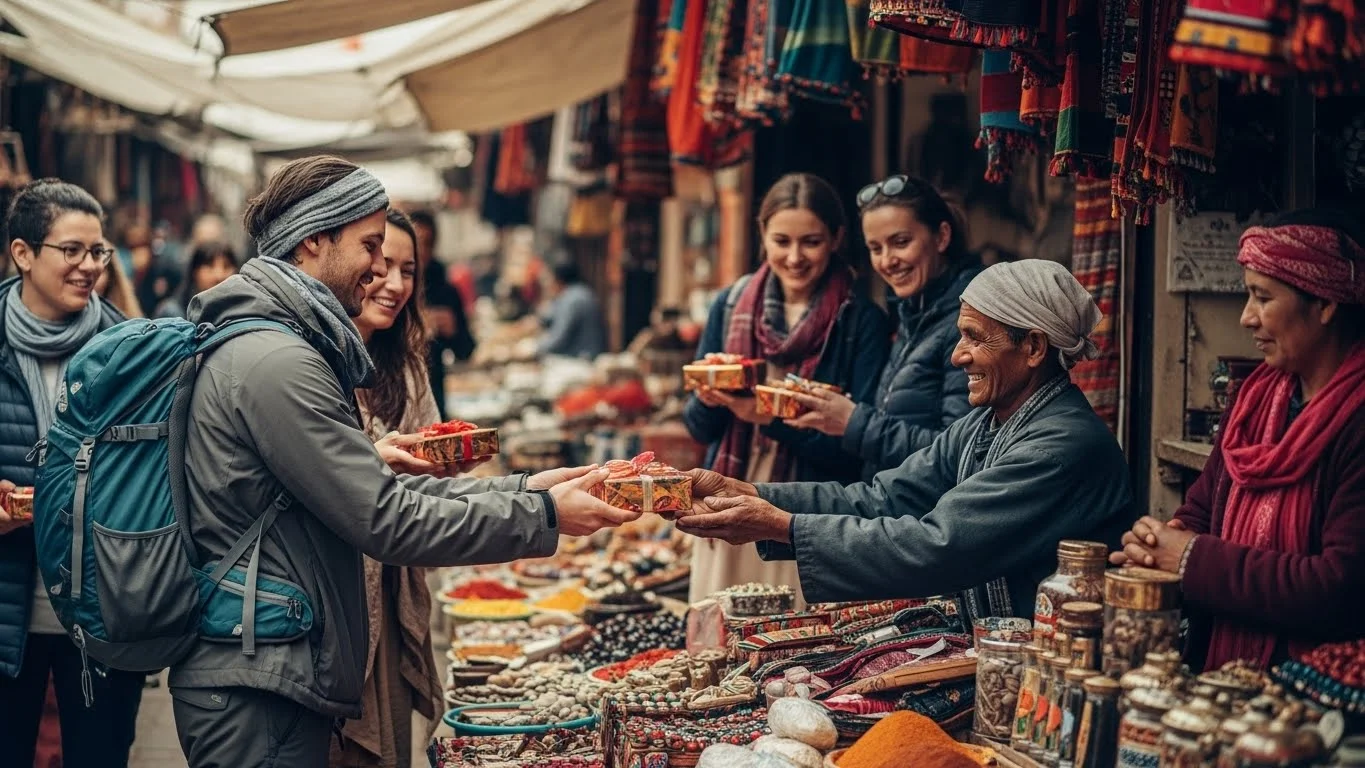
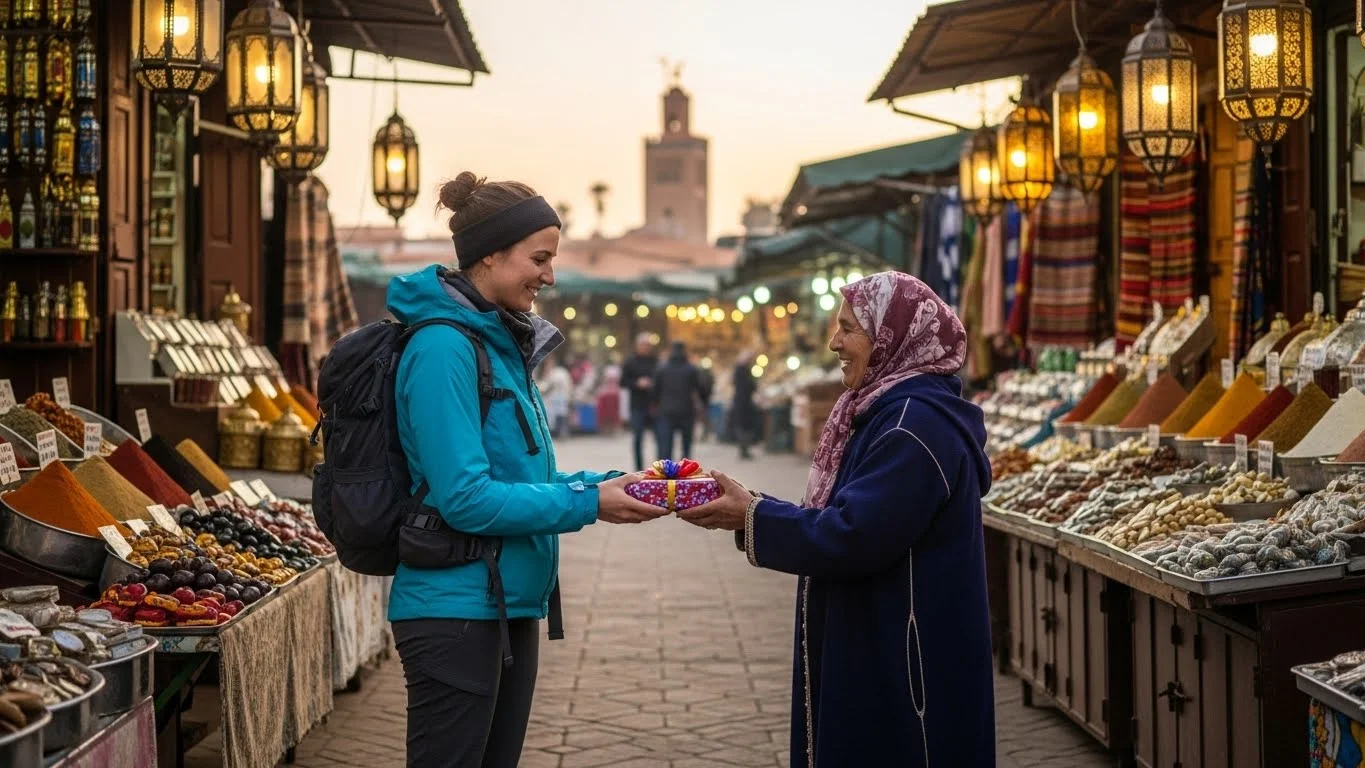
Cultural Insights: The Art of Gift Giving on Your Travels

Gift giving can be one of the most heartfelt ways to connect with people on your travels. Understanding its cultural significance can transform a simple exchange into a memorable experience. For more insights on how to navigate these interactions, consider reading Mastering Gift Giving Etiquette While Traveling Abroad.

Cultural Insights: The Art of Gift Giving on Your Travels

Understanding the Importance of Gift Giving in Different Cultures

When I first began traveling, I was struck by how deeply ingrained gift giving is in various cultures. It’s not just about the items exchanged; it’s about the connections formed, the stories shared, and the respect shown. Each culture has its own unique customs surrounding gifts, making it essential for travelers to approach this practice with sensitivity and awareness. I remember my first trip to Japan, where I quickly learned that bringing a small gift for my hosts was not only appreciated but expected. It set the tone for a warm relationship and opened doors to deeper conversations.

The Role of Gifts in Social Relationships

Gift giving often serves as a bridge in social relationships. In many cultures, offering a gift signifies respect, appreciation, or even an apology. I’ve seen how a simple gesture, like giving a handmade bracelet, can strengthen a bond between friends or create a lasting impression on new acquaintances. Gifts can also be a means of maintaining connections over long distances. I remember receiving a beautifully wrapped box from a friend I met during my travels in South America. Inside was a piece of local art that reminded me of our shared experiences, reinforcing our friendship despite the miles apart.

Gift Giving as a Cultural Expression

Each culture has its own way of expressing sentiments through gifts. In some places, gifts are elaborate and expensive, while in others, they are simple and heartfelt. For instance, in many African cultures, gifts often symbolize community and the sharing of resources. I recall attending a wedding in Ghana where guests brought food and small tokens to celebrate the couple, showcasing the communal spirit. This cultural expression through gift giving is not only beautiful but also enriches one’s travel experience by providing insights into local values and traditions.

Common Occasions for Gift Giving Worldwide

Cultural celebrations often dictate when and how gifts are given. While many of us think of birthdays and holidays as typical occasions, there are countless other moments that call for gifts. In Japan, there’s a custom called “Oseibo,” where people give gifts at the end of the year as a way to express gratitude. During my time in Bali, I learned about the Balinese ceremony called “Otonan,” where families give gifts to celebrate a child’s birthday. These occasions highlight how gifts can vary widely from culture to culture, and understanding these differences can enhance our travel experiences.

As I traveled, I took note of how important it is to be aware of these customs, especially when visiting a new country. I remember being invited to a family celebration in Mexico where gifts were exchanged not only for birthdays but also during religious events. This practice of gift giving added a layer of significance to the celebrations, making me feel a part of the community. It’s moments like these that remind me of the importance of being culturally aware and respectful when engaging in gift giving.

Learning about the significance of gift giving in different cultures has enriched my travels tremendously. It’s more than just a tradition; it’s a way to connect, share, and express emotions. Each culture has its own stories, and gifts can often be the key to unlocking them. Whether it’s a simple token of appreciation or a grand gesture, understanding the importance of gift giving can deepen our connections with others and create lasting memories.

Popular Gift Giving Traditions Around the World

Japan: Omiyage and the Art of Souvenirs

During my travels in Japan, I became fascinated by the tradition of “omiyage.” This practice involves bringing back souvenirs from trips, usually food or local specialties, to share with family and friends back home. It’s not merely a nice gesture; it’s deeply rooted in the culture. I remember visiting a beautiful temple in Kyoto and being advised by a local friend to pick up some “yatsuhashi,” a sweet rice treat specific to that region. When I returned to my hotel and shared it with my travel companions, it was more than just a snack; it was a way to share a piece of my experience with them. Omiyage serves as a reminder that the act of giving is just as meaningful as the gift itself, reinforcing bonds, and expressing gratitude for the relationships we cherish.

India: Festivals and Rituals of Gifting

In India, the vibrancy of festivals showcases the importance of gift giving. I had the pleasure of experiencing Diwali, the Festival of Lights, which is a time when families exchange gifts as a symbol of love and good fortune. I remember being invited to a neighbor’s home during Diwali, where I was greeted with sweets and colorful decorations. I felt compelled to reciprocate and brought my own sweets, which sparked joy and created a shared moment of celebration. Festivals like Raksha Bandhan, where sisters tie a protective thread on their brothers’ wrists in exchange for gifts, illustrate the emotional significance of gifting in familial bonds. These experiences taught me the beauty of connection through shared rituals, making me appreciate the diverse ways people express their affection and values.

Mexico: The Significance of Quinceañera Gifts

In Mexico, the quinceañera is a significant cultural milestone that celebrates a girl’s transition into womanhood at the age of 15. I had the chance to attend one of these extravagant celebrations, and I was taken aback by the importance of gifts in this event. Family and friends shower the young lady with gifts, symbolizing their love and support. I remember watching as she received beautiful jewelry, heartfelt letters, and even money, all wrapped with care. It struck me that each gift represented not just material value but also the hopes and dreams her loved ones held for her future. Understanding this tradition helped me realize how celebrations can be more than just festivities; they can be deeply meaningful moments where relationships are honored and cherished.

Middle Eastern Cultures: Generosity and Hospitality

During my travels through various Middle Eastern countries, I experienced firsthand the incredible hospitality that’s woven into the fabric of their cultures. In places like Jordan and Lebanon, offering gifts to guests is a common practice that reflects warmth and generosity. I remember visiting a family in Jordan, where I was greeted with an array of delicious foods and beverages. As a token of my appreciation, I brought a small gift—a decorative piece from my home country. To my surprise, it was received with great enthusiasm, leading to heartfelt exchanges about our different backgrounds. This experience opened my eyes to the importance of hospitality and gift giving in fostering connections among people from different cultures. It reminded me that gifts can serve as a bridge to understanding and appreciation.

These diverse gift-giving traditions around the world have taught me so much about the values and connections that different cultures hold dear. It’s fascinating to see how each custom carries its own significance, revealing the beauty of human interactions that transcend borders. Being a part of these traditions has not only enriched my travels but has also inspired me to be more thoughtful about the gifts I give and receive in my everyday life. Each gift exchanged tells a story, and I believe it’s through these stories we truly connect with one another.

Choosing the Right Gifts: Tips for Travelers

Understanding Local Customs and Etiquette

As I dove deeper into gift-giving while traveling, I realized that understanding local customs and etiquette is crucial. Each culture has its own set of unwritten rules that dictate what is appropriate to give and receive. I remember walking through a bustling market in Thailand, trying to choose the perfect gift for a local friend. A vendor noticed my hesitation and shared that in Thai culture, it’s important to give and receive items with both hands as a sign of respect. I felt grateful for that insight because it added a layer of thoughtfulness to my gift. It’s these small details that can make a big difference in how your gesture is perceived.

In some cultures, like in Japan, the way you present a gift can be just as important as the gift itself. I once experienced this during a visit to a friend’s home where I noticed how gifts were beautifully wrapped and presented with care. Learning about these nuances, such as avoiding white wrapping paper (which symbolizes funerals), helped me navigate gift-giving more effectively and respectfully. For more information on navigating these customs, check out Mastering Global Greetings: A Backpacker’s Guide.

Types of Gifts to Consider (Practical, Cultural, Sentimental)

When choosing a gift, I’ve found that considering the type of gift can guide my decision. Practical gifts, like a nice pen or useful kitchen gadget, might be appreciated in business settings, while cultural items, such as local crafts or traditional snacks, can celebrate the recipient’s heritage. I once brought back hand-painted pottery from Mexico, a beautiful representation of the culture, which my friends cherished as a decorative piece in their home.

Sentimental gifts can also create lasting memories. I remember gifting a small photo album filled with pictures of my travels to a close friend I met abroad. It was a collection of our shared experiences, and the emotional weight of that gesture made it incredibly special. So, whether it’s a handcrafted item that tells a story or a practical gift that serves a purpose, thinking about the type of gift can help make it more meaningful to the recipient.

When to Give Gifts: Timing and Context

The timing of gift-giving can vary widely from culture to culture, and I’ve learned that being aware of when to give a gift can be just as important as the gift itself. For example, in many Asian cultures, it’s customary to present gifts during special occasions, like holidays or family gatherings. I experienced this during the Lunar New Year in Vietnam, where gifts were exchanged among family members to symbolize good fortune for the year ahead.

On the other hand, in some cultures, unexpected gifts can be a delightful surprise. I once gave a small gift to a guide in Peru after a day of exploring, which caught him off guard in the best way. It was a spontaneous gesture that led to heartfelt conversations about our different backgrounds and experiences. Understanding the context of when to give gifts can enhance the experience for both the giver and the recipient, turning a simple act into a cherished memory.

Unique Gifts to Bring Back from Your Travels

Handmade Crafts and Local Artisans

One of the most rewarding parts of traveling is discovering unique handmade crafts and supporting local artisans. I remember wandering through a charming village in Morocco, where artisans were crafting beautiful rugs and pottery. I couldn’t resist picking up a handwoven basket as a memento. Not only was it a stunning piece of art, but it also held the stories of the makers who poured their passion into each creation. These types of gifts not only serve as reminders of my travels but also help sustain local economies.

When I returned home, I made it a point to share the story behind my basket with friends. Each time I displayed it, I felt a connection to that moment in Morocco, and it sparked conversations about my adventures. Handmade products carry a uniqueness that mass-produced items often lack, and I think they’re perfect for sharing a piece of culture.

Regional Foods and Culinary Delights

Food is another fantastic gift idea that can transport someone to a different place through taste. I’ve had the pleasure of bringing back local delicacies from my travels, and these gifts always seem to be a hit. I remember visiting an artisan chocolate shop in Belgium, where I bought beautifully packaged chocolates to share with my family. The delight on their faces when they tasted those rich, velvety chocolates was priceless.

Regional foods can offer a delicious glimpse into a culture. However, it’s essential to check customs regulations regarding food items before bringing them back. In my experience, sharing food has a unique way of connecting people, as it invites everyone to experience the flavors of a different culture together.

Traditional Clothing and Accessories

Bringing back traditional clothing or accessories can also be a meaningful way to share a culture with friends and family. I remember purchasing a beautiful silk scarf in India that was handmade by local artisans. It wasn’t just a fashionable accessory; it was steeped in tradition and craftsmanship. When I gifted it to my sister, she not only loved the look but also appreciated the story behind it.

Traditional clothing can spark conversations about cultural heritage and the stories behind the craftsmanship. I’ve gifted items like hand-embroidered blouses from Mexico and intricate batik fabrics from Indonesia, each becoming a cherished part of my friends’ wardrobes. It’s a wonderful way to keep the spirit of travel alive and share it with those we love.

As I reflect on the gifts I’ve exchanged and brought back from my journeys, I realize that they are more than just items; they are connections, memories, and stories woven together through the art of giving. Each gift carries a piece of the world, allowing us to share our experiences and create bonds that transcend distance and time.

Gift Wrapping and Presentation: Cultural Nuances

Color Meanings and Symbolism in Gift Wrapping

Once I started exploring gift giving in-depth, I quickly learned that how a gift is wrapped can carry as much significance as the gift itself. I remember being in China during the Lunar New Year, where the color red is considered auspicious and symbolizes happiness and good fortune. I was advised that gifts should be wrapped in red paper or placed in red envelopes, especially when given to family or close friends. The excitement of receiving a gift wrapped in this vibrant color was palpable, and it made the experience feel even more special.

In contrast, while traveling in South Korea, I discovered that wrapping paper with a lot of white can be seen as inappropriate since white is traditionally associated with funerals. I made a note of these cultural nuances because, as I’ve realized, understanding the meanings behind colors can greatly enhance the gift-giving experience. It’s fascinating how a simple choice of wrapping can convey respect and thoughtfulness.

Presentation Tips for Different Cultures

Presentation can also extend beyond wrapping; it encompasses the entire act of giving. I learned that in many cultures, the way you present a gift is just as important as the gift itself. In Japan, for instance, the ritual of presenting a gift involves bowing and using both hands, which adds a layer of respect to the gesture. I remember attending a dinner party where my host presented gifts with graceful movements, making the moment feel incredibly special. It taught me that the experience of giving is equally vital to the message behind the gift.

Similarly, I found that in some Middle Eastern cultures, gifts are often presented with great ceremony, sometimes accompanied by a warm embrace or heartfelt words of appreciation. I experienced this when I was given a beautifully crafted piece of art during my travels in Jordan. The way it was handed over, with sincere smiles and open arms, made me feel valued and honored. These little details help transform the act of gift-giving into a memorable ritual that celebrates relationships.

Gift Giving Mistakes to Avoid

Common Faux Pas in Various Cultures

As I navigated the world of gift giving, I encountered some pitfalls that I learned to avoid. For instance, I was once in a situation in Thailand where I unwittingly offered a gift with my left hand. A local friend gently pointed out that this could be considered disrespectful since the left hand is traditionally viewed as unclean in many Asian cultures. Moments like these were eye-opening and reminded me how important it is to be aware of cultural norms.

Another faux pas I’ve seen is giving gifts that might be inappropriate based on cultural or religious beliefs. I once attended a gathering in India and saw someone gift alcohol, which can be frowned upon in certain communities. It’s crucial to do a little research or ask about what’s acceptable to ensure your gesture is received in the spirit intended.

Understanding Gift Value and Appropriateness

Gift value can also be a tricky area. I learned that in some cultures, extravagant gifts can be seen as boastful or inconsiderate, while in others, they symbolize generosity. A friend once gifted a high-end watch in Brazil, and while some appreciated the gesture, others felt uncomfortable with what they perceived as an unequal exchange. This experience taught me the importance of understanding the context and ensuring that my gift aligns with the values of those I’m giving to.

The Impact of Digital Gifts in Modern Travel

Gift Cards and Online Vouchers

As technology has evolved, I’ve also seen the rise of digital gifts and how they’re becoming more common, especially among younger generations. Gift cards and online vouchers allow friends and family to choose what they truly want or need. During a recent trip, I encountered a local café that offered digital gift cards, which I thought was a brilliant way to share an experience without needing to carry anything physical back home. I ended up purchasing a few for friends, sharing the joy of their local specialty coffee with them, even from afar.

Virtual Experiences as Gifts

Virtual experiences have opened up a whole new realm of gifting that I find fascinating. I’ve gifted online cooking classes or virtual tours of places I’ve loved visiting. These experiences not only allow the recipient to engage with a different culture but also provide memories that can last a lifetime. I once gifted a virtual cooking class in Italy to a friend who loves to cook, and it turned out to be a delightful evening filled with laughter and learning. It’s incredible how technology can bridge distances and make gift giving even more meaningful.

Final Thoughts

Reflecting on my journeys, I realize that gift giving transcends mere exchanges; it’s about connecting, sharing, and understanding one another. Each culture I’ve explored has taught me invaluable lessons about generosity, respect, and the joy of giving. Whether it’s a handmade craft, a thoughtful gesture, or the way we present a gift, I believe these moments enrich our lives and help forge deeper connections with others. As we navigate through this delightful realm of gift giving, let’s embrace the stories and traditions that come with each gift, making our travels even more meaningful.

Frequently Asked Questions

What is the cultural significance of gift giving in different cultures?

Gift giving is deeply ingrained in various cultures and serves as a way to form connections, share stories, and show respect. Each culture has unique customs surrounding gifts, making it essential for travelers to approach this practice with sensitivity and awareness.

How does gift giving strengthen social relationships?

Gift giving acts as a bridge in social relationships, signifying respect, appreciation, or even an apology. Simple gestures, like giving a handmade item, can strengthen bonds between friends and create lasting impressions on new acquaintances.

What are some common occasions for gift giving worldwide?

Common occasions for gift giving can include birthdays, holidays, and cultural celebrations. For example, in Japan, the custom of “Oseibo” involves giving gifts at the end of the year, while in Bali, gifts are exchanged during the “Otonan” ceremony for a child’s birthday.

What are some popular gift giving traditions around the world?

Popular traditions include “omiyage” in Japan, where souvenirs are shared with family and friends, and the celebration of Diwali in India, where families exchange gifts as symbols of love and good fortune. In Mexico, quinceañera gifts symbolize support for a girl’s transition into womanhood.

What should travelers consider when choosing gifts?

Travelers should understand local customs and etiquette, consider the type of gift (practical, cultural, sentimental), and be aware of the timing and context for gift giving to enhance the experience for both the giver and the recipient.

What types of gifts are recommended for travelers to bring back?

Recommended gifts include handmade crafts from local artisans, regional foods that offer a taste of the culture, and traditional clothing or accessories that carry cultural significance and spark conversations about heritage.

How important is gift wrapping and presentation in different cultures?

Gift wrapping and presentation can carry significant meaning. For instance, in China, red wrapping paper symbolizes good fortune, while in South Korea, white wrapping can be seen as inappropriate. The way a gift is presented can also add respect to the gesture.

What common gift giving mistakes should be avoided?

Common mistakes include offering gifts with the left hand in cultures where it’s considered disrespectful and giving gifts that may be inappropriate based on cultural or religious beliefs. Understanding the context and values of the culture is essential.

How have digital gifts changed the landscape of gift giving?

Digital gifts, such as gift cards and online vouchers, have become more common, allowing recipients to choose what they want. Virtual experiences, like online cooking classes, also provide memorable ways to engage with different cultures from afar.

What are the key takeaways about the art of gift giving?

Gift giving transcends mere exchanges and is about connecting, sharing, and understanding one another. Each culture offers valuable lessons about generosity and respect, enriching our lives and forging deeper connections.

Mastering Gift Giving Etiquette While Traveling Abroad

Gift giving while traveling can be a delightful yet daunting task. Understanding the customs and traditions of your destination can elevate your experience, allowing you to connect with locals on a deeper level. Solo Travel Success: Understanding Cultural Etiquette provides insights into navigating these nuances.

Mastering Gift Giving Etiquette While Traveling Abroad

Understanding Gift Giving Etiquette Globally

Traveling opens up a world of experiences, but it also immerses us in diverse cultures, each with its own unique customs, especially when it comes to gift giving. I remember my first trip abroad, feeling excited but also nervous about navigating these cultural nuances. Understanding gift giving etiquette globally is essential not only for making a good impression but also for showing respect to the people we meet.

Why Gift Giving is Important in Different Cultures

In many cultures, gift giving is more than just a friendly gesture; it carries significant meaning. For instance, in Japan, gifts symbolize respect and gratitude, and it’s customary to bring a small present when visiting someone’s home. I learned this the hard way during my first visit to Tokyo. I brought a simple bottle of wine, thinking it would suffice. To my surprise, my hosts graciously accepted it, but I noticed gifts wrapped in beautiful paper and tied with intricate ribbons. This taught me that the presentation is just as important as the gift itself in many cultures.

In contrast, in parts of the Middle East, gift giving is often about establishing trust and building business relationships. A thoughtful gift can pave the way for future collaborations and friendships. Reflecting on my travels, I’ve come to appreciate that understanding the cultural importance of gifts can enhance our interactions and create lasting memories. Navigating Cultural Etiquette Solo: A Traveler’s Guide offers further exploration of these concepts.

The Role of Gifts in Building Relationships

Gifts often serve as a bridge between cultures, helping to foster relationships that might not have otherwise formed. I’ve witnessed this firsthand. During a visit to a small village in Italy, I brought homemade cookies from my hometown as a gift. The villagers were touched by the gesture, and it opened the door to conversations about our lives, traditions, and families. It felt incredible to see how something as simple as a cookie could create such a bond.

In many cultures, the act of giving a gift signifies the beginning of a relationship, be it personal or professional. I’ve learned that when we take the time to understand the significance behind gift giving in different cultures, we not only show respect but also enrich our travel experiences. Whether it’s a small token or a grand gesture, gifts can make a lasting impression and create connections that transcend language barriers.

General Gift Giving Guidelines

When to Give Gifts While Traveling

Timing is crucial when it comes to gift giving while traveling. I’ve found that understanding when to present a gift can vary widely by culture. For instance, in some countries, bringing a gift upon arrival is customary, while in others, it’s often reserved for special occasions or celebrations. During my travels in Spain, I discovered that gifts are typically given during festivals or family gatherings, which helped me avoid any awkward moments.

Also, consider the context of your visit. If you’re visiting someone’s home, it’s generally polite to bring a gift. However, if you’re attending a formal event or business meeting, it might be better to gauge the situation first. I remember attending a wedding in Greece where guests brought gifts for the couple, but they also had a tradition of providing favors for the guests. This dual aspect of gift giving was a delightful surprise!

Choosing the Right Gift for the Occasion

Selecting the perfect gift can be challenging, especially when you’re unfamiliar with local customs. I’ve made the mistake of choosing something that I thought was meaningful, only to realize it didn’t hold the same value in the recipient’s culture. I recommend doing a bit of research before your trip. For example, in some Asian cultures, items like clocks may symbolize mortality and should be avoided as gifts.

When I traveled to South America, I discovered that handmade items from local artisans are often appreciated more than generic souvenirs. I found a beautiful handwoven scarf, and the joy on the recipient’s face when I presented it was priceless. It reinforced my belief that thoughtful gifts, even if they are simple, can make a significant impact.

Presentation Matters: Wrapping and Presentation Styles

The way a gift is presented can be just as important as the gift itself. I learned this lesson during my travels in Japan, where the wrapping is an art form in itself. Gifts are typically wrapped beautifully, and I noticed that the act of unwrapping is done with care and respect. This attention to detail made me rethink my usual gift-wrapping style back home.

In many cultures, it’s customary to avoid wrapping gifts in red or white paper, as these colors can have negative connotations. Instead, I found that using bright, cheerful colors or traditional patterns can enhance the joy of giving. Whether it’s a simple bow or an intricately folded paper, the effort put into presentation can convey thoughtfulness and sincerity, making the gift even more special.

Country-Specific Gift Giving Etiquette

Gift Giving in Japan

Japan is such a fascinating place when it comes to gift giving. I remember my first experience there; I was invited to a colleague’s home, and I wanted to make a good impression. I learned that in Japan, the way you give and receive gifts is just as important as the gift itself. Presenting a gift with both hands shows respect, and it’s customary to politely refuse a gift a couple of times before accepting it. This was quite the dance for me! It felt a bit awkward at first, but it also added a layer of warmth to the exchange. I made sure to wrap my gift in a beautiful furoshiki cloth, which is not only practical but also a traditional Japanese wrapping cloth. My host seemed genuinely touched, and I felt that I had honored their culture.

Gift Giving in France

In France, gift giving has its own charm and etiquette. I remember my visit to Paris, where I was invited to a dinner party. I learned that it’s common to bring a gift for the host, such as a nice bottle of wine or some flowers. However, I quickly discovered that one should avoid gifting chrysanthemums, as they are reserved for funerals. I felt relieved to have done a bit of research beforehand! The presentation also matters; it’s nice to present your gift in a well-wrapped manner, reflecting thoughtfulness. When I handed my host a beautifully packaged bottle of wine, the smile on their face was priceless, and it felt like I was part of their lovely evening.

Gift Giving in India

India is a country bursting with traditions, and gift giving is an essential aspect of its culture. During my travels, I participated in a wedding celebration and learned just how significant gifts are in such contexts. I was advised to choose gifts that reflect both thoughtfulness and respect. For instance, sweets are a popular choice, particularly during festivals and celebrations. I brought a box of traditional Indian sweets when invited for dinner at a friend’s home. The joy on their face was heartwarming! I also learned that presenting gifts with the right hand, or both hands, is a sign of respect, while the left hand is considered unclean. I made sure to always adhere to this practice, and it helped me connect more deeply with my hosts.

Gift Giving in Brazil

Brazilian culture is known for its warmth and friendliness, and gift giving plays an important role in social interactions. I remember enjoying a vibrant birthday celebration in Rio de Janeiro, where I noticed that guests brought gifts not just for the host but also for the birthday child. The gifts ranged from toys to books, showcasing the thoughtfulness of each guest. I learned it’s best to avoid gifting items in sets of 13, as it’s considered unlucky. Instead, I opted for a colorful soccer ball that reflected the local passion for football. The excitement on the child’s face when I handed it over was a moment I will never forget!

Gift Giving in China

China’s gift giving customs are rich with symbolism. I’ve found that it’s essential to approach gift giving with an understanding of cultural meanings. When I traveled to Beijing, I learned that certain gifts, like clocks or umbrellas, can symbolize bad luck, so I made sure to avoid those options. Instead, I chose tea—something that’s cherished in Chinese culture. Presentation is key here too; gifts should be wrapped in bright colors, avoiding white and black as they are associated with funerals. When I presented the beautifully wrapped tea set to my hosts, their delight was evident. It not only honored their traditions but also opened the door for deeper conversations about their culture and lifestyle.

Common Mistakes to Avoid

Gifts That May Be Considered Offensive

While it’s easy to get excited about giving gifts, it’s crucial to be aware of what might be considered offensive in different cultures. I’ve had my share of awkward moments, and I’ve learned the hard way that some items carry negative connotations. For instance, in Germany, giving red roses could be seen as a romantic gesture, which may not be appropriate in a platonic context. I remember bringing a lovely bouquet of mixed flowers to a friend’s housewarming party, only to find out later that the arrangement included a few red roses! Thankfully, my friend understood my intentions, but it was a valuable lesson for me.

Additionally, in many Asian cultures, gifting certain items like scissors or knives can symbolize the severing of relationships. I once thought a beautifully crafted knife would be a unique present for a friend in Taiwan, but after doing some research, I realized it could be misinterpreted. Instead, I opted for a lovely decorative item that reflected local artistry, and the appreciation was evident. Being mindful of what gifts to avoid can save us from unintentional faux pas and show our respect for cultural sensitivities.

Ignoring Cultural Norms and Traditions

Every culture has its own set of norms and traditions surrounding gift giving, and ignoring these can lead to misunderstandings. When I traveled to Egypt, I was excited to bring a gift to my hosts, but I didn’t take the time to understand how gifts should be presented. I handed over a gift without any special wrapping, which I later learned is seen as a lack of effort or consideration in Egyptian culture. The follow-up conversation revealed that my hosts greatly appreciated the gesture but would have been even more pleased with a beautifully wrapped gift.

I also noticed that in some cultures, it’s expected that gifts should be opened in front of the giver to express gratitude. During a visit to Turkey, I made the mistake of suggesting that my host open the gift later. The look on their face signaled that I had missed an important social cue. Now, I always take the time to learn about the traditions and norms of the place I’m visiting, as this shows genuine interest and respect for the local culture. Essential Cultural Etiquette Tips for Solo Travelers can further assist in avoiding such pitfalls.

Inappropriate Timing for Gift Giving

Timing can be everything when it comes to gift giving. I recall attending a festival in India where it was customary to bring gifts, but I arrived with mine a week early. While my gesture was appreciated, it felt out of place with the festivities. In many cultures, the timing of a gift can enhance its significance, so I always make sure to align my gift giving with local customs. During my travels in Italy, I learned that gifts are often exchanged during specific holidays or family gatherings, and being aware of this helped me avoid any missteps.

Moreover, in some countries, such as Finland or Sweden, gifts given during casual visits may not be expected, and presenting one outside of a special occasion can lead to embarrassment. I’ve also noticed that in business contexts, the timing of gifts can be particularly sensitive. When I worked on a project in Singapore, I discovered that bringing gifts to initial meetings was frowned upon. Understanding these nuances has helped me navigate social situations with ease and confidence.

Practical Tips for Travelers

How to Pack Gifts for Travel

Packing gifts for travel can be a bit of a puzzle, but I’ve picked up some handy tricks along the way. I always look for lightweight, non-fragile items that can withstand the rigors of travel. For instance, I often opt for items that can be easily wrapped or don’t require elaborate packaging. One of my favorite experiences was bringing locally made soaps from my hometown as gifts. They were small, lightweight, and could easily fit into my suitcase without any fuss.

When it comes to wrapping, I recommend using materials that won’t break or crush easily. I came across these adorable fabric gift bags that not only looked charming but also provided extra protection for my presents. Additionally, I always ensure that my gifts comply with airline regulations and customs rules to avoid any surprises at the airport. Being prepared and thoughtful about packing can make the entire experience smoother and more enjoyable.

Where to Buy Gifts While Abroad

Finding the perfect gift while traveling can be an adventure in itself! I love exploring local markets and artisan shops to discover unique treasures that represent the culture of the place I’m visiting. On a trip to Marrakech, I stumbled upon a vibrant souk filled with handcrafted items. I ended up buying beautiful ceramics that not only captured the essence of Moroccan craftsmanship but also made for perfect gifts. I always try to support local artisans, as it feels good to contribute to the economy while also bringing home a piece of the culture.

Another tip is to ask locals for recommendations on where to shop. I’ve found that locals often know the best places for authentic gifts that you won’t find in tourist shops. Whether it’s a quirky trinket or something more substantial, taking the time to seek out local stores can lead to delightful discoveries.

Understanding Shipping and Customs Regulations

Shipping gifts internationally can be a gamble, and it’s essential to understand the customs regulations of both your home country and the country you’re sending gifts to. I’ve learned this lesson the hard way when I attempted to send a lovely handmade blanket back from Peru. I didn’t check the regulations and ended up facing hefty customs fees. Now, I always take a few minutes to research what items are allowed and how much they might cost to ship. This way, I avoid any unpleasant surprises and ensure my gifts make it safely to their destination.

Additionally, if you’re purchasing gifts abroad, I recommend keeping receipts to avoid issues at customs. I also make sure to declare any items that may have value, as this can save time and hassle. Understanding these regulations can help you navigate the gifting process more smoothly, allowing you to focus on the joy of giving.

Frequently Asked Questions

What is the importance of understanding gift giving etiquette while traveling?

Understanding gift giving etiquette globally is essential for making a good impression and showing respect to the people we meet. It allows travelers to connect with locals on a deeper level and enhances their overall travel experience.

How does gift giving vary across different cultures?

Gift giving varies significantly across cultures. In Japan, gifts symbolize respect and gratitude, while in the Middle East, they establish trust and business relationships. Each culture has unique customs regarding the significance and presentation of gifts.

When is it appropriate to give gifts while traveling?

Timing is crucial when giving gifts. In some cultures, gifts are expected upon arrival, while in others, they are reserved for special occasions. It’s important to understand the context of your visit to determine the right moment to present a gift.

What should I consider when choosing a gift for someone in a different culture?

It’s important to research local customs and values to choose an appropriate gift. Some items may carry negative connotations, so understanding cultural significance can help avoid unintentional faux pas.

Why is the presentation of a gift important?

The way a gift is presented can be just as important as the gift itself. In many cultures, the wrapping and presentation reflect thoughtfulness and respect, enhancing the joy of giving.

What are some common mistakes to avoid in gift giving?

Common mistakes include giving gifts that may be considered offensive, ignoring cultural norms, and inappropriate timing. Being aware of these factors can prevent misunderstandings and show respect for the recipient’s culture.

How can I pack gifts for travel effectively?

Packing gifts for travel requires choosing lightweight, non-fragile items and using durable wrapping materials. It’s also important to ensure that the gifts comply with airline regulations and customs rules.

Where is the best place to buy gifts while traveling?

Local markets and artisan shops are great places to find unique gifts that represent the culture of the destination. Asking locals for recommendations can also lead to discovering authentic treasures.

What should I know about shipping gifts internationally?

Understanding customs regulations of both your home country and the destination is essential when shipping gifts internationally. Researching allowed items and keeping receipts can help avoid issues at customs.

What is a thoughtful gift to give in Japan?

In Japan, it is customary to present gifts with both hands and to wrap them beautifully. Gifts that reflect respect, such as traditional items or beautifully packaged goods, are appreciated.

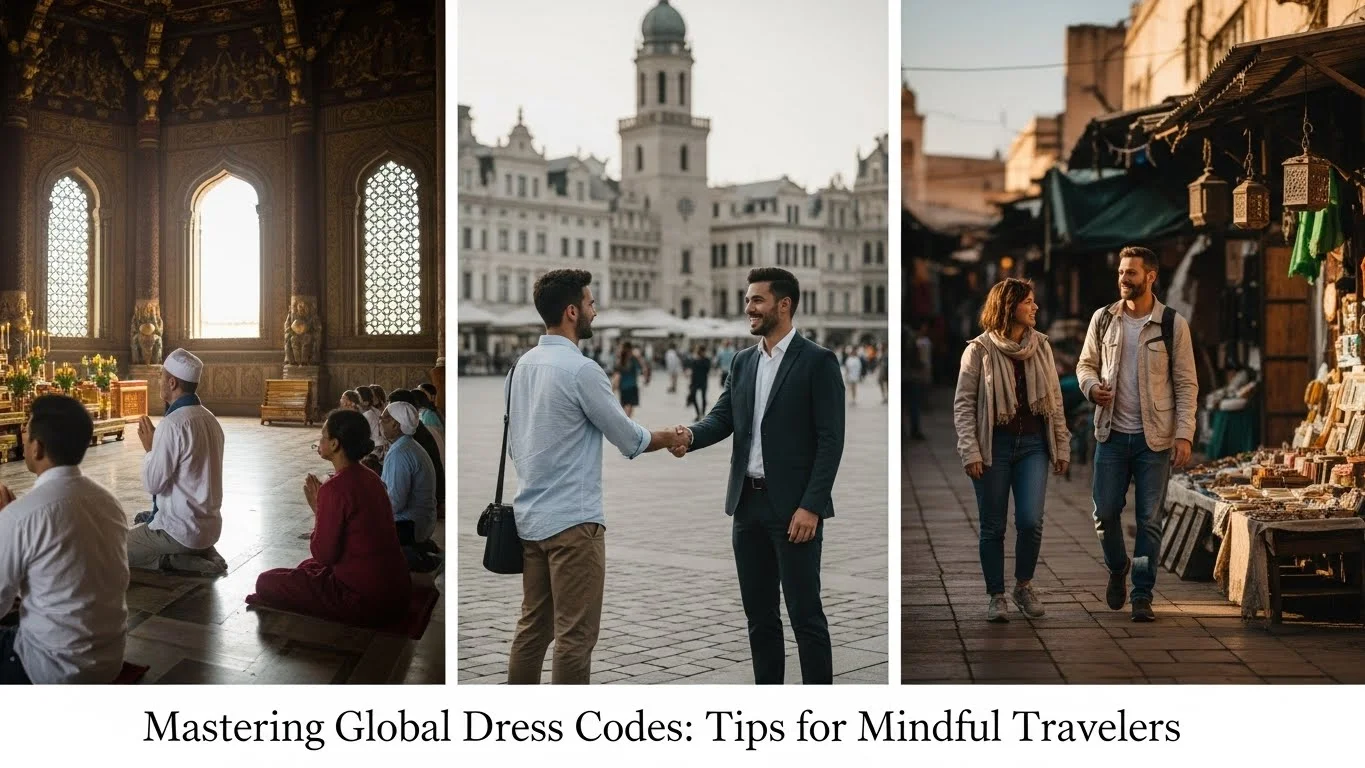
Mastering Global Dress Codes: Tips for Mindful Travelers

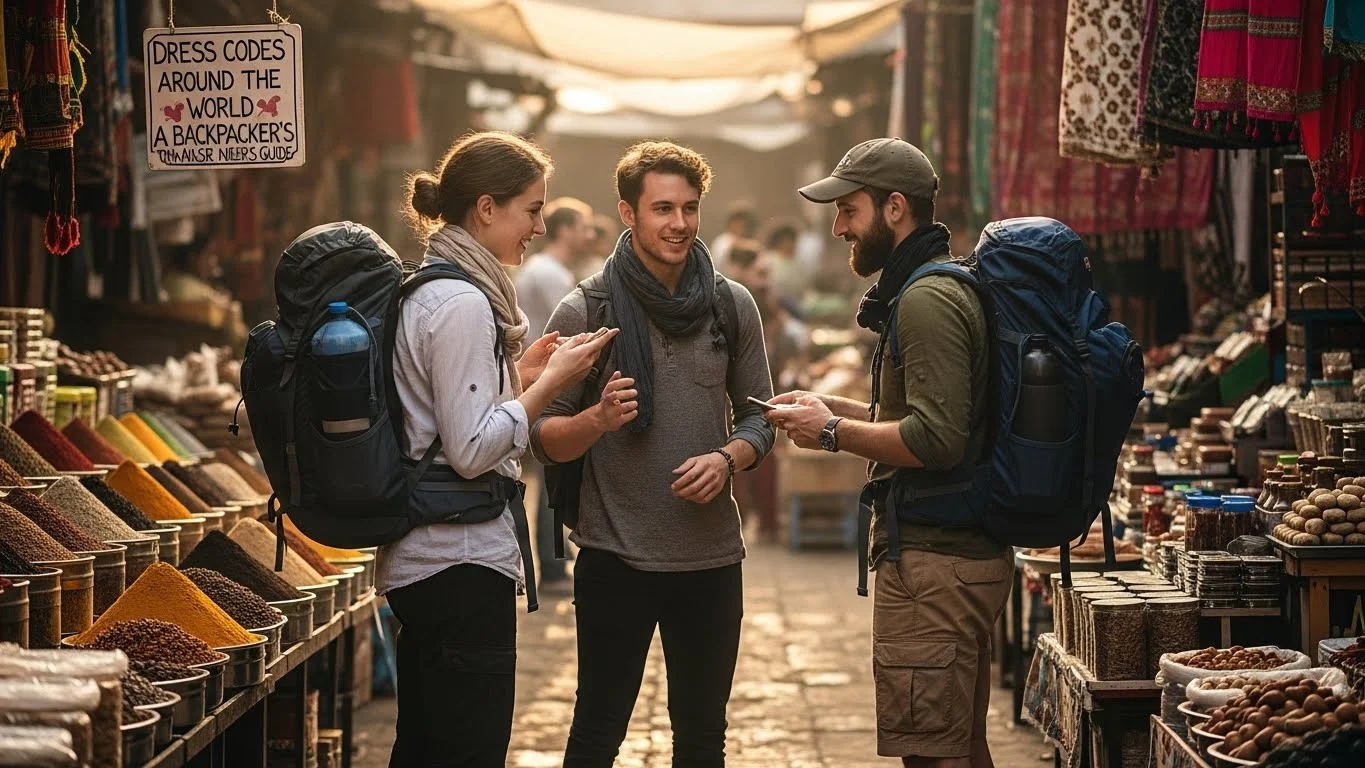
Traveling the world is an exciting adventure, but it comes with its own set of challenges—especially when it comes to dressing appropriately. Understanding global dress codes can truly enhance our travel experiences. For more insights, check out Dress Codes Around the World: A Backpacker’s Guide.

Mastering Global Dress Codes: Tips for Mindful Travelers

Understanding Global Dress Codes

What is a Dress Code?

I remember my first trip abroad, and I was overwhelmed by the variety of clothing styles I encountered. A dress code refers to the set of rules or guidelines that dictate what is acceptable to wear in different settings, be it a workplace, a social event, or a religious site. These codes can vary widely between cultures and locations, affecting how we present ourselves in various environments. For instance, while shorts and flip-flops might be perfectly fine at a beach in Thailand, they could be frowned upon during a dinner in Paris. It’s fascinating how much can be communicated through clothing, and I’ve learned that it’s essential to respect these conventions when traveling.

Importance of Dress Codes in Different Cultures

From my experience, understanding the importance of dress codes in different cultures can make or break a travel experience. In many places, clothing reflects respect for tradition and local customs. When I traveled to Japan, I was genuinely impressed by how locals dressed modestly, especially when visiting temples. It made me realize that my choice of attire could either show respect or disregard for their culture. I think it’s important to view dress codes as an opportunity to connect with a place and its people rather than just a set of rules to follow. This understanding helps us create a bridge of respect and appreciation, enhancing our interactions and experiences. To deepen your understanding, consider reading about Immerse Yourself in Global Traditional Dance Experiences.

Common Dress Codes Around the World

Casual Attire

Casual attire is perhaps the most relaxed dress code around the globe. I’ve found that this typically involves comfortable clothing like jeans, t-shirts, and sneakers. However, “casual” can differ significantly depending on where you are. In the U.S., people generally embrace a laid-back approach, while in some parts of Europe, casual might still lean towards a more polished look. I recall walking through Barcelona and noticing that even casual wear seemed to have a chic flair. It’s a reminder that casual doesn’t always mean sloppy; it can still reflect a sense of style.

Business Casual

Business casual is one of those dress codes that can leave travelers scratching their heads. I remember attending a business meeting in London and realizing I had misjudged the dress code. Business casual usually means a step down from formal business attire. Think slacks and a dress shirt without a tie, or a smart dress without heels. However, in countries like Australia, this can be even more relaxed, allowing for more vibrant colors and comfortable fabrics. The key is to research beforehand. I’ve learned that paying attention to local business culture can make a significant difference in how I am perceived.

Formal Wear

When it comes to formal wear, I’ve had my fair share of packing woes! In some cultures, formal means a full suit and tie or a cocktail dress, while in others, it might lean towards traditional garments. For instance, attending a wedding in Mexico, I discovered that wearing something colorful and festive was not just encouraged but expected. It’s crucial to be aware of what formal means in the context of the event. I now try to consult locals or do a bit of research to ensure I don’t stand out for the wrong reasons.

Traditional and Cultural Dress

Experiencing traditional and cultural dress is one of the most rewarding parts of traveling. I remember wearing a sarong in Bali during a temple visit, which not only made me feel part of the culture but also showed my respect for the local customs. Traditional dress often carries deep meaning, reflecting the history and values of a community. I believe that embracing these styles, even temporarily, can create a beautiful connection with the place we are visiting and its people. It’s a great way to learn about and honor the heritage of others.

Religious Attire

Religious attire is something I’ve encountered in nearly every country I’ve visited. Whether it’s modest clothing when visiting a mosque or removing shoes before entering a temple, respecting religious dress codes is crucial. I remember feeling slightly nervous when I was asked to cover my shoulders and knees in a church in Athens. However, once I donned a shawl, I felt more at ease, knowing I was honoring the sacred space I was entering. It’s a reminder that dress codes in religious contexts are often about showing reverence, and adapting can help us navigate these spaces respectfully.

Region-Specific Dress Codes

Dress Codes in Europe

Europe is a melting pot of cultures, and with that diversity comes a rich tapestry of dress codes. I’ve often found that understanding these codes can make my travels much more enjoyable. It’s not just about fitting in; it’s about respecting the local customs and traditions that shape a community.

Italy

Italy is renowned for its fashion, so dressing well is essential when visiting. I remember wandering through the streets of Florence and feeling slightly underdressed in my casual attire. Italians have a knack for looking effortlessly chic, even in everyday situations. I learned that darker colors, tailored pieces, and stylish accessories are popular, especially in cities like Milan. I recommend leaving the athletic wear at home unless you’re heading to the gym. Instead, opt for well-fitted clothing that reflects an appreciation for style—a nice pair of shoes can make all the difference!

France

France is another country where fashion takes center stage, especially in Paris. I noticed that Parisians often favor a minimalist aesthetic. During my visit, I saw many people donning classic outfits, such as black trousers and white blouses, paired with a scarf. I quickly learned that accessories are key to elevating a simple look. I also felt that the French take pride in their appearance, so I made an effort to dress well, even when exploring the city’s quaint streets. It’s a great reminder that in France, the way we dress can convey not just personal style but also respect for the culture.

Dress Codes in Asia

Asia is incredibly diverse, and dress codes can vary immensely from one country to another. I’ve found that being mindful of local customs can greatly enhance my travel experience and interactions.

Japan

While previously touched upon, I must emphasize how formal situations in Japan often require specific attire. In business settings, wearing a suit is the norm, while social gatherings might allow for more casual styles. I also discovered that when visiting shrines or temples, wearing subdued colors and covering shoulders is expected. I remember being complimented for my respectful approach, which encouraged me to learn more about their customs.

India

India’s diverse cultures also reflect a wide range of dress codes. I recall visiting a temple in Tamil Nadu, where I was advised to wear traditional attire. I ended up wearing a kurta, which not only made me feel more connected to the local culture but also received warm smiles from the locals. In urban areas, you’ll see a mix of Western clothing and traditional garments. When I traveled through Mumbai, I noticed how many people opted for colorful and vibrant clothing, especially during festivals. This experience taught me the beauty of embracing colorful attire and how it can reflect the spirit of a nation.

Dress Codes in the Middle East

The Middle East presents its own unique set of dress codes that are often influenced by religious beliefs and cultural traditions.

Saudi Arabia

In Saudi Arabia, modesty is key. I remember feeling a bit out of my comfort zone when I first arrived, as women are required to wear an abaya in public spaces. I opted for a lightweight, stylish abaya that allowed me to feel comfortable while respecting local customs. Men typically wear a thobe, which is a long, flowing garment. I learned that respecting these dress codes is essential for both men and women, and I found it rewarding to adapt to their customs.

United Arab Emirates

In the UAE, especially in Dubai, the dress code is slightly more relaxed, reflecting its cosmopolitan atmosphere. However, I noticed that modesty is still respected, particularly in public spaces and religious sites. I found it helpful to keep my shoulders and knees covered when visiting mosques. I also remember enjoying the vibrant markets and beaches, where casual attire was acceptable. This balance of modern and traditional clothing made my experience rich and enjoyable.

Dress Codes in Africa

Africa is a continent with countless cultures, each with its own dress customs. In my travels, I found that local attire often plays a vital role in cultural identity.

South Africa

In South Africa, the dress code can vary widely depending on the region. I found that in urban areas like Cape Town, a casual yet stylish look is common. However, when I visited rural areas, I noticed many people wore traditional garments that represented their heritage. I experienced this firsthand during a cultural festival, where traditional dress was celebrated. It reminded me how clothing can tell a story, and participating in that celebration was a beautiful way to connect with the local culture.

Kenya

In Kenya, I had the opportunity to wear a shuka, a traditional garment worn by the Maasai people. It was not only a unique experience but also a way to show respect and appreciation for their culture. I learned that in many communities, wearing traditional clothing during gatherings or ceremonies is a sign of respect and pride.

Tips for Mindful Travelers

Researching Local Dress Codes

One of the most valuable lessons I’ve learned as a traveler is the importance of researching local dress codes before I arrive at my destination. It’s amazing how a little prep can go a long way in ensuring a smooth experience. I remember planning my trip to Morocco and spending time online, reading blogs and travel forums about what to wear. I discovered that while tourists often opt for more relaxed clothing, locals usually dress modestly. This motivated me to choose outfits that respected their customs, like loose-fitting pants and long-sleeved tops. By doing my homework, I felt more confident and connected to the culture, and it certainly made my interactions with locals warmer and more genuine. For further guidance, check out Top Tips for Engaging in Community-Based Tourism Responsibly.

Pack Versatile Clothing

When it comes to packing, I’ve found that versatility is key. I like to choose pieces that can be mixed and matched for various occasions. For example, a simple black dress can be dressed up with heels for a night out or dressed down with sandals for a casual day exploring. I also recommend bringing layers, as climates can vary widely even within the same country. I learned this while traveling through Southeast Asia, where it could be hot during the day and chilly at night. By packing versatile clothing, I not only saved space in my suitcase but also ensured that I was prepared for different settings and activities.

Understanding Fabric Choices

Fabric choice is another essential aspect of dressing appropriately while traveling. I’ve discovered that some materials are better suited for specific climates or situations. For instance, when I visited India, I quickly learned that lightweight cotton was the best option for the hot and humid weather. It kept me cool while allowing my skin to breathe. Conversely, during my time in the cooler regions of Europe, I found that layers made of wool and cashmere offered both warmth and style. Understanding which fabrics work best in different environments can enhance comfort and help us fit in seamlessly with the locals.

Accessorizing Appropriately

Accessories can make or break an outfit, and I’ve really come to appreciate their role in traveling. I’ve found that simple, thoughtful accessories can elevate my look while respecting local customs. For example, while visiting a temple in Thailand, I wore a colorful scarf that not only complemented my outfit but also served as a wrap for modesty when entering sacred spaces. I also like to choose accessories that reflect the local culture, like handmade jewelry from artisans. This way, I not only enhance my outfit but also support local businesses. I believe that accessorizing appropriately shows an appreciation for the culture and makes my travel experience even more meaningful.

Dress Code Etiquette

What to Wear for Different Occasions

Knowing what to wear for various occasions can sometimes be tricky, but I’ve learned a few tips along the way. For formal events, I always make sure to opt for clothing that is not only appropriate but also reflects the local culture. For instance, while attending a wedding in Ghana, I wore a colorful kente cloth dress, which was a beautiful way to honor the local traditions. On the other hand, casual outings can vary widely; I’ve found that in many cities, a smart-casual look is often appreciated. When in doubt, I recommend asking locals or checking online for guidance, as it shows respect and thoughtfulness.

How to Handle Dress Code Violations

Encountering a dress code violation can be uncomfortable, but I’ve learned that handling it gracefully is key. There was a time in Italy when I wasn’t properly dressed to enter a historic church. Instead of feeling embarrassed, I took a moment to apologize and quickly found a nearby shop to buy a scarf to cover my shoulders. In situations like these, I believe it’s important to remain calm and respectful. A small gesture of trying to adhere to the local customs goes a long way in creating a positive experience. I’ve found that being adaptable and willing to learn can turn what could be an awkward moment into a valuable lesson.

Adapting to Changing Dress Codes

Influence of Globalization on Local Dress

Globalization has significantly influenced dress codes around the world, and I’ve noticed how traditional attire is often blended with modern styles. For instance, when I visited Nigeria, many young people wore a mix of traditional outfits with contemporary accessories. This fusion really caught my eye; it showcased how cultures can evolve while still respecting their roots. I think it’s important for travelers to be aware of these shifts, as they highlight the dynamic nature of cultural expression. By embracing this evolution, we can appreciate the beauty of diverse styles and recognize the stories they tell.

Balancing Personal Style with Cultural Sensitivity

Finding a balance between personal style and cultural sensitivity can be a challenge, but I’ve learned that it’s possible to express ourselves while respecting local customs. There have been times when I felt compelled to wear something that felt more like “me,” but I always strive to ensure it’s appropriate for the setting. For example, while I love my bohemian maxi dresses, I’ve learned to choose simpler patterns or neutral colors when visiting more conservative areas. I believe that it’s all about adapting our style without losing our identity, and this balance can lead to meaningful connections with the cultures we encounter.

Resources for Travelers

Websites and Apps for Dress Code Guidelines

In today’s digital age, there are countless resources available to help us understand dress codes around the world. I often turn to travel blogs and websites dedicated to cultural etiquette. Apps like Culture Trip and Dress Code are particularly helpful, providing specific guidelines for what to wear in different countries and settings. I recommend checking out these resources before and during your travels, as they can offer valuable insights that enhance our experiences and interactions with locals.

Local Customs Offices and Tourist Information Centers

Another great way to learn about local dress codes is by visiting customs offices or tourist information centers when I arrive at my destination. I’ve found that the staff are often friendly and eager to share tips about the local culture and dress expectations. They can provide insights that aren’t readily available online, helping me navigate potential dress code challenges. By reaching out to locals, I feel more connected to the culture, and it often leads to delightful conversations and recommendations for my stay.

Frequently Asked Questions

What is a dress code?

A dress code refers to the set of rules or guidelines that dictate what is acceptable to wear in different settings, such as workplaces, social events, or religious sites. These codes can vary widely between cultures and locations.

Why is understanding dress codes important while traveling?

Understanding dress codes in different cultures can enhance travel experiences by showing respect for local customs and traditions. Dressing appropriately can help create a bridge of respect and appreciation between travelers and locals.

What are common types of dress codes around the world?

Common dress codes include casual attire, business casual, formal wear, traditional and cultural dress, and religious attire. Each type has its own expectations depending on the region and culture.

How should one dress in Italy?

In Italy, particularly in cities like Milan and Florence, it is essential to dress well. Italians favor darker colors, tailored pieces, and stylish accessories, so it’s recommended to avoid athletic wear unless going to the gym.

What dress code should I follow when visiting a mosque?

When visiting a mosque, it is important to dress modestly. This often includes covering shoulders and knees, and in some cases, removing shoes before entering. Adapting to these dress codes shows respect for the religious space.

How can travelers research local dress codes before their trip?

Travelers can research local dress codes by reading blogs, travel forums, and online resources dedicated to cultural etiquette. This preparation can help ensure a smooth experience and enhance interactions with locals.

What are some tips for packing versatile clothing for travel?

When packing, choose versatile pieces that can be mixed and matched for different occasions. Layers are also important to accommodate varying climates, allowing travelers to adapt to different settings and activities.

How can accessories enhance travel attire?

Accessories can elevate an outfit while respecting local customs. Thoughtful accessories, such as scarves or handmade jewelry, not only enhance appearance but also reflect appreciation for the local culture.

What should I do if I encounter a dress code violation while traveling?

If faced with a dress code violation, it is important to remain calm and respectful. Acknowledge the mistake and take steps to correct it, such as purchasing appropriate clothing. This attitude can turn an awkward situation into a learning experience.

What resources can travelers use to understand dress codes?

Travelers can use websites, apps like Culture Trip and Dress Code, and local customs offices or tourist information centers to learn about dress codes. These resources provide valuable insights that enhance travel experiences.

Dress Codes Around the World: A Backpacker’s Guide

Traveling the world is an adventure filled with new experiences, but understanding local dress codes can make a big difference in how you connect with different cultures. Let’s explore the fascinating world of dress codes and what they mean globally. Read Interesting article: Navigating Cultural Etiquette Solo: A Traveler’s Guide

Dress Codes Around the World: A Backpacker's Guide

Understanding Dress Codes: A Global Perspective

When I first started my backpacking journey, I was surprised by how much clothing choices could say about a place. Each country has its own unique standards and expectations when it comes to dress. For us travelers, learning about these differences not only helps us fit in but also shows respect for the cultures we visit.

The Importance of Dress Codes in Different Cultures

I remember walking through the bustling streets of Bangkok, where I noticed the locals dressed in vibrant, traditional attire during a festival. It made me realize that dress codes are more than just guidelines; they are deeply intertwined with customs, history, and identity. In many cultures, clothing represents more than fashion—it symbolizes social status, profession, and even religious beliefs. For instance, in the Middle East, modest dressing is not just a preference; it often aligns with cultural and religious practices. When I visited Morocco, I felt it was essential to wear loose-fitting clothing that covered my arms and legs to respect the local customs. The people appreciated my effort to blend in, and it made my interactions with them more meaningful. Read Interesting article: Explore Community-Based Tourism: Your Guide to Responsible Adventures

How Dress Codes Reflect Societal Values

Our clothing choices often reflect our values and beliefs. In many societies, certain colors or styles signify specific meanings. During my travels through India, I learned that the color white is typically worn for mourning, while bright colors are favored during celebrations. This understanding helped me navigate social situations better and choose outfits that were appropriate for the occasion. Moreover, I found that dress codes can evolve with global influences. For example, I encountered urban areas in Asia where Western fashion has merged with traditional attire, creating unique styles that respect both heritage and modernity. This fusion was particularly evident in Tokyo, where young people often sported traditional kimonos adorned with contemporary designs. It was refreshing to see how cultures adapt while still holding onto their roots. As I journeyed further, I discovered that in many Western countries, dress codes are often more relaxed. Casual wear is widely accepted in urban areas, and I felt comfortable donning jeans and a simple tee. However, I quickly learned that professional settings still demand a more polished appearance. My experience at a business meeting in New York taught me the importance of understanding context; a blazer transformed my outfit from casual to business-ready in an instant. Understanding these nuances not only enriched my travel experiences but also fostered deeper connections with the people I met along the way. Each conversation felt more genuine when I showed that I respected their cultural norms. As I explored different regions, I also began to notice the power dynamics at play in how dress codes are enforced. In some countries, strict adherence is expected, especially in religious sites or formal events. In others, there’s a more laid-back approach. One unforgettable moment was visiting a temple in Bali, where I was required to wear a sarong. It was a simple requirement, but it was a way to show respect for the sacred space. In my travels, I’ve come to believe that understanding dress codes is about more than just following rules. It’s about immersing myself in new experiences, respecting traditions, and embracing the diverse tapestry of human culture. Every outfit tells a story, and as backpackers, we get to be part of those narratives. Now that we have a clearer view of the significance of dress codes, let’s dive into what to expect in various regions around the world. Each part of the globe has its unique fashion statements, and I can’t wait to share my insights with you! Read Interesting article: Ultimate Guide to Budget-Friendly Wildlife Safaris

Regional Dress Codes: What to Expect

North America

Casual Wear in Urban Areas

When I traveled through North America, I was struck by how casual the dress code was in many urban areas. In cities like New York and Los Angeles, the vibe was relaxed, and people often wore jeans, t-shirts, and sneakers. I remember wandering through Central Park, where I saw everyone from joggers in athletic gear to families in comfortable, casual outfits. It felt liberating to blend in without worrying too much about what I was wearing. However, I learned that there are still places where dressing up is important. For instance, during my visit to a nice restaurant in San Francisco, I noticed that many diners opted for dressier attire. This taught me that while casual wear is usually accepted, it’s always wise to gauge the setting and dress accordingly.

Traditional Clothing for Cultural Festivals

While casual wear dominates daily life, North America is also rich in cultural diversity, which is beautifully showcased during festivals. I attended the Pow Wow in New Mexico, where I was mesmerized by the vibrant traditional clothing worn by Native American dancers. The intricate beadwork and colorful fabrics told stories of heritage and pride. It reminded me that even in a modern context, traditional attire plays a vital role in expressing cultural identity. Festivals like Mardi Gras in New Orleans also present opportunities to don colorful costumes and masks. Participating in these events allowed me to experience firsthand how clothing can bring people together in celebration and joy.

Europe

Business Attire vs. Casual Styles

Traveling through Europe felt like stepping into a fashion magazine. In major cities like London, Paris, and Milan, I noticed a clear distinction between business and casual attire. While exploring the streets, I often saw people dressed in polished outfits, particularly in business districts. During a meeting in London, I learned that a tailored suit was essential for making a good impression. It surprised me how much clothing could influence perceptions, especially in professional settings. Yet, just a short distance away in the same city, I’d find a trendy café filled with locals in casual, stylish clothes. It was fascinating to see how quickly the dress code could shift depending on the environment. I’ve found that being adaptable with my wardrobe can make all the difference in how I’m received.

Regional Variations: Scandinavia vs. Southern Europe

As I traveled further into Europe, I discovered the regional variations in dress codes. In Scandinavia, for example, the style was minimalist and functional. People dressed in neutral colors and layered outfits that were both practical and chic. I remember visiting Stockholm and being inspired by how effortlessly stylish everyone looked, even in the chilly weather. In contrast, Southern Europe radiated vibrancy. While in Spain, I noticed that the fashion was more expressive, with bold colors and patterns. It was common to see people dressed up for leisurely evening strolls, even if they were just heading to a local café. This warm attitude towards fashion made me want to experiment with my own clothing choices and embrace a bit more flair.

Asia

Formal Dress in Business Settings

Asia presented a fascinating mix of tradition and modernity when it came to dress codes. In business settings, I quickly learned the importance of formal attire. On my trip to Singapore, men often wore suits, while women opted for tailored dresses or blouses paired with skirts. I remember feeling slightly out of place in my casual wear during a networking event. It was a lesson learned about the significance of dressing appropriately in professional environments, which can vary widely across cultures.

Traditional Attire: Kimono, Sari, and More

In contrast, traditional attire like kimonos in Japan and saris in India were highlights of my travels. During a cultural festival in Kyoto, I had the chance to wear a kimono, and it was a beautiful experience that connected me to the local customs. The intricate patterns and soft fabrics felt like a second skin, and I felt a deep sense of respect for the history behind the garment. In India, I was lucky enough to attend a wedding where women donned stunning saris, each telling a unique story through its color and design. These experiences opened my eyes to how traditional clothing serves as a bridge between generations, preserving cultural heritage while celebrating individuality.

Africa

Traditional Garments and Their Significance

Moving on to Africa, I was captivated by the vibrant traditional garments that vary from region to region. In Kenya, I witnessed the beauty of shukas worn by the Maasai and the intricate beadwork that accompanied them. Each piece carried significance, representing community and identity. During my time there, I felt honored to wear a shuka, which instantly drew smiles from the locals. In Morocco, the colorful djellabas and kaftans added to the rich tapestry of culture. Shopping in the souks and seeing these garments up close allowed me to appreciate the craftsmanship and the stories they hold. It was a reminder of how clothing can be a powerful expression of identity and belonging.

Modern Dress Codes in Urban Centers

But Africa is not just about traditional wear. In urban centers like Johannesburg and Nairobi, I noticed a modern twist, with a mix of traditional and contemporary styles. Street fashion in these cities was dynamic and inspiring, showcasing how youth culture is evolving while still paying homage to their roots. I loved how locals effortlessly blended cultural attire with modern fashion trends, which made me reconsider my own wardrobe choices.

Australia and Oceania

Beachwear and Casual Styles

In Australia and Oceania, the dress code felt relaxed and heavily influenced by the coastal lifestyle. On Bondi Beach, I saw people rocking swimsuits and flip-flops, embodying the laid-back vibe of the region. I joined in, swapping my travel clothes for beachwear, and it was liberating to embrace such simplicity. However, I also learned that urban areas like Sydney have their own fashion scene. While exploring the city, I noticed stylish cafes where people dressed up a bit more, often opting for trendy yet comfortable outfits.

Indigenous Cultural Attire

Additionally, I had the privilege of learning about Indigenous cultures in Australia, which showcased rich traditions through their clothing. The intricate designs and natural materials used in their garments told powerful stories of connection to the land. Participating in a cultural event where these traditions were honored left me with a profound respect for the history and significance of Indigenous attire. As I reflect on my experiences across these diverse regions, it’s clear that understanding local dress codes opens up a world of connection and respect. Each place has its unique fashion statements, and I’ve learned to embrace and appreciate them all. Up next, I’ll delve into the different dress codes based on occasions—because knowing what to wear can be just as crucial as understanding the cultural significance behind it.

Dress Codes by Occasion

Everyday Wear vs. Special Events

As I traveled through various countries, I noticed how everyday clothing often contrasted sharply with attire for special occasions. In many cultures, people dress more formally for events like weddings, religious ceremonies, or even family gatherings. I remember attending a wedding in Greece where the guests were elegantly dressed, embodying a sense of respect and celebration. The women in their beautiful gowns and the men in sharp suits made the atmosphere feel festive and special. This experience made me reflect on my own everyday wear back home, which was often casual and comfortable. I learned that when attending special events abroad, dressing up not only honors the occasion but also helps you blend in and connect with the local customs. It’s a beautiful way to show appreciation for the moment and those who have invited you to share it.

Religious and Cultural Ceremonies

Religious sites around the world have their own unique dress codes that reflect their values and beliefs. On my journey through India, I had the opportunity to visit the Golden Temple in Amritsar, where I was required to cover my head and remove my shoes. I remember being given a scarf to wrap around my head, which felt like a rite of passage into a sacred space. It taught me the importance of humility and respect when entering places of worship. In Japan, visiting Shinto shrines was another enlightening experience. I noticed that many people dressed in traditional attire, especially during festivals. I felt a deep sense of connection to the culture as I observed locals wearing kimonos, which added to the reverence of the ceremonies. These experiences reinforced my belief that understanding and adhering to dress codes in religious and cultural settings fosters respect and enhances the overall experience.

Business Meetings and Professional Settings

Business attire varies significantly around the world, with each culture reflecting its values through dress. During a business trip to Singapore, I found that formal attire was expected and respected. Men in tailored suits and women in elegant dresses created a professional atmosphere that emphasized the importance of presentation in the business world. Initially, I felt a bit underdressed in my smart-casual outfit, but I quickly adapted and learned the value of dressing appropriately for professional settings. Conversely, I experienced a different vibe during a meeting in Amsterdam, where the dress code was more relaxed. People often wore smart-casual outfits, mixing professionalism with comfort. It was fascinating to see how the culture influenced workplace attire and made me reflect on how adaptability is key in any business environment. I learned that understanding these nuances can significantly impact the impressions we create in professional settings.

Nightlife and Social Gatherings

Nightlife in different regions often comes with its own dress codes that vary from casual to glamorous. I remember my first night out in Barcelona, where the streets buzzed with energy and excitement. I noticed that locals dressed stylishly, often opting for chic outfits that complemented the vibrant atmosphere of the city. It inspired me to put a bit more effort into my look, opting for a nice top and trendy shoes that helped me feel confident as I joined the festivities. On the other hand, in places like Bangkok, I found that while some clubs had specific dress codes, many were more relaxed, allowing for a range of styles. I appreciated this flexibility, as it meant I could enjoy the nightlife without needing to overthink my outfit. However, I also learned that it’s good practice to check the dress code for specific venues, as some upscale places expect more formal attire. Overall, navigating dress codes by occasion has been an eye-opening experience for me. Each event offers its own set of unspoken rules, and understanding them not only helps me fit in but also deepens my appreciation for the culture and the people I meet along the way. Next, I’ll share some practical tips for backpackers on how to pack wisely for various dress codes, ensuring that we’re always prepared for whatever our adventures throw our way.

Tips for Backpackers: Packing for Various Dress Codes

Essential Clothing Items for Different Cultures

Packing for a trip can feel overwhelming, especially when considering the diverse dress codes across cultures. I’ve learned that having a versatile wardrobe can be a game changer. I usually start with a few essential items that can work in multiple settings. For instance, I always pack a pair of comfortable yet stylish trousers and a couple of button-up shirts. These pieces can easily transition from casual day outings to more formal gatherings just by swapping out accessories. I also recommend including a maxi dress or a smart-casual outfit. During my travels, I found these types of clothing worked wonderfully for everything from dinner parties to cultural events. When I was in Morocco, I wore a maxi dress to a traditional meal and felt both comfortable and respectful of the local customs. It’s incredible how a simple outfit can allow you to blend in while exploring new cultures.

Layering Techniques for Changing Environments

Layering is another strategy I’ve become fond of while traveling. Weather can be unpredictable, and I’ve learned to adapt my outfits accordingly. In colder regions, I often start with a basic tee, add a long-sleeve shirt, and finish with a light jacket. This way, I’m prepared for warmth during the day and can easily shed layers if the temperature rises. During a trip to Italy, I remember walking through the beautiful streets of Florence. The mornings were chilly, so I layered up, but by noon, I was able to lose the jacket and still feel stylish and comfortable. It’s all about being prepared, and layering allows for that flexibility. A light scarf can also be a great addition; it can dress up an outfit or be used to cover up at religious sites when necessary.

Footwear Considerations for Comfort and Style

Footwear is another critical aspect of packing wisely. I’ve made the mistake of bringing shoes that look great but aren’t practical for long walks. Comfortable shoes are essential, especially when exploring cities on foot. I usually opt for a pair of versatile sneakers that can handle both city streets and nature trails. However, I’ve also learned the value of packing a pair of nicer shoes for evenings out or special events. When I was in Paris, I was glad I had a pair of dressy flats to wear while dining at a lovely restaurant. They were comfortable enough for walking yet stylish enough to fit in with the chic atmosphere.

When in Rome: Adapting to Local Dress Codes

Italy: Smart Casual to Formal Wear

Italy is famous for its fashion, and I felt the pressure to dress stylishly wherever I went. I discovered that smart casual is often the norm, especially in places like Milan. I remember visiting an art gallery and noticing how everyone was dressed impeccably. I decided to wear a nice top with tailored pants, which helped me feel part of the local vibe. Dressing up for meals and social outings was a significant takeaway from my time there.

Japan: Respecting Tradition with Attire

Visiting Japan was an experience that taught me the importance of respecting tradition through attire. I had the chance to wear a kimono during a festival, which made me feel connected to the culture. I learned that in many cases, wearing traditional clothing during special occasions is a way to honor the customs and values of the society. I felt a deep sense of respect for the history behind each garment and how it symbolizes the rich heritage of the Japanese people.

India: Blending Western and Traditional Styles

In India, I found that blending Western styles with traditional garments was common. I remember wearing a salwar kameez, a traditional outfit, during a family gathering, and it allowed me to feel at home among my hosts. I also noticed many locals incorporating Western fashion into their everyday attire. This fusion was beautiful and provided me with the opportunity to embrace both cultures. It reinforced the idea that it’s not just about conforming but about finding common ground through clothing.

Dress Code Etiquette: Do’s and Don’ts

Common Mistakes to Avoid

One of the biggest mistakes I made early on was underestimating the importance of local dress codes. I recall a time in India when I wore shorts to a market and received some disapproving glances. It was a learning moment for me, highlighting how vital it is to dress respectfully in certain cultures. I recommend always researching the local customs beforehand to avoid any faux pas.

How to Respect Local Customs

Respecting local customs through dress is about more than just appearances—it’s about understanding and appreciating the culture. I’ve found that when I make an effort to adhere to dress codes, it often leads to warmer interactions with locals. Whether it’s donning a sarong at a Balinese temple or covering my shoulders in a church in Italy, these gestures of respect go a long way.

Understanding Non-Verbal Cues Related to Dress

Finally, I’ve learned that non-verbal cues can reveal a lot about local dress codes. Observing how locals dress in everyday settings can be incredibly insightful. I often take the time to notice patterns in attire—who wears what, and in what context? This observation has helped me navigate potential dress code pitfalls and encouraged me to adapt my style accordingly.

Resources for Further Learning

Books and Guides on Global Dress Codes

If you’re looking to dive deeper into the topic, I recommend a few insightful books and travel guides that focus on global dress codes. They provide valuable information on how clothing choices can impact cultural interactions.

Online Forums and Communities for Backpackers

Joining online forums and communities geared towards backpackers has also been beneficial. Sharing stories and tips with fellow travelers can help you navigate challenges and learn about various dress codes firsthand.

Travel Blogs Focused on Cultural Experiences

I’ve found that following travel blogs dedicated to cultural experiences can offer unique insights into local practices, including dress codes. These resources often include personal anecdotes and practical advice that can enrich your travels.

Final Thoughts

Traveling is all about exploration, and understanding local dress codes adds another layer to the adventure. Each country, region, and culture has its unique expression through clothing, and I’ve learned that dressing appropriately shows respect and appreciation. My experiences have taught me that clothing is more than just fabric; it’s a dialogue between cultures. By adapting to local styles, we open ourselves up to deeper connections and richer experiences. As we journey through different places, let’s remember the stories our clothing tells. Every outfit has the power to express our respect for the cultures we encounter. So pack wisely, dress thoughtfully, and immerse yourself fully in the beautiful diversity of our world.

Frequently Asked Questions

What is the significance of dress codes in different cultures?

Dress codes are deeply intertwined with customs, history, and identity in many cultures. They symbolize social status, profession, and religious beliefs, making it essential for travelers to understand and respect them.

How can dressing appropriately enhance travel experiences?

Dressing appropriately shows respect for local customs and fosters deeper connections with the people you meet. It can lead to more meaningful interactions and a greater appreciation for the culture.

What types of clothing are common in North American urban areas?

In urban areas of North America, casual wear such as jeans, t-shirts, and sneakers is widely accepted. However, dressing up is still important in certain settings, like nice restaurants.

How does dress code vary between business and casual settings in Europe?

In Europe, there is a clear distinction between business attire, typically polished and formal, and casual styles, which can be more relaxed and stylish depending on the environment.

What traditional attire is significant in Asia?

Traditional attire such as kimonos in Japan and saris in India play a crucial role in cultural identity and are often worn during festivals and significant events.

What are some common dress codes in Africa?

Africa features a variety of traditional garments that vary by region, such as shukas worn by the Maasai in Kenya and colorful djellabas in Morocco. Modern urban centers also showcase a mix of traditional and contemporary styles.

What should travelers consider when packing for different dress codes?

Travelers should pack versatile clothing items that can transition between casual and formal settings, utilize layering for changing weather, and include comfortable footwear suitable for long walks.

How do dress codes reflect societal values?

Dress codes often reflect societal values through the meanings associated with colors and styles. For instance, specific colors may signify mourning or celebration, influencing clothing choices for various occasions.

What are some etiquette tips for respecting local dress codes?

To respect local customs, travelers should research dress codes in advance, observe how locals dress, and adhere to specific requirements at religious or cultural sites.

What resources can help travelers learn more about global dress codes?

Travelers can benefit from books and guides on global dress codes, online forums and communities for backpackers, and travel blogs focused on cultural experiences for unique insights and advice.

Say Hello Like a Local: Greeting Customs for Travelers

When traveling, how you say hello can make a world of difference. Greetings are more than just words; they open doors to new friendships and cultural connections. Let’s explore how to greet like a local and make your travels even more memorable. Read Interesting article: Cultural Greeting Etiquette: Tips for Budget Travelers

Say Hello Like a Local: Greeting Customs for Travelers

Understanding the Importance of Greetings in Different Cultures

As I’ve ventured around the globe, I’ve discovered that greetings are the first step in establishing a connection. Each culture has its way of saying hello, and I believe that understanding these nuances not only enriches our travel experience but also shows respect for the local customs. The way we greet each other can convey warmth, friendliness, and respect, setting the tone for our interactions.

The Role of Greetings in Social Interactions

I remember my first trip abroad, feeling nervous about how to greet people. It struck me that greetings are often the foundation of social interactions. They can serve various purposes: breaking the ice, expressing politeness, or even showing interest in the person you’re addressing. For instance, in many cultures, a simple “hello” can lead to a conversation that dives into deeper subjects. When I learned how to greet locals in their language, it felt like I was stepping into their world, and I often noticed the doors it opened for me.

In essence, greetings are like a handshake for the heart. They signal that we are open, ready to communicate, and willing to engage with others. I’ve found that taking the time to understand and practice local greetings not only helps to avoid misunderstandings but also fosters goodwill, making my travels more enjoyable and enriching. Read Interesting article: Mastering Global Greetings: A Backpacker’s Guide

Cultural Significance of Greetings

Every culture has its own unique greeting rituals that reflect its values and social norms. For instance, I’ve observed that in some Asian cultures, a slight bow is a sign of respect, while in Western societies, a firm handshake is more common. The significance of these greetings often goes beyond mere words; they can encapsulate the essence of a culture.

From my experiences, I’ve come to appreciate that greetings often embody history and tradition. In many African cultures, greetings can be elaborate, involving inquiries about one’s family and well-being, which shows that relationships are deeply valued. Recognizing this cultural significance has helped me navigate and appreciate the diverse tapestry of human interactions during my travels.

Moreover, greetings can also change based on context—formal versus informal, for instance. I learned that in business settings, a polite handshake is essential in many cultures, while a casual “what’s up?” might be perfectly acceptable among friends. Understanding these subtleties has empowered me to adapt my greetings based on the situation, which I believe makes a positive impression on those I meet.

Greeting Customs Around the World

Now that we’ve touched on the importance of greetings, let’s dive into some specific customs from various regions of the world. Each place has its unique way of saying hello, and I’m excited to share what I’ve discovered along the way.

North America

Common Greetings in the USA

In the United States, a friendly “hi” or “hello” is standard. I’ve noticed that people often accompany their greetings with a warm smile. In more casual settings, phrases like “what’s up?” or “how’s it going?” are common among friends. I remember feeling welcomed when I first heard these informal greetings, as they gave off a relaxed vibe that made it easy to strike up a conversation.

Canadian Greeting Etiquette

Canadians are known for their politeness, and this is reflected in their greetings. A simple “hello” or “hi there” is often used, but I’ve found that adding “how are you?” shows an extra level of friendliness. Canadians also appreciate personal space, so maintaining a respectful distance while greeting is essential. When I visited, I felt that genuine warmth in their greetings, which made me feel at home.

Europe

British Greetings and Their Variations

In the UK, greetings can vary significantly based on the region. A simple “hello” is quite common, but I’ve found that people often ask, “How do you do?” in formal situations. It’s interesting how greeting customs can reflect social class! In casual settings, I’ve heard phrases like “alright?” which can seem quite laid-back but are meant sincerely. Embracing these nuances helped me feel more connected to the locals.

French Greeting Customs: La Bise

In France, greetings can be a delightful experience. The cheek kiss, known as “la bise,” is customary among friends and family. I remember my first time experiencing this—it felt both intimate and welcoming! However, I’ve learned that the number of kisses can vary by region, and it’s typically best to follow the lead of those around you.

German Formalities: Handshakes and Titles

In Germany, greetings are often formal, especially in business contexts. A firm handshake while maintaining eye contact is expected. I’ve found that addressing someone with their title and last name is a sign of respect. It was refreshing to see how professionalism plays a role in their greetings, as it emphasizes the importance of respect and responsibility.

Asia

Japanese Bowing Etiquette

In Japan, bowing is an art form. I was fascinated by the depth of this greeting ritual. The depth of the bow can indicate the level of respect—deeper bows are for those of higher status. I remember feeling a sense of humility when I practiced this simple yet profound greeting. It taught me the beauty of respect in Japanese culture.

Chinese Greetings: Ni Hao and Beyond

In China, a warm “ni hao” (hello) is a great way to start interactions. I learned that asking about someone’s well-being or their family is common and shows genuine interest. This personal touch made my interactions richer and more meaningful. I felt that by engaging in this way, I was bridging cultural gaps and forming connections.

Indian Namaste Tradition

The Namaste greeting in India is not only a way to say hello but also conveys respect. I remember the first time I greeted someone with my hands pressed together and a slight bow. It was a beautiful moment, and I felt a connection beyond words. This simple gesture encapsulates the spirit of welcoming and respect in Indian culture.

As I share these experiences, I hope they inspire you to explore and embrace the rich tapestry of greeting customs worldwide. There’s so much to learn, and every hello can lead to a new adventure filled with warmth and connection. Read Interesting article: Master Dining Etiquette: A Backpacker’s Guide to Local Customs

Africa

Common Greetings in South Africa

South Africa is known for its incredible diversity, and this is beautifully reflected in its greeting customs. I remember stepping into a bustling market in Cape Town and being greeted by a cheerful “howzit?” This casual greeting is common among locals, and it instantly made me feel at ease. It’s fascinating to see how greetings can vary within the country’s many languages and cultures. For instance, in Zulu, saying “sawubona” conveys a deep sense of connection, as it translates to “I see you.” I found this to be a powerful reminder that greetings often go beyond mere words; they express acknowledgment of one another’s existence.

In informal settings, I noticed that people often use a friendly handshake, sometimes accompanied by a playful clap or a snap. I loved how these gestures added a personal touch, making the greeting feel warm and genuine. Learning these local ways of greeting not only enriched my experience but also helped me connect with the vibrant spirit of South Africa.

Greetings in Egypt: The Importance of Titles

In Egypt, greetings carry a lot of weight, and I quickly learned that using titles is essential. While visiting Cairo, I was often addressed as “Mr.” or “Mrs.” even in casual conversations. I remember feeling a wave of respect wash over me when I responded with “thank you” after being greeted this way. It showed me that the Egyptians value respect and hierarchy, and using proper titles is a way to honor that.

Moreover, I found that a warm handshake is typical, often followed by inquiries about family and well-being. I felt that these questions were not just polite conversation; they were a genuine interest in the person’s life. Engaging in this way made my interactions richer, and I appreciated the warmth and hospitality that defined Egyptian culture.

Latin America

Spanish Greetings: Hola and Besos

In many Spanish-speaking countries, a simple “hola” is the most common way to say hello. When I traveled to Spain, I was pleasantly surprised to see how greetings often include kisses on the cheek, especially among friends and family. I remember the first time someone greeted me with a kiss—at first, I felt a bit awkward, but it quickly became a delightful way to connect. I learned that the number of kisses can vary by region; for instance, in Madrid, it’s usually two, while in other areas, one is enough.

This cultural nuance taught me that engaging in local customs can go a long way in making genuine connections. I felt embraced by the warmth of the people, and I often found myself smiling more just by participating in these simple yet meaningful greetings.

Brazilian Portuguese: A Warm Welcome

When I ventured to Brazil, I was greeted with the vibrant energy that seemed to fill the air. In Portuguese, saying “oi” or “olá” is common, but what struck me most was the affectionate way Brazilians greet each other. A warm hug or a kiss on the cheek is standard practice, even among acquaintances. I remember feeling a bit hesitant at first, but as I embraced the local customs, I found myself enveloped in a warm, welcoming environment.

It was fascinating to see how these gestures broke down barriers and fostered a sense of community. The warmth in their greetings reflected the Brazilian culture’s emphasis on relationships and connection, and I cherished the moments spent exchanging friendly hellos with locals.

How to Greet Like a Local

Understanding Non-Verbal Communication

As I navigated different cultures, I quickly realized that greetings aren’t just about words; they also heavily rely on non-verbal communication. I discovered that body language and facial expressions play a crucial role in how we convey warmth and friendliness. For example, a smile can make a vast difference in how a greeting is received. I remember visiting a market where I greeted vendors with a smile and a wave, and it often led to lively conversations and exchanges.

Body Language and Facial Expressions

I found that maintaining eye contact is essential in many cultures, as it shows attentiveness and respect. In contrast, some cultures may prefer softer eye contact, which can feel more polite. I learned to adjust my approach based on the responses I received, which not only helped me communicate better but also deepened my understanding of cultural nuances.

Personal Space and Touch

Personal space varies immensely across cultures. In some regions, people stand close together when greeting, while in others, a little distance is preferred. I noticed this firsthand in my travels; in Latin America, for instance, people often stand close and embrace, whereas in Northern Europe, a handshake with a respectful distance is more common. Being aware of these differences helped me navigate greetings gracefully and respectfully. It’s such a small adjustment, but it can create a significant impact on how my greetings were received.

Language Tips for Travelers

As I prepared for each trip, I made it a point to learn a few basic phrases in the local language. It became one of my favorite parts of traveling! Not only did it enhance my interactions, but it also showed locals that I was making an effort to connect. I remember practicing “hello” in various languages before my trips, and it was always rewarding to see the smiles on people’s faces when I attempted to greet them in their language.

Basic Phrases to Learn Before Traveling

Simple phrases like “thank you,” “please,” and “goodbye” can go a long way in creating a friendly atmosphere. I recommend jotting down these phrases or using a language app to help memorize them. I found that even a small effort in learning the local language opened doors to conversations I never expected.

Using Local Dialects and Slang

Another exciting aspect of greeting like a local is picking up on dialects and slang. I noticed that in some regions, people use unique phrases or informal greetings that differ from standard greetings. Learning these local expressions not only made my interactions more enjoyable but also helped me bond with locals in a more authentic way. I remember how thrilled I felt when I used a local phrase correctly, and the laughter and smiles I received in return made the experience unforgettable.

Greeting Etiquette: Dos and Don’ts

What to Avoid When Greeting Locals

As I traveled, I realized that while it’s essential to embrace local greeting customs, it’s equally important to know what to avoid. I’ve had my share of awkward moments, and I learned that certain gestures or phrases can be misunderstood or even seen as rude in different cultures. For example, I remember a time when I greeted someone in the Middle East with a casual wave. I quickly learned that in some cultures, a wave can come off as dismissive, and a more respectful approach, such as a nod or a handshake, is preferred.

In some Asian cultures, I discovered that pointing with your finger can be deemed offensive. Instead, using an open hand to gesture is a more polite option. I found myself reflecting on these little details, which can make a significant difference in how my greetings were perceived. It’s all about being mindful and adaptable.

Another common pitfall is being overly familiar too soon. In many places, especially in Europe, jumping straight into a hug or a cheek kiss without prior rapport can catch locals off guard. I learned to gauge the situation and follow the lead of the person I was greeting. This awareness not only prevented awkward moments but also helped me forge stronger connections.

Politeness and Respect in Different Cultures

Politeness is a universal value, but how it’s expressed varies widely. I always remember the importance of using appropriate titles and forms of address. For instance, in Germany, addressing someone by their last name and title shows respect, while in places like Brazil, warmth and informality with first names are encouraged. It was fascinating to see how this balance of formality and familiarity played out in different contexts.

In many cultures, taking the time to ask about someone’s well-being is a sign of politeness. I experienced this firsthand in various African countries, where greetings could be lengthy and involved. Asking about family, health, or even the weather was not just a formality; it demonstrated genuine interest in the other person’s life. I found that engaging in these conversations made me feel welcomed and respected in return.

From my experience, a sincere smile goes a long way—a simple gesture that often transcends language barriers. It’s about embodying the spirit of friendliness and openness, making it easier for locals to embrace me as one of their own. I’ve learned that being attentive to the nuances of politeness in each culture not only enhances my travel experiences but also encourages meaningful interactions.

Special Situations and Their Greetings

Greetings in Formal Settings

When I found myself in formal settings, whether it was a business meeting or a wedding, I quickly recognized that greetings took on a different tone. I remember attending a formal dinner in Italy where I was introduced to various dignitaries. The importance of using formal greetings, like “Buona sera” (Good evening), along with a firm handshake, set a respectful atmosphere.

In Japan, I learned that bowing becomes even more significant in formal situations. I practiced the art of bowing to convey respect, and I remember how it felt to connect with others on such a respectful level. It was a beautiful reminder of how greetings can reflect the values of professionalism and courtesy in diverse cultures.

Informal Greetings Among Friends

On the flip side, informal greetings among friends often have a relaxed and joyous energy. When I traveled through Latin America, I noticed that greetings among friends were filled with warmth, hugs, and cheek kisses. I loved how these informal gestures created an immediate sense of belonging and connection. I remember just walking into a café in Buenos Aires, where friends greeted each other with enthusiastic embraces and laughter. It made me feel like I was part of their circle, even if just for a moment.

In contrast, I found that friendships in Nordic countries tend to be a bit more reserved at first. The informal greetings often start with a nod or a simple “Hej” (Hi in Swedish) but can quickly evolve into deeper conversations once trust is established. I appreciated the slow build of connection, realizing that it was a reflection of cultural values around privacy and personal space.

Greetings During Festivals and Celebrations

Festivals and celebrations present a unique opportunity for greetings that are often more exuberant and lively. I experienced this firsthand during Diwali in India, where greetings turned into heartfelt wishes of prosperity and happiness, often accompanied by sweets and festive decorations. Saying “Happy Diwali” felt powerful, as it was not just a greeting but an expression of goodwill and joy shared among everyone.

In Brazil, I was fortunate to witness Carnival, where greetings became a celebration of life and community. I remember being swept up in the vibrant energy as people greeted each other with “Feliz Carnaval!” and embraced one another, creating a sense of unity amidst the festivities. It was a joyous reminder of how greetings can enhance the spirit of celebration and camaraderie.

Through these experiences, I’ve come to understand that greetings evolve based on context and culture. Each encounter adds a layer of depth to our understanding of human connection, and I feel fortunate to have navigated the beautiful complexities of greetings around the world.

Frequently Asked Questions

Why are greetings important when traveling?

Greetings are vital as they open doors to new friendships and cultural connections, establishing a connection with locals and enriching the travel experience.

How can greetings reflect cultural values?

Each culture has unique greeting rituals that embody its values and social norms. For instance, a bow in Asian cultures signifies respect, while a firm handshake is common in Western societies.

What are common greetings in North America?

In the USA, a friendly “hi” or “hello” is standard, often accompanied by a smile. In Canada, greetings like “hello” or “hi there” with “how are you?” show politeness and friendliness.

What greeting customs are found in Europe?

In the UK, greetings can vary by region, from “hello” to “how do you do?” In France, “la bise” (cheek kisses) is common among friends, while in Germany, formal greetings with handshakes and titles are the norm.

How are greetings practiced in Asia?

In Japan, bowing is a significant greeting ritual indicating respect. In China, saying “ni hao” and inquiring about well-being is common, while in India, the Namaste greeting conveys respect.

What greeting customs exist in Africa?

In South Africa, casual greetings like “howzit?” are popular, while in Egypt, using titles and warm handshakes reflects respect and hierarchy in social interactions.

What are common Spanish greetings in Latin America?

In Spanish-speaking countries, “hola” is a typical greeting, often accompanied by kisses on the cheek among friends and family, varying in number by region.

How do gestures and non-verbal communication impact greetings?

Non-verbal communication, such as body language and facial expressions, plays a crucial role in greetings. A smile can enhance warmth, while maintaining eye contact shows attentiveness and respect.

What should travelers avoid when greeting locals?

Travelers should avoid gestures that may be misunderstood, such as casual waves in cultures where a nod or handshake is preferred, and being overly familiar without prior rapport.

How do greetings differ in formal and informal settings?

In formal settings, greetings tend to be respectful and structured, such as using titles and firm handshakes. In informal settings, greetings can be warmer and more relaxed, often involving hugs and laughter.