Web Analytics

Recent Posts

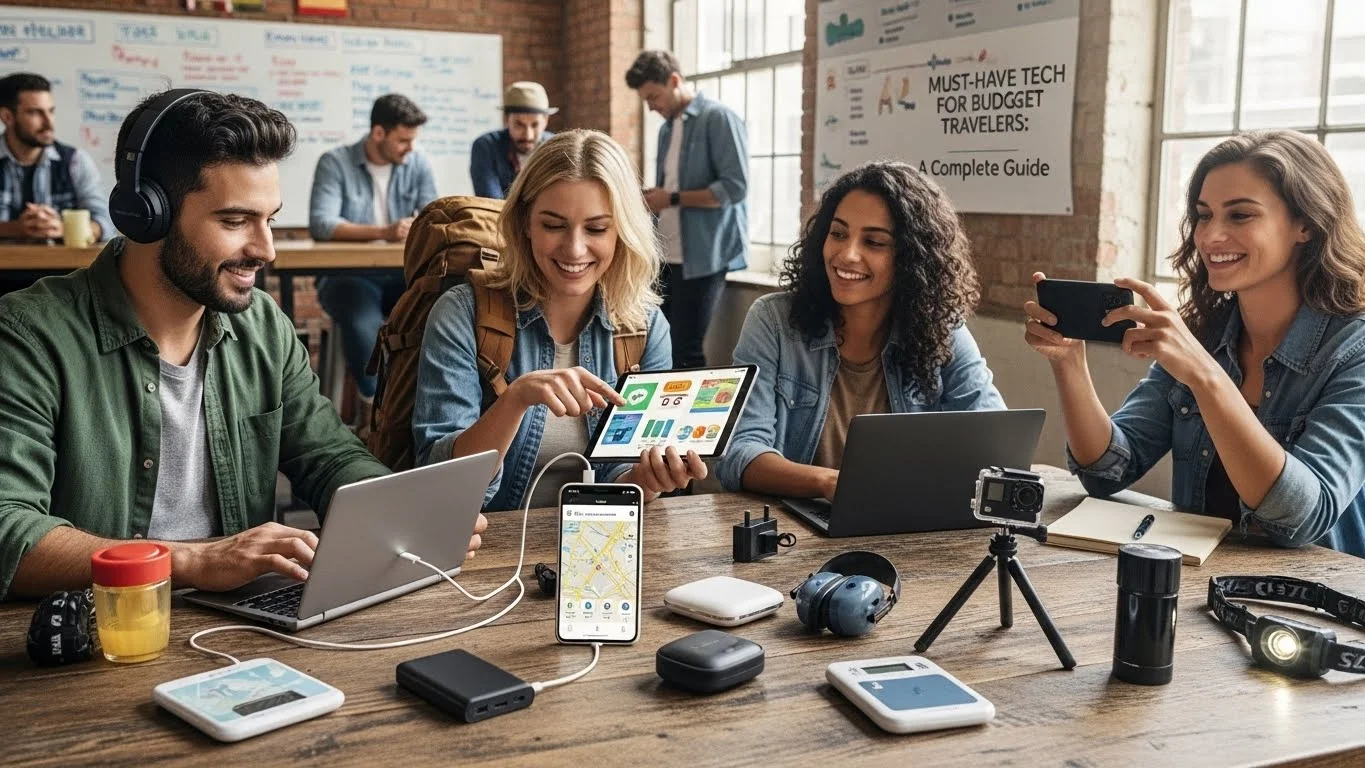
Must-Have Tech for Budget Travelers: A Complete Guide

Traveling on a budget doesn’t mean sacrificing quality or comfort. With the right technology, we can enhance our experiences, save money, and make the most of our adventures without breaking the bank. Read Interesting article: Essential Packing Techniques for Safe Budget Travel Adventures
Must-Have Tech for Budget Travelers: A Complete Guide

Understanding the Importance of Tech for Budget Travelers

How Technology Enhances Travel Experience

Looking back at my travels, I realize how much technology has transformed the way I explore new places. Gone are the days of relying solely on paper maps and guidebooks. Now, my smartphone is my best travel buddy. It helps me plan, navigate, and even connect with locals. It’s incredible how apps can provide instant access to information about restaurants, attractions, and even hidden gems off the beaten path. I remember wandering through a charming neighborhood in Paris and discovering a cozy café through a local recommendation on an app. Without technology, that experience might have passed me by.

The Role of Budget-Friendly Tech in Saving Money

When I first started traveling on a budget, I quickly learned that smart tech choices can lead to significant savings. I’ve used various apps to find the best flight deals, track my spending, and even book accommodations. One of my favorite tricks is using fare comparison apps, which constantly scan for the lowest prices—this alone has saved me hundreds over the years! Budget-friendly technology not only enhances our travel experience but also allows us to stretch our dollars further. I believe that having the right gadgets and apps can turn a modest budget into an adventure-filled journey. Read Interesting article: Essential Travel Gadgets for Affordable Adventures

Essential Gadgets for Budget Travelers

Smartphone: The Ultimate Travel Companion

Let’s face it—our smartphones have become essential travel tools. From navigation to language translation, these little devices do it all. I can’t recall how many times my phone has helped me find a nearby attraction or translate a menu into English. I’ve even used my smartphone to book last-minute hotel rooms when plans changed unexpectedly. With a plethora of travel apps available, I can keep everything organized and accessible. Whether I’m checking flight statuses or sharing my travel photos on social media, my smartphone is always in my pocket, ready to assist.

Portable Charger: Keeping Your Devices Powered

A portable charger is a game changer for any traveler. There’s nothing worse than your phone dying while you’re out exploring. I learned this the hard way when I was in Tokyo and my phone battery dropped to 5% just as I found a beautiful shrine I wanted to photograph. Now, I never leave home without a portable charger. It ensures that my devices stay powered throughout the day, which is crucial for navigation and capturing memories. I recommend investing in a high-capacity charger that can charge multiple devices at once, especially if you’re traveling with friends or family.

Noise-Canceling Headphones: Enhancing Travel Comfort

Traveling can sometimes be noisy, whether it’s the chatter on a plane or the bustling sounds of a city. I’ve found that noise-canceling headphones make a world of difference. They help me focus on my music or podcasts, drown out distractions, and even make it easier to sleep on long flights or train rides. Plus, they often come with features like built-in microphones, which allows me to take calls without needing to pull out my phone. For me, comfort is key, and investing in good headphones has significantly improved my travel experiences.

Travel Router: Staying Connected Anywhere

Staying connected while traveling is essential, especially when I need to find directions or keep in touch with family. That’s where a travel router comes into play. It allows me to create a secure Wi-Fi network even in places where the connection may be spotty. I remember staying in a hostel where the Wi-Fi was unreliable, but by using my portable router, I was able to connect multiple devices without any hassle. This gadget is especially handy for group travels, letting everyone stay connected without draining their phone data. It gives me peace of mind knowing I can access the internet when I need it.

Universal Travel Adapter: Powering Up Globally

One of the first things I pack for any trip is a universal travel adapter. With so many different plug types around the world, I learned early on that having the right adapter is crucial. I once found myself in Italy, only to realize my charger wasn’t compatible with the outlets. It was a lesson I won’t forget! Now, I carry a compact universal adapter that allows me to charge my devices no matter where I am. It’s a small investment that pays off big time, ensuring that I can power up and stay connected no matter my destination.

Budget Apps Every Traveler Should Download

Flight Comparison Apps: Finding the Best Deals

I can’t express how much flight comparison apps have changed my travel game. They’re like having a personal travel agent in my pocket. I remember planning a trip to Southeast Asia and using an app that allowed me to set fare alerts. It felt like Christmas morning when I received a notification about a flash sale on flights. I jumped on it and ended up saving a significant amount on my tickets! These apps not only help to find the best deals, but they also show me various airlines, layover options, and even the best times to book. I always recommend starting with these apps to get a clear picture of flight prices before making any decisions.

Accommodation Booking Apps: Affordable Stays

Finding a place to stay within my budget used to be a daunting task, but accommodation booking apps have made it so much easier. I’ve had some of my best experiences in unique stays I found through these platforms. For instance, I stumbled upon a quirky treehouse in Costa Rica that was both affordable and unforgettable. With filters for price, location, and amenities, I can find the perfect spot that suits my needs. I also love reading reviews from fellow travelers—it helps me gauge whether a place is worth booking. These apps have become my go-to for securing the best accommodations without overspending.

Budgeting Apps: Tracking Your Expenses

Staying on budget while traveling can be challenging, but budgeting apps have been a lifesaver for me. I remember my first big trip where I didn’t keep track of my spending and ended up running out of cash a few days before heading home. Now, I use an app that helps me log my expenses in real-time. I can categorize my spending on food, activities, and accommodations, which gives me a clear view of where my money is going. It’s so satisfying to see my budget in action and adjust my spending as needed. I feel more in control of my finances, which ultimately leads to a more enjoyable trip.

Local Transportation Apps: Navigating Public Transit

When I travel to a new city, figuring out the local transportation system can feel overwhelming. That’s why I rely on local transportation apps to help navigate public transit. Whether it’s a metro system, buses, or ferries, these apps provide real-time schedules and route information. I vividly remember getting lost in London, but thanks to a transit app, I was able to quickly find the right train to my destination. It’s like having a local guide right in my pocket! Plus, many of these apps allow me to pay for fares directly through them, making it easy and convenient.

Best Websites for Budget Travel Planning

Travel Deal Aggregators: Where to Find Discounts

I’ve spent countless hours tirelessly searching for the best travel deals, but travel deal aggregators have made this process so much easier. These websites compile offers from various sources, giving me a one-stop shop for everything travel-related. I remember finding an amazing package deal that included flights and a hotel stay for my trip to Greece. It felt like I struck gold! Whether it’s last-minute deals or holiday packages, these sites help me save money and time. I always make it a point to check a few aggregators before booking anything.

Travel Blogs and Forums: Gaining Insider Knowledge

Travel blogs and forums are treasure troves of information for budget travelers like us. I love reading personal stories and tips from fellow wanderers who have been to places I want to visit. I often find hidden gems that aren’t in the typical tourist guides. For instance, a blog led me to a lesser-known beach in Thailand that was stunning and far less crowded. Engaging with forums has also allowed me to ask questions and receive firsthand advice from seasoned travelers. The sense of community and shared experiences is something I truly value. Read Interesting article: Top Climbing Techniques Every Budget Traveler Should Know

Trip Itineraries: Pre-planned Routes to Save Time and Money

Having a solid itinerary is crucial for making the most of my travels, and I’ve discovered several websites that offer pre-planned routes tailored to budget travelers. These itineraries often highlight must-see attractions, local dining options, and even budget tips for each destination. I recall using a detailed itinerary for my trip to Barcelona, which helped me maximize my time without overspending. Following someone else’s proven route not only saves me time on planning but often leads to unexpected adventures along the way!

How to Use Tech for Safety While Traveling

Travel Safety Apps: Emergency Assistance at Your Fingertips

Safety is a top priority while traveling, and travel safety apps have become essential tools in my travel kit. These apps provide crucial information like emergency contacts, local laws, and safety tips for each destination. I remember feeling a bit anxious while traveling alone in a new city, but having an app that allowed me to quickly access emergency services and share my location with friends eased my worries significantly. Knowing that I have resources at my fingertips gives me peace of mind and allows me to focus on enjoying my adventures.

VPNs: Securing Your Internet Connection

Using public Wi-Fi can be risky, especially when accessing sensitive information. That’s where VPNs come in handy. I always use a Virtual Private Network when connecting to public networks, which encrypts my data and protects my privacy. I learned this lesson the hard way when my personal information was compromised during a trip. Now, I feel secure browsing and making purchases online, no matter where I am. It’s a small extra step that significantly enhances my online safety while traveling.

Location Sharing: Keeping Friends and Family Updated

Staying connected with loved ones while I travel is important to me, and location-sharing apps are perfect for that. I often share my location with family and friends, so they know where I am and can check in on me. It’s comforting for both sides; I feel safe knowing someone is aware of my whereabouts. Plus, it opens up opportunities for spontaneous meet-ups with friends who might be traveling nearby! I believe that staying connected enhances my travel experience.

Communicating While Abroad: Cost-Effective Solutions

Local SIM Cards vs. Roaming Plans

One of the challenges I’ve faced while traveling is staying connected without racking up hefty phone bills. I’ve tried both local SIM cards and roaming plans, and I can share that local SIM cards often offer the best value for budget travelers. When I traveled to Thailand, I purchased a local SIM card at the airport, and it was incredibly easy. The staff helped me set it up on my phone, and I had access to data for a week at a fraction of the cost of my home carrier’s roaming plan. It made navigating through cities and communicating with locals so much easier! Plus, I enjoyed the freedom to use apps without worrying about data limits. If you’re heading to a new country, I definitely recommend checking out local SIM options as they often provide better coverage and faster internet.

Free Wi-Fi: Finding Reliable Connections

We all love free Wi-Fi, right? During my travels, I’ve found that many cafes, restaurants, and public spaces offer free Wi-Fi, which can be a lifesaver. I remember sitting in a cute little café in Lisbon, sipping coffee, and planning my day using their Wi-Fi. However, not all free Wi-Fi is created equal! I’ve had experiences where the connection was spotty or slow, which can be frustrating when you’re trying to look up directions or make reservations. To make the most of free Wi-Fi, I usually do a little research before heading to a destination. I check reviews or travel forums to find out the best spots for reliable Wi-Fi, which has helped me stay connected without spending a dime.

Tech Tips for Traveling Light

Choosing Multi-Functional Devices

When I first started traveling, I struggled with packing too many gadgets. Over time, I learned the importance of choosing multi-functional devices. For instance, my smartphone isn’t just for communication; it takes photos, plays music, and even acts as a flashlight. I’ve also transitioned to using a tablet that doubles as an e-reader, which allows me to carry several books without the bulk. This way, I can lighten my load and still have all the essentials at hand. I recommend evaluating your gadgets before a trip and asking yourself if they serve multiple purposes. Often, you can find devices that do the work of two or three different items!

Cloud Storage: Keeping Your Memories Safe

One of my biggest fears when traveling is losing my photos or important documents. That’s why I’ve turned to cloud storage solutions to keep everything safe. I remember a time in Greece when I accidentally deleted a whole day’s worth of photos. Heartbroken, I wished I had backed them up! Now, I upload my photos to a cloud service every night. It gives me peace of mind knowing my memories are secure, and I can access them anywhere with an internet connection. Plus, cloud storage lets me free up space on my devices, allowing me to carry even fewer gadgets while still capturing my adventures.

Digital vs. Physical Travel Documents

Deciding whether to go digital or stick with physical travel documents can be tricky. I used to carry printed copies of my itinerary, tickets, and reservations. However, I’ve switched to keeping everything digital on my phone and in the cloud. This change has made my travel experience much smoother. I remember a stressful moment at an airport when my luggage was lost, and I needed proof of my flight. Thanks to having the digital copy on my phone, I was able to show the airline my details immediately. I still keep a few essential physical documents on hand, like my passport, but for everything else, going digital has been more convenient. I think it’s about finding a balance that works for you!

Staying Organized: Tech Tools for Efficient Travel

Travel Planning and Itinerary Apps

I can’t stress enough how helpful travel planning apps have been in organizing my trips. In the past, I would jot down notes in a notebook, which often ended up scattered or lost. Now, I use apps that allow me to create detailed itineraries. I remember planning a road trip through California and using an app to map out my route, adding stops along the way for sightseeing and food. It was fantastic to have everything in one place, including reservations and directions. It really takes the stress out of figuring out what to do next, allowing me to focus on enjoying the journey.

Document Scanners: Managing Important Papers

Keeping track of important papers like boarding passes and insurance documents used to be a hassle. That’s why I started using a document scanner app on my phone. With just a few taps, I can scan and save critical documents directly to my cloud storage. I remember needing my travel insurance info at a moment’s notice during a trip abroad, and having it digitized made it easy to retrieve. This handy tech tool has simplified my travel management significantly. No more fumbling through papers; I can just pull out my phone and find what I need in seconds!

Travel Journals: Digital vs. Traditional

I’ve always enjoyed documenting my travels, and I’ve experimented with both digital and traditional travel journals. There’s something nostalgic about writing in a physical journal, but I’ve found that digital journals are more convenient for me. I can easily add photos, videos, and even voice notes to capture experiences as they happen. I remember typing up my thoughts while on a scenic train ride through Switzerland, and it was so much easier than trying to write in a shaky notebook. For those who enjoy crafting memories, I think it’s worth exploring both options to see what resonates with you.

Frequently Asked Questions

How can technology enhance the travel experience for budget travelers?

Technology enhances the travel experience by providing instant access to information about restaurants, attractions, and local recommendations through various apps. It helps travelers plan, navigate, and connect with locals, transforming their exploration of new places.

What are some essential gadgets for budget travelers?

Essential gadgets for budget travelers include smartphones, portable chargers, noise-canceling headphones, travel routers, and universal travel adapters. These gadgets help with navigation, staying powered, enhancing comfort, and ensuring connectivity while traveling.

How do flight comparison apps help travelers save money?

Flight comparison apps help travelers save money by allowing them to find the best deals on flights, track prices, and set fare alerts. This technology acts like a personal travel agent, making it easier to find significant savings on tickets.

What role do accommodation booking apps play for budget travelers?

Accommodation booking apps simplify the process of finding budget-friendly places to stay. They allow travelers to filter options based on price, location, and amenities, leading to unique and affordable stays that fit their needs.

How can budgeting apps assist travelers in managing their expenses?

Budgeting apps assist travelers by enabling them to track their expenses in real-time, categorize spending, and maintain control over their finances. This helps ensure that they stay within their budget during their trips.

What is the benefit of using travel safety apps while traveling?

Travel safety apps provide crucial information like emergency contacts, local laws, and safety tips, giving travelers peace of mind. They allow users to quickly access emergency services and share their location with friends and family, enhancing overall safety.

How do local SIM cards compare to roaming plans for travelers?

Local SIM cards often offer better value for budget travelers compared to roaming plans, providing more affordable data access and better coverage. They allow travelers to communicate and navigate without incurring hefty charges from their home carriers.

What are the advantages of using cloud storage for travelers?

Using cloud storage allows travelers to keep their photos and important documents safe, providing access from anywhere with an internet connection. It prevents the loss of valuable memories and frees up space on their devices.

What is the importance of choosing multi-functional devices while traveling?

Choosing multi-functional devices helps travelers pack lighter by reducing the number of gadgets they need. For instance, a smartphone can serve as a communication tool, camera, and music player, streamlining the travel experience.

How can travel planning apps improve organization for travelers?

Travel planning apps enhance organization by allowing travelers to create detailed itineraries in one place, including reservations and directions. This reduces stress and helps travelers focus on enjoying their journey rather than managing logistics.
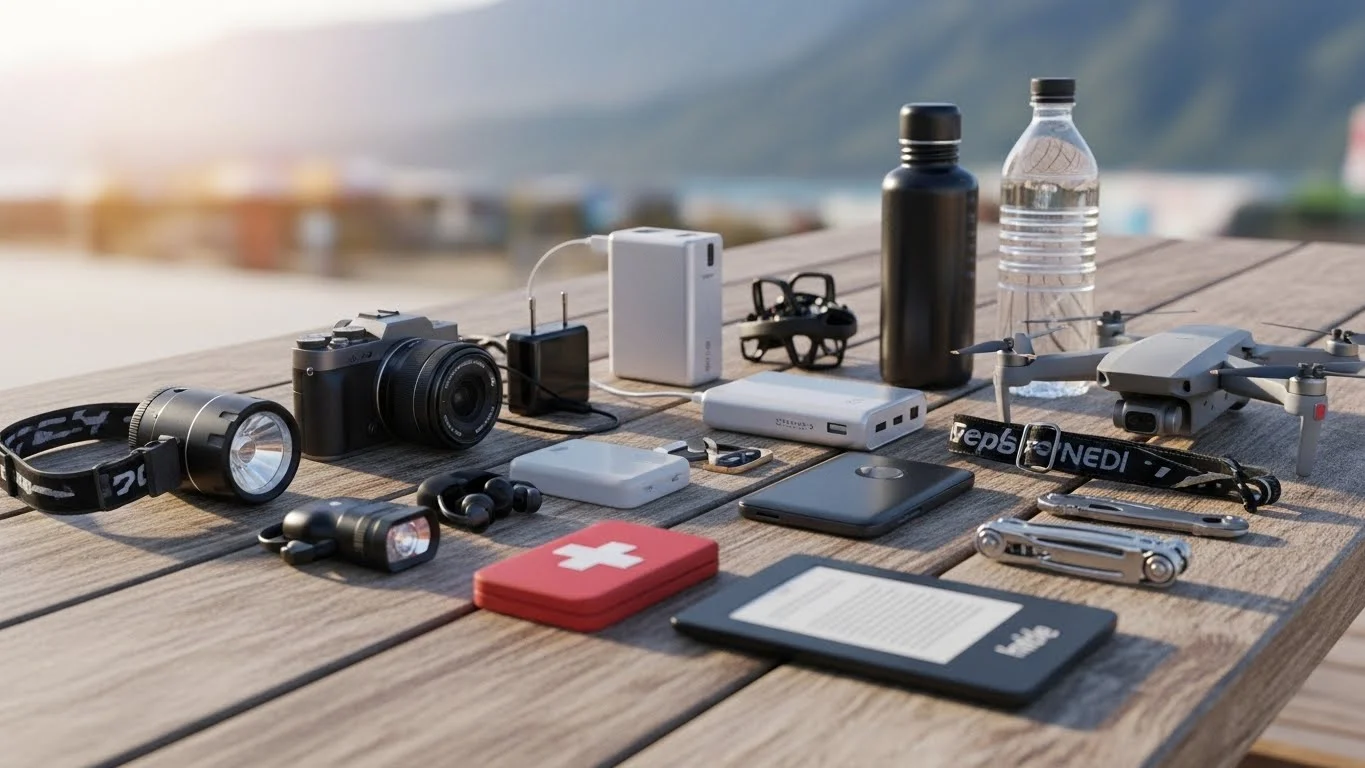
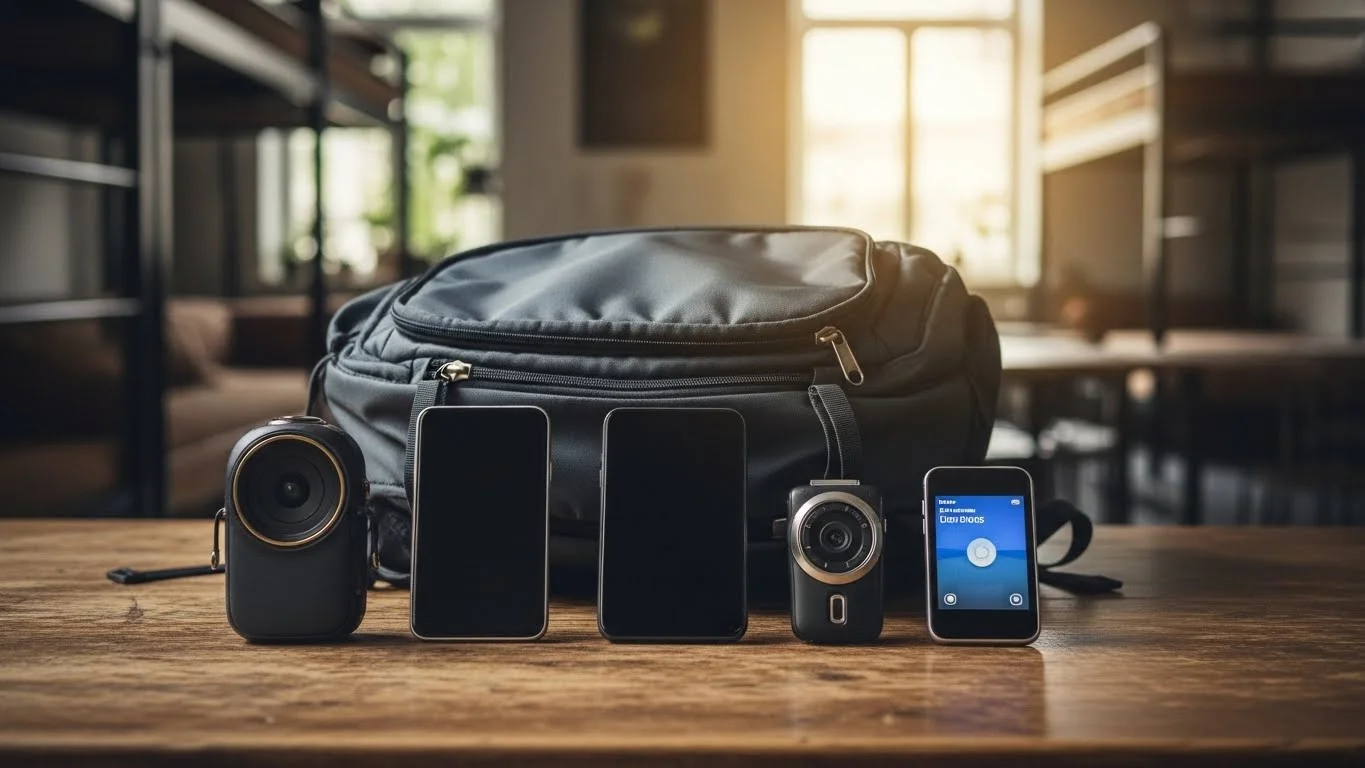
Essential Travel Gadgets for Affordable Adventures

Traveling on a budget doesn’t mean sacrificing comfort or convenience. With the right travel gadgets, you can enhance your adventures without breaking the bank! Read Interesting article: Top 7 Premium Travel Gadgets for Budget Backpackers

Essential Travel Gadgets for Affordable Adventures

Understanding the Importance of Travel Gadgets

When I first started traveling, I thought I could get by with just the essentials—a suitcase, a passport, and a good pair of shoes. However, as I embarked on more adventures, I quickly realized how crucial travel gadgets are for making journeys smoother and more enjoyable. From keeping my devices charged to navigating new cities, these gadgets became indispensable companions. Let’s dive into why having the right tools can transform our travel experiences.

Enhancing Convenience and Comfort

Imagine arriving at a new destination, tired from a long flight, only to find that your phone battery is dead and you have no idea how to get to your accommodation. This happened to me once, and it was a nightmare! Travel gadgets like portable chargers and power banks can significantly enhance our convenience, allowing us to stay connected and navigate easily. I’ve found that having a lightweight power bank in my bag means I can charge my phone, tablet, or even a portable speaker on the go, giving me peace of mind throughout my travels.

Comfort is another vital aspect that travel gadgets can address. Whether it’s a noise-canceling headphone for a long flight or a travel pillow that supports my neck during a train ride, these small items can make a world of difference. I remember a 12-hour bus ride where I forgot my travel pillow. I spent the entire trip uncomfortable and unable to get any rest. Now, I never leave home without my travel essentials that ensure my comfort during long journeys!

Saving Money During Travel

Traveling can be expensive, but I’ve learned that the right gadgets can help us save money while we explore. For instance, I invested in a travel adapter that works in multiple countries, allowing me to charge my devices without having to buy different adapters for each destination. It’s a small investment that pays off by preventing unexpected charges at airport shops or hotels.

Additionally, I discovered the benefits of using a portable Wi-Fi hotspot. Instead of relying on expensive data plans, I can connect my devices using a single hotspot, which is generally much cheaper. This way, I can navigate, book accommodations, and keep in touch with loved ones without worrying about racking up bills. I recommend looking into these options before embarking on your next adventure! Read Interesting article: Affordable Luxury: Best Premium Gadgets for Travelers

Another savvy way to save money is by using multi-functional tools. I’ve come across gadgets that combine several functions into one, like a Swiss Army knife that includes a bottle opener, screwdriver, and knife. These products can replace multiple items in my luggage, allowing me to pack lighter and save on baggage fees. Plus, they often come in handy in surprising situations!

Lastly, let’s talk about luggage. Choosing compact and lightweight luggage not only saves me money on airline fees but also makes navigating bustling airports and train stations so much easier. I remember my first trip with a bulky suitcase—it was a hassle! Now, I opt for a durable yet lightweight bag that fits all my essentials without weighing me down.

In my experience, the right travel gadgets can turn a stressful situation into a manageable one. They offer solutions to common problems, enhance our comfort, and ultimately save us money. As we prepare for our next adventure, let’s explore some must-have travel gadgets that can make our journeys not just affordable but truly enjoyable!

Must-Have Travel Gadgets for Budget Travelers

Portable Chargers and Power Banks

Let’s start with one of my absolute favorites: portable chargers. I can’t stress enough how vital these have been for my travels. On my last trip, I used a power bank almost daily. It kept my phone, camera, and even my tablet charged while exploring new cities. I recommend looking for a power bank that’s lightweight, has multiple charging ports, and enough capacity to charge your devices multiple times.

Travel Adapters and Power Strips

Next up are travel adapters and power strips. I’ve learned the hard way that not all countries use the same plug types. Having a universal travel adapter means I can plug my devices in no matter where I go. Plus, I like to carry a compact power strip, which allows me to charge multiple devices at once. This comes in handy when traveling with friends or family, where we can all plug in and get ready for the day!

Multi-Functional Tools and Gadgets

Multi-functional tools are a game changer. I once bought a small gadget that features a bottle opener, a mini screwdriver, and even a flashlight. It’s come in handy on many occasions, from opening a drink after a long day to fixing my camera on the go. I’ve found that packing these kinds of tools not only saves space but also prepares me for those unexpected moments.

Compact and Lightweight Luggage

Lastly, let’s talk about luggage. I’ve switched to a lightweight, durable suitcase that fits the carry-on size. It’s made my travel experience so much better, eliminating the stress of waiting for checked baggage. I can easily maneuver through crowded airports and jump on local transport without a second thought. Plus, I never have to worry about extra fees for checked bags!

With these essential travel gadgets, our adventures can be more manageable, enjoyable, and affordable. As we dive deeper into our exploration of travel tech, let’s take a look at some top gadgets that can enhance our experiences even further. Read Interesting article: Top 5 Tech Gadgets Every Budget Backpacker Needs

Top Tech Gadgets for Affordable Adventures

Smartphones: The Ultimate Travel Companion

Let’s talk about smartphones—my ultimate travel companion. I can’t imagine exploring a new city without mine. Not only does it allow me to stay connected with friends and family, but it also serves as my camera, maps, and even a language translator. I remember one trip to Barcelona where I relied on Google Maps to navigate the winding streets. Without my phone, I would have been lost more than once!

What I love most is the ability to download offline maps before I arrive at a destination. This way, I can easily find my way around without using data. Moreover, there are tons of travel apps that help with everything from finding local restaurants to booking last-minute accommodations. I’ve found that having a smartphone loaded with the right apps not only saves me time but also enhances my overall experience. It’s like having a personal travel guide right in my pocket!

Action Cameras for Documenting Adventures

If you’re like me and love capturing every moment of your travels, then an action camera is a must-have. I invested in one before my last trip and it changed the way I document my adventures. Unlike my regular camera, my action camera is compact, lightweight, and often waterproof. This means I can take it hiking, to the beach, or even on a thrilling zip-lining experience without worrying about damage.

One of my favorite features is the ability to capture wide-angle shots and videos while I’m on the move. I remember during a hike, I was able to film a stunning time-lapse of the sunset, which turned out to be one of my favorite memories from that trip. I think that having an action camera allows me to relive those moments in a way that traditional photos just can’t capture. It’s like having a mini film crew with me wherever I go!

Noise-Canceling Headphones for Comfort

I can’t stress enough how essential noise-canceling headphones have been for my travels. Between busy airports, crowded trains, and the hustle and bustle of tourist spots, it’s easy to feel overwhelmed. I remember one particularly noisy flight where I was unable to relax until I put on my headphones, blocking out the engine noise and chatter around me. Suddenly, I was able to enjoy my music and even catch a few Zs!

These headphones have also become my go-to for watching movies or listening to podcasts while traveling. I’ve found that the investment in a good pair pays off big time, making my travel experiences much more enjoyable. Plus, they help me create my own little world, wherever I may be, adding a layer of comfort that can sometimes be hard to find when on the road.

GPS Devices vs. Smartphone Navigation

While smartphones have made navigation incredibly easy, I’ve learned that having a dedicated GPS device can be beneficial, especially in remote areas where cell service is spotty. On our last road trip, we ventured into some national parks, and I was grateful we packed a GPS unit. It didn’t rely on cellular data, which meant we could drive through beautiful but signal-less landscapes without a hitch!

Using a GPS device can also help with planning routes and avoiding toll roads or highways, making the journey more scenic. I remember driving through the mountains and discovering hidden gems that I wouldn’t have found with just my smartphone. It’s all about finding the balance that works for you—whether that’s relying on your smartphone or having a backup GPS device for peace of mind.

In my experience, these top tech gadgets can significantly enhance our travel adventures. They bring comfort, convenience, and creativity to our journeys, allowing us to focus on enjoying the moment rather than stressing about the small stuff. As we continue to explore essential accessories that complement our gadgets, let’s dive into items that can further elevate our travel experiences.

Essential Accessories to Complement Your Gadgets

Quality Travel Bags and Organizers

As I’ve collected travel gadgets over the years, I quickly realized that having the right travel bag is just as important. I invested in a quality travel bag that has compartments for my gadgets, making it easy to stay organized. I remember a trip where I didn’t have a dedicated spot for my camera and ended up scrambling to find it when I wanted to capture a moment. Now, my bag keeps everything neatly in place, allowing me to access what I need without fuss.

Additionally, packing cubes are a game changer. I use them to separate my clothes from my tech gear, which not only keeps my bag organized but also helps me pack more efficiently. I can’t tell you how many times I’ve rummaged through a chaotic bag looking for a charging cable. Now, with packing cubes, everything has its place, and I can find what I need in seconds!

Protective Cases for Electronics

Protecting my gadgets is a priority when I travel. I’ve had my fair share of mishaps, and I learned the hard way that investing in protective cases is essential. My phone and tablet now have sturdy cases that can withstand drops and spills. I remember one time when my tablet slipped out of my hand during a bus ride, but thankfully, the case absorbed the impact, and it was perfectly fine!

For my action camera, I also bought a waterproof case. This has allowed me to take it swimming and hiking without fear of damage. I recommend researching protective cases that are designed specifically for your devices, as they can save you a lot of headaches and potential repair costs down the line.

Portable Wi-Fi Hotspots for Connectivity

In today’s world, staying connected is more important than ever, especially while traveling. I’ve found that investing in a portable Wi-Fi hotspot has been a game changer. It allows me to connect multiple devices without relying on public Wi-Fi, which can be slow or insecure. I remember being in a charming little town where the Wi-Fi was spotty at best. With my portable hotspot, I was able to get online, share photos, and keep in touch with friends back home without any hassles.

This gadget has saved me money as well—I can use it to avoid pricey international data plans. I recommend checking if your hotspot offers global coverage so you can stay connected no matter where your adventures take you. It’s a small device that has made a significant impact on my travel experience!

Budget-Friendly Travel Gadgets for Specific Needs

Travel-Friendly Cooking Gadgets

As someone who loves to explore local cuisines, I’ve found that having a few cooking gadgets can enhance my travel experience, especially when staying in vacation rentals or camping. A compact portable stove has been a game changer for me. On a recent trip to the mountains, my friends and I made delicious meals while soaking in the beautiful scenery. It felt like a mini adventure, cooking outdoors! I recommend looking for lightweight, easy-to-use stoves that run on propane or butane, as they don’t take up much space in your luggage and can be set up in no time.

Another handy gadget is a travel-sized spice kit. I love that I can bring along my favorite spices to elevate simple meals. It’s amazing how a dash of seasoning can transform a basic pasta dish or a simple vegetable stir-fry. I remember cooking with a friend in a small kitchen, and we were able to whip up an amazing dinner just by using ingredients we found at a local market and our trusty spice kit!

Compact Water Filters for Safe Drinking Water

Staying hydrated while traveling is so important, but finding clean drinking water can sometimes be a challenge. I discovered compact water filters on one of my trips and they’ve made a significant difference. They’re lightweight, easy to use, and great for adventures, especially when hiking or camping. I remember hiking in a national park and coming across a stream. Instead of carrying heavy bottled water, I used my portable filter to fill my bottle. It was reassuring to know that I could drink safely from natural sources!

Many of these filters can remove bacteria and parasites, giving me confidence in my water supply. Plus, it’s a fantastic way to reduce plastic waste. I highly recommend checking out different models to find one that fits your needs—some even come with built-in storage for easy transport!

Travel Pillows and Sleep Masks for Comfort

Traveling can be exhausting, especially with long flights or road trips. I used to struggle to get comfortable during my travels until I invested in a good travel pillow and sleep mask. Trust me, it’s worth it! On a recent overnight flight, I was amazed at how much more restful my sleep was with my neck pillow supporting me and a sleep mask blocking out the cabin lights.

When choosing a travel pillow, I recommend looking for one that’s inflatable or compressible. This way, it takes up minimal space in my bag. As for sleep masks, I’ve found that the ones with adjustable straps are the best, ensuring a good fit without causing discomfort. These little items have turned sleepless journeys into restful experiences, and I can’t imagine hitting the road without them!

Tips for Choosing the Right Travel Gadgets

Assessing Your Travel Needs

When it comes to selecting travel gadgets, I think it’s essential to assess my specific travel needs first. Are you planning a city break, a long road trip, or an outdoor adventure? Each type of travel calls for different gadgets. For city trips, a portable charger and a good pair of walking shoes might be all I need. However, for a camping trip, I’d want more cooking gear and a reliable water filter. I’ve learned that tailoring my gadgets to my travel style greatly enhances my experience.

Reading Reviews and Recommendations

I can’t emphasize enough how helpful reviews and recommendations can be when choosing travel gadgets. I often browse websites and travel blogs before making a purchase. I find that seeing what worked for others can guide me toward making smart choices. For instance, I read about a particular portable charger that many travelers loved for its fast charging capabilities. After using it, I understood why it had such high praise! I also enjoy checking out YouTube reviews, where I can see the gadgets in action.

Considering Weight and Size

Weight and size are two critical factors I consider when selecting travel gadgets. As someone who prefers to pack light, I always think about how much space a gadget will take up and how much it weighs. I’ve made the mistake of bringing along bulky items that I ended up hardly using. Now, I prioritize compact, lightweight options that offer multiple functionalities. For example, I found a versatile travel towel that packs down small but is incredibly absorbent and quick-drying. It’s a great item that doesn’t take up valuable space in my luggage!

How to Maintain Your Gadgets While Traveling

Proper Storage and Handling

Keeping my travel gadgets in good condition while on the road is essential. I always make sure to store them properly to avoid damage. For instance, I use a padded case for my action camera and a separate compartment in my bag for my tablet. On one trip, I placed my tablet in a section that wasn’t cushioned, and it ended up with a small scratch. Ever since then, I’ve been diligent about providing my devices with protective storage.

Keeping Gadgets Charged and Updated

Before heading out, I make sure all my gadgets are fully charged and updated. This simple step can save me from headaches later on. It’s frustrating to realize my phone battery is low when I need it the most! I usually charge my devices overnight and do a quick check to ensure all apps are updated. I also carry a backup battery in case I’m on the go longer than expected. Keeping everything charged and ready to go allows me to focus on enjoying my travels instead of worrying about my gadgets!

Where to Buy Affordable Travel Gadgets

Online Retailers vs. Local Stores

When it comes to buying travel gadgets, I’ve found that both online retailers and local stores have their pros and cons. Online shopping gives me access to a wider variety of products and often better deals. I love browsing through customer reviews and comparing prices before making a decision. However, I also appreciate the ability to physically examine gadgets in local stores. Sometimes, I need to feel the quality or see how it fits in my hand before committing to a purchase.

Second-Hand and Refurbished Options

Another excellent option for finding affordable travel gadgets is to explore second-hand or refurbished items. I’ve scored some fantastic deals on like-new devices that have been well taken care of. Websites like eBay or local buy/sell groups can be gold mines for budget travelers. Just be sure to check the seller’s ratings and return policies. I’ve purchased a refurbished camera and was thrilled with its performance—it saved me a lot of money without sacrificing quality!

Frequently Asked Questions

What are the benefits of using travel gadgets while traveling on a budget?

Travel gadgets enhance convenience and comfort during adventures, allowing travelers to stay connected, navigate easily, and enjoy a more pleasant experience without overspending.

How can portable chargers improve my travel experience?

Portable chargers allow travelers to keep their devices charged on the go, ensuring they can stay connected and navigate new locations without worrying about dead batteries.

What types of travel adapters and power strips are recommended?

A universal travel adapter is essential for plugging devices in various countries, while a compact power strip allows multiple devices to charge simultaneously, which is helpful when traveling with friends or family.

How can multi-functional tools benefit travelers?

Multi-functional tools save space in luggage by combining several functions into one gadget, making it easier to pack light and prepare for unexpected situations during travels.

Why is lightweight luggage important for budget travelers?

Choosing compact and lightweight luggage helps avoid extra airline fees for checked bags and makes navigating airports and train stations much easier.

What role do smartphones play in modern travel?

Smartphones serve as travel companions by providing connectivity, navigation, photography, and access to travel apps, enhancing the overall travel experience.

How can noise-canceling headphones contribute to travel comfort?

Noise-canceling headphones help block out disruptive sounds in busy environments, allowing travelers to relax, listen to music, or watch movies comfortably during their journeys.

What are the advantages of using GPS devices over smartphone navigation?

GPS devices can be beneficial in remote areas with limited cell service, allowing travelers to navigate without relying on cellular data, and can help plan routes to avoid tolls or highways.

How can protective cases help preserve travel gadgets?

Protective cases safeguard gadgets from damage due to drops and spills, ensuring that devices remain functional and intact throughout the travel experience.

Where can travelers find affordable travel gadgets?

Travelers can explore both online retailers and local stores for a variety of products, as well as look for second-hand or refurbished options to save money without sacrificing quality.

Top 5 Tech Gadgets Every Budget Backpacker Needs

As a budget backpacker, choosing the right tech gadgets can make or break your travel experience. I’ve discovered that the right tools not only enhance my journey but also keep my gear light and efficient. Read Interesting article: Top 7 Premium Travel Gadgets for Budget Backpackers

Top 5 Tech Gadgets Every Budget Backpacker Needs

Understanding the Needs of Budget Backpackers

Importance of Lightweight Gadgets

When I first started backpacking on a budget, one of my biggest challenges was managing my gear’s weight. I remember packing a heavy laptop and feeling every ounce as I hiked through the mountains. That’s when I realized how crucial it is to prioritize lightweight gadgets. Every item I carried mattered, especially when it came to tech. I learned that opting for lighter devices not only eased my burden but also allowed me to be more spontaneous and flexible in my travels.

Imagine hiking up a steep hill, and instead of feeling weighed down by technology, you’re energized by the thought of capturing breathtaking views or staying connected with loved ones back home. Lightweight gadgets are essential for us backpackers—they allow us to keep our packs manageable without sacrificing functionality. This has become a guiding principle for me: the lighter the gadget, the better the experience.

Versatility vs. Cost Efficiency

One of the most rewarding aspects of backpacking is the ability to embrace new experiences, and having versatile gadgets helps make that possible. I’ve often found myself in situations where I needed a tool for multiple purposes. For instance, rather than carrying a camera and a separate GPS device, I opted for a smartphone with a good camera and navigation apps. This not only saved space in my pack but also cut costs significantly.

While I love finding high-quality gadgets, I’ve also learned to be cost-conscious. Budget backpackers like us have limited resources, and it’s essential to find gadgets that offer the best bang for our buck. In my experience, the most effective approach is to invest in multi-functional devices that fulfill several needs without breaking the bank. This philosophy has guided my choices throughout my travels, and I believe it can help others as well. Read Interesting article: Explore Cultural Cities on a Budget: Ultimate Backpacker’s Guide

Essential Tech Gadgets for Budget Backpackers

1. Portable Power Bank

Why You Need a High-Capacity Battery

When I first hit the road, I underestimated how quickly my devices could drain while navigating or taking photos. A portable power bank became my lifeline. I can’t stress enough how important it is to have a high-capacity battery to keep your gear charged, especially if you plan to be out exploring for long stretches. It’s not just about convenience; it’s about safety too. A dead phone can leave you stranded with no way to contact anyone or access maps.

Top Recommendations for Power Banks

In my travels, I’ve tested a few power banks that I absolutely swear by. One of my favorites is the Anker PowerCore series. They’re lightweight, compact, and have impressive capacity—perfect for a week-long trip without needing to find a plug. The RAVPower and Aukey options are also budget-friendly and perform admirably. When choosing a power bank, look for one that offers at least 10,000mAh, which can give your phone multiple charges.

2. Travel Router

Benefits of Staying Connected

Staying connected while traveling can be a challenge, especially in remote areas. I discovered the benefits of a travel router while trying to connect multiple devices in a hostel. A travel router allows you to create a secure Wi-Fi network wherever you go, which is a lifesaver for budget backpackers. This way, I could share my connection with travel companions and keep all my devices online without gobbling up data.

Best Budget Travel Routers

For budget-conscious travelers, I recommend the TP-Link TL-WR902AC or the GL.iNet GL-AR750S. Both of these options are compact, easy to set up, and won’t break your budget. With a travel router, I’ve greatly improved my connectivity on the road, allowing me to stay in touch and plan my next adventures seamlessly.

3. Multi-Functional Smartphone

Apps Every Backpacker Should Have

There’s no denying that a smartphone is an essential gadget for any traveler. I’ve relied on mine for everything from navigating new cities to finding the best local eateries. Some apps that I swear by are Google Maps, which helps me get around without a GPS; Airbnb for budget accommodation; and Google Translate, which has saved me more than once in language barriers.

Choosing the Right Smartphone for Travel

When picking a smartphone for traveling, I focus on a few key features: battery life, camera quality, and durability. I found that models like the Google Pixel or certain mid-range Samsung Galaxy phones offer excellent photo capabilities and long battery life without being top-of-the-line expensive. It’s about finding a balance between performance and cost, ensuring that I can capture memories without the worry of my device failing in the middle of an adventure.

4. E-Reader

Advantages of E-Reading While Traveling

If you’re a book lover like me, carrying a stack of novels can quickly add weight to your pack. That’s why I invested in an e-reader. I love being able to have hundreds of books at my fingertips without the bulk. Whether I’m lounging on a beach or relaxing in a hostel, I can dive into a new world without breaking my back. Plus, e-readers often have long battery life, which is a bonus during those long travel days.

Top E-Readers for Budget Backpackers

Some great options for budget backpackers include the Amazon Kindle and the Kobo Clara HD. Both are lightweight, affordable, and feature a glare-free display, making them ideal for reading in bright sunlight. I’ve found that the ease of carrying my entire library has been invaluable on my travels.

5. Compact Camera or Smartphone Camera

Capturing Memories on a Budget

While smartphones are great for photos, sometimes you want something a bit more powerful. I’ve tried using various compact cameras on my trips. They’re lighter and usually have better zoom capabilities than my phone. That said, I often rely on my smartphone for spontaneous shots and social media updates. It’s about striking a balance between capturing high-quality memories and keeping my gear light.

Best Budget Cameras for Backpackers

For those looking for a dedicated camera, I recommend the Canon PowerShot G7 X Mark III or the Sony RX100 series. They’re compact, easy to use, and produce stunning images without the hassle of bulky equipment. Having the right camera allows me to document my journeys beautifully without the weight and complexity of professional gear.

Choosing the Right Gadgets: Factors to Consider

Weight and Size Considerations

Every backpacker knows that every ounce counts, and I’ve learned this lesson the hard way. I remember a trip where I packed a hefty tablet thinking it would serve as my entertainment and work device. After lugging it around for days, I realized I could have easily used my smartphone for most of those functions. Now, I always prioritize gadgets that are not only lightweight but also compact. I try to stick to items that can easily fit into my daypack without taking up too much space.

For me, the rule of thumb is to visualize how often I’ll use a gadget during my travels. If I can’t see myself using it every day, it’s probably not worth the weight. I often opt for smaller, portable devices that can easily slip into my pocket or be strapped to the outside of my pack. This way, I can free up space for other essentials while making sure I have access to the tech I need.

Battery Life and Charging Options

One of the most frustrating experiences I’ve had on the road is running out of battery when I needed my devices the most. I’ve learned to never underestimate battery life when selecting gadgets. It’s essential to choose devices that can last through long travel days without needing a charge. I often look for gadgets that offer impressive battery performance, especially when I’m out exploring remote areas where power outlets may be scarce.

Also, I try to think ahead about my charging options. Carrying a portable solar charger has been a game-changer for me, especially during long hikes or camping trips. I remember one time in the mountains when I had a chance to recharge my power bank using solar energy while soaking in the sun. It was such a relief to know I could keep my devices powered up without having to rely on finding an outlet. So, always consider the battery capabilities of your gadgets and think about how you’ll charge them on the go.

Durability and Weather Resistance

I can’t tell you how many times I’ve been caught in unexpected rain showers or rough terrains while traveling. Because of this, I’ve become a big advocate for choosing durable and weather-resistant gadgets. I once had a camera that wasn’t waterproof, and I learned the hard way when it got soaked during a sudden downpour in Thailand. Since then, I always look for devices that can withstand the elements.

When choosing gadgets, I pay attention to build quality and materials. There are fantastic options out there that are designed to handle the rigors of travel. For example, I’ve found that certain smartphones come with rugged cases or are built to endure drops and spills. It gives me peace of mind knowing that my tech can keep up with my adventurous lifestyle, no matter where the journey takes me.

Budgeting for Tech Gadgets

Setting a Realistic Tech Budget

As budget backpackers, we often need to be strategic about how we spend our money, especially on tech gadgets. I remember when I first started traveling; I didn’t have a clear tech budget in mind, and I ended up overspending on gadgets I didn’t even use. Now, I always set a realistic budget before making any tech purchases. I assess my needs and prioritize what’s essential for my travels. This approach has saved me from impulse buys and helped me focus on quality over quantity.

To set a budget, I consider both my upcoming trips and the gadgets I currently own. If I know I’ll be hiking in areas with limited connectivity, I might allocate more funds toward a reliable portable charger or a good smartphone. It’s all about finding that balance and ensuring that I can get the most value out of my tech investments.

Where to Find Deals and Discounts

I’ve discovered that finding great deals on travel gadgets can be a treasure hunt, but it’s well worth the effort. I often check out websites specializing in discounts or refurbished gadgets. Sites like Amazon, eBay, and even local marketplaces can have amazing deals if you’re willing to do a little searching. I also make it a habit to sign up for newsletters from tech retailers to catch sales and exclusive offers.

Another strategy I’ve found effective is timing my purchases. Many stores have seasonal sales, especially around holidays or end-of-year clearance events. By planning ahead, I’ve managed to snag high-quality items at a fraction of their original prices. Additionally, I love using cashback apps or rewards programs, which can help stretch my budget even further. Read Interesting article: Essential Airport Safety Tips for Budget Backpackers

Maintenance and Care for Travel Gadgets

Protecting Your Devices from Damage

When I travel, I always take steps to protect my gadgets from damage. I’ve experienced my fair share of unfortunate accidents, like dropping my phone or having my backpack get caught in a rainstorm. Now, I invest in quality protective cases and screen protectors. These small purchases have saved my devices from serious damage more times than I can count.

Another tip I recommend is to keep gadgets in a safe, padded compartment in your backpack. I often use packing cubes or pouches to separate my gear, making sure more delicate items are cushioned during transport. It’s all about being proactive and thinking ahead to ensure that my tech stays in top shape, no matter where my adventures lead me.

Cleaning and Maintenance Tips

Caring for my gadgets doesn’t just stop at protection; I also make sure to keep them clean and well-maintained. I’ve learned that a little regular upkeep can go a long way. For instance, I always carry a microfiber cloth to keep screens smudge-free and a small cleaning kit for my camera lenses. These simple actions help ensure that my devices perform well and last longer.

Additionally, I check for software updates regularly. Staying on top of updates not only enhances performance but also helps with security. For me, taking a few minutes to maintain my gadgets can make a huge difference in keeping everything running smoothly during my travels.

Frequently Asked Questions

Why is it important for budget backpackers to choose lightweight gadgets?

Lightweight gadgets are crucial for budget backpackers because they ease the burden of carrying gear, allowing for more spontaneous and flexible travel experiences. Every ounce counts, and prioritizing lighter devices can enhance the overall journey.

How can versatile gadgets save money for backpackers?

Versatile gadgets save money by fulfilling multiple functions, which reduces the need to carry separate devices. For example, using a smartphone with a good camera and navigation apps eliminates the need for a separate camera and GPS device, cutting costs and saving space in the pack.

What are some recommended portable power banks for travelers?

Some highly recommended portable power banks include the Anker PowerCore series, RAVPower, and Aukey options. It’s important to choose a power bank with at least 10,000mAh capacity for multiple charges during trips.

What benefits does a travel router provide for backpackers?

A travel router allows backpackers to create a secure Wi-Fi network anywhere, facilitating connectivity for multiple devices. This is especially beneficial in remote areas or hostels, as it helps save data and keeps devices online.

Which smartphones are ideal for budget backpackers?

For budget backpackers, smartphones like the Google Pixel or certain mid-range Samsung Galaxy models are ideal due to their excellent battery life, camera quality, and durability without being overly expensive.

What are the advantages of using an e-reader while traveling?

An e-reader allows travelers to carry hundreds of books without the bulk of physical novels, making it easier to enjoy reading during travels. E-readers also often have long battery life, which is beneficial during long travel days.

What should backpackers consider regarding gadget weight and size?

Backpackers should prioritize gadgets that are lightweight and compact, ensuring they can fit easily into daypacks. If a gadget is not used daily, it’s often not worth the extra weight, leading to a more efficient packing experience.

How can backpackers ensure their gadgets have good battery life?

Backpackers should choose gadgets with impressive battery performance and consider carrying portable solar chargers to maintain power during long excursions, especially in remote areas where outlets may be scarce.

What is a good practice for protecting travel gadgets from damage?

Investing in quality protective cases and screen protectors is essential for safeguarding gadgets. Keeping devices in padded compartments and using packing cubes can also help prevent damage during transport.

How can backpackers find deals on tech gadgets?

Backpackers can find great deals by checking discount websites, signing up for retailer newsletters, and timing purchases around seasonal sales. Utilizing cashback apps and rewards programs can also help stretch the budget further.

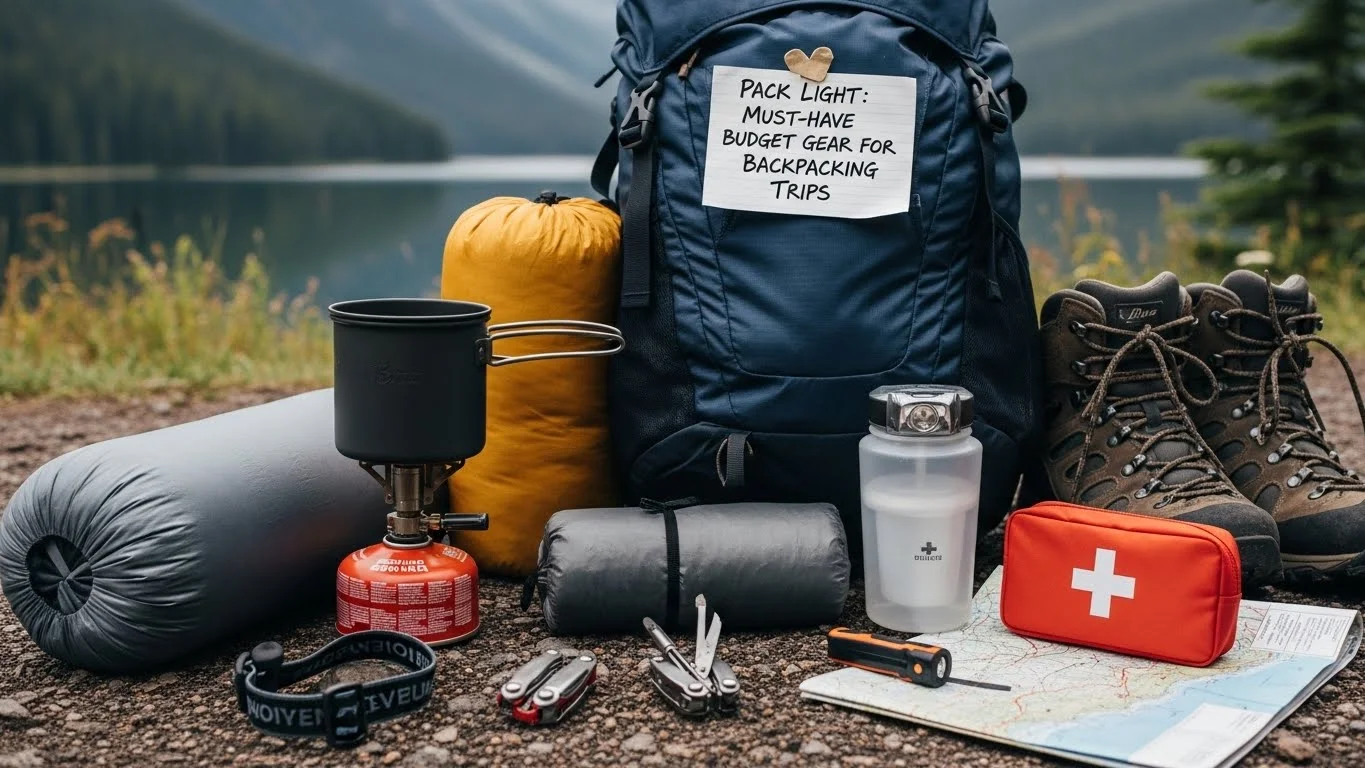
Pack Light: Must-Have Budget Gear for Backpacking Trips

When it comes to backpacking, packing light is key to a hassle-free adventure. With the right budget gear, you can enjoy the great outdoors without breaking the bank or your back. If you’re looking for more insights, check out Budget Backpacking: Essential Gear for Your Next Adventure.

Pack Light: Must-Have Budget Gear for Backpacking Trips

Understanding the Importance of Packing Light

As someone who has spent countless weekends exploring trails and sleeping under the stars, I can’t emphasize enough how crucial it is to pack light. Initially, I thought that bringing everything I might need was a smart move. But I quickly learned that the opposite is true. Packing light not only enhances your experience but also makes your journey more enjoyable. You can hike longer, with less fatigue, and more freedom. Let’s dive into the benefits of minimalist packing.

Benefits of Minimalist Packing

One of the greatest benefits of packing light is the reduction in physical strain. I remember my first backpacking trip, where I lugged around a heavy pack filled with unnecessary items. By the end of the first day, I was exhausted and regretting my choices. Since then, I’ve adopted a minimalist approach, and it has completely transformed my outdoor experiences.

When you pack light, you also save time. You spend less time looking for things and more time enjoying nature. Think about it: with fewer items, you can easily access what you need, whether it’s a snack or your water bottle. Plus, minimalist packing encourages thoughtful consideration of each item you bring. This leads to a more enjoyable and less cluttered trip.

Another advantage is the flexibility that comes with a lighter load. I’ve found that I’m more willing to take spontaneous detours and explore new trails when I’m not burdened by a heavy pack. It also makes navigating through crowded areas, like popular hiking spots, so much easier.

Common Misconceptions About Backpacking Gear

Many people believe that you need to spend a fortune to have quality gear. I’ve been there, purchasing the latest and greatest items only to realize that many affordable options can perform just as well. It’s a common misconception that high price equals high quality. In reality, there are plenty of budget-friendly brands that produce reliable gear without the hefty price tag.

Another misconception I’ve encountered is that you can’t find good gear without sacrificing comfort or safety. That’s simply not true. I’ve learned that with a little research and the right mindset, you can discover quality gear that doesn’t compromise your experience. It’s all about understanding your priorities and what you truly need for your trips. For more information on this, check out Must-Have Backpacking Gear on a Budget: A Complete Guide.

Lastly, some people think that packing light means sacrificing essentials. This couldn’t be further from the truth. Minimalist packing is about being strategic and smart. I’ve found that with careful planning, I can bring all the essentials without overloading my pack. It’s amazing how much you can fit into a well-organized backpack when you focus on multifunctional items.

Essential Backpacking Gear for Budget Travelers

Now that we’ve covered the importance of packing light, let’s discuss the essential gear that every budget traveler should consider. I believe that having the right gear can make your trip more enjoyable and less stressful, so here are some must-have items.

Backpacks

Your backpack is the cornerstone of your gear. I’ve tried several different types over the years, and my favorite is a lightweight, durable pack that offers enough space without being bulky. When selecting a backpack, look for one that fits comfortably and has adjustable straps. It’s worth investing in a quality backpack, as it can last for many adventures.

Sleeping Bags

Choosing the right sleeping bag can make a world of difference in your comfort level while camping. I recommend looking for a lightweight, compressible sleeping bag that provides adequate warmth for your climate. I’ve found that synthetic bags are often more affordable than down bags and can still provide great insulation. Just make sure to check the temperature rating to match your needs.

Sleeping Pads

A good sleeping pad is essential for a restful night’s sleep. I’ve experienced the discomfort of sleeping directly on the ground, and trust me, it’s not pleasant. A budget-friendly foam pad can offer enough comfort and insulation without taking up too much space in your pack. Inflatable pads are also available, but they can be pricier. I recommend trying both options to see which you prefer.

Cooking Gear

For me, nothing beats a warm meal after a long day of hiking. When it comes to cooking gear, I prefer a compact stove and lightweight cookware. I’ve had success with simple, budget-friendly camping stoves that boil water quickly and efficiently. Look for pots or pans made of lightweight materials; they heat evenly and are easy to clean.

Water Filtration Systems

Staying hydrated is crucial during any backpacking trip. I’ve learned the hard way to always carry a reliable water filtration system. There are many affordable options available, from filters to purification tablets. I personally prefer a compact water filter that allows me to fill my hydration reservoir directly from streams. It saves space and weight while ensuring I have safe drinking water.

Clothing Essentials

Packing the right clothing can make or break your trip. I typically choose moisture-wicking fabrics that keep me comfortable and dry. Layering is key. I always pack a lightweight base layer, an insulating mid-layer, and a waterproof outer layer. Investing in a good pair of hiking boots is also essential; they should be comfortable and provide adequate support. Remember, it’s better to pack fewer clothing items that you can mix and match than to overpack.

By focusing on these essential items, you’ll be able to pack light while ensuring you have everything you need for a successful backpacking trip. I’ve learned that with the right gear, I can fully immerse myself in nature and enjoy the journey without any unnecessary burdens. Trust me, packing light is the way to go!

Budget-Friendly Options for Quality Gear

Finding quality gear on a budget can sometimes feel like searching for a needle in a haystack. However, I’ve discovered that with a little research and open-mindedness, it’s entirely possible to equip yourself without emptying your wallet. Let me share some of the best ways to score budget-friendly options for your backpacking adventures.

Top Brands for Affordable Backpacking Gear

Over the years, I’ve come across several brands that consistently offer great quality at a reasonable price. For backpacks, I recommend checking out brands like Kelty and Osprey’s budget lines. They produce durable packs that hold up well on the trail without charging you an arm and a leg.

When it comes to sleeping bags, I’ve had great experiences with REI’s in-house brand and the Coleman line. Their sleeping bags are often lightweight, warm, and easy on the wallet. For cooking gear, brands like GSI Outdoors and MSR provide efficient stoves and cookware that won’t break the bank.

Don’t overlook outdoor clothing either! Patagonia’s clearance section has some hidden gems, and Columbia offers budget-friendly options that don’t skimp on performance. I’ve often found that you can get quality clothing that stands up to the elements while remaining affordable.

Where to Buy Budget Gear (Online and Local Stores)

Shopping for gear online has its perks, especially when it comes to finding deals. Websites like REI Outlet, Backcountry, and Amazon often have sales on last season’s items, which can save you a lot. I usually keep an eye on their clearance sections, where I’ve snagged some fantastic deals on gear that I still use today.

If you prefer to shop in person, I recommend checking out local outdoor retailers or sporting goods stores. They often have seasonal sales, and you can see the gear firsthand. Plus, some stores have rental programs, which can be a cost-effective way to try out gear before you commit to a purchase.

Second-Hand Gear: Pros and Cons

Buying second-hand gear can be a game changer for budget-conscious backpackers. I’ve found some of my favorite pieces of equipment at thrift stores and online marketplaces like Facebook Marketplace or eBay. There’s something satisfying about scoring a great deal on gear that has a history!

However, I’ve learned to be cautious. Inspecting items closely is essential to ensure they’re in good condition. You want to avoid purchasing gear with significant wear and tear that might fail when you need it most. For instance, I once bought a used tent that looked great but had a few hidden leaks. Lesson learned! Always check for damages, and if possible, test the gear before you buy.

While second-hand gear can save you money, it’s also wise to consider the warranty and return policy—these might be limited or nonexistent when buying used. Balancing the pros and cons has allowed me to enhance my gear collection without overspending.

How to Choose the Right Gear for Your Trip

Choosing the right gear isn’t just about finding the cheapest option; it’s about matching your equipment to your specific backpacking needs. I’ve gone on trips where I packed items that looked cool but ended up being impractical. Let’s dive into how to ensure you’re selecting the right gear for your adventures.

Assessing Your Backpacking Needs

Before hitting the stores or websites, take a moment to assess the type of trip you’re planning. Are you going on a multi-day hike, or just a weekend getaway? I’ve found that understanding the length, terrain, and climate of my trips helps me choose the right equipment. For instance, if I’m heading into colder areas, a good sleeping bag with a lower temperature rating is essential. On the other hand, I can get away with lighter gear if I’m camping in warmer climates.

Weight vs. Durability Considerations

One of the biggest dilemmas I face is balancing weight and durability. I want gear that is lightweight for easy carrying, but I also need it to withstand the rigors of the outdoors. I’ve learned to prioritize items that are both durable and lightweight, like a good quality tarp or a sturdy but light tent. Reading reviews and seeking recommendations from fellow backpackers has helped me make informed decisions. It’s often worth spending a bit more on key pieces that will last for years.

Multi-Use Items to Save Space and Money

Another strategy I’ve found incredibly helpful is investing in multi-use items. For example, I often take a bandana that can serve as a towel, a pot holder, or even a makeshift face covering. A good camping knife can also double as a tool for food prep and repairs. By focusing on items that can serve multiple purposes, I save space and money while keeping my pack light.

Trust me, taking the time to think through your gear choices will lead to a more enjoyable experience in the great outdoors. When you have the right gear that fits your needs, you can fully embrace the adventure ahead!

Top Must-Have Gear Items for Different Types of Backpacking

Hiking in National Parks

When I think of hiking in national parks, I picture stunning landscapes, diverse wildlife, and well-maintained trails. To make the most out of these experiences, I’ve identified some essential gear items that can enhance my adventures. A sturdy pair of hiking boots is vital, as they provide the support and traction needed for various terrains. I remember hiking in Zion National Park, where I faced steep climbs and rocky paths, and my boots made all the difference.

Another must-have is a daypack for shorter hikes. It should be lightweight yet spacious enough to carry water, snacks, a first-aid kit, and a light jacket. Sunscreen and a good hat are also essential, especially when the sun is blazing down on you. In national parks, the weather can vary, so I always pack layers. A quick-dry shirt and breathable pants can keep you comfortable as you navigate through different climates throughout the day.

Camping in the Wilderness

Camping in remote areas requires a bit more preparation and specialized gear. I’ve learned that a reliable tent is non-negotiable. Investing in a good quality tent that is easy to set up can make a world of difference, especially after a long day on the trail. I remember my first wilderness camping trip where I struggled with a flimsy tent that took ages to pitch. Now, I choose a tent that has a good balance of weight and durability. Make sure it’s rated for the conditions you expect, whether it’s rain, wind, or snow.

Also, a portable camping stove is essential for cooking meals. I prefer models that are compact and easy to use. A lightweight stove allows me to enjoy hot meals without the hassle of an elaborate setup. I often bring dehydrated meals to save weight, and they’re surprisingly tasty! Additionally, a reliable headlamp is crucial for navigating around the campsite after dark. I can’t tell you how many times I’ve stumbled around looking for something in my tent without good lighting.

Traveling Abroad

Traveling abroad for backpacking can be a thrilling experience, but it also comes with unique challenges. I’ve found that packing versatile clothing is key. I bring items that can easily transition from hiking during the day to a more casual dinner at night. Quick-dry fabrics and neutral-colored clothes that can be mixed and matched work best. I also like to carry a lightweight rain jacket that can fold up small but keep me dry if unexpected weather hits.

When traveling internationally, I always make sure to have a secure travel wallet or money belt to keep my important documents and cash safe. I’ve learned the hard way how crucial it is to stay organized when navigating new places. A good travel guide or an offline map app on my phone also helps ensure I don’t get lost exploring unfamiliar trails.

Another tip I can share is to always have a universal travel adapter. It’s a small item that can save a lot of hassle when it comes to charging devices. I’ve also developed a habit of bringing a portable power bank. It’s a lifesaver when I’m out in the field for extended periods, especially when I want to capture memories or stay connected with loved ones.

By tailoring my gear choices to the specific type of backpacking trip, I ensure I’m prepared for whatever the adventure throws my way. Each experience brings new lessons and insights, and I’ve learned to adapt my packing list accordingly.

Strategies for Packing Efficiently

Roll vs. Fold: Best Packing Techniques

Packing efficiently can make all the difference in how much you can fit into your backpack while keeping it organized. One technique I’ve found incredibly effective is rolling my clothing instead of folding it. Rolling not only saves space but also helps reduce wrinkles. I remember the first time I tried rolling my clothes; it felt like I had discovered a hidden superpower! I could fit so many more items in my pack, and finding what I needed was much easier.

Another advantage of rolling is that it allows for better compression. I often use this method for lightweight items like t-shirts, shorts, and even my sleeping bag. For bulkier items like jackets, I still prefer a folding method to maintain their shape. I think experimenting with both techniques can help you find what works best for your packing style.

Using Packing Cubes and Compression Bags

Packing cubes and compression bags have become my best friends when it comes to organization. I’ve started using packing cubes to categorize my clothing and gear. For instance, I have one for my hiking clothes, another for my sleepwear, and a separate one for my cooking gear. This way, I can easily grab what I need without rummaging through my entire pack.

Compression bags, on the other hand, are fantastic for saving space. I often use them for my sleeping bag and extra clothing. By squeezing out the excess air, I can dramatically reduce the volume of these items. I remember packing for a week-long trip and being amazed at how much room I saved using compression bags. Just be careful not to overstuff them, as it can make it harder to pack your backpack comfortably.

Organizing Your Backpack for Easy Access

How you organize your backpack can either make your trip easier or turn it into a frustrating scavenger hunt. I’ve learned to prioritize accessibility based on how often I’ll need certain items. For example, I keep my water bottle and snacks in external pockets for quick access during hikes. My first-aid kit, which I hope never to use, is stored in a top compartment that’s easy to reach in case of emergencies. I believe that having a well-organized backpack reduces stress and helps me enjoy the journey more.

Additionally, using smaller pouches for specific items can keep everything in its place. I have a small pouch for my toiletries and another for my electronics. This system allows me to quickly find what I need without dumping everything out. I recommend taking the time to plan your backpack’s layout before your trip; it can save you time and frustration on the trail!

Tips for Maintaining Your Gear

Cleaning and Storing Your Equipment

Taking care of your gear is essential for extending its lifespan. I’ve learned that cleaning my equipment after every trip helps keep it in good condition. For my tent, I always make sure to sweep out any dirt and debris before packing it away. I also give it a gentle wash with mild soap when it’s particularly dirty. After a camping trip, I let it dry completely to prevent mold and mildew.

Storing my gear properly has also become a priority. I try to keep my items in a cool, dry place, away from direct sunlight. For instance, I store my sleeping bag in a large cotton sack rather than its compression stuff sack to prevent it from losing its loft. I believe that treating my gear with care pays off in the long run.

Repairing Common Gear Issues

I’ve encountered my fair share of gear malfunctions on the trail. Nothing quite compares to the feeling of panic when a zipper breaks or a tent pole snaps. I’ve learned some basic repair techniques that have saved my trips. Carrying a small repair kit with duct tape, a needle, and thread has proven invaluable. I once had a small tear in my backpack that I managed to patch up with some duct tape until I got home. It’s amazing how a little preparation can go a long way!

Extending the Life of Your Gear

To truly extend the life of my gear, I make it a point to read the care instructions. Some items require special attention, like washing at specific temperatures or avoiding harsh detergents. I’ve found that following these guidelines not only keeps my gear looking great but also maintains its performance. Investing some time in maintenance prevents larger issues and costly replacements down the road.

FAQs About Budget Backpacking Gear

How much should I budget for gear?

Budgeting for gear can vary widely based on your needs and preferences. From my experience, setting aside around $300 to $500 for essential gear is a good starting point for beginners. You can find quality options within this range if you focus on the essentials.

What are the must-have items for first-time backpackers?

For first-time backpackers, I recommend prioritizing a comfortable backpack, a good sleeping bag, a sleeping pad, and a reliable tent. These essentials will provide a solid foundation for your adventures. Also, don’t forget about water filtration and cooking gear!

Can I rent backpacking gear instead of buying?

Absolutely! Renting gear can be a fantastic option, especially if you’re new to backpacking or unsure about your long-term commitment. Many outdoor stores offer rental programs, allowing you to test equipment before making a purchase. I’ve personally rented gear for specific trips, and it’s helped me save money while ensuring I have what I need.

What are the benefits of packing light?

Packing light reduces physical strain, saves time, and offers flexibility. With fewer items, you can easily access what you need and are more willing to take spontaneous detours, enhancing your overall outdoor experience.

What are some common misconceptions about backpacking gear?

Many people believe that quality gear must be expensive, that good gear compromises comfort or safety, and that packing light means sacrificing essentials. In reality, budget-friendly options can provide reliable quality without overloading your pack.

How can I find budget-friendly gear options?

Finding quality gear on a budget involves researching and being open-minded. Popular brands like Kelty and Osprey offer affordable backpacks, while REI and Coleman have great sleeping bags. Online retailers like REI Outlet and Backcountry also offer sales on last season’s items.

What should I consider when choosing gear for my trip?

Consider the type of trip you’re planning, including its length, terrain, and climate. Ensuring your gear matches these factors helps you make informed choices, such as selecting appropriate sleeping bags and clothing for varying conditions.

What techniques can help maximize space in my backpack?

Packing efficiently can be achieved by rolling clothes instead of folding them, using packing cubes for organization, and employing compression bags to save space. These techniques help you fit more into your backpack while keeping it organized.

How do I maintain my backpacking gear?

To maintain your gear, clean it after each trip, store it in a cool, dry place, and read care instructions to follow proper maintenance guidelines. Regular upkeep can extend the life of your equipment and ensure it performs well.

What are some essential clothing items for backpacking?

Essential clothing items for backpacking include moisture-wicking fabrics, a lightweight base layer, an insulating mid-layer, and a waterproof outer layer. Remember to pack comfortable hiking boots and consider layering to adapt to varying weather conditions.

Final Thoughts

Embarking on a backpacking adventure doesn’t have to be overwhelming or expensive. With the right strategies for packing efficiently, maintaining your gear, and choosing budget-friendly options, you can enjoy the great outdoors without the burden of a heavy pack or a depleted wallet. Remember, the goal is to immerse yourself in nature and create unforgettable memories. By focusing on essentials and being smart about your choices, I believe you can have amazing experiences that inspire you to explore even further. So lace up those hiking boots, pack your gear, and set off on your next great adventure! And don’t forget to check out Backpacking with a Budget: Camera Gear You Need for more tips!

Travel Clothing Reviews: Best Budget Options for Every Trip

Traveling can be thrilling, but finding the right clothing on a budget doesn’t have to be a hassle. I’m excited to share some of my favorite budget-friendly travel clothing options that fit every adventure!

Travel Clothing Reviews: Best Budget Options for Every Trip

Understanding Travel Clothing Needs

When I think about travel clothing, I remember all those trips where I packed way too much or not enough. I’ve learned that understanding our travel needs is essential for making the right choices. There are different types of trips, each demanding specific clothing. Whether you’re heading out for business, leisure, or an adventure, your wardrobe should cater to the activities you have planned.

Types of Trips: Business, Leisure, Adventure

Every trip is unique. For instance, business trips have a more formal vibe, where blazers and dress shoes might be necessary. I recall my last business trip; I packed a versatile blazer that could be dressed up for meetings and paired down for dinner afterwards. On the other hand, leisure trips allow for more relaxed and comfortable clothing. Think about a cozy pair of joggers and a stylish tee for exploring a new city.

Then there are adventure trips, which have their own set of requirements. When I went hiking last summer, I realized that breathable, moisture-wicking fabrics were a game-changer. The last thing you want is to be uncomfortable while trying to enjoy nature! I learned to choose clothing that allows freedom of movement, like stretchy pants and lightweight tops.

Climate Considerations: Hot, Cold, and Humid Weather

Climate plays a huge role in what I decide to pack. Hot weather demands lightweight, breathable fabrics. I’ve found that materials like cotton and linen keep me cool during those scorching summer trips. I remember visiting a tropical destination where I opted for light tank tops and shorts, which made all the difference in my comfort level.

For cold weather, I’ve learned layering is key. A good thermal base layer, a fleece mid-layer, and a waterproof outer layer can keep me warm and dry. I still think back to my trip to the mountains, where a cozy wool sweater became my go-to for warmth and style. And in humid conditions, quick-dry fabrics are lifesavers. I once packed a pair of moisture-wicking shorts that dried quickly after a sudden downpour, allowing me to continue my day without discomfort.

Essential Travel Clothing Categories: Tops, Bottoms, Outerwear, Footwear

Now, let’s break down the essential categories of clothing we need for travel. I generally focus on four main areas: tops, bottoms, outerwear, and footwear. When it comes to tops, I recommend packing a mix of short-sleeve and long-sleeve shirts. This way, I can adapt to changing weather easily. I personally love a good button-up shirt for its versatility; it can look casual or dressed up depending on how I style it.

For bottoms, I like to keep it simple. A reliable pair of jeans, breathable shorts, and perhaps a comfortable skirt or travel pants can cover a lot of ground. I remember packing a pair of lightweight hiking pants that converted to shorts, which was perfect for my active days!

Outerwear is vital, especially if you’re traveling to places with unpredictable weather. A packable rain jacket or a light windbreaker can save the day. I’ve often found myself caught in unexpected rain showers, and having a waterproof jacket at hand makes a world of difference.

Footwear is crucial, too. I always pack a comfortable pair of shoes for walking, which can be sneakers or sandals, depending on the trip. I learned the hard way that uncomfortable shoes can ruin an experience, so I invest in good footwear. A pair of versatile shoes that can handle both city streets and nature trails keeps my options open.

In my experience, planning for various scenarios helps me pack smarter. Understanding the types of trips I take, the climate I’ll face, and the essential categories of travel clothing has transformed my packing process. Each trip becomes an exciting adventure, not a stressful chore, thanks to thoughtful clothing choices.

Budget-Friendly Clothing Options for Different Destinations

When we travel, I often find myself wondering how to balance comfort and style while sticking to a budget. Over the years, I’ve discovered that there are great clothing options that cater to different travel destinations without breaking the bank. Here’s a look at what I consider the best budget-friendly clothing for various types of trips.

Best Budget Clothing for Urban Travel

Urban travel is exciting, with vibrant streets, local eateries, and cultural hotspots. I usually want to dress in a way that’s both comfortable and stylish. For me, a good pair of classic jeans or chinos is essential. They’re versatile and can be dressed up or down. I often pair them with a simple, well-fitted t-shirt or a nice button-up shirt. If you’re on a budget, stores like Uniqlo or H&M have fantastic options that won’t empty your wallet.

Layering is important for urban adventures, too. A lightweight jacket or cardigan is handy for those unpredictable city weather changes. I remember wandering the streets of Paris when a sudden chill hit. I was glad to have packed a light denim jacket that I could easily throw on. Comfortable sneakers are a must; I usually go for something stylish yet practical, like a pair of white canvas shoes that match almost any outfit.

Best Budget Clothing for Outdoor Adventures

Outdoor adventures call for durability and functionality. When I think back to my hiking trips, I remember how crucial it is to have the right gear. I’ve found that stores like REI often have good sales on outdoor clothing. A breathable, moisture-wicking shirt is key; it keeps me cool and dry during those long hikes. I also recommend investing in a pair of convertible pants that can quickly switch from pants to shorts—super handy when the weather gets warm!

For footwear, I’ve learned that a sturdy pair of hiking boots is worth the investment. I like Merrell for their balance of comfort and affordability. You can often find them on sale, especially if you keep an eye on seasonal discounts. A good pair of socks is just as important; I always go for thick, cushioned ones that prevent blisters during those day-long treks.

Best Budget Clothing for Beach Vacations

Beach vacations are all about fun in the sun, and packing light is essential. I love packing a couple of swimsuits—one for swimming and another for lounging. I usually buy mine from places like Target, where I can find trendy styles at a fraction of the price. Cover-ups are also great for transitioning from the beach to a beachside café. A lightweight sundress or a pair of board shorts can do the trick.

Footwear for the beach is simple; flip-flops or water shoes are my go-to. They’re affordable and easy to pack. I remember my last trip to a tropical paradise where I wore a pair of cute flip-flops that went perfectly with my beach attire. A wide-brimmed hat and some cute sunglasses are also essential, not just for style but to protect against the sun. I’ve learned the hard way that sunburns can ruin a great vacation!

Best Budget Clothing for Cold Weather Destinations

Cold weather travel can be challenging, but it’s totally doable on a budget. I love layering for warmth without bulk. A good thermal base layer is a must-have; I usually find affordable options at brands like Old Navy. Over that, I add a fleece mid-layer, which is both lightweight and warm. I remember my trip to the snowy mountains where my fleece jacket kept me cozy while exploring.

A waterproof, packable jacket is essential for handling unexpected snow or rain. I’ve invested in a good one from Columbia that keeps me dry without taking up much space in my suitcase. When it comes to bottoms, I opt for thermal leggings under my jeans. They’re a great way to stay warm while still looking stylish. And let’s not forget about footwear—insulated boots that are both warm and waterproof are worth the splurge. I’ve learned the importance of keeping my feet dry and warm during those cold adventures!

In my experience, being strategic about my clothing choices not only helps me save money but also makes my travels more enjoyable. Each destination presents unique challenges and opportunities, but with the right budget-friendly options, we can tackle them without stress. Knowing what to look for allows us to focus on creating memories instead of worrying about our wardrobe.

Top Budget Clothing Brands for Travelers

Finding the right travel clothing brands that are budget-friendly can feel overwhelming, but I’ve sifted through many options over the years to discover some favorites. These brands not only offer great quality but also keep my wallet happy. Here are some of the top budget clothing brands that I recommend for travelers.

Outdoor Brands: REI, Columbia, Patagonia

When it comes to outdoor adventures, I always turn to brands like REI, Columbia, and Patagonia. REI is fantastic because they often have sales on their products, especially if you’re a member. I remember scoring a pair of moisture-wicking hiking pants there during one of their clearance sales, and they became my go-to for hikes. Columbia is another brand I love for their durable outdoor gear. Their waterproof jackets are not only functional but often on sale, making them affordable for any adventurer. I once hiked in a Columbia jacket during a sudden downpour, and I was thankful for the waterproof feature!

Patagonia stands out for its commitment to sustainability, which I appreciate. Their products are often on the pricier side, but they have a great selection in their “Worn Wear” section, where you can find gently used items at a fraction of the cost. I’ve picked up a couple of great fleeces from there that have served me well during chilly nights by the campfire.

Casual Wear Brands: Uniqlo, H&M, Old Navy

For everyday casual wear, Uniqlo, H&M, and Old Navy are my go-to brands. I love Uniqlo for their simplicity and comfort. Their breathable cotton t-shirts and versatile layering pieces are perfect for urban travels. I once picked up a lightweight jacket from there that has become a staple in my travel wardrobe. H&M offers trendy options that are budget-friendly, making it easy to stay stylish without overspending. I remember walking through Barcelona in an H&M dress that was perfect for both sightseeing and dining out.

Old Navy is fantastic for basics and seasonal items. I often find great deals on comfortable shorts or joggers there. Their selection of activewear is also impressive, and during sales, I’ve scored some fantastic workout gear that doubles as casual wear, making it versatile for my travels.

Footwear Brands: Merrell, TOMS, Skechers

Comfortable shoes are essential for any traveler, and I’ve found great options with brands like Merrell, TOMS, and Skechers. Merrell is my top choice for hiking boots. They provide excellent support and durability, which I found indispensable during my hiking trips. I remember investing in a pair of their boots and feeling the difference on longer treks; my feet felt great even after hours of walking!

TOMS offers stylish and comfortable slip-ons that are perfect for urban exploring. I often wear mine while visiting new cities, as they’re easy to pack and go with just about any outfit. And let’s not forget Skechers; their sneakers are incredibly comfortable for day-long adventures. I once spent an entire day walking in a pair of their memory foam sneakers, and my feet felt like they were walking on clouds!

Activewear Brands: Lululemon, Athleta, Nike

For those who enjoy staying active while traveling, I recommend looking into brands like Lululemon, Athleta, and Nike. While Lululemon can be a bit pricier, I’ve found great deals on their items during sales. Their leggings are my absolute favorite for both workouts and lounging. I remember wearing a pair during a yoga retreat and loving how they felt and performed.

Athleta is another brand that offers functional yet stylish activewear. I appreciate their commitment to inclusivity, and their pieces are designed for movement, making them perfect for travel. Nike, of course, is a classic choice for athletic wear. I’ve always found their products to be durable and stylish, whether I’m running through a city or hiking up a mountain.

In my experience, choosing the right brands helps me make the most out of my travel wardrobe. I love finding budget-friendly options that don’t compromise on quality or style. Each of these brands has something unique to offer, making it easier for us to embark on our adventures without worrying too much about our clothing choices.

Key Features to Look for in Travel Clothing

Material: Breathability and Moisture-Wicking Properties

I’ve come to realize that the right material can make all the difference when it comes to travel clothing. Breathable fabrics like cotton and linen are fantastic for hot weather, allowing air to circulate and keeping me cool. On the flip side, during my colder trips, I learned to appreciate moisture-wicking materials. They pull sweat away from the skin and dry quickly, which is especially important on long hikes or city walks. I remember wearing a moisture-wicking shirt during a particularly sweaty day of sightseeing, and it kept me feeling fresher for longer!

Packing: Packability and Weight

Another essential feature I always consider is how packable and lightweight the clothing is. I prefer items that can be easily stuffed into my suitcase without taking up too much space. I love my packable down jacket that compresses into its own pocket; it’s a lifesaver on trips where I need to save every inch of luggage space. Lightweight materials also mean I can bring more options without exceeding weight limits. I used to overpack but now focus on items that are both functional and easy to carry.

Read Interesting article: Maximize Space: The Best Packing Cubes for Budget Travelers

Versatility: Outfits for Multiple Occasions

Versatility is a key factor in my travel wardrobe. I like clothing that can transition from day to night or from casual to semi-formal without a hitch. For instance, I remember wearing a simple black dress during my travels that I could dress up with a nice jacket for dinner or wear casually with sandals during the day. Layering pieces, like cardigans and light jackets, are also great for adding versatility to my outfits. It’s all about maximizing what I have while minimizing what I carry!

Durability: Resistance to Wear and Tear

Finally, durability is something I never compromise on. Travel can be rough on clothing, whether it’s the wear and tear from constant packing or unexpected weather conditions. I’ve learned to invest in quality items that can withstand my adventures. I once bought a pair of travel pants that held up beautifully, even after a week of hiking and exploring. They didn’t lose their shape or color, which made them a worthy investment for future trips. Knowing that my clothing can handle the rigors of travel gives me peace of mind.

How to Choose the Right Travel Clothing for Your Trip

Assessing Your Itinerary and Activities

Choosing the right clothing starts with a clear understanding of your itinerary and planned activities. I always jot down what I’ll be doing each day—whether it’s hiking, dining out, or attending meetings. This helps me select pieces that fit each occasion. For example, during a trip to a national park, I packed hiking gear, while for a city tour, I opted for more casual and stylish outfits. Knowing what I’ll be doing allows me to pack smarter, ensuring I have the right attire for each event.

Understanding Your Personal Style

It’s equally important to understand my personal style when selecting travel clothing. I’ve noticed that wearing clothes I feel confident in can enhance my travel experience. I prefer classic pieces that I can mix and match and add a touch of my personality through accessories. For example, I might wear a simple dress but add a colorful scarf or statement necklace. No matter where I go, I want to feel like myself, and dressing in a way that reflects my style helps me do just that.

Setting a Realistic Budget

Setting a realistic budget is crucial for travel clothing. I find that having a clear idea of how much I can spend helps me make better choices. I often allocate a specific amount for clothing before a trip, and then I look for versatile pieces that fit within that budget. I enjoy hunting for deals and sales, which adds a bit of excitement to my shopping. Whether it’s a great find at a thrift store or a sale at my favorite brand, staying within budget ensures I don’t overspend and can save for the experiences that matter most during my travels.

Travel Clothing Reviews: Top Picks by Category

Best Budget Travel Tops

For tops, I’ve had great luck with brands like Uniqlo for their lightweight t-shirts and quick-dry long sleeves. I also love my breathable tank tops from Old Navy, which are perfect for layering or wearing alone. During a recent trip, I packed a couple of their quick-dry shirts that were both stylish and functional, making them my go-to choices.

Best Budget Travel Bottoms

When it comes to bottoms, I find that convertible pants from REI are fantastic for outdoor adventures. They easily transform from pants to shorts, which is super convenient for changing weather. For casual outings, I often rely on classic jeans from H&M that are durable and comfortable for long days of exploration.

Best Budget Travel Outerwear

For outerwear, I can’t recommend packable jackets enough. My Columbia jacket is lightweight yet warm and easily fits into my backpack. I’ve also found great deals on windbreakers at Old Navy that are perfect for unpredictable weather.

Best Budget Travel Footwear

Footwear is critical for comfort during travel. I’ve had excellent experiences with Merrell hiking boots, which are durable and stylish enough for both trails and casual outings. For everyday wear, my Skechers memory foam sneakers are a dream, providing comfort and support for long city walks.

Where to Buy Budget Travel Clothing

Online Retailers: Amazon, Zappos, REI

When I shop online, I often turn to Amazon for a wide selection and quick shipping. Zappos is another favorite for shoes, as they usually have great deals and easy returns. REI is my go-to for outdoor gear, especially during sales events.

Brick-and-Mortar Stores: Target, Walmart, Thrift Stores

I love browsing through Target for trendy, affordable pieces. Walmart also offers a budget-friendly selection, especially for basics. Thrift stores are a treasure trove for unique finds, and I’ve scored some fantastic clothing that adds character to my travel wardrobe.

Discount Outlets: Nordstrom Rack, Marshalls, TJ Maxx

For deals on quality brands, I always check out Nordstrom Rack, Marshalls, and TJ Maxx. You can often find high-quality items at a fraction of the original price. I remember picking up a designer jacket at Nordstrom Rack that became a staple in my travel collection.

Tips for Maximizing Your Travel Wardrobe

Layering Techniques for Versatility

Layering is my secret weapon for maximizing my travel wardrobe. I always pack items that can mix and match effortlessly. For instance, I might layer a tank top under a button-up shirt and add a cardigan for warmth. This way, I can adapt to changing temperatures without needing to pack a ton of options.

Mixing and Matching Outfits

Mixing and matching is another strategy I swear by! I focus on a cohesive color palette, which allows me to create different outfits with just a few pieces. I often lay out potential outfits before packing, which helps me visualize how everything will work together while maximizing space.

Travel Packing Tips for Clothing

Finally, I’ve found that rolling my clothes instead of folding them saves space and helps prevent wrinkles. I also use packing cubes to keep everything organized. This way, I can easily access what I need without rummaging through my entire suitcase!

Care and Maintenance of Travel Clothing

Washing and Drying Tips

Taking care of my travel clothing is essential for longevity. I always check the care labels before laundering, and I prefer to wash my clothes on a gentle cycle. Quick-drying materials are great for travel as they allow me to wash and dry items overnight if needed. I’ve learned the importance of air drying for certain fabrics, especially those that are delicate.

Stain Removal Techniques

Stains are inevitable during travels, so I keep a small stain remover pen handy. I find that addressing stains as soon as they happen prevents them from setting. I’ve had success with simple home remedies, like using a bit of dish soap and water, which works wonders on food spills!

Storage Solutions for Travel Clothing

Proper storage is vital when I’m not traveling. I store my travel clothing in a cool, dry place and often use garment bags for delicate items to prevent dust. I also keep my shoes in their original boxes or dust bags to maintain their shape and condition. This way, my clothes are always ready for the next adventure!

Final Thoughts

Traveling is one of life’s greatest joys, and having the right clothing can make all the difference in making our journeys enjoyable and memorable. By focusing on budget-friendly options that prioritize comfort, style, and versatility, we can embark on our adventures without added stress. I’ve learned that thoughtful packing and quality clothing choices enable us to embrace every experience fully, whether we’re wandering through a bustling city or hiking in nature. Ultimately, it’s about finding what works for us personally and ensuring that every piece we own contributes to our travel happiness.

Read Interesting article: Essential Travel Accessories for Backpacking on a Budget

Frequently Asked Questions

What types of trips require specific clothing considerations?

Different types of trips, such as business, leisure, and adventure, require specific clothing. Business trips may need formal attire like blazers, while leisure trips allow for more relaxed clothing. Adventure trips require functional clothing suited for physical activities, like breathable and moisture-wicking fabrics.

How does climate affect travel clothing choices?

Climate plays a significant role in packing decisions. Hot weather necessitates lightweight, breathable fabrics like cotton and linen, while cold weather requires layering with thermal base layers, fleece mid-layers, and waterproof outer layers. In humid conditions, quick-dry fabrics are essential for comfort.

What are the essential categories of clothing to pack for traveling?

The essential categories of clothing to consider when traveling include tops, bottoms, outerwear, and footwear. A mix of short and long-sleeve shirts, reliable bottoms like jeans or shorts, packable outerwear, and comfortable shoes are recommended.

What budget-friendly clothing options are available for urban travel?

For urban travel, options include classic jeans or chinos paired with well-fitted t-shirts or button-up shirts. Lightweight jackets or cardigans are also useful for changing weather, along with comfortable sneakers that are both stylish and practical.

Which brands are recommended for budget outdoor clothing?

Recommended budget-friendly outdoor clothing brands include REI, Columbia, and Patagonia. These brands offer durable and functional gear, often with sales that make them affordable for travelers.

What should I look for in travel footwear?

When selecting travel footwear, look for comfort, support, and versatility. Brands like Merrell are known for hiking boots, while TOMS and Skechers provide comfortable options for city exploration.

How can I maximize my travel wardrobe?

To maximize your travel wardrobe, focus on layering techniques, mixing and matching outfits, and packing efficiently. Choose versatile pieces that can be adapted for different occasions and use packing cubes to stay organized.

What are some tips for caring for travel clothing?

Care for travel clothing by following care labels, washing on a gentle cycle, and air drying delicate fabrics. Keeping a stain remover pen handy for quick fixes and storing clothes properly when not traveling is also recommended.

What are the best places to buy budget travel clothing?

Budget travel clothing can be found at online retailers like Amazon and Zappos, brick-and-mortar stores like Target and Walmart, and discount outlets such as Nordstrom Rack, Marshalls, and TJ Maxx.

How do I choose the right travel clothing for my trip?

Choosing the right travel clothing involves assessing your itinerary and activities, understanding your personal style, and setting a realistic budget. This approach ensures that you pack appropriately for your planned experiences.

Read Interesting article: Must-Have Travel Gear: Budget Accessories for Every Trip

Essential Travel Clothing: Best Picks for Budget Backpackers

Traveling on a budget doesn’t mean you have to compromise on comfort and style. Finding the right clothing can enhance your adventure, making it more enjoyable and practical. Let’s dive into what every budget backpacker needs to know about essential travel clothing. Read Interesting article: Top 10 Affordable Travel Clothing Items for Backpackers

Essential Travel Clothing: Best Picks for Budget Backpackers

Understanding the Needs of Budget Backpackers

As I embarked on my first backpacking trip, I quickly realized that choosing the right clothing was crucial to my experience. I learned that budget backpackers, like myself, have unique needs that go beyond just saving money. We want clothes that help us adapt to various situations without breaking the bank. It’s not just about looking good; it’s about feeling comfortable and prepared for whatever comes our way.

Importance of Versatile Clothing

Versatility has become my mantra when it comes to travel clothing. I found that packing clothes that can serve multiple purposes is essential. For example, a lightweight jacket can work as a layer for chilly evenings and also protect me from unexpected rain showers. Similarly, quick-dry pants can be suitable for hiking during the day and then transition into casual wear for dinner at a local restaurant.

When I think back to my travels, I remember how I could mix and match a few key pieces to create different outfits. This not only saved space in my backpack but also made me feel like I had more options. I recommend looking for clothing that can be dressed up or down, allowing you to maximize your wardrobe without the bulk. You might also want to check out Affordable Designer Travel Clothing for Stylish Adventures for some great options.

Factors to Consider: Weather, Culture, and Activities

Before I set out on any trip, I always consider the weather, local culture, and the activities I plan to engage in. Weather can be unpredictable, and dressing in layers has saved me more than once. I can’t tell you how many times I’ve been caught in a sudden downpour or needed an extra layer in the chilly evenings. I pack breathable fabrics for hot climates and warm layers for cooler destinations.

Culture is another significant factor. I remember visiting a country where modest dress was the norm; I had to adapt my clothing choices to respect local customs. It’s important to do a little research before your trip. Not only does this help you fit in, but it also shows respect for the culture you’re visiting.

Lastly, think about the activities you’ll be doing. If you plan on hiking, you’ll need sturdier shoes and moisture-wicking fabrics. If you’ll be exploring cities, a versatile pair of pants and a comfortable top can go a long way. Tailoring your clothing choices to your itinerary can enhance your experience and ensure you’re prepared for anything.

Essential Travel Clothing Categories

Now that we’ve covered the basics of understanding our needs as budget backpackers, let’s get into the essential clothing categories. I’ve found that organizing my wardrobe into these categories makes packing and decision-making so much easier.

Base Layers: The Foundation of Your Wardrobe

Base layers are the unsung heroes of your travel wardrobe. They are the first layer against your skin and can help regulate your temperature. I usually opt for lightweight, moisture-wicking shirts that keep me dry and comfortable, no matter the climate. Whether I’m hiking through a humid jungle or strolling through a chilly city, a good base layer makes all the difference.

Mid Layers: Balancing Warmth and Comfort

Mid layers are where I add warmth without bulk. I like to bring a lightweight fleece or a long-sleeve shirt for those cooler evenings. These layers are perfect for adjusting to the fluctuating temperatures I often encounter while traveling. I remember one evening in the mountains when the temperature dropped suddenly, and my fleece became my best friend. It’s all about balance – staying warm without feeling weighed down.

Outer Layers: Protecting Against the Elements

When I think of outer layers, I think of protection. A good-quality rain jacket or windbreaker is essential, especially if you’re traveling to regions with unpredictable weather. I’ve experienced downpours with no warning, and having an outer layer that can keep me dry is priceless. Look for jackets that are lightweight and packable; they can be easily stowed in your backpack when not in use.

Footwear: Choosing the Right Shoes for Your Journey

Your shoes can make or break your travel experience. I’ve learned this the hard way by packing shoes that looked great but were uncomfortable for long walks. I recommend investing in a good pair of versatile shoes that can handle different terrains. A sturdy pair of hiking shoes or trail runners can provide support for outdoor activities, while a comfortable pair of sandals can be great for city exploration. Remember, comfort is key!

Accessories: Essential Gear for Every Backpacker

Accessories may seem like an afterthought, but they can significantly enhance your comfort while traveling. I never travel without a good hat for sun protection and a pair of sunglasses to shield my eyes. A lightweight scarf can serve multiple purposes, from keeping me warm to acting as a stylish wrap in a pinch. Don’t forget about travel-friendly socks! They can make a world of difference in preventing blisters. Packing the right accessories can help you adapt to various situations and add a layer of comfort to your travels.

Best Picks for Each Clothing Category

Top Base Layer Options

When it comes to base layers, I’ve found a few options that truly stand out. My go-to choice has been merino wool shirts. They’re lightweight, breathable, and surprisingly warm, which makes them perfect for both hot and cold climates. Plus, merino wool has natural odor-resistant properties, so I can wear them multiple times without worrying about smelling funky. Another fantastic option is synthetic moisture-wicking shirts. Brands like Columbia or REI offer budget-friendly options that dry quickly and keep sweat at bay. I remember hiking one hot day, and the moisture-wicking fabric made all the difference in comfort!

Recommended Mid Layer Choices

For mid layers, I usually lean towards fleeces and lightweight down jackets. I’ve had a great experience with a packable down jacket from Uniqlo. It’s super warm, lightweight, and fits easily into my backpack, making it a breeze to carry around. Fleece pullovers are also excellent because they provide warmth without being bulky. I’ve often worn mine during chilly evenings around the campfire, and I can’t stress enough how cozy they make me feel. Layering these mid layers can help me adjust to the temperature changes I encounter during my travels.

Best Outer Layer Jackets

Investing in a good outer layer is essential, especially when you’re on the road. I found that a waterproof and breathable jacket is a must-have. My favorite has been an inexpensive rain jacket from The North Face; it’s lightweight and packs down really small. During my travels, I’ve been caught in unexpected rainstorms, and having a reliable outer layer kept me dry and comfortable. Look for jackets with ventilation zippers if you’re traveling in warmer climates, as they help regulate your body temperature while you’re on the move.

Footwear: Best Budget Backpacker Shoes

Choosing the right footwear has been a journey of its own for me. I’ve tried various brands, but I always come back to a great pair of trail runners for versatility. They’re lightweight, offer good traction, and are suitable for both hiking and city walking. I found Merrell to be a great budget-friendly option that doesn’t compromise on comfort or support. For city explorations, a stylish yet comfortable pair of sandals can give my feet a break after a long day of walking and sightseeing. Comfort is key, so I always make sure to break in my shoes before a trip to avoid blisters.

Must-Have Accessories for Comfort

Accessories often make the biggest impact on my comfort level during travels. I’ve learned the importance of a good hat—whether it’s for sun protection or keeping warm in colder climates. A wide-brimmed hat from a brand like Patagonia has been a fantastic companion on sunny hikes. Sunglasses are another essential; I never go without my polarized pair to protect my eyes from harsh UV rays. And let’s not forget a lightweight scarf! It adds warmth when needed, can be used as a blanket on the plane, and even serves as a makeshift pillow during long journeys. The right accessories can transform my travel experience, making it more comfortable and enjoyable.

Material Matters: Choosing the Right Fabrics

Breathability and Moisture-Wicking Properties

As I’ve traveled more, I’ve come to appreciate the significance of fabric choice. Breathability is essential, especially in hot and humid environments. Fabrics like merino wool and synthetic blends are excellent for moisture management. I remember hiking in a tropical climate and opting for a moisture-wicking shirt; it helped keep me dry and comfortable, even when the humidity was high. Choosing breathable fabrics can really enhance our travel comfort, letting us enjoy our adventures without being weighed down by sweat.

Durability and Quick-Drying Features

Durability is another factor I keep in mind. I’ve had pieces of clothing that looked great but didn’t hold up after a few washes or worn days on the road. Look for fabrics that can withstand the rigors of travel—nylon and polyester are usually reliable choices. Quick-drying properties are also a lifesaver. I once washed a pair of pants in the evening, and by morning, they were dry and ready to wear again. This feature is particularly helpful for those of us who prefer to pack light and do laundry on the go.

Packability: How to Choose Lightweight Options

Packability is a game changer for budget backpackers. As I’ve learned, the lighter my pack, the more enjoyable my travels become. I always look for clothing that can compress easily into my backpack without taking up much space. Lightweight jackets that can be stuffed into their own pockets or pants that roll up tight are my favorites. This approach not only frees up space for other essentials but also makes it easier to carry everything when moving between destinations. Choosing packable options has transformed how I travel, allowing me to focus more on the journey and less on the weight of my backpack.

Color and Style Considerations

Neutral vs. Bright Colors for Travel

When it comes to choosing colors for my travel wardrobe, I’ve found that neutral colors often reign supreme. They’re incredibly versatile and can easily be mixed and matched, allowing me to create multiple outfits without overpacking. I remember packing a pair of navy pants, a gray shirt, and a beige jacket for a trip, and I was amazed at how many different combinations I could come up with using just those three pieces.

However, I’ve also discovered that adding a few bright colors or patterns can make a significant difference in my travel wardrobe. Bright colors not only add a fun element to my outfits but also help me stand out in photos. I once brought along a vibrant red scarf that became a staple in my wardrobe, instantly elevating my look. It’s all about balance; I prefer a foundation of neutral colors with pops of bright accessories or statement pieces to keep my style fresh and engaging.

Mix and Match: Creating Versatile Outfits

Mixing and matching is where the magic happens in my travel wardrobe. I try to choose pieces that can work together seamlessly, allowing me to create various outfits from a limited selection of clothing. For instance, I often pair a simple black tank top with different pairs of pants or skirts, and by adding a cardigan or a scarf, I can change the entire look in seconds.

Layering is another great technique I incorporate. I remember a trip where I packed a couple of lightweight dresses that could be dressed up with a pair of sandals for dinner or dressed down with sneakers for a day of exploring. This versatility not only saves space but also keeps my travel style feeling fresh throughout the trip. I recommend considering how each piece can work with others in your wardrobe to maximize your options without overloading your backpack.

Packing Tips for Budget Backpackers

How to Maximize Space in Your Backpack

Packing efficiently has been one of the most valuable skills I’ve developed over the years. One of my favorite tricks is to utilize packing cubes. They help keep my clothing organized and make it easier to find what I need without digging through my entire backpack. I usually allocate one cube for base layers, another for mid layers, and so on. This method not only saves time but also keeps my clothes from getting wrinkled.

Another tip I’ve learned is to stuff items into shoes or fill any gaps in my backpack with smaller items like socks or accessories. This approach ensures that I’m using every inch of space available. I’ve also found that keeping my heavier items close to my back helps with weight distribution, making my pack feel lighter when I’m on the move.

Roll vs. Fold: The Best Packing Techniques

When it comes to packing techniques, I’ve tried both rolling and folding my clothes. Rolling has become my go-to method because it tends to save more space and reduce wrinkles. I remember packing for a long trip and rolling my clothes into tighter bundles; I was surprised at how much I could fit in my backpack! Additionally, rolling makes it easier to see all my clothing at a glance.

That said, I do fold certain items, like jackets, to maintain their shape. I’ve found that a combination of both techniques works best for me, depending on the type of clothing. Experimenting with different methods can help you discover what fits your packing style while maximizing space.

Creating a Capsule Wardrobe for Travel

Creating a capsule wardrobe for my travels has been a game-changer. I focus on a limited number of versatile pieces that I can mix and match throughout my trip. This means I choose tops, bottoms, and layers that all coordinate well together, reducing the temptation to pack unnecessary items.

I usually start with a base color scheme, often sticking to neutrals, then add a few accent pieces in brighter colors or patterns. I remember a trip where I packed just ten items, including three tops, two bottoms, and a lightweight jacket. The ability to create multiple outfits from such a small number of pieces not only simplified my packing process but also made getting ready each day a breeze.

Ultimately, the key is to choose clothing that you love and feel comfortable in. It’s amazing how a well-planned capsule wardrobe can enhance your travel experience, allowing you to focus more on your adventures rather than your outfit choices.

Budget-Friendly Clothing Brands for Backpackers

Budget-Friendly Clothing Brands for Backpackers

Top Affordable Outdoor Clothing Brands

Finding budget-friendly clothing that doesn’t skimp on quality can feel like a treasure hunt. Over the years, I’ve discovered a few brands that consistently deliver great value without compromising on performance. One of my favorites is REI Co-op. Not only do they offer a wide range of durable outdoor clothing, but their Co-op brand items are often quite affordable. I remember picking up a pair of quick-dry shorts that became my go-to for both hiking and lounging.

Another brand I swear by is Columbia. Their clothing often blends comfort with functionality, and I’ve found their moisture-wicking shirts to be perfect for hot weather. I’ve seen their clothing on sale frequently, making it easier to stock up on essentials. I also recommend checking out Patagonia, especially their Worn Wear program, which highlights used gear that’s still in excellent condition. You can also look into Top Designer Travel Clothing for Budget Backpackers for additional stylish options.

Where to Find Second-hand Travel Clothing

Second-hand shopping has become a fun and rewarding way for me to find unique travel clothing. Thrift stores and consignment shops can be gold mines for budget travelers. I still remember stumbling upon a vintage flannel shirt that became my favorite layering piece during chilly nights around the campfire.

Online platforms like Poshmark and Depop are excellent for finding gently used travel gear at a fraction of the price. I’ve also found success with local Facebook Marketplace listings. Not only is shopping second-hand budget-friendly, but it also supports sustainable practices, which is an added bonus for me.

Sales and Discounts: Timing Your Purchases

Timing can be everything when it comes to snagging great deals on travel clothing. I’ve learned to keep an eye out for seasonal sales, especially after summer or winter ends, as many outdoor retailers offer significant discounts to clear out inventory. Black Friday and Cyber Monday are also excellent opportunities to score fantastic deals on quality gear.

Signing up for newsletters from your favorite brands can help you stay informed about upcoming sales and exclusive promotions. I recall getting a 20% discount from a brand I love just for subscribing to their newsletter, which made a big difference in my budget. It’s all about being patient and planning ahead to ensure I get the most out of my purchases.

Final Thoughts

Traveling on a budget doesn’t mean sacrificing comfort or style. By focusing on versatile clothing, understanding my needs, and shopping smartly, I’ve been able to enjoy my adventures while looking and feeling good. Packing efficiently and choosing the right fabrics makes a world of difference in my travel experience. I hope these tips and recommendations help you on your journey to find the perfect travel wardrobe that suits your style and needs. After all, the right clothing can enhance not just your comfort but also your overall travel experience, allowing you to focus on creating unforgettable memories.

Frequently Asked Questions

What should budget backpackers consider when choosing travel clothing?

Budget backpackers should consider versatility, comfort, and adaptability to different situations. It’s important to select clothing that can serve multiple purposes and is suitable for various weather conditions, cultural norms, and planned activities.

Why is versatile clothing important for travelers?

Versatile clothing allows travelers to pack less while still having options for different occasions. It helps maximize the use of limited space in a backpack and can be dressed up or down, making it suitable for various settings.

What are the essential clothing categories for budget backpackers?

The essential clothing categories for budget backpackers include base layers, mid layers, outer layers, suitable footwear, and various accessories to enhance comfort and functionality during travels.

What is the role of base layers in travel clothing?

Base layers serve as the foundation of your wardrobe, helping to regulate temperature and keeping you comfortable by wicking moisture away from the skin. Lightweight, moisture-wicking shirts are popular choices for varying climates.

How can travelers choose the right footwear?

Travelers should invest in versatile shoes that provide comfort and support for different terrains. Options like sturdy hiking shoes or trail runners for outdoor activities and comfortable sandals for city exploration are recommended.

What types of accessories should backpackers pack?

Backpackers should consider packing accessories such as hats for sun protection, sunglasses, lightweight scarves, and travel-friendly socks to enhance their comfort and adaptability while traveling.

How can travelers maximize space in their backpacks?

To maximize space, travelers can use packing cubes for organization, stuff items into shoes, and keep heavier items close to their backs for better weight distribution. Rolling clothes instead of folding them can also save space.

What are some budget-friendly clothing brands for backpackers?

Some budget-friendly clothing brands for backpackers include REI Co-op, Columbia, and Patagonia. These brands offer durable outdoor clothing at reasonable prices, with frequent sales on their products.

How can travelers find second-hand clothing for their trips?

Travelers can find second-hand clothing at thrift stores, consignment shops, and online platforms like Poshmark and Depop. Shopping second-hand not only saves money but also supports sustainable practices.

What is a capsule wardrobe, and how can it benefit travelers?

A capsule wardrobe consists of a limited number of versatile clothing pieces that can be mixed and matched for various outfits. This approach simplifies packing and helps travelers focus on their adventures rather than outfit choices.