Web Analytics

Recent Posts

Budget-Friendly Cultural Adventures for Kids Abroad

Traveling abroad with kids doesn’t have to break the bank. Discovering new cultures can be an enriching experience for the whole family, filled with adventure and learning, all while staying budget-friendly. Read Interesting article: Affordable Family Adventures: Top Budget Travel Tips
Budget-Friendly Cultural Adventures for Kids Abroad

Understanding Cultural Adventures for Kids

What is a Cultural Adventure?

A cultural adventure, in my view, is not just about seeing new places; it’s about immersing ourselves in different traditions, languages, and lifestyles. When I took my children on a trip to Mexico, we didn’t just visit the tourist spots. We joined a local fiesta, tried our hand at traditional crafts, and explored ancient ruins. Each moment was filled with stories, laughter, and learning. It opened my eyes to how vibrant and diverse our world is, and I believe that’s what makes cultural adventures so special. You can explore more about this in our article on Top 10 Cultural Experiences for Kids While Traveling.

Benefits of Cultural Experiences for Children

I’ve seen firsthand how cultural experiences can transform kids. They gain a broader perspective and learn to appreciate diversity in ways they never would at home. When my son tasted street food in Thailand, he not only enjoyed the flavors but also learned about the culture behind those dishes. My daughter, on the other hand, was fascinated by the traditional dances she saw in Bali, and it sparked her interest in performing arts. These adventures foster curiosity and confidence, making children more empathetic and open-minded. They learn that while we might have different customs, at our core, we share the same human experiences.

Choosing the Right Destination

Top Budget-Friendly Countries for Family Travel

Choosing the right destination is key to a budget-friendly cultural adventure. Over the years, I’ve discovered that several countries offer incredible experiences without emptying your wallet. One of my favorites is Vietnam. The cost of living is low, and the culture is rich. We explored bustling markets, sampled delicious pho, and visited ancient temples, all while spending very little. Other countries like Portugal, Mexico, and Thailand also offer unique cultural experiences that are kid-friendly and affordable. They are filled with history, art, and festivals that capture the imagination.

Exploring Local Cultures with Kids

When we traveled to Greece, we wanted our kids to truly experience the local culture. We didn’t just stay in touristy areas; we ventured into smaller towns. We met local artisans and learned about their crafts. My children loved picking olives with a local family and hearing the stories behind their traditions. This type of hands-on experience makes a lasting impact, allowing kids to connect with the culture on a deeper level. I recommend doing some research ahead of time to find local events or workshops that welcome families. Engaging with locals can lead to unforgettable memories.

Safety Considerations for Traveling Families

As a parent, I know safety is always a top priority. Before any trip, I do my homework on the destination. Checking travel advisories, understanding local customs, and being aware of the healthcare facilities can ease my mind. I also make sure to have emergency contacts written down and familiarize my kids with basic phrases in the local language. On our last trip to Peru, I felt more at ease knowing the local customs and how to navigate around the cities. Being prepared can help us focus on enjoying our adventure rather than worrying about potential risks.

Affordable Cultural Activities for Kids

Visiting Museums and Historical Sites

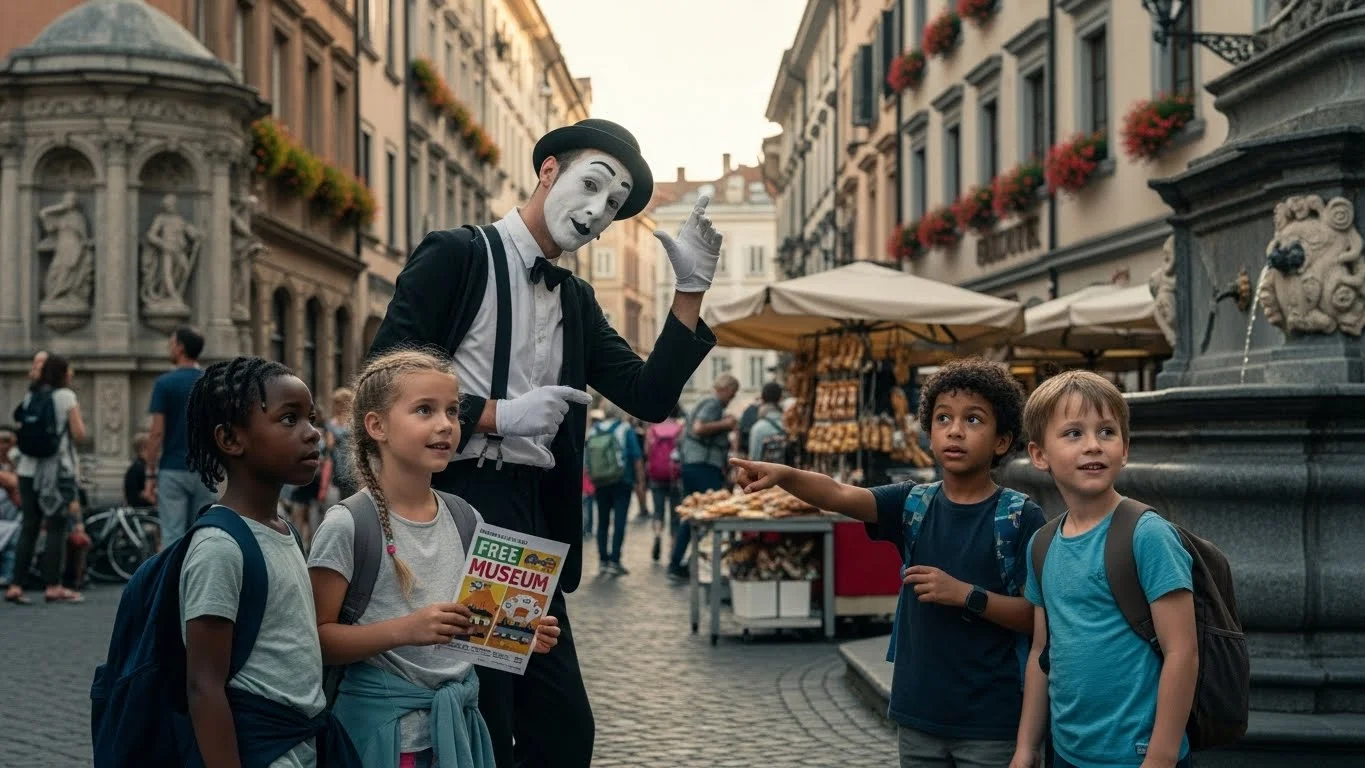
Many museums and historical sites offer discounted or even free entry for children. During our visit to Paris, we took advantage of the first Sunday of the month when many museums are free. My kids were captivated by the art in the Louvre and the history at the Palace of Versailles. I recommend checking if the destination you’re visiting has similar offers. Not only do museums provide educational content, but they also inspire creativity and curiosity. I noticed my children asking questions and wanting to learn more about the exhibits, which was a joy to see.

Participating in Local Festivals and Events

Local festivals are an exciting way to dive into a culture. I remember attending a lantern festival in Taiwan with my family, and it was magical. The streets were filled with colors, music, and the aroma of delicious food. Festivals often showcase traditional dances, crafts, and local cuisine, making them perfect for kids to engage and learn. They can see the celebration of cultural heritage in action, and it’s a fantastic opportunity for families to bond over shared experiences. I suggest checking local tourism websites to find out what festivals or events coincide with your travel dates.

Exploring Nature and Wildlife Experiences

Cultural adventures don’t just happen in cities; nature plays a vital role too. On a trip to Costa Rica, we explored national parks and wildlife reserves, where my kids learned about the importance of conservation. They were fascinated by the diverse ecosystems and even spotted sloths and toucans in the wild! Nature experiences can teach kids about different habitats and the cultures that revolve around them. I recommend looking for nature tours that are family-friendly and offer educational components, so kids can learn while having fun.

Engaging in Traditional Crafts and Workshops

When we traveled to India, we participated in a pottery workshop, and it turned out to be one of the highlights of our trip. My kids loved getting their hands dirty and creating something unique. Engaging in traditional crafts not only fosters creativity but also helps children appreciate the skills and history behind these art forms. Many destinations offer workshops for families, and I think it’s a wonderful way to connect with the local culture. I always encourage my kids to ask questions and learn from the artisans; it makes the experience much richer.

Budget Accommodation Options

Family-Friendly Hostels and Guesthouses

When we travel as a family, finding the right place to stay can really set the tone for our adventures. I’ve learned that hostels and guesthouses can be fantastic budget-friendly options. While many might think hostels are just for backpackers, I was pleasantly surprised to find that many cater specifically to families. During our trip to Barcelona, we stayed in a hostel that offered family rooms. It was affordable and included a kitchen, which allowed us to prepare some of our meals. This not only saved money but also gave us the chance to bond over cooking together. I recommend looking for hostels that provide family amenities like play areas or organized activities for kids. It’s a great way to meet other families and share experiences.

Staying with Local Families: Homestays

One of the most enriching experiences we’ve had was staying with a local family through a homestay program. In Vietnam, we spent a few nights with a family in a rural village. They welcomed us into their home, and my kids got to experience daily life in a way that hotels just can’t replicate. We shared meals, learned about their customs, and even helped out with chores, which really made the culture come alive for my children. From my perspective, this kind of immersion is invaluable and often more affordable than traditional accommodations. I suggest researching reputable homestay programs ahead of time to ensure a safe and delightful experience.

Budget Hotels with Cultural Experiences

While hotels can sometimes be pricier, I’ve found that many budget hotels offer unique cultural experiences that make them worth considering. For instance, during our stay in Istanbul, we found a small hotel that organized cultural nights where local musicians played traditional music, and we were treated to authentic Turkish food. My kids loved joining in the dance, and it opened their eyes to the richness of Turkish culture. I recommend looking for hotels that include cultural activities in their packages. It’s a great way to learn while enjoying comfortable accommodations without breaking the bank.

Transportation on a Budget

Public Transport Tips for Families

Getting around in a new country can be daunting, but I’ve found that public transport is often the most budget-friendly and authentic way to experience a destination. On our trip to London, we utilized the Tube, which not only saved us money but also allowed my kids to experience the hustle of city life. I recommend purchasing family travel cards or passes that offer unlimited travel for a day; it makes hopping on and off much easier. Plus, riding trains or buses gives kids a chance to interact with locals and see the everyday life that tourists often miss.

Walking Tours and Biking Adventures

One of my family’s favorite ways to explore a city is by walking or biking. It allows us to take our time, discover hidden gems, and really soak in the local culture. When we visited Amsterdam, we rented bikes for the day and rode along the canals. My kids loved the freedom of cycling, and we stumbled upon quaint neighborhoods and local markets that we wouldn’t have seen otherwise. I suggest checking for family-friendly biking tours or self-guided walking routes that highlight cultural landmarks. Not only is it budget-friendly, but it also promotes a healthy lifestyle and creates lasting memories.

Cost-Effective Car Rentals and Rideshares

If you’re traveling to a destination that requires more flexibility, I’ve found that renting a car can be a great option, especially for families. During our road trip in California, we rented a car that allowed us to explore the coastline at our own pace. I recommend looking for family deals or special offers from rental companies. Additionally, rideshare apps can be a convenient alternative to taxis. On our trip to San Francisco, we used rideshare services to get to places without worrying about parking. It’s often more economical and much easier when you’re traveling with kids.

Local Cuisine and Dining on a Budget

Street Food Adventures for Kids

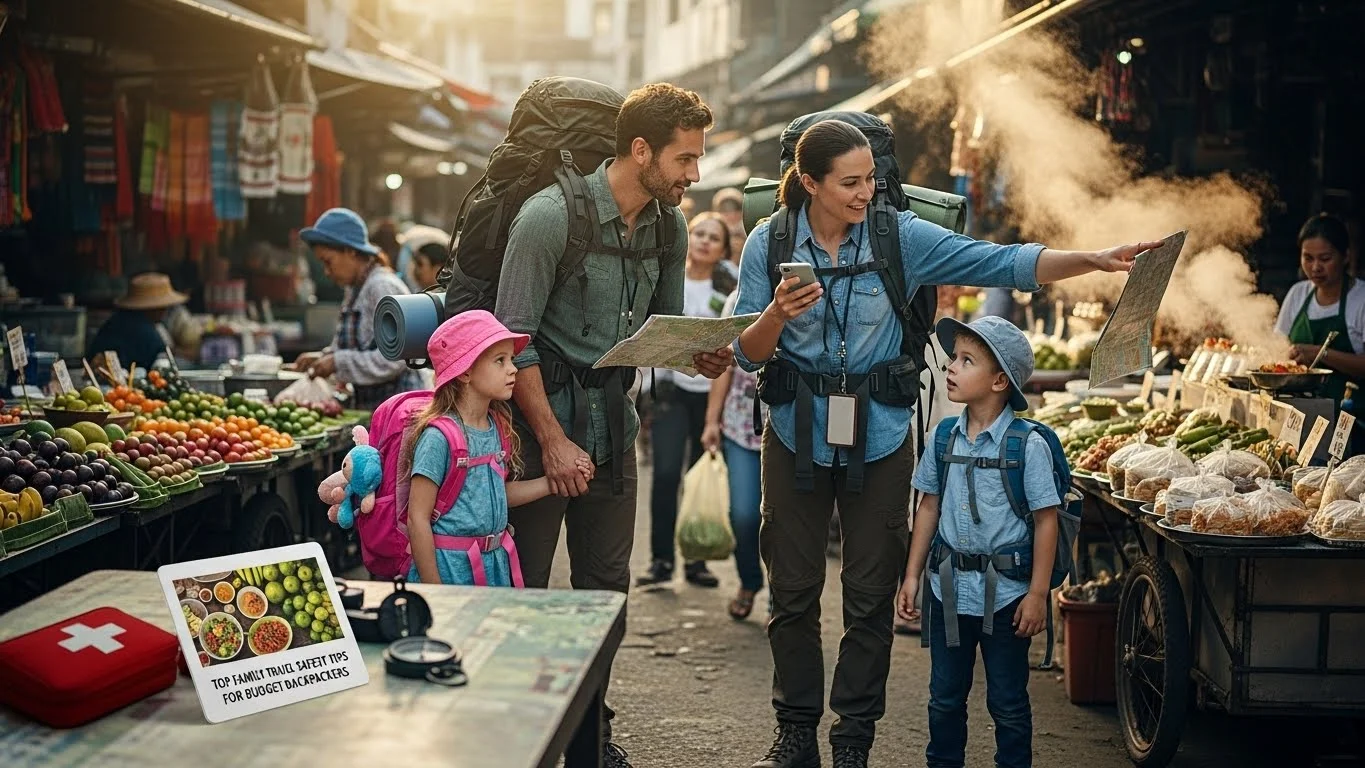
One of the highlights of traveling with my kids has been exploring local street food. It’s not only affordable but also a delicious way to experience a culture. I remember our time in Thailand, where we ventured to a night market filled with vibrant stalls. My children eagerly tried everything from mango sticky rice to satay skewers. They loved the excitement of choosing what to eat and watching the vendors prepare the food. I recommend being adventurous with kids when it comes to street food, as it often leads to fun discoveries and shared tastes. Just make sure to choose busy stalls where lots of locals eat; it’s usually a good sign of quality!

Affordable Family-Friendly Restaurants

While street food is a great option, I also make it a point to find family-friendly restaurants that offer local dishes at reasonable prices. In Italy, we discovered a small trattoria that not only had delicious pasta but also a welcoming atmosphere for kids. The owners even brought out crayons and paper for my children to draw while we waited for our food. I find that family-run places often offer the best meals and a sense of community. Checking online reviews or asking locals for recommendations can lead you to hidden culinary gems that fit your budget.

Cooking Classes: Learning Through Food

Taking a cooking class is another fantastic way to immerse ourselves in a culture while enjoying a meal. On our trip to Mexico, we participated in a cooking class where we learned to make authentic tacos. My kids were engaged and excited, and they still talk about the experience! It’s a wonderful way to bond as a family and learn something new together. I recommend looking for classes that are specifically designed for families, as they often cater to younger chefs and make it fun for everyone involved.

Planning Your Trip: Tips and Resources

Budgeting for Cultural Adventures

As I plan our family trips, budgeting plays a huge role in ensuring we can enjoy all the cultural experiences without stretching our finances too thin. I usually start by setting a budget that covers flights, accommodation, food, activities, and some extra for unexpected adventures. I’ve found it helpful to break down expenses into categories, which gives me a clearer picture of where our money is going. For example, during our trip to Portugal, I allocated a specific amount for dining out and another for attractions. This approach allows us to prioritize experiences that matter most to us as a family. I also keep an eye out for discounts or passes that offer bundled experiences, which can be a great way to save money while enjoying more of what a destination has to offer.

Useful Apps and Websites for Family Travelers

In today’s digital age, technology can be a traveler’s best friend. I rely on several apps and websites to help make our trips smoother and more enjoyable. For flights and accommodations, I often use Google Flights and Airbnb to find good deals. When it comes to planning activities, TripAdvisor and Yelp have been invaluable for discovering family-friendly attractions and eateries. I also downloaded offline maps on Google Maps for navigating cities without worrying about data charges. Additionally, apps like Duolingo can be fun for teaching my kids some basic phrases in the local language, making interactions with locals more engaging. These tools have made our adventures easier and more enjoyable, allowing us to focus on the experiences rather than logistics.

Creating a Flexible Itinerary for Kids

One of the lessons I’ve learned over the years is the importance of flexibility when traveling with kids. While I love to have a plan, I’ve discovered that allowing for spontaneity can lead to the most memorable moments. During our trip to Italy, we had a loose itinerary that included must-see sites, but we also left room for unplanned stops at local gelato shops or playgrounds. This way, my kids didn’t feel overwhelmed and could enjoy the trip at their own pace. I recommend including one or two “free days” in your itinerary where you can explore based on what interests your kids or any local festivals happening at that time. This balance between structure and freedom has made our trips more enjoyable for everyone!

Making the Most of Cultural Experiences

Encouraging Kids to Document Their Adventures

One of the best ways I’ve found to enrich our cultural experiences is by encouraging my kids to document their adventures. Whether it’s through a travel journal, photos, or even sketches, capturing these moments helps them reflect on what they’ve learned and experienced. My daughter, for example, loves to draw the sights and sounds from our trips. After our visit to Japan, she created a scrapbook filled with her drawings, ticket stubs, and small souvenirs. It’s wonderful to see them relive those moments and share their stories with friends and family. I suggest providing kids with simple notebooks or a camera and letting them decide how they want to document our travels. This practice not only enhances their engagement but also creates lasting memories.

Engaging with Local Communities and Customs

One of the highlights of our travels has been engaging with local communities and immersing ourselves in their customs. I believe that these interactions create a deeper understanding of the culture. For instance, when we visited Morocco, we participated in a cooking class with a local family. Not only did we learn to cook traditional dishes, but we also chatted about their daily lives, which brought the culture to life for my kids. I encourage families to seek out opportunities to interact with locals, whether it’s through community events, market visits, or volunteer activities. These experiences foster a sense of connection and appreciation for the diversity that exists in our world.

Post-Trip Activities to Reinforce Learning

After returning home, I like to keep the spirit of our travels alive with post-trip activities. I often set aside some time for family discussions about what we learned and enjoyed the most. This not only helps my kids process their experiences but also reinforces their understanding of different cultures. We might cook a meal from the country we visited, watch documentaries related to our travels, or even create a family presentation sharing our favorite moments. These activities are a great way to extend the learning beyond the trip and allow us to bond as a family while exploring new interests sparked by our adventures. I find that it makes the journey even more meaningful and memorable.

Frequently Asked Questions

What is a cultural adventure?

A cultural adventure is about immersing oneself in different traditions, languages, and lifestyles, rather than just visiting tourist spots. It involves engaging in local activities, exploring cultural practices, and learning about the history and stories of a place.

What are the benefits of cultural experiences for children?

Cultural experiences help children gain a broader perspective, appreciate diversity, foster curiosity and confidence, and develop empathy. These adventures expose them to different customs and traditions, helping them understand that while people may have different ways of life, there are shared human experiences.

What are some budget-friendly countries for family travel?

Some budget-friendly countries for family travel include Vietnam, Portugal, Mexico, and Thailand. These destinations offer rich cultural experiences, history, and festivals that are both kid-friendly and affordable.

How can families engage with local cultures while traveling?

Families can engage with local cultures by venturing into smaller towns, meeting local artisans, participating in hands-on experiences like picking olives or attending workshops, and researching local events that welcome families.

What safety considerations should families keep in mind while traveling?

Families should check travel advisories, understand local customs, and be aware of healthcare facilities. It’s also important to have emergency contacts handy and to familiarize children with basic phrases in the local language to ensure a safer travel experience.

What are some affordable cultural activities for kids?

Affordable cultural activities for kids include visiting museums and historical sites with discounted or free entry, participating in local festivals, exploring nature and wildlife experiences, and engaging in traditional crafts and workshops.

What accommodation options are best for budget-conscious families?

Budget-conscious families can consider family-friendly hostels, guesthouses, and homestays. These options often provide a more immersive experience and can be more affordable than traditional hotels.

How can families save money on transportation while traveling?

Families can save money on transportation by using public transport, which is often budget-friendly. They can also consider walking tours, biking adventures, or renting cars for more flexibility, looking for family deals or special offers.

What are some tips for dining on a budget while traveling with kids?

Families can enjoy local street food for affordable and delicious options, seek out family-friendly restaurants that offer local dishes at reasonable prices, and participate in cooking classes to learn about the cuisine while enjoying a meal.

How can families extend their learning after a trip?

After returning home, families can extend their learning by discussing their experiences, cooking meals from the country visited, watching related documentaries, or creating presentations to share favorite moments, reinforcing their understanding of different cultures.
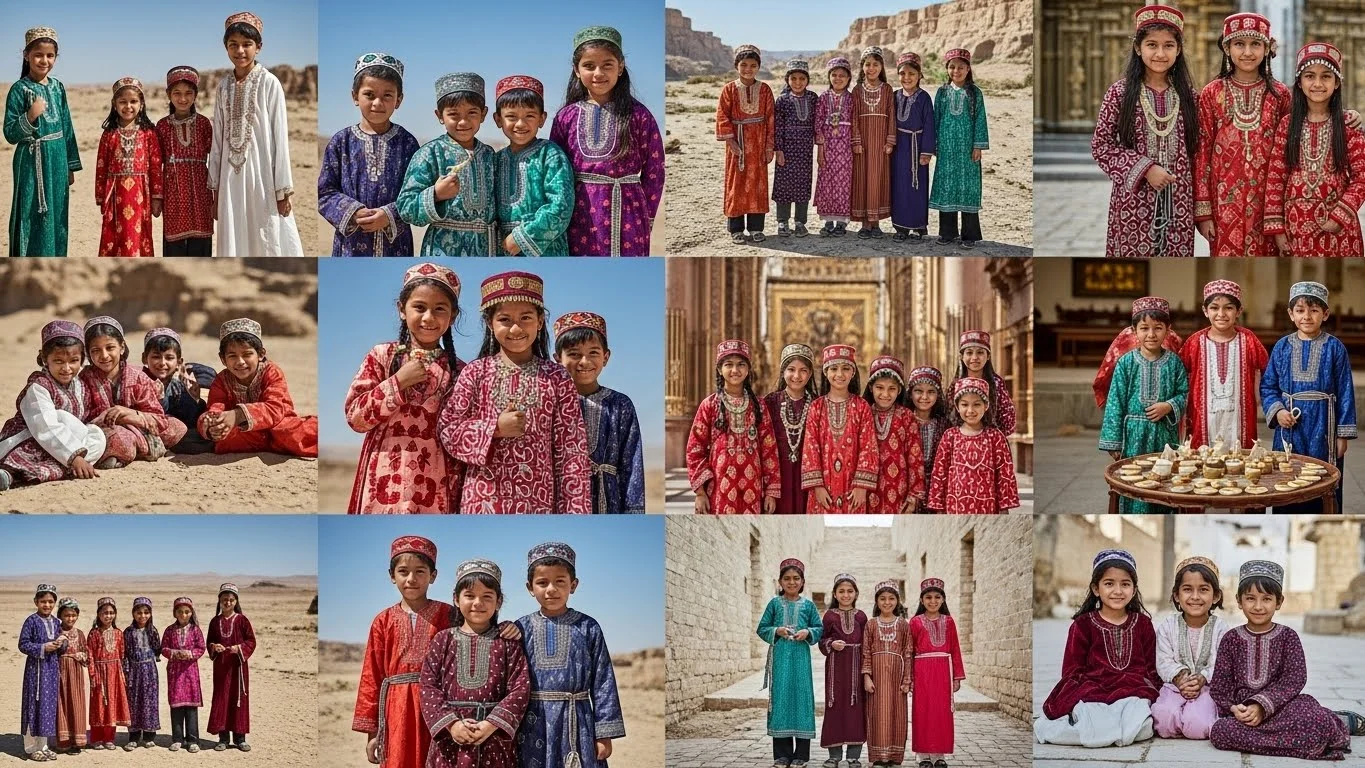
Top 10 Cultural Experiences for Kids While Traveling

Traveling with kids is one of the most rewarding experiences we can have as families. Not only does it create lasting memories, but it also opens up a world of cultural learning and exploration! For those looking to enhance their travels, consider exploring Top Private Family Tours: Luxury Experiences Without the Price Tag.

Top 10 Cultural Experiences for Kids While Traveling

Understanding Cultural Experiences for Kids

The Importance of Cultural Exposure

I’ve always believed that cultural exposure is essential for children, especially when we travel. It’s about more than just seeing new places; it’s about understanding different ways of life. I remember one trip when my family visited Mexico. My kids were enchanted by the vibrant colors, the lively music, and even the different scents coming from the food stalls. They weren’t just learning about a different culture; they were experiencing it firsthand. This kind of exposure helps kids build empathy and a broader worldview. They start to see the beauty in diversity and recognize that there are many ways to live and celebrate life.

Benefits of Traveling with Kids

Traveling with my kids has been one of the best decisions I’ve ever made. I’ve seen them grow in ways I never expected. It’s amazing how a trip can teach them about history, geography, and social studies without ever opening a textbook. When we visited the ancient ruins in Greece, my son was fascinated by the stories behind each stone. He began to ask questions about ancient civilizations, and I could see that spark of curiosity ignite in him. I’ve learned that travel provides real-life context that makes learning more relevant and engaging.

Moreover, traveling together strengthens our family bonds. Those shared experiences—like trying street food in Thailand or participating in a traditional dance in Bali—bring us closer. We create inside jokes and stories that we can reminisce about for years to come. In my experience, traveling is an investment in our relationship as a family, while also enriching our kids’ understanding of the world. For more insights on family-friendly dining options, check out Top 10 Gourmet Dining Experiences for Family Vacations.

Top 10 Cultural Experiences for Kids

1. Cooking Classes: Learning Local Cuisine

One of my most cherished memories is taking a cooking class in Italy with my kids. We learned to make fresh pasta from scratch, and it was such a delightful experience! Kids love hands-on activities, and cooking offers a delicious way to connect with a culture. It was fascinating for them to learn about the ingredients, traditional methods, and even the history behind the dishes we made. Plus, who doesn’t love eating what they’ve created? It’s a fun way to engage their senses and develop a love for food!

2. Traditional Festivals: Celebrating Local Customs

Experiencing local festivals is another fantastic way to immerse kids in a culture. Last summer, we attended a colorful festival in India, complete with music, dance, and local crafts. My daughter was mesmerized by the henna artists and the traditional dances performed by locals. Festivals are a vibrant blend of culture, tradition, and community spirit, and they allow kids to see firsthand how people celebrate their heritage. I found that my kids were much more open to learning about the customs and beliefs of others after experiencing this lively event.

3. Arts and Crafts Workshops: Hands-On Creativity

When we traveled to Japan, we stumbled upon a local pottery workshop. My kids were thrilled to try their hand at making their own pieces of art. Arts and crafts workshops not only ignite creativity but also allow kids to connect with local artisans and understand the significance of their work. I’ve noticed that these experiences foster a sense of appreciation for different artistic styles and methods. Plus, we came home with unique souvenirs made by my kids, which added a personal touch to our travel memories!

4. Historical Sites: Exploring Ancient Civilizations

Visiting historical sites is like stepping into a time machine. I remember walking through the ancient ruins of Pompeii with my family. As we explored the remnants of a once-thriving city, I saw my kids’ imaginations come alive. They were asking questions and piecing together the stories of the people who lived there. Historical sites offer a tangible connection to the past, and I believe they can instill a sense of wonder and curiosity in children. It’s a powerful way to spark an interest in history that can last a lifetime.

5. Language Classes: Immersive Learning Experiences

One of the most enriching experiences we had was enrolling our kids in a short language class while in Spain. Learning a few phrases in the local language opened up so many doors for them. They felt more confident interacting with locals, whether it was ordering food or asking for directions. Language classes not only boost communication skills but also help kids feel more connected to the culture. I’ve found that even just a little effort to speak the language can lead to meaningful interactions and friendships.

6. Music and Dance Performances: Engaging with Local Art

Music and dance are universal languages. I recall attending a traditional folk dance performance in Peru. The vibrant costumes and rhythmic movements captivated my children. They were not just spectators; they were inspired to join in when the performers invited the audience to dance! Engaging with local art forms fosters appreciation and understanding of cultural expressions. It’s an exhilarating experience that brings a sense of joy and excitement, making it memorable for everyone involved.

7. Nature and Wildlife Tours: Understanding Local Ecosystems

Exploring nature is another fantastic cultural experience. When we took a wildlife tour in Costa Rica, my kids learned about the local ecosystems and the importance of conservation. Seeing sloths and toucans in their natural habitat was awe-inspiring! Nature tours can help kids appreciate biodiversity and the need to protect our planet. I feel that these experiences instill a sense of responsibility in them to care for the environment, which is crucial as we face global challenges.

8. Cultural Immersion Programs: Living Like a Local

Participating in cultural immersion programs has been a game-changer for us. On one trip, we stayed with a local family in Vietnam. Living with them allowed my kids to see everyday life from a different perspective. They helped with cooking, participated in local traditions, and learned about family values. This experience deepened our understanding of the culture and offered insights that typical tourist experiences often miss. It’s an incredible way to develop friendships and learn about different lifestyles.

9. Local Markets: Discovering Everyday Life

Visiting local markets has always been one of my favorite things to do while traveling. The bustling energy, vibrant colors, and unique smells are a feast for the senses. I took my kids to a market in Morocco, where they were able to see how locals shop and interact. They loved trying new fruits and snacks while chatting with friendly vendors. Local markets provide a glimpse into daily life and offer kids the chance to try new foods and learn about local customs. I believe it’s an experience that enhances their appreciation for different cultures.

10. Museum Visits: Interactive Learning Opportunities

Museums can be a treasure trove of knowledge. I remember taking my kids to a science museum where they could touch exhibits and engage in hands-on activities. Museums often have programs tailored for children, making learning fun and interactive. I think it’s essential to choose museums that focus on local culture and history, as it helps kids connect with the place they are visiting. These visits often spark further questions and discussions, enhancing their learning experience. Additionally, discovering Affordable Cultural Activities for Families on the Go can enhance your travel experience.

Tips for Engaging Kids in Cultural Activities

Choosing Age-Appropriate Experiences

One of the most important aspects of planning cultural activities is ensuring they are age-appropriate. I remember when my kids were younger; I had to consider their attention spans and interests. For instance, while they loved the cooking class, they were less enthusiastic about a lengthy museum tour. I’ve found that balancing educational content with fun is key. When we traveled to France, we enrolled them in a short pastry-making class geared toward kids. The experience was both engaging and educational, allowing them to explore French culture through delicious treats while having a blast! I believe that when activities are tailored to their age and interests, kids are more likely to participate enthusiastically and retain the lessons learned.

Incorporating Educational Elements

Traveling is a fantastic opportunity to incorporate educational elements into our adventures. Before a trip, I often research local history or fun facts about our destination. For example, when we visited Egypt, I shared stories about the pyramids and the ancient gods. I found that my kids were more engaged when they had a little background knowledge. During our visit to the pyramids, they were asking insightful questions and eagerly pointing out things related to what we had discussed. I think it’s about creating a narrative around our experiences that makes them more meaningful. Using tools like interactive apps or travel journals can also enhance their understanding, allowing them to document their experiences and reflect on what they learn.

Encouraging Interaction with Locals

One of the best ways for kids to learn about a culture is through direct interaction with locals. I remember encouraging my kids to practice their Spanish while visiting a small village in Mexico. They excitedly ordered their own meals in a local restaurant, and the smiles exchanged and laughter shared made the experience unforgettable. I’ve noticed that kids are naturally curious and open, so fostering that interaction can lead to amazing connections and conversations. I recommend seeking out activities that promote engagement, such as community events, workshops, or even volunteering opportunities. These interactions not only enhance cultural understanding but also help kids develop social skills and confidence.

Planning Your Cultural Trip

When to Travel: Best Times for Cultural Experiences

Timing can make a huge difference in the quality of our cultural experiences. I’ve learned that traveling during local festivals or significant events can provide a richer experience. For instance, visiting Japan during cherry blossom season added a magical touch to our trip. The beauty of the blossoms was captivating, and we got to join in on local celebrations. I’ve also found that traveling during the off-peak season often means fewer crowds and more authentic interactions. It’s worth considering the climate, local holidays, and school schedules when planning our trips to ensure we make the most of our cultural experiences.

Budgeting for Cultural Activities

Budgeting is a crucial part of planning any trip, especially when it comes to cultural activities. I’ve discovered that many cultural experiences can fit all sorts of budgets. For instance, while some cooking classes or workshops may be on the pricier side, local festivals often offer free events that can be just as enriching. When we visited Thailand, we found several affordable workshops and activities, which allowed us to immerse ourselves in the culture without breaking the bank. I recommend setting a budget for cultural activities beforehand and prioritizing experiences that align with our family’s interests. It’s also helpful to look for family discounts or combo deals that can make experiences more accessible.

Choosing Family-Friendly Destinations

Not all destinations are created equal when it comes to family-friendly cultural experiences. I’ve learned to seek out places that offer a variety of activities suitable for different ages. For example, cities like Barcelona or London have numerous cultural attractions and activities that cater to families. I also look for destinations with interactive museums, parks, and festivals that engage children. It’s helpful to check online reviews or family travel blogs to see what other families have experienced. I believe that choosing the right destination can significantly enhance our overall enjoyment and the educational value of our trip.

Safety Considerations

Travel Safety Tips for Families

Safety is always a top priority when traveling with kids. I remember feeling a mix of excitement and nervousness before our first international trip as a family. To ensure our travels are safe, I’ve developed a few strategies. Before we leave, I make sure to discuss safety rules with my kids, such as staying close to us in crowded areas and what to do if they get lost. I also keep copies of important documents like passports and travel insurance in a secure location. I find it helpful to have a basic first aid kit on hand, along with any necessary medications. Generally, staying aware of our surroundings and trusting our instincts goes a long way in keeping our family safe while we explore new cultures.

Health Precautions While Traveling

When it comes to health, I’ve learned that it’s best to be prepared. Before traveling, I always check if there are any vaccinations or health precautions needed for our destination. I remember our trip to Southeast Asia, where I made sure we were up to date on vaccines and packed anti-malarial medication just in case. Staying hydrated and being mindful of what we eat are other key factors in maintaining our health while traveling. I encourage my kids to try new foods but also to listen to their bodies. Understanding the importance of health and safety while traveling allows us to focus on enjoying our cultural experiences fully.

Resources for Planning Cultural Experiences

Recommended Websites and Apps

In today’s digital age, planning cultural experiences has become much easier thanks to various websites and apps. I often turn to sites like TripAdvisor and Yelp for local recommendations and reviews. They can be invaluable when searching for family-friendly activities that engage both younger and older kids. I remember using Viator during our trip to Italy. It offered a range of tours that were both educational and fun, and we were able to find options that included skip-the-line tickets for popular sites—definitely a win with kids in tow!

Another app I love is Google Translate. It not only helps with language barriers but also has a feature where you can point your camera at text, and it translates it in real-time. This came in handy during our visits to local markets, allowing my kids to read signs and menus, which made them feel more involved and independent. Lastly, a family-friendly app like Klook is great for booking activities in advance, ensuring we don’t miss out on unique experiences while traveling.

Books and Guides for Kids

Books can be amazing tools for travel preparation, especially for kids. I often pick up travel guides designed for children that explain the culture, history, and customs of our destination in an engaging way. One of my favorites is the “Let’s Go” series, which presents travel information in a fun, relatable manner. I also encourage my kids to explore books related to the places we visit. For example, before our trip to Egypt, we read books about ancient Egypt, which helped them understand the significance of the pyramids and the Nile River.

Additionally, travel journals can encourage kids to document their experiences. I found that giving my kids journals to write or draw in during our travels helped them process what they were learning. This practice not only enhances their writing skills but also creates a keepsake they can cherish for years to come. It’s a wonderful way to blend creativity with education!

Local Tour Operators and Cultural Organizations

Connecting with local tour operators can greatly enhance our cultural experiences. I’ve discovered that local guides often provide deeper insights and stories that you won’t find in guidebooks. For instance, during our visit to Peru, we booked a tour with a local operator that focused on cultural heritage. The guide was incredibly knowledgeable about the traditions of the indigenous people, making the experience unforgettable for my family.

I also recommend checking out local cultural organizations. Many cities have community centers or visitor bureaus that offer activities and workshops for families. When we were in Mexico, we participated in a local cooking class organized by a cultural center. This not only supported the community but allowed us to learn directly from locals about their culinary traditions. I believe these interactions create a sense of belonging and connection that enriches our travel experience.

Overall, utilizing these resources not only makes planning easier but also enhances the educational aspect of our travels. Each tool, whether it’s a website, a book, or a local organization, adds another layer to our understanding and appreciation of the cultures we encounter.

Frequently Asked Questions

1. Why is cultural exposure important for children when traveling?

Cultural exposure is essential for children as it helps them understand different ways of life, builds empathy, and broadens their worldview. Experiencing new cultures firsthand allows kids to see the beauty in diversity and recognize various ways to live and celebrate life.

2. What are some benefits of traveling with kids?

Traveling with kids provides real-life context for learning about history, geography, and social studies, fosters family bonds through shared experiences, and ignites curiosity. It creates lasting memories and enriches children’s understanding of the world.

3. What is one hands-on cultural experience mentioned that kids can enjoy?

Cooking classes are a fantastic hands-on cultural experience for kids, as they allow children to learn about local cuisine, engage their senses, and enjoy the food they create, fostering a love for cooking and cultural appreciation.

4. How can participating in local festivals benefit children?

Participating in local festivals immerses kids in the culture and community spirit, allowing them to see how people celebrate their heritage. These vibrant experiences can make children more open to learning about customs and beliefs of others.

5. What are some tips for engaging kids in cultural activities while traveling?

To engage kids in cultural activities, it’s important to choose age-appropriate experiences, incorporate educational elements, and encourage interaction with locals. Tailoring activities to their interests increases participation and retention of lessons learned.

6. What should families consider when planning cultural trips?

Families should consider the timing of their travels to coincide with local festivals, budget for cultural activities, and choose family-friendly destinations that offer suitable activities for different ages to enhance enjoyment and education.

7. What safety tips should families follow when traveling with kids?

Families should discuss safety rules with kids, keep copies of important documents, have a basic first aid kit, and stay aware of their surroundings. Trusting their instincts can help ensure safety while exploring new cultures.

8. How can parents prepare their kids for travel health-wise?

Parents should check for necessary vaccinations or health precautions before traveling, ensure hydration, and encourage kids to listen to their bodies when trying new foods. Being prepared allows families to focus on enjoying their cultural experiences fully.

9. What resources can help families plan cultural experiences effectively?

Families can utilize websites and apps like TripAdvisor, Yelp, and Google Translate for planning cultural experiences. Additionally, travel guides designed for children and local tour operators offer valuable insights and enhance educational experiences.

10. Why are local tour operators and cultural organizations beneficial for travelers?

Local tour operators provide deeper insights and stories that enrich cultural experiences, while cultural organizations often offer activities and workshops for families, fostering community connection and supporting local traditions during travels.

Family Travel Safety: How to Backpack on a Budget Safely

Traveling with family can be one of the most rewarding experiences, but safety is a priority. Let’s explore how to backpack on a budget while keeping our loved ones secure and sound. For more insights, check out our Top Family Travel Safety Tips for Budget Backpackers.

Family Travel Safety: How to Backpack on a Budget Safely

Understanding Family Travel Safety

Importance of Safety in Family Travel

When I first took my family on a backpacking trip, I felt a mix of excitement and anxiety. The thrill of exploring new places together was exhilarating, yet the responsibility of ensuring my family’s safety weighed heavily on my mind. I quickly realized that travel safety is not just about avoiding danger; it’s about fostering peace of mind so we can focus on enjoying the journey. Prioritizing safety means planning ahead, being aware of our surroundings, and having contingency plans in place. It’s crucial for parents to establish a safe travel environment, especially when children are involved. After all, the last thing we want is for a misstep to overshadow the memories we create during our adventures.

Common Risks Associated with Family Backpacking

Backpacking opens up a world of exploration, but it also brings its fair share of risks. I remember my first family backpacking trip where we encountered some common dangers I hadn’t fully prepared for. From lost belongings to unfamiliar terrain, we faced challenges that made me rethink our approach to travel safety. Some of the most common risks include:

  • Injury: Uneven trails, slippery rocks, or even wild animals can pose threats to our family’s safety. I learned to be extra cautious and to always have a first aid kit handy.
  • Health Issues: Changes in weather, food, or water can lead to various health problems. On one trip, my child fell ill after eating something unfamiliar, which taught us to pack snacks and be careful about what we consumed.
  • Getting Lost: Navigating new places can be confusing. I remember a time when we got separated in a crowded market, and it was terrifying. I now always ensure that we have a map or a reliable GPS app.
  • Scams: Tourists can be targets for scams. I’ve encountered many situations where I had to be alert and teach my kids to recognize when something didn’t feel right.

By acknowledging these risks, we can take proactive steps to mitigate them, ensuring our family adventures remain joyful and memorable. For more tips, read our Must-Know Travel Safety Tips for Family Backpacking Trips.

Budget Backpacking Essentials for Families

Choosing the Right Backpack

When it comes to family backpacking, the right backpack can make all the difference. I can’t stress enough how important it is to choose one that suits your family’s needs. For our trips, I found it beneficial to invest in backpacks with adjustable straps and multiple compartments. This allows for easy organization of snacks, first-aid supplies, and entertainment for the kids. I also recommend testing the backpacks with weight before heading out. We learned this lesson the hard way when my husband’s pack was too heavy, leading to discomfort on our first day. A well-fitted backpack can truly enhance the experience.

Essential Gear for Family Travel

As I packed for our family adventures, I quickly realized that certain gear is essential to ensure everyone’s safety and comfort. Here’s a list of items that I found invaluable:

  • First Aid Kit: Always have one on hand. You never know when a scraped knee or headache might occur.
  • Water Bottles: Staying hydrated is crucial, especially when hiking. We always carry refillable bottles.
  • Flashlights: These are essential for navigating campsites at night. We learned this after a night hike turned into a minor adventure!
  • Emergency Snacks: Granola bars or trail mix have saved us during long hikes when hunger struck.

By having the right gear, I found that we could enjoy our adventures without unnecessary stress.

Budget-Friendly Packing Tips

Packing efficiently on a budget is an art, and I’ve picked up some tricks that worked wonders for our family. I started by making a list of must-haves to avoid overpacking, which can lead to extra weight and stress. Here are some tips that helped me:

  • Layer Clothing: Instead of packing bulky items, I learned to layer clothes. This saves space and keeps us warm during chilly evenings.
  • Multi-Use Items: I found it helpful to bring items that serve multiple purposes, like a sarong that can be used as a blanket, towel, or cover-up.
  • Buy or Rent Gear: For things we don’t use often, like hiking poles, I recommend renting. It’s budget-friendly and saves storage space at home.

By being mindful about packing, we not only saved money but also made our travels more enjoyable and less cumbersome. It’s all about finding that perfect balance between comfort, safety, and budget.

Planning Your Trip Safely

Researching Safe Destinations

Before embarking on any adventure, I’ve learned that proper research is key to ensuring our family’s safety. I remember planning a trip to a remote hiking area and discovered, through my research, that it had limited cell service. Knowing this ahead of time allowed me to prepare accordingly. I made sure to download offline maps and alert family members of our itinerary. It’s also beneficial to read reviews and check travel advisories to understand the safety levels of our chosen destinations. Websites and forums dedicated to family travel can be great resources for finding out what other families have experienced in terms of safety. This preparation can help avoid unpleasant surprises and set a positive tone for our trip.

Understanding Local Customs and Laws

One of the most eye-opening experiences I had was when we visited a country with vastly different customs. I didn’t realize that certain behaviors, like public displays of affection or specific dress codes, could be frowned upon. This is why I emphasize understanding local customs and laws. It not only helps in keeping our family safe but also shows respect towards the culture we’re engaging with. I recommend looking for resources that explain social norms and legal requirements for tourists. Additionally, I often find it helpful to learn a few key phrases in the local language. It makes interactions smoother and can sometimes diffuse tense situations. My family always appreciated the effort, and it helped us connect with locals more personally.

Creating an Itinerary with Safety in Mind

After selecting our destination and understanding the local culture, creating a detailed itinerary is next. I’ve found that having a plan helps us stay organized and reduces stress, especially with kids in tow. My family typically includes downtime in our schedule to relax and recharge. This is crucial because it can be overwhelming to pack too much into one day. I also make sure to map out the safest routes to our destinations, avoiding areas known for crime or unsafe conditions. Moreover, I share our itinerary with someone back home so they know our whereabouts. This simple step has provided peace of mind, knowing that someone else is aware of our plans in case of an emergency. Overall, being organized allows us to focus on enjoying our time together rather than worrying about potential problems.

Travel Insurance: A Must for Families

Types of Travel Insurance Policies

When I first started planning family trips, the idea of travel insurance seemed like an unnecessary expense. However, after a few close calls, I realized it’s an essential part of our travel preparation. There are various types of travel insurance policies available. Medical coverage is particularly important, especially when traveling abroad where the healthcare system may differ from what we’re used to. Trip cancellation insurance has also saved us money when unforeseen events forced us to change our plans. I recommend looking for policies that cover a range of situations, including lost luggage and emergency evacuations. Understanding these options has helped me choose the right coverage that fits our family’s needs.

What to Look for in Family Travel Insurance

Not all travel insurance policies are created equal, so I’ve learned to be discerning while shopping for one. I look for policies that specifically include coverage for families, especially those that account for children’s activities. It’s important to ensure that emergency medical coverage is adequate, considering the potential costs of healthcare abroad. I also pay attention to the policy’s fine print regarding pre-existing conditions, as we have a few family members with medical histories that require close attention. Customer reviews and comparisons online have proven invaluable in helping me gauge the reliability and responsiveness of different insurance providers. I’ve found that a little extra effort upfront can lead to significant peace of mind while we’re away from home.

How to File a Claim While Traveling

Filing a claim while on the road can be daunting, but I’ve learned that knowing the process can make it much smoother. When we encountered an issue during our last trip, I was grateful I had taken the time to familiarize myself with our policy. I always keep a copy of the insurance documents in both digital and paper form, just in case. If a situation arises, such as a medical emergency or lost luggage, I immediately take photos and gather documentation. I’ve learned that keeping receipts and providing as much detail as possible can help expedite the claims process. It’s also wise to contact the insurance provider directly for guidance on what steps to take next. Knowing how to manage these situations allows us to stay focused on our family experience without being burdened by unexpected challenges.

Transportation Safety Tips

Choosing Safe Modes of Transportation

Transportation plays a huge role in our travel experiences, and I’ve learned that choosing safe modes is crucial. Whether we’re flying, driving, or taking public transportation, safety must always come first. When flying, I always check the airline’s safety record and customer reviews. For road trips, I ensure our vehicle is in top shape before hitting the road, and I make a habit of checking for seatbelt functionality and child safety seats. I also encourage my kids to stay buckled up at all times. On public transit, I make sure to keep an eye on our belongings and stay alert to our surroundings, especially in crowded areas. By focusing on safe transportation options, we can travel confidently and enjoy every moment together.

Using Public Transport with Kids

Using public transportation can be tricky with kids, but it’s often a great way to experience a new place. I’ve learned to prepare my children ahead of time by explaining how the system works, whether it’s buses, trains, or subways. I also make sure they understand the importance of staying close to me and not wandering off. During our trips, I often find it helpful to select family-friendly routes that minimize transfers and long waits. We’ve had many fun adventures on public transport, from playing games to people-watching. It’s a great opportunity to immerse ourselves in local culture while keeping safety at the forefront.

Car Rental Safety Considerations

Renting a car gives us the freedom to explore at our own pace, but there are key safety considerations I keep in mind. First, I always choose reputable rental companies that have good reviews. It’s also essential to inspect the vehicle thoroughly before driving off the lot. I look for any existing damage and ensure everything is functioning properly, including seatbelts and child safety seats. Additionally, I familiarize myself with local traffic laws, which can vary significantly from what I’m used to. Knowing the rules of the road helps avoid accidents and ensures a smoother driving experience. By taking these precautions, we can enjoy the adventure of the open road without compromising our safety.

Accommodation Safety for Families

Finding Family-Friendly Accommodations

When it comes to travel, I’ve learned that choosing the right place to stay is just as crucial as planning our activities. Family-friendly accommodations often provide additional comfort and safety, which is something I always look for. My family and I have stayed in various places, from hotels to vacation rentals, and I’ve discovered that certain features make a big difference. For instance, I prefer accommodations that offer spacious rooms where we can spread out and relax after a long day of exploring. Also, places that come with kitchen facilities allow us to prepare some meals, which helps in maintaining our diet and saves money.

One time, we found a fantastic family-friendly hotel that offered a kids’ club. It allowed my children to engage in supervised activities, giving my husband and me some much-needed downtime. I recommend looking for hotels that provide amenities like child-proofing options, playgrounds, or even family rooms with board games and movies. Websites that filter accommodations by family-friendly features have been a lifesaver for me in finding the perfect spots.

Safety Features to Look For

While comfort is key, safety features in accommodations can make all the difference. I’ve learned the hard way how vital it is to consider things like secure entry systems and well-lit common areas. When booking, I always check if the property has good security measures, such as 24-hour front desk service and surveillance cameras in common areas. These features help ensure that we feel secure throughout our stay.

Another aspect I focus on is the proximity of the accommodation to emergency services and hospitals. During our travels, I like to know where the nearest medical facility is located, just in case. On one trip, I found myself needing to locate a pharmacy late at night, and knowing it was just down the street put my mind at ease. I also ensure that escape routes and emergency exits are clearly marked within the accommodation itself. This has been particularly important when traveling with younger kids, as I want to make sure they know how to get to safety in case of an emergency.

Staying Safe in Hotels and Hostels

Staying safe in hotels and hostels requires a bit of vigilance, and I’ve gathered some practical tips over the years. First, I always make it a habit to use the hotel safe for our valuables. It’s easy to overlook, but leaving important items like passports, money, and electronics in our rooms can be risky. I encourage my kids to get into the habit of not displaying valuables when we’re out and about, either. 

When we arrive at a hotel, I like to familiarize myself with the layout, including where the exits are located. On one trip, I took a moment to walk through the hotel and locate emergency exits and stairwells. We even practiced what to do in case of a fire or emergency evacuation, which gave my family a sense of security. Additionally, I always keep our door locked and use the security latch or bolt when we’re inside. It’s a small step, but it adds an extra layer of protection.

In hostels, where the atmosphere can be more communal, I’ve learned to be cautious about our surroundings. I often choose dorms that have a good reputation for safety and cleanliness. I also try to stay in female-only dorms when traveling with my daughters, as it often feels more secure. By being aware and proactive about our safety, I’ve found that we can enjoy our accommodations without unnecessary worry.

Staying Safe During Activities

Selecting Family-Friendly Activities

When planning our itinerary, I always prioritize family-friendly activities that everyone can enjoy safely. I remember a time when we signed up for a local adventure tour that promised excitement but didn’t consider the age and skill levels of my kids. It turned out to be too strenuous and overwhelming for them, which led to a stressful situation. Now, I make it a point to research activities that are appropriate for our family’s ages and interests. Websites that provide family reviews and ratings have helped me find suitable options.

In my experience, choosing activities that offer flexibility is essential. Sometimes, my kids are more interested in exploring a park or a museum rather than an organized tour. I encourage impromptu adventures, like local festivals or spontaneous visits to cultural sites, which allow us to connect with our surroundings in a more meaningful way. I’ve found that a balance of structured and unstructured activities not only keeps everyone happy but also fosters a safer environment where we can engage at our own pace.

Outdoor Safety Tips for Families

Many of our favorite family memories come from outdoor adventures, but they can also present unique safety challenges. I’ve learned a few outdoor safety tips that help keep my family safe while enjoying nature. Firstly, I always check the weather before heading out. One trip, we were caught in an unexpected storm during a hike, which was a lesson learned the hard way. Packing rain jackets and being prepared for sudden weather changes has since become a non-negotiable in our outdoor gear.

Another critical aspect is staying on marked trails. I love the thrill of adventure, but wandering off the path can lead to accidents or getting lost. I often remind my kids of the importance of sticking together and following the designated routes. Moreover, I teach them about local wildlife and how to react if we encounter animals. Understanding that wildlife is best admired from a distance has helped us appreciate nature while ensuring our safety.

Understanding Local Health Risks

Traveling opens us up to new experiences, but it can also expose us to local health risks. This was something I didn’t fully grasp until we visited a tropical destination. I learned to do my research on any vaccinations or medications needed before our trip. Now, I make it a point to check with our family doctor at least a month in advance to ensure we are adequately prepared.

Along with vaccinations, I’ve also become more aware of food and water safety in different regions. Carrying a portable water purifier when traveling to areas with questionable water quality has proven invaluable for us. I also encourage my family to avoid street food unless we know it’s prepared safely. Being cautious about what we eat keeps us healthy, so we can focus on creating beautiful memories instead of worrying about illness.

Frequently Asked Questions

What is the importance of safety in family travel?

Safety in family travel is crucial for fostering peace of mind, allowing families to focus on enjoying their journey. It involves planning ahead, being aware of surroundings, and having contingency plans in place to ensure a safe travel environment, especially when children are involved.

What are some common risks associated with family backpacking?

Common risks include injury from uneven trails, health issues from unfamiliar food or water, getting lost in new places, and being targets for scams. Being aware of these risks allows families to take proactive steps to mitigate them.

What essential gear should families pack for backpacking trips?

Families should pack a first aid kit, water bottles, flashlights for navigating campsites at night, and emergency snacks like granola bars or trail mix to ensure safety and comfort during their adventures.

How can families pack efficiently on a budget?

Packing efficiently involves making a list of must-haves, layering clothing to save space, using multi-use items, and considering renting gear for items that are not frequently used. This approach helps reduce weight and stress during travel.

What steps should families take to ensure safe trip planning?

Families should research safe destinations, understand local customs and laws, and create detailed itineraries that include downtime and safe routes. Sharing the itinerary with someone back home also provides peace of mind in case of emergencies.

Why is travel insurance important for families?

Travel insurance is important because it provides coverage for various situations such as medical emergencies, trip cancellations, lost luggage, and emergency evacuations, offering families peace of mind during their travels.

What should families look for in travel insurance policies?

Families should look for policies that include coverage for children’s activities, adequate emergency medical coverage, and attention to pre-existing conditions. Comparing customer reviews and policies helps in choosing the right coverage.

What are some transportation safety tips for families?

Families should choose safe modes of transportation, check vehicle safety before road trips, stay alert on public transport, and ensure that children remain buckled in during car rides. This focus on safety enhances the travel experience.

How can families find safe and family-friendly accommodations?

Families should look for accommodations that provide spacious rooms, kitchen facilities, and safety features like secure entry systems and proximity to emergency services. Websites that filter for family-friendly options can be very helpful.

What outdoor safety tips should families consider while traveling?

Families should check the weather before outdoor activities, stay on marked trails, and educate children about local wildlife. Being prepared for sudden weather changes and understanding how to react to wildlife helps ensure safety during outdoor adventures.

Essential Safety Tips for Family Backpacking Adventures

Backpacking with family can be a thrilling adventure, filled with memories and bonding moments. But to truly enjoy the experience, it’s crucial to prioritize safety every step of the way. Read Interesting article: Must-Know Travel Safety Tips for Family Backpacking Trips

Essential Safety Tips for Family Backpacking Adventures

Understanding Family Backpacking Safety

What is Family Backpacking?

Family backpacking, for me, is an opportunity to escape the hustle and bustle of daily life and immerse ourselves in nature. It involves hiking with a backpack that contains everything we need for a multi-day adventure. This means we’re not just walking; we’re exploring and experiencing the great outdoors together. I remember my first family backpacking trip. We packed our gear, loaded up the car, and set off, excitement buzzing in the air. The thrill of discovering new trails, setting up camp, and cooking meals together made it a cherished memory. It’s about creating a shared experience that strengthens bonds and fosters a love for nature.

Importance of Safety in Backpacking

While the excitement is palpable, I quickly learned that safety should always come first. Backpacking can present various challenges such as unpredictable weather, difficult terrain, and wildlife encounters. I’ve seen families cut their trips short or encounter serious issues because they weren’t prepared. It’s not just about packing the right snacks or gear; it’s about ensuring everyone, especially the kids, understands how to stay safe. We want to come home with stories to tell, not regrets. That’s why understanding the importance of safety in family backpacking is crucial. It allows us to focus on the experience without unnecessary worries. We can enjoy the breathtaking views and the simple joy of being together in nature. Additionally, Top Family Travel Safety Tips for Budget Backpackers can help ensure our adventures are both safe and economical.

Essential Pre-Trip Preparations

Choosing the Right Destination

Choosing the right destination is the foundation of a safe and enjoyable backpacking trip. I remember when my family and I were planning our first long hike; we had to consider the skill levels of our kids, their ages, and what they could handle. We opted for a trail that was known for its scenic views but was also manageable for our youngest. It’s important to research the trail, read reviews, and even talk to other backpackers about their experiences. This way, we can select a location that offers the right mix of challenge and enjoyment. Additionally, some destinations have family-friendly amenities, which can make the trip more comfortable and fun. For those looking for budget-friendly options, there are various Budget-Friendly Destinations for Family Backpacking Trips that can enhance the experience.

Weather Considerations

Weather can make or break a backpacking trip. I’ve had to cancel plans because of unexpected rainstorms, and I’ve also faced extreme heat on sunny days. Before heading out, I always check the forecast and prepare accordingly. If rain is likely, we pack waterproof gear and plan our hikes for drier parts of the day. If it’s going to be hot, we make sure to carry plenty of water and sunscreen. I’ve learned that it’s better to be over-prepared than to be caught off-guard. Sometimes, we even change our destination based on the weather report. For example, instead of a high-altitude hike that might be chilly, we could choose a lower trail that’s more temperate.

Permits and Regulations

Many trails require permits, and it’s vital to know the rules before we head out. I’ve had experiences where we showed up at a trailhead only to discover that permits were required, leaving us scrambling for last-minute solutions. I recommend checking the website of the park or trail we plan to visit. Some areas may have specific regulations regarding campfires or wildlife interactions. Being aware of these rules not only helps us avoid fines but also ensures we’re respecting the environment and keeping our family safe.

Health Check-Ups and Vaccinations

Before heading out on a backpacking trip, I always make sure that my family is in good health. A visit to the pediatrician is a good idea, especially for younger kids. They can provide advice tailored to our adventure and check if any vaccinations might be needed, particularly if we’re heading to remote areas. I remember once we were planning a trip to a national park and learned about ticks and Lyme disease. The doctor recommended preventative measures, which made us feel much more secure about our plans. Knowing we’re healthy and prepared helps everyone feel more confident as we embark on our adventure.

Gear and Packing Essentials

Backpacks: Size and Fit

Choosing the right backpack is critical for our comfort and safety. I’ve learned that a well-fitted backpack helps distribute weight evenly, which is especially important for kids. We’ve spent hours trying on various packs to find the perfect fit. I look for adjustable straps and enough space for essentials without being overly bulky. When my kids were younger, I chose smaller packs for them, emphasizing lightweight options that wouldn’t tire them out quickly. A good backpack can make the difference between an enjoyable hike and a painful one.

Clothing: Layering for Safety

Layering is key when it comes to clothing. I always make sure my family wears moisture-wicking base layers, insulating mid-layers, and waterproof outer layers. I remember one trip where the weather turned colder than expected, and we were so grateful for our layers. It’s important to dress appropriately for the changing weather conditions, especially in mountainous areas. I also recommend bringing extra socks and hats, as they can make a huge difference in comfort.

First Aid Kits: Must-Have Items

Having a well-stocked first aid kit is one of my top priorities. I’ve put together a kit that includes band-aids, antiseptic wipes, pain relievers, and allergy medications. I even include some specialized items, like blister treatments, because I know from experience how painful they can be. Having these supplies on hand can help us respond quickly to minor injuries, which helps keep morale high during our trip.

Navigation Tools: Maps and GPS

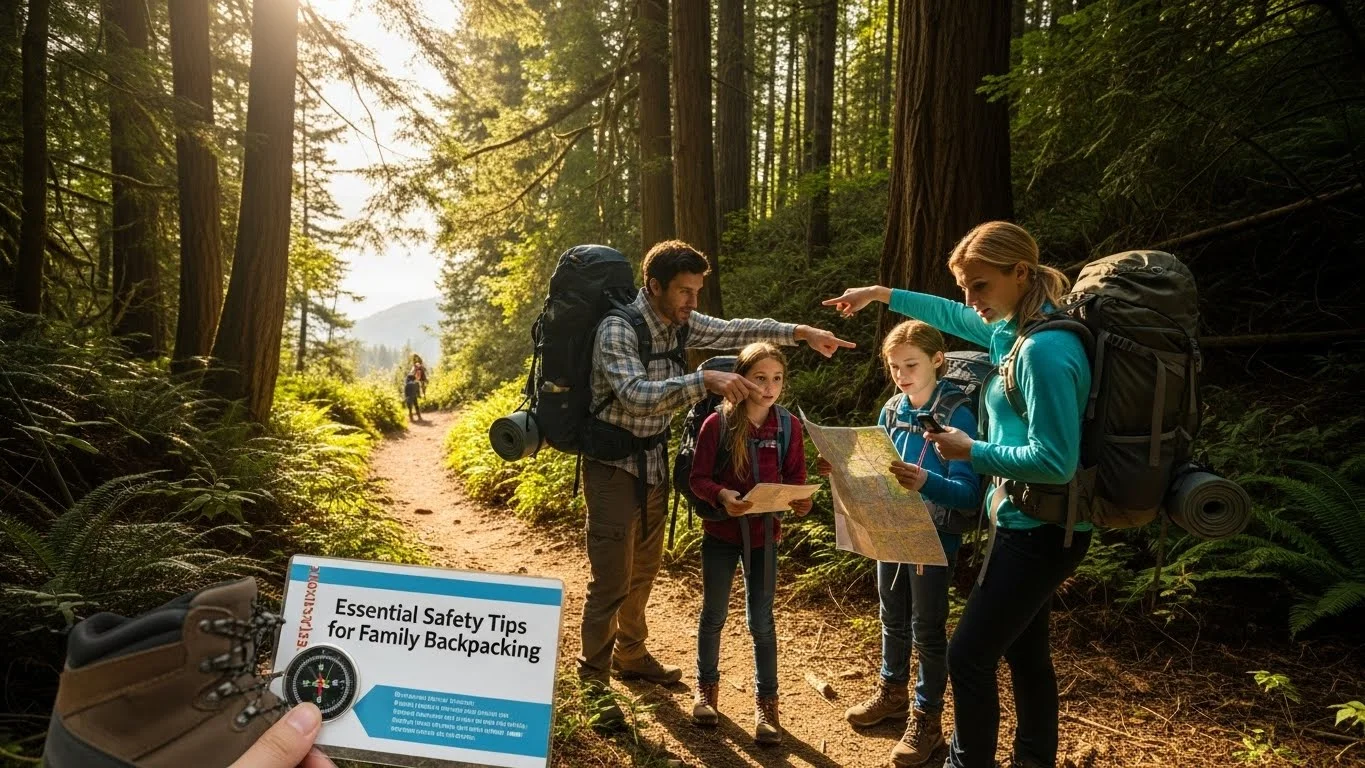
Even in the age of technology, I believe that having a physical map is essential. We always carry a detailed map of the area we’re exploring along with a compass. I’ve found that relying solely on GPS can be risky, especially in areas with weak signals. There have been times when my phone died, and I was so grateful to have a backup plan. Teaching my kids how to read a map has also been a fun and educational experience.

Emergency Communication Devices

In our digital age, having emergency communication devices is a must. I always carry a fully charged power bank, and we’ve invested in a satellite phone for remote areas. I remember during one of our trips, we encountered a situation where we needed help. Having that device made all the difference. It gave us peace of mind knowing we could reach out for help if needed, allowing us to focus on the adventure itself.

Safety Tips for the Trail

Staying on Designated Paths

One of the most important safety tips I can share from my own experiences is the importance of staying on designated paths. I remember a time we decided to venture off the beaten track to explore a seemingly more adventurous route. It was fun at first, but soon we lost our way, and the terrain became tricky. I learned that straying from marked trails can lead to unexpected dangers like steep drops or getting lost. It’s crucial to educate everyone in the family about the importance of following the trail markers. Not only does it keep us safe, but it also helps preserve the surrounding environment. Respecting nature means we should stick to the paths and leave no trace behind.

Wildlife Encounters: What to Do

Wildlife encounters can be one of the most exciting parts of backpacking, but they can also pose risks if we’re not prepared. I vividly recall spotting a bear during one of our hikes. My heart raced, but thankfully, I remembered the advice I’d heard: we stayed calm, avoided sudden movements, and slowly backed away without turning our backs on the bear. I’ve learned that it’s essential to educate the family about what to do if they see wildlife. Keeping our distance and not feeding animals are crucial. We also carry bear spray in areas where bears are common, and I make sure every family member knows how to use it. It’s about appreciating the wildlife without putting ourselves in danger.

Hydration and Food Safety

Staying hydrated on a backpacking trip is something I can’t stress enough. I always carry a water filter or purification tablets to ensure we have access to clean water. I remember a hike where we underestimated our water needs, leading to some tense moments. Now, I encourage everyone to drink regularly, even if they don’t feel thirsty. This habit keeps energy levels up and prevents dehydration. As for food, I prefer to pack lightweight, non-perishable snacks like nuts, dried fruit, and energy bars. I’ve found that it’s best to avoid anything too heavy or that requires complicated preparation on the trail. Ensuring food safety is also crucial—keeping food sealed and stored properly keeps out unwanted critters.

Recognizing and Avoiding Hazards

Every trail presents its own set of hazards, and I’ve learned the hard way to always be on the lookout. I remember hiking on a rocky trail when someone in our group tripped over a loose stone. Since then, I’ve made it a habit to remind everyone to watch their footing and keep an eye out for potential hazards like slippery rocks or tree roots. We also discuss the importance of being aware of our surroundings, especially in areas with steep drops or dense foliage. I often point out hazards as we hike, turning it into a teaching moment for the kids. Understanding how to identify risks can help everyone stay safe and focused during our adventures.

Emergency Preparedness

Creating an Emergency Plan

Having an emergency plan is something I always prioritize before setting out on a backpacking trip. I remember one adventure where we encountered unexpected weather changes, and knowing what to do made all the difference. We sit down as a family and discuss various scenarios, like getting lost or someone getting injured. I encourage everyone to voice their concerns and ideas, which helps build confidence. We also establish a meeting point in case anyone gets separated. Understanding our plan ensures that everyone knows how to react without panic, making our adventures feel a lot safer.

What to Do in Case of an Injury

Injuries can happen, no matter how careful we are, so it’s vital to know how to respond. I always remind my family to stay calm if someone gets hurt. I’ve had moments when I had to treat scrapes or sprains, and having a plan in place helps. I teach my kids the basics of first aid, like cleaning a wound or applying a bandage. We practice these skills before our trips, so they feel prepared. I also ensure we have a complete first aid kit, as I mentioned earlier, and that everyone knows where it’s kept. When injuries occur, being prepared allows us to address them quickly and keep our spirits up during the journey.

Lost in the Wilderness: Survival Tips

Getting lost is a fear that I think many of us share, and I know I’ve felt that knot in my stomach a few times. I always emphasize the importance of remaining calm and using our resources wisely if it happens. We talk about the “Stop, Think, Observe, and Plan” method. It’s a simple way to remember what to do if we lose our way. I encourage the kids to look for landmarks or retrace their steps if they can. We also make sure to have a whistle, which can be a lifesaver if someone needs to signal for help. I believe that discussing these scenarios beforehand not only prepares us but also builds confidence in our ability to handle unexpected situations.

Family-Specific Safety Considerations

Age-Appropriate Activities

When planning our family backpacking trips, I always take into account the ages and abilities of my kids. Choosing age-appropriate activities not only keeps everyone engaged but also ensures their safety. I remember our first attempt at a longer hike with my youngest, who was just five at the time. We quickly realized that while the scenery was beautiful, the trail was more challenging than we anticipated for him. From that experience, I learned that it’s essential to pick trails that match the skill levels of all family members. Shorter hikes with plenty of breaks and fun activities, like scavenger hunts or nature exploration games, keep everyone excited and happy without overwhelming them.

Teaching Kids About Safety

One of the most rewarding aspects of family backpacking is teaching my kids about safety in the great outdoors. I believe it’s important for them to understand the basics of hiking etiquette, trail safety, and the need to stay close to the group. Before every trip, we have a fun safety briefing where I encourage them to ask questions. I’ve found that making this an interactive discussion helps them remember better. We practice how to use a whistle, the importance of staying on the trail, and what to do if they encounter wildlife. I even create little challenges where they get to demonstrate their knowledge, making it engaging and memorable. This way, they’re not just passive participants; they become active guardians of their own safety.

Managing Group Dynamics

Backpacking as a family isn’t just about the physical activity; it’s also about navigating the dynamics of our group. I’ve noticed that as we hike, moods can shift, especially with kids. One moment they’re excited, and the next, they might be tired or cranky. I’ve learned to pay attention to these shifts and manage them proactively. For instance, if I see someone lagging behind, I’ll suggest a quick break or a snack to boost morale. It’s crucial to keep communication open, so everyone feels heard and supported. We also set small goals along the way, like reaching a viewpoint or taking a lunch break at a scenic spot. This way, we celebrate little victories together, reinforcing a sense of teamwork and camaraderie.

Post-Trip Safety and Health

Checking for Injuries and Illnesses

After returning from a backpacking trip, I always make it a point to check everyone for any injuries or signs of illness. I’ve learned that even minor scrapes or insect bites can lead to bigger issues if not monitored. We have a routine where we sit down together, assess any bumps or bruises, and discuss how everyone is feeling. It’s a good opportunity to remind the kids about the importance of taking care of their bodies. For example, I encourage them to keep an eye out for tick bites, especially if we’ve been in tall grass or wooded areas. This practice not only keeps our health in check but also reinforces the safety lessons we discussed before the trip.

Cleaning and Storing Gear

Once we’re home, the fun doesn’t stop; in fact, it’s just as important to take care of our gear. I’ve had experiences where I neglected this step, and it led to damaged equipment that wasn’t ready for our next adventure. We turn cleaning our gear into a family activity, where everyone has a role. I handle washing the tents and sleeping bags, while the kids help wipe down the backpacks and clean out the cooking supplies. We also check for any wear and tear, ensuring everything is in good shape for our next trip. Properly storing our gear, away from moisture and pests, is an essential habit that I encourage everyone to adopt.

Reflecting on the Trip: Lessons Learned

After each backpacking trip, I like to gather the family for a reflection session. It’s a time to share our experiences, both good and challenging. I ask everyone what their favorite part was and if there’s anything they think we could do better next time. This reflection not only helps us celebrate our successes but also fosters a growth mindset. I remember after one trip, my daughter expressed how she felt nervous during a steep section of the trail. We talked about ways to overcome those fears in the future, and it opened up a rich conversation about facing challenges together. Reflecting on our adventures allows us to learn from each experience and strengthens our bond as a family.

Frequently Asked Questions

What is family backpacking?

Family backpacking is an opportunity to escape daily life and immerse in nature by hiking with a backpack that contains everything needed for a multi-day adventure. It focuses on exploring and creating shared experiences that strengthen family bonds and foster a love for nature.

Why is safety important in family backpacking?

Safety is crucial in family backpacking because it helps prevent various challenges such as unpredictable weather, difficult terrain, and wildlife encounters. Understanding safety allows families to focus on enjoying the experience without unnecessary worries and ensures everyone returns home with positive stories.

What should be considered when choosing a backpacking destination?

When choosing a backpacking destination, it’s important to consider the skill levels and ages of family members, the trail’s difficulty, and amenities that can make the trip more comfortable. Researching trails and talking to other backpackers can help find a suitable location.

How can weather affect a backpacking trip?

Weather can significantly impact a backpacking trip, making it necessary to check forecasts and prepare accordingly. Packing waterproof gear for rain or ensuring ample water and sunscreen for hot weather are essential steps to avoid being caught off-guard.

What items should be included in a first aid kit for backpacking?

A well-stocked first aid kit should include band-aids, antiseptic wipes, pain relievers, allergy medications, and specialized items like blister treatments. Having these supplies on hand helps quickly respond to minor injuries during the trip.

What are some important safety tips while on the trail?

Important safety tips include staying on designated paths to avoid hazards, knowing what to do during wildlife encounters, staying hydrated, and recognizing potential risks such as loose stones or slippery rocks. Being aware of surroundings enhances overall safety.

What should families do in case of an emergency while backpacking?

Families should create an emergency plan before setting out, discussing various scenarios and establishing a meeting point if someone gets separated. Knowing how to respond to injuries and having resources like a whistle can also aid in emergency situations.

How can parents teach kids about safety during backpacking?

Parents can teach kids about safety by having interactive safety briefings before trips, practicing hiking etiquette, and demonstrating what to do in case of wildlife encounters. Engaging kids in discussions helps them remember better and become active guardians of their own safety.

What should be done after returning from a backpacking trip?

After returning from a backpacking trip, it’s important to check for any injuries or signs of illness, clean and store gear properly, and reflect on the trip as a family. Discussing experiences helps celebrate successes and learn from challenges faced during the adventure.

How can families manage group dynamics while hiking?

To manage group dynamics, families should pay attention to mood shifts, communicate openly, and set small goals along the hike, like taking breaks or reaching scenic viewpoints. Celebrating little victories together reinforces teamwork and camaraderie among family members.

Top Family Travel Safety Tips for Budget Backpackers

Traveling as a family can be an adventure filled with laughter and discovery. But when you’re budget backpacking, safety takes on a whole new level of importance! Read Interesting article: Top Safety Hacks for Family Travel with Babies and Toddlers

Top Family Travel Safety Tips for Budget Backpackers

Understanding Family Travel Safety

The Importance of Safety for Family Backpackers

When I first started traveling with my family, I quickly realized that safety was not just an afterthought; it was the backbone of our adventures. I remember the excitement of planning our backpacking trips, but underneath that excitement was a nagging concern for my family’s well-being. That’s when I understood that ensuring our safety was key to having a fun and memorable experience. As a family, we’ve faced various challenges while on the road, and each one taught us the value of being prepared. Prioritizing safety not only protects us physically but also allows us to relax and enjoy our travels fully.

Traveling as a family, especially on a budget, can expose us to certain vulnerabilities that we might overlook when we’re on our own or traveling with adults. I’ve often thought about how essential it is to plan for unexpected events—because, let’s face it, things don’t always go as planned. From my experience, prioritizing safety not only protects us physically but also allows us to relax and enjoy our travels fully.

Common Safety Concerns When Traveling with Family

There are several safety concerns I’ve encountered while traveling with my family. One major issue is the risk of losing personal belongings. I’ve seen parents frantically searching for lost passports or wallets, which can quickly ruin a trip. That’s why I always emphasize the importance of keeping our valuables secure and within reach.

Another concern is health-related issues. I once traveled to a destination where the food didn’t sit well with my kids, and it turned our fun trip into a logistical nightmare. I’ve learned to be cautious about the food we eat and the water we drink. That’s why I believe it’s crucial to be aware of potential health risks specific to each destination.

Lastly, navigating unfamiliar environments can pose dangers, especially in crowded areas. I’ve felt that familiar tug of worry when my kids wander a little too far in a busy marketplace. Having a plan in place for such situations gives me peace of mind and allows my family to explore freely.

Pre-Trip Safety Preparations

Researching Your Destination

Before we embark on any trip, I make it a point to thoroughly research our destination. This might seem tedious, but it’s worth it. I remember planning a trip to Southeast Asia, where each country brought its own unique set of challenges and cultural norms. I read about the local customs, safety concerns, and even the healthcare facilities available. Understanding the area allowed us to navigate confidently and avoid potential pitfalls. Understanding the area allowed us to navigate confidently and avoid potential pitfalls.

Some resources I’ve found helpful include travel blogs, forums, and government travel advisories. I often jot down notes about places to avoid and safe neighborhoods, which helps me feel more prepared.

Creating an Emergency Plan

Having an emergency plan is something I consider essential. Before we even leave our home, I gather essential information, including local emergency numbers and the location of the nearest hospital. It may sound dramatic, but I remember one trip where my son had a minor injury, and knowing exactly where to go made all the difference.

We also discuss what to do if someone gets separated. Establishing a meeting point and agreeing on key phrases can be a lifesaver. I also make sure my kids know how to recognize safe adults, like police officers or staff in uniforms, which helps them feel secure even in unfamiliar places.

Travel Insurance: Why It’s Essential

Travel insurance is something I learned the hard way. On one of our trips, a sudden illness struck, and I found myself wishing I had taken the time to purchase coverage. Thankfully, we managed to get through, but I felt that lingering worry about the potential costs of medical care abroad. Now, I always make it a point to get travel insurance that covers health emergencies, trip cancellations, and lost belongings. It’s a small price to pay for peace of mind.

Health Considerations and Vaccinations

Health considerations can be daunting, but I’ve found that staying informed is key. I read about the recommended vaccinations for our destination ahead of time. I remember feeling relieved when we got our shots before traveling to certain countries where diseases like malaria were a concern. It was a bit of a hassle, but knowing we were protected made it worth it. I usually consult with our family doctor, who can offer personalized advice based on our travel plans.

Document Safety: Keeping Important Papers Secure

One of my biggest fears when traveling is losing important documents like passports or tickets. To combat this, I take several precautions. I make photocopies of our passports and keep them in different locations—one in my backpack and another securely stored in our accommodation. I also encourage my kids to memorize our contact information, which can be incredibly helpful if they ever find themselves lost.

Using document holders or money belts for passports and cash has worked wonders for us. I recommend keeping these items on your person rather than in a backpack that can easily be stolen. It’s all about finding that balance between security and accessibility.

Traveling Safely While Backpacking

Choosing Safe Accommodation

When it comes to choosing where we stay, I’ve learned that not all accommodations are created equal. I used to just go for the cheapest option, thinking that saving money was the priority. But I quickly realized that safety should be at the top of my list. Now, I always check reviews on websites like TripAdvisor or Booking.com to see what other families have experienced. I pay close attention to comments about security, location, and overall cleanliness.

For my family, I prefer places that have good security measures in place, such as 24-hour reception and secure locks. I remember one trip where we stayed in a hostel that had a safe for our valuables. That gave me such peace of mind! Also, I try to choose accommodations in safer neighborhoods, even if it means spending a little extra. It’s all about striking that balance between comfort and safety, and I’ve found that investing in a good place to stay makes our travels so much more enjoyable.

Transportation Safety Tips

Transportation is another area where safety is critical during our travels. I’ve often found myself stressing over how we get from one place to another, especially in foreign countries. I usually opt for reputable transportation services, whether it’s a taxi, shuttle, or public transit. I remember being in a bustling city and deciding to take a local bus. I did my homework beforehand and found that there were certain bus lines that were known for being safe and reliable, which made a world of difference.

Another tip I’ve embraced is keeping all our belongings close, especially in crowded areas, like subways or busy streets. I’ve seen too many tourists distracted by their phones while their bags were left unattended. My kids know the drill—we keep our backpacks in front of us and hold hands when moving through crowded areas. These little habits have become second nature for us, ensuring we stay aware and safe during our journeys.

Staying Connected: Mobile Apps and Communication Devices

In today’s world, staying connected while traveling has never been easier, and I can’t stress enough how much this has helped us feel secure. We rely on various mobile apps that not only help us navigate but also keep our loved ones updated on our whereabouts. I’ve downloaded apps like Google Maps and WhatsApp so that I can communicate with my family, friends, and even local contacts when needed.

I also invested in portable Wi-Fi devices for our travels, which allows us to have internet access wherever we go. I remember being in a remote area where finding Wi-Fi was nearly impossible. Having our own connection made all the difference! Plus, I feel more at ease knowing I can reach out for help if any unexpected situations arise. I recommend checking with your phone provider about international plans before you leave, so you’re not caught off guard with roaming charges.

Safety Tips for Family Activities

Choosing Family-Friendly Destinations

When planning our trips, one of my favorite strategies is to choose family-friendly destinations that prioritize safety. I’ve found that certain places are more accommodating to families, offering activities and attractions that are not just fun but also secure. For example, theme parks or designated family resorts often have strict safety protocols in place, which gives me peace of mind.

Additionally, I look for destinations with plenty of outdoor activities that allow us to explore while ensuring safety. National parks, for instance, often have staff on-site to assist families and provide guidelines for a safe experience. I remember visiting a beautiful national park where park rangers offered educational sessions for kids. It was a win-win—my kids learned a lot while staying safe!

Outdoor Activities: Safety Precautions

Outdoor adventures can be thrilling, but I’ve learned that they come with their own set of safety precautions. Whether it’s hiking, biking, or swimming, I always make sure to assess the risks before diving into any activity. I remember our hiking trip when I made sure everyone had proper footwear and sufficient water. That little extra planning saved us from potential discomfort and dehydration.

Another essential precaution is having a first-aid kit on hand. I keep a compact one in our backpack filled with basics like band-aids, antiseptic wipes, and allergy medication. Just knowing I have those supplies makes me feel more secure. I’ve also shared with my kids what to do in case of minor injuries, which has empowered them to feel safe and capable during our adventures.

Dining Out: Food Safety Tips

Eating out while traveling can be one of the most enjoyable experiences, but it can also come with health risks. I’ve learned to choose restaurants that look clean and busy, as a full restaurant often indicates good food safety practices. I remember indulging in street food in Thailand and being cautious about the vendors I approached. I always looked for those cooking food fresh in front of me rather than pre-packaged items.

Another tip is to ask locals for recommendations on where to eat. More often than not, they’ll guide you to places that won’t compromise your health. When in doubt, I stick to bottled water and avoid ice unless I’m sure it’s made from purified water. It’s all about balancing culinary adventures with sensible choices to keep the family happy and healthy.

Public Spaces: Keeping Your Family Safe

Being in public spaces can sometimes feel overwhelming, especially in crowded tourist spots. I often remind my family to stay close together and establish a buddy system. My kids know that if they ever feel lost or uncomfortable, they should find a staff member or a police officer wearing a uniform. I also make it a habit to take a photo of my kids each day, just in case we need to describe them to someone.

We also use bright-colored clothing or matching outfits to help us spot each other in a crowd. It might seem silly, but it works! By taking these small steps, I feel we can explore freely while still prioritizing our safety, allowing us to enjoy our family adventures to the fullest.

Health and Hygiene on the Road

Staying Healthy While Traveling

When my family and I hit the road, I quickly realized that staying healthy while traveling is just as important as safety. I remember one trip where we were all set for an exciting week, but a nasty stomach bug swept through our family. It turned what was supposed to be a fun vacation into a series of long days in bed. Since then, I’ve made it my mission to prioritize our health as much as our safety.

One of the simplest ways I ensure we stay healthy is by packing nutritious snacks. I often bring items like nuts, granola bars, and dried fruits. I find it’s easy to grab these on the go, and they keep us fueled during our adventures. I’ve noticed that when we have healthy snacks on hand, we’re less likely to succumb to the temptation of unhealthy fast food options. Plus, it saves us money!

I also try to stay active, even while traveling. Whether it’s exploring a new city on foot or finding a local park to play in, keeping our bodies moving helps us feel our best. I remember a trip to a beautiful coastal town where we rented bikes and rode along the shoreline. It turned out to be one of our favorite days—not only did we get exercise, but we also enjoyed breathtaking views and quality family time.

Managing Illness and Injuries Abroad

No one wants to think about getting sick or injured while traveling, but I’ve learned that being prepared is key. I always travel with a basic first-aid kit, which I customize based on our destination and activities. I include essentials like band-aids, antiseptic wipes, and any medications my family might need. The peace of mind knowing I have these supplies makes all the difference.

When my daughter had a minor cut while we were hiking, I was so grateful for our first-aid kit. I was able to clean and bandage her injury right away, which prevented it from becoming a bigger issue. I also keep a list of local pharmacies and clinics handy, just in case we need additional medical supplies or professional help. Knowing where to go in advance saves precious time and reduces stress in case of an emergency.

For any illness that arises, I make sure to monitor symptoms closely. I remember one trip where my son developed a fever. Instead of panicking, I kept a close eye on his symptoms and made sure he stayed hydrated. Thankfully, it was a mild virus that passed quickly, but having a plan in place for managing health issues abroad gave me confidence during that stressful time.

Hygiene Practices for Families on the Go

Maintaining good hygiene is another crucial part of staying healthy on the road. I’ve become a pro at finding ways to keep my family clean, especially in situations where handwashing isn’t readily available. I always pack hand sanitizer, and we make a habit of using it after touching public surfaces or before meals. It’s amazing how a little prevention can go a long way!

Before meals, especially when we’re dining out, I encourage my family to wash their hands thoroughly. I usually remind them to use soap and water for at least 20 seconds, which is easier said than done with kids. I’ve found that making it a fun game—like singing a short song while washing—helps keep them engaged. I remember one restaurant visit where they had a sink nearby, and we turned handwashing into a mini dance party. It kept their spirits high and reinforced the importance of hygiene!

In addition to hand hygiene, I also pay attention to how we store and prepare our food, especially if we’re camping or traveling to remote areas. I always ensure that food items are stored properly to prevent spoilage. I’ve learned the hard way that nothing ruins a day of exploration like food poisoning, so I’m extra cautious about what we eat and how we handle it.

Budgeting for Safety

How to Find Affordable Safety Gear

When traveling on a budget, finding affordable safety gear is essential. I’ve been there, trying to save every penny while ensuring my family is safe. Over the years, I’ve developed a few go-to strategies for scoring great deals on safety gear.

First off, I recommend shopping online in advance. Websites often have sales or discounts that you might not find in stores. I remember buying travel-sized first-aid kits, compact flashlights, and even portable safety alarms online for a fraction of the price. I also look for discount codes or sign up for newsletters to be alerted about special promotions.

Thrift stores and second-hand shops can also be hidden gems for safety gear. I once found a practically new backpack with built-in safety features, perfect for our hiking trips. It was a win-win—I saved money and found a high-quality item! Plus, if you’re traveling to multiple destinations, consider borrowing gear from friends or checking with local travel groups online. Often, fellow travelers are willing to lend out items like sleeping bags or portable chargers.

Emergency Funds: Budgeting for Unexpected Events

While we can plan for so much, unexpected events can still happen. That’s why I always set aside an emergency fund before our trips. It may sound like a daunting task, but I’ve found that allocating a small portion of our travel budget to emergencies makes a significant difference.

I remember one trip where my son accidentally broke his glasses. Luckily, I had set aside some extra cash for emergencies, which allowed us to replace them without derailing our entire vacation budget. This little safety net gave us peace of mind and allowed us to focus on making wonderful memories instead of stressing about costs.

As a rule of thumb, I try to budget for at least 10% of our total travel budget as an emergency fund. It gives me the flexibility to address unforeseen circumstances without feeling overwhelmed. To make this easier, I keep a separate account or envelope just for these funds. It helps us stay organized and prepared!

Cost-Effective Safety Measures

Implementing safety measures doesn’t have to break the bank. I’ve found that many effective strategies are budget-friendly and easy to apply. One of my favorites is using apps for travel safety and navigation. There are numerous free or low-cost apps that provide valuable information on local safety tips, emergency contacts, and even public transportation routes. I’ve relied on these tools numerous times to help us stay safe and informed.

I also recommend taking advantage of free resources available at your destination. Local tourism offices often provide maps and brochures that highlight safe areas and attractions. During our travels, we’ve discovered helpful insights simply by talking to locals or asking our accommodation staff for recommendations. People are generally happy to share their knowledge, and it’s an excellent way to ensure a safe experience.

Lastly, I believe that fostering awareness and communication within the family is a cost-effective measure that pays off significantly. We regularly discuss safety protocols as a family, which helps everyone feel informed and empowered. My kids are now adept at spotting potential dangers and know how to respond, which boosts their confidence and our overall safety.

Frequently Asked Questions

What is the most important aspect of family backpacking?

Safety is the most important aspect of family backpacking, as it ensures a fun and memorable experience while allowing families to relax and enjoy their travels fully.

How can families keep their personal belongings secure while traveling?

Families can keep their personal belongings secure by always keeping valuables within reach, using document holders or money belts, and making photocopies of important documents like passports.

What should families do before traveling to a new destination?

Before traveling, families should thoroughly research their destination, including local customs, safety concerns, and healthcare facilities, to navigate confidently and avoid potential pitfalls.

Why is having an emergency plan important for families on the road?

Having an emergency plan is essential because it prepares families for unexpected situations, such as getting separated or dealing with minor injuries, and helps them know where to go for help.

What role does travel insurance play in family trips?

Travel insurance is crucial as it covers health emergencies, trip cancellations, and lost belongings, providing peace of mind for families while traveling abroad.

What are some safety tips for choosing accommodations?

When choosing accommodations, families should check reviews for security, location, and cleanliness, and prefer places with good security measures and in safer neighborhoods.

How can families ensure safety during transportation?

Families can ensure safety during transportation by opting for reputable services, keeping belongings close in crowded areas, and being aware of their surroundings, especially in busy locations.

What precautions should families take during outdoor activities?

Families should assess risks, ensure everyone has proper gear, carry a first-aid kit, and educate children on how to handle minor injuries to stay safe during outdoor activities.

What are some health and hygiene practices families should follow while traveling?

Families should maintain good hygiene by using hand sanitizer, washing hands thoroughly before meals, and ensuring proper food storage and preparation to stay healthy on the road.

How can families budget for safety while traveling?

Families can budget for safety by finding affordable safety gear online, setting aside an emergency fund for unexpected events, and using free resources available at their destination.

Family Travel on a Budget: Essential Tips for Parents

Traveling with family can be an adventure, but it doesn’t have to break the bank. With a little planning and smart choices, we can explore new places without worrying about our budget. For those looking for inspiration, the Ultimate Guide to Budget Family Travel Destinations is a great resource.

Family Travel on a Budget: Essential Tips for Parents

Understanding Family Travel on a Budget

The Importance of Budgeting for Family Trips

When we first decided to travel as a family, I quickly realized that managing our finances was just as important as picking the right destination. Budgeting for family trips means knowing how much we can spend and where we can cut costs. I remember the excitement of planning our first family vacation; I wanted every detail to be perfect. But as I laid out our expenses, I found it essential to create a budget that fit our financial situation. This planning helped me see which activities were worth the cost and which ones I could skip. I think this is crucial for any parent who wants to enjoy their travels without the stress of overspending.

Benefits of Traveling on a Budget with Kids

Traveling on a budget has its perks, especially when kids are involved. For one, it encourages creativity. We’ve learned to find unique experiences that don’t come with a high price tag. I remember visiting a local park during our trip to a big city. It wasn’t on any tourist list, but the kids had a blast playing and making new friends. This taught them the value of fun beyond expensive attractions.

Moreover, budgeting often means involving the kids in the planning process. When my children helped me find affordable activities, they became more invested in our trip. It transformed our travels into a family project, which I believe strengthened our bond. I’ve noticed that when kids feel involved, they’re more excited and engaged throughout the trip.

Planning Your Family Trip

Choosing Budget-Friendly Destinations

Choosing the right destination can make or break our travel budget. I’ve found that some locations offer more kid-friendly activities at a lower cost. For instance, instead of rushing to popular tourist spots, I often explore smaller towns or less-known attractions. They often have local events, parks, and museums that are either free or very inexpensive. For us, a trip to a charming town with a festival was one of our best family experiences. The kids enjoyed themselves, and we spent way less than we would have in a big city. If you’re looking for more options, check out the Explore Budget Family Travel Packages for Amazing Adventures.

Best Times to Travel for Lower Costs

Timing can significantly impact travel costs. I’ve learned that flying or booking accommodations during off-peak times can save us a lot of money. For example, we decided to travel in late spring instead of summer. Not only were the prices lower, but popular spots were less crowded, making our trip more enjoyable. I recommend checking the local school calendars too, as traveling when schools are in session can lower prices significantly.

Creating a Family Travel Budget

Creating a family travel budget doesn’t have to be complicated. I usually start by listing all potential expenses, including transportation, accommodations, food, activities, and souvenirs. It’s helpful to categorize different costs and estimate how much we can spend in each area. I’ve found that setting aside a little extra for unexpected expenses is also wise. It took me a couple of trips to realize that having a budget in place not only keeps our spending in check but also allows us to have fun and be spontaneous without guilt.

How to Save on Flights

Finding affordable flights is always a challenge, but I’ve discovered a few tricks along the way. I often use flight comparison websites to track prices and get alerts when fares drop. Flexibility is key; flying mid-week or during less popular times often results in cheaper tickets. I remember one time we saved a significant amount by booking a flight that left at an odd hour. The kids were sleepy, but it paid off in savings!

Finding Affordable Accommodations

Accommodations can eat up a travel budget quickly. I prefer looking for family-friendly hotels or vacation rentals that offer kitchen facilities. Cooking some of our meals has not only saved us money but also allowed us to share great family moments in our temporary home. I also recommend checking for family deals or discounts; many places offer reduced rates for kids or special packages. There have been times when we stumbled upon an amazing deal simply by asking at the front desk.

Transportation Tips for Families

Cost-Effective Transportation Options

When we hit the road for family adventures, transportation can be one of the biggest expenses. I’ve learned that exploring cost-effective options can keep our budget in check. For shorter trips, I often opt for buses or trains, which are usually cheaper than flights and can add a unique experience to our travels. I remember taking a train through the mountains once; the views were breathtaking, and the kids were thrilled to see the landscape change as we moved along.

If we’re traveling locally, I’ve found that rideshare apps can save us money compared to traditional taxis. Sometimes, I’ll even check if there are any local shuttle services that can take us to popular spots without the hefty price tag. I think it’s all about staying open to different modes of transportation and being flexible with our travel plans.

Using Public Transport with Kids

Using public transport can be a fantastic way to explore a new city while keeping costs low. I remember our trip to a bustling metropolis where we relied heavily on buses and subways. At first, I was nervous about navigating the public transport system with the kids, but it turned out to be a fun adventure. We found that each ride was a little exploration of its own, and the kids enjoyed figuring out the routes with me.

Many cities offer family passes that make public transport even more affordable. I recommend looking up local options before you go. Plus, using public transport teaches kids valuable lessons about navigation and planning. It makes them feel more grown-up to help read maps and understand schedules. I think that sense of independence adds to the overall experience.

Renting a Car: Pros and Cons

Renting a car has its own set of advantages and disadvantages, and I’ve had my share of experiences with both. On one hand, having a car gives us the freedom to explore at our own pace, especially if we’re heading to places that are off the beaten path. I remember one family trip where we rented a minivan; it allowed us to visit several national parks without worrying about public transport schedules.

However, renting a car can also add up quickly with rental fees, gas, and parking costs. I’ve learned to weigh these costs against the convenience it provides. Sometimes, it’s more economical to stick to public transport if we’re staying in a city with good access to attractions. I always recommend checking rental deals online and considering peer-to-peer rental services, which can sometimes yield better prices.

Dining on a Budget

Finding Kid-Friendly Restaurants

Dining out with kids can quickly become a budget buster, but I’ve found some clever ways to keep our food costs manageable. One of my favorite strategies is to seek out kid-friendly restaurants that also offer great deals. I usually look for places with family meal options or specials that cater to children, like “kids eat free” nights. I remember discovering a local diner during a trip where the kids’ meals were not only free on certain nights but also came with fun activities to keep them entertained while we waited for the food.

Another tip is to check online reviews and local food blogs for recommendations before we go. I’ve often discovered hidden gems that offer delicious meals without the high price tag. Plus, local eateries tend to have a more authentic feel, allowing us to experience the local cuisine while enjoying family-friendly environments.

Saving Money on Meals while Traveling

Eating out for every meal can add up, so I like to mix things up by preparing some of our meals. I always look for accommodations with kitchen facilities, as cooking together can be a great bonding experience. I remember one trip where we planned a “family cook night,” preparing a local dish with ingredients we found at a market. Not only did we save money, but we also enjoyed the process of cooking and sharing a meal together.

Another fantastic way to save is to pack snacks for the journey. I always make sure to bring along fruits, granola bars, and trail mix to keep the kids satisfied between meals. Having snacks on hand prevents us from splurging on overpriced convenience store items when hunger strikes.

Cooking Your Own Meals: Tips for Families

If you’re staying in a place with a kitchen, I highly recommend taking advantage of it. I like to meal plan ahead of time, so I know what ingredients to buy. I’ve found that simple meals work best, like pasta or stir-fries, which are not only easy to prepare but also budget-friendly. Additionally, visiting local grocery stores can be an adventure in itself. My kids love picking out fruits or snacks they want to try, and it becomes a fun activity every time.

When cooking, I often involve the kids in meal prep. They enjoy helping out, and it teaches them valuable skills. Plus, they’re more likely to eat what they’ve helped create! Overall, cooking our own meals not only saves money but also brings us together, making our family travel experience even more special.

Attractions and Activities for Families

Free and Low-Cost Family Attractions

One of my favorite parts of family travel is discovering attractions that won’t cost us a dime. I’ve learned that many cities offer free events, festivals, and attractions. On a trip to San Francisco, we stumbled upon a free outdoor concert at a local park. The kids danced, and we enjoyed a picnic together—it was one of those perfect, unexpected moments that made the trip even more memorable. I recommend checking local tourism websites or community boards for free happenings during your visit. Museums often have free days or discounted admission for families, which can be a fantastic way to soak in some culture without spending a lot.

Another idea is to explore natural attractions, like beaches, hiking trails, or parks. I remember hiking with my family at a nearby national park where the entrance fee was minimal. We spent the day immersed in nature, spotting wildlife and enjoying a lovely picnic. Experiences like these not only save money but also create lasting memories and teach kids the importance of the great outdoors.

Discount Passes for Attractions and Museums

While I love free attractions, sometimes paid experiences are just too good to miss. That’s where discount passes come in handy. I often look for city passes that offer access to multiple attractions at a reduced rate. For example, we bought a family pass for a few popular museums and saved quite a bit compared to buying individual tickets. It allowed us to visit attractions that we might have skipped due to cost. I usually do a little research beforehand to find out which passes are available and which attractions are included, as it can really maximize our experience.

Many attractions also offer family discounts or special rates for children. I’ve found that asking about these options often leads to unexpected savings. One time, we planned to visit a science museum, and when I inquired about family pricing at the ticket counter, we ended up saving enough for a fun snack afterward. It’s always worth asking!

Outdoor Activities That Won’t Break the Bank

Outdoor activities are some of the best ways to keep our family entertained without breaking the bank. I’ve discovered that many destinations offer fantastic options that promote physical activity and exploration. For instance, renting bikes can be a fun way to see a city or a scenic area. On one trip, we rented bikes for the day and rode along a beautiful coastal path. The kids loved the adventure, and it turned into a fun workout for all of us.

Another favorite activity is visiting local farmers’ markets. Not only do we get to sample fresh produce and snacks, but it also provides an opportunity for the kids to learn about local agriculture. We often spend a morning exploring the market, picking out ingredients for our meals, and chatting with local vendors. Plus, it’s generally low-cost, and sometimes we find free entertainment like live music or performers.

Hiking is another great option. Many trails are free or have a nominal fee, and they offer a chance to bond as a family while enjoying the beauty of nature. I remember taking the kids on a hike where we played games along the way, like scavenger hunts. It kept them engaged and excited, and we all felt accomplished when we reached the summit together.

Traveling Smart: Essential Tips for Parents

Packing Light to Save on Costs

Packing light is a game changer for family travel. I used to overpack, thinking that we needed everything but the kitchen sink. Eventually, I realized that less is more. Not only does packing light save on baggage fees, but it also makes moving from one place to another much easier. I try to plan outfits that mix and match, allowing us to pack fewer clothes. I also involve the kids in the packing process—it’s a fun way for them to learn about making choices and thinking critically about what they really need for the trip.

Another tip is to pack essentials like refillable water bottles and snacks. This not only saves money but also ensures we’re prepared for long days of exploring. I remember one trip where we filled our water bottles at a park, which helped keep everyone hydrated and happy without needing to buy expensive drinks. Plus, it’s a great way to cut down on waste!

Keeping Kids Entertained on a Budget

Keeping kids entertained during travel can be a challenge, especially on long journeys. I’ve found that planning ahead with some simple activities can make all the difference. I often bring along a bag of small toys, coloring books, and games that the kids can enjoy during travel. On one road trip, we made a travel bingo game that kept everyone engaged as we looked for landmarks and signs along the way. It turned into a fun family competition!

Another idea is to allow the kids to document our trip in their own way, whether through drawing, journaling, or taking photographs. I remember giving my daughter a small camera once, and she had a blast capturing her perspective of our adventures. It kept her occupied and gave us some priceless memories to look back on.

Safety Tips for Traveling Families

When traveling with kids, safety is always my top priority. Before we embark on any trip, I make sure to go over some basic safety guidelines with my children. We discuss staying close together, knowing how to identify a trusted adult, and what to do if they get separated from us. I remember one time we were at a busy amusement park, and I had a simple plan: if anyone got lost, they were to stay put and look for an employee wearing a uniform.

Having a family meeting before we travel also helps. We talk about the area we are visiting, what to expect, and any potential safety concerns. I also always keep a first-aid kit handy, just in case. It gives me peace of mind knowing that we’re prepared for minor bumps and scrapes that could happen during our adventures. Ultimately, I believe that a little preparation goes a long way in making our travels safe and enjoyable for everyone.

Frequently Asked Questions

What is the importance of budgeting for family trips?

Budgeting for family trips is crucial as it helps in managing finances, knowing how much can be spent, and identifying areas where costs can be cut. It allows parents to plan enjoyable activities without the stress of overspending.

How can traveling on a budget benefit kids?

Traveling on a budget encourages creativity and helps kids find unique experiences that don’t come with a high price tag. It also involves them in the planning process, making them more invested and excited about the trip.

What are some budget-friendly destinations for family travel?

Choosing smaller towns or less-known attractions often provides more kid-friendly activities at lower costs. Local events, parks, and museums can also be free or inexpensive, making them ideal for family visits.

When is the best time to travel to save money?

Traveling during off-peak times, such as late spring instead of summer, can significantly lower costs. Additionally, traveling when schools are in session often results in lower prices for flights and accommodations.

What are some tips for finding affordable flights?

Using flight comparison websites to track prices and setting alerts for fare drops can help. Flexibility in travel dates, such as flying mid-week or during less popular times, often results in cheaper tickets.

How can families save money on accommodations?

Families can look for family-friendly hotels or vacation rentals with kitchen facilities, which allow for cooking some meals and can lead to cost savings. Checking for family deals or discounts can also help reduce accommodation costs.

What transportation options are cost-effective for families?

Using buses or trains for shorter trips can be cheaper than flights and add a unique experience. For local travel, rideshare apps can save money compared to traditional taxis, and checking for local shuttle services can provide additional savings.

How can families find kid-friendly restaurants while traveling?

Families can seek out kid-friendly restaurants that offer deals, such as “kids eat free” nights. Checking online reviews and local food blogs can also uncover affordable dining options that provide an authentic experience.

What are some free or low-cost attractions for families to enjoy?

Many cities offer free events, festivals, and attractions. Exploring natural attractions like beaches, hiking trails, or parks can also provide enjoyable and low-cost family activities.

What safety tips should parents keep in mind while traveling with kids?

Parents should discuss basic safety guidelines with their children, such as staying close together and identifying trusted adults. Keeping a first-aid kit handy and having a family meeting to address safety concerns also helps ensure a safe travel experience.