Web Analytics

Recent Posts

Travel Insurance Hacks: Save Money While Backpacking

Traveling is an exhilarating adventure, but it can come with unexpected bumps along the way. Understanding travel insurance can save you money and provide peace of mind while backpacking. Read Interesting article: Unlocking Affordable Travel: Essential Insurance Hacks

Travel Insurance Hacks: Save Money While Backpacking

Understanding Travel Insurance

What is Travel Insurance?

Travel insurance is a safety net for travelers, designed to cover unexpected events during a trip. It helps protect against financial losses that can occur due to trip cancellations, medical emergencies, lost luggage, and other travel-related issues. I remember when I first started backpacking; I didn’t think much about insurance until I faced a situation where it would have been a lifesaver. Having that protection can mean the difference between enjoying your adventure and facing financial stress when things go awry.

Types of Travel Insurance Policies

There are several types of travel insurance policies to consider, and understanding them can help you make an informed decision. Generally, the main types include:

  • Comprehensive Travel Insurance: This covers various aspects of travel, including trip cancellations, medical expenses, and lost belongings.
  • Medical Travel Insurance: Focused primarily on medical emergencies, this is essential for travelers heading to destinations where healthcare costs can be high.
  • Trip Cancellation Insurance: This specifically covers the costs if you need to cancel your trip due to unforeseen circumstances.
  • Travel Accident Insurance: This provides coverage in case of severe injuries or accidents that happen during your trip.

When I was in Europe, I opted for a comprehensive plan that covered everything from medical emergencies to trip cancellations. Trust me, it was worth every penny!

Importance of Travel Insurance for Backpackers

Backpacking often means venturing off the beaten path, which can lead to unique risks. You might find yourself hiking in remote areas or staying in hostels where health and safety conditions vary. This is where travel insurance becomes invaluable. I’ve experienced moments when plans changed unexpectedly, like when a last-minute flight cancellation forced me to rearrange my itinerary. Without insurance, I would have lost a significant amount of money.

Moreover, when you’re backpacking, you can’t always predict local healthcare quality. If you were to get sick or injured, having medical coverage can help you access necessary treatments without worrying about the financial burden. In my experience, feeling secure knowing I was covered allowed me to fully immerse myself in my travels and enjoy each moment. Read Interesting article: Affordable Travel Insurance Tips for Safe Backpacking Trips

Key Entities in Travel Insurance

Trip Cancellation Coverage

This coverage is crucial if unforeseen circumstances arise, like illness, emergencies, or natural disasters. I learned the hard way that flights and accommodations can be non-refundable. Having trip cancellation coverage meant I could get my money back and rebook my travel without a massive financial hit.

Medical Expenses Coverage

Medical expenses coverage is about ensuring you’re protected if you need medical attention abroad. I once needed to visit a doctor while traveling in Asia due to food poisoning. Thankfully, my insurance covered the visit and the medication I needed, which eased my stress during an uncomfortable time.

Emergency Evacuation Coverage

If you’re traveling to remote destinations, emergency evacuation coverage is vital. It provides transport to the nearest medical facility if you face a serious health issue. I remember hearing stories from fellow travelers about how a simple hike turned into a rescue mission due to an injury. This coverage can save lives and ensure you receive timely care.

Lost or Stolen Belongings Coverage

Backpackers often carry valuable items, from electronics to important documents. Losing these can ruin a trip. I’ve had a close call with my backpack being misplaced during a long layover. Fortunately, my insurance had me covered for lost belongings, allowing me to focus on my travel instead of stressing over my gear.

COVID-19 Coverage

In today’s travel climate, having COVID-19 coverage is essential. It can cover trip cancellations due to illness or quarantine requirements. Given how unpredictable travel can be, this added layer of protection is something I always recommend looking for in a policy.

Understanding travel insurance is a crucial first step for any backpacker. By knowing what it covers and why it’s essential, we can embark on our adventures with confidence, knowing we’re prepared for the unexpected. Next, we’ll explore how to choose the right travel insurance for your needs and budget.

How to Choose the Right Travel Insurance

Assessing Your Travel Needs

Choosing the right travel insurance can feel overwhelming, especially with so many options out there. The first step I take is to assess my travel needs. I think about the activities I’ll be doing, the destinations I’m visiting, and any potential risks involved. For instance, if I’m planning to go hiking in the mountains, I want a policy that includes adventure sports coverage. On the other hand, if I’m just visiting cities, a standard policy might suffice. I’ve learned that taking a moment to reflect on my specific situation helps me narrow down my options significantly.

Comparing Insurance Plans

Once I know what I need, I start comparing different insurance plans. This is where things can get a bit tricky. I usually make a list of the policies that catch my eye and highlight their key features, including coverage limits and premiums. Online comparison tools can be incredibly helpful for this. I remember using one for a recent trip to South America, which allowed me to see various options side by side. It made the decision-making process much clearer. I always keep my eyes peeled for plans that offer good coverage at reasonable prices.

Reading the Fine Print

I can’t stress enough how important it is to read the fine print. While it might seem tedious, I’ve found that understanding the details of a policy is crucial. I look for information on coverage limits, deductibles, and reimbursement processes. For example, I once encountered a plan that seemed great until I realized it had a high deductible for medical emergencies. By doing my homework, I ensure I don’t run into any unpleasant surprises when I need to use my insurance. It’s like reading the instructions before putting together a complicated piece of furniture—it saves a lot of headaches later!

Understanding Exclusions and Limitations

Every insurance policy comes with exclusions and limitations, and I’ve learned the hard way that knowing these can save me a lot of trouble. I always take time to dig into what’s not covered. For instance, some policies may not cover pre-existing conditions or specific activities like scuba diving or extreme sports. When I went to Costa Rica for surfing, I made sure to choose a policy that included coverage for surfing-related injuries. Knowing the exclusions has helped me feel more secure in my choices, allowing me to enjoy my trips without worrying if I’m covered for every possibility.

Travel Insurance Hacks for Saving Money

When to Purchase Travel Insurance

Timing can make a big difference in the cost of travel insurance. I’ve found that buying insurance soon after booking my trip often leads to lower premiums. Additionally, some plans offer better cancellation coverage if you purchase insurance within a certain window after booking. I remember securing a great deal for a trip to Thailand by buying my insurance right away. Waiting until closer to the departure date can sometimes lead to higher prices or limited options, which is something I always try to avoid.

Bundling Travel Insurance with Other Services

Another trick I’ve used to save money is bundling travel insurance with other services, like flight and hotel packages. Many travel companies offer discounts on insurance when you book your travel through them. I did this once when I traveled to Europe, and it not only saved me money but also made managing my bookings simpler. Just make sure to check that the bundled insurance meets your needs before purchasing.

Using Credit Card Benefits

Many credit cards offer travel insurance as a perk, which can be a great way to save money. I always check my credit card benefits before purchasing a separate policy. I found out that my card provided automatic trip cancellation and lost luggage coverage when I used it to book my travel. This saved me quite a bit of cash on my trip to Japan. Just remember to read the fine print associated with these credit card benefits to ensure you’re fully covered. Read Interesting article: Smart Airport Safety Hacks for Budget Travelers

Finding Discounts and Promotions

Discounts and promotions are everywhere if you know where to look. I often check travel insurance comparison websites for current deals. Sometimes they offer promotional codes or discounts for first-time customers. I’ve been able to snag some great savings this way. Another tip is to subscribe to newsletters from travel insurance companies; they sometimes send out exclusive deals that can help reduce costs.

Joining Travel Insurance Comparison Sites

Joining travel insurance comparison sites can also be a smart move. These platforms allow you to compare multiple policies quickly and easily. I remember using one for my last trip to South America, which provided side-by-side comparisons of coverage options and prices. It saved me hours of searching and helped me find a policy that was a perfect fit for my adventure. Plus, many of these sites offer user reviews, which can provide additional insights into how reliable a policy might be.

Common Misconceptions About Travel Insurance

Travel Insurance is Too Expensive

I often hear people say that travel insurance is too expensive, and I used to think that too. However, from my experience, the cost of travel insurance is usually a tiny fraction of what you could lose without it. I remember feeling hesitant to add that extra expense to my budget for a trip to Australia. But after a friend had to cancel a trip due to a family emergency and lost thousands of dollars, I realized that the peace of mind is worth the investment. When you break it down, the cost of insurance can be very reasonable compared to the potential financial impacts of unexpected events.

All Policies are the Same

Another common misconception I’ve encountered is that all travel insurance policies are the same. This couldn’t be further from the truth! I learned the hard way that not all policies offer the same level of coverage. When I was planning a trip to Thailand, I took the time to research various options. Some policies provided excellent coverage for medical emergencies, while others had major exclusions. By comparing details, I was able to choose a policy that catered to my specific needs, which provided a safety net I felt comfortable with. It’s essential to dig deeper than just the name of the insurance company; understanding the specifics can make all the difference.

I Don’t Need Insurance for Short Trips

Many travelers believe that insurance isn’t necessary for short trips. I used to think that way too until I had a friend who faced a minor but expensive emergency during a weekend getaway. Even short trips can lead to unexpected situations that could derail your plans and finances. I learned that even a quick trip could result in lost luggage or sudden cancellations. Having insurance for those short jaunts can be just as valuable as for longer adventures. In fact, I now secure insurance for every trip I take, regardless of the length, because you just never know what might happen.

My Health Insurance Covers Me Abroad

This is a big one. I’ve heard many people confidently say their health insurance will cover them while traveling. However, I discovered that many health insurance plans don’t provide adequate coverage outside of the U.S. or have very limited benefits abroad. When I traveled to Europe, I checked my health insurance and was shocked to find out that while it covered some emergencies, it didn’t cover repatriation or other essential services. Having dedicated travel insurance meant I was prepared for any situation, allowing me to relax and enjoy my travels without worrying about potential healthcare costs. Always double-check what your current health insurance covers before you assume you’re protected!

Real-Life Scenarios and Savings Examples

Case Study: Medical Emergency Abroad

Let me share a story that really highlights the value of travel insurance. A couple of years back, I was in Vietnam when a friend of mine fell ill unexpectedly. He had to visit a hospital for treatment, and the costs were staggering. Thankfully, he had purchased a travel insurance policy that covered medical expenses. It covered his hospital bills, doctor’s fees, and even his medication. Without that insurance, he would have had to pay out of pocket, which could have easily ruined his entire trip budget. This experience reinforced my belief in the importance of having travel insurance, no matter where you go.

Case Study: Trip Cancellation Due to Illness

Another scenario that comes to mind involves a friend who planned a dream trip to Iceland. Just days before their departure, they fell seriously ill and couldn’t travel. Fortunately, they had trip cancellation insurance that allowed them to recover the costs of their flight and accommodations. Instead of losing hundreds of dollars, they were able to rebook their trip for a later date without any financial strain. This incident made me realize how crucial it is to consider trip cancellation coverage, especially when life can be so unpredictable.

Case Study: Lost Luggage and Travel Delays

Finally, I can’t forget the time my luggage went missing during a layover in Spain. I was panicking as it contained some essential items. Thankfully, my travel insurance included lost luggage coverage. I was able to file a claim and got reimbursed for the essentials I had to buy while waiting for my bag to be found. It was a frustrating situation, but knowing I had support made it manageable. I’ve learned that having this type of coverage can turn a potentially stressful situation into a minor inconvenience.

Tips for Making a Claim

Documenting Your Travel Issues

When it comes to making a claim, I can’t stress enough how important it is to document everything. I learned this lesson after a minor mishap during my travels. Whether it’s a medical emergency, lost luggage, or trip cancellation, keeping detailed records can make the claims process smoother. I always take photos of any damaged items or receipts from medical expenses, and I jot down the details of any conversations I have with service providers. For example, when my luggage went missing, I made sure to get a written report from the airline, which significantly helped my claim later. A little preparation can go a long way in ensuring you have the evidence you need when it’s time to file a claim.

Filing a Claim: Step-by-Step Process

The process of filing a claim can vary by insurance provider, but I’ve found that most follow a similar structure. After an incident occurs, I immediately notify my insurance company. Most providers have 24/7 customer service, which is super helpful when you’re in a foreign country. I then fill out the claim form, providing all necessary information and attaching my documentation. I remember feeling a bit overwhelmed when I first did this, but taking it one step at a time made it manageable. After submission, I keep track of my claim’s status and remain in contact with the insurer until I receive a resolution. Patience is key here, as processing can take some time.

Common Pitfalls to Avoid When Filing Claims

There are some common pitfalls that I’ve learned to avoid when filing claims. One is failing to report incidents promptly. Many insurance policies have specific timeframes in which you must notify them of an issue. I remember a friend who waited too long to file a claim after a trip cancellation, and he ended up missing out on compensation. Another mistake is not including sufficient documentation. Always double-check the requirements of your policy to ensure you provide everything needed. Finally, I’ve found that not following up can lead to delays; staying proactive about my claim often speeds things up. By being vigilant and organized, I’ve been able to navigate the claims process more effectively.

Final Thoughts

Travel insurance is often viewed as an extra expense, but my experiences have taught me that it’s an essential investment for any traveler. From covering unforeseen medical emergencies to protecting against trip cancellations and lost belongings, having the right policy can make a world of difference. As I reflect on my journeys, I realize that the peace of mind that comes with being insured allows me to truly embrace every adventure, knowing that I’m prepared for the unexpected. I encourage everyone to take the time to choose the right travel insurance that fits their needs and budget. In the end, being prepared isn’t just about the money; it’s about ensuring that we can focus on the experiences that enrich our lives while exploring the world. Safe travels!

Frequently Asked Questions

What is travel insurance?

Travel insurance is a safety net for travelers, designed to cover unexpected events during a trip. It helps protect against financial losses that can occur due to trip cancellations, medical emergencies, lost luggage, and other travel-related issues.

What are the main types of travel insurance policies?

The main types of travel insurance policies include comprehensive travel insurance, medical travel insurance, trip cancellation insurance, and travel accident insurance. Each serves different needs, such as covering various aspects of travel or focusing on medical emergencies.

Why is travel insurance important for backpackers?

Travel insurance is crucial for backpackers because they often venture into unique and unpredictable situations. It provides coverage for unexpected changes, medical needs, and lost belongings, allowing travelers to focus on their adventures without financial stress.

What does trip cancellation coverage entail?

Trip cancellation coverage is essential if unforeseen circumstances arise, such as illness or emergencies, allowing you to recover costs associated with cancellations. It can be a financial lifesaver, especially for non-refundable flights and accommodations.

What is included in medical expenses coverage?

Medical expenses coverage ensures that travelers are protected if they need medical attention abroad. It can cover hospital visits, doctor’s fees, and necessary treatments, alleviating financial stress during medical emergencies while traveling.

What is emergency evacuation coverage?

Emergency evacuation coverage provides transport to the nearest medical facility in case of serious health issues while traveling, which is especially vital for trips to remote destinations where access to medical care may be limited.

How can I choose the right travel insurance?

To choose the right travel insurance, assess your travel needs by considering the activities you’ll be doing and the destinations you’ll be visiting. Compare insurance plans, read the fine print for details on coverage limits and exclusions, and understand the specific requirements of each policy.

When is the best time to purchase travel insurance?

Purchasing travel insurance soon after booking your trip can often lead to lower premiums and better cancellation coverage. Waiting until closer to the departure date can result in higher prices or limited options.

What are common misconceptions about travel insurance?

Common misconceptions include the belief that travel insurance is too expensive, that all policies are the same, that insurance isn’t necessary for short trips, and that personal health insurance provides adequate coverage abroad. Each of these statements can lead to risky situations if not properly understood.

What should I do if I need to file a claim?

When filing a claim, document all relevant travel issues and keep detailed records. Notify your insurance company promptly, fill out the claim form with necessary information, and include all documentation. Following up on your claim status can also help ensure a smoother process.
Affordable Travel Insurance Tips for Safe Backpacking Trips

Backpacking is one of the most thrilling ways to explore the world, but it comes with its own set of risks. To ensure a safe adventure, understanding travel insurance is crucial. Let’s dive into the essentials of what travel insurance is and why it matters for us backpackers. Read Interesting article: Unlocking Affordable Travel: Essential Insurance Hacks

Affordable Travel Insurance Tips for Safe Backpacking Trips

Understanding Travel Insurance

What is Travel Insurance?

Travel insurance is essentially a safety net that protects you from unexpected events while you’re away from home. It can cover a range of situations, including medical emergencies, trip cancellations, lost luggage, and more. I remember when I first started backpacking; I thought travel insurance was just another expense. But then, I learned that it’s like having a guardian angel watching over me. With the right policy, I could focus on my adventure without constantly worrying about what could go wrong.

Importance of Travel Insurance for Backpackers

For backpackers, who often venture off the beaten path, travel insurance is even more critical. We tend to travel to remote locations where medical facilities might not be as accessible. I’ve had friends who faced serious health issues abroad, and without travel insurance, they could have faced massive bills and logistical nightmares. I believe that investing in travel insurance is a must for anyone planning a backpacking trip. It gives peace of mind knowing that if something goes wrong, I have support and assistance available. Read Interesting article: Top Travel Insurance Tips Every Backpacker Should Know

Types of Travel Insurance Coverage

When it comes to travel insurance, not all policies are created equal. There are several types of coverage we should consider:

  • Medical Coverage: This is crucial for backpackers. It covers medical expenses if you get sick or injured while traveling. I learned this the hard way when I got food poisoning in a remote area. Luckily, I had medical coverage, which saved me from a huge financial burden.
  • Trip Cancellation/Interruption Insurance: This coverage can reimburse you for non-refundable expenses if you need to cancel or cut short your trip for a covered reason. I once had to cancel a trip due to a family emergency, and this insurance saved me a lot of money.
  • Lost or Stolen Belongings: When you’re backpacking, losing your gear can be a nightmare. This coverage helps replace lost or stolen items, which can be a lifesaver if you lose your backpack with all your essentials.
  • Accidental Death and Dismemberment Insurance: While it might sound grim, this coverage provides benefits to your beneficiaries in case of a tragic accident. It’s one of those things we don’t like to think about but is worth considering, especially for long trips.

Key Components of Affordable Travel Insurance

Medical Coverage and Emergency Assistance

Medical coverage is often the most critical component of travel insurance. I can’t stress enough how vital it is to have access to emergency medical services while abroad. Make sure your policy includes 24/7 assistance, so you can get help no matter where you are. I remember needing assistance in a foreign country when I slipped and twisted my ankle. Thankfully, my insurance provided immediate support, which made the experience so much easier.

Trip Cancellation and Interruption Insurance

This coverage is essential for backpackers who often book non-refundable flights and accommodations. Life can throw unexpected challenges our way, and having trip cancellation insurance means I won’t lose all my hard-earned money if something goes wrong. I had a friend who had to cancel a trip due to a last-minute job offer, and his insurance reimbursed him for his plane tickets and hotel bookings. It was such a relief for him!

Coverage for Lost or Stolen Belongings

When we’re on the go, our belongings are at a higher risk of being lost or stolen. I learned this the hard way when my backpack was stolen in a crowded market. Thankfully, my travel insurance covered the replacement costs for my camera and other essentials. I always recommend backpackers take an inventory of their belongings and ensure their insurance covers theft, loss, and damage.

Accidental Death and Dismemberment Insurance

This type of insurance may seem extreme, but it’s something we should consider, especially when engaging in adventurous activities. Accidents can happen while backpacking, and having this coverage can provide peace of mind. It’s one of those “better safe than sorry” situations. I’ve seen friends engage in extreme sports, and while it’s exhilarating, it’s also a reminder of how important it is to be prepared for any situation.

Tips for Choosing the Right Travel Insurance

Assessing Your Travel Needs

When it comes to choosing travel insurance, the first step is to assess our travel needs. I always take a moment to reflect on where I’m going, the activities I plan to do, and how long I’ll be away. For instance, if I’m heading to a country with limited medical facilities or planning to hike in remote areas, I know I need more extensive coverage. I’ve learned that my travel style significantly influences the type of insurance I should purchase. So, I recommend considering your itinerary and any potential risks associated with your activities. This approach has helped me select the right policy time and again.

Comparing Policies from Different Providers

Once I’ve assessed my needs, I dive into comparing policies from different providers. I often use online comparison tools to get a clearer picture of what’s available. It can be overwhelming at first, but I usually create a list of must-have coverages to help narrow it down. I remember feeling a sense of relief when I discovered that some providers offered similar coverage at different price points. It’s like shopping for a new backpack; you want quality, but you also want to ensure you’re not overpaying. Taking the time to compare can lead to significant savings.

Reading the Fine Print: Exclusions and Limitations

I can’t stress enough how important it is to read the fine print. Each travel insurance policy has its exclusions and limitations, and not understanding these can lead to unpleasant surprises. I once overlooked a critical exclusion regarding pre-existing conditions, which left me unprotected when I needed assistance. Now, I always make it a point to thoroughly review the policy details. I find it helpful to write down any questions or concerns I have and reach out to customer service for clarification. This proactive approach has saved me from making potentially costly mistakes.

Checking for 24/7 Assistance Services

One of the key features I look for in a travel insurance policy is 24/7 assistance services. Knowing that I can get help at any hour, no matter where I am, gives me peace of mind. I remember one night when I found myself lost in a foreign city, and I was able to call my insurance provider for guidance. They helped me find my way back to my accommodation. It’s these little things that can make a big difference in our overall travel experience. So, when you’re shopping for insurance, I suggest double-checking that the provider offers round-the-clock support. It’s an invaluable resource for any backpacker.

How to Save Money on Travel Insurance

Buying Insurance Early vs. Last Minute

Timing can make a significant difference in the cost of travel insurance. I’ve found that purchasing insurance early often leads to better rates. When I’m planning a trip, I usually buy my insurance as soon as I book my flights and accommodations. This not only secures my coverage but often comes with discounts. In contrast, waiting until the last minute can result in higher costs and limited options. I remember one trip where I procrastinated and ended up paying significantly more. Lesson learned: it pays to plan ahead.

Leveraging Group Insurance Plans

If you’re traveling with friends or family, consider looking into group insurance plans. I’ve had great experiences with group policies that offer lower rates per person. When my friends and I decided to backpack through Southeast Asia, we opted for a group insurance plan that saved us a chunk of change. Plus, it was convenient to have one policy covering all of us, which made things easier if we needed to file a claim. I recommend checking with your insurance provider to see if they offer any group discounts—it can be a great way to save while traveling together.

Using Credit Card Benefits for Travel Insurance

Many credit cards offer travel insurance as one of their perks, and I’ve learned to take full advantage of this. Before I book any trip, I check the benefits provided by my credit card. Some cards cover trip cancellations, lost luggage, and even medical emergencies. I remember using my credit card for a recent trip and discovering it provided substantial coverage, which saved me from having to purchase a separate policy. Just be sure to understand the terms and conditions, as coverage can vary widely between cards.

Bundling Insurance with Travel Packages

Another way to save money on travel insurance is by bundling it with travel packages. Sometimes, booking flights and accommodations together with insurance can lead to significant savings. I’ve often found that travel companies offer discounts when you include insurance with your package. When I planned a recent trip, I bundled everything together, and it not only simplified the process but also helped me save a bit. I recommend exploring this option if you’re booking a full vacation package.

Common Misconceptions About Travel Insurance

Myth: Travel Insurance is Not Necessary for Short Trips

One of the most common misconceptions I’ve encountered is that travel insurance isn’t necessary for short trips. I used to think this way myself, believing that nothing would go wrong on a quick getaway. However, I’ve learned the hard way that even short trips can be unpredictable. A friend of mine had a minor accident while on a weekend trip, and without insurance, the medical costs became a burden. Now, I always advise people to consider travel insurance for even the briefest of vacations. It’s better to be safe than sorry.

Myth: All Travel Insurance Policies are the Same

Many people assume that all travel insurance policies offer the same coverage, but I can assure you that’s far from the truth. After comparing different providers and policies myself, I discovered significant differences in coverage options, limits, and exclusions. It’s crucial to read the details and find a policy that aligns with our specific travel needs. I remember being shocked at how some policies excluded certain activities, while others covered them. I recommend taking the time to research and find the right fit for your travel plans.

Myth: You Can Rely on Your Health Insurance Abroad

Another myth I’ve seen is the assumption that regular health insurance will cover us while we travel. While some health insurance plans offer limited coverage outside our home country, I’ve learned that it’s often not enough. I had a friend who thought he was covered overseas only to find out that his plan had extensive restrictions. Now, I always suggest checking with our health insurance provider before we travel to fully understand what is and isn’t covered. In most cases, having travel insurance is a safer bet when we’re abroad.

Essential Travel Insurance Tips for Backpackers

Keeping Documents and Policy Information Handy

One of the best tips I can share is to keep all your travel insurance documents and policy information easily accessible. I’ve learned from experience that needing to dig through my bag for important papers during a stressful situation can add to the chaos. I always make sure to have both a digital and a physical copy of my insurance policy, contact numbers, and any claim forms I might need. Storing these in a zippered pouch or a folder in my backpack has been a game changer. If something happens, I can quickly find what I need without wasting precious time. I also recommend using an app or a cloud service to store copies of these documents, so they’re always just a click away, even if my physical documents get lost.

Understanding How to File a Claim

Filing a claim can be daunting, but it doesn’t have to be. I remember when I had to file my first claim after a trip interruption; it felt overwhelming. However, I quickly learned that understanding the process in advance made it much smoother. Each insurance provider has its own procedures, so I always recommend reading through the claims process when purchasing a policy. Make sure to note any deadlines for filing claims and gather all necessary documentation, such as receipts and police reports if applicable. I find it helpful to keep a checklist of what’s needed, so I don’t miss anything important. Having a clear understanding of this process gives me peace of mind, knowing that I’m prepared if I need to file a claim.

Staying Informed About Destination Risks

As travelers, we need to be aware of the risks associated with our destinations. I’ve learned the hard way that certain areas have specific health concerns, natural disasters, or political unrest. Before I embark on any journey, I usually research the region to understand any risks that might affect my travel insurance. For instance, if I’m heading to a country with a high incidence of dengue fever, I want to ensure my insurance covers medical care related to that. I also check travel advisories from my country’s government. This not only helps me stay safe but also ensures I’m adequately covered. Knowledge is power, and being prepared can make a huge difference in our travel experience.

Updating Your Coverage for Extended Trips

If you’re planning an extended backpacking adventure, it’s essential to review and update your travel insurance coverage. I once embarked on a six-month journey without considering that my standard policy might not cover such a long trip. Halfway through, I realized that my coverage was about to expire, leaving me feeling vulnerable. Now, I always plan for the duration of my travel and ensure that my policy matches the length of my trip. I recommend looking for an insurer that offers flexible, long-term options. If you plan to extend your travels, contact your provider to adjust your coverage; it can save you from unwanted surprises.

Resources for Finding Affordable Travel Insurance

Online Comparison Tools and Websites

When it comes to finding affordable travel insurance, online comparison tools have become my best friends. There are numerous websites that allow us to compare policies side by side, making it easier to see what’s offered and at what price. I usually start my research on these platforms to get a sense of the market. They can highlight the essential coverages and even customer reviews, which help me gauge the quality of the service. I remember using one of these tools during my last trip planning session, and it saved me both time and money. It’s a fantastic way to ensure we’re getting the best deal without having to contact multiple insurers directly. Read Interesting article: Top 10 Cultural Experiences for Kids While Traveling

Travel Insurance Brokers and Agents

If online research feels overwhelming, I recommend reaching out to a travel insurance broker or agent. They can help us navigate the options and find a policy that fits our needs and budget. I’ve had great experiences working with brokers who genuinely understand the travel industry. They can often provide insights into hidden gems or less-known policies that offer great coverage for backpackers. Plus, having a person to talk to can make the process feel much more personal, and they can help answer any specific questions we have about our trip. Just make sure to choose a reputable broker to ensure you’re getting quality advice.

Reviews and Recommendations from Fellow Backpackers

Nothing beats firsthand experiences, so I always seek reviews and recommendations from other backpackers. I love browsing travel forums and social media groups where travelers share their experiences with different insurance providers. Hearing about someone’s positive (or negative) claim experience can help me make a more informed decision. I remember deciding on a policy based on a recommendation from a fellow traveler who had a fantastic experience during a challenging situation abroad. Connecting with the backpacking community has been invaluable for gaining insights and tips that make our travels safer and more enjoyable.

Frequently Asked Questions

What is travel insurance?

Travel insurance is a safety net that protects you from unexpected events while you’re away from home, covering situations like medical emergencies, trip cancellations, lost luggage, and more.

Why is travel insurance important for backpackers?

For backpackers, travel insurance is critical due to their tendency to travel to remote locations where medical facilities may be less accessible, providing peace of mind and support in case something goes wrong.

What types of coverage should backpackers consider in travel insurance?

Backpackers should consider medical coverage, trip cancellation/interruption insurance, lost or stolen belongings coverage, and accidental death and dismemberment insurance.

How can I choose the right travel insurance policy?

To choose the right travel insurance policy, assess your travel needs, compare policies from different providers, read the fine print for exclusions and limitations, and check for 24/7 assistance services.

What are some tips for saving money on travel insurance?

Tips for saving money on travel insurance include buying insurance early, leveraging group insurance plans, using credit card benefits for travel insurance, and bundling insurance with travel packages.

Is travel insurance necessary for short trips?

Yes, travel insurance is necessary for short trips as even brief vacations can be unpredictable, and having coverage can prevent unexpected financial burdens from incidents.

Can I rely on my regular health insurance for coverage while traveling?

No, regular health insurance often does not provide adequate coverage abroad, and it is advisable to have travel insurance for comprehensive protection while traveling.

What should I do to prepare for filing a claim with my travel insurance?

To prepare for filing a claim, understand the claims process of your insurance provider, note any deadlines, gather necessary documentation like receipts and reports, and keep a checklist of required items.

How can I find affordable travel insurance?

You can find affordable travel insurance by using online comparison tools and websites, reaching out to travel insurance brokers and agents, and looking for reviews and recommendations from fellow backpackers.

Should I update my travel insurance coverage for extended trips?

Yes, it is essential to review and update your travel insurance coverage for extended trips to ensure that it matches the length of your travels and avoid gaps in coverage.

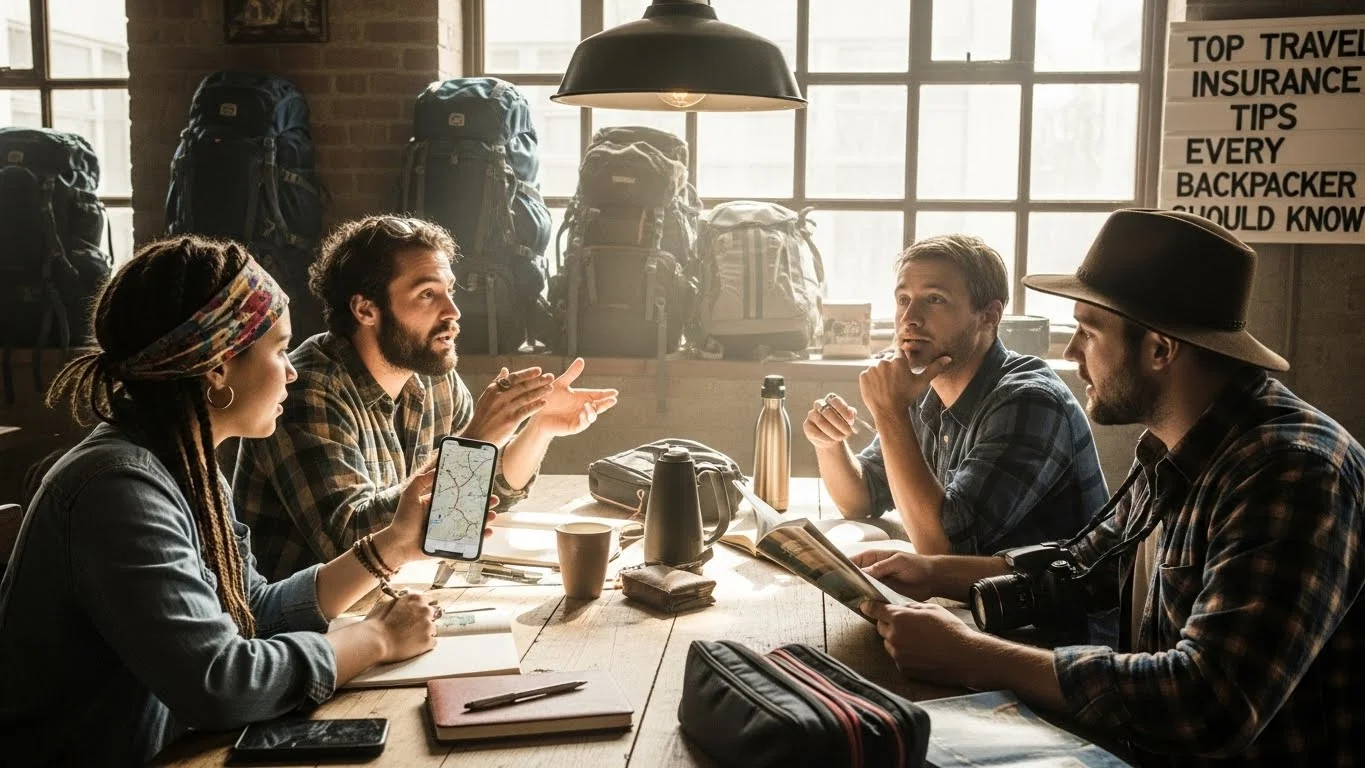
Top Travel Insurance Tips Every Backpacker Should Know

Traveling the world can be one of the most liberating experiences, but without proper protection, things can quickly go awry. Understanding travel insurance is crucial for every backpacker to ensure peace of mind on the road. For more insights, check out Essential Travel Insurance Tips for Budget Backpackers.

Top Travel Insurance Tips Every Backpacker Should Know

Understanding Travel Insurance Basics

What is Travel Insurance?

When I first started backpacking, I didn’t think much about travel insurance. I mean, how often do things go wrong, right? But travel insurance is essentially a safety net. It’s a policy that covers various unexpected events that might disrupt your trip. This can include medical emergencies, trip cancellations, lost luggage, or even theft. Imagine being in a foreign country and facing a sudden health issue or losing your passport; having travel insurance can save you from hefty bills or being stranded.

Types of Travel Insurance Plans

As I learned more about travel insurance, I discovered there are several types of plans tailored to different needs. Here are a few common categories:

  • Medical Coverage: This is essential for any backpacker. It helps cover hospital visits, emergency surgeries, and sometimes even dental issues. Trust me; you don’t want to find yourself in a hospital without it.
  • Trip Cancellation/Interruption: Life happens! If you need to cancel your trip or cut it short due to unforeseen circumstances, this type of insurance can reimburse you for non-refundable expenses.
  • Lost or Stolen Belongings: Losing your backpack can ruin your trip. This coverage helps you recover the value of your belongings if they’re lost or stolen.
  • Adventure Sports Coverage: If you’re like me and enjoy trekking, diving, or other exhilarating activities, this is crucial. Standard policies might not cover injuries resulting from extreme sports.

Why Backpackers Need Travel Insurance

As I ventured from one country to another, I quickly realized that travel insurance wasn’t just a luxury; it was a necessity. Backpackers are often on a tighter budget and traveling to places where healthcare might not be up to par. Without insurance, a simple accident can lead to financial disaster. I remember a friend who fell ill while traveling in Southeast Asia. The medical bills were astronomical, and without insurance, he would have been in serious trouble. Travel insurance offers a layer of protection that allows us to explore the world with confidence. For further information, you may want to read Essential Travel Insurance Tips for Solo Travelers.

Key Considerations When Choosing Travel Insurance

Coverage for Medical Emergencies

When I first looked for travel insurance, my primary concern was medical coverage. I wanted to make sure that if I fell ill or had an accident, I’d be taken care of without worrying about costs. I recommend checking the policy’s limits on medical expenses, as some plans might have a cap that isn’t sufficient for serious issues. It’s also wise to look for policies that cover evacuation, as sometimes, you might need to be transported to a better facility.

Trip Cancellation and Interruption Coverage

Life can throw curveballs, and I learned this the hard way. If something comes up that forces you to cancel or shorten your trip, this coverage can help recover your non-refundable expenses. I remember having to cancel a trip due to a family emergency. Thankfully, my insurance reimbursed me for my booked flights and accommodations, which eased the financial burden significantly.

Coverage for Lost or Stolen Belongings

Backpacking often means carrying all your possessions in one bag, making you vulnerable to theft or loss. I once misplaced my backpack in a busy market, and it was a nightmare. Luckily, my insurance covered the loss, which included my camera and essential gear. When choosing insurance, look for policies that offer good coverage for belongings, including high limits for electronics or valuables.

Adventure Sports and Activities Coverage

If you’re planning on indulging in thrilling activities like mountain climbing, scuba diving, or even zip-lining, make sure your travel insurance covers these adventures. Regular policies often exclude coverage for injuries sustained while participating in extreme sports. In my experience, finding a policy that includes this coverage was a game-changer, allowing me to experience the adrenaline rush without fear.

Duration of Coverage for Long-Term Travel

For those of us who prefer to travel for extended periods, it’s essential to choose a plan that covers long-term travel. I once opted for a short-term plan for a six-month trip, and it turned out to be a hassle when I needed to extend my coverage. Look for insurers that offer flexible options tailored for backpackers and long-term travelers. This not only saves you time but also ensures you’re protected throughout your journey.

Top Travel Insurance Tips for Backpackers

Assessing Your Travel Needs

I’ve learned that the first step in choosing the right travel insurance is understanding my own travel needs. Each journey is unique, and what works for one trip may not be suitable for another. For example, if I’m heading to a remote area with limited medical facilities, I know I need a policy with robust medical coverage. On the other hand, if I’m just taking a weekend trip to a nearby city, I might prioritize trip cancellation coverage instead. I recommend making a list of all the activities I plan to do, the countries I’ll be visiting, and any potential risks involved. This way, I can find a policy that covers exactly what I need.

Comparing Different Insurance Providers

In my experience, not all travel insurance providers are created equal. When I started comparing options, I focused on factors like coverage limits, deductibles, and customer service reputation. I found it helpful to use online comparison tools that lay out the pros and cons of various providers side by side. This makes it easier to spot the best deals and ensure I’m getting comprehensive coverage. I also read customer reviews to get a sense of how other travelers fared with their claims. Sometimes, it’s not just about the price; it’s about the peace of mind that comes from knowing I’m with a reliable company.

Reading the Fine Print: Understanding Policy Exclusions

One lesson I took to heart was the importance of reading the fine print before signing up for a policy. I once overlooked certain exclusions in a plan, which almost left me in a tough spot during a trip. I remember coming across a policy that didn’t cover accidents during adventure sports, which was exactly what I was planning to do! Taking the time to understand what’s not included in the policy is just as important as knowing what is. I recommend jotting down any questions or concerns about exclusions and reaching out to the provider for clarification. It’s always better to be safe than sorry.

Checking the Claims Process

I’ll never forget the stress of filing my first travel insurance claim. I thought it would be straightforward, but I quickly learned that it’s crucial to choose a provider with a simple and clear claims process. Before I finalize my policy, I make it a point to understand how to file a claim, what documentation is required, and how long it typically takes to process. I’ve found that some companies offer 24/7 claims support which can be invaluable when I’m in a foreign country. Reaching out to customer service with any questions before I travel can save me a lot of headaches later.

Getting Recommendations and Reviews

When I was new to backpacking, I relied heavily on recommendations from fellow travelers and friends. Hearing about their experiences helped me narrow down my choices. I often check travel forums and social media groups dedicated to backpacking to gather insights on which insurance providers others have found reliable. I also ask for feedback on claims experiences, as those stories can shed light on how well a company lives up to its promises. After all, it’s the real-life experiences that can help me make an informed decision.

Common Myths About Travel Insurance

It’s Not Necessary for Short Trips

One of the biggest misconceptions I’ve encountered is that travel insurance is only necessary for long trips. I used to think that because my backpacking jaunts were often just a weekend or a week long, I didn’t need coverage. But I quickly learned that accidents and emergencies can happen anytime, anywhere. I’ve heard stories of travelers facing unexpected medical emergencies or losing their belongings on short trips. That taught me to always invest in travel insurance, regardless of the trip length. Even a quick getaway deserves protection!

All Policies Are the Same

Another myth that I fell for at first is that all travel insurance policies are the same. I used to think I could just pick the cheapest option and be done with it. However, as I started digging deeper, I realized there are significant differences in coverage, limits, and exclusions. I remember comparing two seemingly similar policies and discovering one offered evacuation coverage while the other didn’t. This distinction could have made a huge difference in a crisis. Now, I always take the time to compare policies carefully and ensure they meet my specific needs.

Insurance Will Cover Everything

Many believe that having travel insurance means they’re covered for everything, but that’s simply not true. I had a friend who thought her policy would cover any mishap, but she was surprised to find out that her claim was denied because it fell under an exclusion. This experience taught me the importance of understanding the limitations of my coverage. It’s crucial to know what is and isn’t covered, and I recommend asking my provider any questions I have about potential scenarios. This way, I can be prepared and avoid any nasty surprises during my travels.

When to Purchase Travel Insurance

Before Booking Your Trip

I’ve learned that one of the best times to buy travel insurance is right before booking my trip. This might seem early, but it makes sense. By securing insurance at this stage, I can protect myself against any unforeseen trip cancellations or changes that might occur before I even set foot on the plane. I remember planning a dream trip to South America and purchasing my insurance right after booking my flights. It gave me peace of mind knowing that if anything came up—like a sudden illness or a family emergency—I wouldn’t lose my hard-earned money. I highly recommend considering insurance as soon as you start planning your journey.

When to Buy for Existing Bookings

If you’ve already booked your flights and accommodations, don’t worry; you can still purchase travel insurance. I always make it a point to secure insurance as soon as I’ve got my itinerary locked in. This ensures that if I have to cancel for any reason covered by my policy, I’ll still be protected. There were times when I had to change travel dates due to work obligations, and my insurance helped cover the costs of rescheduling. It’s a good habit to get insurance as soon as your trip details are confirmed, so you’re not left scrambling at the last minute.

Last-Minute Insurance Options

Sometimes life gets hectic, and I’ve found myself in situations where I almost forgot to get travel insurance until the very last minute. Luckily, many providers offer last-minute insurance options that can still provide coverage. I remember a time when I was packing just hours before my flight and realized I hadn’t purchased a policy yet. I quickly hopped online, and within minutes, I had secured coverage. While it’s always best to plan ahead, last-minute options can be lifesavers. Just make sure to read the policy carefully to ensure it covers everything you need, even at the last minute.

How to File a Claim

Documentation Required for Claims

Filing a claim can feel overwhelming, especially after an incident. I found that having the right documentation can make the process a lot easier. Typically, insurers require proof of what happened—like medical bills, police reports, or receipts for lost items. I remember when I had to file a claim for a lost backpack; I made sure to gather all the necessary documents, including a detailed list of everything that was in it and receipts for my belongings. Keeping track of these documents during my travels has become second nature, and I recommend others do the same to avoid any unnecessary stress later.

Steps to Follow After an Incident

After experiencing an incident, it’s essential to stay calm and follow a clear process. First, I always document everything. If it’s an injury, I take photos and keep a record of any medical attention I receive. If it’s theft or loss, I make sure to file a police report and get a copy. Then, I contact my insurance provider as soon as possible to inform them of the incident. They often guide you through the claims process step by step, which can be incredibly helpful. I remember feeling lost during my first claim, but their support made a significant difference.

Common Mistakes to Avoid in Claims

When I first started traveling, I made some mistakes while filing claims that I wish I could take back. One of the biggest was not being thorough with my documentation. I didn’t keep all my receipts, thinking it wouldn’t matter. Wrong! I learned the hard way that every little piece of evidence counts. Another mistake was waiting too long to file the claim. Most policies have a deadline for claims, and missing that can mean losing out on coverage. I recommend keeping a checklist of what to do after an incident, so nothing slips through the cracks.

Emergency Contacts and Resources

How to Reach Your Insurance Provider

Knowing how to reach your insurance provider during an emergency is vital. I always make sure to have their contact details saved on my phone and also written down somewhere easily accessible in my travel wallet. Many providers offer 24/7 customer service, which can be a lifesaver when I’m in a different time zone. I remember needing to contact my provider while traveling in Europe, and having that number handy made it so much easier. It’s always a good idea to familiarize yourself with different ways to reach them, whether through phone, email, or their mobile app.

Local Emergency Numbers by Country

Each country has its own emergency numbers, and I learned the hard way how important it is to know these before traveling. For example, I once needed to call for medical assistance while in a remote area and found myself scrambling to look up the local emergency number. Now, I always do my research ahead of time and jot down the important numbers for the countries I’m visiting. This includes local police, fire departments, and medical services. Having this information ready can make a huge difference in a crisis.

Accessing Medical Assistance Abroad

When I traveled abroad, I realized that not all healthcare facilities operate the same way as back home. I learned to locate nearby hospitals or clinics as part of my trip planning. It’s also helpful to check if your insurance provider has a list of preferred medical facilities in the area. I remember needing medical attention in Thailand and was relieved to find a hospital that was on my insurance’s list. This not only ensured that I received quality care but also made the claims process smoother later on. I recommend doing this research before you arrive so you’re prepared if something unexpected happens.

Finding Affordable Travel Insurance

Top Budget-Friendly Insurance Providers

When it comes to finding affordable travel insurance, I’ve discovered that some providers offer excellent coverage without breaking the bank. I’ve had good experiences with companies like World Nomads, SafetyWing, and InsureMyTrip. These companies cater to backpackers and often have customizable plans that fit different budgets and travel styles. I remember comparing quotes from several providers before my last big trip, and I was surprised by how much I could save by choosing the right plan. Don’t be afraid to shop around and see who can offer the best bang for your buck!

Tips for Reducing Insurance Costs

There are several strategies I’ve used to keep my travel insurance costs down. For starters, I always compare multiple quotes and look for discounts that might apply to me, like student or group discounts. Additionally, I consider adjusting my coverage limits based on my travel plans. Sometimes, I find that I don’t need comprehensive coverage for a short trip, allowing me to save some money. I also recommend looking for annual travel insurance if you travel frequently, as it can often be cheaper than buying a policy for each trip.

Utilizing Discounts and Bundles

Many travel insurance providers offer discounts for bundling insurance with other travel services, like flights or accommodations. I remember when I booked a trip that included my flights and insurance together; I ended up saving quite a bit. Plus, it can simplify the process since everything is coordinated under a single provider. I encourage everyone to ask about available discounts and consider bundling options when planning their next adventure. This could lead to significant savings while ensuring I’m properly covered during my travels.

Frequently Asked Questions

What is travel insurance?

Travel insurance is essentially a safety net, a policy that covers various unexpected events that might disrupt your trip, such as medical emergencies, trip cancellations, lost luggage, or theft.

Why do backpackers need travel insurance?

Backpackers often travel to places where healthcare might not be up to par and are usually on a tighter budget. Without insurance, a simple accident can lead to financial disaster, making travel insurance a necessity for peace of mind while exploring the world.

What types of travel insurance plans are available?

Common types of travel insurance plans include medical coverage, trip cancellation/interruption coverage, lost or stolen belongings coverage, and adventure sports coverage for those engaging in extreme activities.

When should I purchase travel insurance?

The best time to buy travel insurance is right before booking your trip to protect against unforeseen cancellations. If you’ve already booked, it’s advisable to secure insurance as soon as your itinerary is confirmed.

What should I consider when choosing a travel insurance policy?

Key considerations include coverage for medical emergencies, trip cancellation and interruption, lost or stolen belongings, adventure sports coverage, and the duration of coverage for long-term travel.

How can I file a claim with my travel insurance provider?

To file a claim, gather the necessary documentation, such as medical bills or police reports, and contact your insurance provider as soon as possible to inform them of the incident and follow their claims process.

What are common mistakes to avoid when filing a claim?

Common mistakes include not being thorough with documentation, failing to keep receipts, and waiting too long to file the claim, as most policies have deadlines for claims submission.

How can I find affordable travel insurance?

To find affordable travel insurance, compare quotes from different providers, look for discounts, consider adjusting coverage limits based on your travel plans, and explore bundling options with other travel services.

What should I know about the exclusions in my travel insurance policy?

It’s crucial to read the fine print and understand what is excluded in your policy. Knowing the limitations can help you avoid surprises and ensure you have appropriate coverage for your specific needs.

How can I access medical assistance while traveling abroad?

Before traveling, locate nearby hospitals or clinics, check if your insurance provider has a list of preferred medical facilities in the area, and familiarize yourself with local emergency numbers to ensure you are prepared for any medical needs.

How to Choose the Best Travel Insurance for Backpacking

Choosing the right travel insurance for backpacking can feel overwhelming. But don’t worry! With the right information, you can find a policy that keeps you safe and secure while you explore the world. Read Interesting article: Essential Travel Insurance Tips for Budget Backpackers

How to Choose the Best Travel Insurance for Backpacking

Understanding Travel Insurance

What is Travel Insurance?

Travel insurance is a protective measure that covers potential financial losses and risks you might face while traveling. It acts as a safety net, helping to cover unexpected events like trip cancellations, medical emergencies, or lost luggage. I remember my first backpacking trip; I didn’t think much about insurance. I thought, “What’s the worst that could happen?” But after hearing stories from fellow travelers, I quickly learned how important it is to have coverage. Traveling can be unpredictable, and having that peace of mind is invaluable.

Why Do Backpackers Need Travel Insurance?

Backpackers, in particular, face unique challenges while on the road. We often find ourselves in remote areas, navigating unfamiliar terrains, and engaging in activities that are a bit riskier than lounging at a beach resort. From my own experience, I’ve seen friends encounter everything from minor injuries to significant health issues while abroad. Without travel insurance, the costs of emergency medical care or evacuations can be astronomical. Moreover, as backpackers, we often carry valuable gear, and theft or loss can be a real threat. Read Interesting article: Backpacking Abroad? Key Health Safety Tips You Can’t Miss

Key Features of Travel Insurance for Backpackers

Medical Coverage

When backpacking, having adequate medical coverage is non-negotiable. I remember when I sprained my ankle hiking in South America. Thankfully, my insurance covered the hospital visit and treatment. It’s crucial to have a plan that covers not only routine medical expenses but also emergency care. Look for policies that cover medical evacuation, as getting to a hospital in remote areas can be challenging. I learned that some countries have high healthcare costs, so ensuring you have a suitable level of medical coverage can save you from financial disaster.

Trip Cancellation and Interruption Coverage

Life is unpredictable, and sometimes we need to change our travel plans. Whether it’s due to a family emergency or an unexpected event, having trip cancellation and interruption coverage can be a lifesaver. I once had to cancel a trip because of a family issue, and my insurance reimbursed my non-refundable expenses. This coverage means you won’t lose money if you can’t go on that once-in-a-lifetime adventure.

Emergency Evacuation

Emergency evacuation coverage is critical, especially when backpacking in less accessible areas. I’ve traveled to places where getting medical help meant being airlifted. An injury in a remote location can escalate quickly, and having insurance that covers these costs is essential. I’ve seen too many travelers stuck in tough situations without this kind of coverage, and it’s a reminder of how unpredictable travel can be.

Personal Liability

Backpackers can sometimes find themselves in situations where they might accidentally cause damage to property or injury to others. Personal liability coverage protects you in these scenarios. I remember meeting a traveler who had a mishap while staying at a hostel and inadvertently broke a window. That small accident turned into a financial nightmare without the right coverage. It’s one of those things you don’t think about until it happens, but it’s worth considering.

Lost or Stolen Belongings

Losing your backpack or having your belongings stolen can be devastating, especially when you’re on the road. I’ve had my luggage lost during a layover, and it was a nightmare trying to sort it out. Travel insurance can help cover the costs of lost or stolen items, ensuring you’re not left high and dry. Look for a policy that offers sufficient coverage for your belongings, including electronics, clothing, and other essential items.

Types of Travel Insurance Policies

Single Trip Insurance

If you’re planning a one-time backpacking adventure, single trip insurance might be your best bet. This type of policy covers you for the duration of your trip, offering the protection you need for a specific journey. I’ve always opted for single trip insurance on my travels because it’s straightforward and tailored to my needs for that particular adventure.

Annual Multi-Trip Insurance

For those who travel frequently throughout the year, annual multi-trip insurance could be more suitable. This type of plan covers multiple trips within a year, which can save you money and time. I’ve found this option to be excellent for spontaneous weekend getaways or surprise trips. It gave me the flexibility to travel without the hassle of purchasing insurance each time.

Backpacker-Specific Insurance Plans

Some providers offer backpacker-specific plans designed with our unique needs in mind. These plans often include higher coverage limits for medical expenses, special provisions for adventure activities, and options for extended travel periods. I discovered this type of insurance during my last trip, and it felt reassuring knowing that it was tailored for travelers like me, who often tread off the beaten path. Read Interesting article: Family Travel Safety: How to Backpack on a Budget Safely

Assessing Coverage Needs

Destination-Specific Risks

When planning a backpacking trip, one of the first things I consider is the destination. Different places come with their own set of risks, and I’ve learned that understanding these can help me choose the right travel insurance. For instance, while traveling in Southeast Asia, I noticed that certain regions have higher rates of accidents or illnesses due to the climate or local infrastructure. I remember speaking to a fellow traveler who had a bad experience in a remote area where healthcare facilities were limited. He wished he had opted for a plan that specifically covered the risks associated with his destination. It’s essential to research the safety of your chosen locations and how they might affect your coverage needs.

Duration of Travel

The length of my trip also plays a significant role in determining the type of insurance I need. Short trips may not require the same extensive coverage as longer adventures. For example, on a week-long trek through Europe, I was able to find a straightforward policy that covered my basic needs without any frills. However, for months-long journeys, I’ve learned to look for comprehensive plans that cover a wider range of scenarios. A longer trip means more opportunities for things to go wrong. I realized that a policy that provides coverage for extended periods and multiple incidents is worth considering if I’m planning to be away for an extended time.

Adventure Activities and Coverage

As a backpacker, I often find myself drawn to adventure activities like hiking, scuba diving, or even bungee jumping. I’ve had some of my most incredible experiences during these activities, but I also learned the hard way that not all travel insurance covers them. I remember wanting to try paragliding in New Zealand, but I found out that my basic policy didn’t cover such high-risk activities. Thankfully, I was able to upgrade to a plan that did, but it taught me the importance of checking the specifics before embarking on any adventure. If you’re planning to engage in activities that might be deemed risky, make sure your insurance policy includes coverage for those experiences. It can make a world of difference if something doesn’t go as planned.

Comparing Travel Insurance Providers

Top Travel Insurance Companies for Backpackers

Once I’ve assessed my needs, the next step is to compare different travel insurance providers. Over the years, I’ve come across several companies that stand out for backpackers. World Nomads is one that many of my travel buddies have recommended. They offer comprehensive coverage that includes adventure activities, which is a huge plus for those of us who love to explore. Another one I’ve heard great things about is SafetyWing, which is designed specifically for digital nomads and long-term travelers. Their flexible policies make it easy to tailor coverage to my specific journey. I always suggest checking reviews and doing some research to find the company that fits your travel style and needs best.

Customer Reviews and Ratings

Customer reviews have been my go-to resource when choosing an insurance provider. I like to hear about other travelers’ experiences—both good and bad. It gives me insight into how the company handles claims and customer service. I remember reading about a traveler who had a smooth claims process with their insurance provider after a minor accident. On the flip side, I also came across a few horror stories where travelers struggled to get their claims approved. This kind of feedback can be a game-changer when you’re deciding which provider to trust with your safety and finances. I recommend checking sites like Trustpilot or travel forums to gather opinions from fellow backpackers.

Claim Process and Support

The claim process is another critical factor to consider. I’ve learned that a complicated claim process can turn a stressful situation into a nightmare. When I had to file a claim for a lost item during my travels, I was grateful for a provider that offered clear instructions and prompt support. I always look for companies with 24/7 customer service because you never know when you might need assistance. I’ve also found that some insurers have mobile apps, which can make filing claims or contacting support much easier while on the road. Take the time to read the fine print regarding claims to ensure you know what’s expected and how to get help if needed.

Cost Considerations

Average Cost of Travel Insurance

Cost is always a significant consideration when choosing travel insurance. From my experience, the average cost can vary widely based on factors like age, destination, and the coverage level. For me, I’ve paid anywhere from $40 to over $200 for a policy, depending on the specifics of my trip. I’ve found that it’s essential to balance cost with the level of coverage. While it might be tempting to go for the cheapest option, I believe it’s worth investing a little more for better protection and peace of mind.

Factors Influencing Insurance Premiums

Several factors can influence insurance premiums, and I’ve come to realize that understanding these can help me secure a better deal. Age is one factor; younger travelers often pay less. The duration of travel and destination also play a role. For instance, a trip to a country with high medical costs might push premiums higher. I’ve also noticed that the activities I plan to participate in can significantly affect the cost. If I’m planning to do something adventurous, like skiing in the Alps, I can expect to see a higher premium. It’s been helpful for me to compare different options and see how each factor influences the overall cost.

How to Get the Best Value for Your Money

Finding the best value for my money with travel insurance has always been a priority. I recommend shopping around and comparing quotes from multiple providers. Websites that aggregate insurance options can be a great resource. Additionally, I’ve found that reading the fine print and understanding what’s included and excluded can help me avoid surprises down the line. Sometimes, bundling insurance with other travel services can lead to savings, too. It’s all about doing a little research and being proactive in finding the coverage that meets my needs without breaking the bank.

Common Exclusions and Limitations

Pre-Existing Conditions

I’ve learned that one of the first things to check when reviewing travel insurance policies is how they handle pre-existing conditions. I remember a friend who had a medical issue that flared up while traveling, and he found out the hard way that his insurance wouldn’t cover it because it was deemed pre-existing. This experience made me realize that if you have any medical conditions, it’s crucial to understand how your insurance plan addresses them. Some policies may offer waivers for pre-existing conditions if you purchase your insurance within a certain time frame after booking your trip. I always recommend looking for options that have this coverage if you think it might apply to you; it can save you a lot of trouble and stress down the line.

High-Risk Activities

As a backpacker who loves adventure, I can’t stress enough how important it is to understand the limitations regarding high-risk activities. Many standard travel insurance plans don’t cover activities like rock climbing, scuba diving, or extreme sports. I remember planning a trip where I wanted to try skydiving. I was excited until I discovered my policy didn’t cover it. Thankfully, I found a specialized plan that did, but it taught me to always double-check. If you plan to participate in activities that might be considered risky, make sure your insurance explicitly includes them. It’s worth taking the time to understand what’s classified as high-risk and ensuring you’re adequately covered.

Travel Advisories and Coverage Impact

Travel advisories can impact your travel insurance coverage, and I’ve seen this scenario play out more than once. If you’re traveling to a destination that the government has issued a travel warning for, some insurers might limit or exclude coverage. I remember feeling torn about visiting a country that had a travel advisory due to political unrest. I learned that while some insurance companies still cover you, others may not if the travel advisory is at a certain level. It’s vital to read the fine print and understand how these advisories can affect your coverage. I always check the latest advisories before purchasing my insurance to ensure I’m not caught off guard.

Frequently Asked Questions (FAQs)

How to File a Claim?

Filing a claim can be daunting, but I’ve found that knowing the steps can make the process smoother. Usually, when I need to file a claim, I start by gathering all necessary documentation—like receipts, medical reports, and any police reports if applicable. Each insurance provider has its own process, so I always check their website or contact customer service for specific instructions. I remember filing a claim for a delayed flight once and being relieved to find a clear online portal to submit my information. Some companies even allow you to track your claim status, which can be a comforting feature.

Can You Buy Travel Insurance After Departure?

This is a common question I’ve come across during my travels. Generally, you can’t purchase travel insurance after your trip has started. I learned this the hard way when I wanted to add coverage after arriving at my destination. Most providers require you to buy the policy before you leave home. However, some companies offer trip interruption insurance that could cover you if you need to amend your trip due to an emergency after departure. But in my experience, it’s always best to secure your travel insurance before you go to ensure you’re fully protected from the beginning.

Is Travel Insurance Worth It for Short Trips?

Short trips might feel like they don’t warrant travel insurance, but I believe they absolutely do. I’ve had unexpected issues arise even on weekend getaways—like a sudden illness or a missed flight connection. Travel insurance can protect you from unforeseen circumstances, regardless of the trip length. I remember a short trip where my flight was canceled, and having insurance helped me recover my expenses for the additional nights I had to stay. It’s easy to think, “It won’t happen to me,” but having that safety net, even for a brief adventure, can save you from unnecessary stress and financial loss.

Frequently Asked Questions

“`html

What is travel insurance?

Travel insurance is a protective measure that covers potential financial losses and risks you might face while traveling, such as trip cancellations, medical emergencies, or lost luggage.

Why do backpackers need travel insurance?

Backpackers face unique challenges, including navigating remote areas and engaging in riskier activities. Travel insurance helps cover unexpected costs like emergency medical care and the loss of valuable gear.

What are key features of travel insurance for backpackers?

Key features include medical coverage, trip cancellation and interruption coverage, emergency evacuation, personal liability, and coverage for lost or stolen belongings.

What types of travel insurance policies are available?

There are several types, including single trip insurance for one-time adventures, annual multi-trip insurance for frequent travelers, and backpacker-specific plans designed for unique needs.

What should I consider when assessing coverage needs?

Consider destination-specific risks, the duration of travel, and any planned adventure activities to ensure the insurance policy adequately covers your needs.

How can I compare travel insurance providers?

Compare providers by looking at customer reviews, ratings, and the claim process. Popular companies for backpackers include World Nomads and SafetyWing.

What factors influence the cost of travel insurance?

Factors include age, duration of travel, destination, and planned activities. For instance, trips to countries with high medical costs or involving adventure sports may result in higher premiums.

How can I get the best value for my travel insurance?

Shop around and compare quotes from multiple providers, read the fine print, and consider bundling insurance with other travel services to find the best value.

What are common exclusions in travel insurance policies?

Common exclusions include pre-existing conditions, high-risk activities, and coverage limitations related to travel advisories.

Can you buy travel insurance after departure?

Generally, you cannot purchase travel insurance after your trip has started, although some companies offer trip interruption insurance for emergencies that arise after departure.

“`

Essential Travel Insurance Tips for Budget Backpackers

Traveling on a budget can be thrilling, but it comes with its own set of risks. One essential part of planning your adventures is understanding travel insurance and how it can protect us during our journeys.

Essential Travel Insurance Tips for Budget Backpackers

Understanding Travel Insurance

What is Travel Insurance?

To put it simply, travel insurance is a safety net for travelers. It’s designed to cover unexpected incidents that might occur while we’re away from home. This can include things like medical emergencies, trip cancellations, lost luggage, and more. When I first started backpacking, I thought travel insurance was just another expense. But after hearing stories from fellow travelers, I quickly realized it’s not just a luxury; it’s a necessity.

Why Do Budget Backpackers Need Travel Insurance?

As budget backpackers, we often travel to off-the-beaten-path destinations where access to medical facilities or emergency support might not be as readily available. I remember when I was in Southeast Asia; there were times when the nearest hospital felt like a world away. It was during those moments that I truly understood the importance of having insurance. Without it, a minor accident could turn into a financial disaster. Moreover, many travel companies and hostels require proof of insurance before booking activities or accommodations. So beyond peace of mind, it can help us in practical ways too.

Types of Travel Insurance Policies

Comprehensive Travel Insurance

Comprehensive travel insurance is the all-in-one package that covers a wide range of situations. This policy typically includes medical expenses, trip cancellations, lost luggage, and emergency evacuation. I’ve personally opted for this type of insurance on several trips, especially when I was traveling for an extended period. It gave me the freedom to explore without constantly worrying about what might happen if something went wrong. I mean, who wants to spend their trip stressing over potential mishaps?

Medical-Only Travel Insurance

If you’re planning a shorter trip or primarily focusing on local travel, medical-only travel insurance might be a good fit. This type of insurance covers only medical expenses, which can be significantly cheaper than comprehensive policies. I had a friend who backpacked through Europe with just medical coverage, and while it worked for him, it’s essential to assess your itinerary. If you’re engaging in adventure sports or heading to remote areas, broader coverage might be worth it.

Trip Cancellation Insurance

Life can be unpredictable. Whether it’s a family emergency or an unexpected event that forces you to change your plans, trip cancellation insurance can save you financially. I learned this lesson the hard way when I had to cancel a trip due to a last-minute work obligation. Fortunately, I had trip cancellation insurance, and it reimbursed me for the non-refundable costs. It’s a small price to pay for peace of mind, especially for us budget travelers.

Emergency Evacuation Insurance

Emergency evacuation insurance can feel like an afterthought, but it’s crucial for those traveling to remote areas. If you’re hiking in the mountains or exploring a distant island, you want to ensure you can get the medical help you might need. I remember a hiking trip where some friends had to be airlifted due to an injury. It was a scary experience, and I couldn’t help but think how expensive that could have been without the right insurance. This coverage can be a lifesaver, quite literally!

Key Coverage Areas to Consider

Medical Expenses

Your health is priceless, especially when you’re exploring new cultures and environments. Medical expenses coverage ensures that if you get sick or injured, you won’t be left with hefty bills. I once had a bad reaction to some street food—definitely not my finest hour! Thankfully, my insurance covered my hospital visit. Always check the limits of medical coverage, specifically if you’re engaging in high-risk activities.

Trip Cancellation and Interruption

As mentioned earlier, life happens, and sometimes our plans can change in an instant. Trip cancellation and interruption coverage protects your investment in case you need to cancel or cut your trip short. I recall a friend who had to return home early because of a family emergency. He was grateful for his trip interruption coverage, which helped him recoup some of his lost expenses.

Lost or Stolen Belongings

Traveling with a backpack full of essentials means we’re always at risk of losing something vital. Lost or stolen belongings coverage allows us to claim back the value of our things. I’ve had my fair share of travel mishaps, including a lost camera that held precious memories. Thankfully, insurance helped me recover some of the costs. It’s a comfort knowing that if the worst happens, we won’t be left completely empty-handed.

Personal Liability

Personal liability coverage protects us if we accidentally cause damage to someone else’s property or injure someone. It’s not something we like to think about, but accidents can happen. I remember hearing a story about a backpacker who accidentally broke a valuable item in a hostel. Without personal liability coverage, he could have faced significant costs. I believe it’s essential to consider this coverage, especially when staying in shared accommodations.

How to Choose the Right Travel Insurance

Assessing Your Travel Needs

Choosing the right travel insurance can feel overwhelming, especially with so many options out there. The first step is assessing our specific travel needs. I’ve learned that understanding what kind of trip I am taking plays a huge role in selecting the best coverage. For example, my adventure trips, filled with hiking and exploring remote areas, require different insurance than a city break where I’ll primarily be indoors. I often ask myself questions like: What activities will I be doing? Am I traveling alone or with family? Will I need coverage for extreme sports? By answering these questions, I can narrow down the policies that truly fit my journey.

Comparison of Insurance Providers

Once I have a good grasp of what I need, I dive into comparing different insurance providers. I usually start by checking online comparison sites, where I can see various plans side by side. This makes it easy to spot the differences in coverage and costs. During my last trip, I found that not all insurance providers are created equal. Some offered great coverage for lost belongings, while others had better medical coverage. I recommend reading reviews and checking customer feedback because nothing beats hearing from others about their experiences. If I can find a provider that consistently gets positive reviews, it gives me more confidence in my choice. Essential Travel Insurance Tips for Solo Travelers can also be helpful in narrowing down options.

Reading the Fine Print: Exclusions and Limitations

Before finalizing my decision, I always make it a point to read the fine print. It may not be the most exciting part, but understanding exclusions and limitations is crucial. There were times when I assumed I was covered for certain activities, only to find out later that they were excluded. I remember a trip where I had plans to go scuba diving. Thankfully, I double-checked my insurance policy, and I was shocked to learn that diving beyond a certain depth wasn’t covered. By taking the time to read the details, I felt more prepared to avoid any nasty surprises!

Cost-Saving Tips for Backpackers

When to Buy Travel Insurance

Timing is everything, especially when it comes to travel insurance. I’ve learned that the best time to purchase insurance is as soon as I book my trip. This way, I’m covered for any unexpected cancellations right from the start. I remember a period when I hesitated and bought insurance just a week before my departure. Unfortunately, I missed out on coverage for a potential cancellation that could have saved me money. Buying early not only provides peace of mind but also keeps all options available to me.

Bundling Insurance Policies

Another cost-saving tip I’ve discovered is bundling insurance policies. Many providers offer discounts if you combine travel insurance with other types of coverage, like health or auto insurance. Last year, I decided to bundle my travel insurance with my car rental, and I was pleasantly surprised by the savings. It’s definitely worth exploring all options, as every dollar saved can go towards experiences or extra treats during our adventures! Save Big on Travel: Insider Tips for Budget Insurance can provide additional insights.

Using Credit Card Benefits for Coverage

I’ve also found that many credit cards come with built-in travel insurance benefits. Before I book my next trip, I always check what my credit card offers in terms of coverage. For instance, I once used a credit card that included trip cancellation insurance, which saved me purchasing an additional policy. Just remember that the coverage might be limited, so it’s important to understand the specifics. I make sure to read the terms and conditions to avoid any surprises when I need to file a claim.

Common Mistakes to Avoid

Underestimating Coverage Needs

A common pitfall for many travelers, including myself, is underestimating coverage needs. It’s easy to think, “Oh, I won’t need that much,” especially when traveling on a budget. But I’ve learned the hard way that unexpected events can strike at any time. I once traveled without comprehensive medical coverage, thinking it wouldn’t be necessary. However, a small injury turned into a costly hospital visit. I now always opt for more coverage than I think I’ll need, just to be safe.

Ignoring Pre-Existing Condition Clauses

Pre-existing condition clauses are another area where many travelers slip up. I remember hearing about someone who had to cancel their trip due to a medical issue that was known beforehand, only to find out their insurance didn’t cover it. I make it a point to disclose any pre-existing conditions when I apply for insurance. This ensures that I’m fully aware of what is and isn’t covered. Knowledge is power, and I’d rather be safe than sorry!

Not Keeping Documentation

Lastly, not keeping documentation is a mistake I’ve made in the past. Whether it’s the insurance policy details or receipts from medical visits, having everything organized is crucial when it comes to filing a claim. I’ve learned to keep a folder on my phone or even a physical copy in my bag. This way, if something goes wrong, I have everything I need at my fingertips. It’s a small step that can save a lot of hassle later.

Real-Life Scenarios: When Travel Insurance Saves the Day

Medical Emergencies Abroad

One of my friends had a medical emergency while traveling in South America. He was hiking when he slipped and twisted his ankle badly. Thankfully, he had comprehensive travel insurance. The coverage allowed him to get immediate medical attention and ensured he could continue his travels without worrying about the financial burden. Hearing his story made me realize just how crucial it is to have that safety net, especially in unfamiliar places.

Trip Cancellations Due to Unforeseen Events

I’ve also seen travel insurance save the day when it comes to trip cancellations. A friend of mine booked a dream vacation to Europe, but their plans changed when a family emergency arose. He had trip cancellation insurance, which allowed him to recover a significant amount of his non-refundable costs. It was a relief for him, and it made me think twice about my own travel plans. I make a point now to always have this kind of coverage, just in case life throws a curveball.

Lost Luggage and Theft Situations

Finally, I can’t forget to mention the time my luggage was lost during a flight. I was devastated, as it contained essentials for my trip. Fortunately, I had travel insurance that covered lost belongings. Filing the claim was straightforward, and I was able to replace some of the items without too much hassle. This experience reinforced for me the importance of having that safety net, especially when we are often so far from home.

Resources for Further Research

Government Travel Advisories

When it comes to planning our trips, I’ve found that checking government travel advisories is essential. These advisories provide up-to-date information about safety, security, health risks, and other important factors that could affect our travel plans. For instance, before my last trip to Central America, I checked the U.S. State Department’s website. I learned about certain areas to avoid and health precautions I needed to take. It’s comforting to know that the government is looking out for us travelers and that I can make informed decisions based on their guidance.

Travel Insurance Review Websites

There’s a wealth of information on the internet, but I rely on travel insurance review websites to help me sift through the noise. These sites provide comparisons, reviews, and ratings for various insurance providers. I remember using one such site when I was looking for insurance for my backpacking trip through Europe. I found honest reviews from fellow travelers, which helped me feel more confident in my choice. One site even had a feature that allowed me to filter options based on what was most important to me—like medical coverage or trip cancellation benefits. It’s a game changer for making informed decisions.

Backpacker Forums and Communities

Engaging with fellow travelers in backpacker forums and communities has also been incredibly helpful. I often turn to platforms like Reddit or specialized travel forums where backpackers share their experiences and recommendations. I remember reading a thread where someone discussed their positive experience with a lesser-known insurance provider that offered fantastic coverage at a reasonable price. I joined the conversation and learned tips from others about what to look for in a policy. It’s comforting to know that there’s a whole community out there willing to share their insights, and it helps me feel connected to others who share my passion for travel.

In my experience, these resources have proven invaluable in helping me navigate the often overwhelming world of travel insurance. By staying informed and reaching out to others, I feel more equipped to make the best choices for my journeys.

Final Thoughts

Travel insurance is one of those things that can feel like an unnecessary add-on until you really need it. I’ve learned through my own experiences and those of friends that having the right coverage can make all the difference when things go sideways. Whether it’s a sudden illness, a missed flight, or lost belongings, knowing there’s a safety net can allow us to focus on making memories instead of worrying about what could go wrong.

As budget backpackers, every penny counts. I understand the temptation to skimp on insurance to save money, but I’ve found that investing in a solid policy is a wise choice. The peace of mind it brings is worth every cent, especially when we’re exploring unfamiliar places where anything can happen. Having comprehensive coverage allows me to embrace adventure without constantly looking over my shoulder, worrying about potential mishaps.

It’s also crucial to stay informed and engaged with the travel community. I believe sharing our experiences and learning from others can enhance our travel journeys significantly. I’ve gained so much helpful information from fellow travelers, be it through conversations in hostels or online forums. Each story shared has taught me something new, helping me make better decisions about my travel plans and insurance needs.

In essence, travel insurance isn’t just about protecting our financial investment; it’s about safeguarding our adventures and ensuring we can fully experience everything our travels have to offer. The next time you plan a trip, remember to factor in travel insurance as an essential component of your journey. It’s your safety net, your peace of mind, and, ultimately, your ticket to worry-free exploration.

So, as you prepare for your next adventure, take the time to choose the right insurance policy that meets your needs. Evaluate your travel plans, compare different providers, and don’t forget to read the fine print. Your future self may thank you for the preparation now!

Frequently Asked Questions

What is travel insurance?

Travel insurance is a safety net for travelers, designed to cover unexpected incidents that might occur while away from home, such as medical emergencies, trip cancellations, lost luggage, and more.

Why do budget backpackers need travel insurance?

Budget backpackers often travel to off-the-beaten-path destinations where access to medical facilities may be limited. Insurance provides peace of mind and is often required by travel companies and hostels for booking activities or accommodations.

What types of travel insurance policies are available?

There are several types of travel insurance policies, including comprehensive travel insurance, medical-only travel insurance, trip cancellation insurance, and emergency evacuation insurance, each catering to different travel needs.

What does comprehensive travel insurance cover?

Comprehensive travel insurance typically covers a wide range of situations, including medical expenses, trip cancellations, lost luggage, and emergency evacuation.

How can I choose the right travel insurance?

Choosing the right travel insurance involves assessing your travel needs, comparing different insurance providers, and reading the fine print to understand exclusions and limitations.

When is the best time to buy travel insurance?

The best time to purchase travel insurance is as soon as you book your trip, ensuring you are covered for unexpected cancellations from the start.

What are some cost-saving tips for backpackers regarding travel insurance?

Cost-saving tips include bundling insurance policies with other types of coverage, using credit card benefits for coverage, and comparing different insurance providers for the best rates.

What common mistakes should travelers avoid when purchasing travel insurance?

Common mistakes include underestimating coverage needs, ignoring pre-existing condition clauses, and not keeping proper documentation for claims.

How can travel insurance save the day in real-life scenarios?

Travel insurance can save the day by covering medical emergencies abroad, reimbursing non-refundable costs due to trip cancellations, and providing compensation for lost luggage or stolen belongings.

What resources can help travelers research travel insurance?

Useful resources include government travel advisories, travel insurance review websites, and backpacker forums and communities where travelers share their experiences and insights.

Backpacking Abroad? Key Health Safety Tips You Can’t Miss

Backpacking abroad can be an exhilarating adventure filled with new experiences. However, ensuring your health and safety should be a top priority as you explore the world. Read Interesting article: Top Health Precautions Every Backpacker Should Know

Backpacking Abroad? Key Health Safety Tips You Can't Miss

Understanding Health Risks While Backpacking

When I first decided to go backpacking around Europe, I was excited about the sights, sounds, and flavors I would encounter. But I quickly realized that understanding health risks was crucial to having a safe journey. With so many variables at play, it’s essential to prepare yourself for common illnesses and injuries that can arise while traveling.

Common Illnesses and Injuries

During my travels, I encountered a variety of health risks that are common among backpackers. Food poisoning, for example, is something I never thought would happen to me. I remember indulging in street food from a vendor in Thailand. The meal was delicious, but the next day I found myself battling stomach cramps. This experience taught me to be cautious about where and what I eat. Other common illnesses include respiratory infections, especially if you’re in crowded places, and mosquito-borne diseases like malaria or dengue fever in tropical regions.

Injuries are another risk we often overlook. Backpacking usually involves a lot of walking, hiking, and sometimes climbing, which can lead to blisters, sprains, or even fractures. I learned the hard way when I sprained my ankle while hiking in the Swiss Alps. Always be mindful of your surroundings and take the necessary precautions to minimize the risk of injury. Read Interesting article: Stay Safe: Health Tips for Your Next Backpacking Adventure

Vaccinations and Preventative Measures

Before I set off on my backpacking journey, I researched necessary vaccinations. This step is crucial because some destinations require specific vaccines to enter the country. I consulted my healthcare provider, who recommended getting vaccinated against diseases like Hepatitis A, Typhoid, and even Yellow Fever, depending on my travel plans. I felt a sense of relief knowing I was protected and that these vaccines would help prevent serious illnesses.

In addition to vaccinations, preventative measures are key. I always packed mosquito repellent, especially when heading to areas where malaria is prevalent. Wearing long-sleeved clothing can also help protect against insect bites. I found that being proactive about my health made my travels more enjoyable and less stressful.

Travel Insurance: Why It’s Essential

One of the smartest decisions I made before my trip was purchasing travel insurance. It’s easy to think, “It won’t happen to me,” but the truth is, unexpected illnesses and accidents can happen to anyone. I had a friend who had to visit a hospital in a foreign country due to a severe allergic reaction, and the medical expenses were astronomical without insurance. This experience opened my eyes to how vital it is to have coverage that includes medical emergencies, trip cancellations, and lost belongings.

When choosing travel insurance, I recommend looking for a comprehensive plan that covers medical expenses, evacuation, and repatriation. I found it comforting knowing that if something went wrong, I could focus on getting better without worrying about the financial implications.

Pre-Travel Health Preparations

Preparing for a trip abroad goes beyond packing your bags. I learned that health preparations are just as critical. Consulting a healthcare provider before my journey was one of the best steps I took.

Consulting a Healthcare Provider

Scheduling an appointment with my doctor was essential to discuss my travel plans. I wanted to ensure I was in good health before embarking on my journey. During the visit, we went over the necessary vaccinations and discussed any potential health risks associated with my destinations. I appreciated the personalized advice tailored to my itinerary, which made me feel more secure about my trip.

Essential Vaccinations by Destination

As I planned my itinerary, I made a list of the countries I would visit and researched their vaccination requirements. Each country has different health risks, so it’s vital to tailor your vaccinations accordingly. For example, a trip to Southeast Asia might require vaccinations against Hepatitis A and B, as well as Typhoid, whereas traveling to certain parts of Africa might necessitate a Yellow Fever vaccine. Being informed about these requirements helped me avoid last-minute scrambles.

Packing a Travel Health Kit

One part of my pre-travel health preparations that I can’t stress enough is packing a travel health kit. I found that having the right supplies on hand saved me from unnecessary stress. My kit included basic first aid items like antiseptic wipes, band-aids, and pain relievers, along with any prescription medications I needed. I even added motion sickness tablets after a rough ferry ride to a Greek island. It was reassuring to know that I had everything I might need in one convenient place.

Medication: What to Bring and How to Manage

Managing medication while traveling can be tricky, especially if you take regular prescriptions. I learned to bring enough medication for the duration of my trip, plus a few extra days, just in case. It’s also wise to keep a copy of your prescriptions in case you need to refill them abroad. I used a pill organizer to keep everything organized, which made it easy to track what I had taken each day.

Staying Healthy While Abroad

Once I arrived at my destination, I quickly realized that staying healthy while abroad required a different level of awareness. I had to adapt to new environments, cultures, and health-related practices that were often quite different from what I was used to back home. Here are some key practices I found helpful in maintaining my health during my travels.

Food and Water Safety

One of the biggest adjustments I faced while backpacking was navigating food and water safety. In many countries, the local food scene can be a delightful experience, but it also comes with risks. I remember enjoying some delicious street food in Mexico, but I was very cautious about where I ate. I found that sticking to busy stalls with a high turnover of food was a safer bet. These places often have fresher ingredients, which means a lower risk of foodborne illnesses.

Drinking water was another concern. I learned that in many places, tap water isn’t safe for drinking. I always opted for bottled water or brought my own refillable water bottle with a built-in filter. This not only kept me hydrated but also saved me money and helped reduce plastic waste. Carrying purification tablets was also a lifesaver, especially during hikes or when I found myself in remote areas without access to clean water.

Managing Stress and Mental Health

Backpacking can be overwhelming at times. I found myself balancing excitement with moments of stress, especially when plans fell through or I got lost in a new city. I realized that managing my mental health was just as important as taking care of my physical health. I made it a habit to take breaks throughout my day to recharge, whether that meant sitting in a park with a good book or enjoying a leisurely coffee at a café.

Practicing mindfulness became a part of my routine, too. I often took a few minutes each morning to meditate or reflect on what I was grateful for. This simple practice helped me stay grounded and more resilient when faced with challenges. Traveling can be unpredictable, but finding ways to manage stress helped me enjoy every moment.

Staying Hydrated and Active

Staying hydrated was essential, especially during long days of exploring. I made sure to drink plenty of water, especially on hot days while hiking or walking around cities. I also carried electrolyte packets with me. They were great for rehydration after a long day of hiking or if I felt fatigued.

Being active was a huge part of my backpacking experience. I discovered that walking and hiking not only kept me fit, but also allowed me to experience my surroundings more intimately. I sought out local trails, parks, and even took part in free walking tours. These activities not only kept me healthy but also connected me with locals and fellow travelers.

Recognizing and Avoiding Local Health Risks

Every destination has its unique health risks, and I learned the importance of being aware of them. Before visiting a new place, I made it a habit to research common health hazards. For instance, I read about the risk of rabies in certain countries and made sure to avoid stray animals. I also consulted travel forums and local health websites for updated information about any outbreaks or health advisories.

In some regions, I encountered specific precautions like avoiding certain beaches due to jellyfish or swimming in lakes known for algae blooms. Keeping an eye on local news and asking locals for advice became a part of my routine. I found that being proactive about my health not only kept me safe but also enhanced my overall travel experience. Read Interesting article: Essential Health Precautions for Budget Backpackers Abroad

Emergency Preparedness

As I continued my journey, I realized that being prepared for emergencies was as essential as planning my daily activities. Accidents can happen anywhere, and it’s crucial to know what to do if something goes wrong. I made it a priority to familiarize myself with emergency procedures and resources at each destination.

Identifying Local Medical Facilities

Before arriving in any new city, I took some time to research local medical facilities. I often used my phone to look up hospitals, clinics, and pharmacies nearby. I remember arriving in a small town in Portugal and immediately finding the nearest clinic on my map. Knowing where to go in case of an emergency gave me peace of mind and made me feel more secure during my travels. I also took the time to read reviews and check if the facility had English-speaking staff, which could be a lifesaver if I ever needed assistance.

Emergency Contacts and Local Resources

I learned the importance of having a list of emergency contacts readily available. I kept the phone numbers of local emergency services, my country’s embassy, and a few trusted friends back home in a note on my phone. This simple step made me feel more connected and supported, regardless of where I was in the world. Additionally, I often connected with other backpackers and locals who could provide insights into local emergency resources, including pharmacies that might carry specific medications I might need.

Understanding Local Health Regulations

Every country has its unique health regulations, and I discovered that being informed about them was vital. For example, I learned that in some places, certain medications that are available over the counter back home might be restricted or entirely illegal. I found it helpful to research these regulations before my trip to avoid any unexpected issues at the border or during my travels. In some cases, I even had to carry a letter from my doctor explaining my prescription medications, just to be on the safe side.

Personal Safety Tips for Backpackers

Safety was always on my mind while backpacking. I quickly realized that staying vigilant and informed was essential to having a smooth travel experience. Here are some personal safety tips that I found useful along the way.

Choosing Safe Accommodations

When it came to finding a place to stay, I prioritized safety as much as budget. I learned to read reviews carefully, focusing on comments about security measures and overall safety. During a trip to Barcelona, I chose a hostel known for its security features, including keycard access and lockers for valuables. I also made sure to stay in well-lit areas and avoided accommodations in neighborhoods that felt sketchy. Trusting my instincts served me well, and I always opted for places where I felt comfortable and secure.

Traveling in Safe Areas

As I explored new cities, I developed a habit of researching the areas I planned to visit. I often consulted travel blogs and forums to identify neighborhoods known for being tourist-friendly. During my travels in Jakarta, I found that some areas were best avoided at night due to higher crime rates. I learned to stick to well-populated places, especially after dark, which made me feel safer and more at ease during my explorations.

Using Technology for Safety (Apps and Tools)

Technology became my ally in staying safe while backpacking. I discovered various apps that helped me navigate new cities, find nearby attractions, and even locate emergency services. One of my favorites was a safety app that allowed me to share my location with friends or family back home. This feature provided an extra layer of comfort knowing that someone would always know where I was. I also downloaded offline maps, which proved to be a lifesaver when I found myself without internet access. These tools not only helped me stay organized but also made me feel more secure in unfamiliar places.

Cultural Sensitivity and Health Practices

Traveling is not just about seeing new places; it’s also about understanding and respecting local customs. I found that being culturally sensitive went a long way in enhancing my travel experience and keeping me healthy.

Understanding Local Health Customs

While backpacking, I learned that health practices vary greatly between cultures. In some countries, it’s common to greet with a handshake, while in others, a bow is more appropriate. I took the time to observe how locals interacted and made a conscious effort to follow their lead. I remember visiting a small village in Japan where I learned about their custom of removing shoes before entering homes. Not only did it show respect for their culture, but it also kept the living spaces clean, contributing to better health practices overall.

When to Seek Medical Help Locally

Understanding when to seek medical help was another aspect of cultural sensitivity that I encountered. In some countries, people might rely on traditional medicine or home remedies first. I quickly learned to pay attention to local attitudes toward healthcare. If I felt unwell, I wouldn’t hesitate to seek help from local medical facilities, but I also respected the practices of the people around me. I found that being open-minded about different health practices enriched my travels and allowed me to connect more deeply with the cultures I encountered.

Post-Trip Health Considerations

After weeks or even months of traveling, it’s easy to get caught up in the excitement of returning home and sharing stories with friends and family. However, I learned that post-trip health considerations are essential to ensure I remained healthy after my adventures. It’s not just about the memories; it’s also about taking care of my body and mind after being exposed to different cultures, foods, and environments.

Monitoring Your Health After Travel

Once I returned home from my backpacking trip, I made it a point to monitor my health closely. I realized that some symptoms might not appear until days or even weeks after returning. For example, I kept an eye out for any unusual fatigue, digestive issues, or skin irritations. I remember a time when I returned from Southeast Asia and noticed some strange bumps on my skin. I was proactive and consulted a dermatologist, who confirmed it was an allergy, likely from a new soap I tried while traveling. It was a relief to address it early on.

In my experience, keeping a travel journal detailing any health issues during my trip helped me track what I might need to discuss with my healthcare provider. I noted down any strange foods I ate, any insect bites I received, and any illnesses that affected me while abroad. This information not only helped me if I needed medical attention but also served as a reminder of my adventures.

When to Visit a Doctor After Returning

Knowing when to visit a doctor after returning from a trip can sometimes be tricky. I learned to trust my instincts and not ignore symptoms that persisted. If I felt unwell for more than a few days or experienced concerning symptoms, I made it a priority to seek medical advice. It’s crucial to share my travel history with the doctor, as it can influence their diagnosis and treatment plan.

For instance, if I had traveled to a region where diseases like malaria or typhoid are prevalent, my doctor might want to conduct specific tests. I remember when a friend returned from a tropical destination with a high fever and ended up being diagnosed with dengue fever. Thankfully, she sought help promptly, which made a significant difference in her recovery.

Final Thoughts

Traveling, especially backpacking, is one of the most enriching experiences I’ve ever had. It opens up a world of culture, adventure, and personal growth. However, prioritizing health and safety cannot be overlooked. From understanding health risks and preparing adequately before my journey to staying vigilant during my travels, I’ve learned that a little preparation goes a long way in ensuring a memorable trip without health hiccups. As I reflect on my adventures, I encourage fellow travelers to embrace every moment while also being mindful of their well-being. Happy travels!

Frequently Asked Questions

What are common health risks to consider while backpacking?

Common health risks while backpacking include food poisoning, respiratory infections, and mosquito-borne diseases such as malaria and dengue fever. Injuries like blisters, sprains, and fractures can also occur due to extensive walking or hiking.

Why are vaccinations important before traveling?

Vaccinations are crucial as some destinations require specific vaccines to enter the country. They help protect against serious illnesses like Hepatitis A, Typhoid, and Yellow Fever, depending on your travel plans.

What should I include in my travel health kit?

Your travel health kit should include basic first aid items like antiseptic wipes, band-aids, pain relievers, any prescription medications you need, and additional items like motion sickness tablets and mosquito repellent.

How can I manage my medications while traveling?

When managing medications while traveling, bring enough for the duration of your trip plus a few extra days. It’s also wise to keep a copy of your prescriptions and use a pill organizer to keep track of your medications.

What precautions should I take regarding food and water safety abroad?

To ensure food safety, stick to busy food stalls with high turnover to minimize the risk of foodborne illnesses. For water safety, opt for bottled water or carry a refillable water bottle with a built-in filter, and consider using purification tablets in remote areas.

What should I do if I face an emergency while traveling?

Familiarize yourself with local medical facilities and have a list of emergency contacts readily available, including local emergency services and your country’s embassy. This preparation helps you respond effectively in case of an emergency.

How can I stay safe while backpacking?

To stay safe, choose accommodations with good security measures, research safe areas to explore, and utilize technology such as safety apps that allow you to share your location with friends or family.

What cultural considerations should I keep in mind regarding health practices?

It’s important to understand local health customs, such as greeting practices and when to seek medical help. Being culturally sensitive can enhance your travel experience and help you connect with local customs.

What should I monitor about my health after returning from a trip?

After returning from a trip, monitor your health for any unusual symptoms like fatigue, digestive issues, or skin irritations. Keeping a travel journal can help track any health issues you experienced during your travels.

When should I visit a doctor after returning from travel?

Visit a doctor if you experience concerning symptoms that persist for more than a few days. Sharing your travel history with your doctor can help them make informed decisions about your diagnosis and treatment.