Web Analytics

Recent Posts

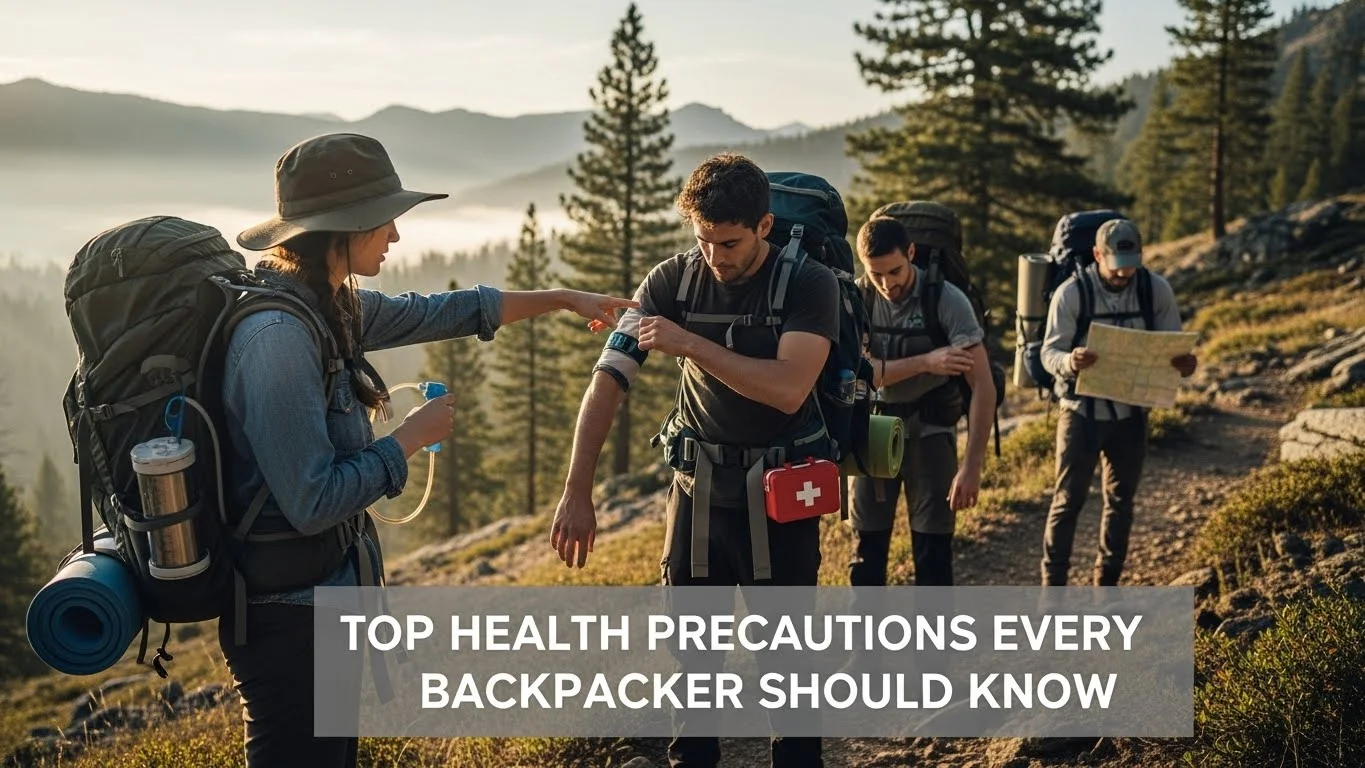
Top Health Precautions Every Backpacker Should Know

Backpacking can be one of the most exhilarating experiences, but it also comes with health risks. Understanding these risks and how to manage them is crucial for a safe and enjoyable adventure. Read Interesting article: Essential Health Precautions for Budget Backpackers Abroad
Top Health Precautions Every Backpacker Should Know

Understanding Backpacking Health Risks

When I first ventured into the world of backpacking, I was so excited about the landscapes, the freedom, and the thrill of exploring the unknown. However, I quickly realized that there are some important health risks that come with the territory. Understanding these risks can help us stay safe and make the most out of our trips. Let’s dive into the common health issues we might face and how different environments can affect our well-being.

Common Health Issues for Backpackers

As I began my backpacking journey, I learned that several health issues can arise on the trail. One of the most prevalent problems is dehydration. I remember my first hike; I underestimated how much water I would need. I ended up feeling dizzy and fatigued simply because I hadn’t hydrated properly. Now, I always carry plenty of water and a reliable way to purify more if needed.

Another common issue is blisters. Trust me when I say that those little spots can turn a dream hike into a nightmare. After my first long trek, I was left with painful blisters that made every step a reminder of my oversight. Proper footwear and blister prevention strategies, like using good-quality socks and blister pads, have become essential parts of my hiking routine.

Then there are the pesky insects. Mosquitoes, ticks, and other bugs can carry diseases that might ruin your trip. I’ve learned to apply insect repellent and wear protective clothing, especially in heavily wooded or marshy areas. There’s nothing worse than dealing with itchy bites or, worse, a tick-borne illness. To further protect yourself, stay safe with health tips for your next backpacking adventure.

Impact of Different Environments on Health

The environment we hike in can significantly impact our health. I’ve hiked in deserts, mountains, and forests, and each one presented its unique challenges. For instance, hiking at high altitudes can lead to altitude sickness, which I experienced during a trip to the Rockies. The headaches and nausea were no fun, and I had to slow down my pace to acclimatize. I learned to spend a day or two at higher elevations before tackling big climbs.

In contrast, hiking in hot, arid regions can expose us to heat exhaustion. I remember one particularly scorching day where I didn’t take enough breaks. I ended up feeling weak and nauseous, which reminded me that listening to our bodies is vital. Now, I make a point to rest often and seek shade when the sun is blazing.

Each environment also comes with its own set of wildlife encounters. In some areas, we have to be cautious about snakes or bears. I’ve had a few heart-pounding moments spotting wildlife but learned that being aware of my surroundings and understanding animal behavior can make a world of difference. When we know what to expect, we can better prepare ourselves and avoid potential dangers.

Essential Vaccinations and Health Checks

Before I head out on any trip, I make it a habit to check what vaccinations I might need. Depending on where I’m going, certain vaccinations can be crucial for my health and safety. For example, I once planned a backpacking trip to Southeast Asia and learned that vaccinations for diseases like hepatitis A and typhoid were recommended. It was a simple step that made me feel much safer about traveling.

Recommended Vaccinations Based on Destinations

Different regions have different health requirements, so it’s wise to do your research. I usually consult with a travel clinic or my doctor several weeks before a trip to get the latest recommendations. Some vaccines might require multiple doses, so the earlier I start this process, the better.

I’ve also discovered that some countries have specific health risks. For example, when traveling to areas known for yellow fever, proof of vaccination might be required upon entry. I always make sure to carry my vaccination record with me, just in case I need to show it. Keeping up with vaccinations not only protects me but also those I’m traveling with.

Importance of Regular Health Check-Ups

It’s not just about vaccinations; regular health check-ups are essential too. I’ve learned the hard way that staying on top of my health means I’m better prepared for any adventure. I schedule annual check-ups to ensure I’m in good shape before hitting the trails. This practice allows me to address any health issues early on and get advice on how to stay healthy during my travels.

In our world of backpacking, it’s easy to focus on the gear and the trails, but prioritizing our health is just as crucial. By understanding the health risks, getting necessary vaccinations, and maintaining regular check-ups, we can fully enjoy our adventures while staying safe. I hope these insights help you as much as they’ve helped me on my journeys!

Preparing a Backpacking Health Kit

As I’ve gained more experience in backpacking, I realized that being prepared for any health issue is part of the adventure. Having a well-stocked health kit can make a significant difference. I remember packing my first aid kit haphazardly, thinking I’d never need most of it. But after a few trips and some unexpected scrapes, I learned the importance of being ready for anything. Here’s what I’ve found essential for my backpacking health kit.

First Aid Essentials

When it comes to first aid, I like to keep it simple yet comprehensive. My first aid kit now includes adhesive bandages in various sizes, sterile gauze pads, and medical tape. I once had a small cut that turned into a painful reminder of my oversight because I didn’t have proper supplies to cover it. Having antiseptic wipes and antibiotic ointment on hand has helped me avoid infections during my trips.

Another crucial item is a pair of tweezers. I can’t tell you how many times I’ve had to pull out splinters or ticks after walking through dense brush. Having a good pair of tweezers not only helps with those pesky situations but also ensures I’m prepared for anything that might come my way. I also include scissors, especially for cutting gauze or tape easily.

Finally, I always pack a small, portable first-aid booklet. This guide has come in handy more than once when I needed to remember how to treat specific injuries or conditions. I recommend keeping it straightforward and easy to reference as it can be a lifesaver in a pinch.

Medications for Common Ailments

In addition to first-aid supplies, I’ve learned to carry various over-the-counter medications. I always pack pain relievers like ibuprofen or acetaminophen. These have saved me during long hikes when muscle fatigue and headaches kick in. I also bring antihistamines for allergies. I once encountered a patch of wildflowers that left me sneezing uncontrollably. Having a quick remedy made the rest of my hike much more enjoyable.

For stomach issues, I carry antacids and medications for diarrhea—something nobody wants to deal with while miles from civilization! I learned this the hard way after a questionable meal on one of my trips. Now, I make sure to have those meds on hand just in case. I also keep a small supply of any personal prescriptions and a list of dosages in my kit, ensuring I don’t forget anything important.

Hydration and Nutrition Supplies

Staying hydrated and nourished is essential for a successful backpacking trip, and I’ve found that including specific supplies in my health kit helps with this. I always carry an electrolyte powder or tablets to replenish minerals lost during a long hike. There have been times when I’ve felt drained and realized that my hydration was lacking, so now I mix these into my water regularly, especially on hot days.

Healthy snacks are also a must. I pack energy bars, nuts, and dried fruits for quick fuel during breaks. I remember a particularly grueling hike when I hit a wall due to low energy. Having a stash of nutritious snacks gave me the boost I needed to keep going. Now, I always make sure to have enough snacks to last me throughout the day.

Lastly, I ensure I have a lightweight, portable water filter or purification tablets in my kit. Clean water is vital, and I’ve seen firsthand how quickly dehydration can set in. Knowing I can safely drink from natural water sources puts my mind at ease while exploring the wilderness.

Staying Safe From Insects and Animals

As I’ve mentioned before, dealing with insects and wildlife is another critical aspect of staying healthy while backpacking. I’ve learned that being proactive about these encounters can go a long way in ensuring a safe and enjoyable trip. Let’s dive into how we can protect ourselves from insect bites and wildlife dangers.

Preventing Insect Bites and Diseases

Before heading out, I always apply insect repellent generously. I prefer products with DEET or natural alternatives, depending on the area I’m hiking in. There was one trip where I forgot my repellent and faced an onslaught of mosquitoes. It was an uncomfortable experience that taught me never to skimp on protection again.

Wearing long sleeves and pants is also a simple yet effective way to keep bugs at bay. I often choose light-colored clothing, as it’s less appealing to insects. It’s a small effort that makes a significant difference, especially in areas known for ticks. After my first tick encounter, I began doing regular checks on myself during hikes. I recommend doing a quick inspection whenever you take a break, as early detection can help prevent any health issues.

Wildlife Encounters: Dos and Don’ts

Wildlife encounters can be thrilling, but they also require caution. I’ve had my share of close calls with animals, and what I learned is that respect for their space is crucial. When I see wildlife, I always keep my distance and observe quietly. Feeding animals is a big no-no; it can alter their behavior and make them dependent on humans, which can lead to dangerous situations.

In areas known for bears or other large animals, I ensure that I carry bear spray and know how to use it properly. On one trip, I attended a safety briefing about bear encounters, which opened my eyes to the importance of being prepared. I also make it a habit to store food securely and away from my campsite, minimizing any potential attraction.

Overall, understanding how to protect myself from insects and wildlife has made my backpacking experiences much more enjoyable. With the right knowledge and preparation, I feel more confident in exploring the great outdoors.

Food and Water Safety Tips

Food and water safety are two essential aspects that I’ve learned to prioritize while backpacking. It’s amazing how a single meal or sip of water can impact our entire trip. From my experience, I’ve found that being cautious about what I eat and drink can prevent a lot of discomfort and health issues. Let’s explore how we can stay safe in this regard.

Avoiding Foodborne Illnesses

When I first started backpacking, I often packed whatever was easy to grab without considering food safety. However, I quickly realized that foodborne illnesses can ruin a trip in a heartbeat. I remember one hike where I didn’t store my food properly, and by the time I ate, I could tell something was off. It was a lesson learned the hard way.

Now, I take several precautions to keep my food safe. First, I always use insulated containers to keep perishable items cool, especially during warm weather. I opt for vacuum-sealed meals or freeze-dried foods that have a longer shelf life and don’t require refrigeration. This way, I minimize the risk of spoilage. I also make it a point to check expiration dates before heading out.

Another key practice I’ve adopted is to cook food thoroughly. I’ve learned that undercooked meat can be a potential source of foodborne illness. Using a portable stove, I ensure that everything is cooked to the right temperature, giving me peace of mind as I eat. And when it comes to leftovers, I avoid keeping them for more than a day, as tempting as it can be to save food.

Lastly, I try to stay organized. I keep my food in separate bags to avoid cross-contamination, especially when packing raw food. I learned this after a trip where I mixed my snacks with raw ingredients, which led to a minor scare. Now, I use designated containers and bags, making it easier to grab what I need without any worries.

Water Purification Methods

Clean water is crucial when we’re on the trail, and I’ve found that knowing how to purify water can make a world of difference. I remember my first backpacking trip when I relied on streams without treating the water. I didn’t get sick, but the thought of what could have happened stuck with me.

I now carry a portable water filter that removes bacteria and protozoa from natural water sources. It’s lightweight and easy to use, which is a huge plus. I learned to fill my water bottles as soon as I find a clean source, ensuring I have enough for the hike ahead. It’s also essential to avoid collecting water from stagnant pools, as they are more likely to harbor harmful organisms.

Besides filters, I also keep purification tablets in my kit. They’re handy for situations where filtering isn’t practical. I remember a time when I was hiking in a remote area and couldn’t access my filter. The tablets saved the day, allowing me to treat the water efficiently. Just a little patience while waiting for the treatment to work goes a long way in keeping me hydrated safely.

Lastly, I always try to plan my routes around available water sources. I’ve learned that knowing where to refill can prevent dehydration and help me avoid carrying too much water at once. I recommend checking maps and apps for water sources before heading out, as it makes for a smoother journey.

Travel Insurance and Emergency Plans

Travel insurance and having a solid emergency plan are two aspects that I can’t stress enough. Backpacking can be unpredictable, and having that safety net makes all the difference. During my early trips, I didn’t think much about insurance, but after a few close calls, I changed my perspective entirely.

Choosing the Right Travel Insurance

When I started researching travel insurance, I found that not all policies are created equal. I now look for coverage that specifically includes emergency medical care and evacuation, especially for remote areas. I remember a friend who had a minor injury during a trip and realized their insurance didn’t cover outdoor activities. It was a wake-up call for all of us.

I typically choose a plan that covers trip cancellations, lost luggage, and personal liability, as these can be lifesavers in unexpected situations. I also make sure to read the fine print and understand any exclusions. It’s a bit tedious, but it’s worth it for peace of mind while adventuring.

Additionally, I’ve learned to carry a copy of my insurance policy details with me on the trail. It’s often not something we think about, but having that information readily available can streamline any emergency situation.

Creating an Emergency Contact Plan

Creating an emergency contact plan has been another vital step in my backpacking preparations. I make sure to share my itinerary with a trusted friend or family member. I remember one hike where I didn’t mention my route, and it made my loved ones anxious when they didn’t hear from me on schedule.

Now, I also establish check-in points. I’ll let my contact know when I expect to reach certain locations and when to raise the alarm if they don’t hear from me. Having a map of my route, including alternate trails, is also part of my strategy. It’s reassuring to know that someone is looking out for me while I’m out exploring.

Furthermore, I keep important emergency numbers saved in my phone and written down in my health kit. This way, I can quickly reach out for help if needed. Being prepared has made my backpacking experiences far less stressful, allowing me to focus on enjoying nature while knowing I have a plan in place.

Frequently Asked Questions

What are some common health issues backpackers face?

Common health issues for backpackers include dehydration, blisters, and insect bites. Dehydration can lead to dizziness and fatigue, while blisters can cause significant discomfort. Insects, such as mosquitoes and ticks, can carry diseases that may ruin a trip.

How can I prevent dehydration while backpacking?

To prevent dehydration, always carry plenty of water and a reliable way to purify more if needed. It’s important to hydrate regularly, especially during long hikes or in hot weather.

What should I include in my backpacking health kit?

Your backpacking health kit should include first aid essentials like adhesive bandages, sterile gauze pads, antiseptic wipes, and antibiotic ointment. Additionally, carry over-the-counter medications for pain, allergies, and stomach issues, as well as hydration supplies like electrolyte powders.

What vaccinations should I consider before going backpacking?

Vaccinations depend on your destination. It’s wise to consult with a travel clinic or doctor several weeks before your trip. Common vaccines for certain regions include those for hepatitis A, typhoid, and yellow fever.

How can I protect myself from insects while backpacking?

To protect yourself from insects, apply insect repellent generously, wear long sleeves and pants, and conduct regular checks for ticks. Choosing light-colored clothing can also help deter bugs.

What are some food safety tips when backpacking?

To ensure food safety, use insulated containers for perishable items, cook food thoroughly, and avoid cross-contamination by packing food in separate bags. Check expiration dates and store food properly to prevent spoilage.

What methods can I use to purify water while hiking?

You can purify water using a portable water filter that removes bacteria and protozoa or by using purification tablets. Avoid collecting water from stagnant pools and try to fill your water bottles at clean sources.

Why is travel insurance important for backpackers?

Travel insurance is important as it provides coverage for emergency medical care, evacuation, trip cancellations, lost luggage, and personal liability. It offers peace of mind, especially in remote areas where accidents can happen.

How can I create an emergency contact plan while backpacking?

Create an emergency contact plan by sharing your itinerary with a trusted friend or family member. Establish check-in points and keep important emergency numbers saved in your phone and written down in your health kit.

What are some signs of altitude sickness to watch for while hiking at high altitudes?

Signs of altitude sickness include headaches and nausea. To acclimatize, it’s advisable to spend a day or two at higher elevations before tackling significant climbs.

Read Interesting article: Top Family Travel Safety Tips for Budget Backpackers
Stay Safe: Health Tips for Your Next Backpacking Adventure

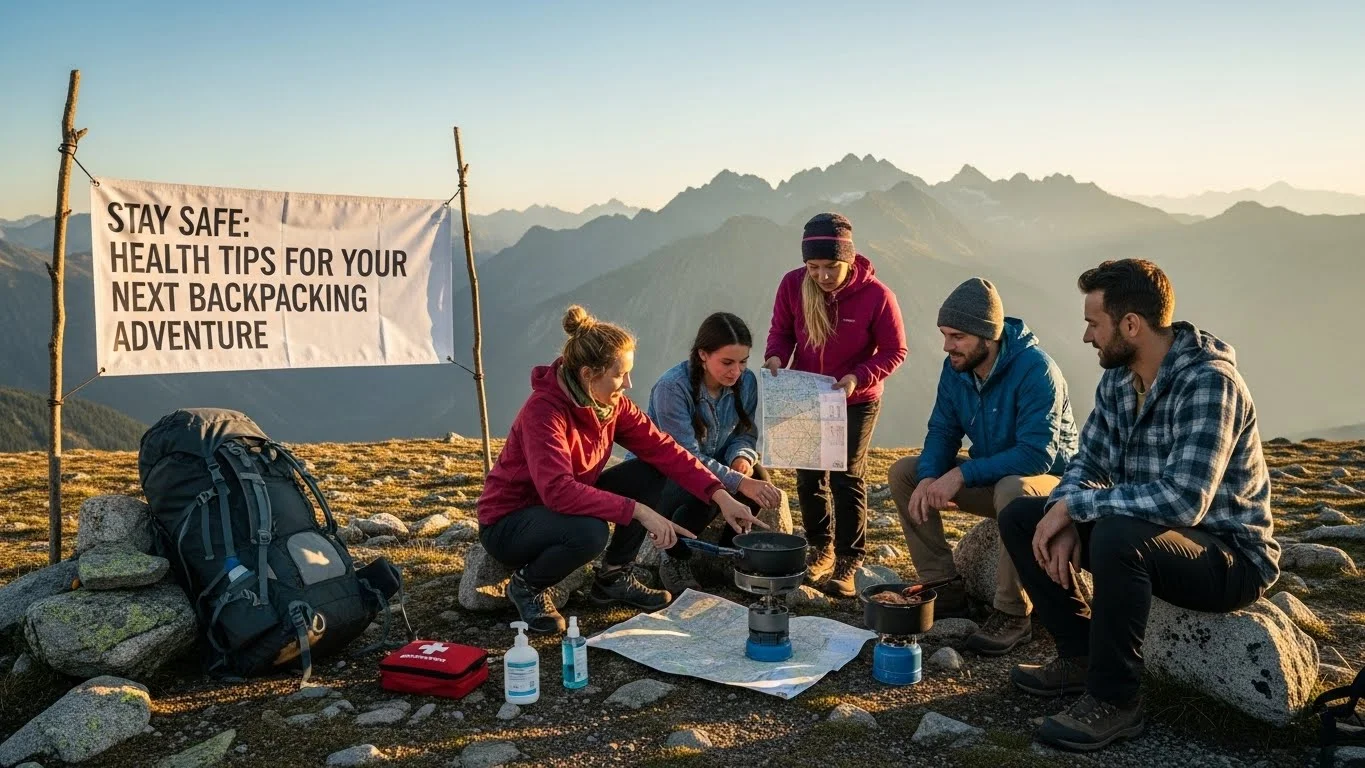
Backpacking can be one of the most thrilling adventures, but it also comes with its share of risks. To ensure your journey is both fun and safe, I’ve gathered some essential health tips to keep in mind as you prepare for your next expedition. Read Interesting article: Essential Health Precautions for Budget Backpackers Abroad

Stay Safe: Health Tips for Your Next Backpacking Adventure

Preparing for Your Backpacking Adventure

As I prepare for a backpacking trip, I often find that the excitement of exploring new territories can overshadow the need for proper preparation. This is where I learned the importance of gathering the right gear and understanding what I need for a safe adventure. I believe that preparation is the foundation of a successful trip, and it all starts with the right equipment.

Essential Gear for Safety

When it comes to backpacking, safety gear is non-negotiable. I remember my first trip, where I underestimated the importance of gear. After that experience, I made it a point to prioritize the essentials.

  • First Aid Kit: A well-stocked first aid kit should be at the top of your list. Include band-aids, antiseptic wipes, gauze, adhesive tape, pain relievers, and any personal medications. I once had a friend trip and fall while hiking, and having a first aid kit on hand was a lifesaver.
  • Fire Starter: Whether it’s matches, a lighter, or a fire starter kit, being able to make a fire is crucial for warmth and cooking. I often carry a flint striker as it’s reliable even in wet conditions.
  • Multi-Tool: A good multi-tool can serve various purposes, from preparing food to making repairs. I use mine more than I expected!
  • Headlamp or Flashlight: Good visibility at night can prevent accidents. I always carry extra batteries because you never know when you’ll need them.
  • Emergency Blanket: These lightweight blankets can retain body heat in case of unexpected weather changes or emergencies. I’ve never had to use mine, but it gives me peace of mind.

Choosing the Right Backpack

The backpack is your home away from home on the trail. Picking the right one can make or break your experience. I remember when I chose my first backpack based solely on its looks, only to find it uncomfortable during long hikes. I learned to prioritize comfort and functionality over style.

  • Size and Capacity: Consider how long your trip will be. A day hike requires a smaller pack, while multi-day trips need larger capacities. I usually opt for a 60-70 liter backpack for extended trips.
  • Fit: Make sure the backpack fits well on your torso. A bad fit can lead to discomfort and pain. I recommend trying it on and adjusting the straps before hitting the trail.
  • Accessibility: Look for pockets and compartments that allow you to easily access water, snacks, and gear. I love having side pockets for my water bottles; it keeps me hydrated without digging through my bag.

First Aid Kit Essentials

Building a first aid kit is one of those things I wish I had taken more seriously earlier on. Having the right supplies can make a world of difference in an emergency. Here’s what I include in my kit:

  • Antiseptic wipes and spray
  • Elastic bandages and splints
  • A variety of adhesive bandages in different sizes
  • Burn cream and insect bite relief
  • Personal medications and a copy of prescriptions

Over the years, I’ve learned that it’s not just about having the kit, but knowing how to use the items inside. I recommend taking a basic first aid course or watching tutorials. It’s empowering to know I can help myself or others in a tight spot.

Health Tips Before You Go

Preparing for a backpacking trip isn’t just about gear; it’s also about ensuring our health is in check before we hit the trails. I’ve been guilty of rushing this part in the past, but I found that taking the time to get my health in order makes a significant difference.

Vaccinations and Medications

Before heading out, I always check if any vaccinations are recommended for my destination. Some areas might require specific shots, like tetanus or even more specialized ones depending on the region. I remember a trip where I didn’t check, and I ended up feeling anxious the whole time. It’s better to be safe than sorry!

Physical Fitness and Training

Physical fitness can greatly affect my backpacking experience. I tend to start training at least a month before my trip, focusing on building strength and endurance. I try to incorporate hiking, running, and even some strength training into my routine. It’s important to listen to my body and gradually increase the intensity. After all, no one wants to feel exhausted on the first day of a long hike.

Nutrition and Hydration Preparation

Keeping my body fueled is crucial. I pay attention to my nutrition in the weeks leading up to my trip, focusing on balanced meals. I also make sure to hydrate well beforehand. It’s surprising how often I forget to drink enough water! I’ve learned that being well-hydrated can significantly boost my energy levels on the trail. Read Interesting article: Essential Safety Tips for Family Backpacking Adventures

As I embark on each adventure, I find that these preparations not only keep me safe but also enhance my overall experience. I hope you find these tips helpful as you plan your next backpacking journey!

Staying Safe While Backpacking

When I hit the trails, one of my top priorities is staying safe. Backpacking is an incredible way to connect with nature, but it also requires awareness and caution. Over the years, I’ve experienced firsthand the importance of being prepared for whatever might come my way. Here are some strategies I’ve found helpful in ensuring my safety while backpacking.

Understanding Your Destination

Before embarking on any trip, I always research my destination. Each location has its own unique challenges and features. I remember a time when I hiked in a national park without checking the terrain beforehand. I was unprepared for the steep inclines and rocky paths. Now, I make it a point to familiarize myself with the area’s geography, climate, and wildlife. This knowledge helps me pack appropriately and set realistic expectations for my adventure. I also check for any local guidelines or regulations that might affect my trip.

Choosing Safe Trails and Campsites

Picking safe trails and campsites is crucial for a worry-free backpacking experience. I always opt for well-marked trails and established campsites. There’s comfort in knowing that I’m not wandering into uncharted territory. I also consult local maps and apps that provide information on trail conditions. On one occasion, I ended up on a less-traveled path that led to a dead end. It was an eye-opener for me. Nowadays, I pay attention to trail ratings and read reviews from fellow hikers. This practice helps me gauge the difficulty level and ensure I choose paths suited to my experience and fitness level.

When selecting a campsite, I look for flat ground away from water sources, as this can help prevent flooding and keep me safe from wildlife. I also pay attention to the wind direction and try to set up my tent in a sheltered spot to avoid strong gusts. I’ve learned that a little extra care in choosing my site can make a significant difference in my comfort and safety.

Traveling in Groups vs. Solo

I’ve dabbled in both solo and group backpacking trips, and each has its own advantages and challenges. Traveling with a group can enhance safety, as there’s strength in numbers. It’s comforting to have fellow adventurers around to share the experience with and to help in emergencies. I recall a trip where one of my friends sprained her ankle. Having a group meant we could support her and make the necessary adjustments to our plans. Together, we helped her back to the trailhead safely.

On the other hand, solo hiking can be incredibly rewarding and freeing. I appreciate the solitude and the opportunity to connect deeply with nature. However, it requires heightened awareness and preparation. When I hike alone, I make sure to share my itinerary with someone who isn’t going with me. It’s essential to keep someone informed of my plans and expected return time. I also carry a reliable map and compass instead of relying solely on my phone, as reception can be spotty in remote areas. Taking these precautions gives me peace of mind while I enjoy my solo adventures.

Personal Safety Measures

Wildlife Awareness and Interactions

Encountering wildlife is one of the thrilling aspects of backpacking, but it can also be dangerous if not handled properly. I’ve learned to respect wildlife and keep a safe distance. Before each trip, I research the animals I might encounter in the area, such as bears, snakes, or moose. Knowing their behaviors and how to react can be life-saving. For instance, I always carry bear spray in bear country, and I’ve practiced how to use it effectively. I once witnessed a bear rummaging through a campsite while I was hiking, and I was grateful to feel prepared and knowledgeable about what to do in that situation.

Emergency Communication Tools

In the wilderness, staying connected can be challenging, but I never underestimate the importance of communication tools. I always carry a whistle, which can be vital in signaling for help if I get lost or injured. Additionally, I’ve invested in a satellite communicator, which allows me to send messages or alerts even when there’s no cell service. It’s a comforting thought knowing I can reach out for help if needed. I always keep these tools within reach, ensuring I can access them quickly in case of an emergency.

Navigation Skills and Tools

Having solid navigation skills is a game-changer for my backpacking adventures. I’ve encountered plenty of trails that can be confusing, especially when the paths aren’t well-marked. I make it a habit to carry a physical map and a compass, as technology can sometimes fail. I remember getting turned around in dense woods once, and it was a learning moment for me. I took the time to learn basic navigation skills, including how to read a topographic map and use a compass effectively. This knowledge gives me confidence on the trail, and I highly recommend practicing these skills before heading out.

Managing Health on the Trail

Once I’m on the trail, staying healthy is just as important as the preparations I made beforehand. I’ve learned that managing my health during the hike can make all the difference in enjoying my adventure. Here’s what I do to stay in top shape while backpacking.

Dealing with Altitude Sickness

As I’ve ascended to higher elevations, I’ve encountered altitude sickness firsthand. It’s no joke! I remember feeling dizzy and nauseous on my first high-altitude hike, and it put a damper on what should have been a breathtaking experience. To mitigate the risk, I’ve learned to ascend gradually. Whenever I can, I try to spend a day acclimatizing at a higher elevation before pushing further up. Staying hydrated is also vital, as dehydration can worsen symptoms. I always carry electrolyte tablets to add to my water, giving me that extra boost. If I feel symptoms creeping in, I make sure to descend to a lower altitude immediately. Listening to my body has become an essential part of my hiking routine.

Preventing and Treating Injuries

Injuries can happen to anyone, even the most prepared adventurers. I’ve had my share of scrapes and bruises over the years, and it taught me the importance of being proactive. To prevent injuries, I pay close attention to my footing and always warm up before embarking on a hike. Stretching has become a part of my pre-hike ritual, especially for my legs and back. I also invest in quality footwear, as proper hiking boots or shoes can make a significant difference. They provide the support I need on uneven terrain.

In case injuries occur, I always carry a few items in my first aid kit specifically for treatment: elastic bandages for sprains, blister pads, and pain relief options. If I twist my ankle or develop a blister, I know I can manage it quickly. I find that taking a moment to rest and apply treatment helps me bounce back faster, keeping my spirits high on the trail.

Staying Hydrated in Various Conditions

Hydration is crucial during any hike, but I’ve learned that it’s not just about drinking water. The weather and my activity level can greatly affect how much I need. In hotter conditions, I find myself sweating more, so I increase my water intake. I also keep an eye on the color of my urine; it’s a simple way to gauge my hydration levels. If I notice it getting dark, it’s a clear sign I need to drink more.

In colder weather, I might not feel as thirsty, but I still need to stay hydrated. I often use insulated water bottles to keep my water from freezing, and I make sure to sip regularly. I also enjoy herbal teas or warm soups during breaks; they not only hydrate but also provide comfort and warmth. I’ve realized that staying aware of my hydration needs in various conditions makes my hikes much more enjoyable.

Food Safety While Backpacking

Food safety is another aspect I take seriously while backpacking. I love the challenge of cooking meals outdoors, but I’ve learned the hard way that improper food handling can lead to discomfort. Here are some strategies I follow to ensure I enjoy safe and delicious meals.

Choosing Safe Foods to Pack

While planning my meals, I prioritize non-perishable items and those that are easy to prepare. I often lean towards freeze-dried meals and packaged snacks because they have a long shelf life and require minimal preparation. I also make sure to pack foods that provide a good balance of carbohydrates, proteins, and fats—like nuts, dried fruits, and energy bars. I remember one trip when I packed fresh fruits, thinking they would be refreshing, but they ended up bruised and mushy by day two. Now, I stick to sturdier options that can withstand the rigors of my pack.

Cooking and Food Storage Tips

When it comes to cooking, I’ve discovered that cleanliness is key. I always rinse my hands and utensils before preparing food, even if it’s just with a bit of water. I usually pack a small sponge and biodegradable soap to wash my stove and pots after each meal. Keeping my cooking area clean helps minimize the risk of attracting unwanted wildlife, which I’ve learned can be a real concern. I also store my food in sealed, odor-proof containers to keep it fresh and secure.

For storage, I hang my food in a bear bag or use a bear-proof canister if I’m in bear country. This step is crucial, as I’ve heard stories of campers losing all their food to curious animals. Knowing my food is secured not only protects my meals but also gives me peace of mind while I sleep at night.

Frequently Asked Questions

What is the most important item to include in a first aid kit for backpacking?

A well-stocked first aid kit should include band-aids, antiseptic wipes, gauze, adhesive tape, pain relievers, and any personal medications.

How can I ensure my backpack fits properly?

Make sure the backpack fits well on your torso and adjust the straps before hitting the trail to avoid discomfort and pain.

What should I do to prepare my health before a backpacking trip?

Check if any vaccinations are recommended for your destination, focus on building physical fitness, and ensure proper nutrition and hydration in the weeks leading up to your trip.

What safety measures should I take regarding wildlife while backpacking?

Research the animals you might encounter, keep a safe distance, and carry bear spray if in bear country. Knowing how to react to wildlife can be life-saving.

What navigation tools should I carry while backpacking?

Always carry a physical map and a compass, as technology can fail. Learning basic navigation skills is essential for safe hiking.

How can I prevent altitude sickness while hiking?

Ascend gradually, spend a day acclimatizing at a higher elevation, stay hydrated, and carry electrolyte tablets to mitigate symptoms.

What types of foods should I pack for a backpacking trip?

Prioritize non-perishable items, freeze-dried meals, and packaged snacks that are easy to prepare and have a long shelf life.

What should I do to ensure food safety while cooking outdoors?

Rinse your hands and utensils before preparing food, keep your cooking area clean, and store food in sealed, odor-proof containers to minimize wildlife attraction.

Is it better to travel in a group or solo while backpacking?

Traveling in a group can enhance safety, while solo hiking offers freedom. Each has its advantages and requires different levels of preparation and awareness.

How can I manage hydration on the trail?

Increase water intake in hot conditions, monitor the color of your urine to gauge hydration levels, and use insulated water bottles in cold weather to keep water from freezing.

In addition, I recommend checking out Read Interesting article: Top Family Travel Safety Tips for Budget Backpackers for more insights on keeping your family safe while enjoying the great outdoors.
Essential Health Precautions for Budget Backpackers Abroad

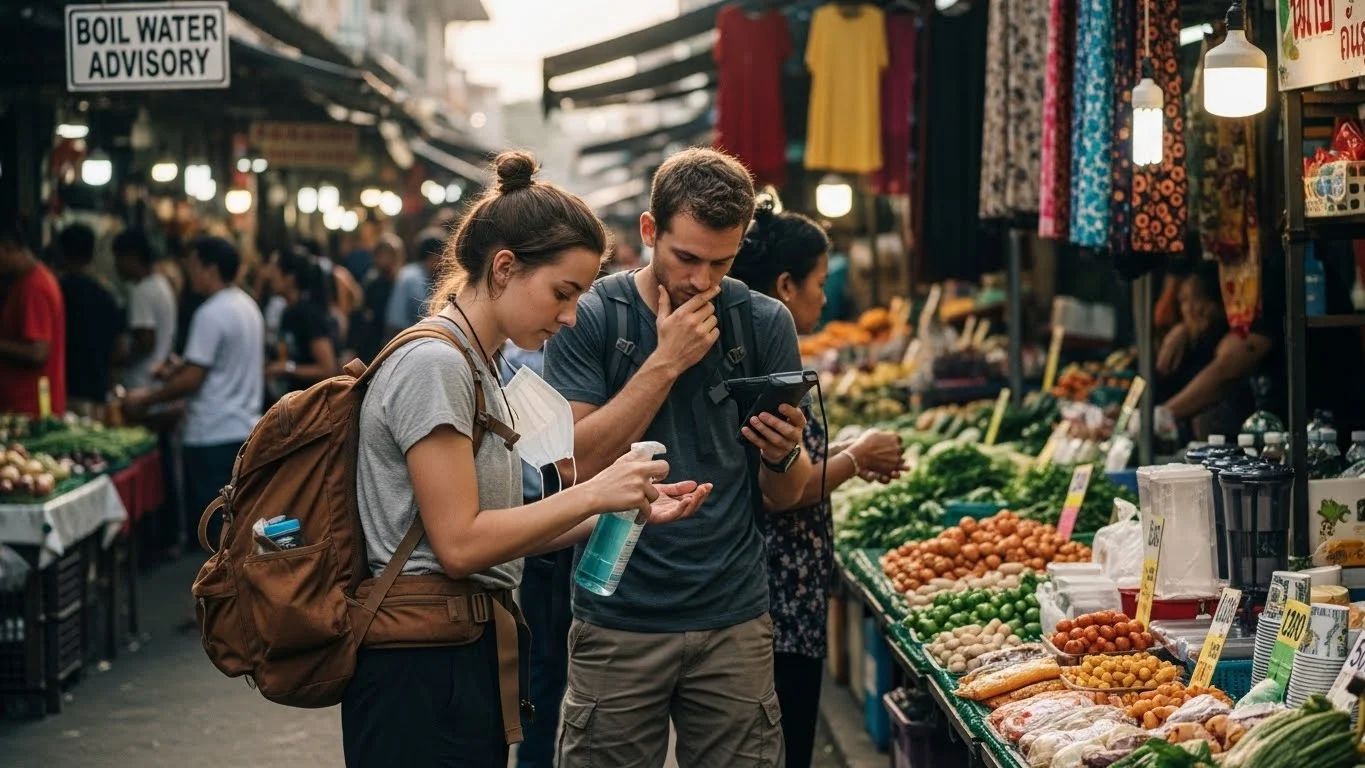
Traveling abroad on a budget can be exhilarating, but it also comes with its own set of health challenges. Let’s explore some essential precautions to help you stay safe and healthy while backpacking around the globe. Read Interesting article: Top Family Travel Safety Tips for Budget Backpackers
Essential Health Precautions for Budget Backpackers Abroad

Understanding Health Risks While Traveling

When I embarked on my first backpacking adventure, I quickly learned how vital it is to understand the health risks that come with traveling. Each destination has its unique challenges, and being prepared is essential. I felt a mix of excitement and anxiety as I researched and planned for potential health issues. Here’s what I discovered during my travels.

Common Health Issues for Backpackers

As a backpacker, you may encounter various health issues, especially if you’re venturing off the beaten path. I remember getting a mild stomach bug in Southeast Asia, which reminded me that our bodies react differently to new environments. Some common health problems I’ve seen among backpackers include:

  • Gastrointestinal Issues: It’s not uncommon to experience food poisoning or traveler’s diarrhea. I learned to be cautious about street food and opted for restaurants that looked clean and busy.
  • Respiratory Infections: Staying in hostels or crowded areas increases the risk of catching colds or flu. During my travels, I always kept hand sanitizer handy and tried to avoid close contact with sick travelers.
  • Allergies: New places mean new allergens. I often pack my allergy medications just in case, especially when I encounter unfamiliar plants or foods.

Regional Health Concerns

Every region has its specific health concerns. I remember researching which diseases to be aware of before heading to Africa. In some areas, diseases like malaria and yellow fever are prevalent. Here are a few regional health concerns to consider:

  • Malaria: This mosquito-borne illness is a significant risk in tropical and subtropical regions. I decided to pack mosquito repellent and wear long sleeves when trekking through jungles.
  • Dengue Fever: Also transmitted by mosquitoes, dengue is another risk in tropical areas. I learned to stay in accommodations with screens or air conditioning.
  • Zika Virus: While this may not affect everyone, it’s crucial for pregnant travelers to be aware of this virus in certain regions. I made sure to check travel advisories for updates.

Travel Insurance: Why It’s Essential

One of the best decisions I made was to invest in travel insurance. It may seem like an extra expense, but it’s a lifesaver if you face unexpected health issues. I once fell ill in a remote area and had to visit a local clinic. Thankfully, my insurance covered the costs, allowing me to focus on recovery instead of worrying about bills. Here’s why I believe travel insurance is essential:

  • Medical Emergencies: If you need to see a doctor or get emergency care, insurance can save you from hefty out-of-pocket expenses.
  • Evacuation Costs: In some cases, you might need to be evacuated to a better medical facility. Insurance can cover those high costs.
  • Peace of Mind: Knowing you’re covered helps you relax and enjoy your trip without constantly worrying about potential health issues.

In my experience, having travel insurance was a game-changer. I felt reassured knowing I had a safety net if something went wrong. Before heading out, I always recommend checking different plans to find one that fits your needs and budget.

Preparing for health risks while traveling isn’t just about packing the right medications or knowing the regional concerns. It’s about being proactive and aware of what you might face on the road. As I continued my backpacking journey, I realized the importance of understanding these risks, which allowed me to enjoy my adventures fully and safely. In the next section, we’ll delve into the essential vaccinations and medications you should consider before hitting the road.

Essential Vaccinations and Medications

When I began to prepare for my travels, one of the first things I did was look into the necessary vaccinations and medications I might need. It’s easy to overlook this aspect in the excitement of planning adventures, but I quickly realized that staying healthy while traveling abroad starts with being properly vaccinated. I felt a sense of responsibility, not just for my own health but also for those I would encounter on my journey.

Recommended Vaccinations by Region

Different regions have different health risks, and getting the right vaccinations can protect you from serious diseases. I remember going through a long list of vaccinations before my trip to South America. Here’s a rundown of some recommended vaccinations based on various regions:

  • Hepatitis A and B: These vaccines are essential if you’re traveling to many parts of Africa, Asia, or Latin America. I got both shots because I wanted to enjoy local food and drinks without worrying too much.
  • Typhoid: This vaccination is particularly important for traveling in areas with poor sanitation. I decided to get vaccinated before heading to India, where I knew I’d be exploring local street food.
  • Yellow Fever: Required for certain African and South American countries, this shot is crucial if you plan to visit jungle areas. I vividly remember the feeling of relief after receiving this vaccination; it made me feel more prepared for my journey.
  • Rabies: If you’ll be spending time around animals or in remote areas, consider getting the rabies vaccine. I opted for it before my trip to Southeast Asia, just to be safe.

Before traveling, I recommend consulting with a healthcare professional who can help assess your vaccination needs based on your itinerary and personal health history. It’s always better to be safe than sorry.

Over-the-Counter Medications to Pack

Aside from vaccinations, I found it incredibly helpful to pack a small pharmacy of over-the-counter medications. You never know when a headache, allergy attack, or digestive issue might strike. Here’s what I usually take with me:

  • Pain Relievers: I never travel without ibuprofen or acetaminophen. They’ve been lifesavers for headaches or muscle aches after a long day of trekking.
  • Antihistamines: Allergies can flare up unexpectedly, especially in new environments. I always carry some antihistamines to ward off any allergic reactions.
  • Anti-diarrheal Medication: Since stomach issues can pop up while traveling, I recommend bringing something like loperamide. I learned this the hard way when I encountered street food that didn’t agree with me!
  • Cold and Flu Medications: A convenient pack of cold medicine can help ease the symptoms if you catch something while on the road. I always kept some in my bag for those moments when I felt under the weather.

Before my travels, I also made a checklist of these medications to ensure I didn’t forget anything essential. It’s a small effort that can lead to a more comfortable trip.

Prescription Medications: What You Need

If you’re on any prescription medications, it’s crucial to plan ahead. I learned to carry enough medication for my entire journey, along with copies of my prescriptions. This way, I wouldn’t face any problems if I needed a refill or if I lost my medication. Here are some tips to keep in mind:

  • Consult Your Doctor: Before leaving, I spoke with my physician about my travel plans to ensure I had adequate supplies. They also provided advice on how to store my medications while abroad.
  • Keep Medications in Their Original Containers: This helps avoid any confusion at customs and ensures you have the necessary information if you need medical assistance.
  • Research Local Availability: In some countries, certain medications might not be readily available. I found it useful to check if my prescriptions could be filled abroad, just in case.

Taking these steps helped me feel more secure during my travels, knowing I had everything I needed. The peace of mind that came from being well-prepared allowed me to focus on enjoying my adventures rather than worrying about potential health setbacks.

As I continued my journey, I remembered that health risks don’t end with vaccinations and medications. There’s a whole other aspect to staying healthy while on the road, especially when it comes to food and water safety. Let’s explore that next!

Food and Water Safety

One of the most vital aspects of staying healthy while traveling is being cautious about what we eat and drink. I learned this lesson the hard way after a nasty bout of food poisoning in a bustling market. Since then, I’ve been diligent about food and water safety, and I want to share some strategies that have helped me navigate these challenges while backpacking. Read Interesting article: Essential Safety Tips for Solo Backpackers on a Budget

How to Avoid Foodborne Illnesses

Foodborne illnesses can quickly ruin a trip, and I’ve seen it happen to fellow travelers. To avoid tasting the bitter flavor of sickness, I’ve developed some habits that keep me safe while still enjoying local cuisine:

  • Choose Cooked Foods: Whenever possible, I opt for freshly cooked meals. I remember enjoying steaming dumplings in China, feeling reassured that they were cooked right before my eyes. This way, I know the food is hot and less likely to harbor harmful bacteria.
  • Avoid Raw Foods: While salads and fresh fruits can be tempting, I learned to be cautious. I often stick to fruits I can peel myself, like bananas or oranges, which I feel safer consuming. Eating at places with a steady stream of customers also tends to indicate freshness.
  • Watch for Food Hygiene: If a food stall looks dirty or uncared for, I steer clear. I’ve found that places that maintain cleanliness and have a visible food preparation area tend to serve safer meals. Trust your gut; if something feels off, it’s okay to walk away.

Safe Drinking Water Practices

Drinking water safety is just as crucial as food safety. I can’t stress enough how important it is to stay hydrated, but I’ve learned the hard way that not all water is created equal. Here’s what I do to stay safe:

  • Drink Bottled Water: Whenever I’m in an area with questionable water quality, I always opt for bottled water. I make sure the seal is intact before purchasing, as I once bought a bottle that had been refilled, and it was a mistake I won’t make again.
  • Use Water Purification Tablets: For those times when bottled water isn’t available, I carry water purification tablets with me. They’re lightweight and easy to use, which has come in handy on treks where clean water sources were scarce.
  • Filter Water with a Straw: I’ve discovered portable water filters that allow me to drink directly from lakes or streams. This has been a game-changer during hikes, giving me peace of mind knowing I can stay hydrated without taking unnecessary risks.

Local Cuisine: What to Try and What to Avoid

Exploring local cuisine is one of the highlights of traveling for me. I love trying new dishes and flavors, but I’ve developed a keen eye for what to sample and what to skip:

  • Street Food: While street food can be delicious and offers a genuine taste of local culture, I’ve learned to choose wisely. I often look for vendors with long lines, as this usually means the food is fresh and popular. I remember savoring spicy tacos from a bustling cart in Mexico City, and it was an unforgettable experience.
  • Avoid Unfamiliar Dishes: If I see something on the menu that looks too exotic or unusual, I usually play it safe and opt for something I recognize. I once tried a dish I couldn’t identify, and let’s just say it didn’t end well.
  • Trust Your Instincts: If a place feels off, I’ve learned to trust my instincts. There are times when I’ve walked into a restaurant and just felt uneasy. Walking away has saved me from potential health issues more than once.

By being mindful of food and water safety, I can enjoy my travels without the fear of falling ill. It’s all about making informed choices and being proactive about what I consume. I feel more empowered when I know I’m taking steps to protect myself, and it allows me to focus on the adventure ahead.

Next, let’s discuss another crucial aspect of staying healthy on the road: personal hygiene and sanitation. This can make a big difference in our overall well-being while traveling!

Personal Hygiene and Sanitation

When I think back on my travels, one of the greatest lessons I learned was the importance of personal hygiene and sanitation. Staying clean can make a big difference in how we feel while on the road. I remember a time in a remote village where I had to rely on my own resources to maintain hygiene, and it was an eye-opener. Here are some practices that helped me stay healthy while traveling.

Hand Washing Techniques

Hand washing is something we often take for granted at home, but it becomes crucial when traveling. I discovered that the simple act of washing my hands can prevent a slew of illnesses. Here’s what I recommend:

  • Wash Hands Regularly: I made it a habit to wash my hands before eating and after using the restroom. I found that using soap and water for at least 20 seconds was the best way to ensure cleanliness. Singing a little song in my head while washing helped me keep track of the time!
  • Use Hand Sanitizer: When soap and water weren’t available, I always carried a small bottle of hand sanitizer. I preferred one with at least 60% alcohol content. It became my go-to after handling money or using public transport.
  • Be Mindful of Touching Your Face: I learned to consciously avoid touching my face, especially my eyes, nose, and mouth, unless my hands were clean. This small act helped prevent germs from entering my body.

Using Public Restrooms Safely

Public restrooms can be a bit daunting, especially in certain countries where hygiene standards may vary. I’ve had my share of interesting bathroom experiences, but I always kept a few tips in mind:

  • Bring Your Own Supplies: I typically carried toilet paper, wet wipes, and hand sanitizer in my bag. Some places might not provide these essentials, and having them on hand made me feel more comfortable.
  • Avoid Touching Surfaces: Whenever possible, I used my foot to flush or my elbow to open the door. It might seem a bit odd, but it helped minimize contact with potentially dirty surfaces.
  • Choose Busy Locations: I often looked for restrooms in busy restaurants or tourist areas. They usually had better maintenance and cleanliness standards than those in less frequented spots.

Dealing with Insects and Parasites

Insects and parasites can be a significant concern when traveling, especially in tropical areas. I learned some tricks to keep myself protected while still enjoying the beautiful outdoors:

  • Use Insect Repellent: I never left home without a good insect repellent. Choosing one with DEET or natural alternatives helped me avoid pesky bites, especially when hiking or camping.
  • Wear Protective Clothing: Long sleeves and pants became my best friends in areas with high insect activity. I found lightweight, breathable fabrics that kept me cool while providing protection.
  • Check for Ticks: After hiking, I always checked my body for ticks. They can carry diseases, so being proactive about inspections helped me stay healthy.

Staying Active and Fit While Traveling

Staying healthy isn’t just about avoiding illness; it’s also about maintaining physical and mental health. I realized early on that incorporating physical activity into my travels improved my mood and energy levels. Here’s how I stayed fit while exploring new places:

Exercise Tips for Backpackers

I found that even simple activities could keep me active during my travels:

  • Walk or Bike: Instead of taking public transportation everywhere, I made it a point to walk or rent a bike. This allowed me to explore at my own pace while getting some exercise.
  • Use Hotel Gyms: Whenever I stayed in accommodations with a gym, I made it a point to squeeze in a workout. Even a quick 30-minute session helped me feel recharged.
  • Join Local Fitness Classes: I loved joining a local yoga or dance class. It was a fun way to meet new people while staying active. Plus, I got to experience local culture in a unique way.

Maintaining Mental Health on the Road

Traveling can be overwhelming at times, and mental health should be prioritized just as much as physical health. Here’s what helped me during my adventures:

  • Practice Mindfulness: I took a few minutes each day to meditate or practice deep breathing. It helped me stay grounded amid the chaos of travel.
  • Stay Connected: I made it a point to check in with friends and family regularly. Their support provided comfort, especially during challenging moments.
  • Keep a Journal: Writing about my experiences helped me process my feelings and reflect on my journey. I found that journaling allowed me to appreciate the little moments that made my travels special.

Emergency Preparedness

Being prepared for emergencies is vital when traveling. I learned that having a plan in place could save time, stress, and even lives. Here are some steps I took:

Creating a Health Emergency Plan

I always made sure to establish a health emergency plan before my trips:

  • Know Your Health Insurance: I reviewed my travel insurance policy to understand what was covered. It gave me peace of mind knowing I had support in case of an emergency.
  • Emergency Contacts: I kept a list of local emergency contacts, including hospitals and clinics, saved in my phone. This way, I could access them quickly if needed.
  • Inform Travel Companions: If traveling with friends or family, I made sure everyone knew the plan for emergencies. Having a clear communication strategy helped us stay calm during stressful situations.

Finding Local Healthcare Services

Researching local healthcare services before my trip was a game-changer:

  • Use Apps and Websites: I utilized travel apps to locate healthcare facilities near my accommodations. Knowing where to go in advance eased my worries.
  • Ask Locals: I often asked locals for recommendations on trusted doctors or clinics. Their insights were invaluable and helped me feel more secure.
  • Language Barriers: I learned a few basic phrases in the local language related to health. This small effort made communication easier in emergencies.

Understanding Local Emergency Numbers

Before heading to a new destination, I always researched local emergency numbers:

  • Know the Number: I made sure to memorize the local emergency phone number. It’s surprising how often this detail is overlooked, but it can make a huge difference in critical situations.
  • Share with Travel Companions: I shared this information with my travel buddies to ensure everyone was on the same page during emergencies.
  • Write It Down: I wrote down emergency numbers and kept them handy, either in my phone or on a piece of paper in my wallet.

Budget-Friendly Health Products

Staying healthy while traveling doesn’t have to break the bank. I found several budget-friendly health products that made a big difference in my travels:

Travel Health Kits: What to Include

Creating a travel health kit was one of the best decisions I made:

  • Basic Medications: I included pain relievers, antihistamines, and anti-diarrheal medication. Having these essentials on hand saved me from unnecessary stress and illness.
  • First Aid Supplies: Band-aids, antiseptic wipes, and gauze made up my first aid kit. I never knew when I might need them, especially during outdoor adventures.
  • Personal Hygiene Items: I made sure to pack hand sanitizer, wet wipes, and feminine hygiene products. Keeping clean while on the go is essential!

Affordable Health Insurance Options

I found that shopping around for health insurance options made a big difference:

  • Compare Plans: I compared different travel insurance plans and read the fine print to ensure I was getting the best coverage for my needs.
  • Look for Discounts: Many companies offer discounts for booking online or for longer trips. I made sure to take advantage of these offers.
  • Read Reviews: Checking customer reviews helped me choose a reputable company that provided reliable coverage.

Discounts on Healthcare Services Abroad

Lastly, I discovered that many countries offer discounts for tourists seeking medical care:

  • Research Local Options: I looked up local clinics and hospitals that offered affordable services for travelers. Some even had special rates for foreigners.
  • Negotiate Costs: In some cases, I was able to negotiate costs for certain services, especially in countries where haggling is common.
  • Ask for Recommendations: I often asked fellow travelers or locals for recommendations on affordable healthcare providers. Their insights led me to some excellent resources.

Staying Informed During Your Trip

Finally, staying informed during my travels was crucial for maintaining my health. I found that being proactive helped me navigate potential health risks effectively. Here are some strategies I employed:

Using Travel Apps for Health Updates

Technology has made it easier than ever to stay informed:

  • Download Essential Apps: I found travel apps that provided health updates, vaccination requirements, and even local health news. Staying informed helped me adapt to changing situations.
  • Set Alerts: I set alerts for any travel advisories related to health concerns. This way, I was always in the loop and could adjust my plans accordingly.
  • Engage with Online Communities: I joined travel forums and social media groups where fellow travelers shared their experiences. Learning from others gave me valuable insight into staying healthy on the road.

Connecting with Local Health Organizations

Building connections with local health organizations can be beneficial:

  • Local Clinics: I made an effort to visit local clinics or health organizations to gather information on health risks and recommendations for travelers.
  • Volunteer Opportunities: If time allowed, I often looked for volunteer opportunities with local health organizations. It was a great way to give back while learning about health issues in the area.
  • Attend Health Fairs: I discovered that some cities host health fairs or workshops for travelers. Attending these events helped me gain insights and resources.

Staying Updated on Travel Advisories

Finally, I always checked travel advisories before and during my trips:

  • Government Websites: I relied on official government websites for the latest travel advisories related to health risks and safety concerns.
  • Follow Local News: I made a habit of checking local news sources for updates on health issues, natural disasters, or any emerging situations that might affect my travels.
  • Join Local Expat Communities: Connecting with expats in the area helped me stay informed about health and safety issues from a local perspective.

Final Thoughts

Traveling on a budget while maintaining health and safety is all about preparation and awareness. Throughout my journeys, I’ve learned that a little effort goes a long way. By understanding health risks, staying informed, and taking proactive steps, I’ve been able to enjoy countless adventures without compromising my well-being. I hope that by sharing my experiences and strategies, you feel empowered to embark on your own travels with confidence. Safe travels! Read Interesting article: Top 10 Eco-Lodges for Budget Backpackers in 2023

Frequently Asked Questions

What are some common health issues backpackers face while traveling?

Backpackers may encounter various health issues, including gastrointestinal issues like food poisoning or traveler’s diarrhea, respiratory infections due to crowded accommodations, and allergies from unfamiliar plants or foods.

What regional health concerns should travelers be aware of?

Travelers should be aware of diseases like malaria, dengue fever, and Zika virus, particularly in tropical and subtropical regions. It’s important to check travel advisories for specific health risks in each destination.

Why is travel insurance considered essential for travelers?

Travel insurance is vital as it covers medical emergencies, evacuation costs, and provides peace of mind, allowing travelers to focus on enjoying their trip without worrying about unexpected health issues.

What vaccinations are recommended for travelers?

Recommended vaccinations include Hepatitis A and B for parts of Africa, Asia, or Latin America, Typhoid for areas with poor sanitation, Yellow Fever for certain African and South American countries, and Rabies for those spending time around animals.

What over-the-counter medications should travelers pack?

Travelers should consider packing pain relievers (like ibuprofen or acetaminophen), antihistamines for allergies, anti-diarrheal medication, and cold and flu medicines to address various health issues that may arise during their trip.

How can travelers ensure food and water safety?

To avoid foodborne illnesses, travelers should choose freshly cooked foods, avoid raw foods, and prioritize hygiene. For drinking water, it’s best to consume bottled water, use purification tablets, or filter water from natural sources.

What personal hygiene practices should travelers follow?

Travelers should wash their hands regularly, use hand sanitizer when soap and water aren’t available, and be mindful of touching their face to prevent illness.

How can travelers maintain physical and mental health while on the road?

Travelers can stay active by walking, biking, or using hotel gyms, and maintain mental health by practicing mindfulness, staying connected with friends and family, and journaling about their experiences.

What steps should travelers take in case of a health emergency?

Travelers should create a health emergency plan, know their health insurance details, keep a list of local emergency contacts, and inform travel companions about the plan to ensure a coordinated response during emergencies.

How can travelers stay informed about health risks during their trips?

Travelers can use travel apps for health updates, connect with local health organizations, and check government websites and local news for the latest travel advisories related to health and safety.

Smart Airport Safety Hacks for Budget Travelers

Traveling on a budget doesn’t mean compromising on safety. With a few smart hacks, we can ensure a secure journey through airports, making our adventures even more enjoyable. Read Interesting article: Unlocking Travel Secrets: Hacks for Budget-Friendly Trips

Smart Airport Safety Hacks for Budget Travelers

Understanding Airport Safety Concerns

When I think about traveling, especially flying, my mind often goes to the hustle and bustle of airports. It’s a mix of excitement and anxiety. I remember my first solo trip; I felt overwhelmed by the sheer amount of safety procedures in place. Understanding airport safety concerns is essential, especially for those of us watching our wallets. Airports can be crowded and chaotic, which can lead to several safety issues we should all be aware of.

Common Airport Safety Issues for Travelers

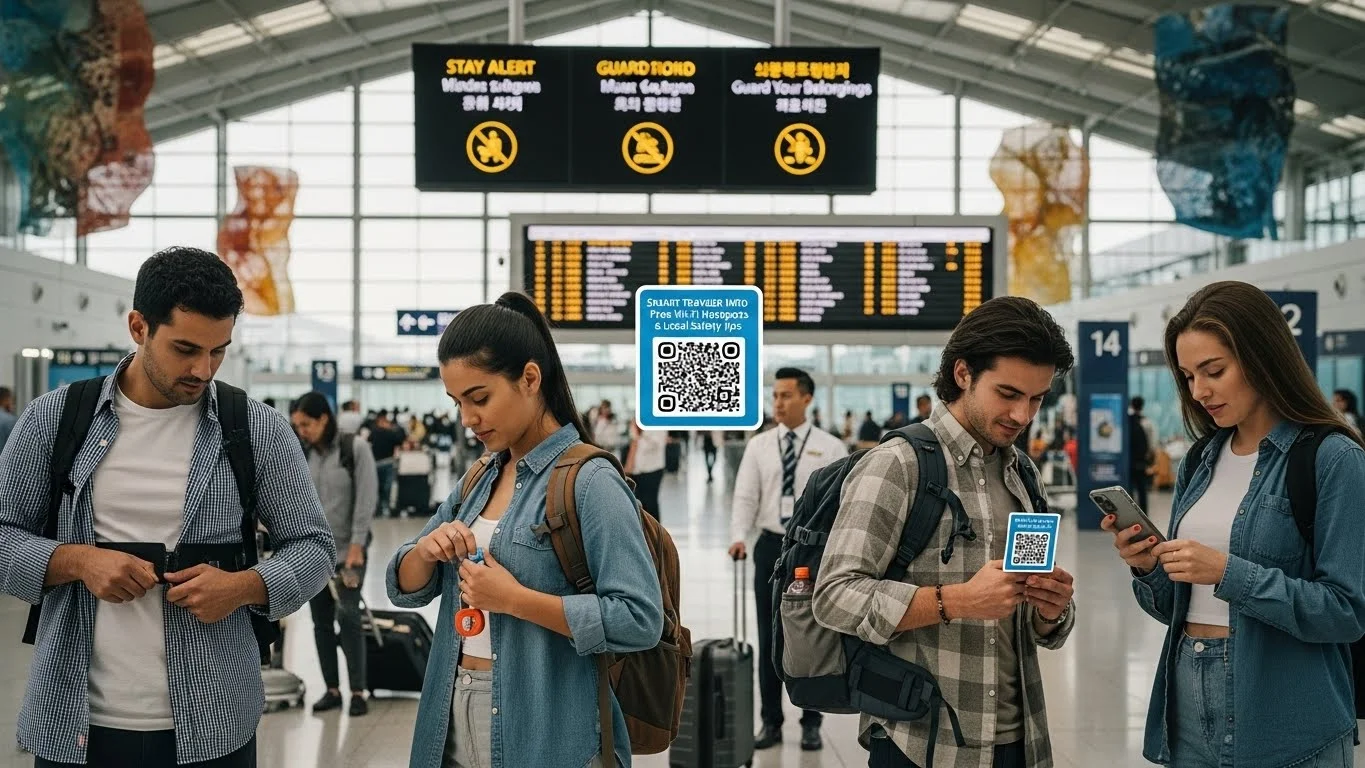
As I navigated through various airports, I noticed some common safety issues that travelers frequently face. One of the biggest concerns is the risk of theft. In crowded spaces, it’s easy for someone to slip their hand into your bag or pocket without you even noticing. I learned to keep my valuables close and, if possible, in a secure, zipped compartment of my backpack. Another issue that often arises is personal safety, particularly when traveling late at night. I remember one time I arrived at my destination around midnight and found the airport surprisingly empty; I felt uneasy and wished I had planned better for my arrival. Read Interesting article: 10 Genius Packing Hacks for Effortless Travel

Top Security Threats at Airports

As travelers, we must be aware of broader security threats at airports. From my experience, understanding these threats can significantly reduce the anxiety we feel while traveling. One major concern is the potential for terrorism. Although it feels like a distant fear, I always keep in mind that security measures are in place for a reason. I stay alert and pay attention to my surroundings. Additionally, I’ve read about the growing issue of cybercrime targeting travelers. Public Wi-Fi networks can be breeding grounds for hackers, so I now avoid accessing sensitive information unless I’m on a secure network. Keeping my data safe is just as crucial as physical safety.

Smart Packing for Safety

Now that we’ve touched on the importance of understanding safety concerns, let’s talk about packing smartly. I’ve learned that what we carry can greatly enhance our safety during travel. When I pack, I always think about how I can keep myself secure while still being budget-conscious.

Essential Safety Items for Your Carry-On

When I was packing for a recent trip, I made a list of essential safety items that I wouldn’t leave home without. First on that list is a portable phone charger. It’s a lifesaver. During my travels, I’ve often found myself frantically searching for an outlet in an airport. Having a charged phone is not just a convenience; it’s crucial for safety. I also make sure to bring a small first aid kit. Even for minor injuries, having band-aids and antiseptic wipes can save a lot of trouble. Another item I highly recommend is a travel lock for your bag. It gives me peace of mind knowing that my belongings are secured while I grab a bite or use the restroom.

Traveling with Valuable Items: Tips and Tricks

We all have valuable items we carry while traveling, whether it’s our smartphones, cameras, or jewelry. I’ve learned the hard way not to flaunt these items. I remember when I was showing off my new camera in an airport café; I quickly became aware of the eyes watching me. Now, I try to blend in and keep my valuables out of sight as much as possible. I also recommend keeping a digital copy of important documents, like your passport and travel insurance, stored securely online. It’s something I always do. Should anything get lost or stolen, having that backup can simplify the process of replacing them. Read Interesting article: Essential Packing Hacks for Budget Solo Travelers

Budget-Friendly Safety Hacks

As budget travelers, we’re always looking for clever hacks to save money without sacrificing safety. I’ve discovered some fantastic tips that not only keep you secure but also won’t break the bank.

Using Technology for Safety (Apps and Tools)

One of the best decisions I made was downloading specific travel safety apps. There’s an app for everything these days! For example, I use apps that provide real-time updates on flight status and airport security wait times. This has saved me from unnecessary stress and potential missed flights. I also love using map apps to navigate unfamiliar airports. It’s easy to get lost, and knowing where I’m going helps me feel more secure and in control.

Staying Connected: Portable Wi-Fi and Local SIM Cards

Staying connected while traveling is key to staying safe. I’ve found that using a portable Wi-Fi device or purchasing a local SIM card can be a game-changer. When I visited Europe last summer, I opted for a local SIM card, and it allowed me to access maps, contact local authorities if needed, and stay in touch with friends and family. It’s reassuring to know that help is just a message away.

Airport Security Procedures

After navigating through the excitement and chaos of the airport, the next step is getting through security. I’ve found that understanding airport security procedures can make the process smoother and less stressful. Knowing what to expect helps us prepare and reduces anxiety, especially when we’re in a hurry or on a budget.

Navigating TSA Screening Efficiently

Every time I approach the TSA screening, I remind myself that preparation is key. I’ve learned that arriving at the airport with enough time to spare is crucial. If I know I’m flying during peak hours, I plan to arrive earlier than usual. When it’s my turn, I follow a mental checklist to ensure I have everything ready. I take off my shoes, belt, and jacket before I reach the conveyor belt; this saves me time and keeps the line moving. I also make sure to place my laptop and liquids in separate bins, as these often require extra screening.

Another tip I’ve found helpful is to wear easily removable shoes. I remember once wearing complicated boots that took forever to take off. Since then, I stick to sneakers or slip-ons, which not only make the process faster but are also more comfortable for walking through the airport.

Understanding Prohibited Items

Before packing for a trip, I always check the TSA website for their list of prohibited items. I’ve seen travelers get turned away at security because they brought along something they thought was harmless. For example, I used to carry a small pair of scissors for travel sewing kits; however, I quickly learned that even small blades are not allowed. Instead, I now opt for items that comply with security regulations. The last thing I want is to have to throw away a favorite item or, worse, miss a flight because of a misunderstanding about what’s allowed.

Additionally, I make a habit of keeping my toiletries within the 3-1-1 rule, which means 3.4 ounces (100 milliliters) or less per container, all in one quart-sized bag. It’s a simple rule that I never overlook. Having my liquids packed and ready helps me breeze through security and keeps my mind at ease.

Staying Vigilant in the Airport Environment

Once I’m through security, I find that staying vigilant is just as important as preparing for it. Airports are bustling hubs, and I’ve learned that keeping my eyes open can help me avoid potential issues.

Awareness of Surroundings: Tips for Travelers

Whenever I’m in an airport, I make a conscious effort to stay aware of my surroundings. I often scan the area for any unusual behavior or situations that seem off. If I notice someone lingering too long near a restricted area or acting suspiciously, I don’t hesitate to inform airport staff. It’s always better to be cautious. I also recommend keeping your belongings close. I tend to use a crossbody bag rather than a backpack while I’m in transit, as it’s easier to keep track of and feels more secure.

In crowded areas, I’ve learned that making eye contact with those around me can also help. I know it sounds simple, but when I acknowledge people, it creates a sense of community and mutual awareness. Plus, it helps me feel more connected and less isolated in a busy environment.

Identifying and Reporting Suspicious Behavior

Part of being vigilant includes knowing how to identify and report suspicious behavior. I remember attending a travel safety seminar where they emphasized the importance of trusting your instincts. If something feels off, it’s worth paying attention to. For instance, if I see someone acting nervously or carrying oversized bags without a clear reason, I make a mental note and keep an eye on them.

If I ever feel uncomfortable, I approach airport personnel. They’re trained to handle such situations and can provide assistance or additional security if necessary. Knowing that I can rely on them gives me peace of mind. I’ve even seen people get involved to help a fellow traveler, and it made me realize that we can all play a part in creating a safe environment.

Choosing Safe Accommodations Near Airports

After a long journey through the airport, finding a safe place to stay is paramount. I always take the time to research accommodations that prioritize safety, especially if I’m arriving late at night.

Best Budget Hotels with Safety Measures

Whenever I book a hotel, I look for reviews that mention safety features like security cameras and well-lit entrances. I’ve discovered that some budget hotels offer great amenities without compromising safety. For example, I once stayed at a hotel that had a 24-hour front desk and security personnel on-site. I felt much more at ease knowing that help was just a phone call away, especially after a long day of travel.

Additionally, I prefer to book accommodations that have a flexible cancellation policy. This was particularly useful when I had to change plans due to unexpected circumstances. A little extra research can go a long way in ensuring a worry-free stay.

Hostels and Shared Accommodations: Safety Tips

For those of us who lean towards budget-friendly hostels or shared accommodations, I’ve learned a few safety tips through my experiences. While hostels can be a fantastic way to meet fellow travelers, they can also come with their own set of challenges. I always recommend choosing a hostel with a good reputation and strong security measures, such as lockers for personal belongings.

When I check into a hostel, I make sure to lock my valuables away and keep my important documents with me at all times. I also try to book a bed in a mixed dorm rather than a larger, crowded room. It feels a bit more secure, and I’ve often found that I can build a small community with fellow travelers, which adds to the experience.

Transportation Safety to and from the Airport

Once I’ve navigated through the airport and collected my luggage, the next phase of my journey often involves figuring out how to get to my final destination safely. It’s an aspect of travel that sometimes doesn’t receive as much attention as it should, but I’ve learned it’s crucial to prioritize transportation safety.

Safe Public Transport Options

Using public transport can be a fantastic and budget-friendly way to get from the airport to my accommodation. However, I always take a moment to research the safest options available. I remember arriving in a new city and feeling overwhelmed by the various transport choices. After a bit of exploration, I found that most airports have clear signage for public transport, which made it easier for me to navigate.

One of my go-to tips is to look up reviews and guides from fellow travelers about the local transport system. I’ve used buses and trains quite a bit, and I usually check the schedule ahead of time to avoid long waits. Often, local transport apps can provide real-time updates and maps, which helps me feel more secure about my choices. I remember a time when I used a local train to get from the airport to the city center and found it surprisingly efficient and safe. Just having a sense of where I was going made a world of difference.

I’ve also learned to be cautious about the time of day I’m traveling. If I arrive late at night, I prefer to choose well-lit transport options or even opt for a taxi instead. Airports often have shuttle services that run until late hours, which can be a reliable choice for late-night arrivals. I always make sure to check the schedule beforehand to avoid being stranded.

Using Rideshare Services: Best Practices

Rideshare services like Uber and Lyft have become popular choices for many travelers, including myself. They can be convenient and often more cost-effective than traditional taxis. However, a few best practices can help ensure a safe experience while using these services. I always make sure to confirm the driver’s identity before getting in the car. I check the license plate and the driver’s name against what’s shown in the app. It gives me peace of mind to know I’m getting into the right vehicle.

Additionally, I prefer to request rides from well-lit areas, especially at night. After a long flight, it’s easy to feel fatigued and let my guard down, but I try to stay aware of my surroundings. I also make it a habit to sit in the back seat. It allows me to maintain some distance from the driver and provides a better exit route if I need one.

Another safety tip I learned is to share my ride details with a friend or family member. Most rideshare apps have a feature that allows you to share your trip status in real time. This way, someone knows where I am and when to expect me. It’s a simple step that adds an extra layer of security and makes me feel more connected, even when I’m traveling solo.

Emergency Protocols and Contacts

No one likes to think about emergencies while traveling, but I’ve learned that being prepared can make a huge difference. Knowing emergency protocols and having essential contact information saved can provide me with peace of mind during my journey.

Knowing Emergency Exits and Procedures

Whenever I arrive at a new airport or accommodation, I make it a point to locate the emergency exits. This has become a routine for me. I remember reading about travelers who found themselves in situations where they didn’t know how to exit quickly, and I promised myself I’d never be caught off guard. I take a moment to glance at the safety information provided in hotel rooms or the airport, just to familiarize myself with the layout.

In addition to exits, I also pay attention to the emergency procedures outlined in the area. For instance, if I’m in a foreign country, I make sure to note the local emergency numbers, as they can differ widely from what I’m used to. It feels reassuring to know that I have the information I need at my fingertips, just in case something unexpected happens.

Important Contacts: Local Authorities and Embassy Information

Before I travel, I always note down the contact details for my country’s embassy or consulate in the destination city. This little preparation step has proven invaluable in my experience. There was a time when I misplaced my passport while overseas, and having access to the embassy was a lifesaver. They were able to assist me quickly and efficiently, which made the entire situation much less stressful.

Besides the embassy, I also keep local police and emergency services numbers handy. I often save them in my phone or jot them down in my travel journal. This way, even if I’m in a tight spot, I know who to call. In a world of uncertainties, I find that being prepared can make all the difference in ensuring a safe and enjoyable trip.

Frequently Asked Questions

What are some common airport safety issues for travelers?

Common airport safety issues include the risk of theft in crowded spaces and personal safety concerns, particularly when traveling late at night.

What essential safety items should I pack in my carry-on?

Essential safety items for your carry-on include a portable phone charger, a small first aid kit, and a travel lock for your bag.

How can I keep my valuable items safe while traveling?

To keep valuable items safe, avoid flaunting them, keep them out of sight, and store digital copies of important documents securely online.

What are some budget-friendly safety hacks for travelers?

Budget-friendly safety hacks include using travel safety apps for updates on flight status and airport security, and opting for a portable Wi-Fi device or local SIM card to stay connected.

What should I know about airport security procedures?

Understanding airport security procedures involves arriving early, preparing your items for screening, and knowing the TSA’s list of prohibited items.

How can I stay vigilant in an airport environment?

Stay vigilant by being aware of your surroundings, reporting suspicious behavior, and keeping your belongings close to you.

What should I look for when choosing accommodations near airports?

Look for reviews mentioning safety features like security cameras, well-lit entrances, and accommodations with a 24-hour front desk and security personnel.

What are some safe transportation options to and from the airport?

Safe transportation options include using public transport with clear signage, well-lit transport options at night, and verified rideshare services.

What emergency protocols should I be aware of while traveling?

Know the emergency exits and procedures at airports and accommodations, and familiarize yourself with local emergency numbers.

Why is it important to have contact information for local authorities and embassies?

Having contact information for local authorities and your embassy is crucial for assistance in emergencies, such as when you lose your passport.

How to Stay Safe at Airports: A Backpacker’s Guide

Airports can be a backpacker’s paradise, but they also come with their own set of challenges. Staying safe while navigating these bustling hubs is essential for a smooth journey. Let’s dive into how we can make our airport experience safer and more enjoyable. Read Interesting article: Essential Airport Safety Tips for Budget Backpackers

How to Stay Safe at Airports: A Backpacker's Guide

Understanding Airport Safety

The Importance of Airport Safety for Backpackers

As a backpacker, I’ve learned the importance of being vigilant, especially in busy places like airports. With so many people and a frenetic energy, it’s easy to get caught up in the excitement and let our guard down. I remember my first solo trip; I was overwhelmed by the sights and sounds, but I quickly realized that staying aware was crucial. For us wanderers, airport safety is not just about avoiding theft; it’s about ensuring our entire travel experience is smooth and stress-free.

Common Risks and Threats at Airports

There are a few risks I’ve encountered that I think every backpacker should be aware of. Theft is, unfortunately, prevalent in airports. I’ve seen pickpockets in action. They’re often skilled at distracting you while their accomplices swipe your belongings. Then there are scams—like the fraudulent taxi services that lurk around airport exits. I’ve learned the hard way that not every offer is as good as it seems. And let’s not forget about safety while waiting for flights or during layovers. Crowded areas are prime spots for petty crime. Being aware of these threats has helped me stay one step ahead during my travels.

Pre-Travel Preparations

Researching Your Airport

Before heading to any airport, I always make it a point to research the place. Every airport has its unique quirks and layout, which can significantly impact our experience. I found that websites like the airport’s official site provide valuable information about security procedures, amenities, and even the types of food available. Knowing whether the airport has charging stations, lounges, or even sleeping pods can be lifesavers during long layovers. Plus, looking up reviews from fellow travelers helps me gauge the safety of certain terminals and areas. You can find some great tips on this in our article on Family Travel Made Easy: Smart Packing Tips for Parents.

Understanding Airport Layouts

Once I’ve got a sense of what to expect, I familiarize myself with the airport layout. I like to print a map or save one on my phone so I can easily navigate once I arrive. I remember feeling lost at a massive airport once and wasting precious time trying to find my gate. Understanding where the security checkpoints, exits, and amenities are located can help reduce stress and prevent me from wandering into less secure areas. Many airports even have apps that provide real-time updates, which I find super handy!

Packing Smart: Essential Items for Safety

Packing smart is another tip that I cannot stress enough. I always keep essential safety items in my carry-on. A good lock for my backpack helps protect my belongings when I need to set it down, like at a cafe or during a layover. I also carry a small first aid kit and any necessary medications. Plus, I ensure my wallet is secure and not easily accessible to pickpockets. I learned the hard way that wearing a money belt or hidden pouch can save me from a lot of headaches. Keeping my important documents, like my passport and travel insurance, in a separate, secure location is also crucial. For more packing tips, check out our guide on Master Packing Light: Essential Tips for Long Trips.

Travel Insurance: Why It’s Necessary

Speaking of important documents, travel insurance has saved me more than once. I know, it might seem like an extra expense, but it’s a safety net that can cover unexpected situations. From lost luggage to medical emergencies, travel insurance provides peace of mind. I remember a trip where I fell ill overseas, and having insurance meant I could seek medical help without the stress of high costs. I always recommend looking into different plans and finding one that suits your travel needs; it’s worth the investment.

Arriving at the Airport

Timing Your Arrival: How Early Should You Get There?

Timing is everything when it comes to airport safety. I’ve learned to arrive earlier than I think I need to. Depending on the airport and time of day, security lines can be unpredictable. I’ve missed flights in the past because I underestimated the time required for check-in and security checks. A good rule of thumb is to aim for at least two hours for domestic flights and three hours for international ones. This not only gives me enough time to navigate through security but also allows me to relax before boarding.

Parking and Transportation Options

For those of us driving to the airport, knowing parking options is essential. I’ve had experiences where I parked in a distant lot and had to sprint to catch my flight. Nowadays, I prefer to use shuttle services or public transportation when possible. It’s usually cheaper and saves me the hassle of worrying about my car. If I do need to park, I always choose well-lit areas and try to remember where I parked, so I don’t waste time looking around later.

Using Airport Shuttles Safely

When using airport shuttles, I always stay alert. I’ve noticed that shuttles can sometimes be crowded, and it’s easy to lose track of belongings. I ensure my bags are close to me and that I’m aware of my surroundings. I also try to sit near the driver or exit, as this usually feels safer. If I have to wait for a shuttle, I prefer to stay in busy areas where there are other travelers around.

Security Checks and Procedures

Navigating TSA and Security Checks

When it comes to security checks, I’ve found that preparation is key. The Transportation Security Administration (TSA) has specific rules that can sometimes feel overwhelming, especially for us backpackers who tend to carry a variety of items. I’ve learned to keep my carry-on organized—having my laptop and liquids easily accessible makes the whole process smoother. I remember one time, fumbling through my bag at the security checkpoint, only to realize my water bottle was buried at the bottom. Now, I always pack liquids in an outer pocket so they’re easy to grab. Understanding the TSA’s 3-1-1 rule for liquids (3.4-ounce containers, one quart-sized bag, one bag per passenger) can save you from unnecessary delays and stress.

What to Expect During Screenings

Getting screened can sometimes be a nerve-wracking experience, but knowing what to expect has really helped me stay calm. I remember feeling a bit anxious during my first trip, unsure of how the whole process would unfold. Now, I know that I’ll need to remove my shoes, belt, and any bulky jackets before stepping through the metal detector. If selected for additional screening, I’ve learned to remain patient. The staff is just doing their jobs, and it’s essential to cooperate. I also recommend wearing shoes that are easy to take off and put back on, especially if I’m in a hurry.

Common Mistakes to Avoid at Security

Over the years, I’ve seen (and made) my fair share of mistakes at security. One of the biggest blunders is not checking the contents of my pockets before going through the scanner. I’ve had to step aside multiple times to remove random items like coins or my phone, which only adds to the stress. I suggest putting all your essentials—phone, wallet, keys—into your bag before reaching the checkpoint to streamline the process. Another common mistake is forgetting to label or properly pack chargers and electronic devices. I’ve learned that keeping these items in a designated pouch helps avoid confusion and keeps things organized.

Staying Aware and Alert

Recognizing Suspicious Behavior

Staying aware of my surroundings is something I’ve trained myself to do over the years. I always keep an eye out for suspicious behavior. For example, if I notice someone who seems overly interested in my belongings or is acting unusually, I stay alert. I’ve found that trust my gut feelings. There was a moment in an airport lounge when I noticed a person pacing back and forth, glancing around nervously. It put me on edge, and I made sure to keep my backpack close. Familiarizing myself with the usual airport environment helps me notice when something feels off.

Keeping Your Belongings Safe

When it comes to keeping my belongings safe, I’ve adopted a few habits that work well for me. I always keep my backpack zipped and close to me, especially in crowded areas. I prefer to use anti-theft bags with lockable zippers and cut-resistant straps, which give me extra peace of mind. I also make it a point to never leave my bag unattended, even for a moment. I once had to dart back to a cafe to retrieve my backpack that I left on the chair while I went to the restroom. It was a stressful experience that taught me to be more vigilant.

Understanding Emergency Protocols

Airports, like any busy public space, have emergency protocols in place. I always take a moment to familiarize myself with the emergency exits and procedures upon arrival. Most airports have signs posted, but if they don’t, I ask airport staff for guidance. I remember a time when there was a small commotion at the gate, and I felt more at ease knowing where I could go if something happened. Understanding the lay of the land helps me feel more secure, and in an emergency, knowing my options can make all the difference.

Dealing with Delays and Layovers

Safe Practices During Layovers

Layovers can sometimes feel like a double-edged sword for backpackers. On one hand, they can be long and tedious, but on the other, they offer opportunities for exploration. I’ve learned to approach layovers with caution. If I have several hours to kill, I often choose to stay in the airport rather than heading out into the city, especially if I’m in an unfamiliar destination. Ensuring I have a safe spot to rest, preferably near security, helps me feel more secure while waiting for my next flight.

Finding Secure and Comfortable Waiting Areas

During layovers, I’ve discovered that finding a good waiting area can make a big difference. Some airports have lounges, and I’ve found that splurging on a day pass is worth it for the comfort and amenities. If a lounge isn’t an option, I look for quieter corners away from heavy foot traffic. I also try to keep my belongings close and stay alert, as crowded areas can make me feel more vulnerable. I remember once finding a cozy, less crowded spot near a window, where I could watch the planes take off while feeling secure and relaxed.

How to Stay Entertained and Productive

To make the most of layovers, I’ve learned to keep myself entertained. I always download podcasts, audiobooks, or movies on my devices before traveling. This way, I can immerse myself in a story rather than feeling bored or restless. I also make an effort to catch up on travel journaling, reflecting on my experiences. It’s a great way to document my journey and can help me feel more productive during those waiting hours. I’ve found that having a few activities planned can keep my spirits high, even when my travel schedule is less than ideal.

Traveling with Electronics and Valuables

Protecting Your Devices and Data

As someone who relies heavily on my devices while traveling, protecting my electronics is a top priority. I’ve had my fair share of close calls with laptops and smartphones in crowded spaces. One habit I’ve adopted is using a padded, lockable case for my laptop. It not only protects it from bumps and drops but also makes me feel more secure when it’s by my side. Additionally, I always back up my data before a trip. I remember once losing an entire set of photos because my phone malfunctioned while traveling. Now, I use cloud storage to ensure my memories are safe, and I seriously recommend this to fellow travelers.

Strategies for Keeping Valuables Hidden

Keeping valuables hidden while navigating the airport is something I take seriously. I learned early on that it’s best to avoid showcasing expensive items. I’ve found that wearing a crossbody bag helps keep my essentials close to my body and out of sight. I also utilize hidden pockets in my clothing, like those in my travel pants, to store smaller items like cash or cards. When I’m at the airport, I make a habit of rotating my bags so that my backpack is in front of me or securely on my lap when I’m seated. This way, I can easily watch over my belongings and have them within reach.

Emergency Situations and How to Handle Them

What to Do in Case of Lost Items

Experiencing lost items at the airport can be stressful, but I’ve learned some steps that can ease the panic. First, I try to retrace my steps as calmly as possible. If I realize I’ve left something behind at a café or store, I head back there to check. In case it’s gone, I immediately inform airport staff. They often have a lost and found department that can help track down missing items. I remember a time when I lost my favorite travel journal, and after a few hours of searching and reporting it, I was thrilled to find it had been turned in. Keeping a list of important items can also help me stay organized and know exactly what to report missing.

Handling Medical Emergencies at the Airport

Medical emergencies can happen unexpectedly, and I’ve had my share of minor health issues while traveling. One time, I felt faint due to dehydration while waiting for a flight. Knowing where the medical assistance points are located in the airport is crucial. I always take a moment to identify them upon arrival. If I ever feel unwell, I don’t hesitate to approach airport staff for help. They are trained to assist in these situations. I also make sure I carry a small first aid kit in my backpack, including items like pain relievers, band-aids, and any personal medications. It’s comforting to have these essentials at hand.

Contacting Authorities: When and How

If a serious situation arises, such as theft or a medical emergency, knowing how to contact authorities is essential. I’ve noticed that most airports have information desks where staff can assist in connecting you with the right services. If I ever feel threatened or witness suspicious behavior, I won’t hesitate to approach an employee or call airport security. In some instances, I’ve even seen security personnel patrolling, which can provide an added layer of comfort. I think it’s also important to remember that the airport has protocols in place for reporting issues, so being aware of these can expedite the process when needed.

Post-Travel Safety Considerations

Arriving at Your Destination: Staying Safe

Once I land at my destination, the journey isn’t over yet. I always stay alert, especially when navigating new surroundings. I find it helpful to have a clear plan for getting to my accommodation. Whether it’s using a pre-booked shuttle or a rideshare app, knowing how I’ll get there can reduce stress. I always keep my belongings secure and avoid displaying flashy items while making my way out of the airport. If I’m in a city I’m unfamiliar with, I try to stick to well-lit areas and busy streets, especially at night.

Post-Travel Health Tips

After the hustle and bustle of travel, I prioritize my health. I make it a point to hydrate and rest as soon as I can after arriving home or at my accommodation. I’ve learned that long flights can take a toll on my body, so I try to stretch and move around when possible during layovers. Additionally, I keep an eye on my health in the days following my travels, as I’ve sometimes caught a bug after returning. I like to carry some immune-boosting supplements or herbal remedies with me to support my health during and after my trip.

Frequently Asked Questions

What are some common risks for backpackers at airports?

Common risks include theft, scams such as fraudulent taxi services, and safety concerns in crowded areas. Being aware of these threats can help backpackers stay safe during their travels.

Why is it important to research an airport before traveling?

Researching an airport is important because it provides valuable information about security procedures, amenities, and the layout. This knowledge can help backpackers navigate the airport more efficiently and safely.

What should I pack for airport safety?

Essential items for airport safety include a good lock for your backpack, a small first aid kit, necessary medications, and a secure wallet. Additionally, using a money belt or hidden pouch for important documents can enhance security.

How early should I arrive at the airport?

It’s recommended to arrive at least two hours before domestic flights and three hours before international flights to allow enough time for check-in and security checks.

What precautions should I take when using airport shuttles?

When using airport shuttles, keep your bags close, stay aware of your surroundings, and sit near the driver or exit for added safety. Waiting in busy areas can also help you feel more secure.

What should I do if I lose an item at the airport?

If you lose an item, retrace your steps calmly and check back at the place where you think you left it. If it’s not there, inform airport staff, as they often have a lost and found department to assist you.

How can I stay safe during layovers?

During layovers, it’s advisable to stay within the airport, especially in unfamiliar destinations. Find a secure spot to rest and keep your belongings close while remaining alert to your surroundings.

What are some strategies for protecting electronic devices while traveling?

Use a padded, lockable case for your laptop and back up your data before traveling. Avoid showcasing expensive items and utilize hidden pockets in your clothing to keep valuables secure.

What should I do in case of a medical emergency at the airport?

Identify the location of medical assistance points upon arrival and don’t hesitate to approach airport staff for help during a medical emergency. Carrying a small first aid kit can also be beneficial.

How can I ensure my safety upon arriving at my destination?

Upon arrival, have a clear plan for transportation to your accommodation, keep your belongings secure, and avoid displaying flashy items. Staying in well-lit, busy areas is especially important if you’re in an unfamiliar city.

Essential Airport Safety Tips for Budget Backpackers

Traveling as a budget backpacker is an exciting adventure, but safety at the airport is crucial. I’ve learned that being aware and prepared can make all the difference in ensuring a smooth journey.

Essential Airport Safety Tips for Budget Backpackers

Understanding Airport Safety for Budget Backpackers

The Importance of Airport Safety

When I first started traveling, I quickly realized how essential airport safety is, especially for budget backpackers like us. Airports can be bustling places filled with unfamiliar faces and situations. It’s easy to feel overwhelmed, but staying focused on safety can turn a stressful experience into a manageable one. I remember my first solo trip; I was nervous but excited. I made it a point to learn as much as I could about airport safety, and it really paid off. The more prepared I was, the more I could enjoy my travels without unnecessary worries.

Unique Challenges for Budget Backpackers

Budget backpackers face unique challenges when it comes to airport safety. We often travel light, which can make us more vulnerable to theft or loss of belongings. Plus, we tend to choose cheaper flights that may involve multiple layovers or late-night arrivals, increasing the risk of encountering less secure situations. I’ve been in crowded terminals at odd hours, and it’s essential to stay alert and aware of my surroundings. Understanding these challenges helps us to take proactive steps to protect ourselves and our belongings. For packing tips, read this article that focuses on packing light.

Before You Travel: Pre-Flight Safety Tips

Choosing Safe Accommodations Near the Airport

Before my last trip, I spent a lot of time searching for accommodations near the airport. I wanted to find a place that was not only budget-friendly but also safe. I recommend reading reviews on platforms like Hostelworld or Booking.com. I look for accommodations that have good security measures, like 24-hour reception and lockers for valuables. During my travels, I’ve stayed in some fantastic hostels that prioritize safety, and it made returning from the airport much less stressful.

Checking Travel Advisories and Airport Security Information

Staying updated on travel advisories is another crucial step. Websites like the U.S. State Department offer handy information about potential risks in different countries. I always check for any alerts regarding the airports I’ll be using. It helps me prepare for any specific requirements or concerns I might face. For instance, during one trip, I learned about heightened security measures at my departure airport, prompting me to arrive earlier than usual, which saved me a lot of stress.

Packing Smart: Essentials for Safety

Packing smart is vital for our safety, especially when traveling on a budget. I’ve learned to pack only what I truly need, making it easier to keep an eye on my belongings. I also make sure to include essentials like a portable phone charger, a small first aid kit, and a lock for my backpack. These items can make a real difference, especially when I found myself stuck during a layover and needed a quick recharge or a band-aid for a blister. Additionally, I always keep my important documents, like my passport, in a separate, secure pocket, so I can access them quickly if needed. If you’re interested in more packing strategies, check out this article for tips on organized luggage.

Travel Insurance: Why It Matters

Travel insurance might seem like an extra cost when you’re on a budget, but it’s something I’ve never regretted having. I learned this the hard way when I had my belongings stolen during a layover. Thankfully, my insurance covered the loss, and it gave me peace of mind while continuing my journey. I recommend looking for policies that cover theft, medical emergencies, and trip cancellations. It’s an investment in your safety and can save you a lot of money and stress in the long run.

At the Airport: Navigating Safety Protocols

Arriving Early: Time Management for Security Checks

One of the best lessons I’ve learned is to arrive early at the airport. I usually aim for at least two to three hours before my flight, especially for international travel. This gives me ample time to manage security checks without feeling rushed. I remember a time I arrived late and had to sprint through the terminal, which only heightened my anxiety. Arriving early allows me to take a breath, grab a coffee, and even do a little people-watching—always a fun way to soak up the travel vibes!

Understanding Security Screening Procedures

Understanding security procedures is crucial for a smooth airport experience. I’ve been through countless security checks, and knowing what to expect helps reduce stress. I make sure to wear shoes that are easy to take off and keep my electronics easily accessible. I’ve seen others fumbling with bags last minute, and it’s not a good look. By being prepared, I can breeze through and have more time to relax before my flight.

Identifying Secure Areas and Restricted Zones

Once I’m through security, I pay close attention to secure areas and restricted zones. I’ve found that being aware of my surroundings helps me stay safe. Many airports have designated secure waiting areas, and it’s wise to stick to those. I always look for signs and listen to announcements. Knowing where the exits and help desks are can be a lifesaver in case of emergencies.

Keeping Your Belongings Safe: Tips for Luggage Security

Keeping my luggage secure is always on my mind when I’m at the airport. I use a sturdy lock on my backpack, and I’ve even seen people use cable locks for added security. When I’m sitting in a waiting area, I keep my bag close, often strapping it to my leg or placing it in my lap. It might feel a bit obsessive, but I have learned that it’s better to be safe than sorry. I recommend using a luggage tracker as well; it gives me peace of mind knowing I can locate my bag if it goes missing.

Staying Safe While Waiting for Your Flight

Choosing a Safe Waiting Spot

After I’ve navigated through security, I always take a moment to find a safe waiting spot. I’ve learned that not all areas in the airport are created equal. I prefer places that are well-lit and have a good flow of people passing by. It gives me a sense of comfort knowing that I’m not isolated. I often look for seating near the gate where my flight will board—this way, I’m close to the action but still in a secure environment. When I had a long layover in a quieter terminal, I made sure to sit somewhere near other travelers, which made me feel less vulnerable.

Staying Alert: Avoiding Distractions

Staying alert while waiting for a flight is crucial. I know how tempting it is to dive into a good book or scroll through social media, but I’ve found that even the slightest distraction can lead to trouble. I make a conscious effort to keep my belongings close and my eyes on my surroundings. If I’m listening to music, I use just one earbud, so I can still hear what’s going on around me. I remember once, while engrossed in my phone, I didn’t notice someone getting too close to my bag. Now, I actively engage with my environment, whether it’s striking up a conversation with fellow travelers or simply observing the comings and goings of airport staff and passengers.

Using Technology Wisely: Wi-Fi Safety Tips

Using airport Wi-Fi can be a double-edged sword. On one hand, it’s great to connect with family or plan your next steps, but on the other hand, it can expose you to security risks. I’ve made it a point to avoid logging into sensitive accounts or sharing personal information while using public Wi-Fi. In my experience, using a VPN is a smart move whenever I connect. It adds an extra layer of security that gives me peace of mind. Whenever I’m connected, I also keep an eye on my battery life—having my phone charged can be a lifesaver in case of emergencies.

Dealing with Delays: Safety Precautions

Flight delays are an unavoidable part of travel, and I’ve faced my fair share. When they happen, I try to remain calm and assess my surroundings. It’s easy to feel frustrated, but I find that staying aware helps me manage the situation better. I make sure to check in with the airline staff for updates and stay close to my belongings. If I need to step away from my spot for food or a bathroom break, I always take my bag with me. I’ve seen too many travelers leave their bags unattended, thinking it’s safe just for a moment. It’s not worth the risk!

Boarding and In-Flight Safety Tips

Understanding Boarding Procedures

Boarding procedures can sometimes feel chaotic, but I’ve learned a few tricks to navigate them smoothly. I always pay attention to the announcements and the boarding group number assigned to me. It helps to stay seated until my group is called, so I don’t get swept up in the rush. I remember a time when I rushed to the gate only to find out I still had a while to wait. Now, I use that time to double-check my belongings and ensure everything is secure before I get in line.

Keeping Personal Items Secure During the Flight

Once I’m on the plane, I make it a priority to keep my personal items secure. I’ve learned to store my valuables, like my passport and wallet, in the seat pocket in front of me, but I keep my backpack or larger bag under the seat. It’s a habit I developed after hearing stories of items getting lost or stolen from overhead bins. I also make a mental note of where the emergency exits are located as soon as I sit down. Knowing my surroundings gives me a sense of control, even high above the ground.

Knowing Emergency Procedures and Exits

Speaking of emergency exits, I always take a moment to read the safety card provided in the seat pocket. I feel it’s essential to understand the emergency procedures, even if I hope I never have to use them. I’ve also practiced opening the exit doors in my mind, so if anything were to happen, I wouldn’t be fumbling around. I remember feeling a bit silly for doing this at first, but it has become second nature, and my confidence grows each time I fly. My experience has taught me that it’s better to be prepared than caught off guard.

Arriving at Your Destination: First Steps for Safety

Getting Through Customs and Immigration Safely

Once I land at my destination, I always approach customs and immigration with a sense of awareness. I’ve learned that this part of the journey can be just as stressful as navigating the airport. I make sure to have all my documentation ready, which includes my passport, visa (if needed), and any paperwork related to my travel plans. I remember a time when I was caught off guard because I couldn’t find my visa, and it cost me precious time. Being organized not only saves time but also helps me feel more secure.

When in line at customs, I remain alert and watchful. I’ve noticed that people can become distracted, especially when they’re tired from a long flight. I try to keep an eye on my backpack as I shuffle forward, making sure it’s secure at my side. If I get a chance, I engage in small talk with fellow travelers, which helps ease tension and keeps my mind off any worries. It’s also a good way to gather tips about local customs or safety that might be useful for my stay.

Transportation Safety: Choosing the Right Option

After clearing customs, the next challenge is figuring out how to get to my accommodation safely. I’ve encountered a variety of transportation options in different countries, and I’ve learned to be cautious. I prefer using official airport taxis or rideshare services like Uber, as they typically provide a safe and reliable way to reach my destination. I remember a time in a foreign city when I took an unmarked taxi, and it turned into a stressful experience. Since then, I always check for reviews or recommendations for transportation options before I arrive.

If I opt for public transport, I pay close attention to my surroundings. I keep my belongings close and ensure I’m aware of the route I need to take. When I’m on a bus or train, I often stand near the doors. It’s easier to make a quick exit if needed, and it keeps me closer to my bag. I also try to avoid traveling during late hours or in areas known for pickpocketing or crime, which means a little extra planning goes a long way in ensuring my safety.

Staying Aware of Your Surroundings

As I step into a new city, I feel a mix of excitement and vulnerability. I’ve found that staying aware of my surroundings is crucial, especially in bustling areas. I make a habit of observing the people around me, which helps me gauge whether something feels off. I also pay attention to the local customs and behaviors, as they can give me clues about what’s normal and what’s not.

Whenever I’m out exploring, I keep my phone handy but not glued to my face. I’ve experienced firsthand how easy it is to become engrossed in my screen and miss out on potential dangers. If I need to check directions or communicate with friends back home, I do so while remaining aware of my surroundings. I’ve learned that it’s better to stop, find a safe spot, and then check my phone. This practice not only keeps me safe, but it also allows me to appreciate the new environment more fully.

Another tip I’ve adopted is to blend in with the locals as much as possible. I try to dress similarly to those around me and avoid wearing flashy jewelry or displaying expensive gadgets. It’s fascinating how a simple adjustment can make me feel less like a tourist and more like a part of the city. This shift in mindset helps me feel more confident and decreases my visibility as a target for theft.

Emergency Protocols: What to Do If Things Go Wrong

Identifying Airport Security Personnel and Resources

Even with all my precautions, I know that emergencies can happen. I always take a moment to familiarize myself with the airport layout upon arrival, particularly where security personnel and help desks are located. I’ve noticed that many airports provide maps or digital displays that can guide me. During one trip, I found myself in a situation where I lost my wallet, and knowing where to find help made a stressful experience much easier to manage. If something goes wrong, I don’t hesitate to approach airport staff. They’re usually well-trained to handle emergencies, and their assistance can be invaluable.

Handling Lost Items or Theft

Loss or theft can be a nightmare for any traveler, and I’ve had my share of both. If I ever find myself in such a situation, I immediately report it to airport security or the airline staff, depending on where the loss occurred. I remember feeling a wave of panic wash over me when I realized my backpack was missing during a layover. Thankfully, I had kept a detailed list of what was in my bag, which made it easier for the staff to help me. They took my report seriously and worked quickly to assist me.

I also learned the importance of tracking my belongings. Using apps that help locate my devices or setting up alerts for lost items has made a significant difference. Plus, I always keep a photocopy of my important documents in a secure location, so I can provide proof if needed.

Emergency Contacts: Local Authorities and Embassy Information

Before I travel, I make it a point to research local emergency contacts and the location of my country’s embassy or consulate. It gives me peace of mind to know where to go if things go wrong. I usually write down important numbers and save them in my phone for easy access. If I ever find myself in a situation where I need assistance, having this information readily available can save me a lot of time and stress.

In my experience, being prepared for the unexpected is just as important as enjoying the adventure. I may not want to think about emergencies, but knowing I have a plan in place helps me feel more secure as I explore new destinations. It’s all part of the journey!

Frequently Asked Questions

What is the importance of airport safety for budget backpackers?

Airport safety is crucial for budget backpackers due to the bustling environment filled with unfamiliar faces. Being aware and prepared can help reduce stress and ensure a smoother travel experience.

What unique challenges do budget backpackers face at airports?

Budget backpackers often travel light, making them more vulnerable to theft or loss of belongings. They may also choose cheaper flights that involve multiple layovers or late-night arrivals, increasing the risk of encountering less secure situations.

How can I choose safe accommodations near the airport?

Look for budget-friendly accommodations with good security measures, such as 24-hour reception and lockers for valuables. Reading reviews on platforms like Hostelworld or Booking.com can help you find safe options.

Why is travel insurance important for budget travelers?

Travel insurance is an important investment for budget travelers as it can cover losses from theft, medical emergencies, and trip cancellations. It provides peace of mind and can save you money in the long run.

What should I do to prepare for airport security checks?

Arrive early, ideally two to three hours before your flight, and familiarize yourself with security procedures. Wear shoes that are easy to take off and keep your electronics accessible to streamline the process.

How can I keep my belongings safe while waiting for my flight?

Choose a well-lit waiting spot with a good flow of people and keep your belongings close. Stay alert, avoid distractions, and consider using only one earbud if listening to music.

What technology tips should I follow for airport Wi-Fi safety?

Avoid logging into sensitive accounts or sharing personal information on public Wi-Fi. Using a VPN adds an extra layer of security, and keeping your phone charged is important for emergencies.

What steps should I take if my belongings are lost or stolen at the airport?

Immediately report the loss to airport security or airline staff. Keeping a detailed list of your belongings can facilitate the recovery process. Additionally, using tracking apps for devices can be beneficial.

How can I ensure safe transportation after clearing customs?

Opt for official airport taxis or rideshare services like Uber for safe transportation. If using public transport, be cautious, keep your belongings close, and avoid late-night travel in areas known for crime.

What emergency protocols should I be aware of in the airport?

Familiarize yourself with the airport layout, including the location of security personnel and help desks. Know emergency contacts and your country’s embassy information to be prepared for unexpected situations.