Web Analytics

Recent Posts

Ultimate Guide to Packing Light for Extended Backpacking

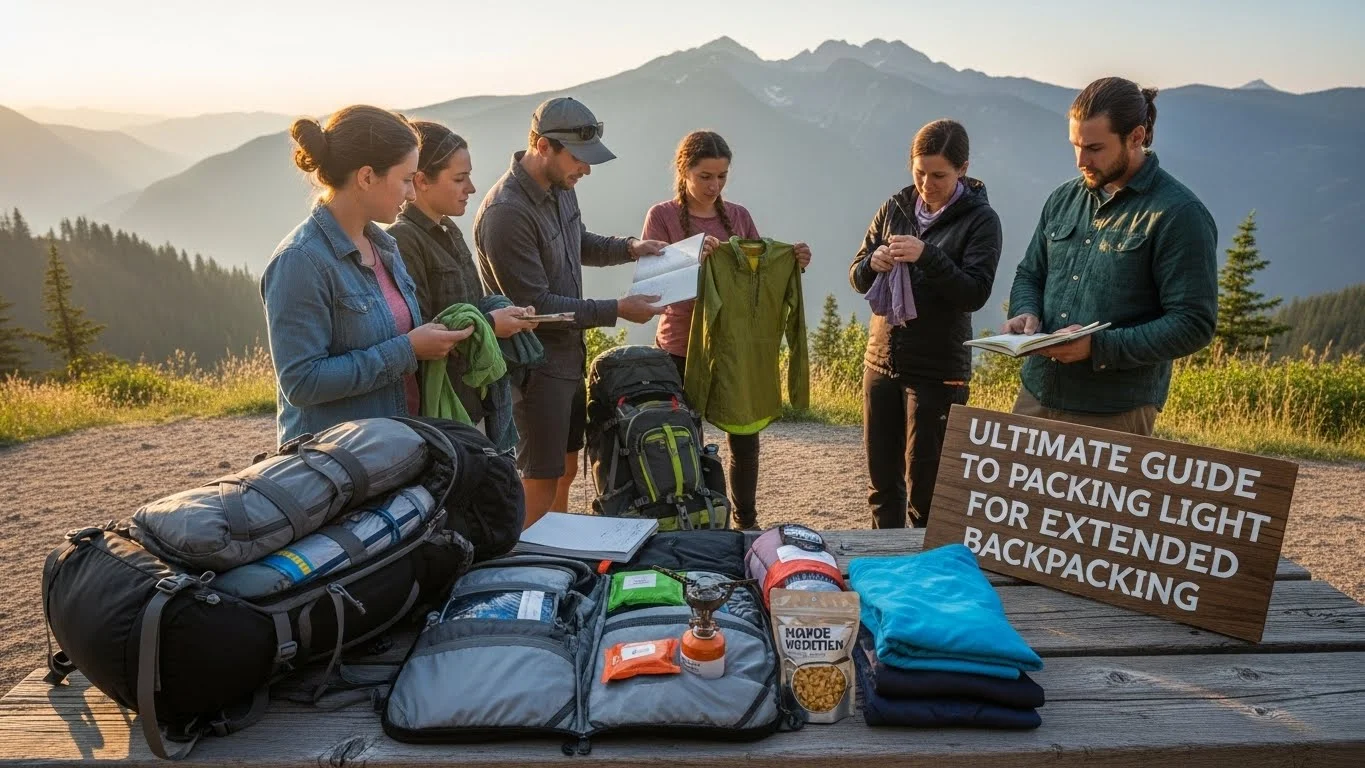
Packing light for extended backpacking can transform your experience, making treks more enjoyable and manageable. In this guide, I’ll share tips and insights that have helped me and many others pack efficiently for the adventure of a lifetime. Read Interesting article: 10 Genius Packing Hacks for Effortless Travel
Ultimate Guide to Packing Light for Extended Backpacking

Understanding the Benefits of Packing Light

When I first started backpacking, I thought the more I packed, the better prepared I’d be. I quickly learned that packing light is not just a trend; it’s a necessity for an enjoyable experience on the trails. The benefits of packing light are plentiful, and they can significantly enhance your journey.

Enhancing Mobility and Comfort

One of the first things I noticed when I lightened my pack was the newfound freedom of movement. Carrying a heavy backpack can lead to fatigue, sore shoulders, and an overall sense of discomfort. It restricts your mobility, making it harder to navigate tricky terrains. When I switched to a lighter load, I felt like I could hike for miles without feeling weighed down. It’s liberating! I recommend testing your pack weight before hitting the trail to find what feels comfortable for you.

Additionally, a lighter pack can prevent injuries. I remember a time when I overpacked for a week-long trek. By the third day, I was struggling with back pain. It taught me that comfort should be a priority. With a lighter pack, I could focus on the beauty around me rather than the weight on my back.

Minimizing Weight for Longer Treks

One of the most significant challenges in backpacking is managing energy levels over long distances. The less weight we carry, the more energy we have for the journey ahead. I’ve found that I can hike longer and enjoy the experience more when my pack is light. I aim to keep my total pack weight to about 20% of my body weight, including all gear and supplies. This balance allows me to maintain a steady pace and feel less fatigued.

Reducing weight also means I can take on more challenging trails. I’ve discovered that I can explore deeper into wilderness areas or tackle higher elevations without being bogged down. The freedom to change plans on a whim is exhilarating, and a lighter pack allows for that spontaneity.

Simplifying Travel Logistics

When I think about travel logistics, I often reflect on how much easier my trips have become since I started packing lighter. Fewer items mean less time spent organizing and repacking each day. With a streamlined approach, I can quickly find what I need without digging through a chaotic mess. This simplicity frees up time for more important things, like soaking in the views or connecting with fellow hikers.

Moreover, lighter packing simplifies transportation. Whether it’s hopping on a bus, getting into a car, or boarding a plane, having a compact pack makes travel smoother. I once had to navigate a crowded train station with a cumbersome pack, and the experience was far from pleasant. I vowed never to let that happen again! Now, I can effortlessly maneuver through crowds and focus on enjoying my travels. Read Interesting article: Essential Packing Techniques for Safe Budget Travel Adventures

In my experience, packing light isn’t just about reducing weight; it’s about enhancing the entire backpacking experience. It empowers us to move with ease, enjoy longer hikes, and embrace spontaneity. Let’s delve deeper into some essential packing principles to ensure you’re set for your next adventure.

Essential Packing Principles

Choosing the Right Backpack

Your backpack is your home away from home on the trail, so choosing the right one is crucial. I’ve learned the hard way that not all backpacks are created equal. When selecting a backpack, I focus on capacity, fit, and features. For longer trips, I recommend a pack with a capacity between 50 to 70 liters, depending on your needs. Also, it should fit comfortably on your body. I’ve tried packs that were too big or too small, and they made a noticeable difference in my comfort level.

I also prioritize features like pockets, hydration reservoirs, and adjustable straps. These can make a significant difference in how organized and comfortable my backpacking experience is. A well-designed pack can be the difference between a smooth journey and an uncomfortable one.

Understanding Weight Distribution

Weight distribution is one of those aspects of backpacking that I didn’t consider early on. It’s not just about the total weight; it’s also about how that weight is balanced on your body. I’ve discovered that placing heavier items closer to my back and at the center of the pack helps me maintain stability and comfort while hiking. This technique can prevent back strain and help with balance, especially on uneven terrain.

Another tip I’ve found useful is to pack frequently used items near the top or in external pockets. This way, I can access them without rifling through my entire pack. It saves time and keeps me organized on the trail.

Prioritizing Versatility in Gear

As I’ve honed my packing skills, I’ve come to appreciate the value of versatile gear. I look for items that can serve multiple purposes. For example, a multi-tool can replace several individual tools, and a lightweight tarp can function as a shelter or ground cover. This versatility allows me to minimize my load without sacrificing any necessities.

When shopping for gear, I ask myself if each item has more than one use. If it doesn’t, I reconsider its importance in my pack. This strategic approach not only lightens my load but also saves space, allowing for a more enjoyable hiking experience.

Packing light is a skill that improves with practice and reflection. By understanding the benefits and applying some essential packing principles, we can make our backpacking adventures more enjoyable and fulfilling. There’s a whole world out there waiting for us, and a lighter pack can help us explore it with greater ease and comfort. Read Interesting article: Master Travel-Safe Packing: Tips for Budget Backpackers

Must-Have Gear for Extended Backpacking

Backpack Types and Features

When it comes to choosing the right backpack, I’ve found that knowing the different types available can really make a difference. There are daypacks, weekend packs, and multi-day packs, each designed for specific uses. I used to think any backpack would do, but now I realize that for extended trips, a multi-day pack is essential. They typically range from 50 to 70 liters in capacity, allowing enough room for everything I need without being overwhelming.

I also pay close attention to features. A good pack should have a comfortable harness, hip belt, and adjustable straps. I remember when I first started backpacking and opted for a cheaper pack that didn’t fit well. By the end of the first day, I felt like I had been carrying a boulder on my back! Now, I always look for packs with ventilation to keep me cool and pockets where I can easily access my essentials. A well-designed pack can make my hike so much more enjoyable.

Clothing Essentials

Clothing is another crucial aspect of packing light. I’ve learned that the right clothing can not only keep me comfortable but also save space in my pack. My go-to strategy is to choose lightweight, breathable fabrics that dry quickly. I tend to layer my clothing, which means I can adjust to changing weather conditions without overpacking items I won’t use. For instance, a good moisture-wicking base layer can keep me dry, while a lightweight fleece or down jacket is perfect for warmth when the temperatures drop at night.

I’ve also found that bringing a versatile pair of pants that zip off into shorts is a game changer. This way, I can adapt to the terrain and temperature without needing to pack extra items. I recommend checking the forecast before heading out and ensuring that I have the right gear for the specific conditions I might face. Being prepared feels empowering!

Cooking Equipment and Food Storage

Cooking on the trail can be a fun experience, and I’ve discovered that I don’t need to bring a whole kitchen. I prioritize lightweight stoves that are easy to pack and quick to set up. A compact canister stove is often my choice because it’s both efficient and user-friendly. I remember trying to cook with a heavy, bulky stove once, and it was just a hassle. Since then, I’ve stuck to the essentials: a small pot, a lightweight stove, and a reliable utensil.

Food storage is also important. I swear by resealable bags for snacks and meals because they not only save space but also keep my food fresh. I can easily pack my ingredients and organize them based on meal times. I usually prepare some meals at home, like pasta or rice dishes, and dehydrate them. It saves weight, and it’s nice knowing I have a warm meal ready to go after a long day of hiking.

Camping Gear: Tent, Sleeping Bag, and Sleeping Pad

Choosing the right camping gear is essential for a good night’s sleep, which I believe is crucial for enjoying the next day’s hike. I have experimented with many tents over the years, and I now lean towards lightweight, easy-to-setup options. A two-person tent is perfect for me, even when I go solo, as it gives me extra space for my gear. I’ve learned that the weight of a tent can vary dramatically, so I prioritize a balance between weight and durability.

As for sleeping bags, I always check the temperature rating to ensure it suits the conditions I’ll encounter. I once brought a sleeping bag that was too warm for a summer hike, and it made for a very uncomfortable night! I also use a lightweight sleeping pad to provide insulation from the cold ground and improve comfort. A good night’s sleep makes all the difference for my energy levels during the day.

First Aid Kit and Safety Gear

No matter how prepared I feel, I always include a first aid kit in my pack. I learned this the hard way after getting a nasty blister on a hike without any supplies. Now, I carry a compact kit filled with the essentials: band-aids, antiseptic wipes, blister pads, and some basic medications. I also make sure to have a whistle and a small multi-tool. It’s amazing how these little items can provide peace of mind while I’m out in the wilderness.

Navigation Tools: Maps and Compasses

In an age of GPS, I sometimes find it easy to overlook traditional navigation tools. However, I’ve realized that having a map and compass can be a lifesaver, especially when technology fails. There were times I relied solely on my phone for navigation, only to find myself in areas with no signal. Now, I always carry a physical map of the area and a compass. I’ve practiced using them, too; it’s comforting to know I can find my way even without my device.

By focusing on these must-have gear items, I can pack efficiently and ensure I’m prepared for whatever the trail throws my way. Each piece is carefully chosen to enhance my experience, and I’ve found that with the right gear, I can fully enjoy the beauty of nature without being bogged down by unnecessary weight. With this foundation, let’s dive into clothing strategies for even lighter packing.

Clothing Strategies for Light Packing

Layering Techniques

Layering has become my go-to strategy for packing light while staying comfortable on the trail. I used to pack bulky clothing for every possible weather scenario, but that just weighed me down. Now, I focus on three main layers: a base layer, an insulating layer, and an outer shell. This approach allows me to adapt to various conditions while keeping my pack light. For instance, I always start with a moisture-wicking base layer to keep sweat away from my skin. I’ve found that these materials dry quickly and help regulate my body temperature.

The insulating layer, which could be a lightweight fleece or down jacket, fits easily into my pack when I don’t need it. I’ve learned the importance of choosing items that can easily be packed down to save space. Finally, my outer shell is typically a waterproof jacket that protects against rain and wind. This layering system has not only reduced the weight of my clothing but also provided me with the flexibility to stay comfortable no matter what Mother Nature throws my way.

Choosing Quick-Dry Fabrics

Quick-dry fabrics are one of my favorite discoveries in backpacking. I vividly remember a trip where I underestimated the rain and ended up soaked. It was a miserable experience, and I realized then how crucial it is to have clothing that dries quickly. Now, I focus on materials like polyester or nylon for my hiking clothes. They not only dry fast but also help wick moisture away from my skin.

I also recommend packing a lightweight, quick-drying towel. It takes up minimal space and can be a lifesaver after a dip in a river or a rainy day. I’ve found that investing in quick-dry clothing has improved my overall hiking experience. It gives me the confidence to tackle any weather, knowing I won’t be stuck in damp clothes for long.

Footwear Options: Boots vs. Trail Runners

Choosing the right footwear has been one of the most important decisions I’ve made for my backpacking adventures. In the past, I always thought I needed heavy-duty boots for support. However, I’ve come to appreciate the benefits of trail running shoes. They are lighter, breathable, and provide excellent traction without the bulk. I remember the first time I hiked in trail runners; it felt like I was gliding over the terrain!

When selecting footwear, comfort is key. I recommend testing different options before committing to a pair. If you’re unsure, consider a hybrid shoe that offers some support without the weight of traditional boots. Regardless of what you choose, investing in a good pair of moisture-wicking socks is essential. They not only prevent blisters but also keep my feet feeling fresh throughout the day.

Food and Water Considerations

Packing Lightweight Food Options

Food can be one of the heaviest items in our packs, so I’ve learned to focus on lightweight options to keep my load manageable. I typically opt for dehydrated meals that are easy to cook. These meals are not only light but also have a long shelf life, which makes them perfect for extended trips. I often prepare my own by vacuum-sealing ingredients like pasta, rice, and dehydrated vegetables, ensuring that I have healthy options that are easy to prepare on the trail.

Snacks are another consideration. I like to pack high-energy foods like nuts, dried fruit, and energy bars. They’re lightweight and provide a quick boost when I’m feeling fatigued. My experience has taught me that having a variety of snacks keeps me motivated and energized, especially during long hikes.

Meal Planning for Extended Trips

Meal planning has been a game changer for my backpacking trips. I take time before each journey to map out my meals and snacks, which helps ensure I have the right amount of food without overpacking. I’ve learned to balance my meals with carbohydrates, proteins, and fats to keep my energy levels stable. I remember a trip where I forgot to plan properly and ended up running out of food a day early; it wasn’t fun!

By preparing meals that can be made in bulk and easily divided into portions, I can minimize waste and ensure I have enough nourishment for the entire trip. I also keep my cooking method simple, using just one pot for everything. This not only saves weight but also makes cleanup easier.

Water Filtration and Storage Solutions

Water is essential for any backpacking trip, and I’ve learned the importance of having a reliable filtration system. Instead of carrying heavy water bottles, I prefer using a lightweight water filter or purification tablets. This allows me to refill from natural sources, which is a game changer. I remember a time when I carried several liters of water and it felt like a ton by the end of the day. Now, I can easily fill my collapsible water bladder when needed.

For storage, I suggest using collapsible containers or hydration bladders that take up minimal space when not in use. I also always make sure to have a backup method for water purification, just in case. Being prepared in this way has not only lightened my load but also given me peace of mind while I explore the great outdoors.

Frequently Asked Questions

What are the benefits of packing light for backpacking?

Packing light enhances mobility and comfort, minimizes fatigue, and allows hikers to focus on the beauty of nature rather than the weight of their packs. It also simplifies travel logistics and enables more spontaneous adventures.

How much should my backpack weigh in relation to my body weight?

It’s recommended to keep your total pack weight to about 20% of your body weight, including all gear and supplies, to maintain a steady pace and reduce fatigue.

What should I consider when choosing a backpack?

When selecting a backpack, focus on its capacity (50 to 70 liters for longer trips), fit, and features like pockets, hydration reservoirs, and adjustable straps for comfort and organization.

How should I distribute weight in my backpack?

Place heavier items closer to your back and at the center of the pack to maintain stability and comfort while hiking. Frequently used items should be packed near the top or in external pockets for easy access.

What type of clothing is best for light packing?

Choose lightweight, breathable fabrics that dry quickly. A layering system with a moisture-wicking base layer, an insulating layer, and a waterproof outer shell is effective for adapting to changing weather conditions.

What cooking equipment should I bring for backpacking?

Prioritize lightweight cooking gear such as a compact canister stove, a small pot, and a reliable utensil. These essentials allow for cooking without the bulk of a full kitchen.

What are the must-have items in a first aid kit for backpacking?

A compact first aid kit should include band-aids, antiseptic wipes, blister pads, and basic medications. It’s also wise to carry a whistle and a small multi-tool for safety.

How can I ensure I have enough food for an extended trip?

Meal planning is crucial. Map out meals and snacks ahead of time, balancing carbohydrates, proteins, and fats to maintain energy levels. Preparing dehydrated meals at home can also save weight.

What should I consider for water filtration and storage?

Use a lightweight water filter or purification tablets to refill from natural sources instead of carrying heavy water bottles. Collapsible containers or hydration bladders are recommended for minimal storage space.

Why is versatility in gear important when packing light?

Versatile gear serves multiple purposes, which minimizes your load without sacrificing necessities. Items like multi-tools and lightweight tarps can replace several individual tools and provide more functionality.
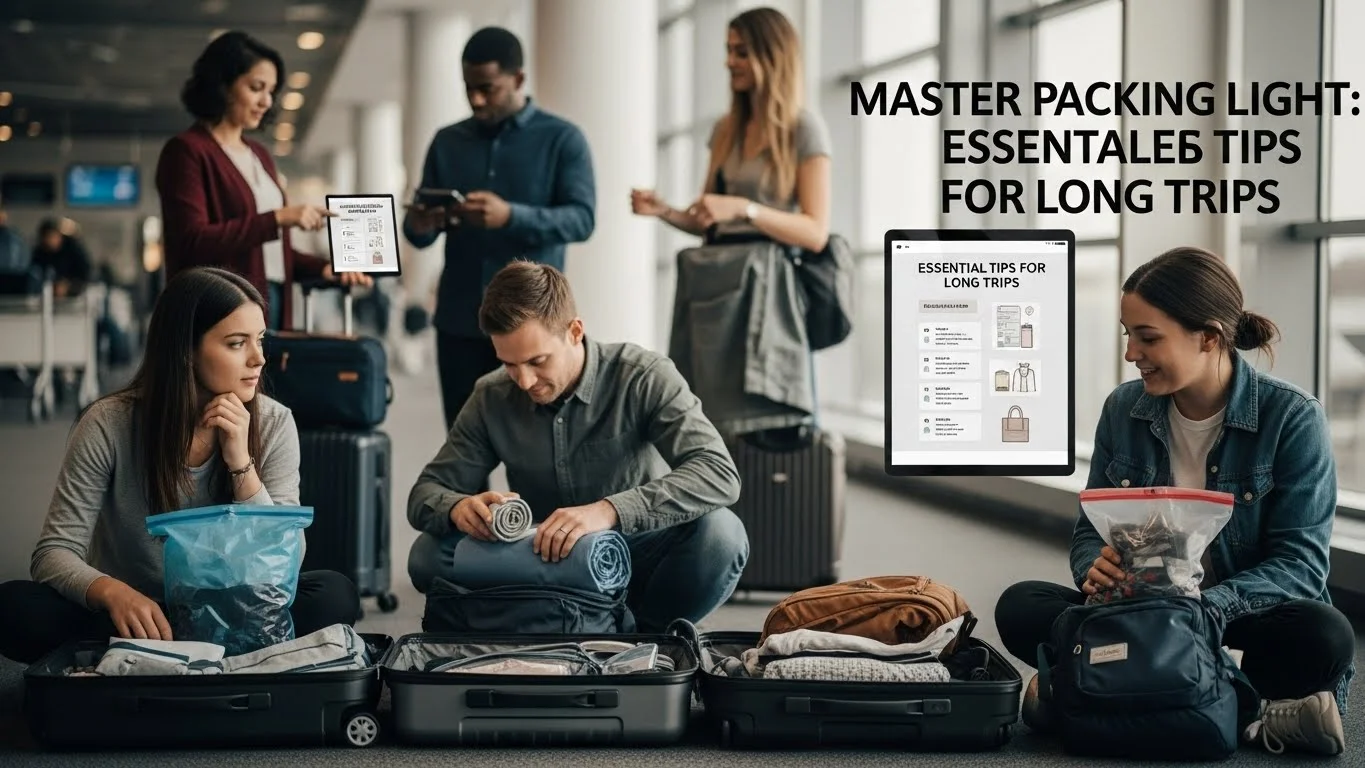
Master Packing Light: Essential Tips for Long Trips

Embarking on a long trip can be exhilarating, but figuring out how to pack light can be daunting. Let’s explore essential tips to help us travel with ease and make the most of our adventures. Read Interesting article: Pack Smart: Light Packing Tips for Family Trips

Master Packing Light: Essential Tips for Long Trips

Understanding the Concept of Packing Light

Packing light is not just about squeezing everything into a small bag; it’s a mindset that prioritizes efficiency and simplicity. I remember my first long trip where I tried to pack for every possibility. The result? A heavy suitcase that felt like a weight around my shoulders. Over time, I learned that packing light is about making thoughtful choices and embracing flexibility. Let’s dive deeper into why packing light is beneficial and the common misconceptions that often hold us back.

Benefits of Packing Light

Packing light can transform our travel experience. The first major benefit I noticed was the freedom. When I traveled with just a carry-on, I felt unburdened and ready to explore. I could easily navigate through crowded airports, jump on a train, or hop on a bus without the hassle of bulky luggage. Plus, I saved money on checked baggage fees!

Another benefit is the ease of organization. I found that when I packed less, it was easier to keep track of my belongings. I could see everything at a glance, which helped me stay organized and avoid losing items. This clarity also made it simpler to adapt my wardrobe as the trip progressed; I could mix and match outfits without digging through layers of clothes. Read Interesting article: Top Tips for Light Packing on Family Getaways

Lastly, packing light encourages mindful travel. It pushes us to consider what we truly need versus what we think we might need. This reflection has made my trips more intentional, allowing me to focus on experiences rather than possessions. For me, this shift in perspective has been one of the most rewarding aspects of travel.

Common Misconceptions About Packing Light

Despite the benefits, I’ve realized there are many misconceptions about packing light that can deter us from trying it. One common myth is that packing light means sacrificing comfort or style. I used to think I had to leave my favorite outfits behind, but I soon discovered that versatile pieces can look great and feel comfortable. The key is to choose items that can be dressed up or down.

Another misconception is that you need to have a complete wardrobe for different occasions. I’ve traveled with just a few clothing items and mixed and matched them to create various outfits for different settings. It’s all about being creative with what you have.

Finally, people often believe that packing light means being unprepared. I want to assure you that it’s entirely possible to be well-prepared without overpacking. I’ve found that by focusing on essentials and prioritizing quality over quantity, I can be ready for just about anything without dragging a heavy bag along.

Essential Packing Tips for Long Trips

Choosing the Right Luggage

When I set out to master packing light, one of the first things I learned was the importance of choosing the right luggage. I used to underestimate how much a good suitcase could impact my travel experience. After trying a few different bags, I found that a well-structured carry-on suitcase works wonders. It’s compact enough to fit in overhead bins but spacious enough to hold all my essentials.

Additionally, I’ve also discovered the benefits of backpacks for light travel. A backpack can provide hands-free convenience, allowing me to navigate busy streets or embark on spontaneous hikes without hassle. When choosing luggage, I recommend looking for features like lightweight material, good organization pockets, and durability. Trust me, investing time in finding the right luggage can make all the difference.

Understanding Weight Limits and Restrictions

Before any trip, I always check the airline’s weight limits and restrictions. I remember a time when I was caught off guard at the airport when my bag was overweight, which resulted in extra fees. Being aware of these limits helps us pack smarter and avoid unnecessary stress. I recommend weighing your bag at home and making adjustments as needed before heading to the airport. It also helps to become familiar with what items are allowed in carry-on luggage to avoid packing regrets.

How to Use Packing Cubes Effectively

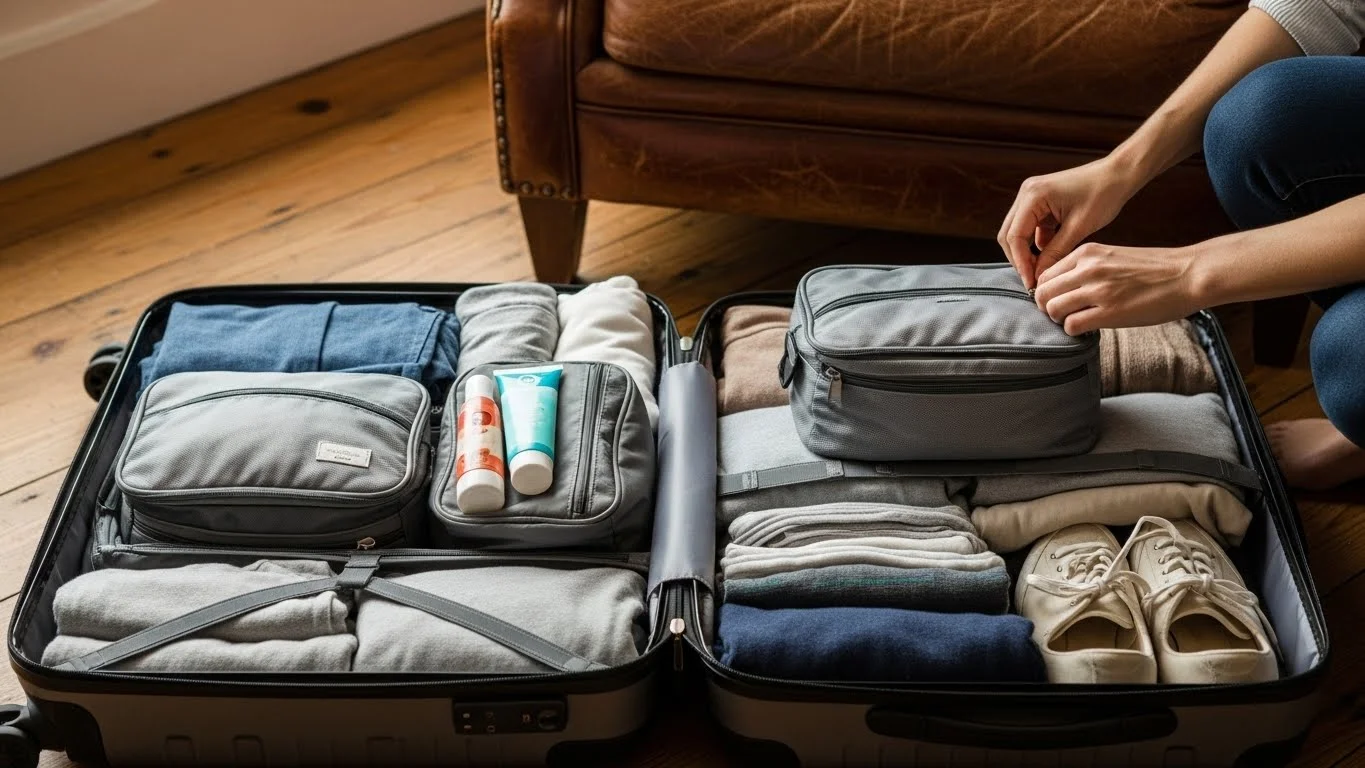
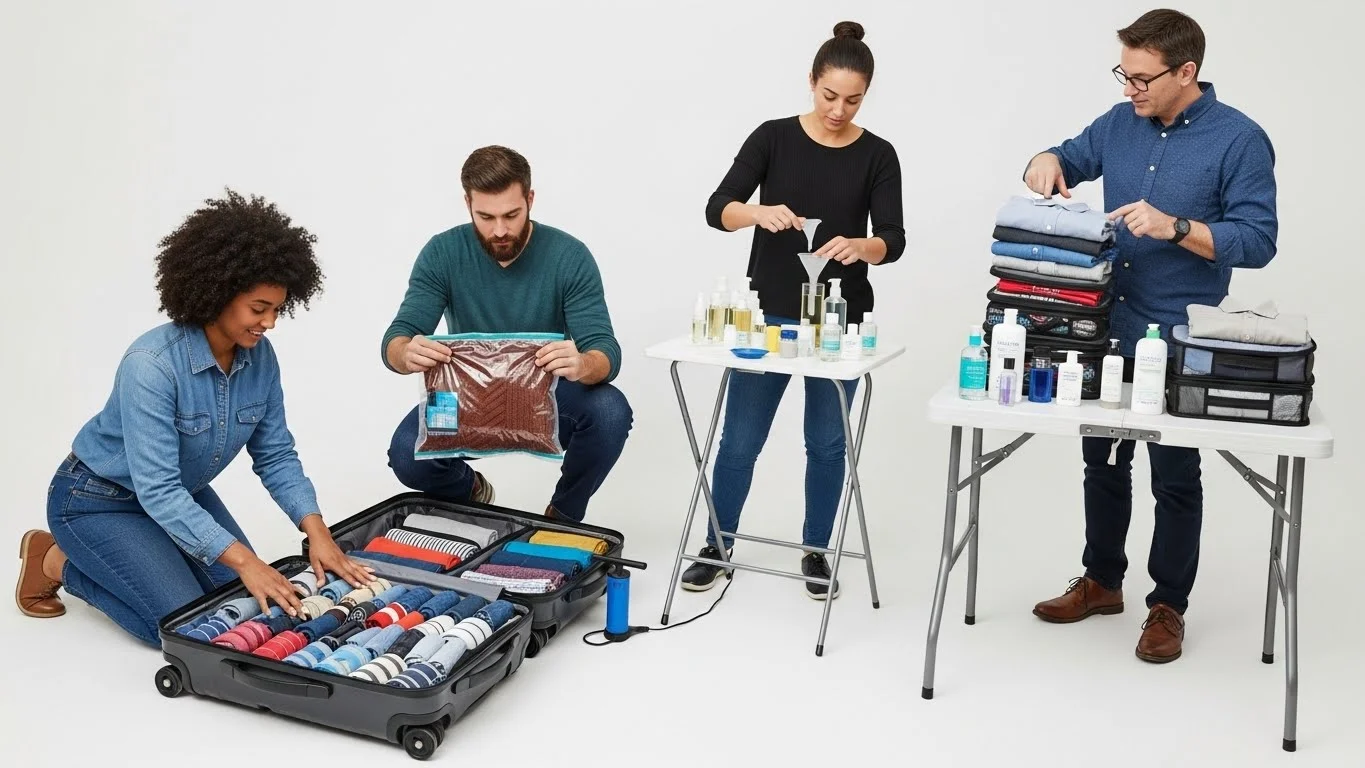
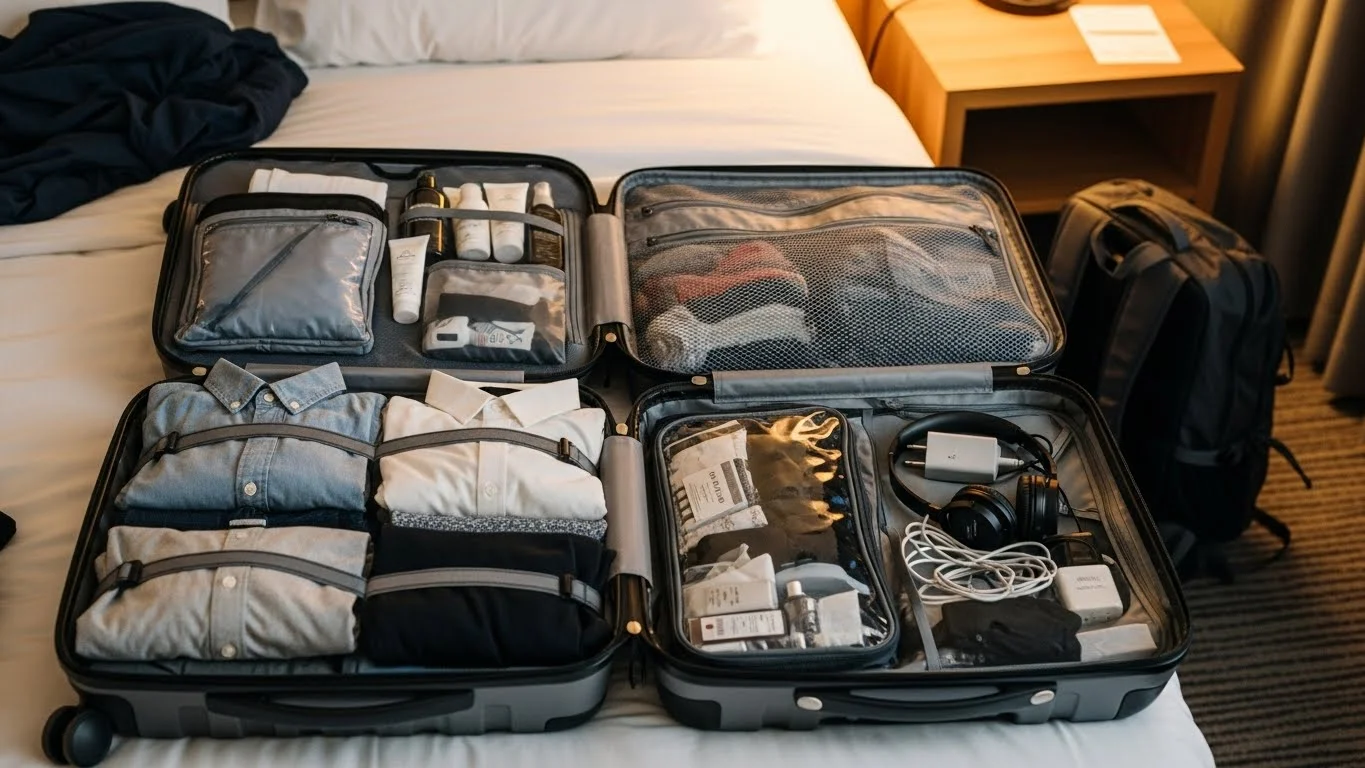
One of my favorite packing tools has to be packing cubes. When I first tried them, I couldn’t believe how much easier they made organizing my clothes. Each cube can serve a different purpose—like one for tops, another for bottoms, and even one for undergarments. This way, I can quickly find what I need without rummaging through my entire bag. I’ve also learned that cubes can compress my clothing slightly, making the most of the available space.

Utilizing Compression Bags for Extra Space

If you’re like me and often find yourself with more than you bargained for, compression bags can be a game-changer. I started using them for bulkier items, like jackets or sweaters, and I was amazed at how much space they saved. These bags work by removing air, allowing us to pack more efficiently. Just a quick tip: make sure you use them wisely and don’t overstuff them, as they can get heavy quickly!

By understanding the concept of packing light and utilizing effective strategies, we can enhance our travel experience. Let’s keep these tips in mind as we prepare for our adventures, ensuring that we travel smartly without the burden of excess baggage. Read Interesting article: The Ultimate Guide to Packing Light and Smart

Clothing Essentials for Long Trips

Versatile Clothing Items

When it comes to long trips, I’ve found that packing versatile clothing items can make a world of difference. Instead of bringing a separate outfit for every occasion, I focus on pieces that can be mixed and matched. For instance, I love packing a simple black dress that can easily transition from day to night. With the right accessories, I can dress it up for dinner or keep it casual for exploring during the day.

Another item I always include is a lightweight cardigan or jacket. It’s perfect for layering, and it can keep me warm during chilly evenings or in overly air-conditioned places. I’ve also learned that neutral colors tend to work best because they can coordinate with almost anything. So, I try to stick to a color palette that allows me to create multiple outfits with just a few pieces.

Layering Techniques for Various Climates

Layering is an essential skill I’ve developed over the years, especially when traveling to places with varying climates. I remember one trip where I went from a warm beach to a chilly mountain town in a matter of hours. By focusing on layers, I was able to adapt to the changing temperatures without needing to carry a bulky coat or extra heavy clothing.

For me, the classic layering strategy involves starting with a breathable base layer, adding an insulating mid-layer, and then topping it off with a waterproof outer layer. This approach allows me to remove or add pieces depending on the weather, which is especially helpful when I’m out and about all day. Plus, I’ve found that packing lightweight fabrics helps keep my luggage light while still being prepared for whatever comes my way.

Choosing Quick-Dry Fabrics

Quick-dry fabrics have become my best friends on my travels. I can’t tell you how many times I’ve been caught in unexpected rain or had to deal with sweaty days. Choosing clothes made from materials like polyester or moisture-wicking fabrics has helped me stay comfortable and dry. Not only do they dry faster, but they also tend to be lighter, which is an added bonus for packing light.

Additionally, I often opt for wrinkle-resistant clothing. I can’t stand pulling out a wrinkled shirt after a long flight! By selecting garments that resist wrinkles, I can pull them straight from my bag and look presentable without any extra effort. It’s all about making travel as easy and enjoyable as possible, and these fabric choices help me do just that.

Footwear Options: Comfort vs. Style

Footwear is another area where I’ve learned to be strategic. I used to pack multiple pairs of shoes—one for casual outings, another for dressier events, and maybe even a pair for exercise. But I quickly realized that packing light means making smart choices about shoes. Now, I focus on bringing just two pairs: a comfortable pair of walking shoes and a versatile pair of slip-ons or sandals. This way, I can easily dress up my outfit when needed without taking up excessive space in my bag.

Comfort is key for me, especially when exploring new cities where I might be walking for hours. I’ve found that investing in high-quality, supportive shoes makes a huge difference. They might be a bit pricier upfront, but the comfort they provide is worth it in the long run. Plus, when I choose neutral colors, I can wear them with just about anything, which helps keep my packing minimal.

Toiletries and Personal Care Products

Travel-Sized Toiletries: What You Really Need

When it comes to toiletries, I’ve learned the art of packing travel-sized products. I used to take full-size bottles of everything, which took up so much space and added unnecessary weight. Now, I carefully select the essentials: shampoo, conditioner, body wash, and skincare products in travel sizes. Many brands offer great options that last longer than you think, and they fit perfectly in my toiletry bag.

For me, it’s also about prioritizing what I truly need. Do I really need that fancy shampoo or can I use the hotel’s complimentary products? This thought process has helped me streamline my packing and focus on what’s truly necessary for my trip.

Multi-Use Products to Save Space

Multi-use products have become a staple in my travel routine. I love finding skincare products that serve multiple purposes, like a moisturizer with SPF or a tinted lip balm that doubles as blush. These products not only save space but also simplify my routine. I’ve discovered that I can achieve a fresh, polished look without needing to carry a whole makeup kit.

In my experience, the fewer products I carry, the easier it is to stay organized. I recommend investing in good-quality multi-use items; they can really enhance your travel experience by keeping things simple, light, and efficient.

How to Pack Toiletries without Spills

One of the biggest fears I had while packing toiletries was the dreaded spill. I remember one trip where I opened my bag to find my shampoo had leaked all over my clothes. To avoid this nightmare, I’ve developed a few strategies. First, I always make sure to seal the caps tightly and wrap them in plastic wrap before screwing the lid on. This extra layer of protection has saved me more than once.

Additionally, I store my liquids in a separate, zippered toiletry bag. This way, if something does leak, it’s contained, and the mess won’t spread to my clothes. I also keep my toiletries on top of my clothes in my bag, making it easily accessible and reducing the risk of pressure that could lead to spills. These little tricks have helped me travel with peace of mind, knowing my essentials are secure.

Electronics and Gadgets

Must-Have Travel Gadgets for Long Trips

When it comes to traveling, my gadgets have become essential companions. I’ve learned the hard way that not all electronics are created equal for travel, and some can make a world of difference. One of my favorite must-have gadgets is a portable charger. I can’t count how many times my phone battery has run low while I’m out exploring. Having a reliable power bank ensures I can capture memories without worrying about my phone dying mid-adventure.

Another gadget I’ve come to love is a noise-canceling headphone. I remember my first time on a long-haul flight; the noise from the engines made it hard to relax or enjoy my entertainment. Once I invested in a good pair of noise-canceling headphones, my travel experience improved significantly. They not only help me tune out distractions but also make it easier to sleep on planes or trains.

Lastly, I always pack a lightweight tablet or e-reader. As someone who enjoys reading, having access to a whole library without the bulk of physical books is a game-changer. Plus, they come in handy for watching movies or shows during downtime. I’ve found that these gadgets keep me entertained and help make long trips feel shorter, allowing me to enjoy my journey even more.

Organizing Cords and Chargers

Managing cords and chargers used to be a real hassle for me. I found myself untangling cables every time I needed to charge my devices, which was frustrating. To combat this, I started using cord organizers. I purchased a small zippered pouch where I could neatly store my charging cables and adapters. This simple solution has made it easy to access what I need and keep everything tidy. I’ve also discovered that using different colored cords for different devices helps me quickly identify which belongs to what.

Additionally, I recommend investing in multi-port chargers. Instead of bringing multiple chargers for each device, having one charger that can power several devices at once is a huge space saver. This way, I can plug in my phone and tablet simultaneously without needing extra outlets. It’s efficient and keeps my packing minimal, which is always a win in my book.

Choosing the Right Power Adapter

Traveling internationally means dealing with various plug types and voltage requirements. I remember my first trip abroad when I didn’t realize my standard charger wouldn’t work in Europe. After that experience, I made it a point to invest in a universal power adapter. This little gadget has saved me from the hassle of searching for compatible plugs in every country I visit.

In my experience, a good universal adapter should have multiple USB ports and be compact enough to fit in my bag without taking up too much space. I’ve found that choosing one with built-in surge protection is also wise, as it adds an extra layer of safety for my devices. By planning ahead with the right power adapter, I can keep my electronics charged and ready for whatever adventure lies ahead.

Documents and Important Items

What Travel Documents to Bring

Having the right documents when traveling is crucial, and it took me a few trips to really figure out what I needed. I always make sure to carry my passport, visa (if required), and a printed itinerary. It’s so helpful to have everything organized in one place. I usually keep these documents in a travel wallet that I can easily access when needed, especially at airports and border crossings.

In addition to my passport, I also carry copies of important documents. This includes a copy of my travel insurance, emergency contacts, and any necessary medical information. I learned this lesson after a friend misplaced their passport while traveling, and having copies available made things a bit easier for them. Now, I always have a backup plan.

How to Digitally Store Important Documents

To take it a step further, I’ve found that digitally storing my important documents is a lifesaver. I upload copies of my passport, travel insurance, and any essential documents to a secure cloud service. This way, if I ever lose my physical copies, I can easily access them online. It gives me peace of mind, knowing that I have a backup available at my fingertips.

Before each trip, I also make sure to download any necessary documents to my phone for offline access. This includes reservation confirmations, maps, and even emergency contacts. I’ve found that having everything in one place not only keeps me organized but also reduces stress during my travels.

Travel Insurance: Why It’s Essential

Speaking of peace of mind, I can’t stress enough how important travel insurance is. I used to think it was an unnecessary expense, but after hearing some friends’ horror stories about lost luggage and unexpected medical emergencies, I changed my mind. Now, I always purchase travel insurance before any trip.

Travel insurance can cover a range of issues, from trip cancellations to medical emergencies. I’ve come to appreciate it as a safety net that allows me to travel with confidence. If something goes wrong, knowing that I have support to help navigate the situation is invaluable. I recommend doing some research and finding a plan that suits your travel needs; it’s worth the investment for the peace of mind it provides.

Frequently Asked Questions

What is the concept of packing light?

Packing light is a mindset that prioritizes efficiency and simplicity, focusing on making thoughtful choices and embracing flexibility rather than just squeezing everything into a small bag.

What are the benefits of packing light?

Packing light offers several benefits including freedom of movement, ease of organization, and encouraging mindful travel by making travelers consider what they truly need versus what they think they might need.

What are some common misconceptions about packing light?

Common misconceptions include the belief that packing light means sacrificing comfort or style, needing a complete wardrobe for different occasions, and being unprepared. In reality, it’s possible to be stylish and ready for various situations with fewer items.

What should I consider when choosing luggage for packing light?

When choosing luggage, look for lightweight material, good organization pockets, and durability. A well-structured carry-on suitcase or a backpack can enhance your travel experience by being compact yet spacious enough for essentials.

How can packing cubes help with packing?

Packing cubes help organize clothes by allowing you to separate items, making it easier to find what you need without rummaging through your entire bag. They also compress clothing slightly, maximizing available space.

What are compression bags and how do they help?

Compression bags remove air from bulkier items like jackets or sweaters, saving space in your luggage. However, it’s important to use them wisely and avoid overstuffing, as they can become heavy quickly.

What types of clothing should I pack for long trips?

Focus on packing versatile clothing items that can be mixed and matched, such as a simple black dress and a lightweight cardigan. Neutral colors work best as they can coordinate easily, and layering techniques can help adapt to varying climates.

How can I pack toiletries without spills?

To avoid spills, seal caps tightly, wrap them in plastic wrap, and store liquids in a separate zippered toiletry bag. Keeping toiletries on top of clothes in your bag can also minimize the risk of pressure-induced leaks.

What important travel documents should I bring?

Essential travel documents include your passport, visa (if required), printed itinerary, and copies of important documents like travel insurance and emergency contacts. Keeping everything organized in a travel wallet is advisable.

Why is travel insurance important?

Travel insurance is essential as it covers a range of issues like trip cancellations and medical emergencies. It provides peace of mind, knowing that support is available in case something goes wrong during your travels.

Secrets to Efficient Luggage Organization When Traveling

Traveling should be fun, but disorganized luggage can turn a dream trip into a stressful experience. Let’s explore the secrets to efficient luggage organization that can make your travels smoother and more enjoyable. Read Interesting article: How to Organize Your Luggage Like a Pro

Secrets to Efficient Luggage Organization When Traveling

Understanding the Importance of Luggage Organization

When I first started traveling, I didn’t realize just how critical it was to have my luggage organized. I would toss things in haphazardly, and when I arrived at my destination, I’d find myself digging through a chaotic mess to find my essentials. Over time, I learned that organized luggage isn’t just about fitting everything in—it’s about making my travel experience easier and more enjoyable.

Benefits of Organized Luggage

There are numerous benefits to having organized luggage. First and foremost, it saves time. Imagine stepping off a plane and knowing exactly where your passport, phone charger, or favorite sweater is. You won’t waste precious moments rummaging through layers of clothes or searching for your toiletries. Additionally, organized luggage minimizes stress. When everything has its designated spot, I feel more relaxed knowing I can access what I need quickly.

Moreover, organization can help prevent damage to your belongings. Fragile items are less likely to break if they’re packed securely. I’ve had my fair share of broken souvenirs and shattered toiletries due to careless packing, and trust me, it’s not a fun surprise. Lastly, packing efficiently allows me to maximize space. This means I can bring more without needing to lug around extra bags. Read Interesting article: Master Your Packing: Tips for Organized Luggage

Common Challenges Travelers Face

Despite its importance, many travelers face common challenges when it comes to luggage organization. One of the biggest hurdles is overpacking. I used to think that packing “just in case” was a smart idea, but I quickly learned that it added unnecessary weight and made my luggage chaotic. Another challenge is keeping track of smaller items, like chargers and toiletries, which often get lost in the depths of a suitcase.

Then there’s the challenge of managing dirty laundry and clean clothes. I remember returning from a trip, only to find a mix of clean and dirty items all jumbled together. It’s frustrating and adds an extra step to unpacking when all you want to do is relax. Understanding these challenges has been pivotal in shaping my approach to packing and organizing my luggage effectively.

Essential Packing Tips for Efficient Organization

Once I recognized the significance of organized luggage, I started experimenting with different packing strategies. Here are some essential tips that I found particularly helpful.

Choosing the Right Luggage

The first step is selecting the right luggage. I’ve tried various types over the years, from hard-shell suitcases to soft-sided bags. What I’ve found is that the right luggage for me is one that balances size, weight, and accessibility. I prefer a suitcase with multiple compartments because it allows me to organize my items more effectively. Additionally, look for bags with external pockets for easy access to essentials like travel documents or snacks.

Using Packing Cubes for Better Space Management

Packing cubes have become my best friends. These handy compartments help me categorize my items, which makes finding things a breeze. For instance, I use one cube for tops, another for bottoms, and a smaller one for undergarments. I also have a separate cube for my tech gadgets and chargers. This way, each item has its place, and I can quickly locate what I need without digging through everything. I recommend experimenting with different sizes and shapes to find what fits your packing style best.

Roll vs. Fold: Which Method is Best?

Deciding whether to roll or fold clothes can be a hot topic among travelers. I’ve tried both methods and have found that rolling often saves me more space. It also helps minimize wrinkles, which means I can skip ironing when I arrive at my destination. I roll everything from t-shirts to jeans. However, I still fold items like blazers or dress shirts that I want to keep crisp. I think the key is to mix and match these techniques based on the garments you’re packing.

Creating a Packing List: What to Include

Creating a packing list has been a game-changer for me. It started as a simple way to ensure I didn’t forget anything, but it evolved into a vital tool for organization. I’ve found that categorizing items on my list—like clothing, toiletries, and tech—helps me visualize what I need. I also check off items as I pack them, which gives me a sense of accomplishment. Plus, I can refer back to my lists for future trips to refine what I pack based on past experiences.

By understanding the importance of luggage organization and using these essential packing tips, we can transform our travel experiences from stressful to seamless. I believe that with a little effort and the right strategies, we can all enjoy the journey, starting from the moment we pack our bags. Stay tuned for more tips on clothing organization strategies and how to keep your toiletries in check!

Clothing Organization Strategies

Layering and Versatility for Clothing Choices

One of the best strategies I’ve picked up over the years is the art of layering and selecting versatile clothing. I used to overpack by bringing several outfits for different occasions, but now I focus on pieces that can mix and match. For example, I choose a few neutral-colored tops that can go with both shorts and pants. This way, I can create multiple outfits with just a few items.

Layering not only keeps me prepared for varying weather conditions, but it also helps in packing more efficiently. A lightweight jacket that I can wear over a t-shirt or a cardigan that layers nicely over a dress allows me to adapt my outfit without having to bring a bulky wardrobe. Plus, I’ve found that using layers means I can leave a little extra space in my luggage for souvenirs or other items I pick up along the way. With layering, I feel fashionable and functional while traveling.

How to Pack Shoes Without Wasting Space

Shoes are one of those tricky items that can take up a lot of space in our luggage. I remember the days of cramming bulky shoes into my suitcase, which often led to awkwardly-shaped bags or even damage to other items. Now, I’ve learned a few tricks to make packing shoes much more streamlined.

First off, I choose versatile footwear. A comfortable pair of sneakers can work for both sightseeing and casual dinners, while a pair of sandals can double as beachwear and evening attire. I also utilize the inside of my shoes. Stuffing socks or small items into shoes not only saves space but also helps maintain their shape. I pack them in a way that they can fit snugly alongside my clothes, ensuring no wasted space. This little hack has made a significant difference in my packing efficiency.

Organizing Accessories: Keeping it Compact and Accessible

Accessories can sometimes feel like the cherry on top of an outfit, but they also tend to get lost easily in a suitcase. I’ve learned that keeping them organized is crucial for a smooth travel experience. I use small, zippered pouches for different types of accessories—one for jewelry, another for belts, and a third for scarves. This way, I don’t have to dig through a pile of tangled necklaces or misplaced sunglasses when I need them.

Another tip I find useful is to pack accessories in a way that complements my clothing choices. I often keep my favorite earrings or a statement necklace in my daily outfit pouch, which makes it easier to grab them when I’m getting ready. I’ve found that this not only saves time but also keeps my accessories from getting damaged or lost in the shuffle. Having a well-thought-out method for organizing accessories has truly enhanced my travel style.

Organizing Toiletries and Personal Items

Travel-Sized Products: What to Bring

When it comes to toiletries, I used to think I needed my full-sized products for any trip. However, I quickly realized that travel-sized items are not just convenient, but also save a lot of space. I’ve made it a habit to stock my toiletry bag with travel-sized essentials. Not only do they fit better in my luggage, but they also help me avoid any spills or leaks that could ruin my clothes.

I recommend checking the TSA guidelines for liquids and gels to ensure your products meet the necessary requirements. I’ve learned to prioritize multi-use products, like a moisturizer with SPF or a shampoo that doubles as body wash. This not only simplifies my packing but also helps me maintain a minimalist approach when traveling. I keep a small collection of travel-sized bottles filled with my favorite products ready to go, so I can quickly grab them when it’s time to pack.

Using Toiletry Bags Effectively

Investing in a good toiletry bag has been a game-changer for me. I prefer bags that have compartments and elastic loops to keep everything organized. This way, I can easily see what I have and access it without rummaging through everything. I’ve learned that it’s helpful to designate a specific section for frequently used items like my toothbrush and toothpaste, so I can reach them quickly when I’m in a hurry.

I also recommend choosing a toiletry bag that can hang up. This is particularly useful in hotel bathrooms where counter space is limited. I’ve found that it keeps my items off potentially dirty surfaces, and it’s much easier to access everything when it’s hanging in plain sight. Simple changes like these have made my personal item organization much more enjoyable.

Storing Medication and Important Documents

During my travels, I’ve learned that keeping my medications and important documents organized is essential for peace of mind. I use a small pouch specifically for my prescriptions and any over-the-counter medications I might need. This keeps them separate from my other toiletries and easy to access, especially in case of emergencies.

For important documents like my passport, travel insurance, and boarding passes, I have a dedicated travel wallet. I learned the hard way that having these documents scattered throughout my luggage can lead to unnecessary stress at check-ins or during security checks. By keeping everything in one place, I can quickly grab what I need without panic. It’s a simple yet effective way to ensure I have everything I need right at my fingertips while traveling.

Tech and Gadgets Packing Tips

Choosing the Right Tech Gear for Travel

As someone who relies heavily on tech while traveling, I’ve learned that selecting the right gear can make all the difference. I used to pack every gadget I owned, thinking I would need them all, but that often led to a heavy bag and unnecessary stress. Now, I focus on the essentials. For me, this typically includes my laptop, tablet, and smartphone, along with noise-canceling headphones for those long flights.

When choosing tech gear, I prioritize versatility. For example, my tablet serves as both an entertainment device and a lightweight laptop for work. I also make sure to carry a compact and portable Bluetooth keyboard, which has made it easier to type on the go without weighing me down. I’ve found that by limiting my tech to what I really need, I can keep my luggage light and manageable while still staying connected.

Organizing Cables and Chargers

Cables and chargers can quickly become a jumbled mess in my luggage if I’m not careful. I remember the first time I opened my bag after a long journey, only to be greeted by a tangled web of cords. Now, I’ve adopted a few strategies to keep them organized. I use a dedicated cable organizer pouch, which has compartments for each charger and cable. This way, I can easily see what I have and find the right one without frustration.

Another trick I use is to label my cables. I’ve found that using color-coded ties or small labels not only helps me identify which charger belongs to which device but also prevents mix-ups. I also take the time to coil my cords neatly instead of just stuffing them away. This simple act saves me time and keeps my tech gear in good working condition.

Portable Power Banks: What You Need to Know

Power banks have become a must-have for my travels. I can’t tell you how many times my phone has died while I was out exploring a new city, leaving me unable to navigate or capture memories. I’ve learned to invest in a reliable power bank that can charge multiple devices at once. This ensures I’m never left without a charge, especially during long travel days.

When selecting a power bank, I look for one with a high capacity but still lightweight enough to carry around. I also appreciate models that come with built-in cables to eliminate the need for extra cords. It’s great to have the peace of mind knowing that I can keep my devices charged without having to search for an outlet, especially in bustling airports or crowded cafes.

Travel Essentials: Must-Have Items for Easy Access

Identifying Essential Items for Quick Retrieval

One approach I’ve found effective is to identify and pack essential items that I want quick access to during my travels. This includes my passport, boarding passes, and wallet. I keep these items in an accessible pocket of my carry-on or in a travel wallet that I can grab easily. I remember a time when I had to fumble through my bag at security, and it wasn’t pleasant for me or the people waiting behind me.

In addition to documents, I also like to keep a small pouch with my travel-sized hand sanitizer, tissues, and snacks within reach. I’ve experienced those moments when I desperately needed a snack or a quick clean-up, and having these essentials close at hand has made my travels much smoother. By being mindful of what I need regularly, I streamline my day-to-day travel experience.

Using Zippered Pouches for Small Items

Zip pouches have become my go-to solution for organizing smaller items in my luggage. I use different pouches for different categories—one for toiletries, another for tech accessories, and a third for miscellaneous items like travel documents or first-aid supplies. This way, I avoid the chaos of small items getting lost or mixed up in my bag.

What I love about zippered pouches is that they come in various sizes, and I can easily stack them in my suitcase or backpack. I also appreciate that I can quickly pull out a specific pouch when I need something, instead of having to dig through my entire bag. Over time, I’ve found that this method not only keeps me organized but also helps me stay calm and collected even when I’m on the move.

Frequently Asked Questions

Why is luggage organization important while traveling?

Luggage organization is crucial because it saves time, minimizes stress, prevents damage to belongings, and allows for more efficient packing. Knowing where your essentials are can greatly enhance your travel experience.

What are the benefits of using organized luggage?

Organized luggage saves time by allowing quick access to items, reduces stress by having designated spots for belongings, helps prevent damage to fragile items, and maximizes packing space.

What common challenges do travelers face with luggage organization?

Travelers often struggle with overpacking, keeping track of smaller items like chargers and toiletries, and managing the separation of dirty laundry from clean clothes.

What packing method is recommended: rolling or folding clothes?

Rolling clothes is often recommended as it saves space and minimizes wrinkles. However, items like blazers or dress shirts should be folded to keep them crisp. A mix of both methods is advisable based on the garment type.

How can packing cubes help with luggage organization?

Packing cubes help categorize items, making it easier to find what you need quickly. They allow for better space management and help keep your belongings organized within your luggage.

What should be included in a packing list?

A packing list should categorize items such as clothing, toiletries, and tech gadgets. It helps ensure nothing is forgotten and allows travelers to visualize their packing needs.

How can shoes be packed efficiently?

Shoes can be packed efficiently by choosing versatile footwear and utilizing the inside of shoes to store small items like socks. This helps save space and maintain the shape of the shoes.

What strategies can be used for organizing toiletries?

Using travel-sized products saves space and helps avoid spills. A well-organized toiletry bag with compartments can also make accessing items easier, especially if it can hang up in a bathroom.

What is the significance of having a dedicated travel wallet?

A dedicated travel wallet is significant for keeping important documents like passports, travel insurance, and boarding passes organized in one place, reducing stress during security checks and check-ins.

How should tech gear be selected for travel?

Tech gear should be selected based on necessity and versatility. Focus on essential devices like a laptop, tablet, and smartphone while considering lightweight options to avoid a heavy bag.

Additionally, for budget-conscious travelers, Read Interesting article: Top Eco-Friendly Transportation Tips for Budget Travelers.

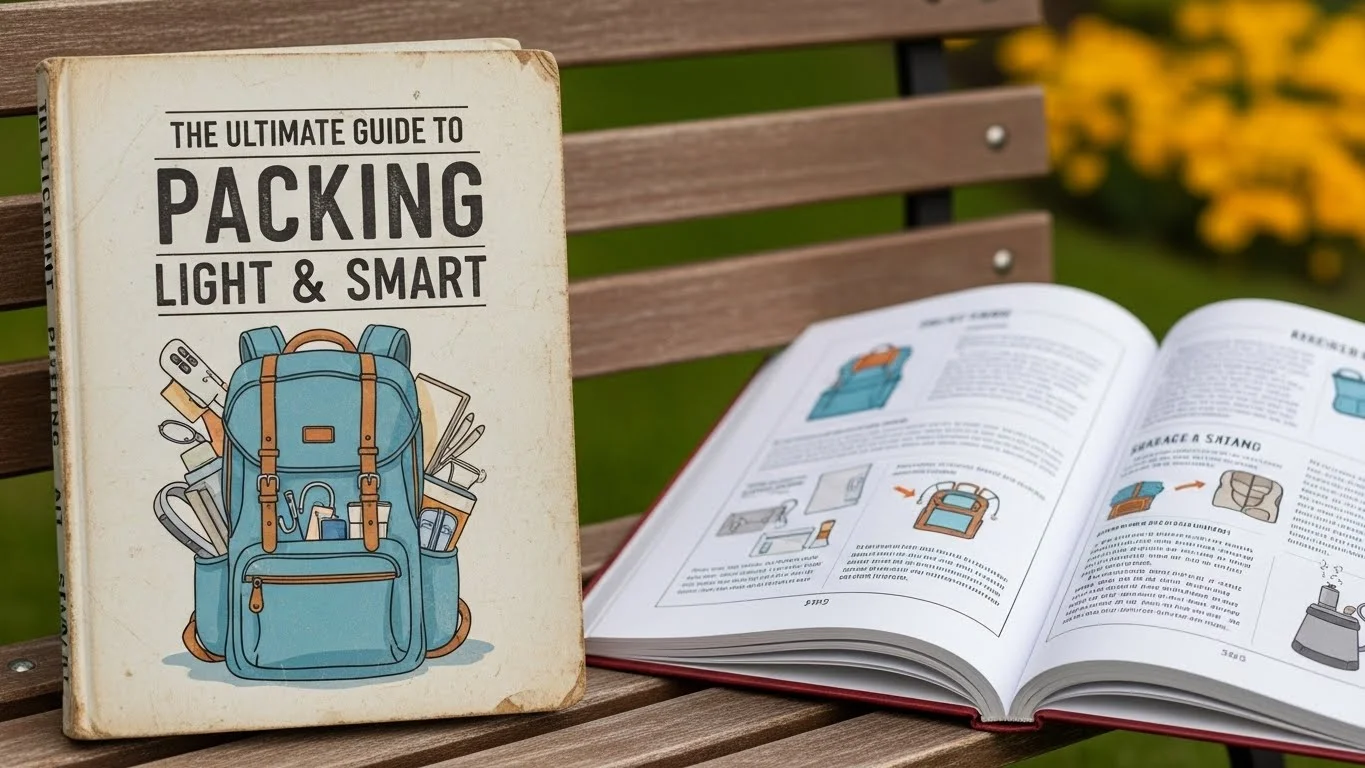
The Ultimate Guide to Packing Light and Smart

Packing light and smart transforms travel from a chaotic experience into a joyful adventure. By mastering this skill, we can explore more freely and enjoy every moment without the burden of heavy luggage. For more insights, check out the Ultimate Guide to Packing Light for Family Vacations.

The Ultimate Guide to Packing Light and Smart

Understanding the Importance of Packing Light

When I first started traveling, I was notorious for overpacking. I’d stuff my suitcase with clothes I never wore and shoes that just took up space. It wasn’t until I found myself struggling to carry my bag up a flight of stairs that I realized the importance of packing light. Since that moment, I’ve made it my mission to travel smartly and efficiently. Here’s what I’ve learned along the way.

The Benefits of Traveling Light

Packing light isn’t just about convenience; it’s about enhancing the overall travel experience. One of the biggest benefits I’ve discovered is the freedom it brings. With a lighter bag, I can move more easily, whether I’m hopping on a train or navigating through an airport. I feel less stressed, as I’m not constantly worried about my belongings or how heavy my luggage is.

Another advantage is saving money. Many airlines charge extra fees for checked bags, and traveling with just a carry-on can help us avoid those costs. Plus, I’ve found that packing light encourages me to think critically about what I truly need, leading to fewer impulse buys on the road. I remember a time when I packed only a few essentials for a week-long trip, and it turned out to be one of my most enjoyable vacations yet. For more tips, check out the Pack Smart: Light Packing Tips for Family Trips.

Common Misconceptions About Packing

People often think that packing light means sacrificing comfort or style. I used to believe that too, but I’ve learned it’s about making smarter choices. For example, choosing versatile clothing that can be mixed and matched can keep my wardrobe light without sacrificing my personal style. When I embraced this idea, I found that I could create multiple outfits with just a few key pieces.

Another misconception is that we need to bring everything “just in case.” I’ve fallen into this trap more times than I can count. The truth is, most of the time, we can find what we need at our destination if something unexpected arises. I’ve learned to let go of that fear and trust that I can make do with what I have, which has lightened my load both literally and figuratively.

Essentials for Packing Light

Choosing the Right Luggage

The foundation of packing light starts with selecting the right luggage. I’ve gone through various types of bags over the years, but I’ve found that a good quality, lightweight carry-on suitcase or backpack is essential. It allows me to pack my essentials without feeling weighed down. I recommend looking for a bag with multiple compartments, which helps keep everything organized and easily accessible.

When choosing luggage, I’ve learned to consider durability and weight. A lightweight bag made from sturdy materials can withstand the rigors of travel without adding unnecessary bulk. I also prefer bags with wheels, as they make maneuvering through busy airports a breeze. I remember the first time I invested in a wheeled suitcase; it made such a difference in my travel experience!

Lightweight Packing Cubes and Organizers

One of the game-changers in my packing strategy has been using packing cubes and organizers. These little wonders help me maximize space and keep my belongings sorted. I love how they allow me to compress my clothes, making it easier to fit everything into my luggage. Plus, it’s a huge time-saver when I need to find something specific.

I recommend choosing packing cubes in different sizes to accommodate various items. For instance, I use smaller cubes for undergarments and accessories, while larger ones are perfect for my clothing. This way, I can easily pull out a cube and access what I need without digging through my entire bag.

Must-Have Travel Accessories

Along with my luggage and packing cubes, there are a few travel accessories I consider must-haves. A travel-sized laundry bag is essential for keeping dirty clothes separate from clean ones. I’ve also found that a portable charger is invaluable, especially during long travel days. It ensures my devices stay charged, allowing me to document my journey without worrying about battery life.

Another accessory I can’t live without is a lightweight travel towel. It dries quickly and takes up minimal space, making it perfect for unexpected situations like beach stops or impromptu hikes. I remember one trip where I forgot my towel and had to rely on a hotel towel instead; it reminded me of how essential this simple item is for any adventure.

Clothing Considerations

Choosing Versatile Outfits

When it comes to packing light, the clothing I choose can make all the difference. I’ve learned that picking versatile outfits is key. For example, I love bringing along a pair of dark jeans that can work for both casual outings and dressier dinners. By mixing and matching, I can create several looks without taking up too much space in my suitcase. I often opt for tops that can be dressed up or down, and I try to stick to a color palette that allows me to mix and match everything effortlessly.

One of my favorite packing tips is to include a lightweight, wrinkle-resistant dress. It can be worn as a casual day outfit or dressed up with accessories for an evening out. This strategy has saved me so much room in my luggage while ensuring I look stylish no matter the occasion. I recommend thinking about how each piece can serve multiple purposes; it’s a game-changer!

Fabric Selection for Lightweight Packing

Fabric choice plays a significant role in how much I can pack and how comfortable I feel while wearing my clothes. I’ve discovered that lightweight and breathable fabrics are my best friends when traveling. Materials like merino wool, quick-dry synthetics, and lightweight cotton work wonders. They tend to be lighter, and many are wrinkle-resistant, which means I can pull them out of my bag and wear them without needing an iron.

During one trip, I packed a lightweight, moisture-wicking shirt that ended up being my go-to piece. It kept me cool in the heat and dried quickly after I washed it in the sink. I’ve also found that clothes made from these materials can be layered easily, which brings me to my next packing consideration.

Layering Techniques for Different Climates

Layering is essential when I travel to destinations with varying climates. I remember a trip to Europe where I started in a warm city but ended up in the mountains. Having a few layers made it easy for me to adjust to the changing temperatures. I typically pack a base layer, like a fitted long-sleeve shirt, a mid-layer for warmth, such as a lightweight fleece, and a waterproof jacket for unexpected weather.

This approach not only helps with temperature control but also reduces the number of bulky items I need to pack. I recommend investing in a good-quality jacket that’s both lightweight and packable. It’s amazing how a well-chosen jacket can elevate an outfit while keeping me comfortable in different weather conditions!

Footwear Options for Comfort and Style

Choosing the right footwear is another crucial element in packing light. In my early travels, I often brought multiple pairs of shoes, thinking I needed options for every occasion. However, I quickly learned that one or two pairs of versatile shoes can suffice. I typically pack a pair of comfortable walking shoes and a dressier pair that can transition easily from day to night.

For me, comfort is key since I tend to do a lot of walking while exploring new places. I’ve found that lightweight sneakers or slip-on shoes work perfectly for everyday adventures. I also like to bring a pair of sandals that are stylish yet comfortable enough for walking around. A great tip is to wear the bulkier pair—like my walking shoes—while traveling to save space in my luggage.

Toiletries and Personal Care Items

Travel-Sized Toiletries: What You Need

When it comes to toiletries, I’ve learned that less is more. I now focus on travel-sized versions of my essentials. Many stores carry travel-sized toiletries, or I often use small, refillable bottles to bring my favorites. This not only saves space but also complies with airline regulations regarding liquids. For me, a small shampoo, conditioner, and body wash go a long way.

I’ve also discovered that many hotels provide basic toiletries, so I try not to pack things I can likely find at my destination. This realization has made packing so much easier! I recommend checking your hotel’s amenities to see what they offer before loading up your bag.

Multi-Use Products for Efficiency

As I’ve refined my packing strategy, I’ve come to appreciate multi-use products that serve several purposes. For instance, I love using a moisturizer that doubles as sunscreen. This not only cuts down on the number of products I carry, but it also simplifies my morning routine while traveling. Another favorite of mine is a lip balm that hydrates and has SPF. I’ve also started carrying a solid perfume; it’s compact and doesn’t spill like traditional liquid perfumes.

By prioritizing products that have multiple functions, I can keep my toiletry bag lightweight and efficient. It’s all about finding those gems that make life easier while traveling!

How to Pack Toiletries Smartly

Over the years, I’ve developed a system for packing toiletries that keeps everything organized and prevents leaks. I use a clear, zip-top bag to separate my liquids from the rest of my items. This not only makes it easier to find what I need but also ensures that if something does spill, it’s contained and won’t mess up my clothes.

I also like to keep my toiletries at the top of my bag or in an outer pocket for quick access during security checks. By doing this, I save time and stress at the airport. Plus, packing my toiletries neatly helps me feel more organized, even when I’m on the go!

Electronics and Entertainment

Essential Gadgets for Travelers

As a traveler, I’ve come to realize that the right electronics can make all the difference in enhancing my experience. When I first started traveling, I would pack everything I thought I might need, which often included multiple gadgets. Now, I focus on a few essential devices that cater to my needs while keeping my luggage light.

One gadget I can’t do without is a reliable smartphone. It serves multiple purposes, such as a camera, GPS, and communication device. I remember a trip where I relied solely on my phone to navigate a new city, take pictures, and even book accommodation on the go. It truly felt like having a mini travel assistant in my pocket.

Another essential is a lightweight laptop or tablet, especially if I’m traveling for work or need to keep in touch with friends and family. I’ve found that a device with good battery life is crucial, as I might not always have access to charging points. A portable Bluetooth keyboard also comes in handy for longer writing sessions, allowing me to work comfortably.

How to Choose the Right Travel Adapter

One of the biggest headaches I’ve faced while traveling is dealing with different power outlets. I’ve learned the hard way that a universal travel adapter is an absolute must-have. It saves me the frustration of scrambling to find an adapter upon arrival. I recommend getting one that has multiple USB ports, allowing me to charge several devices at once.

During my travels, I’ve also come across adapters with built-in surge protectors, which provide an extra layer of safety for my electronics. I once plugged my laptop into an outlet that had a surge, and it was a disaster! Now, I’m much more cautious and always double-check that my adapter has the necessary features for safe charging.

Downloading Offline Content for Entertainment

Long flights or train rides can sometimes feel tedious, but I’ve found that downloading offline content has been a game-changer. Whether it’s movies, music, or ebooks, having entertainment ready to go can make the journey much more enjoyable. Before I head out, I ensure that I’ve downloaded a few episodes of my favorite show or a couple of audiobooks to keep me entertained.

I’ve also discovered the beauty of apps that allow me to save articles or videos for offline viewing. On numerous occasions, I’ve filled my downtime with interesting reads or inspiring podcasts that I wouldn’t typically have access to while on the go. It’s amazing how a little preparation can turn travel time into a delightful experience!

Smart Packing Tips and Strategies

The Roll vs. Fold Debate

When I first started packing light, I was torn between rolling and folding my clothes. I tried both methods, and I’ve found that rolling my clothes tends to save more space. Not only does it allow me to fit more into my luggage, but it also minimizes wrinkles, which is a big plus. I remember unpacking after a trip where I rolled my clothes and finding everything in perfect condition, which felt like a small victory!

Additionally, rolling can help me quickly identify items in my bag. I often create small rolls for individual outfits, which makes it easy to grab what I need without making a mess. I recommend giving it a try if you haven’t already; it’s a simple technique that has made a world of difference for me.

Utilizing Empty Spaces in Luggage

Another packing strategy that I’ve embraced involves making the most of every bit of space in my luggage. I’ve learned to utilize the gaps between my packed clothes for smaller items, such as socks or chargers. I even stuff my shoes with things like rolled-up belts or small toiletries to maximize that empty space. This method not only saves room but also ensures that I’m making the most of my packing efforts.

I also pay attention to any compartments in my luggage. For instance, I often slip my lightweight jacket in the outer pocket, making it easily accessible without taking up valuable packing space. It’s all about being resourceful and mindful of how I arrange my belongings!

How to Pack a Carry-On for a Week-Long Trip

Packing a carry-on for a week-long trip might sound daunting, but I’ve mastered it through careful planning. First, I start by selecting a versatile color scheme, ensuring that everything I bring can mix and match easily. It allows me to create various outfits without taking up too much space.

I focus on packing a few key pieces: two or three tops, one or two bottoms, and a lightweight dress or jacket that can elevate any outfit. By layering and utilizing a few accessories, I can transform my look without overloading my bag.

When it comes to toiletries, I stick to the travel-sized essentials and prioritize multi-use products. I’ve found that if I plan well and make smart choices, I can pack efficiently while still having everything I need for a week away. It’s all about being strategic and staying organized!

Frequently Asked Questions

What are the benefits of packing light when traveling?

Packing light enhances the overall travel experience by providing freedom of movement, reducing stress, and saving money on airline fees for checked bags. It also encourages thoughtful packing, leading to fewer impulse buys while traveling.

How can I choose the right luggage for packing light?

Select a good quality, lightweight carry-on suitcase or backpack with multiple compartments for organization. Consider durability and weight, and opt for bags with wheels for easier maneuvering through airports.

What are packing cubes and how do they help?

Packing cubes are organizers that help maximize space and keep belongings sorted. They allow for compression of clothes, making it easier to fit everything into luggage and saving time when searching for specific items.

What type of clothing should I pack for versatility?

Choose versatile outfits that can be mixed and matched. Opt for pieces that work for both casual and dressy occasions, and stick to a color palette that allows for easy combinations. Lightweight, wrinkle-resistant items are also recommended.

What toiletries should I bring when packing light?

Focus on travel-sized toiletries or use refillable bottles for your essentials. Many hotels provide basic toiletries, so check what is available at your destination to avoid overpacking.

How can I effectively pack my toiletries?

Use a clear, zip-top bag to separate liquids from other items, making them easier to access and contain in case of spills. Keep toiletries at the top of your bag for quick access during security checks.

What electronics are essential for travel?

A reliable smartphone is crucial for navigation, photography, and communication. A lightweight laptop or tablet with good battery life is also recommended, especially for work or staying in touch with others.

How do I choose the right travel adapter?

Invest in a universal travel adapter with multiple USB ports and built-in surge protectors to safely charge your devices in different countries, preventing potential damage from electrical surges.

What are some smart packing techniques?

Rolling clothes instead of folding can save space and minimize wrinkles. Utilize empty spaces in your luggage by stuffing smaller items into shoes or gaps between packed clothes for efficient packing.

How can I pack a carry-on for a week-long trip?

Plan by selecting a versatile color scheme and packing a few key pieces: two or three tops, one or two bottoms, and a lightweight dress or jacket. Prioritize travel-sized toiletries and multi-use products to maximize space.

How to Organize Your Luggage Like a Pro

Packing for a trip can feel overwhelming, but organizing your luggage like a pro makes all the difference. Let’s dive into how we can make packing efficient and stress-free! Read Interesting article: Master Your Packing: Tips for Organized Luggage

How to Organize Your Luggage Like a Pro

Understanding the Importance of Luggage Organization

Have you ever opened your suitcase at your destination only to find a jumble of clothes, toiletries, and random items? I certainly have, and it’s not the best way to start a vacation. Organizing your luggage can save you time, reduce stress, and even prevent potential disasters like forgetting essentials or damaging items. When I learned the importance of packing smartly, my travel experiences became much more enjoyable.

Benefits of Organized Luggage

The benefits of organized luggage are immense. Firstly, it saves time. I remember rushing through my hotel room trying to find a specific shirt, only to waste precious minutes I could have spent exploring. With organized luggage, I can quickly locate everything I need. Secondly, it helps reduce stress. Knowing where your items are can make navigating through airports and hotels feel less chaotic. I often find that when everything is in its place, my mind is clearer, and I can focus more on enjoying my trip.

Additionally, organized luggage helps you avoid overpacking. When I started categorizing my items, I realized I often packed unnecessary clothes or duplicates. It’s much easier to assess what you truly need when you can see everything laid out neatly. I also found that my luggage stayed in better condition. When things are packed tightly, they’re less likely to shift around and get damaged during transit. Overall, these benefits make a compelling case for why we should adopt a more organized approach to packing. Read Interesting article: The Best Luxury Luggage for Budget Backpackers

Common Mistakes When Packing

Despite the clear benefits, I’ve seen many people make common packing mistakes that can lead to disorganization. One major mistake is not planning ahead. I used to throw items into my suitcase without a second thought, only to find I forgot key essentials. Making a packing list, which I now swear by, can help prevent this. Also, overpacking is another pitfall. I used to bring way more outfits than necessary, thinking I’d want options. It’s better to bring versatile pieces that can mix and match.

Another mistake I’ve noticed is ignoring luggage size restrictions. Whether you’re traveling by air, train, or bus, being aware of size limits can prevent last-minute chaos. I once had to leave a favorite jacket behind because it wouldn’t fit in my carry-on, and I learned my lesson the hard way. Finally, not using packing tools can lead to a messy suitcase. I’ve found that investing in a few packing organizers has made my life so much easier.

Essential Packing Tools and Accessories

Now that we understand the importance of luggage organization, let’s talk about the tools and accessories that can help us pack like pros. I’ve experimented with various options, and I want to share what works best for me.

Packing Cubes: What They Are and How to Use Them

Packing cubes have become my best friends when it comes to organization. These little fabric boxes help compartmentalize my clothing, making it easy to separate items by category. For instance, I usually use one cube for tops, another for bottoms, and a smaller one for undergarments. This method allows me to find what I need without digging through a chaotic pile of clothes. I also love how they help compress my items, saving space in the suitcase. If you haven’t tried them yet, I highly recommend giving packing cubes a shot!

Compression Bags for Maximizing Space

Another tool that has transformed my packing game is compression bags. These bags suck out the air, allowing you to fit bulkier items like jackets and sweaters into a much smaller space. I remember packing for a winter trip and thinking I wouldn’t have enough room for my warm clothes. With compression bags, I managed to fit everything in with ease. Just be sure to check your airline’s policies regarding these bags, as some may have restrictions.

Travel Organizers: Toiletry Bags and Electronics Cases

Keeping toiletries and electronics organized is crucial, too. I have a dedicated toiletry bag that keeps everything from shampoo to my toothbrush in one spot. This not only prevents spills but also makes security checks at the airport smoother since I can easily pull it out. For my electronics, I use a small case to keep chargers, headphones, and adapters organized. Trust me, when you’re in a rush, having these items sorted makes life so much easier.

Labeling Systems for Quick Identification

Finally, I’ve found that labeling items can be a game-changer. Whether it’s using stickers or a simple label maker, having your packing cubes, bags, and organizers labeled can save you a lot of time looking for things. It’s especially handy when traveling with family or friends, as everyone can find their stuff quickly. I’ve learned that a little extra effort on the front end can lead to a much smoother trip overall.

Step-by-Step Guide to Organizing Your Luggage

Now that we’ve covered some essential tools and accessories, let’s delve into a step-by-step guide to organizing your luggage. I’ve found that having a clear process makes packing much less stressful and far more efficient. Here’s how I typically go about it.

Choosing the Right Luggage for Your Trip

The first step in my packing journey is selecting the right luggage. I like to consider the length of my trip and the type of transportation I’ll be using. For longer trips, I often opt for a larger suitcase with wheels, which is easier to maneuver through airports or train stations. For short weekend getaways, a smaller carry-on or duffel bag works perfectly. I remember once trying to squeeze a week’s worth of clothes into a tiny backpack, and it was not only a struggle but also a lesson learned! Always match your luggage size to your travel needs for a smoother experience.

Making a Packing List: What to Include

Creating a packing list is one of my favorite parts of preparing for a trip. I’ve found it’s the best way to ensure I don’t forget anything essential. I start by breaking down my list into categories: clothing, toiletries, electronics, and any special items I might need. I also think about the activities I’ll be doing. For example, if I plan to hike, I make sure to pack appropriate gear. Trust me, checking things off a list as I pack gives me a sense of accomplishment and peace of mind!

Rolling vs. Folding Clothes: Pros and Cons

When it comes to packing clothes, I’ve tried both rolling and folding, and each has its benefits. Rolling clothes tightly can save space, and I’ve noticed it helps reduce wrinkles. It’s my go-to method when I want to maximize every inch of my suitcase. However, I’ve found that folding is better for bulkier items like sweaters or blazers, as it maintains their shape. I often use a combination of both methods depending on what I’m packing. This way, I can efficiently use space while keeping my clothes looking fresh!

How to Pack Shoes Wisely

Shoes can take up a lot of space in your luggage, and I’ve learned some tricks to pack them wisely. I usually start by placing them in shoe bags or old plastic grocery bags to keep my clothes clean. Then, I stuff smaller items like socks or chargers inside my shoes to save space. This not only keeps my footwear in shape but also maximizes every bit of room. I like to limit myself to two pairs: one for casual outings and another for dressier occasions, which helps cut down on bulk.

Organizing Accessories and Small Items

When it comes to accessories and small items, I’ve found that having a designated pouch or organizer is key. I use a small bag for jewelry, another for my charging cables and electronics, and a separate one for miscellaneous items like sunglasses or a travel pillow. It may seem trivial, but when I arrive at my destination, I can quickly grab what I need without rummaging through my bag. Plus, it keeps everything neat and tidy! I’ve learned that a little upfront organization pays off big time when I’m in a hurry.

Arranging Your Luggage for Easy Access

Finally, the way I arrange my luggage can make a huge difference as I travel. I like to pack the items I’ll need first on top, like my toiletries and a change of clothes. If I’m flying, I keep my travel documents and snacks easily accessible in an outer pocket. I’ve made the mistake of burying essentials deep in my suitcase before, and it’s a hassle when I need to find them quickly. By thoughtfully arranging my luggage, I can grab what I need without turning my suitcase into a chaotic mess.

Organizing by Trip Type

Every trip is unique, and I’ve found that tailoring my packing strategy to the type of trip can make all the difference. Whether I’m heading out for business, a family vacation, or a quick weekend getaway, having a customized approach helps me stay organized and ensures I have everything I need. Here’s how I tackle packing for different scenarios.

Business Travel: Essentials for the Professional

When I travel for work, I focus on packing items that present a polished image while still being practical. I usually start with versatile clothing that can transition from meetings to casual outings—think blazers that pair well with both dress pants and jeans. I also bring a small lint roller because I’ve learned that looking sharp is essential for making a great first impression. In my experience, a travel steamer is invaluable, especially if I’m staying in a hotel that lacks an iron. Wrinkles can ruin an otherwise polished look!

Another tip I’ve picked up is to have a dedicated work bag. I keep my laptop, important documents, and chargers in one place. This way, I can quickly grab what I need during a meeting or at the airport. I also make sure to pack business cards because you never know when a networking opportunity might arise. Lastly, I try to stick to a color palette for my clothing, which allows me to mix and match easily, saving me space and effort.

Family Vacations: Packing for Everyone

Packing for family trips can feel like a puzzle, but I’ve found that a bit of strategy makes it manageable. I start by creating a packing list for each family member to ensure no one is left without essentials. I’ve learned that it helps to pack similar items together. For instance, I’ll designate one bag for all the kids’ clothes and another for my spouse and me. This way, we can quickly pull out what we need without digging through multiple bags.

When it comes to sharing luggage space, I love using packing cubes again. Each kid gets their own cube, which makes it easier for them to find their clothes and helps keep everything organized. I also pack a small bag with snacks and activities to keep the kids entertained during travel. It’s a lifesaver during long car rides or flights! I remember one trip where I didn’t pack enough snacks, and we ended up making an unplanned stop for food—definitely a lesson learned!

Backpacking Trips: Lightweight and Efficient Packing

For my backpacking adventures, packing light is key. I’ve been on trips where I carried way too much, and let me tell you, nothing is worse than lugging around a heavy backpack. I’ve learned to stick to the essentials and choose lightweight, quick-dry clothing. Layering is my best friend here, as it allows me to adapt to changing weather without overpacking. For example, I’ll bring a lightweight jacket that can be worn over a t-shirt or long sleeve, which gives me flexibility.

Additionally, I focus on multi-purpose items. A sarong can be used as a beach towel, a blanket, or even a wrap at dinner. I also invest in a good-quality backpack with plenty of pockets and compartments; this helps me stay organized on the go. I like to keep my passport, money, and other important items in a hidden pocket for security. Trust me, when I’m on the trail, the last thing I want is to be fishing around for my essentials!

Weekend Getaways: Quick Packing Tips

For short weekend trips, I try to keep packing as simple as possible. I love the thrill of spontaneous getaways, so I’ve developed a mini packing routine that allows me to be ready in no time. I usually create a go-to bag that includes items I frequently use, like a pair of comfortable jeans, a versatile dress, and my favorite shoes. This way, I can just grab it and add any specific items for the trip.

Also, I make sure to pack a small toiletry kit that’s already stocked with essentials like toothpaste, shampoo, and my skincare products. This has been a game-changer for me, as I can just grab the kit and not worry about forgetting anything. I completely avoid the hassle of packing and unpacking for every short trip. I find that if I keep things streamlined, it allows me to enjoy my weekend away without the stress of packing.

By personalizing my packing approach based on the type of trip, I’ve found that I can enjoy my travels more fully. Each journey becomes easier and more enjoyable when I know exactly what to pack and how to stay organized. Whether it’s business, family, backpacking, or a quick getaway, tailoring my strategy has truly made a difference!

Traveling with Special Items

How to Pack Sports Equipment

Packing sports equipment can be a bit of a challenge, but I’ve learned to tackle it with some simple strategies. If I’m bringing my yoga mat, for instance, I like to roll it up tightly and secure it with straps. This way, it doesn’t take up much space in my luggage, and it’s easy to access when I arrive at my destination. For larger items, like a tennis racket or a surfboard, I usually invest in a padded case for protection during transit. I once made the mistake of packing my racket without a case, and it got bent during my trip—definitely not a lesson I wanted to learn!

When packing smaller sports gear, such as balls or weights, I try to place them in the middle of my suitcase surrounded by softer items like clothes to prevent them from shifting. I also keep any necessary accessories—like a water bottle or energy bars—handy in an outer pocket for easy access. Organizing my sports equipment this way helps me stay active on my trips without the frustration of disorganization.

Traveling with Kids: Essentials to Consider

Traveling with kids adds a new layer to packing, but I’ve picked up a few tricks that make it easier. First off, I always bring a separate backpack just for the kids’ essentials, including snacks, toys, and any comfort items like a favorite blanket or stuffed animal. This keeps them entertained and comfortable during the journey. I remember one flight where I forgot my daughter’s favorite toy, and it turned into quite the ordeal—never again!

I also make sure to pack extra outfits for my kids in case of spills or accidents. I typically keep a zippered pouch in the backpack with a complete change of clothes for each child, so I can quickly access them when needed. Lastly, I find that bringing a few new toys or books can keep them engaged during long waits or travel times. It’s amazing how something fresh can capture their attention and make the journey smoother for all of us.

Bringing Electronics: Safeguarding Your Devices

In today’s world, bringing electronics on a trip is almost a given. I’ve learned to be very intentional about how I pack my devices like laptops, tablets, and cameras. I always use a dedicated electronics case with padded sections to keep everything safe and organized. This not only protects them from damage but also makes it easier to find chargers and accessories without a frantic search.

When packing my laptop, I make sure to put it in an easy-to-reach compartment for quick access during security checks. I’ve also started using a cable organizer to avoid tangled chargers and cords. It’s made a world of difference! Plus, I use a portable charger to keep my devices powered during long travel days. Trust me, having a backup battery can save you from panic when your phone starts to die in an airport terminal. Being proactive about protecting and organizing my electronics has truly enhanced my travel experience.

Post-Packing Tips for a Smooth Journey

Double-Checking Your Luggage Before Departure

Once I’ve packed everything, I make it a habit to double-check my luggage before heading out. I usually go through my packing list one last time to ensure I haven’t forgotten anything. It’s surprising how often I’ve caught myself missing a critical item during this final review! I’ve also learned to take a moment to visualize the items I need when I arrive at my destination, which helps me remember essentials that might otherwise slip my mind.

What to Do If You Forget Something

If I realize I’ve forgotten something after I’ve left home, I try not to panic. Instead, I think about whether it’s something I can buy at my destination or if it’s a critical item I need to have. I’ve sometimes found that I can make do without certain things, and a quick trip to a local store can often solve the problem. One time, I forgot my sunscreen and ended up finding a great local shop that sold it at a reasonable price, which turned out to be a fun little adventure!

Reorganizing During Your Trip: Keeping It Tidy

Staying organized during the trip is just as important as packing neatly beforehand. I try to take a few minutes each day to tidy up my luggage. I’ll put my dirty clothes in a designated bag to keep them separate from the clean ones, and I make sure to return items to their place after I use them. This little habit keeps my suitcase from turning into a chaotic mess. I’ve learned that the effort I put into keeping my luggage organized while traveling pays off big when it’s time to pack for the return trip. Plus, it makes the whole experience more enjoyable when I can easily find what I need!

Final Thoughts

Organizing our luggage for trips can transform our travel experiences into something far more enjoyable and stress-free. From choosing the right tools and packing strategies to personalizing our approach based on the type of trip, each step makes a difference. I’ve found that by adopting these practices, I not only save time and energy but also enhance my overall travel experience. Whether you’re embarking on a business trip, a family vacation, a backpacking adventure, or a spontaneous weekend getaway, taking the time to organize can lead to more memorable journeys. So, let’s pack smart and make the most of our adventures together! Read Interesting article: Affordable Luxury Luggage: Travel in Style Without Breaking Bank

Frequently Asked Questions

Why is luggage organization important?

Organizing your luggage is important because it saves time, reduces stress, and prevents potential disasters like forgetting essentials or damaging items. A well-organized suitcase leads to a more enjoyable travel experience.

What are the benefits of having organized luggage?

The benefits include saving time by quickly locating items, reducing stress during travel, preventing overpacking, and maintaining the condition of your luggage by packing items tightly to avoid damage.

What common mistakes do people make when packing?

Common mistakes include not planning ahead, overpacking, ignoring luggage size restrictions, and not using packing tools. These errors can lead to a disorganized suitcase and forgotten essentials.

What are some essential packing tools and accessories?

Essential packing tools include packing cubes for organization, compression bags to maximize space, travel organizers for toiletries and electronics, and labeling systems for quick identification of items.

How should I choose the right luggage for my trip?

Choosing the right luggage involves considering the length of your trip and the type of transportation you’ll be using. Larger suitcases with wheels are better for longer trips, while smaller carry-ons or duffel bags work for short getaways.

What is the best way to make a packing list?

A good packing list breaks down items into categories such as clothing, toiletries, electronics, and special items based on activities planned for the trip. This helps ensure that nothing essential is forgotten.

What is the difference between rolling and folding clothes when packing?

Rolling clothes tightly can save space and reduce wrinkles, while folding is better for bulkier items that need to maintain their shape. A combination of both methods can be used for efficient packing.

How can I pack shoes wisely?

To pack shoes wisely, place them in bags to keep clothes clean, stuff smaller items inside the shoes to save space, and limit yourself to two pairs for different occasions to cut down on bulk.

What tips can help with organizing accessories and small items?

Using designated pouches or organizers for jewelry, charging cables, and miscellaneous items can help keep everything tidy and easily accessible, which can save time during the trip.

How can I stay organized during my trip?

Staying organized during the trip involves taking a few minutes each day to tidy up your luggage, keeping dirty clothes separate, and returning items to their designated places after use to avoid a chaotic suitcase.

10 Genius Packing Hacks for Effortless Travel

Traveling can be exhilarating, but packing often turns into a stressful chore. With a few genius packing hacks, we can make the process effortless and enjoyable! Read Interesting article: Top Eco-Friendly Packing Hacks for Sustainable Travel

10 Genius Packing Hacks for Effortless Travel

Understanding the Importance of Packing Efficiently

I always believed that packing was one of the least enjoyable parts of travel. I used to wait until the last minute, tossing clothes and gadgets into my suitcase with no real plan. But over time, I’ve learned that packing efficiently can make a world of difference. It’s not just about fitting everything into a bag; it’s about having easy access to what I need and minimizing stress. Here’s why packing efficiently is so important.

Benefits of Smart Packing

Efficient packing can lead to a smoother travel experience. I’ve found that when I pack smartly, I not only save space but also time. Here are some benefits I’ve noticed:

  • Time-Saving: With organized packing, I can find my essentials quickly. It’s such a relief not to dig through a jumbled suitcase to locate my passport or favorite sweater.
  • Lower Stress: When everything is in its place, I feel more relaxed. I remember a trip where I forgot my charger because I didn’t pack mindfully. I ended up scrambling to find a replacement, which added unnecessary stress.
  • More Space: Packing efficiently means I can take more of what I need without exceeding luggage limits. I enjoy having the flexibility to throw in an extra pair of shoes or a favorite book.
  • Enhanced Travel Experience: With everything organized, I can focus on enjoying my trip instead of worrying about my luggage. I feel lighter and free, ready to explore!

Common Packing Mistakes

In my earlier travel days, I made quite a few packing mistakes. Recognizing them has helped me improve dramatically. Here are some common pitfalls to avoid:

  • Overpacking: This is a classic mistake. I used to bring way more than I needed, thinking “just in case.” Now, I focus on essentials.
  • Packing Irregularly: Throwing clothes in without organizing can lead to wrinkles. I’ve learned to pack strategically to keep my outfits looking fresh.
  • Forgetting Important Items: I once left my favorite jacket behind because I didn’t make a list. Now, I always jot down what I need before packing.
  • Neglecting the Weight Limit: I’ve had to pay extra fees at the airport because I ignored weight restrictions. I try to weigh my bag at home now to avoid surprises.

Essential Packing Hacks for Different Travel Types

Every trip has different needs, and adapting my packing strategy to each type of travel has been a game changer. Here’s how I prepare for various occasions:

Weekend Getaways

For quick trips, I like to keep it simple. I pack just the essentials, usually one or two outfits, and a few personal items. My go-to hack for weekend trips is to choose versatile clothing that I can mix and match. A pair of jeans can go with a casual shirt for daytime and a dressy top for dinner. I also keep a small toiletry kit ready to grab, so I don’t have to think twice.

International Travel

When heading overseas, I take a more strategic approach. I create a detailed packing list to ensure I have all necessary documents, chargers, and clothing suitable for the destination’s climate. I learned to use packing cubes for this type of travel; they help me categorize my items—clothes in one cube, electronics in another. This way, I feel more organized and ready for any adventure!

Business Trips

For business travel, looking polished is essential. I pack a few professional outfits, but I also want to keep space for my laptop and other work-related items. I’ve found that rolling my dress shirts and blouses can reduce wrinkles significantly. I also pack a portable garment steamer to ensure I’m meeting-ready upon arrival.

Top 10 Genius Packing Hacks

Over the years, I’ve discovered some incredible packing hacks that have totally transformed my travel experience. These tricks not only help me maximize space but also keep my items organized and easy to access. Here are my top ten genius packing hacks that I swear by:

1. Use Packing Cubes for Organization

Packing cubes have become my best travel buddy. I can’t tell you how much more organized my suitcase is when I use them. I sort my clothes by category—shirts in one cube, pants in another, and even a small one for undergarments. It makes unpacking a breeze, and if I need something, I can grab just the cube I need without rummaging through everything. It’s like having mini-suitcases within my suitcase!

2. Roll Clothes to Save Space

I used to fold my clothes, and I quickly learned that rolling them is much more efficient. Not only does it save space, but it also reduces wrinkles. I remember the first time I tried this on a trip; I managed to fit a whole extra outfit in my suitcase. Plus, it’s easy to see everything at a glance, so I can find what I need without digging around.

3. Utilize Every Inch of Luggage

One of the biggest mistakes I made was leaving empty spaces in my suitcase. Now, I maximize every inch by stuffing smaller items into shoes or using the gaps between packed clothes. I even roll up belts and tuck them into the side pockets of my bag. It’s amazing how much extra space you can find if you look closely!

4. Create a Packing List

This might seem simple, but creating a packing list has been a game changer for me. I jot down essentials based on the destination and activities planned. Not only does this prevent me from forgetting anything important, but it also helps me avoid overpacking. I can check things off as I pack, and it gives me peace of mind knowing I have everything covered.

5. Wear Bulky Items on the Plane

When I travel, I always wear my bulkiest items on the plane—think heavy jackets, boots, or even a hoodie. This way, I can save precious luggage space while staying cozy during the flight. I remember one trip where I wore my favorite pair of boots, and it not only freed up room in my suitcase but also helped keep my feet comfy during the long flight.

6. Pack a Portable Laundry Bag

I can’t stress enough how handy a portable laundry bag is. Instead of letting dirty clothes pile up in my suitcase, I toss them into a designated bag. When I get home, I can simply dump everything into the washing machine without having to sort through clean and dirty clothes. It keeps my suitcase organized and makes unpacking quick and easy!

7. Keep Toiletries in a Separate Bag

Toiletries can be a hassle if they’re mixed in with my clothes. I’ve started using a separate, waterproof bag specifically for toiletries. This not only keeps spills contained but also makes it easy to grab when I need to freshen up during my travels. I recommend using one with a hook so I can hang it up in hotel bathrooms, making it even easier to access and organize my essentials.

8. Use Compression Bags for Extra Space

If you’re packing bulky items like jackets or sweaters, compression bags are a lifesaver. I discovered these a few trips ago, and they allow me to fit way more into my suitcase by removing excess air. Just roll the bag to release the air and voilà! I can bring along that cozy sweater I always want but never seem to have room for.

9. Bring a Collapsible Tote for Souvenirs

I learned this hack the hard way on a trip where I bought more souvenirs than I anticipated. Now, I always pack a collapsible tote bag in my suitcase. It’s lightweight and takes up hardly any space until I need it. Whether it’s for extra shopping or as a beach bag, having a tote on hand is incredibly useful!

10. Pack Multi-Use Items

Choosing multi-use items can really lighten the load. For example, I bring a scarf that can double as a blanket on the plane or a beach cover-up. I also pack shoes that work for both casual outings and dressier occasions. This way, I can have fewer items while still staying stylish and prepared for different situations.

Incorporating these genius packing hacks into my travel routine has not only made packing easier but also transformed my overall travel experience. I feel lighter, more organized, and way more prepared for whatever adventure awaits! Read Interesting article: Essential Packing Hacks for Budget Solo Travelers

Tips for Packing Light

Packing light has become my mantra over the years. I used to struggle with oversized luggage, which added stress before and during my travels. After many trips, I realized that packing light not only makes travel easier but also enhances my overall experience. Here are some tips I’ve gathered to help us all embrace the art of packing light.

Choosing the Right Luggage

The first step to packing light is choosing the right luggage. I’ve experimented with different types and sizes of bags and found that a carry-on suitcase is often the perfect fit for most of my trips. It’s compact enough to avoid checked baggage fees but spacious enough for essentials. I recommend looking for a lightweight, durable option with good organization features, like compartments and pockets. A backpack can also be an excellent choice for more casual trips, allowing for hands-free movement while exploring. Choosing luggage that suits my travel style has made a significant difference in how I approach packing.

Limit Shoes and Accessories

Oh, shoes! I used to pack an entire shoe store for every trip, thinking I needed options for every possible occasion. But I’ve learned that limiting shoes is key to packing light. I now choose versatile pairs that can work in multiple settings. For instance, I might bring a comfortable pair of sneakers for sightseeing and a pair of dressy flats that can transition from day to night. Accessories can also add bulk, so I tend to keep them minimal. A few pieces that can complement multiple outfits are all I need. This approach not only saves space but also makes packing so much more manageable!

Mix and Match Clothing

One of the biggest revelations for me in packing light was the power of mix-and-match clothing. I started choosing a color palette for each trip, which makes it easy to create multiple outfits with fewer pieces. For example, I might select a neutral top that pairs well with different bottoms and add a colorful scarf or a statement necklace to change my look without taking up extra space. This strategy allows me to feel fresh and stylish while keeping my suitcase light and organized. I’ve found that planning outfits ahead of time reduces the temptation to overpack too!

How to Adapt Packing Hacks for Different Destinations

Every destination has its unique challenges when it comes to packing, and adapting my packing hacks to suit each place has been incredibly beneficial. Here’s how I tailor my approach based on the weather and activities planned.

Packing for Warm Weather

When I travel to warm destinations, my packing strategy focuses on lightweight, breathable fabrics. I prioritize items like tank tops, shorts, and sundresses that are easy to layer. A big hack I’ve found is to pack clothing that dries quickly, which is a lifesaver if I decide to wash anything during my stay. I also bring a light sweater or shawl for cooler evenings or overly air-conditioned spaces. Rolling my clothes helps me fit more into my suitcase while keeping things wrinkle-free, which is especially handy in warmer climates when I might want to change for an evening out.

Packing for Cold Weather

Packing for colder destinations requires a different approach. I’ve learned to focus on layering to maximize warmth without adding bulk. I usually start with a thermal base layer, followed by a lightweight sweater, and then a heavier jacket. Using compression bags for bulky items like jackets is an absolute must for me. It’s allowed me to bring cozy clothing without sacrificing too much space. I also invest in a good-quality pair of waterproof boots that can handle wet conditions and keep my feet warm, reducing the need for extra pairs. This way, I’m snug and prepared for whatever the weather throws at me!

Packing for Adventure Travel

Adventure travel is always exciting, but it demands practical packing. I’ve learned to prioritize functional clothing and gear. Quick-dry fabrics and moisture-wicking materials are my go-tos, especially if I’m hiking or participating in water activities. A versatile backpack is essential, where I can store snacks, a water bottle, and my camera for easy access. I also try to pack lightweight, compact gear, like a travel towel or a small first-aid kit. It’s all about being prepared while keeping my load manageable so I can enjoy the thrill of adventure without being weighed down. Read Interesting article: Backpacking Hacks: Affordable Hiking Adventures for Nature Lovers

Travel-Specific Packing Considerations

When it comes to travel, there are specific items that require careful consideration. I’ve found that thinking ahead about documents, technology, and health essentials ensures that I’m well-prepared for any situation.

Documents and Travel Essentials

One of the most crucial aspects of packing is ensuring I have all my documents and travel essentials. I create a separate folder for important papers, including my passport, travel insurance, and any necessary visas. Having everything in one place saves me from frantically searching through my bag at the airport. I also make copies of vital documents and store them securely online, just in case. Remembering to keep a pen handy for filling out customs forms is another simple but effective tip I’ve learned over time.

Technology and Gadgets

In today’s world, it’s hard to travel without technology. I’ve found that organizing my tech gear is key to packing efficiently. I keep all my chargers, headphones, and gadgets in a dedicated tech pouch so that everything is in one spot. When packing my laptop or tablet, I try to limit myself to essential devices to avoid extra weight. Also, I always download offline maps or entertainment before the trip to make sure I’m ready for anything without relying on data.

Health and Safety Items

Health and safety are always at the forefront of my mind when I pack. I make sure to include a small first-aid kit with basic supplies, like band-aids and any medications I might need. I also pack hand sanitizer and disinfectant wipes, especially if I’m traveling via public transport or dining out. Depending on my destination, I consider bringing items like insect repellent or sunscreen. Being prepared in this way allows me to enjoy my travels with peace of mind.

Final Thoughts

Packing efficiently has truly transformed my travel experiences, allowing me to explore with a sense of freedom and ease. I’ve realized that travel isn’t just about the destination; it’s about the journey and how I prepare for it. By incorporating thoughtful packing strategies, I’ve eliminated much of the stress that used to accompany my trips.

One of the most satisfying aspects of packing smartly is the confidence it brings. I know that I have everything I need without being weighed down by excess baggage. This newfound lightness allows me to fully embrace each adventure, whether I’m wandering through the streets of a new city or hiking up a mountain trail. I feel prepared for whatever comes my way.

Moreover, adapting my packing hacks based on my destination has become second nature to me. Whether I’m headed to a tropical beach or a chilly mountain retreat, I tailor my approach to ensure that I’m not just packed, but packed right. This adaptability has made me a more flexible traveler, ready to seize the moment and enjoy every experience to the fullest.

As I look back on my travel journey, I can’t help but smile at how far I’ve come. From the chaotic last-minute packing to the organized, efficient packing I practice now, the change has been significant. I encourage anyone who feels overwhelmed by the packing process to give these tips a try. You might be surprised at how much easier and enjoyable travel can become when you take the time to pack smartly.

So, let’s embrace the art of packing! By being mindful of our choices, we can maximize our travel experiences and make every journey memorable. I believe that with a little preparation and creativity, we can all become master packers, ready to explore the world with ease and excitement.

Frequently Asked Questions

Why is packing efficiently important for travelers?

Packing efficiently is important because it helps minimize stress, saves time, and enhances the overall travel experience. It allows travelers to easily access essentials and enjoy their trips without worrying about their luggage.

What are some common packing mistakes to avoid?

Common packing mistakes include overpacking, packing irregularly which can lead to wrinkles, forgetting important items, and neglecting weight limits which may result in extra fees at the airport.

What are some essential packing hacks for weekend getaways?

For weekend getaways, it’s advised to pack just the essentials, choose versatile clothing that can be mixed and matched, and keep a small toiletry kit ready for convenience.

How can packing cubes help in organizing luggage?

Packing cubes help organize a suitcase by allowing travelers to sort clothes by category, making unpacking easier and enabling quick access to needed items without rummaging through the entire suitcase.

What should I consider when packing for international travel?

When packing for international travel, it’s essential to create a detailed packing list to ensure all necessary documents, chargers, and appropriate clothing for the climate are included. Using packing cubes can also enhance organization.

What is a good strategy for packing light?

A good strategy for packing light includes choosing the right luggage, limiting the number of shoes and accessories, and selecting mix-and-match clothing that allows for multiple outfits with fewer pieces.

How can I adapt my packing for different weather conditions?

For warm weather, prioritize lightweight, breathable fabrics and quick-drying clothes. For cold weather, focus on layers and use compression bags for bulky items. Adventure travel requires functional clothing and compact gear.

What health and safety items should I include in my packing?

Health and safety items to include are a small first-aid kit, hand sanitizer, disinfectant wipes, and, depending on the destination, insect repellent or sunscreen to ensure preparedness.

Why is creating a packing list beneficial?

Creating a packing list helps prevent forgetting important items, avoids overpacking, and provides peace of mind as travelers can check items off as they pack.

What are some multi-use items I can pack to save space?

Multi-use items to pack include a scarf that can serve as a blanket or beach cover-up, and shoes that are versatile enough for both casual and dressy occasions, reducing the total number of items needed.