Web Analytics

Recent Posts

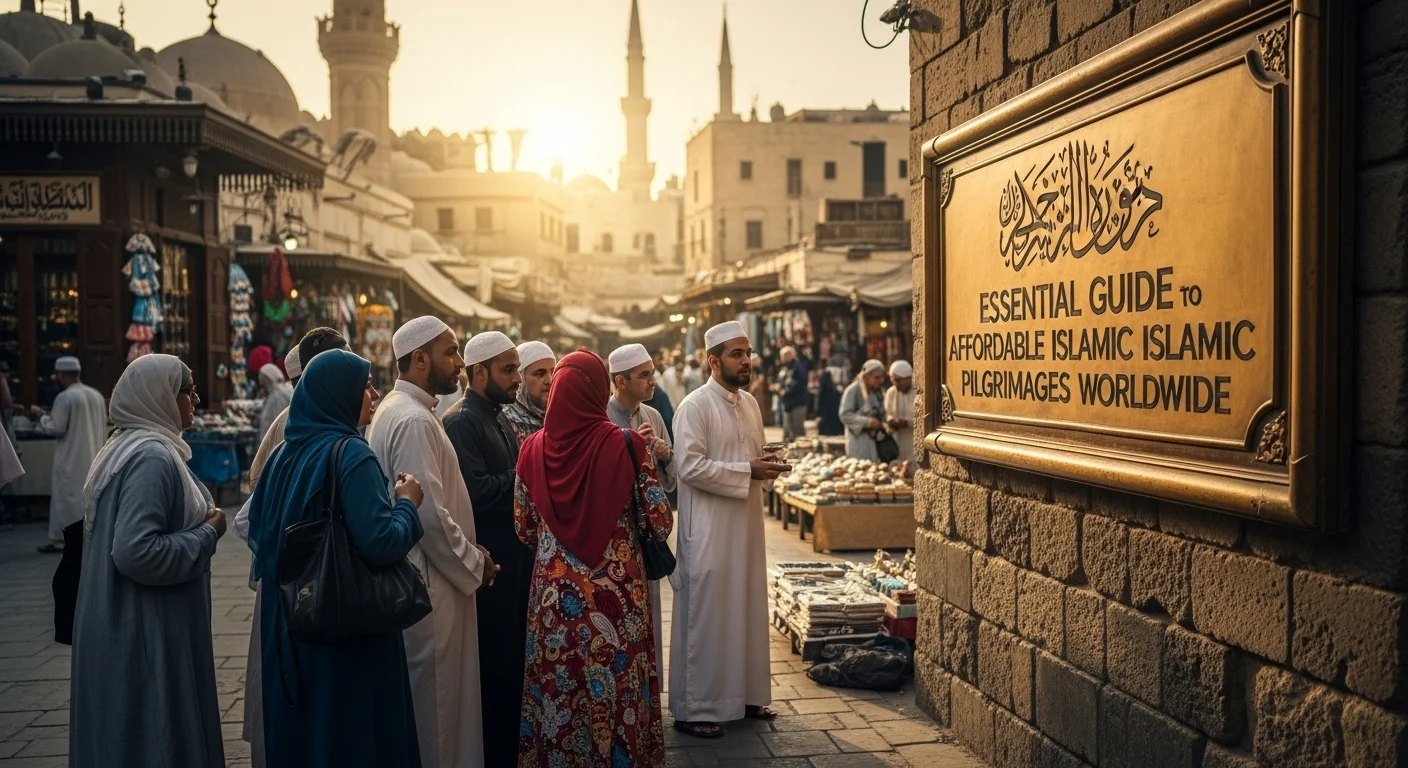
Essential Guide to Affordable Islamic Pilgrimages Worldwide

Exploring Islamic pilgrimages can be an enriching experience, connecting us with history, culture, and faith. In this guide, I’ll share insights on affordable pilgrimage options available around the globe, helping you embark on this spiritual journey. Read Interesting article: Top Budget Tips for Your Next Islamic Pilgrimage Adventure
Essential Guide to Affordable Islamic Pilgrimages Worldwide

Overview of Islamic Pilgrimages

Significance of Pilgrimage in Islam

As a Muslim, pilgrimage holds a deep significance in my heart. It’s not just about the journey; it’s about renewing one’s faith and commitment to Allah. Pilgrimages remind us of our spiritual duties and connect us with millions of fellow believers. The act of traveling to holy sites fosters a sense of unity, humility, and devotion. For many of us, the experience of standing together in prayer is profound, creating bonds that transcend borders and cultures.

Types of Islamic Pilgrimages

Islamic pilgrimages primarily fall into two categories: Hajj and Umrah. Hajj is the most significant pilgrimage, obligatory for every Muslim who is physically and financially able to undertake it at least once in their lifetime. It occurs during specific days of the Islamic month of Dhul-Hijjah. On the other hand, Umrah, known as the “lesser pilgrimage,” can be performed at any time of the year. While it’s not obligatory, many Muslims, including myself, undertake it to seek spiritual rewards and fulfill religious aspirations.

Key Pilgrimage Locations Worldwide

When I first started researching Islamic pilgrimage sites, I was amazed by the variety of locations available. The most recognized is, of course, Mecca, where the Kaaba resides. However, there are several other significant sites worth mentioning:

  • Medina: The second holiest city, home to the Prophet Muhammad’s mosque.
  • Jerusalem: The Al-Aqsa Mosque is a sacred site for Muslims and a place of profound historical significance.
  • Najaf and Karbala: Located in Iraq, these cities are essential for Shiite Muslims, where the shrines of Imam Ali and Hussain are situated.
  • Damascus: The Sayyidah Zaynab Mosque here holds great importance, especially for those who wish to pay respects to the Prophet’s family.
  • Mount Arafat: A pivotal site during Hajj, where pilgrims gather for prayer and reflection.

Each of these sites has its own unique story and significance, which I find fascinating. Exploring them can deepen our understanding of Islamic history and traditions. Read Interesting article: Explore the Best Islamic Pilgrimage Destinations on a Budget

Hajj: The Ultimate Pilgrimage

What is Hajj?

Hajj is a journey that holds immense importance in the Islamic faith. For many Muslims, it’s not just a travel experience; it’s a culmination of spiritual devotion, commitment, and transformation. The pilgrimage takes place in Mecca, Saudi Arabia, and involves a series of rituals performed over several days. These rituals commemorate the actions of the Prophet Ibrahim (Abraham) and his family. I remember the first time I learned about Hajj; it felt like a call to something greater. The journey is meant to purify the soul, promote unity among Muslims, and reinforce our faith. It’s incredible to think that millions of people come together, all with the same intention, to seek forgiveness and blessings from Allah.

When to Perform Hajj

Hajj is performed during specific days in the Islamic month of Dhul-Hijjah, specifically from the 8th to the 12th. I learned that the exact dates shift every year on the Gregorian calendar, which makes planning a bit tricky. Personally, I find it fascinating how the lunar calendar affects our schedules and traditions. The peak day of Hajj is the 9th of Dhul-Hijjah, known as the Day of Arafah, when pilgrims gather on the plains of Arafat to pray and reflect. I’ve heard stories from those who have attended, describing it as an overwhelming experience of spirituality and connection to Allah.

Cost of Hajj Travel

Planning for Hajj can feel daunting, especially when it comes to finances. The cost of Hajj can vary significantly depending on where you’re traveling from, the services you choose, and how early you book. I remember speaking with friends who went on Hajj; some mentioned spending anywhere from $3,000 to over $10,000. While this might seem high, it’s essential to consider the comprehensive package that includes flights, accommodation, meals, and transportation. I’ve realized that budgeting for Hajj is an important step, and it often requires careful planning and saving over time.

Tips for Budget Hajj Travel

For those of us looking to make this holy journey without breaking the bank, there are several strategies to consider. First, I recommend starting your planning early. This gives you time to research different travel packages and compare prices. Many travel agencies offer group packages, which can help reduce costs significantly. Another tip I found helpful is to travel during the less busy times within the Hajj season. While it may not be the peak time, you can still participate fully and enjoy a more manageable experience. Additionally, consider staying in accommodations a bit further from the Haram (the Holy Mosque) to save some money; just make sure there’s reliable transportation available. Read Interesting article: Top 5 Destinations to Experience Traditional Dance

Accommodations in Mecca

Finding a place to stay in Mecca during Hajj can be quite an adventure. I’ve heard from friends that the options range from luxury hotels to budget accommodations. If you want to stay close to the Haram, prepare for higher prices. However, I found that some hotels further away offer shuttle services to the mosque, which can be a blessing. It’s also worth checking out temporary accommodations or shared lodgings, which are often more affordable. I remember reading about how some pilgrims choose to stay in tents during specific days of Hajj, which adds a unique aspect to the experience. The camaraderie among fellow pilgrims can provide a sense of unity and shared purpose. Whatever your choice, booking as early as possible is crucial, as places fill up quickly.

Umrah: The Lesser Pilgrimage

What is Umrah?

Umrah is another type of pilgrimage that many Muslims, including myself, aspire to undertake. Unlike Hajj, it’s not obligatory and can be performed at any time throughout the year. I’ve often thought of Umrah as a more personal journey, one that allows for reflection and spiritual connection without the massive crowds of Hajj. The rituals of Umrah include Tawaf, where we circle the Kaaba seven times, and Sa’i, which involves walking between the hills of Safa and Marwah. Each step feels purposeful, and I find it to be a beautiful way to reconnect with my faith.

Best Times to Perform Umrah

The flexibility of scheduling Umrah can be a huge advantage. I learned that many people prefer to go during the holy months of Ramadan, as the spiritual rewards are believed to be multiplied. However, traveling during the off-peak season can help avoid large crowds and provide a more serene experience. I personally think that any time is a good time for Umrah, as the spiritual benefits are profound regardless of the season.

Cost of Umrah Travel

When it comes to budgeting for Umrah, I’ve found it generally more affordable than Hajj. The cost can still vary based on the time of year, accommodation choices, and travel arrangements. On average, you might expect to spend between $1,000 to $5,000, depending on how luxurious you want your experience to be. It’s worth noting that some travel agencies offer attractive packages that can help ease financial burdens while providing a complete experience.

Affordable Umrah Packages

Finding an affordable Umrah package can take some time, but it’s worth the effort. I recommend checking with multiple travel agencies and reading reviews to find reputable options. Some agencies provide packages that include flights, hotels, and meals, often at discounted rates. They sometimes run promotions during certain seasons, so keep an eye out for deals. I learned that booking early can also lead to substantial savings.

Transportation Options in Mecca

Getting around Mecca can feel overwhelming, especially during peak seasons. In my experience, taxis and ride-sharing apps are widely available and a great way to navigate the city. Some pilgrims prefer to walk, which is also a wonderful way to connect with the environment and community. I remember my first time walking through the bustling streets, and it was a vibrant experience filled with the sounds and sights of fellow pilgrims. For those staying a bit farther from the Haram, shuttle services are often organized, making transportation smoother. Whatever option you choose, I recommend planning ahead to avoid any last-minute surprises.

Other Notable Islamic Pilgrimage Sites

Al-Aqsa Mosque, Jerusalem

When I think about holy sites outside of Mecca, Al-Aqsa Mosque in Jerusalem comes to mind. It’s the third holiest site in Islam and holds immense historical and spiritual significance. I remember reading about how the Prophet Muhammad ascended to heaven from this location during the Night Journey. Visiting Al-Aqsa is not just a pilgrimage; it’s a journey through history and culture. The beauty of the mosque, with its stunning golden dome, is breathtaking. Walking through its courtyards, I felt a deep sense of connection to my faith and the history of our people. The atmosphere is serene, and you can easily spend hours reflecting and praying there.

Kabah, Saudi Arabia

While the Kaaba is integral to both Hajj and Umrah, it deserves special mention as a pilgrimage site. The sight of the Kaaba is awe-inspiring, especially during the rituals when thousands of pilgrims circle around it. I remember watching videos of the Tawaf, where people of all ages and backgrounds move together in harmony. Being there, in the heart of the Masjid al-Haram, is an experience that truly humbles you. The Kaaba symbolizes the unity of Muslims worldwide. I often think about how, regardless of our differences, we all turn to this sacred structure in prayer. It’s a reminder of our shared beliefs and values.

Sayyidah Zaynab Mosque, Syria

Another significant site is the Sayyidah Zaynab Mosque in Damascus, Syria. This mosque is dedicated to the granddaughter of the Prophet Muhammad and is a pilgrimage site for many Shiite Muslims. I’ve spoken to friends who have visited and described it as a spiritually enriching experience. The mosque’s architecture is beautiful, and the atmosphere is filled with reverence. Pilgrims often go there to pay their respects and seek blessings. I find it fascinating how different locations can provide such unique experiences within the Islamic faith, offering a chance to connect with our history and our families.

Imam Ali Mosque, Iraq

The Imam Ali Mosque in Najaf is another essential pilgrimage site, particularly for Shiite Muslims. The mosque houses the tomb of Imam Ali, who is revered as the first Imam and cousin of Prophet Muhammad. I remember hearing stories of how pilgrims often travel from far and wide to visit this magnificent site. The intricate designs and the atmosphere of devotion create an unforgettable experience. Being there, I could sense the deep respect people have for their leaders and the history that surrounds this place. It’s an opportunity to reflect on the teachings and sacrifices that have shaped our faith.

Mount Arafat, Saudi Arabia

Mount Arafat is pivotal during Hajj, but it also deserves attention as a significant pilgrimage site. The day spent here, praying and reflecting, is often described as the highlight of the Hajj experience. I’ve heard how pilgrims gather on the mountain, seeking forgiveness and mercy from Allah. It’s said to be the day when Allah’s mercy is the greatest, and the sense of community among those present is palpable. Standing on that mountain, surrounded by fellow believers, could be one of the most transformative experiences in a Muslim’s life. I think about how powerful it must feel to share that moment with millions, all striving for a deeper connection with our Creator.

Planning Your Pilgrimage

Choosing the Right Time

Planning a pilgrimage can be overwhelming, but choosing the right time is crucial. I’ve learned that the timing of your pilgrimage can greatly affect your experience. For Hajj, as we discussed earlier, it takes place within specific dates, but for Umrah, the flexibility is liberating. Some prefer to go during Ramadan due to the heightened spiritual atmosphere, while others opt for quieter times for a more personal experience. Personally, I think the key is to choose a time that aligns with your spiritual goals and personal circumstances.

Travel Documentation and Visa Requirements

Before embarking on my pilgrimage, I quickly realized how important it is to have all the necessary travel documentation in order. Depending on the pilgrimage destination, visa requirements can vary. I found that for Hajj, it’s essential to apply for a visa well in advance, often through an authorized travel agency. I remember the anxiety I felt while waiting for my visa approval, but I realized that proper planning eased a lot of my worries. It’s a good practice to check the latest requirements online to avoid any last-minute surprises.

Health and Safety Precautions

Health and safety should never be overlooked when planning a pilgrimage. I learned from friends who went to Hajj that the large crowds can be overwhelming, so staying healthy is vital. I recommend visiting a doctor before your journey to discuss any vaccinations or medications you might need. Additionally, keeping hydrated and taking care of your physical health during the pilgrimage is essential, as it can be physically demanding. I remember packing my first aid kit with essentials to ensure I was prepared for anything that might come up.

What to Pack for Your Pilgrimage

Packing for a pilgrimage can be tricky, but I’ve found that being organized helps tremendously. Comfortable shoes are a must, as you’ll be walking a lot. I also recommend lightweight clothing, especially if you’re traveling to hot climates. Remember to bring a prayer mat, as you’ll want to have a clean space for your prayers. Additionally, I found it helpful to pack snacks and a reusable water bottle to stay fueled and hydrated. Keeping a small backpack for daily essentials is a great way to stay organized throughout your journey.

Local Customs and Etiquette

Understanding local customs and etiquette can enhance your pilgrimage experience. I learned that respecting the traditions of the places you visit is vital. For example, dressing modestly, especially at holy sites, is a sign of respect. It’s also essential to be mindful of prayer times and the significance of certain rituals. Observing others and asking questions can deepen your understanding and appreciation of the culture. I remember feeling a sense of warmth and community whenever I made an effort to connect with locals and fellow pilgrims. It’s these small gestures that create lasting memories and enrich our spiritual journeys.

Budgeting for Your Pilgrimage

Average Costs for Pilgrimages

Budgeting for a pilgrimage can sometimes feel like a daunting task, but breaking it down helps. From my experience, the costs can vary widely based on several factors, including the type of pilgrimage, travel arrangements, and personal preferences. For Hajj, as I mentioned earlier, the total expenses can range from $3,000 to over $10,000. In contrast, Umrah is generally more budget-friendly, with costs typically between $1,000 and $5,000. I think it’s essential to consider not just the travel costs but also the expenses associated with meals, transportation, and any additional experiences you want to include during your journey.

Finding Affordable Flights

Finding affordable flights is crucial for keeping your pilgrimage budget under control. I’ve learned that flexibility with travel dates can lead to significant savings. For instance, flying mid-week often costs less than weekend flights. I recommend using flight comparison websites to find the best deals. Also, booking in advance can sometimes secure lower prices. I remember feeling relieved when I found a great deal by being proactive about my search. Signing up for fare alerts can also keep you informed about price drops, making it easier to plan your journey.

Cheap Accommodation Options

Accommodation can be one of the most significant expenses, especially during busy pilgrimage seasons. I’ve discovered that there are many options to consider, from budget hotels to hostels. Staying a little farther from the holy sites can often yield much cheaper rates, and as I mentioned earlier, some accommodations offer shuttle services, which can be very convenient. I remember staying in a budget hotel during Umrah and found that it allowed me to focus more on my spiritual journey without stressing about finances. Additionally, sharing accommodations with fellow pilgrims can cut costs and foster a sense of community.

Saving on Food and Transportation

Food expenses can add up quickly during your pilgrimage, so I’ve found it helpful to plan ahead. Eating where locals do often provides not only a taste of authentic cuisine but also more affordable options than touristy restaurants. I remember enjoying local delicacies and feeling more connected to the culture through food. For transportation, using public transit systems or ride-sharing can be more economical than taxis. Walking to nearby sites can also be a rewarding experience, allowing for more interaction with fellow pilgrims and locals.

Tips for Budgeting Effectively

Creating a budget before embarking on your pilgrimage is vital. I recommend listing out all potential expenses, including travel, accommodation, meals, and any entrance fees to sites. Setting aside a little extra for unexpected costs can provide peace of mind. I found that keeping track of my spending during the trip helped me stay within my budget. Using budgeting apps or even a simple notebook can keep things organized. It’s also beneficial to talk to others who have been on similar journeys for their insights and tips, as they can offer valuable advice based on their experiences.

Experiencing Pilgrimage: Cultural Insights

Engaging with Local Communities

One of the most enriching aspects of pilgrimage is engaging with local communities. I remember my interactions with residents during my travels, where they shared stories and traditions that added a layer of depth to my journey. Participating in local customs, whether it’s through shared meals or community events, transforms the pilgrimage into an immersive cultural experience. It’s a reminder that we are part of a larger global community united by faith.

Traditional Foods to Try

Food is a significant part of any pilgrimage experience. I’ve tried some incredible dishes during my travels that not only satisfied my hunger but also told stories of the local culture. From the aromatic spices of Middle Eastern cuisine to the comforting warmth of traditional soups, the culinary adventures can be as meaningful as the spiritual ones. I encourage fellow pilgrims to explore street food options and local markets for authentic flavors that add richness to their journey.

Participating in Local Festivals

If your pilgrimage coincides with a local festival, I highly recommend participating. My experience during a local festival not only enhanced my understanding of the culture but also allowed me to immerse myself in joyous celebrations with the community. The vibrant atmosphere and shared enthusiasm create unforgettable memories that deepen your connection to the place and its people.

Respecting Religious Practices

It’s essential to approach your pilgrimage with respect for the local religious practices. I found that being mindful of prayer times and rituals greatly enriched my experience. Observing and participating in these practices can foster a profound sense of connection to the beliefs and traditions of the local community. I remember feeling honored when invited to join in a prayer, as it underscored the unity we all share in faith.

Post-Pilgrimage Reflections

Spiritual Growth After Pilgrimage

After returning from my pilgrimage, I felt a sense of spiritual growth that I hadn’t anticipated. The journey brought new perspectives and a deeper understanding of my faith. I encourage those who embark on this journey to take time for reflection, considering how the experience has impacted their beliefs and practices. Journaling about the highlights of your pilgrimage can help solidify these insights and keep the memories alive.

Sharing Your Experience with Others

Sharing your pilgrimage experience can be incredibly rewarding. I’ve often shared stories and lessons learned with friends and family, and it’s fascinating to see how it inspires others to think about their spiritual journeys. Whether through conversations, social media, or even creating a blog, sharing your insights can encourage others to embark on their own pilgrimages.

Preparing for Future Pilgrimages

Finally, I’ve realized that one pilgrimage often leads to thoughts of the next. With each journey, we learn more about ourselves and our faith. I recommend keeping a list of other pilgrimage sites you’d like to visit and start planning for future adventures. The beauty of these journeys is that there’s always more to explore, and each experience adds a new layer to our understanding and connection to our faith.

Final Thoughts

Embarking on an Islamic pilgrimage is a deeply personal and transformative journey. Whether it’s the grand experience of Hajj or the intimate reflections during Umrah, each pilgrimage carries its unique lessons and memories. I believe that these journeys are not just a means to fulfill a religious obligation, but also opportunities to grow spiritually, connect with others, and appreciate the rich tapestry of our faith. As we navigate the logistics and experiences of our pilgrimage, let’s remember to cherish each moment, engage with local cultures, and reflect on the profound meaning of our journey. May your pilgrimage be filled with blessings, insights, and unforgettable experiences.

Frequently Asked Questions

What is the significance of pilgrimage in Islam?

The significance of pilgrimage in Islam lies in its ability to renew one’s faith and commitment to Allah. It fosters a sense of unity, humility, and devotion among Muslims and connects them with millions of fellow believers through shared rituals and prayers.

What are the two main types of Islamic pilgrimages?

The two main types of Islamic pilgrimages are Hajj and Umrah. Hajj is obligatory for every Muslim who is able to perform it at least once in their lifetime, while Umrah is a lesser pilgrimage that can be undertaken at any time of the year and is not obligatory.

When is Hajj performed?

Hajj is performed during specific days in the Islamic month of Dhul-Hijjah, specifically from the 8th to the 12th. The peak day is the 9th of Dhul-Hijjah, known as the Day of Arafah.

What is the cost range for Hajj travel?

The cost of Hajj travel can vary significantly, typically ranging from $3,000 to over $10,000, depending on various factors such as travel origin, services chosen, and booking timing.

What are some tips for budget Hajj travel?

To travel for Hajj on a budget, start planning early, compare different travel packages, travel during less busy times, and consider accommodations further from the Haram to save money.

What is Umrah and how does it differ from Hajj?

Umrah is a type of pilgrimage that can be performed at any time throughout the year and is not obligatory, unlike Hajj, which is a mandatory pilgrimage performed during specific dates in Dhul-Hijjah.

What is the average cost for Umrah travel?

The average cost for Umrah travel generally ranges from $1,000 to $5,000, depending on factors such as the time of year, accommodation choices, and travel arrangements.

How can pilgrims navigate transportation options in Mecca?

Pilgrims can navigate transportation in Mecca using taxis, ride-sharing apps, or by walking. Many accommodations also offer shuttle services to the Haram, making transportation easier.

What should pilgrims consider regarding health and safety precautions?

Pilgrims should prioritize their health and safety by visiting a doctor before their journey to discuss vaccinations, staying hydrated, and preparing a first aid kit for any potential issues during the pilgrimage.

What are some cultural insights to consider during a pilgrimage?

Engaging with local communities, trying traditional foods, participating in local festivals, and respecting religious practices can significantly enrich the pilgrimage experience and deepen the connection to the culture and faith.
Top Budget Tips for Your Next Islamic Pilgrimage Adventure

Planning your next Islamic pilgrimage can feel overwhelming, especially when trying to stick to a budget. But with the right tips and insights, you can make your sacred journey both memorable and affordable. Read Interesting article: Explore the Best Islamic Pilgrimage Destinations on a Budget

Top Budget Tips for Your Next Islamic Pilgrimage Adventure

Understanding Islamic Pilgrimage

What is Hajj and Umrah?

When I first delved into the world of Islamic pilgrimage, I was fascinated by the distinct yet significant experiences of Hajj and Umrah. Hajj is a mandatory pilgrimage that every Muslim must undertake at least once in their lifetime, provided they are physically and financially able. It takes place annually in the month of Dhul-Hijjah, drawing millions of Muslims from around the globe to the holy cities of Mecca and Medina. On the other hand, Umrah, often referred to as the “lesser pilgrimage,” is not obligatory but highly recommended. Unlike Hajj, Umrah can be performed at any time of the year, making it a more flexible option for many.

Significance of Pilgrimage in Islam

The significance of pilgrimage in Islam is deeply rooted in history and spirituality. I remember the first time I learned about the rituals involved; each one has a powerful meaning that connects us to our faith and the traditions of the Prophet Muhammad (peace be upon him). The act of performing Tawaf, circling the Kaaba, symbolizes our unity with fellow believers and our devotion to Allah. Similarly, standing at Arafat during Hajj is a day of immense spiritual reflection and supplication. For many, these moments become a turning point in their spiritual journey, helping them to emerge with a renewed sense of purpose and faith.

Overview of Pilgrimage Locations

As I explored the pilgrimage locations, I found that both Mecca and Medina hold incredible historical and spiritual significance. Mecca is home to the Kaaba, the direction towards which Muslims pray, and is central to the Hajj rituals. Medina, on the other hand, is where the Prophet Muhammad (peace be upon him) established the first Muslim community, and it houses his mosque and tomb. Each location buzzes with energy, devotion, and a palpable sense of history. Whether walking through the bustling streets of Mecca or sitting quietly in the gardens of Medina, there’s a feeling of connection to something much larger than ourselves. Read Interesting article: Essential Guide to Affordable Buddhist Pilgrimages Worldwide

When to Plan Your Pilgrimage

Best Time to Perform Hajj

Deciding when to perform Hajj is crucial. The pilgrimage occurs during specific days in the month of Dhul-Hijjah. From my experience, planning well in advance is essential due to the influx of pilgrims. It’s a time when flights and accommodations fill up quickly, and prices soar. Many people opt to book their travel and lodging several months, sometimes even a year, ahead of time. It’s not just about securing a spot; it’s about ensuring you have the best experience possible.

Ideal Seasons for Umrah

For Umrah, I’ve found that the ideal seasons can vary. While it’s open year-round, many choose to go during the cooler months, from October to April, to avoid the intense heat. I remember my own trip in December; the weather was pleasant, making the rituals more comfortable. Additionally, traveling during Ramadan can be a special experience, as the sense of community and spirituality is heightened. Just be prepared for larger crowds and rising costs during this sacred month.

Weather Considerations

Weather can significantly affect your pilgrimage experience. I recall the time I visited in the summer; the heat was relentless, and it challenged my endurance during the rituals. If you plan to travel during the warmer months, staying hydrated and avoiding the midday sun is crucial. On the flip side, winter months can be more comfortable, but it’s wise to check the weather forecast as it can be unpredictable. Layering your clothing is a good practice to ensure you’re prepared for whatever Mother Nature throws your way.

Budgeting for Your Pilgrimage

Estimated Costs of Hajj vs. Umrah

Budgeting for your pilgrimage is perhaps one of the most daunting tasks. From my experience, the costs associated with Hajj can be significantly higher than those for Umrah. Hajj requires more extensive travel and a longer stay, which means higher costs for flights, accommodations, and even food. I’ve seen estimates for Hajj ranging from $3,000 to $10,000 or more, depending on your location and the package you choose. In contrast, Umrah can be accomplished for as little as $1,000 to $5,000, making it a more accessible option for many families.

Breaking Down Expenses: Travel, Accommodation, and Food

Understanding the breakdown of expenses can help us budget effectively. I remember compiling my budget by considering travel, accommodation, and food. Flights can vary widely, so I always recommend booking in advance and using flight comparison tools. For accommodation, staying close to the sacred sites can be pricier, but it saves on transportation time and costs. I found that mid-range hotels or even shared accommodations can significantly cut costs. Food is another area where I learned to save; eating at local eateries instead of tourist spots can provide a more authentic experience and be easier on the wallet. Read Interesting article: Explore the Best Buddhist Pilgrimage Destinations on a Budget

Currency Exchange and Financial Tips

Lastly, currency exchange and financial planning are vital. I learned to be mindful of exchange rates and to avoid exchanging currency at airports, where rates are typically unfavorable. It’s wise to carry some cash for smaller expenses while using a travel-friendly credit card for larger transactions. I also suggest informing your bank of your travel plans to avoid any issues with card usage abroad.

Travel Tips for Pilgrims

Finding Affordable Flights

When I started looking for flights for my pilgrimage, I quickly realized that finding an affordable ticket could be a game changer for my budget. One tip that worked wonders for me was to be flexible with my travel dates. I found that flying mid-week often offered much better rates than weekends. I also signed up for fare alerts from various airlines and travel websites, which helped me catch any price drops. Another strategy I recommend is booking flights with layovers instead of direct flights. While it might take a bit longer, I saved a significant amount of money this way, and it allowed me to experience a different place briefly during my travels.

Transportation Options in Saudi Arabia

Once I arrived in Saudi Arabia, I realized that navigating the cities is an essential part of the pilgrimage experience. I discovered that there are several transportation options available. The best part was the availability of shuttle buses that operate between Mecca and Medina, especially during Hajj season. They’re convenient, affordable, and save you from the hassle of negotiating a taxi fare. For shorter distances, I often relied on ride-sharing apps, which were easy to access. Just be prepared for peak times when demand can surge. Additionally, walking is a great way to experience the local atmosphere, especially around the holy sites, so wear comfortable shoes!

Visa Requirements and Application Process

Understanding the visa requirements for Umrah and Hajj was another crucial step in my planning process. I remember feeling a bit anxious about this part, but it turned out to be straightforward. First, I checked the official Saudi government website for the latest visa regulations. For Hajj, pilgrims typically need to book through an authorized travel agency, which can help with the visa application as part of their package. For Umrah, the process is often simpler, and many travelers can apply for an e-visa online. Just ensure that your passport has at least six months validity left, and you’re good to go!

Accommodation Options

Budget Hotels Near Sacred Sites

Finding a place to stay was one of my priorities when planning my trip. I discovered that there are numerous budget hotels near the holy sites that offer comfortable accommodations without breaking the bank. Many of these hotels provide basic amenities and are just a short walk to the Kaaba or the Prophet’s Mosque. I remember staying in a budget hotel in Mecca that had friendly staff and a clean room, which made my stay pleasant. Booking in advance helped me secure a good rate, and I recommend checking reviews on various travel websites to find the best fit for your needs.

Hostels and Guesthouses in Mecca and Medina

If you’re traveling solo or with friends, hostels and guesthouses can be fantastic options. I had a wonderful experience at a guesthouse in Medina, where I met fellow pilgrims from different countries. It created a sense of camaraderie that added to my pilgrimage experience. Many of these places offer shared kitchens, which can be a great way to save on meals and connect with others. Make sure to research beforehand to find reputable hostels that prioritize cleanliness and safety.

Booking Tips for Cost Savings

When it comes to booking accommodations, I found that timing is everything. Prices can vary greatly depending on the season and how far in advance you book. I learned that last-minute bookings can sometimes lead to inflated prices, especially during peak pilgrimage times. To save money, I recommend considering package deals that include both flights and accommodations. Additionally, some hotels offer discounts for longer stays, so if your schedule allows, extending your visit could save you some cash. Flexibility with your check-in and check-out dates can also lead to better rates!

Food and Dining on a Budget

Local Cuisine: What to Expect

Exploring local cuisine during my pilgrimage was one of my favorite parts. Saudi Arabia has a rich culinary heritage, and I loved trying traditional dishes. From flavorful Kabsa to delicious Shawarma, I found that the local food was not only tasty but also reasonably priced. I remember visiting small eateries where the locals dined; the food was often fresher and more authentic than what you’d find in tourist spots. I encourage you to be adventurous and try as many local dishes as you can!

Affordable Eating Options Near Pilgrimage Sites

During my time in Mecca and Medina, I discovered that there are plenty of affordable eating options near the sacred sites. Street vendors sell delicious snacks at great prices, perfect for a quick bite between rituals. I often grabbed a falafel wrap or some dates, which were both filling and inexpensive. Additionally, many budget hotels and guesthouses offer breakfast included in the stay, which can help you save money on meals. I found it beneficial to plan my meals and budget accordingly to make the most of my culinary experience without overspending.

Self-Catering Tips for Pilgrims

If you’re staying in a place with kitchen facilities, I highly recommend preparing some of your meals. I found this to be a great way to cut down on food costs while still enjoying local flavors. Shopping at local markets for fresh produce and ingredients can be a fun experience, and I loved cooking with friends I met along the way. Simple meals like salads or rice dishes can be made quickly and easily, allowing you to enjoy the comforts of home while on your pilgrimage.

Planning Your Itinerary

Must-Visit Sites in Mecca

When planning my itinerary for Mecca, I wanted to ensure I didn’t miss any key sites. The most iconic location, of course, is the Kaaba, where I felt an overwhelming sense of peace and connection. Performing Tawaf around it is a must, but I also recommend visiting the nearby Mount Arafat, where the Prophet Muhammad (peace be upon him) delivered his last sermon. Climbing to the top gives a beautiful view and is a moment for deep reflection. Another spot I was grateful to explore was the Jabal al-Nour, the cave where the Prophet Muhammad (peace be upon him) received his first revelation. The hike is a bit challenging, but the spiritual reward is worth it.

Important Locations in Medina

Medina holds a special place in the hearts of all Muslims, and I found it to be a serene contrast to the hustle of Mecca. The Prophet’s Mosque is a must-visit, and I was moved by the tranquility I felt while praying there. I also recommend visiting the Quba Mosque, the first mosque built in Islam, which is a short distance from the city. The Seven Mosques area is another interesting location, where I learned about the battles that took place during the early days of Islam. Each site in Medina offers a unique glimpse into Islamic history, and I felt a deeper connection to my faith with each visit.

Time Management During Pilgrimage

Time management is crucial during the pilgrimage. I remember feeling overwhelmed at times with all there was to see and do. To make the most of my experience, I created a daily schedule that balanced rituals, sightseeing, and rest. I found it helpful to wake up early to avoid crowds, especially when visiting the Kaaba or the Prophet’s Mosque. Prioritizing my must-visit sites helped me stay focused and ensured I didn’t miss anything important. I also learned to be flexible; sometimes, unexpected moments turned out to be the most memorable parts of my journey. Having a rough plan, but being open to spontaneity, made my pilgrimage even richer.

Health and Safety Tips

Staying Healthy During Your Pilgrimage

Staying healthy during the pilgrimage is something I learned to prioritize. With so many rituals and the intense heat, it can be easy to wear yourself out. I made sure to stay hydrated by drinking plenty of water throughout the day. I also carried small snacks like nuts and dried fruits to keep my energy levels up. Another tip is to listen to your body; if I felt tired, I took a break instead of pushing myself. I also recommend consulting your doctor before traveling, especially if you have any pre-existing conditions. Vaccinations might be necessary, and knowing your health status can make your pilgrimage much smoother.

Safety Tips in Crowded Areas

Safety is a major concern, especially in crowded areas. I remember the first time I found myself in a large crowd during Hajj; it was exhilarating but also a little intimidating. I learned to keep my belongings secure and to always be aware of my surroundings. Wearing a lanyard with my identification and accommodation details helped me feel more secure. I also found it helpful to set meeting points with my travel companions in case we got separated. Staying calm and patient during peak times made the experience more enjoyable and less stressful.

Emergency Contacts and Resources

Knowing emergency contacts and resources can be a lifesaver during your pilgrimage. I made sure to have a list of important numbers, including my embassy, local hospitals, and emergency services. Additionally, having a local SIM card or access to Wi-Fi can help you stay connected with your group or find help if needed. I also recommend downloading helpful apps that provide information on local services and emergency contacts. This way, I felt more prepared and less anxious about what to do in case of unexpected situations.

Spiritual Preparation for Your Journey

Understanding the Rituals of Hajj and Umrah

Spiritual preparation is just as important as the practical aspects of planning. Before my pilgrimage, I took time to learn about the rituals of Hajj and Umrah. I read books and watched documentaries that explained the significance of each ritual, which helped deepen my understanding. I also spoke with those who had completed the pilgrimage before me; their stories offered valuable insights and encouragement. Understanding the meaning behind each act, like the Sa’i between Safa and Marwah, allowed me to approach each moment with mindfulness and reverence.

Mental and Emotional Preparation

Mental and emotional preparation played a huge role in my pilgrimage experience. I remember feeling a mix of excitement and anxiety leading up to my trip. To calm my nerves, I practiced meditation and engaged in prayer, focusing on my intentions for the pilgrimage. I also made a list of what I hoped to achieve spiritually. Having a clear purpose helped ground me during the journey, and I found that reflecting on my goals throughout the pilgrimage allowed me to stay focused on the spiritual aspects of the experience.

Community and Family Support

Having the support of community and family made my pilgrimage journey even more special. I joined a local group of pilgrims before my trip, which provided a shared sense of camaraderie and encouragement. Hearing their stories and experiences helped ease my worries and built excitement for what lay ahead. Additionally, I kept my family updated throughout my journey, sharing pictures and experiences with them. Their support reminded me of the importance of community in our faith, making the pilgrimage not just a personal journey but a shared one.

Frequently Asked Questions

What is the difference between Hajj and Umrah?

Hajj is a mandatory pilgrimage that every Muslim must undertake at least once in their lifetime, occurring annually in the month of Dhul-Hijjah. Umrah, known as the “lesser pilgrimage,” is not obligatory but highly recommended and can be performed at any time of the year.

When is the best time to perform Hajj?

The best time to perform Hajj is during the specific days in the month of Dhul-Hijjah. It is essential to plan well in advance due to the influx of pilgrims, as flights and accommodations fill up quickly and prices soar.

What are the ideal seasons for performing Umrah?

The ideal seasons for Umrah are generally during the cooler months from October to April. Many also choose to travel during Ramadan for a heightened sense of community and spirituality, though this may come with larger crowds and rising costs.

How much does Hajj typically cost compared to Umrah?

Hajj can cost between $3,000 to $10,000 or more, depending on various factors, while Umrah can be accomplished for as little as $1,000 to $5,000, making it a more accessible option for many families.

What are some budget accommodation options near sacred sites?

There are numerous budget hotels near the holy sites that offer comfortable accommodations. Hostels and guesthouses are also great options, especially for solo travelers or those looking to connect with fellow pilgrims.

What transportation options are available in Saudi Arabia for pilgrims?

Transportation options in Saudi Arabia include shuttle buses between Mecca and Medina, ride-sharing apps for shorter distances, and walking, which allows pilgrims to experience the local atmosphere around the holy sites.

What should pilgrims know about food and dining on a budget?

Local cuisine is affordable and delicious, with many street vendors offering snacks. Pilgrims can save money by eating at local eateries and taking advantage of included meals at budget accommodations. Self-catering is also a great option if facilities are available.

How can pilgrims stay healthy during their journey?

Pilgrims should stay hydrated, carry small snacks for energy, and listen to their bodies. Consulting a doctor before travel and being aware of individual health needs is essential for a smooth pilgrimage experience.

What are some safety tips for pilgrims in crowded areas?

To ensure safety in crowded areas, pilgrims should keep their belongings secure, be aware of their surroundings, and set meeting points with travel companions. Staying calm and patient can also enhance the experience.

How can pilgrims prepare spiritually for their journey?

Spiritual preparation involves understanding the rituals of Hajj and Umrah, engaging in meditation and prayer, and seeking support from community and family, which can enhance the pilgrimage experience.

Explore the Best Islamic Pilgrimage Destinations on a Budget

Embarking on an Islamic pilgrimage is a profound journey that can be both spiritually enriching and financially accessible. Let’s explore how you can make this journey memorable without breaking the bank. Read Interesting article: Explore Unique Festivals: Your Budget Backpacking Guide

Explore the Best Islamic Pilgrimage Destinations on a Budget

Understanding Islamic Pilgrimage

Definition of Pilgrimage in Islam

In Islam, the pilgrimage is known as “Hajj” and is one of the Five Pillars of Islam. It is a religious duty that every Muslim must undertake at least once in their lifetime, provided they have the means to do so. Hajj takes place during the Islamic month of Dhu al-Hijjah in Mecca, Saudi Arabia. There’s also “Umrah,” which is a lesser pilgrimage that can be performed at any time of the year. Both journeys hold immense spiritual significance, allowing Muslims to strengthen their faith and connect with their religious roots.

Importance of Pilgrimage (Hajj and Umrah)

I’ve always felt that the pilgrimage experience is transformative. For many, Hajj is the ultimate expression of devotion, where millions gather in unity, showcasing the diversity of the Muslim community. It’s a time for reflection, repentance, and renewal of faith. Umrah, while not obligatory, offers a unique opportunity for followers to seek forgiveness and blessings. The rituals involved in both Hajj and Umrah provide a deep sense of spiritual fulfillment and a chance to bond with fellow pilgrims.

Types of Pilgrimages

There are primarily two types of Islamic pilgrimages: Hajj and Umrah, but each offers a distinct experience. Hajj is mandatory and involves specific rituals performed during a specified period, while Umrah is optional and can be done year-round. I’ve noticed that many people choose Umrah for its flexibility and less crowded nature, making it an excellent choice for those looking to save money and time. Understanding these differences can help tailor your pilgrimage experience to your personal spiritual needs.

Top Budget-Friendly Islamic Pilgrimage Destinations

Mecca, Saudi Arabia

Mecca is the heart of Islamic pilgrimage, where Hajj takes place. While it might seem daunting to plan a budget trip here, I’ve discovered some tips that can help keep costs manageable.

Cost-Effective Accommodation Options

Accommodation can be expensive during Hajj, but there are budget-friendly options available. I personally found that booking early can lead to significant savings. Look for hotels a little farther from the Haram; they often offer lower rates but are still accessible via shuttle services or a short walk. Additionally, consider sharing accommodations with fellow pilgrims to split costs.

Transportation Tips

Getting around Mecca can be convenient yet costly if you’re not careful. I recommend using public transport, such as the bus system, which is economical and efficient. During Hajj, many pilgrims use shared taxis, which can also be a budget-friendly option. I found using apps like Uber or Careem to be affordable ways to navigate the city, especially when traveling in a group.

Local Food on a Budget

Eating out in Mecca can quickly add up. I enjoyed exploring the local food stalls and small eateries where you can find delicious meals at a fraction of the cost of tourist restaurants. I remember savoring traditional dishes like kabsa and shawarma without spending a fortune. Local markets are also great places to find fresh fruits and snacks to keep your energy up during your pilgrimage.

Medina, Saudi Arabia

After Mecca, Medina is the second most significant city for pilgrims. Despite its popularity, there are plenty of ways to explore Medina on a budget.

Affordable Stays Near the Mosque

Staying near the Prophet’s Mosque can be pricey, but I’ve found that there are several budget hotels and hostels within walking distance that offer clean accommodations. Booking in advance often secures you better rates. There are also family-run guesthouses that provide a more personal touch to your stay.

Best Budget Eateries

Medina, like Mecca, has a rich culinary scene that won’t break the bank. I loved heading to local diners where I could enjoy home-cooked meals. The street food scene is vibrant, and I highly recommend trying the falafel and hummus from small vendors. These meals were not just affordable but also authentic and delicious!

Istanbul, Turkey

Istanbul is not traditionally a pilgrimage destination, but it’s rich in Islamic history and offers a unique experience for those looking to connect with their faith without the crowds.

Historical Islamic Sites to Visit

I was amazed by the breathtaking mosques in Istanbul, such as the Sultan Ahmed Mosque (Blue Mosque) and Hagia Sophia. Exploring these sites is often free or has a minimal entry fee. I spent hours wandering, soaking in the history, and admiring the architecture without feeling rushed or pressured to spend money. Read Interesting article: Top 10 Food Festivals You Must Visit on a Budget

Cheap Accommodations in Istanbul

When I visited Istanbul, I found that staying in hostels or budget hotels in neighborhoods like Sultanahmet or Taksim was ideal. Not only were the prices reasonable, but the locations also made it easy to explore the city on foot. Booking well in advance helped me snag some of the best deals.

Jerusalem, Palestine

Jerusalem holds immense significance for Muslims and offers a beautiful tapestry of culture and history.

Visiting Al-Aqsa Mosque on a Budget

Al-Aqsa Mosque, a key site for Muslims, is accessible to everyone. Entrance is free, and the experience is nothing short of breathtaking. I suggest visiting during off-peak hours to avoid crowds and have a more personal experience. The historical value and spiritual ambiance are truly priceless.

Local Markets for Affordable Food

I loved wandering through the local markets in Jerusalem, where you can find an abundance of fresh produce, spices, and traditional dishes. Eating like a local saved me money and let me immerse myself in the culture. I remember enjoying freshly made pastries and local favorites like falafel and shawarma, all while chatting with friendly vendors.

Egypt (Cairo and Al-Azhar Mosque)

Cairo is another destination rich in history and spirituality for Muslim travelers. It offers numerous opportunities for budget-conscious pilgrims.

Budget-Friendly Hotels in Cairo

While exploring Cairo, I discovered several budget hotels and hostels that provided comfortable accommodations without straining my wallet. Areas like Downtown Cairo have numerous options, and I often found that booking in advance allowed me to secure better rates.

Cost of Local Transport

Getting around Cairo can be challenging, but I found that using the metro was both affordable and efficient. Buses and microbuses are also available and incredibly cheap. I remember feeling adventurous taking public transport and enjoying the local scenery as I traveled to various historical sites.

Planning Your Pilgrimage

When to Visit for Budget Travelers

Choosing the right time to embark on your pilgrimage can significantly affect your budget. From my experience, visiting during the off-peak seasons, especially for Umrah, can lead to substantial savings. The months following Ramadan and the busy Hajj period see fewer crowds and lower prices for accommodations and flights. I remember traveling to Mecca in the early spring, where the weather was pleasant, and the costs were much more manageable. It allowed me to enjoy the spiritual experience without the stress of overwhelming crowds and inflated prices.

How to Save on Travel Costs

When planning a pilgrimage, I learned that there are several ways to cut down on travel expenses. One effective strategy is to be flexible with your travel dates. I often used flight comparison sites to find the best deals, and I noticed that flying mid-week usually offered cheaper options than weekend flights. For accommodations, consider booking through platforms that offer discounts for extended stays or last-minute deals. I’ve even found that some airlines have partnerships with hotels, allowing you to save by booking both together. Read Interesting article: Discover Top Art and Film Festivals for Budget Travelers

Best Time to Book Flights

Timing is everything when it comes to booking flights for your pilgrimage. I’ve found that booking flights at least three to four months in advance can lead to better rates, especially during peak seasons. Watching for flash sales from airlines can also be a game-changer. On one of my trips, I stumbled upon a promotional fare that allowed me to save nearly 30% on my round-trip ticket to Saudi Arabia. Setting alerts for price drops has been an invaluable tool in my travel planning toolbox.

Tips for Saving Money During Your Pilgrimage

Group Travel Discounts

Traveling with a group can offer a fantastic way to save money. I’ve often organized trips with friends and family, which allowed us to take advantage of group discounts on flights, accommodations, and even local tours. Many travel agencies offer special packages for groups, and splitting costs can make a significant difference in our budgets. I remember one pilgrimage to Medina where we rented a larger apartment, and it turned out to be much cheaper than booking several hotel rooms.

Using Public Transportation

In my travels, I’ve discovered that public transportation is not only budget-friendly but also an immersive way to experience the local culture. In cities like Cairo and Mecca, using buses or trains allowed me to interact with locals and see parts of the city that I might have missed otherwise. I recall navigating the metro in Cairo, where my fellow travelers were friendly and eager to help, making the journey feel like a shared experience. Plus, the cost savings were significant compared to taxis or rideshares.

Eating Like a Local

Food can quickly eat away at your budget, especially in touristy areas. I’ve learned that eating like a local is one of the best ways to save money and enjoy authentic cuisine. I often sought out small, family-run restaurants or food stalls where I could savor traditional dishes at a fraction of the cost of more commercial establishments. One of my favorite meals in Jerusalem was from a street vendor, where I enjoyed a delicious plate of falafel for just a few shekels. Not only did I save money, but I also felt more connected to the culture.

Free or Low-Cost Attractions

Many cities that are pilgrimage destinations have a wealth of free or low-cost attractions that can enhance your experience. I’ve spent hours exploring historical sites, parks, and mosques that charge little to no entry fees. For example, during my time in Istanbul, I wandered through public gardens and visited smaller mosques that were just as breathtaking as the more famous ones. Researching ahead of time can uncover hidden gems that allow you to soak in the local culture without spending a lot.

Health and Safety Considerations

Travel Insurance Recommendations

Travel insurance is one purchase I never skip before a trip. I believe it’s crucial for peace of mind, especially when traveling internationally for a pilgrimage. I typically look for plans that cover both medical emergencies and trip cancellations. I’ve found that some credit cards offer travel insurance if you book your flight with them, which can be a great way to save. Having insurance allowed me to focus on my spiritual journey, knowing I was protected in case of unexpected events.

Staying Safe in Crowded Places

During my travels, I always remind myself to stay vigilant, especially in crowded areas like pilgrimage sites. I’ve learned a few strategies for keeping safe, such as staying close to my group and making sure my valuables are secure. Carrying a small, cross-body bag helped me keep my belongings safe while allowing me to move freely. I also made it a point to familiarize myself with emergency contacts and local customs to navigate any potential challenges with ease.

Health Precautions to Take

Health is a priority while traveling, especially during pilgrimage seasons when crowds can lead to the spread of illnesses. I always make sure to stay hydrated, particularly in hot climates. Packing basic medications for headaches or digestive issues is also wise. I’ve found that carrying hand sanitizer and practicing good hygiene can make a world of difference. During my last pilgrimage, I made it a habit to wash my hands frequently, which helped keep me healthy and ready to enjoy every moment of my journey.

Common Questions About Budget Islamic Pilgrimages

Can You Perform Hajj on a Budget?

Absolutely! I used to think that performing Hajj was something only the wealthy could do, but my perspective changed as I learned more about the various ways to make it affordable. It’s all about planning strategically. For instance, booking flights and accommodations early can save you a substantial amount. I found that many travel agencies offer Hajj packages that are budget-friendly, especially if you travel during less busy periods. Additionally, it’s helpful to connect with local mosques or community groups that organize group trips, often at discounted rates. Sharing expenses with fellow pilgrims can transform what seems daunting into something achievable.

What is the Average Cost of Pilgrimage?

The cost of pilgrimage can vary widely depending on several factors, including your location, the time of year, and the level of comfort you desire. From my experience, a budget for Umrah can range from $700 to $2,000, while Hajj might cost anywhere from $3,000 to $10,000. It’s important to consider all expenses, including flights, accommodations, food, and local transportation. I remember budgeting carefully before my own trips, setting aside funds for each category, which helped me avoid overspending. Researching and comparing different options is key to managing your finances effectively.

Are There Any Hidden Costs to Consider?

Yes, there are often hidden costs that can catch travelers off guard. I learned this the hard way on my first pilgrimage. From my experience, it’s essential to account for visa fees, vaccinations, and travel insurance, which can add up quickly. Additionally, I found unexpected expenses in the form of tips for local guides or services at hotels. It’s also wise to set aside some extra funds for souvenirs and shopping, as I often found myself tempted by local crafts and delicacies. Keeping a close eye on all these potential costs helped me stay within my budget and enjoy the experience fully.

Practical Tips for a Comfortable Pilgrimage

Packing Essentials for Your Journey

Packing the right essentials can make all the difference in your pilgrimage experience. I remember my first trip, where I overpacked and struggled with heavy luggage. Now, I always prioritize lightweight, breathable clothing suitable for the climate, along with comfortable walking shoes since you’ll be on your feet a lot. I also recommend bringing a reusable water bottle to stay hydrated and snacks like nuts or energy bars for when you need a quick pick-me-up during long days of rituals.

Staying Connected

In today’s digital age, staying connected during your pilgrimage is easier than ever, and I’ve found it immensely helpful. I always make sure to have a local SIM card or an international plan to stay in touch with family and fellow pilgrims. It’s comforting to be able to share my experiences and check in with loved ones. Plus, having internet access allows me to use navigation apps to get around, especially in crowded places like Mecca and Medina.

Cultural Etiquette to Remember

Understanding cultural etiquette can enhance your pilgrimage experience and help you connect with others. I’ve learned that showing respect for local customs is essential. Simple gestures, like greeting locals with “As-salamu alaykum” and being mindful of dress codes, can go a long way. I remember being in Medina and observing how pilgrims from different backgrounds interacted harmoniously; it’s a beautiful reminder of our shared faith. Learning a few key phrases in Arabic can also make your interactions more pleasant and meaningful.

Embracing the Spiritual Experience

Finding Time for Reflection

One of the most memorable aspects of my pilgrimage was the time I dedicated to reflection. I believe that taking moments to pause and contemplate your journey is crucial. Whether it’s sitting in a quiet corner of the mosque or finding a peaceful spot in nature, these moments can deepen your spiritual experience. I often brought along a journal to jot down my thoughts, prayers, and reflections. Looking back at those notes helps me remember the insights I gained during the pilgrimage.

Connecting with Fellow Pilgrims

One of the beautiful aspects of the pilgrimage is the community you build with fellow travelers. I found that sharing stories and experiences with others not only enriched my journey but also formed lasting friendships. I remember striking up conversations with pilgrims from various countries, exchanging perspectives on faith and life. These connections are invaluable, and I encourage you to embrace them. Whether it’s sharing a meal, performing rituals together, or simply enjoying each other’s company, these moments create a sense of unity and belonging.

Documenting Your Journey

Lastly, capturing your pilgrimage experience is important to me. I made it a habit to take photos and videos, not just for social media but also for personal reflection. Looking back at these memories can evoke powerful emotions and remind me of the spiritual growth I experienced. I also recommend considering a small travel diary where you can write down your feelings and reflections. This can serve as a cherished keepsake that you can revisit in the future, reminding you of the lessons learned and the connections made during your journey.

Frequently Asked Questions

What is the pilgrimage known as in Islam?

In Islam, the pilgrimage is known as “Hajj” and is one of the Five Pillars of Islam.

What is the difference between Hajj and Umrah?

Hajj is a mandatory pilgrimage that must be performed at least once in a Muslim’s lifetime during the Islamic month of Dhu al-Hijjah, while Umrah is a lesser pilgrimage that can be performed at any time of the year and is optional.

How can I save money on accommodation during Hajj?

To save money on accommodation during Hajj, consider booking early, looking for hotels farther from the Haram, and sharing accommodations with fellow pilgrims.

What local transportation options are available in Mecca?

In Mecca, public transport, such as the bus system, is economical and efficient. Shared taxis and ride-sharing apps like Uber or Careem can also be budget-friendly options.

Are there budget-friendly food options in Medina?

Yes, Medina has local diners and street food vendors where you can find affordable and authentic meals, such as falafel and hummus.

What is the average cost of performing Umrah?

The cost of performing Umrah can range from $700 to $2,000, depending on various factors like location and time of year.

What are some tips for saving money during a pilgrimage?

Traveling in a group to take advantage of discounts, using public transportation, eating like a local, and visiting free or low-cost attractions are effective ways to save money during a pilgrimage.

What health precautions should I take while traveling for pilgrimage?

It’s important to stay hydrated, pack basic medications, practice good hygiene, and carry hand sanitizer to maintain health while traveling during busy pilgrimage seasons.

What should I pack for a comfortable pilgrimage experience?

Pack lightweight, breathable clothing, comfortable walking shoes, a reusable water bottle, and snacks like nuts or energy bars to stay prepared for long days of rituals.

How can I stay connected during my pilgrimage?

Consider obtaining a local SIM card or an international plan for your phone to stay in touch with family and fellow pilgrims, and to use navigation apps in crowded areas.

Essential Guide to Affordable Buddhist Pilgrimages Worldwide

Embarking on a Buddhist pilgrimage can be a transformative journey. It offers not just spiritual growth but also a chance to explore beautiful places steeped in history and culture. Let’s dive into the essentials of these life-changing adventures.

Essential Guide to Affordable Buddhist Pilgrimages Worldwide

Understanding Buddhist Pilgrimages

What is a Buddhist Pilgrimage?

When I first heard about Buddhist pilgrimages, my imagination was filled with images of serene landscapes, ancient temples, and devoted practitioners. A Buddhist pilgrimage is essentially a journey to sacred sites that hold deep spiritual significance in Buddhism. These sites can be related to the life of Buddha, places of meditation, or locations where important teachings and events occurred. Many people undertake these journeys to seek spiritual enlightenment, connect with their faith, or simply find inner peace. I often think of it as a blend of adventure and deep reflection.

Historical Significance of Pilgrimages in Buddhism

The roots of Buddhist pilgrimages go back to the time of Siddhartha Gautama, who became the Buddha. His life was marked by significant events, each tied to specific locations. For me, understanding the history behind these sites makes the journey even more meaningful. Pilgrimages in Buddhism serve not only as a way to honor the Buddha but also as a reminder of one’s spiritual path. They are often seen as acts of devotion, where one can immerse themselves in the teachings, culture, and community surrounding these sacred places.

I remember reading about how early followers of Buddhism would travel from one site to another, sharing teachings and experiences along the way. This tradition continues today, with millions of pilgrims visiting various destinations each year. For many, the act of pilgrimage is a profound personal quest, where every step taken is a step toward greater understanding and connection with Buddhism.

Top Affordable Buddhist Pilgrimage Destinations

India: The Land of Buddha

India is often referred to as the birthplace of Buddhism and is rich with historical and spiritual significance. I’ve found that traveling here offers some of the most affordable and rewarding pilgrimage experiences. The country is dotted with sacred sites, and each one tells a unique story. Read Interesting article: Top Budget-Friendly Buddhist Pilgrimages You Must Experience

Lumbini: Birthplace of Buddha

One of my favorite places is Lumbini, where the Buddha was born. The peaceful gardens and the Maya Devi Temple, which commemorates his birth, create a serene atmosphere. I remember walking through the gardens, feeling a sense of tranquility wash over me. The site is UNESCO-listed and provides a glimpse into the early life of the Buddha. Plus, there are affordable accommodations and eateries nearby, making it easy to spend a few days soaking in the surroundings.

Bodh Gaya: Enlightenment Site

Bodh Gaya is another essential stop, where I felt an overwhelming sense of spirituality. This is where Buddha attained enlightenment under the Bodhi Tree. Visiting the Mahabodhi Temple, I was struck by the number of people from around the world who traveled to this sacred site. The energy was palpable, and I found myself reflecting deeply on my own spiritual journey. Staying in affordable guesthouses nearby made this pilgrimage accessible for me and many others.

Sarnath: First Sermon Location

Sarnath is where the Buddha delivered his first sermon after attaining enlightenment. I recall standing at the Dhamek Stupa, absorbing the significance of the moment. There’s something humbling about being in a place where such profound teachings were shared. The museums and archaeological sites here also offer insights into the early days of Buddhism, and the budget-friendly options for food and lodging make it an easy choice for pilgrims.

Nepal: A Spiritual Journey

Nepal, with its stunning landscapes and rich spiritual heritage, is another great destination for affordable pilgrimages. I felt an immediate sense of wonder upon arriving in this beautiful country.

Kathmandu: Cultural Hub

Kathmandu is vibrant, teeming with historic temples and stupas. The Swayambhunath Stupa, often called the Monkey Temple, offers breathtaking views of the city. I had a wonderful time exploring the narrow streets, filled with local crafts and foods. The atmosphere is welcoming, and I discovered many budget-friendly places to stay. I found that immersing myself in the local culture added an extra layer of depth to my pilgrimage.

Pokhara: Serenity and Spirituality

Then there’s Pokhara, famous for its stunning lakes and mountain views. It’s a peaceful place to reflect and meditate. I spent hours by Phewa Lake, soaking in the beauty of my surroundings. The affordability of accommodations made it easy for me to extend my stay and truly connect with the serene environment. In my experience, this tranquility was exactly what I needed to recharge spiritually.

Sri Lanka: Sacred Sites

Sri Lanka is also rich in Buddhist history, with many ancient sites that are easily accessible and budget-friendly. I was amazed by how much spirituality and nature intertwined here.

Adam’s Peak: A Pilgrimage for All Faiths

Adam’s Peak is a significant pilgrimage site for Buddhists, Hindus, and Christians alike. The climb to the summit is challenging but rewarding, especially at sunrise. I remember huffing and puffing my way up, but reaching the top and witnessing the dawn light illuminate the landscape was unforgettable. There are plenty of affordable guesthouses along the route, making it achievable for most travelers.

Anuradhapura: Ancient Capital

Anuradhapura, with its historical ruins and sacred Bodhi tree, is another place that left a mark on my heart. Walking through its ancient sites, I felt a connection to history and spirituality. The entrance fees are reasonable, and I loved exploring the ruins at my own pace.

Thailand: A Blend of Tradition and Modernity

Thailand has become a popular destination for pilgrims, offering a unique blend of tradition and modernity. I felt welcomed and inspired by the deep-rooted Buddhist culture here.

Wat Pho: Home of the Reclining Buddha

Wat Pho in Bangkok is a must-visit, famous for its massive reclining Buddha statue. I was in awe of the intricate details and the peaceful ambiance. The costs of entry are quite low, and the nearby street food is delicious and affordable, which made my visit even more enjoyable.

Chiang Mai: Temples and Nature

Chiang Mai is another gem, surrounded by mountains and dotted with beautiful temples. I remember visiting Wat Phra That Doi Suthep, perched on a mountain. The view from there was breathtaking, and the journey was filled with opportunities to connect with local monks and other pilgrims. I found affordable places to stay and dine, making it a perfect spot for budget-conscious travelers.

Japan: Zen Pilgrimages

Japan offers a unique take on Buddhist pilgrimages, deeply rooted in Zen practices. I was fascinated by how tranquility intertwines with nature here.

Koyasan: The Heart of Shingon Buddhism

Koyasan is an incredible place to experience the spiritual side of Japan. I had the opportunity to stay in a temple, which was an unforgettable experience. The serene environment, combined with traditional meals, allowed for deep reflection. I found it affordable, especially considering the unique experience it provided.

Nara: Ancient Temples and Shrines

Nara is home to some of Japan’s oldest temples and shrines. I marveled at Todai-ji, housing a giant Buddha statue. Walking through the park, I was enchanted by the free-roaming deer. The combination of history and nature was captivating, and there were budget-friendly accommodations nearby.

Planning Your Buddhist Pilgrimage

When to Visit: Seasonal Considerations

When I decided to embark on my pilgrimage, I quickly realized that timing plays a crucial role in shaping the experience. Different regions have distinct seasons, and the weather can greatly impact your journey. For example, I learned that India experiences intense heat during the summer months, making it less ideal for long walks or temple visits. The cooler months, from October to March, tend to be more comfortable for exploration.

Nepal, on the other hand, is spectacular during the spring (March to May) and fall (September to November). I remember trekking in the spring, surrounded by blooming rhododendrons and clear skies. Each season brings its own beauty, and I often think back to how the right timing enhanced my experience.

In Thailand, I found that the cool season from November to February is perfect for temple hopping and outdoor activities. However, I was caught off guard by the monsoon season in other regions, particularly in Sri Lanka. It’s always a good idea to check the local climate before planning your travels to ensure your pilgrimage is comfortable and enjoyable.

Budgeting for Your Journey

Budgeting was something I had to get serious about before my pilgrimage. While many destinations offer affordable options, having a clear plan helped me make the most of my experience without breaking the bank. I remember sketching out my travel expenses, which revolved around three main areas: travel, accommodations, and food.

Travel Expenses

Transportation can be a significant part of the budget. I found that booking flights in advance often gives you better deals. For example, when I traveled to India, I used budget airlines and was pleasantly surprised by how much I saved. Once I arrived, I opted for trains and buses, which are not only economical but also allow you to experience the local culture firsthand. I’ve heard many travelers share their stories about meeting incredible people during these journeys.

Accommodation Options

Accommodations can vary widely in price, but I discovered that there are plenty of budget-friendly options, especially near pilgrimage sites. Hostels and guesthouses are often available for as little as $10 to $20 a night. I remember staying at a cozy guesthouse in Bodh Gaya, where I not only met fellow pilgrims but also enjoyed homemade meals prepared by the owners. It felt like a home away from home.

For those looking for a unique experience, some temples offer lodging for pilgrims at low or no cost. This can be a wonderful way to immerse yourself in the spiritual atmosphere. I had a friend who stayed in a monastery in Japan, and the experience was life-changing for him.

Food and Local Cuisine

Food is another area where you can save money while enjoying amazing culinary experiences. I found that street food is not only affordable but often delicious and authentic. In Thailand, I couldn’t resist trying the local pad thai from a street vendor, and it was hands down one of the best meals I’ve ever had. I often budgeted around $10 a day for food, and I was rarely disappointed with my choices. I loved exploring local markets and tasting fresh fruits, spices, and other regional specialties.

Transportation Tips

Navigating a new country can be daunting, but I found that with a bit of planning, it can be part of the adventure. Researching transportation options was essential for me. I learned that trains in India offer a range of services, from luxurious to budget-friendly. I took several overnight trains during my travels, which allowed me to save on accommodation costs while getting from one destination to another.

How to Get There

For many, the journey begins with international flights into major hubs like Delhi or Bangkok. From there, I found domestic flights or trains to be the most convenient options for reaching pilgrimage sites. I remember booking a flight from Bangkok to Chiang Mai and being pleasantly surprised at how affordable it was. Always keep an eye out for promotions or deals that can save you money.

Local Transport Options

Once at your destination, local transport options are usually plentiful. In Nepal, I took advantage of the local buses, which are an economical way to get around. I also discovered that tuk-tuks in Thailand can be quite fun and a great way to explore the city. Just remember to negotiate the fare before hopping in! In my experience, mixing different modes of transportation made the journey feel more immersive and allowed me to connect with the local culture.

What to Expect on Your Pilgrimage

Cultural Etiquette and Practices

One of the most enriching aspects of my pilgrimage was learning about the cultural etiquette and practices that come with visiting sacred Buddhist sites. I quickly realized that understanding and respecting local customs is essential to truly connect with the places I was exploring. For instance, I learned that when visiting temples, it’s important to dress modestly. I often wore long pants and shirts with sleeves, which helped me blend in and show respect to the local traditions.

Another valuable lesson was the significance of taking off my shoes before entering temple grounds. This simple act symbolizes respect for the sacred space, and I felt a sense of humility each time I did it. I noticed many locals and fellow pilgrims following this practice, creating a sense of shared reverence. Additionally, bowing slightly upon entering a temple or when greeting monks is also common, and I found that this small gesture can go a long way in fostering goodwill and connection.

While visiting, I encountered various rituals, such as lighting incense or offering flowers at altars. Participating in these practices allowed me to engage more deeply with the spiritual environment. I felt honored to be a part of these traditions, even if just for a moment, and it enriched my overall pilgrimage experience.

Common Challenges and How to Overcome Them

No journey is without its challenges, and my pilgrimage was no exception. I encountered a few bumps along the way, but each obstacle turned into a valuable lesson. For instance, I faced language barriers in some areas, which made communication tricky. In those moments, I found that a smile and gestures often bridged the gap. I also carried a translation app on my phone, which helped me navigate conversations when needed.

Another challenge was the physical demands of long walks between sites. I remember feeling exhausted on a particularly hot day in India, but I learned to listen to my body and take breaks when necessary. Hydration was key; I always carried a water bottle to stay refreshed. Embracing the slower pace and allowing myself time to rest made the journey more enjoyable and manageable.

Lastly, I sometimes felt overwhelmed by the sheer number of pilgrims at popular sites. It was a reminder that I wasn’t alone in my quest for spiritual growth, but it also required patience to find quiet moments for reflection. I discovered that visiting lesser-known sites nearby often offered a more peaceful experience, allowing me to reconnect with my inner self amidst the busyness.

Connecting with Local Monasteries and Communities

One of the most rewarding aspects of my pilgrimage was the opportunity to connect with local monasteries and communities. I remember reaching out to a few monasteries in Thailand, and they welcomed me with open arms. Participating in meditation sessions and teachings gave me a deeper insight into the practices and beliefs of the local Buddhist community.

These interactions felt like a gift, as I was able to learn from monks who had dedicated their lives to spirituality. I found their wisdom and perspectives incredibly enriching. I particularly enjoyed sharing meals with them, which often included simple yet delicious vegetarian dishes. The sense of community was palpable, and I felt a strong bond forming during these shared experiences.

Additionally, many monasteries offer programs for pilgrims, including opportunities for volunteering. I chose to spend a few days helping with chores at a monastery in Sri Lanka, and it turned out to be one of the highlights of my journey. Not only did I gain a sense of purpose, but I also built lasting friendships with both locals and fellow pilgrims.

Connecting with these communities helped me understand that my pilgrimage was not just about visiting sacred sites; it was also about fostering relationships and embracing the teachings of Buddhism in everyday life. I returned home with a newfound appreciation for the importance of community and the interconnectedness we share on our spiritual journeys.

Essential Packing List for Pilgrims

Clothing Considerations

Packing for a pilgrimage can be a bit tricky, especially when considering the cultural norms and the varying climates of different regions. I had to think carefully about my clothing choices. Modesty is key when visiting religious sites, so I packed lightweight, breathable fabrics that covered my arms and legs. I also made sure to bring a shawl or scarf, which could double as a cover-up when needed.

Comfort was another priority, especially since I knew I would be doing a lot of walking. I opted for sturdy sandals and a pair of comfortable sneakers for longer treks. I also packed a light rain jacket, just in case—weather can be unpredictable, and I learned this the hard way during a downpour in Nepal!

Travel Essentials

Along with clothing, I made sure to include some travel essentials that would help make my pilgrimage smoother. A good backpack became my trusty companion, allowing me to carry water, snacks, and my journal. I found that having a journal was invaluable for reflecting on my experiences and jotting down insights that came to me during my travels.

Also, I packed a portable charger for my phone, as I relied on it for navigation and communication. Having a first-aid kit was another smart move; I carried band-aids, pain relievers, and basic medications for any unexpected issues. It gave me peace of mind knowing I was prepared for minor mishaps.

Spiritual Items to Bring

Lastly, I thought about the spiritual items I wanted to bring along. I carried a small prayer beads set, which I found helpful for meditation and grounding myself during moments of reflection. It was a comforting reminder of my intentions for the pilgrimage. I also brought along a small token or symbol of my personal faith, which served as a source of inspiration during my travels.

Ultimately, packing for my pilgrimage was about finding a balance between practicality and spirituality. The items I chose not only supported my journey physically but also enriched my spiritual experience, allowing me to engage more deeply with the places I visited and the people I met.

Frequently Asked Questions

What is a Buddhist pilgrimage?

A Buddhist pilgrimage is a journey to sacred sites that hold deep spiritual significance in Buddhism, often related to the life of Buddha, places of meditation, or locations where important teachings and events occurred. Many people undertake these journeys to seek spiritual enlightenment or find inner peace.

What are some top affordable Buddhist pilgrimage destinations?

Top affordable Buddhist pilgrimage destinations include India (Lumbini, Bodh Gaya, and Sarnath), Nepal (Kathmandu and Pokhara), Sri Lanka (Adam’s Peak and Anuradhapura), Thailand (Wat Pho and Chiang Mai), and Japan (Koyasan and Nara).

When is the best time to visit these pilgrimage sites?

The best time to visit varies by region. India is most comfortable from October to March, Nepal is beautiful during spring (March to May) and fall (September to November), Thailand is best from November to February, and it’s important to consider the local climate before planning your travels.

How can I budget for my Buddhist pilgrimage?

Budgeting for a pilgrimage involves planning for travel expenses, accommodations, and food. Booking flights in advance, choosing budget-friendly accommodations like hostels and guesthouses, and enjoying local street food can help manage costs effectively. Read Interesting article: Ultimate Guide to Backpacking on a Budget in African Safaris

What clothing should I pack for a Buddhist pilgrimage?

It’s essential to pack modest clothing that covers your arms and legs when visiting religious sites, as well as comfortable footwear for walking. Lightweight, breathable fabrics and a shawl or scarf are recommended for varied climates.

What cultural etiquette should I be aware of during my pilgrimage?

Respecting local customs is crucial, including dressing modestly, removing shoes before entering temple grounds, and bowing slightly when greeting monks. Engaging in local rituals, such as lighting incense or offering flowers, can deepen your spiritual experience.

What challenges might I face during a pilgrimage, and how can I overcome them?

Common challenges include language barriers, physical demands of long walks, and crowded sites. Overcoming these can involve using translation apps, listening to your body, staying hydrated, and visiting lesser-known sites for quieter reflection.

How can I connect with local monasteries and communities during my pilgrimage?

Reaching out to local monasteries can provide opportunities for meditation sessions and teachings. Many monasteries also offer programs for pilgrims, including volunteering, which can foster a sense of community and deepen your understanding of Buddhism.

What transportation options are available for getting to pilgrimage sites?

Transportation options include booking international flights into major hubs and using domestic flights or trains to reach pilgrimage sites. Local transport options, such as buses and tuk-tuks, are often available and can enhance your experience.

What spiritual items should I consider bringing on my pilgrimage?

Consider bringing prayer beads for meditation, a small token of personal faith for inspiration, and a journal for reflection. These items can enrich your spiritual experience and help you engage more deeply with your journey.

Explore the Best Buddhist Pilgrimage Destinations on a Budget

Are you ready to explore the serene beauty of Buddhist pilgrimage sites without breaking the bank? Join me on this journey as we uncover the best destinations that offer spiritual enrichment and awe-inspiring sights—all while being budget-friendly! Read Interesting article: Top Budget-Friendly Buddhist Pilgrimages You Must Experience

Explore the Best Buddhist Pilgrimage Destinations on a Budget

Overview of Buddhist Pilgrimage Destinations

What is a Buddhist Pilgrimage?

A Buddhist pilgrimage is a journey undertaken by followers of Buddhism to sacred sites that hold significant religious importance. These sites often mark historical events in the life of the Buddha, such as places of birth, enlightenment, and death. For me, this journey is not just about visiting a location; it’s about immersing myself in the spiritual essence that these places embody. As I walked through these hallowed grounds, I felt a deep connection to the teachings of the Buddha and a sense of peace that is hard to find in our busy lives.

Importance of Pilgrimage in Buddhism

Pilgrimage plays a crucial role in the Buddhist faith. It is seen as a way to deepen one’s understanding of the Dharma and cultivate mindfulness. As I learned more about the Buddha’s life and teachings at these sacred sites, I felt a transformation within myself. Pilgrimage allows us to disconnect from our daily routines and focus on our spiritual growth. It’s a chance to reflect, meditate, and seek enlightenment. The path may not always be easy, but the experiences gained along the way are invaluable. Read Interesting article: Essential Gear for Budget Mountain Trekking Adventures

Top Budget-Friendly Buddhist Pilgrimage Locations

Lumbini, Nepal

Lumbini is known as the birthplace of Siddhartha Gautama, who became the Buddha. Visiting this UNESCO World Heritage Site was a dream come true for me. The peaceful gardens, ancient ruins, and the sacred pond where Buddha’s mother gave birth create an atmosphere of tranquility. The best part? Lumbini is incredibly affordable. You can stay in budget guesthouses and enjoy simple meals at local eateries. I recommend exploring the Maya Devi Temple and taking a stroll through the serene grounds, soaking in the spiritual energy.

Bodh Gaya, India

Bodh Gaya is where the Buddha attained enlightenment under the Bodhi tree, making it one of the most significant pilgrimage sites in the world. I remember sitting under the tree, reflecting on its immense history. The Mahabodhi Temple is a must-visit, and there are various affordable accommodations nearby. Street vendors offer delicious and inexpensive local dishes, and I found it easy to connect with fellow travelers who were also on their spiritual journey.

Sarnath, India

Just a short distance from Varanasi, Sarnath is where the Buddha delivered his first sermon. The Dhamek Stupa and the Ashoka Pillar are truly awe-inspiring. I was amazed at how much history and spirituality could be found in this small area. I found budget-friendly guesthouses in the vicinity, making it easy to extend my stay and soak in the atmosphere. I loved attending the evening meditation sessions offered by local monks, which were both enriching and affordable.

Kushinagar, India

Kushinagar is where the Buddha passed away, and visiting this site felt profound. The Parinirvana Stupa and the reclining Buddha statue left a lasting impression on me. Like other pilgrimage destinations in India, Kushinagar offers affordable lodging options, from simple hotels to guesthouses. It’s also a great place to engage with local monks and learn more about Buddhist practices. I enjoyed a few quiet moments meditating in the peaceful surroundings, which was a highlight of my trip.

Mount Koya, Japan

Mount Koya is a bit different from the other sites but equally fascinating. It is the center of Shingon Buddhism and home to over 100 temples. I stayed in a temple lodging, which was an incredible experience. Not only did I enjoy traditional vegetarian meals, but I also had the chance to join in morning prayers. The peaceful atmosphere of Mount Koya is something I’ll never forget. While it may seem expensive at first glance, the unique experience is well worth it.

Shwedagon Pagoda, Myanmar

The Shwedagon Pagoda in Yangon is one of the most sacred sites in Myanmar. The golden stupa gleams in the sunlight, and the surrounding area buzzes with activity. I found it easy to explore the pagoda and surrounding temples without spending much. Local street food vendors offer delicious snacks at low prices, allowing me to enjoy authentic flavors while keeping my budget in check. The experience of mingling with local devotees added a special touch to my visit.

Wat Pho, Thailand

Wat Pho in Bangkok is famous for its massive reclining Buddha statue. This temple is not just a tourist destination; it’s a place of learning and healing. I took part in a traditional Thai massage class offered at the temple, which was both affordable and enlightening. Staying in nearby budget accommodations made it easy to explore the temple and the surrounding area without overspending. I found the vibrant atmosphere of Bangkok to be invigorating and inspiring. Read Interesting article: Experience Local Culture: Best Music and Dance Workshops

When to Visit: Best Times for Pilgrimage

Seasonal Considerations

Timing your pilgrimage can greatly enhance your experience. I’ve found that visiting during the cooler months not only makes for a more comfortable journey but also allows for clearer skies and stunning views at some of these sacred sites. For instance, many destinations in India, like Bodh Gaya and Sarnath, are best visited from October to March, when the weather is pleasant and the tourist crowds are manageable. During my visit to Lumbini, I was there in November, and it felt like the perfect time; the gardens were in bloom, and the weather was just right for wandering through the peaceful grounds.

In Japan, I recommend visiting Mount Koya during the spring or fall for the vibrant cherry blossoms or autumn leaves. It’s truly a sight to behold when nature enhances the spiritual ambiance of the temples. I remember my first glimpse of cherry blossoms there, and it felt like nature was celebrating the serene beauty of the place. However, be cautious during the summer months, as the humidity can be quite overwhelming.

Festivals and Events to Attend

Attending local festivals can enrich your pilgrimage experience immensely. For example, in Bodh Gaya, the Buddha Jayanti festival, which celebrates the birth of the Buddha, is held in April or May. I experienced firsthand the joy and devotion of the local people during this festival, as they gathered for prayers and rituals. The atmosphere was electric, filled with chanting and colorful decorations, making my visit even more special. It was wonderful to see how the community came together to honor their spiritual heritage.

In Thailand, the Visakha Bucha Day, usually in May, is another significant event. It commemorates the birth, enlightenment, and death of the Buddha. During this time, I joined local devotees in ceremonies at Wat Pho, and it was an unforgettable experience to witness how faith brings people together. The energy was palpable, and I felt a deeper connection to the teachings of Buddhism as I participated in the celebrations.

Each of these events provides an opportunity to engage with local customs and traditions, enhancing your understanding of the Buddhist culture. So, if you can, try to align your visit with these festivals to make your pilgrimage even more memorable.

How to Travel: Transportation Tips

Getting to Key Destinations

Traveling to these incredible pilgrimage sites can seem daunting, but I’ve learned that it’s often easier than it looks. For major destinations like Bodh Gaya and Sarnath, I found that flying into nearby cities (like Varanasi for Sarnath) was the most efficient way to start my journey. From there, local buses or taxis can take you to your destination. I remember feeling a bit overwhelmed at first, but once I figured out the local transport options, it became a breeze.

In Nepal, if you’re heading to Lumbini, I recommend taking a bus from either Kathmandu or Pokhara. The scenery along the way is breathtaking, and it gives you a glimpse of the beautiful landscapes of Nepal. I took that bus ride myself and enjoyed chatting with fellow travelers who were also on a spiritual journey. It was a fantastic way to share stories and connect with others.

Local Transportation Options

Once you arrive at your pilgrimage destination, getting around is usually quite simple. In places like Bodh Gaya and Sarnath, I found that walking is the best way to absorb the surroundings and truly connect with the sites. Many of the important places are within walking distance of each other, and strolling through the streets allows you to soak in the local culture.

For longer distances, I found that hiring a local tuk-tuk or rickshaw can be an affordable and fun option. The drivers often act as informal tour guides, sharing insights about the area. I had an amazing ride in a tuk-tuk in Kushinagar, where my driver pointed out historical landmarks and shared fascinating stories about the region’s significance.

In Japan, public transportation like trains and buses is exceptionally reliable. I used the Japan Rail Pass to travel to Mount Koya, which made my journey seamless and stress-free. As I traveled, I appreciated how the trains themselves seemed to be part of the experience—efficient, clean, and incredibly punctual. It’s a reflection of the culture’s attention to detail and respect for time.

Where to Stay: Budget Accommodation Options

Hostels and Guesthouses

Finding budget accommodations can be part of the adventure. I’ve stayed in various hostels and guesthouses, and they often provide a great sense of community. In Bodh Gaya, I discovered a cozy guesthouse where I met other pilgrims from around the world. Sharing meals and stories with fellow travelers created a warm atmosphere, and I felt less alone on my journey.

Many guesthouses offer basic amenities and comfortable beds at affordable rates. I noticed that staying in these places not only saved me money but also allowed me to connect with like-minded individuals who were exploring their spirituality. The shared experiences and conversations often extended late into the night, creating bonds that made my travels even richer.

Monastic Stays

For an even more immersive experience, consider spending a night or two in a monastic stay. This option is available in places like Mount Koya, where I stayed in a temple lodging. It was a unique experience that allowed me to participate in daily rituals and enjoy traditional vegetarian meals. I loved waking up to the sound of morning prayers, which set a peaceful tone for the day.

Staying in monastic accommodations can be a spiritual retreat within your pilgrimage. It often comes with simple yet nourishing meals and an opportunity to meditate alongside monks. For anyone looking to deepen their experience, I highly recommend considering this option.

Budget Hotels

If hostels or monastic stays aren’t your style, budget hotels are plentiful in these pilgrimage areas. I’ve found that these hotels can provide a little more privacy while still being easy on the wallet. In places like Sarnath, I stayed at a budget hotel that was clean and comfortable, with friendly staff who were eager to help with any questions I had.

When booking accommodations, I often check online platforms for reviews and recommendations. This way, I can find places that suit my preferences and budget. It’s also a good idea to book in advance, especially during peak pilgrimage seasons, to ensure you secure a good spot without breaking the bank.

Local Food: Affordable Dining Options

Street Food Recommendations

One of the joys of traveling, especially on a pilgrimage, is experiencing local food culture. I’ve always believed that food is a gateway to understanding a place and its people. Street food is often the most affordable and authentic way to enjoy local cuisine, and during my travels, I discovered some delightful options. In Bodh Gaya, I couldn’t resist the samosas and kachoris from street vendors. They were crispy, spicy, and incredibly cheap! I remember sitting on a small stool, chatting with locals while savoring these snacks, and it felt like a true immersion into the culture.

In Thailand, the street food scene is vibrant. At Wat Pho, I found a couple of food stalls offering delicious pad thai and mango sticky rice. Eating at these stalls not only kept my budget intact, but it also allowed me to mingle with locals and other travelers. The flavors are intense, and I learned to appreciate the balance of sweet, sour, and spicy that Thai food is known for. Plus, I loved how easy it was to grab a quick bite before heading to my next spiritual exploration.

In Myanmar, I discovered the famous tea leaf salad, or lahpet, while wandering around the Shwedagon Pagoda. It was refreshing and packed with flavor, and best of all, it was incredibly inexpensive. Eating from local vendors became a highlight of my trip, as it allowed me to taste the essence of the places I visited. I found that trying street food created memorable moments that I can still recall fondly.

Local Restaurants and Cafés

If you’re looking for a sit-down meal, local restaurants and cafés provide a cozy atmosphere and delicious dishes without straining your budget. In Lumbini, I found a small family-run restaurant where I enjoyed simple yet flavorful dal bhat (lentil soup with rice). The owners were warm and welcoming, and they shared stories of their lives in Lumbini. Sharing meals with locals can be enriching, as it often leads to interesting conversations about culture and spirituality.

In Sarnath, I stumbled upon a café that served Tibetan cuisine. I tried momos (steamed dumplings) and thukpa (noodle soup), and both were comforting and satisfying. The café was filled with travelers, creating a friendly atmosphere where everyone seemed to share their experiences. I found that these types of restaurants often cater to pilgrims and travelers, offering not just food but also a sense of community.

In Japan, I discovered that many temples have their own dining facilities where you can experience shojin ryori, or Buddhist vegetarian cuisine. At Mount Koya, I had the chance to enjoy this traditional meal, which was beautifully presented and included a variety of seasonal vegetables, tofu, and rice. It was a tranquil dining experience that complemented the spiritual ambiance of the site. I felt nourished in both body and spirit, and it was a reminder of the connection between food and mindfulness.

Each of these dining experiences not only filled my stomach but also enriched my journey. Eating local food is a wonderful way to support small businesses and connect with the culture. I highly recommend trying out street food and local eateries as you embark on your pilgrimage, as these meals often leave lasting memories that go beyond just satisfying hunger.

Safety Tips for Pilgrims

Health and Safety Precautions

As I traveled through various pilgrimage sites, I always made it a priority to stay aware of health and safety. One of the first things I learned was the importance of staying hydrated, especially in warmer climates. I made it a point to carry a refillable water bottle and drink plenty of fluids throughout my day. In places like India and Nepal, I opted for bottled water to avoid any potential stomach issues.

When sampling street food, I followed a simple rule: I only ate at stalls that were busy with locals. If the food looked fresh and the place was bustling, I felt more confident about its safety. I also steered clear of raw foods that might have been washed in contaminated water. Trusting my instincts and being mindful about what I ate helped me enjoy my culinary adventures without any health scares.

Traveling solo or as a part of a group, I always kept my belongings close. I used a crossbody bag to carry my essentials, and I made sure to keep my phone and wallet secure. In crowded places, like the markets near the temples, I found that being vigilant about my surroundings was crucial. It’s easy to get caught up in the beauty around us, but a little awareness can go a long way.

Cultural Sensitivity and Etiquette

As I visited different Buddhist sites, I quickly learned the importance of respecting local customs and traditions. Before entering temples, I made it a habit to remove my shoes and dress modestly. I remember feeling a deep sense of respect for the sacredness of these spaces, and I appreciated how dressing appropriately helped me connect with the spiritual environment.

In some locations, I noticed that it was customary to bow slightly when greeting monks or in response to their blessings. These gestures of respect felt natural, and it was heartwarming to see the warmth and kindness that came from such simple acts. I also learned to avoid touching sacred objects or taking photographs in restricted areas, as this could be seen as disrespectful.

Engaging with locals and fellow pilgrims with an open heart and mind created a sense of camaraderie. I found that sharing stories and experiences fostered connections that transcended language and culture. Being aware of cultural differences and showing appreciation for the traditions I encountered made my pilgrimage even more meaningful.

Frequently Asked Questions

What is a Buddhist pilgrimage?

A Buddhist pilgrimage is a journey undertaken by followers of Buddhism to sacred sites that hold significant religious importance, marking historical events in the life of the Buddha, such as places of birth, enlightenment, and death.

Why is pilgrimage important in Buddhism?

Pilgrimage is crucial in Buddhism as it deepens one’s understanding of the Dharma and cultivates mindfulness, allowing individuals to disconnect from daily routines and focus on spiritual growth through reflection and meditation.

What are some budget-friendly Buddhist pilgrimage destinations?

Some budget-friendly pilgrimage destinations include Lumbini (Nepal), Bodh Gaya (India), Sarnath (India), Kushinagar (India), Mount Koya (Japan), Shwedagon Pagoda (Myanmar), and Wat Pho (Thailand).

When is the best time to visit Buddhist pilgrimage sites?

The best times to visit are generally during cooler months, such as October to March in India, and during spring or fall for Mount Koya in Japan to enjoy cherry blossoms or autumn leaves.

What local festivals can enhance the pilgrimage experience?

Local festivals such as the Buddha Jayanti in Bodh Gaya (April/May) and Visakha Bucha Day in Thailand (May) can greatly enrich the pilgrimage experience with communal prayers and celebrations.

How can travelers get to key pilgrimage destinations?

Travelers can efficiently reach key pilgrimage sites by flying into nearby cities and using local buses or taxis. For example, flying into Varanasi for Sarnath is a popular choice.

What are some accommodation options for budget travelers?

Budget travelers can choose from hostels, guesthouses, monastic stays, and budget hotels, which offer various amenities and opportunities to connect with fellow pilgrims.

What are some affordable food options while on pilgrimage?

Street food is often the most affordable and authentic option, with delicious local dishes available from vendors. Local restaurants and cafés also offer cozy atmospheres and satisfying meals without straining the budget.

What safety tips should pilgrims keep in mind?

Pilgrims should stay hydrated, eat from busy food stalls, keep belongings secure, and remain aware of their surroundings to ensure a safe experience while traveling.

What cultural sensitivities should pilgrims be aware of?

Pilgrims should respect local customs by dressing modestly, removing shoes before entering temples, and being mindful of gestures such as bowing to monks or avoiding touching sacred objects.

Top Budget-Friendly Buddhist Pilgrimages You Must Experience

If you’re seeking spiritual growth without breaking the bank, exploring budget-friendly Buddhist pilgrimages is a fantastic way to connect with culture and history. Let’s dive into some remarkable destinations that offer meaningful experiences at a fraction of the cost. Read Interesting article: Budget-Friendly Christian Pilgrimages You Must Experience

Top Budget-Friendly Buddhist Pilgrimages You Must Experience

Overview of Budget-Friendly Buddhist Pilgrimages

What is a Buddhist Pilgrimage?

When I first heard the term “Buddhist pilgrimage,” I imagined serene landscapes, ancient temples, and the peaceful hum of prayer flags fluttering in the wind. A Buddhist pilgrimage involves traveling to sacred sites that are significant in the life of the Buddha or important to Buddhist teachings. These journeys are not just about reaching a destination; they are about spiritual growth and introspection. For many, walking in the footsteps of the Buddha offers a profound opportunity to reflect and meditate, providing a unique connection to their faith.

Importance of Pilgrimages in Buddhism

From my experience, the importance of pilgrimages in Buddhism cannot be overstated. They represent a journey of faith, where every step taken is imbued with spiritual significance. Many pilgrims embark on these journeys to honor the Buddha and his teachings, reconnect with their faith, or simply to find inner peace. I’ve found that these experiences can be transformative, often leading to insights that linger long after the trip ends. Additionally, the sense of community among fellow pilgrims adds a layer of warmth and shared purpose to the experience, making it even more enriching. Read Interesting article: Top 7 Budget-Friendly Hindu Pilgrimages to Explore

Top Budget-Friendly Destinations

Lumbini, Nepal

Lumbini, the birthplace of Siddhartha Gautama (who became the Buddha), is a must-visit for anyone interested in Buddhist history. When I walked through the sacred garden, I felt a deep sense of tranquility enveloping me. The site is home to the Maya Devi Temple, which marks the exact spot of the Buddha’s birth. This historical significance makes it a pilgrimage that resonates with many.

Key Attractions

Besides the Maya Devi Temple, Lumbini offers several other attractions such as the Ashoka Pillar, which dates back to the 3rd century BCE, and various monasteries built by different countries. Each monastery reflects its culture while paying homage to Buddhism, which I found fascinating. Walking among these buildings, I felt like I was experiencing a global embrace of spirituality.

Where to Stay

Accommodation in Lumbini caters to a wide range of budgets. I stayed at a charming guesthouse that offered clean rooms for a very reasonable price. There are also more upscale hotels if you prefer a bit of luxury. Many places are located close to the main attractions, making it easy to explore the area on foot.

Local Cuisine

The local cuisine is another highlight. I remember savoring delicious dal bhat (lentil soup with rice) at a local eatery. The food is not only affordable but also a great way to immerse yourself in the culture. Be sure to try the momos (Nepalese dumplings) while you’re there; they were a personal favorite of mine!

Bodh Gaya, India

Bodh Gaya is one of the most revered Buddhist pilgrimage sites, known as the place where the Buddha attained enlightenment under the Bodhi tree. I found it incredibly moving to stand in front of that ancient tree, feeling the weight of history and spirituality in the air. The site is bustling with pilgrims and tourists from around the world, creating a vibrant atmosphere.

Key Attractions

Aside from the Bodhi tree, you can’t miss the Mahabodhi Temple, a UNESCO World Heritage Site. The temple’s stunning architecture and sacred surroundings make it a perfect spot for meditation and reflection. I spent hours just sitting there, soaking in the energy of the place.

Where to Stay

Bodh Gaya offers numerous budget accommodations, from guesthouses to hostels. I had a comfortable stay at a modest guesthouse, where the owners were friendly and welcoming. The best part was that it was just a short walk from the main temple complex.

Local Cuisine

The local food scene is diverse and budget-friendly. I loved dining on thali, a platter with a variety of dishes, which was not only filling but also gave me a taste of different flavors. Street food is also abundant, and I couldn’t resist trying the chaat (savory snacks) from local vendors.

Kushinagar, India

Kushinagar is where the Buddha passed away and attained Parinirvana. Visiting this less touristy location was like uncovering a treasure. The peaceful ambiance offered a deep sense of contemplation, and I remember feeling a profound connection to the teachings of the Buddha while walking through the serene gardens.

Key Attractions

The main attractions include the Nirvana Temple, which houses a colossal reclining Buddha statue, and the Parinirvana Stupa. Each site carries a story, and I found myself captivated by the history surrounding every corner.

Where to Stay

Accommodations in Kushinagar are reasonably priced. I found a simple hotel that provided all the basics I needed. The friendly staff made my stay even more pleasant, and I appreciated their tips on local sights.

Local Cuisine

When it comes to food, Kushinagar offers delightful vegetarian options. I relished a simple meal of rice and vegetable curry, which was both delicious and light on the wallet. Exploring local eateries allowed me to mingle with residents and share stories, enhancing my experience.

Sarnath, India

Sarnath is another significant pilgrimage site, known as the place where the Buddha delivered his first sermon after enlightenment. I found it awe-inspiring to walk the same paths where he once walked, imparting his teachings. The city has a calming energy that’s hard to describe.

Key Attractions

The Dhamek Stupa and the Sarnath Archaeological Museum are must-see sites. The stupa stands as a magnificent reminder of the Buddha’s teachings. I spent hours exploring the museum, marveling at ancient artifacts that highlighted the rich history of Buddhism.

Where to Stay

In Sarnath, I discovered several budget-friendly guesthouses. I chose a quaint place that felt homey, with a warm atmosphere that made it easy to relax after a day of sightseeing.

Local Cuisine

In terms of food, Sarnath has various eateries where I enjoyed simple vegetarian meals. I particularly loved the local sweets; they were a delightful treat after my meals! Getting to know local flavors added an extra layer of joy to my pilgrimage.

Chiang Mai, Thailand

Chiang Mai may be better known for its vibrant culture and night markets, but it also offers an incredible Buddhist pilgrimage experience. The city’s temples are breathtaking, and I was drawn to the peaceful atmosphere they exude. Doi Suthep Temple was a highlight for me, perched on a mountain with stunning views.

Key Attractions

The temples of Chiang Mai, especially Wat Phra Singh and Wat Chedi Luang, are rich in history and architectural beauty. I spent hours wandering through the ornate decorations and soaking in the serene vibes.

Where to Stay

Chiang Mai has a range of accommodation options to fit any budget. I opted for a cozy guesthouse in the Old City, where I met other travelers and shared experiences. The prices are reasonable, making it easy to enjoy a lovely stay without overspending.

Local Cuisine

The food in Chiang Mai is a culinary adventure! From khao soi (curry noodle soup) to mango sticky rice, every meal was an experience. I often found myself at local markets, indulging in delicious street food at amazing prices.

When to Visit

Best Seasons for Pilgrimages

Choosing the right time to embark on a Buddhist pilgrimage can deeply impact your experience. From my own travels, I learned that the best seasons often vary by location. For instance, visiting Lumbini and Bodh Gaya during the cooler months of November to February is ideal. The weather is pleasant, making it easier to explore the sacred sites without the sweltering heat. I remember walking through the serene gardens of Lumbini during December, and the crisp air added to the tranquility of the experience.

In Chiang Mai, the best time to visit is between November and February as well, thanks to the pleasant climate and the beautiful flowers blooming during this season. I’ve seen how the temples come alive with vibrant colors, creating a magical atmosphere that enhances the spiritual journey. However, if you’re planning to witness the famous Yi Peng Lantern Festival, aim for November, when thousands of lanterns are released into the sky—an unforgettable sight. On the other hand, places like Sarnath and Kushinagar can be visited throughout the year, but I found that the monsoon season (June to September) can bring heavy rains, which may make traveling a bit challenging.

Festivals and Events

Attending local festivals can add a unique dimension to your pilgrimage. I’ve had the pleasure of being in Bodh Gaya during Buddha Jayanti, which celebrates the Buddha’s birth, enlightenment, and death. The atmosphere was electric, with special prayers, rituals, and cultural performances taking place throughout the town. I felt a strong sense of community with the locals and other pilgrims, and the joy in the air was palpable.

Similarly, visiting Sarnath during the Dhammachakra Pravartan Day is a special experience. This day commemorates the Buddha’s first sermon, and I found myself immersed in ceremonies and teachings that resonated deeply with my own spiritual journey. Participating in these events not only enriched my understanding of Buddhism but also created lasting memories that I cherish to this day. Read Interesting article: Transformative Christian Pilgrimages for the Thrifty Traveler

In Chiang Mai, the Songkran Festival, celebrated in April, is a lively time with water fights and celebrations marking the Thai New Year. While it’s not strictly a Buddhist event, it embodies the spirit of renewal and cleansing, which aligns beautifully with the teachings of Buddhism. I remember laughing and splashing water with locals, feeling a sense of joy and connection that was truly unforgettable.

Budgeting for Your Pilgrimage

Transportation Costs

When it comes to budgeting for your pilgrimage, transportation is a significant aspect to consider. I’ve found that local transportation options are usually very affordable. In India, for example, traveling by train or bus between pilgrimage sites is not only cost-effective but also a chance to experience the local culture firsthand. I remember taking a train from Bodh Gaya to Kushinagar and meeting fellow travelers who shared their stories. The ticket was inexpensive, and the journey itself was an adventure.

If you’re in places like Chiang Mai, renting a scooter can be a fun and economical way to get around. I loved exploring the city and surrounding areas at my own pace, stopping whenever something caught my eye. Just be sure to factor in gas prices and any rental fees. If you’re not comfortable riding a scooter, using local tuk-tuks or songthaews is a great alternative—just remember to negotiate the fare beforehand to keep things budget-friendly.

Accommodation Options

Accommodation is another area where you can save money while enjoying your pilgrimage. I usually prefer guesthouses or homestays, which not only fit my budget but also provide a deeper connection with the local culture. For instance, in Lumbini, I stayed at a simple guesthouse run by a family who shared stories and insights about the area. It felt like home, and I appreciated the personal touch. Many of these places also offer communal dining, which is a great way to meet fellow travelers.

In Bodh Gaya, I’ve seen an array of options, from budget hostels to more upscale hotels. If you’re traveling during the peak season, it might be wise to book in advance to secure the best deals. I’ve learned that checking online platforms can help find good offers, especially if you’re traveling with a group.

Food and Daily Expenses

Food is one of the highlights of any pilgrimage for me. The local cuisine is not only delicious but often budget-friendly. In India, for example, I found that street food was both affordable and a wonderful way to immerse myself in the culture. I remember trying chai from a roadside vendor in Sarnath, and it was one of the best cups I’ve ever had! Eating where the locals eat not only saves money but also provides an authentic experience.

In Chiang Mai, the street markets are a treasure trove of affordable snacks and meals. I often indulged in khao soi for a few dollars, and it was always satisfying. I found that budgeting around $10 to $15 per day for meals was more than enough for me, allowing for a mix of street food and occasional nicer meals at local restaurants.

Overall, being mindful of daily expenses while enjoying the rich culinary offerings can enhance your pilgrimage experience without breaking the bank. I’ve learned that it’s not just about the destination but the journey, including the flavors and experiences along the way.

Safety and Travel Tips

Health and Safety Precautions

When planning a pilgrimage, health and safety should always be top priorities. I remember my first trip to India; I was so excited about the spiritual experiences that I almost overlooked some important precautions. Staying hydrated is crucial, especially if you’re visiting during the warmer months. I found that carrying a reusable water bottle made it easy to refill at clean sources and helped reduce plastic waste.

In terms of health, I recommend checking with your doctor well before your trip to see if any vaccinations are needed. For me, getting vaccinated against common illnesses was a small step that brought peace of mind. Additionally, I always pack a small first aid kit with essentials like band-aids, antiseptic wipes, and any personal medications. This way, I feel prepared for minor injuries or ailments.

It’s also wise to be aware of food and water safety. I’ve learned that it’s best to drink bottled water and avoid ice in drinks unless I’m sure it’s made from purified water. Street food can be tempting, and in many cases, it’s delicious, but I make sure to choose busy stalls with a lot of local patrons. The higher turnover usually means fresher food, which is a good sign!

Cultural Etiquette

One of the joys of traveling on a pilgrimage is immersing yourself in different cultures. However, understanding and respecting local customs is essential. I remember visiting temples where I had to remove my shoes before entering. This practice isn’t just a local custom; it’s a sign of respect for the sacred space. I always make sure to dress modestly when visiting religious sites; covering shoulders and knees is a good rule of thumb.

Another important aspect of cultural etiquette is being mindful of how you interact with locals. I’ve found that a simple smile and a respectful greeting can go a long way. Learn a few basic phrases in the local language, like “thank you” or “hello.” During my travels in Thailand, for instance, I learned the phrase “sawasdee,” and I can’t tell you how much it warmed the hearts of the people I interacted with.

Being respectful of personal space is also important. In many cultures, it’s customary to greet with a bow or slight nod instead of a handshake, especially in Buddhist countries. I made it a point to observe how locals greeted one another, and adapting to their customs made my interactions feel more genuine.

Travel Insurance Recommendations

Travel insurance is something I’ve come to see as a must-have for any trip, especially a pilgrimage. The unexpected can happen, and having insurance gives me peace of mind. I remember a time when my flight was canceled, and I was grateful to have insurance that covered my accommodation costs for an extra night. I recommend looking for a policy that covers not just medical emergencies but also trip cancellations and lost luggage.

When comparing policies, I found it helpful to read reviews and check what previous travelers have experienced. Some insurance companies even offer coverage specifically designed for adventurous activities, which might be beneficial if your pilgrimage includes hiking or other physical activities.

Before booking, I encourage you to read the fine print and make sure you understand what is included and what isn’t. I learned this the hard way when I assumed my basic policy would cover everything, only to find out that certain activities were excluded. Knowing what’s covered can save you a lot of stress and potential expenses down the line.

Planning Your Trip

Creating an Itinerary

Creating an itinerary might sound daunting, but I find it to be one of the most enjoyable parts of trip planning. I usually begin by listing the places I want to visit based on my interests and the recommendations I’ve gathered. I remember sitting down with a notebook and mapping out my journey, which helped me visualize the flow of my trip.

I recommend prioritizing your must-visit sites, but also leaving space for spontaneity. Some of my best experiences have come from wandering into an unexpected local festival or discovering a hidden gem off the beaten path. For example, while planning my trip to Bodh Gaya, I made sure to allocate time for meditation at the Mahabodhi Temple but also allowed for free time to explore the local markets.

In terms of logistics, I often use travel apps to help keep my itinerary organized. Apps like Google Maps and TripIt allow me to store all my travel details in one place, making it easier to navigate new cities. I also keep a physical copy of my itinerary just in case my phone runs out of battery or there’s no internet access.

Useful Apps and Resources

Technology can be a wonderful aid in enhancing your pilgrimage experience. Over the years, I’ve discovered several apps that have made my travels smoother. For navigation, Google Maps is essential, but I also love using Maps.me for offline access. It’s helped me find my way even in areas with limited connectivity.

For cultural insights and language assistance, I recommend apps like Duolingo, which can help you learn basic phrases in the local language before you arrive. This can enhance your interactions and make you feel more connected to the places you visit.

Additionally, I’ve found travel forums like Lonely Planet’s Thorn Tree and Reddit’s travel threads to be invaluable resources. I often post questions about specific destinations and get advice from fellow travelers who have been there. It’s reassuring to hear personal recommendations and tips before heading out.

Traveling Solo vs. Group Pilgrimages

Deciding whether to travel solo or join a group pilgrimage can significantly impact your experience. I’ve done both, and each has its benefits. Solo travel offers the freedom to set your own pace and follow your intuition. I remember a magical evening in Chiang Mai where I wandered through a night market, connecting with locals and travelers alike. It felt liberating to explore on my own terms.

On the other hand, group pilgrimages can provide a sense of community and shared purpose. I joined a group for a week-long retreat in Sarnath, and the camaraderie we built was heartwarming. Sharing stories and insights with fellow pilgrims deepened my understanding and made the journey even more enriching.

Ultimately, I believe it depends on what you’re seeking. If you crave solitude and personal reflection, solo travel may be best. If you’re looking for connection and shared experiences, consider joining a group. Either way, embrace the journey, and you’re sure to find something meaningful along the way.

Frequently Asked Questions

What is a Buddhist pilgrimage?

A Buddhist pilgrimage involves traveling to sacred sites that are significant in the life of the Buddha or important to Buddhist teachings. These journeys focus on spiritual growth and introspection, allowing pilgrims to reflect and meditate while connecting with their faith.

Why are pilgrimages important in Buddhism?

Pilgrimages in Buddhism represent a journey of faith, where each step taken holds spiritual significance. They allow individuals to honor the Buddha and his teachings, reconnect with their faith, or find inner peace, often leading to transformative insights and a sense of community among fellow pilgrims.

What are some budget-friendly Buddhist pilgrimage destinations?

Notable budget-friendly Buddhist pilgrimage destinations include Lumbini, Nepal; Bodh Gaya, India; Kushinagar, India; Sarnath, India; and Chiang Mai, Thailand. Each location offers significant historical and spiritual experiences at a fraction of the cost.

What attractions can I visit in Lumbini, Nepal?

In Lumbini, key attractions include the Maya Devi Temple, the Ashoka Pillar, and various monasteries built by different countries. The sacred garden also provides a tranquil environment for reflection.

What local cuisine can I expect in Bodh Gaya, India?

Bodh Gaya has a diverse food scene with budget-friendly options. Local dishes include thali, which offers a variety of flavors, and street food like chaat from local vendors, making it an enjoyable culinary experience.

What is the best time to visit Buddhist pilgrimage sites?

The best time to visit sites like Lumbini and Bodh Gaya is during the cooler months from November to February. In Chiang Mai, this time also brings beautiful flowers and pleasant weather. However, Sarnath and Kushinagar can be visited throughout the year, although monsoon season may present challenges.

What transportation options are available for budget travelers on pilgrimage?

Budget travelers can use local transportation options like trains and buses, which are affordable and culturally enriching. In Chiang Mai, renting a scooter is another economical way to explore, while tuk-tuks and songthaews are good alternatives for those not comfortable riding scooters.

What health and safety precautions should I take during a pilgrimage?

It’s important to stay hydrated, check for necessary vaccinations, and carry a first aid kit. Additionally, be mindful of food and water safety by drinking bottled water and choosing busy street food stalls for fresher options.

How can I create an itinerary for my pilgrimage?

Creating an itinerary involves listing desired places based on interests and recommendations. Prioritize must-visit sites while allowing time for spontaneity. Utilizing travel apps for organization and keeping a physical copy of the itinerary are also helpful strategies.

What are the benefits of traveling solo versus in a group for a pilgrimage?

Traveling solo offers the freedom to explore at your own pace, while group pilgrimages provide a sense of community and shared purpose. The choice depends on personal preferences—whether seeking solitude or connection with others during the journey.