Web Analytics

Recent Posts

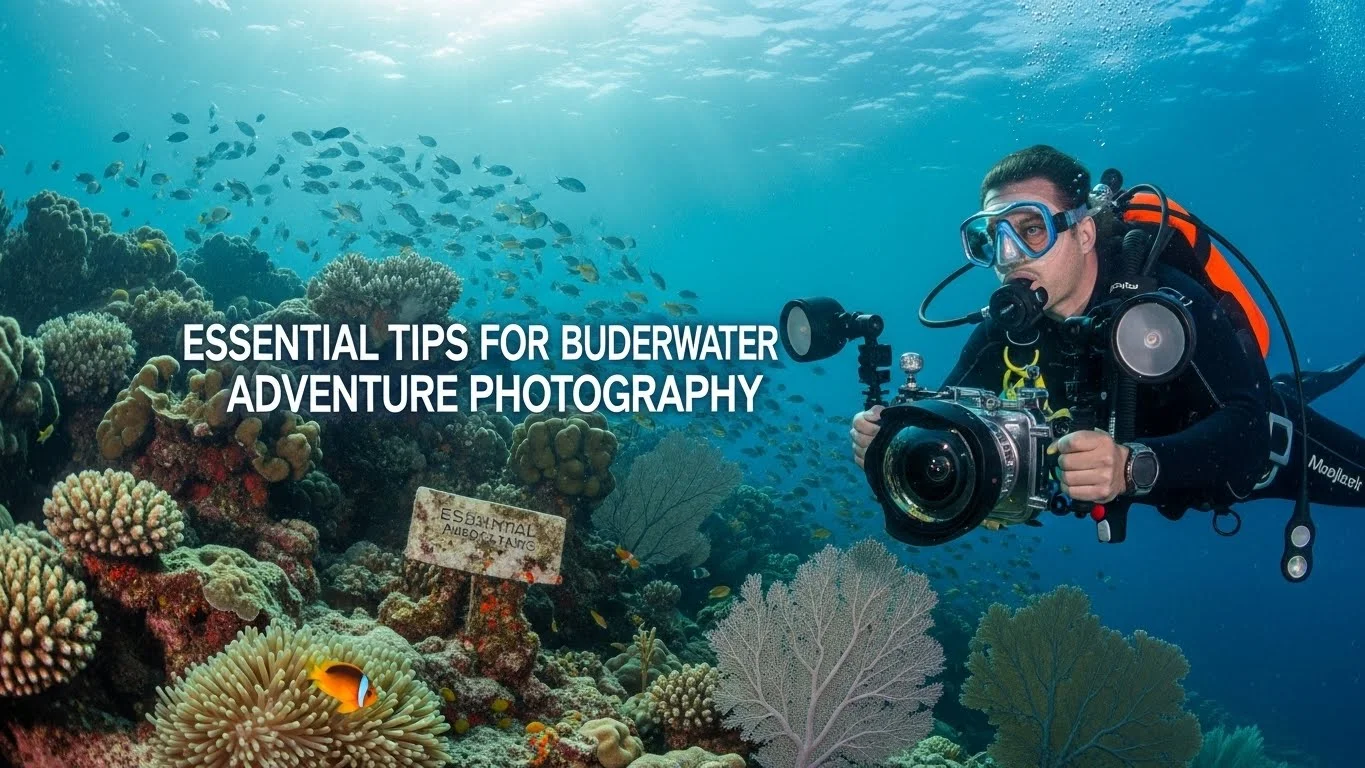
Essential Tips for Budget Underwater Adventure Photography

Underwater adventure photography can be thrilling and beautiful, allowing us to capture the wonders of the aquatic world. With the right tips and gear, you can embark on this journey without breaking the bank. Read Interesting article: Explore Underwater Wildlife: Budget Backpacking Photography Guide

Essential Tips for Budget Underwater Adventure Photography

Understanding Underwater Adventure Photography

What is Underwater Photography?

Underwater photography is all about capturing images beneath the surface of the water. It can range from photographing marine life and colorful corals to beautiful underwater landscapes. I remember the first time I dipped my camera into the ocean. The feeling of excitement and a little nervousness washed over me as I entered a world filled with vibrant colors and strange creatures. It’s like stepping into another universe. The challenge lies not just in the artistry but also in overcoming the unique obstacles that come with shooting underwater, like managing light, water clarity, and buoyancy.

Types of Underwater Photography

There are several types of underwater photography, and each has its own charm. The most common types include:

  • Macro Photography: This focuses on small subjects like tiny fish, corals, or even underwater textures. I found this especially rewarding because it reveals details we often miss.
  • Wide-Angle Photography: This captures larger scenes, allowing you to show vast underwater landscapes or schools of fish. It’s exhilarating to capture the scale of the underwater world.
  • Documentary Photography: This style aims to tell a story, often highlighting issues like ocean conservation. I believe this type of photography can inspire others to appreciate and protect our oceans.

Why Choose Adventure Photography?

Choosing adventure photography allows you to combine your love for exploration with artistry. It’s not just about taking pictures; it’s about experiencing the thrill of diving or snorkeling while capturing breathtaking moments. I often find that every dive offers something new, from unexpected encounters with marine life to the serenity of floating among corals. Experiencing this first-hand fuels my passion for photography even more. Plus, sharing these adventures can inspire others to appreciate the beauty of the underwater world. Read Interesting article: Capture Underwater Wonders: A Budget Guide to Wildlife Photography

Essential Gear for Budget Underwater Photography

Affordable Camera Options

When starting with underwater photography on a budget, you don’t need the most expensive gear. I personally began with a simple point-and-shoot camera that had a decent underwater housing. There are several affordable options out there, such as:

  • GoPro Cameras: These are compact, durable, and waterproof right out of the box. They’re great for capturing action-packed underwater shots.
  • Mirrorless Cameras: Models like the Sony Alpha series or Olympus OM-D are versatile and can often be found at reasonable prices. With the right housing, they can perform beautifully underwater.
  • DSLR Cameras: While these can get pricier, you can find older models on sale. They offer fantastic image quality and versatility, especially for those looking to get a bit more serious.

Underwater Housing for Cameras

No matter what camera you choose, investing in a good underwater housing is crucial. This protective gear is designed to keep your camera safe from water damage. I made the mistake of using a cheap housing once, and it leaked, damaging my camera. Look for housings that fit your camera model and check user reviews. Many brands offer budget-friendly options that still provide solid protection and functionality.

Basic Accessories: Lights, Filters, and Lenses

Underwater conditions can be tricky due to light absorption and color loss. To enhance your photography, consider these accessories:

  • Underwater Lights: These can make a huge difference in the quality of your photos, especially in darker waters. A simple video light can help bring out colors and details.
  • Color Correction Filters: These filters help adjust the colors that are lost underwater. I remember using a red filter for deeper dives, and it turned my photos from dull to vibrant.
  • Wide-Angle or Macro Lenses: Depending on your style, adding these lenses can allow for more creative shots, helping you capture stunning details or expansive scenes.

Protective Gear for Your Equipment

Keeping your gear safe is vital. Besides the underwater housing, I learned the importance of using a sturdy camera strap and a floaty device. I once dropped my camera while switching lenses, and it sank! Thankfully, I was able to retrieve it, but it was a harrowing experience. Look for padded cases and bags to protect your gear when traveling. A good quality dry bag can also keep everything organized and safe from water and sand.

Techniques for Capturing Stunning Underwater Images

Understanding Water Conditions and Lighting

Water conditions can vary greatly depending on where you’re diving, and understanding these can make a huge difference in your photography. I always check the weather and tides before heading out. For instance, I noticed that murky waters can significantly impact visibility and light absorption. When I first dove in cloudy waters, I struggled to get clear shots, and my excitement quickly turned into frustration. The best conditions are usually on calm days with clear visibility, so planning your dives accordingly is key. Additionally, the time of day matters too. I’ve found that diving in the early morning or late afternoon offers the most beautiful natural light, creating a soft glow that enhances colors and textures in your photos.

Composition Tips for Underwater Shots

Composition is just as important underwater as it is on land. One technique I always use is the rule of thirds. By placing the main subject off-center, I create a more dynamic image. I remember capturing a school of fish swimming gracefully through a coral reef; by positioning the reef on one side and the fish on the other, the photograph felt more engaging. Another tip is to pay attention to lines and shapes within the underwater environment. Leading lines can guide the viewer’s eye, drawing them into the scene. Experimenting with angles also helped me discover unique perspectives that tell a story about the underwater world. Sometimes, getting low to the ground or shooting from above can reveal stunning details that are often overlooked.

Using Natural Light Effectively

Natural light can be your best friend in underwater photography, but it can also be tricky. I’ve learned that light behaves differently underwater, with colors getting filtered out as depth increases. For instance, reds and oranges disappear quickly, which is why I always try to shoot in shallower waters when I want those vibrant colors. I also make an effort to position myself so that the sun is behind me, illuminating my subjects beautifully. Another trick I’ve employed is angling my camera slightly to capture sun rays streaming down; this adds a magical touch to my photos. If you’re diving deeper, using a flash or video light can help illuminate your subject, bringing back the colors that the water has absorbed.

Common Mistakes to Avoid

As I’ve dived into underwater photography, I’ve made my fair share of mistakes, and I want to share them so you can learn from my experiences. One common error is not checking your camera settings before entering the water. I’ve forgotten to adjust the white balance, leading to blue-tinted photos that didn’t match what I saw. Always take a moment to set your camera for the conditions you’ll be shooting in. Another mistake to avoid is getting too close to your subject. While it might be tempting to fill the frame with a vibrant fish, being too close can cause distortion or scare them away. I’ve learned to maintain a respectful distance, using zoom or cropping in post to get the shot I want. Lastly, don’t forget to practice buoyancy control. I’ve struggled with this, and it can lead to unwanted movement that blurs photos. Mastering buoyancy will not only improve your images but also enhance your overall diving experience.

Best Budget Locations for Underwater Photography

Top Dive Spots in the US

If you’re looking to explore underwater photography without draining your wallet, there are some fantastic locations in the U.S. that I’ve discovered. One of my favorites is the Florida Keys. The warm, clear waters are teeming with marine life, and there are many spots accessible for both beginners and experienced divers. I remember diving in John Pennekamp Coral Reef State Park; it was a vibrant underwater paradise that offered plenty of opportunities to practice my skills. Another great spot is the Channel Islands off the coast of California. The kelp forests and unique marine life create stunning backdrops for photography, and the dive sites can be reached without expensive charters by using local services. Read Interesting article: Capture Stunning Underwater Photos on a Budget Adventure

International Budget-Friendly Destinations

Traveling internationally for underwater photography can be done on a budget too! I had an incredible experience in Cozumel, Mexico. The dive sites are renowned for their clarity and vibrant coral reefs, and you can find affordable accommodations and dive packages. Plus, the local cuisine is delicious! Another place I’ve loved is the Red Sea in Egypt. While flights can be pricier, once you’re there, the diving costs are quite reasonable. The underwater visibility and rich marine life make every dive worth it. I’ve caught scenes that looked like they were straight out of a nature documentary.

Shallow Water vs. Deep Water Photography Locations

When choosing locations, consider the difference between shallow water and deep water photography. Shallow waters often provide better lighting conditions and vibrant colors, making them ideal for beginners. I enjoy shooting in shallow reefs where I can easily maneuver and explore without worrying about depth. On the other hand, deep water sites can offer unique subjects and stunning underwater landscapes, but they require more experience and specialized gear. My deep dives have often revealed dramatic underwater cliffs and larger marine life, but I always ensure I’m comfortable and prepared before heading to those depths.

Post-Processing Your Underwater Photos

Editing Software for Beginners

Once I started capturing underwater photos, I quickly realized that the magic didn’t end when I surfaced. Editing is a crucial part of the photography process, especially for underwater shots where lighting and color can often be tricky. For beginners, I recommend starting with user-friendly software like Adobe Lightroom or even free options like GIMP. I found that Lightroom’s intuitive interface helped me learn the basics of editing without getting overwhelmed. It’s great for adjusting exposure, contrast, and color balance, which can breathe life back into my photos. I also discovered that many smartphone apps, like Snapseed or Lightroom Mobile, offer robust editing capabilities as well, making it easy to tweak my photos on the go.

Basic Editing Techniques for Underwater Images

As I got more comfortable with editing, I learned a few techniques that helped elevate my underwater photos. One of the first things I do is adjust the white balance. This can make such a difference, especially if my photos came out with a blue or green tint. I usually slide the temperature slider to bring back the warmer tones that often get lost underwater. Cropping is another simple yet effective tool. I’ve found that sometimes just cropping to remove distractions or enhance the composition can transform an image. Lastly, I love using the clarity and sharpening tools to enhance details in fish scales or coral textures, making those images pop.

Color Correction and Enhancements

Color correction is a game changer in underwater photography. As I mentioned earlier, colors can diminish as you go deeper, so I often employ color correction filters during editing. In Lightroom, I use the HSL (Hue, Saturation, Luminance) panel to selectively enhance colors. For example, I’ll boost the saturation of blues and reds to bring back the vibrancy that the water has absorbed. I also learned to use the vibrance tool, which helps enhance muted colors without oversaturating the already vibrant ones. This balance is essential for creating images that capture the true beauty of the underwater world.

Sharing and Showcasing Your Underwater Photography

Best Platforms for Photographers

Sharing my underwater photography has been one of the most rewarding aspects of this journey. There are so many platforms available for photographers to showcase their work. I started with social media platforms like Instagram, where I could connect with other photographers and dive enthusiasts. Creating a dedicated account for my underwater images allowed me to engage with a community that shares my passion. I also discovered that platforms like 500px and Flickr are fantastic for reaching broader audiences and gaining feedback from fellow photographers. Each platform has its unique vibe, so I recommend exploring a few to see which resonates with you.

How to Build an Online Portfolio

Creating an online portfolio was a pivotal step for me. I found that having a website not only showcased my best work but also made it easier for potential clients or collaborators to find me. I used platforms like Wix and Squarespace, which offer templates specifically for photographers. I made sure to include a mix of my favorite underwater shots and categorized them by type, like macro and wide-angle, to show my versatility. Including a short bio and contact information helped potential clients get to know me and reach out for projects. It’s also essential to keep your portfolio updated with your latest and greatest work, so I set a reminder to refresh it every few months.

Engaging with the Underwater Photography Community

Engagement is key in the photography community. I’ve found that joining online forums and local photography clubs helped me connect with other underwater photographers. Platforms like Facebook and Reddit have groups dedicated to underwater photography where members share tips, critiques, and even organize dive trips. Attending workshops or meetups has also allowed me to learn from seasoned professionals and gain new perspectives. I remember my first workshop; I was nervous but ended up making lasting friendships and learning invaluable techniques that improved my skills. Engaging with the community not only fosters growth but also creates lasting connections.

Budgeting for Underwater Photography Adventures

Cost Breakdown of Gear and Expenses

Budgeting for underwater photography is something I’ve had to master over time. It’s easy to get swept up in the excitement and overspend. I think it’s important to create a breakdown of costs to see where my money is going. For me, the initial investment included my camera, underwater housing, and essential accessories. I also factor in expenses like travel, dive fees, and any necessary permits. I suggest prioritizing gear based on what you need most; for example, I first focused on getting a reliable camera and housing before moving on to lights and filters.

Tips for Saving Money on Trips

When planning trips for underwater photography, I always look for ways to save money. I’ve found that booking in advance can lead to better deals on flights and accommodations. Additionally, traveling during the off-peak season often results in lower rates. I also consider local dive shops for package deals, which can include gear rental and guided dives at a reasonable price. Sharing accommodations with fellow divers or friends can also cut costs significantly. I remember a trip where we rented a condo together, and it was not only budget-friendly but also a lot of fun!

Getting the Most Value Out of Your Investments

To maximize my investments in underwater photography, I’ve learned to be strategic. I focus on gear that offers versatility and longevity. For example, instead of buying multiple lenses, I invested in a high-quality zoom lens that could serve multiple purposes. I also make it a point to participate in local dive events or workshops, which often provide opportunities for practice and exposure without the hefty price tag. Finally, I keep an eye out for used gear or sales, allowing me to upgrade my equipment without breaking the bank. It’s all about making informed decisions that align with my photography goals while staying within budget.

Safety Tips for Underwater Photography

Essential Safety Gear

Safety should always be a priority when diving and photographing underwater. Over the years, I’ve learned to equip myself with essential safety gear. A reliable dive computer is a must-have for tracking my depth and time underwater. I also make sure to wear a wetsuit or drysuit, depending on the water temperature, to protect myself from cold and potential abrasions. A safety float is another important item. It not only keeps me visible to boaters but can also serve as a marker for my dive buddy if we get separated. It’s comforting to know I have these pieces of safety gear that allow me to focus on capturing those stunning underwater moments.

Understanding Marine Life and Environment

Being aware of the marine life and environment I’m diving into is crucial for my safety and the well-being of the creatures below. I always take time to research the area before I dive. Understanding the local species, their behaviors, and any potential hazards helps me navigate my dives more safely. I’ve had close encounters with jellyfish and spiny sea urchins, reminding me to respect the underwater ecosystem. It’s also important to follow local guidelines and regulations, ensuring that I minimize my impact on the environment while enjoying the beauty of the underwater world.

Emergency Procedures and Planning

Even with careful planning, emergencies can happen. I’ve learned to prepare for the unexpected by having a clear plan in place. Before each dive, I communicate my dive plan with my buddy, discussing our entry and exit points as well as our maximum depth and time. I always carry a whistle and a surface marker buoy, as they can be lifesavers if I need to signal for help. Additionally, I take the time to review emergency procedures, like how to respond to a decompression illness or how to safely assist a buddy in distress. I feel that being prepared not only boosts my confidence but also enhances the overall diving experience.

Frequently Asked Questions

What is underwater photography?

Underwater photography is the practice of capturing images beneath the surface of the water, including marine life, colorful corals, and underwater landscapes.

What are the common types of underwater photography?

The most common types of underwater photography include macro photography, which focuses on small subjects; wide-angle photography, which captures larger scenes; and documentary photography, which tells stories about ocean conservation.

What affordable camera options are recommended for underwater photography?

Affordable camera options for underwater photography include GoPro cameras, which are compact and waterproof; mirrorless cameras like the Sony Alpha series or Olympus OM-D; and older DSLR models that can often be found at reduced prices.

Why is underwater housing important for cameras?

Underwater housing is crucial as it protects the camera from water damage, ensuring that it remains safe while shooting underwater. It’s important to choose a housing that fits your camera model and has good user reviews.

What accessories can enhance underwater photography?

Essential accessories for underwater photography include underwater lights to improve visibility, color correction filters to adjust lost colors, and wide-angle or macro lenses to capture various perspectives and details.

What are some tips for capturing stunning underwater images?

Tips for capturing stunning underwater images include understanding water conditions and lighting, using composition techniques like the rule of thirds, and effectively using natural light to illuminate subjects.

What are some budget-friendly underwater photography locations in the US?

Budget-friendly underwater photography locations in the US include the Florida Keys, known for its vibrant marine life, and the Channel Islands in California, offering unique marine environments and accessible dive sites.

How can I edit my underwater photos effectively?

To edit underwater photos effectively, beginners can use software like Adobe Lightroom or GIMP. Key techniques include adjusting white balance, cropping for composition, and using clarity and sharpening tools to enhance details.

What safety gear is essential for underwater photography?

Essential safety gear for underwater photography includes a reliable dive computer to track depth and time, a wetsuit or drysuit for temperature protection, and a safety float for visibility and marking locations.

How can I engage with the underwater photography community?

Engaging with the underwater photography community can be done by joining online forums, participating in local photography clubs, and attending workshops or meetups to connect with other photographers and learn new techniques.

Capture Stunning Underwater Photos on a Budget Adventure

Are you ready to dive into the captivating world of underwater photography without breaking the bank? Let’s explore how you can capture breathtaking underwater shots while keeping your adventure budget-friendly! Additionally, you might find some useful insights in our article on Affordable Underwater Wildlife Photography Tips for Backpackers.

Capture Stunning Underwater Photos on a Budget Adventure

Understanding Underwater Photography

What is Underwater Photography?

Underwater photography is a unique genre that involves capturing images beneath the surface of the water. I first discovered this fascinating form of photography during a snorkeling trip where I was amazed by the vibrant marine life and stunning underwater landscapes. With a little bit of practice and the right gear, anyone can delve into this captivating world. The beauty of underwater photography lies in its ability to reveal a hidden realm that often goes unnoticed. From colorful fish darting through coral reefs to the tranquility of underwater caves, there’s so much to explore and capture.

Importance of Underwater Photography

Underwater photography plays a significant role in raising awareness about marine environments and conservation. I’ve seen firsthand how sharing stunning images of underwater ecosystems can inspire people to appreciate and protect our oceans. These photos not only document the beauty of marine life but also highlight the threats they face due to pollution and climate change. When I share my underwater shots, I feel like I am contributing to a greater cause, encouraging others to take an interest in preserving these precious habitats. In a way, every picture I take is a call to action to help protect our underwater world. For more insights on this topic, check out Exploring Nature: Affordable Conservation Photography Tips.

Essential Gear for Budget Underwater Photography

Affordable Underwater Cameras

Investing in an underwater camera can feel daunting, especially if you’re on a budget. However, I’ve found that there are some great options available that won’t empty your wallet. Brands like Olympus and Panasonic offer affordable compact cameras that are waterproof up to certain depths. I remember my first underwater camera; it was a simple point-and-shoot, but it provided me with fantastic images without costing a fortune. Make sure to check reviews and consider second-hand options as well. You can often find great deals on used equipment that still performs excellently.

Using GoPro and Action Cameras

GoPro cameras have become synonymous with adventure photography, and for good reason. They are compact, durable, and, with the right housing, can be taken underwater. I love using my GoPro for underwater photography because it’s so versatile. The wide-angle lens captures stunning landscapes and schools of fish, and it’s small enough to take anywhere. Plus, there are plenty of budget-friendly alternatives to GoPro that offer similar features. These action cameras are perfect for capturing your adventures without needing a big investment.

Waterproof Smartphone Options

Believe it or not, some smartphones are designed for underwater use. I was thrilled when I discovered that my phone could withstand a dip in the pool or ocean. Many modern smartphones have great cameras and can produce impressive images underwater. Just remember to use a reliable waterproof case. I’ve learned the hard way that a good case is essential for protecting your device from water damage. This way, you can capture spontaneous moments, like a school of fish swimming by or the beauty of the coral below.

DIY Solutions for Waterproofing

If you’re feeling crafty, there are DIY solutions for waterproofing your gear. I once tried using a resealable plastic bag for my smartphone, and it worked surprisingly well for shallow water shots. Just make sure to test it beforehand to avoid any mishaps. Alternatively, you can make a simple housing for your camera using waterproof materials available at craft stores. I’ve seen many photographers online share their creative DIY setups, and it’s a fun way to save some cash while still enjoying underwater photography.

Best Budget Accessories for Underwater Photography

Underwater Lenses and Filters

Using filters can enhance your underwater images by correcting the color distortions that occur underwater. I remember the first time I used a red filter; it transformed my photos, making the vibrant colors of the coral pop beautifully. There are affordable filters available that can fit various camera models. If you’re using an action camera, check for lens attachments that can improve your shots. These budget-friendly accessories can help elevate your photography without requiring a hefty investment.

Lighting Techniques on a Budget

Lighting can be tricky underwater since the deeper you go, the less natural light reaches you. I’ve learned to use portable video lights to enhance my underwater shots. These lights are relatively affordable and can make a significant difference in the quality of your images. If that’s outside your budget, consider the time of day you’re shooting. Early morning or late afternoon provides beautiful natural light that can illuminate your underwater scenes without needing additional equipment.

Stabilizers and Tripods

Keeping your camera steady is crucial in underwater photography to avoid blurry images. I’ve found that using a stabilizer or a lightweight tripod can really help, especially when shooting in lower-light conditions. There are many affordable options available, so you don’t have to spend a fortune. If you’re diving or snorkeling, you can even try creating a stabilizer using buoyancy aids like a float. I’ve experimented with various setups and found that a little creativity goes a long way.

Choosing the Right Location for Underwater Photography

Top Budget-Friendly Diving Spots

Choosing the right location can make a huge difference in your underwater photography experience. I’ve had the chance to explore some amazing budget-friendly diving spots, and they’ve all offered unique opportunities for capturing stunning images. For instance, I remember my trip to Cozumel, Mexico, where I found a variety of dive shops offering affordable packages. The vibrant coral reefs and diverse marine life made it easy to get fantastic shots without spending a fortune. Also, consider the visibility and water conditions when selecting a dive spot. Ideally, you want clear water to ensure your images come out sharp and colorful. You could also explore Top Destinations for Affordable Wildlife Adventure Photography for more ideas.

Natural Lakes and Rivers

Don’t overlook the beauty of natural lakes and rivers for underwater photography. I’ve discovered some hidden gems in my area that offered surprisingly beautiful underwater scenes. The clarity of the water can vary, but I found that early mornings are the best time to shoot. I had an exhilarating experience capturing the reflections and underwater plants in a local lake. Plus, these locations often have fewer crowds, allowing for a peaceful photography session. If you’re adventurous, you might even explore freshwater springs, where the water is crystal clear and brimming with life.

Local Beaches and Marine Parks

Local beaches and marine parks are fantastic options for budget underwater photography. I remember visiting a nearby marine park where entrance fees were minimal, but the underwater scenery was absolutely breathtaking. The park was teeming with fish, and the coral formations were beautiful. I suggest checking out local beach conditions and looking for areas with fewer tourists to avoid crowded shots. It’s amazing how much beauty can be found in our own backyards if we take the time to explore!

Photography Techniques for Stunning Underwater Shots

Understanding Lighting Underwater

Lighting is one of the most critical aspects of underwater photography. I’ve learned that natural light diminishes rapidly as you go deeper, which can dramatically affect your images. During my experiences, I often aimed to shoot in shallow waters where sunlight still penetrated, creating bright, vibrant shots. If you’re diving deeper, I recommend using artificial lights or strobes to illuminate your subject. I’ve found that experimenting with different angles and distances from the light source can create some truly stunning effects.

Composition Tips for Underwater Photography

Composition is just as essential underwater as it is on land. I remember feeling overwhelmed with how to frame my shots initially, but I found a few techniques that helped me improve. Always keep the rule of thirds in mind; it’s a simple way to create dynamic images. I also learned to include interesting foreground elements, like rocks or plants, to add depth to my photos. And don’t forget to get close to your subjects! Underwater photography often benefits from being as close as possible to reduce the amount of water distortion and enhance the details.

Using Natural Elements for Unique Shots

Nature offers endless opportunities for unique underwater shots. I’ve had incredible luck finding vibrant underwater flora and fauna that added a special touch to my photos. For instance, I once captured an image of a colorful sea fan swaying with the current, creating a magical effect. I also enjoy incorporating the textures of the ocean floor or interesting rock formations into my compositions. By observing your surroundings and being creative with the natural elements, you can create stunning photographs that truly showcase the underwater world.

Editing Your Underwater Photos on a Budget

Free and Low-Cost Editing Software

Once I’ve captured my underwater images, the next step is editing. I’ve discovered several free and low-cost editing software options that allow me to enhance my photos without breaking the bank. Programs like GIMP and Canva have become my go-to tools. They offer user-friendly interfaces and plenty of features to help adjust brightness, contrast, and color saturation. I’ve found that even simple edits can significantly improve the overall quality of my images.

Basic Editing Techniques for Underwater Photos

When editing underwater photos, I focus on a few basic techniques. First, I usually adjust the white balance to counteract the blue tones that can dominate underwater images. I’ve learned that enhancing brightness and contrast can also make colors pop and add depth. Cropping is another important step; I like to remove distractions from the edges of my frame to keep the viewer’s focus on the main subject. With practice, I’ve noticed that these simple edits can elevate my underwater shots.

Enhancing Colors and Contrast in Underwater Images

One of the most rewarding aspects of editing underwater photos is the ability to enhance colors and contrast. I love bringing out the vibrant hues of coral and marine life. I’ve found that using saturation sliders carefully can create stunning results without making the image look unrealistic. Additionally, adjusting the contrast can help define shapes and make the subject stand out more. I often spend time fine-tuning these elements to ensure my photos reflect the true beauty I experienced underwater.

Safety Tips for Underwater Photography

Understanding Water Safety

When I first started underwater photography, I quickly learned that safety should always be my top priority. Understanding water safety is crucial, especially when you’re exploring new dive sites or swimming in unfamiliar waters. I always make sure to dive with a buddy; it’s not just more enjoyable, but it’s also a safety net in case something goes wrong. Knowing the current, weather conditions, and potential hazards is vital before diving. I remember reading local dive reports or asking dive shop staff about conditions, which gave me a clearer idea of what to expect. It’s also a good habit to communicate with your buddy about your plans and any concerns you may have.

Equipment Safety Precautions

Taking care of your gear is just as important as your personal safety. I’ve had some close calls where I almost dropped my camera, and I can tell you, it’s a heart-stopping moment! To avoid such situations, I always use a secure strap or lanyard for my camera. It’s easy to forget how slippery everything can be underwater, and having that extra layer of security gives me peace of mind. Additionally, I make it a point to regularly check my equipment for any leaks or damage, especially after a dive. I recall the time I neglected to check my housing before an outing, only to be met with a small flood mid-dive. Thankfully, I had a backup camera, but it taught me to be diligent!

Dealing with Marine Life Responsibly

Encountering marine life can be one of the most exhilarating parts of underwater photography, but it’s essential to interact with them responsibly. I’ve been fortunate enough to swim alongside turtles and colorful fish, but I always respect their space. I’ve learned not to chase or touch marine animals, as it can stress them out and disrupt their natural behavior. Whenever I spot something interesting, I try to observe and capture the moment without disturbing their habitat. We are guests in their world, after all! I also make sure to educate myself about the local ecosystem and any protected species in the area. This knowledge has transformed my photography sessions into meaningful experiences, highlighting the beauty and fragility of marine life.

Sharing Your Underwater Photography

Best Platforms for Showcasing Your Photos

Once I’ve edited my underwater photos, sharing them is one of the most rewarding parts of the process. I’ve found several platforms that cater specifically to photographers, making it easy to showcase my work. Instagram is one of my favorites; it’s visually driven and allows me to connect with a broad audience. I love using hashtags related to underwater photography to reach others in the community. Additionally, I’ve created a personal website as an online portfolio. It’s a fantastic way to display my underwater work in a more organized manner, and I enjoy customizing it to reflect my style. Websites like Flickr and 500px are also great alternatives for photographers looking to share their images and connect with others.

Building a Photography Portfolio on a Budget

Creating a photography portfolio doesn’t have to cost a fortune. I began by using free website builders like Wix and WordPress, which allowed me to showcase my images without the need for extensive design knowledge. I recommend organizing your portfolio by themes or locations, making it visually appealing and easy for viewers to navigate. I also include a few lines about each photo, sharing the story behind the shot, which helps engage my audience. It’s been exciting to see how much my portfolio has evolved over time, and it’s a great way to track my growth as a photographer.

Engaging with the Underwater Photography Community

Connecting with fellow underwater photography enthusiasts has enriched my experiences. I’ve joined online groups and forums where photographers share tips, critiques, and support each other’s work. Participating in these communities has not only helped me improve my skills but has also introduced me to amazing friendships and collaborations. I remember attending a local photography meet-up where we discussed our favorite techniques and even planned a group dive. These interactions have inspired me to push my creative boundaries and explore new ideas in my photography.

Final Thoughts

As I reflect on my journey through underwater photography, I’m filled with gratitude for the experiences I’ve had and the lessons I’ve learned. Diving into this unique art form has opened up a world of wonder beneath the waves, and I truly believe that anyone can capture the stunning beauty of the underwater realm without spending a fortune. I’ve seen how simple techniques, affordable gear, and a little creativity can make a significant impact on the quality of our photographs.

It’s not just about the equipment or the perfect location; it’s about connecting with nature and expressing that connection through our photos. Each time I submerge myself, I’m reminded of the fragility of marine life and the importance of conservation. These experiences have deepened my appreciation for our oceans and motivated me to advocate for their protection through my photography.

Sharing my work has also brought me joy. The support from fellow photographers and the positive feedback from friends and family inspire me to keep improving. Engaging with the underwater photography community has not only expanded my knowledge but has also led to lasting friendships and collaborations that have enriched my journey.

So, whether you’re just starting out or are looking to enhance your skills, I encourage you to embrace the adventure. Explore local spots, experiment with different techniques, and don’t be afraid to share your images with the world. With each shot, you’re not just capturing a moment; you’re telling a story about a hidden world that deserves to be seen and celebrated. Let’s continue to inspire each other and protect our beautiful underwater ecosystems together!

Frequently Asked Questions

What is underwater photography?

Underwater photography is a unique genre that involves capturing images beneath the surface of the water, revealing a hidden realm filled with vibrant marine life and stunning underwater landscapes.

Why is underwater photography important?

Underwater photography raises awareness about marine environments and conservation by documenting the beauty of marine life and highlighting threats they face due to pollution and climate change.

What are some affordable options for underwater cameras?

Brands like Olympus and Panasonic offer affordable compact cameras that are waterproof up to certain depths. Additionally, checking reviews and considering second-hand options can lead to great deals on used equipment.

Can I use my smartphone for underwater photography?

Yes, many modern smartphones are designed for underwater use and can produce impressive images with the addition of a reliable waterproof case to protect against water damage.

What DIY solutions exist for waterproofing gear?

DIY solutions include using a resealable plastic bag for smartphones or creating a simple housing for cameras using waterproof materials available at craft stores.

How can I improve my underwater photography with budget accessories?

Using filters can enhance images by correcting color distortions, and affordable portable video lights can improve lighting quality. Stabilizers or lightweight tripods can also help keep your camera steady.

What are some budget-friendly locations for underwater photography?

Top budget-friendly locations include Cozumel, Mexico, local natural lakes and rivers, and nearby beaches or marine parks that offer beautiful underwater scenery at minimal costs.

What photography techniques should I consider for underwater shots?

Understanding lighting is crucial, as natural light diminishes with depth. Composition techniques, such as the rule of thirds and getting close to subjects, can also enhance the quality of underwater images.

What editing software can I use for underwater photos on a budget?

Free and low-cost editing software options like GIMP and Canva allow for enhancements such as adjusting brightness, contrast, and white balance to improve underwater images.

What safety precautions should I take while underwater photography?

Prioritize safety by diving with a buddy, understanding water conditions, securing your equipment, and interacting with marine life responsibly to avoid causing stress to the animals.

Budget Backpacking: Mastering Cultural Adventure Photography

Embarking on a budget backpacking journey is not just about saving money; it’s about enriching your life through cultural adventures and stunning photography. Let’s dive into the world of budget backpacking and how it can transform your travel experiences. Read Interesting article: Capture Cultural Wonders: Budget-Friendly Adventure Photography

Budget Backpacking: Mastering Cultural Adventure Photography

Understanding Budget Backpacking

What is Budget Backpacking?

Budget backpacking, for me, is a way to travel without breaking the bank. It involves planning trips with a focus on low-cost accommodations, transportation, and food. I remember my first backpacking trip; armed with just a small backpack, I explored cities, met locals, and captured unforgettable moments. The beauty of budget backpacking is that it encourages you to immerse yourself in different cultures rather than just skimming the surface.

Benefits of Budget Backpacking

The benefits of budget backpacking are plentiful. First and foremost, it allows for a more authentic experience. When I travel on a budget, I often find myself staying in hostels or guesthouses, which puts me in close proximity to locals and fellow travelers. I’ve made lifelong friends that way. Plus, budget travel often leads to serendipitous adventures, like stumbling upon a hidden café or a local festival that I otherwise wouldn’t have known about.

Another advantage is the growth of my photography skills. With a focus on budget travel, I’ve learned to become resourceful. Using natural light, finding unique angles, and capturing candid moments have become second nature to me. Lastly, traveling on a budget promotes sustainability. It’s more environmentally friendly when I opt for public transportation or walk instead of flying or driving everywhere. Read Interesting article: Top 10 Urban Photography Spots for Budget Backpackers

Essential Gear for Budget Backpacking

Having the right gear can make or break your backpacking experience. I’ve learned that it’s not about having the most expensive items, but rather the essentials that will keep you comfortable and support your photography passion. Here’s a checklist of items I consider essential:

  • Backpack: A durable, lightweight backpack is crucial. I recommend one that’s between 40-60 liters for easy transport and enough space for essentials.
  • Sleeping Bag: A compact, weather-appropriate sleeping bag has been a lifesaver for me during chilly nights in hostels or camping.
  • Clothing: Pack versatile clothing that can be layered. I usually go for moisture-wicking shirts and quick-dry pants.
  • Footwear: Comfortable walking shoes are a must. I learned this the hard way after a day of exploring in flip-flops!
  • Photography Gear: A good camera, whether it’s a DSLR or a smartphone with a decent camera, is essential. I also carry a lightweight tripod for night shots.
  • First Aid Kit: It’s always smart to be prepared. I keep a basic kit with band-aids, antiseptic wipes, and any personal medications.

When I first started backpacking, I overpacked. It took several trips to understand that less is more. I’ve learned to prioritize the items that serve multiple purposes, which not only saves space but also money.

Cultural Adventure Photography: An Overview

What is Cultural Adventure Photography?

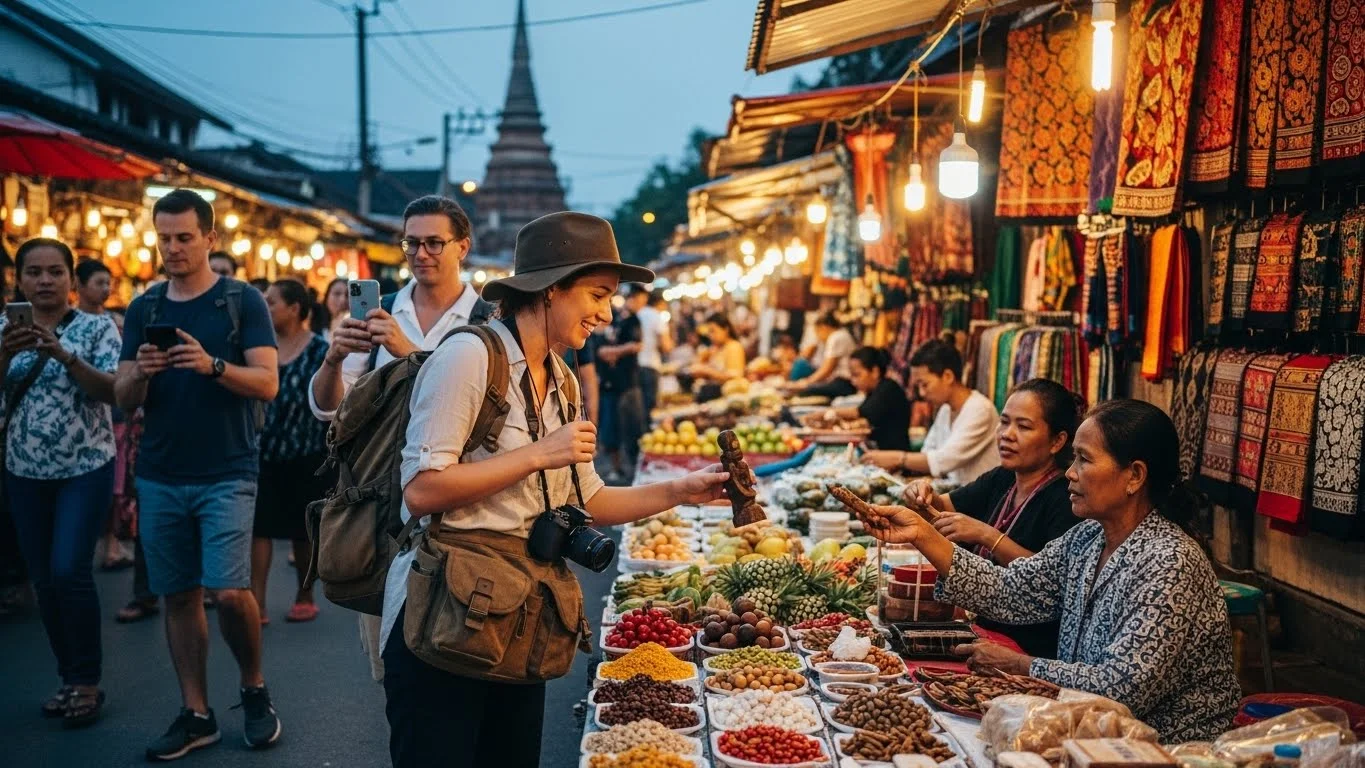
Cultural adventure photography, in my understanding, is about capturing the essence of different cultures through your lens. It goes beyond simply taking pictures of landmarks; it involves documenting the everyday lives of people, their traditions, and their environments. For instance, I’ve captured everything from colorful street markets to intimate family gatherings during my travels. Each photo tells a story that goes beyond the frame.

Why Cultural Photography Matters

I believe cultural photography matters because it fosters understanding and appreciation for the diversity of our world. Each image I take serves as a bridge between cultures. When I share my photos, I feel like I’m inviting others to experience the beauty of different ways of life, helping to break down stereotypes and misconceptions. In this digital age, every photo has the potential to educate and inspire others.

Key Elements of Cultural Photography

While I’m out and about with my camera, I try to focus on a few key elements that elevate my cultural photography:

  • Storytelling: Each photograph should convey a story. I often think about what I want to say through my images and how I can make that connection evident.
  • Emotion: Capturing genuine emotions can create powerful images. I strive to photograph people in moments of joy, sadness, or contemplation.
  • Context: Including environmental context in my shots helps convey a sense of place. For instance, photographing a local artisan in their workshop tells a richer story than just a portrait alone.
  • Respect: It’s vital to respect the cultures I’m photographing. I always approach with sensitivity and openness, asking permission when necessary.

Mastering cultural adventure photography has been a journey for me. Each trip teaches me something new, whether it’s about the cultures I’m exploring or about my own perspective as a traveler. The combination of budget backpacking and cultural photography has enriched my life in ways I never anticipated.

Preparing for Your Backpacking Adventure

Choosing Your Destination

Choosing a destination for budget backpacking is an exciting yet daunting task. I remember the thrill of flipping through travel guides and browsing online forums, trying to narrow down my options. For me, the best approach is to consider places that offer rich cultural experiences and are known for being budget-friendly. Southeast Asia, for instance, has been a favorite of mine. Countries like Vietnam and Thailand not only have stunning landscapes but also offer affordable accommodations and food. I find it helpful to read blogs or watch vlogs from fellow travelers to get a sense of what to expect, which can guide my choice.

Another factor I consider is the local community and culture. I want to immerse myself in environments where I can connect with locals and learn about their traditions. Sometimes, it’s about the adventure itself, like a lesser-known village or a bustling city market, that draws me in. I also check the weather conditions and the best times to visit, as this can significantly affect both my experience and budget.

Budgeting for Your Trip

Budgeting is a crucial part of my travel planning process. I’ve learned from experience that a well-thought-out budget can make all the difference during my trip. I start by outlining my expenses, including flights, accommodation, food, activities, and, of course, my photography gear. I usually create a spreadsheet to keep track of everything, which helps me see where I can cut costs.

When I plan my budget, I also build in a buffer for unexpected expenses. There’s always something that pops up, whether it’s a last-minute attraction I want to visit or an extra meal out. I’ve found that allocating a little extra money for spontaneity can lead to some of my greatest adventures. Additionally, I focus on finding ways to save money, such as using budget airlines, traveling during the off-season, and taking advantage of student or youth discounts whenever possible.

Planning Your Itinerary

Creating an itinerary is one of my favorite parts of preparing for a backpacking trip. I love the excitement of piecing together my travel plans while allowing room for flexibility. I usually start with a rough outline of the places I want to visit and the activities I don’t want to miss. For example, if I’m heading to Thailand, I might prioritize visiting the temples in Chiang Mai and the stunning beaches in Krabi.

However, I’ve learned that it’s essential to leave some open days in my itinerary. This allows for unexpected discoveries and adventures, which are often the highlights of my trips. I typically research local events or festivals happening during my stay, as these can offer unique experiences that are not part of the usual tourist path.

Accommodations: Hostels, Guesthouses, and More

When it comes to accommodations, my go-to options are hostels and guesthouses. They are not only budget-friendly but also provide excellent opportunities to meet fellow travelers. I remember my first hostel experience; I was a bit nervous but quickly realized it was a hub for sharing stories and tips. Choosing a place with a communal area can lead to spontaneous conversations and friendships that last beyond the trip.

I also search for guesthouses that reflect the local culture. Sometimes, I choose to stay with local families through platforms like Airbnb, which can offer a more personal touch and insight into the daily lives of the community. Another option I often consider is camping, especially in nature-rich destinations. It’s a fantastic way to experience the outdoors while saving money. Just a note: always check for safety and regulations when it comes to camping.

In my experience, the right accommodation can set the tone for your entire trip. I’ve found that staying in places that feel welcoming and homey contributes to a more enriching travel experience. Plus, it often leads to sharing meals and stories with my hosts, adding another layer of cultural immersion to my journey.

Photography Equipment on a Budget

Essential Cameras and Lenses for Backpackers

When I first started my journey into photography while backpacking, I quickly realized that I didn’t need the fanciest camera to capture stunning images. For me, the best camera is one that I’m comfortable using and carries the essentials for my style. I often recommend starting with a mirrorless or entry-level DSLR camera. These options strike a great balance between quality and portability, which is crucial when you’re lugging your gear around all day.

In my experience, a versatile zoom lens can be a game-changer. Something like an 18-55mm lens covers a wide range of scenarios, from landscapes to portraits. If you’re feeling adventurous, you might want to look into prime lenses. They often have better low-light performance and sharper images, which I’ve found incredibly useful for cultural photography. Just remember, it’s not always about the gear; it’s about what you do with it!

Affordable Accessories: Tripods, Filters, and More

When it comes to accessories, I’ve learned that a few key items can enhance my photography without breaking the bank. A lightweight tripod is one of those essentials. I remember trying to capture night shots without one and feeling frustrated with the blurriness. A good tripod can help with stability and allows you to experiment with long exposure shots.

I also recommend investing in a polarizing filter, especially if you’re planning to photograph landscapes or water scenes. It helps reduce glare and enhances colors, making your photos pop. In addition to that, a lens cleaning kit is something I always have on hand. Dust and smudges can ruin a beautiful shot, so keeping my lens clean has been a priority for me.

Smartphone Photography: Tips and Apps

Let’s not forget about smartphone photography! I’ve seen some incredible shots taken with just a phone, and I’ve grown to appreciate the convenience it offers while traveling. Most smartphones today come equipped with decent cameras, and they’re perfect for on-the-go moments. My favorite tip is to explore your phone’s camera settings and features. Many have options for manual controls that can give you more creative freedom.

There are also fantastic apps that can help you enhance your smartphone photography. I’ve found that Snapseed and Lightroom Mobile are great for editing on the fly. They offer powerful editing tools that allow you to make adjustments directly from your phone. Plus, I love how easy it is to share my photos on social media straight from my device, making it a seamless part of my travel experience.

Mastering Cultural Photography Techniques

Understanding Composition and Framing

Composition is one of those elements that can transform a good photograph into a great one. I’ve spent countless hours studying different techniques, and I can tell you that understanding the rule of thirds has made a huge difference in my shots. By mentally dividing my frame into thirds, I can position key elements in a way that draws the viewer’s eye and creates balance.

Another technique that I rely on is leading lines. I love using paths, roads, or even architecture to guide the viewer’s gaze through my photos. It adds depth and perspective, making the image more engaging. Over time, I’ve learned to be mindful of my surroundings, often adjusting my angle or perspective to create more compelling compositions.

Utilizing Natural Light for Stunning Shots

Natural light is a photographer’s best friend. I’ve found that shooting during the golden hour—shortly after sunrise or before sunset—creates a beautiful warm glow that enhances my images. The soft light at those times can make even the simplest scenes look magical. I often plan my shoots around these times, especially when I want to capture vibrant street scenes or stunning landscapes.

However, I also embrace the challenges that come with different lighting conditions. For instance, when shooting in harsh midday sun, I look for shaded areas or ways to incorporate shadows creatively. Adapting to the light around me has not only improved my photography but also taught me to appreciate the beauty in all conditions.

Capturing Candid Moments and Local Life

One of the most rewarding aspects of cultural photography is capturing candid moments. I remember standing in a bustling market in Vietnam, watching local vendors interact and share laughter. Instead of just taking posed photos, I focused on capturing authentic interactions. These candid shots tell a more genuine story of the culture and the people within it.

To capture these moments, I’ve learned to be patient and observant. Sometimes, I’ll sit quietly and let life unfold around me. It’s amazing what you can capture when you take a moment to breathe and really watch. I also make it a point to connect with locals; asking for permission to take their photos not only shows respect but often leads to more genuine expressions and interactions.

Respecting Cultural Norms in Photography

Respecting cultural norms is vital in my photography journey. I’ve traveled to many places where cultural sensitivities are paramount, and I always strive to approach these situations with awareness. Before photographing people, I try to engage with them, understanding their comfort levels. Sometimes, a simple smile and a question can open doors and create trust.

Additionally, I’ve learned the importance of researching cultural practices before my trips. Some cultures have specific guidelines about photography, and being informed helps me avoid any potential misunderstandings. In my experience, this respect not only enriches my photography but also enhances my interactions with the locals, making the whole experience more meaningful.

Top Destinations for Cultural Adventure Photography

Exploring Southeast Asia: Vietnam and Thailand

Southeast Asia has a special place in my heart, especially Vietnam and Thailand. These countries are a haven for cultural adventure photography. In Vietnam, the bustling streets of Hanoi offer vibrant street scenes filled with local vendors and rich traditions. I remember wandering through the Old Quarter, where the sights and sounds blend together, creating an atmosphere that’s perfect for candid shots. The stunning landscapes of Ha Long Bay, with its emerald waters and limestone cliffs, provide breathtaking backdrops for photography as well.

Then there’s Thailand, which is equally captivating. From the ornate temples in Bangkok to the tranquil beaches of Krabi, there’s a diverse array of subjects to photograph. I’ve found that participating in local festivals, like Songkran (the Water Festival), allows me to capture the joy and energy of the culture in a way that few other experiences can match. Each moment spent in these countries not only strengthens my photography skills but also deepens my appreciation for their rich histories and customs. Read Interesting article: Exploring Cities: Mastering Candid Urban Photography on a Budget

Discovering Eastern Europe: Poland and Hungary

Eastern Europe has its own unique charm that I love to explore. Poland, with its historical cities like Kraków and Wrocław, is full of stories waiting to be told through photographs. I’ve enjoyed capturing the stunning architecture of the Wawel Castle and the vibrant market squares. The colorful street art in these cities adds an exciting modern touch to my cultural photography.

Hungary, especially Budapest, is another gem. The city’s stunning skyline, dotted with iconic landmarks like the Parliament Building and Buda Castle, makes for incredible photography opportunities. I recall taking a boat ride on the Danube River at sunset, where the golden hues reflected on the water created a magical atmosphere. The thermal baths and bustling ruin bars also offer unique glimpses into the local life, making it a perfect destination for anyone interested in cultural adventure photography.

Immersing in South America: Peru and Colombia

South America is bursting with cultural richness, and Peru and Colombia are two countries that stand out to me. Peru is home to the majestic Machu Picchu, which I consider a must-visit for any photographer. The ancient ruins against the backdrop of the Andes Mountains provide endless opportunities for stunning shots. Beyond the famous sites, the local markets in Cusco are vibrant with color and life, making it a great place to capture authentic moments.

Colombia, on the other hand, offers a fascinating blend of cultures. I’ve loved exploring the streets of Cartagena, where the colonial architecture and lively atmosphere create a fantastic setting for photography. The street performers and local artisans are always willing to share their stories, enriching my experience and providing wonderful subjects for my photos.

Capturing the Essence of Africa: Morocco and Kenya

Africa is a continent filled with diverse cultures, and both Morocco and Kenya have left a lasting impression on me. In Morocco, the bustling souks of Marrakech are a photographer’s dream. The colors, textures, and interactions between shoppers create a lively scene that tells a unique story. I’ve enjoyed capturing the intricate patterns of the rugs and the vibrant spices that fill the air with their aromatic scents.

Kenya offers a different kind of adventure, especially for wildlife photography. The Maasai Mara is a breathtaking place to witness the great migration and capture stunning images of elephants, lions, and other wildlife in their natural habitats. The Maasai people’s rich traditions and vibrant attire also provide an incredible opportunity to explore cultural photography in a meaningful way. Each encounter I’ve had has deepened my understanding of the local customs and enriched my photography portfolio.

Editing and Sharing Your Photos

Basic Photo Editing Techniques

Once I’m back from my travels, editing my photos is one of my favorite parts of the process. I’ve learned that even the best shots can benefit from a little enhancement. Basic techniques like adjusting brightness, contrast, and saturation can turn a good photo into a great one. I typically use editing software to crop my images and remove distractions, which helps to focus more on the subject matter. This attention to detail ultimately helps my images convey the stories I want to tell.

Best Free and Affordable Editing Software

Over the years, I’ve discovered a few free and affordable editing tools that I absolutely love. For basic edits, I often turn to GIMP, a powerful open-source software that offers a wide range of features. If I want something more user-friendly, I’ve found that Canva provides easy-to-use templates and editing options. For mobile editing, Snapseed is my go-to app, allowing me to make quick adjustments on the go.

Sharing Your Photos on Social Media

Sharing my travels on social media has become an integral part of my photography journey. Platforms like Instagram allow me to connect with like-minded travelers and photographers. I love showcasing my photos along with stories about my experiences, which not only keeps my friends updated but also inspires others to embark on their own adventures. I’ve also found that engaging with others through comments and likes helps build a community that shares the same passion for travel and photography.

Creating a Travel Photography Portfolio

Building a travel photography portfolio is something I’ve been working on for a while. I’ve learned that curating a collection of my best work not only showcases my skills but also helps me reflect on my journey as a photographer. I usually select images that represent different cultures and places I’ve visited, ensuring there’s a mix of scenes, emotions, and stories. Having a portfolio is not only beneficial for personal growth but can also open doors for future opportunities in the photography world.

Tips for Staying Safe While Backpacking and Photographing

Safety Precautions for Backpackers

Safety is always a top priority for me when I’m backpacking. I’ve learned that being aware of my surroundings can make a significant difference. I usually keep my belongings secure and avoid displaying valuable items in crowded areas. Additionally, I always have a backup plan for emergencies, whether it’s knowing the nearest hospital or having local contact numbers saved on my phone.

Securing Your Photography Equipment

When it comes to my photography equipment, I take extra precautions. I use a camera strap that can be securely attached to my body, ensuring I don’t accidentally drop my gear while capturing moments. I also invested in a padded camera bag to protect my gear from bumps and scratches during my travels. Keeping my equipment discreet while taking photos is something I practice, as it reduces the risk of theft.

Handling Cultural Sensitivity and Permissions

Respecting cultural sensitivities is essential to me as a traveler and photographer. I always approach situations with mindfulness, especially when capturing images of people. I’ve found that asking for permission not only shows respect but often leads to more genuine interactions. Being aware of local customs and dress codes is also crucial, as it helps me navigate various cultures respectfully.

Budget-Friendly Travel Tips for Backpackers

Finding Cheap Flights and Transportation

Finding affordable flights is an art I’ve honed over the years. I usually start my search early and use flight comparison websites to find the best deals. Flexible travel dates can lead to substantial savings, so I often check prices for a range of dates. I’ve also had success with budget airlines, especially in Europe and Southeast Asia, where they offer competitive rates.

Eating on a Budget: Local Markets and Street Food

When it comes to food, I believe that local markets and street food are the way to go. Not only are they budget-friendly, but they also provide a genuine taste of the culture. I remember trying pho from a street vendor in Vietnam; it was not only delicious but also an experience in itself. Eating where the locals eat has consistently led to some of my most memorable meals and interactions.

Free and Low-Cost Activities in Popular Destinations

There are often many free or low-cost activities available in popular destinations. I’ve found that walking tours, local festivals, and parks provide great opportunities to immerse myself in the culture without spending much. In many cities, I’ve enjoyed exploring historical sites and museums that offer discounted or free admission on certain days. Sometimes, just wandering around and taking in the atmosphere can be the best way to experience a new place.

Final Thoughts

Embarking on a budget backpacking adventure while honing my photography skills has been one of the most rewarding experiences of my life. Each journey has taught me valuable lessons not just about the world but also about myself. I think the combination of exploring diverse cultures and capturing their essence through my lens has helped me grow in ways I never imagined. Whether you’re a seasoned traveler or just starting, I believe that budget backpacking and cultural photography can open doors to unforgettable experiences and connections. So, I encourage you to grab your backpack, camera, and an open mind, and set off on your own adventure!

Capture Cultural Wonders: Budget-Friendly Adventure Photography

Adventure photography allows us to explore the beauty of the world while capturing its cultural richness. With a budget-friendly approach, we can embark on exciting journeys without breaking the bank! Read Interesting article: Wildlife Adventure Photography: Budgeting Your Next Trip

Capture Cultural Wonders: Budget-Friendly Adventure Photography

Understanding Adventure Photography

What is Adventure Photography?

Adventure photography, to me, is more than just taking pretty pictures. It’s about immersing ourselves in different environments, embracing new experiences, and capturing the essence of those moments. I’ve always found that the thrill of adventure comes not only from the places we visit but from the stories we tell through our images. Whether it’s the sweeping landscapes of a national park or the vibrant streets of a bustling market, adventure photography invites us to explore and document the world in a unique way.

When I first started out, I thought adventure photography required high-end equipment and extravagant trips to exotic locations. However, I quickly realized that it’s less about the gear and more about the perspective we bring to our photography. I’ve had incredible experiences capturing stunning images in my local community, and I believe anyone can do the same, regardless of their budget or location.

The Importance of Cultural Context

Cultural context plays a crucial role in adventure photography. It’s about understanding and appreciating the traditions, customs, and stories behind the places we visit. I remember wandering through a small village in Mexico, where the locals were preparing for a festival. Instead of just taking photos of the festivities, I took the time to learn about their significance. This not only helped me capture more meaningful images but also allowed me to connect with the community on a deeper level.

Including cultural elements in our photography enriches our storytelling. When capturing images, I aim to showcase not just the landscapes but also the people, their way of life, and the little details that make each culture unique. This approach has led me to create some of my favorite shots, where the essence of the culture shines through, making the photos resonate with viewers.

Essential Gear for Budget-Friendly Adventure Photography

Camera Options on a Budget

When it comes to gear, I’ve learned that you don’t need the latest DSLR to take great photos. My first camera was a basic point-and-shoot, and it taught me the fundamentals of composition and light. These days, many budget-friendly cameras offer excellent quality without the hefty price tag. For those starting out, I recommend looking for used models or entry-level DSLRs that you can find at a reasonable price. Read Interesting article: Capture the Wild: Budget Tips for Wildlife Adventure Photography

In my journey, I’ve found mirrorless cameras to be a fantastic option for adventure photography. They’re lightweight and compact, making them easy to carry while traveling. Brands like Canon, Nikon, and Sony have models that fit various budgets. Also, don’t forget about the importance of lenses; a versatile zoom lens can cover a lot of ground, allowing you to capture everything from sweeping landscapes to intricate details without having to switch lenses frequently.

Smartphone Photography: Pros and Cons

Smartphones have transformed the way we approach photography. I used to be skeptical about using my phone for serious shots, but I’ve seen how technology has improved. Modern smartphones come equipped with impressive cameras that can capture stunning images. The convenience of having a camera in my pocket has allowed me to seize unexpected moments during my adventures.

However, there are limitations to smartphone photography. While they excel in well-lit conditions, they can struggle in low light or when capturing fast-moving subjects. I’ve found that using my smartphone for quick candid shots or documenting moments as they happen is incredibly effective, but for more deliberate compositions, I prefer using a dedicated camera. Balancing both options has worked well for me, and I recommend trying it out to see what fits your style best.

Accessories to Enhance Your Shots

Accessories can make a world of difference in adventure photography. A sturdy tripod is a must-have for capturing landscapes or long-exposure shots. I remember lugging around my heavy tripod on a hike, only to find a budget-friendly lightweight alternative that made a huge difference. Investing in a good quality tripod is worthwhile, especially for capturing those breathtaking sunrise or sunset shots.

Filters are another accessory worth considering. Polarizing filters can help reduce glare and enhance colors, while ND (neutral density) filters are excellent for long exposure photography, allowing you to capture movement in water or clouds. I love experimenting with filters to bring a creative touch to my images.

Lastly, don’t overlook the importance of carrying extra batteries and memory cards. During my adventures, I’ve been caught off guard with low battery power or running out of storage space. Being prepared ensures you won’t miss capturing those magical moments!

Choosing the Right Destinations

Top Budget-Friendly Locations for Adventure Photography

Choosing the right destination can make all the difference in capturing stunning adventure photographs, and I’ve found that some of the best spots don’t have to come with a hefty price tag. For instance, when I visited national parks like Zion and Arches in Utah, the entrance fees were quite reasonable, and the breathtaking landscapes were worth every penny. I remember hiking through the canyons, discovering hidden gems around every bend, and capturing the vibrant colors of the rock formations at sunrise and sunset.

Another incredible budget-friendly destination is Southeast Asia. Thailand, Vietnam, and Indonesia offer stunning backdrops, rich culture, and often very affordable accommodations. I was blown away by the vibrant street life in Bangkok and the serene rice terraces of Bali. These places not only provide picturesque scenery but also endless opportunities to delve into local culture, which is perfect for adventure photography.

Closer to home, I’ve found that many lesser-known state parks or natural reserves can provide fantastic photography opportunities. A recent trip to a nearby state park unveiled beautiful hiking trails and unique wildlife that I hadn’t noticed before. Sometimes the best adventures are just a short drive away, and they can be just as rewarding as international travels. Read Interesting article: Nighttime Adventures: Urban Photography for Budget Travelers

Leveraging Local Culture for Unique Shots

One of my favorite parts of adventure photography is engaging with local culture to create unique and compelling images. When I traveled to Morocco, I spent time in Marrakech, where the vibrant souks were alive with color and activity. I found that taking the time to observe the local craftsmen and their intricate work added depth to my photographs. I made it a point to chat with the artisans, learn about their craft, and capture their portraits, which turned out to be some of my most cherished images from that trip.

In my experience, participating in local events or festivals can also yield fantastic photo opportunities. In Peru, I stumbled upon a traditional dance festival while exploring Cusco. Instead of just taking pictures from a distance, I joined in and got up close to the dancers. The joy and energy of the moment came through in my photographs, and the connections I made with the locals enriched my experience.

Whether it’s a bustling market, a local festival, or simply a quiet moment between people, I believe that emphasizing local culture in my photography not only enhances the images but also tells a more authentic story. These unique shots often resonate more with viewers, inviting them into the experience.

Techniques for Capturing Cultural Wonders

Composition Tips for Stunning Photos

Composition is key in photography, especially when aiming to capture the essence of a culture. I’ve learned that following some basic rules can help elevate my images. The rule of thirds is a great starting point; I often divide my frame into a grid, placing key subjects along the grid lines or at their intersections. This technique creates balance and draws the viewer’s eye into the image.

I also enjoy experimenting with leading lines, whether it’s a winding road, a flowing river, or the pathways through a market. These lines can guide viewers’ eyes into the photograph and create a sense of depth. During my travels in Italy, I used the beautiful architecture of Venice’s canals to lead my compositions, making the images feel more dynamic.

Another tip I’ve found useful is to look for framing opportunities within the environment. Trees, doorways, or even architectural features can create natural frames that highlight the subject. This technique adds layers to my photos, making them more engaging and visually interesting.

Utilizing Natural Light Effectively

Natural light can transform a photograph, and I’ve realized that the best times to shoot are during the golden hours—shortly after sunrise or before sunset. The warm, soft light during these times enhances colors and creates beautiful shadows, adding a magical quality to my images. I remember capturing the warm hues of a sunrise over the Sahara Desert; the way the light painted the dunes was simply breathtaking.

In contrast, I’ve also learned to be mindful of harsh midday sunlight, which can create unflattering shadows. During those times, I look for shaded areas or use the overcast sky to my advantage. Cloudy days can be perfect for capturing vibrant colors and details without the harsh contrasts that bright sunlight can bring.

Sometimes, I even experiment with backlighting, where the sun is behind my subject, creating a stunning halo effect. This technique can evoke emotion and draw attention to the subject, making the image feel more intimate and powerful. I love using natural light creatively to tell a story in my photographs.

Incorporating Local People and Traditions

Including local people and their traditions in my photography has been one of the most rewarding aspects of my adventures. I remember visiting a village in India where I was invited to join a family for a traditional meal. Not only did I get to experience their hospitality, but I was also able to capture candid moments of laughter, cooking, and celebration. These images turned out to be some of my favorites because they told a story of connection and culture.

When photographing people, I try to approach with respect and curiosity. I often ask for permission before taking portraits, and I make an effort to engage in conversation. This builds trust and often results in more genuine expressions, which I believe adds depth to the photographs. I’ve found that the moments spent getting to know the subjects can lead to the most impactful images.

Incorporating traditions and rituals into my photography is another way to tell a story. I’ve captured everything from traditional dance performances to local artisans at work. These scenes not only showcase the culture but also highlight the everyday lives of the people, making my photographs more relatable and meaningful.

Budgeting for Your Photography Adventure

Cost of Travel and Accommodation

When planning an adventure, one of the first things I consider is the budget for travel and accommodation. I’ve learned through experience that a little research can go a long way in finding affordable options. For instance, using budget airlines or booking in advance often leads to significant savings. I remember booking a flight to Iceland just a few months ahead of time, which allowed me to snag a deal that made my trip possible without straining my finances.

Accommodation can also vary widely in price. I’ve found that options like hostels, guesthouses, or even camping can be a great way to keep costs down. When I traveled to Costa Rica, I opted for a local hostel, which not only saved me money but also allowed me to connect with fellow travelers. Sharing experiences with others enhances the adventure, and sometimes, they even share valuable photography tips or hidden spots I might have missed.

Additionally, consider staying in less touristy areas. I often look for accommodations slightly outside main attractions, which usually results in lower prices and a more authentic experience. It’s amazing how much more I’ve appreciated a destination after spending time in local neighborhoods, where I can soak in the culture beyond the typical tourist spots.

Free vs. Paid Attractions

As I plan my adventures, I always weigh the cost of attractions. Some places offer breathtaking views and rich cultural experiences without charging a dime. I’ve hiked countless trails in national parks that required no admission fees, leading to some of my favorite photographs. For example, exploring the scenic routes of the Appalachian Trail provided plenty of stunning landscapes without the need for expensive entrance fees.

However, there are times when a paid attraction is worth the splurge. I recall visiting the ancient ruins in Machu Picchu and recognizing that the ticket price was an investment in a once-in-a-lifetime experience. It offered not only the stunning vistas but also a profound connection to history and culture that I would have regretted missing. Balancing free and paid attractions is essential; I try to include a mix of both in my itineraries to maximize my experience without overspending.

Food and Local Cuisine on a Budget

Food is another area where I’ve found many ways to save while still enjoying local flavors. Street food often provides the best culinary experiences at a fraction of the cost of sit-down restaurants. I remember wandering through the markets in Bangkok, savoring delicious pad thai from a street vendor that cost less than a couple of dollars. Not only was it delicious, but it also allowed me to connect with the locals who prepared it.

Another tip I’ve learned is to shop at local grocery stores or markets. When I traveled to Italy, I often picked up fresh produce, cheese, and bread from local shops. Having a picnic in a beautiful spot, like by a scenic coastline or a quiet park, created memorable experiences that were as enjoyable as dining in a fancy restaurant. Plus, it’s an excellent way to save money while still enjoying the culinary delights of a destination.

By prioritizing local cuisine and being open to trying new dishes, I’ve not only saved money but also discovered flavors and cooking styles I might not have encountered otherwise. Embracing food as part of the adventure has enriched my travels tremendously.

Post-Processing Techniques for Adventure Photos

Free Editing Software Options

After capturing stunning images, I’ve discovered that post-processing can elevate them even further. Fortunately, there are plenty of free editing software options that make this accessible for everyone. Programs like GIMP and Darktable have been valuable tools in my editing toolkit. They offer a range of features similar to paid software, allowing me to adjust exposure, contrast, and colors effectively.

I remember my first experience using GIMP to edit a photo from a sunset I captured in Santorini. The colors didn’t quite pop in the original image, but with a bit of tweaking, I was able to bring out the vibrant hues of the sunset, making it look even more magical. Free software can be very powerful, and I encourage anyone to explore these options to enhance their photos without spending a dime.

Basic Photo Editing Tips for Beginners

When it comes to editing, I’ve learned a few basic techniques that can make a significant difference. First, adjusting the exposure can help brighten up a photo that appears too dark. I often start by balancing highlights and shadows to ensure all details are visible. Cropping is another essential step; it can help eliminate distractions and focus the viewer’s attention on the subject. I always aim to simplify the composition when I edit.

Cool and warm tones can also dramatically change the mood of a photo. I enjoy playing with color balance to evoke different feelings. For instance, adjusting the warmth can enhance the cozy feel of a fall scene, while cooler tones can create a serene, calm atmosphere. Experimenting with these elements has made my editing process fun and a creative extension of my photography.

Lastly, I recommend saving edits in a non-destructive format, so I can revisit and make changes later if needed. This flexibility is invaluable as I continue to develop my style and skills over time.

Frequently Asked Questions

What is adventure photography?

Adventure photography is about immersing ourselves in different environments and capturing the essence of those moments. It focuses on exploring and documenting the world through images, emphasizing the stories behind the places we visit.

Do I need expensive equipment for adventure photography?

No, you don’t need high-end equipment to take great photos. Many budget-friendly cameras and even smartphones can capture stunning images. It’s more about the perspective and creativity you bring to your photography.

How important is cultural context in adventure photography?

Cultural context is crucial as it helps in understanding and appreciating the traditions and stories behind the places we visit. Including cultural elements enriches storytelling and can lead to more meaningful images.

What are some budget-friendly camera options for adventure photography?

Budget-friendly options include used models or entry-level DSLRs. Mirrorless cameras are also a great choice as they are lightweight and compact. Brands like Canon, Nikon, and Sony offer various models that fit different budgets.

What are the pros and cons of smartphone photography?

Smartphones are convenient and can capture great images, especially in well-lit conditions. However, they may struggle in low light or with fast-moving subjects. Balancing smartphone use with a dedicated camera can yield the best results.

What accessories are essential for adventure photography?

Essential accessories include a sturdy tripod for stability, filters to enhance colors and reduce glare, and extra batteries and memory cards to ensure you don’t miss capturing important moments.

What are some recommended budget-friendly destinations for adventure photography?

Some recommended destinations include national parks like Zion and Arches in Utah, as well as Southeast Asia countries like Thailand, Vietnam, and Indonesia, which offer stunning landscapes and rich culture at affordable prices.

How can I engage with local culture for unique photography shots?

Engaging with local culture can involve participating in local events, learning about traditional crafts, and capturing candid moments with local people. This adds depth and authenticity to your photographs.

What are some composition tips for better adventure photos?

Basic composition tips include using the rule of thirds, experimenting with leading lines, and looking for natural framing opportunities. These techniques help create balance and draw the viewer’s eye into the photograph.

How can I save money on food while traveling for adventure photography?

You can save money by trying street food, which often provides delicious local flavors at a lower cost, or by shopping at local grocery stores and having picnics. This approach enriches your experience and allows you to enjoy local cuisine affordably.

Top Destinations for Extreme Sports Photography Adventures

Extreme sports photography is an adrenaline-fueled adventure that captures breathtaking moments in action. Whether you’re an experienced photographer or just starting, the thrill of documenting these sports in stunning locales is unparalleled. To enhance your skills, you might want to check out Capture the Thrill: Extreme Sports Photography Tips.

Top Destinations for Extreme Sports Photography Adventures

Understanding Extreme Sports Photography

What is Extreme Sports Photography?

Extreme sports photography is all about capturing high-energy activities that often take place in challenging environments. I remember the first time I held my camera at a mountain biking event. The rush of watching riders navigate steep trails while I tried to freeze that moment in time was exhilarating. This genre not only highlights the skill and bravery of athletes but also the stunning landscapes they navigate. From rock climbing to skateboarding, the goal is to encapsulate the intensity, motion, and style of these adrenaline-pumping activities.

Essential Gear for Extreme Sports Photography

When I think about the gear needed for extreme sports photography, I realize that having the right equipment can make a world of difference. A good camera is a must; I usually recommend a DSLR or mirrorless camera because they offer flexibility and high-quality images. Fast lenses, especially with a wide aperture, help to capture crisp images in low light, which I often encounter in the early morning or late afternoon.

In addition to the camera, a sturdy tripod or monopod is essential. I’ve found that a good tripod stabilizes shots during long exposures, especially when photographing activities like surfing or snowboarding. A variety of lenses is also beneficial. A telephoto lens works wonders for capturing distant action, while a wide-angle lens is fantastic for showcasing the environment and making the athletes stand out against dramatic backdrops.

Don’t forget about accessories! Extra batteries and memory cards are crucial. I’ve been caught in situations where I ran out of power or space just when the action was at its peak. Weather protection gear is essential, too, as extreme sports often take you into unpredictable weather. If you’re looking for budget-friendly options, consider reading Best Budget-Friendly Cameras for Travel Photography.

Techniques for Capturing Action Shots

Capturing action shots in extreme sports is an art. I’ve learned that timing is everything. I often use continuous shooting mode to take multiple frames in quick succession. This way, I can select the perfect moment later. Understanding the sport you’re photographing is crucial, too. Knowing how the athletes move allows me to anticipate when the perfect shot will occur.

Another technique I find invaluable is panning. By moving the camera horizontally with the subject, I can create a sense of motion while keeping the athlete in focus. It adds a dynamic element to the photograph that really conveys the speed of the action. I usually try to keep my shutter speed fast, at least 1/500 sec or faster, especially for high-speed sports like BMX or skiing, to freeze the action and avoid motion blur.

Lastly, consider the composition. I like to use the rule of thirds, placing the athlete off-center, which often makes for a more engaging photo. I’ve found that including elements of the landscape or audience can provide context and tell a story in the image, making it resonate more with viewers.

As I look back on my experiences in extreme sports photography, it’s clear that understanding the sport, having the right gear, and mastering techniques are vital. This sets the stage for amazing adventures that await in some of the best destinations for capturing these thrilling moments. Whether you’re dreaming of snowy peaks or ocean waves, there’s a whole world out there just waiting for your lens!

Top Destinations for Extreme Sports Photography

1. Whistler, Canada

Types of Sports to Photograph

Whistler is a haven for thrill-seekers and photographers alike. The vibrant mountain biking scene is something I look forward to capturing, with riders tackling rocky trails and steep descents. In winter, the area transforms into a snow-covered paradise for skiing and snowboarding. I’ve also seen incredible action in free-skiing and even snowshoeing, which can make for unique shots. The combination of athletes and stunning landscapes provides endless opportunities for jaw-dropping imagery.

Best Times to Visit

The best time for mountain biking is from late spring to early fall, typically between May and September. The trails are open and the weather is usually perfect for outdoor adventures. If you’re into winter sports, then December to April is prime time for skiing and snowboarding. I’ve found that each season offers a different vibe and lighting, so it’s worth visiting more than once if you can!

Local Photography Tips

When photographing in Whistler, I recommend getting up early to catch the sunrise over the mountains. The soft light can add a magical quality to your shots. I also suggest exploring less-popular trails. While the main trails are spectacular, the hidden gems often provide unique perspectives and fewer crowds. Lastly, don’t forget to interact with the athletes; sometimes, a quick chat can lead to amazing insights or even an unexpected action shot!

2. Chamonix, France

Types of Sports to Photograph

Chamonix is often referred to as the capital of extreme sports, and for good reason! From my experience, the breathtaking vistas make it an excellent location for capturing skiing, mountaineering, and paragliding. Watching athletes soar through the air against the backdrop of the Alps is nothing short of surreal. I’ve also enjoyed photographing ice climbing, which offers some unique compositions with climbers scaling frozen waterfalls.

Best Times to Visit

For skiing and snowboarding, December to April is the ideal time. However, if you’re interested in summer sports like paragliding or hiking, I recommend visiting from June to September. The weather is milder, and the stunning mountain views are in full bloom.

Local Photography Tips

Chamonix can be busy, so I’ve found that arriving early in the morning or later in the evening helps avoid crowds. The golden hour is especially beautiful here, casting a warm glow on the peaks. I also suggest using a polarizing filter to enhance the colors of the sky and reduce glare from snow. Connecting with local athletes can also provide access to events or spots that aren’t as well-known, enriching your portfolio!

3. Cape Town, South Africa

Types of Sports to Photograph

Cape Town is a fantastic blend of urban and natural landscapes, making it perfect for capturing a range of extreme sports. I love photographing surfers riding the powerful waves of Muizenberg Beach, as well as rock climbers scaling the iconic Table Mountain. Paragliding from the mountain into the city below is another thrilling spectacle that I always try to capture. The mix of adventure and scenery never ceases to amaze me.

Best Times to Visit

For surfing, the best months are from April to September when the waves are at their peak. For rock climbing and paragliding, I find that October to March offers the best weather. I’ve learned that these summer months provide clear skies and milder winds, which are wonderful for outdoor activities.

Local Photography Tips

Don’t be afraid to experiment with different angles and compositions in Cape Town. I’ve found that shooting from high vantage points can give dramatic perspectives. Early mornings are great for capturing surfers in action with beautiful light, while late afternoons can provide stunning sunsets over the ocean. Engaging with the local surf community can also lead to exciting opportunities for unique shots and stories.

4. Lake Tahoe, USA

Types of Sports to Photograph

Lake Tahoe is a treasure trove for outdoor enthusiasts. I’ve had the pleasure of capturing everything from skiing and snowboarding in the winter to mountain biking and kayaking in the summer. The clear blue waters and stunning alpine backdrops create a fantastic setting for dynamic photography. I also recommend keeping an eye out for paddleboarders gliding over the lake’s tranquil surface.

Best Times to Visit

Winter sports are best from December through March, while summer activities shine from June to September. I’ve found that both seasons offer distinct beauty, so if you have the chance, visit during both to capture the full seasonal range!

Local Photography Tips

Lake Tahoe can get really crowded during peak seasons, so I often look for less-traveled locations. Exploring the shoreline or the less popular ski resorts can yield fantastic results with fewer distractions. I also love capturing the reflection of the mountains in the lake during sunrise or sunset, which can create captivating images.

5. Queenstown, New Zealand

Types of Sports to Photograph

Known as the adventure capital of the world, Queenstown is a must-visit for extreme sports photographers. I’ve captured everything from bungee jumping and skydiving to white-water rafting and mountain biking. The stunning landscapes are a bonus, showcasing mountains, lakes, and a vibrant community of thrill-seekers.

Best Times to Visit

The best time for winter sports is from June to September, while the summer months from December to March are perfect for biking and water sports. I’ve experienced that each season has its own charm, making it worthwhile to plan a trip during different times of the year.

Local Photography Tips

In Queenstown, I often take advantage of the dramatic lighting that occurs during the early morning and late afternoon. I’ve also found that getting to know the local guides can lead to exclusive shooting opportunities, such as behind-the-scenes access during events. This can make all the difference in capturing unique angles and perspectives.

6. Banff National Park, Canada

Types of Sports to Photograph

Banff National Park is nothing short of breathtaking. From skiing and snowboarding in winter to hiking and canoeing in summer, I always find something worth capturing here. I particularly enjoy photographing ice climbers tackling the frozen waterfalls in winter, as well as the vibrant colors of the wildflowers in summer.

Best Times to Visit

Winter sports can be enjoyed from December to March, while the summer months from June to September showcase hiking, cycling, and kayaking at their best. I’ve learned to appreciate how the changing seasons can reveal different aspects of the park’s beauty.

Local Photography Tips

For a unique perspective, I often hike to lesser-known overlooks to capture the stunning vistas without the crowds. The light in Banff can be magical, especially during sunrise and sunset. I recommend keeping an eye on the weather, as conditions can change rapidly, offering unexpected opportunities for dramatic shots.

7. Moab, Utah, USA

Types of Sports to Photograph

Moab is like a playground for extreme sports, and I’ve had the thrill of capturing mountain bikers, rock climbers, and off-roaders in action against the stunning red rock landscapes. The contrast of the vibrant colors against the blue sky makes for striking images. I particularly love photographing the famous Slickrock Trail, where the terrain presents both challenges and beautiful backdrops.

Best Times to Visit

The best time to visit for outdoor sports is from spring (March to May) and fall (September to November). I’ve found that these seasons provide comfortable temperatures and stunning scenery, ideal for capturing action shots.

Local Photography Tips

Moab can get busy, especially during peak seasons, so I recommend exploring early in the morning. The soft light during dawn can create a beautiful atmosphere for capturing the unique rock formations. I’ve also benefited from talking to local athletes; they often know the best spots and times for action, making it easier to find that perfect shot.

Planning Your Extreme Sports Photography Adventure

When to Visit Each Destination

Planning the perfect trip for extreme sports photography requires some thought about timing. Each location has its own peak seasons, influenced by the weather and the sports being practiced. From my experience, doing a little research on the best months to visit each destination can make a significant difference in the quality of the shots you capture.

For instance, I’ve found that Whistler is incredible in both summer and winter, but if you’re aiming for mountain biking, late spring to early fall is ideal. Conversely, Chamonix shines in winter for skiing, while summer brings paragliding and hiking. Cape Town’s surfing is best in the winter months, and if you’re looking to catch action on Table Mountain, the summer provides the most favorable conditions. In Lake Tahoe, the clear summer skies are perfect for kayaking, and winter sports thrive in the crisp air. Queenstown’s seasonal charm means that each trip can feel like a new adventure. And let’s not forget Moab, where spring and fall yield the most comfortable temperatures for outdoor activities.

Budgeting for Your Trip

Budgeting is another key aspect of planning. For me, it often starts with flights and accommodations, but I also like to factor in local transportation and daily expenses. I’ve learned that some destinations can be pricier than others, especially the more popular ones. For example, accommodations in Whistler can be quite expensive during peak skiing season. Conversely, places like Moab often have more affordable lodging options, especially if you’re willing to stay in a campground or a hostel.

When budgeting, I also set aside funds for gear rental if I can’t bring my own. I’ve rented mountain bikes and paddleboards before, and it can add up, but it’s worth it to get those perfect shots without the hassle of transporting everything. Additionally, don’t forget to include expenses for food and any entry fees for parks or events. I always try to have a little extra set aside for unexpected opportunities that might arise!

Where to Stay

Choosing the right place to stay can enhance your photography adventure. I usually prefer accommodations that are close to the action or offer easy access to the sports I want to shoot. In Whistler, for instance, staying in the village puts you right in the heart of the action, while in places like Banff, I’ve found that staying in town allows for quick access to the trails and lakes.

Sometimes, I opt for unique stays like cabins or lodges that provide stunning views right from my window. I remember one trip in Queenstown when I stayed in a cabin overlooking the lake—it was an unforgettable experience. In Moab, camping under the stars is an adventure in itself. Embracing the local vibe can also lead to richer photography experiences. I’ve found that chatting with fellow travelers or locals often leads to great tips on the best spots to photograph!

Transportation Options

Getting around can vary significantly depending on the destination. For places like Cape Town, I often rent a car, which gives me the freedom to explore without relying on public transport. The scenic drives along the coast and through the mountains are an attraction in themselves. In contrast, city destinations like Chamonix have excellent public transport systems, making it easy to get around without needing a car.

For some locations, I’ve even used bicycles to get to trailheads or beaches. This not only keeps me fit but also allows me to scout for potential shooting spots along the way. I’ve found that being flexible with transportation often leads to unexpected discoveries. After all, some of my favorite shots were taken when I stumbled upon a hidden trail while looking for a parking spot!

Safety Considerations

Safety is paramount, especially in extreme sports photography. Before heading out, I always take the time to understand the risks associated with the sports I’ll be photographing and the environments I’ll be in. For example, while shooting in the mountains, I keep an eye on the weather and potential hazards like avalanches. I’ve learned that it’s crucial to pack safety gear, whether it’s a first-aid kit, a helmet when biking, or even a life jacket when shooting water sports.

Additionally, I always let someone know where I’m going and what my plans are for the day. This practice has given me peace of mind, especially when exploring remote areas. I also recommend keeping a charged phone handy in case of emergencies. I remember one time in Banff when I got lost while hiking to find the perfect shot, and having that connection was reassuring.

Ultimately, planning your extreme sports photography adventure is as thrilling as the sports themselves. When you put in the effort to prepare, the experience becomes even more rewarding, filled with opportunities to create stunning images and memories that last a lifetime.

Frequently Asked Questions

What is Extreme Sports Photography?

Extreme sports photography is all about capturing high-energy activities in challenging environments. It highlights the skill and bravery of athletes while showcasing the stunning landscapes they navigate, aiming to encapsulate the intensity, motion, and style of adrenaline-pumping activities.

What essential gear is needed for Extreme Sports Photography?

A good camera, preferably a DSLR or mirrorless, is essential for capturing high-quality images. Fast lenses, sturdy tripods or monopods, a variety of lenses (telephoto and wide-angle), extra batteries, memory cards, and weather protection gear are also crucial for successful photography in extreme sports.

What techniques can be used to capture action shots in extreme sports?

Key techniques include using continuous shooting mode for capturing multiple frames, understanding the sport to anticipate movements, panning the camera with the subject to create a sense of motion, maintaining a fast shutter speed, and utilizing composition techniques like the rule of thirds.

What are some top destinations for Extreme Sports Photography?

Top destinations include Whistler (Canada), Chamonix (France), Cape Town (South Africa), Lake Tahoe (USA), Queenstown (New Zealand), Banff National Park (Canada), and Moab (Utah, USA), each offering unique sports and stunning landscapes to capture.

When is the best time to visit Whistler for photography?

The best time for mountain biking in Whistler is from late spring to early fall (May to September), while winter sports like skiing and snowboarding are best from December to April.

What local photography tips can be applied in Chamonix?

Arriving early to avoid crowds, shooting during golden hour, using a polarizing filter to enhance sky colors and reduce glare, and connecting with local athletes for insights are effective tips for photography in Chamonix.

What sports can be photographed in Cape Town?

In Cape Town, photographers can capture surfers at Muizenberg Beach, rock climbers on Table Mountain, and paragliders soaring into the city, taking advantage of the blend of urban and natural landscapes.

What should one consider when planning an Extreme Sports Photography trip?

Consider peak seasons for each destination, budgeting for flights, accommodations, local transportation, and gear rentals, and choosing accommodations close to the action to enhance the photography experience.

Why is safety important in Extreme Sports Photography?

Safety is paramount due to the risks involved in both the sports and environments. Understanding potential hazards, packing safety gear, informing someone of your plans, and keeping a charged phone handy for emergencies are all crucial practices.

How can transportation options affect an Extreme Sports Photography adventure?

Transportation options vary by destination, with some locations benefiting from car rentals for exploration, while others have excellent public transport. Being flexible with transportation can lead to unexpected discoveries and better shooting opportunities.

Mastering Adventure Photography: Extreme Sports Edition

Adventure photography is a thrilling way to capture the intensity and beauty of extreme sports. If you’re ready to dive into this adrenaline-fueled world, let’s explore how to master the art of adventure photography!

Mastering Adventure Photography: Extreme Sports Edition

Understanding Adventure Photography

What is Adventure Photography?

Adventure photography is more than just snapping pictures of outdoor activities; it’s about telling a story through visuals that inspire and evoke emotions. I remember the first time I picked up my camera during a hike; I wanted to capture the raw essence of nature and the thrill of adventure. It’s about freezing those fleeting moments when athletes push their limits and embrace the wild. This genre encompasses various activities, from rock climbing and surfing to mountain biking and skiing. Each shot should convey the energy and passion of the sport while showcasing the stunning landscapes that serve as the backdrop. Read Interesting article: Wildlife Adventure Photography: Budgeting Your Next Trip

The Role of Extreme Sports in Adventure Photography

Extreme sports bring an additional layer of excitement to adventure photography. When I started photographing these sports, I quickly learned that the unpredictability of the action meant I had to be ready for anything. The athletes in these sports often perform breathtaking maneuvers that require not just skill but also courage. Capturing a snowboarder flying off a jump or a mountain biker navigating a tricky trail is exhilarating and challenging. These sports allow photographers to create dynamic images that draw viewers in, making them feel the thrill of the moment. I often find myself holding my breath while waiting for that perfect shot—it’s an experience unlike any other.

Essential Equipment for Extreme Sports Photography

Cameras: Choosing the Right Gear

When it comes to adventure photography, having the right camera can make a world of difference. I’ve experimented with various camera brands, but I’ve found that a DSLR or a mirrorless camera works best for capturing high-quality images in fast-paced situations. Look for a camera with a good autofocus system, as this will help you track moving subjects more effectively. I remember when I upgraded to a camera with a faster shooting speed; it opened up a world of possibilities for my action shots. If you’re just starting, don’t feel pressured to buy the most expensive gear. Instead, focus on a solid entry-level camera that meets your needs.

Lenses: Wide-Angle vs. Telephoto

The choice of lens can significantly impact your adventure photography. I often carry a wide-angle lens for landscape shots, especially when I want to capture the vastness of a scene. This lens allows me to include more of the environment, which is critical when photographing sports set against stunning backdrops. Conversely, a telephoto lens is fantastic for getting close-ups of athletes in action without being right in the middle of the action. I remember taking a telephoto shot of a climber scaling a cliff from a safe distance; it made the image feel more dramatic. Depending on the sport, you may want to have both types of lenses available, as each serves its purpose beautifully.

Accessories: Tripods, Filters, and More

Don’t overlook the importance of accessories in adventure photography. A sturdy tripod can be a lifesaver, especially when shooting in lower light conditions or when you want to capture long exposure shots of water sports. I often use a polarizing filter to enhance the colors in my images, especially when photographing in bright sunlight. This filter helps reduce glare and can make skies pop, which is essential when shooting landscapes. Other accessories, like extra batteries and memory cards, are also crucial. I’ve learned the hard way that running out of battery or storage space can cut a shoot short, so I always come prepared.

Protective Gear for Your Equipment

Adventure photography often takes place in rugged environments, so protecting your gear is essential. I remember one rainy day while shooting a mountain biking event; I was grateful for my weather-sealed camera and lens. A good camera bag with ample padding is a must to keep your equipment safe during transport. Additionally, consider investing in lens filters and waterproof covers. I’ve seen too many photographers lose their gear to the elements simply because they didn’t take precautions. Being prepared can make a huge difference in your ability to capture those thrilling moments.

Techniques for Capturing Extreme Sports

Understanding Action Photography Basics

As I dove deeper into adventure photography, I realized that understanding the basics of action photography is essential. It’s not just about having the right gear, but also knowing how to use it effectively. One of the first things I learned was the importance of anticipating action. I often find myself watching athletes closely, trying to predict their next move. This skill helps me position myself for the best shot. It’s like a dance; I have to be in sync with the rhythm of the sport. I believe that immersing myself in the activity allows me to capture the most authentic moments, showcasing the adrenaline and excitement that come with extreme sports.

Mastering Shutter Speed and Aperture

Shutter speed and aperture are two of the most crucial settings in adventure photography. I remember being confused about how they work together. Lower shutter speeds can create motion blur, which can either convey speed or ruin a shot if not executed properly. I often experiment with faster shutter speeds to freeze the action, especially in sports like snowboarding or mountain biking, where every split second counts. Similarly, aperture affects the depth of field in my images. For wide landscapes, I favor a smaller aperture to keep everything in focus, while for action shots featuring athletes, I often open up the aperture to blur the background and make the subject stand out. Balancing these settings takes practice, but the results are always worth it.

Utilizing Burst Mode for Action Shots

Burst mode is one of my favorite features when capturing extreme sports. I remember my first time using it during a BMX event; I was amazed at how many frames I could capture in just a second. This mode allows me to take multiple photos in quick succession, increasing my chances of getting that perfect shot. It’s especially useful during high-action moments, like a skateboarder launching off a ramp or a surfer riding a massive wave. I like to review the images after the session and choose the one that captures the peak of the action. It’s a game-changer for adventure photography, and I highly recommend getting comfortable with it.

Framing and Composition Techniques

Framing and composition are key elements that can elevate my adventure photography. I often think about the rule of thirds when setting up my shots, dividing the frame into a grid and placing my subject at one of the intersections. This technique helps create a more dynamic image. I also enjoy experimenting with different angles. Sometimes, I’ll crouch low to the ground to emphasize a biker’s approach or shoot from above to capture the vastness of a landscape. I find that varying my perspective can lead to unique and impactful photos that tell a more compelling story. The beauty of adventure photography is that there are no strict rules, just guidelines that can help enhance my creative expression.

Popular Extreme Sports to Photograph

Snowboarding and Skiing

Snowboarding and skiing are two of my absolute favorite sports to photograph. There’s something magical about capturing athletes gliding down powdery slopes against a backdrop of snow-capped mountains. I love how the sunlight reflects off the snow, creating a stunning visual contrast. During my first ski shoot, I learned that timing is everything—waiting for the perfect moment as a snowboarder catches air mid-trick is exhilarating. I often find myself hiking to specific spots to get the best angles. The thrill of seeing the athletes push their limits while I capture their passion is an experience I cherish.

Mountain Biking

Mountain biking is another sport that gets my adrenaline pumping when I photograph it. The speed and agility of the riders as they navigate through rocky trails and steep hillsides always leave me in awe. I remember shooting a downhill race one sunny afternoon, and the energy was palpable. I found that using a telephoto lens helped me capture the intense expressions on the riders’ faces as they approached jumps. It’s incredible how a single frame can depict the excitement and focus required in this sport. I often seek out locations with natural obstacles to add drama to my shots, making the images feel more alive. Read Interesting article: Top Destinations for Affordable Wildlife Adventure Photography

Rock Climbing

Rock climbing is an art form, both in the physical challenge it presents and in the stunning scenery it often involves. I’ve spent hours at climbing spots, waiting for the right moment to capture a climber reaching for their next hold. I love how the climbers’ determination shines through in their expressions, and I try to convey that in my images. It’s essential to have a clear vantage point and to be mindful of safety, as I often shoot from precarious positions to get the best angles. Each shot tells a story of perseverance, and I feel honored to document these incredible feats.

Surfing and Water Sports

Surfing and water sports are thrilling to photograph, especially during golden hour when the sunlight casts a beautiful glow on the water. I remember my first time shooting surfers; I was enchanted by the rhythm of the waves and the skill of the surfers riding them. I always try to get into the water with a waterproof camera or stay on the beach to capture the action from different perspectives. The energy of each wave and the excitement of the surfers combine to create images that feel alive. I often experiment with shutter speeds here, as slower speeds can create motion blur that enhances the feeling of speed and movement.

Skydiving and Paragliding

Skydiving and paragliding are perhaps the most exhilarating sports I’ve had the chance to photograph. The sheer thrill of watching athletes leap from planes or glide through the air is something I can’t get enough of. Capturing these moments requires precision and timing, as I have to be ready to shoot just as they take off or land. I use wide-angle lenses to convey the vastness of the sky and landscape beneath them, and I often find myself holding my breath as I anticipate the perfect shot. The freedom and adrenaline of these sports inspire me, and I love being able to share that through my photography. Read Interesting article: Capture the Wild: Budget Tips for Wildlife Adventure Photography

Location Scouting for Adventure Photography

Finding the Best Spots for Extreme Sports

Location scouting is a crucial step in adventure photography that can significantly enhance the quality of our images. I’ve spent countless hours researching and exploring different sites where I could capture extreme sports. Each sport has its preferred terrain, and understanding this can guide us to the best locations. For example, when photographing mountain biking, I look for trails with natural features like jumps or rock formations that add depth to my shots. I often consult local biking communities or online forums for recommendations, which can lead me to hidden gems that aren’t in guidebooks. I remember one time, while searching for a new ski location, I stumbled upon a secluded area that offered breathtaking views and untouched powder—it turned out to be one of my most memorable shoots!

Understanding Weather Conditions and Timing

Weather plays a significant role in adventure photography. I’ve learned that different conditions can evoke various moods in my images. For instance, fog can add a sense of mystery, while bright sunshine might make colors pop vibrantly. I often check weather forecasts and plan my shoots accordingly. There have been times when I was ready for a sunny day only to face overcast skies, which taught me to embrace the unpredictability of nature. Timing is equally important; the golden hour—shortly after sunrise or before sunset—offers the best lighting for stunning photographs. I’ve made it a habit to arrive at my locations early to capture the changing light, and it always pays off with beautiful, dramatic results.

Permits and Access for Locations

Before heading out to a new location, I always check if I need any permits or permissions to shoot, especially in national parks or private lands. I remember planning an epic climbing shoot in a popular national park and realized I needed a permit for commercial photography. Fortunately, I had time to apply, and it was a great learning experience about the importance of respecting regulations and nature. Not only does obtaining the proper permits keep us within legal boundaries, but it also helps protect the environment we love to capture. Being mindful of our surroundings can ensure that these beautiful locations remain pristine for future generations to enjoy and photograph.

Post-Processing Tips for Adventure Photography

Editing Software: Lightroom vs. Photoshop

Post-processing is where I really get to enhance my adventure photography and bring my vision to life. I’ve found that Adobe Lightroom is my go-to software for organizing and making quick adjustments, like exposure and color correction. It’s user-friendly, and I can easily manage large batches of photos. For more detailed edits—like removing distractions or compositing images—I turn to Photoshop. I remember struggling with a photo that had an unwanted object in the frame. With Photoshop, I learned how to use the clone stamp tool to remove it seamlessly, and the final image was transformed! I recommend experimenting with both programs to figure out what works best for our editing style.

Enhancing Colors and Contrast

One of the most exciting parts of editing is enhancing colors and contrast to make my images pop. I often find that adventure photography benefits from vibrant hues that reflect the energy of the sport. Adjusting the vibrance and saturation sliders in Lightroom has become second nature to me. Additionally, I like to play with contrast to add depth to my images; it can help highlight the athlete against a backdrop. I remember a particular surfing photo where I boosted the colors during editing, and it transformed a good shot into a stunning one. Just be careful not to overdo it—finding the right balance is key!

Creating Action-Focused Edits

To really showcase the essence of extreme sports, I focus on creating action-oriented edits. This often involves cropping images to emphasize movement and dynamism. I also experiment with sharpening techniques to ensure the details of the athletes and their movements are clear. There are times I’ve added motion blur to specific elements in a frame to convey speed, which adds an exciting layer to the story. I believe that every edit should serve the narrative of the photograph, helping viewers feel the thrill and adrenaline of the moment. My goal is always to make them feel like they’re right there, experiencing the action alongside the athletes.

Sharing and Promoting Your Adventure Photography

Building an Online Portfolio

Once I’ve captured and edited my adventure photographs, the next step is sharing them with the world. Building an online portfolio has been an exciting journey for me. I use platforms like Squarespace and WordPress to showcase my work beautifully. It’s important to present a cohesive style that reflects who I am as a photographer. When I first started, I was overwhelmed by the options but realized that curating my best work helped me define my artistic voice. I recommend including a mix of action shots and scenic landscapes to give potential clients a well-rounded view of my abilities.

Using Social Media to Showcase Your Work

Social media has become an essential tool for sharing my adventure photography. I primarily use Instagram to connect with fellow photographers and outdoor enthusiasts. I’ve learned that consistency is crucial, so I try to post regularly and engage with my audience. Using relevant hashtags helps my work reach a broader audience. I remember when I posted a particularly striking shot from a climbing trip, and it gained traction, leading to connections with brands and fellow adventurers. It’s amazing how a single image can open doors to new opportunities!

Networking with Other Adventure Photographers

Networking is vital in the adventure photography community. I’ve met so many inspiring photographers through social media, events, and workshops. These connections have led to collaborative projects and even friendships. I often attend local meetups or photography workshops to learn from others and share experiences. I remember one workshop where I got to shoot alongside seasoned adventure photographers, and I walked away with new techniques and insights that have shaped my style. Building relationships in this community enriches our experiences and can lead to exciting opportunities.

Frequently Asked Questions

What is adventure photography?

Adventure photography is about telling a story through visuals that inspire and evoke emotions, capturing the raw essence of nature and the thrill of extreme sports like rock climbing, surfing, mountain biking, and skiing.

Why are extreme sports significant in adventure photography?

Extreme sports add excitement to adventure photography, as they involve unpredictable action and breathtaking maneuvers. Photographers aim to capture dynamic images that convey the thrill of the moment and the athletes’ courage.

What type of camera is best for adventure photography?

A DSLR or mirrorless camera is ideal for adventure photography due to their high-quality image capture and effective autofocus systems, which are essential for tracking moving subjects in fast-paced situations.

Which lenses should I consider for adventure photography?

A wide-angle lens is great for capturing landscapes, while a telephoto lens allows for close-ups of athletes without being in the middle of the action. Having both types of lenses available can enhance your photography.

What accessories are important for adventure photography?

Essential accessories include a sturdy tripod for low light or long exposure shots, filters to enhance colors and reduce glare, and extra batteries and memory cards to avoid running out of power or storage during a shoot.

What techniques should I use to capture extreme sports effectively?

Key techniques include understanding action photography basics, mastering shutter speed and aperture settings, utilizing burst mode for action shots, and experimenting with framing and composition to create dynamic images.

What are popular extreme sports to photograph?

Popular extreme sports to photograph include snowboarding, skiing, mountain biking, rock climbing, surfing, and skydiving, each offering unique challenges and breathtaking visuals.

How important is location scouting for adventure photography?

Location scouting is crucial as it helps photographers find the best spots for capturing extreme sports, taking into account the specific terrain and features that enhance the quality of the images.

What role does weather play in adventure photography?

Weather significantly impacts adventure photography, as different conditions can evoke various moods in images. Photographers should plan shoots according to weather forecasts and consider timing, such as shooting during the golden hour for optimal lighting.

How can I share and promote my adventure photography?

Sharing adventure photography can be done through building an online portfolio, using social media platforms like Instagram to showcase work, and networking with other photographers in the community for collaborative opportunities.