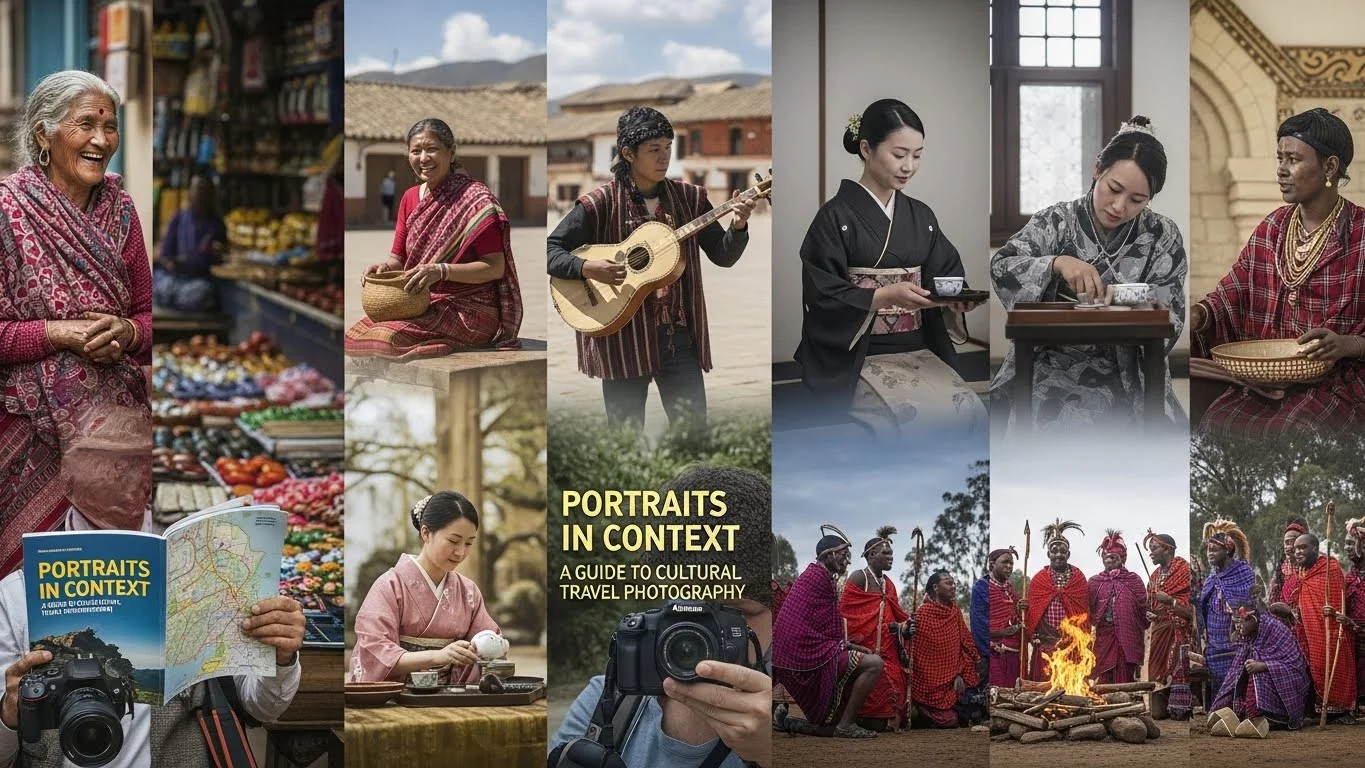
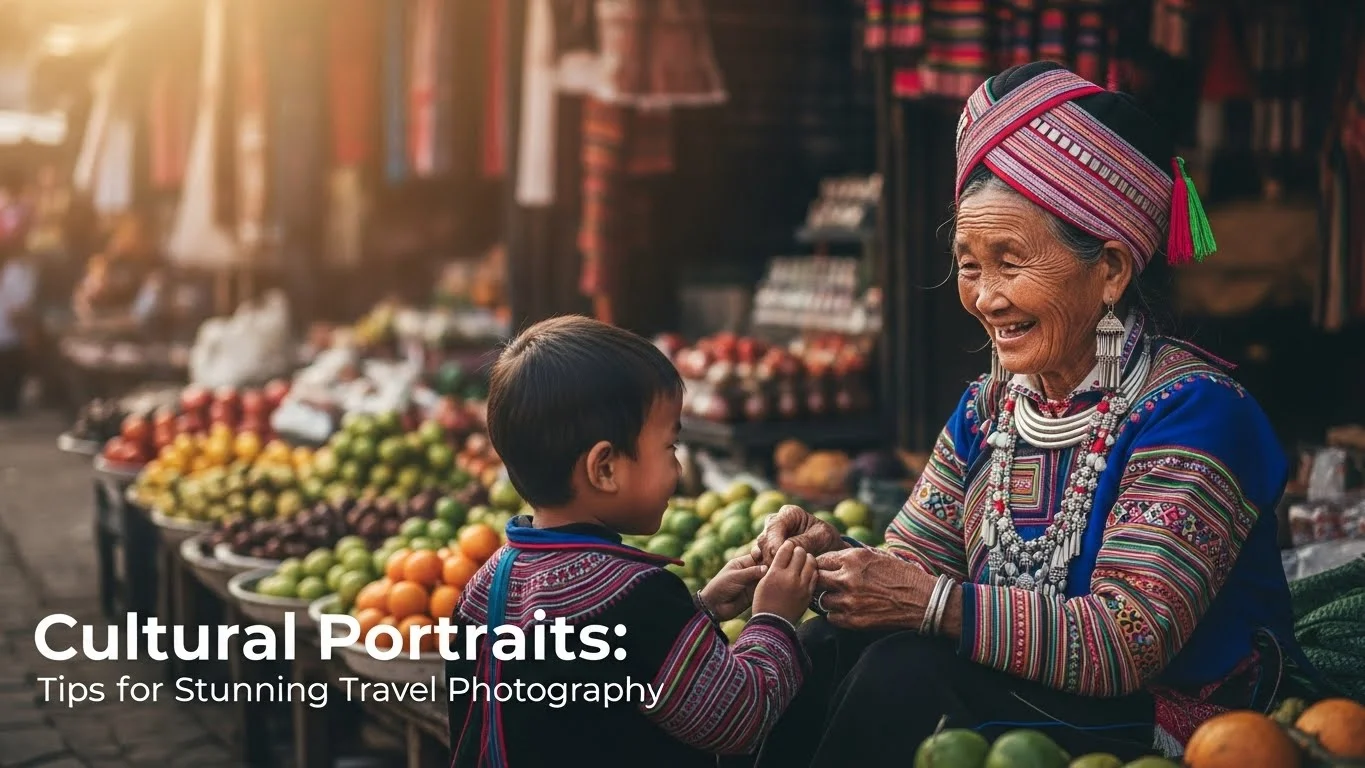
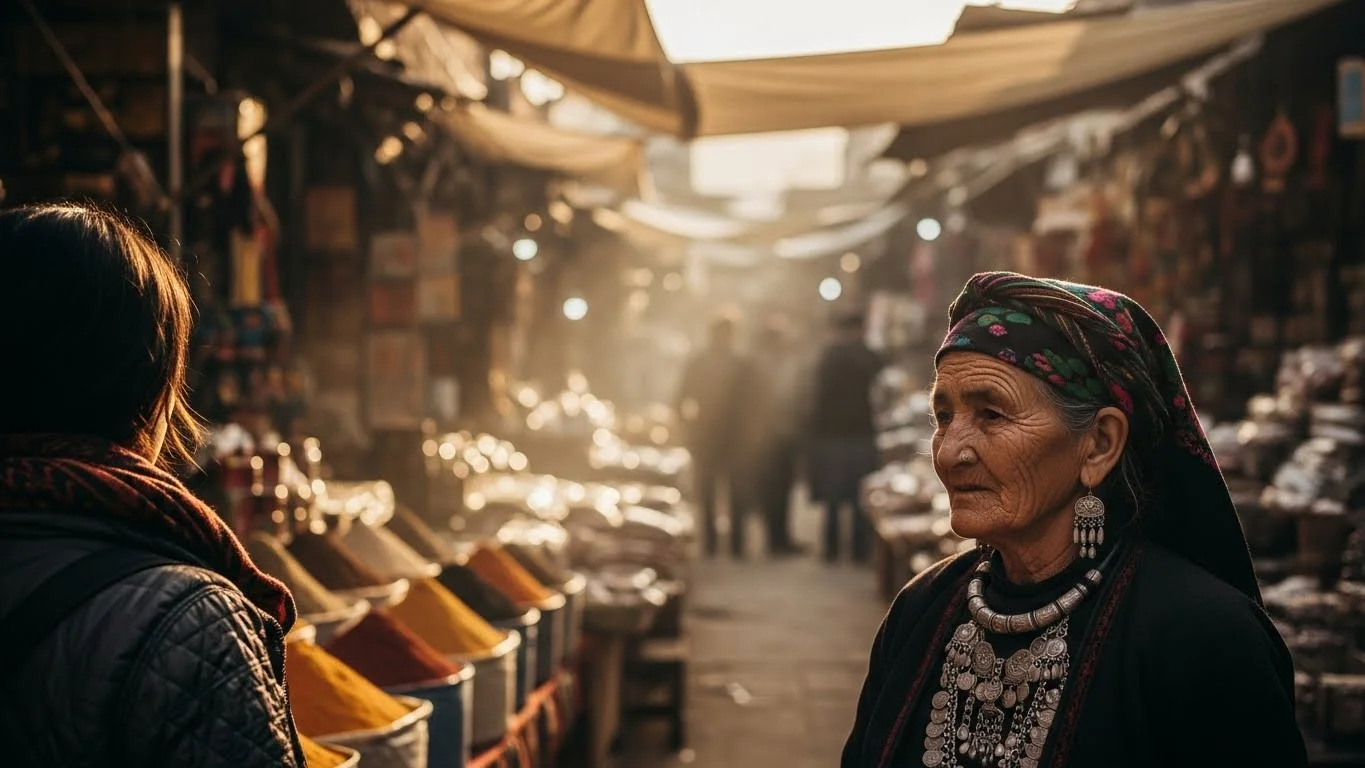
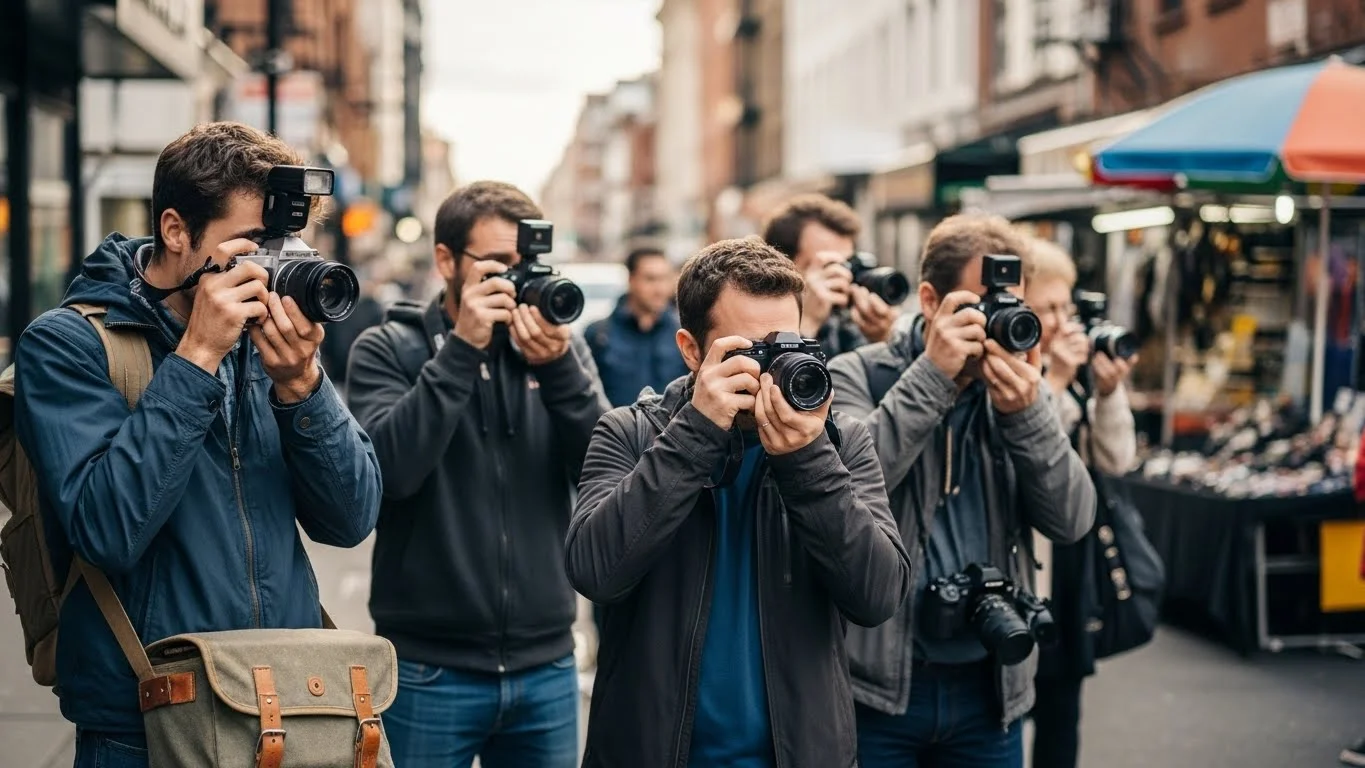
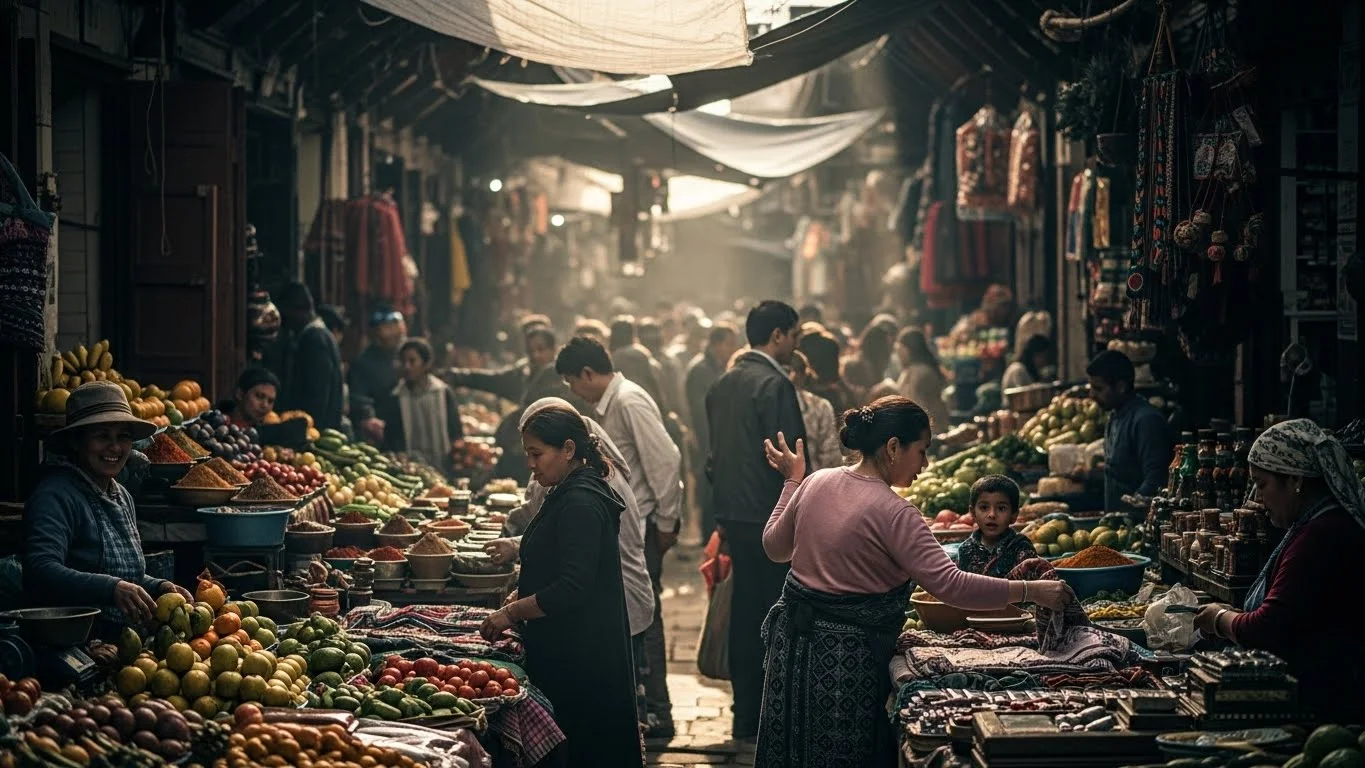
Capturing the essence of diverse cultures through portrait photography can be an unforgettable adventure. Mastering this art form abroad not only enhances our skills but also deepens our understanding of humanity. To further explore this topic, you can check out Portraits in Context: A Guide to Cultural Travel Photography.
Understanding Cultural Portrait Photography
Definition and Importance
Cultural portrait photography goes beyond simply taking pictures of faces. It’s about storytelling—capturing the spirit, traditions, and emotions of people from different backgrounds. I remember my first experience with cultural portraits while traveling through Southeast Asia. Each photograph I took told a unique story, reflecting the subjects’ lives, beliefs, and customs. This type of photography is essential because it fosters empathy and connection. It allows us to see the world through someone else’s eyes, helping to bridge cultural gaps.
Elements of Cultural Portraits
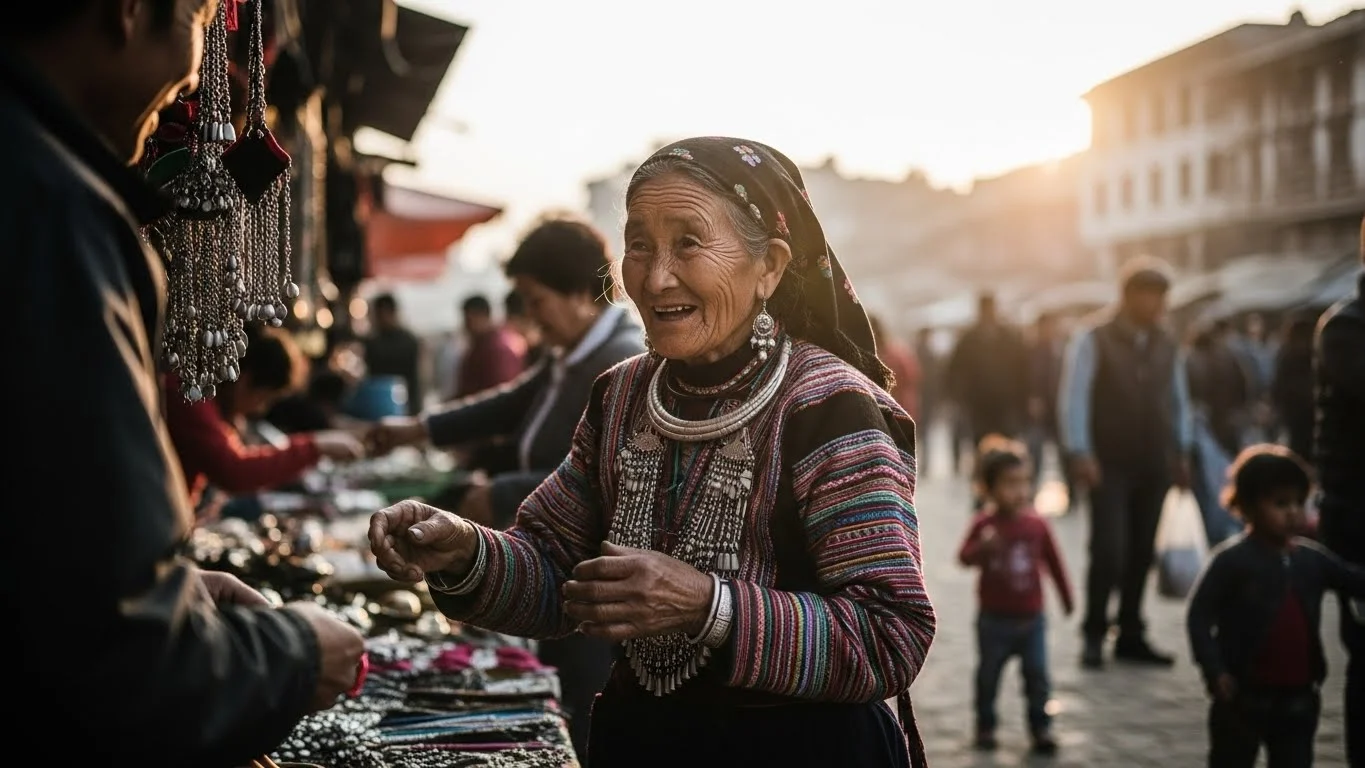
When I think of cultural portrait photography, several key elements come to mind that help create a powerful image. First, the subject’s expression is crucial. It should reflect their personality, mood, and cultural context. For instance, I found that capturing a bright smile in a bustling market setting conveyed warmth and hospitality, while a more serious expression in a quiet village setting revealed deep contemplation.
Next, location plays a vital role. The background should tell a story, adding depth to the portrait. I’ve learned that including cultural artifacts, clothing, or even the surrounding environment can provide invaluable context. For example, a woman dressed in traditional garb against the backdrop of colorful street murals told a multidimensional story of cultural pride and modernity.
Lighting is another crucial element. I often prefer natural light for cultural portraits, as it creates a soft, authentic look. The golden hour, just after sunrise or before sunset, can cast a magical glow on your subjects. I’ve found that this kind of light enhances the colors of traditional clothing and the textures of the surroundings, making the portraits even more captivating. For more tips on capturing stunning images, check out Cultural Portraits: Tips for Stunning Travel Photography.
Choosing Your Destination
Top Countries for Cultural Portrait Photography
Choosing the right destination can significantly impact your cultural portrait photography experience. Some of my favorite countries for capturing vibrant cultural portraits include India, Morocco, and Peru. In India, the diversity of languages, customs, and festivals provides endless opportunities. I remember wandering through the colorful streets of Jaipur, where every corner held a new story waiting to be captured.
Morocco offers a rich tapestry of culture from bustling markets in Marrakech to the serene landscapes of the Sahara. I found that the contrasting landscapes and intriguing people made it an incredible place for portrait photography. Peru, with its stunning scenery and rich Incan heritage, allows for capturing both people and their breathtaking surroundings. I recall my time in Cusco, where the locals’ vibrant clothing against the backdrop of ancient ruins created striking images.
Local Customs and Traditions
Understanding local customs and traditions is essential for effective cultural portrait photography. Before embarking on my travels, I always spent time researching the local culture. It not only helped me to approach subjects respectfully, but it also enriched my portraits with deeper meaning. For instance, I learned that certain gestures or poses could be culturally significant, and I wanted to ensure my images honored those traditions.
During my visit to a small village in Thailand, I had the privilege of joining a local festival. Participating in the celebrations allowed me to build rapport with the villagers, resulting in more authentic portraits. I was welcomed into their lives, which made for stunning images that truly represented their culture.
Best Seasons for Photography
Timing is everything in photography, and it’s no different for cultural portraits. Different seasons can dramatically change the atmosphere and visuals of a location. I’ve discovered that the best times for cultural portraits often align with local festivals, when communities come alive with color and energy. For instance, I visited Mexico during Día de los Muertos, and the vibrant costumes and decorations created a uniquely picturesque backdrop for my portraits.
Conversely, off-peak seasons can offer quieter and more intimate moments with subjects. I once traveled to Japan in the spring, during cherry blossom season. The ethereal beauty of the blossoms paired with traditional kimonos created stunning, serene portraits that I still cherish. I learned that every season has its charm, and being mindful of when to visit can enhance your photography experience.
Preparing for Your Cultural Portrait Photography Trip
Researching Local Cultures
Before I embark on any cultural portrait photography trip, I spend a good amount of time researching the local cultures. This isn’t just about reading travel guides; it’s about immersing myself in the history, traditions, and daily lives of the people I’ll be photographing. I remember when I was preparing for a trip to Ethiopia, I delved into the country’s diverse ethnic groups, customs, and even language. This preparation allowed me to connect more deeply with my subjects and understand the significance behind their expressions and attire.
I found that local festivals, religious practices, and even folklore can provide incredible context for my portraits. For example, learning about the significance of the Gada system among the Oromo people enriched my understanding and appreciation for the people I photographed. I felt that this knowledge not only made my approach more respectful but also allowed me to capture portraits that were more meaningful. Sometimes, I even reach out to local photographers or cultural experts, as they can offer insights that transform my photography experience.
Permits and Permissions
When I first started traveling for photography, I didn’t fully grasp the importance of permits and permissions. However, I quickly learned that obtaining the right permissions is crucial for a smooth experience and for showing respect to the communities I photograph. In some countries, photographing certain groups or at specific locations may require special permits. For instance, while in Bhutan, I discovered that I needed a permit to photograph the vibrant festivals, which are deeply rooted in the country’s culture.
I always try to approach potential subjects with a friendly demeanor and express my intentions clearly. I’ve found that asking for permission not only helps me establish trust, but it can also lead to more intimate and genuine portraits. One memorable experience was in a small town in Indonesia, where the locals were initially hesitant. After I introduced myself and explained my project, they welcomed me warmly, and I was able to capture stunning portraits filled with emotion and authenticity.
Gear and Equipment Essentials
Choosing the right gear is vital for cultural portrait photography. I’ve learned that less is often more. I usually opt for my DSLR camera with a versatile lens, like a 35mm or 50mm, which allows me to shoot both portraits and wider scenes without switching gear constantly. I also carry a lightweight tripod for low-light situations, especially during festivals or indoor ceremonies where lighting can be challenging.
Another essential is a sturdy but compact camera bag. I once traveled through a bustling market in India, and having a bag that wasn’t too bulky made it much easier to navigate through crowds while keeping my gear safe. Don’t forget extra batteries and memory cards, as you never know when you might encounter that perfect moment. I’ve certainly been caught off guard without enough storage or battery life on several occasions, and it’s something I now always plan for.
Moreover, I’ve started bringing along a portable reflector. It’s surprisingly helpful in bright sunlight, allowing me to bounce light onto my subjects’ faces, softening harsh shadows. I also bring a small notebook to jot down notes about my experiences or thoughts regarding each portrait. This has helped me remember details about the people I’ve photographed, which I later incorporate into my storytelling when sharing the images.
Techniques for Capturing Cultural Portraits
Using Natural Light Effectively
Natural light has become my best friend in cultural portrait photography. I prefer to shoot during the golden hour, which adds a warm and inviting glow to my images. I learned early on that understanding the direction of light can dramatically change the mood of a portrait. For instance, backlighting can create a beautiful halo effect around my subjects, while side lighting can enhance textures and details in their clothing.
However, I’ve also faced challenges with harsh midday sun. I remember one day in a Moroccan market when the sunlight was so intense that my subjects’ features were harshly illuminated. To tackle this, I sought out shaded areas or used the buildings as natural reflectors. This experience taught me to be adaptable and creative with my approach to lighting, ensuring that I always flatter my subjects while staying true to the environment.
Composition Tips for Cultural Context
Composition is key in cultural portrait photography. I always try to incorporate elements that provide context to the portrait. For example, when photographing a craftsman in their workshop, I make sure to include the tools of their trade and the work they’re creating. It’s a way to tell a more complete story. I’ve found that the rule of thirds can be a helpful guideline, but I also love breaking this rule when I think it enhances the narrative.
Additionally, I often experiment with angles. Sometimes, shooting from a lower perspective can give a sense of grandeur and importance to my subjects. I’ve discovered that this angle can also create a connection with viewers, drawing them into the story. On the other hand, capturing a subject from above can add a more intimate feeling, especially if they are engaged in a quiet moment. Each angle I try has the potential to transform a simple portrait into a captivating story.
Engaging with Subjects
Engaging with my subjects goes a long way in capturing authentic portraits. I’ve learned that taking the time to have a conversation can help ease any tension, making them feel comfortable in front of the camera. I often start by asking them about their lives or the significance of what they are wearing. I remember a woman I met in a village in Peru who wore a beautiful traditional outfit. As I chatted with her about its history and meaning, I felt her walls come down, and I was able to capture a radiant smile that truly reflected her spirit.
Building rapport not only helps in creating a relaxed atmosphere but also provides me with deeper insights into their stories. This connection can lead to portraits that resonate with viewers, as they encapsulate genuine emotions and experiences. I often find that the best shots come when subjects are lost in their thoughts or laughter, and this kind of magic only happens when there’s a personal connection.
Post-Processing Cultural Portraits
Editing Techniques for Authenticity
After capturing cultural portraits, the post-processing phase is where I truly bring my vision to life. I’ve learned that editing should enhance the story without overshadowing the authenticity of the moment. My go-to software is Adobe Lightroom, where I can make adjustments that preserve the essence of the original image. For instance, I often adjust the contrast and brightness to highlight the textures and colors inherent in traditional clothing.
One technique I frequently use is color grading. I find that adjusting the hues slightly can evoke the mood of a particular culture or setting. For example, while editing portraits from my travels in India, I often warm up the colors to reflect the vibrant, lively atmosphere of the festivals I attended. I believe this helps the viewer feel the energy of the moment I experienced. I also try to keep skin tones natural, ensuring that my edits don’t alter the true beauty of the subjects I photograph.
Another crucial aspect of editing is cropping. I’ve noticed that sometimes a simple crop can transform an image. It can help to remove distractions from the background, bringing the focus back to the subject and their story. However, I always make sure that my cropping choices align with the cultural context of the photograph. I want the viewer to feel the connection to the subject while also appreciating the details of their environment.
Maintaining Cultural Integrity in Edits
As I edit my cultural portraits, I constantly remind myself of the importance of maintaining cultural integrity. I believe that my role as a photographer goes beyond capturing images; it involves telling respectful and accurate stories. I’ve made it a point to avoid overly dramatic edits that might misrepresent my subjects or the culture they belong to.
For example, while editing portraits taken during a traditional ceremony in Bhutan, I refrained from adding heavy filters or effects that could distort the authenticity of the experience. Instead, I focused on enhancing the natural colors and textures that reflected the significance of the occasion. This approach not only honors the culture but also resonates deeply with viewers who appreciate the true essence of the moment.
I also think about the narratives I want to convey through my edits. Sometimes, I’ll choose to highlight specific cultural artifacts or symbols within the image, drawing the viewer’s attention to details that tell a richer story. I’ve learned that this kind of thoughtful editing can create a more profound connection between the portrait and the audience, encouraging them to engage with the culture represented in the photograph.
Sharing and Showcasing Your Work
Building an Online Portfolio
Once I’ve edited my cultural portraits, the next step is sharing my work with the world. I believe that having a well-curated online portfolio is essential for any photographer, especially those focusing on cultural portraits. I started by creating a website that showcases not only my best images but also the stories behind them. This personal touch allows visitors to understand the context and significance of each photograph.
I recommend organizing the portfolio by geographic regions or themes, which makes it easier for viewers to navigate. I’ve found that this approach helps to draw connections between different cultures and highlights the diversity of human experiences. It’s been rewarding to receive feedback from people who resonate with the stories told through my images, reinforcing the idea that photography is a powerful means of communication.
Moreover, I make sure to include a blog section where I share my experiences, insights, and challenges encountered during my travels. This not only helps to engage my audience but also provides an avenue for discussing cultural nuances and the ethical considerations of portrait photography. You can also explore more about this in Capturing Culture: Portraits That Tell a Story.
Using Social Media for Exposure
Social media has been a game changer for showcasing my work. Platforms like Instagram and Facebook allow me to reach a wider audience and connect with fellow photographers and culture enthusiasts. I’ve found that sharing behind-the-scenes stories and the journey of capturing a portrait can enrich the viewer’s experience. People love seeing the process, and it often generates meaningful conversations about culture and photography.
Using specific hashtags related to cultural photography has also helped me get discovered by a broader community. I often engage with other photographers by liking and commenting on their work, which has led to valuable connections and collaborations. I remember one instance where I connected with a photographer from Kenya, and we ended up collaborating on a project focused on traditional clothing and its significance, allowing us to explore cultural narratives together.
Additionally, I try to participate in photography competitions and exhibitions, both online and offline. These opportunities not only showcase my work but also push me to improve my craft. I’ve learned that sharing my work is just as important as capturing it, as it fosters community and dialogue around cultural portrait photography.
Frequently Asked Questions
What is cultural portrait photography?
Cultural portrait photography is about storytelling through images, capturing the spirit, traditions, and emotions of people from various backgrounds. It aims to foster empathy and connection by allowing viewers to see the world through someone else’s eyes.
What are the key elements of cultural portrait photography?
The key elements include the subject’s expression, the location, and lighting. The subject’s expression should reflect their personality and cultural context, the background should add depth to the story, and natural light is preferred for creating an authentic look.
Which countries are recommended for cultural portrait photography?
Some recommended countries include India, Morocco, and Peru. Each of these locations offers vibrant cultural experiences and unique opportunities for capturing meaningful portraits.
Why is understanding local customs important in cultural portrait photography?
Understanding local customs and traditions is essential for approaching subjects respectfully and enriching portraits with deeper meaning. It ensures that gestures or poses captured are culturally significant and honor the traditions of the community.
What are the best seasons for cultural portrait photography?
The best seasons often align with local festivals, which bring communities to life with color and energy. Off-peak seasons can also offer quieter moments for more intimate portraits.
What should I research before a cultural portrait photography trip?
Before a trip, it’s important to research the local cultures, including their history, traditions, and daily lives. This preparation helps in building rapport with subjects and capturing more meaningful portraits.
Why are permits and permissions necessary for cultural portrait photography?
Obtaining permits and permissions is crucial for respecting the communities being photographed and ensuring a smooth experience. Some locations or groups may require special permissions to photograph them.
What gear is essential for cultural portrait photography?
Essential gear includes a DSLR camera with a versatile lens, a lightweight tripod, extra batteries and memory cards, and a portable reflector. A sturdy camera bag is also important for navigating through crowds.
How can natural light be effectively used in cultural portrait photography?
Natural light, especially during the golden hour, can enhance the warmth and beauty of portraits. Understanding the direction of light and seeking shaded areas during harsh sunlight can also improve the quality of the images.
How should cultural portraits be edited to maintain authenticity?
Edit cultural portraits to enhance the story without overshadowing authenticity. Adjustments in color, contrast, and cropping should preserve the essence of the moment and maintain cultural integrity, avoiding overly dramatic edits.