Web Analytics

Recent Posts

Best Budget Gear for Urban Landscape Photography

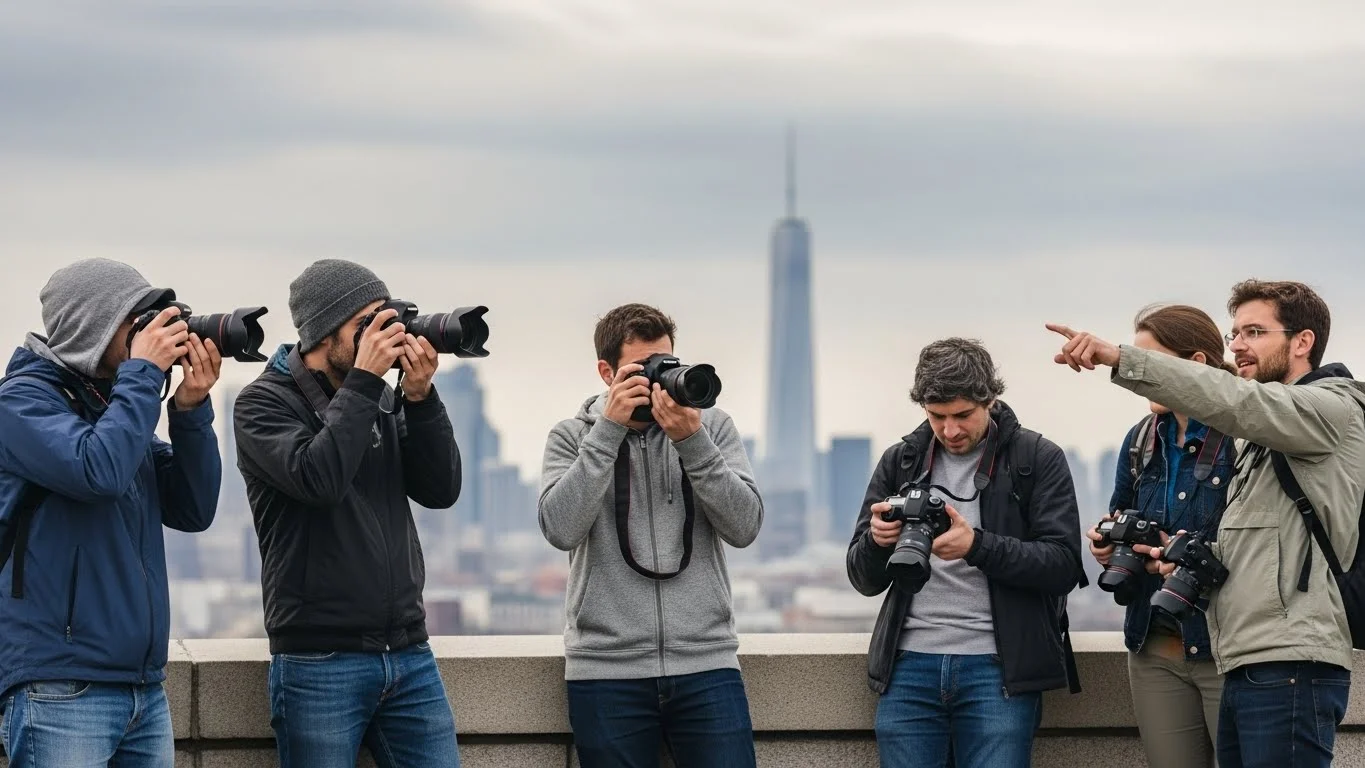
Urban landscape photography captures the essence of city life, combining architecture, nature, and human interaction. With the right budget gear, anyone can create stunning images that tell a story about their urban environment. Read Interesting article: Top Tips for Budget Urban Landscape Photography
Best Budget Gear for Urban Landscape Photography

Understanding Urban Landscape Photography

Definition and Importance

Urban landscape photography is all about exploring the beauty and complexity of cityscapes. It’s more than just snapping pictures of buildings; it’s an art form that captures the vibrancy and energy of urban life. I remember my first attempts—wandering through streets, looking for unique angles, and learning how to frame my shots. Each click of the shutter felt like I was freezing a moment in time. This genre is vital because it reflects our cultural identity and the evolution of cities. It’s a way to document change and share it with others. Capture Stunning Urban Landscapes on a Budget

Key Elements of Urban Landscapes

When diving into urban landscape photography, I noticed that several key elements stand out. First, the architecture itself can be breathtaking. Skyscrapers, historical buildings, and unique structures create a dynamic backdrop. Second, the interplay of light and shadow plays a significant role. The best moments often happen during golden hour or right after a rain shower, where reflections come to life. I’ve found that incorporating people into my shots adds a layer of storytelling, showing how they interact with their surroundings. Finally, don’t overlook the details—street art, textures, and even the ground beneath your feet can add depth to your images.

Essential Budget Gear for Urban Landscape Photography

Cameras

Choosing the right camera is crucial, but you don’t have to break the bank. I’ve experimented with various options and found some excellent budget-friendly choices. Depending on your preference, you might lean toward DSLR, mirrorless, or compact cameras, all of which have their strengths.

Best Budget DSLRs

For those who appreciate the feel of a traditional camera, I recommend considering budget DSLRs like the Canon EOS Rebel T7 or the Nikon D3500. These cameras offer great image quality without overwhelming you with advanced features you might not need. I found that the tactile experience of using a DSLR enhanced my photography, making it feel more personal.

Top Mirrorless Options

If you prefer a more compact and lightweight solution, mirrorless cameras are worth looking into. Cameras like the Sony Alpha a6000 or the Fujifilm X-T200 are fantastic choices for urban landscapes. They’re not only portable but also provide excellent image quality. I’ve loved how easily I could carry them around the city, allowing me to capture spontaneous moments without feeling weighed down.

Compact Cameras for Urban Exploration

For the ultimate in portability, compact cameras such as the Canon PowerShot G7 X Mark III or the Sony RX100 series are great options. I’ve used these for quick outings when I didn’t want to lug around a larger setup. Despite their size, they still deliver impressive image quality, making them perfect for capturing the essence of city life on the go.

Lenses

The lens you choose can dramatically change the outcome of your photos. I’ve learned that having the right lens for urban landscapes is essential, especially when capturing those stunning city views.

Wide-Angle Lenses for Cityscapes

Wide-angle lenses, like a 10-18mm or a 16-35mm, are fantastic for cityscapes. They allow you to capture more of the scene, making them ideal for towering skyscrapers or expansive parks. I remember the first time I used a wide-angle lens; it felt like I was able to encompass the entire city in one frame, which added so much depth to my work.

Prime vs. Zoom Lenses

When deciding between prime and zoom lenses, it’s essential to consider your shooting style. Prime lenses typically offer better quality and faster apertures, like the 35mm or 50mm. However, I have also enjoyed the versatility of zoom lenses, which allow for flexibility without constantly switching lenses. For me, it’s about what fits my shooting needs best in the moment.

Tripods

Stability is key in urban landscape photography, especially in low light or when using longer exposure times. I’ve relied on tripods to ensure my images are sharp and well-composed.

Lightweight vs. Heavy-Duty Tripods

When choosing a tripod, it’s essential to consider your travel plans. Lightweight tripods are easy to carry around, and I’ve taken mine on numerous city adventures. However, if you plan to shoot in windy conditions or need extra stability, a heavier tripod might be necessary. I’ve experienced the difference a stable tripod can make in capturing clearer images.

Budget-Friendly Tripod Brands

Brands like Manfrotto and Joby offer affordable options that don’t skimp on quality. I recommend checking out the Manfrotto B3 Compact Action or the Joby GorillaPod series. Both have served me well on my journeys, providing the stability I need without the hefty price tag.

Filters

Filters can enhance your shots significantly. I’ve found that using the right filters can be a game-changer in urban photography.

Polarizing Filters

A polarizing filter can help reduce glare from buildings and enhance the blue of the sky. It’s one of my go-to tools, especially on sunny days when I want to bring out the colors in my images.

Neutral Density Filters

Neutral density (ND) filters are perfect for long exposure shots, allowing you to capture motion blur in busy streets or smooth out water features. I remember my first experience using an ND filter; it opened up a whole new world of creativity in my photography.

Accessories to Enhance Your Gear

Camera Bags for Urban Settings

Having a good camera bag can make all the difference when shooting urban landscapes. I’ve tried different styles, and I’ve found that a backpack or a messenger bag with padded compartments works best for me. It allows for easy access to my gear while keeping it protected. I remember one day when I was out capturing street art; I needed to quickly switch lenses. Having a bag that I could easily open and close meant I didn’t miss that perfect shot. Look for bags that are lightweight but sturdy enough to carry your camera and accessories comfortably.

Lens Cleaning Kits

Urban environments can be dusty, and I’ve learned the hard way that keeping my lenses clean is essential for sharp images. Investing in a decent lens cleaning kit is a must. I usually carry a microfiber cloth and a blower to get rid of dust and smudges. One time, I was shooting a beautiful sunset over the skyline, and I noticed a smudge on my lens. Thankfully, I had my cleaning kit, and I was able to fix it quickly. A clean lens can significantly improve the quality of your photos, ensuring that every detail shines through.

Portable Battery Packs

When you’re out exploring a city, the last thing you want is for your camera to die on you. I’ve found that carrying a portable battery pack is a lifesaver, especially during long days of shooting. There have been occasions when I got so caught up in capturing street performances or vibrant market scenes that I lost track of time. Having a reliable battery pack allows me to recharge my camera on the go, ensuring I’m always ready to capture that next moment. I recommend looking for lightweight options that are easy to toss in your camera bag.

Editing Software on a Budget

Free vs. Paid Options

Editing is an integral part of photography, and I’ve discovered that several great tools can fit any budget. When I first started, I experimented with free software like GIMP and Darktable. They offer robust features, but I eventually moved to paid options for more advanced tools. However, I still believe that you can achieve stunning results with free programs if you take the time to learn their ins and outs. It’s all about finding what works best for you and your style.

Best Software for Urban Photography

For urban landscape photography, I’ve found Adobe Lightroom to be incredibly helpful. It’s user-friendly and allows for batch editing, which is a huge time-saver when working with multiple shots from a single outing. Another option I love is Luminar, which has unique AI-driven features that can enhance your photos with just a few clicks. The editing process has become an exciting part of my photography journey. I enjoy experimenting with colors and contrasts to bring the vibrancy of the city to life in my images. Exploring Cities: Budget-Friendly Urban Landscape Shots

Tips for Urban Landscape Photography on a Budget

Finding Unique Locations

Exploring a city can lead you to incredible places if you keep your eyes open. I’ve learned that some of the best spots for urban landscape photography aren’t always the popular tourist attractions. I often search for lesser-known neighborhoods, hidden alleyways, and local parks. Sometimes, I simply wander without a plan, allowing my curiosity to guide me. On one of my outings, I stumbled upon an abandoned factory that had been transformed into an art space. The combination of urban decay and creativity made for some of my favorite shots.

Timing and Lighting Considerations

The time of day can drastically change the look and feel of your photos. I’ve found that early mornings or late afternoons—during the golden hour—provide the best lighting for urban landscapes. The soft, warm glow adds depth and beauty to my images. I also pay attention to the weather; sometimes, overcast days can create a moody atmosphere that works well for city shots. I remember capturing a rainy day in the city, and the reflections on the wet pavement added a whole new dimension to my photos. Don’t shy away from unpredictable weather; it can lead to stunning results!

Using Natural Frames and Leading Lines

One of the best techniques I’ve learned is to use natural frames and leading lines to guide the viewer’s eye in my photographs. I often look for doorways, archways, or even trees that can frame my subject. Leading lines, like roads or pathways, can create a sense of depth and draw attention to the main focus of the image. I remember one instance where I used a bridge railing to lead into the city skyline. It created a compelling composition that really stood out. Experimenting with these techniques can elevate your shots and help you see the city from different perspectives.

Common Mistakes to Avoid

Overlooking Composition

Composition is everything in photography, and I’ve noticed that it’s often easy to overlook it in the hustle and bustle of urban environments. When I first started, I would get so excited about capturing a scene that I’d forget to think about how to frame it. I’ve learned to take a moment to assess the scene, consider the rule of thirds, and think about how elements fit together in my shot. This simple practice can transform an average photo into something truly eye-catching.

Ignoring the Weather

Weather can be a photographer’s best friend or worst enemy. I’ve found that instead of shying away from less-than-perfect conditions, I should embrace them. For example, shooting on a cloudy day can diffuse harsh sunlight and create softer shadows. I remember capturing a vibrant street scene while it drizzled, and the colors popped beautifully against the grey backdrop. Don’t let weather forecast discourage you—sometimes the most unexpected conditions lead to the most incredible photos.

Not Planning Your Shots

While spontaneity is great, I’ve found that a little planning can go a long way. I often do some research on locations and potential angles before heading out. This doesn’t mean I stick rigidly to a plan, but having a few ideas in mind gives me a starting point. I remember a day when I planned to shoot at a popular urban park but discovered an art festival was happening nearby. This unexpected event turned out to be a goldmine for unique shots! So, while it’s good to have a plan, be open to new adventures.

Conclusion: Making the Most of Your Budget Gear

As I reflect on my journey in urban landscape photography, I’ve realized that the true essence of capturing city life lies not in the equipment we use, but in how we utilize it. Budget gear has its limitations, but it can also open up a world of creativity if we approach it with the right mindset. I often remind myself that great photography is about vision, practice, and an authentic connection to the environment.

Embrace Creativity with Constraints

When I first started photographing urban landscapes, I felt constrained by my budget gear. I remember feeling envious of those who had the latest cameras and lenses, thinking it would make all the difference in my photos. Over time, I learned to embrace those constraints. I discovered that limitations can foster creativity. Instead of focusing on what I didn’t have, I began to experiment with angles, lighting, and compositions that highlighted the unique beauty of my surroundings. I’ve found that some of my most memorable shots came from moments when I had to think outside the box.

Practice Makes Perfect

One of the best pieces of advice I can give is to practice as much as you can. I’ve taken countless walks around my city, camera in hand, searching for inspiration. Each outing is an opportunity to learn something new. Initially, my photos might not have turned out how I envisioned, but I kept trying. I learned to analyze what worked and what didn’t, and over time, I noticed a significant improvement in my skills. I recommend setting aside dedicated time each week to explore and capture different aspects of the urban landscape. Whether it’s experimenting with new techniques or revisiting favorite spots, the key is to keep shooting.

Building a Community

Another aspect that has enriched my experience is connecting with other photographers. I often participate in local photography groups and online communities where we share tips, critiques, and encouragement. I remember joining a neighborhood photo walk, and it was refreshing to see how others approached similar scenes. Their perspectives sparked new ideas for me. Engaging with a community not only motivates me but also opens up opportunities for collaboration. We can learn so much from each other, and those shared experiences can lead to some fantastic adventures.

Editing as an Extension of Your Vision

Editing is where I often realize the full potential of my images. When I first started editing, I felt overwhelmed by the plethora of options available, but I’ve learned to see it as an extension of my vision rather than just a technical chore. Each photo is an opportunity to enhance the story I want to tell. I enjoy spending time in Lightroom or Luminar, adjusting colors and contrasts to reflect the mood I felt when taking the shot. I encourage you to explore editing tools and find what resonates with you. Even slight adjustments can bring your urban landscapes to life in ways you may not have expected.

Always Be Ready to Capture the Moment

Lastly, one of the most valuable lessons I’ve learned is to always be ready to capture spontaneous moments. Urban photography is alive with energy, and opportunities can arise at any moment. I’ve had experiences where I stumbled upon street performers, vibrant markets, or unexpected street art that transformed an ordinary outing into an extraordinary photo opportunity. Having my camera easily accessible—whether it’s in a comfortable bag or slung over my shoulder—has allowed me to seize those fleeting moments and tell a story through my images.

In the end, urban landscape photography on a budget is not just about the gear we carry; it’s about how we engage with our surroundings and express our perspectives. By embracing creativity, practicing regularly, and connecting with others, we can create stunning images that truly capture the essence of city life. I believe that with passion and perseverance, anyone can become a skilled urban photographer, no matter what tools they have at their disposal.

Frequently Asked Questions

What is urban landscape photography?

Urban landscape photography captures the essence of city life, combining architecture, nature, and human interaction. It explores the beauty and complexity of cityscapes, reflecting cultural identity and the evolution of cities.

What are some key elements to consider in urban landscape photography?

Key elements include the architecture of buildings, the interplay of light and shadow, incorporating people into shots for storytelling, and paying attention to details like street art and textures.

What budget-friendly camera options are recommended for urban landscape photography?

Recommended budget-friendly cameras include DSLRs like the Canon EOS Rebel T7 and Nikon D3500, mirrorless options like the Sony Alpha a6000 and Fujifilm X-T200, and compact cameras such as the Canon PowerShot G7 X Mark III and Sony RX100 series.

Why are wide-angle lenses preferred for urban landscapes?

Wide-angle lenses, such as 10-18mm or 16-35mm, allow photographers to capture more of the scene, making them ideal for expansive cityscapes and towering structures.

What types of tripods are suitable for urban landscape photography?

Lightweight tripods are easy to carry around for urban adventures, while heavier tripods provide extra stability in windy conditions or for longer exposure times. Brands like Manfrotto and Joby offer budget-friendly options.

How can filters enhance urban landscape photography?

Polarizing filters reduce glare and enhance colors, especially the blue of the sky, while neutral density (ND) filters allow for long exposure shots, capturing motion blur in busy streets or smoothing out water features.

What editing software is recommended for urban landscape photography?

Adobe Lightroom is user-friendly and great for batch editing, while Luminar offers unique AI-driven features. Free options like GIMP and Darktable can also be effective for beginners.

What are some tips for finding unique locations for urban photography?

Explore lesser-known neighborhoods, hidden alleyways, and local parks. Wandering without a plan can lead to discovering unique spots that provide great photographic opportunities.

What common mistakes should photographers avoid in urban landscape photography?

Common mistakes include overlooking composition, ignoring weather conditions, and not planning shots ahead of time, which can lead to missed opportunities for great images.

How can one practice and improve their urban landscape photography skills?

Regular practice is key. Setting aside dedicated time to explore and capture different aspects of the urban landscape, experimenting with techniques, and analyzing what works can significantly improve photography skills.
Exploring Cities: Budget-Friendly Urban Landscape Shots

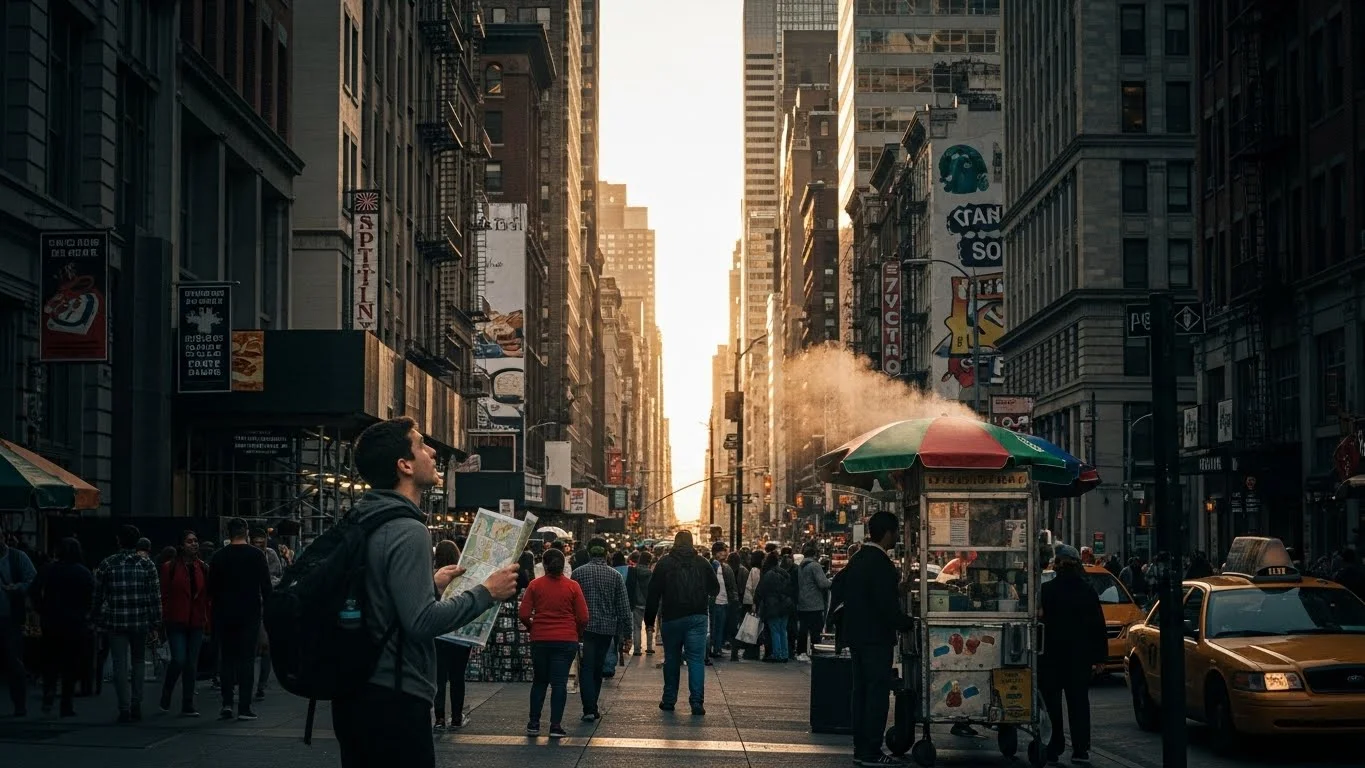
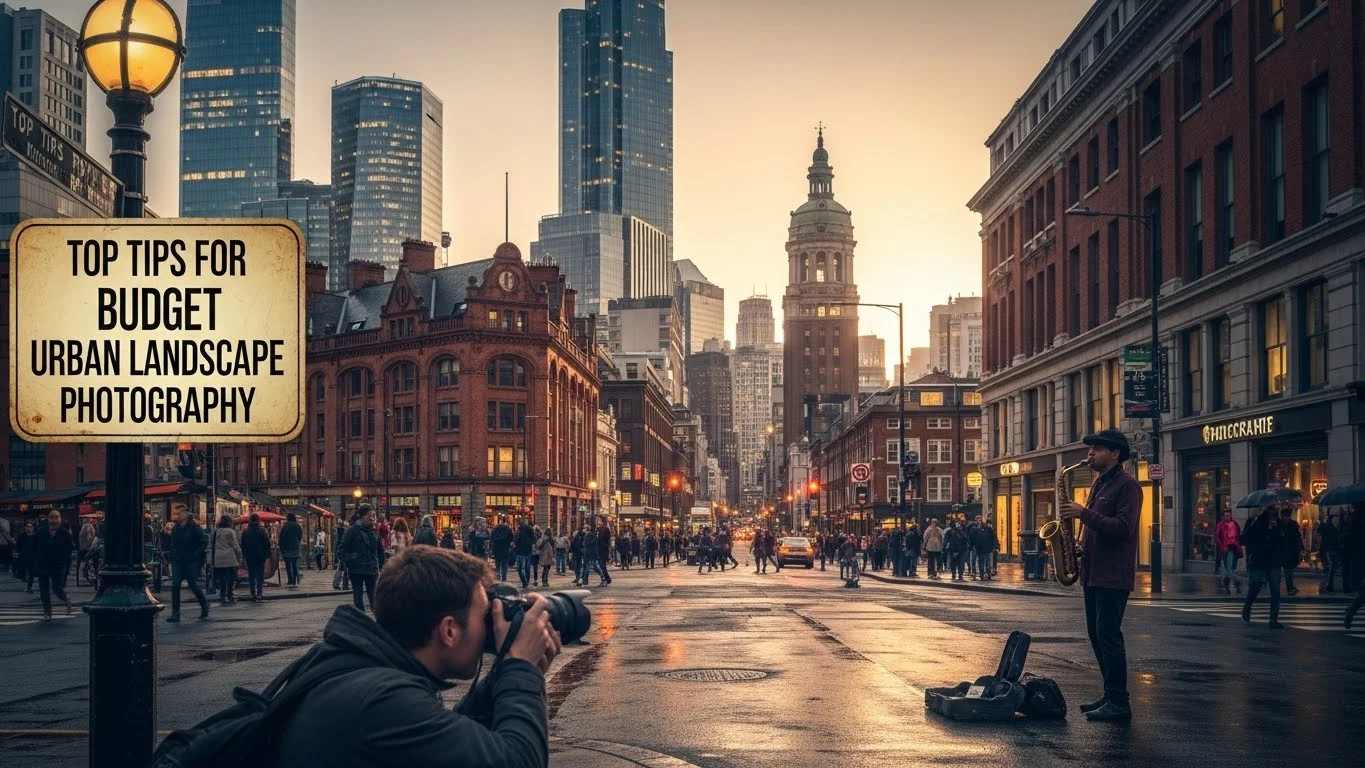
Urban landscapes are full of life, energy, and stories waiting to be captured. With just a little creativity and a keen eye, we can explore these captivating scenes without breaking the bank. For those looking to enhance their skills, check out our article on Top Tips for Budget Urban Landscape Photography.

Exploring Cities: Budget-Friendly Urban Landscape Shots

Understanding Urban Landscape Photography

What is Urban Landscape Photography?

Urban landscape photography is a genre that focuses on capturing the beauty and essence of cities. It goes beyond just taking pictures of buildings or streets; it’s about telling a story through the lens. I remember my first attempt at this type of photography when I wandered around my city, amazed at how a mundane street could turn into a canvas of colors, shapes, and textures. The way the sunlight hit the glass of skyscrapers, or how shadows danced along the pavement, really opened my eyes to the art of urban scenes. It’s about finding beauty in the hustle and bustle of city life, in the simple moments where architecture meets humanity.

Importance of Budget-Friendly Photography

I believe that you don’t need to splurge on expensive gear to create stunning urban photographs. Many of us are on a budget, and that’s completely okay! In my experience, some of my best shots were taken with a basic camera or even my smartphone. Budget-friendly photography encourages creativity and resourcefulness. It pushes us to explore unique angles, find interesting compositions, and use natural light to our advantage. I once spent an entire day in my local park using just my phone, and the results surprised me. Not only did I save money, but I also discovered a new passion for capturing everyday moments. This journey taught me that the best tools we have are our eyes and our imagination. If you’re interested in more tips, be sure to read Capture Stunning Urban Landscapes on a Budget.

Essential Gear for Budget Urban Photography

Camera Options for Every Budget

When it comes to urban landscape photography, having the right camera can make a difference, but it doesn’t have to be expensive. I’ve seen incredible shots taken with entry-level DSLRs and mirrorless cameras. If you’re just starting out, I recommend looking for used models; you can find great deals online or in local camera shops. Many of my friends have had success with compact point-and-shoot cameras too. They are lightweight and easy to carry around, making them perfect for spontaneous city adventures. I’ve even used my smartphone to capture stunning images that I later edited into impressive pieces. The key is to find a camera that feels comfortable for you and suits your style.

Best Lenses for Urban Landscapes

Lens choice can significantly impact your photography. Wide-angle lenses are great for capturing expansive cityscapes, while prime lenses can help you focus on specific details or architecture. I remember my first time using a 35mm lens. It felt like I could finally get up close and personal with the buildings I was photographing. On a budget, consider getting a versatile zoom lens that covers multiple focal lengths. This way, you can capture everything from sweeping city views to tighter architectural shots without constantly changing lenses. I found that a good 18-55mm lens worked wonders in various urban settings, giving me flexibility while keeping costs low.

Affordable Accessories: Tripods, Filters, and More

While you can capture great urban landscapes without fancy accessories, a few budget-friendly tools can enhance your shots. A tripod is essential for low-light photography, especially during the golden hour or at night when the city lights come alive. I picked up a lightweight tripod for under $50, and it has been a game-changer for my nighttime shots. Filters can also help; a circular polarizer can reduce glare and enhance colors, giving your images that extra pop. I found some affordable options online that do the job just right without breaking my bank. Don’t overlook the importance of a good camera bag either; it protects your gear and makes it easier to carry around during your urban explorations.

Understanding urban landscape photography is just the first step in our journey. As we explore gear options, we’ll find that capturing beautiful city scenes can be both accessible and rewarding. In the next sections, we’ll dive deeper into the top cities for budget-friendly urban shots and the best times to capture those breathtaking landscapes. Stay tuned as we discover how to make the most of our urban photography adventures on a budget!

Top Cities for Budget-Friendly Urban Landscape Shots

New York City: Iconic Skylines and Street Scenes

New York City has always held a special place in my heart. The energy is palpable, and the diversity of sights is breathtaking. I remember standing on the Brooklyn Bridge, the skyline silhouetted against a fiery sunset, my camera in hand, ready to capture the moment. This city offers so many opportunities for budget-friendly photography. Walking through neighborhoods like Williamsburg or Harlem, you’ll find street art that tells stories of the community. Plus, public parks like Central Park provide stunning views and unique angles of the city’s architecture without costing a dime. I often recommend visiting iconic spots like Times Square early in the morning when the crowds are sparse; you can capture the essence of the city without anyone else in your frame.

Chicago: Architectural Wonders and Lakefront Views

Chicago is a photographer’s dream with its stunning mix of historic and modern architecture. I still recall my first visit to Millennium Park, where the reflective surface of the Cloud Gate sculpture captured the skyline in such a unique way. The city’s waterfront along Lake Michigan also offers breathtaking views of the skyline. I found that taking a stroll along the lakefront, especially at sunrise or sunset, can yield some truly spectacular shots. The best part? Many of these locations are free to access. I love how each neighborhood, from Lincoln Park to the West Loop, has its own character and charm, making it easy to fill an entire day with photography without spending a lot.

San Francisco: Golden Gate and Urban Vistas

San Francisco is a city that feels like a postcard come to life. The Golden Gate Bridge is undoubtedly a must-see, and standing on the Marin Headlands gives you an unparalleled view. I remember hiking up there, the cool breeze and stunning vistas made every step worth it. Beyond the bridge, neighborhoods like the Mission District are vibrant and colorful, filled with murals that reflect the local culture. I’ve spent countless hours wandering the streets, camera in hand, discovering hidden gems like the Painted Ladies at Alamo Square. The city’s unique hills and architecture provide an endless playground for urban photography without the need to spend much at all.

Lisbon: Colorful Streets and Unique Perspectives

Lisbon is often described as one of Europe’s most photogenic cities, and I couldn’t agree more. The colorful tiles that adorn the buildings and the winding streets create a visual feast. I had the chance to explore the Alfama district, where the narrow streets and charming alleys make for incredible compositions. I remember climbing up to the Miradouro de Santa Catarina for sweeping views of the city and the Tagus River; it was a breathtaking moment. Lisbon’s trams also add a unique element to the urban landscape. I’ve found that capturing the movement of people and trams amidst the city’s backdrop brings my photos to life. Best of all, Lisbon is generally budget-friendly in terms of food and accommodations, making it perfect for photographers looking to stretch their dollars.

Berlin: Urban Art and Historic Landscapes

Berlin is a city rich in history and culture, and it has a unique vibe that draws you in. I’ve spent hours exploring the East Side Gallery, a section of the Berlin Wall covered in vibrant murals that reflect the city’s spirit. This artistic expression is a fantastic subject for urban landscape photography. I also recommend visiting places like the Brandenburg Gate and the Reichstag building, where history and modern architecture collide. Berlin’s parks, like Tiergarten, provide beautiful green spaces amidst the urban landscape, perfect for capturing contrasting elements in one frame. The city’s public transportation makes it easy to hop around and find new perspectives without breaking the bank.

Exploring these cities has taught me that urban landscape photography thrives in diverse environments. Each city offers its own unique charm and character, making it possible to create stunning images while sticking to a budget. As we continue our journey, let’s look at the best times to capture these incredible urban landscapes, because timing can truly make all the difference in our photography adventures!

Best Times to Capture Urban Landscapes

Golden Hour: Why Timing Matters

When I first started urban landscape photography, I quickly learned that timing is everything. The golden hour, just after sunrise and before sunset, offers a magical quality of light that can transform an ordinary scene into something extraordinary. I remember one evening in Chicago, where the sun dipped low, casting a warm glow over the skyline. The colors of the buildings came alive, and the reflections on the water were breathtaking. This time of day not only enhances colors but also softens shadows, creating a more inviting atmosphere in your photos. I highly recommend planning your shoots around this golden hour; it’s genuinely a game changer for urban photography.

Seasonal Changes and Their Impact on Photography

Each season brings a unique flavor to urban landscapes, and I’ve found that embracing these changes can lead to some fantastic shots. For instance, spring offers vibrant blooms and fresh greenery, perfect for capturing parks and streets bursting with life. I remember wandering through Washington, D.C., during cherry blossom season, where the delicate pink flowers framed the city’s iconic monuments beautifully. In contrast, winter transforms cities into magical wonderlands, especially when snow blankets the streets. I had an unforgettable experience photographing New York City during a light snowfall; the soft white layer made the busy streets feel serene. Each season tells its own story, so I encourage you to explore your city throughout the year to capture its evolving character.

Weather Conditions: Making the Most of Gloomy Days

Many photographers shy away from gray, overcast days, but I’ve discovered that these conditions can provide unique opportunities for urban photography. Cloudy skies create a soft, diffused light that’s perfect for capturing details without harsh contrasts. I recall a rainy day in Seattle, where the wet pavement reflected the city lights and created a moody atmosphere. I experimented with different angles and compositions, and some of my favorite shots emerged from that dreary weather. Embracing gloomy days can lead to creative breakthroughs; after all, every weather condition has its charm. So, grab your camera and head out, don’t let the weather deter you from capturing the beauty of urban life.

Techniques for Capturing Stunning Urban Shots

Composition Tips for Urban Landscapes

Composition can make or break a photograph, and I’ve learned a few tricks that really help me create dynamic urban landscapes. First, I always try to apply the rule of thirds. By positioning key elements along the gridlines or at the intersections, I find that my photos feel more balanced and engaging. Another technique I love is leading lines; they draw the viewer’s eye into the image. Whether it’s a winding street or the lines of a building, these elements guide the viewer through the scene. I also play with framing by using nearby objects, like trees or doorways, to create a natural frame around my subject. It’s amazing how these simple adjustments can elevate an image and tell a more compelling story.

Using Natural Light to Your Advantage

Natural light is one of my favorite tools when it comes to urban photography. I often look for interesting shadows and highlights that can add depth and texture to my shots. During my adventures, I’ve found that shooting during different times of the day can yield vastly different results. For instance, mid-morning light can create sharp shadows that emphasize architectural details, while late afternoon light casts a warm glow that brings a sense of warmth and life to the scene. I always pay attention to how light interacts with the environment; it can drastically change the mood of the photograph. Experimenting with different lighting conditions has been one of the best ways to grow as a photographer.

Incorporating People and Movement in Shots

Urban landscapes are alive with energy, and capturing people in the scene can add a whole new dimension to your photographs. I remember visiting Times Square and being captivated by the bustling crowd. Including people in my shots not only adds scale but also tells a story about the space. I’ve found that using a fast shutter speed allows me to freeze moments of movement, making the scene feel more dynamic. Alternatively, I sometimes use a slower shutter speed to capture motion blur, like the hustle and bustle of pedestrians or cars, giving my images a sense of life and energy. Embracing the movement around us can transform a static scene into a vibrant portrayal of urban life.

Editing Your Urban Landscape Photos on a Budget

Free and Affordable Editing Software Options

Editing is an essential part of my photography process, and I’ve found some fantastic free and affordable editing software that make it easy to enhance my urban shots. For starters, I love using Lightroom; it offers a free mobile app that’s perfect for quick edits on the go. I’ve also experimented with Snapseed, which has powerful features for a free app. Both of these options let me adjust exposure, contrast, and color balance, helping me bring out the best in my images without spending a dime. Investing in a low-cost editing app can be worthwhile too, like Adobe Photoshop Elements, which offers a one-time purchase instead of a subscription. It’s incredible what a little editing can do to elevate a photo!

Basic Editing Techniques to Enhance Images

Once I have my editing software, I focus on a few key techniques to enhance my urban landscape photos. Cropping is often the first step; it helps to improve composition and eliminate distractions. I also adjust the exposure to ensure the image is well-lit and balanced, as sometimes our cameras don’t capture the scene perfectly. Playing with contrast and saturation can bring out the colors of the city, making the image pop. I remember my experience editing a photo from San Francisco, where I emphasized the bright colors of the murals with a slight boost in saturation. These minor adjustments can transform a good photo into a great one and are essential in my editing workflow.

Presets and Filters: Cost-Effective Tools for Improvement

Using presets and filters can save time and give a cohesive look to my urban photography. I’ve found several free presets online that match my style, making it easy to apply a unique touch to my photos. They can help create a specific mood or aesthetic that enhances the urban landscape’s vibe. I’ve also experimented with Instagram filters when sharing my work; they can provide a quick way to enhance images before posting. While I love using presets, I always make sure to adjust them to fit each photo since no two images are the same. This approach allows me to maintain my individuality while benefiting from the efficiency that presets offer.

Frequently Asked Questions

What is urban landscape photography?

Urban landscape photography is a genre that focuses on capturing the beauty and essence of cities. It tells a story through the lens, finding beauty in the hustle and bustle of city life and in the moments where architecture meets humanity.

Do I need expensive gear for urban photography?

No, you don’t need to splurge on expensive gear to create stunning urban photographs. Many great shots can be taken with a basic camera or even a smartphone, encouraging creativity and resourcefulness.

What camera options are best for budget urban photography?

Entry-level DSLRs, mirrorless cameras, compact point-and-shoot cameras, and smartphones are all excellent options for budget urban photography. It’s recommended to look for used models to save money.

What type of lens is best for urban landscapes?

Wide-angle lenses are great for capturing expansive cityscapes, while prime lenses can help focus on specific details. A versatile zoom lens is also recommended for capturing a range of shots without changing lenses frequently.

What are some affordable accessories for urban photography?

Affordable accessories that can enhance your shots include a lightweight tripod for low-light photography, filters like circular polarizers to reduce glare, and a good camera bag to protect your gear.

Which cities are recommended for budget-friendly urban photography?

Recommended cities include New York City for its iconic skylines, Chicago for its architectural wonders, San Francisco for its stunning vistas, Lisbon for its colorful streets, and Berlin for its urban art and historic landscapes.

What is the golden hour and why is it important?

The golden hour is the time just after sunrise and before sunset when the light is soft and warm, enhancing colors and creating inviting atmospheres in photographs. It’s considered a prime time for urban photography.

How can seasonal changes impact urban landscape photography?

Each season brings unique flavors to urban landscapes, with spring offering vibrant blooms, summer providing lush greenery, autumn showcasing colorful foliage, and winter transforming cities into magical wonderlands, all of which can lead to fantastic shots.

What composition tips are useful for urban landscape photography?

Helpful composition tips include applying the rule of thirds, using leading lines to draw the viewer’s eye, and framing subjects with nearby objects to create a compelling image.

What are some basic editing techniques to enhance urban landscape photos?

Basic editing techniques include cropping for improved composition, adjusting exposure for balanced lighting, and playing with contrast and saturation to enhance colors and make the image pop.

Top Tips for Budget Urban Landscape Photography

Urban landscape photography is a thrilling way to capture the essence of city life, but it doesn’t have to break the bank. Here are some top tips to help you make the most of your photography journey on a budget. Read Interesting article: Capture Stunning Urban Landscapes on a Budget

Top Tips for Budget Urban Landscape Photography

Understanding Urban Landscape Photography

Definition of Urban Landscape Photography

Urban landscape photography is all about capturing the beauty and complexity of city environments. This genre blends the natural and man-made elements present in urban settings, from towering skyscrapers to quaint alleyways. I remember my first experience with urban landscape photography; I was mesmerized by how a simple city block could transform into a story through my lens. Whether it’s the hustle and bustle of downtown or the serene beauty of a hidden park, urban landscapes offer a diverse range of subjects to explore.

Importance of Budget-Friendly Approaches

Many aspiring photographers feel like they need expensive gear and lavish trips to create stunning images. However, I believe that creativity and perspective are much more crucial than the tools you use. By adopting a budget-friendly approach, we can discover unique angles and hidden gems in our everyday surroundings. Having limitations can even inspire us to think outside the box, leading to more innovative shots. I’ve found that some of my most cherished photographs were taken on spontaneous walks around my neighborhood, where I used what I had on hand to capture the moment. So, let’s dive into some essential tips for urban landscape photography that won’t strain your wallet.

Essential Gear for Budget Urban Landscape Photography

Camera Options: DSLRs vs. Mirrorless vs. Smartphones

When it comes to choosing a camera for urban landscape photography, we have more options than ever. While I love my DSLR for its versatility, I’ve also had some incredible shots come from my smartphone. If you’re just starting out, consider using your phone; modern smartphones have impressive cameras that can capture stunning images. I often use my smartphone for spontaneous shots when I don’t want to carry heavier gear. If you want to invest a bit more, a mirrorless camera can be a lightweight alternative to DSLRs, offering great image quality without the bulk.

Affordable Lenses for Urban Shots

Once you’ve settled on a camera, the next step is selecting the right lens. For urban landscapes, a wide-angle lens is often the best choice, as it allows you to capture expansive city scenes. I recommend looking for affordable options or even buying used lenses, which can save you a lot of money. A prime lens with a wide aperture can also be a great investment, as it allows for beautiful depth of field in your shots, enhancing the overall quality of your photos.

Tripods and Stabilization Techniques

A sturdy tripod is a game-changer for capturing crisp urban landscapes, especially in low-light situations. I invested in a budget-friendly tripod that has served me well for years. If you’re in a pinch, don’t hesitate to get creative—using a flat surface like a bench or a wall can help stabilize your shots. Additionally, learning to use stabilization techniques, such as holding your breath while shooting or leaning against a solid object, can make a significant difference in the sharpness of your images.

Editing Software on a Budget

Edit your photos to make them pop. While there are many expensive software options out there, I’ve found that several budget-friendly tools can help enhance your images without emptying your wallet. Programs like GIMP and Lightroom Mobile offer powerful editing capabilities for free or at a low cost. I often use these tools to adjust exposure, contrast, and colors, making my urban landscapes even more captivating. Learning basic editing techniques can elevate your photography, allowing your vision to shine through. Read Interesting article: Experience Nature: Budget-Friendly National Park Tours

Embarking on a budget-friendly journey in urban landscape photography can be incredibly rewarding. By understanding the essence of this art form and utilizing accessible gear, we can create stunning images that tell the stories of our cities. Whether you are capturing iconic landmarks or hidden gems, remember that creativity and perspective are your best allies on this photographic adventure.

Best Locations for Urban Photography

Iconic Landmarks and Cityscapes

One of the most exhilarating aspects of urban landscape photography is the opportunity to shoot iconic landmarks. I remember the first time I stood before the towering skyscrapers in downtown Chicago. The energy was infectious, and I felt compelled to capture the essence of the city in my photos. Landmarks like the Golden Gate Bridge in San Francisco or the Eiffel Tower in Paris offer stunning backdrops that can elevate any urban shot. When visiting these sites, I like to explore different angles and perspectives—sometimes moving away from the crowds to find a quiet spot that tells a more personal story. These landmarks can be photographed during different times of the day to capture their beauty in various lights, transforming the ordinary into the extraordinary.

Hidden Gems and Lesser-Known Spots

While iconic sites have their charm, I’ve found that some of my favorite photographs come from lesser-known locations. Exploring off-the-beaten-path areas can lead to unexpected surprises. For instance, I once stumbled upon a quaint street mural hidden in an alleyway that added a vibrant touch to my photo collection. I recommend wandering around neighborhoods that seem less touristy, where local shops and unique architecture tell a different story. These hidden gems often provide more authentic representations of city life, allowing us to capture moments that resonate deeply. I’ve learned that the best shots can come from simply being curious and open to exploration.

Parks and Green Spaces in Urban Areas

Parks are my go-to spots when I want to blend nature with urban elements. Cities often have beautiful parks that serve as an oasis amid the hustle and bustle. I love visiting places like Central Park in New York City or the Botanical Gardens in San Francisco. The contrast between the green foliage and the city skyline can create captivating compositions. I often take my time in these spaces, experimenting with framing and lighting while enjoying the peaceful atmosphere. Parks offer a chance to capture city dwellers enjoying their environment, adding a layer of life to the shots. I recommend visiting parks during different seasons to see how the scenery changes, which can inspire new photographic ideas.

Urban Streets and Architecture

Urban streets are a canvas full of life, and I believe they can tell powerful stories through photography. I often stroll through neighborhoods, observing the intricate details of buildings and the rhythm of city life. The architecture in urban settings can be incredibly diverse, from modern skyscrapers to vintage brick buildings. I enjoy capturing the contrasts and patterns that emerge in urban design. Sometimes, it’s the small details, like an ornate door or a colorful awning, that make a strong visual impact. I’ve discovered that walking the streets with an open mind can lead to unexpected moments—like a street performer or a spontaneous gathering of people—that add character to my photographs.

Timing and Lighting for Stunning Shots

Golden Hour and Blue Hour Photography

Timing can make a world of difference in urban photography. I’ve learned to cherish the golden hour, which is that magical time just after sunrise or before sunset when the light is soft and warm. The way it bathes buildings in a golden hue creates an enchanting atmosphere that enhances any urban scene. I often find myself planning my shoots around this time, setting up in advance to catch the perfect moment. On the flip side, the blue hour—just after the sun sets—offers a different kind of beauty with its deep blue tones and the warm glow of city lights. Both times provide opportunities for stunning shots, and I recommend experimenting with both to see which resonates more with your style.

Seasonal Considerations for Urban Photography

Each season brings its own unique vibe to urban landscapes, and I think it’s essential to embrace these changes. I’ve captured the vibrant colors of autumn leaves in city parks, the stark beauty of snow-covered streets in winter, and the blooming flowers in spring. Each season provides distinct opportunities for creativity. For instance, I’ve found that summer evenings often come alive with street festivals and outdoor events, making it an ideal time to capture the liveliness of urban life. I recommend stepping outside during different seasons to see how the city transforms, as it can significantly influence the mood of your photographs.

Weather Effects on Urban Landscapes

Weather can serve as an incredible storytelling element in urban photography. I remember one rainy day when I decided to grab my camera and venture into the city. The reflections on wet pavement and the moody clouds added a dramatic effect to my shots, creating a unique atmosphere. I’ve learned to embrace all weather conditions—sunny days can bring vibrant colors, while fog can add a sense of mystery. I suggest keeping an eye on the forecast and being spontaneous; sometimes, the best shots come from unexpected weather changes. Each weather condition provides its own challenges and rewards, allowing us to capture urban landscapes in a fresh light.

Techniques for Capturing Great Urban Landscapes

Composition Techniques: Rule of Thirds and Leading Lines

When I first started exploring urban landscape photography, I quickly realized that composition is key to creating striking images. One of the first techniques I learned about was the rule of thirds. This technique involves dividing your frame into nine equal parts using two horizontal and two vertical lines. Placing key elements of your scene along these lines or at their intersections can create a more balanced and engaging composition. I remember capturing an image of a busy street corner, and by aligning the traffic light with one of the intersections, the photo felt more dynamic and interesting.

Leading lines are another powerful tool in urban photography. These lines naturally draw the viewer’s eye into the photo, creating a sense of depth. I often look for roads, pathways, or even the edges of buildings that guide the viewer’s gaze through the scene. For instance, on one of my city walks, I spotted a long sidewalk framed by trees. By positioning myself at the right angle, I could lead the viewer’s eye straight towards a beautiful fountain at the end. This technique can transform ordinary city scenes into captivating visual journeys.

Utilizing Foreground Interest in Urban Scenes

Adding foreground elements is a technique I’ve found incredibly useful to create depth in my urban landscape images. By incorporating interesting objects in the foreground, such as benches, flowers, or even people, I can add layers to my composition that make the image feel more immersive. I remember one chilly morning when I was shooting a historic building. I noticed some colorful autumn leaves on the ground. By kneeling down to capture the leaves in the foreground, the image felt much richer and more inviting.

This technique not only enhances the visual interest of the photo but also helps to establish a sense of place. I encourage you to keep an eye out for these foreground elements—whether it’s a busy café scene or a unique architectural detail—to bring your urban landscapes to life.

Long Exposure Techniques for Cityscapes

Long exposure photography can add a magical quality to urban landscapes, especially when capturing movement like flowing traffic or bustling pedestrians. I first experimented with long exposures during a nighttime shoot of a busy intersection. By using my tripod and a slow shutter speed, I was able to capture the light trails of cars zooming past. The end result was a beautiful blend of motion and stillness that transformed the scene into a vibrant tapestry of urban life.

To achieve great long exposures, I recommend using a neutral density filter, which reduces the amount of light entering the lens. This allows for longer shutter speeds even in bright conditions. I’ve found that shooting during twilight or when it’s darker can yield stunning effects with less hassle. Just remember to brace your camera well, whether it’s on a tripod or a stable surface, to avoid any unwanted blurriness.

Incorporating People for Scale and Context

Including people in my urban landscape photography has added an entirely new dimension to my images. Not only do they provide context, but they also help convey the vibrancy and energy of city life. I recall a time when I was photographing a busy market. Capturing the hustle and bustle of shoppers interacting with vendors added life to the images. It made the scene feel more authentic and engaging.

When incorporating people, I often look for candid moments rather than posed shots. These spontaneous interactions can tell a story, giving my photographs a personal touch. I’ve noticed that sometimes standing back and allowing the scene to unfold naturally can result in some of the best moments. Whether it’s a street performer captivating an audience or a group of friends sharing a laugh, these interactions can breathe life into your urban landscapes.

Post-Processing Tips on a Budget

Basic Editing Techniques for Urban Photos

Post-processing can truly elevate your urban landscape photos, and I’ve learned that even simple edits can make a big difference. One of the first things I do after taking a shot is to adjust the exposure and contrast. This helps to bring out the details that may have been lost in shadows or highlights. I remember a time when I captured a sunset over a city skyline; it looked good straight out of the camera, but after tweaking the contrast and brightness, it transformed into a breathtaking image that I was proud to share.

I also recommend cropping photos to improve composition. Sometimes, removing distractions at the edges can enhance the focus on the main subjects. I’ve found that sharpening my images helps to make the details pop, especially in architectural shots where lines and textures are key. Lastly, experimenting with color saturation can add vibrancy, particularly in photos where the city’s energy needs to shine through. Don’t be afraid to play around with these basic techniques—they can breathe new life into your images without needing expensive software.

Free vs. Paid Editing Software: What’s Worth It?

When it comes to editing software, I’ve definitely weighed the pros and cons of free versus paid options. For beginners or those on a tight budget, free software like GIMP and Darktable offers robust features that can handle most editing needs. I’ve spent countless hours using GIMP, and while it has a learning curve, the results can be stunning.

However, as I advanced in my photography skills, I found that investing in a program like Adobe Lightroom was worthwhile. Its user-friendly interface, along with advanced features like batch processing, made my workflow smoother. If you’re considering going the paid route, I suggest trying out a free trial first to see if it suits your style. For me, it ultimately came down to how much time I saved and the quality of the edits I could produce.

Creating a Consistent Style in Urban Photography

Developing a consistent style is something I’ve worked on throughout my photography journey. I think it’s essential for creating a recognizable body of work. One way I’ve approached this is by using similar editing techniques across my images. This could mean sticking to a particular color palette or style of composition that resonates with me. I remember when I first started to notice a pattern in my work; I was drawn to vibrant colors and dynamic angles that conveyed the pulse of city life.

Another aspect of consistency is the subject matter. I’ve found that focusing on specific themes—like street art or architectural details—helps unify my portfolio. It’s fascinating to see how my style evolves while still being anchored in the elements I love. I encourage you to explore different approaches and find what feels authentic to you; over time, your unique voice will naturally shine through.

Networking and Learning Opportunities

Online Communities and Forums for Urban Photographers

Connecting with other photographers has been a game-changer for me. I’ve discovered countless online communities where we share tips, critique each other’s work, and inspire one another. Platforms like Reddit and photography forums have sections dedicated to urban photography, which offer a wealth of knowledge. I remember joining a local photography group online, and it opened up a world of networking opportunities. Engaging with others not only improved my skills but also introduced me to potential collaborations.

Workshops and Meetups for Budget-Friendly Learning

It’s so easy to find affordable workshops and meetups focused on urban photography. I often check community boards, local photography clubs, or even social media groups to find events near me. Attending workshops has enriched my experience immensely. I recall a street photography workshop where we explored the city together, sharing insights and techniques in real-time. It’s one thing to learn from articles or videos, but being in the field with fellow photographers can provide hands-on experience that’s invaluable.

Social Media Platforms for Sharing and Inspiration

Social media is a powerful tool for sharing your work and finding inspiration. Platforms like Instagram and Pinterest are fantastic for discovering new styles and connecting with other urban photographers. I’ve built a network of friends and mentors through these platforms, which has been great for my growth. Regularly posting my work also keeps me motivated and holds me accountable to keep creating.

Publishing and Showcasing Your Work

Creating a Portfolio Website on a Budget

Having a portfolio website is essential for showcasing your work. I started with free website builders like Wix and WordPress, which allowed me to create a professional-looking site without spending a fortune. Keeping it simple was key for me—I focused on highlighting my best urban landscape photos while creating an easy-to-navigate layout. I recommend regularly updating your portfolio to reflect your growth and current style.

Using Social Media to Promote Your Urban Photography

Once your website is up and running, social media can be a powerful ally in promoting your work. I use Instagram to share my urban photography, engage with followers, and connect with other photographers. Understanding the importance of hashtags and engaging captions has helped my posts reach a wider audience. I try to post consistently and share the stories behind my photos to deepen my connection with my audience.

Participating in Local Exhibitions and Competitions

While it might seem daunting at first, entering local exhibitions and competitions can be a fantastic way to get your work seen. I participated in a local gallery showcasing urban photography, and it was a thrilling experience to see my work displayed alongside others. Competitions also provide valuable feedback and recognition, which can help build your confidence as a photographer. I encourage you to seek out these opportunities, even if they feel outside of your comfort zone.

Final Thoughts

Urban landscape photography is not just about capturing images; it’s about telling stories through our unique perspectives. I’ve learned that with budget-friendly techniques and a creative mindset, we can produce stunning photographs that truly resonate. Embrace the journey, connect with others, and continually seek inspiration. As we explore our cities and document their beauty, we contribute to a visual narrative that connects us all. So grab your camera, hit the streets, and let your imagination guide you. The world is waiting to be captured through your lens.

Frequently Asked Questions

What is urban landscape photography?

Urban landscape photography is a genre that captures the beauty and complexity of city environments, blending both natural and man-made elements. It focuses on subjects ranging from skyscrapers to alleyways, showcasing the diverse essence of city life.

Do I need expensive gear for urban landscape photography?

No, you don’t need expensive gear. Creativity and perspective are more important than the tools you use. You can take stunning images with budget-friendly options like smartphones or affordable used lenses.

What camera options are suitable for urban landscape photography?

For urban landscape photography, you can use DSLRs, mirrorless cameras, or even smartphones. Each option has its benefits, with smartphones offering convenience and DSLRs providing versatility and image quality.

What types of lenses are best for urban landscape photography?

A wide-angle lens is often recommended for capturing expansive city scenes. Affordable options or used lenses can save money, and a prime lens with a wide aperture can enhance the depth of field in your shots.

How can I stabilize my shots without a tripod?

If you don’t have a tripod, you can stabilize your shots by using flat surfaces like benches or walls. Additionally, techniques such as holding your breath while shooting or leaning against a solid object can improve sharpness.

What editing software is recommended for budget photographers?

Budget-friendly editing software options include GIMP and Lightroom Mobile, which offer powerful editing capabilities for free or at a low cost. These tools can help enhance your photos without emptying your wallet.

What are some recommended locations for urban photography?

Great locations for urban photography include iconic landmarks, hidden gems in less touristy neighborhoods, parks and green spaces, as well as urban streets and architecture. Each setting provides unique opportunities for capturing city life.

When is the best time to take urban landscape photos?

The best times for urban photography are during the golden hour (just after sunrise or before sunset) and blue hour (just after sunset). These times provide soft light and dramatic colors that enhance urban scenes.

What composition techniques can improve urban landscape photography?

Key composition techniques include the rule of thirds, which balances the image, and using leading lines to draw the viewer’s eye into the photo. Adding foreground interest can also create depth and make images more immersive.

How can I showcase my urban photography work?

You can showcase your urban photography by creating a portfolio website using free website builders, promoting your work on social media platforms like Instagram, and participating in local exhibitions and competitions to gain exposure.

Capture Stunning Urban Landscapes on a Budget

Capturing stunning urban landscapes on a budget is not only achievable but incredibly rewarding. With the right approach and mindset, we can explore our cities and create breathtaking images without breaking the bank. Read Interesting article: Experience Nature: Budget-Friendly National Park Tours

Capture Stunning Urban Landscapes on a Budget

Understanding Urban Landscapes

What Defines Urban Landscapes?

Urban landscapes are more than just buildings and streets; they embody the spirit of a city. When I think of urban landscapes, I picture bustling streets, towering skyscrapers, and quaint alleyways filled with character. Each city has its unique vibe, and I believe it’s important to capture that essence through our photography. Urban landscapes often include a mix of architecture, people, and natural elements that come together to tell a story. It’s about finding the beauty in the chaos and framing moments that resonate with our experiences.

Importance of Urban Photography

From my experience, urban photography offers a glimpse into the heart of a city. It allows us to document the cultural and social fabric that makes each place unique. I’ve often found that urban photography not only enhances my artistic skills but also deepens my appreciation for the surroundings. It’s a way to connect with the community, embrace diversity, and explore new perspectives. With every click of the shutter, we preserve fleeting moments and create memories that resonate long after they’re gone. Read Interesting article: Top 10 Budget-Friendly Birdwatching Tours You Can’t Miss

Essential Gear for Urban Photography on a Budget

Camera Options: DSLRs vs. Mirrorless vs. Smartphones

When it comes to gear, I know how overwhelming choices can be, especially on a budget. I’ve dabbled in DSLRs, mirrorless cameras, and smartphones, and each has its place in urban photography. If you’re just starting out, a smartphone can be a fantastic option. Many modern smartphones have excellent cameras with features that let us capture stunning shots. I’ve seen some of my friends take incredible photos using just their phones, proving that great photography doesn’t always require expensive equipment.

On the other hand, if you want to invest in a camera, I recommend a mirrorless camera. They are often more compact and lightweight than DSLRs, which makes them perfect for roaming city streets. Plus, they offer great image quality and versatility. I personally love my mirrorless camera for its ability to adapt to different situations, whether it’s low light or bright daylight. However, if you already own a DSLR, don’t rush to replace it; you can still achieve beautiful urban shots with it.

Affordable Lenses and Accessories

Once you have your camera, lenses can make a big difference in the quality of your shots. I’ve learned that a good zoom lens can be versatile for urban photography, allowing me to capture both wide cityscapes and detailed architectural shots. If you’re on a tight budget, consider looking for used lenses or third-party brands that offer good quality at lower prices. I’ve occasionally checked local camera shops and online marketplaces for second-hand lenses and found some great deals.

As for accessories, a sturdy camera strap is essential, especially when you’re out and about. I often carry a lightweight camera bag that can hold my gear without being cumbersome. This way, I can easily access my camera when I see a shot waiting to be taken.

Tripods and Stabilizers: Do You Need Them?

This is a question I’ve grappled with myself. A tripod can be beneficial, especially for low-light situations or when I want to capture long exposures of city lights. However, I’ve found that in most urban environments, carrying a tripod can be a hassle. Instead, I often rely on stabilizers or even resting my camera on stable surfaces, like a railing or a bench, to achieve steady shots. If you decide to invest in a tripod, look for a compact, lightweight one that’s easy to carry around.

Ultimately, it’s about finding what works best for you. I’ve had days where I lugged around a tripod and regretted it, and others where I captured magic without ever needing one. It’s all part of the adventure!

Best Locations for Urban Photography

Iconic City Landmarks

When I think about urban photography, iconic landmarks often come to mind. These are the places that define a city, and they never fail to inspire me. Whether it’s the skyline of New York City, the Golden Gate Bridge in San Francisco, or the stunning architecture of the Eiffel Tower in Paris, these locations are filled with history and character. I’ve found that visiting these landmarks, especially during the golden hour, can yield breathtaking results. The soft, warm light seems to enhance their beauty and allows me to capture the essence of the structure.

One tip I’ve learned is to visit these landmarks during off-peak hours. Early mornings or late afternoons not only provide better light but also fewer crowds. This way, I can focus on crafting my shot without having to dodge tourists. I remember one early morning at the Sydney Opera House; the serene atmosphere and the reflection in the water made it feel like I had the place to myself. It was a magical experience that resulted in some of my favorite photographs.

Hidden Gems and Local Spots

While iconic landmarks are must-see locations, there’s a special joy in discovering hidden gems in the city. These spots often tell a more intimate story. I love wandering through neighborhoods that aren’t on the typical tourist path. I’ve stumbled upon vibrant street art, quirky shops, and charming cafes that all serve as perfect backdrops for urban photography.

One of my favorite experiences was exploring the streets of a lesser-known district in Lisbon. I found colorful tiles on buildings, narrow alleyways, and friendly locals who were more than willing to chat. It was in these moments that I captured some of the most genuine shots, filled with life and personality. I recommend looking up local blogs or social media pages that highlight off-the-beaten-path locations. You’ll be surprised at what you can find! Read Interesting article: Budget Travel: Discover Must-Visit Archaeological Sites

Urban Parks and Green Spaces

Urban parks are another fantastic option for capturing urban landscapes. They offer a refreshing contrast to the concrete jungle, providing a blend of nature and city life that I find incredibly appealing. I love how parks often bring together diverse groups of people, from joggers to families enjoying a picnic. When I visit parks, I try to capture candid moments that showcase the harmony between nature and urban living.

One of my favorite parks is Central Park in New York City. It’s a sprawling green space that feels like a world away from the bustling city surrounding it. I remember spending an afternoon there, photographing everything from the iconic Bow Bridge to people lounging on the grass. The interplay of light and shadows through the trees added depth to my shots. I think parks offer endless opportunities for creativity, and they’re often less crowded than the nearby landmarks, allowing for easier photography.

Techniques for Capturing Stunning Shots

Composition Tips for Urban Landscapes

Composition is everything in photography, and urban landscapes are no exception. I’ve learned that the rule of thirds is a great starting point. By imagining my frame divided into a grid, I can position my subject off-center for a more dynamic shot. I often find myself focusing on leading lines, like roads or pathways, to draw the viewer’s eye into the scene. These techniques can transform an ordinary photo into something extraordinary.

Another tip is to include foreground interest. This could be anything from a person walking to an interesting element in the environment. It adds depth and context to the story I’m trying to tell. I remember capturing a shot of a busy street with a bicycle parked in the foreground. The bicycle added a layer of storytelling, contrasting the hustle of the city with a moment of quiet stillness.

Using Natural Light Effectively

Natural light is one of my best friends when it comes to urban photography. I’ve found that the quality of light changes throughout the day, and being aware of this can make a huge difference. The golden hour, just after sunrise or before sunset, provides a warm glow that enhances colors and shadows. I often plan my shoots around these times to achieve that magical ambiance.

Cloudy days can also be a blessing. The diffused light softens harsh shadows, perfect for capturing details in architecture. I remember a particularly cloudy day when I was able to photograph the intricate details of a historical building without the harsh glare of the sun. It taught me that sometimes, the weather can be my ally in creating stunning images.

Experimenting with Angles and Perspectives

One of the most enjoyable parts of urban photography is finding unique angles and perspectives. Instead of capturing a building straight on, I often try different viewpoints—shooting from below, above, or even at an angle. This can completely change the feel of the shot. I’ve had moments where I’ve knelt down to get a low angle and ended up with a striking perspective that made the building appear even more imposing.

Don’t be afraid to get creative! I remember climbing a small hill to capture a cityscape during sunset. The view was breathtaking, and the shot became one of my favorites. It’s all about stepping outside of the conventional and embracing the unexpected. I encourage everyone to explore their surroundings and see the city from fresh viewpoints; you never know what you might discover!

Editing Your Urban Landscape Photos

Free and Budget-Friendly Editing Software

Editing is a crucial part of the photography process, and I’ve discovered that you don’t need to spend a fortune on software to enhance your urban landscape photos. For me, free and budget-friendly options have worked wonders. One of my favorites is GIMP, which is packed with features similar to those found in premium software. It took a bit of time to get used to the interface, but once I did, I was able to make significant adjustments to my images.

Another excellent option is Lightroom Mobile, which offers a free version with some solid editing tools. I love how easy it is to apply filters and make quick adjustments on my phone, especially when I’m on the go. Snapseed is another app that has become indispensable for me. The brushes and selective editing tools allow me to fine-tune my shots directly from my smartphone. I often edit on the bus ride home after a day of shooting, making the most of my time.

Basic Editing Techniques for Enhancing Photos

When it comes to editing, I’ve found that a few basic techniques can make a significant difference in my urban landscape photos. One of the first things I do is adjust the exposure and contrast. Sometimes the lighting in urban environments can be tricky, and a little tweak can help bring out the details that might be lost in the shadows or highlights.

Next, I play around with saturation and vibrance. Urban scenes are often bursting with colors, and I love to enhance that richness without making it look unnatural. I remember editing a photo of a street market; by boosting the vibrance, the fruits and vegetables looked even more inviting!

Another technique I recommend is cropping for better composition. Even if I think I’ve framed the shot perfectly in-camera, I sometimes find that a little crop can bring attention to the main subject and eliminate distractions. I’ve learned to give my images a fresh look by adjusting the composition during the editing phase.

Lastly, sharpening is crucial for those crisp urban details. After editing, I always zoom in to ensure the textures of buildings and other elements are well-defined. This step can really elevate the overall quality of my images.

Sharing and Showcasing Your Work

Social Media Platforms for Urban Photography

Once I’ve edited my photos, I love sharing them on social media. It’s such a great way to connect with other photographers and showcase my work. Instagram has been my go-to platform for this. The visual nature of the app allows me to curate my feed and connect with a community of urban photographers. I’ve found that using relevant hashtags can help my work reach a broader audience. I often include tags like #UrbanPhotography or #Cityscapes to engage with others who share my passion.

Facebook groups dedicated to photography are another great avenue for sharing my work. I’ve received valuable feedback from fellow photographers, and sometimes it’s just nice to share a moment captured in my city. I also enjoy participating in photography challenges on these platforms, as they push me to experiment and try new techniques.

Building an Online Portfolio on a Budget

While sharing my work on social media is fantastic, I also wanted a more permanent space to showcase my portfolio. I found that creating a simple website doesn’t have to cost a lot. Platforms like Wix and WordPress offer free templates that make it easy to get started. I’ve created a clean, minimalist site that highlights my best urban landscape photos.

When building my portfolio, I focused on organizing my images into categories, like cityscapes, street photography, and parks. This makes it easy for visitors to navigate and enjoy my work. I also include a brief bio and my contact information for anyone interested in reaching out. It’s a great way to present my photography professionally without breaking the bank.

Tips for Saving Money While Capturing Urban Landscapes

Timing Your Shoots for Best Lighting and Fewer Crowds

One of the best money-saving tips I’ve discovered is planning my shoots strategically. Timing my outings to catch the golden hour not only improves the quality of my images but also helps me avoid crowds. I remember standing at a popular viewpoint and waiting for the sun to set, and it was worth every second. The lighting was magical, and I was able to capture stunning images without the distraction of other tourists in the frame.

By shooting during off-peak hours, I’ve found that I can take my time composing shots and experimenting without feeling rushed. It’s a peaceful experience that adds to my enjoyment of photography. I often set my alarm for early mornings, and I’ve been rewarded with beautiful quiet moments and breathtaking cityscapes.

Utilizing Public Transportation for Location Scouting

Exploring a city doesn’t have to cost a lot, especially with public transportation at our disposal. I love hopping on a bus or subway to discover new neighborhoods. It’s a fantastic way to scout locations that I might not have considered otherwise. I’ve had some of my best urban photography experiences by simply wandering around after getting off at a random stop.

This approach not only saves money but also leads to unexpected discoveries. I often find unique street art, interesting architecture, or charming cafes that provide great photo opportunities. Plus, it keeps my urban photography adventures fresh and exciting.

Participating in Free Photography Workshops and Meetups

Lastly, I’ve found that engaging with local photography groups and attending free workshops can be incredibly beneficial. I’ve met wonderful people who share my passion and learned valuable tips along the way. Many cities offer free meetups or workshops that focus on urban photography. It’s a great way to connect with others and enhance my skills without spending a dime.

These experiences have not only improved my photography but also expanded my creative network. I encourage everyone to seek out local groups or social media pages that focus on photography. You might just find your next favorite shooting buddy or mentor!

Frequently Asked Questions

What are urban landscapes?

Urban landscapes are more than just buildings and streets; they embody the spirit of a city, including a mix of architecture, people, and natural elements that come together to tell a story. They capture the beauty in the chaos of city life.

Why is urban photography important?

Urban photography offers a glimpse into the heart of a city, documenting its cultural and social fabric. It enhances artistic skills, deepens appreciation for surroundings, and helps connect with the community, preserving fleeting moments through photography.

What type of camera is recommended for urban photography on a budget?

A smartphone is a fantastic option for beginners, as many modern smartphones have excellent cameras. For those looking to invest, a mirrorless camera is recommended for its compactness, lightweight nature, and great image quality. DSLRs can also produce beautiful urban shots if already owned.

Are tripods necessary for urban photography?

While tripods can be beneficial for low-light situations or long exposures, they can be cumbersome in urban environments. Many photographers rely on stabilizers or resting their cameras on stable surfaces for steady shots instead.

What are some iconic locations for urban photography?

Iconic landmarks like the skyline of New York City, the Golden Gate Bridge in San Francisco, and the Eiffel Tower in Paris are great for urban photography. Visiting these landmarks during off-peak hours, like early mornings or late afternoons, can yield stunning results with fewer crowds.

How can I discover hidden gems for urban photography?

Wandering through neighborhoods that aren’t typical tourist paths often reveals hidden gems such as vibrant street art, quirky shops, and charming cafes. Local blogs or social media pages can highlight off-the-beaten-path locations worth exploring.

What composition tips can enhance urban landscape photos?

Using the rule of thirds, focusing on leading lines, and including foreground interest can transform urban photos. Composing shots thoughtfully adds depth and context to the images, making them more engaging.

What are some free editing software options for urban landscape photos?

GIMP and Lightroom Mobile are excellent free options for editing urban landscape photos. Snapseed is another useful app that offers selective editing tools for smartphone users, allowing for quick adjustments on the go.

How can I effectively share my urban photography?

Social media platforms like Instagram and Facebook groups dedicated to photography are great for sharing urban photography. Using relevant hashtags can help reach a broader audience, and building an online portfolio using platforms like Wix or WordPress can showcase work professionally.

What are some tips for saving money while capturing urban landscapes?

Planning shoots during the golden hour for better lighting and fewer crowds, utilizing public transportation for location scouting, and participating in free photography workshops and meetups can all help save money while enhancing urban photography experiences.

Budget Tips for Desert Photography: Snap Stunning Landscapes

Desert photography can be an exhilarating adventure, capturing vast landscapes and unique textures. With a little planning, you can create stunning images without breaking the bank. Read Interesting article: Capture the Desert: Tips for Stunning Landscape Photography

Budget Tips for Desert Photography: Snap Stunning Landscapes

Understanding Desert Photography

The Unique Characteristics of Desert Landscapes

When I first set out to capture desert photography, I was immediately struck by the extraordinary qualities of these landscapes. Deserts are not just empty spaces; they offer a breathtaking array of textures, colors, and patterns. The bright sun illuminates the sandy dunes, creating shadows and highlights that dance across the surface. I found that the golden hour—just after sunrise and before sunset—transforms the landscape, painting the sky with hues of orange, pink, and purple. This magical light can elevate your photographs from ordinary to extraordinary.

Moreover, the stark contrast between the vibrant colors of the desert flora and the neutral tones of the sand creates a visual feast. I’ve also noticed how the unique formations of rocks and canyons offer endless opportunities for creativity. Whether you’re shooting sweeping vistas or intimate details of cacti, each image tells a story about the harsh yet beautiful environment.

Essential Equipment for Desert Photography

Before heading out, I realized that having the right equipment is crucial. While it’s tempting to invest in the latest gear, I discovered that there are plenty of budget-friendly options that can still deliver stunning results. A reliable DSLR or mirrorless camera is a must; however, I often recommend checking out entry-level models that won’t break the bank. I started with a mid-range DSLR, and it served me well for years.

Lenses are another essential part of the equation. A versatile zoom lens, such as a 24-70mm, allows for flexibility in various shooting situations. I also found that a wide-angle lens can help capture those expansive desert scenes, making the viewer feel as if they’re standing right there with me. I occasionally borrowed lenses from friends or rented them to keep costs low.

Don’t overlook accessories like polarizing filters and lens hoods. These can help manage the harsh sunlight, reduce glare, and enhance colors. I remember using a polarizing filter during a particularly bright day, and it made such a difference in the vibrancy of my images.

Common Challenges in Desert Photography

While the desert is incredibly beautiful, it comes with its fair share of challenges. One of the biggest hurdles I faced was the intense heat. I learned the hard way that overheating can be tough on both my camera and myself. Staying hydrated is essential, and I always pack plenty of water. I also recommend taking breaks in the shade whenever possible.

Another challenge is the amount of dust and sand that can easily get into your camera equipment. After an adventurous day in the desert, I found sand in places I didn’t even know existed in my gear. Investing in a good camera bag with dust-proof features is a wise decision. I also learned to carry a cleaning kit, which saved me more than once when I noticed a speck of dust on my lens just before a sunset shoot.

Wildlife can also be a consideration. While I was excited to see animals in their natural habitat, I quickly realized that some creatures could be dangerous. It’s crucial to respect their space and maintain a safe distance. Carrying a telephoto lens can help capture those elusive desert inhabitants without intruding on their environment.

Lastly, navigating in the desert can be tricky. I once got lost while trying to find a specific location for a shoot. It’s essential to have a reliable map or GPS and to familiarize yourself with the terrain beforehand. I learned to plan my routes ahead of time and always let someone know where I’m going.

In my experience, desert photography is about embracing the unique challenges and characteristics of the environment. The beauty of the landscapes and the joy of capturing them make every moment worth it. By understanding these elements, you can set yourself up for a rewarding photography trip without overspending.

Budget-Friendly Photography Gear

Camera Options for Every Budget

When I first ventured into desert photography, I quickly realized that I didn’t need the most expensive camera to capture breathtaking images. There are plenty of budget-friendly options available that still offer great quality. For beginners, I often recommend starting with an entry-level DSLR or a mirrorless camera. These models are user-friendly, lightweight, and versatile. I remember my first camera, a mid-range DSLR, which allowed me to learn the fundamentals without overwhelming me with features I didn’t need at the time.

If you’re looking to save even more, consider buying a used camera. Many photographers upgrade often, which means there are plenty of gently used options that can be found at a fraction of the cost. Websites like KEH, B&H Used, or even local camera shops can have fantastic deals. I’ve had great luck finding reliable equipment this way, and it felt good to know that I was investing in a quality piece of gear that had a story of its own.

Affordable Lenses for Stunning Shots

Having the right lens can revolutionize your photography, but I learned that you don’t need an arsenal of expensive glass to achieve stunning results. A good all-in-one zoom lens can be a great starting point. I found that a lens with a focal range of 18-55mm was perfect for capturing both wide landscapes and close-up details of desert flora. If you’re looking to expand your kit, consider a prime lens like a 50mm f/1.8. These lenses are often affordable and can produce beautiful images with great depth of field.

Additionally, if you’re interested in capturing the expansive desert landscapes, a wide-angle lens (like a 10-18mm) can help you include more of the scene in your frame. I remember the first time I used a wide-angle lens; it was like seeing the world in a whole new way. I could fit entire rock formations and vast skies into one shot, which made my photos much more dramatic and captivating.

Tripods and Accessories on a Budget

A sturdy tripod is an essential piece of equipment, especially for shooting landscapes in low light or during long exposures. I used to think that tripods had to be expensive, but I found reliable options for under $50. Look for lightweight models that are easy to carry, as you’ll appreciate the convenience during hikes or long walks through the desert.

Along with a tripod, I recommend investing in some basic accessories like lens cleaning kits and a sturdy camera bag. These items don’t have to be costly, but they can protect your gear and help ensure you’re always ready for the next great shot. I can’t tell you how helpful it’s been to have a lens cloth handy when those pesky dust particles show up right before a shoot!

Smartphone Photography: A Cost-Effective Alternative

Sometimes, I find myself reaching for my smartphone instead of my camera, especially when I want to travel light. Modern smartphones have impressive cameras that can capture stunning images, and I’ve witnessed the magic firsthand. I remember a day in the desert when my DSLR battery died, but my trusty smartphone allowed me to capture beautiful sunset shots that were just as vibrant and colorful.

Using smartphone photography apps can also enhance your images. Apps like Snapseed or Lightroom Mobile offer powerful editing tools right at your fingertips. I’ve experimented with these apps, and they often produce results that are hard to distinguish from those taken with a professional camera. The convenience of a smartphone means I can always be ready to capture those unexpected moments without any hassle.

In my experience, whether you’re using a DSLR, a mirrorless camera, or your smartphone, what truly matters is your creativity and perspective. With the right budget-friendly gear, you can create beautiful images of the desert that reflect your unique vision. It’s all about making the most of what you have and finding joy in the art of photography.

Planning Your Desert Photography Trip

Best Deserts for Photography

When it comes to choosing a desert for photography, I’ve discovered that not all deserts are created equal. Each one has its own character and charm. For me, the stunning landscapes of the American Southwest, like the iconic Monument Valley or the mesmerizing Antelope Canyon, have always been at the top of my list. There’s something magical about capturing the red rock formations and the way the light plays off the canyon walls.

Another favorite of mine is the vastness of Death Valley National Park. I remember standing in the Mesquite Flat Sand Dunes at sunrise, feeling like I was in a different world. The undulating sand patterns and the vibrant colors of the sky were simply breathtaking. Don’t forget about the Sonoran Desert, too, especially in spring when the wildflowers bloom—it’s a sight that is hard to forget. Read Interesting article: Explore National Parks on a Budget: Top Expedition Tips

If you’re looking to explore internationally, the Sahara Desert offers unique opportunities. I was lucky enough to visit Morocco and photograph the sweeping dunes of Erg Chebbi. Each desert presents unique photographic opportunities; it’s all about finding the one that resonates with you.

When to Visit: Ideal Seasons and Conditions

Timing your trip is crucial for capturing the best photographs. I learned that visiting the desert in the cooler months, typically fall and spring, can make a significant difference. The heat of the summer can be blistering, and trust me, trying to shoot in 100-degree weather is no fun! I remember one trip where I misjudged the temperature and ended up shooting in sweltering heat; it was exhausting.

Additionally, I’ve found that the time of day plays a big role in the quality of your shots. Early mornings and late afternoons, during the golden hour, provide that soft, flattering light. I’ve captured some of my favorite images during these times, with the sun low in the sky casting long shadows and creating a warm glow over the landscape. The dramatic effects of sunrise and sunset can elevate your photos, making them look truly stunning.

Getting There: Budget Travel Options

Traveling to the desert doesn’t have to drain your wallet. I’ve discovered several budget-friendly options that can save you money while still getting you to those stunning locations. For instance, I often look into budget airlines or even consider road trips. There’s something special about the journey itself—stopping at various points of interest along the way can make for unforgettable memories.

When I traveled to the Mojave Desert, I carpooled with friends, which helped split costs and made the trip more fun. I also recommend checking apps like Google Flights or Skyscanner to find the best deals on flights. Consider traveling during off-peak seasons, as prices tend to drop significantly.

Once you arrive, renting a car is often the best way to explore the area, especially if you want to reach those hidden gems. I always look for rental companies that offer discounts for longer rentals. It’s worth spending a bit of time researching to find the best deals!

Saving on Accommodations

Camping vs. Hotels in Desert Areas

When it comes to choosing where to stay in the desert, I’ve found that camping can be an incredible and budget-friendly option. There’s nothing quite like sleeping under the stars, surrounded by the quiet beauty of the desert. I remember my first night camping at Joshua Tree National Park; the sky was so clear, and the stars seemed to be within reach. It was a magical experience that added a whole new dimension to my photography.

On the other hand, if camping isn’t your thing, there are various budget hotels and motels available in desert towns. I’ve had success finding affordable accommodations through sites like Airbnb or Booking.com. Just make sure to read the reviews; I always do my homework to ensure a pleasant stay.

Finding Budget-Friendly Lodging Options

Finding budget-friendly lodging in desert areas can be a fun challenge. I recommend checking out local campgrounds or national parks, as they often have affordable rates. Some public lands even allow dispersed camping for free, which is a fantastic way to save money while enjoying the beauty of the desert. Just remember to check the rules and regulations beforehand to ensure a safe experience.

If you’re leaning towards hotels, I’ve found that staying a little farther away from major attractions can lead to surprising savings. Many visitors flock to popular areas, driving up hotel prices. By staying in nearby towns, I’ve managed to find cozy inns or motels that fit my budget perfectly.

Staying Safe While Camping in the Desert

While camping in the desert is an adventure, safety should always be a priority. I learned this firsthand when I underestimated the temperature drop at night. Always pack layers, as nights can get chilly, even in the summer. I recommend bringing a good sleeping bag rated for cooler temperatures, just in case.

Staying hydrated is crucial too. I always carry extra water, as the dry desert air can quickly dehydrate you. Additionally, it’s wise to let someone know your plans, especially if you’re heading into remote areas. I once took a solo trip and realized I didn’t tell anyone where I was going. It was a wake-up call to prioritize safety while enjoying the great outdoors.

Lastly, always be aware of your surroundings. Wildlife can be present, and it’s important to respect their space. Keep food sealed and stored properly to avoid attracting animals. Having a first-aid kit on hand is also a good idea—I’ve had to use mine a few times on my trips!

Capturing Stunning Landscapes on a Budget

Utilizing Natural Light for Best Results

I can’t emphasize enough how crucial natural light is in desert photography. The way sunlight interacts with the landscape can completely change the mood and depth of your images. I remember one afternoon in the Sonoran Desert, watching how the low angle of the sun created a beautiful play of light and shadow across the cacti. This kind of light enhances textures, making the ruggedness of rocks and the delicate details of plants stand out. I’ve found that shooting during the golden hour—just before sunset or after sunrise—offers the most flattering light for landscapes. The warm tones at this time give your photos a magical quality that’s hard to replicate.

Furthermore, it’s important to be aware of how the changing light affects color saturation throughout the day. I noticed that the midday sun can wash out colors and create harsh shadows. If I find myself out during that time, I tend to seek out shaded spots or look for compositions that incorporate interesting foreground elements to add depth. I often find that shooting in overcast conditions can also yield beautiful results, as the diffused light softens the landscape and reduces the harsh contrast.

Creative Composition Techniques

Composition is where I feel I can really express my artistic vision. I learned that employing techniques like the rule of thirds can lead to more dynamic images. When framing my shots, I try to place focal points along the gridlines or at their intersections, leading the viewer’s eye through the photograph. For landscapes, I often include a strong foreground element, like an interesting rock formation or a patch of colorful wildflowers, to create depth and guide the viewer’s eye into the scene.

Another technique I love is using leading lines. In the desert, natural lines from rock formations or pathways can draw the viewer’s gaze toward the horizon or a distant peak. I remember standing at the edge of a canyon, where I used the ridge to lead into the expansive landscape beyond. It added a sense of journey to my images, making them feel more immersive.

Experimenting with different perspectives is also key. I often find myself getting low to the ground to shoot up at a cactus or climbing to a higher vantage point to capture the vastness of the landscape. Changing my viewpoint can transform a familiar scene into something fresh and unexpected.

Post-Processing Tips for Budget Photographers

Once I have my photos, I love diving into post-processing. Even on a budget, you can achieve amazing results with free or affordable editing software. I started with programs like GIMP and later moved on to Adobe Lightroom, which offers a lot of powerful features at a reasonable subscription price. I’ve found that enhancing contrast and saturation can help bring out the colors that the desert is known for, making my images pop.

One of my favorite tricks is adjusting the clarity and sharpness to give my landscapes that extra bit of detail. I remember a shot of the red rocks in Utah that really came alive after a little bit of editing—suddenly, the textures were more pronounced, and it felt like you could almost reach out and touch them. Just remember to keep adjustments subtle; over-editing can lead to unnatural-looking images.

Lastly, I recommend saving your edits as presets or templates if you find a style you love. This way, you can streamline your workflow for future projects, making it easier to maintain a consistent look across your portfolio.

Local Knowledge: Connecting with the Desert Environment

Engaging with Local Photographers

One of the best ways to improve my photography skills and gain insights into the local desert environment has been connecting with fellow photographers. I’ve discovered that local photographers often have a wealth of knowledge about the best spots and times to shoot. I remember attending a workshop in a national park where I met some amazing artists who shared tips about capturing the unique light in the desert. Not only did I learn from them, but I also forged friendships that have led to numerous collaborative shoots.

Understanding Desert Wildlife and Flora

Understanding the wildlife and flora of the desert has enriched my photography experience. I’ve taken the time to learn about the different species of cacti and the unique animals that inhabit these areas. When I know what to look for, I can better anticipate moments that tell a story about the ecosystem. For instance, I’ve seen how certain flowers bloom only in specific seasons, which makes timing essential for capturing them at their peak. Plus, being aware of the wildlife helps me with my photography; knowing the habits of animals can lead to exciting opportunities to capture them in their natural behavior. Read Interesting article: Experience Wildlife Safaris on a Budget: Tips & Tricks

Respecting Nature and Cultural Sensitivity in Photography

Lastly, it’s vital to approach desert photography with respect for nature and cultural sensitivity. I always remember to tread lightly and leave no trace, especially in fragile environments. I’ve seen firsthand how popular locations can be affected by over-tourism, and it made me more committed to promoting responsible photography practices. I also take the time to learn about the cultural significance of certain areas, especially when photographing indigenous lands. This understanding helps me connect with my surroundings and approach my photography more thoughtfully.

Final Thoughts

Desert photography has been more than just a hobby for me; it’s a journey filled with exploration, creativity, and deep appreciation for nature. By understanding the unique characteristics of this environment, planning wisely, and connecting with others, I’ve created some of my most cherished memories and photographs. It’s possible to capture stunning images without spending a fortune—what matters most is our passion and perspective. So grab your camera, head into the desert, and let your creativity flow. The vast, untamed beauty of the desert is waiting for you.

Frequently Asked Questions

What are the unique characteristics of desert landscapes?

Desert landscapes offer a breathtaking array of textures, colors, and patterns. The bright sun creates shadows and highlights on sandy dunes, especially during the golden hour, which transforms the sky with hues of orange, pink, and purple. The contrast between vibrant desert flora and neutral sand tones, along with unique rock formations and canyons, provides endless creative opportunities for photography.

What essential equipment is needed for desert photography?

A reliable DSLR or mirrorless camera is essential, along with versatile lenses such as a 24-70mm zoom lens and a wide-angle lens for expansive scenes. Accessories like polarizing filters and lens hoods are also important to manage harsh sunlight and enhance colors.

What common challenges do photographers face in the desert?

Photographers often deal with intense heat, dust and sand getting into equipment, wildlife encounters, and navigation difficulties. Staying hydrated, using dust-proof camera bags, carrying a cleaning kit, and planning routes ahead of time can help mitigate these challenges.

What budget-friendly camera options are available for beginners?

Beginners can start with entry-level DSLRs or mirrorless cameras, which are user-friendly and lightweight. Purchasing used cameras from reputable sites can also provide great savings while still offering reliable equipment.

What are some tips for capturing stunning landscapes on a budget?

Utilizing natural light is crucial; shooting during the golden hour provides flattering light. Employing composition techniques like the rule of thirds and leading lines can enhance images. Additionally, trying different perspectives and using affordable editing software can help achieve stunning results.

What are the best times to visit the desert for photography?

The ideal times to visit are during the cooler months of fall and spring. Early mornings and late afternoons are best for capturing photos, as the golden hour light creates a beautiful glow and long shadows.

How can I save on accommodations while traveling in the desert?

Camping is a budget-friendly option that allows for an immersive experience in nature. If camping isn’t suitable, look for budget hotels or motels, especially those located a bit farther from major attractions to save on costs.

What should I know about wildlife and flora in the desert?

Understanding the local wildlife and flora enriches the photography experience. Knowing about different species and their behaviors helps anticipate moments for capturing them, while being aware of seasonal blooms is crucial for photographing specific flowers.

How can I connect with local photographers for better insights?

Engaging with local photographers through workshops or photography groups can provide valuable knowledge about the best shooting spots and times. These connections can lead to collaborative opportunities and friendships that enhance your photography journey.

What is the importance of respecting nature and cultural sensitivity in desert photography?

Approaching desert photography with respect for nature and cultural sensitivity is vital. This includes practicing responsible photography, learning about the cultural significance of areas, and ensuring to leave no trace to protect fragile environments from over-tourism.

Capture the Desert: Tips for Stunning Landscape Photography

Desert landscapes are a breathtaking canvas waiting to be captured. With unique colors, textures, and forms, the desert offers endless opportunities for stunning photography that tells a story of its own. If you’re looking for ways to make the most of your adventures, explore the best desert treks without breaking the bank.

Understanding Desert Landscapes

When I first ventured into the desert with my camera, I was struck by the sheer diversity of the terrain. Deserts are often perceived as barren wastelands, but they are teeming with life and beauty if you know where to look. Understanding the unique features of desert landscapes is essential for capturing their essence on camera. I believe that every photographer should take the time to appreciate these elements, as they can dramatically influence the outcome of your photographs.

Capture the Desert: Tips for Stunning Landscape Photography

The Unique Features of Desert Terrain

Desert terrain comes in many shapes and forms, each offering its own distinct characteristics. From rolling sand dunes to rugged mountains, the variety is astonishing. One of the first things I noticed was how the light interacts with the landscape. The bright sun often casts long shadows and creates striking contrasts between highlights and deep shadows, resulting in dramatic images. The colors, too, are unique. During the day, you might see a palette of vibrant yellows and oranges, while at sunrise or sunset, these shades can transform into warm pinks and purples.

Another intriguing aspect of desert terrain is its textural diversity. I found that different surfaces—like smooth, wind-sculpted rocks versus gritty sand—add depth to photographs. For me, capturing these textures is essential for conveying the feel of the desert. I like to experiment with close-up shots of rock formations or sand patterns, which can reveal the intricate details that might be missed in wider shots.

Common Flora and Fauna in Desert Environments

While deserts may seem lifeless, they are home to a surprising array of flora and fauna. During my explorations, I discovered a variety of cacti, succulents, and hardy shrubs that thrive in these harsh conditions. The saguaro cactus, for example, is not only iconic but also an incredible subject for photography. I found that shooting these plants against the backdrop of the setting sun can create stunning silhouettes, emphasizing their unique shapes.

As for wildlife, I was fortunate enough to spot some fascinating creatures like lizards, snakes, and even the occasional desert fox. Watching these animals interact with their environment brought a new layer to my photography. I learned that capturing wildlife in their natural habitat can add a sense of life and context to landscape photos. Patience is key, though; I often had to wait quietly to catch the perfect moment.

Types of Deserts to Explore

There are several types of deserts, each with its own charm. I’ve explored both hot and cold deserts, and I can tell you that each experience was unique. Hot deserts, like the Mojave or Sonoran, are characterized by their scorching temperatures and sandy landscapes. On the other hand, cold deserts, such as the Great Basin, offer a cooler climate and are often dotted with sagebrush and snow-capped mountains in winter.

When planning your photography trip, consider what kind of desert you’re most drawn to. I found that certain seasons bring out the best in specific desert landscapes. For example, wildflower blooms in the spring can transform a seemingly barren desert into a vibrant tapestry of colors. The beauty of each desert is something that can’t be overlooked, and capturing those differences can enhance your portfolio significantly. Additionally, you might want to experience nature through budget-friendly national park tours.

Best Times for Desert Photography

Deciding when to photograph the desert can be just as important as where you choose to go. From my experience, timing plays a crucial role in how your images turn out, and I’ve learned that the desert offers its best beauty during specific times of the year and day.

Optimal Seasons for Capturing Desert Landscapes

Spring and fall are often the best seasons for desert photography. In spring, I’ve witnessed stunning wildflower blooms that add an unexpected splash of color against the earthy tones of the desert. Fall brings cooler temperatures, making it easier to explore and photograph. I’ve found that summer can be challenging due to the intense heat, which can limit the time you can spend outdoors comfortably.

Golden Hour vs. Blue Hour: Timing Your Shots

The golden hour—the time just after sunrise and before sunset—is often touted as the best time for landscape photography. I can attest to this; the warm, soft light during these periods can add a magical quality to your images. I love capturing the way shadows stretch and colors deepen as the sun moves across the horizon.

Then there’s the blue hour, which occurs just before sunrise and just after sunset. This time of day brings a different kind of beauty, with cool, muted tones. I’ve found that photographing the desert during blue hour can create a serene atmosphere, perfect for capturing the stillness of the landscape.

Weather Considerations for Desert Photography

Weather can have a significant impact on your desert photography experience. I’ve learned to keep an eye on the forecast before setting out. Dramatic clouds can create stunning contrasts against the desert landscape, adding depth to your images. Rain in the desert can be rare, but when it does occur, it transforms the environment; I’ve seen vibrant greens emerge from the earth, a sight worth capturing. However, be prepared for sudden changes in temperature, especially during the early morning or late evening.

In my opinion, understanding these factors will help you make the most of your desert photography adventure. The desert is not just a dry expanse; it is a dynamic environment filled with opportunities for incredible imagery. I hope this inspires you to explore and capture the beauty of these mesmerizing landscapes.

Essential Gear for Desert Photography

When I first started photographing deserts, I quickly realized that having the right gear can make a world of difference. The desert environment can be harsh, and I found that specific equipment not only enhances my photography but also helps me cope with the unique conditions. Here’s what I’ve learned about essential gear for capturing stunning desert landscapes.

Camera Types Best Suited for Landscape Photography

Choosing the right camera is crucial. I’ve dabbled with both DSLRs and mirrorless cameras, and I believe each has its advantages. DSLRs tend to be more robust, which can be a plus in dusty desert conditions. However, mirrorless cameras are lighter and often come with advanced features that can be beneficial for landscape photography. I personally prefer mirrorless for its compactness, especially when I’m trekking through rugged terrain.

Regardless of your choice, make sure your camera has manual settings. This feature allows you to control exposure, aperture, and shutter speed, which I find essential for capturing the dramatic contrasts and vivid colors of desert landscapes. I also recommend bringing a camera with good low-light performance, as shooting during the golden and blue hours can really elevate your photography.

Recommended Lenses and Filters

The right lenses can truly transform your experience. I often use a wide-angle lens; it’s perfect for capturing sweeping landscapes and vast skies. Lenses with a focal length of 16mm to 24mm are great for this purpose. I’ve also found that a telephoto lens can be invaluable for isolating distant subjects, like a lone cactus or a mountain range, bringing those elements into sharp focus.

Filters are another essential part of my gear. A polarizing filter helps reduce glare from the sun, which can be particularly harsh in the desert. Using it allows colors to pop and makes the sky appear deeper and more vibrant. I also carry a graduated neutral density filter; it helps balance the exposure between the bright sky and darker ground, ensuring that I capture detail in both areas without losing dynamic range.

Accessories to Consider: Tripods, Batteries, and More

Stability is key in landscape photography, and that’s where a sturdy tripod comes in. I can’t stress enough how much a tripod has improved my work. It allows for longer exposure times, which can be crucial during low light conditions. I’ve used both lightweight travel tripods and heavier ones, and I’ve found that a good balance between portability and sturdiness is essential for desert conditions.

Don’t forget about extra batteries and memory cards. The desert heat can drain batteries faster than you’d think, and I’ve learned the hard way that running out of storage space can cut a shoot short. I always carry multiple batteries and a handful of high-capacity memory cards. It gives me peace of mind to know I won’t miss a moment due to technical issues.

Lastly, consider bringing a lens cleaning kit. Dust and sand are inevitable in the desert, and I’ve found that keeping my lenses clean is vital for ensuring clear images. A simple microfiber cloth and a blower can make a big difference in keeping my shots sharp.

Techniques for Capturing Stunning Desert Landscapes

Composition Tips for Landscape Photography

When it comes to composition, I’ve learned that thinking ahead can make a huge impact on my images. The rule of thirds is a classic guideline that I often use. By placing the horizon line either in the top or bottom third of the frame, I can create a sense of balance and draw attention to the elements I want to emphasize, like vibrant foreground plants or dramatic skies. I also enjoy incorporating natural frames, such as arching rocks or clusters of cacti, which adds depth to my photographs.

Using Leading Lines and Foreground Interest

Leading lines are another powerful tool in desert photography. Whether it’s a winding path through the sand, a riverbed, or the contours of dunes, I find that these lines guide the viewer’s eye through the image. Additionally, including foreground interest can add layers to my photos, making them more engaging. I often look for unique rock formations or interesting plants to place in the foreground, which helps to create depth and context.

Mastering Exposure and Focus in Desert Conditions

Mastering exposure is crucial when photographing the desert. The bright sun can create tricky lighting situations. I’ve found that using spot metering can help me get accurate exposure settings, especially when there are stark contrasts between light and shadow. Another technique I use is bracketing, where I take several shots at different exposures. This way, I can combine them later to capture the full range of light in one stunning image.

Focus is equally important. I typically use a small aperture (like f/16) to ensure a greater depth of field, which keeps both the foreground and background sharp. In desert landscapes, where expansive views are common, this technique has helped me create images that feel immersive and expansive.

Post-Processing Techniques for Desert Photography

Once I’ve captured my desert photographs, the next step is post-processing. This part of the journey can be just as important as the shooting itself. I’ve learned that with the right editing techniques, I can elevate my images and bring out the full potential of the stunning landscapes I’ve encountered. Here are some of my go-to post-processing techniques for desert photography.

Editing Software Recommendations

Choosing the right editing software has been a game changer for me. I started with basic tools, but as I grew more serious about my photography, I turned to more advanced programs. Adobe Lightroom has become my favorite for its user-friendly interface and powerful editing capabilities. It allows me to make global adjustments quickly and efficiently. For more detailed editing, I often use Photoshop, which gives me the flexibility to manipulate images precisely as I envision them. I also appreciate that both programs can be used together seamlessly, making my workflow more productive.

Common Adjustments for Enhancing Desert Photos

When I start editing, my first step is usually adjusting exposure and contrast. Desert landscapes often have extreme lighting conditions, so I like to brighten shadows and tone down highlights to create a balanced exposure. This helps to reveal details that may have been lost during shooting. I’ve found that playing around with the clarity and texture sliders can also enhance the rugged beauty of desert formations, making them pop in my images.

Color adjustments are another critical part of my editing process. I love bringing out the rich hues of the desert—those golden yellows, vibrant reds, and deep blues. I often use the HSL (Hue, Saturation, Luminance) panel in Lightroom to selectively enhance specific colors. For instance, increasing the saturation of the oranges can make the sunset glow even warmer, while tweaking the blues can deepen the sky’s color.

Sharpening is also essential. I’ve learned that applying a bit of sharpening can really make textures stand out, especially in rocky areas or detailed plant life. But I’m cautious about not overdoing it; I want my images to feel natural, not overly processed.

Creating a Cohesive Series of Desert Images

After enhancing individual photos, I often think about how they fit together as a series. I’ve found that creating a cohesive body of work can tell a more powerful story about the desert. To achieve this, I focus on maintaining a consistent editing style across all my images. This could mean using similar color palettes, contrast levels, or even a specific crop that ties the pictures together.

When I curate a series, I also pay attention to the flow from one image to the next. I try to sequence them in a way that guides the viewer’s eye through the landscapes, perhaps starting with wide-angle shots that set the scene before moving into close-ups that highlight intricate details. This approach has helped me create a narrative with my desert photography, making it more engaging for those who view my work.

Where to Capture Iconic Desert Landscapes

Finding the right locations is key to capturing those iconic desert landscapes that resonate with viewers. Over the years, I’ve traveled to various deserts, and I’ve compiled a list of places that stand out for their photographic potential. Each spot offers something unique, and I’m excited to share some of my favorites.

Top National Parks for Desert Photography

National parks are often the crown jewels of any region, and the deserts are no exception. One of my top picks is Joshua Tree National Park in California. Its otherworldly Joshua trees, rock formations, and dramatic sunsets make it a photographer’s paradise. I’ve spent countless hours wandering through its trails, each turn revealing new compositions.

Then there’s Arches National Park in Utah, famous for its stunning natural stone arches. The contrast of the red rock against the blue sky is mesmerizing, especially during golden hour. I remember hiking to Delicate Arch and being awestruck by the view; it’s a moment I will never forget.

Another must-visit is Death Valley National Park. The vastness and extreme conditions create dramatic landscapes that are irresistible. I’ve captured everything from sweeping sand dunes to colorful badlands, and each visit feels like a new adventure. If you’re interested in maximizing your visits, check out explore national parks on a budget: top expedition tips.

Hidden Gems and Off-the-Beaten-Path Locations

While national parks are fantastic, I’ve also discovered some hidden gems worth exploring. For example, the Alabama Hills in California are stunning yet less crowded than other destinations. The unique rock formations against the backdrop of the Sierra Nevada mountains provide endless opportunities for creative photography.

Another lesser-known spot is the Valley of Dreams in New Mexico. I stumbled upon this area during a road trip, and it quickly became one of my favorites. The vibrant colors and unusual rock formations created a surreal atmosphere that made for some of my most striking images.

Safety Considerations in Remote Desert Areas

As exciting as desert photography can be, safety is paramount. I’ve learned the hard way that deserts can be unforgiving environments. It’s essential to prepare adequately. This means carrying plenty of water, wearing sunscreen, and keeping an eye on the weather. I always make it a point to let someone know where I’m going and when I plan to return, especially when venturing into remote areas.

Additionally, I’ve found that having a map or GPS is crucial, as it’s easy to get turned around in a vast, open landscape. Keeping a first-aid kit handy has also come in handy during some minor mishaps. Being prepared lets me focus on capturing beautiful moments without worrying about my safety.

Frequently Asked Questions

What are the unique features of desert landscapes?

Desert landscapes are characterized by diverse terrain, including rolling sand dunes and rugged mountains. The interaction of light with the landscape creates long shadows and striking contrasts, while the colors vary from vibrant yellows and oranges during the day to warm pinks and purples at sunrise and sunset. Textural diversity, such as smooth rocks and gritty sand, also adds depth to photographs.

What types of flora and fauna can be found in desert environments?

Deserts are home to a variety of flora and fauna, including cacti, succulents, and hardy shrubs. The iconic saguaro cactus is a popular subject for photography. Wildlife such as lizards, snakes, and desert foxes can also be spotted, providing opportunities to capture life in the desert environment.

What are the best seasons for desert photography?

Spring and fall are often considered the best seasons for desert photography. Spring brings stunning wildflower blooms that add color to the landscape, while fall offers cooler temperatures for exploration. Summer can be challenging due to intense heat, making it less comfortable for outdoor activities.

When is the optimal time of day for photographing desert landscapes?

The golden hour, which occurs just after sunrise and before sunset, is often the best time for landscape photography due to the warm, soft light it provides. The blue hour, occurring just before sunrise and just after sunset, offers a serene atmosphere with cool, muted tones, making it ideal for capturing the stillness of the desert.

What essential gear is recommended for desert photography?

Essential gear for desert photography includes a camera (DSLR or mirrorless), wide-angle and telephoto lenses, a sturdy tripod, extra batteries, and memory cards. Filters like a polarizing filter and graduated neutral density filter can also enhance images. Additionally, a lens cleaning kit is useful for maintaining clear shots in dusty conditions.

What composition tips can improve desert landscape photography?

Using the rule of thirds can create balance in images, while incorporating leading lines can guide the viewer’s eye through the photograph. Including foreground interest, such as unique rock formations or interesting plants, adds depth and context to the images, making them more engaging.

How can one master exposure and focus in desert conditions?

Mastering exposure in the desert involves using spot metering to achieve accurate settings in high-contrast situations. Bracketing can also be used to capture a full range of light. For focus, using a small aperture (like f/16) ensures a greater depth of field, keeping both the foreground and background sharp in expansive desert landscapes.

What post-processing techniques are recommended for enhancing desert photography?

Common post-processing techniques include adjusting exposure and contrast to reveal details, enhancing colors using the HSL panel, and applying sharpening to make textures stand out. Maintaining a consistent editing style across a series of images can also create a cohesive narrative about the desert.

What are some iconic locations for capturing desert landscapes?

Top national parks for desert photography include Joshua Tree National Park, known for its unique trees and rock formations; Arches National Park, famous for its stunning natural arches; and Death Valley National Park, which features dramatic landscapes. Lesser-known spots like the Alabama Hills and the Valley of Dreams also offer great photographic opportunities.

What safety considerations should be taken into account when photographing in remote desert areas?

Safety considerations in the desert include carrying plenty of water, using sunscreen, and paying attention to weather conditions. It’s important to inform someone of your plans, have a map or GPS for navigation, and keep a first-aid kit handy to address any minor mishaps that may occur during your adventure.