Web Analytics

Recent Posts

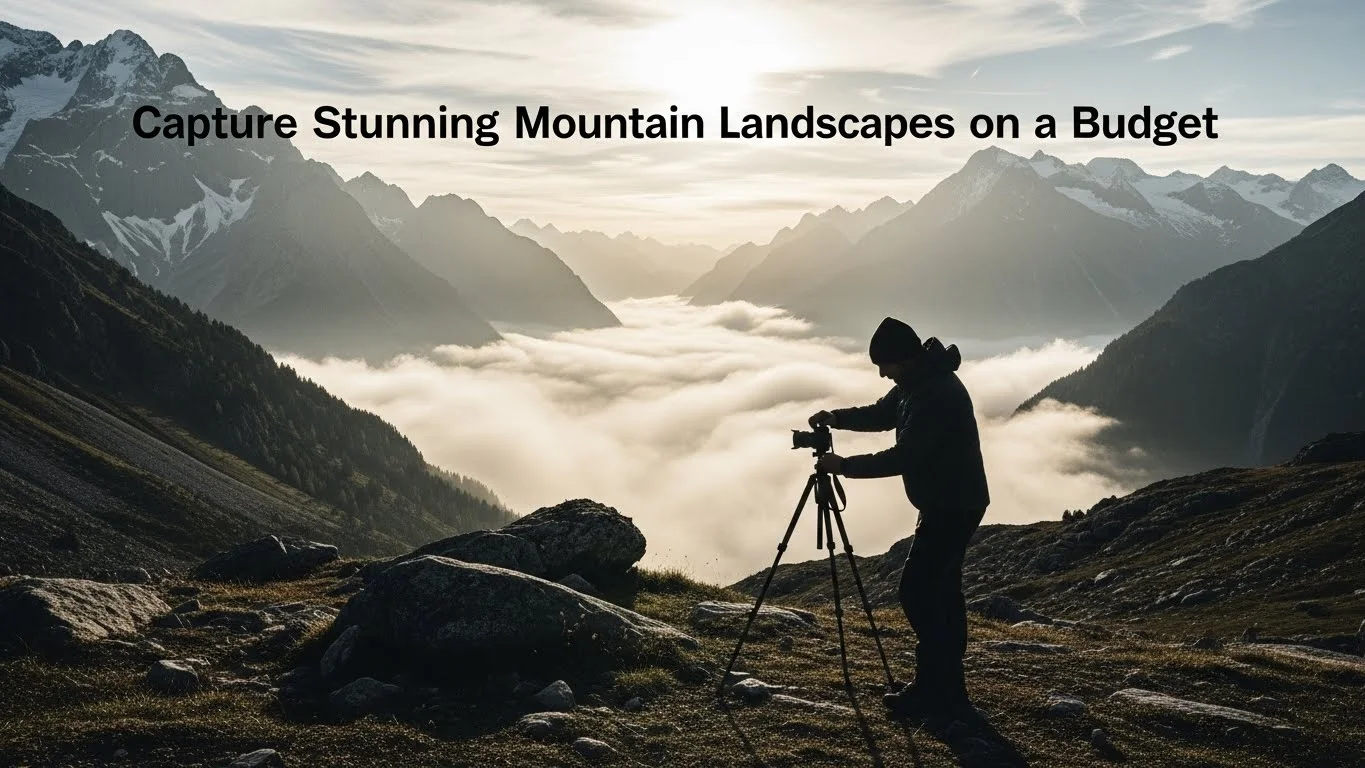
Capture Stunning Mountain Landscapes on a Budget

Capturing breathtaking mountain landscapes doesn’t have to break the bank. With a little planning and creativity, we can create stunning images that reflect the beauty of nature without spending a fortune. For those interested in wildlife, consider exploring Budget-Friendly Wildlife Photography Tours You Can’t Miss to enhance your experience.
Capture Stunning Mountain Landscapes on a Budget

Understanding Mountain Landscape Photography

The Allure of Mountain Landscapes

There’s something magical about mountains that draws many of us in. I remember my first trip to the Rockies; the towering peaks took my breath away. It was the feeling of standing among giants, surrounded by vast landscapes that made me want to capture every moment. Mountains offer a unique blend of majesty, solitude, and adventure, which is why they are such a popular subject for photographers. Whether it’s the way sunlight dances on snow-capped peaks or how clouds swirl around rugged cliffs, the allure of mountain landscapes is undeniable.

Essential Photography Gear for Beginners

When I first started my journey in photography, I was overwhelmed by the array of gear available. However, I learned that you don’t need the fanciest equipment to get stunning shots. Here’s what I found essential for mountain photography: If you’re looking for more information on suitable cameras, check out Best Budget-Friendly Cameras for Travel Photography.

  • Camera: A DSLR or mirrorless camera is ideal, but many smartphones today have excellent cameras too. I’ve captured some of my favorite mountain shots with my phone!
  • Lens: A versatile lens, like a 18-55mm zoom lens, allows for a variety of shots, from sweeping landscapes to detailed close-ups.
  • Tripod: A sturdy tripod is invaluable, especially for long exposure shots during sunrise or sunset. It keeps your camera steady for crisp images.
  • Filters: A polarizing filter can enhance colors and reduce glare, while neutral density filters can help you manage exposure during bright conditions.

How to Choose the Right Camera

If you’re just starting out, I recommend looking for a camera that combines ease of use with quality. I’ve had great success with entry-level DSLRs and mirrorless options that allow me to experiment without feeling overwhelmed. Consider what feels comfortable in your hands; a camera should be an extension of you. Try visiting a local camera store to test different models, if possible. Many stores are happy to let you hold the camera and fiddle with its settings before you buy.

Budget-Friendly Accessories

Beyond the basics, I discovered a few accessories that won’t break the bank but can enhance my photography experience:

  • Lens Cleaning Kit: Mountains can be dusty or wet. Keeping my lens clean has been crucial for clear shots.
  • Extra Batteries: Cold weather can drain batteries quickly, so having spares on hand is a lifesaver.
  • Memory Cards: Always bring extra cards. You will want to capture every angle of those breathtaking vistas!
  • Waterproof Bags: Weather can change unexpectedly in the mountains, and protecting my gear has been essential.

While it’s tempting to buy the latest and greatest gear, I learned that investing in these practical accessories can significantly impact my mountain photography experience without straining my budget.

Planning Your Mountain Photography Expedition

Once I had my gear sorted, I realized that planning my photography trips was just as important as the equipment I used. From selecting the right locations to understanding the best times to shoot, preparation has made a huge difference in my results.

Best Locations for Mountain Photography

Exploring different mountain ranges has been one of the highlights of my photography journey. I’ve discovered that each location offers a unique charm. National parks, such as Yellowstone and Rocky Mountain National Park, are fantastic for their stunning vistas and well-maintained trails. I also enjoyed the hidden gems of lesser-known mountain ranges, where I often found fewer crowds and pristine scenery. For more ideas on budget-friendly locations, you might want to check out Top Destinations for Nature Photography on a Budget.

Seasonal Considerations: When to Visit

Timing can make or break a shot. I’ve found that spring and fall are particularly beautiful seasons for mountain photography. In spring, you can capture blooming wildflowers against rugged backdrops, while fall offers vibrant foliage. I remember hiking in the fall, and the golden leaves against the gray mountains were simply breathtaking. Summer is great for clear skies and accessibility, but you might miss that dramatic lighting.

Weather Conditions and Their Impact

I quickly realized that weather can significantly influence my photos. I’ve experienced everything from stunning sunrises to unexpected rain while shooting. Overcast days can produce soft light, perfect for creating mood in landscapes. On the other hand, dramatic storm clouds can add intensity to my images. I always check weather forecasts and try to be flexible with my plans, so I can take advantage of changing conditions.

Accessibility: Getting to Your Chosen Location

Lastly, I learned that accessibility is crucial. Some breathtaking viewpoints require long hikes, while others are just a short drive away. I often research trail lengths and difficulty levels before embarking on a trip. I’ve found that a little preparation goes a long way in ensuring I reach those perfect spots without feeling exhausted.

Techniques for Capturing Stunning Shots

Understanding Composition in Landscape Photography

One of the biggest lessons I learned in mountain photography is the importance of composition. It’s all about how you frame your shot. I remember being in a stunning mountain valley and snapping photos without thinking much about it. When I reviewed the images, I realized they didn’t quite capture the magic I felt in that moment. That’s when I started to explore some composition techniques.

The rule of thirds is a fundamental concept that helped me. I began to visualize my frame as divided into a grid of nine squares. Placing points of interest along these lines or at their intersections can create a more dynamic image. For instance, when photographing a mountain peak, I try to position it off-center rather than smack dab in the middle. This slight adjustment can make all the difference in drawing the viewer’s eye into the scene.

Another technique I’ve found valuable is leading lines. I often look for paths, rivers, or trails that guide the viewer’s eye towards the mountains or other elements in the landscape. I remember a hike along a winding river where I positioned myself to capture the water leading directly to the majestic peaks in the background. It turned out to be one of my favorite shots!

Utilizing Natural Light: Golden Hour and Blue Hour

Light can transform a photograph, and I learned that timing is everything in mountain landscape photography. The golden hour, which is the hour after sunrise and before sunset, provides the soft, warm light that enhances any scene. I often wake up early, groggy but excited, to chase those magical moments. Watching the sun rise over the peaks while the sky bursts with color is an experience I wouldn’t trade for anything.

Then there’s the blue hour, the time just before sunrise or after sunset when the sky takes on a deep blue hue. I remember one evening when I captured a shot of a mountain lake reflecting the twilight sky. The cool tones of blue contrasted beautifully with the warm colors of the fading sunset, creating an ethereal quality that I still cherish. I think embracing these natural light opportunities can elevate our photos beyond the ordinary.

Long Exposure Techniques for Dramatic Effects

One technique that I’ve grown to love is long exposure photography. This method can create beautiful effects, especially with moving elements like water or clouds. I remember standing at a waterfall, watching the water cascade down, and I wanted to capture that silky flow. Setting my camera on a tripod and using a slow shutter speed allowed me to achieve that dreamy effect.

To make long exposures work, I usually find that a neutral density filter is essential. This filter reduces the amount of light entering the lens, allowing me to use slower shutter speeds even in bright daylight. I recall experimenting with various shutter speeds, watching how the water transformed from a choppy mess to a smooth, flowing ribbon in my images. It’s a technique that adds a touch of artistry to our mountain landscapes.

Incorporating Foreground Elements

When I started focusing on foreground elements in my shots, it opened up a new world of creativity. Adding interesting rocks, flowers, or trees in the foreground can create depth and give the viewer a sense of being in the scene. I remember hiking to a viewpoint where wildflowers were blooming at my feet. By including them in the foreground, I was able to lead the viewer’s eye into the vast mountain landscape behind them.

This technique has become a staple in my photography. I always look for ways to create layers in my images, making them feel more immersive. It’s as if I’m inviting others into my experience, allowing them to feel the same awe I felt being there. I encourage anyone to experiment with this; it can transform a flat landscape shot into something vibrant and engaging.

Using Filters to Enhance Your Shots

Filters have become my secret weapon in mountain photography. I’ve found that a polarizing filter can enhance colors and contrast, making blue skies pop and reducing glare from reflective surfaces like water or snow. I remember a day when I was shooting a high-altitude lake. Adding a polarizing filter made the colors of the surrounding mountains richer and more vivid, turning an ordinary shot into something spectacular.

Additionally, I’ve started using graduated neutral density (ND) filters, which help balance the exposure between a bright sky and a darker foreground. I recall a sunset shoot where the sky was ablaze with color, but the mountains were too dark. By using a graduated ND filter, I was able to preserve the details in both the sky and the landscape, resulting in a well-balanced image that truly captured the moment.

Incorporating these filters into my gear has been a game-changer, and I recommend giving them a try if you haven’t already. They can help us create images that reflect the beauty we see in our adventures.

Post-Processing Tips on a Budget

Free and Affordable Editing Software

Post-processing is a vital step that can elevate your mountain landscape photos from good to stunning. When I first began editing my images, I was overwhelmed by the expensive software options. But through my experience, I’ve discovered several free and affordable tools that can help us achieve professional results without breaking the bank.

One of the best free options is GIMP, which offers many powerful features similar to Photoshop. I remember diving into GIMP and feeling amazed by its capabilities—everything from color correction to retouching can be done here. Another great tool is Darktable, which is tailored for photographers and excellent for editing RAW files. For a more user-friendly experience, I recommend trying out Adobe Lightroom’s mobile app. It’s free, and while it has premium features, the basic functions are enough to get started with editing. I’ve used it to adjust exposure and colors on the go, and it’s been a lifesaver during my travels.

Basic Editing Techniques for Landscape Photos

Once I had my editing software set up, I started learning some basic techniques that made a huge difference in my photos. One of the first things I learned was about adjusting exposure. I often found that my shots, especially in challenging lighting conditions, needed a little tweak to look their best. I usually start by correcting exposure, contrast, and saturation. It’s a simple step, but it can bring my images to life.

Another technique I love is cropping. I often revisit my photos and find that a little cropping can drastically improve composition. I’ve learned that sometimes, removing distractions from the edges can help focus the viewer’s attention on the main subject—like those majestic mountains or vibrant wildflowers. Lastly, sharpening is crucial, especially for landscapes. I usually apply a subtle amount of sharpening to keep the details crisp without overdoing it.

How to Create Stunning HDR Images

High Dynamic Range (HDR) photography has become one of my favorite techniques for capturing the full range of light in mountain landscapes. It allows me to blend multiple exposures into one stunning image. I remember standing at the edge of a cliff during a breathtaking sunset, and while the sky was ablaze with color, the mountains below were shrouded in shadow. By using HDR, I was able to capture both the highlights and shadows beautifully.

To create an HDR image, I usually take three or more shots at different exposures—one for the highlights, one for the mid-tones, and one for the shadows. I then use software like Photomatix or even Lightroom’s HDR feature to merge them. The result is often a photo that truly reflects the experience I had that day in the mountains. It’s like giving my viewers a window into that moment, with all its beauty and drama.

Cost-Effective Ways to Enhance Your Photography Skills

Online Resources and Free Tutorials

In my journey as a photographer, I found that there’s a wealth of resources available online that can help us improve our skills without spending a dime. I often turn to platforms like YouTube, where many talented photographers share their tips and tricks. I remember stumbling upon a channel dedicated to landscape photography, and the tutorials on composition and lighting were invaluable to me.

Additionally, websites like Coursera and Skillshare offer free courses on photography basics. I signed up for a few of these courses and learned so much about camera settings and post-processing techniques. These resources have allowed me to grow as a photographer, and I encourage everyone to take advantage of them!

Joining Local Photography Clubs

Another great way to enhance my skills was by joining a local photography club. I attended meetups and workshops where I could connect with fellow photography enthusiasts. Sharing experiences and getting feedback from others helped me see my work from different perspectives. I remember one outing where we explored a nearby mountain trail together, and I learned so much just by observing how others composed their shots. Plus, it’s a fantastic way to meet new friends who share the same passion!

Participating in Photography Challenges

Participating in photography challenges has been a fun and motivating way to push my skills further. I often come across online challenges that focus on specific themes or techniques. For example, I once joined a month-long challenge where I had to capture one mountain photo each week, focusing on different aspects like color, composition, and lighting. It inspired me to think creatively and explore new locations. I found that by stepping out of my comfort zone, my photography improved significantly. Plus, sharing my work with others in the challenge fostered a sense of community and support that kept me motivated.

Sharing and Selling Your Mountain Landscapes

Creating an Online Portfolio

Building an online portfolio has been a game-changer for me. It’s a way to showcase my photography journey and share the breathtaking mountain landscapes I’ve captured. When I first started, I used platforms like Wix and Squarespace, which offer user-friendly templates that make it easy to display my work beautifully. I remember spending hours selecting my favorite images, each one representing a unique moment in nature. I made sure to include a variety of shots, from sweeping vistas to intimate details of wildflowers, to give visitors a sense of my style and perspective.

I also learned the importance of writing captions for each photo. Sharing the story behind the shot or the emotions I felt while capturing it helps connect with viewers on a deeper level. It’s like inviting them into my experience and allowing them to feel the same awe I felt standing there. Making my portfolio easy to navigate and visually appealing has encouraged many friends and family to appreciate my work and share it with others.

Best Platforms for Selling Your Photos

If you’re looking to take things a step further, selling your photos can be both rewarding and profitable. I found platforms like Etsy and Shutterstock to be great starting points for selling my mountain landscapes. Etsy allowed me to create a shop where I could offer prints and even digital downloads. I remember the thrill of making my first sale; it felt like a recognition of my passion and hard work!

Shutterstock, on the other hand, operates on a stock photo model, where you upload your images, and people can purchase licenses to use them. This opened up a new avenue for me to earn money from photos I had already taken. Each sale may not be a fortune, but it adds up over time, and it feels amazing knowing my art is being appreciated by others. As I continue to develop my portfolio, I explore various platforms and compare their commission rates to find the best fit for my work.

Using Social Media to Showcase Your Work

Social media has been another fantastic tool for sharing my mountain photography. I started with Instagram, where the visual nature of the platform allows me to share my images with a wider audience. I remember the excitement when I posted a stunning sunrise photo from a mountain top and received comments from people all over the world who were inspired by it. Hashtags play a vital role, too; they help reach people interested in landscape photography or outdoor adventures. I’ve also found that engaging with other photographers and participating in challenges or collaborations has expanded my network and enriched my learning experience.

Facebook groups dedicated to photography have also been incredibly helpful. I’ve received feedback on my work, participated in discussions, and even found local meetups to join. By sharing my progress and process, I’ve formed connections with others who share the same passion for capturing the beauty of nature. It’s heartening to be part of a community that celebrates the art of photography!

Additional Tips for Budget-Friendly Mountain Photography

Camping vs. Hotel Stays: Pros and Cons

When planning my mountain photography trips, I often weigh the pros and cons of camping versus hotel stays. Camping has allowed me to immerse myself in nature, waking up to stunning views right outside my tent. It’s budget-friendly and gives me the flexibility to shoot at sunrise or sunset without worrying about travel time. I remember one trip where I camped near a lake, and the stillness of the early morning provided the perfect backdrop for my shots.

On the flip side, hotels can offer comfort after a long day of hiking and shooting. They provide amenities like hot showers and a warm bed, which can be a treat after a chilly night outdoors. I recommend considering your priorities: if you’re looking for convenience and comfort, a hotel might be the way to go. But if you want to connect with nature and keep costs down, camping can be a rewarding experience.

Pack Smart: Essential Gear for Budget Travelers

Being a budget traveler, I learned that packing smart is essential for mountain photography trips. I always carry lightweight gear to minimize the burden on long hikes. A good camera backpack can make all the difference, allowing me to organize my equipment efficiently while keeping it safe from the elements. I also pack versatile clothing, ensuring I’m prepared for changing weather conditions. Layering is key; I’ve found that having a lightweight waterproof jacket can save the day if unexpected rain hits while I’m out shooting.

Finding Free or Low-Cost Activities Near Mountain Areas

Exploring the great outdoors doesn’t have to be costly. I often look for free or low-cost activities near mountain areas, such as hiking or visiting local parks. Many national and state parks offer trails that lead to breathtaking viewpoints, and the entry fees are often minimal. I remember discovering a hidden trail that led me to a stunning overlook without another soul in sight. The thrill of finding such gems is part of the adventure!

Additionally, I’ve found that local visitor centers often have information about free events or guided tours in the area. Engaging with locals can lead to discovering off-the-beaten-path spots that are perfect for photography. Embracing these budget-friendly activities has enriched my mountain photography experiences and deepened my appreciation for the beauty around us.

Final Thoughts

Embarking on a journey to capture mountain landscapes is about more than just the photos; it’s about the experiences we gather along the way. I’ve learned that with a little creativity and resourcefulness, we can create stunning imagery that reflects the beauty of nature without breaking the bank. Whether you’re a beginner or a seasoned photographer, I encourage you to explore your surroundings, experiment with different techniques, and connect with others who share your passion. Each shot is a story, a memory, and a reminder of the majestic landscapes we have the privilege to witness. Let’s embrace the adventure and capture the beauty around us!

Frequently Asked Questions

What type of camera is recommended for mountain landscape photography?

A DSLR or mirrorless camera is ideal for mountain landscape photography, but many smartphones today also have excellent cameras that can capture stunning shots.

What are some essential photography gear items for beginners?

Essential gear for beginners includes a camera (DSLR or mirrorless), a versatile lens (like an 18-55mm zoom lens), a sturdy tripod, and filters (such as polarizing and neutral density filters).

Which seasons are best for mountain photography?

Spring and fall are considered particularly beautiful seasons for mountain photography. Spring offers blooming wildflowers, while fall provides vibrant foliage. Summer is good for clear skies, but may lack dramatic lighting.

How can weather conditions affect mountain photography?

Weather significantly influences photos; overcast days can create soft light, while dramatic storm clouds can add intensity. Being flexible with plans and checking weather forecasts can help photographers take advantage of changing conditions.

What composition techniques can enhance mountain landscape photos?

Important composition techniques include the rule of thirds, where points of interest are placed off-center, and leading lines that guide the viewer’s eye towards the mountains or other elements in the landscape.

What is long exposure photography and how is it used in mountain landscapes?

Long exposure photography involves using a slow shutter speed to create beautiful effects with moving elements like water or clouds. A tripod and a neutral density filter are often necessary to achieve desired results.

What are some budget-friendly editing software options for landscape photography?

Free and affordable editing software options include GIMP, Darktable, and Adobe Lightroom’s mobile app, which allow photographers to edit their images without high costs.

How can photographers create stunning HDR images?

To create HDR images, photographers typically take multiple shots at different exposures and then merge them using software like Photomatix or Lightroom. This technique captures the full range of light in a scene.

What are some effective ways to share and sell mountain landscape photos?

Effective ways to share and sell mountain landscape photos include creating an online portfolio using platforms like Wix and Squarespace, selling through sites like Etsy and Shutterstock, and showcasing work on social media platforms like Instagram.

What are the pros and cons of camping versus hotel stays for photography trips?

Camping allows for immersion in nature and budget-friendly flexibility, while hotels offer comfort and amenities after a long day of shooting. The choice depends on personal priorities for convenience versus a deeper connection with nature.
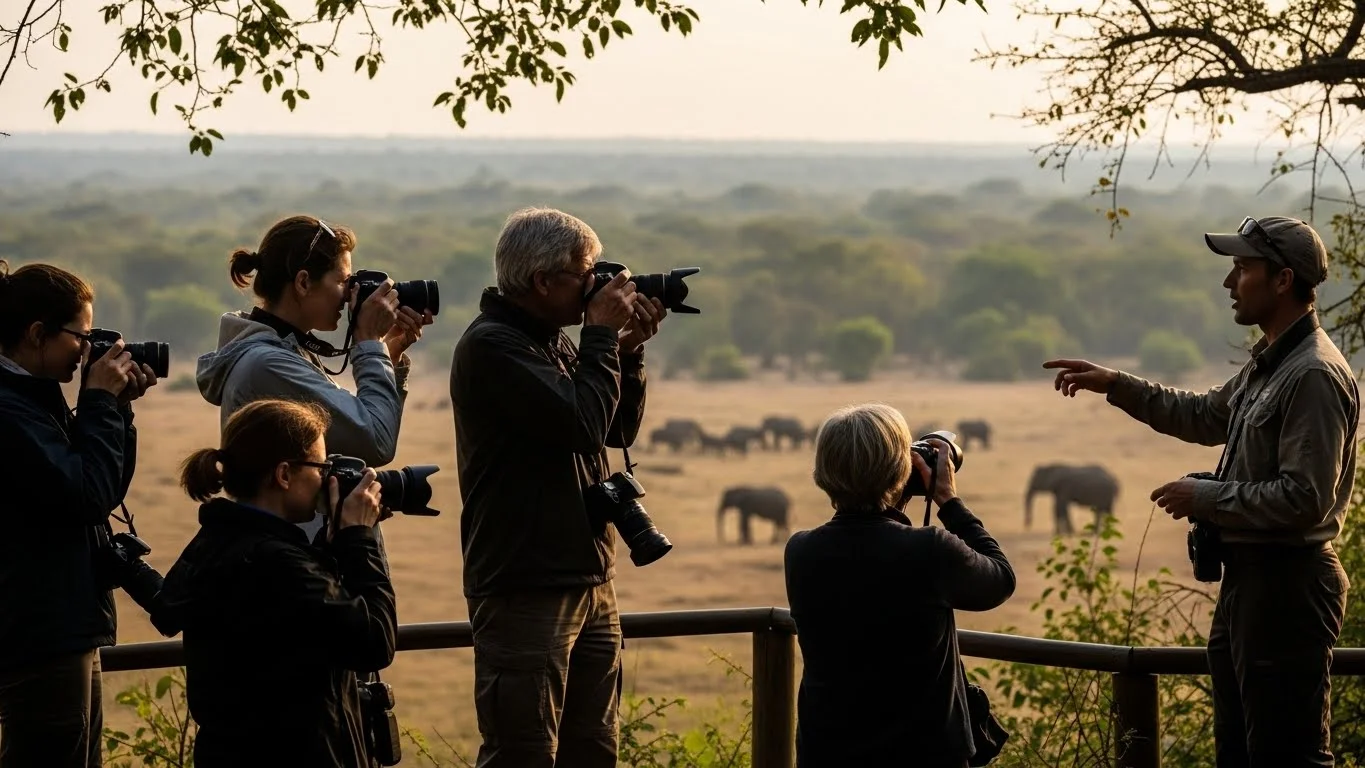
Budget-Friendly Wildlife Photography Tours You Can’t Miss

Wildlife photography is more than just a hobby; it’s a way to connect with nature and capture its beauty. If you’re looking for budget-friendly tours that let you dive into this enchanting world, you’re in the right place! Read Interesting article: Explore Wildlife Photography Tours: Budget-Friendly Guide

Budget-Friendly Wildlife Photography Tours You Can't Miss

Overview of Wildlife Photography Tours

What is Wildlife Photography?

Wildlife photography is all about capturing animals in their natural habitat. It’s an art form that requires patience, skill, and a deep appreciation for nature. I remember the first time I picked up a camera in the wild, the thrill of spotting a deer or watching a bird take flight was indescribable. It’s not just about taking pictures; it’s about telling a story through images. From majestic elephants to tiny hummingbirds, every creature has a unique tale to share, and I find immense joy in trying to capture those moments.

Importance of Photography in Wildlife Conservation

Photography plays a crucial role in wildlife conservation. By capturing stunning images of animals and their habitats, photographers help raise awareness about the importance of protecting these species. I’ve seen how powerful images can spark conversations and motivate people to take action. For instance, a single photograph of an endangered species can mobilize support for conservation initiatives. In my experience, sharing these images on social media often leads to larger discussions about the incredible biodiversity we need to protect. It feels good to know that my passion for photography can contribute to a greater cause.

Top Budget-Friendly Wildlife Photography Tours

National Parks and Wildlife Reserves

If you’re looking for budget-friendly wildlife photography tours, national parks and wildlife reserves are some of the best places to start. These locations often have affordable entry fees and provide breathtaking opportunities to capture wildlife in their natural settings. I’ve visited several parks, and each time, I felt like I was stepping into a whole new world. Places like Yellowstone and the Everglades offer guided tours that can help you find the best spots for photography without breaking the bank. For more options, check out Capture the Wild: Top Wildlife Photography Tours.

Guided Tours vs. Self-Guided Adventures

As someone who has experienced both guided and self-guided tours, I can share that each has its own advantages. Guided tours tend to be more organized. They often provide knowledgeable guides who know the best spots for wildlife sightings and can help you with photography tips. However, self-guided adventures allow for more flexibility and spontaneity. You can choose your path and spend as much time as you want at each location. I remember one trip where I opted for a self-guided tour, and it led me to find a hidden waterfall that wasn’t on any map. It was one of the highlights of my photography journey! Whichever option you choose, ensure it aligns with your budget and photography goals.

Best Locations for Wildlife Photography

Yellowstone National Park

Yellowstone holds a special place in my heart. It’s one of the most iconic wildlife photography destinations in the U.S. With its vast landscapes and diverse wildlife, you can encounter everything from bison to grizzly bears. I recommend visiting in the early morning or late evening, as that’s when the animals are most active and the light is perfect for photography. Just remember to carry a good zoom lens; you’ll want to capture those majestic creatures without getting too close!

Everglades National Park

The Everglades is a true gem for wildlife photography. I was amazed by the variety of birds and reptiles I encountered during my visit. The park’s unique ecosystem offers countless chances to capture stunning images of alligators, manatees, and a plethora of bird species. A kayak tour is an excellent way to explore the waterways and get up close with wildlife. I found paddling through the mangroves to be one of the most serene experiences.

Grand Teton National Park

Grand Teton National Park is another stunning location for wildlife photographers. The dramatic mountain backdrop provides an awe-inspiring setting for capturing wildlife in action. I remember waking up before dawn to catch the sunrise over the mountains, and the scene was absolutely magical. The park is home to elk, moose, and bears, making it a haven for wildlife photography.

Kruger National Park (South Africa)

If you’re willing to travel internationally, Kruger National Park in South Africa is a must-visit destination. It’s one of the largest game reserves in Africa and offers a chance to see the Big Five: lions, leopards, elephants, buffalo, and rhinoceros. I was fortunate enough to visit Kruger on a budget-friendly safari tour, and it was an experience like no other. The sheer thrill of spotting a lion in the wild is something I’ll never forget!

Serengeti National Park (Tanzania)

Another incredible location is Serengeti National Park, famous for its annual wildebeest migration. This natural phenomenon is a breathtaking spectacle that can offer unforgettable photography opportunities. I find that joining a local guided tour can be an affordable way to experience the migration while also supporting the local economy. For eco-conscious travelers, I recommend checking out Top Wildlife Photography Tours for Eco-Conscious Travelers.

When to Go: Seasonal Considerations

Best Seasons for Wildlife Viewing

Deciding when to embark on your wildlife photography adventure is just as crucial as choosing your destination. I’ve learned that the time of year can greatly affect what animals you can see and how active they are. For instance, spring is often a fantastic time for wildlife photography. Many animals are giving birth, and you can capture adorable young creatures in their natural habitats. I remember visiting a national park in May and being mesmerized by the sight of baby bison frolicking in the fields.

Summer offers vibrant colors and lush landscapes, but depending on the location, some animals may be less active due to the heat. In contrast, fall can be spectacular, especially if you’re looking to capture migration events or the changing foliage. I’ve found that winter, while colder, can also be an excellent time for photography, as many animals are easier to spot against the snow. I took a trip once in January, and watching elk against a snowy backdrop was breathtaking!

Weather Considerations for Photographers

Weather plays a significant role in wildlife photography, and it’s something I always check before heading out. Rain can bring out the best in colors and textures, but it can also make conditions tricky. I once got caught in a downpour while photographing in a rainforest, and while my gear got a bit wet, the resulting images of droplets on leaves were stunning! On the flip side, bright and sunny days can create harsh shadows, which might not be ideal for photography. I’ve learned that overcast days often provide the best lighting conditions, making it easier to capture the true colors of wildlife without the harsh glare.

Understanding the specific climate of the area you’re visiting can make a big difference. I’ve noticed that some parks have distinct seasons that affect wildlife behavior. For example, during the dry season in Africa, animals gather around water sources, making them easier to spot and photograph. I truly believe that taking the time to research seasonal patterns can elevate your photography experience.

Essential Photography Gear for Wildlife Tours

Cameras and Lenses for Wildlife Photography

When it comes to wildlife photography, having the right gear can make all the difference. I remember investing in a good DSLR camera with a fast autofocus system, and it really transformed my ability to capture fleeting moments. A telephoto lens, ideally one with a focal length of at least 300mm, is essential for getting close-up shots of animals without disturbing them. I often used a 400mm lens that helped me snap incredible portraits of eagles soaring above without having to get too close.

For those just starting out, I recommend looking into mirrorless cameras, which are often lighter and offer excellent image quality. I’ve also seen point-and-shoot cameras that perform surprisingly well in wildlife settings, especially if you don’t want to lug around heavy equipment. Ultimately, the best camera is one that you’re comfortable using and that fits your budget.

Tripods and Stabilizers

Having a sturdy tripod is another piece of gear I can’t recommend enough. It’s particularly helpful for low-light conditions or when you’re using a long lens. I remember using a tripod during one of my trips to capture the perfect shot of a heron standing still in the water at dawn. The stability allowed me to focus on composition without worrying about camera shake. If you’re planning on shooting in challenging terrains, a lightweight tripod can be a lifesaver.

Additionally, I’ve found that using a gimbal head with my tripod enhances my ability to track moving subjects smoothly. For those who prefer to travel light, a monopod could be a good compromise, offering some stability while being easy to carry around.

Accessories: Binoculars, Flash, and More

When I head out for a wildlife photography trip, I always pack a few essential accessories. A good pair of binoculars is invaluable for spotting animals from a distance. I can’t count how many times I’ve spotted a deer or an eagle high up in the trees before getting my camera out. Flash photography can be tricky with wildlife; I recommend using it sparingly to avoid startling the animals. However, a flash can be useful in low light situations, especially for close-up shots. Just remember to use a diffuser to soften the light.

Other accessories like extra batteries, memory cards, and a rain cover for your gear are essential too. I’ve learned the hard way that running out of battery can ruin a great opportunity! Keeping my equipment in good condition and ready to go is something I prioritize, ensuring I capture every moment on my adventures.

Budgeting for Your Wildlife Photography Tour

Estimated Costs: Tours, Accommodations, and Gear

When planning a wildlife photography tour, budgeting is key. I typically break down my expenses into three main categories: tours, accommodations, and gear. Depending on the location and the type of tour, costs can vary widely. Guided tours can range from affordable day trips to more expensive multi-day excursions. I’ve opted for both ends of the spectrum and found that sometimes, splurging on a knowledgeable guide can yield amazing photography opportunities.

For accommodations, I usually look for budget-friendly options like hostels or campsites near the national parks. Staying close to the action not only saves on travel time but often allows for spontaneous photography sessions at dawn or dusk. I’ve found that camping provides a unique experience, as you often get to experience the sounds of nature up close.

Lastly, I consider my gear. While it’s tempting to invest in the latest equipment, I recommend starting with what you have, upgrading gradually as you gain experience. I remember when I first started, I focused on learning the basics before investing heavily in lenses and cameras.

Ways to Save: Discounts and Packages

There are plenty of ways to save on wildlife photography adventures if you do a little research. Many national parks offer discounts for entry fees during certain seasons or free admission days. I’ve taken advantage of these opportunities and found that visiting during off-peak times not only saves money but also provides a more relaxed experience with fewer crowds.

Some tour companies offer package deals that include accommodations, meals, and guided tours. I found a great deal once where I booked a multi-day tour that significantly reduced my overall costs. Keep an eye out for online deals or last-minute discounts, especially during the shoulder seasons. It can be a great way to stretch your budget while still enjoying an incredible experience.

Tips for Traveling on a Budget

Traveling on a budget doesn’t mean sacrificing quality experiences. I’ve learned to be resourceful over the years, whether it’s cooking my own meals on camping trips or sharing accommodations with friends. Planning my trips during the off-peak season can also lead to significant savings on both tours and lodging. Additionally, I always pack my own snacks and meals for day trips, which helps save money and keeps me energized for those long days of shooting.

Using public transportation or carpooling with fellow photographers can also cut costs significantly. I’ve made some great friends by sharing rides to popular locations. Lastly, consider joining photography groups; they often have access to exclusive deals and can offer valuable tips on budget-friendly options. I feel that when you connect with like-minded individuals, you not only save money but also enrich your experience.

What to Expect on a Wildlife Photography Tour

Daily Itinerary: Activities and Highlights

When I first joined a wildlife photography tour, I was curious about what the daily schedule would look like. I remember waking up before dawn, the air crisp and cool, ready for a day full of adventure. Most tours kick off early in the morning, which is when wildlife is most active. I found that this timing allowed us to capture some stunning shots of animals just waking up to greet the day.

Typically, the itinerary includes a mix of guided excursions and free time. Mornings are often spent out in the field, searching for that perfect shot. I recall one morning where we spotted a group of elephants leisurely walking through the savannah; it was a breathtaking sight. After a few hours of photography, we would usually return for breakfast, sharing stories about our morning finds.

The afternoons might involve more exploration, with some tours offering additional activities like hiking or boat rides. I particularly enjoyed the boat ride in the Everglades, where we could quietly glide through the water, observing alligators and a variety of bird species without disturbing them. Evenings often bring another round of photography sessions, especially during the golden hour when the light casts a magical glow over everything. I learned to always have my camera ready because that’s when the most incredible moments happen.

In the evenings, sharing photos and experiences with fellow participants became one of my favorite parts of the tour. It’s amazing how different perspectives can highlight unique details we might have otherwise missed. Each day on the tour felt like a new adventure, filled with discovery and connection, both with nature and fellow photography enthusiasts.

Photography Tips from the Experts

One of the best parts of being on a wildlife photography tour is the opportunity to learn from experienced photographers. I’ve found that they often share invaluable tips that can make a significant difference in my work. For instance, I learned about the importance of understanding light and how it changes throughout the day. One expert I met emphasized the need to adjust camera settings according to the available light, especially during those fleeting moments at dawn and dusk.

Another tip that stuck with me was about the importance of patience. Wildlife doesn’t always cooperate! I remember waiting for what felt like ages to capture a shot of a hawk perched on a branch. Just when I was about to give up, it spread its wings and took flight. That moment was worth every second of waiting. I’ve learned that the more time you spend observing, the more likely you are to spot something extraordinary.

Additionally, many photographers stressed the significance of being respectful of wildlife and their habitats. They taught me to keep a safe distance, use a telephoto lens, and avoid disturbing animals during their routines. It’s crucial to prioritize the well-being of the wildlife we’re trying to capture in our photographs. This perspective has enriched my experience and fostered a deeper connection to the natural world.

Lastly, practice makes perfect! I’ve found that each outing brings new challenges and learning opportunities, and I always carry that mindset with me. The more I shoot, the more I find my style and voice as a wildlife photographer. I encourage everyone to embrace their journey, take risks, and have fun with it.

Safety Considerations for Wildlife Photographers

Understanding Animal Behavior

Safety is paramount when engaging in wildlife photography. I’ve had my share of encounters with animals that reminded me of the importance of understanding their behavior. Knowing which animals are more aggressive or protective of their territory can make a significant difference in ensuring a safe experience. For example, I remember one trip where we were observing a mother bear with her cubs from a safe distance. Our guide explained their behavior and how crucial it was to respect their space. It felt reassuring to have that knowledge as we quietly watched this magical moment unfold.

Additionally, I’ve learned that some animals are more active at certain times of the day. Understanding these patterns helps in planning excursions with safety in mind. For instance, many predatory animals are most active during dusk and dawn, which is also the best time for photography. However, this means we need to be extra cautious during those hours, ensuring we’re not in harm’s way while chasing that perfect shot.

Also, I often remind myself that we are visitors in their world. Keeping a calm demeanor and avoiding sudden movements can help prevent startling animals. I’ve found that being still and patient often leads to the best encounters. Taking the time to observe and appreciate wildlife behavior not only enhances my photography experience but also keeps me safe.

Personal Safety and Gear Protection

Along with understanding animal behavior, personal safety is crucial during wildlife photography tours. I always make sure to wear appropriate clothing, sturdy footwear, and bring essential gear like a first-aid kit, water, and snacks. These seem like small details, but they can enhance comfort and safety during long days outdoors. I remember one particularly hot day when I was grateful to have extra water, as it helped me stay refreshed and focused.

Another important aspect is protecting your photography gear. I’ve faced the dilemma of balancing carrying my camera gear while navigating through rugged terrains. Investing in a good camera bag that offers both protection and comfort has been a game-changer for me. One time, during a sudden rain shower, I was so thankful to have a rain cover for my bag; it saved my gear from getting soaked!

When venturing into remote areas, it’s also wise to inform someone about your plans and expected return time. This adds an extra layer of safety and peace of mind. I’ve made it a habit to always have a buddy system when out in the field, which not only enhances safety but also makes for a more enjoyable experience when exploring nature together.

Frequently Asked Questions

What is wildlife photography?

Wildlife photography is the art of capturing animals in their natural habitats. It requires patience, skill, and a deep appreciation for nature, as photographers aim to tell a story through images of various creatures.

How does photography contribute to wildlife conservation?

Photography plays a crucial role in wildlife conservation by raising awareness about the importance of protecting species and their habitats. Stunning images can spark conversations and motivate people to take action for conservation initiatives.

What are some budget-friendly locations for wildlife photography tours?

National parks and wildlife reserves, such as Yellowstone and the Everglades, are great budget-friendly options for wildlife photography tours, often featuring affordable entry fees and breathtaking opportunities to capture wildlife.

What are the advantages of guided tours versus self-guided adventures?

Guided tours are more organized and provide knowledgeable guides who can offer tips and help find the best spots for wildlife sightings. Self-guided adventures allow for flexibility and spontaneity, letting photographers choose their own paths and spend more time at each location.

When is the best time for wildlife photography?

The best seasons for wildlife viewing vary, but spring is often ideal for capturing young animals, while fall offers migration events. Winter can also be great for spotting animals against snow, and overcast days typically provide the best lighting for photography.

What essential gear is recommended for wildlife photography?

Key gear includes a good DSLR or mirrorless camera, a telephoto lens (at least 300mm), a sturdy tripod, binoculars for spotting wildlife, and accessories like extra batteries and a rain cover for protection.

How can I budget for a wildlife photography tour?

To budget effectively, break down expenses into tours, accommodations, and gear. Look for discounts on entry fees, consider package deals, and explore budget-friendly lodging options like hostels or campsites close to national parks.

What should I expect on a wildlife photography tour?

Typical daily itineraries include early morning excursions when wildlife is most active, a mix of guided activities and free time, and opportunities to share experiences and photos with fellow participants in the evenings.

What safety considerations should I keep in mind during wildlife photography?

Understanding animal behavior is crucial for safety, as well as wearing appropriate clothing and sturdy footwear. It’s also important to protect photography gear and inform someone about your plans when venturing into remote areas.

What photography tips can I learn from experts on wildlife tours?

Expert photographers often emphasize the importance of understanding light, being patient, respecting wildlife, and practicing regularly. They can provide valuable insights that enhance both the photography experience and the connection to nature.

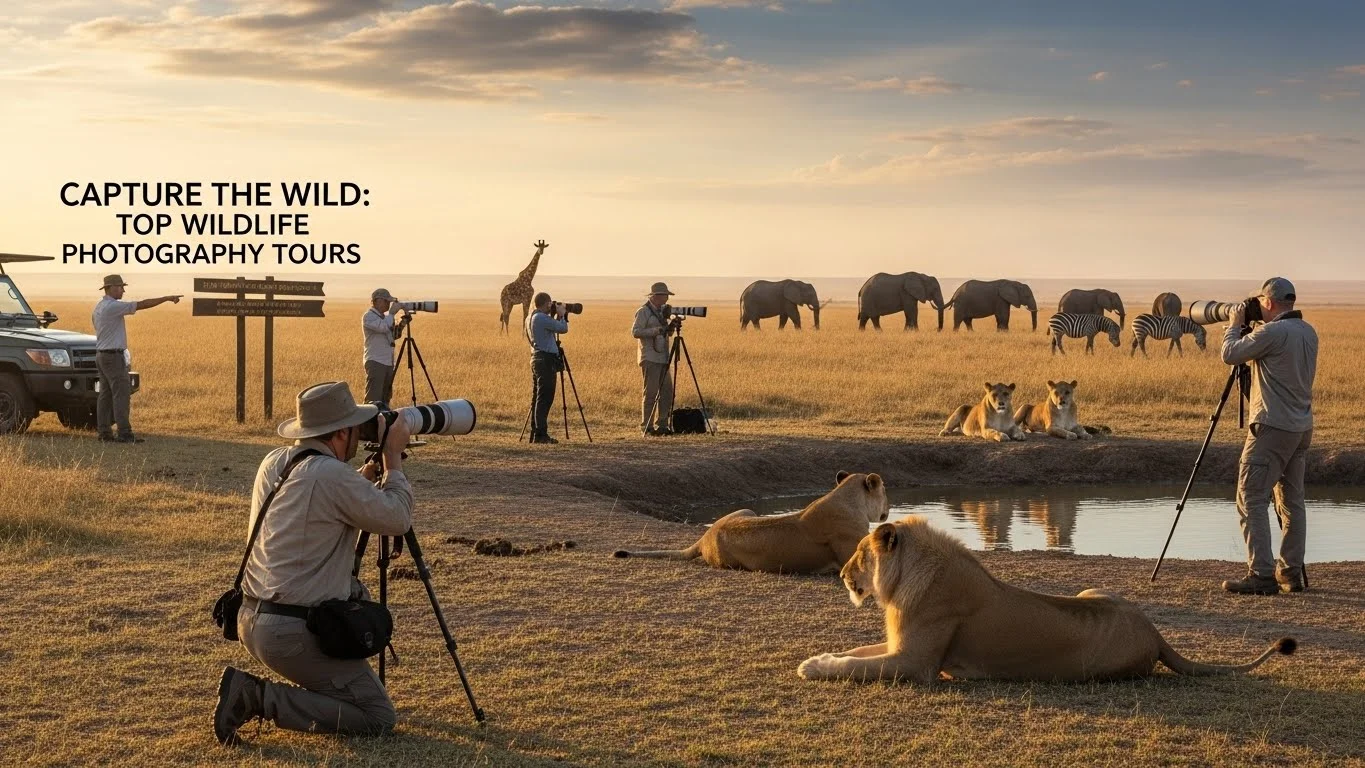
Capture the Wild: Top Wildlife Photography Tours

Have you ever dreamed of capturing breathtaking wildlife moments through your lens? Wildlife photography tours offer the perfect adventure to fulfill that dream while learning from experts and exploring stunning natural landscapes. Read Interesting article: Explore Wildlife Photography Tours: Budget-Friendly Guide

Capture the Wild: Top Wildlife Photography Tours

Understanding Wildlife Photography Tours

Wildlife photography is more than just snapping pictures of animals; it’s about capturing the essence of life in nature. I remember the first time I held a camera, watching a family of deer grazing in a field. The thrill of capturing that moment stayed with me. Wildlife photography allows us to connect with the natural world and express its beauty through our images.

What is Wildlife Photography?

At its core, wildlife photography involves photographing animals in their natural habitats. This art form requires not only technical skills but also a deep appreciation for wildlife and ecosystems. I’ve learned that patience is key; waiting quietly for hours can yield incredible footage. Whether it’s a lioness stalking her prey or a hummingbird hovering near a flower, every shot tells a story. In my experience, the best photos often come from unexpected moments, so being alert and ready is crucial.

Benefits of Joining a Photography Tour

Joining a wildlife photography tour can be a game-changer for aspiring photographers. I’ve participated in a few tours, and each one has enriched my skills and understanding of wildlife. Here are some benefits I’ve discovered:

  • Expert Guidance: Having experienced guides can dramatically enhance your learning curve. They know the best locations, animal behaviors, and can help you improve your technique.
  • Access to Prime Locations: Tours often take you to remote or hard-to-reach places where wildlife is abundant. This access means you can capture images others may only dream of.
  • Networking Opportunities: Meeting fellow photography enthusiasts can lead to lifelong friendships. Sharing experiences and tips with like-minded people adds another layer of excitement to the adventure.
  • Structured Itinerary: Tours often have well-planned schedules that maximize your time in the field. This structure means you won’t miss out on prime shooting opportunities.
  • Safety and Logistics: Traveling in unfamiliar territories can be daunting. Tours often handle logistics, ensuring safety while allowing you to focus on photography.

From my perspective, these tours not only improve your photography but also deepen your appreciation for nature, making every trip a memorable experience. Read Interesting article: Top Wildlife Photography Tours for Eco-Conscious Travelers

Top Wildlife Photography Destinations

Choosing where to go for a wildlife photography tour can be as exciting as the trip itself! There are countless destinations around the world that offer incredible opportunities to capture stunning wildlife. I’ve had the pleasure of visiting a few, and each location has its unique charm and photographic potential.

National Parks

Yellowstone National Park

Yellowstone is a wildlife photographer’s paradise. The diversity of animals—from bison and elk to wolves and bears—is extraordinary. I remember my first visit; I was in awe of the geothermal wonders and the wildlife that roamed freely. The early morning light casts a golden hue across the landscape, making it the perfect time for photography. I strongly recommend bringing a zoom lens to capture those distant animals without disturbing them.

Yosemite National Park

Yosemite is known for its stunning landscapes, but it also offers fantastic wildlife photography opportunities. I’ve spotted black bears, mule deer, and an array of bird species. The iconic granite cliffs provide breathtaking backdrops, and shooting during the golden hour can result in stunning images. Remember to stay at a safe distance and respect the wildlife; capturing a bear in its natural habitat is thrilling, but safety should always come first.

Wildlife Reserves

Serengeti National Park

When I think of wildlife photography, the Serengeti instantly comes to mind. The Great Migration, where millions of wildebeest and zebras traverse the plains, is an unforgettable sight. Being there felt like stepping into a nature documentary. The open savanna allows for stunning panoramic shots, and the opportunity to photograph big cats in action is a dream come true for many. I recommend planning your trip around the migration for the best experience.

Masai Mara National Reserve

Just a stone’s throw from the Serengeti, the Masai Mara offers similar wildlife experiences with its own unique charm. I loved witnessing the interaction between the Maasai culture and the wildlife. The vibrant landscapes and abundant creatures make for fantastic photo opportunities. Don’t forget to explore the local culture; the vibrant colors and traditions add a rich layer to your photography portfolio.

Unique Ecosystems

The Amazon Rainforest

The Amazon is a photographer’s dream, teeming with biodiversity. The vibrant flora and fauna provide endless opportunities for captivating images. I found that the challenge of capturing the elusive creatures like jaguars and sloths made every moment spent in the rainforest thrilling. Early mornings are the best times to see wildlife, but the dense environment requires patience and perseverance.

The Arctic Circle

For something completely different, consider a photography tour in the Arctic Circle. The stark beauty of icebergs, polar bears, and unique bird species offers a stunning contrast to warmer climates. I was amazed by the colors and textures found in the ice and the wildlife’s resilience in such harsh conditions. Remember, the lighting in the Arctic can be tricky, so bringing the right gear is essential.

As I reflect on my wildlife photography adventures, I am continually inspired by the beauty of nature and the stories waiting to be captured. Each destination brings its own magic and challenges, but the thrill of the hunt—waiting for that perfect shot—makes every experience unforgettable. Whether you’re a seasoned photographer or just starting, joining a wildlife photography tour can open doors to incredible experiences and breathtaking images. Read Interesting article: Capture Nature’s Wonders: Budget Wildlife Photography Tours

Essential Gear for Wildlife Photography

Cameras and Lenses

When I first ventured into wildlife photography, I quickly realized that my camera gear plays a significant role in capturing stunning images. The type of camera you choose can depend on your budget and experience level, but I’ve found that DSLRs and mirrorless cameras are often the best options. They offer interchangeable lenses and great image quality, which is vital in low-light situations typical in early morning or late evening shoots.

As for lenses, a good telephoto lens is a must-have. I remember investing in a 400mm lens, and it completely changed my approach to wildlife photography. It allows you to capture animals from a safe distance, ensuring you don’t disturb them while still getting those close-up shots. A lens with a wide aperture, like f/2.8 or f/4, can also help in low-light conditions, giving you more opportunities to photograph wildlife at dawn or dusk when animals are most active. For those who can’t afford a long telephoto lens, a 70-200mm lens can be a versatile alternative, especially for larger animals in open spaces.

Tripods and Stabilizers

Another essential piece of gear is a sturdy tripod. I cannot stress enough how a good tripod can improve your images, especially when capturing detailed shots in low light or when using a longer lens. I learned the hard way that trying to hold a heavy lens steady for an extended period can wear you out and lead to shaky images. A tripod provides stability, allowing you to focus on composition rather than worrying about camera shake.

If you’re on the move and need something lightweight, consider a monopod. It’s easier to carry and set up quickly, which is perfect for wildlife photography, where you often need to adjust quickly to capture fleeting moments. Additionally, incorporating image stabilization technology in your camera or lens can also help when you’re shooting handheld, allowing for clearer shots without the added bulk of a tripod.

Additional Accessories

Filters

Filters can dramatically enhance your wildlife photography. I often use polarizing filters to reduce glare and enhance the colors in my images, especially when shooting near water. This filter can help bring out the details in the sky and foliage, making your wildlife shots pop. Neutral density filters are also valuable; they allow for longer exposure times, which can create beautiful effects in water or softening the background, helping your subject stand out.

Flash and Lighting Equipment

While natural light is often ideal for wildlife photography, there are times when additional lighting may be necessary. I’ve found that using a flash can be beneficial, especially in dense forests or during overcast days. A good flash unit can help illuminate your subject without causing harsh shadows. If you’re photographing nocturnal animals or in low-light conditions, a flash with a diffuser can create softer light and prevent startling your subject.

Reflectors can also be a handy tool. They help bounce natural light onto your subject, filling in shadows and providing a more balanced exposure. I often carry a small collapsible reflector in my gear bag, as it’s lightweight and easy to use in various situations.

Having the right gear can elevate your wildlife photography experience and results significantly. It’s essential to invest in quality equipment that suits your shooting style and the environments you’ll be in. Through my journey, I’ve learned that while the gear is important, it’s the moments you capture and the stories behind them that truly matter.

Choosing the Right Photography Tour

Tour Operators to Consider

When it comes to selecting a photography tour, the choice of tour operator can make all the difference. I’ve gone through a few different companies, and the experiences varied widely. Some operators specialize in wildlife photography, while others might include it as part of a broader travel package.

Top-rated Tour Companies

In my experience, doing thorough research is crucial. Look for companies with strong reputations and positive reviews from past participants. I found that operators who employ experienced wildlife photographers as guides can provide invaluable insights into both the technical aspects of photography and the behavior of wildlife. This knowledge can help you get those perfect shots and learn along the way.

Local Guides vs. International Companies

There’s also something to be said for choosing local guides. They often have a deep understanding of the area, its wildlife, and the best times to photograph specific animals. I remember joining a local tour in Costa Rica, and the guide’s knowledge not only helped us spot elusive species but also enriched our experience with stories about the ecosystem. On the other hand, international companies might offer more structured itineraries, which can be helpful if you’re looking for a hassle-free experience.

Types of Tours

Group Tours vs. Private Tours

Deciding between a group tour and a private tour depends on your preference and comfort level. I’ve enjoyed both. Group tours offer camaraderie and the chance to meet fellow photographers, but they can sometimes feel rushed as you share attention with others. On my first group tour, I felt a sense of community, sharing tips and experiences with others who were just as passionate about wildlife photography.

Private tours, on the other hand, provide a tailored experience, allowing you to go at your own pace and focus on the subjects that interest you most. I once booked a private tour in Botswana, where I could spend hours observing elephants at a waterhole without the pressure of moving on. This slow pace allowed me to capture some of my favorite images.

Photography Workshops

Photography workshops are another excellent option. They often combine guided tours with hands-on instruction, which can be beneficial for those looking to improve their skills. I attended a workshop in the Galápagos Islands, and the combination of breathtaking wildlife and expert coaching was incredibly rewarding. Workshops can also provide feedback on your work, helping you grow as a photographer while enjoying the adventure.

Choosing the right photography tour is all about aligning your goals with the experience you seek. Whether it’s connecting with nature, improving your photography skills, or exploring new places, there’s a tour out there that can meet your needs and elevate your wildlife photography journey.

When to Go: Timing Your Wildlife Photography Tour

Best Seasons for Wildlife Viewing

Timing can make all the difference in wildlife photography. From my experience, certain seasons can dramatically enhance your chances of encountering diverse wildlife. For instance, I’ve found that spring and fall are often the best times for many locations. The weather is typically mild, and animals are more active during these periods. In places like Yellowstone, spring brings new life as young animals emerge, while fall offers stunning foliage and increased animal activity as they prepare for winter.

In tropical regions like the Amazon, the dry season is ideal for wildlife sightings. I remember visiting during this time and being amazed at how much easier it was to spot animals near watering holes. Conversely, in the Arctic, the summer months provide the best opportunity to see polar bears and migratory birds. The 24-hour daylight allows for extended photography sessions, which is a delight for any photographer!

Additionally, consider the timing of specific events, like the Great Migration in the Serengeti, which occurs between July and October. Planning your trip around these natural phenomena can lead to some of the most breathtaking photography opportunities. I learned firsthand that being in the right place at the right time often means the difference between an average shot and a spectacular one.

Understanding Animal Behavior and Migration Patterns

Understanding the behavior and migration patterns of the animals you want to photograph is crucial. I’ve spent hours researching the species I hoped to capture, and it really paid off. For example, learning about the feeding habits of elephants helped me anticipate their movements, which led to some epic shots at a watering hole. I found that different animals have specific times they’re more active, such as dawn and dusk, which are often referred to as the “golden hours” for photographers.

In my experience, observing animal behavior not only improves your chances of getting great shots but also enhances your overall experience in nature. Watching a pride of lions interact or a mother bear teaching her cubs how to fish is a memory I cherish deeply. By understanding the rhythms of wildlife, I’ve been able to plan my shoots more effectively and capture moments that tell deeper stories about the animals I’m photographing.

Moreover, many wildlife photographers keep journals or notes about what they observe during their trips. This practice has helped me track the best times and locations for photographing specific species. I recommend taking the time to familiarize yourself with the wildlife in your chosen destination, as it can elevate your photography and deepen your connection to nature.

Tips for Successful Wildlife Photography

Composition Techniques

Composition is a vital part of any photograph, but it becomes even more essential in wildlife photography. I remember when I first started, I would just point and shoot, but over time I learned the art of framing my subjects to tell a story. Using techniques like the rule of thirds can help create more engaging images. For instance, placing the animal off-center in the frame allows for a more dynamic composition, drawing the viewer’s eye into the scene.

Another technique I’ve found useful is leading lines. They can draw the viewer’s attention towards the subject, making the photo more compelling. Whether it’s a winding river leading to a herd of elephants or a path through the grass leading to a lion, these elements can enhance your images significantly.

Additionally, don’t forget to experiment with different angles and perspectives. I’ve crouched low to capture an antelope at eye level or climbed a hill to get a panoramic shot of a vast landscape filled with wildlife. These varied perspectives can add depth and context to your photographs, making them more impactful.

Understanding Lighting Conditions

Lighting is arguably one of the most critical aspects of photography. I’ve learned that the quality of light can transform an ordinary shot into something extraordinary. Early mornings and late afternoons provide soft, warm light that enhances colors and textures. I always carry my camera during these times, as they are often the best for capturing wildlife. The golden hour can make even the simplest subjects look majestic.

However, harsh midday sun can create stark shadows and overly bright highlights, which can detract from your images. In such situations, I often look for shaded areas or wait for clouds to diffuse the light. Using reflectors or fill flash can also help illuminate your subject without losing the natural look of the photo.

Patience and Ethics in Wildlife Photography

Patience is one of the most valuable lessons I’ve learned in wildlife photography. Animals often don’t behave on cue, and waiting quietly for the right moment can lead to the best shots. I recall spending hours in a blind, waiting for a rare bird to appear, and when it finally did, the thrill was indescribable. This practice not only improves your photography but also cultivates a deeper connection with wildlife.

Ethics are equally important in wildlife photography. I always remember to respect the animals and their habitats. Keeping a safe distance, avoiding disturbances, and following guidelines set by parks and reserves are essential. I believe that as photographers, we have a responsibility to protect the wildlife we love to capture. It’s crucial to remember that we are visitors in their home, and our actions can have a lasting impact.

By embracing patience and ethical practices, I’ve found my wildlife photography journey to be more rewarding and fulfilling. Every encounter becomes a cherished memory, and the images I capture tell stories that reflect the beauty and fragility of nature.

Frequently Asked Questions

What is wildlife photography?

Wildlife photography involves photographing animals in their natural habitats, capturing the essence of life in nature. It requires technical skills and a deep appreciation for wildlife and ecosystems.

What are the benefits of joining a wildlife photography tour?

Benefits of joining a wildlife photography tour include expert guidance from experienced guides, access to prime locations, networking opportunities with fellow enthusiasts, a structured itinerary to maximize shooting time, and safety and logistics support while traveling in unfamiliar territories.

What are some top wildlife photography destinations?

Top wildlife photography destinations include Yellowstone National Park, Yosemite National Park, Serengeti National Park, Masai Mara National Reserve, the Amazon Rainforest, and the Arctic Circle, each offering unique wildlife experiences and photographic opportunities.

What essential gear is needed for wildlife photography?

Essential gear for wildlife photography includes a quality camera (preferably a DSLR or mirrorless), a good telephoto lens, a sturdy tripod, and additional accessories like filters, flash units, and reflectors to enhance your images.

How can I choose the right photography tour?

Choosing the right photography tour involves researching tour operators, considering their reputation and reviews, deciding between local guides and international companies, and weighing the options of group tours versus private tours based on your comfort level.

What is the best timing for wildlife photography tours?

The best timing for wildlife photography tours generally falls in spring and fall, as these seasons often provide mild weather and increased animal activity. Specific events like the Great Migration in the Serengeti also offer exceptional photography opportunities.

How important is understanding animal behavior in wildlife photography?

Understanding animal behavior and migration patterns is crucial in wildlife photography as it helps anticipate the movements of animals, leading to better photo opportunities and enhancing the overall experience in nature.

What composition techniques should I consider for wildlife photography?

Effective composition techniques in wildlife photography include using the rule of thirds, leading lines to draw attention to the subject, and experimenting with different angles and perspectives to create more engaging images.

How does lighting affect wildlife photography?

Lighting is critical in wildlife photography, with early mornings and late afternoons providing soft, warm light that enhances colors and textures. Harsh midday sun can create stark shadows, so finding shaded areas or using reflectors can help improve image quality.

What are the ethical considerations in wildlife photography?

Ethical considerations in wildlife photography include respecting animals and their habitats, keeping a safe distance, avoiding disturbances, and following guidelines set by parks and reserves to protect wildlife and their environments.

Wildlife Wonders: Best Eco-Tourism Experiences Under Budget

Eco-tourism offers a chance to explore breathtaking wildlife while being kind to our planet. If you think exciting adventures in nature are out of reach for your budget, think again! Let’s dive into the wonders of eco-tourism that won’t break the bank. Read Interesting article: Explore Nature: Top Eco-Tourism Experiences for Backpackers

Wildlife Wonders: Best Eco-Tourism Experiences Under Budget

Understanding Eco-Tourism

Definition and Importance of Eco-Tourism

When I first stumbled upon the term eco-tourism, I was curious about what it truly meant. Eco-tourism is all about responsible travel to natural areas that conserves the environment and improves the well-being of local people. It’s a fantastic way to explore the beauty of our planet while being mindful of its preservation. I’ve come to believe that eco-tourism is crucial, especially in today’s world, where our natural resources are under threat. By choosing eco-friendly travel options, we can enjoy the great outdoors and support conservation efforts simultaneously.

Benefits of Eco-Tourism for Wildlife Conservation

From my experience, eco-tourism plays a significant role in wildlife conservation. When visitors choose eco-friendly tours and accommodations, it helps generate funds that can be directed towards protecting endangered species and preserving habitats. I remember visiting a wildlife sanctuary where the entrance fees were used to rehabilitate injured animals. This direct link between tourism and conservation opened my eyes to how we can all contribute to saving wildlife. Not only does eco-tourism help protect these creatures, but it also raises awareness among travelers about the importance of biodiversity. Read Interesting article: Top 5 Eco-Tourism Experiences for Wildlife Lovers

How Eco-Tourism Supports Local Communities

It’s not just wildlife that benefits from eco-tourism; local communities do too! When I traveled to a small village for an eco-tourism experience, I discovered how tourism provided jobs and helped boost the local economy. Many families rely on eco-tourism for their livelihoods, from guiding tours to selling handcrafted souvenirs. I remember chatting with a local artisan who explained how visitors were essential for their craft business to thrive. By choosing eco-tourism, we’re not just exploring new places; we’re also giving back to the communities we visit and learning about their cultures.

Top Affordable Eco-Tourism Destinations

National Parks and Reserves

National parks are some of the best places for eco-tourism experiences, and the best part is that many are budget-friendly! I discovered some breathtaking national parks that offer incredible wildlife experiences without costing a fortune.

Yellowstone National Park

Yellowstone National Park is a classic eco-tourism destination, and it’s easy to see why. With its stunning geysers, hot springs, and diverse wildlife, it’s a paradise for nature lovers. I was amazed at the chance to spot bison, elk, and even wolves in their natural habitat. For budget travelers, camping within the park is a fantastic option. It allows you to immerse yourself in nature while keeping costs low. I remember sitting by the campfire, sharing stories with fellow campers, and listening to the sounds of the wild around us. It was an unforgettable experience!

Yosemite National Park

Another favorite of mine is Yosemite National Park. The towering granite cliffs and majestic waterfalls took my breath away. I found that it offers a variety of affordable options for exploring its beauty. Whether you choose to hike the famous trails or take in the views from the valley floor, there’s something for everyone. I highly recommend taking a self-guided tour through the park. You’ll not only save money but also get the chance to explore at your own pace. Plus, photographing the stunning landscapes was a joy!

Wildlife Sanctuaries

Wildlife sanctuaries are another fantastic way to experience eco-tourism on a budget. They often provide unique opportunities to see animals up close while supporting their rehabilitation and conservation efforts.

Kenya’s Maasai Mara

Kenya’s Maasai Mara is a dream come true for wildlife enthusiasts. I was fortunate enough to witness the Great Migration, where thousands of wildebeest and zebras cross the plains. While it may sound pricey, there are budget options like group tours that can make this experience accessible. I learned that the fees from these tours contribute to conservation initiatives, which makes every dollar spent feel like a worthwhile investment.

India’s Ranthambore National Park

In my travels, I also fell in love with India’s Ranthambore National Park. It’s famous for its Bengal tigers, and I can’t express how thrilling it was to see one in the wild. There are budget-friendly jeep safaris that allow you to explore the park without breaking the bank. I recommend going during the off-peak season to save even more. The experience of spotting wildlife amidst the ruins of ancient forts was magical!

Marine Eco-Tourism Spots

The ocean has its own set of wonders worth exploring. Marine eco-tourism is growing, and I found some amazing destinations that offer budget-friendly experiences.

Belize Barrier Reef

Belize’s Barrier Reef is a treasure trove of marine life. I was amazed by the vibrant corals and the chance to snorkel with colorful fish. There are affordable day tours that include gear rental, which made it easy for me to dive right in. I remember floating in the warm water, feeling grateful for the opportunity to connect with nature in such a unique way.

Galapagos Islands

Though I assumed a trip to the Galapagos Islands would be out of reach, I discovered budget options like hostels and local tours. The wildlife here is unlike anything I’ve seen before, from giant tortoises to marine iguanas. I learned that planning ahead and traveling during the shoulder season can help keep costs down while still allowing for unforgettable experiences. Read Interesting article: Eco-Tourism Adventures: Affordable Nature Tours Await You

Must-Do Eco-Tourism Experiences

Wildlife Safaris on a Budget

One of the most thrilling aspects of eco-tourism for me has been the chance to go on wildlife safaris. I’ve learned that you don’t have to spend a fortune to enjoy these unforgettable experiences. There are plenty of budget-friendly options out there that still allow you to get up close and personal with nature.

Self-Drive Safaris

During my travels, I discovered the joy of self-drive safaris. I remember the excitement of renting a vehicle and hitting the open road. This approach gives you the freedom to explore at your own pace and choose your own routes. I found that many national parks have well-marked roads and maps available, making it easy to navigate. Plus, the thrill of spotting wildlife on my own terms made the experience even more rewarding. I recommend packing a picnic and finding a scenic spot to enjoy lunch while watching the animals go by. It’s a fantastic way to connect with nature without breaking the bank.

Group Tours and Packages

If self-driving isn’t your thing, consider joining a group tour. I participated in a few group safari packages that offered a fantastic value. These tours often come with knowledgeable guides who share their insights about the wildlife and ecosystems you’re exploring. Not only do you get to meet fellow travelers, but sharing costs can make a safari much more affordable. I remember one trip where we all pooled our resources to book a larger vehicle, and it turned into a fun bonding experience as we laughed and shared stories together. It reminded me that eco-tourism is as much about the people we meet as the places we visit.

Bird Watching Adventures

Bird watching is another eco-tourism experience I’ve grown to love. It’s amazing how many different species you can find in various destinations, and doing so on a budget is entirely possible with a little planning.

Best Locations for Bird Watching

In my travels, I’ve found that places like Costa Rica and the Everglades in Florida are perfect for bird watching. Costa Rica, for instance, is home to an abundance of colorful birds, including toucans and quetzals. I was fortunate enough to join a local guide who took us to lesser-known spots in the rainforest, where we could see these fantastic creatures up close. The excitement of ticking off new species from my list while surrounded by nature was exhilarating. I feel that bird watching allows us to slow down and appreciate the beauty of the environment in a unique way.

Equipment and Tips for Budget Bird Watching

You don’t need fancy gear to enjoy bird watching. I’ve found that a good pair of binoculars and a bird guidebook are all you really need to get started. I recommend borrowing or renting binoculars if you don’t already own a pair. Additionally, there are numerous free apps available that can help identify birds by sight and sound, making it easy to enhance your experience. When bird watching, patience is key. I learned to find a quiet spot and let nature come to me, often leading to unexpected and delightful encounters with birds.

Nature Hiking Trails

Another fantastic way to experience eco-tourism is through hiking. I’ve always found that walking through nature connects me to the environment in a profound way, and there are countless trails available that cater to all skill levels.

Affordable Hiking Trails in National Parks

National parks are often home to some of the best hiking trails, and many of them are free or have a minimal entrance fee. One of my favorite hikes was in Glacier National Park, where I discovered trails that provided stunning views of glacial lakes and towering peaks. I remember a particular hike where the trail led me through wildflower fields, and the vibrant colors took my breath away. I suggest researching trails ahead of time to find those that match your fitness level and interests. It’s also a good idea to check for maps and trail conditions to ensure a safe and enjoyable hike.

Guided vs. Self-Guided Hikes

Both guided and self-guided hikes have their advantages. I’ve enjoyed guided hikes for the insights and stories shared by experienced guides, who often point out interesting flora and fauna that I might have missed on my own. However, self-guided hikes allow for more flexibility and solitude. On one self-guided hike, I found a serene spot by a waterfall where I could sit and reflect. I felt so connected to nature in that moment. Ultimately, I think it depends on what kind of experience you’re looking for, and both options can be enriching.

Best Times to Visit Eco-Tourism Destinations

Seasonal Considerations for Wildlife Viewing

One thing I’ve learned from my eco-tourism adventures is that timing can make a huge difference in what you see and experience. Each destination has its own peak season, which is often tied to wildlife behaviors. For example, in Kenya’s Maasai Mara, the Great Migration typically occurs between July and October. I remember being there during this time, surrounded by the sounds of hooves and the excitement of spotting predators on the hunt. However, visiting in the off-season can also have its perks; fewer crowds can lead to a more intimate experience with nature.

In the case of places like Yellowstone, I discovered that early spring and late fall are excellent times to visit. The park is less crowded, and the wildlife is often more active as they prepare for or come out of hibernation. I recall the thrill of seeing a bear wandering near a trail in May, a sight many summer visitors miss. I recommend checking local resources for the best times to see specific animals or events, as each location has its own unique rhythms.

Off-Peak Travel Benefits

Traveling during off-peak seasons has been one of my favorite strategies for both saving money and enhancing my eco-tourism experience. Not only are accommodations often cheaper, but the destinations feel less commercialized and more authentic. I remember visiting Costa Rica during the rainy season. While the weather was a bit unpredictable, the lush greenery and vibrant wildlife made every moment worthwhile. I found that I could explore popular beaches and trails with just a few other travelers, allowing me to fully appreciate the beauty around me.

Another benefit of off-peak travel is the increased opportunities to connect with local communities. In my experience, locals are often more relaxed and willing to engage when they’re not overwhelmed by large groups of tourists. I had some wonderful conversations with artisans and guides who shared their stories and passion for their culture. Plus, I often found that local businesses would offer discounts to entice visitors during slower times, making it even more budget-friendly!

Budget-Friendly Accommodation Options

Camping and Glamping

Camping has become one of my go-to options for eco-tourism accommodations. I love that it allows me to connect with nature directly. During my visits to national parks, I often chose to camp, which was not only cost-effective but also added a sense of adventure. There’s nothing quite like falling asleep under a blanket of stars and waking up to the sounds of birds. I recommend researching campgrounds ahead of time to find ones that suit your needs and preferences.

If traditional camping isn’t your style, glamping is a fantastic alternative. I once stayed in a luxurious tent that had all the comforts I needed, including a cozy bed and even electricity, while still being surrounded by nature. It’s a great way to enjoy the experience of camping without sacrificing comfort. The best part? Many glamping sites are eco-friendly and contribute to conservation efforts, which aligns perfectly with the spirit of eco-tourism.

Eco-Lodges and Hostels

Another fantastic option I’ve discovered is staying in eco-lodges. These accommodations are designed with sustainability in mind, often using renewable resources and supporting local communities. During my time in the Amazon rainforest, I stayed in an eco-lodge that was built using local materials and operated by a community cooperative. The experience was incredible; I felt like I was part of the ecosystem, and I learned so much from the staff about the environment around us.

For those traveling on a tighter budget, hostels can also be a great choice. I found that many hostels are not just affordable but also foster a sense of community among travelers. Sharing a room can lead to new friendships and shared experiences, which add a personal touch to your travels. I’ve met fellow adventurers from all over the world in hostels, and we often share tips and stories about our eco-tourism journeys, making the experience even richer.

Homestays and Local Guesthouses

Homestays and local guesthouses have become a favorite of mine for immersing myself in a culture while traveling. Staying with a local family not only provides a unique glimpse into their daily lives but often comes at a fraction of the cost of hotels. I remember staying with a lovely family in a small village in Thailand, where I participated in cooking classes and learned about their traditions. The warmth and hospitality I experienced made it feel like home away from home.

Additionally, many guesthouses prioritize sustainability, using local products and supporting community initiatives. I’ve found that these kinds of stays often provide the most memorable experiences, as you get to engage with the local culture and contribute to the economy directly. I encourage anyone interested in eco-tourism to consider homestays as a way to enhance their journey while being mindful of their impact.

Frequently Asked Questions

What is eco-tourism?

Eco-tourism is responsible travel to natural areas that conserves the environment and improves the well-being of local people. It allows travelers to explore the beauty of our planet while being mindful of its preservation.

How does eco-tourism benefit wildlife conservation?

Eco-tourism plays a significant role in wildlife conservation by generating funds that can be directed towards protecting endangered species and preserving habitats. Entrance fees from eco-friendly tours often contribute to rehabilitation and conservation efforts.

In what ways does eco-tourism support local communities?

Eco-tourism supports local communities by providing jobs and boosting local economies. Many families rely on eco-tourism for their livelihoods, such as guiding tours or selling handcrafted souvenirs, allowing travelers to give back to the communities they visit.

What are some budget-friendly eco-tourism destinations?

Some budget-friendly eco-tourism destinations include national parks like Yellowstone and Yosemite, as well as wildlife sanctuaries such as Kenya’s Maasai Mara and India’s Ranthambore National Park. Marine eco-tourism spots like Belize’s Barrier Reef and the Galapagos Islands also offer affordable experiences.

What options are available for affordable wildlife safaris?

Affordable options for wildlife safaris include self-drive safaris, where travelers can rent a vehicle and explore at their own pace, and group tours that often share costs and provide knowledgeable guides, making the experience more economical.

What are some tips for budget bird watching?

For budget bird watching, a good pair of binoculars and a bird guidebook are essential. Borrowing or renting binoculars can save money, and there are many free apps available to help identify birds. Patience and finding a quiet spot can lead to delightful encounters with birds.

What are some recommended hiking trails for eco-tourism?

National parks often have some of the best hiking trails, many of which are free or have minimal entrance fees. Researching trails ahead of time can help travelers find those that match their fitness level and interests.

What are the benefits of visiting eco-tourism destinations during off-peak seasons?

Visiting during off-peak seasons can lead to lower accommodation costs, fewer crowds, and a more authentic experience. Local businesses may also offer discounts, and travelers have increased opportunities to engage with local communities.

What accommodation options are available for eco-tourism on a budget?

Budget-friendly accommodation options for eco-tourism include camping, glamping, eco-lodges, hostels, homestays, and local guesthouses. These accommodations often prioritize sustainability and provide unique cultural experiences.

How can travelers participate in eco-tourism responsibly?

Travelers can participate in eco-tourism responsibly by choosing eco-friendly travel options, supporting local communities, minimizing their environmental impact, and engaging in activities that promote conservation and awareness of biodiversity.

Eco-Tourism Adventures: Affordable Nature Tours Await You

Eco-tourism is more than just a travel trend; it’s a way to connect with nature and support local communities. Join me as we explore affordable eco-tourism adventures that not only delight your senses but also protect our planet. If you’re interested in budget-friendly options, check out Your Guide to Budget-Friendly Indigenous Eco-Tourism Adventures.

Eco-Tourism Adventures: Affordable Nature Tours Await You

Understanding Eco-Tourism

Definition and Principles of Eco-Tourism

When I first heard the term “eco-tourism,” I was curious about what it truly meant. Eco-tourism is not just about visiting beautiful places; it’s a responsible travel choice focused on sustainability and conservation. The main principles revolve around minimizing environmental impact, respecting local cultures, and promoting conservation efforts. I’ve come to learn that it’s about immersing myself in nature while contributing positively to the environment and the communities I visit.

One of the key aspects I’ve discovered is that eco-tourism encourages travelers to choose destinations that prioritize conservation and sustainable practices. This means opting for businesses that are committed to protecting their natural resources and cultural heritage. For instance, when I traveled to Costa Rica, I noticed how many lodges incorporated eco-friendly practices, like using solar energy and sourcing local food. It made me appreciate my stay even more, knowing I was supporting sustainable tourism.

Benefits of Eco-Tourism for the Environment

As I delved deeper into eco-tourism, I learned about the myriad benefits it brings to our environment. First and foremost, eco-tourism promotes the preservation of natural habitats. Every time I choose an eco-friendly adventure, I feel like I’m contributing to the protection of wildlife and ecosystems. Many eco-tourism initiatives work to restore damaged areas and protect endangered species. This commitment to conservation is something I value highly in my travels.

Moreover, eco-tourism often promotes sustainable practices that help reduce pollution and waste. For instance, I remember participating in a beach cleanup during one of my trips. It was inspiring to see how a group of travelers could make a tangible difference in just a few hours. Such activities not only enhance our travel experience but also leave a lasting impact on the places we visit.

How Eco-Tourism Supports Local Communities

One of the most rewarding aspects of eco-tourism is its ability to uplift local communities. I’ve realized that when I travel sustainably, I’m not only enjoying nature but also supporting the livelihoods of local people. Eco-tourism often emphasizes community-based tourism, where local guides share their stories, traditions, and knowledge with visitors. In my experience, these interactions have been some of the most enriching moments of my travels.

For example, during a trip to a rural village in Thailand, I participated in a cooking class with local women. They taught me how to make traditional dishes using fresh, locally sourced ingredients. Not only did I enjoy a delicious meal, but I also gained insights into their culture and daily life. This kind of experience fosters mutual respect and understanding between travelers and hosts, which I believe is essential for meaningful travel.

Additionally, eco-tourism helps create job opportunities for local residents. By choosing eco-friendly tours and accommodations, we contribute to a sustainable economy that prioritizes environmental conservation and cultural heritage. I’ve seen firsthand how this can transform communities, providing them with the resources they need to thrive while preserving their unique identities.

Types of Eco-Tourism Adventures

Wildlife Tours

Wildlife tours are among my absolute favorites when it comes to eco-tourism adventures. There’s something magical about witnessing animals in their natural habitats. I recall a memorable trip to South Africa, where I joined a guided safari in Kruger National Park. Our guide, passionate about wildlife conservation, taught us about the importance of protecting endangered species and how our presence could contribute to that mission. It was thrilling to see elephants, lions, and giraffes roaming freely while also learning how eco-tourism helped fund conservation efforts in the region. For more on this, check out Epic Safari Adventures on a Budget: Travel Tips Inside.

Adventure Activities (Hiking, Kayaking, etc.)

If you’re like me and have a love for adventure, eco-tourism offers countless activities that let you explore nature up close. Hiking through lush forests, kayaking in crystal-clear lakes, or even mountain biking down rugged trails are just some of the incredible experiences awaiting us. During my hike in the Andes, I felt a deep connection to the landscape. It was refreshing to unplug from the chaos of daily life and fully immerse myself in nature.

Cultural Experiences and Community-Based Tourism

Cultural experiences are another enriching aspect of eco-tourism. I’ve found that these interactions not only enhance my travels but also support the preservation of local traditions. Participating in community-based tourism allows us to engage with local cultures genuinely. It’s about sharing stories and learning from one another, which I believe is what makes travel so special.

Volunteering and Conservation Projects

Volunteering during my travels has been one of the most fulfilling experiences I’ve had. Whether it’s helping with wildlife rehabilitation or participating in habitat restoration projects, I always come away feeling like I’ve made a difference. These initiatives often allow travelers to delve deep into conservation efforts, and it’s a great way to connect with like-minded individuals. I remember joining a sea turtle conservation project where we helped protect nests on the beach. It was hard work, but knowing we were contributing to saving these magnificent creatures made it all worthwhile.

Choosing Affordable Eco-Tourism Destinations

Top Budget-Friendly Eco-Tourism Locations

When I think about eco-tourism, affordability sometimes feels like a barrier. But I’ve found some fantastic, budget-friendly destinations that are not only easy on the wallet but also offer incredible eco-friendly experiences. For instance, I discovered Nicaragua on a recent trip, which is packed with stunning natural landscapes and eco-conscious lodgings that won’t break the bank. From the breathtaking views of volcanic lakes to the vibrant wildlife in national parks, this country offers so much for those of us who want to travel sustainably without overspending. You can also explore more options with Explore Nature: Top Eco-Tourism Experiences for Backpackers.

Another gem I stumbled upon is Portugal, especially in areas like the Azores. The islands are known for their lush greenery and commitment to conservation. I remember wandering through the trails of São Miguel and feeling amazed at how much beauty was accessible without high costs. Local guesthouses often provide eco-friendly amenities, and the sense of community is heartwarming. It’s experiences like these that remind me that eco-tourism doesn’t have to come with a hefty price tag.

National Parks and Nature Reserves

Visiting national parks is one of my favorite ways to experience eco-tourism affordably. The entrance fees are usually modest, and the natural wonders you encounter are priceless. I recently hiked through Grand Teton National Park in Wyoming, where the majestic mountains and serene lakes took my breath away. The park offers a range of trails that cater to all skill levels, making it accessible to everyone. Plus, the wildlife watching opportunities were abundant. I couldn’t believe the number of bison and elk we spotted, all thriving in their natural habitat.

Another park that has captured my heart is Glacier National Park in Montana. Planning a trip there during the off-peak season not only saved me money but also allowed me to enjoy the stunning scenery without the crowds. The park’s commitment to conservation is evident everywhere, and I felt proud to support it by simply visiting.

Eco-Lodges and Sustainable Accommodations

Finding eco-lodges can be a fun part of planning my trips. These accommodations often reflect their surroundings and usually have sustainability at their core. I remember my stay at an eco-lodge in the Amazon Rainforest. The entire place was built from local materials, and they sourced food from nearby communities. It felt good knowing that my money was going directly to support local economies and conservation efforts.

In addition, many eco-lodges offer unique experiences like guided nature walks and workshops on local crafts. Staying in a place that aligns with my values makes me feel more connected to the area. I’ve learned that even simple choices, like opting for a sustainable hotel, can make a big difference in how we travel.

Planning Your Eco-Tourism Adventure

Best Times to Visit Eco-Tourism Destinations

Timing can be everything when it comes to eco-tourism. I’ve discovered that visiting during the shoulder seasons—just before or after peak tourist times—can lead to better deals and fewer crowds. For example, I planned a trip to Costa Rica in May, just before the rainy season. The weather was still beautiful, and the wildlife was incredibly active. I felt like I had the entire rainforest to myself!

Researching the best times to visit specific destinations is key. For instance, if you’re keen on whale watching, certain months are better than others depending on the species and location. I learned this the hard way when I went to a spot known for whale sightings but ended up missing them by a month. But that experience taught me the importance of planning my trips around nature’s cycles!

What to Pack for Nature Tours

When packing for an eco-tourism adventure, I’ve found that less is more. I always bring the essentials: reusable water bottles, eco-friendly toiletries, and comfortable clothing that can handle various activities. For instance, during my hiking trips, I rely on moisture-wicking fabrics and sturdy shoes. I also like to include a lightweight rain jacket, just in case the weather decides to surprise me.

Another tip I picked up is to pack snacks that are eco-friendly. Bringing along reusable bags filled with nuts, dried fruits, or granola bars not only cuts down on waste but also helps me avoid buying single-use plastic items on the go. I find that being prepared makes all the difference in enjoying my travels while sticking to sustainable practices.

Transportation Options for Eco-Tourism

Getting around in an eco-conscious way is crucial to my travel plans. I often opt for public transportation or bike rentals whenever possible. For instance, during a recent trip to Amsterdam, I rented a bike and explored the city like a local. It was not only cost-effective but also a fun way to see the sights while reducing my carbon footprint.

If I need to travel longer distances, I try to choose trains or buses over planes. Trains can offer a scenic way to travel, and I’ve found that I often enjoy the journey just as much as the destination. I remember taking a train through the Italian countryside, where the rolling hills and vineyards were stunning. It was an experience that added to my trip in ways I hadn’t expected!

Finding Affordable Nature Tours

Online Platforms for Booking Eco-Tours

When I started looking for affordable eco-tours, I quickly discovered a wealth of online platforms that make it so easy to find just what I was looking for. Websites like Viator and GetYourGuide offer a variety of eco-friendly tours that you can book directly. I remember using these platforms to find a kayaking tour in Belize; it was an adventure I will never forget! The reviews and ratings helped me choose the right tour that matched my interests and budget.

Another platform that caught my attention was Airbnb Experiences. They have a wonderful selection of local activities hosted by residents. I’ve had some of my most memorable experiences this way, like a guided hike through the rainforest led by a local who shared fascinating stories about the flora and fauna along the trail. Plus, you can often find deals if you book in advance or during off-peak seasons.

Local Tour Operators and Guides

One of the best ways to experience eco-tourism affordably is by seeking out local tour operators. When I traveled to Bali, I looked for guides who were part of the community and knew the area intimately. Supporting local businesses not only provides you with an authentic experience but also ensures that your money stays within the community. I joined a small group led by a local guide who took us to hidden waterfalls and shared his knowledge of native plants and animals. It felt special to be part of a group that prioritized sustainability and conservation.

Additionally, local guides can often offer personalized experiences that larger companies can’t. I recall booking a bird-watching tour with a local expert in Costa Rica who had a knack for spotting elusive species. The insights and stories he shared made the experience so much richer and worth every penny.

Discounts and Promotions for Eco-Tourism Packages

Finding discounts can really make a difference when planning an eco-tourism adventure. I’ve learned to keep an eye out for seasonal promotions and package deals that many eco-tourism companies offer. For instance, during the off-peak season, I found a fantastic package that included lodging, meals, and guided tours all for a fraction of the normal price in Thailand. It felt like a little treasure trove of savings!

Another great resource is social media. Following eco-tourism companies on platforms like Instagram or Facebook can often lead to exclusive discounts. I remember scoring a last-minute deal for a guided nature walk when I stumbled upon a promotion on social media. It’s worth checking these channels regularly, as many companies are eager to fill spots during quieter times of the year.

What to Expect on Your Eco-Tourism Adventure

Typical Itineraries for Nature Tours

Before heading out on an eco-tourism adventure, it’s helpful to know what to expect. I’ve found that most itineraries often combine various activities, allowing you to experience a mix of nature and culture. For example, during a week-long trip to Ecuador, I had the chance to explore the Amazon rainforest, visit local communities, and even take a cooking class! Each day was packed with new experiences that kept my excitement levels high.

Typically, eco-tours will start early to make the most of the day. I remember waking up at dawn for a bird-watching excursion, and it was absolutely worth it! The early morning light and the sounds of nature waking up were breathtaking. Many tours also emphasize flexibility, allowing the guide to adapt the itinerary based on weather or group interests. This adaptability has always made me feel more connected to the experience.

Safety and Health Considerations

Safety is paramount when embarking on an eco-tourism adventure. I always make sure to check the safety protocols of the tour operators I choose. For instance, I remember going on a hiking tour in Patagonia, where the guide emphasized the importance of staying on marked trails and respecting wildlife. It was reassuring to know that the operator took safety seriously while also prioritizing environmental conservation.

Health considerations are also essential. I’ve learned to bring along a basic first-aid kit, sunscreen, and insect repellent, especially in tropical regions. Staying hydrated is crucial, too. I always carry a reusable water bottle to minimize plastic waste and keep myself refreshed. It’s comforting to know that these small preparations can help ensure a smoother and safer adventure.

Respecting Local Cultures and Environments

Respecting the cultures and environments we encounter during eco-tourism is something I hold dear. I’ve always believed that part of being an eco-conscious traveler is understanding the impact of our actions. Whether it’s avoiding single-use plastics or being mindful of local customs, I strive to be a responsible visitor. I remember a moment in a village in Peru when our guide reminded us to ask permission before taking photos of locals. This simple act of respect fostered trust and understanding between us and the community.

I also make it a point to leave no trace. I take my trash with me, ensure I don’t disturb wildlife, and follow local guidelines. These practices not only help protect the environment but also contribute to a positive experience for future travelers. In my eyes, eco-tourism isn’t just about enjoying nature; it’s about creating a harmonious relationship between travelers and the places we visit.

Frequently Asked Questions

What is eco-tourism?

Eco-tourism is a responsible travel choice focused on sustainability and conservation, aimed at minimizing environmental impact, respecting local cultures, and promoting conservation efforts while connecting with nature.

What are the benefits of eco-tourism for the environment?

Eco-tourism promotes the preservation of natural habitats, supports wildlife conservation, and encourages sustainable practices that reduce pollution and waste. It often involves initiatives that restore damaged areas and protect endangered species.

How does eco-tourism support local communities?

Eco-tourism uplifts local communities by emphasizing community-based tourism, creating job opportunities, and allowing travelers to engage with local cultures. It helps sustain local economies and fosters mutual respect between travelers and hosts.

What types of adventures can be found in eco-tourism?

Types of eco-tourism adventures include wildlife tours, adventure activities like hiking and kayaking, cultural experiences through community-based tourism, and volunteering or participating in conservation projects.

What are some budget-friendly eco-tourism locations?

Some budget-friendly eco-tourism locations include Nicaragua, known for its stunning natural landscapes, and Portugal’s Azores, which offer beautiful greenery and commitment to conservation at low costs.

What should I pack for an eco-tourism adventure?

It’s advisable to pack essentials such as reusable water bottles, eco-friendly toiletries, comfortable clothing for activities, lightweight rain jackets, and eco-friendly snacks to minimize waste.

How can I travel sustainably during my eco-tourism adventures?

Traveling sustainably can involve using public transportation, bike rentals, and choosing trains or buses over planes for longer distances to reduce your carbon footprint.

Where can I find affordable eco-tours?

Affordable eco-tours can be found on online platforms like Viator and GetYourGuide, as well as through local tour operators and guides who provide authentic experiences while supporting the local community.

What should I expect during an eco-tourism adventure?

Expect itineraries that combine various activities, flexibility based on weather or group interests, and an emphasis on safety and health considerations, including basic first-aid kits and staying hydrated.

How can I respect local cultures while engaging in eco-tourism?

Respecting local cultures involves understanding customs, asking permission before taking photos, minimizing plastic waste, and following local guidelines to create a positive experience for both travelers and communities.

Unforgettable Eco-Travel: Nature Tours for Every Backpacker

Eco-travel offers a unique chance to connect with nature while preserving it. Whether you’re a seasoned backpacker or just starting, discovering eco-friendly experiences can change the way you see the world. For more information on how to engage with wildlife responsibly, check out Wildlife Conservation Tours: A Guide to Eco-Travel.

Unforgettable Eco-Travel: Nature Tours for Every Backpacker

Understanding Eco-Travel

When I first stumbled upon the concept of eco-travel, I was captivated by its promise. Eco-travel is more than just a trend; it’s a philosophy aimed at minimizing our environmental impact while exploring the wonders of the Earth. In simple terms, it’s about traveling in a way that respects the environment and local cultures. I remember my first eco-adventure involved a small group trek through a lush forest, and it was life-changing.

Definition of Eco-Travel

Eco-travel refers to responsible travel to natural areas that conserves the environment, promotes the well-being of local people, and fosters an understanding of cultural heritage. It’s about making conscious decisions that contribute positively to the places we visit. For me, it’s a way of traveling that aligns with my values and allows me to immerse myself in the beauty of our planet.

Importance of Sustainable Tourism

As I learned more about eco-travel, the importance of sustainable tourism became crystal clear. With the increasing pressures of mass tourism, our planet faces real threats, from wildlife extinction to environmental degradation. Sustainable tourism aims to reduce these impacts by promoting practices that protect ecosystems and support local economies. I’ve seen firsthand how responsible travel can lead to healthier destinations and a more enriching experience for travelers.

Benefits of Eco-Travel for Backpackers

Backpackers, in particular, can reap numerous benefits from eco-travel. One of the most significant advantages is the chance to connect deeply with nature. When I chose eco-friendly tours, I found myself hiking trails less traveled, discovering hidden waterfalls, and meeting locals who shared their stories and traditions. This type of travel fosters a sense of community and understanding that is often missing in traditional tourism.

Moreover, eco-travel can be budget-friendly. Many eco-conscious activities are outdoor-focused and often free or low-cost, like hiking, birdwatching, or snorkeling in protected marine areas. I’ve spent countless hours enjoying the simple beauty of nature without breaking the bank. Additionally, these experiences usually come with the added benefit of promoting health and wellness through physical activity and fresh air. For those looking for affordable options, check out Budget-Friendly Eco-Tours: Discover Wildlife on a Dime.

Another key benefit of eco-travel is the opportunity to support local economies. By choosing sustainable accommodations and local guides, I’ve directly contributed to the communities I visited. I remember staying in a small eco-lodge where the owners shared their sustainable farming practices. It was rewarding to know my stay helped preserve their way of life while enriching my own travels.

Lastly, eco-travel encourages a sense of responsibility in us as travelers. It opens our eyes to the importance of conservation and inspires us to be better stewards of the environment. A trip spent on a wildlife reserve not only brings awareness to endangered species but also reminds me of my role in protecting our planet.

Overall, the more I engage in eco-travel, the more I realize it’s not just about seeing beautiful places; it’s about creating a positive impact. I’ve found that every adventure has the power to change us and the world around us. In my experience, eco-travel has made each journey more meaningful and memorable.

Top Eco-Destinations for Backpackers

As I’ve traveled more, I’ve discovered that some places are just perfect for eco-travel, especially for backpackers looking for adventure and sustainability. There’s something special about stepping into a destination that prioritizes nature and conservation. Here are a few of my favorite eco-destinations that I believe every eco-conscious traveler should consider.

National Parks in the United States

The United States is home to some of the most breathtaking national parks, and they are often at the forefront of eco-tourism. I remember visiting Yellowstone National Park, where the geothermal features and diverse wildlife left me in awe. Each trail I hiked revealed stunning landscapes, from geysers to vibrant meadows. The best part? Many parks have made significant efforts to promote sustainable practices, like using renewable energy and reducing waste.

Yosemite National Park is another gem I recommend. The sheer cliffs and cascading waterfalls are iconic, but what I love most is how the park encourages visitors to participate in conservation efforts, like volunteering for trail maintenance. If you’re looking for a unique experience, consider joining a ranger-led program that dives into the park’s ecology. It’s a chance to learn and connect with nature on a deeper level.

Rainforests of Central America

Central America’s rainforests are a treasure trove for backpackers eager to experience biodiversity. When I visited Costa Rica, I was blown away by the vibrant wildlife and lush landscapes. The country is committed to eco-tourism, with many lodges and tours emphasizing sustainability. I found myself in Monteverde Cloud Forest Reserve, hiking through misty trails and spotting exotic birds. Every moment felt like stepping into a nature documentary.

Moreover, the emphasis on local community benefits was evident. I stayed in an eco-lodge owned by a family who shared their sustainable practices with guests. This not only enhanced my experience but also made me feel like I was contributing to their way of life. If you have the chance, don’t miss out on a guided night walk to witness the rainforest come alive after dark!

Wildlife Reserves in Africa

Africa’s wildlife reserves are a bucket-list destination for many travelers, but they also highlight the importance of conservation. When I went on a safari in Kenya’s Maasai Mara, it was eye-opening to see the “Big Five” in their natural habitat. I chose a tour that supported local conservation efforts, which made the experience even more rewarding. Learning about the challenges of poaching and habitat loss firsthand changed my perspective forever.

Additionally, I participated in community-led initiatives, such as meeting local Maasai tribes and learning about their sustainable practices. Their connection to the land is profound, and it’s inspiring to see how they work to protect their environment. If you’re interested in wildlife, I highly recommend visiting a reserve that prioritizes eco-tourism. For more insights on community-based tourism, check out The Best Community-Based Tourism Destinations for Eco-Travellers.

Eco-Friendly Destinations in Southeast Asia

Southeast Asia is rich in culture and natural beauty, making it a fantastic spot for eco-travel. I’ve traveled through Thailand, and one of my favorite experiences was visiting the Elephant Nature Park in Chiang Mai. This sanctuary focuses on rescuing and rehabilitating elephants while promoting responsible tourism. Spending time with these gentle giants, knowing they were treated with care, made for a heartwarming experience.

Furthermore, Bali has become a hub for eco-friendly travel. I spent time in Ubud, where I explored rice terraces and participated in workshops about sustainable farming. The island offers many eco-lodges that practice green initiatives, making it easier to travel sustainably. I recommend taking a cooking class that uses local ingredients; not only is it fun, but it also supports local farmers.

Each of these destinations has left a lasting impression on me, and I believe they represent the beauty of eco-travel. They remind us that we can enjoy the wonders of our planet while making a positive impact. It’s all about finding places that resonate with our values and contribute to environmental sustainability.

Types of Nature Tours

As I dove deeper into the world of eco-travel, I discovered that the way we explore nature can take many forms. Each type of nature tour offers unique experiences and insights into the environment. I’ve had the pleasure of trying various types, and I’d love to share what I’ve learned from each one.

Trekking and Hiking Tours

Trekking and hiking tours are among my favorite ways to experience nature up close. There’s something incredibly fulfilling about putting one foot in front of the other, breathing in fresh air, and pushing my limits. I remember one particularly memorable trek in Patagonia, where the stunning views of mountains and glaciers were nothing short of breathtaking. Every step felt like a small victory, and the sense of achievement at the end of the day was something I’d never forget.

These tours often emphasize conservation and education, allowing travelers to learn about local flora and fauna. I once joined a guided hike that focused on understanding the ecosystem. The guide shared stories about the indigenous plants and animals, and it transformed my appreciation for the landscape. For anyone who loves the outdoors, I highly recommend looking for trekking tours that prioritize sustainability and education.

Wildlife Safaris and Tours

Wildlife safaris and tours provide an incredible opportunity to observe animals in their natural habitats. I had the chance to experience this in South Africa, where I went on a guided safari in Kruger National Park. Seeing elephants, lions, and rhinos in the wild was awe-inspiring. I chose a tour that contributed to conservation efforts, which made the experience even more meaningful. It was a reminder of how interconnected we all are and how crucial it is to protect these amazing creatures.

During my safari, I learned about the ongoing challenges wildlife face due to habitat loss and poaching. This type of tour is not just about spotting animals; it’s about understanding the importance of conservation. I left with a renewed sense of purpose to support wildlife protection initiatives.

Kayaking and Canoeing Adventures

Kayaking and canoeing adventures are fantastic ways to immerse yourself in nature while being gentle on the environment. I recall a kayaking trip in the mangroves of Florida, where I glided silently through the water, surrounded by lush vegetation and the sounds of birds. It felt like I was part of the ecosystem rather than just an observer. I even encountered a family of manatees, which was a magical experience.

This type of tour often allows for a closer look at marine life and ecosystems that are otherwise hard to reach. It’s not just about paddling; it’s about connecting with the water and wildlife. I recommend finding local guides who focus on eco-friendly practices and education, as they can provide insights that enhance the experience.

Camping and Glamping Experiences

Camping and glamping (glamorous camping) are perfect for those who want to experience the great outdoors while minimizing their footprint. My first camping trip was in a national park, where I slept under the stars with only the sounds of nature around me. There’s something incredibly peaceful about it, and I felt a deep connection to the earth during those nights.

On the flip side, I also tried glamping in a yurt, which combined comfort with nature. It was a unique experience that allowed me to enjoy the beauty of the outdoors without sacrificing all the comforts of home. I’ve found that both camping and glamping can be eco-friendly when choosing sites that practice sustainability, like using solar energy or composting toilets. Each experience has taught me the importance of respecting nature while enjoying it.

Essential Tips for Eco-Travel

As I embraced eco-travel, I learned that planning ahead can make a significant difference in how I impact the places I visit. Here are some essential tips that have helped me travel more responsibly and sustainably.

Choosing Eco-Friendly Accommodations

Finding eco-friendly accommodations is one of the first steps in planning an eco-travel adventure. I always look for lodges or hotels that have sustainable practices, like using renewable energy, offering organic meals, and conserving water. Staying in places that align with my values enhances my travel experience and supports local communities. I remember discovering a small eco-lodge in Costa Rica that not only prioritized sustainability but also provided jobs for local families. It felt great to know my stay was making a positive impact.

Traveling Responsibly: Leave No Trace Principles

Adhering to Leave No Trace principles is crucial for minimizing our impact on nature. I’ve found it helpful to familiarize myself with these guidelines before heading into the wild. Simple practices like packing out what I pack in and respecting wildlife help preserve the beauty of natural areas for future visitors. I remember hiking in a pristine area and being amazed at how clean the trails were. It inspired me to do my part in keeping our environment beautiful.

Supporting Local Communities and Businesses

One of the most fulfilling aspects of eco-travel is supporting local communities. I try to eat at local restaurants, shop for souvenirs made by artisans, and participate in community-led tours. This not only enriches my experience but also helps sustain the local economy. For instance, during my travels in Thailand, I attended a cooking class that taught me about traditional recipes while directly supporting local farmers. It was a win-win situation!

Choosing Sustainable Transportation Options

Lastly, I always consider how I get from one place to another. Whenever possible, I opt for public transportation, biking, or walking instead of taking a car. These alternatives reduce my carbon footprint and often lead to unexpected adventures. I once took a bus through the mountains in Peru, where I met locals and shared stories during the journey. It opened my eyes to the beauty of traveling slowly and mindfully.

What to Pack for Eco-Travel

Packing for an eco-travel adventure requires a bit of thought to ensure I have everything I need while minimizing my environmental impact. Over the years, I’ve learned that being prepared can enhance not just the experience but also my responsibility towards nature.

Essential Gear for Nature Tours

When embarking on nature tours, I always start with the basics: a reliable backpack, a good pair of hiking boots, and a reusable water bottle. I remember my first hike with a heavy, bulky backpack, which made the journey feel more tedious. Now, I opt for lightweight, ergonomic gear that allows me to move freely. A quality hydration system is essential too; staying hydrated while minimizing plastic waste is a priority for me.

I also pack a portable first aid kit, which has proven invaluable during my travels. It’s always a good idea to have some basic supplies on hand, especially when exploring remote areas. Additionally, I make sure to bring along a multi-tool or knife. It’s surprisingly useful for everything from meal prep to quick repairs.

Eco-Friendly Products to Bring

In the spirit of eco-consciousness, I’ve swapped out many conventional products for eco-friendly alternatives. For example, I always carry bamboo toothbrushes, biodegradable soap, and refillable containers for my toiletries. I remember the first time I tried biodegradable soap while camping; not only was it safe for the environment, but it also made me feel good knowing I wasn’t harming any nearby streams or wildlife.

Additionally, I’ve invested in a solar-powered charger for my devices. It’s a sustainable way to keep my phone charged while on the go, especially when I’m out of reach of electrical outlets. Bringing my own utensils and plates for meals is another habit I’ve adopted; it not only cuts down on waste but also encourages me to eat more healthily while traveling.

Clothing Considerations for Different Climates

Clothing choice can significantly impact my travel experience and the environment. I’ve learned to pack versatile clothing that can adapt to changing weather conditions. For instance, layers are my go-to strategy; a lightweight, moisture-wicking base layer, an insulating mid-layer, and a waterproof outer shell are essentials for varying climates. I remember hiking in the unpredictable weather of the Pacific Northwest, and having layers made it easy to adjust as the weather shifted.

Additionally, I try to choose clothing made from sustainable materials, such as organic cotton or recycled fabrics. Not only do they feel great, but they also align with my eco-friendly travel philosophy. If I’m heading to a beach destination, I make sure to bring a rash guard to protect myself from the sun while minimizing the need for chemical sunscreens that can harm marine life.

Budgeting for Eco-Travel

Budgeting for eco-travel doesn’t have to be daunting. I’ve found that with a bit of planning and research, it can be both economical and fulfilling.

Cost of Eco-Friendly Accommodations

While some eco-friendly accommodations can be pricier, I’ve discovered many affordable options that don’t compromise on sustainability. Hostels, eco-lodges, and even camping can be budget-friendly. I remember finding a quaint hostel in a national park that offered dormitory-style rooms, which allowed me to share experiences with fellow travelers while reducing costs. Moreover, many eco-lodges include meals, which helps save on food expenses during my stay.

Affordable Nature Tours and Activities

When it comes to nature tours, I’ve learned to look for local operators that offer eco-friendly activities at reasonable prices. Sometimes, the most rewarding experiences come from free or low-cost options like hiking, birdwatching, or participating in community-led projects. I once joined a beach cleanup event, which not only saved me money but also provided a sense of community and purpose. It felt amazing to contribute while enjoying the beauty of my surroundings.

Food Costs: Eating Local vs. Tourist Pricing

Food can be a significant part of any travel budget. I’ve found that eating local is often more affordable and much more enjoyable than dining at touristy spots. Trying street food or local restaurants has led to some of my most memorable meals. During my travels in Mexico, I discovered delicious tacos from a local vendor, which were not only cheap but also bursting with flavor. Supporting local farmers and businesses enhances my travel experience while ensuring I’m budgeting wisely.

Safety Tips for Eco-Travelers

Being safe while embracing eco-travel is essential. I’ve faced a few challenges during my travels, and learning how to stay safe has been a key part of enjoying the great outdoors.

Staying Safe in Wilderness Areas

When exploring wilderness areas, I always prioritize safety by informing someone about my plans and expected return time. I’ve learned the importance of carrying a map and compass, even when I have GPS on my phone. Nature can be unpredictable, and having backup navigation tools has saved me a few times. Also, I try to hike with a buddy whenever possible, as there’s safety in numbers and shared experiences enhance the adventure.

Health Precautions for Eco-Travel

Health precautions are vital when traveling, particularly in remote areas. I always ensure my vaccinations are up to date and carry necessary medications. I remember a trip where I wasn’t careful about drinking water; it was a lesson learned the hard way. Now, I always treat water from natural sources, and I make it a point to have water purification tablets handy. Staying healthy allows me to enjoy every moment of my eco-adventure.

Emergency Preparedness and First Aid

Having a basic understanding of first aid is crucial. I took a wilderness first aid course, which equipped me with skills to handle minor injuries and emergencies. I carry a well-stocked first aid kit, and I always make sure to include items like insect repellent and sunscreen. These simple precautions can make all the difference in having a safe and enjoyable trip.

Final Thoughts

Eco-travel has transformed the way I experience the world, deepening my connection to nature and the communities I visit. Each adventure has taught me invaluable lessons about conservation, responsibility, and the beauty of our planet. It’s not just about exploring; it’s about leaving a positive impact on the places we love. I encourage everyone to embrace eco-travel and discover the joy of exploring sustainably. Our planet deserves it, and so do we.

Frequently Asked Questions

What is eco-travel?

Eco-travel refers to responsible travel to natural areas that conserves the environment, promotes the well-being of local people, and fosters an understanding of cultural heritage. It involves making conscious decisions that positively contribute to the places we visit.

Why is sustainable tourism important?

Sustainable tourism aims to reduce the negative impacts of mass tourism, such as wildlife extinction and environmental degradation, by promoting practices that protect ecosystems and support local economies.

What are some benefits of eco-travel for backpackers?

Backpackers can connect deeply with nature, enjoy budget-friendly outdoor activities, support local economies through sustainable accommodations, and develop a sense of responsibility towards conservation.

What are some top eco-destinations for backpackers?

Some recommended eco-destinations include national parks in the United States, rainforests of Central America, wildlife reserves in Africa, and eco-friendly spots in Southeast Asia.

What types of nature tours are available for eco-travelers?

Types of nature tours include trekking and hiking tours, wildlife safaris and tours, kayaking and canoeing adventures, and camping or glamping experiences.

How can travelers choose eco-friendly accommodations?

Travelers should look for lodges or hotels that implement sustainable practices, such as using renewable energy, offering organic meals, and conserving resources, to enhance their travel experience and support local communities.

What are Leave No Trace principles?

Leave No Trace principles involve guidelines that help minimize our impact on nature, such as packing out what you pack in and respecting wildlife to preserve natural areas for future visitors.

What should travelers pack for eco-travel?

Essential packing items include a reliable backpack, good hiking boots, a reusable water bottle, eco-friendly toiletries, and versatile clothing suitable for varying climates.

How can travelers budget for eco-travel?

Budgeting for eco-travel can be economical by seeking affordable eco-friendly accommodations, local operators for nature tours, and eating at local restaurants instead of tourist spots.

What safety precautions should eco-travelers take?

Travelers should inform someone of their plans, carry navigation tools, ensure their vaccinations are up to date, and have a basic understanding of first aid to stay safe while exploring wilderness areas.