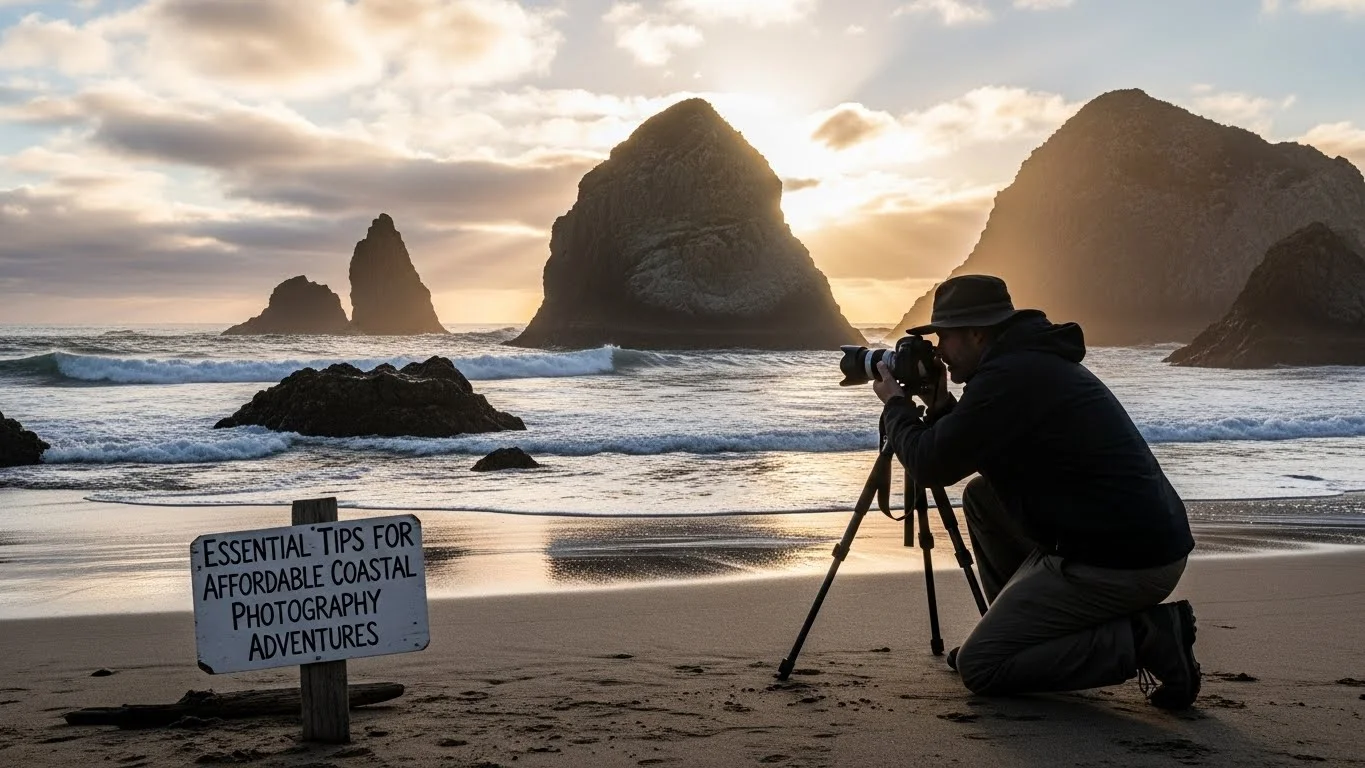
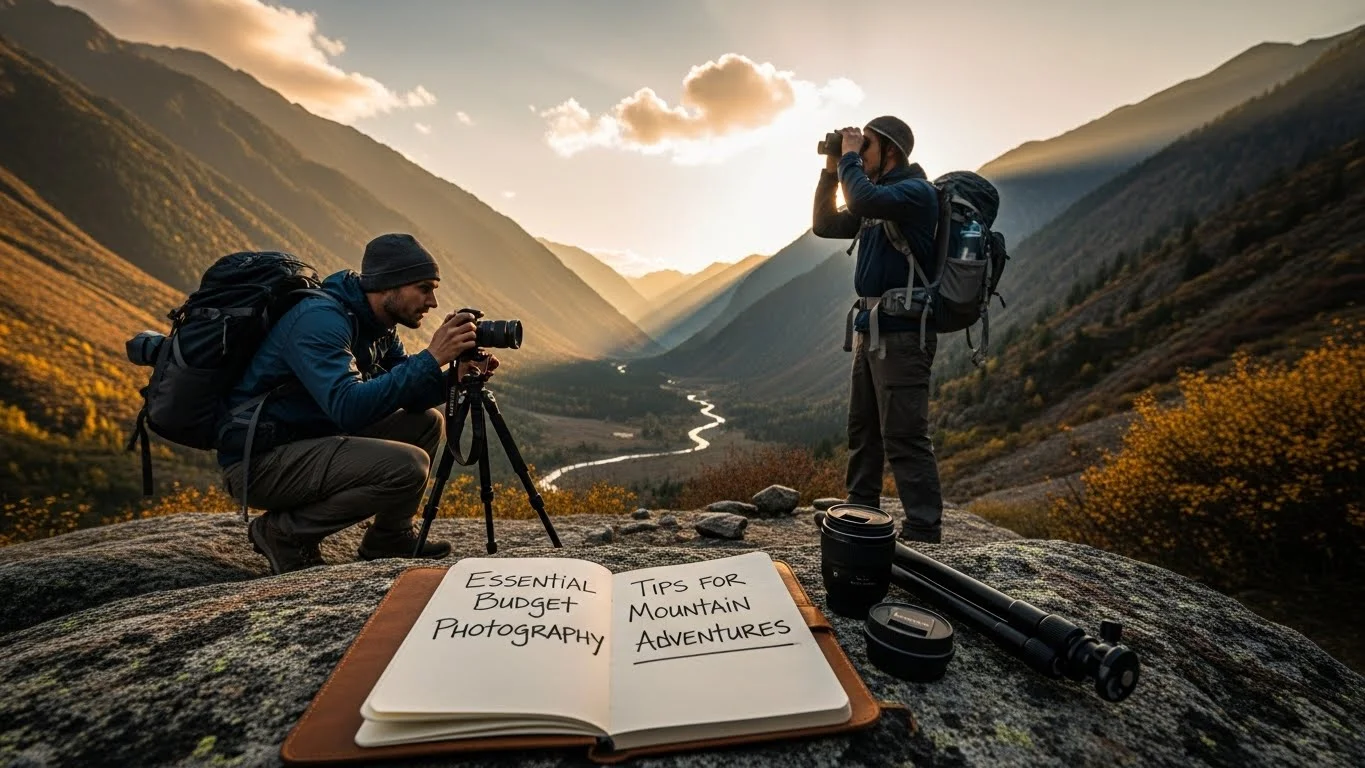
Capturing the beauty of coastal landscapes doesn’t have to break the bank. With the right tips and techniques, we can explore stunning shorelines and create breathtaking photographs on a budget. Read Interesting article: Essential Tips for Affordable Coastal Photography Adventures
Understanding Coastal Photography
What is Coastal Photography?
Coastal photography is all about capturing the dynamic beauty of shorelines, oceans, and everything that comes with them. I remember the first time I stood at the edge of a cliff, watching the waves crash against the rocks below. It was mesmerizing! Coastal photography can encompass a variety of scenes—from sweeping beach vistas to intimate shots of tide pools filled with colorful sea creatures. Whether it’s the golden hues of sunrise or the dramatic skies during a storm, coastal photography invites us to explore and document the ever-changing nature of our coastlines.

Importance of Budget-Friendly Options
When I started my journey into photography, I quickly realized that high-quality gear and travel costs can add up. I wanted to capture the beauty of our coastlines without emptying my wallet. That’s why I believe finding budget-friendly options is vital for aspiring photographers like us. Not only does it keep our passion accessible, but it also encourages creativity. By exploring affordable gear and locations, we can focus on honing our skills rather than stressing about expenses. I found that some of my best shots came from spontaneous adventures rather than meticulously planned trips. The freedom to explore without financial constraints opens up a world of possibilities. Read Interesting article: Capture Stunning Coastal Landscapes on a Budget
Essential Photography Gear for Coastal Wonders
Cameras: DSLR vs. Mirrorless
Choosing the right camera can feel daunting, especially when you’re on a budget. I’ve owned both DSLR and mirrorless cameras, and I’ve learned a lot about their pros and cons. DSLRs are typically more affordable if you’re looking for a good entry-level option. They have a robust build and an extensive selection of lenses. On the other hand, mirrorless cameras are generally lighter and more compact, which is a huge advantage when hiking to those stunning coastal spots. For me, the choice really depends on my shooting style. If I’m going for longer hikes or need something portable, I lean towards mirrorless. But for rugged conditions where durability is key, I often grab my DSLR. Whichever you choose, just remember that it’s the skill behind the camera that really makes the difference.
Lenses: Wide-Angle vs. Telephoto
When it comes to lenses, having a variety on hand can enhance our coastal photography. Wide-angle lenses are fantastic for capturing expansive landscapes—think sweeping beach views or vast rocky cliffs. I often use my wide-angle lens when I want to include both the foreground and the dramatic sky in one shot. On the flip side, telephoto lenses allow us to zoom in on distant subjects, like seabirds or surfers riding the waves. I remember capturing a family of dolphins from a distance with my telephoto lens, and it was one of the highlights of my photography journey. If you’re just starting out, consider investing in a versatile zoom lens that covers both ranges. It’s a great way to get more bang for your buck.
Tripods: Choosing the Right One for Stability
Stability is key in coastal photography, especially in windy conditions or when capturing long exposures of waves. I can’t stress enough how important a good tripod is. I once tried to shoot a sunset without one and ended up with blurry images. Investing in a sturdy, lightweight tripod made a world of difference for me. There are plenty of budget-friendly options that won’t break the bank, and they can easily be packed for hikes. Look for one that’s adjustable and can handle your camera’s weight. This way, we can shoot long-exposure shots of the crashing waves or the starry night sky above the coast without worrying about stability.
Accessories: Filters, Bags, and More
Accessories can elevate our coastal photography experience. Neutral density filters, for instance, are fantastic for shooting long exposures during the day. They allow us to capture that silky-smooth water effect while maintaining proper exposure. I remember experimenting with filters during a sunrise shoot, and the results were breathtaking. Additionally, a good camera bag is essential for protecting our gear from sand and water. I’ve learned the hard way that a waterproof bag can save my equipment during unexpected splashes or rain showers. Remember, it’s the little things that can make our adventures smoother and more enjoyable.
Best Coastal Locations for Photography
National Parks with Coastal Views
When it comes to capturing coastal magic, national parks are often my go-to destinations. They offer stunning landscapes, diverse ecosystems, and, best of all, they usually have well-maintained trails that make it easy to get to the best spots. One of my favorites is Acadia National Park in Maine. The rugged coastline, granite cliffs, and breathtaking sunrises are just begging for a photograph. I remember waking up before dawn, the air crisp and cool, and hiking to Cadillac Mountain to catch the first light of the day. It was utterly worth it, and my photos from that morning are some of my most cherished.
Another spectacular national park is Point Reyes in California. The dramatic cliffs and rolling hills provide unique vantage points to capture everything from crashing waves to sweeping vistas. I love how diverse the landscapes are there, and I’ve always found something new each time I visit. Whether it’s capturing the famous lighthouse or wandering through the fog along the coastline, the park is a treasure trove of photographic opportunities.
Iconic Beaches and Shorelines
There’s something special about iconic beaches that draws me in time and again. One such spot is the stunning Waikiki Beach in Hawaii. The golden sands, turquoise waters, and majestic Diamond Head in the background make it a picture-perfect location. I’ve spent countless evenings there, watching surfers catch waves while the sun sets in a blaze of color. It’s an ideal spot for both wide-angle shots and intimate portraits of beach life.
Don’t overlook the beaches along the Oregon coast, either. Places like Cannon Beach, with its famous Haystack Rock, offer dramatic landscapes that can change with the tides and weather. I remember one evening being caught in a sudden rainstorm but then witnessing the most stunning rainbow arching over the beach. Those unexpected moments often yield my favorite photographs. Plus, the coastal towns nearby provide plenty of quaint backdrops for capturing local life.
Coastal Towns with Scenic Backdrops
Coastal towns are often bursting with character, making them perfect for photography. One town that captured my heart is Bar Harbor, Maine. The charming streets lined with colorful shops and cozy cafes against the backdrop of the sea create a picturesque setting. I love wandering around, capturing candid moments of locals and visitors alike. There’s something about the atmosphere that feels alive.
Then there’s the enchanting town of Cape May, New Jersey. Known for its Victorian architecture, the beautifully preserved houses offer a different kind of coastal charm. I remember strolling along the beach, the sound of waves crashing behind me, while snapping photos of the stunning homes. The blend of historic architecture and ocean views makes for fantastic photography opportunities, especially during the golden hour.
Unique Geological Features: Cliffs and Caves
Coastal photography isn’t just about beaches; it’s also about capturing unique geological features that tell the story of the land. I’ve always been fascinated by sea caves and cliffs, like those found in Big Sur, California. The rugged coastline there offers dramatic cliffs that plunge into the ocean, creating stunning contrasts. I once spent an entire day exploring the area, taking photos of the cliffs at varying angles and lighting. The textures and colors are simply mesmerizing.
Another incredible spot is the Cliffs of Moher in Ireland. Standing at the edge, feeling the wind whip through my hair while gazing down at the crashing waves below was exhilarating. Each shot I took there felt like I was capturing a piece of nature’s raw power. I recommend bringing a wide-angle lens to capture the full grandeur of these cliffs—they truly are a sight to behold.
There are countless coastal locations waiting for us to explore and photograph. Each destination has its own unique charm and story to tell, and I find that embracing the adventure of discovering these places often leads to the most rewarding experiences behind the lens.
When to Visit Coastal Areas for the Best Photos
Seasonal Considerations: Spring, Summer, Fall, Winter
Choosing the right season to visit coastal areas can dramatically affect our photography experience. I’ve found that each season brings its own unique charm to coastal landscapes. Spring is a fantastic time to visit as wildflowers bloom along the cliffs, adding vibrant colors to the scenery. I once visited the California coast in early spring, and the contrast between the blooming flowers and the deep blue ocean was simply breathtaking.
Summer, with its long days and warm weather, is perfect for capturing golden hour sunsets. Beaches come alive during this season, filled with activity and energy. However, I also noticed that summer can attract larger crowds, which might make it challenging to get that perfect shot without people in the frame. I remember one summer evening at a popular beach; I struggled to find an angle that didn’t include a dozen beachgoers. But patience often pays off—waiting until dusk can yield quieter moments.
Fall is a personal favorite of mine. The soft golden light and the rich colors of autumn foliage create an extraordinary backdrop along the coasts. I’ve captured some of my best images during this season, especially in places where the trees meet the shoreline. Finally, winter can offer dramatic, moody landscapes, especially during storms. I recall photographing crashing waves on a chilly winter day, feeling invigorated by the elements. Just remember to dress warmly and be cautious of slippery rocks!
Optimal Times of Day for Lighting
Lighting plays a crucial role in photography, and I’ve learned that the time of day can make or break a shot. The golden hour—just after sunrise and before sunset—is magical. I can’t tell you how many times I’ve woken up early to catch the first light, and it’s always worth it. The soft, warm tones during this time create a dreamy quality in photographs. I remember one morning at the beach, where the light reflected off the water creating a shimmering effect that made my heart race.
Midday light can be harsh, casting strong shadows and washing out colors. However, I’ve found that with the right techniques, it can still be used creatively. For instance, shooting under cloudy skies can produce wonderfully diffused light, which is ideal for capturing details without harsh contrasts. I often adjust my filming style according to the light, and experimenting with different times of day has helped me grow as a photographer.
Weather Conditions and Their Impact on Photography
Weather can be unpredictable, but I’ve come to embrace it as part of the adventure. I’ve learned that cloudy or stormy weather often leads to some of the most dramatic and moody photographs. I recall a day spent at the Oregon coast when dark clouds rolled in, and I captured breathtaking images of waves crashing against the rocks with stormy skies overhead. The tension in the atmosphere added a layer of emotion to my photographs that bright, sunny days simply couldn’t replicate.
On the other hand, clear blue skies can provide beautiful backdrops for coastal photography as well, especially when shooting vibrant beach scenes. The key is to remain flexible and adapt to changing conditions. Sometimes I’ve had to shift plans last minute due to rain, but often those spontaneous changes lead to unexpected gems. I always check the weather forecast before heading out, but I never let it deter me from exploring. Each condition offers unique opportunities.
Photography Techniques for Coastal Landscapes
Composition Tips: Rule of Thirds and Leading Lines
When it comes to composing coastal images, I’ve found that the rule of thirds is a fantastic guideline. By placing key elements off-center, I can create a more balanced and engaging photograph. I remember standing on a rocky outcrop while composing a shot of the sunset, consciously placing the horizon along the upper third. The result was a stunning image that drew the viewer’s eye into the scene.
Leading lines are another powerful technique that I enjoy using. They guide the viewer’s eye through the photograph, creating a sense of depth. Whether it’s the curve of a beach or a path leading to a lighthouse, I try to find lines that draw attention to the main subject. I once captured a winding path leading to a cliffside view, and it transformed an ordinary shot into something extraordinary.
Capturing Motion: Waves and Wind
Coastal photography is all about movement—the crashing waves, the swaying grass, and the fluttering flags. I often experiment with shutter speed to either freeze motion or create a sense of flow. For instance, using a fast shutter speed allows me to freeze a wave in mid-crash, capturing all its intricate details. Conversely, using a slower shutter speed can impart a dreamy, silky effect on the water. I’ve spent hours at the shore, adjusting my settings to find the perfect balance. Each technique offers a different perspective on the coastal experience.
Long Exposure Techniques for Water Effects
Long exposure photography has become one of my favorite techniques for capturing the essence of coastal scenes. With a sturdy tripod and the right filters, I can create stunning images of flowing water that look almost ethereal. I remember one evening at the beach, setting up my camera to capture the waves over several seconds, resulting in a soft, dreamy effect that made the water appear like silk. It’s a magical process, and I encourage everyone to experiment with this technique; the results can be truly breathtaking.
Using Natural Light to Your Advantage
Natural light is a photographer’s best friend, and I’ve learned to take full advantage of it. Whether it’s the soft glow of early morning or the warm hues of sunset, understanding how to use light can elevate our coastal photography. I often look for interesting shadows and highlights that can add depth to my images. Shooting into the light can create beautiful silhouettes, while backlighting can illuminate subjects in a stunning way. I recall a moment capturing a surfer against the setting sun, the silhouette stark and powerful. Using natural light creatively has truly transformed my photography.
Budget-Friendly Tips for Coastal Photography
Finding Affordable Accommodation Near Coastal Areas
When planning a coastal photography trip, finding a place to stay that’s easy on the wallet can make a big difference. I’ve learned that staying in budget accommodations like hostels, motels, or even campsites can save us a ton of money. I remember my trip to the Oregon coast, where I found a cozy little cabin that was a fraction of the price of hotels. Not only did it give me a place to rest my head, but it also provided direct access to the beach for those early morning shoots. I recommend checking sites like Airbnb or looking for local inns that offer off-peak rates. Sometimes, even a bit of research can uncover hidden gems that don’t sacrifice comfort for cost.
Transportation Options: Public Transit vs. Car Rentals
Next up is transportation. Depending on where you’re heading, public transit can be an excellent budget-friendly option. During my last visit to a coastal city, I relied on buses that connected various scenic spots. It was a fun way to meet locals and fellow travelers. However, if the locations are spread out, renting a car might give us the flexibility we need to explore at our own pace. I’ve often split rental costs with friends, which keeps it affordable while allowing us to hit those less accessible beaches or cliffside viewpoints. Just remember to look for deals and book in advance!
Free or Low-Cost Photography Workshops and Tours
One exciting way to enhance our skills without spending a fortune is by participating in free or low-cost photography workshops. Many coastal regions offer community events or local photographers who are willing to share their knowledge. I once joined a workshop at a nearby beach that focused on sunset photography. Not only did I learn valuable techniques, but I also got to connect with other photography enthusiasts. I suggest checking local tourism websites or community boards for upcoming events. It’s a great way to grow our skills and have fun while doing it! Read Interesting article: Explore Wildlife Photography Tours: Budget-Friendly Guide
Utilizing Local Resources for Gear Rentals
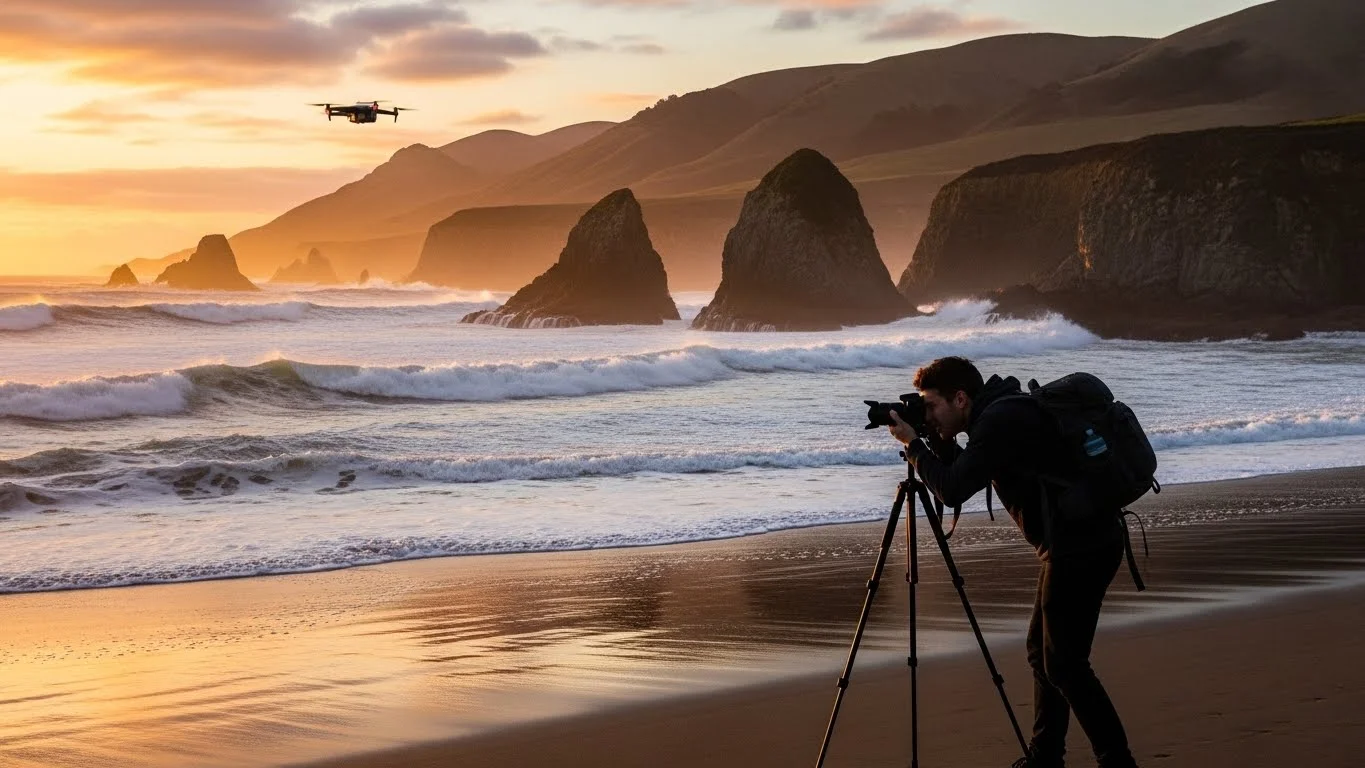
If you find yourself needing additional gear, consider renting instead of buying. Many coastal towns have shops that offer camera gear rentals at reasonable prices. During my travels, I rented a drone for one of my beach shoots, which added a completely different perspective to my photos. This option allows us to experiment with different equipment without the hefty price tag. Plus, some stores even provide discounts for long-term rentals. Always ask about deals—they might surprise us!
Editing Your Coastal Photos on a Budget
Best Free and Low-Cost Editing Software
Once we’ve captured those stunning coastal shots, the fun doesn’t stop! Editing is where we can really bring our photos to life, and thankfully, there are fantastic free or low-cost editing software options available. For beginners, I recommend trying programs like GIMP or Darktable. I started with GIMP, and it allowed me to learn the basics of editing without feeling overwhelmed. For those looking for something more user-friendly, software like Adobe Lightroom offers a subscription plan that’s quite affordable. It’s worth checking out trial versions to see what fits our needs best.
Basic Editing Techniques for Beginners
Editing doesn’t have to be complicated. I’ve found that simple adjustments can make a huge difference. Basic techniques like cropping for better composition, adjusting brightness and contrast, or straightening horizons can significantly improve our images. I remember when I first started editing; I was amazed at how a slight tweak in brightness transformed an otherwise dull photo into something vibrant and alive. The key is to enhance the photo without overdoing it. Sometimes, less is more!
Enhancing Colors and Contrast for Coastal Images
Coastal landscapes are all about color and contrast, and I’ve learned some nifty tricks to enhance these elements. One of my favorite techniques is using the saturation and vibrance tools to make the blues of the ocean pop or to highlight the golden tones of a sunset. I often play with the contrast slider to add depth to the images, making them more visually striking. Just be cautious not to go overboard; maintaining a natural look is essential. After all, we want our photos to reflect the beauty we experienced in person!
Showcasing Your Coastal Photography
Online Platforms for Sharing Your Work
Once we’ve edited our photos, it’s time to share them with the world! There are many online platforms where we can showcase our coastal photography. Social media sites like Instagram and Facebook are great for immediate feedback and connecting with other photographers. I’ve had the pleasure of sharing my work on these platforms, and I love seeing other artists’ interpretations of coastal scenes. Additionally, platforms like Flickr and 500px cater specifically to photographers, providing a space to share and gain inspiration.
Creating a Photography Portfolio on a Budget
Building a portfolio doesn’t have to be expensive. I’ve created mine using free website builders like Wix or WordPress, which allow us to showcase our work beautifully without a significant investment. It’s important to curate our best images and present them thoughtfully. I suggest including a variety of styles—like landscapes, close-ups of marine life, and candid shots of coastal towns—to show our versatility. Plus, sharing our photography journey through a blog can attract attention and even open up opportunities!
Networking with Other Coastal Photographers
Networking is crucial in the photography world. I’ve found that connecting with other photographers, whether through social media groups or local meet-ups, can lead to new friendships and collaboration opportunities. Engaging in online forums or attending local photography clubs can help us learn from others, share tips, and even discover local spots we might have missed. I remember bonding with fellow photographers over shared stories and experiences, which ultimately enriched my photography journey.
Safety Tips for Coastal Photographers
Understanding Tides and Currents
Safety is paramount when we’re out capturing the beauty of coastal landscapes. One of the first things I learned was the importance of understanding tides and currents. It’s easy to get swept away in the moment, but I always check tide schedules before heading to the beach. I’ve experienced moments where I didn’t realize how quickly the tide was coming in, and it taught me to always be aware of my surroundings. Knowing when to be on the shore and when to retreat can keep us safe while still allowing for incredible photo opportunities.
Wildlife Encounters: What to Know
Another aspect of safety is being prepared for wildlife encounters. Coastal areas are often home to various species, and while they can make for stunning photography, it’s essential to respect their space. I’ve had close encounters with seals and seabirds, and I always keep a safe distance and use a telephoto lens to avoid disturbing them. I recommend doing a bit of research on local wildlife to understand their behavior and how to interact safely. It’s all about enjoying nature while keeping both ourselves and the animals safe.
Protecting Your Gear from Water and Sand
Lastly, protecting our gear is critical. I’ve learned the hard way that water and sand can wreak havoc on cameras. I always carry a waterproof bag or case to shield my equipment from splashes and unexpected rain. Using lens caps and protective filters has saved my lenses from scratches and debris. I also make it a point to clean my gear after sandy beach days, ensuring that everything remains in top condition for our next adventure.
Final Thoughts
Coastal photography is a beautiful journey that combines creativity, adventure, and the sheer joy of exploring nature’s wonders. I’ve learned that with the right mindset, gear, and techniques, we can capture stunning images without breaking the bank. From finding budget-friendly accommodations to utilizing local resources, every step of the process can be fulfilling and enriching. I hope my experiences inspire you to grab your camera, explore the coastlines, and create your own breathtaking portfolio of coastal photography. Remember, it’s not just about the destination; it’s about the stories we tell through our images and the connections we make along the way. Happy shooting!
Frequently Asked Questions
What is coastal photography?
Coastal photography is the art of capturing the dynamic beauty of shorelines, oceans, and everything associated with them. It includes a variety of scenes, from sweeping beach vistas to intimate shots of tide pools filled with sea creatures, often showcasing the ever-changing nature of coastlines.
Why are budget-friendly options important for aspiring photographers?
Budget-friendly options are vital for aspiring photographers as they help keep the passion for photography accessible. They encourage creativity by allowing photographers to focus on honing their skills without the stress of high costs associated with gear and travel.
What type of camera is better for coastal photography, DSLR or mirrorless?
Both DSLR and mirrorless cameras have their pros and cons. DSLRs tend to be more affordable for entry-level options and are durable, while mirrorless cameras are lighter and more compact, making them convenient for hiking. The choice depends on the photographer’s shooting style and needs.
What is the benefit of using wide-angle lenses in coastal photography?
Wide-angle lenses are beneficial in coastal photography as they capture expansive landscapes, allowing photographers to include both the foreground and dramatic skies in one shot. They are ideal for photographing sweeping beach views and vast rocky cliffs.
How can a tripod enhance coastal photography?
A good tripod is essential for stability in coastal photography, especially in windy conditions or for long exposures. It helps prevent blurry images and allows photographers to capture detailed shots of waves and other coastal elements without worrying about camera shake.
What are some recommended coastal photography locations?
Recommended coastal photography locations include national parks like Acadia National Park in Maine and Point Reyes in California, iconic beaches such as Waikiki Beach in Hawaii and Cannon Beach in Oregon, and charming coastal towns like Bar Harbor, Maine, and Cape May, New Jersey.
What seasonal considerations should photographers keep in mind?
Photographers should consider that each season brings unique charm to coastal landscapes. Spring offers blooming flowers, summer provides long days for capturing sunsets, fall showcases rich autumn colors, and winter can present dramatic, moody scenes, especially during storms.
How can photographers use natural light to their advantage in coastal photography?
Photographers can use natural light creatively by taking advantage of the golden hour, which provides soft, warm tones. Shooting into the light can create beautiful silhouettes, while backlighting can illuminate subjects effectively, enhancing the overall quality of coastal images.
What are some budget-friendly tips for planning a coastal photography trip?
Budget-friendly tips include finding affordable accommodations like hostels or campsites, using public transit for transportation, participating in free or low-cost photography workshops, and considering gear rentals instead of purchases to save money while still accessing quality equipment.
What safety precautions should photographers take while shooting on the coast?
Photographers should understand tides and currents to ensure safety, be prepared for wildlife encounters by maintaining a safe distance, and protect their gear from water and sand by using waterproof bags and lens caps. These precautions help keep both photographers and their equipment safe while enjoying coastal adventures.