Web Analytics

Recent Posts

Essential Gear for Bird Photography on a Backpacker’s Budget

Bird photography can be a thrilling yet challenging adventure, especially if you’re on a budget. With the right gear, you can capture stunning images without breaking the bank. For those looking to explore more, check out Top Budget Destinations for Bird Photography Enthusiasts.
Essential Gear for Bird Photography on a Backpacker’s Budget

Understanding Bird Photography Basics

What is Bird Photography?

Bird photography is more than just snapping pictures of our feathered friends; it’s an art form that requires patience, knowledge, and a keen eye. I remember the first time I ventured out with my camera in hand, excited to document the vibrant species I’d always admired from afar. It’s about capturing their beauty, behavior, and the environments they inhabit. Whether you’re photographing a majestic eagle soaring through the sky or a tiny hummingbird hovering by a flower, each moment is unique and filled with charm.

Importance of Equipment in Bird Photography

Investing in the right equipment can make all the difference in your bird photography experience. I’ve learned from my own experiences that having the right camera and lenses can significantly improve the quality of your images. When it comes to capturing birds, the faster your camera can focus and the longer your lens can zoom, the better your chances of getting that perfect shot. But let’s be real – high-quality gear can come with a hefty price tag, which is why I’ve found ways to work within my budget without sacrificing too much quality. For further insights, you might find The Ultimate Guide to Wildlife Bird Photography for Travelers helpful.

Essential Camera Gear

Best Budget Cameras for Bird Photography

If you’re new to bird photography, you might be wondering where to start. I’ve found that while professionals often recommend high-end DSLRs, there are plenty of budget-friendly options that still deliver impressive results. Mirrorless cameras, for example, tend to be lightweight and compact, making them perfect for backpackers. After some research and personal testing, I recommend looking into models like the Canon EOS M50 or the Nikon Z50. Both offer fast autofocus, decent low-light performance, and are often available at a reasonable price.

Another option is to consider entry-level DSLRs like the Canon EOS Rebel or Nikon D3500. They are user-friendly and come with a variety of lenses that can be used for bird photography. Remember, it’s not always about the most expensive gear; it’s about understanding how to use what you have to get the best images possible.

Top Lenses for Bird Photography on a Budget

The lens you choose can make or break your bird photography experience. I learned this the hard way after trying to capture birds from afar with a standard kit lens. I quickly realized that a longer lens is essential for getting close to those elusive birds without disturbing them. Telephoto lenses are ideal for this purpose, but they can be pricey. I found that brands like Tamron and Sigma offer excellent budget telephoto options, such as the Tamron 150-600mm lens. It’s versatile, affordable, and produces great quality images.

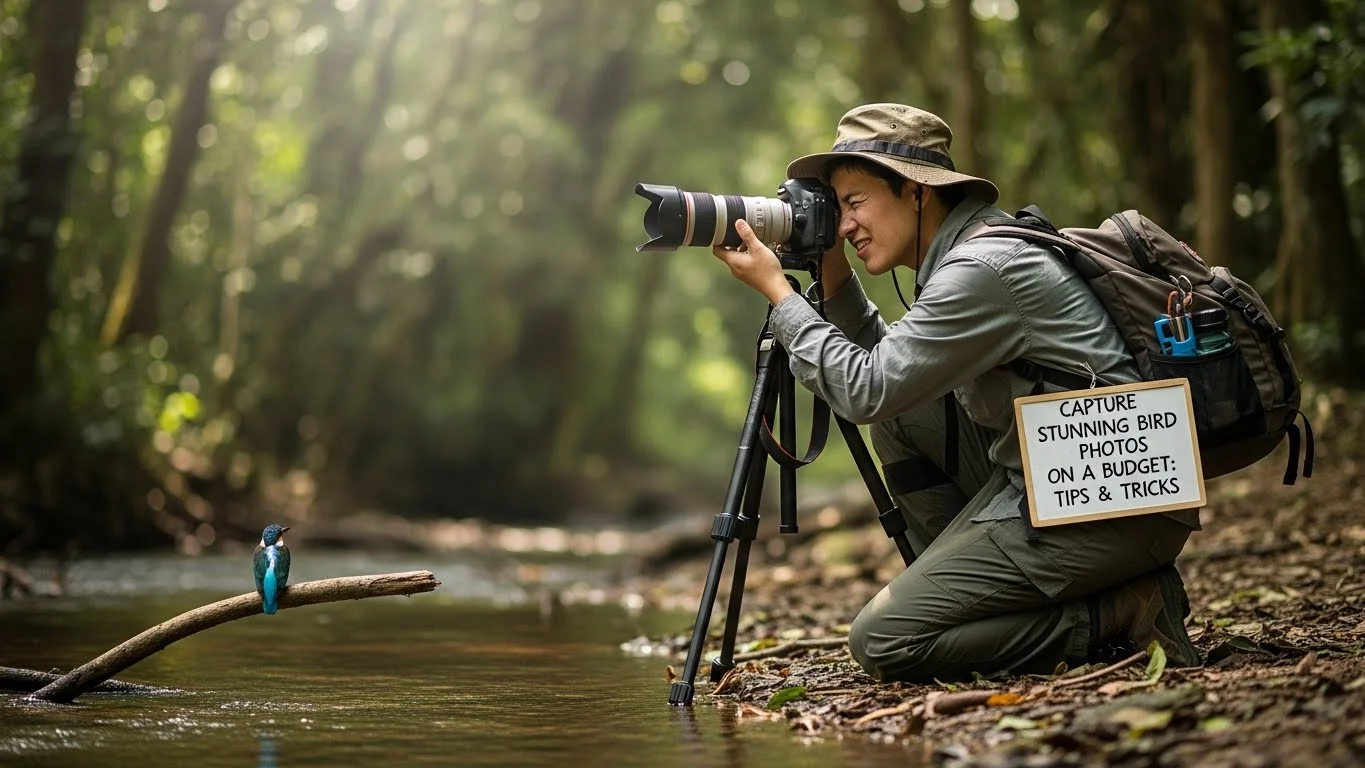
If you’re still looking to save money, consider using a used lens or a refurbished one. Often, you can find high-quality lenses that have been well taken care of, allowing you to stretch your budget further. I’ve had success with both new and used lenses, and I recommend checking local camera shops or online marketplaces to find the best deals. Additionally, Capture Stunning Bird Photos on a Budget: Tips & Tricks offers more tips for maximizing your photography without overspending.

Tripods and Stabilizers for Steady Shots

When capturing birds in flight or at a distance, stability is crucial. I can’t tell you how many blurry shots I’ve taken due to a shaky hand! Investing in a good tripod or monopod can help you achieve those sharp images. Look for lightweight options that are easy to carry on long hikes. I personally use a compact tripod that fits perfectly in my backpack and provides the stability I need without adding much weight.

Another option is a gimbal head, which is specifically designed for bird photography. It allows for smooth panning and tilting, making it easier to follow moving subjects. While these can be a bit more of an investment, I’ve found that they’re worth every penny for serious bird watchers.

For those times when you’re on the go and can’t manage a full tripod setup, consider handheld stabilizers. They can help minimize camera shake and are convenient when you need to be more mobile while chasing after birds.

Accessories to Enhance Your Bird Photography

Camera Bags for Backpackers

As I’ve roamed the great outdoors in search of that perfect shot, I’ve learned that a good camera bag is essential. It’s not just about protecting my gear; it’s also about convenience and comfort while I’m hiking through various terrains. I remember my first outing with a flimsy bag that didn’t hold everything securely. Halfway through the day, I was panicking as I felt my lens slipping out. Since then, I’ve made it a priority to invest in a sturdy, lightweight backpack that can carry all my essentials safely.

For bird photographers, I recommend looking for a bag with adjustable compartments. This way, you can customize the interior to fit your camera, lenses, and extra gear. I’ve found bags that even have dedicated sections for water bottles and snacks, which is a lifesaver during long shoots. A padded shoulder strap can make a huge difference too, especially when I’m out for hours. Remember, comfort is key when you’re trying to track down that elusive bird!

Filters and Lens Hoods

Filters might seem like an extra step, but I’ve discovered that they can truly enhance my bird photography. For instance, a polarizing filter can help reduce glare on feathers and water, making colors pop. I remember the first time I used one; the difference was astounding. My images came out richer and more vibrant, capturing the essence of the birds I was photographing.

Lens hoods are another accessory I never leave home without. They protect the lens from stray light and prevent flare, which can ruin an otherwise perfect shot. The added benefit is they also provide a little protection from accidental bumps. I’ve had moments where I bumped my camera against a branch while trying to get low to the ground for a shot. Thankfully, my lens hood took the brunt of that impact.

Memory Cards and Storage Solutions

One thing I’ve learned the hard way is to always have enough memory cards on hand. There’s nothing worse than being in the middle of a perfect bird-watching moment and realizing that you’ve run out of storage. I now carry multiple high-capacity memory cards. I prefer ones with fast write speeds because they help me capture bursts of shots when birds are in action, like during a mating dance or a sudden flight.

Storage solutions are equally important. I often back up my photos immediately after a shoot to ensure they’re safe. I’ve found portable external hard drives to be incredibly useful for this. They’re compact enough to take on my trips, and I can quickly transfer my files from my memory cards to free up space for more photos. I also recommend using cloud storage just in case. It’s comforting to know that my images are backed up in multiple places.

Clothing and Footwear for Bird Photography

Best Clothing Choices for Comfort and Camouflage

When it comes to bird photography, the right clothing can make a significant difference. I remember my first few outings where I wore bright colors, thinking they wouldn’t matter. Little did I know that birds are incredibly sensitive to movement and colors. Now, I opt for neutral tones like greens and browns that help me blend into the environment. It’s amazing how much more wildlife I see now that I’m not standing out like a sore thumb!

Comfort is also key, especially during long hours of waiting for the perfect shot. I typically wear breathable fabrics that wick moisture away, which keeps me comfortable as I wait in the sun or during a cool morning. Layering is essential too; mornings can be chilly while afternoons heat up quickly. A lightweight, long-sleeve shirt and a good pair of cargo pants have become my go-to outfit for birding trips.

Footwear for Various Terrains

Choosing the right footwear is just as crucial as what I wear on my upper body. I’ve trekked through muddy trails, rocky surfaces, and sandy beaches, and the right shoes have made all the difference. I’ve learned that waterproof boots are a lifesaver, especially when I’m near wetlands or during unexpected rain showers.

Comfortable hiking boots or trail shoes with good grip are my favorites. I prefer options that provide ankle support but are still lightweight to avoid fatigue. On days when I’m planning to walk a lot, I’m sure to break them in beforehand to avoid blisters. Trust me, you don’t want to be distracted by sore feet when you’re trying to focus on capturing those winged beauties!

Choosing the Right Locations for Bird Photography

National Parks and Wildlife Reserves

When I think about the best places for bird photography, national parks and wildlife reserves come to mind immediately. I’ve had some of my most memorable experiences in places like Yellowstone and Everglades National Park. These areas are often teeming with bird life, providing a rich backdrop for photography. I remember standing quietly by the water in the Everglades, watching a Great Blue Heron patiently waiting for its next meal. It felt like I was part of a secret world, and having the right location made all the difference.

National parks often have designated birding trails and lookout points, which I find incredibly helpful. I usually check park maps and visitor centers for the best spots to find specific species. Being in a protected area allows the birds to thrive in their natural habitats, and you can often observe them behaving as they would without human interference. It’s a photographer’s paradise, where the scenery complements the subjects beautifully.

Additionally, I’ve learned that many parks have organized bird walks or workshops led by knowledgeable guides. Participating in these can be a great way to learn about local species and their behaviors. If you’re lucky, you might even get tips on where to find elusive birds that are often missed by casual observers. Trust me, having a local guide can save you a lot of time and increase your chances of capturing those breathtaking shots.

Urban Birding Hotspots

Don’t overlook urban areas when planning your bird photography outings! I used to think that cities were devoid of bird life, but I quickly learned otherwise. Parks, gardens, and even rooftops can host a variety of species. I remember one afternoon spent at a local city park where I unexpectedly spotted a pair of Falcons nesting on a building ledge. I was amazed at how adaptable birds can be, thriving even in bustling environments.

Urban birding hotspots often feature unique opportunities for photography. I enjoy visiting places like botanical gardens or waterfronts, which tend to attract different types of birds. These settings can offer striking contrasts between the natural world and man-made structures in the background, creating compelling compositions. I’ve found that the key is to remain patient and observant—urban birds may not be as skittish as their rural counterparts, so you have a chance to get up close and personal.

Another tip I’ve learned is to keep an eye on local birding groups on social media or online forums. They often share sightings, which can lead you to incredible opportunities in your area. I’ve even discovered hidden gems in my city that I never knew existed, simply by following local birders. It’s a great way to connect with others who share your passion and discover new locations!

Budgeting for Bird Photography Gear

Finding Affordable Equipment Options

Setting a budget can be daunting when you’re getting into bird photography. I remember feeling overwhelmed by the sheer amount of gear available and the prices attached to them. However, I’ve learned that with a little research and smart shopping, you can find excellent equipment without emptying your bank account. I recommend starting by identifying your must-have gear and then prioritizing those items.

One of my favorite strategies is to look for seasonal sales or discounts at major retailers. Black Friday and holiday sales often result in significant savings. I’ve snagged quite a few deals during these sales, which allowed me to upgrade my gear while staying within budget. Additionally, subscribing to newsletters from camera manufacturers and retailers can keep you updated on special offers and promotions.

Buying Used vs. New Gear

Buying used gear is a fantastic option if you’re looking to save money. I’ve had great success purchasing used cameras and lenses from reputable sellers. Websites like KEH and B&H Photo have extensive used sections, and I’ve found gear that looks practically brand new at a fraction of the original price. I always make sure to check the return policy and warranty options as well, just in case something isn’t up to par.

Another great avenue is local photography clubs or online marketplaces. Many photographers upgrade their gear regularly and sell their old equipment. I’ve met some amazing people through these groups, and buying directly from someone often gives me a chance to ask questions about the gear’s history. Just be sure to test anything out before purchasing, if possible, to ensure it meets your needs.

Renting Equipment for Special Trips

If I’m planning a special trip, like a visit to a national park renowned for its birding opportunities, renting high-end gear can be a smart choice. I’ve rented lenses that I might not want to buy outright, like an expensive telephoto lens for a week. This way, I get to use top-notch equipment without the commitment of a purchase. Many camera shops offer rental services, and I’ve found that it’s often more affordable than I expected. Just like with buying used gear, I recommend doing your research to find a reputable rental service.

Renting allows you to experiment with different types of gear before making a financial commitment, which has helped me make informed decisions about future purchases. Plus, having that extra reach with a fantastic lens can lead to some incredible shots that I might not have captured otherwise!

Tips for Capturing Great Bird Photos

Understanding Bird Behavior

Understanding the behavior of birds has been one of the most rewarding aspects of my photography journey. I’ve discovered that each species has its own routines and habits, which can be crucial for capturing those stunning images. For example, some birds are most active during dawn or dusk, while others may feed during the day. I often spend time just observing them before I even think about raising my camera. This way, I can learn their patterns, which helps me position myself for the best shots.

One of my favorite moments was watching a group of American Goldfinches flitting back and forth from a sunflower patch. After observing them for a while, I noticed they would pause at the same spots every few minutes. I set up my camera nearby and patiently waited for the perfect moment when they landed, resulting in some of my best shots to date. It’s all about patience and being in tune with your subjects.

Best Times of Day for Bird Photography

Timing can vastly affect the quality of your photos. I’ve found that the golden hours—early morning and late afternoon—are the best times for bird photography. The soft, diffused light during these times adds a magical quality to your images. I usually plan my outings around these hours, and it’s amazing how much difference the lighting can make in the vibrancy of the feathers and the overall mood of the shot.

I remember one particularly early morning when I set out with my camera just as the sun was beginning to rise. The way the light hit the dew on the grass and illuminated the birds was nothing short of breathtaking. I managed to capture an Eastern Bluebird perched on a branch with the golden sun behind it, creating a stunning silhouette. It’s moments like these that remind me why I love bird photography so much.

Composition Techniques for Stunning Shots

Once I’ve got my camera ready and my subject in sight, composition becomes key. I’ve learned a few techniques that have helped me frame my shots beautifully. One of my favorites is the rule of thirds. By positioning the bird off-center, I can create a more dynamic image that draws the viewer’s eye. I also like to include elements from the environment, like branches or flowers, to add interest.

Another aspect I focus on is filling the frame with my subject. Since birds can sometimes be small and distant, getting as close as possible helps to emphasize their details. I often zoom in or crop my images during editing to ensure the bird is the star of the shot. Utilizing natural frames, like tree branches or foliage, can also add depth and context to my photos.

Post-Processing Tips for Bird Photographers

Basic Editing Software for Beginners

Post-processing is a crucial step that I used to overlook, but I quickly realized how much it can enhance my bird photos. I often start with basic editing software like Adobe Lightroom or even free options like GIMP. These tools allow me to adjust exposure, contrast, and sharpness easily. I remember the first time I edited a photo of a Red-tailed Hawk; simply adjusting the brightness and clarity made the details of its feathers pop!

One tip I have is to keep it natural. I try to avoid over-editing, as I want the birds to look as realistic as possible. Subtle adjustments can make a significant impact without losing the essence of the original shot.

Enhancing Your Bird Photos: What to Focus On

While editing, I focus on a few key aspects. First, I pay attention to color balance, making sure the hues of the birds’ feathers are accurate. I also highlight the eyes; a sharp, clear eye can bring a photo to life. I often use the sharpening tool selectively to enhance these areas without affecting the rest of the image.

Finally, I make sure to crop my images to get rid of any distractions around the edges. Clean, simple backgrounds can help the bird stand out, making my photos more striking. This approach has transformed many of my images from just good to truly amazing.

Final Thoughts

Bird photography has become more than just a hobby for me; it’s a passion that continually inspires and challenges me. Through my experiences, I’ve learned that with the right approach, anyone can capture stunning images without needing to invest in the most expensive gear. It’s all about understanding the birds, being patient, and making the most of the tools and techniques at your disposal.

As you embark on your own bird photography journey, I encourage you to embrace the process. Remember to enjoy the moments in nature, whether you’re waiting for that perfect shot or simply soaking in the sights and sounds around you. With time and practice, I believe you’ll find your own unique style and voice in this beautiful art form.

Happy birding and shooting!

Frequently Asked Questions

What is bird photography?

Bird photography is an art form that involves capturing images of birds, requiring patience, knowledge, and a keen eye. It encompasses documenting their beauty, behavior, and the environments they inhabit.

What types of cameras are recommended for bird photography on a budget?

For those on a budget, mirrorless cameras like the Canon EOS M50 and Nikon Z50 are recommended due to their lightweight and compact design. Entry-level DSLRs such as the Canon EOS Rebel and Nikon D3500 are also good options, offering user-friendly features and various lenses suitable for bird photography.

Why is a good lens important for bird photography?

A good lens is crucial for bird photography because a longer lens allows you to capture birds from a distance without disturbing them. Telephoto lenses are ideal, and budget options from brands like Tamron and Sigma, such as the Tamron 150-600mm lens, are recommended for their quality and affordability.

What accessories can enhance bird photography?

Essential accessories include tripods or monopods for stability, camera bags for convenience, filters to reduce glare and enhance colors, and lens hoods for protection from stray light. Memory cards and storage solutions are also important to ensure you have enough space for capturing images.

What clothing is recommended for bird photographers?

Bird photographers should wear neutral-toned clothing, such as greens and browns, to blend into the environment. Breathable fabrics and layers are also important for comfort during long hours of waiting for the perfect shot.

Where are the best locations for bird photography?

National parks and wildlife reserves, such as Yellowstone and Everglades National Park, are excellent locations for bird photography. Urban areas, parks, and gardens can also serve as hotspots for various bird species.

How can one save money on bird photography gear?

To save money, consider buying used or refurbished gear from reputable sellers. Look for seasonal sales and discounts, and prioritize essential equipment to avoid overspending. Renting gear for special trips can also be an affordable option.

What are some tips for capturing great bird photos?

Understanding bird behavior is key to capturing great photos. Observing their patterns, timing your outings during the golden hours of early morning and late afternoon, and applying composition techniques like the rule of thirds can significantly improve your photography.

What basic editing software is recommended for beginners?

Beginners can use basic editing software like Adobe Lightroom or free options like GIMP to enhance their bird photos. These tools allow for adjustments in exposure, contrast, and sharpness without over-editing the images.

What should photographers focus on when editing their bird photos?

When editing bird photos, focus on color balance, highlighting the eyes for liveliness, and cropping out distractions. Clean backgrounds can help make the bird stand out, enhancing the overall impact of the image.
Top Budget Destinations for Bird Photography Enthusiasts

Bird photography is a thrilling adventure that connects us with nature, but it doesn’t have to break the bank. Let’s explore budget-friendly destinations where you can capture stunning avian moments without overspending. Read Interesting article: Explore Budget-Friendly Locations for Wildlife Photography

Top Budget Destinations for Bird Photography Enthusiasts

Understanding Bird Photography: Why Budget Matters

Importance of Budget in Bird Photography

When I first got into bird photography, I quickly realized that while the passion was limitless, my budget was not. It became clear to me that understanding how to balance my love for photography with financial constraints was essential. Traveling to catch the perfect shot can be expensive, but if we plan carefully, we can find incredible opportunities without overspending. Budgeting allows me to travel more frequently, explore new places, and indulge in my passion. It’s about making smart choices—choosing locations that offer rich experiences without the hefty price tag.

Essential Gear for Bird Photography

Before diving into those budget destinations, let’s talk about the gear I found essential. First off, a good camera body is a must. I remember investing in a DSLR with a decent zoom lens; it opened up so many possibilities for capturing birds from a distance. A telephoto lens is particularly important for bird photography, but they can be pricey. I recommend looking into second-hand options or even renting lenses to save money.

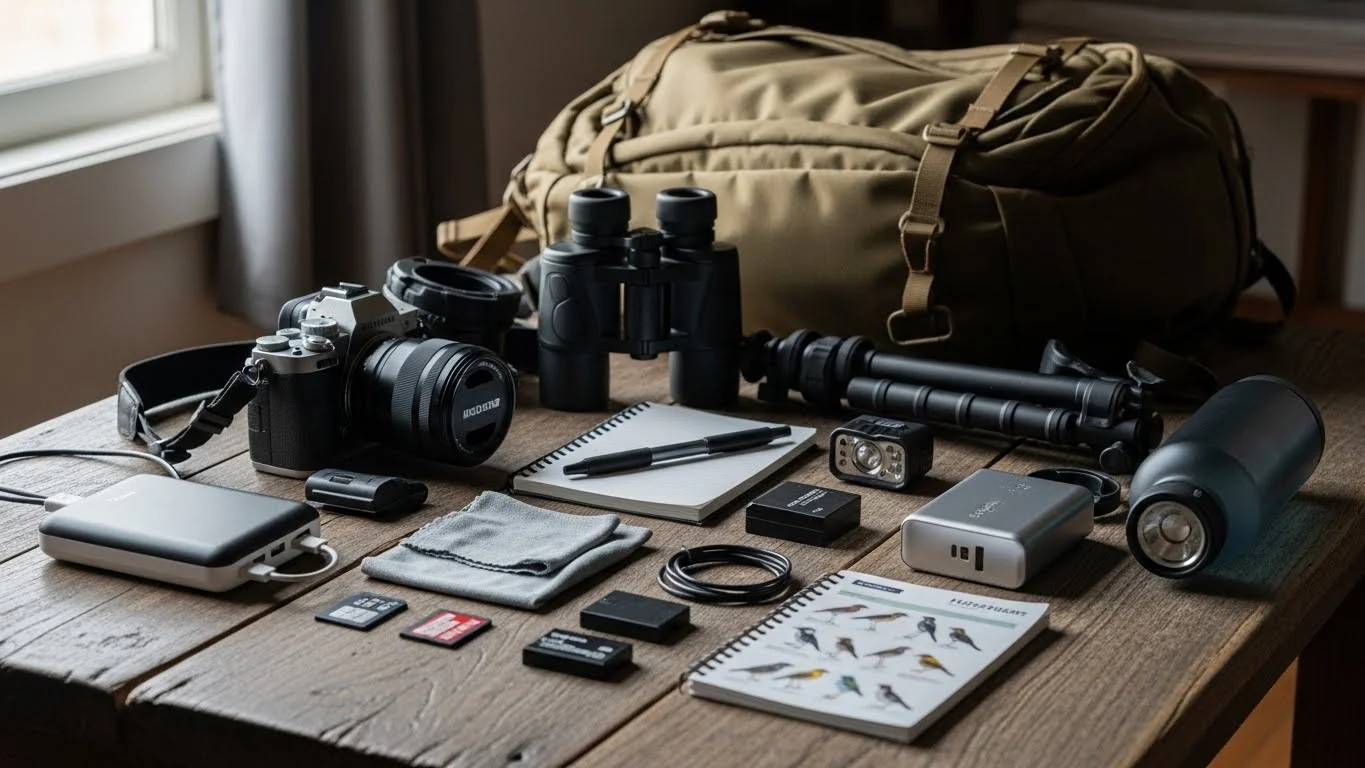
In addition to the camera and lens, I’ve found a sturdy tripod invaluable for stabilizing shots, especially in low-light conditions. Don’t forget about extra batteries and memory cards! There’s nothing worse than being out in the field and running out of storage or power. Also, a good field guide can help you identify species and enhance your experience. I’ve often found myself engrossed in a guidebook while waiting for the perfect bird to come into view. It’s all about being prepared and making the most of what you have. Read Interesting article: Capture Stunning Bird Photos on a Budget: Tips & Tricks

Top Budget Destinations for Bird Photography Enthusiasts

1. Costa Rica

Best Locations for Bird Photography

Costa Rica is truly a paradise for bird lovers. I visited a few years back, and the sheer variety of birds I encountered was astounding. The Monteverde Cloud Forest and the Osa Peninsula are two of my favorite spots. The diversity in habitats means you can spot everything from the vibrant Resplendent Quetzal to the quirky Bellbird. I remember waking up early to catch the morning light filtering through the trees, and it was magical!

When to Visit Costa Rica

The best time to visit is during the dry season, which typically runs from December to April. I found that the clearer skies made for stunning photography opportunities. However, the rainy season can also be rewarding, as many birds are more active during this time. Just be sure to bring waterproof gear!

Accommodation Options

Finding affordable accommodation in Costa Rica is quite easy. I often opted for eco-lodges or hostels where I could meet other travelers. Additionally, many places offer birdwatching tours that are reasonably priced and provide great local insights. Some of my best experiences came from chatting with local guides who knew all the hidden gems.

2. Florida, USA

Key Birding Spots in Florida

Florida is another fantastic destination for bird photography. I’ve spent many weekends exploring the Everglades, which is home to a stunning variety of birds, including herons, egrets, and the elusive Roseate Spoonbill. The Corkscrew Swamp Sanctuary is another highlight, with boardwalks that allow for easy access to prime birdwatching spots.

Best Time of Year for Bird Watching

The best time to visit Florida for bird photography is during the winter months when migratory birds flock to the state. I would plan my trips around this time, and the excitement of spotting new species was always worth it. The weather is mild, making it pleasant to spend long hours outdoors.

Budget-Friendly Lodging

In Florida, budget accommodations range from campgrounds to inexpensive motels. I often used platforms like Airbnb to find cozy and affordable places to stay. Being close to nature trails or birding hotspots made it even easier to grab my gear and head out at sunrise.

3. Ecuador

Birding Hotspots in Ecuador

Ecuador is a hidden gem for bird photographers. I remember visiting the Yasuni National Park, where I was completely surrounded by the sounds of nature. The diversity here is unbelievable, with over 1,600 bird species recorded! The Mindo Cloud Forest is another hotspot, where I saw colorful toucans and hummingbirds that I’ll never forget.

Seasonal Considerations for Bird Photography

The best time to visit Ecuador is during the dry season from June to September, which allows for easier travel and more accessible trails. I learned that being flexible with my plans also paid off, as some of the best sightings happened when I least expected them.

Affordable Places to Stay

In Ecuador, I found that local guesthouses or hostels offer great deals. Many are run by passionate birders who can share tips on the best local spots. Plus, I always felt more connected to the community this way.

4. India

Top Bird Photography Locations in India

India might not be the first place that comes to mind for bird photography, but it’s a treasure trove! I explored the Bharatpur Bird Sanctuary and was blown away by the diversity. The vibrant colors and unique species, like the Sarus Crane, made for some of my best shots.

Optimal Times for Bird Photography

The best time for bird photography in India is during the winter months, from November to February. The migratory birds are in full swing, and the weather is pleasant. I always tried to plan my trips during this time for maximum bird sightings.

Budget Accommodation Choices

In terms of accommodation, India has plenty of budget-friendly options, from guesthouses to eco-lodges. I often found that staying close to the parks offered a better chance to catch the early morning light.

5. South Africa

Best Parks and Reserves for Bird Photography

South Africa is renowned for its wildlife, and the birding opportunities are no exception. Kruger National Park and the Wetlands of St. Lucia are some of my top recommendations. Seeing the African Fish Eagle in its natural habitat was a moment I’ll cherish forever.

Best Times to Visit

For bird photography, the best time to visit is during the summer months, from October to March. I found that the warmer weather brought out a variety of species, allowing for some fantastic shots. Plus, the vibrant landscape made for beautiful backdrops.

Affordable Stays and Campsites

In South Africa, I discovered that camping can be a budget-friendly option. Many parks offer campsites that allow you to immerse yourself in nature. I remember sitting around the campfire at night, listening to the calls of the birds, and it made for a perfect end to the day.

Planning Your Bird Photography Trip

When to Go: Seasonal Considerations

One of the best lessons I learned early on was the importance of timing. Different birds migrate and are more visible during specific seasons, which can greatly affect your photography experience. For instance, I made a trip to a local wetlands area in spring, and the sight of colorful warblers and other migratory birds was breathtaking. I now plan my trips around migration patterns, and I find that tools like the eBird website are incredibly helpful. They provide real-time data on bird sightings and migrations, which allows us to optimize our travel for the best possible encounters.

Another tip that has served me well is to research the breeding seasons in the areas I plan to visit. Some birds can be quite vocal and active during these times, providing great opportunities for photography. I remember one trip to the wetlands in late spring where I was rewarded with the sight of nesting herons and captivating courtship displays from various species. It was an experience that not only enriched my portfolio but also deepened my appreciation for bird behavior.

Travel Tips for Budget Travelers

As someone who loves to travel on a budget, I’ve picked up quite a few tips that can help us save money while still enjoying remarkable bird photography experiences. First off, I recommend setting a clear budget before embarking on any trip. This helps prioritize expenditures—like transportation, food, and lodging—so that there’s still some wiggle room for unexpected opportunities.

Another tip is to be flexible with your travel dates. Sometimes, shifting your travel by just a few days can lead to significant savings on flights and accommodations. I’ve often used comparison sites to scout deals, and I always keep an eye out for off-peak travel times. Traveling during the shoulder seasons, right before or after the main influx of tourists, can offer a more peaceful experience at a fraction of the cost.

Public transportation is also a budget-friendly option I frequently utilize. In many birding hotspots, local transport can take you to some fantastic birding locations without the need to rent a car. I remember hopping on a bus in Costa Rica that dropped me off right near a forest trail—saving me time and cash!

Photography Gear on a Budget

Investing in photography gear doesn’t have to mean draining your savings. I found that many beginners feel pressured to buy the latest and greatest equipment, but I believe that it’s more about the skill and creativity behind the camera. When I first started, I focused on getting a used camera body and a solid telephoto lens. Believe me, shopping at second-hand stores or online marketplaces can lead to some fantastic deals.

Another great way to save money is to rent high-end lenses for specific trips. I once rented a prime lens for a week at a very reasonable rate, and it completely transformed my bird photography. The quality of the images I captured was unlike anything I’d taken before! Additionally, investing in accessories like reflectors or simple lens filters can enhance your photos without costing a fortune.

Local Guides and Tours

Hiring a local guide can be one of the best investments you make for your bird photography trip. I can’t tell you how many hidden gems I discovered thanks to knowledgeable guides who knew the best spots and times to find certain birds. They often have a wealth of experience and can help you navigate challenging terrains, ensuring that you don’t miss out on key opportunities.

Many times, I found that joining group tours can be more economical than going solo. Not only do these tours often offer reduced rates for larger groups, but they also provide a chance to connect with fellow bird enthusiasts. I’ve met some fantastic people this way, and sharing our experiences has enriched my own love for bird photography.

In addition, local guides frequently have access to special permits for certain areas, which can give you an edge in capturing truly unique shots. During a trip to Ecuador, I joined a guided birdwatching tour that took us into private reserves. The experience was priceless, and I returned home with stunning images that I wouldn’t have captured otherwise.

Bird Photography Techniques for Budget Travelers

Using Natural Light Effectively

One of the most beautiful aspects of bird photography is how natural light can transform an ordinary scene into something breathtaking. I’ve learned that the best times to photograph birds are during the golden hours—early morning and late afternoon—when the light is soft and warm. I vividly remember being out at dawn, the world still waking up around me, and capturing images of birds illuminated by that perfect golden hue. It’s moments like those that make getting up early so worthwhile!

When I’m out shooting, I often look for shaded areas or backlighting opportunities, especially during the bright midday sun. I’ve had great luck capturing stunning silhouettes against bright skies or the intricate patterns of feathers highlighted by diffused light filtering through leaves. I feel that being adaptable and understanding how light interacts with my subjects allows me to create more compelling images, even on a budget.

Camera Settings for Bird Photography

Finding the right camera settings can be a game-changer for bird photography. I remember when I first started; I was overwhelmed by all the options. Over time, I learned that keeping my camera in Aperture Priority mode often worked best. This setting lets me control the depth of field, allowing the bird to stand out sharply against a beautifully blurred background.

I typically set my aperture to f/5.6 or wider, depending on the lens, to get that nice bokeh effect. Shutter speed is another critical factor. Birds are often in motion, so I like to keep my shutter speed at least 1/1000s to freeze their movements. There were times when I didn’t pay attention to this, and I ended up with blurry shots. Now, I always make sure to adjust my settings based on the light conditions and the bird’s activity. Using continuous shooting mode can also help—capturing a burst of frames increases my chances of getting that perfect shot.

Lastly, I often adjust my ISO based on the lighting conditions. If I find myself in low-light situations, I’m not afraid to bump up the ISO. I’ve learned that a little grain in a photo is often preferable to a missed opportunity. It’s all about being flexible and responsive to the environment!

Composition Tips for Stunning Shots

Composition can make or break a photograph, and I’ve spent a lot of time refining my approach. One rule that has served me well is the Rule of Thirds. I try to keep the bird’s eyes aligned with one of the intersecting points for a more engaging image. I remember one time I captured a hawk perched on a branch, and framing it to the side, rather than dead center, gave the shot a dynamic feel.

Another tip I use is to include elements of the environment. Whether it’s the delicate branches of a tree or the ripples of water reflecting the sky, these details add context and depth to my photographs. I often find that a wider shot can tell a more compelling story than a close-up alone, so I’m always experimenting with various angles and perspectives.

Patience is key in bird photography. I’ve learned to wait for the right moment, whether it’s a bird taking flight or engaging in interesting behavior. By observing their actions and being ready to shoot, I often find that the most magical moments come when I least expect them. And when I get that perfect composition, it’s a thrill that just can’t be beaten!

Wildlife Conservation and Ethical Bird Photography

Responsible Photography Practices

As a bird photographer, I feel a deep responsibility to practice ethical photography. I believe that preserving wildlife and their habitats is crucial, not just for our enjoyment but for future generations. I’ve always made it a point to respect the space of the birds I’m photographing. This means keeping a safe distance and using my long lens to capture images without encroaching on their natural behaviors.

One thing I’ve learned is to avoid disturbing nesting birds, as this can lead to abandonment or stress for the chicks. I always make sure to identify areas that are off-limits and stay clear of them. It’s important to remember that we are guests in their environment, and our actions can have lasting impacts.

Supporting Local Conservation Efforts

I’ve also realized that supporting local conservation initiatives can go a long way. During my travels, I often look for opportunities to contribute, whether it’s by participating in clean-up efforts or donating to organizations that protect bird habitats. I remember volunteering at a bird sanctuary once, and not only did I learn a ton about local species, but I also got a chance to connect with fellow bird enthusiasts who shared my passion.

By being mindful and supporting conservation efforts, we can ensure that the beautiful locations we love to photograph remain protected. It’s a way of giving back and enriching our own experiences in nature. Every little bit counts, and knowing that I’m contributing to the preservation of these amazing birds makes every photo I take feel even more meaningful.

Frequently Asked Questions

What is the significance of budgeting in bird photography?

Budgeting in bird photography is crucial as it helps balance the passion for photography with financial constraints. It allows enthusiasts to travel more frequently and explore new locations without overspending.

What essential gear is recommended for bird photography?

Essential gear includes a good camera body, a telephoto lens, a sturdy tripod, extra batteries, memory cards, and a field guide to help identify bird species.

What are some budget-friendly destinations for bird photography?

Some budget-friendly destinations include Costa Rica, Florida (USA), Ecuador, India, and South Africa, each offering unique birding opportunities and affordable accommodation options. Read Interesting article: The Ultimate Guide to Wildlife Bird Photography for Travelers

When is the best time to visit Costa Rica for bird photography?

The best time to visit Costa Rica is during the dry season, from December to April, although the rainy season can also be rewarding with increased bird activity.

What types of accommodations are available for budget travelers in Florida?

In Florida, budget accommodations include campgrounds, inexpensive motels, and options from platforms like Airbnb, which can provide cozy and affordable places to stay near birding hotspots.

What should one consider when planning a bird photography trip?

Consider seasonal migration patterns, breeding seasons, and be flexible with travel dates to maximize bird sightings and optimize travel costs.

How can beginner photographers save money on gear?

Beginner photographers can save by buying used equipment, renting high-end lenses for specific trips, and investing in affordable accessories like reflectors or lens filters.

Why is hiring a local guide beneficial for bird photographers?

Hiring a local guide can uncover hidden spots and provide valuable insights, often leading to unique photographic opportunities and experiences that may not be accessible otherwise.

What role does natural light play in bird photography?

Natural light can dramatically enhance bird photographs, with the best times to shoot being during the golden hours of early morning and late afternoon, providing soft and warm lighting.

What ethical practices should bird photographers follow?

Bird photographers should respect wildlife by maintaining a safe distance, avoiding disturbances to nesting birds, and supporting local conservation efforts to protect habitats and species.

The Ultimate Guide to Wildlife Bird Photography for Travelers

Birdwatching and photography blend beautifully, offering travelers a chance to capture the essence of wildlife. In my experience, there’s nothing quite like the thrill of spotting a colorful bird in its natural habitat and freezing that moment in time. Read Interesting article: Explore Budget-Friendly Locations for Wildlife Photography

The Ultimate Guide to Wildlife Bird Photography for Travelers

Understanding Wildlife Bird Photography

What is Wildlife Bird Photography?

Wildlife bird photography is more than just taking pictures; it’s about capturing the intricate details and behaviors of birds in their natural environments. The challenge lies in being patient and observant. I remember my first attempt at photographing birds. Armed with my camera and a sense of adventure, I spent hours in a local park, waiting for the perfect moment. Each click of the shutter was filled with anticipation, and I learned quickly that understanding bird behavior greatly improves your chances of getting that stunning shot. To capture stunning bird photos on a budget, consider making use of accessible locations around you.

Importance of Bird Photography in Wildlife Conservation

Bird photography plays a crucial role in wildlife conservation. When we capture and share images of birds, we raise awareness about their habitats and the challenges they face. In my travels, I’ve seen how a single photograph can spark a conversation about conservation efforts. For instance, during a visit to a local sanctuary, I took a photo of a rare bird species that people were unaware of. Sharing that image online not only educated my friends but also encouraged others to support conservation initiatives. I believe that every photograph has the potential to tell a story and inspire action.

Essential Gear for Bird Photography

Cameras: DSLRs vs. Mirrorless

Choosing the right camera is crucial for bird photography. I’ve used both DSLRs and mirrorless cameras, and each has its unique benefits. DSLRs tend to have excellent battery life and a wide range of lenses available, which can be great for birding. On the other hand, mirrorless cameras are lighter and often have faster autofocus systems. I personally prefer a mirrorless camera for its portability, especially when hiking to remote birding spots. Whichever you choose, ensure it has a fast shutter speed to capture those quick movements of birds.

Optimal Lenses for Bird Photography

The lens is where the magic happens in bird photography. I’ve found that a lens with a focal length of at least 300mm is essential for capturing birds from a distance without disturbing them. Telephoto lenses are fantastic, allowing me to zoom in and get sharp details of birds in flight or perched on a branch. I remember one trip where I used a 600mm lens to photograph a majestic eagle soaring above a lake. The detail in the feathers was breathtaking, and it made the entire trip worthwhile.

Tripods and Stabilizers

Stability is key when photographing birds, especially if you’re using a heavy lens. I always carry a sturdy tripod with me. It helps reduce camera shake, which is essential when shooting at slower shutter speeds. I’ve also experimented with monopods, which offer mobility while still providing some stability. On one memorable outing, I set up my tripod near a nesting area, and it allowed me to observe and photograph the birds without intruding on their space.

Accessories: Memory Cards, Batteries, and More

Never underestimate the importance of accessories. I’ve learned the hard way to carry extra memory cards and batteries. There’s nothing worse than running out of storage space while capturing a beautiful moment. I also keep a lens cleaning kit handy. Dust and moisture can quickly ruin a shot, especially when you’re out in nature. I recommend investing in high-quality accessories that can withstand the rigors of outdoor photography.

Best Locations for Bird Photography

National Parks with Rich Bird Life

National parks are often some of the best places for bird photography. I’ve traveled to several parks, like Yellowstone and Everglades, where the diversity of bird species is astounding. Each park offers unique ecosystems that attract various birds. It’s a thrill to hike through the trails and hear the calls of different species, knowing that each bend could lead to an unexpected photo opportunity. Top tips for wildlife photography in scenic landscapes can help you make the most of these picturesque settings.

Bird Sanctuaries and Reserves

Bird sanctuaries and reserves are dedicated spaces that prioritize the protection of bird species. During one of my visits to a local sanctuary, I was able to photograph species I’d never seen before in their natural habitat. These areas not only provide a habitat for birds but also often have observation points and trails designed for photographers. I love how these sanctuaries make it easier to get close to the action while respecting the birds’ needs.

Urban Locations for City Birding

Don’t overlook urban environments when planning bird photography trips. I’ve discovered vibrant bird communities in city parks and green spaces. With a little patience, it’s surprising how many species you can find in unexpected places. I often take my camera along on city walks, capturing everything from sparrows to hawks. Urban birding has its own charm, and I enjoy sharing these discoveries with fellow photographers.

When to Photograph Birds

Best Seasons for Bird Photography

When it comes to bird photography, timing can make all the difference. I’ve found that spring and fall are the most rewarding seasons for capturing birds. During spring, many species are nesting and displaying their vibrant plumage. There’s something magical about witnessing the courtship rituals of birds, with males showcasing their best colors and songs. I remember one spring morning when I stumbled upon a pair of American goldfinches flitting about, their bright yellow feathers glowing in the sunlight. It was a show I’ll never forget.

Fall, on the other hand, brings migration. This is when I see a flurry of activity as birds travel south in search of warmer climates. I’ve had some of my best birding experiences during migration seasons, spotting species that I rarely see at other times. Each trip becomes an adventure, as I never know what I might encounter next. I recommend staying informed about local migration patterns to maximize your chances of seeing diverse bird species during these seasons.

Time of Day: Golden Hour and Beyond

Another element that greatly influences the quality of bird photographs is the time of day. For me, the golden hour—just after sunrise and before sunset—is a photographer’s dream. The soft, warm light casts beautiful hues that enhance the colors of the birds and their surroundings. I’ve learned to plan my outings around these times, and the results are often stunning.

During my early morning excursions, I’ve witnessed the world come to life as birds chirp and flit about. One memorable morning, I captured a woodpecker tapping away on a tree, the golden sunlight illuminating its striking red head. It reminded me how essential light is in photography. Even beyond the golden hour, the soft light during overcast days can be perfect for capturing detail without harsh shadows.

Migration Seasons and Birdwatching Events

Participating in birdwatching events can also enrich your photography experience. Many local organizations host migration festivals or birding days, where enthusiasts gather to observe and photograph birds together. I’ve taken part in a few of these events, and they’ve opened my eyes to new techniques and species. It’s a fantastic way to connect with fellow bird lovers while enhancing our skills.

These gatherings often feature expert-led walks, which can dramatically improve your understanding of bird behavior and habitats. On one such trip, I learned about spotting techniques that helped me capture better images. I also discovered how to identify birds by their calls, which has been a game-changer in my photography. I encourage everyone to seek out these opportunities, as they can lead to unforgettable experiences and stunning photographs.

Techniques for Capturing Stunning Bird Photos

Understanding Bird Behavior

To take great bird photographs, it’s essential to understand bird behavior. I’ve spent countless hours observing birds, and I’ve found that knowing their habits can greatly improve my chances of capturing those perfect moments. For instance, many birds have specific feeding patterns or times when they are more active. By paying attention to these behaviors, I’ve learned when and where to set up for the best shots.

For instance, I once watched a flock of hummingbirds visiting a flower garden. By noting their feeding habits, I was able to position myself close enough to capture exquisite images as they darted from blossom to blossom. Understanding these behaviors not only helps in photography but also deepens our appreciation for these amazing creatures.

Composition Tips for Bird Photography

Composition is crucial in photography, and bird photography is no exception. I often use the rule of thirds to frame my shots, placing the bird slightly off-center for a more dynamic image. Experimenting with different angles has also helped me create more interesting compositions. Sometimes, getting low to the ground provides a unique perspective that captures the bird in its habitat beautifully.

Another tip is to think about the background. A cluttered background can distract from the subject, so I always try to find clean, unobtrusive backdrops. On a recent trip to a wetland, I set up my shot with a clear blue sky behind a heron, which made the image pop. I’ve learned that it’s often the small adjustments that make a significant difference.

Using Natural Light Effectively

Natural light is your best friend in bird photography. I’ve found that harsh midday sun can create unflattering shadows, so I prefer to shoot during softer light. When the sun is low, it enhances colors and reduces contrast, making it easier to capture the intricate details of feathers and features. I also keep an eye on the direction of the light; shooting with the light behind me often results in brighter, more vivid images.

Reflectors and diffusers can also be helpful if you’re in a tricky lighting situation. I’ve used a simple white sheet to bounce light onto a bird, illuminating it without harsh shadows. It’s amazing how a little creativity can lead to stunning results.

Post-Processing Tips for Bird Images

After capturing my bird photographs, I often turn to post-processing to enhance them further. I use software to adjust brightness and contrast, helping the colors pop more vibrantly. Cropping is another essential aspect; it allows me to focus on the bird and eliminate any distractions in the frame. I usually aim for sharpness in my images, especially in the bird’s eyes, as it brings the photo to life.

Additionally, I keep in mind that less is often more. I avoid over-editing, which can lead to unnatural results. Instead, I strive to maintain the authenticity of the moment I captured. I remember a particular image of a blue jay that really showed the bird’s character, and all I did was slight adjustments to enhance what was already there. Post-processing should complement the photograph, not overshadow it.

Ethical Bird Photography Practices

Staying Respectful of Wildlife

As I’ve immersed myself in the world of bird photography, I’ve come to realize the importance of ethical practices. It’s essential to respect the wildlife we wish to photograph. Birds are sensitive creatures, and our presence can disrupt their natural behaviors. I always remind myself to keep a respectful distance, using my telephoto lens to capture intimate moments without intruding on their space. There have been times when I noticed a bird acting differently as I approached, and it hit home how crucial it is to be mindful of their comfort.

One memorable experience was when I found a nesting pair of wrens. Instead of setting up a close shot, I stayed further back and used my long lens. This approach not only ensured the birds felt safe but also allowed me to document their natural behaviors without causing stress. I believe that part of being a good photographer is being a good steward of the environment, ensuring that our actions do not harm the very subjects we love to capture.

Minimizing Disturbance to Birds and Their Habitats

Minimizing disturbance goes beyond just keeping a distance; it’s about being aware of the habitats we are in. I’ve learned to tread lightly and avoid areas that are clearly marked as sensitive or protected. For instance, during a visit to a coastal area, I saw signs indicating nesting sites for shorebirds. It was a reminder to me that we share these spaces with wildlife, and it’s our responsibility to protect their homes. I often find myself thinking about how my actions can impact these beautiful creatures.

Additionally, I’ve made it a point to educate myself on local guidelines and best practices for birdwatching. Many parks and reserves provide information on how to approach birding ethically. I recommend checking these resources before heading out, as they can enhance both your experience and that of the birds. During one trip, I joined a guided tour focused on ethical birdwatching, which not only enriched my knowledge but also allowed me to connect with like-minded individuals who share my passion for birds. Together, we learned how to respect their habitats while still enjoying the thrill of bird photography.

Travel Tips for Bird Photographers

Packing Essentials for Bird Photography Trips

Packing for a bird photography trip requires a bit of foresight. I’ve learned through trial and error what essentials to include. First and foremost, I always double-check that I have my camera gear, including my camera body, lenses, and tripod. But beyond that, I’ve found that packing light yet efficiently is key. I often include a small backpack with snacks and water, as spending hours outdoors can be surprisingly draining. Staying hydrated and energized helps me focus on the birds rather than my rumbling stomach.

Another essential for me is weather-appropriate clothing. I remember one chilly morning when I went out without a warm jacket, thinking I’d be fine. I ended up cutting my outing short because I was too cold to concentrate! Now, I always dress in layers and bring a waterproof jacket just in case. I also carry a small first-aid kit and bug spray to deal with any unexpected situations. Being prepared allows me to fully immerse myself in the experience without distractions.

Choosing Accommodations Near Birding Locations

Finding the right place to stay can make a huge difference in a birding trip. I usually look for accommodations that are close to the areas I want to explore. This not only saves travel time but also allows for spontaneous early morning excursions. During one of my trips to a national park, I stayed in a cozy cabin just a short walk from prime birding spots. Waking up to the sounds of nature was magical, and I could easily grab my camera and head out before sunrise.

I also enjoy connecting with my hosts to learn about local birding hotspots. Many times, they have great insights into where to find certain species or when specific birds are most active. On one occasion, my host recommended a hidden trail that led to a secluded pond, where I ended up photographing a family of ducks in their natural habitat. These connections often lead to unexpected adventures and stunning photographs.

Connecting with Local Birding Communities

Engaging with local birding communities has been one of the most rewarding aspects of my photography journey. I’ve discovered that many areas have dedicated groups of bird enthusiasts who are eager to share their knowledge and experiences. I remember attending a local birding meet-up during a trip, and it was a delightful experience. I met several seasoned birders who were more than willing to share tips and tricks for spotting elusive species.

Participating in these communities often leads to group outings, where we can explore new areas together. I’ve learned so much from these shared experiences, from identifying birds by their calls to understanding the best times to see them. It’s also comforting to share the excitement of spotting a rare bird with others who appreciate it just as much as I do. I encourage every bird photographer to seek out these connections; you never know what incredible experiences await!

Frequently Asked Questions

What is wildlife bird photography?

Wildlife bird photography is about capturing the intricate details and behaviors of birds in their natural environments. It requires patience and observational skills to improve the chances of getting stunning shots.

Why is bird photography important for wildlife conservation?

Bird photography raises awareness about bird habitats and the challenges they face. Sharing images can spark conversations about conservation efforts and inspire support for initiatives aimed at protecting bird species.

What type of camera is best for bird photography?

Both DSLRs and mirrorless cameras have unique benefits. DSLRs offer excellent battery life and a wide range of lenses, while mirrorless cameras are lighter and often have faster autofocus systems. A fast shutter speed is essential for capturing quick bird movements.

What lens should I use for bird photography?

A lens with a focal length of at least 300mm is recommended for capturing birds from a distance. Telephoto lenses are particularly useful for getting sharp details of birds in flight or perched on branches.

What are the best locations for bird photography?

National parks, bird sanctuaries, reserves, and urban locations are all excellent for bird photography. Each offers unique ecosystems and opportunities to observe and photograph different bird species.

When is the best time to photograph birds?

The best seasons for bird photography are spring and fall. Spring offers vibrant plumage during nesting, while fall brings migration, providing opportunities to see a variety of species.

How can I improve my bird photography composition?

Using the rule of thirds to frame shots and experimenting with different angles can enhance bird photography composition. Keeping backgrounds clean and unobtrusive also helps focus on the subject.

What ethical practices should I follow in bird photography?

It’s important to respect wildlife by keeping a safe distance and minimizing disturbance to their habitats. Being aware of local guidelines and observing sensitive areas is crucial for ethical bird photography.

What should I pack for a bird photography trip?

Essential items include camera gear, weather-appropriate clothing, snacks, water, a first-aid kit, and bug spray. Packing light yet efficiently helps ensure comfort while spending hours outdoors.

How can I connect with local birding communities?

Engaging with local birding communities through meet-ups and group outings can enhance the bird photography experience. These connections often provide valuable insights and opportunities to explore new areas together.

Capture Stunning Bird Photos on a Budget: Tips & Tricks

Capturing stunning bird photos doesn’t have to drain your wallet. With a few smart tips and tricks, you can dive into the world of bird photography and create breathtaking images without spending a fortune. Read Interesting article: Explore Budget-Friendly Locations for Wildlife Photography

Capture Stunning Bird Photos on a Budget: Tips & Tricks

Understanding Bird Photography Basics

When I first started bird photography, I was overwhelmed by the sheer number of options for equipment and techniques. I remember standing in front of a store shelf, unsure of what I really needed. The good news is that you don’t need to be a pro to capture beautiful bird photos. Understanding a few basic concepts can make a world of difference in your journey.

Essential Gear for Bird Photography

Let’s start with gear. While it can be tempting to buy the latest and greatest equipment, I learned early on that what you really need are a few essentials that won’t break the bank. A decent camera is a must, but you don’t need a top-tier model. Many mid-range cameras offer excellent quality for bird photography. I used an older DSLR for years, and it served me well.

Besides the camera, a good lens is critical. For bird photography, a lens with a longer focal length can help you get that close-up shot without disturbing the birds. I remember investing in a 300mm lens, which opened up a whole new world for me. It was my go-to for capturing those little moments in nature.

Camera Types: DSLRs vs. Mirrorless

Choosing between a DSLR and a mirrorless camera can feel overwhelming. I’ve used both, and I can share my thoughts. DSLRs are great because they have a longer battery life and a more extensive range of lenses available. On the other hand, I found mirrorless cameras to be lighter and often faster in focusing. If you’re just starting, think about what feels comfortable for you. Try them out in a store if you can—it can really help you make a decision.

Choosing the Right Lens

The lens you choose can significantly impact your bird photography experience. As I explored different lenses, I found that a telephoto lens truly made a difference. It allows you to zoom in on birds without getting too close, which can scare them away. There are affordable options out there too; I once rented a lens before purchasing to see if it was right for me. It was a great way to test the waters without making a hefty investment.

Importance of Tripods and Stabilizers

Stability is vital in bird photography. I can’t tell you how many blurry images I took before investing in a sturdy tripod. A good tripod helps stabilize your camera, especially when you’re working with longer lenses. I also found that a monopod is a great alternative when I needed to move quickly. It’s lightweight and easier to carry, which is perfect for those long hikes in search of the perfect shot.

Budget-Friendly Options for Equipment

When it comes to budget, I’ve discovered many options to help keep costs down. For lenses, consider shopping for used gear. I’ve bought several lenses and camera bodies from online marketplaces and local stores, often in excellent condition. You can also look into third-party brands, which often offer good quality at a lower price than the big names. Don’t forget about accessories like camera straps and bags that can be found at reasonable prices.

Another option is to join local photography clubs or online forums. I remember a fellow photographer sharing tips on where to find discounted gear, and I was able to snag some fantastic deals. They often host events where you can test gear before buying it, which is a huge plus. You can really build your equipment slowly without spending a fortune right off the bat. Read Interesting article: Top Tips for Wildlife Photography in Scenic Landscapes

In my journey, I learned that bird photography is as much about patience and practice as it is about equipment. By focusing on the basics and making smart choices, I found joy in capturing the beauty of birds in flight. I hope these tips inspire you to start or continue your bird photography adventure without the financial stress. There’s a whole world waiting to be captured, and it’s more accessible than you might think.

Bird Watching Locations on a Budget

Finding the perfect spot to observe and photograph birds doesn’t have to cost a fortune. In fact, some of the best locations are right in our backyards or nearby parks. I’ve spent countless hours exploring various places, often discovering that the simplest locations yield the most incredible experiences.

Local Parks and Nature Reserves

Local parks and nature reserves are often underrated when it comes to bird photography. I remember visiting a small park near my home, which had a variety of habitats, from wetlands to woodlands. The diversity of environments attracted numerous bird species. I was thrilled to photograph everything from robins to herons without having to travel far or spend any money.

Many parks have established walking trails that make it easy to explore and observe birds without disturbing them. I’ve found that visiting during early mornings or late afternoons increases my chances of spotting birds, as they are often more active during these times. Plus, local parks usually have fewer crowds, allowing for a more peaceful experience.

Wildlife Refuges and Sanctuaries

Wildlife refuges and sanctuaries are fantastic places for bird photography. These locations are designed to protect and conserve wildlife, making them prime spots for birdwatchers. I once visited a sanctuary where I marveled at the sight of migratory birds nesting and feeding, providing me with some of my favorite photographs.

Many refuges offer free or low-cost admission, and they often have guided tours or programs that can enhance your experience. I recommend checking the schedule for any special events or talks, as they can provide insight into bird behaviors and habitats. It’s like having a built-in guide for your photography adventure!

Backyard Birdwatching Tips

Don’t underestimate the power of your own backyard. Setting up a bird feeder has been one of the best decisions I made for my bird photography. I started with a simple seed feeder and, over time, added a hummingbird feeder and a suet block. The variety of birds that visited was astonishing, and I didn’t have to travel at all!

To attract more birds, consider creating a welcoming environment. Planting native flowers or shrubs can provide food and shelter. I’ve also learned that a water source, like a bird bath, can be a magnet for feathered visitors. I often set up my camera near these spots and patiently wait for birds to arrive. It’s rewarding to capture them in their natural habitat right from my home.

Finding Hidden Gems in Your Area

Sometimes the best birding locations are hidden gems waiting to be discovered. I’ve made it a habit to explore lesser-known parks or even hiking trails that aren’t on the typical tourist maps. I remember a hike I took in a nearby nature trail where I stumbled upon a secluded pond. It was teeming with life—ducks, kingfishers, and even a nest of baby birds. I felt like I had unearthed a treasure!

To find these hidden gems, I encourage you to connect with local birdwatching groups or online communities. They can provide valuable insights into the best spots in your region. Social media platforms like Instagram or Facebook often have dedicated groups where members share their favorite locations. I’ve gained so much knowledge from fellow bird enthusiasts, and it has made my photography journey even more enjoyable. Read Interesting article: Explore Coastal Wonders: Budget-Friendly Photography Guide

In my experience, bird photography is not just about having the right gear; it’s also about being in the right place at the right time. By exploring local parks, wildlife refuges, and even your backyard, you can discover a wealth of opportunities to capture stunning bird images without breaking the bank. So grab your camera and start exploring! There’s a beautiful world of birds waiting for you to discover and photograph.

Timing and Conditions for Great Bird Photos

Timing and conditions can make or break your bird photography. I’ve learned that it’s not just about having the right gear; it’s also about capturing birds at the right moment and under the best circumstances. This part of my journey has taught me to appreciate the little details that can elevate my photos from ordinary to extraordinary.

Best Times of Day for Bird Photography

One of the first things I discovered was that the time of day plays a huge role in bird photography. I’ve noticed that early mornings and late afternoons are prime times. The light is softer and warmer during these golden hours, which adds a beautiful glow to my images. I remember waking up before dawn, coffee in hand, and heading out to my favorite local park. The world was quiet, and the birds were just starting to stir. Capturing them in that tranquil moment was magical.

During these times, birds tend to be more active, feeding and singing. I often plan my outings around these hours, and it’s paid off. I’ve gotten some of my best shots when I’ve been willing to rise early or stay out late.

Seasonal Considerations for Bird Watching

Seasonality also affects bird behavior, which in turn impacts photography. Each season brings different species and behaviors. I’ve found that spring is particularly exciting, as many birds are nesting and displaying courtship behaviors. I remember a spring day when I was fortunate enough to photograph a male bird performing an elaborate dance to attract a mate. Those moments are truly special.

In the fall, migration creates a flurry of activity as many species pass through on their way to warmer climates. I often check local migration maps to see which species might be in the area. It’s like a treasure hunt, and it keeps my photography fresh and exciting.

Weather Conditions and Their Impact

Weather can significantly impact my bird photography experience. On cloudy days, the light is diffused, which is great for reducing harsh shadows. I’ve taken some lovely shots under overcast skies, capturing the subtle colors of feathers that can sometimes be lost in bright sunlight. Rainy days can also work in my favor; I’ve enjoyed photographing birds during a light drizzle, where droplets cling to their feathers, adding a unique touch to my images.

However, I’ve learned that harsh sunlight can be tricky. Midday sun can create strong shadows and bright highlights that wash out details. I tend to avoid these times for serious photography, opting instead for some shade or waiting for a cloud to pass. Embracing the weather and being flexible in my approach has led to some of my favorite photographs.

Overall, being aware of the timing and conditions has helped me significantly in my bird photography journey. It’s about more than just the equipment; it’s about being present in nature and taking advantage of what it has to offer. I encourage you to pay attention to these details on your next outing. The rewards can be incredible, and you’ll find yourself capturing moments you might have missed otherwise.

Techniques for Capturing Stunning Bird Photos

Understanding Bird Behavior for Better Shots

Getting to know bird behavior is a game-changer for any photographer. I’ve spent countless hours observing birds in their natural habitats, and it has paid off immensely. Understanding their habits helps me predict their movements and get those perfect shots. For example, I learned that many birds tend to feed at certain times of the day and return to specific perches. By being patient and watching their routines, I was able to anticipate where they would be next.

Also, paying attention to their body language can clue you in on their mood. A bird fluffing its feathers might be getting ready to take flight, while one that’s preening is likely to be calmer and more stationary. This knowledge allows me to position myself better for that ultimate shot.

Mastering Composition Techniques

Composition is another essential aspect of bird photography. I’ve experimented with various techniques, like the rule of thirds, which helps create balanced and engaging images. I remember the first time I applied this technique; it transformed my photos from basic snapshots to more dynamic and interesting compositions.

Framing is also crucial. I often look for natural frames in the environment, like branches or leaves, to add depth to my images. This technique not only draws attention to the bird but also adds context to the shot. I’ve found that being creative with composition helps tell a story and makes my photos more compelling.

Using Natural Light Effectively

Natural light can be a photographer’s best friend, and I’ve learned to use it to my advantage. I always try to position myself so the light is behind me, illuminating the birds. This approach enhances details and colors, making the images pop. I’ve experimented with backlighting too, which can create a beautiful halo effect around feathers. However, it’s all about finding that balance and understanding how different lighting can affect the final image.

Focusing Techniques for Moving Subjects

Birds are often in motion, and mastering focusing techniques has been vital for me. I typically use continuous autofocus mode, which allows me to track moving birds as they fly or hop around. I remember the rush of capturing a soaring eagle against a clear blue sky, and having the right focus mode made all the difference in getting that sharp shot.

Another tip I’ve found useful is to pre-focus on a spot where I expect the bird to come. This technique has helped me catch those fleeting moments that can be gone in an instant. The more I practice, the better I get at predicting movements and capturing stunning images.

By understanding bird behavior, mastering composition, effectively using natural light, and honing my focusing techniques, I’ve improved my bird photography significantly. These skills take time and practice, but the results are worth the effort. I hope you’re excited to try these techniques on your next birding adventure, as there are countless beautiful moments waiting to be captured!

Edit and Enhance Your Bird Photos Without Breaking the Bank

Free Editing Software Options

Once I started capturing bird photos, I quickly realized that editing is just as important as the initial shot. Thankfully, there are plenty of free editing software options out there that can help us enhance our images without costing a dime. I found programs like GIMP and Paint.NET to be user-friendly and effective for beginners. They offer a variety of tools that allow for cropping, color correction, and some fun filters to make my images pop. I remember spending hours playing around with different adjustments until I found my own style.

If you’re looking for something simpler, I highly recommend trying out Canva. It’s primarily known for graphic design, but it has some great photo editing features. It’s super intuitive, and I love how easily I can create collages or add text to my bird photos. The user-friendly interface made my editing process enjoyable and less intimidating.

Basic Editing Techniques for Beginners

When I first started editing, I focused on a few key techniques that made a noticeable difference. One of my favorites is adjusting the brightness and contrast. I found that even a slight tweak can bring out the details in feathers and make colors more vibrant. I also learned to play with the saturation, which can really help the colors of the birds stand out without looking unnatural.

Cropping is another technique that I often use. Sometimes, the perfect shot can get lost in the background, so I learned to focus on the bird itself. I remember cutting out distractions from my images, which made the birds the main subject and enhanced the overall composition. It’s amazing how a simple crop can transform an image!

Using Mobile Apps for Quick Edits

For quick edits on the go, I’ve turned to mobile apps like Snapseed and Lightroom Mobile. These apps are fantastic for making adjustments right from my phone. Snapseed is particularly user-friendly; I can easily apply filters, adjust lighting, and even use selective editing to enhance specific areas of the photo. I’ve found that using these apps allows me to quickly share my bird photos on social media without compromising on quality.

Lightroom Mobile, on the other hand, offers powerful editing features that are similar to its desktop version. I love that I can sync my edits across devices, making it easy to work on my photos wherever I am. Both apps have helped me keep my editing process efficient, which means I spend less time behind a screen and more time enjoying nature.

Community and Resources for Bird Photographers

Online Forums and Social Media Groups

Connecting with fellow bird photographers has enriched my experience tremendously. I stumbled upon various online forums and social media groups dedicated to bird photography, and they’ve become a goldmine for inspiration and advice. I remember joining a Facebook group where members share their best shots, tips, and even local bird sightings. It’s great to get feedback on my photos and learn from others’ experiences.

Platforms like Reddit also have communities where photographers discuss gear, techniques, and share their photography journeys. Engaging in these discussions has not only improved my skills but also fostered friendships with other enthusiasts who share the same passion.

Bird Photography Workshops and Meetups

If you’re looking to learn more in a hands-on way, I highly recommend attending local workshops or meetups. I’ve participated in a few, and they were incredibly valuable. These gatherings often allow photographers of all skill levels to come together, share knowledge, and practice techniques in the field. I remember one workshop where we focused on capturing birds in flight. The instructor provided real-time feedback, which helped me make immediate improvements to my shots.

Books and Online Courses for Learning

Books and online courses can also be fantastic resources. I’ve read several books on bird photography that not only provide technical insights but also inspire creative thinking. Online courses, like those offered on platforms such as Udemy or Skillshare, can be a great way to learn at your own pace. I’ve found that investing time in learning from experts has helped me see significant progress in my photography skills.

Common Mistakes to Avoid in Bird Photography

Overlooking Safety and Ethics in Bird Photography

One of the most important lessons I’ve learned in bird photography is the importance of safety and ethics. It’s easy to get caught up in the moment and forget about the well-being of the birds and their habitats. I make it a priority to keep a respectful distance and avoid disturbing nesting sites. I’ve found that when we respect nature, we not only protect the birds but also increase our chances of getting better shots.

Ignoring Camera Settings and Their Effects

Another mistake I made early on was ignoring my camera settings. I often shot in auto mode, which led to inconsistent results. Understanding my camera’s settings, like ISO, shutter speed, and aperture, has been a game-changer. I recommend taking the time to learn these settings and experimenting with them to see how they affect my images. It can feel overwhelming at first, but the more I practiced, the more confident I became.

Failing to Research Birds and Their Habitats

Lastly, I learned the hard way that failing to research birds and their habitats can lead to missed opportunities. Knowing where to find specific species and understanding their behaviors can make all the difference. I often check local birdwatching websites or resources to stay informed about migrations and seasonal changes. This knowledge allows me to plan my outings effectively and increases the likelihood of capturing stunning images.

Final Thoughts

Bird photography has been a rewarding journey for me, filled with learning, patience, and a deep appreciation for nature. By understanding the basics, utilizing budget-friendly equipment, and honing my techniques, I’ve been able to capture beautiful moments without overspending. Connecting with a community of fellow enthusiasts has also enriched my experience, offering support and inspiration along the way. Whether you’re just starting out or looking to refine your skills, I hope these insights guide you in your own bird photography adventure. There’s a beautiful world out there just waiting for you to capture it! So grab your camera, get outside, and start exploring—you never know what stunning shots you might find!

Frequently Asked Questions

What essential gear do I need for bird photography?

For bird photography, a decent camera and a good lens are critical. You don’t need a top-tier camera; many mid-range models work excellently. A lens with a longer focal length, like a 300mm lens, is ideal for capturing close-up shots without disturbing the birds.

Should I choose a DSLR or a mirrorless camera for bird photography?

Both DSLRs and mirrorless cameras have their advantages. DSLRs tend to have longer battery life and a wider range of lenses, while mirrorless cameras are often lighter and faster in focusing. It’s best to try both types to see which feels more comfortable for you.

How can I find budget-friendly equipment for bird photography?

Consider shopping for used gear from online marketplaces or local stores, and explore third-party brands that offer quality at lower prices. Additionally, joining local photography clubs or online forums can provide tips on where to find discounted gear.

What are the best times of day for bird photography?

Early mornings and late afternoons are the prime times for bird photography. During these “golden hours,” the light is softer and warmer, and birds are often more active, making it an ideal time to capture stunning images.

How can I attract birds to my backyard for photography?

Setting up bird feeders is a great way to attract birds to your backyard. You can also create a welcoming environment by planting native flowers or shrubs and adding a water source like a bird bath, which can increase bird activity.

What editing software can I use for my bird photos?

There are several free editing software options available, such as GIMP and Paint.NET, which are user-friendly for beginners. Canva is also a good choice for simple edits and collages. For quick edits on mobile, apps like Snapseed and Lightroom Mobile are effective.

How can I improve my bird photography composition?

Experimenting with techniques like the rule of thirds can create balanced and engaging images. Additionally, look for natural frames in the environment to add depth and context to your shots.

What common mistakes should I avoid in bird photography?

Avoid overlooking safety and ethics by keeping a respectful distance from birds and their habitats. Additionally, don’t ignore your camera settings; understanding ISO, shutter speed, and aperture can greatly enhance your photos.

What role does understanding bird behavior play in photography?

Understanding bird behavior helps you predict their movements and capture better shots. Observing their habits and body language can give you clues about when and where they will be active, improving your chances of getting the perfect shot.

How can I connect with other bird photographers?

Joining online forums and social media groups dedicated to bird photography can provide inspiration and advice. Participating in local workshops and meetups is also a great way to learn hands-on and connect with fellow enthusiasts.

Your Guide to Budget-Friendly Seasonal Landscape Photography

Landscape photography offers a unique way to capture the beauty of nature, regardless of the season. In this guide, I’ll share how to enjoy this passion without breaking the bank. Let’s dive into the world of budget-friendly seasonal landscape photography!

Your Guide to Budget-Friendly Seasonal Landscape Photography

Understanding Landscape Photography

What is Landscape Photography?

Landscape photography, to me, is more than just snapping pictures of beautiful scenery. It’s about telling a story through the lens, capturing the essence of a moment in nature. I remember my first attempt at landscape photography; I felt like I was part of something bigger. Each photograph can evoke emotions, whether it’s the calm of a serene lake at dawn or the vibrant colors of a sunset over the mountains. Read Interesting article: Capture Nature’s Wonders: Budget-Friendly Photography Tips

Key Elements of Landscape Photography

Several elements come together to create a stunning landscape photograph. First, there’s composition. I’ve learned that the way you frame your shot can make all the difference. Using techniques like the rule of thirds can help guide the viewer’s eye and create a more balanced image. Another critical element is light; the quality of light can dramatically change the mood of your photo. I often find myself planning my shoots around the golden hour, that magical time just after sunrise or before sunset when the light is soft and warm.

Texture and depth are also important. They can be achieved by including foreground elements, like flowers or rocks, that lead the viewer’s eye into the scene. I love experimenting with different angles and perspectives, often getting low to the ground or finding a higher vantage point to add interest to my shots. Lastly, the seasons play a vital role in landscape photography, influencing colors, textures, and the overall feel of a scene.

Importance of Seasons in Landscape Photography

Seasons bring a variety of colors and moods to landscapes. Each season offers unique opportunities that I’ve come to appreciate in my photography journey. Spring bursts with fresh blooms, summer provides vibrant greenery and golden sunsets, autumn showcases rich, warm hues, and winter introduces a serene, often stark beauty. I’ve discovered that embracing each season can lead to a diverse portfolio and endless inspiration.

For instance, during spring, I find myself drawn to blooming flowers and lush landscapes. The colors are so vibrant that it’s hard not to capture their beauty. Summer is perfect for long days spent exploring, and I often take advantage of the clear skies for wide-angle shots of vast fields or coastal scenes. In autumn, the changing leaves create a tapestry of colors that never fails to amaze me. Finally, winter offers a unique tranquility; capturing the stillness of a snow-covered landscape can be incredibly rewarding. I often feel like I’m stepping into a postcard!

Seasonal Landscape Photography Overview

Spring Photography Opportunities

Spring is one of my favorite times for photography. The world seems to come alive with color and energy. I love heading out to local parks or botanical gardens during this season. The cherry blossoms, tulips, and daffodils put on a dazzling display. I often find that early mornings, with dew still glistening on petals, create magical shots. If you’re near a mountain area, capturing the snowmelt rushing down streams can add a dynamic element to your images.

Summer Photography Opportunities

Summer brings warm sunshine and vibrant landscapes, making it perfect for outdoor adventures. I often plan trips to the beach, where the sunrises and sunsets can be breathtaking. The golden hour during this season is something I look forward to, as the light casts beautiful reflections on the water. I also enjoy hiking in the mountains during summer; the views from the trails can be spectacular, especially when wildflowers are in bloom. Packing a picnic and taking my camera along always leads to a fun day of exploration. Read Interesting article: Explore Coastal Wonders: Budget-Friendly Photography Guide

Autumn Photography Opportunities

Autumn is like nature’s farewell party before winter sets in. The rich colors of changing leaves create a stunning backdrop for any photograph. I usually plan trips to nearby forests or parks to capture the vibrant oranges, reds, and yellows. I’ve learned that overcast days can actually enhance the colors, making them pop against the gray sky. Plus, I love capturing the crispness of the air in my photos; there’s something about that season that feels nostalgic and warm.

Winter Photography Opportunities

Winter landscape photography presents a unique set of challenges and rewards. The world transforms into a wonderland of white, and capturing that tranquility can be incredibly fulfilling. I often explore local trails covered in snow, where the quiet stillness allows me to connect with nature in a different way. I’ve also found that photographing ice formations and frosted trees can lead to some stunning close-ups. While it can be cold, dressing warmly and being prepared allows me to enjoy the beauty of winter without hesitation.

Budget-Friendly Equipment for Landscape Photography

Camera Options for Beginners

When I first dipped my toes into landscape photography, the camera I chose played a massive role in shaping my experience. I remember feeling overwhelmed by the options available. I decided on a DSLR because I wanted something versatile and capable of capturing high-quality images without breaking the bank. I often recommend entry-level models like the Canon EOS Rebel series or the Nikon D3500. These cameras are user-friendly, and they produce fantastic results while remaining affordable.

If you’re looking for something even more compact, mirrorless cameras have become increasingly popular. They’re lightweight and deliver excellent image quality. I’ve seen friends use models like the Sony Alpha a6000, which is great for beginners and offers flexibility as you grow in your photography journey. Ultimately, choose a camera that feels comfortable in your hands and meets your needs.

Affordable Lenses for Various Seasons

Lenses can be a bit of a tricky investment, but I’ve learned that you don’t need to buy the most expensive ones to get great results. A solid all-around lens is usually a standard zoom lens, like a 18-55mm, which comes with most entry-level cameras. This lens is perfect for spring and summer landscapes, allowing you to capture everything from wide vistas to detailed shots of flowers.

For those autumn colors, I’ve found a 50mm lens to be incredibly useful. It’s affordable, and the sharpness it provides is just stunning. You can create beautiful bokeh effects that really make the colors pop. As for winter, a wide-angle lens (like a 10-18mm) can be magical, helping you capture the vastness of snowy landscapes. Investing in a versatile set of lenses can open up new creative possibilities without stretching your budget too thin.

Tripods: Importance and Budget Choices

A tripod is one piece of equipment I can’t recommend enough. It’s essential for landscape photography, especially when shooting in low light or when using longer exposures. I remember my first few attempts at night photography ended in frustration because my hands weren’t steady enough. Investing in a decent tripod made a world of difference. You don’t need to go for the high-end models; there are plenty of budget-friendly options that still offer stability. Brands like Manfrotto and AmazonBasics have tripods that are sturdy and won’t break your wallet.

When choosing a tripod, consider its weight and height. I usually opt for one that’s lightweight enough to carry on hikes but still sturdy enough for windy days. A good tripod can make all the difference in capturing sharp, beautifully composed images.

Editing Software on a Budget

Once I started taking landscape photos, I quickly realized that editing was an essential part of the process. I remember experimenting with different software options. For those just starting out, I highly recommend free programs like GIMP or Paint.NET. They’re user-friendly and have many features to enhance your images without cost. As I progressed, I found myself gravitating towards Adobe Lightroom, which offers a subscription model that’s still relatively affordable compared to purchasing expensive software upfront.

Lightroom is fantastic for organizing and processing photos, especially for batch editing. I discovered that it allows you to bring out the best in your images, from adjusting colors to fine-tuning exposure. There are also plenty of tutorials available online that can help you learn how to use these tools effectively. I think investing time in editing can elevate your photography and help you achieve the look you envision in your mind’s eye.

Choosing the Right Locations

National Parks and Their Seasonal Beauty

One of my favorite places to explore for landscape photography is our national parks. Each park has its unique charm and changes dramatically with the seasons. I remember visiting Yellowstone in the spring when everything was coming back to life. The wildflowers were in full bloom, and the waterfalls were gushing with snowmelt. It’s like stepping into a different world every time! I recommend checking out parks like Yosemite or the Great Smoky Mountains, as they offer endless opportunities for stunning shots, especially during the peak of each season.

In summer, the parks become vibrant with lush greenery and can be quite crowded, but the stunning vistas make it worth it. I usually wake up early to beat the crowds and capture the serene beauty of the landscapes. The fall is a magical time in national parks, where the colorful foliage creates a spectacular backdrop for photos. I find that even a short hike can lead to breathtaking views, so I always carry my camera while exploring.

Local Parks and Nature Reserves

Sometimes, I’ve found that beauty is just around the corner in local parks or nature reserves. These spots often have hidden gems that can be perfect for photography. I love to visit my nearby conservation areas, especially during the different seasons. In spring, the blooming trees and fresh leaves offer a perfect contrast for vibrant landscape shots. Summer brings lush greenery and opportunities to capture wildlife in their natural habitats, which adds a dynamic element to my photos.

Autumn transforms these local areas into a riot of colors, and I often make it a point to walk the trails with my camera. The reflections in ponds or lakes surrounded by colorful trees can result in stunning images. Even winter, with its stark beauty, can be captured beautifully in these places; I remember one morning when I stumbled upon a frozen pond that looked like glass. It reminded me of how much beauty we can find in our everyday surroundings.

Hidden Gems for Landscape Photography

As I’ve explored more, I’ve discovered that some of the best photography spots are off the beaten path. I love searching for those hidden gems that aren’t crowded with tourists. I’ve come across secluded beaches, quiet forests, and remote hillsides that offer incredible views without the hustle and bustle. I often use local photography groups on social media to find recommendations for unique spots.

One of my favorite hidden spots was an abandoned barn in a field. It was surrounded by wildflowers in the summer, creating a stunning juxtaposition against the rustic structure. I’ve learned that sometimes the most memorable shots come from places that are less known. Exploring these hidden gems not only adds diversity to my portfolio but also leads to incredible adventures!

Urban Landscapes: Finding Beauty in the City

While nature often steals the spotlight in landscape photography, I believe urban landscapes have their own unique beauty. I’ve spent time wandering my city with my camera, capturing the architecture and the way light interacts with buildings. My favorite time to shoot urban landscapes is during golden hour when the warm light enhances the colors and textures of the buildings. I often look for interesting angles or reflections in windows to add depth to my images.

Street photography can also be combined with landscape shots, especially in vibrant neighborhoods. I love capturing bustling streets or tranquil parks in the city, which can tell a story about urban life. Sometimes, I even venture out at night to photograph cityscapes illuminated by streetlights and neon signs. There’s something magical about the city at night that can create dramatic and captivating images.

In my experience, each location offers a chance to explore and express creativity through photography. Whether it’s a national park or a quiet corner of my city, I’ve learned to embrace the beauty around me, capturing the essence of each place and season. So, grab your camera and start exploring—you never know what stunning landscapes await just outside your door!

Timing Your Shots: The Importance of Light

Golden Hour Photography Tips

One of the most magical times for landscape photography is during the golden hour, which is the period shortly after sunrise and just before sunset. I can’t stress enough how much this time enhances the beauty of any scene. The soft, warm light creates a gentle glow that can transform ordinary landscapes into something extraordinary. I love setting my alarm early to capture the dawn light. It requires some effort, but the rewards are incredible. I often find that the early morning calmness allows for a peaceful and reflective shooting experience.

When planning for golden hour, I usually scout my locations beforehand. Knowing where to stand and what to frame can save precious moments when the light is just right. I also recommend using a tripod to ensure stability, especially in low-light conditions. This can help capture sharper images, which is vital when the light is fading quickly. I’ve learned to be patient too; sometimes it takes several tries to get the perfect shot. But when I do, it feels so rewarding!

Understanding Blue Hour

While golden hour is often celebrated, I’ve discovered the beauty of blue hour—the time just before sunrise and just after sunset when the sky takes on a deep, rich blue hue. This moment can add a dramatic flair to landscape photographs. I remember one evening, capturing a lake with mountains in the background. The blue hour created a serene and moody atmosphere, turning the lake into a mirror reflecting the sky.

To make the most of blue hour, I recommend experimenting with longer exposures, allowing you to capture the subtle shifts in light. I often use this time to play with composition and frame my shots creatively, as the light can add depth and dimension. So, if you’re looking to explore beyond the typical golden hour, don’t overlook the magic of blue hour!

Weather Conditions and Their Impact on Photography

Weather can significantly affect landscape photography, and I’ve learned to embrace it rather than shy away from it. Overcast days can be a blessing, softening shadows and creating a uniform light that’s perfect for capturing details. I often find that a foggy morning can add a mystical quality to my photos, especially in forests or along coastlines. The way fog wraps around trees or hills can create a dreamy atmosphere that I absolutely love.

Conversely, dramatic weather such as storms or approaching rain can produce stunning images too. I recall a time when I was caught in a rainstorm while photographing a mountain range. The clouds were dark and heavy, but as the rain cleared, the light broke through, illuminating the peaks in a way that took my breath away. Capturing the power of nature in these moments is something I cherish, and it’s a reminder that sometimes the best shots come when conditions aren’t perfect.

Techniques for Capturing Stunning Seasonal Landscapes

Composition Techniques for Landscape Photography

Composition is crucial in landscape photography, and I’ve learned a few techniques that help me create more engaging images. One of my favorites is the rule of thirds, where I mentally divide my frame into a grid and place the subject along those lines or at their intersections. This technique helps create balance and draws the viewer’s eye into the scene.

Another method I often use is leading lines. Whether it’s a winding path, a river, or a row of trees, lines can guide the viewer through the photo. I remember hiking to a viewpoint where a river snaked through the valley. Framing the river as a leading line brought depth and dimension to my shot, making the landscape feel more inviting.

Using Filters for Enhanced Images

Filters can be a useful tool in landscape photography. I’ve found that polarizing filters are fantastic for reducing glare and enhancing colors, especially on sunny days. They can make the sky appear more vibrant and deepen the blues, making clouds pop against the background. Additionally, neutral density (ND) filters allow me to take longer exposures, which is beneficial for capturing movement, like flowing waterfalls or waves.

Experimenting with filters can elevate my images, but I remind myself that they aren’t necessary to achieve great results. It’s all about understanding how to use light and what looks good in the scene in front of me.

Long Exposure Techniques for Capturing Motion

Long exposure photography is a technique that I’ve come to love, especially for capturing the motion of water or clouds. By using a slower shutter speed, I can create a beautiful, silky effect on flowing water, which adds a sense of tranquility to my landscapes. I remember spending an afternoon at a waterfall, experimenting with different exposures to find the perfect balance between motion and clarity.

To achieve the desired effect, I always use a sturdy tripod and a remote shutter release to prevent camera shake. It’s amazing how patience pays off; sometimes I wait for the perfect moment when the light hits just right or when the water cascades beautifully. The final images are a testament to the beauty of nature and my commitment to capturing it.

Post-Processing on a Budget

Free and Affordable Editing Tools

Editing is an essential part of my photography process, and I’ve found that I can achieve stunning results without spending a lot of money. There are plenty of free tools like GIMP and RawTherapee that offer great features for editing. I often use these programs to make basic adjustments such as cropping, exposure, and color correction. They allow me to enhance my images while keeping costs low.

Basic Editing Techniques for Landscape Photos

When editing my landscape photos, I typically start with basic adjustments. I fine-tune the exposure to ensure it reflects what I saw in person. I also adjust contrast and saturation to bring out the colors that the camera might not have captured perfectly. Sometimes I apply sharpening to make details pop, especially in landscapes where texture is key. I’ve learned that less is often more; subtle edits can enhance an image without making it look overly processed.

Enhancing Seasonal Colors in Post-Processing

One of my favorite aspects of post-processing is enhancing the seasonal colors in my images. I often adjust the hue and saturation to make spring blooms or autumn leaves stand out. For winter scenes, I might increase the cool tones to give the image that chilly, crisp feel. Understanding how to manipulate color can completely change the mood of a photograph, and I’ve grown to appreciate this creative aspect of the process.

Sharing and Selling Your Landscape Photography

Social Media Platforms for Photographers

Sharing my landscape photography on social media has been a game changer. Platforms like Instagram and Facebook allow me to connect with fellow photographers and reach a wider audience. I enjoy posting my images and engaging with others who share my passion. It’s also a fantastic way to receive feedback and learn from others. I’ve found that using relevant hashtags can help my work get noticed and even lead to new opportunities.

Building a Portfolio Website

Creating a portfolio website was one of the best decisions I made for my photography journey. It serves as a central hub for showcasing my work, and I can curate the images I want to share. I often use platforms like Wix or Squarespace, which offer user-friendly templates that don’t require extensive tech skills. A well-organized portfolio can attract clients, and it’s a great way to establish my brand as a photographer.

Low-Cost Print Options for Selling Photos

If you’re interested in selling your landscape photography, I’ve found several low-cost print options that can help get my work out there. Online services like Printful and Redbubble offer print-on-demand services, which means I can sell prints without upfront costs. I love the idea of providing my photos on various products, like canvas prints or phone cases, allowing people to enjoy my work in their everyday lives. Read Interesting article: Explore Budget-Friendly Locations for Wildlife Photography

Final Thoughts

Ultimately, my journey through landscape photography has been a rewarding adventure filled with exploration, creativity, and connection. I believe that capturing the beauty of our world doesn’t have to be expensive; with a little resourcefulness and determination, anyone can create stunning images. Whether you’re just starting or looking to refine your skills, I encourage you to get outside, embrace the seasons, and let your passion guide you. Remember, every photograph tells a story, and I can’t wait to see the stories you’ll capture!

Frequently Asked Questions

What is landscape photography?

Landscape photography is about telling a story through the lens and capturing the essence of a moment in nature. It involves evoking emotions through images, whether it’s the calm of a serene lake at dawn or the vibrant colors of a sunset over the mountains.

Why are seasons important in landscape photography?

Seasons bring a variety of colors and moods to landscapes, each offering unique opportunities for photography. Embracing each season can lead to a diverse portfolio and endless inspiration, allowing photographers to capture everything from blooming flowers in spring to the stark beauty of winter landscapes.

What camera options are recommended for beginners in landscape photography?

For beginners, entry-level DSLR cameras like the Canon EOS Rebel series or the Nikon D3500 are recommended for their versatility and affordability. Mirrorless cameras, such as the Sony Alpha a6000, are also great options for beginners due to their lightweight design and excellent image quality.

What type of lens is best for capturing seasonal landscapes?

A standard zoom lens (like an 18-55mm) is ideal for spring and summer landscapes. For autumn colors, a 50mm lens is useful for its sharpness and bokeh effects. In winter, a wide-angle lens (like a 10-18mm) helps capture the vastness of snowy landscapes.

How can I effectively use tripods in landscape photography?

Tripods are essential for landscape photography, especially in low light or long exposure situations. A good tripod ensures stability and can help capture sharp images. Budget-friendly options are available from brands like Manfrotto and AmazonBasics, providing stability without breaking the bank.

What are some budget-friendly editing software options for photographers?

For editing on a budget, free programs like GIMP or Paint.NET are highly recommended for their user-friendliness and features. As photographers progress, Adobe Lightroom offers an affordable subscription model for organizing and processing photos.

Where are some recommended locations for landscape photography?

National parks like Yellowstone, Yosemite, and the Great Smoky Mountains offer stunning seasonal beauty. Local parks and nature reserves can also provide hidden gems, while urban landscapes present unique opportunities to capture architecture and city life.

What is golden hour and why is it important for landscape photography?

Golden hour is the period shortly after sunrise and just before sunset when the light is soft and warm. This magical time enhances the beauty of landscapes, creating a gentle glow that transforms ordinary scenes into extraordinary images.

How can weather conditions impact landscape photography?

Weather can significantly affect landscape photography. Overcast days can soften shadows and create uniform light, while dramatic weather like storms can produce stunning images. Embracing various weather conditions can lead to unique and powerful photographs.

What are some ways to share and sell landscape photography?

Photographers can share their work on social media platforms like Instagram and Facebook to connect with others and receive feedback. Creating a portfolio website using platforms like Wix or Squarespace can help showcase their work, and online print-on-demand services like Printful and Redbubble allow for selling prints without upfront costs.

Explore Breathtaking Seasonal Landscapes Without Breaking Bank

Exploring breathtaking seasonal landscapes doesn’t have to cost a fortune. With a little planning, we can discover stunning sights that fit any budget and create unforgettable memories in nature’s beauty. For tips on how to capture stunning seasonal landscapes on a budget, continue reading.

Explore Breathtaking Seasonal Landscapes Without Breaking Bank

Understanding Seasonal Landscapes

What Are Seasonal Landscapes?

Seasonal landscapes are nature’s way of showcasing its beauty through the changing seasons. Each time of year transforms our surroundings, providing a unique and often breathtaking experience. I’ve always been fascinated by how the same location can look entirely different just a few months apart. For instance, I remember visiting a local park in spring, where cherry blossoms painted the area in delicate pink hues, only to return in autumn to see vibrant reds and golds carpeting the ground. Each season brings its own charm, inviting us to explore and appreciate the world around us.

The Beauty of Changing Seasons

There’s something magical about witnessing the shift of seasons. In winter, snow-covered landscapes create a serene and peaceful atmosphere, while summer brings lush greenery and blooming flowers. I feel that each season offers its own palette of colors and textures, making it a joy to photograph and experience firsthand. I recall my first hike in the fall; the crisp air and crunch of leaves underfoot were invigorating. It reminded me how nature’s cycles can affect our mood and well-being. I believe that immersing ourselves in these seasonal landscapes not only enriches our lives but also connects us to the Earth in profound ways.

Best Destinations for Seasonal Landscapes

Autumn Foliage: Top Spots in the U.S.

Autumn is my favorite season, especially for leaf peeping. The brilliant colors of fall foliage are a sight to behold. One of the most stunning places I’ve visited is New England, where the hills burst into a riot of reds, oranges, and yellows. Vermont and New Hampshire offer breathtaking views, and if you time your visit right, you can experience the peak colors without the crowds. I often recommend taking a scenic drive through the Kancamagus Highway in New Hampshire. The beauty of the trees reflecting on the lakes is something you won’t soon forget.

Another hidden gem is the Great Smoky Mountains National Park. I was pleasantly surprised to find that it’s not too expensive to visit. Camping or staying in nearby towns can keep costs down while allowing you to soak in the incredible scenery. Plus, the smoky mist that rolls through the mountains adds a touch of mystery to the vibrant colors. For those interested in backpacking, check out top tips for backpacking to seasonal landscape wonders.

Winter Wonderlands: Affordable Getaways

When winter rolls around, I often find myself daydreaming about snowy landscapes. There are so many budget-friendly destinations to enjoy the winter wonderland. I’ve discovered that places like the Adirondacks in New York or the Rocky Mountains in Colorado offer beautiful scenery at more affordable rates than the big-name ski resorts. Renting a cozy cabin can also be a great way to enjoy the winter without breaking the bank. I remember one trip where we built a snowman right outside our cabin and then relaxed by the fireplace with hot cocoa in hand. It was pure bliss!

Additionally, many national parks offer free entrance days in the winter, making it easy to explore without spending much. I highly recommend visiting these parks to witness the peaceful, snow-covered landscapes and maybe even some wildlife, like deer or birds, that are quite active in winter.

Spring Blooms: Budget-Friendly Locations

Spring is a time of renewal, and I’ve always found joy in watching nature come alive again. One of my favorite places to see spring blossoms is the National Cherry Blossom Festival in Washington, D.C. While the festival can get crowded, you don’t need to spend much to enjoy the beauty of the blossoms. I love strolling around the Tidal Basin, taking in the stunning sights while enjoying a picnic with friends.

If you’re looking for fields of flowers, consider heading to the Skagit Valley in Washington. The tulip festival there is an absolute delight, and it’s one of the most vibrant spring experiences I’ve had. Entrance fees are minimal, and the colorful fields are perfect for photography or simply enjoying nature. Plus, you can often find affordable accommodations in nearby towns. If you’re interested in wildlife photography, be sure to explore budget-friendly locations for wildlife photography.

Summer Escapes: Scenic Views Without the Cost

Summer is the season for adventure and exploration. I believe it’s one of the best times to hit the road and discover scenic landscapes. National and state parks are often less expensive than other vacation spots, and they offer incredible views. I personally love visiting the Pacific Northwest during summer. Places like Olympic National Park are filled with breathtaking coastlines, lush forests, and stunning mountain views.

Another great option is the Badlands in South Dakota. The rugged terrain and unique rock formations are unlike anything I’ve ever seen. The park often has low entrance fees, and the sunsets there are simply jaw-dropping. I recommend packing a picnic and enjoying dinner as the sun sets, painting the sky in hues of orange and pink. It’s moments like these that make summer unforgettable.

When to Visit: Timing Your Adventure

Seasonal Climate Patterns

Understanding the seasonal climate patterns where you’re planning to visit can significantly enhance your experience. I’ve learned that some areas can have drastic temperature changes that could catch you off guard. For example, while spring might feel warm and inviting in some places, it can still be quite chilly in the mornings and evenings. I remember a trip to the Pacific Northwest in early April; I was surprised by the cool breeze even though the daytime was bright and sunny. Dressing in layers became my go-to strategy, allowing me to adapt to the weather as it changed.

In summer, the heat can vary greatly depending on the region. I’ve found that while some places are sweltering, others can be surprisingly mild, especially in higher elevations. If you’re heading to the mountains, it’s always good to have a light jacket on hand. Likewise, during winter, I’ve seen areas that are typically snowy have mild spells that can melt snow quickly. Researching the climate trends can help you pack appropriately and fully enjoy the seasonal landscapes.

Peak vs. Off-Peak Travel Times

Timing your visit to avoid peak tourist seasons can lead to a more enjoyable and budget-friendly experience. I’ve discovered that visiting popular destinations just before or after the peak times can yield fewer crowds and better prices. For instance, I visited the Great Smoky Mountains in late September, just as the leaves were beginning to change. While others flocked there in full autumn swing, I enjoyed the early colors without the overwhelming crowds.

Similarly, traveling during shoulder seasons, which are the periods right before or after the peak season, often means you can find discounts on accommodation and activities. I remember taking a trip to the Adirondacks in late spring. The flowers were blooming, the weather was pleasant, and I found great deals on cabin rentals. Plus, the trails were less crowded, allowing me to soak in the tranquility of nature.

Local Events and Festivals to Experience

One of the best ways to immerse myself in the beauty of seasonal landscapes is by participating in local events and festivals. I’ve found that timing my visits to coincide with these happenings enhances the overall experience. For example, the Tulip Festival in Skagit Valley is a must-see if you’re around in April. The vibrant colors of the tulips are stunning, and the festival atmosphere adds an extra layer of joy.

During the fall, many locations host harvest festivals, where you can enjoy local produce, crafts, and sometimes even live music. I attended a harvest festival in a small town in Vermont a couple of years ago, and it was such a charming experience. The crisp autumn air, the smell of fresh apple cider, and the sight of pumpkins in all shapes and sizes made it unforgettable. If you can find local events that celebrate the changing seasons, I highly recommend incorporating them into your travel plans.

Budget-Friendly Travel Tips

Finding Affordable Accommodation

Finding a place to stay that won’t break the bank can sometimes be a challenge, but I’ve learned a few tricks along the way. I usually start by looking for local inns or bed-and-breakfasts instead of larger hotel chains. These places not only offer a cozy atmosphere but often come with a personal touch and insight into the local area. I remember staying at a charming bed-and-breakfast in the Smoky Mountains, where the owner shared fantastic tips on the best hiking trails.

Another option is to explore vacation rentals. Websites like Airbnb can provide affordable options, especially if you’re traveling with a group. Splitting the cost of a rental can often be cheaper than booking multiple hotel rooms. Plus, having access to a kitchen allows me to prepare some meals, which saves money in the long run. I’ve found that cooking a meal together with friends or family can also be a fun bonding experience.

Transport Options: How to Get There Cheaply

When it comes to getting to your chosen destination, I always look for the most cost-effective transportation options. Sometimes driving can be cheaper than flying, especially if I’m traveling with others and can share the gas expenses. I’ve enjoyed many road trips, where the journey became just as memorable as the destination itself. Plus, I love the flexibility of stopping at scenic viewpoints along the way.

If flying is necessary, I recommend booking flights well in advance. I usually set fare alerts through travel websites, which notify me when prices drop. Another tip is to consider flying into nearby airports, which may offer cheaper rates. Public transportation can also be a budget-friendly way to explore a new area. I often utilize buses or trains to reach my destination, providing an opportunity to relax and take in the passing scenery.

Eating on a Budget: Local Cuisine and Markets

One of the joys of traveling is trying local cuisine, but eating out can quickly add up. I’ve found that exploring local farmers’ markets is a fantastic way to enjoy fresh produce and sample regional specialties at affordable prices. I remember visiting a market in New Orleans and indulging in locally made beignets and fresh fruits, all while enjoying the vibrant atmosphere.

Another strategy I’ve adopted is to seek out small, family-owned eateries instead of touristy restaurants. These places often have delicious, homemade meals at lower prices. I discovered this while traveling through the Midwest; a small diner had the best homemade pie I’ve ever tasted, and it was a fraction of the cost compared to larger establishments. Plus, I love supporting local businesses while savoring authentic flavors.

Free Activities and Attractions

Finding free activities is a great way to experience the beauty of nature without spending much. I’ve often discovered that many local parks or natural reserves offer hiking trails, scenic overlooks, and picnic areas at no cost. I remember one trip where we stumbled upon a hidden waterfall on a hiking trail—an unexpected delight that was absolutely free!

Many towns also host free events throughout the year, such as outdoor concerts, art walks, or community festivals. I suggest checking local calendars or tourism websites for listings of free activities during your visit. These opportunities not only save money but also allow you to connect with the local culture and community, enriching your overall travel experience.

Capturing the Beauty: Photography Tips

Best Times of Day for Photos

When it comes to capturing those stunning seasonal landscapes, timing can make all the difference. I’ve learned that the best times for photography are usually during the golden hours—early morning and late afternoon. The soft, warm light during these times adds a magical touch to landscapes, enhancing colors and creating beautiful shadows. I remember waking up before sunrise during a fall trip to the Blue Ridge Parkway. As the sun began to rise, the mist lifted from the valleys, revealing a breathtaking tapestry of autumn hues. It was a moment I’ll never forget, and the photos turned out to be some of my favorites.

Midday can be challenging for photography due to harsh sunlight, which can wash out colors and create strong shadows. I try to avoid shooting during this time if I can, but if I do find myself out and about, I look for shaded areas or interesting compositions that can work with the light. Using natural elements like trees or rocks can create depth and interest in the images.

Essential Gear for Landscape Photography

Having the right gear can really elevate your photography game. I carry my DSLR camera when I’m on a serious photo mission, but I’ve also found that my smartphone can capture stunning images too. The key is knowing how to use the tools at your disposal. For landscape photography, a wide-angle lens is often recommended because it can capture more of the scene. I remember investing in a good quality lens for my camera, and it has opened up so many creative possibilities.

Tripods are another essential gear for landscape shots, especially during those golden hours or in low-light conditions. I’ve had times when I wished I had my tripod to stabilize the camera for long exposure shots of waterfalls or starry skies. Additionally, I always pack extra batteries and memory cards, as it’s easy to get lost in the beauty of a location and take far more photos than I planned!

Editing Tips to Enhance Your Shots

Once I’ve captured my photos, the editing process becomes a fun way to enhance their beauty. I often use editing software to adjust brightness, contrast, and saturation, aiming to bring out the vibrant colors I experienced in person. For me, it’s not about changing the photo entirely but rather enhancing it to match the beauty I felt while taking it. I remember going back to my photos from a spring trip to the tulip fields and being amazed at how a little editing made those colors pop even more.

I also enjoy experimenting with filters, but I try to use them sparingly. My goal is to keep the images as natural as possible. A little sharpening can help to bring out the details, especially in landscapes where textures matter. And don’t forget to crop! Sometimes, a simple crop can dramatically improve the composition, focusing the viewer’s attention on the most interesting parts of the shot.

Exploring Local Culture and Wildlife

Engaging with Local Communities

When I travel, I find that engaging with local communities enriches my experience immensely. I love to learn about the history, culture, and traditions of the areas I visit. In many cases, I’ve stumbled upon local events or gatherings that provide a glimpse into the community’s way of life. For instance, during my visit to a small town in Oregon, I came across a local art fair where artists showcased their work inspired by the surrounding landscapes. It was a wonderful opportunity to chat with them about their processes and what the natural beauty of their region meant to them.

Participating in community-led tours or workshops can also be incredibly rewarding. I remember joining a photography workshop in a national park led by a local photographer who shared invaluable insights about the best spots to capture the scenery. Not only did I improve my skills, but I also made new friends and learned about the area from a local perspective, which made the experience even more special.

Wildlife Watching Opportunities

Another aspect of exploring seasonal landscapes is the incredible wildlife that often accompanies these natural settings. I’ve had some unforgettable moments while wildlife watching. For example, I was fortunate enough to see elk roaming freely in the Rocky Mountains during the fall. Being able to observe animals in their natural habitat is a beautiful reminder of the connection we have to nature. I always carry binoculars and a zoom lens to capture these moments without disturbing the wildlife.

Many national parks have specific areas known for wildlife viewing, and I often check local guides or visitor centers for the best times and locations to spot various species. I’ve found that early mornings and late afternoons are particularly good times for wildlife activity. Just like with photography, patience is key—sometimes it takes a while to catch a glimpse of something special.

Respecting Nature and Environment

As much as I love exploring and capturing the beauty of seasonal landscapes, I believe it’s crucial to respect nature and the environment. I always follow the Leave No Trace principles, ensuring that I leave each place as I found it. This includes staying on marked trails, packing out everything I brought in, and minimizing noise pollution. I’ve noticed that when I take the time to respect the environment, it enhances my experience and allows me to connect more deeply with nature.

Additionally, I encourage others to learn about local conservation efforts. Many communities have initiatives aimed at protecting their unique natural landscapes and wildlife. I’ve participated in volunteer events where I helped clean up trails or plant native species. Not only does this benefit the environment, but it also fosters a sense of community and purpose during my travels.

Frequently Asked Questions

What are seasonal landscapes?

Seasonal landscapes are nature’s way of showcasing its beauty through the changing seasons, providing unique and often breathtaking experiences as our surroundings transform throughout the year.

What is the best time to visit for autumn foliage?

One of the best places to experience autumn foliage in the U.S. is New England, particularly Vermont and New Hampshire. Timing your visit to coincide with peak colors while avoiding crowds is recommended, especially along scenic drives like the Kancamagus Highway.

What are some budget-friendly winter getaway options?

The Adirondacks in New York and the Rocky Mountains in Colorado are great budget-friendly winter destinations. Renting a cozy cabin and visiting national parks on free entrance days can help keep costs down while enjoying beautiful snowy landscapes.

Which locations are recommended for experiencing spring blooms?

For spring blooms, the National Cherry Blossom Festival in Washington, D.C., and the Skagit Valley Tulip Festival in Washington are highly recommended. Both offer stunning sights with minimal entrance fees.

How can one avoid peak tourist crowds when traveling?

To avoid peak tourist crowds, consider visiting popular destinations just before or after peak times, or during shoulder seasons. This often leads to fewer crowds and better prices on accommodations and activities.

What are some tips for finding affordable accommodations?

Look for local inns or bed-and-breakfasts instead of larger hotel chains, and explore vacation rentals through platforms like Airbnb. Sharing rental costs with a group can also be more economical than booking multiple hotel rooms.

What transportation options are recommended for budget travel?

Driving can often be cheaper than flying, especially when sharing gas costs with others. If flying is necessary, book flights in advance and consider nearby airports for lower rates. Public transportation can also be a budget-friendly way to explore.

How can travelers enjoy local cuisine without overspending?

Exploring local farmers’ markets for fresh produce and sampling regional specialties can be affordable. Additionally, dining at small, family-owned eateries instead of touristy restaurants can provide delicious meals at lower prices.

What are some free activities to enjoy while exploring seasonal landscapes?

Many local parks and natural reserves offer free hiking trails, scenic overlooks, and picnic areas. Additionally, towns often host free events like outdoor concerts and community festivals, which provide cultural experiences without a cost.

What should be considered when capturing landscape photographs?

The best times for photography are during the golden hours—early morning and late afternoon. Essential gear includes a DSLR or smartphone, a wide-angle lens, and a tripod for stability, especially in low-light conditions.