Web Analytics

Recent Posts

Budget-Friendly Eco-Tours: Discover Wildlife on a Dime

Imagine exploring breathtaking landscapes and encountering exotic wildlife, all while being kind to our planet and not breaking the bank. Budget-friendly eco-tours offer this unique experience—allowing us to connect with nature and contribute to conservation efforts without spending a fortune.
Budget-Friendly Eco-Tours: Discover Wildlife on a Dime

Understanding Budget-Friendly Eco-Tours

When I first learned about eco-tours, I was intrigued. The idea of traveling while being mindful of the environment felt like a dream come true. But what exactly are eco-tours? In simple terms, eco-tours are travel experiences designed to promote awareness of natural ecosystems and wildlife while minimizing our ecological footprint. They often include activities like hiking, wildlife watching, and cultural exchanges with local communities that highlight sustainability practices. Read Interesting article: Your Guide to Budget-Friendly Indigenous Eco-Tourism Adventures

Definition of Eco-Tours

Eco-tours can vary widely, but they generally focus on immersing travelers in nature, emphasizing conservation and education. I remember my own first eco-tour—an unforgettable trip to a wildlife sanctuary. I was thrilled to learn how the organization worked to protect endangered species and their habitats. This hands-on experience really opened my eyes to the impact we can have as travelers.

Benefits of Eco-Tours for Wildlife Conservation

Choosing eco-tours can have a significant positive impact on wildlife conservation. During my travels, I noticed that many eco-tour operators contribute a portion of their profits to local conservation efforts. It’s heartwarming to think that while we’re experiencing the beauty of nature, we’re also supporting initiatives that protect it. Additionally, eco-tours help promote sustainable practices within local communities, encouraging them to preserve their natural resources instead of exploiting them.

For instance, in places like the Amazon, eco-tours have led to increased awareness about deforestation. Local guides often share how eco-tourism has given communities an alternative source of income, allowing them to protect their land and wildlife. This win-win scenario is something I’ve seen firsthand, and it makes traveling even more rewarding.

Why Go Budget-Friendly?

Now, let’s talk about why budget-friendly options are crucial. Traveling can sometimes feel like a luxury, but I believe everyone should have the opportunity to experience nature’s wonders. Budget-friendly eco-tours make this possible. They allow us to explore unique destinations without spending a small fortune. I’ve explored various ways to save money on trips, and I’m excited to share some of my favorites with you.

One of the main reasons I opt for budget-friendly eco-tours is the chance to meet like-minded travelers. When I joined a group for a budget eco-tour, I was amazed at how many others shared my passion for wildlife and conservation. It created a sense of community and made the experience that much richer. Plus, many eco-tour operators offer group discounts, which can significantly lower costs.

Another aspect to consider is the flexibility that comes with budget-friendly options. Many eco-tours offer a range of activities at different price points, allowing us to choose what best fits our budget and interests. There’s no need to sacrifice quality or experience; rather, we have the freedom to design our own adventure without overspending.

For me, traveling on a budget doesn’t mean skimping on experiences. Instead, it often leads to discovering hidden gems that more expensive tours might overlook. I have found that local guides, who typically charge less than large tour companies, often provide more authentic and personalized experiences. This is something I cherish, as it deepens my connection to the places I visit.

In my experience, budget-friendly eco-tours also promote responsible travel practices. When we choose affordable and sustainable options, we’re encouraging the tourism industry to prioritize conservation and community welfare. It feels good to know that my travel choices are positively impacting both wildlife and local economies.

Ultimately, budget-friendly eco-tours empower us to explore the beauty of our planet without compromising our values or bank accounts. Whether it’s hiking through verdant forests, observing rare species, or connecting with local communities, these trips offer a fulfilling way to travel. I’ve learned that with a bit of planning and research, we can have incredible adventures while being stewards of the environment.

Top Destinations for Affordable Eco-Tours

When I think about the most incredible places I’ve explored, a few stand out as exceptional destinations for budget-friendly eco-tours. Each place has its unique charm and opportunities to connect with nature. If you’re considering your next adventure, here are some top picks that won’t break the bank and will immerse you in the beauty of the natural world.

Amazon Rainforest

The Amazon Rainforest is often called the lungs of the Earth, and for good reason. I had the chance to visit this incredible ecosystem, and it was nothing short of magical. There are numerous budget-friendly eco-tours available that allow us to explore the lush environment, spot exotic wildlife, and learn from local indigenous communities. I remember kayaking through the intricate waterways, surrounded by vibrant plants and the sounds of wildlife. Many operators also offer options for overnight stays in eco-lodges, which can enhance the experience while keeping costs manageable.

Galapagos Islands

The Galapagos Islands are famous for their unique wildlife and stunning landscapes. I was amazed by the opportunity to see animals that aren’t found anywhere else on Earth. Budget eco-tours here often include snorkeling, hiking, and guided visits to national parks. While it may seem like a pricey destination, I found various options that catered to different budgets, such as group tours and camping experiences. Being able to witness giant tortoises up close was a highlight of my trip, and knowing that my visit supports conservation efforts made it even more special.

Yellowstone National Park

Yellowstone is a treasure trove of natural beauty and wildlife. I remember my first visit—the geothermal features, bubbling hot springs, and majestic bison roaming freely left me in awe. There are plenty of budget-friendly eco-tours that offer guided walks, wildlife spotting, and educational programs. These tours often emphasize the importance of preserving this unique ecosystem, making it a perfect blend of adventure and education. Plus, camping in the park can be an affordable way to experience Yellowstone, allowing us to fully immerse ourselves in nature.

Kruger National Park

In South Africa, Kruger National Park is one of the best places for wildlife enthusiasts. I had a fantastic experience on a budget safari there. Many tour operators provide affordable packages that include transportation, park entrance fees, and accommodations. The thrill of spotting the Big Five (lion, leopard, elephant, buffalo, and rhinoceros) in their natural habitat is unforgettable. What makes it even better is that some operators work with local communities to offer unique insights into conservation efforts in the region, making the experience both enriching and affordable.

Great Barrier Reef

The Great Barrier Reef is another must-see destination for eco-loving travelers. My snorkeling adventure here was a highlight of my travels. There are many budget-friendly eco-tours that offer day trips to the reef, where we can explore the stunning underwater world while supporting marine conservation. I noticed that many operators provide educational materials about the reef’s ecosystems and the threats they face. This not only enhances the experience but also reinforces the importance of protecting such a fragile environment. Plus, it’s a great way to meet fellow travelers passionate about marine life! Read Interesting article: Explore the Ocean: Budget-Friendly Marine Life Tours

Types of Wildlife Encounters on a Budget

One of the most rewarding parts of eco-tours is the opportunity to encounter wildlife in their natural habitats. I’ve experienced various types of wildlife encounters that cater to different interests and budgets. Here are some favorites that I think you might enjoy.

Guided Nature Walks

Guided nature walks are a fantastic way to immerse ourselves in the environment and learn from knowledgeable guides. I’ve joined several of these walks in different places, and they have always been enlightening. These tours usually have a lower price point, making them accessible while providing unique insights into local flora and fauna. The best part is having an expert share their passion and knowledge, which enhances the whole experience.

Wildlife Safaris

For those interested in larger wildlife encounters, budget-friendly wildlife safaris can be an incredible option. I remember being on a group safari in Tanzania where we shared the experience with other like-minded travelers. Many safari companies offer affordable group rates, which allows us to split the costs while still enjoying an unforgettable adventure. Watching elephants roam freely across the savannah was a sight I will never forget.

Bird Watching Tours

If you love birds, there are numerous budget-friendly bird watching tours available that can help you spot unique species. I’ve joined birding tours in various destinations, and I found them to be both relaxing and inspiring. Many local guides are incredibly knowledgeable, and they can help us identify different birds while sharing fascinating stories about their habits and habitats. These tours often take place in stunning locations, making them a serene way to connect with nature.

Marine Life Exploration

Marine life exploration tours are perfect for those wanting to delve into the underwater world, especially in coastal regions. I’ve snorkeled and even tried scuba diving on budget-friendly tours that cater to beginners. These excursions usually focus on marine conservation and the importance of protecting fragile ecosystems. Being surrounded by colorful fish and coral reefs was an experience I cherished, and I appreciate the chance to learn about marine life while exploring it.

Planning Your Budget-Friendly Eco-Tour

Planning a budget-friendly eco-tour can be as thrilling as the adventure itself. My own experiences have taught me that with some careful planning, we can maximize our enjoyment while keeping costs low. Here are some tips I believe can help us make the most out of our eco-travel experiences.

When to Visit: Best Seasons for Wildlife Viewing

Timing is everything when it comes to wildlife viewing. I’ve learned that visiting during the right season can make a huge difference in both the experience and cost. For instance, I once traveled to Costa Rica during the dry season, which was perfect for spotting wildlife. I saw monkeys, sloths, and countless bird species, all while enjoying pleasant weather. However, traveling during the shoulder or off-peak seasons can also be beneficial. Prices tend to drop, and there are often fewer tourists, allowing for a more intimate experience with nature. Just keep in mind that wildlife sightings can vary based on the season, so it’s worth doing a little research beforehand.

How to Choose Affordable Eco-Tour Operators

Choosing the right eco-tour operator can feel overwhelming at first. I remember scrolling through countless websites, comparing prices and services, trying to find the best fit. One thing I recommend is reading reviews from fellow travelers. Websites like TripAdvisor or even social media platforms can provide valuable insights into the experiences of others. Additionally, I’ve found that smaller, locally-owned operators often offer more competitive prices and unique experiences compared to larger companies. Plus, supporting local businesses helps the community thrive, which ties back to the essence of eco-tourism!

Another tip is to ask questions. Don’t hesitate to reach out to the tour operator to inquire about their sustainability practices and how they contribute to conservation efforts. This not only helps you gauge their commitment to responsible tourism but also helps you feel better about your choice.

Essential Packing Tips for Eco-Tours

Packing smartly can enhance our eco-tour experience and save us from unnecessary expenses. I’ve made my share of packing mistakes, like bringing too many clothes or the wrong gear. Here are some essentials I’ve found to be invaluable on my eco-adventures:

  • Comfortable Footwear: Whether it’s hiking boots for a nature walk or sandals for beach activities, the right footwear is crucial. I once hiked a beautiful trail in worn-out shoes, and let me tell you, my feet were not happy!
  • Reusable Water Bottle: Staying hydrated is key, and having a reusable water bottle helps reduce plastic waste. Many eco-lodges and campsites provide refilling stations, which is convenient and eco-friendly.
  • Lightweight Backpack: A small backpack can be a lifesaver for day trips or hikes. I always pack snacks, my camera, a first-aid kit, and, of course, my binoculars for wildlife spotting!
  • Eco-Friendly Sunscreen and Insect Repellent: Protecting our skin is important, but I prefer using products that are safe for the environment. I’ve learned that some conventional sunscreens can harm marine life, especially in coral reefs.
  • Layers of Clothing: Weather can be unpredictable, so packing layers helps us adapt to changing conditions. I’ve been caught in unexpected rain showers and chilly evenings, so a lightweight jacket is always in my bag.

By planning ahead and packing wisely, we can ensure that our eco-tours are comfortable, enjoyable, and kind to the environment.

Local Accommodations and Dining on a Budget

When it comes to accommodations and dining, I’ve found that many budget-friendly options can also align with eco-conscious principles. Here are some insights based on my own experiences.

Eco-Lodges vs. Hotels

Eco-lodges are often my go-to choice when traveling. I remember staying in an eco-lodge in Costa Rica that was built sustainably using local materials. It felt great to support a business that prioritized environmental stewardship. These lodges typically offer unique experiences, such as guided nature walks and local cuisine, and they often incorporate sustainable practices like rainwater harvesting and solar energy.

While hotels can be comfortable, they might not always focus on sustainability. However, I’ve seen more hotels adopting eco-friendly practices, so it’s worth researching options in advance. I recommend looking for accommodations that have green certifications or show a commitment to environmental responsibility.

Camping Options for Eco-Tourists

Camping can be an excellent way to save money while immersing ourselves in nature. I remember my camping experience in Yellowstone, where falling asleep to the sounds of nature felt magical. Many national parks have campgrounds that are budget-friendly and offer breathtaking views right at our doorstep. Just be sure to check for any permits or reservations needed in advance, as they can fill up quickly during peak seasons.

Affordable Local Cuisine to Try

Dining is another aspect where we can save money while enjoying authentic local flavors. I’ve always sought out local markets or small eateries instead of touristy restaurants. Not only are they often cheaper, but they provide a true taste of the culture. I remember trying street food in Thailand, which was both delicious and affordable. Plus, it felt good to know that I was supporting local vendors and their communities.

In many destinations, cooking classes or food tours can offer budget-friendly options to learn about local cuisine and even socialize with other travelers. Cooking my meals with fresh local ingredients has been a highlight of my trips, creating memories that go beyond just the food.

Transportation Tips for Eco-Tours

Getting around during our eco-adventures can also be budget-friendly if we choose wisely. Here are some transportation options I’ve found effective.

Public Transportation Options

Public transportation is one of the best ways to save money while being eco-conscious. I’ve used buses and trains in various countries and found them to be efficient and affordable. For example, in Europe, I discovered that traveling by train not only saved me money but also allowed me to enjoy scenic views along the way. Using public transport also reduces our carbon footprint, which is a win-win for both our wallets and the environment.

Car Rentals: Pros and Cons

Renting a car can provide more flexibility, especially in remote areas where public transport may be limited. I’ve rented cars for road trips through national parks, which allowed me to explore at my own pace. However, I always weigh the cost of renting against public transport or shared rides. Additionally, I consider the environmental impact; opting for fuel-efficient or electric vehicles can help mitigate that.

Biking and Walking: Eco-Friendly Alternatives

Biking and walking are not only great ways to explore but also keep us active and engaged with our surroundings. I’ve enjoyed biking through coastal paths and walking in nature reserves, where I could slow down and appreciate the beauty around me. Many eco-tours incorporate biking as part of their activities, offering us a unique perspective of the landscape. Plus, these options are often free or low-cost, ensuring we stay within our budget.

Frequently Asked Questions

What are budget-friendly eco-tours?

Budget-friendly eco-tours are travel experiences designed to promote awareness of natural ecosystems and wildlife while minimizing our ecological footprint. They often include activities like hiking, wildlife watching, and cultural exchanges with local communities that highlight sustainability practices.

How do eco-tours benefit wildlife conservation?

Eco-tours can significantly positively impact wildlife conservation by contributing a portion of their profits to local conservation efforts. They help promote sustainable practices within local communities, encouraging them to preserve natural resources instead of exploiting them.

What are some top destinations for budget-friendly eco-tours?

Some top destinations for budget-friendly eco-tours include the Amazon Rainforest, Galapagos Islands, Yellowstone National Park, Kruger National Park, and the Great Barrier Reef. Each of these locations offers unique opportunities to connect with nature without breaking the bank.

What types of wildlife encounters can travelers expect on budget eco-tours?

Travelers can expect various wildlife encounters on budget eco-tours, including guided nature walks, wildlife safaris, bird watching tours, and marine life exploration. These activities cater to different interests and budgets, providing enriching experiences.

How can one choose affordable eco-tour operators?

To choose affordable eco-tour operators, it’s recommended to read reviews from fellow travelers, consider smaller locally-owned operators for competitive pricing, and ask questions about their sustainability practices and contributions to conservation efforts.

What are some essential packing tips for eco-tours?

Essential packing tips for eco-tours include bringing comfortable footwear, a reusable water bottle, a lightweight backpack, eco-friendly sunscreen and insect repellent, and layers of clothing to adapt to changing weather conditions.

What accommodations are recommended for budget-friendly eco-tours?

Eco-lodges are often recommended for budget-friendly eco-tours as they usually prioritize environmental stewardship and offer unique experiences. Camping can also be a budget-friendly option, providing an immersive nature experience.

How can travelers save money on dining during eco-tours?

Travelers can save money on dining by seeking out local markets or small eateries instead of touristy restaurants, trying street food, or participating in cooking classes that allow them to learn about local cuisine while socializing with other travelers.

What transportation options are available for budget-friendly eco-tours?

Transportation options for budget-friendly eco-tours include public transportation, which is efficient and affordable, car rentals for flexibility, and eco-friendly alternatives like biking and walking to explore the surroundings.

Why are budget-friendly eco-tours important?

Budget-friendly eco-tours are important because they allow everyone to experience nature’s wonders without spending a fortune. They empower travelers to explore the beauty of the planet while promoting responsible travel practices and supporting conservation and community welfare.
Explore Nature: Top Eco-Tourism Experiences for Backpackers

Nature has an incredible way of captivating us, and eco-tourism allows us to explore its wonders while protecting the environment. If you’re a backpacker seeking adventure and sustainability, you’re in for a treat! Read Interesting article: Top 5 Eco-Tourism Experiences for Wildlife Lovers

Explore Nature: Top Eco-Tourism Experiences for Backpackers

Understanding Eco-Tourism

Definition of Eco-Tourism

When I first heard the term “eco-tourism,” I was curious about what it really meant. Eco-tourism refers to responsible travel to natural areas that conserves the environment and improves the well-being of local people. It’s not just about enjoying nature; it’s about respecting it. I remember my first eco-trip in Costa Rica, where the focus was on sustainability and learning about the local ecosystem. It was eye-opening to see how tourism can be done differently—without harming the places we love to visit.

The Importance of Sustainable Travel

Sustainable travel is something I’ve become increasingly passionate about. I believe it’s crucial for future generations to experience the beauty of our planet. The importance of sustainable travel lies in its ability to minimize our ecological footprint while supporting the communities we visit. I’ve seen firsthand how local economies thrive when travelers choose eco-friendly practices, like staying at green lodges or participating in conservation efforts. It fosters a sense of connection between visitors and the environment, encouraging us to take care of it. Many travelers are now looking into how carbon offsetting programs are changing eco-tourism as a way to enhance their impact.

Benefits of Eco-Tourism for Backpackers

For backpackers like us, eco-tourism offers a unique blend of adventure and education. I’ve found that these experiences often lead to deeper connections with nature and local cultures. When I went backpacking through the Amazon, I didn’t just hike through the rainforest; I learned about the delicate balance of the ecosystem and the importance of preservation. The benefits of eco-tourism for backpackers include:

  • Authentic Experiences: Engaging with local communities allowed me to learn their traditions and understand their challenges. It was enriching to share meals and stories with them.
  • Personal Growth: Traveling sustainably pushed me out of my comfort zone. I learned new skills, like how to navigate without GPS and use local resources responsibly.
  • Community Impact: Knowing that my travel choices positively affected the local economy made my trips feel more meaningful. I felt like I was giving back rather than just taking from the environment.
  • Wildlife Conservation: Many eco-tourism experiences include opportunities to support wildlife conservation. I participated in a turtle rescue project in Mexico, which was a fantastic way to contribute to protecting endangered species.

Top Eco-Tourism Destinations for Backpackers

Amazon Rainforest, South America

The Amazon Rainforest is a paradise for eco-enthusiasts. I visited a lodge deep in the jungle, surrounded by lush greenery and the sounds of exotic wildlife. Exploring the Amazon taught me about biodiversity, and I had the chance to see creatures I had only read about. Guided tours focused on conservation and education, which made each hike feel purposeful. I felt like I was part of something bigger, contributing to the preservation of this vital ecosystem.

Patagonia, Chile and Argentina

Patagonia is often at the top of many backpackers’ lists, and for a good reason! The stunning landscapes of mountains, glaciers, and lakes are breathtaking. Hiking in Torres del Paine National Park allowed me to witness diverse wildlife and dramatic scenery. I was struck by the area’s commitment to conservation, with several initiatives aimed at preserving its natural beauty. Whether you’re trekking the W circuit or exploring the less-traveled routes, Patagonia offers unforgettable eco-adventures.

Galápagos Islands, Ecuador

The Galápagos Islands are a living laboratory of evolution, and visiting them was one of my all-time favorite trips. I remember snorkeling with sea lions and observing giant tortoises in their natural habitat. The local guides were incredibly knowledgeable about conservation efforts and the delicate balance of life within the islands. The experience encouraged me to reflect on how our actions impact nature and wildlife, making it a true eco-tourism gem.

Banff National Park, Canada

Banff National Park is a breathtaking destination for eco-tourists. The turquoise lakes and majestic mountains create a perfect backdrop for outdoor activities. I spent several days hiking through trails that emphasized Leave No Trace principles, which deepened my appreciation for nature. The local conservation programs are impressive, and I learned a lot about the efforts to protect the park’s unique ecosystems. Plus, the chance to spot wildlife like elk and bears made every hike an exhilarating experience!

New Zealand’s South Island

New Zealand’s South Island is a must-visit for any eco-conscious backpacker. I was amazed by the variety of landscapes, from fjords to mountains, all while prioritizing sustainability. I took part in eco-friendly tours that showcased the importance of preserving natural sites while also supporting local communities. The stunning scenery, coupled with practices aimed at protecting the environment, made my time there memorable. It’s a place that truly embodies the spirit of eco-tourism. Additionally, I learned about unlocking eco-tourism potential through carbon offsetting strategies that can enhance the sustainability of travel.

Unique Eco-Tourism Experiences

Wildlife Watching

One of the most thrilling aspects of eco-tourism is wildlife watching. There’s something magical about observing animals in their natural habitat. I’ve had some unforgettable moments, like watching a family of elephants in Thailand or spotting a majestic whale breach the surface in Alaska. These experiences remind us of the beauty and fragility of wildlife, and I believe they can inspire us to advocate for their protection.

Best Locations for Wildlife Tours

When choosing a destination for wildlife watching, I always look for places with rich biodiversity and conservation efforts. Here are a few of my favorite spots where I’ve experienced incredible wildlife encounters:

  • Serengeti National Park, Tanzania: The Great Migration brings millions of wildebeests and zebras across the plains, creating an awe-inspiring spectacle.
  • Yellowstone National Park, USA: Home to bison, elk, and grizzly bears, Yellowstone offers countless opportunities for wildlife viewing in a stunning landscape.
  • Kruger National Park, South Africa: This park is renowned for its “Big Five” and offers guided safaris that prioritize conservation and responsible viewing.
  • Monterey Bay, California: The coastal waters are perfect for spotting sea otters, dolphins, and migrating gray whales.

Responsible Wildlife Viewing Practices

From my experience, it’s essential to practice responsible wildlife viewing. Keeping a respectful distance is crucial; I’ve learned that getting too close can stress animals and disrupt their natural behavior. Using binoculars or a zoom lens can help us observe without intruding. Additionally, I always research local guidelines and follow the advice of my guides. They often have valuable insights on how to minimize our impact while still enjoying these incredible experiences.

Volunteering Opportunities

Volunteering during eco-travel has been one of the most rewarding aspects of my adventures. It allows me to give back to the communities and environments I love. I’ve participated in various projects, from coral reef restoration in Honduras to helping with wildlife rehabilitation in South Africa. Each experience deepened my connection to the local culture and environment.

Conservation Projects in Popular Destinations

There are numerous conservation projects that cater to volunteers. Here are a few I found particularly impactful:

  • Sea Turtle Conservation in Costa Rica: I worked with a local team to protect nesting sites and educate visitors on the importance of sea turtle conservation.
  • Wildlife Rehabilitation in Australia: After the bushfires, I volunteered at a sanctuary, caring for injured wildlife and helping to restore their habitats.
  • Reforestation Projects in Madagascar: Planting trees and learning about sustainable agriculture allowed me to contribute to restoring vital ecosystems.

How to Get Involved

If you’re interested in volunteering, I recommend researching organizations that align with your values and interests. Websites like Volunteer Abroad or Workaway offer various projects worldwide. I found that reaching out directly to local NGOs can also yield unique opportunities that aren’t widely advertised.

Guided Nature Walks and Hikes

One of my favorite ways to immerse myself in nature is through guided walks and hikes. Local guides have a wealth of knowledge about the area’s flora and fauna, and their passion for conservation is contagious. I remember hiking with a guide in the Andes who shared stories about the indigenous plants and their uses, making the experience not only educational but also deeply personal.

Top Trails for Eco-Conscious Backpackers

Choosing trails that emphasize sustainability can enhance our eco-tourism experience. Here are some trails I recommend:

  • The Inca Trail, Peru: This iconic trek isn’t just about breathtaking views; it also focuses on preserving the historical route while educating hikers about its cultural significance.
  • Camino de Santiago, Spain: A pilgrimage route that promotes eco-friendly practices and supports local communities along the way.
  • Appalachian Trail, USA: With numerous conservation initiatives, hiking this trail is a great way to connect with nature while supporting its preservation.

Finding Local Guides

To find local guides, I often check travel forums or platforms like Viator and GetYourGuide. I also ask for recommendations from fellow travelers. Having a guide who is passionate about their region can transform a simple hike into a profound journey of discovery.

Cultural Immersion and Community-Based Tourism

One of the most enriching aspects of eco-tourism is the opportunity for cultural immersion. Engaging with local communities provides a deeper understanding of their traditions, challenges, and lifestyle. I’ve enjoyed participating in traditional cooking classes where I learned not just about local dishes but also the stories behind them.

Engaging with Local Communities

When traveling, I try to seek out experiences that allow me to interact with locals. Staying in homestays or participating in community events has led to some of my most cherished memories. I’ve danced with locals during festivals in India and learned about sustainable farming practices in rural Thailand. These interactions foster mutual respect and understanding, making our travels more meaningful.

Supporting Local Economies

It’s important to think about how our travel choices can support local economies. I always aim to shop at local markets, eat at family-owned restaurants, and hire local guides. Knowing that my spending contributes directly to the community enhances my travels and helps preserve the culture and environment I admire.

Planning Your Eco-Tourism Adventure

When to Visit: Optimal Seasons for Eco-Tourism

Timing can make a huge difference in your eco-tourism experience. I’ve learned that visiting during the right season not only enhances your adventure but also positively impacts the environment. For instance, I remember planning my trip to the Amazon during the dry season; it made wildlife spotting much easier. Each destination has its own best time to visit based on weather patterns, wildlife activity, and local events. Here are a few tips I’ve gathered over the years:

  • Research Climate Patterns: Understanding the climate of your destination can save you from unexpected weather challenges. For example, Patagonia is best visited from October to April when the weather is milder.
  • Consider Wildlife Seasons: Some places have specific times for animal migrations and nesting. I was lucky enough to witness baby turtles hatching in Costa Rica during the right season, which was a truly magical experience.
  • Avoid Peak Tourist Seasons: Traveling during off-peak times can lead to more authentic experiences with fewer crowds. I found that visiting the Galápagos in late spring provided a quieter, more intimate experience with nature.

How to Choose Eco-Friendly Accommodations

Finding a place to stay that aligns with eco-friendly principles can enhance your adventure. I always look for accommodations that prioritize sustainability and give back to the local community. Here are some tips I’ve gathered for choosing eco-friendly places:

Types of Eco-Lodges and Hostels

There’s a growing number of eco-lodges and hostels that cater to eco-conscious travelers. I’ve stayed in several that made my trips even more memorable:

  • Eco-Lodges: These are often built using sustainable materials and practices. I remember staying at a lodge in Costa Rica that utilized solar energy and composting toilets, which felt like a perfect blend of comfort and responsibility.
  • Community-Based Accommodations: Staying in homestays or community-run lodges allows travelers to directly support local families. I cherished my time living with a family in rural Thailand, learning their customs while enjoying home-cooked meals.
  • Green Hostels: Many hostels now focus on sustainability, offering shared facilities and promoting eco-friendly practices. I found that these places not only provide budget-friendly accommodation but also foster a sense of community among travelers.

Certifications to Look For

It’s essential to verify that your chosen accommodation genuinely follows sustainable practices. Here are some certifications I recommend looking for:

  • LEED Certification: This indicates the building meets strict energy and environmental design standards.
  • Green Globe: This certification focuses on sustainable tourism and is awarded to properties that demonstrate a commitment to environmental practices.
  • EarthCheck: A certification that evaluates the environmental impact of tourism operations and promotes sustainable practices.

Essential Packing List for Eco-Conscious Backpackers

Packing wisely is key to having a sustainable travel experience. Over the years, I’ve learned to pack with the environment in mind. Below are my essentials that help minimize my impact while maximizing my adventure:

Eco-Friendly Gear and Supplies

Choosing eco-friendly gear not only benefits the environment but can also enhance your experience. Here’s what I typically pack:

  • Reusable Water Bottle: I never leave home without my stainless steel water bottle. It keeps my drinks cool and helps reduce plastic waste.
  • Biodegradable Toiletries: I always opt for biodegradable soaps and shampoos. They’re gentle on the environment and often safer for local ecosystems.
  • Organic Cotton or Bamboo Clothing: These materials are more sustainable than traditional fabrics. I’ve found that they’re often more breathable and comfortable on long hikes too.

Leave No Trace Principles

Practicing Leave No Trace principles has become second nature for me. It’s all about minimizing our impact on the environment while we enjoy it. Here’s what I’ve learned to keep in mind:

  • Plan Ahead: I always research the areas I’ll visit to understand the local guidelines and regulations.
  • Stay on Designated Trails: This helps protect native plants and landscapes. I’ve seen how foot traffic can erode trails and damage fragile ecosystems.
  • Pack Out What You Pack In: This is a mantra I take seriously; I always carry out any trash, even if it’s not mine.

Budgeting for Your Eco-Tourism Trip

Average Costs for Eco-Tourism Experiences

Understanding the costs associated with eco-tourism is crucial for planning. I’ve discovered that while some eco-friendly experiences may seem more expensive upfront, they often provide immense value and support local economies. Here are some insights into what to expect:

  • Accommodations: Eco-lodges and community stays can range from budget-friendly to luxury, depending on the location. I found that staying with locals often provided the most authentic experiences at lower costs.
  • Activities: Engaging in guided tours or volunteering may have a fee, but they contribute to conservation efforts. I’ve paid for wildlife tours that directly support the protection of species.
  • Transportation: Consider using public transport or biking instead of renting cars, which can be both eco-friendly and cost-effective.

Tips for Saving Money While Traveling Sustainably

Traveling sustainably doesn’t have to break the bank. Here are some strategies I’ve used to save money while still making eco-friendly choices:

  • Travel Off-Peak: As mentioned earlier, traveling during off-peak times can lead to lower prices and fewer crowds.
  • Seek Local Experiences: Participate in free community events or explore local markets where you can find affordable food and crafts.
  • Volunteer Programs: Some programs offer free or low-cost accommodations in exchange for work, which I’ve found to be an incredible way to save money while giving back.

Grant and Scholarship Opportunities for Eco-Volunteers

Many organizations offer grants or scholarships to help cover the costs of eco-volunteering. I’ve found that researching these opportunities can provide significant financial relief. Websites like EcoVolunteer and Volunteer HQ often list available funding options, making it easier for travelers to participate in meaningful projects without the financial burden.

Frequently Asked Questions

What is eco-tourism?

Eco-tourism refers to responsible travel to natural areas that conserves the environment and improves the well-being of local people. It emphasizes respecting nature and learning about local ecosystems.

Why is sustainable travel important?

Sustainable travel is crucial for minimizing our ecological footprint while supporting the communities we visit. It allows future generations to experience the beauty of our planet while fostering a connection between visitors and the environment.

What are the benefits of eco-tourism for backpackers?

Eco-tourism offers backpackers authentic experiences, personal growth, community impact, and opportunities for wildlife conservation. It allows for deeper connections with nature and local cultures.

What are some top eco-tourism destinations for backpackers?

Some top eco-tourism destinations include the Amazon Rainforest in South America, Patagonia in Chile and Argentina, the Galápagos Islands in Ecuador, Banff National Park in Canada, and New Zealand’s South Island.

How can I participate in wildlife conservation during eco-tourism?

You can participate in wildlife conservation through eco-tourism experiences that offer opportunities to support conservation efforts, such as turtle rescue projects or wildlife rehabilitation initiatives.

What are some unique eco-tourism experiences?

Unique eco-tourism experiences include wildlife watching, guided nature walks, volunteering opportunities, and cultural immersion with local communities.

How can I find local guides for eco-tourism activities?

You can find local guides by checking travel forums, using platforms like Viator and GetYourGuide, or asking for recommendations from fellow travelers.

What should I consider when choosing eco-friendly accommodations?

When choosing eco-friendly accommodations, look for eco-lodges, community-based accommodations, and green hostels that prioritize sustainability and support local communities. Certifications like LEED and Green Globe can also indicate genuine sustainable practices.

What are some essential packing items for eco-conscious backpackers?

Essential packing items for eco-conscious backpackers include a reusable water bottle, biodegradable toiletries, and clothing made from organic cotton or bamboo to minimize environmental impact.

How can I budget for my eco-tourism trip?

To budget for your eco-tourism trip, consider the costs of accommodations, activities, and transportation. Traveling off-peak, seeking local experiences, and participating in volunteer programs can help reduce expenses.

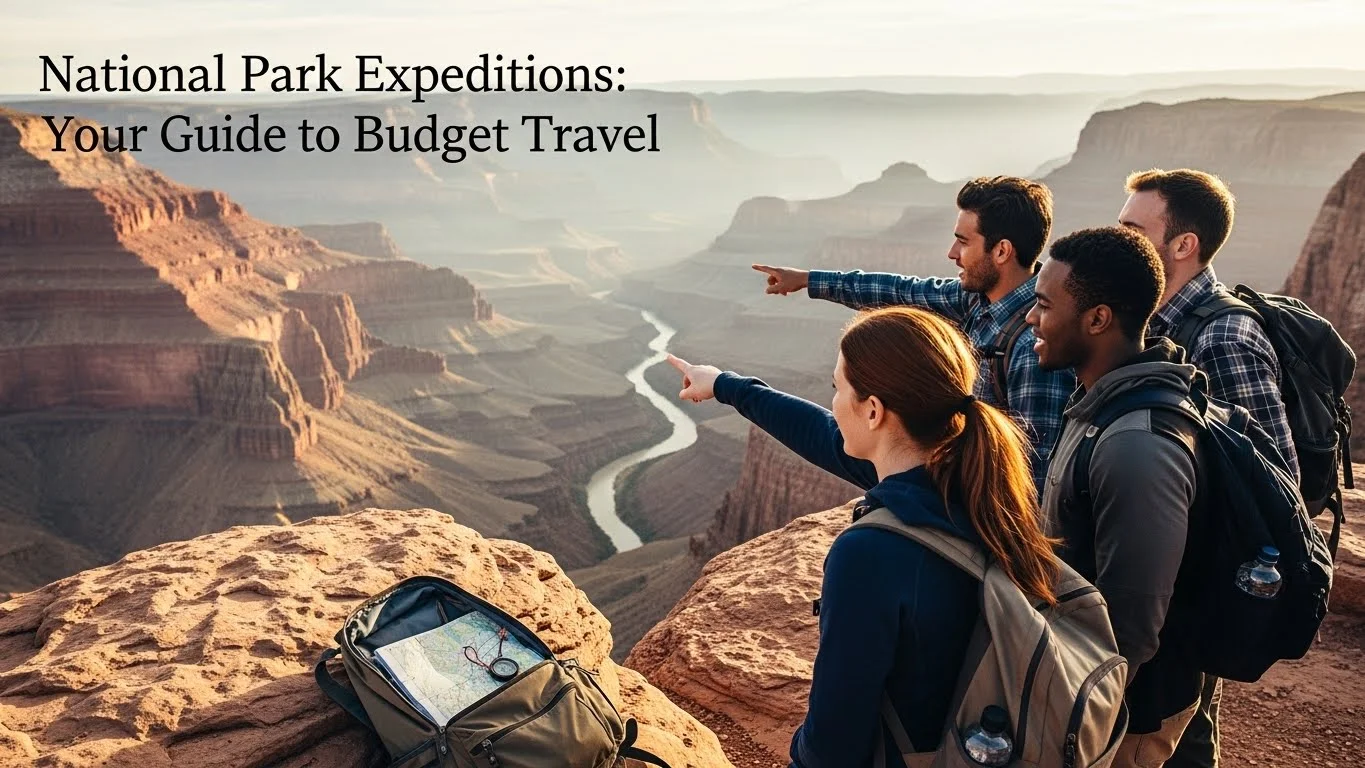
National Park Expeditions: Your Guide to Budget Travel

Exploring national parks can be an unforgettable adventure, and it doesn’t have to break the bank. Join me as we dive into budget-friendly ways to experience the beauty and wonder of these natural treasures! Read Interesting article: Experience Nature: Budget-Friendly National Park Tours

National Park Expeditions: Your Guide to Budget Travel

Understanding National Parks

What is a National Park?

When I think of national parks, I envision vast landscapes filled with breathtaking scenery, diverse wildlife, and endless opportunities for exploration. A national park is a protected area set aside by a government for the enjoyment of the public and the preservation of the natural environment. These parks are a sanctuary for many species of plants and animals, and they offer a unique glimpse into the natural beauty of our planet. They can range from towering mountains to expansive deserts, lush forests, and vibrant wetlands. Each park showcases the incredible diversity of ecosystems that exist in the United States, making them a perfect place for anyone looking to connect with nature.

History of National Parks in the U.S.

My journey into the world of national parks began with a little history lesson. The idea of protecting natural spaces for public enjoyment took root in the mid-19th century. The first national park in the world, Yellowstone, was established in 1872. As I learned about its creation, I was fascinated by the vision of early conservationists like John Muir and Theodore Roosevelt, who advocated for the preservation of these magnificent landscapes. Over the years, more national parks were established, each one embodying a commitment to protect the unique features of the American landscape. Today, there are 63 national parks in the U.S., each with its own story and charm.

Importance of National Parks for Conservation

As I delved deeper into the significance of national parks, I discovered their critical role in conservation. These parks serve as habitats for countless species, some of which are endangered or threatened. They act as living laboratories, allowing scientists to study ecosystems and the effects of climate change. I remember visiting a park where rangers shared how the park’s management strategies helped recover populations of native species. By preserving these natural areas, we’re not just safeguarding the beauty of our land; we’re protecting biodiversity and ensuring that future generations can experience the same awe I felt when surrounded by nature.

Choosing the Right National Park for Your Expedition

Popular National Parks to Visit

Choosing the right national park for your adventure can be daunting, especially with so many amazing options. I’ve spent hours researching and planning my trips, and I’ve found that starting with the most popular parks can be a great way to go. Parks like Yellowstone, Yosemite, and the Grand Canyon are undoubtedly iconic. They offer stunning landscapes and numerous activities. I remember my first visit to Yosemite; the towering El Capitan and the breathtaking waterfalls left me speechless. If you’re looking for a classic national park experience, these locations are a must-see, but be prepared for crowds, especially during peak season.

Less Crowded Alternatives

However, I’ve also discovered the beauty of less crowded alternatives. Parks like Congaree National Park in South Carolina and Great Basin National Park in Nevada offer incredible sights without the throngs of tourists. I visited Congaree last autumn and found myself wandering through ancient trees in a serene, peaceful environment. Being away from the crowds allowed me to truly connect with nature, and it felt like I had the park all to myself. If you’re looking to escape the hustle and bustle, these hidden gems might just be the perfect fit for you. Read Interesting article: Ultimate Guide to Affordable National Park Adventures

Seasonal Considerations for Each Park

Understanding the seasons is also crucial in choosing a park. Each national park has its own unique charm in different seasons. I found that visiting during spring or fall can provide a more pleasant experience, with mild weather and beautiful foliage. For example, visiting Acadia National Park in the fall, with its vibrant colors, was one of the most stunning experiences I’ve had. However, winter can also offer a magical experience in parks like Zion or Rocky Mountain, where snow blankets the landscapes, creating a serene atmosphere. Keep in mind that some parks may have limited access during the winter months, so I always check ahead to plan my visits accordingly.

When to Visit National Parks

Best Times for Budget Travelers

When planning my trips to national parks, timing has always been a crucial factor, especially when it comes to saving money. I’ve found that visiting during the shoulder seasons—spring and fall—can be a game-changer for budget travelers. During these times, park fees can be lower, and accommodations often offer discounts to fill their rooms. For example, I remember visiting Yellowstone in late May; the weather was beautiful, the flowers were blooming, and the crowds were still manageable. It felt like I stumbled upon a hidden treasure! If you’re flexible with your schedule, aim for these off-peak times to stretch your dollar further while still enjoying stunning natural beauty.

Off-Peak Season Advantages

Off-peak seasons can be a delightful surprise. Not only do you avoid the crowds, but you also get a more intimate experience with nature. I learned this firsthand when I visited Rocky Mountain National Park in early June. The trails were peaceful, and I often felt like I had the whole place to myself. Plus, wildlife is more active during these times, and I saw elk and deer grazing in the early mornings. Another perk? Lodging prices tend to drop significantly outside of peak tourist months, allowing us to experience the park without emptying our wallets.

Weather Considerations

Weather can play a big role in our national park adventures. I’ve had my fair share of experiences with unpredictable weather, and I learned that it’s essential to check forecasts before heading out. For instance, visiting Glacier National Park in July meant warm days for hiking but also severe thunderstorms in the afternoons. I’ve found that layering my clothing and being prepared for sudden changes in weather has saved me from discomfort and disappointment. Additionally, remember that certain parks may be less accessible during extreme weather conditions, so planning your visit around seasonal weather patterns can really enhance your experience.

Budget Travel Tips for National Park Expeditions

Finding Affordable Accommodations

When it comes to where to stay, I’ve discovered a range of budget-friendly options. Campgrounds in and around national parks are often the best way to go for an affordable experience. I remember camping at Shenandoah National Park, where I enjoyed falling asleep to the sounds of nature and waking up to breathtaking mountain views. If camping isn’t your style, consider hostels or budget motels in nearby towns. I’ve even had luck finding cozy Airbnbs that give me the comfort of home while keeping costs down. Always book in advance, especially during peak seasons, to score the best deals!

Cost-Effective Transportation Options

Transportation can eat up a big chunk of any travel budget, so I learned to be smart about it. If you’re traveling from a distance, look for affordable flights to nearby cities and then rent a car. I often use apps that compare rental prices and allow me to choose the best deal. Once at the park, using shuttles, such as those in Yosemite, can save money on gas and parking fees while allowing us to relax and enjoy the scenery. I’ve found that carpooling with fellow travelers can also cut costs—plus, it’s a great way to meet new friends!

Free and Low-Cost Activities in the Parks

One of the best parts about national parks is that many activities are completely free! I’ve spent countless hours hiking, birdwatching, and simply soaking in the beauty of the landscapes without spending a dime. Many parks also offer free ranger-led programs that provide fascinating insights into the local flora and fauna. On my last trip to Zion National Park, I joined a guided nature walk that enhanced my appreciation of the park immensely. Always check the park’s visitor center for a schedule of free events or workshops during your visit; you might just discover something new and enriching! Read Interesting article: Explore National Parks on a Budget: Top Expedition Tips

National Park Pass: Is It Worth It?

Investing in a National Park Pass has been a fantastic decision for me. If you plan to visit multiple parks in a year, it can save you a significant amount of money. The pass grants access to over 2,000 recreation sites, including all national parks. I remember purchasing it before a road trip that included several parks; it paid for itself within just a couple of visits. Keep in mind that the pass also provides some discounts on other amenities, like guided tours and camping. For anyone who loves exploring the great outdoors, I think it’s a no-brainer!

Essential Gear for National Park Travel

Budget-Friendly Hiking Gear

When it comes to exploring national parks, having the right gear is essential, but it doesn’t have to cost a fortune. I remember my first hike at Glacier National Park, where I realized how important it was to have good footwear. Investing in a pair of sturdy hiking boots was one of the best decisions I made. I found them on sale, and they’ve provided the support and grip I needed for those rocky trails. For budget-friendly options, I recommend checking out last season’s models at outdoor retailers or looking for gently used gear online. There are often great deals that allow us to equip ourselves without breaking the bank.

Beyond boots, a good backpack is crucial. I’ve learned that a comfortable daypack can make a huge difference when carrying snacks, water, and other essentials. Look for packs with adjustable straps and good ventilation; these little features can enhance your experience. Additionally, lightweight gear like quick-dry clothing and moisture-wicking socks can help keep you comfortable on the trails without costing a lot. Over time, I’ve built up my collection slowly, prioritizing quality over quantity, and it’s paid off well!

Camping Equipment on a Budget

If you’re planning to camp, I can’t stress enough how important it is to have the right equipment. I started with some basic camping gear that I borrowed from friends, which helped me figure out what I really needed. A solid tent is a must, and I’ve found that two-person tents can be surprisingly affordable—it’s cozy but keeps the weight down for hiking. I’ve also learned that investing in a good sleeping bag can make or break your night’s sleep. Look for ones that are rated for the temperatures you expect to encounter.

When it comes to cooking, I’ve enjoyed using a portable camping stove, which allows me to whip up easy meals. I usually pack non-perishable food items like pasta, rice, and canned goods, which are budget-friendly and easy to prepare. For me, cooking under the stars is part of the experience. To save even more, I often bring my own reusable utensils and plates, which cut down on waste and costs. Plus, there’s something special about sharing a meal with friends around the campfire after a long day of hiking.

What to Pack for Day Trips vs. Overnight Stays

Deciding what to pack can vary greatly depending on whether I’m planning a day trip or an overnight stay. For day hikes, I typically carry a lightweight backpack with just the essentials. I make sure to include plenty of water, snacks, a first-aid kit, and a map (even though I often rely on my phone, it’s good to have a backup). I’ve learned the importance of sunscreen and bug spray, as these can make or break a day spent outdoors. A hat and sunglasses are also great for protection from the sun.

When I venture out for overnight trips, my packing list expands. Besides the camping gear I mentioned earlier, I always bring extra layers of clothing to prepare for changing weather conditions. I’ve had nights where it was chilly, even in summer, so packing a warm fleece or jacket has been crucial. Additionally, I find it helpful to bring a small pillow or stuff my clothes into a stuff sack for a makeshift pillow—it’s a little luxury that makes sleeping on the ground more comfortable.

Ultimately, I’ve learned that preparation is key to enjoying our national park adventures. Packing smart and choosing budget-friendly gear not only enhances the experience but also ensures that we have everything we need to fully immerse ourselves in the beauty of the great outdoors.

Top Attractions and Activities in National Parks

Hiking Trails for All Skill Levels

The hiking trails in national parks are where I’ve found some of my most cherished moments. Whether I’m looking for a challenging trek or a leisurely stroll, there’s something for everyone. I’ve hiked the tough trails of the Grand Canyon and felt the burn in my legs, but the views were worth every step. On the flip side, I’ve also enjoyed gentle walks like the scenic paths in Shenandoah National Park that lead to stunning vistas without pushing my limits.

One of my favorite hikes was the Mist Trail in Yosemite, where the sound of thundering waterfalls echoed in the background. It reminded me how important it is to choose trails that match our skill level and comfort. Many parks provide maps and descriptions that help us decide, so I always make sure to check them out before heading out.

Wildlife Watching Opportunities

Wildlife watching is another highlight of my national park adventures. I’ve often found myself pausing on trails, binoculars in hand, waiting to catch a glimpse of deer, bears, or even eagles soaring above. Parks like Yellowstone are famous for their diverse wildlife, and I’ve learned that early mornings or late evenings are the best times to spot animals. I always keep my camera ready because those moments can be fleeting!

Sometimes, I join ranger-led wildlife programs that provide fascinating insights into the animals’ behaviors and habitats. These experiences have deepened my appreciation for the natural world and taught me how to observe wildlife responsibly. It’s key to maintain a safe distance and respect their space, which I think is crucial for both us and the animals.

Unique Natural Features to Explore

Every national park I’ve visited has had its own unique features that have left me in awe. From the otherworldly rock formations of Arches National Park to the stunning geysers of Yellowstone, these natural wonders are often the centerpiece of any visit. I remember standing at the edge of the Grand Canyon, feeling tiny in comparison to the vastness around me; it was a humbling experience that I’ll never forget.

I find that taking the time to explore these unique features, whether through guided tours or self-exploration, adds depth to my visits. Parks often have educational displays or ranger talks that explain the geology and ecology behind these wonders, enhancing my understanding and appreciation of the land.

Guided Tours vs. Self-Guided Expeditions

When considering how to explore national parks, I’ve tried both guided tours and self-guided expeditions. Each has its perks, depending on what I’m seeking. Guided tours can provide insights and knowledge I might not get otherwise, especially in more complex areas like caves or historic sites. I remember a ranger-led tour in Zion where I learned about the park’s unique geological history—it truly enriched my experience.

That said, I also cherish the freedom of self-guided explorations. There’s something liberating about wandering a trail, stopping when I want, and taking in the sights at my own pace. I often combine both approaches; for example, I’ll take a guided tour to learn about a park’s highlights and then spend the rest of my time exploring on my own. This balance allows me to fully appreciate the beauty of each park while also allowing for spontaneous adventures!

Frequently Asked Questions

What is a national park?

A national park is a protected area set aside by a government for public enjoyment and the preservation of the natural environment. They showcase diverse ecosystems and serve as sanctuaries for many species of plants and animals.

When was the first national park established in the world?

The first national park in the world, Yellowstone, was established in 1872.

How many national parks are there in the United States?

There are 63 national parks in the United States, each with its own unique story and features.

What are some popular national parks to visit?

Popular national parks include Yellowstone, Yosemite, and the Grand Canyon, which offer stunning landscapes and numerous activities.

What are some less crowded national parks to consider?

Less crowded alternatives include Congaree National Park in South Carolina and Great Basin National Park in Nevada, which provide incredible sights without the throngs of tourists.

What is the best time for budget travelers to visit national parks?

The best times for budget travelers to visit national parks are during the shoulder seasons—spring and fall—when park fees are lower, and accommodations often offer discounts.

What are some budget-friendly accommodation options near national parks?

Budget-friendly accommodation options include campgrounds, hostels, budget motels in nearby towns, and affordable Airbnbs.

What are some free activities to do in national parks?

Many activities in national parks are free, such as hiking, birdwatching, and ranger-led programs that provide insights into local flora and fauna.

Is investing in a National Park Pass worth it?

Yes, investing in a National Park Pass can be worthwhile, especially if you plan to visit multiple parks in a year, as it grants access to over 2,000 recreation sites and offers discounts on some amenities.

What essential gear should I pack for a national park trip?

Essential gear for national park trips includes sturdy hiking boots, a comfortable daypack, quick-dry clothing, a good tent, a sleeping bag rated for expected temperatures, and camping cooking equipment.

Experience Nature: Budget-Friendly National Park Tours

Exploring the great outdoors doesn’t have to be expensive. With budget-friendly national park tours, experiencing nature becomes accessible for everyone. Let’s dive into the world of national parks and uncover how to enjoy them without breaking the bank. Read Interesting article: Ultimate Guide to Affordable National Park Adventures

Experience Nature: Budget-Friendly National Park Tours

Understanding National Parks

What Are National Parks?

When I think of national parks, I picture vast landscapes filled with stunning natural beauty, diverse wildlife, and a sense of peace that often feels hard to find in our busy lives. National parks are protected areas designated by the government to preserve their natural resources for future generations. They offer us a chance to reconnect with nature, whether through hiking, camping, or simply enjoying a scenic view. I’ve often felt that these parks are like nature’s playground, where we can escape the hustle and bustle of everyday life.

History of National Parks in the U.S.

The history of national parks in the United States is rich and fascinating. It all started with Yellowstone National Park, established in 1872 as the first national park in the world. I remember learning about John Muir, a passionate advocate for conservation, who played a significant role in the establishment of several parks, including Yosemite. The movement to create national parks gained momentum in the early 20th century, and today, there are over 60 national parks across the U.S. Each park has its own unique story and ecological importance. Learning about this history has deepened my appreciation for these places and the efforts made to conserve them.

Importance of National Parks for Conservation

National parks serve a crucial role in protecting biodiversity and ecosystems. I believe that visiting these parks helps us understand the importance of conservation. They provide habitats for countless species, some of which are endangered or threatened. When I hike through a park, I often find myself reflecting on how our actions impact the environment. These protected areas allow ecosystems to thrive without the pressures of urban development and pollution. It’s a reminder of why we should all care about preserving our natural world.

Budget-Friendly National Park Tours

Overview of Budget Tours

When I started planning my trips to national parks, I was surprised to find that budget tours were not only affordable but also incredibly enriching. These tours often include guided experiences, transportation, and sometimes even meals, making them a convenient choice for travelers. I remember my first budget tour to the Grand Canyon; it was organized in a way that allowed me to see the highlights without feeling rushed. Whether you’re a solo traveler or part of a group, there are various budget-friendly options to consider, from day trips to multi-day excursions. Read Interesting article: Explore National Parks on a Budget: Top Expedition Tips

Benefits of Choosing Budget Tours

Choosing budget tours has several advantages that I’ve personally experienced. First and foremost, they allow you to explore more without overspending. I’ve learned that guided tours often provide insights and information that you might miss on your own. For instance, during a tour of Yellowstone, our guide shared fascinating facts about the park’s geothermal features that I would have never known otherwise. Additionally, budget tours can enhance social interactions, allowing you to meet fellow travelers who share your love for nature. It’s a great way to make new friends and share unforgettable experiences.

Another benefit is the convenience. Planning a trip can be overwhelming, especially if you’re trying to fit in multiple activities and sites. With a budget tour, the itinerary is often set for you, which means less stress and more time to soak in the beauty around you. I remember feeling relieved knowing that transportation was taken care of during my travels, allowing me to focus on enjoying each moment.

Budget tours also encourage responsible travel. Many companies prioritize eco-friendly practices, which aligns with the values I hold dear. By choosing a budget-friendly tour, I feel like I’m contributing to sustainable tourism and the conservation of the parks I love.

In my experience, budget-friendly national park tours are a fantastic way to immerse yourself in nature while keeping your wallet happy. From understanding the significance of these parks to discovering the benefits of organized tours, I’ve found that the adventure is truly worth it. The memories I’ve created and the lessons I’ve learned along the way have been invaluable, and I can’t wait to share more about the top national parks that are perfect for budget travelers.

Top National Parks for Budget Travelers

Yellowstone National Park

Yellowstone National Park is often at the top of my list when I think about budget-friendly destinations. With its breathtaking scenery and geothermal wonders, this park has something for everyone. I remember visiting Old Faithful and being mesmerized by the geyser’s powerful eruption. The best part? Entrance fees are relatively low, and once you are in, you can hike or drive to various attractions without spending anything more. I recommend grabbing a map and planning your route ahead of time to maximize your experience. There are also plenty of free ranger-led programs that offer educational insights and fun activities for all ages, making it a perfect spot for families.

Yosemite National Park

Yosemite National Park is a gem in California that I fell in love with during my first visit. The iconic granite cliffs, such as El Capitan and Half Dome, take your breath away—especially at sunrise. While certain lodging options can be pricey, I discovered that camping in the park offers a more economical way to experience the stunning beauty. I remember setting up my tent under the stars, which made for an unforgettable night. Plus, the park has numerous free hiking trails that lead to spectacular viewpoints. If you can plan your visit during the shoulder seasons, you’ll also avoid the summer crowds and enjoy a quieter experience.

Grand Canyon National Park

The Grand Canyon is another favorite of mine, and it’s surprisingly affordable to explore. I suggest starting at the South Rim, where you can enjoy incredible views without spending a dime. There are numerous viewpoints along the rim, and I often just parked my car and took leisurely walks to soak it all in. A budget tip I discovered is to pack a picnic; there are several spots perfect for enjoying lunch with a view. Additionally, if you’re feeling adventurous, consider hiking into the canyon on trails like the Bright Angel Trail, which offers an entirely different perspective of this natural wonder.

Great Smoky Mountains National Park

Great Smoky Mountains National Park is not only beautiful but also free to enter, making it a fantastic option for budget travelers. I was amazed by the lush forests and diverse wildlife; it felt like stepping into a postcard. The park features over 800 miles of hiking trails, many of which are easily accessible and range from easy to moderate. I often found myself enjoying the simple pleasure of hiking to waterfalls or taking in the panoramic views from Clingmans Dome. Plus, the park hosts various ranger-led programs that are completely free, further enhancing the experience without any extra cost.

Zion National Park

Zion National Park is another spectacular destination that won my heart. The towering red cliffs and stunning landscapes create an otherworldly experience. While the entrance fee is modest, I found that it’s easy to save money by using the free shuttle service that operates within the park. This allows you to explore various trailheads without worrying about parking. One of my favorite hikes was the Riverside Walk, which is relatively easy and offers beautiful views of the Virgin River. I also recommend visiting in the spring or fall when the weather is pleasant and the crowds are fewer.

Each of these parks has something unique to offer, and I believe they provide incredible experiences without straining your budget. I’ve found that the freedom to explore and connect with nature can be achieved in so many beautiful settings. As I reminisce about my adventures, I feel grateful for the moments spent in these breathtaking landscapes. Now, let’s look at how to plan your budget-friendly tour effectively, so you can make the most of your next adventure.

Planning Your Budget-Friendly Tour

Best Times to Visit National Parks

Timing can make a huge difference in your national park experience, especially when it comes to budget. From my own travels, I’ve found that visiting during the shoulder seasons—spring and fall—can be a game-changer. In my experience, these months offer pleasant weather, fewer crowds, and often lower prices for accommodations and tours. For example, I visited Yosemite in late September, and it was stunning to see the fall foliage while avoiding the summer tourist rush.

Summer is the most popular time for families, but it can be quite expensive. If you can swing a trip in early May or late September, you’ll likely find the parks to be a bit calmer. Additionally, certain parks may have annual free entry days, which I always keep an eye out for. These days can save you some bucks on entrance fees, making your visit even more budget-friendly.

Cost-Effective Transportation Options

Transportation is another area where I’ve learned to save money while exploring national parks. Depending on your location, driving can be the most convenient and economical choice. I often rent a car with friends, which allows us to split costs and have the freedom to explore off-the-beaten-path areas. Plus, the scenic drives through parks like the Going-to-the-Sun Road in Glacier National Park are experiences in themselves!

If you’re flying in, check for shuttle services that operate between major airports and national parks. This can save you the hassle of renting a car. I once took a shuttle from Las Vegas to the Grand Canyon, which was not only budget-friendly but also gave me the chance to relax and enjoy the landscapes without worrying about navigation. Some parks also offer free shuttle services within their boundaries, making it easy to get to various trailheads without the need for a vehicle.

Tips for Finding Affordable Accommodations

Finding a place to stay that fits your budget can sometimes feel daunting, but I’ve picked up a few tricks along the way. Camping, as I’ve mentioned, is one of the best ways to save money while connecting with nature. Many parks have campgrounds where you can set up a tent for a fraction of the cost of a hotel room. I remember the thrill of waking up to the sounds of nature right outside my tent in the Great Smoky Mountains.

If camping isn’t your style, consider staying in nearby towns or look for budget hotels or hostels. I’ve found that sometimes, just a short drive away from the park entrance can yield significantly cheaper rates. Websites that specialize in budget accommodations often have great deals if you book in advance. Additionally, I always make sure to check for any discounts or special offers; you never know when you might stumble upon a great price!

Best Budget-Friendly Activities in National Parks

Once you’re in the park, there are plenty of ways to enjoy your time without spending a fortune. Hiking is, of course, one of the most popular and cost-effective activities. I’ve hiked countless trails where the only investment is my time and energy. Many parks offer free guided hikes led by rangers, which can add an enriching layer to your experience. I particularly enjoyed a ranger-led program in Zion, where I learned so much about the park’s geology and wildlife.

Wildlife viewing is another fantastic, no-cost activity. I love spending hours just sitting quietly, watching animals in their natural habitats. In Yellowstone, I was lucky enough to see bison, elk, and even a grizzly bear from a safe distance. Bring a pair of binoculars for better viewing and a camera to capture those moments.

Don’t forget about the free visitor centers that many parks have. They often provide maps, educational exhibits, and staff who can give you tips on the best spots to visit. I’ve found that taking the time to chat with park rangers often leads to discovering hidden gems that aren’t mentioned in guidebooks.

Planning a budget-friendly tour of national parks is all about being smart with your choices. From when to visit to how you travel and where you stay, each decision can help keep costs down while allowing you to soak in the beauty of these incredible places. I can’t wait to keep exploring and sharing more about how to make the most of your adventures in nature without breaking the bank. Read Interesting article: Epic Safari Adventures on a Budget: Travel Tips Inside

Travel Tips for National Park Tours

Essential Packing List for National Park Visits

Packing for a national park adventure can be a bit daunting, but I’ve learned a few essentials that can make all the difference. First, I always pack layers. The weather can change quickly, especially in mountainous areas. I remember hiking in the Rockies when a sunny morning turned into a chilly afternoon; being prepared kept my spirits high. A lightweight rain jacket is also a must-have, just in case the skies decide to open up.

Comfortable footwear is crucial, too. I’ve tried different shoes, and I find that a good pair of hiking boots or shoes with solid grip can prevent blisters and keep my feet happy. I also recommend bringing a refillable water bottle. Staying hydrated is key, especially during long hikes. I love using a hydration pack on my hikes, as it allows me to sip water easily while on the move.

Don’t forget a small first-aid kit. I once had a minor scrape on a trail, and having some basic supplies made a world of difference. Finally, a good camera or smartphone with plenty of battery life is essential for capturing those breathtaking moments. I’ve found that some of my favorite memories are the photos I took along the way.

Food and Dining on a Budget

Eating well on a budget during national park visits can be a fun challenge! I usually take a cooler filled with snacks and easy meals. Sandwiches, fruits, nuts, and trail mix are my go-to options. On a trip to Great Smoky Mountains National Park, we packed a breakfast of oatmeal cups and fresh fruit, which gave us energy for our hikes without breaking the bank.

If you plan on cooking, many campgrounds have fire pits or grills available. I love making foil packet meals—just toss some veggies and protein in foil, season it, and cook over the fire. It’s an easy and delicious way to enjoy dinner under the stars.

When dining out is a necessity, I try to seek out local diners or cafes rather than chain restaurants. I remember discovering a small diner near Zion National Park that served hearty meals at reasonable prices. Eating where the locals go not only saves money but also gives you a taste of the area’s culture.

Staying Safe in National Parks

Safety is always a priority when exploring the great outdoors. I’ve learned a few key tips to stay safe during my travels. First, always let someone know your plans before heading out, especially if you’re hiking solo. I make it a habit to check in with a friend or family member to ease any worries.

Staying on designated trails is another important safety measure. I’ve encountered some breathtaking views off the beaten path, but wandering too far can lead to risky situations. It’s essential to be aware of your surroundings, including wildlife. I’ve had close encounters with deer and even a curious bear once! Keeping a respectful distance and knowing how to react in such situations is crucial.

Lastly, be mindful of the weather and your limits. Knowing when to turn back is a skill I’ve had to hone. There have been times when I pushed too far, only to regret it later. Learning to listen to your body and respecting your limits can make your trip much more enjoyable.

Resources for Budget-Friendly National Park Tours

Websites for Tour Deals and Discounts

In my search for budget-friendly tours, I’ve stumbled upon some fantastic websites that offer great deals. Sites like Groupon often have discounts on national park tours and experiences. I’ve scored some amazing deals for guided tours that enhanced my experience without straining my budget. Additionally, checking the official national park websites can lead to finding tour operators that offer special rates, especially during the off-peak seasons.

Apps for Planning Your Trip

There are several travel apps that I find indispensable when planning my national park visits. Apps like AllTrails provide detailed trail maps and reviews, which help me choose the best hikes based on my skill level and preferences. I also use Google Maps to navigate to park entrances, but I’ve found that downloading offline maps can save you if you lose cell service. Weather apps are crucial, too, as they help me keep an eye on changing conditions.

Local Guides and Tour Companies

Connecting with local guides can enhance your experience tremendously. I’ve had the pleasure of joining small group tours led by passionate guides who share their knowledge of the parks. Local companies often provide unique insights and access to hidden spots that you might not find on your own. I recommend researching reviews online and asking for recommendations from fellow travelers to find reputable guides.

Experiencing Nature on a Budget

Embracing Outdoor Activities without Breaking the Bank

One of the beautiful things about national parks is that they offer so many ways to engage with nature for free or at a low cost. I love that hiking is just one of many activities available. Many parks also have opportunities for birdwatching, fishing, or even stargazing at night. I remember lying on the ground in the desert near Joshua Tree, watching the stars twinkle above. It was a magical experience that cost nothing but provided memories that last a lifetime.

Wildlife Viewing Tips for Budget Travelers

Wildlife viewing is one of my favorite activities, and it’s free! I’ve found that early mornings or late afternoons are the best times to see animals in their natural habitats. Bringing binoculars can enhance your experience, allowing you to observe creatures from a safe distance. I’ve seen so many fascinating animals, from elk in Rocky Mountain National Park to eagles soaring above in Glacier National Park. Remember to keep a safe distance and respect wildlife guidelines to ensure both your safety and the animals’ well-being.

Photography Tips for Capturing Nature on a Budget

Capturing the beauty of national parks doesn’t require a fancy camera. I often use my smartphone, which takes great photos, especially with a little practice. I’ve learned that the best lighting is during the golden hours—early morning and late afternoon—when the light is soft and warm. I also recommend experimenting with angles; sometimes, crouching down or finding a higher viewpoint can make a photo pop. Editing apps can enhance your photos even more without needing expensive software. Documenting my adventures through photography has been incredibly rewarding and inspires others to explore these amazing places.

Final Thoughts

Exploring our national parks on a budget is not only possible but incredibly rewarding. I’ve found that the experiences I’ve had while traveling through these natural wonders often go beyond the sights; they shape my appreciation for nature and conservation. With careful planning, a spirit of adventure, and a willingness to embrace the great outdoors, anyone can enjoy these stunning landscapes without emptying their wallets. Whether it’s hiking, wildlife viewing, or simply soaking in the scenery, there’s something magical about connecting with nature. I hope my journey inspires you to embark on your own adventures and discover the beauty of national parks while keeping it budget-friendly.

Frequently Asked Questions

What are national parks?

National parks are protected areas designated by the government to preserve their natural resources for future generations. They offer opportunities to reconnect with nature through activities like hiking, camping, or simply enjoying scenic views.

What is the history of national parks in the U.S.?

The history of national parks in the United States began with Yellowstone National Park, established in 1872 as the first national park in the world. The movement to create national parks gained momentum in the early 20th century, and there are now over 60 national parks across the U.S.

How do budget-friendly national park tours work?

Budget-friendly national park tours are affordable options that often include guided experiences, transportation, and sometimes meals, making them convenient for travelers. They allow exploration of parks without overspending and provide valuable insights from guides.

What are the benefits of choosing budget tours?

Budget tours allow travelers to explore more without overspending, provide enriching insights from guides, enhance social interactions with fellow travelers, and encourage responsible travel practices. They also reduce the stress of planning by providing a set itinerary.

Which national parks are recommended for budget travelers?

Recommended national parks for budget travelers include Yellowstone, Yosemite, the Grand Canyon, Great Smoky Mountains, and Zion National Park. Each park offers unique experiences and opportunities to explore nature economically.

What are the best times to visit national parks?

The best times to visit national parks are during the shoulder seasons of spring and fall, which offer pleasant weather, fewer crowds, and often lower prices. Certain parks may also have annual free entry days that can save on entrance fees.

What are some cost-effective transportation options for national park visits?

Driving is often the most economical choice for transportation. Renting a car with friends can help split costs. Additionally, shuttle services between major airports and national parks can also save money and provide convenience.

What types of budget-friendly activities can I do in national parks?

Budget-friendly activities in national parks include hiking, wildlife viewing, and participating in free ranger-led programs. Many parks also offer free visitor centers with maps and educational exhibits to enhance the experience.

What should I pack for a national park visit?

Essentials for a national park visit include layers of clothing, a lightweight rain jacket, comfortable footwear, a refillable water bottle, a small first-aid kit, and a camera or smartphone for capturing memories.

How can I save money on food while visiting national parks?

To save money on food, consider packing a cooler with snacks and easy meals like sandwiches and fruits. If cooking is an option, many campgrounds have fire pits or grills. Dining at local diners rather than chain restaurants can also save money.

Ultimate Guide to Affordable National Park Adventures

National parks offer incredible experiences that connect us to nature, all while remaining budget-friendly. If you’re looking for affordable adventures in breathtaking landscapes, this guide is for you! Read Interesting article: Explore National Parks on a Budget: Top Expedition Tips

Ultimate Guide to Affordable National Park Adventures

Understanding National Parks

What is a National Park?

National parks are protected areas designed to preserve the natural beauty, wildlife, and cultural heritage of a region. They provide a space for people to explore the outdoors, engage in recreational activities, and learn about the environment. Having visited several national parks myself, I’ve found that each one has its unique charm and stories to tell. The vast landscapes, towering trees, and stunning vistas create an atmosphere that’s both refreshing and humbling. It’s hard to beat the feeling of standing in the midst of such grandeur!

History of National Parks in the U.S.

The concept of national parks began in the United States when Yellowstone was established in 1872 as the first national park in the world. I remember learning about how this was a revolutionary idea at the time—setting aside land for future generations to enjoy. Over the years, the U.S. has continued to expand its national parks, with over 60 parks now showcasing diverse ecosystems, geological wonders, and historical landmarks. Each park tells a story of the land and the people who lived there, and discovering these tales has become part of my travel experiences.

Importance of National Parks for Conservation

National parks play a crucial role in conservation efforts. They protect ecosystems, endangered species, and unique geological features from development and pollution. I’ve seen firsthand how these protected areas allow wildlife to thrive and restore balance to nature. For example, in places like Yosemite and the Everglades, the preservation efforts have led to rebounding populations of species that were once on the brink of extinction. Visiting these parks not only enriches our own lives but also supports the broader goal of conserving our planet. It’s a rewarding feeling to know that when we explore these natural wonders, we’re contributing to their preservation.

Choosing the Right National Park for Your Adventure

Top Affordable National Parks to Visit

When it comes to planning an affordable national park adventure, some parks stand out for their incredible experiences without breaking the bank. Parks like Great Smoky Mountains, which charges no entrance fee, and Joshua Tree, known for its stunning landscapes and rock formations, offer affordable adventure options. I had an unforgettable experience hiking through the diverse trails of the Smokies, all while enjoying the breathtaking views without spending a dime on entry. Other parks like Shenandoah and Rocky Mountain National Park also provide abundant opportunities for exploration with reasonable fees. Read Interesting article: Best Destinations for Budget-Friendly Safari Adventures

Comparing Park Fees and Passes

Understanding the fee structure of national parks can help you budget effectively. Most parks charge an entrance fee that can range from $5 to $35, depending on the park and the type of vehicle. I always recommend checking if the park offers an annual pass, especially if you plan to visit multiple parks within a year. The America the Beautiful Pass, which gives access to over 2,000 federal recreation sites, is a fantastic option for adventurers like us who want to explore more. I found it to be a cost-effective way to enjoy various parks while saving money in the long run.

Best Parks for Budget Travelers

If you’re traveling on a budget, some parks are particularly friendly to your wallet. For instance, the Badlands National Park offers stunning views and affordable camping options. I remember stargazing in Badlands; the night sky was so clear and filled with stars that it felt like a dream! Likewise, Acadia National Park provides beautiful scenery and relatively low entrance fees. Researching parks that provide free admission on certain days can also be a game-changer, allowing us to experience these natural wonders while keeping costs low. I often plan my visits around these free days, maximizing my adventures without overspending.

Choosing the right national park can enhance your adventure while keeping it affordable. With so many options out there, I feel excited every time I explore a new park, discovering its unique beauty and history. It makes the journey not just about the destination, but about connecting with nature in meaningful ways.

Planning Your Visit

When to Visit National Parks

Finding the perfect time to visit a national park can make all the difference in your experience. I’ve learned that each season brings its own beauty and challenges. For example, spring is often filled with blooming wildflowers and fewer crowds, making for a peaceful adventure. I remember hiking in the Great Smoky Mountains during early May; the vibrant colors were breathtaking, and the gentle warmth of the sun was just right. Summer, on the other hand, can be busier but offers extended daylight hours, allowing for longer hikes and more activities.

Fall is a magical time to explore national parks, especially with the stunning foliage. I’ve seen the leaves change in Acadia National Park, and it was like walking through a canvas of red, orange, and gold. Winter can be a bit tricky, yet it transforms parks like Yosemite into a serene wonderland, perfect for snowshoeing or simply enjoying the quiet. I recommend researching each park’s peak seasons, weather conditions, and any special events they may have to ensure you make the most of your visit.

Essential Gear for Affordable Adventures

When planning a trip to a national park, having the right gear can enhance your experience without breaking the bank. I’ve found that investing in a good pair of hiking boots is essential. They provide support and comfort on those long trails while protecting your feet. Layering clothing is another key factor; I always pack moisture-wicking shirts, a warm fleece, and a waterproof jacket. This way, I can adapt to changing weather conditions without needing a whole new wardrobe.

Don’t overlook the importance of a reliable backpack. I love my backpack because it holds everything I need, from snacks and water to a first-aid kit. A reusable water bottle is also a must; staying hydrated is crucial, especially on those warm summer hikes. I usually pack energy-dense snacks like trail mix or granola bars to keep my energy levels up while exploring. By investing in quality gear, I’ve been able to enjoy my adventures while keeping my budget intact.

Transportation Options to National Parks

Getting to a national park can sometimes feel daunting, but there are affordable options to consider. I’ve driven to many parks, enjoying the scenic routes along the way. Carpooling with friends can make the journey more fun and cost-effective, plus you share the driving responsibilities! If you don’t have a car, look into public transportation options. Some parks have shuttle services or nearby train stations that make access easier. For example, I once took a bus to a park and discovered it was a great way to meet other travelers.

Some parks even offer bike rentals for a more eco-friendly way to explore. I remember biking around the flat trails in Cuyahoga Valley National Park; it was a unique way to take in the scenery while getting some exercise. Whatever mode of transport you choose, planning ahead can help avoid last-minute stress and keep your adventure enjoyable.

Accommodation Options: Camping vs. Lodging

When it comes to where to stay, national parks offer a range of options that can fit any budget. I’ve camped in several parks, and honestly, there’s something special about sleeping under the stars. Most campgrounds are affordable, and many feature amenities like fire pits and restrooms. I’ll never forget the first time I roasted marshmallows over a campfire; it brought back so many childhood memories. Camping also allows you to immerse yourself in nature, waking up to the sounds of birds and the fresh scent of pine.

If camping isn’t your style, there are usually nearby lodges or motels that provide comfortable accommodations. I’ve stayed in cozy cabins that felt like a home away from home. While they tend to be a bit pricier, it’s always worth checking for deals, especially during the off-season. Booking in advance can help save money, as prices tend to rise during peak times.

Regardless of your choice, I encourage you to consider the experience you want to have. Spending time in nature can be rejuvenating, and where you stay can enhance that connection. Whether it’s the crackling of a campfire or the comfort of a warm bed, both options can make your trip memorable.

Top Affordable Activities in National Parks

Hiking Trails for All Skill Levels

One of my favorite things about national parks is the variety of hiking trails available. Whether you’re a seasoned hiker or just starting, there’s something for everyone. I remember stepping onto the easy trails at Glacier National Park, where the stunning views didn’t require a strenuous trek. The scenic paths are often well-marked, making it easy to enjoy the beauty without feeling overwhelmed.

If you’re looking for a challenge, many parks offer more difficult trails that promise breathtaking vistas as your reward. The ascent to Angel’s Landing in Zion National Park was one of the toughest hikes I’ve tackled, but the panoramic view at the top made every step worth it! It’s all about finding the right trail that suits your skill level and comfort. I always recommend checking out trail maps and reviews online before heading out, so you can choose the right one for your abilities.

Wildlife Watching Opportunities

Wildlife watching is another incredible way to connect with nature when visiting national parks. I’ve had some unforgettable experiences spotting animals in their natural habitat. In Yellowstone, I remember standing quietly by a river when a majestic moose walked right by me—it was surreal! Each park offers unique wildlife, from bison in the prairies to bears in the forests.

To increase your chances of seeing wildlife, I suggest visiting during early mornings or late afternoons when animals are most active. Bring binoculars and a good camera to capture these magical moments. Just keep in mind to maintain a safe distance and respect their space; it’s their home, after all!

Photography Tips for Stunning Shots

As a nature enthusiast, I’ve discovered that national parks offer some of the best photography opportunities. The landscapes are so varied and breathtaking that it’s hard not to want to capture every moment! I’ve learned that the golden hour—shortly after sunrise or before sunset—provides the best light for photos, casting a warm glow over everything.

When snapping shots, try to include interesting foreground elements like rocks, trees, or flowers to add depth to your images. I often experiment with different angles and perspectives, whether it’s getting low to the ground or finding a higher vantage point. Also, don’t forget to take candid shots of fellow adventurers or spontaneous moments; they often tell the best stories. Lastly, always be ready—nature can surprise you at any moment!

Ranger-led Programs and Tours

One of the hidden gems of visiting national parks is participating in ranger-led programs. I’ve found these experiences incredibly enriching. Rangers are knowledgeable and passionate about their parks, and they often share fascinating insights that you might miss otherwise. Whether it’s a guided hike or a campfire talk, these programs are usually free or low-cost and provide an opportunity to learn more about the park’s ecology and history.

For instance, I joined a night sky program in Big Bend National Park, where we learned about constellations and the importance of preserving dark skies. It deepened my appreciation for the universe and made me feel connected not just to the earth but to the stars above. I encourage everyone to check the park’s schedule for ranger-led activities; they can truly enhance your visit and create lasting memories.

Local Food and Dining Options

Pack Your Own Meals: Tips and Ideas

Eating well on a budget during your national park adventure is easier than you might think. I’ve discovered that packing my own meals not only saves money but also ensures I have healthy options while on the trail. I typically prepare simple meals like sandwiches, wraps, or salads that are easy to transport.

For snacks, I love bringing energy bars, nuts, and dried fruits, which are perfect for fueling up during hikes. I also carry a portable cooler with ice packs for items like yogurt or cheese. Stopping for a picnic in a scenic spot adds to the experience—there’s nothing quite like enjoying a meal surrounded by nature! Plus, it allows you to take breaks and soak in the beauty around you.

Affordable Dining Near National Parks

If you prefer dining out, many national parks have nearby towns or villages with local eateries that won’t break the bank. I’ve enjoyed trying small diners or food trucks that serve delicious, hearty meals at reasonable prices. Some parks even have restaurants that focus on local ingredients, providing a taste of the region’s cuisine.

When budgeting for meals, I suggest checking online reviews to find hidden gems. Sometimes, I ask fellow travelers for recommendations—they often share great finds! I’ve also noticed that many places offer daily specials or discounts, so keep an eye out for those, especially during peak tourist seasons when you might want to avoid the more expensive tourist traps.

Local Cuisine to Try in Each Region

Exploring local cuisine is an adventure in itself! Each region of the U.S. surrounding national parks has its specialties. For instance, when I visited the Southwest and explored Arches National Park, I made sure to try the local chili and Navajo tacos. These dishes not only satisfied my hunger but also connected me to the culture of the area.

In the Pacific Northwest near Olympic National Park, I enjoyed fresh seafood and local craft beers—truly a treat after a day of hiking! I recommend trying to find local markets where you can sample various foods. Not only does it support local businesses, but it also adds flavor to your travels. Eating local can be one of the best parts of any park adventure, giving us stories to share around the campfire later!

Safety Tips for National Park Adventures

Wildlife Safety Guidelines

One of the most thrilling aspects of visiting national parks is the chance to see wildlife in their natural habitat. However, it’s crucial to prioritize safety—for both ourselves and the animals. I remember the first time I encountered a bear in the wild; my heart raced, but I also felt a deep sense of respect for this magnificent creature. It’s important to keep a safe distance and never approach wildlife. Each park has specific guidelines about how far you should stay away, and I always recommend adhering strictly to those.

During my visits, I’ve carried bear spray in areas where bears are known to roam. It’s a small precaution that can make a big difference. Additionally, when hiking, I’ve learned to make noise, especially in dense areas where animals might not see or hear me coming. Talking, clapping, or even singing can alert wildlife to my presence and help avoid surprise encounters. Remember, these animals are just living their lives, and we need to respect their space.

Staying Hydrated and Healthy

Staying hydrated while exploring parks is something I cannot stress enough. I’ve had my share of long hikes, and nothing ruins the experience quite like dehydration. I always carry a water bottle and refill it whenever I can. Most parks have water stations, but it’s a good idea to bring extra water, especially during hotter months. I also pay attention to my body; if I start feeling fatigued or dizzy, I take a break and hydrate.

Bringing healthy snacks is another way I keep my energy up. Nuts, fruit, and granola bars are my go-to options. I’ve found that munching on these while soaking in the views makes for a perfect combination! Listening to my body and fueling it properly has transformed my experiences in these beautiful settings, allowing me to enjoy every moment without feeling drained.

Understanding Weather and Natural Hazards

The weather in national parks can be unpredictable, and I’ve learned this the hard way. I remember a hike in the Grand Canyon where I didn’t check the forecast. A sudden rainstorm rolled in, and I was completely unprepared! Now, I always check the weather before heading out and pack accordingly. Layering is key, as conditions can change quickly. I also keep an eye on the park’s website for any alerts regarding natural hazards like flash floods or wildfires.

In some parks, certain trails may close due to weather conditions or maintenance, and I’ve found that staying informed can save a lot of frustration. Carrying a small first-aid kit is also a wise choice, just in case I encounter minor injuries or blisters. Preparation truly makes all the difference in ensuring a safe and enjoyable adventure!

Budgeting Your National Park Adventure

Estimating Costs: Entrance Fees, Food, and Gear

Budgeting for a national park trip can seem overwhelming at first, but I’ve discovered that breaking it down into categories makes it manageable. I typically start with entrance fees, which can vary widely depending on the park. I’ve found that having an America the Beautiful Pass is a game changer if you plan on visiting multiple parks.

Next, I estimate food costs. When I pack my own meals, it significantly reduces my expenses, but I also like to allow for a few meals at local diners to enjoy the regional cuisine. I often set aside a certain amount for snacks and drinks during my hikes, as well. Lastly, gear can be a one-time investment; spending a bit more on quality items can save money in the long run since they’ll last longer. I’ve learned to keep track of my expenses, which helps me stay within my budget while still enjoying the adventure.

How to Save Money While Visiting

There are so many ways to save money during a national park visit. One of my favorite tips is to look for free days or discounts. Many parks offer free admission on certain national holidays, and I’ve planned my trips around those dates to save a bit. Additionally, I’ve found that camping is usually much cheaper than staying in a lodge, and it provides a more immersive experience in nature.

Utilizing local resources can also save money. Some parks have community boards where locals post about deals or events that might be happening. I often ask park rangers for recommendations on affordable dining options, and they’re usually happy to share their favorite spots. With a little creativity and research, I believe anyone can enjoy a fantastic national park adventure on a budget!

Finding Discounts and Free Days

As I mentioned, many national parks have designated free days throughout the year. I remember my excitement when I discovered that National Park Week offers free admission to all national parks! I always check for these special days in advance. It’s a great way to encourage more people to experience the beauty of these parks without the financial stress. I’ve also found that certain groups, like military personnel and seniors, often receive discounts, so it’s worth checking the park’s website for specific details.

Local tourism boards sometimes offer discount passes for attractions near national parks, and I’ve taken advantage of these to explore more within my budget. Being proactive about seeking out these opportunities has made my national park adventures not only affordable but also incredibly rich in experiences.

Making the Most of Your Adventure

Creating a Flexible Itinerary

One of the keys to a successful national park trip is having a flexible itinerary. While I usually have a list of must-see sights and activities, I’ve learned to leave room for spontaneity. I remember one time when I stumbled upon a hidden waterfall off a lesser-known trail by accident—it became the highlight of my trip! I always try to balance my schedule by allowing for both planned activities and unexpected discoveries.

Having a rough outline of what I want to do helps me stay organized, but I also embrace the idea that some of the best moments come from unplanned adventures. Whether it’s chatting with fellow hikers or taking a different trail, I’ve found that being open to new experiences enhances my enjoyment of the park.

Connecting with Fellow Adventurers

One of the joys of national parks is the sense of community among visitors. I’ve had some of my best conversations with fellow hikers, sharing tips and stories along the trails. I always make an effort to chat with others, whether it’s at a campsite or on a crowded vista point. These connections often lead to new friendships and shared experiences that I cherish long after the trip is over.

Joining group hikes or park tours is another fantastic way to meet people. I’ve participated in guided hikes where not only did I learn about the park’s history and ecology, but I also met fellow adventurers who share my love for nature. It’s a beautiful reminder that we’re all part of something larger when we explore these majestic places together.

Utilizing Apps and Resources for Planning

In this digital age, there are so many apps and resources available to help us plan our national park adventures. I often use park-specific apps to find trails, check for closures, and get real-time updates about weather conditions. These tools have made my trips smoother and more enjoyable. I especially appreciate finding trail maps and elevation guides right at my fingertips.

Social media groups and forums can also be valuable. I’ve gained inspiration from fellow travelers sharing their experiences and tips on platforms like Instagram and Facebook. Whether you’re looking for the best sunset spots or hidden gems, these communities are a treasure trove of information. By utilizing these resources, I feel more prepared and inspired for my adventures in the great outdoors!

Final Thoughts

Exploring national parks has been one of the most rewarding experiences of my life. From the breathtaking landscapes to the incredible wildlife, each visit offers a chance to connect with nature and ourselves. I hope this guide helps you plan your own adventures, knowing that these experiences can be both affordable and unforgettable. Remember to take your time, embrace the unexpected, and cherish the moments spent in these beautiful places. Happy exploring, and may your national park adventures be filled with wonder!

Frequently Asked Questions

What is a National Park?

National parks are protected areas designed to preserve the natural beauty, wildlife, and cultural heritage of a region. They provide a space for people to explore the outdoors, engage in recreational activities, and learn about the environment.

When was the first national park established in the U.S.?

The first national park in the world, Yellowstone, was established in the United States in 1872.

What are some top affordable national parks to visit?

Some top affordable national parks include Great Smoky Mountains, which charges no entrance fee, and Joshua Tree, known for its stunning landscapes. Other budget-friendly options are Shenandoah and Rocky Mountain National Park.

How can I save money while visiting national parks?

To save money, look for free admission days, consider camping instead of lodging, and pack your own meals. Many parks also have community boards with local deals or discounts.

What is the America the Beautiful Pass?

The America the Beautiful Pass is an annual pass that gives access to over 2,000 federal recreation sites, making it a cost-effective option for visitors who plan to explore multiple parks within a year.

What should I pack for a national park adventure?

Essential items include a good pair of hiking boots, moisture-wicking clothing, a reliable backpack, a reusable water bottle, and energy-dense snacks like trail mix or granola bars.

What are some activities to enjoy in national parks?

Activities in national parks include hiking trails for all skill levels, wildlife watching, photography, and participating in ranger-led programs and tours.

When is the best time to visit national parks?

The best time to visit varies by park, but spring often offers blooming wildflowers and fewer crowds, summer provides longer daylight hours, fall showcases stunning foliage, and winter can transform parks into serene wonderlands.

How can I enhance my national park adventure?

Enhance your adventure by creating a flexible itinerary, connecting with fellow adventurers, and utilizing apps and resources for planning your trip.

What safety precautions should I take while visiting national parks?

Prioritize wildlife safety by keeping a safe distance, stay hydrated, check weather conditions, and carry a first-aid kit to handle minor injuries or blisters.

Explore National Parks on a Budget: Top Expedition Tips

Exploring the great outdoors doesn’t have to break the bank. National parks offer breathtaking beauty and adventure, all while allowing us to connect with nature without spending a fortune. Let’s embark on this budget-friendly journey together!

Explore National Parks on a Budget: Top Expedition Tips

Understanding National Parks

What Are National Parks?

National parks are protected areas set aside for the preservation of natural beauty, wildlife, and historical significance. They serve as a refuge for various plant and animal species and provide us with amazing landscapes, from towering mountains to serene lakes. I remember my first visit to a national park; the sheer scale of the beauty took my breath away. It felt like stepping into a different world, one where nature reigns supreme and humans are just visitors.

Benefits of Visiting National Parks

Visiting national parks comes with a myriad of benefits. First and foremost, they offer a unique opportunity to disconnect from our busy lives and reconnect with nature. I’ve found that spending time outdoors has a way of refreshing the mind and spirit. Beyond the mental health benefits, national parks provide a chance to learn about diverse ecosystems, local wildlife, and the history of the land. Moreover, many parks host free ranger-led programs and educational talks that deepen our understanding and appreciation for the environment. These experiences not only enrich our visits but also create lasting memories. For families, you might want to check out the Budget-Friendly National Parks: Kids’ Ultimate Adventure Guide for more tips!

Budgeting for Your National Park Adventure

Estimating Travel Costs

When planning a trip to a national park, budgeting is essential. I’ve learned the hard way that unexpected expenses can quickly add up. Start by estimating costs such as gas, food, accommodations, and park fees. If you’re traveling by car, calculate your route and consider gas prices. For us, using apps like GasBuddy has made it easier to find the cheapest fuel along our journey. I also recommend setting aside a little extra for souvenirs or unexpected detours—those moments often lead to the best stories!

Choosing Affordable Transportation

Transportation can significantly impact your budget. If you’re traveling with a group, carpooling is a fantastic way to save money and make the journey more enjoyable. I remember our road trip to Yellowstone; sharing the ride with friends made the long drive fun and cost-effective. For those without a car, check for public transportation options or park shuttles, which can often be a cheaper alternative. I also suggest considering electric bike rentals if you’re visiting a park with bike trails. It’s not only budget-friendly but also a fantastic way to explore the park at your own pace!

Finding Budget-Friendly Accommodations

Accommodations can vary widely in price, but my experience has shown that there are plenty of budget-friendly options available. Camping is one of the most economical ways to stay near the parks. Many parks offer campsites that are affordable, allowing you to immerse yourself in nature fully. I’ve spent nights under the stars, cooking meals over a campfire, and waking up to the sounds of nature—it’s an unforgettable experience. If camping isn’t your style, look for motels, hostels, or vacation rentals in nearby towns. Booking in advance can often yield discounts, and I’ve found that traveling during the shoulder seasons can help secure better rates.

Park Entrance Fees and Passes

Most national parks charge an entrance fee, which can vary from park to park. I’ve learned that purchasing an America the Beautiful Pass can be a smart investment if you plan to visit multiple parks within a year. This pass offers access to over 2,000 federal recreation sites, including national parks, and it pays for itself quickly if you’re a frequent visitor. Just be sure to check the specific fees for the parks you plan to visit, as some parks might have additional charges for activities.

Best Times to Visit National Parks on a Budget

Off-Peak Seasons and Their Benefits

Timing your visit can make a world of difference in your experience and budget. I’ve discovered that visiting during off-peak seasons not only helps avoid crowds but often leads to lower prices for accommodations and even some attractions. For example, visiting the Grand Canyon in early spring or late fall allowed us to enjoy the park’s beauty with fewer tourists around, making it feel more intimate. Plus, the scenic views are just as stunning, if not more so, with fewer people around.

Weather Considerations

Weather can be a significant factor in planning your national park adventure. While I love sunny days, I’ve found that some parks are just as beautiful under cloudy skies or even during the winter months. For instance, visiting Yosemite in winter was a magical experience, with snow-covered landscapes and fewer visitors. Just be sure to check the typical weather conditions for the time of year you plan to visit, as this can affect both your experience and what you need to pack.

Planning Your Itinerary

Top Budget-Friendly National Parks to Visit

When it comes to choosing a national park for a budget-friendly adventure, some parks stand out more than others. I’ve had the pleasure of visiting a few that offer incredible experiences without draining my wallet. For instance, Great Smoky Mountains National Park is one of my favorites because it has no entrance fee! The lush forests, diverse wildlife, and stunning vistas make it a paradise for outdoor lovers. Another gem is Joshua Tree National Park, known for its unique rock formations and desert landscapes. The entrance fee is reasonable, and you can easily spend days hiking and exploring. If you’re looking for a coastal experience, Acadia National Park offers breathtaking ocean views and beautiful trails. I remember hiking up Cadillac Mountain to catch the sunrise; it was an unforgettable experience! Also, Shenandoah National Park is fantastic for those who love scenic drives and waterfalls, with plenty of opportunities for budget camping along the way. Each of these parks provides unique experiences, making them perfect for budget-conscious travelers like us. You can find more ideas for exciting trips in Epic Safari Adventures on a Budget: Travel Tips Inside.

Must-See Attractions Within Each Park

Every national park has its highlights that are worth including in your itinerary. At Great Smoky Mountains, I highly recommend the Clingmans Dome—the highest point in the park. The panoramic views from the observation tower are simply stunning. Don’t miss the historic Cades Cove area, where you can spot deer and other wildlife. In Joshua Tree, the Hidden Valley Trail is a must for its mesmerizing rock formations, perfect for both hiking and photography.

At Acadia, Park Loop Road is a scenic drive that offers access to some of the park’s best attractions, including Sand Beach and Thunder Hole. And if you’re in Shenandoah, the Skyline Drive is a spectacular way to take in the fall colors, especially if you can visit during the foliage season. Each of these attractions not only showcases the beauty of the parks but also allows us to create unforgettable memories.

Saving on Food and Supplies

Grocery Shopping vs. Dining Out

Food costs can quickly add up during a park visit, so I’ve found that grocery shopping is often the way to go. Before heading to a park, I like to stop at a grocery store to stock up on essentials. It’s not only more budget-friendly but also allows for healthier meal options. I usually make a list of items I need, like snacks, breakfast items, and easy-to-prepare lunch supplies. I remember one trip where we packed sandwiches and fruit for our hikes, which saved us a lot compared to purchasing food at park cafes.

Dining out can be tempting, especially after a long day of hiking. If you do choose to eat out, I recommend researching local diners or food trucks that offer good meals at reasonable prices. I’ve stumbled upon some amazing local spots that serve delicious food without the hefty price tag. Plus, it’s a great way to experience the local culture!

Meal Prep Tips for Park Visits

Meal prepping can be a game changer for a budget-friendly national park trip. I like to prepare meals in advance so that I can just heat them up while camping or in a park cabin. Simple dishes like pasta, stir-fry, or chili work great and can be packed in reusable containers. I typically chop vegetables and cook grains at home, then I just need to heat them up on a portable stove or campfire. This way, we save money and time, allowing us to spend more time enjoying the park.

Another tip I’ve found useful is to bring along a cooler filled with ice packs to keep perishables fresh. Items like yogurt, cheese, and deli meats can be enjoyed throughout the trip without worrying about spoilage. And don’t forget to pack snacks like trail mix or granola bars to keep our energy up during long hikes!

Local Markets and Affordable Dining Options

Exploring local markets can also provide a unique and budget-friendly dining experience. During my travels, I’ve discovered farmer’s markets near national parks that offer fresh produce, baked goods, and local specialties. These markets not only support local farmers but also allow us to create delicious meals with fresh ingredients. I remember picking up some ripe tomatoes and fresh basil at a market near Yosemite, which made for a fantastic pasta dish at our campsite!

If you’re in the mood for dining out, keep an eye out for affordable local diners or community restaurants that showcase regional cuisine. Often, these spots offer meals that are both filling and less expensive than more touristy options. I’ve had some of the best meals in small-town diners that felt cozy and welcoming, adding to the overall experience of our trip.

Outdoor Activities and Experiences

Free and Low-Cost Activities in National Parks

One of the best parts about visiting national parks is the wealth of free or low-cost activities available. I’ve found that simply walking the trails, enjoying the scenery, and breathing in the fresh air can be the most rewarding experiences. Most parks have a variety of hiking trails that cater to all skill levels, from leisurely walks to more challenging hikes. I remember hiking the trails in Glacier National Park, where every bend revealed stunning views that left us in awe. It felt like nature was putting on a show just for us.

In addition to hiking, many parks offer free ranger programs. These educational sessions can range from guided walks to talks about local wildlife and plant life. I participated in a stargazing program at Big Bend National Park, and it was a magical experience. The night sky was filled with stars, and the ranger’s stories brought constellations to life. It reminded me of the beauty of our universe and deepened my appreciation for the park.

Another budget-friendly activity is wildlife watching. Many parks are home to diverse ecosystems, and spotting animals in their natural habitat can be thrilling. I often find that early mornings or late afternoons provide the best chances to see animals like deer, elk, or even bears. Just remember to maintain a safe distance and respect their space! Bringing binoculars can enhance the experience without costing a dime.

Guided Tours vs. Self-Guided Adventures

When it comes to exploring national parks, there’s a choice between guided tours and self-guided adventures. Personally, I enjoy a mix of both. Guided tours can provide valuable insights and access to areas that may be hard to explore on your own. For example, I once took a guided kayak tour in Everglades National Park, which allowed us to see parts of the park that are usually inaccessible. The guide shared fascinating information about the ecosystem, and I learned so much in just a few hours.

However, I also love the freedom of self-guided adventures. This allows us to set our own pace and discover hidden gems at our leisure. I recall one trip to Zion National Park where we decided to explore on our own. We wandered off the main trails and stumbled upon a secluded waterfall. It was one of those serendipitous moments that made the trip unforgettable. I believe there’s something special about venturing off the beaten path and forging our own experiences.

Ultimately, I think it depends on your comfort level, interests, and budget. If you’re new to the outdoors, a guided tour may offer reassurance and knowledge. However, if you’re more experienced and enjoying the thrill of discovery, self-guided adventures can be incredibly rewarding.

Safety Tips for Budget Travelers

Staying Safe in the Wilderness

Safety is paramount when exploring national parks, especially when you’re on a budget. I’ve learned that preparation is key to ensuring a safe and enjoyable experience. Before heading out on any hike, I make sure to inform someone about my plans. It’s a simple step that can make a big difference in case anything goes awry.

Always carry plenty of water and snacks, as staying hydrated and energized is vital while hiking. I’ve made it a habit to pack a small daypack with essentials like a first-aid kit, a map, and a compass. Even if I’m using my phone for navigation, having a backup can be a lifesaver if I lose signal. I also recommend wearing appropriate footwear and clothing for the terrain and weather conditions. I’ve had my share of blisters from ill-fitting shoes, and it’s an experience I wouldn’t wish on anyone!

It’s also wise to familiarize yourself with park regulations and wildlife safety tips. For instance, knowing how to react when encountering a bear can make a significant difference in your safety. I remember reading about bear safety before visiting Yellowstone, which helped me feel more prepared and confident during our hikes.

Emergency Preparedness on a Budget

No one wants to think about emergencies while enjoying nature, but being prepared can save time, money, and stress. I always carry a whistle and a small flashlight, which are inexpensive but can be invaluable in an emergency. Additionally, I keep a portable battery charger for my phone, ensuring I can contact someone if needed.

Learning basic first aid can also be a great investment. I’ve taken a few courses, which not only provide valuable skills but also give me peace of mind when I’m out in the wild. You can often find free or low-cost classes through local organizations or community centers.

Lastly, I find that having a flexible itinerary can help reduce stress in case of unexpected situations. If we encounter inclement weather or a trail closure, it’s nice to have alternate plans that allow us to still enjoy the park without feeling rushed or overwhelmed. Embracing the unexpected can turn a potential setback into a new adventure!

Frequently Asked Questions

What are national parks?

National parks are protected areas set aside for the preservation of natural beauty, wildlife, and historical significance. They serve as a refuge for various plant and animal species and provide amazing landscapes.

What are the benefits of visiting national parks?

Visiting national parks allows individuals to disconnect from busy lives and reconnect with nature, learn about diverse ecosystems, and participate in free ranger-led programs that enhance understanding and appreciation for the environment.

How can I estimate travel costs for a national park visit?

Start by estimating costs such as gas, food, accommodations, and park fees. Use apps like GasBuddy to find the cheapest fuel and set aside extra money for souvenirs or unexpected detours.

What are some affordable transportation options for visiting national parks?

Carpooling with a group can save money and enhance the journey. For those without a car, consider public transportation options or park shuttles. Electric bike rentals are also a budget-friendly way to explore parks with bike trails.

What types of budget-friendly accommodations are available near national parks?

Campsites are one of the most economical ways to stay near parks. If camping isn’t suitable, look for motels, hostels, or vacation rentals in nearby towns. Booking in advance and traveling during shoulder seasons can yield discounts.

What is the America the Beautiful Pass?

The America the Beautiful Pass is an investment for those planning to visit multiple national parks within a year. It provides access to over 2,000 federal recreation sites and can quickly pay for itself if you’re a frequent visitor.

When are the best times to visit national parks on a budget?

Visiting during off-peak seasons helps avoid crowds and often leads to lower prices for accommodations and attractions. Early spring or late fall are good times to visit parks like the Grand Canyon.

What are some tips for saving on food while visiting national parks?

Grocery shopping before heading to a park is often more budget-friendly than dining out. Meal prepping can save time and money, and exploring local markets can provide unique and affordable dining options.

What types of activities are available for free or at a low cost in national parks?

Many national parks offer free hiking trails, ranger programs, and opportunities for wildlife watching. These activities allow visitors to enjoy the beauty of nature without incurring additional costs.

What safety tips should budget travelers follow in national parks?

Preparation is key for safety. Inform someone about your plans, carry plenty of water and snacks, and pack essentials like a first-aid kit and a map. Familiarizing yourself with park regulations and wildlife safety tips is also important.