Web Analytics

Recent Posts

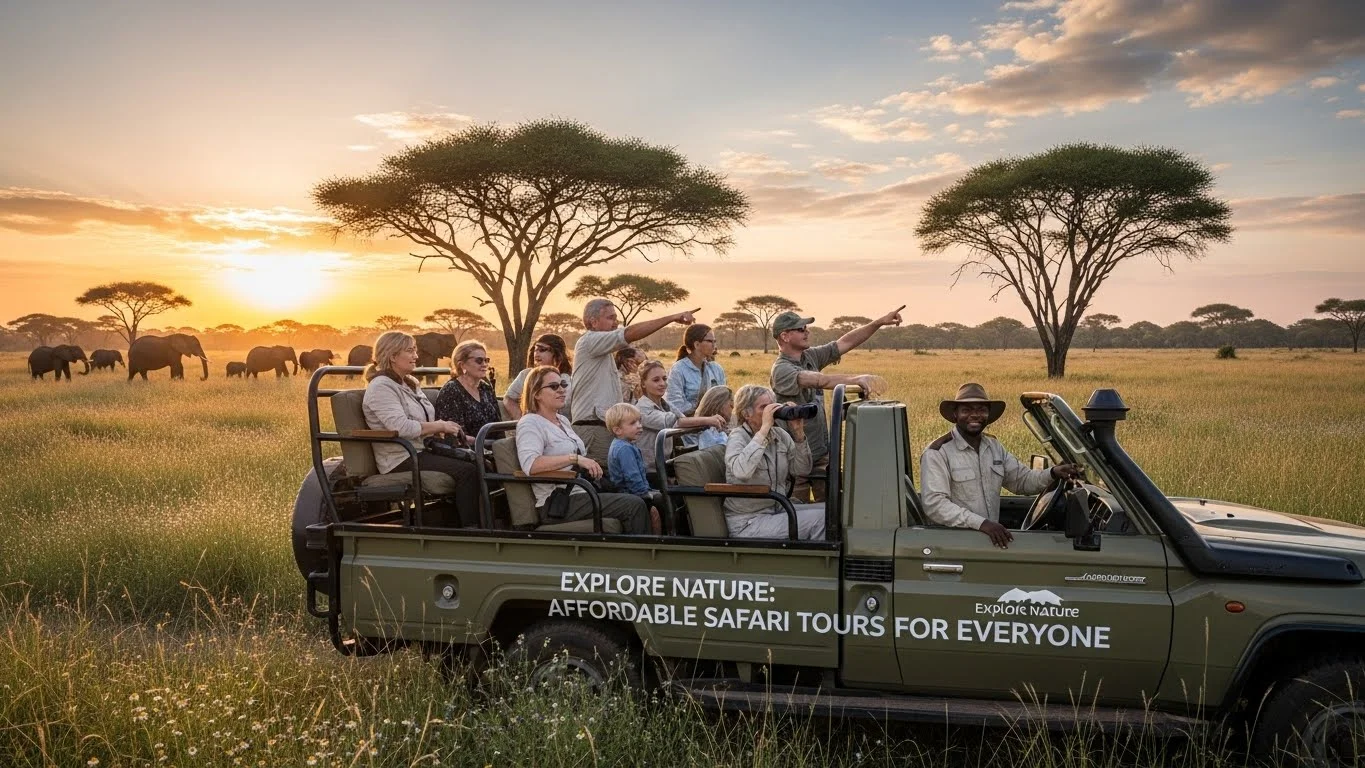
Explore Nature: Affordable Safari Tours for Everyone

Safari tours offer a thrilling way to experience the wild beauty of nature and its incredible wildlife. With affordable options available, there’s a safari adventure waiting for everyone! If you’re looking for budget-friendly options, check out our Top 10 Budget Safari Adventures You Can’t Miss.
Explore Nature: Affordable Safari Tours for Everyone

Understanding Safari Tours

What is a Safari?

When I first heard the term “safari,” I imagined vast open spaces, majestic animals roaming freely, and the thrill of adventure. A safari, which means “journey” in Swahili, refers to an expedition to observe and experience wildlife in their natural habitat. It’s more than just a trip; it’s a chance to connect with nature and witness the beauty of the animal kingdom firsthand. From the iconic “Big Five”—lions, elephants, buffalo, leopards, and rhinos—to the diverse ecosystems, every safari offers a unique experience that stays with you long after the journey ends.

Types of Safaris

One of the things I found fascinating when planning my safari was the variety of options available. Here are some types of safaris that cater to different preferences and budgets:

  • Game Drives: These are the most common and usually done in a 4×4 vehicle with a guide. It’s a comfortable way to explore the landscape and spot wildlife.
  • Walking Safaris: For those who crave a more hands-on experience, walking safaris allow you to trek through the wilderness and learn about the flora and fauna up close.
  • Camping Safaris: This is a back-to-nature experience that allows you to camp under the stars, often in remote locations. I remember the thrill of falling asleep to the sounds of the wild!
  • Hot Air Balloon Safaris: Imagine floating above the savannah at sunrise, watching the animals below. It’s a magical experience I can’t recommend enough.
  • Self-Drive Safaris: If you prefer independence, renting a vehicle to explore the parks at your own pace can be a rewarding adventure, allowing for spontaneous stops and discoveries.

Benefits of Going on a Safari

Going on a safari is more than just a holiday; it’s a chance to connect with nature, learn about wildlife conservation, and even bond with fellow travelers. Here are some benefits I’ve experienced:

  • Immersive Experience: Being in the wild is exhilarating! You feel a connection to the earth, the animals, and the environment that you just can’t replicate in a city.
  • Education: Safaris often include knowledgeable guides who share insights about wildlife behavior, conservation efforts, and the ecosystems we visit. I learned so much about the delicate balance of nature during my tours.
  • Photography Opportunities: For photography enthusiasts, safaris provide countless opportunities to capture stunning wildlife images. I still look back on the photos I took of elephants at sunset with fondness.
  • Adventure and Relaxation: Whether you’re soaring over the plains in a hot air balloon or relaxing by a campfire, safaris offer a unique mix of adventure and tranquility.
  • Connecting with Nature: I found that spending time in nature can have a profound impact on well-being. It helped me recharge and gain a fresh perspective on life.

Affordable Safari Destinations

Africa’s Iconic Safari Locations

When I started planning my safari, I quickly realized there are numerous renowned locations in Africa where you can experience the breathtaking wildlife. Here are a few iconic spots that stand out:

Kruger National Park, South Africa

Kruger is perhaps one of the most famous safari destinations. It’s massive, covering over 7,500 square miles, and offers a wide range of wildlife experiences. I was amazed by the accessibility of the park, with various entry points and accommodations suitable for different budgets. The wildlife is abundant, and I was fortunate enough to see all of the Big Five during my visit!

Serengeti National Park, Tanzania

The Serengeti is known for its incredible migration of wildebeest and zebras that occurs annually. Witnessing this natural spectacle was one of the highlights of my safari. The landscapes are stunning, and the opportunity to see predators in action made it unforgettable.

Masaai Mara, Kenya

The Masaai Mara is famous for its rich wildlife and the annual wildebeest migration. I still remember the thrill of seeing lions lounging under acacia trees and elephants roaming the plains. The cultural experiences with the Maasai people added an extra layer of richness to my trip.

Emerging Safari Destinations

While the iconic parks are amazing, I also discovered some emerging safari destinations that offer unique experiences without breaking the bank. For instance, you can find wildlife safaris you can enjoy under $100 a day that provide incredible value.

Etosha National Park, Namibia

Etosha is unlike any park I’ve visited. The salt pans create a surreal landscape, and wildlife congregates around the waterholes, providing excellent viewing opportunities. The sunset views here are breathtaking, and I felt like I was in a different world.

Chobe National Park, Botswana

Chobe is renowned for its large elephant population. I had a fantastic time on a boat safari, watching elephants swimming across the river. This park is less crowded, which made it feel more intimate and special.

Planning Your Safari Tour

When to Book Your Safari

Planning a safari can be both exciting and a bit overwhelming. From my experience, booking your safari well in advance is key to securing the best deals and accommodations. I remember when I planned my trip, I started looking for options about six months ahead. This gave me plenty of time to research and compare various safari packages. Many tour operators offer early bird discounts, and if you’re flexible with your travel dates, you can often find even better deals. I strongly recommend checking out multiple sources and keeping an eye on seasonal promotions.

Best Time of Year for Safaris

Choosing the right time for your safari can greatly influence your experience. In my case, I discovered that the dry season, from June to October, is considered the best time for wildlife viewing. Animals tend to congregate around water sources, making them easier to spot. I remember my trip to the Serengeti during this time; we saw so many animals, including lions and elephants, that I lost count! However, the wet season, from November to May, has its perks too. The landscape transforms into lush greenery, and it’s a great time for birdwatching. Plus, fewer tourists mean a more intimate experience with nature. If you’re interested in birdwatching, consider our Top 10 Budget-Friendly Birdwatching Tours You Can’t Miss.

Duration of Safari Tours

Another important aspect of planning is deciding how long your safari will be. I’ve experienced both short and extended tours, and each has its charm. A weekend safari can be thrilling but often feels rushed. I remember squeezing in as much as possible during a two-day trip, and while it was exhilarating, I felt like I barely scratched the surface. On the other hand, a week-long safari allowed me to fully immerse myself in the landscapes and wildlife. We took our time, explored different parks, and even had the chance to engage with local communities. I think a duration of at least five to seven days is ideal for a fulfilling experience.

Types of Affordable Safari Tours

Group Safari Tours

Group safari tours can be a fantastic way to explore if you’re looking for affordability and social interaction. When I went on my first group safari, I was a bit hesitant about sharing the experience with strangers. However, it turned out to be one of the best decisions I made! Not only did we split the costs, but I also made some great friends along the way. Group tours often come with a knowledgeable guide, which enhances the experience significantly. They help with spotting wildlife and provide fascinating insights about the environments we explored.

Self-Drive Safaris

If you’re the adventurous type, a self-drive safari might be your best bet. Renting a vehicle and navigating the parks on your own offers a level of freedom that I found exhilarating. I loved the spontaneity of being able to stop whenever something caught my eye. There was one moment when I stumbled upon a herd of giraffes gracefully browsing on treetops, and I felt like I was witnessing something magical. Just remember, though, that self-drive safaris require a bit of preparation. I recommend studying the park maps, understanding the rules, and having a plan for where to go.

Camping Safaris

For those who want to immerse themselves in the wild, camping safaris are an excellent option. I remember sleeping under the stars, surrounded by the sounds of nature, and it was a genuinely transformative experience. Camping offers a more authentic way to connect with the wilderness. Many tours provide all the necessary gear, so you don’t have to worry about logistics. Just pack your essentials and get ready for adventure! Plus, it’s often more budget-friendly than staying in lodges or hotels.

Budget Lodges and Accommodations

If camping isn’t your style, there are plenty of budget-friendly lodges and accommodations available. I found some fantastic options that didn’t compromise on comfort. Many of these lodges offer unique experiences, like guided night walks or local cuisine. Staying in a lodge can also provide a chance to interact with other travelers, share stories, and gain insights into their adventures. I remember enjoying a delicious meal with fellow travelers at one lodge, and we ended up sharing tips and recommendations that enriched my own safari experience.

What to Expect on a Safari

Wildlife Viewing Opportunities

One of the most thrilling aspects of a safari is the wildlife viewing opportunities. My heart raced every time we approached a waterhole or drove through a savannah, wondering what we might encounter. From my experience, it’s essential to stay patient and keep your eyes peeled. Animals can be elusive, but when you spot them in their natural habitat, it’s incredibly rewarding. I remember being in awe when we witnessed a cheetah chase after a gazelle; it was a moment I’ll never forget!

Guided Tours vs. Self-Guided Experiences

Deciding between guided and self-guided tours can be a tough choice. Guided tours are fantastic if you want to learn from experts and have a structured experience. I appreciated having knowledgeable guides who could answer my questions and share fascinating stories about the wildlife. On the flip side, self-guided experiences can be liberating. I loved the freedom to explore at my own pace. It really depends on what kind of experience you’re looking for, but both options can be incredibly fulfilling.

Safety Tips While on Safari

Safety is paramount on any safari adventure. One thing I learned quickly is to always listen to your guide’s instructions; they are trained to keep you safe. Staying in the vehicle during game drives is crucial, as animals can be unpredictable. I also found it helpful to pack a small first-aid kit and to have insect repellent handy. Respecting wildlife and keeping a safe distance is essential to ensure both your safety and the well-being of the animals. It’s all part of being a responsible safari-goer!

What to Pack for Your Safari

Clothing Essentials

Packing for a safari can be both fun and a bit challenging. I remember standing in front of my closet, wondering what I would truly need for the adventure ahead. The right clothing is crucial for comfort and practicality during your trip. I recommend starting with lightweight, breathable fabrics. The heat can be intense during the day, and wearing light colors helps reflect the sun. I packed several short and long-sleeve shirts, which allowed me to adapt to changing temperatures.

Another important tip is to choose clothes that blend in with the environment. Earthy tones like khaki, green, and brown not only help with camouflage but also make you feel part of the landscape. Don’t forget to bring a good pair of binoculars and a wide-brimmed hat for sun protection. A light jacket or fleece is also handy for those chilly evenings when the temperature drops. And, of course, comfortable shoes are a must! I found that sturdy hiking boots or even sandals worked well during my trips.

Camera Gear and Accessories

As someone who loves photography, packing the right camera gear was essential for capturing the unforgettable moments on my safari. I brought my DSLR camera along with a zoom lens to get close-up shots of the animals from a safe distance. I also made sure to carry extra batteries and memory cards since I didn’t want to miss any action. A lightweight tripod came in handy for stable shots during sunrise and sunset, which are the best times for photography.

Don’t forget protective gear for your camera too! A lens cleaner cloth and a waterproof bag can be lifesavers in case of unexpected rain or dust storms. I also packed a pair of binoculars, which allowed me to spot wildlife from afar before getting the camera ready. The thrill of seeing a pride of lions lounging in the sun was even more special through my binoculars!

Health and Safety Supplies

Health and safety should always be a priority when going on a safari. Before my trip, I made sure to consult with my doctor about necessary vaccinations and medications. I packed a small first-aid kit with essentials like band-aids, antiseptic wipes, and any personal medications I might need. Being in the wild can expose you to insects, so I highly recommend bringing a good insect repellent to keep those pesky bugs at bay during your adventures.

Additionally, sunscreen is a must. I learned this the hard way after getting sunburned on my first day out in the open. I applied sunscreen generously and often, especially during the peak sun hours. Another handy item to have is a refillable water bottle. Staying hydrated is vital, especially in hot climates, and many safari lodges provide filtered water for you to refill your bottle, which is both eco-friendly and cost-effective.

Local Cultures and Communities

Interacting with Local Tribes

One of the most enriching parts of my safari experience was the opportunity to interact with local tribes. Each encounter offered a unique glimpse into their cultures, traditions, and lifestyles. I remember visiting a Maasai village in Kenya, where we were welcomed with open arms. The vibrant colors of their clothing and the sound of traditional music created an atmosphere of warmth and joy. I felt honored to be part of their world, even if just for a short time.

During our visit, we learned about their customs, from traditional dances to storytelling. I was genuinely moved by their connection to the land and wildlife. The Maasai people have a deep understanding of the ecosystems around them, and they shared insights about living harmoniously with nature. Their stories brought the wildlife we encountered to life in a way that I hadn’t expected.

Supporting Local Economies through Tourism

Responsible tourism is something I truly believe in, and supporting local economies is a big part of that. When planning your safari, consider choosing tours that prioritize community engagement. I made it a point to book experiences that included local guides and artisans. By doing so, I felt like I was contributing to the communities I visited while also gaining a more authentic experience.

Buying handcrafted souvenirs directly from local artisans not only supports their livelihoods but also provides you with meaningful mementos from your journey. I remember purchasing a beautiful beaded necklace from a Maasai woman. Every time I wear it, I’m reminded of the stories and connections I made during my safari. It’s a beautiful way to carry a piece of that adventure with me, while also giving back to the communities that welcomed me.

Frequently Asked Questions

What is a safari?

A safari, which means “journey” in Swahili, refers to an expedition to observe and experience wildlife in their natural habitat. It offers a chance to connect with nature and witness the beauty of the animal kingdom firsthand.

What are the different types of safaris?

There are several types of safaris, including game drives in 4×4 vehicles, walking safaris, camping safaris, hot air balloon safaris, and self-drive safaris, catering to different preferences and budgets.

What are the benefits of going on a safari?

Benefits of going on a safari include an immersive experience with nature, education from knowledgeable guides, photography opportunities, a mix of adventure and relaxation, and the chance to connect with nature for personal well-being.

When is the best time to book a safari?

It’s recommended to book your safari well in advance, ideally about six months ahead, to secure the best deals and accommodations. Early bird discounts and seasonal promotions can also help you find better offers.

What is the best time of year for wildlife viewing on a safari?

The dry season, from June to October, is considered the best time for wildlife viewing, as animals congregate around water sources. The wet season, from November to May, offers lush landscapes and fewer tourists, making it ideal for birdwatching.

What should I pack for my safari?

Pack lightweight, breathable clothing in earthy tones, comfortable shoes, binoculars, camera gear with extra batteries, insect repellent, sunscreen, a refillable water bottle, and a small first-aid kit for health and safety.

What is the difference between guided tours and self-guided experiences?

Guided tours provide structured experiences with knowledgeable guides, while self-guided experiences offer freedom to explore at your own pace. Both options can be fulfilling depending on your preferences.

How can I support local communities while on a safari?

Support local communities by choosing tours that prioritize community engagement and by purchasing handcrafted souvenirs from local artisans, which helps contribute to their livelihoods and provides meaningful mementos from your journey.

What are some iconic safari locations in Africa?

Iconic safari locations in Africa include Kruger National Park in South Africa, Serengeti National Park in Tanzania, and Masaai Mara in Kenya, each offering unique wildlife experiences and landscapes.

What are some emerging safari destinations?

Emerging safari destinations include Etosha National Park in Namibia, known for its salt pans and wildlife viewing, and Chobe National Park in Botswana, famous for its large elephant population and intimate safari experiences.
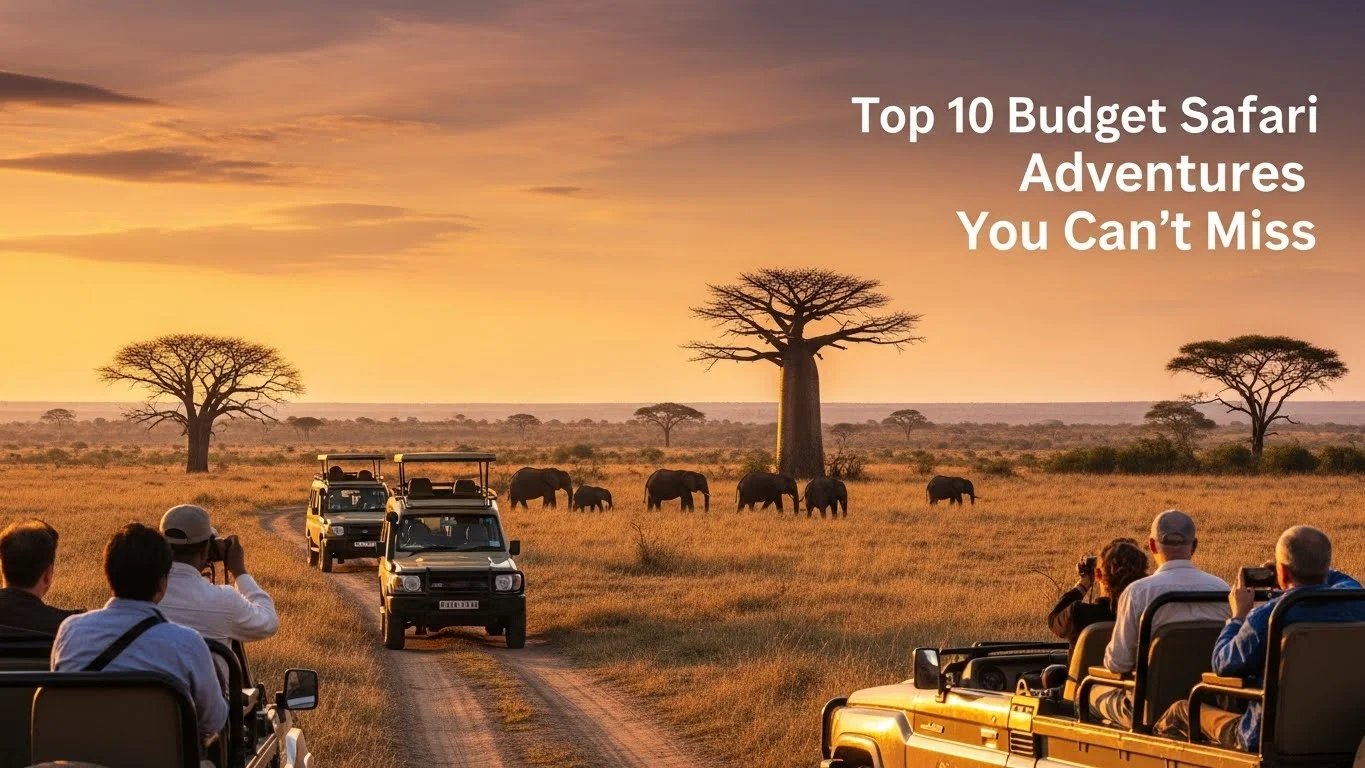
Top 10 Budget Safari Adventures You Can’t Miss

Dreaming of a thrilling safari adventure without breaking the bank? You’re not alone! Budget safaris offer incredible experiences, stunning landscapes, and unforgettable wildlife encounters. Let’s dive into everything you need to know about budget safaris!

Top 10 Budget Safari Adventures You Can’t Miss

Understanding Budget Safaris

What is a Budget Safari?

A budget safari is essentially an affordable way to experience the wonders of Africa’s wildlife and landscapes. It allows travelers like us to explore national parks and reserves without the hefty price tag often associated with safari adventures. These safaris can vary widely—from group tours to self-drive options, and from camping to budget lodges. I remember when I first looked into budget safaris; I was amazed at how accessible they could be. It truly opened my eyes to the beauty of Africa on a budget. For more insights, check out Wildlife Adventures: Best Budget-Friendly African Safari Spots.

Benefits of Choosing a Budget Safari

Choosing a budget safari comes with a slew of benefits. First and foremost, it allows us to immerse ourselves in nature without straining our finances. During my first safari, I realized that the experience was less about luxury and more about the moments shared with fellow travelers and the wildlife we encountered. Budget safaris also tend to offer a more communal experience. Meeting new friends from all over the world in a shared tent or lodge is something I cherish from my travels.

Another benefit is the flexibility budget safaris can offer. Many packages allow you to customize your itinerary, so you can spend more time in areas that capture your interest. Plus, you can often find deals during the off-peak season, making it even easier to stick to a budget while still enjoying the breathtaking sights Africa has to offer. If you’re also interested in birdwatching, consider looking into Top 10 Budget-Friendly Birdwatching Tours You Can’t Miss.

Common Misconceptions about Budget Safaris

There are a few misconceptions about budget safaris that I’d like to clear up. One of the biggest myths is that they sacrifice quality for cost. While it’s true that budget safaris might not have the same lavish amenities as luxury options, they still offer wonderful experiences. I’ve seen stunning wildlife and breathtaking landscapes on budget adventures that I could never have imagined. The animals don’t care about your hotel’s star rating; they’re just doing their thing in the wild!

Another misconception is that traveling on a budget means roughing it. This is not always the case. Many budget safari options include comfortable accommodations and guided tours led by knowledgeable locals. I was pleasantly surprised by the quality of service I received during my budget safari. The guides were passionate about the wildlife and shared their rich knowledge, which made the experience even more rewarding.

Top 10 Budget Safari Adventures

1. Maasai Mara National Reserve, Kenya

Best Time to Visit

The Maasai Mara is arguably one of the most famous safari destinations in Africa, and for good reason. The best time to visit is during the Great Migration, which typically occurs from July to October. I was fortunate enough to witness this spectacular event, where millions of wildebeest and zebras cross the plains. It’s a sight that will stay with me forever!

Affordable Accommodation Options

For budget travelers, there are plenty of options in and around the Maasai Mara. Campsites and budget lodges like the Mara River Camp provide an affordable yet immersive experience. I found that staying in a tented camp allowed me to connect more with nature and hear the sounds of the wild at night.

Local Wildlife Highlights

The Maasai Mara is home to the Big Five: lions, leopards, elephants, buffalo, and rhinoceros. I was mesmerized by the majestic lions lounging under acacia trees and the playful elephants splashing in the river. The sheer variety of wildlife is astounding, and it’s something that budget travelers shouldn’t miss!

2. Serengeti National Park, Tanzania

Best Time to Visit

Just a stone’s throw from the Maasai Mara, the Serengeti is another must-visit destination. The best time to experience the park is between June and September, during the dry season when animals gather around water sources. My time here was filled with breathtaking sunsets and thrilling wildlife encounters.

Affordable Accommodation Options

Budget accommodations in the Serengeti include campsites and lodges that offer basic amenities. I stayed at a budget tented camp where I had the chance to enjoy the sights and sounds of the Serengeti right outside my tent. It was an adventure in itself!

Local Wildlife Highlights

The Serengeti is famous for its annual migration, but it also boasts an impressive array of wildlife year-round. I was lucky to spot cheetahs sprinting across the plains and groups of elephants grazing peacefully. The diversity of animals is simply breathtaking.

3. Kruger National Park, South Africa

Best Time to Visit

When it comes to budget safaris, Kruger National Park is a top contender. The best time to visit is during the dry winter months from May to September. I found that this time made wildlife spotting easier as animals congregate around waterholes.

Affordable Accommodation Options

Kruger offers a range of budget accommodations, from campsites to basic huts. I enjoyed camping in one of the park’s campsites, where I got to experience the thrill of being so close to nature. It was everything I hoped for and more!

Local Wildlife Highlights

Kruger is home to an incredible variety of wildlife, including the Big Five. During my visit, I saw herds of buffalo, graceful giraffes, and a lazy lion pride. The park’s diverse ecosystems make it an excellent place for wildlife enthusiasts.

4. Chobe National Park, Botswana

Best Time to Visit

Chobe National Park is known for its large elephant population, and the best time to visit is during the dry season from May to October. I was blown away by the sight of elephants bathing in the Chobe River—a memory I will cherish forever.

Affordable Accommodation Options

Budget accommodation options near Chobe include campsites and lodges that won’t break the bank. I opted for a riverside campsite, which provided stunning views and the perfect setting to unwind after a day of exploring.

Local Wildlife Highlights

The highlight of Chobe is undoubtedly its elephants, but the park is also home to lions, leopards, and a myriad of bird species. During a boat cruise, I loved watching hippos and crocodiles lounging by the river. It was a unique way to experience the wildlife!

5. Etosha National Park, Namibia

Best Time to Visit

Etosha National Park is one of Namibia’s jewels, with the best time to visit from May to October during the dry season. I found that this time offers better wildlife viewing as animals come to the waterholes.

Affordable Accommodation Options

In Etosha, budget travelers can find rest camps with basic amenities. I stayed at Okaukuejo Camp, where I could watch wildlife at the waterhole from the comfort of my lodge. It was an experience I wouldn’t trade for anything!

Local Wildlife Highlights

Etosha is home to unique species like the black rhino and the endemic Etosha springbok. I was thrilled to see such a variety, and the salt pans were a stunning backdrop to my wildlife adventures. The park’s unique landscape truly brought my safari experience to life.

6. Amboseli National Park, Kenya

Best Time to Visit

Amboseli is famous for its stunning views of Mount Kilimanjaro and its large elephant herds. The best time to visit is during the dry seasons, from June to October and January to March. I was captivated by the sight of elephants against the backdrop of Kilimanjaro.

Affordable Accommodation Options

Budget accommodations in Amboseli include campsites and affordable lodges. I booked a tented camp, which provided a cozy and immersive experience. Falling asleep to the sounds of wildlife was unforgettable!

Local Wildlife Highlights

Amboseli is known for its elephants, but I also saw cheetahs, lions, and a variety of birds. The abundance of wildlife made every game drive an adventure. Each day brought new surprises that kept my excitement alive!

7. Tarangire National Park, Tanzania

Best Time to Visit

Tarangire is known for its massive elephant herds and baobab trees. The best time to visit is during the dry season, from June to October. I felt a sense of wonder as I watched elephants interact among the ancient baobabs.

Affordable Accommodation Options

Budget accommodations are available in and around Tarangire, including campsites and lodges. I enjoyed staying in a tented camp that offered a perfect blend of comfort and adventure.

Local Wildlife Highlights

In addition to elephants, Tarangire is home to lions, zebras, and a variety of birds. I’ll never forget witnessing a pride of lions lounging in the shade. The park’s diverse wildlife kept my camera clicking!

8. Lake Nakuru National Park, Kenya

Best Time to Visit

Lake Nakuru is famous for its flamingos and diverse wildlife. The best time to visit is in the dry season from July to October. I was amazed by the vast flocks of flamingos, creating a beautiful pink hue across the lake.

Affordable Accommodation Options

Budget travelers can find campsites and economical lodges in Lake Nakuru. I opted for a budget lodge that provided stunning views of the lake and easy access to the park.

Local Wildlife Highlights

Lake Nakuru is home to a variety of wildlife, including rhinos, giraffes, and baboons. I was lucky enough to see both black and white rhinos during my visit, which was truly a highlight!

9. Addo Elephant National Park, South Africa

Best Time to Visit

Addo Elephant National Park is a hidden gem known for its elephant population. The best time to visit is during the dry months from May to September. I marveled at the numbers of elephants I saw—definitely a sight to remember!

Affordable Accommodation Options

Budget accommodations in Addo include campsites and basic lodges. I enjoyed my stay at a budget-friendly lodge, where I could relax after a day of game viewing.

Local Wildlife Highlights

Aside from elephants, Addo is home to lions, buffalo, and various antelope species. I loved watching the elephants interact in their natural habitat—it was one of my favorite experiences!

10. Selous Game Reserve, Tanzania

Best Time to Visit

Selous Game Reserve offers a more remote and wild experience, with the best time to visit being during the dry season from June to October. I felt a sense of excitement exploring this less-traveled area; it felt like a true adventure!

Affordable Accommodation Options

For budget travelers, affordable lodges and campsites are available within and around Selous. I stayed at a budget camp that provided an immersive experience with nature, and I loved every moment!

Local Wildlife Highlights

Selous is home to elephants, hippos, and wild dogs, among other wildlife. One of my most memorable moments was watching a pack of wild dogs playing together. It’s those unexpected encounters that truly make a safari special.

Planning Your Budget Safari Adventure

How to Choose the Right Safari Package

Choosing the right safari package can feel overwhelming, especially with so many options available. I remember scouring the internet for deals and feeling a bit lost. One of the first steps I took was to determine what type of experience I wanted. Did I prefer a more communal group adventure, or was I interested in a self-driven safari? Each option offers unique experiences, so I recommend weighing the pros and cons based on your comfort level and what you hope to see.

Another important factor to consider is the itinerary. Look for packages that highlight the national parks and wildlife you’re most excited to see. I found that some packages included additional activities like guided hikes or cultural experiences with local communities, which added tremendous value to my trip. Don’t hesitate to reach out to tour operators to ask questions; they can help tailor the experience to fit your needs.

Lastly, read reviews from fellow travelers. Their experiences can provide insight into what to expect and whether a particular package is worth your time and money. I learned so much from others who had been before me, and it guided me toward making informed decisions.

Essential Items to Pack for a Budget Safari

Packing for a budget safari requires some thought, especially since you want to be prepared for various situations while keeping your bags light. I’ve learned a few essentials through my experiences that I believe everyone should consider bringing along.

  • Comfortable Clothing: Lightweight, breathable fabrics are key. I often wore khaki or neutral colors to blend in with the environment. Layers are also important because temperatures can fluctuate throughout the day.
  • Good Footwear: A sturdy pair of walking shoes or boots is essential. I made the mistake of bringing new shoes on my first safari, and my feet were sore after the first day! A well-worn pair will keep you comfortable.
  • Binoculars: Wildlife spotting is one of the highlights of a safari, and having a good pair of binoculars can enhance your experience tremendously. I was grateful for mine when I spotted distant animals that would have been missed otherwise.
  • Sun Protection: Sunscreen, sunglasses, and a wide-brimmed hat are must-haves. I underestimated the sun’s intensity during my first safari, and I learned the hard way about the importance of protection.
  • Reusable Water Bottle: Staying hydrated is crucial, especially in the heat. Many campsites have refill stations, so I always carried a reusable bottle with me.
  • First Aid Kit: A basic first aid kit can come in handy for minor injuries or ailments. I always pack some antiseptic wipes, pain relievers, and any personal medications I might need.

Tips for Saving Money on Safari Experiences

Budgeting for a safari can be tricky, but there are plenty of ways to save money without sacrificing the experience. I’ve picked up some valuable tips along the way that I think can help others looking to embark on a budget-friendly adventure.

  • Travel during the Off-Peak Season: Visiting during less popular months can lead to significant savings. I found that not only were accommodations cheaper, but there were also fewer tourists, which made for a more intimate experience.
  • Choose Shared Accommodations: Instead of booking a private lodge, consider shared tents or dormitory-style camping. This is often much cheaper and can also lead to meeting amazing fellow travelers.
  • Self-Drive Safaris: If you’re comfortable, renting a vehicle and driving yourself can save you a lot of money. I enjoyed the flexibility it offered, allowing me to explore at my own pace and stop whenever something caught my eye.
  • Pack Your Own Snacks: Safari meals can sometimes be pricey. I found that packing some snacks from home significantly reduced my costs. Plus, it’s nice to have something familiar while out in the wild.
  • Look for Package Deals: Many operators offer discounts for bundled packages that include accommodation, meals, and activities. I scored some great deals this way, especially when booking in advance.

Overall, being mindful of your budget while planning your safari can lead to an incredible adventure without causing financial stress. With a little planning and creativity, you can have the experience of a lifetime while keeping your finances in check. Additionally, if you are planning to explore other budget-friendly sites, check out Explore Ancient Ruins: Top Budget-Friendly Sites to Visit.

Frequently Asked Questions

What is a budget safari?

A budget safari is an affordable way to experience Africa’s wildlife and landscapes, allowing travelers to explore national parks and reserves without high costs. Options vary from group tours to self-drive options, and from camping to budget lodges.

What are the benefits of choosing a budget safari?

Budget safaris allow for immersion in nature without financial strain, offer a communal experience, and provide flexibility in customizing itineraries. They are also often more accessible during the off-peak season, making breathtaking sights affordable.

Do budget safaris sacrifice quality for cost?

No, budget safaris do not necessarily sacrifice quality. While they may lack luxury amenities, they still provide wonderful experiences, including stunning wildlife sightings and knowledgeable guides.

What should I consider when choosing a safari package?

When choosing a safari package, consider the type of experience you want (group or self-drive), the itinerary focusing on parks and wildlife of interest, and reading reviews from fellow travelers for valuable insights.

What essential items should I pack for a budget safari?

Essentials to pack include comfortable clothing, good footwear, binoculars, sun protection (sunscreen, sunglasses, hat), a reusable water bottle, and a basic first aid kit for minor injuries.

How can I save money on safari experiences?

You can save money by traveling during the off-peak season, choosing shared accommodations, considering self-drive safaris, packing your own snacks, and looking for package deals that include accommodations, meals, and activities.

What is the best time to visit Maasai Mara National Reserve?

The best time to visit the Maasai Mara is during the Great Migration, which typically occurs from July to October.

Which national park is known for its large elephant population?

Chobe National Park in Botswana is known for its large elephant population, with the best time to visit being during the dry season from May to October.

What types of wildlife can be seen in Etosha National Park?

Etosha National Park is home to unique species such as the black rhino and the endemic Etosha springbok, along with a variety of wildlife, including elephants and other mammals.

What are some affordable accommodation options for budget travelers?

Budget travelers can find a range of accommodations including campsites and budget lodges in various national parks, providing basic amenities and immersive experiences in nature.

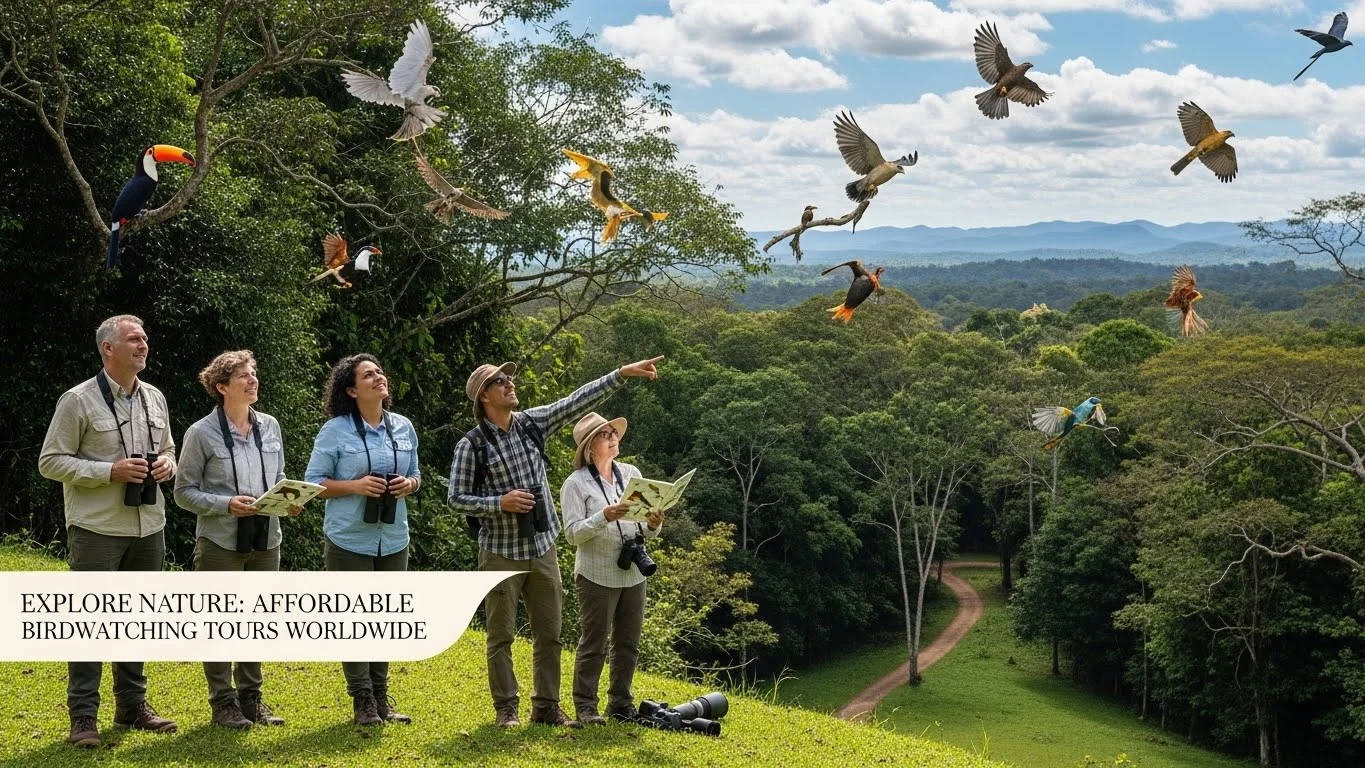
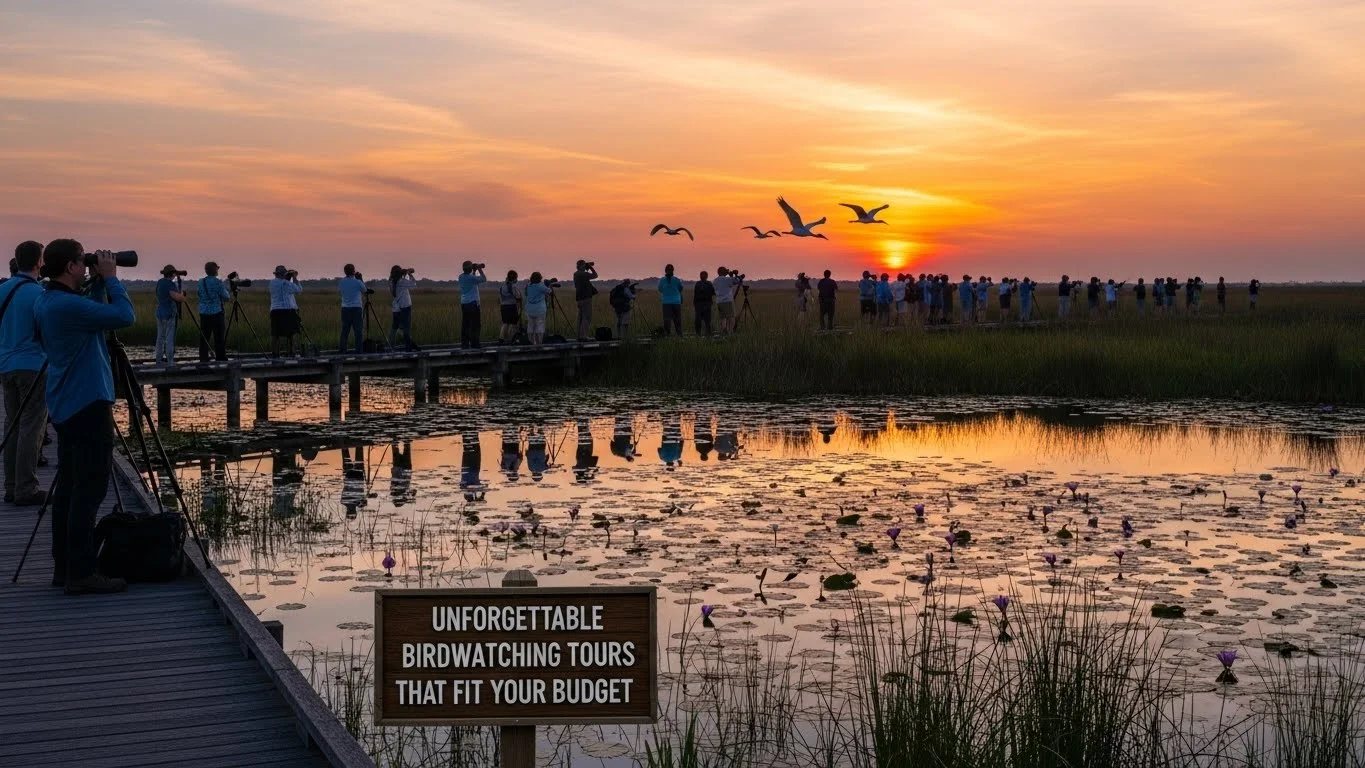
Unforgettable Birdwatching Tours That Fit Your Budget

Imagine standing quietly in nature, the air filled with the sweet melodies of birdsong. Birdwatching can be a rewarding experience, and with budget-friendly tours available, it’s easier than ever to embark on this adventure. Explore Nature: Affordable Birdwatching Tours Worldwide can help you get started.

Unforgettable Birdwatching Tours That Fit Your Budget

Understanding Birdwatching Tours

When I first stumbled into the world of birdwatching, I didn’t realize how captivating it could be. To many, it might seem like a simple hobby, but for us enthusiasts, it’s a gateway to connecting with nature. Birdwatching tours offer a chance to explore this passion, and there’s a wealth of options out there for every budget.

What is Birdwatching?

Birdwatching is the act of observing and identifying birds in their natural habitats. For me, it’s more than just spotting a feathered friend; it’s an immersive experience. Whether it’s listening to their calls or marveling at their colors, birdwatching invites you to slow down and appreciate the beauty around us. I remember my first birdwatching outing. Armed with a guidebook and my trusty binoculars, I felt like an explorer venturing into uncharted territory. Each bird I spotted felt like a small conquest, and that sense of discovery keeps me coming back.

The Benefits of Birdwatching

There are so many benefits to birdwatching that I often find myself recommending it to friends and family. First and foremost, it encourages us to spend time outdoors. With busy lives, it’s easy to forget the importance of fresh air and nature. Birdwatching also fosters mindfulness. When I’m out in the field, I find my worries fade away as I focus on the present moment. Plus, it’s an excellent exercise for the brain. Learning to identify species, understanding their behaviors, and remembering their calls keeps my mind sharp. Not to mention, it’s a fantastic way to connect with fellow nature lovers. I’ve made some great friends through birdwatching tours, bonding over shared experiences and favorite species.

Types of Birdwatching Tours

When it comes to birdwatching tours, the variety is impressive. I’ve tried a few different types, and each one has its unique flavor. Guided tours led by experts are a great option for beginners. They provide valuable insights into bird behavior and habitat, plus, you have someone there to answer questions. On the flip side, self-guided tours allow for more flexibility. You can set your own pace, linger on that stunning vista, or skip the less exciting spots. There are also specialized tours, like those focused on migratory species or specific locations known for rare sightings. I once joined a pelagic birding tour, which took us far out to sea. The thrill of spotting seabirds in their natural environment was unforgettable.

In addition to these, there are eco-tours that combine birdwatching with conservation efforts. Participating in such tours not only feeds our passion for avian observation but also contributes to the preservation of their habitats. I feel a sense of pride knowing that spending time with birds can also help protect them. Top 10 Budget-Friendly Birdwatching Tours You Can’t Miss offers great options for those looking for affordable experiences.

As I reflect on my own experiences, I can’t help but emphasize the importance of finding a tour that matches your interests and budget. Not every tour will be the right fit, and that’s perfectly okay. Choosing one that resonates with you can make all the difference in how much you enjoy your birdwatching adventure.

Top Birdwatching Destinations on a Budget

Now that we’ve covered the basics of birdwatching tours, let’s dive into some of my favorite destinations that won’t break the bank. I’ve traveled to countless places, and these are the ones that consistently deliver exceptional birdwatching experiences.

National Parks

National parks are some of the best spots for birdwatching, and many have incredible trails and viewing areas. I’ve visited several parks across the country, and each one offers its unique ecosystem and variety of birds. Parks like Yellowstone and Everglades National Park are teeming with life. The best part? Many parks offer free entry or have low-cost entry fees. Packing a picnic and spending the day hiking and birdwatching in a national park can be a magical experience that I highly recommend.

Nature Reserves

Nature reserves are often underrated gems. They usually feature diverse habitats, making them perfect for spotting different bird species. I remember visiting a local nature reserve during migration season, where I was treated to a spectacular display of warblers and raptors. Many reserves are free or charge a nominal fee, so it’s a budget-friendly option. Plus, they often have visitor centers with helpful resources for birdwatchers.

Local Birdwatching Hotspots

Sometimes, the best birdwatching spots are right in our backyards. I’ve found that local parks, rivers, and even urban areas can be surprisingly fruitful for birdwatching. Joining local birdwatching groups can lead you to hidden gems that you might not have discovered on your own. I’ve had some of my most memorable birdwatching moments just a short drive from home. Plus, exploring these local hotspots can help save on travel expenses while still offering the thrill of discovery.

How to Choose the Right Birdwatching Tour

Choosing the right birdwatching tour can feel overwhelming at first, especially with so many options available. I’ve learned from experience that taking the time to find the right fit can make all the difference in how much I enjoy my time in the field. Here are some factors that I always consider when picking a tour.

Factors to Consider

Before diving into any birdwatching tour, I think it’s crucial to consider what you hope to get out of the experience. Are you a beginner looking to learn, or are you an experienced birder hoping to spot rare species? I also look into the types of birds that are in season at the time of my tour. For example, if I’m keen on seeing migratory birds, I plan my tour around their migration schedule. Additionally, I pay attention to the group size. For me, smaller groups tend to create a more intimate and engaging experience, allowing for personal interaction and more opportunities to ask questions. Lastly, I always check reviews from past participants. This helps me get a sense of the tour’s overall quality and what to expect.

Group vs. Private Tours

Deciding between a group tour and a private tour can be another important factor. I’ve had the pleasure of trying both, and each has its perks. Group tours can be a lot of fun, especially if you enjoy meeting new people. They often create a lively atmosphere, and sharing the excitement of spotting a bird with fellow enthusiasts is something special. I remember one group tour where we all cheered together when someone spotted a rare woodpecker. On the other hand, private tours offer a customizable experience tailored to my interests. I can focus on specific birds or habitats and move at my own pace. Plus, the one-on-one attention from a knowledgeable guide can really enhance the learning experience.

Duration and Timing of Tours

The duration and timing of the tours are also vital. I’ve found that half-day tours are fantastic for quick outings, especially if I’m short on time. However, full-day tours often provide more comprehensive experiences, allowing for deeper exploration of habitats and bird behaviors. Timing can also play a significant role in the success of a tour. Early morning or late afternoon are generally the best times to spot active birds. I’ve had some of my most memorable birdwatching moments at dawn, standing in the quiet stillness while the world awakens around me.

Cost-Effective Birdwatching Tours

Now, let’s talk about some cost-effective options for indulging in birdwatching. I understand that budgeting is important, so I’ve scoured the options and found ways to enjoy this hobby without emptying my wallet.

Free and Low-Cost Options

One of the best things about birdwatching is that it doesn’t have to be expensive. Many local parks and nature reserves offer free access, which means I can grab my binoculars and head out whenever I want. I also love taking advantage of community birdwatching events that are often organized by local clubs or nature centers. These events are usually free or ask for a small donation, and they provide great opportunities to learn from experienced birders while meeting others who share my passion.

Affordable Guided Tours

If I decide to go for a guided tour, I always look for budget-friendly options. Many organizations offer discounted rates for students, seniors, or members, so it’s worth checking if any of those apply to me. I’ve also found that booking in advance can sometimes lead to lower prices. I remember securing a great deal on a guided tour by signing up a few months ahead of time. Additionally, certain times of the year may have lower rates due to off-peak seasons, making it an excellent time to book a tour.

DIY Birdwatching Adventures

One of my favorite ways to save money while birdwatching is to plan DIY adventures. I’ve created my own birdwatching routes, combining a mix of local hotspots and nature reserves. With a bit of research, I can discover new places to explore without the cost of a tour. Plus, this way, I can set my schedule and enjoy being outdoors at my own pace. I often pack a simple lunch, grab my guidebook or bird identification app, and head out for a day of discovery. Not only is this budget-friendly, but it also allows for a more personal connection with the environment.

Essential Gear for Birdwatching on a Budget

When I first started birdwatching, I quickly realized that having the right gear could enhance my experience significantly. The good news is, you don’t need to break the bank to get started. Over the years, I’ve learned about essential items that can help us enjoy birdwatching without overspending.

Binoculars: What to Look For

One of the most important tools in a birdwatcher’s arsenal is a good pair of binoculars. I remember my first pair; they were a bit on the affordable side, but they served me well. When choosing binoculars, I recommend looking for a magnification between 8x and 10x, which strikes a great balance between clarity and stability. A wider field of view is also beneficial for tracking fast-moving birds. I’ve found that waterproof and fog-proof models are ideal, especially if you’re birdwatching in wet or humid conditions. While brands can vary in price, I believe it’s worth investing in a decent pair that feels comfortable and easy to use.

Field Guides and Apps

Another must-have is a field guide or a bird identification app. I’ve amassed a small collection of field guides over the years, each tailored to different regions. They’re invaluable for identifying species, learning about their habits, and understanding their calls. However, I’ve also discovered that many smartphone apps offer great resources, often for free or at a low cost. Apps like Merlin Bird ID have helped me quickly identify birds just by answering a few questions about their appearance or calls. I appreciate having this handy tool during my outings, especially when I’m trying to identify a bird on the fly. Top Affordable Birdwatching Tours for Nature Lovers can provide additional insights on options available.

Clothing and Accessories

Comfort is key when you’re out in the field for hours, so I pay close attention to what I wear. I typically opt for breathable, quick-drying fabrics that allow me to move freely. Layers are essential, as temperatures can change throughout the day. I remember a chilly morning birdwatching trip where I was grateful for my extra jacket! Sturdy, waterproof footwear is also a must, especially if I’m hiking through wet grass or muddy trails. A good hat and sunscreen are important too, protecting me from the sun while keeping me comfortable during long hours outside.

Additionally, carrying a small backpack helps me stay organized. I like to pack water, snacks, and my guidebook or app for easy access. Sometimes, I’ll bring a notebook to jot down my observations and share them later with friends or fellow birdwatchers. It’s a nice way to reflect on the day and keep track of species I’ve seen.

Planning Your Birdwatching Trip

Planning a birdwatching trip can be exciting, and I’ve found that a little preparation makes all the difference. Over the years, I’ve developed a process that helps ensure I make the most of my time in the field.

Best Times to Visit

Timing is everything in birdwatching. I’ve learned that early mornings and late afternoons are often the best times to spot birds as they are most active during these hours. I remember waking up before dawn for a sunrise birdwatching session; the quiet peace of the morning was magical. Depending on the season, different species may be more prevalent, so I also check migration calendars to plan my outings accordingly. I find that researching the birds I hope to see beforehand enhances my experience and increases my chances of spotting them.

Transportation Options

Getting to birdwatching locations can vary from a short drive to a longer adventure. I prefer using my car for flexibility, especially if I’m planning to explore multiple spots in one day. However, I’ve also participated in group tours that provide transportation, which can be a great way to meet fellow bird enthusiasts while saving the hassle of navigating unfamiliar areas. Whether I’m driving or joining a tour, I always have a reliable route mapped out, ensuring I don’t miss any key locations along the way.

Accommodation Ideas

If my birdwatching trip spans multiple days, finding the right place to stay is essential. I’ve had great experiences with camping, which brings me closer to nature, but I’ve also used budget-friendly motels and inns that cater to outdoor enthusiasts. Booking accommodations near my birdwatching destinations saves travel time and allows me to maximize my birding hours. I often look for places that offer early check-in or late check-out options, giving me the chance to squeeze in a few extra hours of birdwatching.

As I plan my trips, I keep in mind that birdwatching is about enjoying the journey just as much as the destination. With the right gear and a bit of planning, we can embark on incredible birdwatching adventures without straining our budgets.

Safety and Ethical Considerations

Staying Safe While Birdwatching

As much as I love birdwatching, I’ve learned the importance of staying safe while enjoying this activity. Whether I’m in a remote park or a local nature reserve, I always make sure to follow a few basic safety tips. Firstly, I stay aware of my surroundings, especially in areas with wildlife. I remember one time being too engrossed in spotting a rare bird when I nearly stumbled upon a family of deer. Keeping a safe distance from wild animals is crucial for both their safety and mine.

Another aspect I pay attention to is the weather. I’ve had trips cut short due to sudden rainstorms or extreme heat. Checking the forecast beforehand helps me dress appropriately and pack essential gear like rain jackets or plenty of water. Additionally, I always let someone know where I’m going, especially if I’m venturing into less populated areas. Having a fully charged phone and a map or GPS can make a world of difference in case I need assistance.

Ethical Birdwatching Practices

Birdwatching brings joy, but it also comes with responsibilities. I’ve learned that ethical birdwatching is essential to ensure we don’t disturb the natural habitats we love. For example, I make it a point to observe birds from a distance, using binoculars instead of getting too close. This not only helps keep the birds calm but also allows me to enjoy their behaviors without intruding.

Another practice I follow is to stay on designated trails. Venturing off-path can damage delicate ecosystems and disturb nesting sites. It’s also important to respect any signs or guidelines posted at birdwatching locations. I remember visiting a wetlands area where I encountered a nesting area clearly marked as off-limits. Following those rules not only protects the birds but also ensures that future generations can enjoy these beautiful creatures as well.

Community and Resources for Birdwatchers

Birdwatching Clubs and Organizations

Getting involved with local birdwatching clubs has been one of the best decisions I’ve made. I’ve met like-minded individuals who share my passion, and these clubs often organize group outings, educational workshops, and conservation efforts. I recall joining a local club where we would meet monthly to discuss our latest birding adventures and plan upcoming trips. It felt great to be part of a community that encourages learning and sharing experiences!

Many organizations also offer valuable resources, such as field guides and access to exclusive birdwatching locations. I’ve found that they often provide insights on local bird populations, which can enhance my outings significantly.

Online Forums and Social Media Groups

In this digital age, online platforms have become fantastic resources for birdwatchers. I’ve joined several forums and social media groups where enthusiasts share tips, photos, and even coordinate outings. It’s amazing how much I’ve learned from others who have different experiences and backgrounds. I often post pictures of my sightings and ask for identification tips from the community; their feedback has helped me grow as a birder.

Social media also offers a way to follow bird conservation efforts and stay updated on events. I enjoy watching live streams of bird nests and migratory patterns, which keeps my passion alive even when I can’t be out in the field.

Birdwatching Events and Festivals

Events and festivals dedicated to birdwatching are another excellent way to immerse myself in this hobby. I’ve attended a couple of birding festivals, and they were nothing short of exhilarating. These gatherings usually feature expert-led workshops, guided birdwatching trips, and opportunities to connect with fellow birders from all over. I remember attending a festival where I had the chance to hear renowned ornithologists speak about their research while getting tips on bird identification. It was both entertaining and educational!

Participating in these events also helps support conservation initiatives, as many of them raise funds for protecting bird habitats. It feels good to know that while I’m having fun, I’m also contributing to a cause I care deeply about.

Frequently Asked Questions

What is the best time of year for birdwatching?

The best time often varies by location and the specific birds you’re hoping to see. Generally, spring and fall are prime seasons for birdwatching due to migration. However, local species can be observed throughout the year. I usually check local migration calendars to help plan my trips.

Do I need special permits for birdwatching?

Most birdwatching doesn’t require special permits, but some protected areas or reserves might have regulations. It’s always a good idea to check the rules of the places I plan to visit, ensuring that I comply with any necessary permits or fees.

How do I identify different bird species?

Identifying bird species can initially seem daunting, but I’ve found that using field guides and birding apps significantly helps. Noting their size, color, song, and behavior allows me to make educated guesses. With practice, I’ve learned to recognize many common birds just by their calls, which has made my birdwatching experiences even richer.

Final Thoughts

Birdwatching is not just about spotting different species; it’s about connecting with nature, fostering community, and appreciating the beauty around us. Whether you’re embarking on your first birdwatching adventure or you’re a seasoned enthusiast, I encourage you to explore the many resources, tips, and practices that can enhance your journey. With a little planning and the right mindset, we can all enjoy the wonders of birdwatching without straining our budgets. Let’s embrace the joy of this beautiful hobby, stay safe, and continue to learn from the incredible world of birds.

Frequently Asked Questions

“`html

What is birdwatching?

Birdwatching is the act of observing and identifying birds in their natural habitats. It is an immersive experience that encourages appreciation of nature’s beauty.

What are the benefits of birdwatching?

Birdwatching encourages outdoor activity, fosters mindfulness, provides mental exercise, and offers opportunities to connect with fellow nature lovers.

What types of birdwatching tours are available?

There are guided tours led by experts, self-guided tours for flexibility, specialized tours focused on certain species or locations, and eco-tours that combine birdwatching with conservation efforts.

What are some budget-friendly birdwatching destinations?

National parks, nature reserves, and local hotspots like parks and rivers are excellent budget-friendly destinations for birdwatching, often featuring free or low-cost entry.

How do I choose the right birdwatching tour?

Consider what you hope to gain from the experience, the types of birds in season, group size, and check reviews from past participants to find a tour that fits your interests and budget.

What should I consider when planning a birdwatching trip?

Timing is crucial, so early mornings or late afternoons are best for spotting birds. Researching the birds you want to see and planning transportation and accommodations are also important.

What essential gear do I need for birdwatching?

Essential gear includes binoculars (preferably 8x to 10x magnification), field guides or bird identification apps, comfortable clothing, and a small backpack for snacks and supplies.

What are some safety tips for birdwatching?

Stay aware of your surroundings, check the weather forecast, let someone know your plans, and carry a fully charged phone and map or GPS for safety.

How can I engage with the birdwatching community?

Joining local birdwatching clubs, participating in online forums or social media groups, and attending birdwatching events or festivals are great ways to connect with fellow enthusiasts.

Do I need special permits for birdwatching?

Most birdwatching does not require special permits, but some protected areas may have regulations, so it’s important to check the rules of the locations you plan to visit.

“`

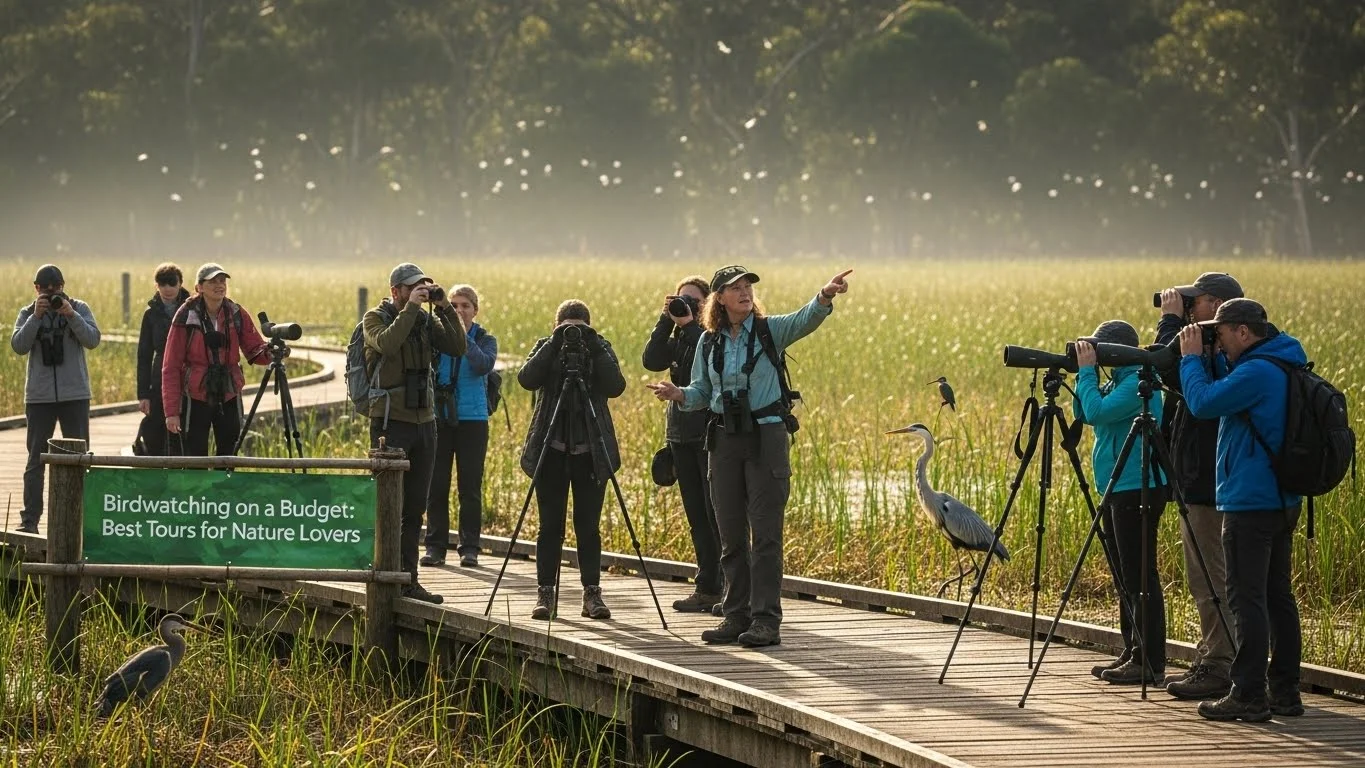
Birdwatching on a Budget: Best Tours for Nature Lovers

Birdwatching is a thrilling way to connect with nature without breaking the bank. Whether you’re a seasoned enthusiast or just starting, there are plenty of affordable options to explore. Let’s dive into the world of birdwatching and discover its wonders! For those interested in broader options, you can explore nature: affordable birdwatching tours worldwide.

Birdwatching on a Budget: Best Tours for Nature Lovers

Understanding Birdwatching

What is Birdwatching?

Birdwatching, to me, feels like a delightful treasure hunt. It’s all about observing birds in their natural habitats, whether in your backyard, a local park, or remote wilderness areas. I remember the first time I spotted a vibrant cardinal perched on my window sill; I was instantly hooked. Birdwatchers, often called birders, use binoculars and field guides to identify different species and learn more about their behaviors and habitats.

For many, it’s not just about spotting as many birds as possible; it’s about experiencing the great outdoors, enjoying the serenity of nature, and appreciating the beauty around us. It’s a wonderful blend of excitement and tranquility, and it can be as simple or as intricate as you want it to be.

The Benefits of Birdwatching for Nature Lovers

Birdwatching offers an array of benefits that extend beyond just the thrill of spotting a rare species. For me, it cultivates a deeper connection with nature. Spending time outdoors, in the fresh air, surrounded by the sounds of chirping birds and rustling leaves, is incredibly refreshing. I’ve found that it can lower stress levels, boost creativity, and promote mindfulness.

Moreover, birdwatching enhances my observational skills. I’ve learned to pay attention to subtle movements, sounds, and colors that I might have overlooked before. It’s fascinating how different species behave, and witnessing their interactions can be both educational and entertaining. In my experience, every outing is an opportunity to learn something new, whether it’s about the birds themselves or the ecosystems they inhabit.

Additionally, birdwatching can be a social activity. I’ve met wonderful people who share my passion, whether at local birding events or on guided tours. Sharing stories, tips, and experiences enriches the journey and builds a sense of community. Plus, it’s an excellent way to create lasting memories with friends and family.

Choosing the Right Birdwatching Tours

Factors to Consider When Selecting a Tour

When I decided to join a birdwatching tour, I realized there’s more to consider than just the price. First, I think about the expertise of the guide. A knowledgeable guide not only enhances the experience with their insights but can also help identify birds that I might miss. It’s nice to have that additional layer of information, especially for beginners.

Next, I consider the location and type of habitat the tour covers. Different birds thrive in different environments, so I often choose tours that explore diverse habitats, like wetlands, forests, and coastal areas. This way, I get to see a wider variety of species in one trip. Timing is also crucial. I’ve learned that early mornings or late afternoons are the best times to spot birds, as they are most active during these hours.

Lastly, the group size matters. I prefer smaller groups since it allows for a more intimate experience. It’s easier to ask questions and engage with the guide, and it’s less overwhelming when trying to spot birds. I’ve had great experiences in groups of five to ten, where everyone gets a chance to share their observations and excitement. If you’re looking for some inspiration, check out the top 10 budget-friendly birdwatching tours you can’t miss.

How to Find Budget-Friendly Tours

Finding budget-friendly birdwatching tours can feel like a challenge, but I’ve picked up a few tips along the way. One of my favorites is to check local nature centers or wildlife organizations. They often host inexpensive guided tours or workshops that cater to both beginners and experienced birders. I’ve participated in several local events that were not only affordable but also led by passionate experts who made the experience memorable.

Online platforms can also be a goldmine for budget tours. Websites like Eventbrite or Meetup often list local birdwatching events, and many are free or low-cost. Additionally, social media groups focused on birdwatching can provide leads on tours and events happening in your area. I’ve found some fantastic deals by connecting with fellow birdwatchers on these platforms.

Another tip is to sign up for newsletters from birding organizations. They frequently share information about upcoming events, some of which are free or offer discounts for members. I remember discovering a lovely guided tour through a local environmental group’s newsletter, and it turned out to be one of my favorite experiences.

Lastly, consider planning your own outings with friends. I’ve had wonderful days birdwatching in local parks or nature reserves without spending a dime. By doing a little research on local hotspots, we created our own adventures, which often felt more rewarding than organized tours. If you’re interested in more affordable options, consider the top affordable birdwatching tours for nature lovers.

Top Budget Birdwatching Tours in the U.S.

Great Smoky Mountains National Park

The Great Smoky Mountains National Park is one of my favorite places for birdwatching. I remember my first visit; the lush greenery and the variety of habitats were mesmerizing. This park is home to over 200 species of birds, including the stunning black-throated green warbler and the elusive cerulean warbler. The good news is that many local guides offer affordable tours here, making it easy to explore this natural wonder without breaking the bank.

One of the best times to visit is during the spring migration when the park comes alive with colorful songbirds. Guided tours typically range from just $20 to $50, which feels like a steal given the expertise and knowledge shared by the guides. They’ll help you spot birds you might not notice on your own and teach you about the park’s fascinating ecosystems.

Everglades National Park

The Everglades is another fantastic spot for budget birdwatching. I’ve had some unforgettable experiences here, particularly while observing the majestic roseate spoonbill and the striking wood stork. The park is a UNESCO World Heritage Site, so it’s not just about birdwatching; it’s also about appreciating the unique wetlands and diverse wildlife.

Many local organizations offer inexpensive guided tours, often under $30, which include transport within the park. These tours not only help you locate birds but also provide insights into the local flora and fauna. I highly recommend catching a sunrise or sunset tour; the lighting makes for stunning views and increases your chances of spotting active birds.

Yellowstone National Park

Yellowstone is renowned for its geysers and hot springs, but it’s also a hidden gem for birdwatchers. My time here was filled with awe as I spotted bald eagles soaring over the rivers and heard the calls of the mountain bluebird echoing through the valleys. The park has over 300 bird species, making it a diverse location for both beginners and seasoned birders alike.

Budget tours are available, and I found that joining a ranger-led birdwatching walk can be both affordable and educational. These tours often charge a small fee, sometimes even free, and provide valuable insights into the behaviors and habitats of different species. I learned about the migration routes and nesting habits of the birds, which completely changed how I observed them in the wild.

Point Reyes National Seashore

If you’re on the West Coast, Point Reyes National Seashore is a must-visit for birdwatching enthusiasts. I’ve spent countless weekends here, enjoying the stunning coastal views while spotting migrating shorebirds and raptors. This area is particularly known for its diverse bird populations during migration seasons.

Budget-friendly guided tours are available, often priced around $30. Local naturalists lead these excursions, and their passion for the environment is contagious. They not only help you identify birds but also explain the ecological significance of the area. There’s something magical about watching the waves crash against the cliffs while keeping an eye out for the majestic peregrine falcon!

Best Birdwatching Locations for Beginners

Local Parks and Nature Reserves

Local parks and nature reserves can be fantastic starting points for beginners. I’ve discovered that you don’t need to venture far from home to enjoy birdwatching. Many parks offer trails, ponds, and open spaces where a variety of birds can be spotted. I often grab my binoculars and head to the nearest park, finding joy in every little discovery.

These locations usually have easy access and often provide informational signs about local bird species. I recommend bringing along a field guide or a birding app to help identify what you see. I’ve learned so much just from taking the time to observe and research what I find in my own neighborhood!

Community Birdwatching Events

Community birdwatching events can be a great way to learn and meet fellow bird enthusiasts. I remember attending a local bird count event last year, and it was such a rewarding experience. Not only did I spot several species, but I also connected with others who shared my passion. These events are often free or very low-cost and are a perfect way to learn from more experienced birders.

Many communities host seasonal events, and local birdwatching clubs often organize outings open to everyone. I suggest keeping an eye on local bulletin boards or social media for announcements about these events. Participating in a group can also help you feel more comfortable and confident as you begin your birdwatching journey.

Essential Gear for Budget Birdwatching

Binoculars: What to Look For

When I first dipped my toes into birdwatching, I quickly realized that having the right gear could make all the difference. Binoculars, for instance, are essential for spotting those beautiful birds from a distance. I remember feeling overwhelmed by the options available, but I learned that I didn’t need the most expensive pair to have a great experience. In my opinion, a good set of binoculars should have a magnification of at least 8x and an objective lens diameter of 42mm. This combination provides a bright and clear image without being too heavy to carry around.

It’s also important to consider the binoculars’ field of view. A wider field of view helps in tracking moving birds, which can be quite a challenge. I found that waterproof and fog-proof binoculars are a bonus, especially if you plan to birdwatch in various weather conditions. I’ve had moments where a sudden rain shower caught me off guard, but my trusty binoculars stayed dry, and I was still able to enjoy the birds!

Field Guides and Apps

Field guides have been my best friends on my birdwatching adventures. I remember flipping through pages to identify a bird, feeling that rush of excitement when I finally found it! A good field guide will have clear pictures and descriptions of common birds in your area. I often recommend finding one that features a variety of species, as it enhances the experience when you can learn about the birds you see. Some of my favorite guides come with helpful information on bird songs and behaviors.

In today’s digital age, birdwatching apps have become incredibly popular. I’ve downloaded a couple of them, and they’ve transformed the way I identify birds. Apps like Merlin Bird ID and Audubon Bird Guide not only help you identify species but also provide information on their habitats, behaviors, and even their calls. I love that I can carry so much information in my pocket! Plus, many of these apps are free or low-cost, making them a fantastic resource for budget birdwatching.

Clothing and Accessories for Comfort

Comfort is key when you’re out in the field, and I learned this the hard way during my early birdwatching outings. Wearing the right clothing can make or break your experience. I found that lightweight, breathable fabrics are best, especially if you’re going to be hiking or walking around for extended periods. Layering is also a smart idea because temperatures can change quickly, and being prepared will keep you comfortable.

Don’t forget about sturdy footwear! I’ve had my share of sore feet from wearing the wrong shoes while hiking to a birding spot. Comfortable hiking boots or sneakers with good grip can make all the difference, especially on uneven terrain. Additionally, I recommend bringing a lightweight backpack to carry your gear, snacks, and plenty of water. Staying hydrated is essential, especially during long outings.

Lastly, consider accessories like a hat for sun protection and insect repellent if you’re heading into wooded areas. I always keep a pair of gloves in my backpack too, just in case it gets chilly. Being prepared with the right gear not only enhances my birdwatching experience but also helps me feel more connected to the nature around me.

Tips for Birdwatching on a Budget

Planning Your Own Birdwatching Trips

One of the best ways to enjoy birdwatching without spending a lot is to plan your own trips. I’ve had some of my most memorable birdwatching experiences by simply exploring local parks or nature reserves. Researching areas known for bird activity can lead to fantastic discoveries. I often check online resources or local wildlife organizations for recommendations on hotspots.

When planning your outing, I find it helpful to choose a specific time of day when birds are most active, typically early morning or late afternoon. This way, you’re more likely to see a variety of species. I also make it a point to bring along friends or family; sharing the experience not only makes it more enjoyable, but it can also lead to fun discoveries together!

Utilizing Public Resources and Free Guides

Many local parks and wildlife refuges offer free or low-cost resources for birdwatchers. I’ve discovered that they often have free maps and guides available that highlight the best birdwatching locations within their areas. I remember visiting a local nature center and picking up a guide that included information on seasonal migratory birds and their habitats. It was a treasure trove of information!

In addition, I’ve found that many libraries have birdwatching books and field guides available for borrowing. This way, you can access valuable resources without having to invest in them right away. Plus, I’ve discovered some communities have birdwatching clubs that offer free workshops and nature walks, which is an excellent way to enhance your knowledge and skills.

Joining Birdwatching Clubs and Online Communities

Connecting with others who share the same passion can be incredibly rewarding, and joining birdwatching clubs has been one of the best decisions I’ve made. These clubs often organize group outings, which can lead to delightful experiences without the high cost of private tours. I’ve met amazing people who have taught me so much about birdwatching, from spotting techniques to identifying calls.

Online communities are another fantastic way to engage with fellow birders. I’ve joined several Facebook groups and online forums where I can share my experiences and ask questions. Everyone is usually eager to help, and I’ve even been able to find local birdwatching events through these platforms. It’s heartening to see that there are so many people out there who are just as passionate about birds and nature as I am!

Frequently Asked Questions

What is birdwatching?

Birdwatching is the activity of observing birds in their natural habitats, which can be in backyards, local parks, or remote wilderness areas. It often involves using binoculars and field guides to identify different bird species and learn about their behaviors and habitats.

What are the benefits of birdwatching?

Birdwatching cultivates a deeper connection with nature, lowers stress levels, boosts creativity, and promotes mindfulness. It enhances observational skills and can be a social activity, allowing individuals to meet others who share the same passion.

What factors should I consider when selecting a birdwatching tour?

When choosing a birdwatching tour, consider the expertise of the guide, the location and type of habitat covered, the timing of the tour, and the group size. Smaller groups often provide a more intimate and engaging experience.

How can I find budget-friendly birdwatching tours?

To find budget-friendly birdwatching tours, check local nature centers or wildlife organizations, online platforms like Eventbrite or Meetup, and sign up for newsletters from birding organizations. Additionally, planning your own outings with friends can also be cost-effective.

What are some top budget birdwatching locations in the U.S.?

Some top budget birdwatching locations in the U.S. include the Great Smoky Mountains National Park, Everglades National Park, Yellowstone National Park, and Point Reyes National Seashore, where affordable guided tours are often available.

What essential gear do I need for birdwatching?

Essential gear for birdwatching includes binoculars with at least 8x magnification and a 42mm objective lens, a field guide or birdwatching app, and comfortable clothing and footwear. A lightweight backpack for carrying gear and snacks is also recommended.

How can I start birdwatching as a beginner?

Beginners can start birdwatching by visiting local parks and nature reserves, where various birds can be spotted. Participating in community birdwatching events and utilizing resources like field guides or birdwatching apps can enhance the experience.

What tips do you have for birdwatching on a budget?

To enjoy birdwatching on a budget, plan your own trips to local parks, utilize public resources and free guides, and join birdwatching clubs or online communities that offer group outings and shared knowledge.

What should I look for in binoculars for birdwatching?

When selecting binoculars for birdwatching, look for a magnification of at least 8x and an objective lens diameter of 42mm for a bright and clear image. Waterproof and fog-proof features are also beneficial for varying weather conditions.

How can field guides and apps enhance my birdwatching experience?

Field guides and birdwatching apps provide valuable information on identifying bird species, their habitats, behaviors, and calls. They can enhance the birdwatching experience by helping enthusiasts learn more about the birds they observe.

Explore Nature: Affordable Birdwatching Tours Worldwide

Discover the joy of birdwatching while exploring stunning destinations around the globe! Affordable tours make it easy for everyone to connect with nature and experience the beauty of our feathered friends. For more information on amazing options, check out Top Affordable Birdwatching Tours for Nature Lovers.

Explore Nature: Affordable Birdwatching Tours Worldwide

Understanding Birdwatching: A Growing Passion

What is Birdwatching?

Birdwatching, or birding as many enthusiasts call it, is more than just spotting birds; it’s about immersing yourself in nature. I remember my first encounter with birdwatching—it was a sunny Saturday morning, and I joined a local group in a nearby park. Armed with binoculars and a field guide, I found myself captivated by the vibrant colors and diverse behaviors of the birds around me. It was an experience that opened my eyes to a whole new world.

At its core, birdwatching involves observing birds in their natural habitats. Whether you’re in a bustling city park or a serene forest, the excitement of spotting a rare species can thrill the senses. Birdwatching can be as simple as looking out of your window or as adventurous as embarking on a global expedition to find exotic species. The beauty of this hobby is that it can fit into any lifestyle and budget.

Benefits of Birdwatching for Nature Enthusiasts

Engaging in birdwatching offers numerous benefits beyond just enjoying nature. For me, it’s a chance to escape the hustle and bustle of daily life. Spending time outdoors has been shown to reduce stress and improve mental well-being. In the fresh air, surrounded by the songs of birds chirping and the rustling of leaves, I feel a sense of peace that’s hard to find elsewhere.

Not only does birdwatching improve mental health, but it also nurtures physical fitness. Many birdwatching tours involve hiking through beautiful landscapes, which is a fun way to stay active. I’ve found that exploring new trails and paths while keeping an eye out for birds makes the experience of exercising much more enjoyable. For great ideas on affordable options, consider reading Top 10 Budget-Friendly Birdwatching Tours You Can’t Miss.

Moreover, birdwatching fosters a deeper appreciation for wildlife and the environment. As I learned more about different bird species and their habitats, I became more conscious of the importance of conservation. This awareness can lead to actions that help protect ecosystems and preserve the beauty of nature for future generations.

Essential Equipment for Birdwatching

Getting started with birdwatching doesn’t have to be expensive, but having the right equipment can enhance the experience significantly. I remember when I first started, I invested in a decent pair of binoculars. It made such a difference! A good pair should have a magnification of at least 8x and a wide field of view. This allows you to spot birds quickly and enjoy their details without feeling like you’re missing out.

Along with binoculars, I recommend bringing a field guide or a birdwatching app on your smartphone. These resources help identify the birds you see and provide fascinating details about their behaviors and habitats. The first time I identified a Red-tailed Hawk using my field guide was thrilling and made me want to learn even more.

Other essentials include a notebook for jotting down your sightings. I’ve often found that documenting the different species I encounter deepens my appreciation for each experience. Comfortable clothing and sturdy shoes are also a must if you plan to hike. And don’t forget a water bottle and snacks to keep your energy up while you’re out and about!

Finally, I’ve learned that patience is key in birdwatching. Birds can be elusive, and sometimes you may wait for a while before spotting one. But that’s part of the excitement! The more time I spend in nature, the more I learn about its rhythms and the creatures that inhabit it.

Top Affordable Birdwatching Destinations Worldwide

North America

Great Smoky Mountains National Park, USA

When I think of birdwatching in North America, the Great Smoky Mountains National Park comes to mind. This place is a treasure trove for bird lovers like us, with over 400 species recorded! I remember my visit there; hiking through lush forests while catching glimpses of vibrant warblers and soaring hawks was nothing short of magical. The park’s diverse range of habitats—from lowland streams to high mountain peaks—creates a perfect environment for a variety of birds. The best time to visit is during spring migration when the park comes alive with color and song.

Point Reyes National Seashore, USA

Another gem in North America is Point Reyes National Seashore in California. I found myself enamored by the striking coastal views and the chance to spot marine birds. The mix of ocean and land habitats makes it an ideal stop for migratory birds. I still recall the thrill of seeing a magnificent Black Oystercatcher right by the tide pools! If you go, I highly recommend the Chimney Rock Trail, where you can witness the beauty of the Pacific while keeping an eye out for the many avian residents.

South America

Amazon Rainforest, Brazil

The Amazon Rainforest is a dream destination for birdwatchers, and it certainly was for me. This vast ecosystem is home to countless species, many of which can’t be found anywhere else. The vibrant colors of the macaws and the elusive hoatzins were highlights of my trip. I learned that the best way to experience the Amazon is through guided tours that help you navigate the dense forest while pointing out fascinating bird species along the way. Being surrounded by the calls of toucans and the rustling of wings made me feel so connected to nature. If you’re interested in conservation while exploring, consider looking into options like Join Wildlife Conservation Tours: A Guide for Adventurers.

Torres del Paine National Park, Chile

For those looking for breathtaking landscapes along with amazing birdwatching, Torres del Paine National Park is a must-visit. I remember hiking the trails and spotting the iconic Andean condors soaring above the peaks. This park is not only known for its stunning mountains and lakes but also for its rich bird diversity, including the endangered Andean flamingos. Each time I visited, I found something new to marvel at, whether it was the unique habitat or the various bird species that call this place home.

Europe

Danube Delta, Romania

The Danube Delta is another incredible birdwatching destination that took my breath away. I was amazed by the sheer number of birds found in this UNESCO World Heritage Site. As I paddled through the winding waterways, I was treated to sights of herons, cormorants, and pelicans. The peaceful atmosphere and stunning scenery made it a perfect escape from the everyday hustle. I highly recommend taking a boat tour to really immerse yourself in the beauty of this unique ecosystem.

Scotland’s Highlands, UK

Scotland’s Highlands offer a different kind of birdwatching experience. The rugged landscapes and remote areas provide a habitat for some incredible species. During my visit, I was lucky enough to spot the majestic Golden Eagle and the charming Scottish crossbill. The best part? I found that many of the birdwatching spots were easily accessible and often featured stunning views of the mountains and lochs. I loved the fresh air and peacefulness that came with exploring these wild and beautiful areas.

Africa

Kruger National Park, South Africa

When I think of Africa, Kruger National Park immediately comes to mind as a top birdwatching destination. This park is famous for its big game but is also a paradise for bird enthusiasts. I’ll never forget the thrill of spotting a Lilac-breasted Roller against the backdrop of the African savanna. The park is home to over 500 species of birds, making it an incredible place for both beginners and seasoned birdwatchers. Whether you join a guided tour or explore on your own, you’ll find plenty of opportunities to marvel at the avian wonders.

Lake Nakuru National Park, Kenya

Lake Nakuru National Park is another spectacular spot in Africa, known for its flamingo populations and diverse birdlife. During my visit, I was amazed at how the lake’s shores were lined with thousands of pink flamingos, creating a scene that felt almost surreal. Birdwatching here is a rewarding experience, as you can also spot various raptors and other waterfowl. I found the park’s striking landscapes and rich biodiversity made every moment memorable, and I felt privileged to witness such beauty.

Asia

Keoladeo National Park, India

In Asia, Keoladeo National Park in India is a birdwatching hotspot that I highly recommend. This man-made wetland is a UNESCO World Heritage Site and is home to numerous migratory birds. I remember spending a day there, and every corner revealed a new bird species, from painted storks to Siberian cranes. The park is accessible via bicycle or on foot, allowing for an intimate experience with nature. I felt a sense of wonder as I observed the busy life of the birds around me.

Jungle of Borneo, Malaysia

Lastly, the Jungle of Borneo is a must-visit for those seeking rare avian encounters. This rainforest is home to some of the most unique birds on the planet, including the Bornean bristlehead and the elusive hornbills. I found that hiring a local guide was incredibly helpful, as they could take me to the best spots for birdwatching and share their knowledge about the different species. The vibrant ecosystem and the sounds of the jungle created an unforgettable atmosphere that drew me even deeper into the wonders of birdwatching.

Oceania

Great Barrier Reef, Australia

Venturing to Oceania, the Great Barrier Reef offers incredible birdwatching opportunities alongside its famous underwater attractions. I was delighted to see seabirds like the Red-tailed Tropicbird and various species of pelicans while enjoying the stunning coastal views. Birdwatching here feels unique as you can combine it with snorkeling or diving, making for an adventurous experience that I’ll always treasure.

Fiordland National Park, New Zealand

Finally, Fiordland National Park in New Zealand is a birdwatcher’s paradise. The park’s lush rainforests and dramatic fjords provide habitats for many endemic species. I was fortunate to see the Kiwi, New Zealand’s national bird, in its natural environment. The thrill of spotting this rare bird was a highlight of my journey. Whether you’re hiking through the breathtaking landscapes or cruising the fjords, this park offers an enchanting experience for anyone passionate about birdwatching.

Types of Birdwatching Tours

Guided Tours vs. Self-Guided Tours

As I delved deeper into the world of birdwatching, I realized there are two main types of tours: guided and self-guided. Each offers unique advantages that cater to different preferences. Personally, I’ve tried both, and each has its own charm. Guided tours are fantastic for beginners, as they provide expert knowledge and insights. I remember my first guided tour where an experienced ornithologist led us through a beautiful trail. With his keen eyes and extensive knowledge, I learned to identify species I would have missed on my own. It felt like I was in a live documentary!

On the other hand, self-guided tours give you the freedom to explore at your own pace. I often find joy in wandering through my favorite spots, allowing for spontaneous encounters with birds. Just last summer, I set out on a self-guided adventure in a local nature reserve. I was able to pause whenever something caught my eye, even if it meant spending extra time observing a shy bird hiding in the bushes. Each method offers a distinct experience, and I think the choice ultimately depends on what you’re looking for in your birdwatching journey.

Group Tours vs. Private Tours

When considering birdwatching tours, I also discovered the difference between group tours and private tours. Group tours can be a lot of fun, especially if you enjoy meeting fellow birdwatching enthusiasts. I recall a group tour in Costa Rica where we shared our excitement over spotting a Resplendent Quetzal. The energy was contagious, and I loved exchanging stories and tips with others who shared my passion.

However, private tours can offer a more tailored experience. When I booked a private tour in the wetlands of Florida, I felt like the guide was focused entirely on my interests. We spent hours searching for specific species I wanted to see, and it was such a rewarding experience. The one-on-one attention allowed me to ask questions and delve deeper into my favorite aspects of birdwatching. Both options have their place, and I believe it’s worth trying each at least once to see what resonates with you.

Day Tours vs. Multi-Day Excursions

Another consideration I’ve encountered is whether to choose a day tour or a multi-day excursion. Day tours can be a great way to dip your toes into birdwatching, especially if you’re short on time. I took a day trip to a local sanctuary, and it was a fantastic way to enjoy a full day immersed in nature without committing to an extensive journey. I was able to see a variety of species and even grab some beautiful photographs—all in just one day!

On the flip side, multi-day excursions allow for a deeper exploration of a region’s avian diversity. I had an unforgettable experience on a week-long birdwatching trip in Ecuador. Each day brought new adventures as we traveled to different habitats, from cloud forests to coastal areas. The opportunity to spend multiple days in the field allowed me to witness migration patterns and observe behaviors I wouldn’t have seen in a single day. If you have the time and resources, I highly recommend considering a longer trip for a more enriching experience.

How to Choose the Right Birdwatching Tour

Consider Your Skill Level

Choosing the right birdwatching tour often starts with considering your skill level. As someone who began as a novice, I remember feeling a bit overwhelmed by the options available. If you’re just starting out, I suggest looking for beginner-friendly tours with guides who are patient and eager to share their knowledge. I participated in a beginner tour once, and it was perfect for learning terminology and identifying birds without feeling intimidated.

For more experienced birdwatchers, advanced tours can provide the thrill of searching for rare species or exploring challenging terrains. I’ve found that joining a tour that matches my skill level not only enhances the experience but also boosts my confidence. It’s a great way to learn, meet others at a similar level, and enjoy the hobby we all love.

Budgeting for Your Birdwatching Adventure

Budgeting is another important factor in selecting the right tour. Birdwatching can be a surprisingly affordable hobby, but costs can vary significantly based on location and tour type. I’ve learned to set a budget that balances my desire for quality experiences with my financial limitations. Day tours are generally more budget-friendly, while multi-day excursions may require more planning and savings.

When I planned my trip to the Amazon, I compared several tour packages to find one that offered good value while still promising an immersive experience. I recommend checking for any inclusive meals or transportation, as these can make a big difference in your overall costs. It’s worth investing a little more for a tour that provides knowledgeable guides and excellent service—trust me, it makes all the difference!

Researching Tour Operators

Researching tour operators is a crucial step in ensuring a rewarding birdwatching experience. I’ve learned that not all companies are created equal, and it’s essential to find ones that align with your values. I often look for operators that prioritize ethical birdwatching practices and conservation efforts. I remember coming across a company that funds local conservation initiatives, and it felt good knowing my tour would contribute to protecting the habitats I was exploring.

Take the time to read about their guides, their experience, and what makes them stand out. I find it reassuring to choose operators with positive reviews and a good reputation. It adds an extra layer of trust and excitement, knowing that I’m in capable hands as I embark on my birdwatching adventure.

Reading Reviews and Testimonials

Lastly, reading reviews and testimonials can provide invaluable insights when selecting a birdwatching tour. I often turn to platforms like TripAdvisor or birdwatching forums to see what fellow enthusiasts have to say. Their firsthand experiences help me gauge the quality of the tour and the level of service provided. I remember finding a tour that had rave reviews for its knowledgeable guides and diverse itineraries. It made me feel confident that I was making the right choice.

Don’t be afraid to ask questions and reach out to others for recommendations. The birdwatching community is typically very supportive, and most people are happy to share their experiences. By gathering information from multiple sources, I feel more secure in my choices, which ultimately leads to more fulfilling birdwatching adventures!

Frequently Asked Questions

What is birdwatching?

Birdwatching, or birding, is the activity of observing birds in their natural habitats. It can be as simple as looking out of a window or as adventurous as going on a global expedition to find exotic species.

What are the benefits of birdwatching?

Birdwatching offers several benefits, including reducing stress, improving mental well-being, nurturing physical fitness through hiking, and fostering a deeper appreciation for wildlife and the environment.

What essential equipment do I need for birdwatching?

Essential equipment for birdwatching includes a good pair of binoculars (at least 8x magnification), a field guide or birdwatching app, a notebook for jotting down sightings, comfortable clothing, sturdy shoes, a water bottle, and snacks.

What are some top birdwatching destinations in North America?

Top birdwatching destinations in North America include Great Smoky Mountains National Park and Point Reyes National Seashore, both known for their diverse bird species and beautiful landscapes.

What makes the Amazon Rainforest a great birdwatching location?

The Amazon Rainforest is a dream destination for birdwatchers due to its vast ecosystem home to countless unique species, vibrant colors, and the opportunity to experience guided tours through its dense forest.

How do guided tours differ from self-guided tours in birdwatching?

Guided tours offer expert knowledge and insights, making them great for beginners, while self-guided tours provide the freedom to explore at your own pace, allowing for spontaneous bird encounters.

What should I consider when choosing a birdwatching tour?

When choosing a birdwatching tour, consider your skill level, budget, the type of tour (guided or self-guided), and the reputation of the tour operator to ensure a rewarding experience.

What are the differences between group tours and private tours?

Group tours are fun for meeting fellow birdwatchers and sharing experiences, while private tours provide a tailored experience with one-on-one attention from the guide, allowing for a more personalized focus on specific interests.

What are the advantages of day tours compared to multi-day excursions?

Day tours are great for a quick introduction to birdwatching, while multi-day excursions allow for deeper exploration of a region’s bird diversity and provide opportunities to witness migration patterns and behaviors over time.

How can I budget for a birdwatching adventure?

Budgeting for birdwatching involves setting a financial limit that balances your desire for quality experiences with your financial capabilities, considering the costs of day tours versus multi-day excursions, and looking for inclusive packages.

Top 10 Budget-Friendly Birdwatching Tours You Can’t Miss

If you’ve ever gazed up at the sky, captivated by the beauty of birds flitting about, then you’re in for a treat. Birdwatching tours are a fantastic way to connect with nature, and many budget-friendly options are just waiting for you to explore.

Top 10 Budget-Friendly Birdwatching Tours You Can't Miss

Understanding Birdwatching Tours

What is Birdwatching?

Birdwatching, or birding, is more than just a hobby; it’s an experience that can bring joy and tranquility. I first stumbled upon birdwatching during a hike in a local park. I remember standing still, listening to the soothing chirps and calls, and noticing how the world seemed to pause around me. It’s about observing and appreciating the different species of birds in their natural habitats. This can be done solo or as part of a guided tour, where experts help you spot and identify various birds. Whether you’re a seasoned birder or just starting, there’s something magical about connecting with wildlife.

Benefits of Birdwatching

From my experience, birdwatching offers numerous benefits. First, it’s a peaceful way to immerse yourself in nature. Spending time outdoors reduces stress and improves mental health. I’ve often found that a few hours of birdwatching can lift my spirits and give me a fresh perspective. Additionally, it’s an educational experience. I’ve learned so much about different bird species, their behaviors, and their habitats. Plus, it’s a wonderful way to connect with friends and family, sharing the excitement of spotting a rare bird or simply enjoying the beauty around us.

Why Choose Budget-Friendly Tours?

When I first started birdwatching, I was shocked at how expensive some tours could be. However, I quickly realized there are plenty of budget-friendly options that don’t skimp on quality or experience. Choosing a budget-friendly tour allows more people to enjoy the wonders of birdwatching without breaking the bank. I’ve participated in several affordable tours that were just as enriching as pricier ones. These tours often focus on local spots, making them more accessible and sometimes even more rewarding. Plus, they often foster a sense of community among participants, making the experience all the more enjoyable. Read Interesting article: Your Guide to the Best Budget Wildlife Safari Destinations

Top 10 Budget-Friendly Birdwatching Tours

1. Costa Rica Birdwatching Adventure

Overview

Costa Rica is a paradise for birdwatchers, offering rich biodiversity and stunning landscapes. During my trip there, I was amazed by the vibrant colors of the birds and the lush scenery. This tour typically covers various habitats, from rainforests to wetlands.

Key Species to Spot

Some standout species include the Resplendent Quetzal, Scarlet Macaw, and various hummingbirds. I’ll never forget the awe I felt when I spotted a Quetzal—its bright plumage and long tail were unlike anything I’d seen before.

Best Time to Visit

The best time to visit is during the dry season, from December to April. I found this to be when birds are most active and visible.

Cost and Inclusions

Prices usually range from $50 to $100 per day, which often includes guides, transportation, and sometimes meals. I feel this is a small price to pay for such a transformative experience.

2. Florida Everglades Birdwatching Tour

Overview

The Florida Everglades is a unique ecosystem that offers incredible birdwatching opportunities. On my visit, I was struck by the vastness and the variety of wildlife. These tours often take you through the heart of the wetlands, where you can see birds up close.

Unique Bird Species

Expect to see species like the Roseate Spoonbill, Great Egret, and the elusive Snail Kite. I remember watching a Spoonbill as it waded gracefully through the shallow waters—truly a sight to cherish.

Best Time to Visit

The ideal time to visit is from November to March when migratory birds flock to the area. This is when the Everglades are most alive with activity.

Cost and Inclusions

Tours here usually start at around $75 per person, including guide services and sometimes snacks. For me, this is an adventure that’s worth every penny.

3. California Central Coast Birding

Overview

The California Central Coast offers stunning landscapes and diverse bird species. I’ve spent weekends exploring this region, and each time is a new adventure filled with discoveries. This tour often includes visits to coastal wetlands and forests.

Notable Birding Locations

Key locations like Point Reyes National Seashore and Monterey Bay are must-visits. I remember hiking along the cliffs at Point Reyes, captivated by the sight of sea birds soaring against the backdrop of the ocean.

Best Time to Visit

The best time for birdwatching here is during spring and fall migration seasons. I’ve found that these times bring a flurry of activity, as birds travel between their breeding and wintering grounds.

Cost and Inclusions

Prices can start as low as $60, which usually covers guided tours and sometimes transportation. In my opinion, this is an excellent way to experience California’s natural beauty.

4. Texas Hill Country Birdwatching

Overview

Texas Hill Country is renowned for its rolling hills and rich wildlife. I remember visiting this area and being amazed at how vibrant the environment was. The tours here often explore state parks and natural areas.

Featured Bird Species

You can expect to see species like the Golden-cheeked Warbler and Black-capped Vireo. Spotting these birds in their natural habitats gave me a profound sense of connection to nature.

Best Time to Visit

The spring months, particularly March through May, are the best time to visit for birdwatching. The weather is lovely, and the birds are nesting.

Cost and Inclusions

Prices range from $50 to $80, including guide services. I feel that the value you get from these tours is exceptional.

5. Arizona Desert Birdwatching Experience

Overview

The Arizona desert is a fascinating place for birdwatching, with its unique species and stunning landscapes. I’ve explored the Sonoran Desert and was captivated by the beauty of the cacti and the birds that call this place home. Tours often include visits to desert parks and reserves.

Unique Species to Observe

Look out for the Gambel’s Quail, Cactus Wren, and the endangered California Condor. I’ll never forget watching a California Condor soar above me, a true testament to wildlife conservation efforts.

Best Time to Visit

The best time to visit is during the cooler months, from late fall to early spring. This is when you’ll find the most active bird populations.

Cost and Inclusions

Tour prices typically range from $60 to $100, covering guides and sometimes transportation. For me, experiencing this unique environment was priceless.

Top 10 Budget-Friendly Birdwatching Tours

6. Alaska Wildlife Conservation Center Tour

Overview

The Alaska Wildlife Conservation Center is a must-visit for anyone interested in birdwatching and wildlife. On my visit, I was in awe of the breathtaking landscapes and the opportunity to see a variety of birds up close. This tour typically takes you through a beautiful reserve where you can observe not just birds, but also other Alaskan wildlife, including bears and moose. I remember walking the trails and feeling the chill in the air, but it was worth it for the incredible sights and sounds.

Bird Species of Interest

While there are many amazing animals to see, the bird species are truly special. Keep an eye out for the Bald Eagle, Common Raven, and various types of waterfowl. Watching a Bald Eagle soar overhead was one of the highlights of my trip—its majestic presence is unforgettable.

Best Time to Visit

The best time to visit is during the summer months, from May to September. This is when the birds are most active, and the weather is generally mild. I found these months to be the perfect balance of warmth and wildlife activity, making it a great time to observe both birds and the beautiful Alaskan scenery.

Cost and Inclusions

Tour prices usually start around $50. This often includes admission to the center and a guided tour. I believe that experiencing the unique wildlife of Alaska at such a reasonable price is a fantastic deal.

7. Louisiana Bayou Birdwatching Tour

Overview

The Louisiana Bayou is a magical place for birdwatching, filled with rich ecosystems and vibrant wildlife. On my tour, I was amazed by the lush greenery and the winding waterways. The experience felt like stepping into a different world, where nature thrives in its raw beauty. I loved how the tour guides shared stories about the bayou and its many inhabitants, making the experience even more immersive.

Key Bird Species

During the tour, I was fortunate enough to spot species such as the Great Blue Heron, Black-crowned Night-Heron, and various songbirds. The thrill of spotting each bird and learning about their habits added to the excitement of the day. I’ll never forget the sight of a Great Blue Heron fishing quietly in the water—it was a moment of pure serenity.

Best Time to Visit

The ideal time for birdwatching in the bayou is from March to May, during the spring migration. I remember how lively the area felt during this time, with birds returning to nest and raise their young. It’s a vibrant season that makes for an unforgettable experience.

Cost and Inclusions

Prices for these tours can start around $60 per person and often include guide services and sometimes refreshments. For me, this was a small price to pay for such an enriching experience in one of the most unique ecosystems in the U.S.

8. Maine Coastal Birding Tour

Overview

Maine’s rugged coastline is a paradise for birdwatchers, offering breathtaking views and a wide variety of species. I had the pleasure of taking a coastal birding tour, and it was one of the highlights of my summer. The salty air, combined with the sound of waves crashing against the rocks, created a perfect backdrop for birdwatching.

Featured Bird Species

Look out for species like the Atlantic Puffin, Common Eider, and various gulls. I still remember the thrill of seeing a Puffin for the first time—its bright colors and unique appearance were utterly captivating. Each sighting felt like a small victory, and I loved sharing the excitement with fellow birdwatchers on the tour.

Best Time to Visit

The best time to visit Maine for birdwatching is during the summer months, particularly from June to August. I found this to be when the coastal areas are bustling with avian activity, making it a vibrant time to explore.

Cost and Inclusions

Tour prices typically start around $70, which includes a guided experience and sometimes transportation. I think this is an excellent value, especially considering the stunning scenery and the chance to see unique bird species.

9. Washington State Birdwatching Expedition

Overview

Washington State is blessed with diverse habitats, from mountains to coastlines, making it an incredible location for birdwatching. I embarked on a birdwatching expedition here and was continually amazed by the variety of landscapes and species. The guides were enthusiastic and knowledgeable, sharing insights that deepened my appreciation for the birds we encountered.

Notable Bird Species

In Washington, you can expect to see species like the Pigeon Guillemot, Western Tanager, and various raptors. I remember spotting a soaring Bald Eagle against the backdrop of the Pacific Northwest mountains—it felt like a scene from a nature documentary.

Best Time to Visit

The ideal time for birdwatching in Washington is during spring and fall migrations. I found that these seasons brought an incredible diversity of bird species to the area, making every outing a new adventure.

Cost and Inclusions

Prices for birdwatching expeditions in Washington typically start around $75. This often includes a guided tour and sometimes meals. I believe that the experience and the opportunity to connect with such diverse wildlife are worth every penny.

10. New York City Urban Birdwatching

Overview

Who says you can’t birdwatch in a bustling city? New York City offers unique urban birdwatching opportunities that surprised me. I joined a tour through Central Park, where I discovered that even in the heart of the city, nature thrives. It was fascinating to see how birds adapt to urban environments.

Unique Urban Bird Species

In the city, look out for species like the American Robin, Eastern Bluebird, and even the occasional Peregrine Falcon. I was delighted to spot a Bluebird perched on a fence in the park—such a lovely reminder that nature can be found anywhere.

Best Time to Visit

The best time for urban birdwatching in NYC is during spring migration, from late March to May. I found this to be when parks come alive with birds returning from their wintering grounds, and it’s a fantastic time to explore.

Cost and Inclusions

Urban birdwatching tours typically start around $50 and often include guide services. For me, it was a great way to experience the city from a new perspective, connecting with nature amidst the urban hustle and bustle.

What to Consider When Choosing a Birdwatching Tour

Experience Level of the Tour Guide

One of the first things I consider when choosing a birdwatching tour is the experience level of the guide. I’ve been fortunate to have some fantastic guides during my birdwatching adventures, and their knowledge really makes a difference. A guide who knows the local birds and their habits can enhance the experience immensely. They can help you identify species, share interesting stories, and even teach you about the ecosystem. I remember one time in Costa Rica, our guide shared fascinating facts about the migratory patterns of the birds we were observing, which made the experience so much richer. I recommend looking for tours led by experts or local birders who have a genuine passion for wildlife.

Group Size and Tour Duration

Another aspect I’ve learned to pay attention to is the size of the group. Smaller groups often lead to a more personalized experience. I’ve been on tours with ten or more people, and it was hard to see everything and get individual attention from the guide. In contrast, when I joined a smaller tour with a handful of fellow birdwatchers, I felt like I could engage more and ask questions freely. The duration of the tour is also important. Some tours last just a few hours, while others can take a whole day. I prefer longer tours since they allow for more exploration and birdwatching, plus you usually get to visit multiple habitats. I remember spending a whole day in the Everglades, and it felt like a mini-adventure!

Transportation and Accessibility

Transportation is something that can easily be overlooked when booking a birdwatching tour. I’ve often found that tours that include transportation tend to be more convenient, especially if you’re unfamiliar with the area. When I went birdwatching in Arizona, our tour included a van that took us to several different locations, which saved us time and made the experience much smoother. Accessibility is also vital. If you have any mobility issues or specific needs, it’s worth checking with the tour company to ensure they can accommodate you. I once joined a tour in Maine that had some trails that were difficult to navigate, which made it challenging for a few participants. So, always ask about accessibility options if that’s a concern for you.

What to Bring on Your Tour

What you bring on your birdwatching tour can significantly impact your experience. I’ve learned the hard way that being unprepared can lead to discomfort. Here are the essentials I always pack:

  • Binoculars: A good pair of binoculars is crucial for spotting birds at a distance. I recommend investing in a decent set if you plan to birdwatch frequently.
  • Field Guide: Having a field guide or a bird identification app can be handy. I often use an app on my phone that provides information and pictures of different species, which makes identifying them easier.
  • Comfortable Clothing: Dress in layers and wear comfortable shoes. I remember one chilly morning in the California Central Coast where I was grateful I wore my favorite warm jacket and sturdy hiking boots. Being comfortable allows you to focus on the birds.
  • Snacks and Water: Birdwatching can be an all-day affair, and staying hydrated and fueled is essential. I’ve often enjoyed a little snack break while watching a flock of migrating birds.
  • Notebook and Pen: I like to jot down notes about the birds I see, their behaviors, and any interesting facts I learn. It’s fun to look back and remember the highlights of my trips.

By being prepared, I’ve found that I can immerse myself fully in the experience, making it even more enjoyable.

Additional Resources for Birdwatching Enthusiasts

Recommended Birdwatching Apps

In today’s digital age, there are some fantastic apps that can enhance your birdwatching experience. I’ve downloaded several that I find incredibly useful. For instance, Merlin Bird ID is an app that helps you identify birds based on their physical characteristics and songs. I remember sitting in a park, using it to identify a mysterious chirp I heard. Another helpful app is eBird, which allows you to track your sightings and share them with a global community. It feels great to contribute to citizen science while enjoying the outdoors.

Books and Guides for Bird Identification

Having a good bird identification book is invaluable. I often refer to The Sibley Guide to Birds when I’m out in the field. It’s comprehensive and has beautiful illustrations that make identifying birds easier. I also love National Geographic Field Guide to the Birds of North America for its detailed information. I’ve often found myself curled up with these guides at home, dreaming about my next birdwatching adventure and planning where I want to go next. Read Interesting article: Nature Retreats on a Budget: Explore the Great Outdoors

Online Birdwatching Communities

Connecting with fellow birdwatchers can enrich your experience and knowledge. I discovered that there are various online communities where bird enthusiasts share tips, photos, and experiences. Websites like BirdForum and Facebook groups dedicated to birdwatching have become platforms where I can ask questions, share my own experiences, and learn from others. I remember posting about a rare bird I spotted, and the excitement of receiving messages from other birders who had also seen it or were eager to help identify it. There’s something special about being part of a community that shares your passion!

Frequently Asked Questions

What is birdwatching?

Birdwatching, or birding, is an experience that involves observing and appreciating different species of birds in their natural habitats. It can be done solo or as part of a guided tour, where experts assist in spotting and identifying various birds.

What are the benefits of birdwatching?

Birdwatching offers numerous benefits, including reducing stress, improving mental health, and providing an educational experience. It also serves as a wonderful way to connect with friends and family while enjoying the beauty of nature.

Why should I choose budget-friendly birdwatching tours?

Budget-friendly tours make birdwatching accessible to more people without sacrificing quality or experience. They often focus on local spots and foster a sense of community among participants, enhancing the overall experience.

What is the best time to visit Costa Rica for birdwatching?

The best time to visit Costa Rica for birdwatching is during the dry season, from December to April, when birds are most active and visible.

What unique bird species can I expect to see in the Florida Everglades?

In the Florida Everglades, you can expect to see species like the Roseate Spoonbill, Great Egret, and the elusive Snail Kite.

What should I bring on a birdwatching tour?

Essentials to bring on a birdwatching tour include binoculars, a field guide or bird identification app, comfortable clothing, snacks and water, and a notebook and pen to jot down observations.

What are some recommended birdwatching apps?

Some recommended birdwatching apps include Merlin Bird ID, which helps identify birds based on their characteristics and songs, and eBird, which allows users to track their sightings and contribute to citizen science.

What is the best time to visit Maine for birdwatching?

The best time to visit Maine for birdwatching is during the summer months, particularly from June to August, when coastal areas are bustling with avian activity.

What should I consider when choosing a birdwatching tour?

When choosing a birdwatching tour, consider the experience level of the tour guide, group size, tour duration, transportation, and accessibility options.

What is the cost range for birdwatching tours?

Costs for birdwatching tours typically range from $50 to $100 per day, depending on the location and inclusions such as guide services and transportation.