Web Analytics

Recent Posts

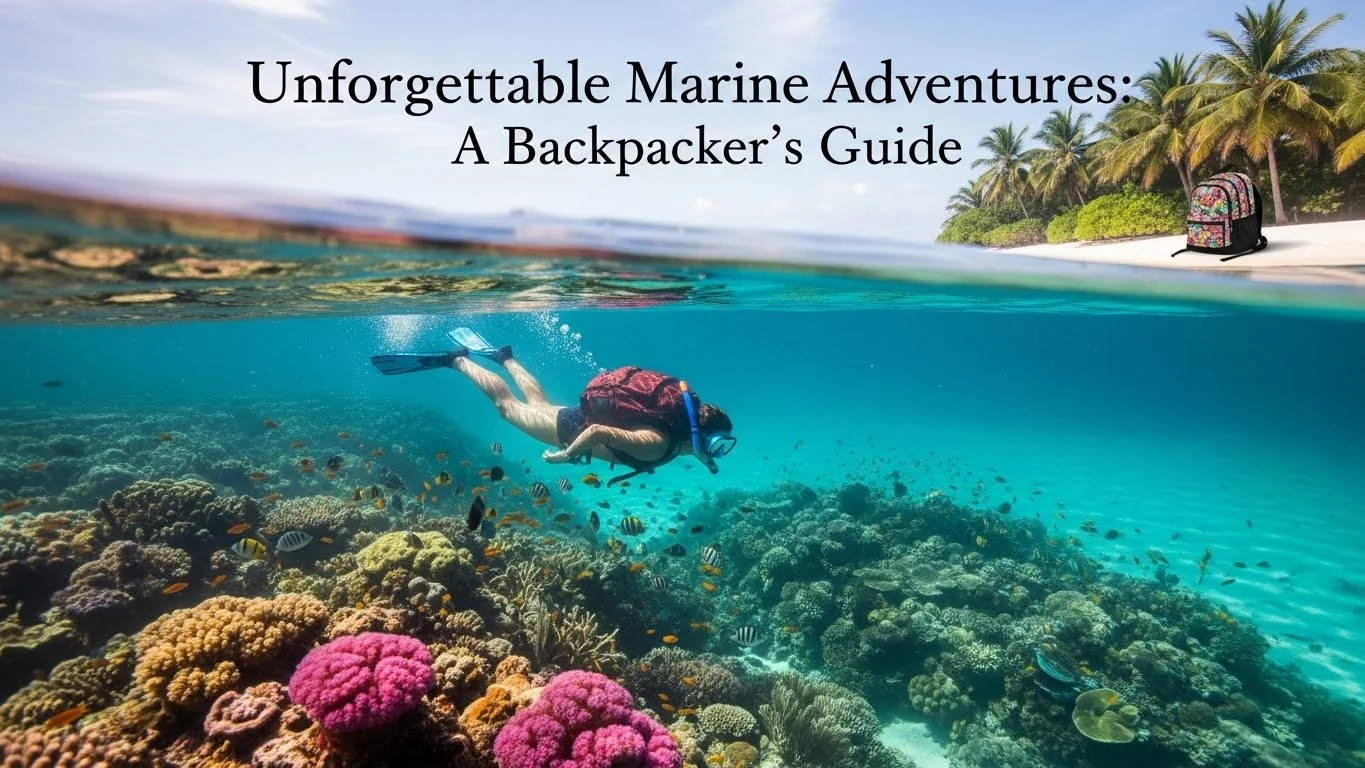
Unforgettable Marine Adventures: A Backpacker’s Guide

Marine adventures offer an exhilarating way to explore the beauty of our oceans. For backpackers seeking unique experiences, there’s nothing quite like diving into the depths of the sea or kayaking through stunning landscapes. Check out our Top Marine Life Destinations for Budget Backpackers for some incredible locations.
Unforgettable Marine Adventures: A Backpacker's Guide

Overview of Marine Adventures

What Are Marine Adventures?

When I think about marine adventures, I picture myself surrounded by crystal-clear waters, vibrant corals, and the thrill of encountering marine life up close. Marine adventures include a range of activities that allow us to engage directly with the ocean. Whether it’s snorkeling, scuba diving, kayaking, or even sailing, each experience offers a unique glimpse into the underwater world. I’ve always thought of these adventures as a mix of excitement and tranquility, where every moment spent on the water can create unforgettable memories.

Why Choose Marine Adventures as a Backpacker?

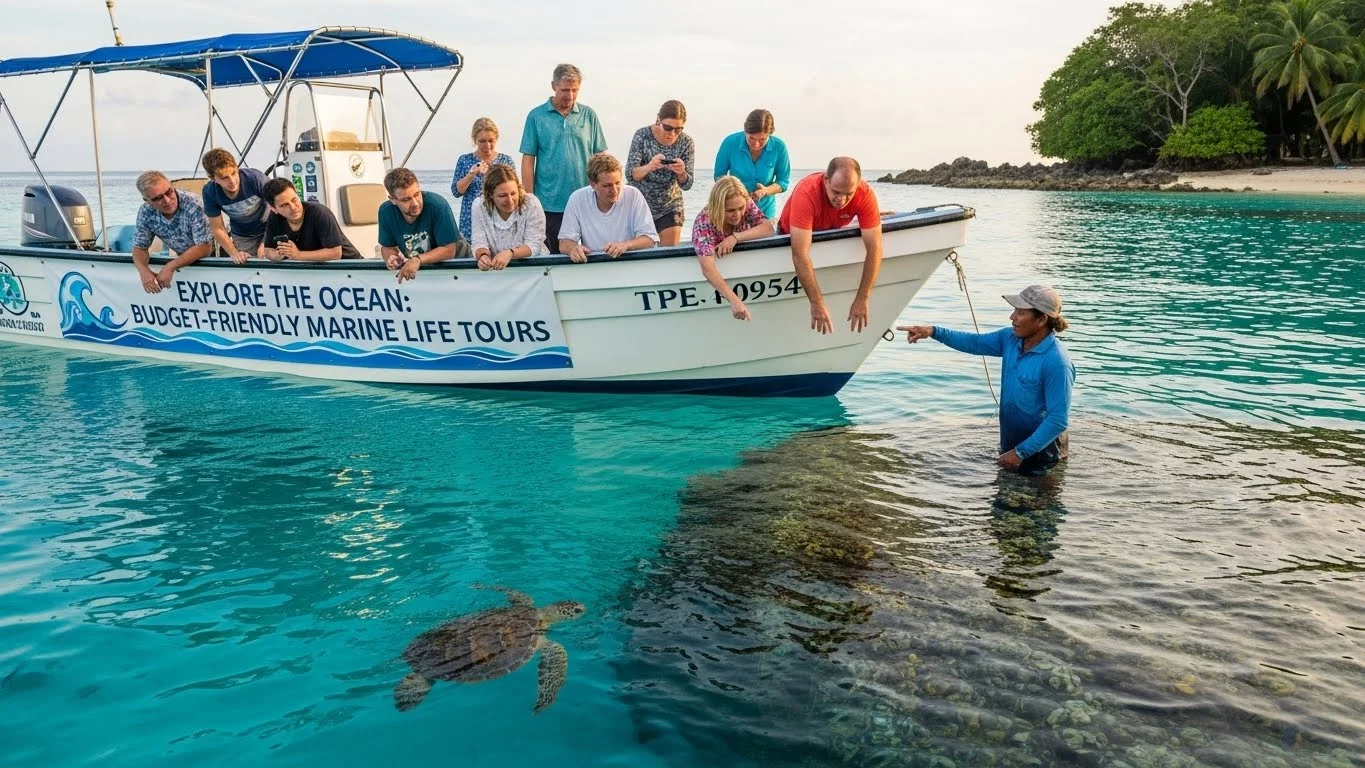
Choosing marine adventures as a backpacker comes with its own set of perks. For one, they often lead you to stunning destinations that aren’t just beautiful but are rich in biodiversity. I remember my first snorkeling trip in a tropical paradise; the colors of the fish and corals were like nothing I had ever seen before. Plus, many marine activities are accessible on a budget, especially if you’re willing to share equipment or join group tours. They also offer a chance to step out of your comfort zone. I’ve tried new things I never imagined I would, like scuba diving in the Great Barrier Reef. Each adventure opened my eyes to the importance of protecting these precious ecosystems. Ultimately, I believe that marine adventures help foster a deeper connection to nature and the world around us. For more ideas on budget-friendly tours, Explore the Ocean: Budget-Friendly Marine Life Tours.

Best Destinations for Marine Adventures

Snorkeling in Belize

When I visited Belize, I was astounded by the Belize Barrier Reef—the second-largest coral reef system in the world. Snorkeling here was one of the highlights of my trip. I vividly remember floating above schools of tropical fish and even encountering a gentle nurse shark. The water was so clear that it felt like I was swimming in a giant aquarium. There are plenty of tour operators in places like Caye Caulker and Ambergris Caye that offer half-day snorkeling trips, making it an easy and affordable option for backpackers. Plus, the vibrant marine life and stunning coral formations are simply unforgettable.

Scuba Diving in the Great Barrier Reef

Scuba diving in the Great Barrier Reef was another adventure that changed my perspective on marine life. I had only dabbled in snorkeling before, but diving took me to a whole new level. I still remember my first descent—the feeling of weightlessness as I sank below the surface was exhilarating. I was surrounded by vibrant corals, and the sight of a giant sea turtle gliding effortlessly by left me in awe. There are many dive schools in Cairns and Port Douglas that cater to beginners, so you don’t need prior experience. I recommend taking a course that combines theory and practice for the best learning experience.

Kayaking in the Galápagos Islands

The Galápagos Islands are iconic for their unique wildlife, and what better way to explore them than by kayak? Paddling through the calm waters, I had the chance to get up close to playful sea lions and observe marine iguanas basking on the rocks. Each day was a new adventure. I would often find myself paddling alongside a school of fish or watching a majestic blue-footed booby dive for its meal. The guided tours available make it easy for backpackers to navigate the islands safely while learning about the incredible ecosystem. Plus, you get to explore at your own pace, which was one of my favorite parts.

Whale Watching in Iceland

Iceland is another destination that stole my heart, especially during whale-watching season. I remember boarding a boat in Reykjavik, feeling a mix of excitement and anticipation. As we sailed out into the open waters, I was mesmerized by the stunning landscapes around me. When we finally spotted a humpback whale breaching in the distance, I felt a rush of joy. These gentle giants are an incredible sight, and the experience of watching them in their natural habitat is something I’ll cherish forever. There are many tours available, and I found that early morning trips often have better chances of spotting whales.

Island Hopping in Thailand

Thailand is famous for its stunning islands, and island hopping is a must-do for any backpacker. I spent days exploring the crystal-clear waters of the Andaman Sea, hopping from one picturesque island to another. Each island had its own unique charm, from the lively beach parties of Phi Phi Islands to the tranquil shores of Koh Lanta. I loved the freedom of taking long-tail boats and discovering hidden beaches. You can easily find affordable accommodations and local eateries on each island, making it a budget-friendly adventure. Don’t forget to take a moment to soak it all in; the sunsets were simply breathtaking. For further insights into budget-friendly beach experiences, check out our Ultimate Guide to Budget-Friendly Beaches for Water Sports.

Planning Your Marine Adventure

When to Visit Popular Marine Destinations

Timing your marine adventure can make all the difference in the world. I’ve learned that each destination has its own peak seasons, which can significantly influence what you experience. For instance, when I went whale watching in Iceland, I made sure to visit during the summer months when the whales are most active in the waters. On the other hand, the best time for snorkeling in Belize is from April to June, which is when the water is warmest and visibility is at its peak. Researching the best times to visit not only helps avoid crowds but also maximizes your chances of encountering marine life. I always keep an eye on seasonal weather patterns too; a little rain can sometimes lead to fantastic underwater visibility!

Budgeting for Marine Adventures

Budgeting is a crucial part of planning any backpacking adventure, and marine activities can vary widely in cost. I remember feeling a bit overwhelmed when I first tried to estimate expenses. I found that some activities were surprisingly affordable, especially if you booked group tours. For example, I once went kayaking for just a fraction of what I expected to pay. However, I also learned that scuba diving can get pricey, especially if you’re renting gear. To keep costs low, I recommend looking for package deals that include multiple activities or booking in advance. Also, keep an eye out for local discounts; many places offer lower rates for backpackers. I usually set aside a specific budget for marine activities, which helps me prioritize experiences without overspending.

Essential Gear for Backpackers

Having the right gear can make or break your marine adventure. I’ve gone through a few different setups over the years, and now I tend to keep things simple. A good quality snorkel and mask are essential for snorkeling, and I always carry a wetsuit, especially for colder waters. If you’re planning on scuba diving, I highly recommend investing in your own gear if you dive frequently; it can make a huge difference in comfort and performance. For kayaking, a sturdy dry bag is a must to keep my belongings safe and dry. I also love using quick-dry towels and rash guards to protect my skin from the sun and prevent chafing. When in doubt, I always ask locals or instructors what gear they recommend for the best experience.

Health and Safety Considerations

Safety should always be a top priority during marine adventures. I’ve had my share of close calls, so I’ve learned to take precautions seriously. First, I always check the local weather and ocean conditions before heading out. Strong currents or sudden storms can turn a fun outing into a dangerous one. It’s also wise to inform someone about your plans, especially if you’re going solo. I make it a habit to swim or dive with a buddy, as there’s safety in numbers. Additionally, I always pack a basic first aid kit for minor injuries or sunburns. And let’s not forget about hydration! Being out in the sun can be draining, so I carry a reusable water bottle to keep myself refreshed throughout the day. Lastly, I highly recommend getting travel insurance that covers marine activities—it’s a small price to pay for peace of mind.

Top Marine Activities to Experience

Snorkeling vs. Scuba Diving

Both snorkeling and scuba diving offer unique ways to experience the underwater world, and I’ve tried both to compare them firsthand. Snorkeling is fantastic for beginners; it’s easy to learn and requires minimal equipment. I remember floating on the surface, peering down at the colorful fish and coral below, feeling a sense of wonder with each glimpse. On the other hand, scuba diving takes it a step further. I found that diving allows for deeper exploration and more intimate encounters with marine life. The feeling of breathing underwater and the weightlessness are experiences I cherish. If you’re unsure which to try first, I suggest starting with snorkeling, then moving on to diving once you feel comfortable. Each offers its own joy, and I think experiencing both can enrich your appreciation for marine ecosystems.

Surfing: Best Spots Around the World

Surfing has always intrigued me, and during my travels, I’ve sought out some of the best spots to catch waves. I’ve found that each location has its own vibe and level of difficulty. For instance, I had a blast surfing in Bali, where the warm waters and friendly locals made it a welcoming environment for beginners like me. The thrill of paddling out, waiting for the perfect wave, and riding it back to shore was exhilarating. On the other hand, I’ve also tried surfing in places like Hawaii, where the waves can be more challenging. I recommend taking a lesson if you’re new to surfing; instructors can provide invaluable tips and ensure you’re safe while having the time of your life. Plus, there’s something incredibly rewarding about finally standing up on the board and riding that wave!

Fishing Adventures: What You Need to Know

Fishing has become one of my favorite marine activities to try during trips. I’ve gone on both deep-sea fishing excursions and peaceful fly-fishing outings. Each experience offers something unique. I remember my first deep-sea fishing trip off the coast of Florida; the excitement of catching a fish was unmatched. I learned that preparation is key—know what fish are in season and what equipment you’ll need. Many local operators provide gear, which is super convenient for backpackers. If you’re fishing for fun, consider catch-and-release practices to help maintain the marine ecosystem. I’ve found that fishing can be a great way to connect with locals, learn about their culture, and experience the thrill of the ocean.

Underwater Photography Tips

Capturing the beauty of marine life through underwater photography is something I’ve grown passionate about. I started with a basic waterproof camera, but I quickly realized that investing in a good-quality underwater housing for my DSLR brought my images to life. Lighting is crucial underwater, so I always try to dive when the sun is high for the best natural light. I also learned to be patient; sometimes, waiting for that perfect shot can make all the difference. I recommend practicing with your camera before your trip so you can get comfortable with the settings. Lastly, respect marine life by maintaining a safe distance—this not only helps preserve their natural behavior but also allows for better photos. Each snap captures a memory that I cherish, reminding me of the incredible experiences I’ve had below the surface.

Where to Stay on Your Marine Adventure

Backpacker Hostels Near Marine Attractions

Finding the right place to stay can make all the difference during a marine adventure. I’ve discovered that backpacker hostels are often the best option, especially when they’re located near marine attractions. For example, in places like Cairns, I found a fantastic hostel that not only offered affordable dormitory-style rooms but also organized group trips to the Great Barrier Reef. The friendly atmosphere made it easy to connect with fellow travelers who shared my love for the ocean. I remember swapping stories with other backpackers over a communal meal, which made the experience even more special. Many hostels also provide rental gear and offer discounts on local tours, which can be a huge bonus for those of us on a budget.

Campsites for Nature Lovers

If you’re a nature lover like me, camping can be a fantastic way to immerse yourself in the beauty of marine environments. I’ve camped in several coastal areas, waking up to stunning sunrises and the sound of waves crashing nearby. Campsites near the Galápagos Islands and along the beaches of Thailand often have facilities that cater to backpackers. I found that pitching a tent not only saves money but also allows for a closer connection to nature. It’s an incredible feeling to fall asleep under a starry sky, knowing that the ocean is just a few steps away. Just remember to check local regulations regarding campfires and wildlife to ensure a safe experience.

Alternative Accommodations: Eco-Lodges and Homestays

For those looking to make a positive impact while traveling, eco-lodges and homestays are great alternatives. During my travels in Belize, I stayed at an eco-lodge that focused on sustainability and conservation. It was amazing to learn about the local environment and the efforts being made to protect it while enjoying a comfy bed and delicious meals sourced from local farms. Homestays are another option I’ve enjoyed, where you get to live with local families. This gave me the chance to experience authentic culture and cuisine while also gaining insights into the area’s marine ecosystems. I believe that staying in these types of accommodations not only enhances the travel experience but also supports the local communities.

Local Cuisine and Dining Experiences

Must-Try Seafood Dishes

One of the best parts of traveling is diving into local cuisine, and when it comes to marine adventures, seafood takes center stage. I’ve had the pleasure of tasting some incredible dishes that highlight the fresh catch of the day. In Thailand, I remember savoring a spicy tom yum goong, a shrimp soup that left my taste buds dancing. In Belize, I couldn’t get enough of the ceviche made from freshly caught fish, marinated in zesty lime juice. Each destination offers its own specialties, and I highly recommend asking locals for their favorite dishes. Trying seafood right by the shore adds an unbeatable freshness to the experience.

Street Food Options by the Coast

Street food is another gem I’ve discovered during my marine adventures. I often found myself wandering through local markets, drawn in by the mouthwatering aromas. In the Galápagos, I stumbled upon a vendor selling fish tacos that were simply delightful. There’s something exhilarating about eating food from street stalls, surrounded by the hustle and bustle of the area. Just be sure to choose vendors that look busy, as that often indicates freshness and quality. Street food not only fills your belly but also allows you to connect with the local culture in a delicious way.

Dining Etiquette in Marine Regions

Understanding dining etiquette can enhance your experience, especially in different cultures. I’ve learned that in some places, such as Japan, it’s polite to say “Itadakimasu” before starting a meal, expressing gratitude for the food. In other regions, like Thailand, sharing dishes is common, and it’s considered friendly to offer food to your dining companions. I remember being welcomed into a family’s home for dinner and feeling the warmth of their hospitality. Each culture has its own set of dining practices, and taking a moment to learn them not only shows respect but also enriches your travel experience.

Marine Conservation and Responsible Travel

Understanding Marine Ecosystems

As I delved deeper into marine adventures, I became more aware of the importance of understanding marine ecosystems. I’ve read about how delicate these environments are and how our actions can impact them. For instance, while snorkeling in Belize, I learned about coral bleaching and its effects on marine life. It was eye-opening to see firsthand how our choices, like using reef-safe sunscreen, can make a difference. I believe that educating ourselves about marine ecosystems not only enhances our appreciation but also urges us to play a part in their preservation.

How to Travel Responsibly as a Backpacker

Traveling responsibly as a backpacker means being mindful of our impact on the environment. I’ve always tried to minimize plastic use by carrying a reusable water bottle and opting for eco-friendly products. When participating in marine activities, I make it a point to follow guidelines, such as not touching coral and keeping a safe distance from marine animals. I’ve also joined beach clean-up events while traveling, which was a rewarding way to give back to the places I love exploring. I feel that every little action counts, and collectively, we can help protect our oceans.

Volunteer Opportunities in Marine Conservation

If you’re passionate about marine life, consider volunteering during your travels. I’ve had the opportunity to volunteer with marine conservation projects in various locations, from helping with turtle nesting programs in Costa Rica to assisting in coral restoration efforts in Australia. These experiences not only allowed me to contribute to meaningful work but also deepened my connection to the ocean. Many organizations offer programs for travelers, providing training and support while you make a positive impact. It’s an incredible way to give back while enjoying the beauty of marine environments.

Travel Tips for Backpackers

Packing Essentials for a Marine Adventure

Packing for a marine adventure can be a bit tricky, but over the years, I’ve figured out what essentials I can’t leave behind. A good pair of water shoes is a must for rocky beaches and coral reefs. I always pack a light, waterproof jacket for unexpected rain, as well as a hat and sunglasses to protect myself from the sun. A dry bag has become one of my best friends, keeping my valuables safe while I’m out on the water. I also make sure to bring a refillable water bottle to stay hydrated, as well as snacks for those long days of exploring. Trust me, having the right gear can make your adventures more enjoyable!

Navigating Transportation Options

Getting around marine destinations can vary greatly, and I’ve experienced everything from local buses to ferries. I often use public transportation when I can, as it’s usually cheaper and gives me a chance to interact with locals. In places like Thailand, I loved hopping on a long-tail boat to reach hidden beaches. However, I’ve also found that renting a scooter can be a fun way to explore at your own pace, just remember to wear a helmet and stay safe! Understanding your transportation options ahead of time can help you save money and make the most of your time on the water.

Staying Connected: Internet and Communication

Staying connected while traveling is important, especially for sharing my adventures with friends and family. I’ve learned that many hostels and cafes offer free Wi-Fi, which is super helpful. However, I also invest in a local SIM card when I’m in a new country. It’s been a game-changer for navigating maps and keeping in touch with fellow travelers. Just be sure to check compatibility with your phone before you go. I often find that staying connected helps ease any homesickness and adds to the overall experience of my marine adventures.

Meeting Other Backpackers and Building Community

One of the best parts of being a backpacker is the sense of community that comes with it. I’ve met some of my closest friends while traveling, whether it was at a hostel or on a boat trip. I usually join group activities or tours, as they provide a great opportunity to meet like-minded travelers. I often find myself sharing meals, exchanging tips, and even planning future adventures together. Building connections with fellow backpackers not only enhances the experience but also creates lasting memories that I’ll cherish for years to come.

Frequently Asked Questions

What are marine adventures?

Marine adventures include a range of activities that allow individuals to engage directly with the ocean. These activities can include snorkeling, scuba diving, kayaking, and sailing, each providing a unique glimpse into the underwater world.

Why should backpackers choose marine adventures?

Marine adventures offer backpackers stunning destinations rich in biodiversity, budget-friendly options, and opportunities to step out of their comfort zones. These experiences help foster a deeper connection to nature and raise awareness about protecting marine ecosystems.

What are some recommended destinations for snorkeling?

Belize is highly recommended for snorkeling, particularly at the Belize Barrier Reef, where backpackers can encounter vibrant marine life and stunning coral formations. Tour operators in Caye Caulker and Ambergris Caye offer accessible trips.

What should I know about scuba diving in the Great Barrier Reef?

Scuba diving in the Great Barrier Reef is an exhilarating experience that offers deeper exploration of marine life. Beginners can find many dive schools in Cairns and Port Douglas that provide courses combining theory and practice for a comprehensive learning experience.

How can I safely enjoy kayaking in the Galápagos Islands?

Kayaking in the Galápagos Islands allows for close encounters with unique wildlife. Joining guided tours can help backpackers navigate the islands safely while learning about the ecosystem, and exploring at one’s own pace is encouraged.

What are essential health and safety considerations during marine adventures?

Safety considerations include checking local weather and ocean conditions, swimming or diving with a buddy, carrying a basic first aid kit, staying hydrated, and getting travel insurance that covers marine activities.

What are some packing essentials for a marine adventure?

Essential packing items include water shoes, a waterproof jacket, a dry bag, a refillable water bottle, and snacks. Having the right gear can significantly enhance the overall adventure experience.

How can backpackers travel responsibly while enjoying marine adventures?

Backpackers can travel responsibly by minimizing plastic use, following guidelines for marine activities, participating in beach clean-ups, and educating themselves about marine ecosystems to understand their impact on the environment.

What are the benefits of volunteering in marine conservation?

Volunteering in marine conservation allows travelers to contribute meaningfully to environmental efforts while deepening their connection to the ocean. Programs are available in various locations and provide training and support for volunteers.

What types of accommodations are recommended for backpackers on marine adventures?

Backpacker hostels near marine attractions, campsites for nature lovers, and eco-lodges or homestays are recommended accommodations. These options often provide affordable lodging, opportunities to connect with other travelers, and insights into local culture and conservation efforts.
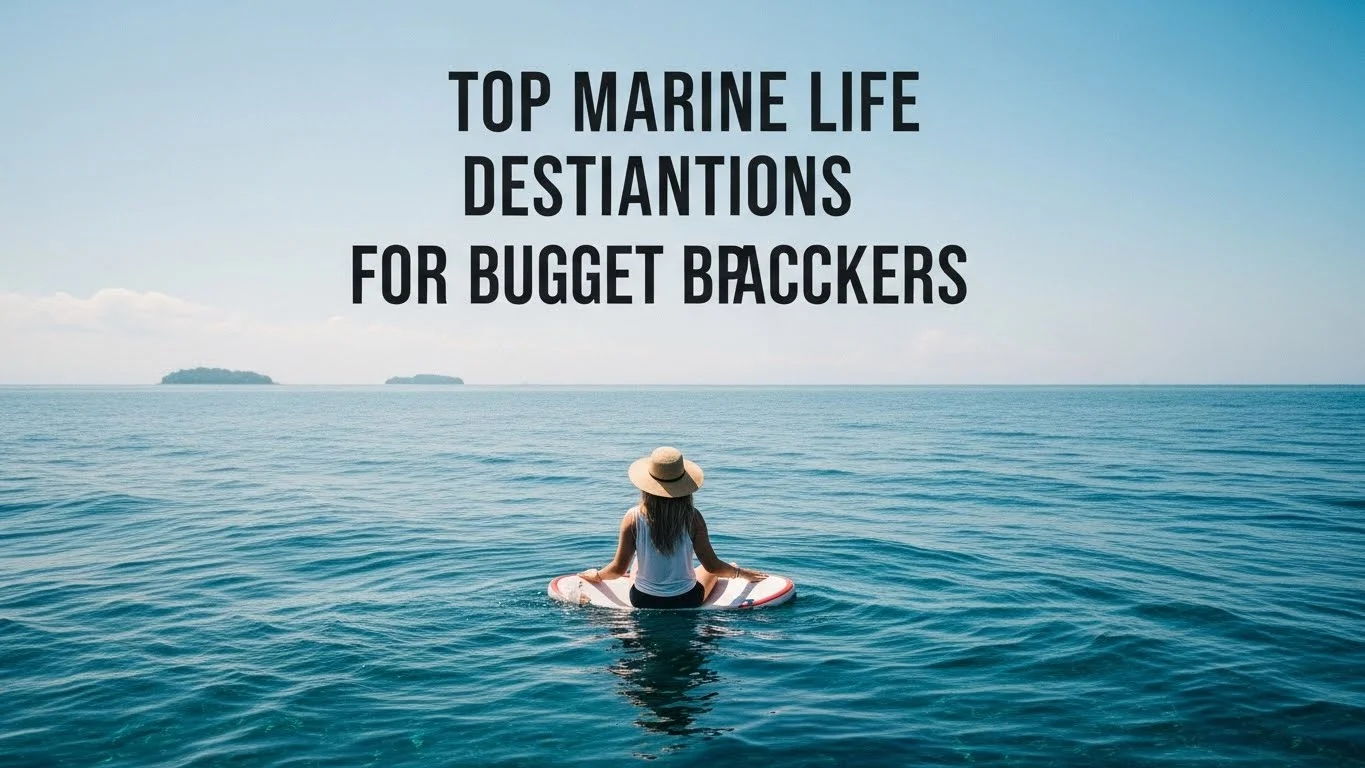
Top Marine Life Destinations for Budget Backpackers

Exploring the underwater world doesn’t have to break the bank. For budget backpackers like us, there are some incredible marine life destinations that offer breathtaking experiences without emptying our wallets. Read Interesting article: Explore the Ocean: Budget-Friendly Marine Life Tours

Top Marine Life Destinations for Budget Backpackers

Overview of Marine Life Destinations

What Defines a Marine Life Destination?

When I think about marine life destinations, I picture vibrant coral reefs, schools of colorful fish, and the gentle sway of sea turtles gliding through warm waters. A marine life destination is usually characterized by its rich biodiversity, unique ecosystems, and opportunities for exploration, whether through diving, snorkeling, or simply relaxing on the beach. These locations are often teeming with life, making every moment spent in the water a new adventure. For us backpackers, it’s about finding places where we can experience these wonders without a hefty price tag.

Importance of Marine Biodiversity

Marine biodiversity is crucial not only for the health of our oceans but also for our planet as a whole. I’ve learned that healthy marine ecosystems contribute to climate regulation, provide food sources, and support economic activities such as tourism and fishing. Experiencing these rich underwater worlds can deepen our appreciation for the environment and inspire us to engage in conservation efforts. When we visit these destinations, we’re not just tourists; we’re also part of a larger movement to protect and preserve these vital habitats.

Top Budget-Friendly Marine Life Destinations

1. The Great Barrier Reef, Australia

Best Time to Visit

The Great Barrier Reef is an iconic destination for any marine enthusiast. I found that the best time to visit is between June and November when the weather is mild, and the waters are clearer. This time also coincides with the dry season, making it ideal for outdoor activities. Prices for tours and accommodations tend to be lower during this period, which is a win for budget travelers like us.

Affordable Diving and Snorkeling Options

While diving in the Great Barrier Reef can seem pricey, I discovered there are plenty of budget-friendly options. Several operators offer half-day snorkeling tours that are not only affordable but also allow you to see the reef’s stunning coral formations and wildlife. I recommend checking out local hostels or community boards for deals or discounts on tours. Sometimes, you can even negotiate prices directly with operators, especially if you’re traveling in a group. Read Interesting article: Best Tropical Beach Destinations for Budget Travelers

Where to Stay on a Budget

Accommodation near the Great Barrier Reef ranges from luxury resorts to budget hostels. I’ve found that staying in hostels in towns like Cairns or Port Douglas can significantly cut costs. These hostels often offer shared kitchens, which means you can prepare your meals instead of eating out all the time. I’ve also met fellow travelers who shared great tips on local eateries that serve delicious food without the tourist markup!

2. The Galápagos Islands, Ecuador

Visiting on a Budget

The Galápagos Islands are a dream come true for wildlife lovers. While they can be pricey, I learned that visiting during the low season (May to June or September to November) can save you a lot. Flights and accommodations usually drop in price, making it more accessible for backpackers. Additionally, taking local ferries between the islands rather than booking expensive tours can significantly reduce costs.

Wildlife Spotting Tips

For wildlife spotting, I recommend heading to places like Española Island or Genovesa Island. I experienced some of the best wildlife encounters during hikes and self-guided tours, which are much cheaper than guided excursions. Bring a good pair of binoculars and a camera to capture the incredible marine iguanas, blue-footed boobies, and, of course, the stunning marine life beneath the waves.

Local Accommodation Choices

There are several budget-friendly accommodation options in the Galápagos, including hostels and guesthouses. I stayed at a lovely guesthouse in Puerto Ayora, where I met fellow travelers and exchanged tips. Many places offer breakfast included in the price, which is super helpful for keeping costs down. I also discovered that some local families rent out rooms, providing a more authentic experience.

3. Belize Barrier Reef, Belize

Cost-effective Tours and Activities

The Belize Barrier Reef is the second-largest reef system in the world and offers incredible snorkeling and diving opportunities. I found that joining a group for tours can significantly reduce costs. Many local companies offer day trips to popular snorkeling spots like Hol Chan Marine Reserve and Shark Ray Alley at reasonable prices. It’s a great way to meet other travelers while sharing the adventure!

Best Islands for Backpackers

When I explored Belize, I found that Caye Caulker was my favorite island for backpackers. It has a laid-back vibe with plenty of affordable accommodations and eateries. I enjoyed relaxing on the beaches and renting bikes to explore the island without spending much. San Pedro is another option, but it can be a bit more touristy and expensive.

Food and Dining on a Budget

In Belize, street food is both delicious and budget-friendly. I loved trying local dishes like fry jacks and rice and beans from food stalls. Eating at local joints rather than touristy restaurants helped keep my budget intact while enjoying the authentic flavors of Belize.

4. Raja Ampat, Indonesia

How to Reach Raja Ampat Economically

Raja Ampat is often referred to as the “crown jewel” of Indonesia, and for good reason. While it can be challenging to reach, I found that booking flights well in advance can save a lot. Flying into Sorong and then taking a local ferry to the islands is the most cost-effective method. I recommend checking for budget airlines or looking for deals on flights to make this dream destination a reality.

Snorkeling and Diving for Less

One of the highlights of my trip to Raja Ampat was the snorkeling and diving. I quickly learned that you can rent equipment from local shops at a fraction of the price of organized tours. This not only saved money but also allowed me to explore at my own pace. I was blown away by the incredible marine life, from vibrant coral to schools of fish.

Backpacker Hostels and Guesthouses

In Raja Ampat, I found several budget guesthouses and homestays that provided a warm atmosphere and local insights. Staying with a family not only cut costs but also enriched my experience. Sharing meals and stories with locals made my time there unforgettable. Many guesthouses also offer packages that include meals and transport, making budgeting even easier.

5. Fiji – Coral Coast and Islands

Seasonal Travel Tips

Fiji is often associated with luxury, but it can also be a budget-friendly paradise. I learned that traveling during the shoulder seasons (late April to early June and late October to early December) offers the best prices for flights and accommodations. This timing often means fewer crowds, allowing for a more enjoyable experience.

Affordable Island Hopping

Island hopping in Fiji can be done on a budget by using local ferries instead of private charters. I loved visiting islands like Beachcomber and Mana, where I indulged in stunning beaches and vibrant marine life. It’s best to plan your route in advance to make the most of your time and budget.

Budget Accommodation Options

There are plenty of budget accommodation options in Fiji, from hostels to beach bungalows. I found that staying in dorms or shared accommodations not only saves money but also gives you the chance to meet fellow travelers. Many hostels also organize group activities, making it easy to explore the islands together.

Marine Life Experiences Worth Exploring

Top Marine Species to Look For

When I think about marine life experiences, I get so excited to share the incredible species I’ve encountered. Each destination offers its own unique array of marine life that can leave you in awe. For instance, in the Great Barrier Reef, you can spot majestic manta rays and vibrant clownfish hiding among the anemones. I remember swimming alongside a gentle sea turtle—what a magical moment that was! In the Galápagos, I was captivated by the playful sea lions who would swim right up to me, almost as if they were inviting me to join their game. And don’t forget about the stunning marine iguanas basking on the rocks; they truly are a sight to behold.

Belize surprised me with its stunning biodiversity, especially when I saw nurse sharks and stingrays gliding gracefully through the water. Raja Ampat is often touted as a diver’s paradise, and for good reason—the variety of fish species there is mind-blowing. I’ve seen everything from vibrant parrotfish to the elusive Wobbegong shark. For me, each encounter adds a layer to my travel story and deepens my connection to these beautiful ecosystems.

Unique Activities: Snorkeling vs. Diving

Snorkeling and diving offer different experiences, and I’ve had my fair share of both. I love snorkeling for the sheer ease of it; you can just grab a mask and fins, and you’re ready to go! In places like the Belize Barrier Reef, I found that snorkeling allows you to see plenty of marine life without needing extensive training. One of my favorite memories was floating over a coral garden, watching schools of fish darting around me. It feels like stepping into an entirely different world.

On the other hand, diving offers a whole new level of exploration. I remember my first dive in Fiji—my heart raced as I descended into the blue. The moment I reached the reef, I was enveloped by swirling schools of fish and corals bursting with color. While snorkeling is accessible for everyone, diving requires some planning and training, but the rewards are absolutely worth it. If you’re considering diving, I recommend doing a short introductory course to get a taste of the experience without committing too much time or money.

Conservation Efforts and Responsible Tourism

One thing I’ve noticed as I traveled to these marine destinations is the growing emphasis on conservation efforts. It’s heartwarming to see local communities working hard to protect their marine environments. In the Galápagos, for example, I learned about strict regulations to limit visitors to certain areas to preserve the islands’ unique ecosystems. I felt proud to contribute to these efforts simply by being a responsible traveler—staying on marked paths, not touching the wildlife, and supporting local conservation initiatives.

In my experience, being mindful of our impact on these environments can enhance our travel adventures. I look for eco-certified tours and accommodations that prioritize sustainability. It’s not just about enjoying the beauty of marine life; it’s about ensuring that future generations can experience it too. By choosing responsible tourism options, we can all play a part in protecting these incredible habitats while still enjoying our adventures. I believe that every little step counts, and it starts with us, the travelers.

Planning Your Trip: Essential Tips

How to Save on Transportation

Saving on transportation has been one of my top priorities when planning trips. I found that being flexible with travel dates can lead to more affordable options. For instance, I often check different days of the week to find cheaper flights. I’ve also used apps that monitor airfare prices and alert me to drops, which saved me quite a bit on flights to the Galápagos. When I traveled to Raja Ampat, I took a local ferry instead of booking expensive private charters, which not only saved money but also allowed me to interact with locals.

Budgeting for Marine Activities

Budgeting for marine activities can be tricky, but it’s all about prioritizing what’s most important to you. I typically set aside a specific portion of my budget for snorkeling or diving trips. I’ve found that opting for half-day tours instead of full-day experiences allows me to enjoy the underwater wonders without breaking the bank. Plus, many destinations have beautiful beaches and hiking trails that are free and offer their own unique experiences. I always recommend checking online for any local deals or discounts, especially for tours and activities. Read Interesting article: Best Beach Destinations for Families on a Budget

Safety Tips for Budget Backpackers

As budget backpackers, safety is a top concern. I always make sure to have travel insurance that covers marine activities, just in case something unexpected happens. I’ve learned the importance of staying aware of my surroundings, especially when snorkeling or diving. It’s essential to keep an eye on the current and know your limits in the water. I often dive with a buddy or in groups, which adds an extra layer of safety, and it’s a great way to meet fellow travelers, too!

Local Etiquette and Cultural Considerations

Each destination has its own cultural norms, and I think it’s important to respect them. In places like Fiji, I learned about the significance of the ‘sevusevu’ ceremony, where visitors present kava to the local chief as a sign of respect. Participating in local traditions has always enriched my travel experiences. I also try to learn a few basic phrases in the local language—this small effort often leads to warmer interactions with the locals. Whether it’s saying hello or thanking someone for their hospitality, these gestures can go a long way.

Frequently Asked Questions (FAQs)

What are the best months to visit marine life destinations?

From my experience, the best months to visit marine life destinations often depend on the specific location and the type of activities you want to do. For instance, if you’re looking at the Great Barrier Reef, I found that the best time is between June and November, when the weather is perfect for snorkeling and diving. In the Galápagos Islands, visiting during the low season from May to June or September to November can help you dodge the crowds and save money. Each destination has its peak seasons, so I always recommend doing a little research on the climate and marine activity patterns before booking your trip. It’s a great way to ensure you get the most out of your experience without overspending!

How can I travel between islands affordably?

Traveling between islands can sometimes be daunting, but I’ve learned a few tricks to keep costs down. For example, in the Galápagos, using local ferries instead of expensive tourist boats can save you a lot of money. During my trip, I opted for this option and not only did I save cash, but I also got to chat with locals and fellow travelers. In Fiji, I found that taking advantage of the local ferry system was a great budget-friendly way to hop between islands. It’s essential to plan your routes in advance and check ferry schedules since they can vary. I recommend downloading travel apps that provide updates on ferry services and prices to keep your travel seamless and affordable.

What gear do I need for snorkeling/diving?

When preparing for snorkeling or diving, I’ve discovered that having the right gear can make all the difference in your experience. For snorkeling, a good quality mask, snorkel, and fins are essential. I usually bring my own gear, but many destinations offer rental options if you prefer to travel light. If you’re diving, you’ll need a wetsuit, buoyancy control device (BCD), tank, and regulator. I took a short diving course before my first dive, which really helped me understand how to use the equipment effectively. I also make sure to carry a waterproof bag for my belongings and a camera to capture those unforgettable moments underwater!

Are there any travel restrictions or permits required?

Travel restrictions and permits can vary widely depending on where you plan to go. In places like the Galápagos Islands, I found that you need a transit control card, which helps regulate the number of visitors to protect the islands’ delicate ecosystems. Additionally, some areas might require permits for specific activities, like diving in marine reserves. I always check the latest travel advisories and local regulations before my trip to avoid any surprises. It’s also helpful to book tours through reputable operators who are aware of the current regulations. This way, not only do you ensure that you’re following the rules, but you also support local businesses that prioritize conservation.

Explore the Ocean: Budget-Friendly Marine Life Tours

Have you ever dreamed of diving into the deep blue sea, exploring vibrant coral reefs and encountering fascinating marine creatures? If so, budget-friendly marine life tours might just be the adventure you’re looking for!

Explore the Ocean: Budget-Friendly Marine Life Tours

Understanding Marine Life Tours

What are Marine Life Tours?

Marine life tours are organized excursions that allow individuals or groups to experience the wonders of the ocean. These tours can range from leisurely boat rides to thrilling snorkeling and diving experiences. I remember my first marine life tour vividly. We hopped on a small boat and set off into the shimmering waters, anticipation buzzing in the air. The thrill of possibly encountering dolphins or colorful fish kept our spirits high. The variety of marine life tours is vast, each offering unique experiences tailored to different interests and comfort levels. Whether you’re a seasoned diver or a curious beginner, there’s something out there for everyone!

Benefits of Exploring Marine Life

Exploring marine life offers countless benefits that go beyond just the awe of witnessing the beauty beneath the waves. For starters, it connects us with nature in a profound way. I’ve found that being out on the water, with the salty breeze in my hair and the sun warming my skin, brings a sense of peace and joy that’s hard to replicate elsewhere. These tours also provide opportunities to learn about marine ecosystems, conservation efforts, and the importance of protecting our oceans. Each time I’ve participated in a tour, I’ve come back with a greater appreciation for the delicate balance of marine life and the role we play in its preservation.

Additionally, marine life tours can be a great way to bond with friends and family. I still cherish the memories of my family’s trip where we all swam together in a coral garden, marveling at the schools of fish around us. Moments like these create lasting memories that we hold dear. Plus, many tours promote eco-friendliness and sustainability, encouraging participants to leave minimal impact on the environment. In my opinion, there’s nothing more rewarding than exploring the ocean while knowing you’re contributing to its preservation. Read Interesting article: Explore Nature: Affordable Birdwatching Tours Worldwide

Types of Budget-Friendly Marine Life Tours

Snorkeling Tours

Snorkeling tours are a fantastic way to start your journey into the underwater world without breaking the bank. They typically involve minimal gear—just a mask, snorkel, and fins—making them accessible for beginners. I remember my first snorkeling trip in the Caribbean; it felt like stepping into another world. The vibrant colors of the coral and the rhythmic dance of tropical fish left me in awe. Many snorkeling tours are available at reasonable prices, especially in popular destinations, making them an ideal choice for budget-conscious adventurers.

Scuba Diving Experiences

If you’re feeling more adventurous, scuba diving may be right up your alley. While it might require a bit more investment in gear and training, there are often affordable introductory courses available. I took a scuba diving course a few years back, and it was one of the best decisions I made. The feeling of weightlessness underwater, combined with the thrill of encountering larger marine animals like sea turtles and rays, is unlike anything else. Many dive shops offer package deals that can make diving more affordable, especially if you book in advance.

Whale Watching Trips

Have you ever dreamed of seeing whales up close? Whale watching tours provide an exhilarating opportunity to observe these majestic creatures in their natural habitat. I recall a whale watching trip off the coast of California where we saw humpback whales breaching and fluking. It was breathtaking! These tours often run during specific seasons when whales are migrating, so planning ahead can lead to memorable experiences at a fraction of the cost. Read Interesting article: Discover UNESCO World Heritage Sites on a Budget Adventure

Marine Wildlife Cruises

For those who prefer a more relaxed experience, marine wildlife cruises are a wonderful option. These tours typically involve longer boat rides where you can spot various marine animals, including seals, dolphins, and seabirds. I’ve enjoyed several of these cruises, and they often include knowledgeable guides who share fascinating insights about the wildlife and their habitats. Plus, they offer a great opportunity to enjoy the beauty of the coastline while keeping an eye out for marine life!

Eco-Tours and Conservation Programs

Eco-tours are a fantastic way to engage with marine life while supporting conservation efforts. These tours often include hands-on activities like beach cleanups or volunteering with local marine organizations. I participated in an eco-tour in Hawaii, where we helped with coral restoration projects. It was not only budget-friendly but also incredibly fulfilling to know that our efforts would help protect the environment. Many eco-tours are priced competitively, making them an excellent choice for those who want to make a difference while exploring the ocean.

Top Destinations for Affordable Marine Life Tours

Florida Keys, USA

The Florida Keys hold a special place in my heart when it comes to marine adventures. The crystal-clear waters and abundant marine life make it a paradise for snorkeling and diving. I remember the thrill of snorkeling in John Pennekamp Coral Reef State Park, where I swam alongside colorful parrotfish and spotted the occasional sea turtle gliding gracefully by. The Keys offer numerous budget-friendly tours, from sunset cruises to guided snorkeling trips. Plus, the laid-back island vibe makes it a perfect escape for anyone looking to unwind and connect with nature.

Great Barrier Reef, Australia

If you ever find yourself in Australia, the Great Barrier Reef is a must-visit. This UNESCO World Heritage site is the world’s largest coral reef system, teeming with life. I had the chance to take a budget-friendly day trip that included snorkeling and a guided tour. The vibrant coral gardens and the diverse marine species made every moment unforgettable. I was particularly amazed by the sheer size of some fish! While it’s essential to plan ahead for the best deals, the experience of swimming in one of the most extraordinary ecosystems on the planet is worth every penny.

Galápagos Islands, Ecuador

The Galápagos Islands offer a unique opportunity to see marine life that can’t be found anywhere else. I was fortunate to join an affordable eco-tour that combined snorkeling and wildlife viewing. Swimming with sea lions in the clear waters was exhilarating! The local guides shared insights about the conservation efforts underway to protect this delicate ecosystem, which made me appreciate the experience even more. While some tours can be pricey, many budget options exist, especially if you opt for group excursions or book in advance.

Catalina Island, California

Catalina Island is a charming destination just a short boat ride from Los Angeles. It’s a fantastic spot for marine life tours, especially for those looking to enjoy a day away from the hustle and bustle of city life. I fondly recall a kayaking tour where we paddled through kelp forests and spotted playful sea lions. There are also budget-friendly snorkeling tours available that allow you to explore the underwater world without breaking the bank. The island’s picturesque scenery and friendly atmosphere make it a delightful option for families and solo travelers alike.

Whale Watching in Monterrey Bay, California

Monterrey Bay is another incredible location for whale watching, and I can’t recommend it enough. The rich marine environment provides a feeding ground for a variety of whale species, including humpbacks and gray whales. I took a budget-friendly tour in early spring and was lucky enough to witness a mother whale and her calf swimming side by side. It was a heartwarming experience! With numerous operators offering affordable packages, you can easily find a tour that fits your schedule and budget. The chance to see these gentle giants in their natural habitat is an experience I’ll treasure forever.

How to Choose the Right Tour

Researching Tour Operators

When it comes to choosing a marine life tour, researching tour operators is crucial. I’ve learned the importance of finding reputable companies that prioritize both safety and environmental responsibility. I usually start by looking for operators with good reviews and a history of positive customer experiences. Websites like TripAdvisor and Yelp can provide helpful insights. I also like to check if they have certifications related to eco-tourism, which ensures they follow sustainable practices. Investing time in research pays off when it leads to a memorable adventure!

Reading Reviews and Recommendations

Reading reviews is another essential step in the decision-making process. I often rely on recommendations from friends or family who have experienced similar tours. Their firsthand accounts help me understand what to expect. I pay attention to comments about the guides, the quality of equipment, and overall satisfaction. I remember a few tours that I almost booked but decided against after reading mixed reviews. Trusting in others’ experiences can save us from potential disappointments.

Comparing Prices and Packages

Once I’ve narrowed down a few options, I take the time to compare prices and packages. It’s amazing how different operators can offer varying prices for similar experiences. I often find that some packages include extras like meals or equipment rental, while others don’t. In my experience, it helps to create a list of what’s included in each package so I can make an informed decision. Sometimes, spending a little more can provide a much richer experience.

Understanding Inclusions and Exclusions

Understanding what’s included and what isn’t can save you from unexpected costs. I once joined a tour that advertised a great price but didn’t include necessary gear, which added to my expenses. Before booking, I always make sure to clarify any additional costs for things like gear rentals, meals, or park entry fees. This way, I can budget accordingly and avoid surprises. It’s always better to know what to expect upfront, ensuring I can focus on enjoying the adventure ahead.

When to Book Marine Life Tours

Seasonal Variations in Marine Life Activity

Understanding when to book your marine life tour can make a huge difference in your experience. Certain times of the year bring unique opportunities to see different marine species. For instance, I’ve learned that many sea turtles lay their eggs during the summer months, making it an ideal time for turtle enthusiasts. In my experience, planning my tour around these seasonal variations has led to some unforgettable moments. I remember joining a snorkeling trip during the winter months, when I had the chance to encounter migrating humpback whales. The excitement of seeing these colossal creatures up close was beyond words. By researching the seasonal patterns of marine life in your chosen destination, you can align your adventure with the best opportunities for sightings.

Best Times to Visit Popular Destinations

Each destination has its peak seasons that are best suited for marine life tours. For example, the Florida Keys are often most vibrant between late spring and early fall, perfect for snorkeling and diving. I cherish the memories of swimming among the colorful coral gardens during this time. On the other hand, the Great Barrier Reef is best visited in the dry season from May to October when visibility is at its peak. I remember being mesmerized by the clarity of the water during my visit in July, allowing me to see the diverse marine life in all its glory. Researching the best times to visit not only enhances your chances of seeing amazing wildlife but can also help you avoid the crowd—something I always appreciate when traveling.

Last-Minute Deals and Promotions

If you’re flexible with your travel plans, I’ve discovered that last-minute deals can be a treasure trove for budget-conscious adventurers. Many tour operators offer discounts to fill empty spots on their boats. I once stumbled upon a fantastic deal for a whale watching tour in Monterey Bay just a day before my trip. The chance to see these majestic creatures without breaking the bank made it an easy decision! Just be aware that waiting until the last minute can come with risks, especially during peak seasons when tours fill up quickly. I’ve found that keeping an eye on social media pages or signing up for newsletters from local tour operators can help you snag those deals!

Budgeting for Your Marine Life Experience

Cost Breakdown: What to Expect

Budgeting for a marine life tour involves understanding the various costs associated with the experience. I remember the first time I planned a tour; I was surprised to see how expenses can add up. Aside from the base price of the tour, there are often additional costs to consider, such as gear rentals, meals, and even park entry fees. I usually create a checklist of potential expenses to ensure I’m fully prepared. For example, when I booked a scuba diving tour, I discovered that while the initial price seemed reasonable, renting equipment and paying for a guided dive added to my overall cost. Having a clear breakdown helps me avoid unexpected financial surprises and allows me to enjoy the adventure without worrying about my budget.

Saving Tips for Marine Life Tours

Finding ways to save money while still enjoying marine life tours is a challenge I’ve faced many times. One of my favorite tips is to book tours in the off-peak season. Not only can it lead to lower prices, but you might also enjoy less crowded experiences. Additionally, I’ve found that some tour operators offer discounts for groups or families. Gathering a few friends or family members for a tour can be a fun way to make memories while saving some cash. Another tip I swear by is to look for combo packages that include multiple activities. On one trip, I booked a snorkeling tour that also offered a dolphin watching experience at a reduced rate, allowing me to maximize my adventure while keeping my budget intact. Read Interesting article: Explore the Best Budget Beaches for Exciting Water Sports

Finding Discounts and Special Offers

When planning my marine life adventures, I always keep an eye out for discounts and special offers. Websites like Groupon often feature deals for local tours, which can lead to significant savings. I remember finding a fantastic deal for a kayaking tour that included snorkeling for half the price! Additionally, following tour companies on social media can keep you updated on flash sales or promotional codes. I’ve also noticed that some operators have loyalty programs that reward repeat customers—something worth considering if you plan to explore marine life multiple times. Taking the time to hunt for discounts truly pays off and can make your dream marine adventure a reality without stretching your wallet too thin.

Preparation for Your Marine Life Tour

Essential Gear and Equipment

When it comes to preparing for a marine life tour, having the right gear can enhance your experience significantly. While many tour operators provide essential equipment, I’ve learned that bringing some personal gear can make a difference. For instance, I always pack my own snorkeling mask and fins because they fit better and offer more comfort than rentals. If you’re planning a scuba diving tour, investing in quality gear such as a wetsuit can keep you warm and comfortable underwater. I remember feeling a bit cold during my first dive, and having my wetsuit would have made the experience even more enjoyable. Check with your tour operator to see what’s provided and what you might need to bring along. Being well-equipped allows you to focus on the adventure ahead!

Safety Precautions and Guidelines

Safety should always be a top priority when embarking on a marine life tour. I’ve often found that operators provide safety briefings before the tour begins, and I always pay close attention to these. One memorable experience was during a snorkeling trip when our guide shared vital information about local wildlife and how to interact respectfully with marine creatures. I also make it a point to familiarize myself with basic safety protocols, such as understanding the signs to look for if I’m feeling uncomfortable or if conditions change suddenly. Wearing a life jacket, staying with the group, and knowing the limitations of my own swimming abilities are all important reminders that keep me safe while enjoying the wonders of the ocean.

What to Pack for Your Tour

Packing for a marine life tour can be a fun challenge! I’ve learned to create a checklist to ensure I don’t forget anything crucial. Sunscreen is a must—preferably reef-safe to protect marine life. I also recommend bringing a hat and sunglasses for sun protection. A lightweight towel and a change of clothes are useful for after the tour. I often carry a waterproof bag to keep my belongings dry while on the boat. Snacks and water are also handy, especially for longer excursions. I remember feeling grateful for my water bottle during a long whale watching trip; staying hydrated is key! Preparing in advance not only makes the experience more enjoyable but also helps me relax and fully immerse myself in the adventure.

Experiences Beyond the Tours

Visiting Marine Conservation Centers

After my adventures on the water, I’ve found that visiting marine conservation centers can be a wonderful way to extend my appreciation for marine life. These centers often provide educational exhibits and the opportunity to learn about local conservation efforts. I visited one in Florida that focused on sea turtle rehabilitation, and it was eye-opening to see the impact of our actions on marine ecosystems. Participating in guided tours at these centers helped me gain a deeper understanding of the challenges facing marine life and the ongoing efforts to protect them.

Participating in Local Cultural Activities

Exploring the local culture in coastal towns adds an extra layer to my marine life adventures. I’ve enjoyed attending local festivals celebrating the ocean, where I learned about traditional fishing techniques and the importance of sustaining marine resources. Participating in cultural activities, like cooking classes featuring seafood, has broadened my appreciation for the ocean’s bounty. I remember one time in Hawaii, I took part in a luau that highlighted the significance of the ocean in local culture. It was a delightful mix of food, music, and stories that made my journey even more memorable.

Exploring Coastal Communities

Exploring coastal communities is another highlight of my marine adventures. I’ve wandered through charming seaside towns, discovering local shops filled with handmade crafts and souvenirs. Engaging with the residents and hearing their stories about life near the ocean has enriched my experience. I often seek out local restaurants that serve fresh, sustainable seafood, allowing me to enjoy a delicious meal while supporting local fishermen. The connections I’ve made with these communities have deepened my love for marine life and the importance of preserving it for future generations.

Frequently Asked Questions

Are Marine Life Tours Safe?

Yes, marine life tours can be safe when conducted by reputable operators who prioritize safety. It’s essential to follow guidelines provided by your guides and to be honest about your swimming abilities. I’ve always felt reassured by the precautions taken by experienced operators.

What Age Groups Can Participate?

Most marine life tours are family-friendly, with options available for all ages. I’ve seen families with young children enjoying snorkeling trips, and there are often specific tours designed for kids. It’s always best to check with the tour operator for age restrictions.

Can I Go on a Tour with No Experience?

Absolutely! Many tours cater to beginners. I remember my first snorkeling experience with a guide who provided all the necessary training and support. They make it easy for anyone to enjoy the underwater world!

What Happens If the Weather is Bad?

Weather can impact marine life tours, and most reputable operators will prioritize safety. If conditions are unsafe, tours may be rescheduled or canceled. I’ve had instances where my plans changed due to weather, but it’s always better to be safe!

Final Thoughts

Exploring marine life through budget-friendly tours has opened my eyes to the beauty and fragility of our oceans. Whether it’s the thrill of snorkeling with colorful fish, the awe of spotting whales, or the rewarding experience of participating in conservation efforts, the adventures are endless. Preparing adequately, choosing the right tours, and being mindful of our impact can create unforgettable memories while helping to protect our precious marine ecosystems. I encourage everyone to dive into these experiences and discover the wonders that await beneath the waves!

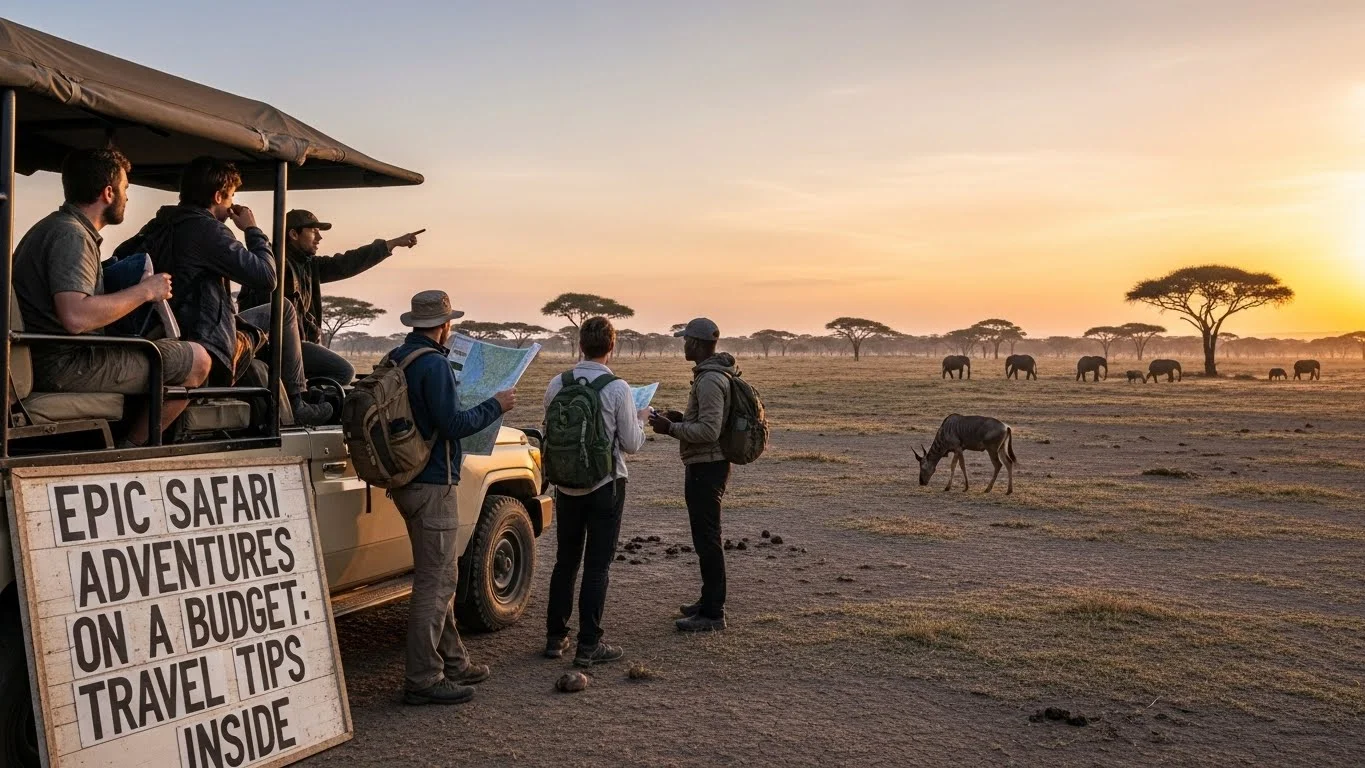
Epic Safari Adventures on a Budget: Travel Tips Inside

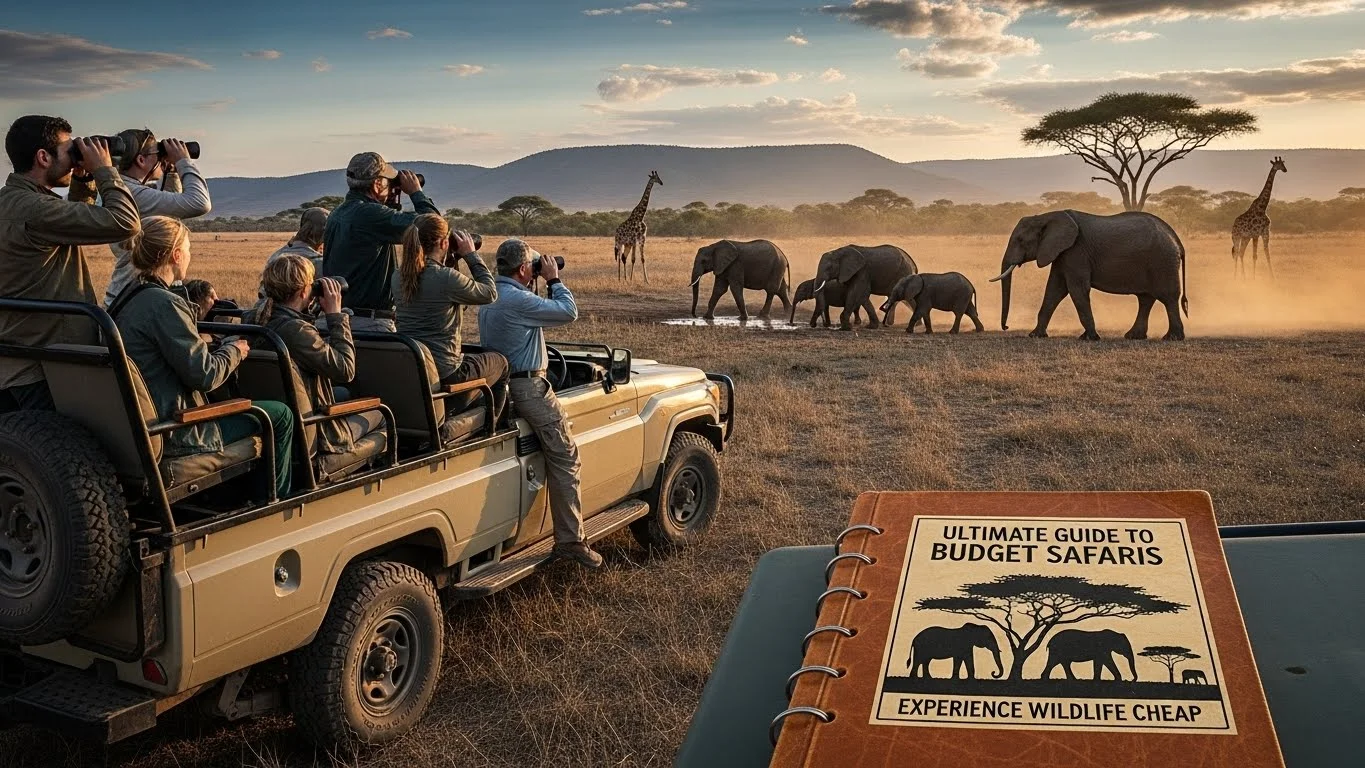
Embarking on a safari adventure doesn’t have to drain your wallet. With the right tips and planning, you can explore the wild while sticking to your budget. Here’s how to make your epic safari dreams come true without overspending! Read Interesting article: Top 10 Budget Safari Adventures You Can’t Miss

Epic Safari Adventures on a Budget: Travel Tips Inside

Understanding Safari Adventures

What is a Safari?

When I first heard the word “safari,” I envisioned vast savannas, majestic elephants, and the thrill of spotting a lion in its natural habitat. But what exactly is a safari? Originating from the Swahili word for “journey,” a safari typically refers to an expedition to observe or hunt wildlife. Over time, the focus has shifted from hunting to eco-tourism, allowing travelers like us to appreciate the wildlife and landscapes without causing harm. Today, a safari can be a life-changing experience, connecting us with nature in ways we never imagined.

Types of Safaris: Game Drives, Walking Safaris, and More

There are several ways to experience a safari, each offering a unique perspective on wildlife and the environment. I remember the first time I went on a game drive; the excitement of being in an open vehicle, feeling the wind on my face, and seeing animals in their natural habitat was exhilarating. Here are some popular types of safaris:

  • Game Drives: These are probably the most common. You’re in a 4×4 vehicle, cruising through the park while a guide shares their knowledge about the animals and ecosystem. I loved how we could cover large distances and spot a variety of wildlife in a relatively short time.
  • Walking Safaris: For those who crave a more intimate experience with nature, walking safaris are incredible. Imagine trekking through the bush, guided by a knowledgeable ranger, while learning about animal tracks, plants, and the ecosystem. I found it so rewarding to connect with the environment on foot.
  • Boat Safaris: Some areas offer boat safaris, allowing you to glide along rivers and lakes, spotting wildlife from the water. This was one of my favorite experiences, as it provided a different perspective on the animals and stunning scenery.
  • Hot Air Balloon Safaris: For a truly unforgettable experience, consider a hot air balloon safari. Gliding above the savannah at sunrise is something I’ll never forget. Watching the animals from above gave me a sense of the vastness of the landscape.

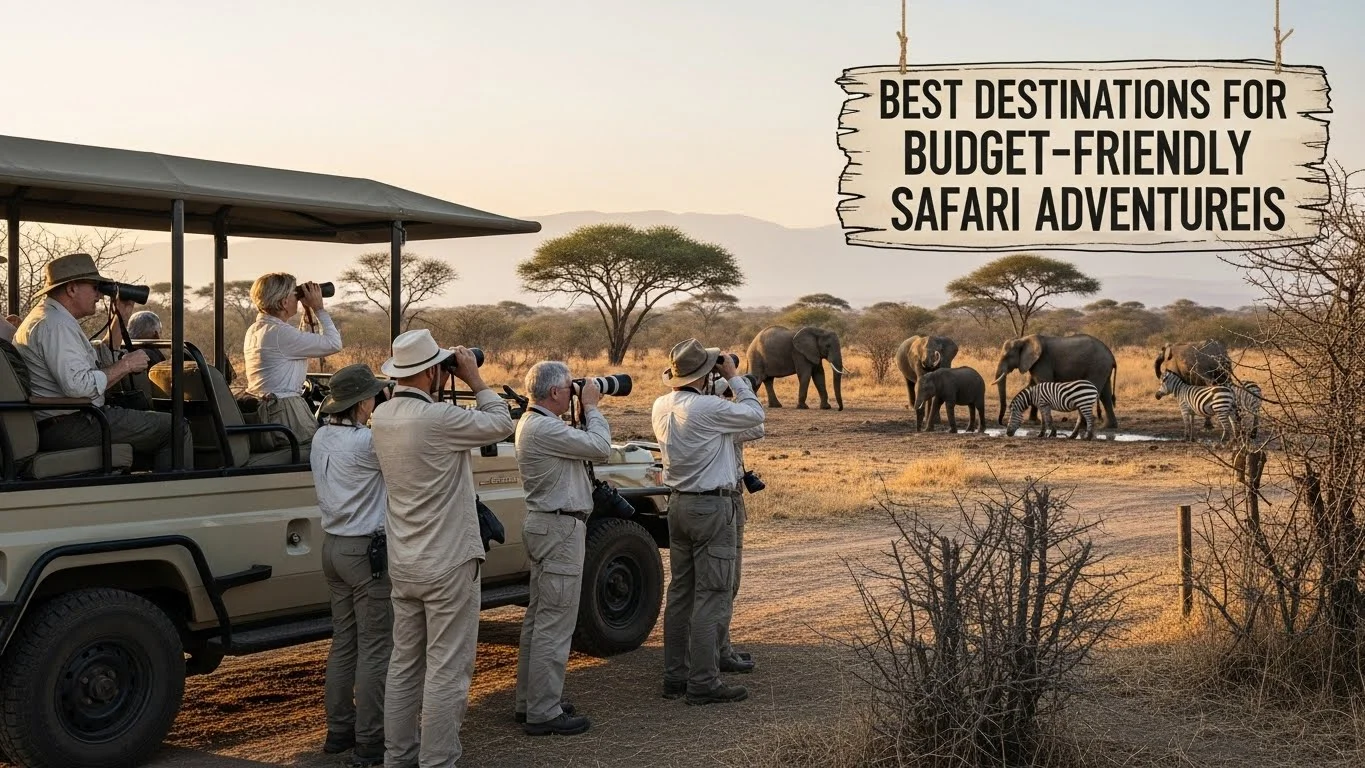
Each type of safari has its charm, and depending on your budget, you can mix and match these experiences for an unforgettable adventure. Read Interesting article: Best Destinations for Budget-Friendly Safari Adventures

Choosing the Right Destination

Top Affordable Safari Destinations

When it comes to choosing a destination for your safari, I’ve learned that some locations are more budget-friendly than others. Countries like Tanzania, Kenya, and South Africa are well-known for their rich wildlife and diverse landscapes, but they can also be pricey. However, I’ve discovered some hidden gems that offer amazing safari experiences without breaking the bank.

  • Namibia: Known for its stunning landscapes and unique wildlife, Namibia is often overlooked. The Etosha National Park offers incredible game viewing at a fraction of the price of more popular destinations.
  • Zambia: This country is famous for walking safaris and has some of the most authentic experiences. It’s less commercial than other safari hotspots, which means fewer tourists and lower prices.
  • Botswana: While it can be expensive in some areas, I found that visiting during the shoulder seasons can help cut costs. The Okavango Delta is a must-see, with breathtaking scenery and diverse wildlife.
  • Uganda: Home to the famous mountain gorillas, Uganda is not just about gorilla trekking. There are also opportunities for traditional safaris at relatively low costs, especially in Queen Elizabeth National Park.

Comparing Costs: Africa vs. Other Continents

While Africa is the most popular continent for safaris, it’s not the only option. I’ve seen adventure travel in places like India, where you can go on a tiger safari, or in Costa Rica, where wildlife abounds. However, the costs can vary significantly. Generally, safaris in Africa can be pricier than in Asia or Central America, but the experience is undeniably unique and unforgettable. I think it really comes down to where your heart lies and what kind of wildlife experiences you seek. Read Interesting article: Wildlife Adventures: Best Budget-Friendly African Safari Spots

Overall, understanding the different types of safaris and the best destinations can greatly enhance your adventure while keeping your budget intact. With careful planning and a little research, you can find a safari that suits your style and wallet. The thrill of seeing wildlife up close and personal is worth every penny, and I look forward to sharing more tips on how to make the most of your safari adventure without emptying your savings!

When to Go on Safari

Best Seasons for Wildlife Viewing

Timing your safari can significantly impact your experience. From my adventures, I’ve learned that the best seasons for wildlife viewing typically fall during the dry months. In many parts of Africa, this is from June to October. During this time, water sources are scarce, and animals tend to congregate around rivers and waterholes, making them easier to spot. I remember the thrill of witnessing a herd of elephants at a watering hole, their playful antics captivating us all.

In contrast, the rainy season, which varies by region but generally spans from November to April, can also offer unique opportunities. I’ve seen baby animals during this time, and the landscapes transform into lush green havens. While animal sightings might be trickier due to the dense foliage, I found the atmosphere richly rewarding, with fewer tourists around and a more serene environment.

Every season has its charm, and understanding what you want to experience can help you choose the right time for your safari.

Off-Season Benefits and Drawbacks

Traveling during the off-season can be a great way to save money on your safari. I’ve found that prices for accommodations and tours drop significantly, making it easier to stick to a budget. Plus, fewer tourists mean a more intimate experience with the wildlife and the landscapes. I remember exploring a less crowded park where I could take my time enjoying the sights and sounds without feeling rushed.

However, there are drawbacks to consider. Some lodges and parks may be closed during the off-season, and certain roads might be impassable due to heavy rains. I’ve encountered situations where we had to change our itinerary because a road was washed out. It’s essential to do your research and be flexible with your plans, as conditions can change quickly. We learned to embrace the unexpected, which often led to our most memorable moments.

Budgeting for Your Safari Adventure

Estimating Total Costs: Accommodation, Travel, and Activities

When planning our safari, I quickly realized there’s more to budgeting than just the park entrance fees. I started by estimating the total costs, which included accommodation, travel, and activities. Each of these components can vary widely depending on your choices. For accommodation, I found a range of options from luxury lodges to basic campsites, and my budget played a big role in where we stayed. I usually recommend looking for mid-range lodges that offer comfort without breaking the bank.

Travel costs can also add up. Depending on how far you’re traveling to reach your safari destination, flights can take a big chunk of your budget. I often compared costs between different airlines and booked in advance to snag the best deals. Additionally, consider how you’ll get around once you’re there. Renting a vehicle may provide flexibility but can be pricey if you’re not careful.

Activities, like guided tours or special experiences such as hot air balloon rides, should also be factored into your budget. I found that some activities could be booked in advance for discounts, and it’s a good idea to prioritize what’s most important to you. In my case, a few splurges on experiences made my trip unforgettable.

How to Find Affordable Safari Packages

Finding affordable safari packages can feel like a daunting task, but I’ve discovered that doing a bit of research can yield fantastic deals. One of my favorite methods is to look for package deals that include accommodations, meals, and activities. Many tour companies offer these, and I’ve found that bundling everything together can save money compared to booking each element separately.

Online travel platforms and local travel agencies often have promotions or last-minute deals that can be quite tempting. I remember stumbling upon a three-day safari package that included a guided tour and meals for a fraction of the usual price. Always read reviews and do some background checks on the companies to ensure you’re getting a good deal without sacrificing quality.

Additionally, consider traveling as a group. I’ve seen that many tour operators offer discounts for larger groups, so if you have friends or family who are interested, it might be worth planning your safari together. Sharing costs can make the experience more affordable and allow you to enjoy some special experiences without stretching your budget too thin.

Saving Money on Transportation

Transportation can be one of the more significant expenses on a safari, especially if you’re planning to move between different parks or regions. I’ve learned that there are ways to cut down on these costs. For instance, using public transport instead of private transfers can save a considerable amount. I once took a bus from one park to another, which not only saved money but also allowed me to meet fellow travelers and locals.

When planning your trips, I recommend checking if the parks you want to visit are close enough to drive between them. Renting a vehicle can sometimes be more economical than paying for multiple transfers. I found that booking a 4×4 vehicle for a week was quite reasonable, especially when we split the cost among friends.

Lastly, look into shared shuttle services that many lodges and parks provide. This option can be a fantastic way to meet other travelers while keeping transportation costs in check. In my experience, it was a delightful way to connect with fellow safari enthusiasts and share tips and stories along the way.

Accommodation Options for Budget Travelers

Camping vs. Lodges: Pros and Cons

When it comes to accommodation options during a safari, I’ve found that choosing between camping and lodges can really shape your experience. Personally, I’ve tried both, and each has its unique benefits. Camping can be an adventurous way to immerse yourself in nature. I remember sleeping under a blanket of stars, the sounds of the wild lulling me to sleep. It felt raw and authentic, like I was truly part of the environment. Plus, camping often comes at a fraction of the cost of lodges. Many parks have designated camping areas that provide basic facilities, allowing you to enjoy the wilderness without breaking the bank.

However, there are downsides. Camping means giving up some comforts, like a hot shower or a cozy bed. I’ve had nights where the ground felt a bit too hard, and I woke up a little grumpy from a lack of sleep. On the other hand, staying in lodges offers more comfort, with amenities like hot meals, comfortable beds, and sometimes even swimming pools. I remember one lodge we stayed at that had a beautiful view of the park, and it was nice to unwind after a long day of exploring. The downside? Lodges can be significantly pricier, especially those located within the national parks.

Ultimately, it comes down to what you value most in your safari experience. If you’re looking for adventure and don’t mind a little discomfort, camping can be a fantastic choice. But if relaxation and comfort are a priority, splurging on a lodge might be worth it.

Hostels and Guesthouses Near Safari Parks

If camping or luxurious lodges aren’t your thing, I usually recommend looking into hostels and guesthouses. They often provide a great middle ground—affordable yet comfortable options that allow you to meet fellow travelers. I’ve stayed in a few guesthouses that were just a short drive from the park entrances, and I loved the community vibe. It was a fantastic way to share stories and tips with other safari-goers.

Many of these places offer shared rooms or private rooms at reasonable prices, along with breakfast included. One particularly memorable guesthouse I found had a beautiful garden where we could relax after our daily adventures. Plus, the owners often had valuable insights on local wildlife and the best times to visit the parks, which made our experience richer.

Staying in a hostel or guesthouse can also give you the opportunity to explore the local culture a bit more. I found that many places host community events or offer local cuisine, allowing me to connect with the area in ways that a lodge might not. This experience added depth to my safari adventure, making it not just about the wildlife, but about the people and culture surrounding it.

Activities Beyond the Safari

Exploring Local Culture and Communities

A safari is more than just wildlife watching; it’s also an opportunity to engage with the local cultures and communities. I’ve seen firsthand how enriching it can be to learn about the traditions and lifestyles of the people living near national parks. During one trip in Tanzania, we visited a Maasai village, and it was eye-opening. The warmth of the people, their vibrant clothing, and their traditional dances created a memorable experience that I still cherish.

Many safari packages offer cultural experiences as an add-on, and I highly recommend taking advantage of them. It’s a wonderful way to understand the relationship between the local communities and the wildlife. I learned about their conservation efforts, which deeply inspired me. By supporting these communities, you’re also contributing to wildlife preservation, making your safari experience even more meaningful.

Additionally, think about incorporating local markets into your travels. I love visiting markets because they are vibrant, full of life, and a perfect place to try local foods and buy handmade crafts. Engaging with locals and learning about their way of life added a layer of depth to my safari that I would have missed otherwise.

Additional Wildlife Experiences: Bird Watching, etc.

While spotting the Big Five is often the highlight of a safari, I’ve discovered that there’s so much more to explore. Bird watching, for instance, has become one of my favorite activities. Many parks are home to an incredible variety of bird species, and I found that taking a birding tour opened my eyes to the beauty of these creatures. I remember one morning, we set out at dawn with a local guide, and the sounds of the birds greeting the day were enchanting. We spotted colorful species I had never seen before, and the experience was nothing short of magical.

Additionally, some parks offer other unique wildlife experiences, such as tracking animals like cheetahs or elephants. I had the chance to join a tracking expedition, which provided insights into animal behavior and conservation efforts. It was fascinating to learn about the methods used to protect these animals and their habitats. These kinds of experiences not only enrich your safari but also help raise awareness about the importance of wildlife conservation.

By stepping beyond traditional safari activities, you can create a more well-rounded adventure that connects you with nature and the people who call it home. I encourage you to explore all that a safari has to offer beyond just the wildlife—there’s a world of culture, history, and community waiting for you!

Frequently Asked Questions

What is a safari?

A safari, originating from the Swahili word for “journey,” typically refers to an expedition to observe or hunt wildlife. The focus has shifted from hunting to eco-tourism, allowing travelers to appreciate wildlife and landscapes without causing harm.

What are the different types of safaris?

There are several types of safaris, including game drives, walking safaris, boat safaris, and hot air balloon safaris. Each offers a unique perspective on wildlife and the environment.

Which countries are known for affordable safari experiences?

Some budget-friendly safari destinations include Namibia, Zambia, Botswana, and Uganda. These locations offer rich wildlife experiences without the high costs associated with more popular safari countries.

When is the best time to go on safari for wildlife viewing?

The best seasons for wildlife viewing typically fall during the dry months from June to October when animals congregate around water sources. The rainy season from November to April can also provide unique opportunities but may make animal sightings trickier.

What are the benefits of traveling during the off-season?

Traveling during the off-season can save money on accommodations and tours, and there are usually fewer tourists, leading to a more intimate experience. However, some parks may be closed or have inaccessible roads during this time.

How can I estimate the total costs for a safari?

To estimate total costs for a safari, consider accommodation, travel, and activities. Each component can vary widely depending on your choices, so it’s important to research and budget accordingly.

What tips are there for finding affordable safari packages?

Look for package deals that include accommodations, meals, and activities, as bundling can save money. Online travel platforms and local agencies often have promotions, and traveling as a group can also provide discounts.

What are the pros and cons of camping versus staying in lodges during a safari?

Camping offers an adventurous experience and is generally more affordable, but it lacks some comforts. Lodges provide more amenities and comfort but can be significantly pricier. Your choice depends on your priorities for the safari experience.

How can I engage with local cultures during my safari?

Engaging with local cultures can be done by participating in cultural experiences, visiting local markets, or exploring nearby communities. These interactions enrich the safari experience and support local conservation efforts.

What additional wildlife experiences can enhance a safari?

Beyond spotting the Big Five, activities like bird watching and tracking animals can provide deeper insights into wildlife behavior and conservation. These experiences enrich the safari and connect you with nature in meaningful ways.

Best Destinations for Budget-Friendly Safari Adventures

Embarking on a budget-friendly safari adventure can be one of the most thrilling experiences of your life. You can explore the breathtaking landscapes and diverse wildlife without breaking the bank! Read Interesting article: Top 10 Budget Safari Adventures You Can’t Miss

Best Destinations for Budget-Friendly Safari Adventures

Overview of Budget-Friendly Safari Adventures

What is a Budget Safari?

A budget safari is essentially an affordable way to experience the thrill of wildlife viewing and nature exploration without spending a fortune. Instead of opting for luxurious lodges and private tours, budget safaris often involve shared accommodations, group tours, or even self-driving options. This means you can still enjoy the incredible sights of Africa while sticking to a more manageable budget. From my experience, budget safaris can be just as rewarding and exhilarating as their pricier counterparts. They often allow for more authentic interactions with local cultures and environments.

Why Choose a Budget-Friendly Safari?

Choosing a budget-friendly safari has several advantages. First and foremost, it opens up the possibility for many more people to experience the beauty of Africa. I’ve always believed that adventure doesn’t have to come with a hefty price tag. When I first set out on my safari journey, I was surprised to find that I could explore incredible national parks and see stunning wildlife without burning a hole in my pocket. Budget safaris also offer flexibility. You can adjust your itinerary according to your interests without being tied down to expensive packages. For instance, I remember switching plans on a whim to visit a local village market, which turned out to be one of the highlights of my trip. It allowed me to connect with the local culture in a way that a more expensive tour might not have offered. Moreover, budget safaris often encourage sustainable tourism. By choosing local guides and community-based initiatives, we can contribute to the local economy and help preserve the environment. I’ve seen firsthand how much passion and knowledge local guides have, and their love for their homeland shines through in every tour. This made my safari experience not only enjoyable but also meaningful. Read Interesting article: Wildlife Adventures: Best Budget-Friendly African Safari Spots

Top Budget Safari Destinations

1. Tanzania

Tanzania is a dream destination for budget travelers seeking a safari adventure. The country is home to some of the most iconic wildlife reserves in Africa, yet it offers plenty of affordable options.

Serengeti National Park

When I visited the Serengeti, I was in awe of the vastness of the landscapes and the abundance of wildlife. While it can be pricey to stay in some lodges, I found that camping or staying in budget-friendly guesthouses nearby allowed me to explore the park without overspending. I remember waking up to the sounds of lions roaring in the distance – an unforgettable experience!

Ngorongoro Crater

The Ngorongoro Crater is another fantastic spot in Tanzania. This UNESCO World Heritage site is teeming with wildlife, and it’s possible to find budget tours that allow you to explore the area without going broke. I found a local guide who offered a great price for a day trip, and it was worth every penny. The crater’s unique ecosystem means you can see a wide range of animals in one place, including elephants, zebras, and even the endangered black rhino.

2. South Africa

South Africa is another fantastic option for budget safaris. With its diverse landscapes and rich wildlife, it’s a hotspot for adventure seekers like us.

Kruger National Park

Kruger National Park is one of Africa’s largest game reserves. I quickly discovered that self-driving through the park was not only budget-friendly but also incredibly exciting. Being out in the wild, spotting animals at my own pace, felt like an adventure in itself. Plus, there are plenty of affordable accommodations ranging from campsites to budget lodges.

Addo Elephant National Park

Addo Elephant National Park is perfect for elephant lovers. I was amazed by the sheer number of elephants I encountered during my visit. The park offers low-cost entry fees, and I found that going with friends cut down on the costs for transportation and accommodation. We even brought our own food, which saved us a lot on dining expenses.

3. Kenya

Kenya is synonymous with safaris, and it doesn’t have to be expensive! The country is rich in wildlife and boasts some of the most famous parks in Africa.

Masai Mara National Reserve

Visiting the Masai Mara was a highlight for me. Although it can be touristy, there are budget options available. I joined a group tour and found that sharing costs made it much more affordable. The experience of witnessing the Great Migration is something I’ll treasure forever.

Amboseli National Park

Amboseli National Park is known for its stunning views of Mount Kilimanjaro and abundant elephant populations. I found budget-friendly lodges nearby and enjoyed the park’s unique beauty without overspending. It was a great opportunity to capture some fantastic photos!

4. Namibia

Namibia is a hidden gem for budget safari enthusiasts. The landscapes are unlike anything I’ve ever seen, from the stunning dunes of Sossusvlei to the wildlife-rich Etosha National Park.

Etosha National Park

Etosha was a fantastic experience for me. The park is known for its waterholes where animals gather, making wildlife viewing easier and more affordable. I opted for budget camping inside the park and was able to witness lions, giraffes, and rhinos all in one day.

Fish River Canyon

The Fish River Canyon is another must-see in Namibia. I found that exploring this natural wonder could be done on a budget through self-guided tours and affordable accommodations in nearby towns.

5. Botswana

Botswana is often labeled as one of the best safari destinations in Africa, and while it can be pricier, there are still budget options available.

Chobe National Park

Chobe National Park is famous for its elephants. I was able to join a budget-friendly camping tour, which allowed for close encounters with wildlife without costing a fortune. The sunset boat cruises on the Chobe River were an experience I’ll never forget.

Okavango Delta

The Okavango Delta offers unique opportunities for budget travelers. Exploring the delta through mokoro (traditional canoe) expeditions can be a more affordable way to experience this breathtaking landscape. I loved the serenity of gliding through the water while observing wildlife.

Planning Your Budget Safari

Best Time to Visit

Choosing the right time for your budget safari can make a big difference in terms of costs and wildlife sightings. From my experience, the dry season, which typically runs from June to October, is a popular time for safaris because animals congregate around water sources, making them easier to spot. However, this is also when prices can skyrocket due to high demand. I remember visiting during the shoulder season, which is just before or after the peak season. This timing allowed me to enjoy lower prices while still witnessing plenty of wildlife activity. The weather can be a bit unpredictable, but the savings were well worth it. Plus, I found that the parks were less crowded, which made for a more intimate experience.

Choosing the Right Tour Operator

Selecting a reliable tour operator is crucial for a budget safari. I’ve learned that researching and reading reviews can go a long way. I usually start by checking platforms like TripAdvisor or travel blogs where fellow adventurers share their experiences. When I was planning my safari, I sought out local operators who are often more in tune with the area and can provide personalized service. I recommend asking about their group sizes, as smaller groups can lead to a more enriching experience. Additionally, don’t hesitate to negotiate prices or ask for package deals – you might be surprised at what you can save! Read Interesting article: Ultimate Guide to Budget Safaris: Experience Wildlife Cheap

Accommodation Options

Finding the right place to stay can greatly impact your safari budget. During my travels, I discovered several affordable accommodation types that don’t compromise on experience.

Camping vs. Lodges

Camping is often the most budget-friendly option and can bring you closer to nature. I remember setting up my tent in the middle of a national park; the thrill of sleeping under the stars, listening to the sounds of the wild, was indescribable. Many parks have designated campsites that offer basic amenities at a fraction of the cost of lodges. However, if camping isn’t your style, there are budget lodges and guesthouses that can still provide comfort without breaking the bank. I found that these places often have friendly staff who can share local insights, enhancing my overall experience.

Budget Hotels and Hostels

In larger towns near national parks, budget hotels and hostels can be great alternatives. I enjoyed staying in a hostel once where I met fellow travelers who were also on a budget safari. We ended up sharing tips and splitting costs for tours, which made everything more affordable. Plus, hostels often have kitchens, allowing us to prepare some of our own meals. This not only saved money but also allowed me to connect with others over shared meals, adding to the adventure!

Safari Activities on a Budget

Self-Driving Safaris

One of the most adventurous and budget-friendly options is self-driving safaris. I remember renting a vehicle and hitting the roads of Kruger National Park, feeling an exhilarating sense of freedom as I navigated through the park. This option allows you to set your own pace and spend as much or as little time at various sightings as you want. Plus, it’s often much cheaper than paying for guided tours. Just be sure to familiarize yourself with park rules to ensure a safe and enjoyable experience!

Group Tours and Shared Safaris

If self-driving isn’t for you, consider joining group tours or shared safaris. I joined a few during my travels, and it turned out to be a fantastic way to meet new friends while keeping costs down. Sharing transportation and guides significantly reduces the overall price, and the camaraderie on these tours added a fun element to the experience. I remember bonding with fellow travelers over shared excitement when we spotted wildlife, making those moments even more memorable.

Walking Safaris

Walking safaris are another thrilling way to immerse yourself in the landscape while keeping costs low. I had a fantastic experience taking a guided walking safari in Zambia, where the guide taught us about the flora and fauna. There’s something magical about being on foot, feeling the earth beneath you and observing animals in their natural habitat. It’s often less expensive than vehicle-based tours and offers a unique perspective that I truly cherished.

Community-Based Tourism Initiatives

Participating in community-based tourism initiatives can be both affordable and enriching. I once took part in a local village tour that was run by the community. Not only was it budget-friendly, but I also got to learn about their culture and traditions firsthand. Supporting these initiatives means that your money goes directly to the local people, making it a meaningful addition to your travel experience. I left with a deeper appreciation for the culture and unique stories that I wouldn’t have encountered on a standard safari.

Wildlife Viewing Tips for Budget Travelers

Best Times of Day for Wildlife Viewing

When it comes to spotting wildlife on a budget safari, timing is everything. I learned that the early morning and late afternoon are often the best times to see animals in action. I vividly remember my first sunrise drive in Kruger National Park; the golden light spilling over the savannah was breathtaking. I was lucky enough to witness a pride of lions waking up from their slumber, stretching and getting ready for their day. The animals tend to be more active during these cooler parts of the day, making it easier to see them without the sweltering heat driving them into the shade. Plus, the photo opportunities at these times are incredible!

Understanding Animal Behavior

Getting acquainted with animal behavior can enhance your wildlife viewing experience significantly. I found that having some knowledge about the animals I was hoping to see helped me understand where to look and when. For instance, knowing that elephants often congregate near waterholes during the dry season made it easier to plan my viewing spots. I also discovered that certain animals are more social than others; for example, zebras are often seen in groups, while solitary rhinos can be more elusive. Observing these patterns not only made my safari more rewarding but also made it feel more like a treasure hunt.

Photography on a Budget

Capturing the essence of a safari is something I cherish, but photography can get expensive with all the fancy equipment available. I decided to keep things simple and packed my trusty DSLR camera along with a versatile lens. I learned to make the most of natural light and took advantage of my surroundings, which made for some stunning shots without needing expensive gear. Additionally, I found that smartphone cameras have improved immensely and can also do the trick if you’re on a budget. Just remember to bring a portable charger, as you’ll likely be snapping photos all day long!

Local Cuisine and Dining on a Budget

Must-Try Dishes

One of my favorite parts of traveling is immersing myself in local cuisine. On my safaris, I made it a point to try traditional dishes that were often both delicious and affordable. In Tanzania, I fell in love with ugali, a staple made from maize flour, often served with grilled meat and vegetables. In Kenya, I couldn’t resist sampling nyama choma (grilled meat) paired with kachumbari (a fresh tomato and onion salad). These dishes not only filled my belly but also connected me to the local culture. I recommend asking locals for their favorite dishes; you might stumble upon hidden gems that aren’t listed in guidebooks!

Affordable Dining Options

Finding budget-friendly dining options while on safari can be a delightful adventure. I discovered that local eateries or “bukas” often provide hearty meals at a fraction of the cost of tourist restaurants. I remember one evening in a small town in South Africa where I found a cozy eatery serving amazing potjiekos, a traditional stew cooked in a cast-iron pot. Not only was the food delicious, but it was also a fantastic way to engage with locals. Additionally, many parks have picnic areas, which are perfect for self-catered meals. I enjoyed packing sandwiches and snacks, allowing us to spend more time in nature while saving money!

Markets and Street Food

Visiting local markets is another great way to experience the cuisine while keeping costs low. I fondly remember wandering through a bustling market in Tanzania, filled with vibrant colors and tantalizing scents. I could sample fresh fruits, local snacks, and even homemade pastries without spending much money. Street food is also a great way to try different flavors and dishes. I sampled a delicious samosa in a street stall in Kenya, and it was one of the best things I ate during my trip. Just be sure to stick to busy vendors that look popular with locals, as this often indicates fresher food!

Safety and Health Considerations

Travel Insurance for Safaris

Before embarking on my safari adventure, I realized the importance of travel insurance. I made sure to choose a policy that covered not just general travel issues but also specific activities like wildlife viewing and hiking. It gave me peace of mind knowing I was protected in case of unexpected events such as cancellations or medical emergencies. I recommend doing thorough research and reading reviews to find an insurance provider that best suits your needs. Remember, it’s better to be safe than sorry!

Vaccinations and Health Precautions

Health precautions are crucial when traveling to safari destinations. I made it a point to consult my doctor before my trip to discuss vaccinations and medications like antimalarials. Depending on where you go, you may need vaccinations for diseases like yellow fever or hepatitis. I also packed a basic first-aid kit for minor injuries, which I found useful during my travels. Keeping mosquito repellent handy helped me avoid bites and made my experience more comfortable.

Staying Safe in the Wild

While the thrill of being on a safari is exhilarating, safety should always be a top priority. I learned the significance of following guidelines provided by guides and park rangers. For example, staying in the vehicle during game drives is essential for safety. I remember the adrenaline rush of being in close proximity to elephants but kept in mind to respect their space. I also found it helpful to stay alert and aware of my surroundings, especially when on foot. Understanding animal behavior and being cautious around wildlife are key to a safe and enjoyable safari experience.

Frequently Asked Questions

What is a budget safari?

A budget safari is an affordable way to experience wildlife viewing and nature exploration without spending a fortune. It often involves shared accommodations, group tours, or self-driving options, allowing travelers to enjoy the sights of Africa while sticking to a manageable budget.

Why should I choose a budget-friendly safari?

Choosing a budget-friendly safari opens up opportunities for more people to experience the beauty of Africa. It offers flexibility in adjusting itineraries, encourages sustainable tourism, and often allows for more authentic interactions with local cultures and environments.

What are some top destinations for budget safaris?

Top budget safari destinations include Tanzania, South Africa, Kenya, Namibia, and Botswana, each offering unique wildlife experiences and affordable options.

What is the best time to visit for a budget safari?

The best time for a budget safari is during the dry season, typically from June to October, when animals congregate around water sources. However, visiting during the shoulder season can provide lower prices while still offering wildlife activity.

What types of accommodations are available for budget safaris?

Budget safari accommodations can range from camping and budget lodges to hostels and guesthouses. Camping is often the most budget-friendly option, while budget lodges provide comfort without breaking the bank.

What are some budget-friendly safari activities?

Budget-friendly safari activities include self-driving safaris, joining group tours or shared safaris, walking safaris, and participating in community-based tourism initiatives.

What are the best times of day for wildlife viewing?

The best times for wildlife viewing are early morning and late afternoon when animals are more active. These cooler parts of the day make it easier to spot animals and provide excellent photography opportunities.

How can I enjoy local cuisine on a budget while on safari?

To enjoy local cuisine on a budget, seek out local eateries or “bukas,” visit markets for street food, or prepare self-catered meals in picnic areas. Trying traditional dishes can also enhance your cultural experience.

What health precautions should I take before going on a safari?

Before going on a safari, consult a doctor about necessary vaccinations and medications, such as antimalarials. It’s also advisable to pack a basic first-aid kit and mosquito repellent for safety and comfort.

What safety measures should I follow during a safari?

To stay safe on a safari, always follow guidelines provided by guides and park rangers, stay in the vehicle during game drives, and remain alert and aware of your surroundings, especially when on foot.

Ultimate Guide to Budget Safaris: Experience Wildlife Cheap

Exploring the wilderness doesn’t have to break the bank. With a budget safari, you can dive into the heart of nature and experience breathtaking wildlife without emptying your wallet. For more tips on how to enjoy a budget safari, check out Amazing Wildlife Safaris on a Budget: A Travel Guide.

Ultimate Guide to Budget Safaris: Experience Wildlife Cheap

Understanding Budget Safaris

What is a Budget Safari?

When I first heard the term “budget safari,” I imagined a stripped-down version of the lavish adventures often shown in movies and travel brochures. But I quickly learned that a budget safari doesn’t mean skimping on the experience. It means finding ways to enjoy the incredible wildlife, stunning landscapes, and rich cultures without spending a fortune. Essentially, a budget safari provides an opportunity to experience Africa’s magnificent landscapes and wildlife at a price that won’t leave you in debt.

Budget safaris can vary widely in style and offerings. Some might be grounded in camping under the stars, while others could involve basic lodges or even self-drive adventures. The goal is to enjoy the adventure of a safari while keeping costs low, allowing more people to connect with nature and wildlife. For those looking to travel sustainably, consider reading about Eco-Friendly Wildlife Safaris: Travel Sustainably on a Budget.

Benefits of Choosing a Budget Safari

Choosing a budget safari comes with a plethora of benefits that I personally found appealing. For starters, it often leads to a more authentic experience. When I went on my budget safari, I met locals and fellow travelers who shared their stories and insights. It felt more like an adventure with friends than a touristic outing. Being on a budget also encourages creativity in planning. I discovered lesser-known parks and reserves that were just as beautiful as the more famous ones, but at a fraction of the cost.

Another fantastic benefit is the flexibility that comes with a budget safari. Many budget options allow you to create your own itinerary, whether you want to spend extra time in one location or move quickly through multiple sites. I found myself captivated by the spontaneity of it all, often deciding on the go where to head next based on what I felt like experiencing that day.

Types of Budget Safaris

When planning my budget safari, I was surprised at the variety of options available. Here’s a breakdown of some popular types of budget safaris I discovered:

  • Camping Safaris: This type typically involves setting up tents in national parks, where I could fall asleep to the sounds of nature. It’s often the cheapest way to experience a safari, and I loved the sense of adventure it brought.
  • Self-Drive Safaris: Renting a vehicle to navigate parks myself was liberating. I could stop wherever I wanted, and I enjoyed the thrill of spotting wildlife on my own terms. It’s definitely a more hands-on experience that I found incredibly rewarding.
  • Group Tours: Joining a group can reduce costs significantly, as expenses are shared. I met wonderful people during my group safari, and we bonded over our shared love for wildlife and adventure.
  • Backpacker Tours: These tours focus on budget accommodation and affordable meals, allowing travelers to experience the safari without the hefty price tag. The communal aspect of backpacking brought a unique camaraderie.

No matter which type of budget safari you choose, the key is to find the one that aligns with your interests and comfort level. For me, the adventure was as much about the journey as it was about the destination.

In the end, a budget safari offers a unique chance to connect with nature and wildlife while making memories that last a lifetime. I truly believe that anyone can afford to go on an unforgettable safari adventure, regardless of their financial situation. The wildlife is waiting, and it’s time to embrace the adventure that comes with a budget safari! For more insights, check out Experience Wildlife Safaris on a Budget: Tips & Tricks.

Top Budget Safari Destinations

Kenya

Kenya holds a special place in my heart when it comes to budget safaris. With its stunning national parks like Maasai Mara and Amboseli, there’s so much to explore without breaking the bank. I remember visiting Maasai Mara during the Great Migration, and the sight of thousands of wildebeests crossing the river was unforgettable. There are budget-friendly campsites and lodges, which made my stay more affordable. Plus, I learned a lot from the local Maasai people, who shared their culture and stories with us. It truly enriched my experience.

Tanzania

Tanzania is another gem for budget travelers. Serengeti National Park and Ngorongoro Crater are must-visits, but I found that there are many affordable options available. I opted for a camping safari that allowed me to be close to nature, and I loved sitting around the campfire at night, sharing stories with fellow travelers. The wildlife was breathtaking, and the sheer diversity made every game drive feel new and exciting. For anyone on a budget, Tanzania offers plenty of opportunities to connect with wildlife without spending a fortune.

South Africa

South Africa surprised me with its budget safari options. Kruger National Park is famous for its wildlife, and I was pleased to discover that self-drive safaris are totally doable. Renting a car and exploring the park at my own pace saved me a lot of money. I saw the Big Five (lions, leopards, elephants, buffalo, and rhinos) and even managed to snap some great photos. Additionally, there are budget accommodations nearby, making it a fantastic choice for those who want to experience the thrill of a safari while keeping costs low.

Namibia

Namibia offers a unique budget safari experience, especially with its stunning landscapes like the Namib Desert and Etosha National Park. I remember driving through the desert and being awed by the red dunes of Sossusvlei. Camping was a fantastic way to immerse myself in nature, and I made some wonderful memories stargazing at night. The wildlife in Etosha is also incredible, and I found that visiting during the dry season allowed for excellent wildlife viewing at the waterholes—an experience I wouldn’t trade for anything.

Botswana

Botswana is often seen as a premium safari destination, but I discovered that there are budget options available too. Although the Okavango Delta can be pricey, I found affordable camping safaris that focused on exploration and wildlife viewing. The landscapes are stunning, and I felt a sense of tranquility as I floated through the delta on a mokoro (a traditional canoe). It’s a place where you can truly appreciate nature, and the less-crowded experience was something I cherished. Traveling through Botswana taught me that you can enjoy luxury experiences without the luxury price tag.

When to Go on a Budget Safari

Best Seasons for Wildlife Viewing

Choosing the right time for a budget safari can significantly affect both your experience and your budget. In my experience, the dry season, usually from June to October, is the best time for wildlife viewing. Animals tend to gather around water sources, making sightings more frequent and easier. While prices can be a bit higher during peak season, I found that planning my safari during shoulder seasons (late April to early June or late October) allowed me to enjoy great wildlife viewing without the crowds and at a lower cost.

Off-Peak Travel Tips

Traveling during off-peak seasons can save you a lot of money, and I’ve found that the experience can be just as rewarding. In some parks, accommodations and activities are significantly discounted. Plus, I enjoyed a more relaxed atmosphere, where I didn’t have to compete with crowds for a good viewing spot. I also took advantage of local promotions and last-minute deals which often pop up for those who are flexible with their travel plans. I can’t recommend this enough for anyone looking to stretch their budget further!

Weather Considerations

Weather can play a big role in your safari experience. I remember visiting during the rainy season, which was a mixed bag. While it was lush and beautiful, some roads were impassable, and wildlife was less visible. However, I also saw fewer tourists, and the parks felt like my own private paradise. I learned to always check the climate for the regions I wanted to visit, and even consider packing for a mix of weather conditions. It’s all part of the adventure!

How to Choose the Right Budget Safari

Researching Safari Operators

When I started planning my budget safari, I quickly realized that selecting the right safari operator was crucial. I spent hours online, looking for companies that offered budget options without compromising on experience. I found that it’s essential to research various operators to find out what they offer. Many companies provide a range of budget safaris, from camping trips to more basic lodge options. I made a list of potential operators and compared their itineraries, prices, and what was included. This step helped me feel more confident about my choices and pointed me toward some incredible experiences.

Reading Reviews and Testimonials

Once I narrowed down my list, I turned to reviews and testimonials from other travelers. Websites like TripAdvisor and travel blogs were invaluable resources for honest opinions. I learned a lot about what to expect and what to avoid. For example, I noticed that some operators had fantastic guides who truly enhanced the experience, while others didn’t provide that personal touch. I made sure to read a variety of reviews to get a balanced view. It was like having a conversation with fellow travelers, sharing their highs and lows. Their insights guided me in making my final decision.

Understanding Inclusions and Exclusions

One of the most important aspects of budget safari planning is understanding what is included in the package. When I first looked at safari deals, I found some that seemed too good to be true. After a closer look, I realized that many of these packages had hidden costs. I learned to carefully read through the details and ask questions about meals, park entry fees, and transportation. Knowing what was included helped me budget better and avoid surprises later on. I remember one operator who offered a great deal, but I discovered that the cost of meals and some park entries were not included. In the end, I opted for a package that was slightly more expensive but covered everything I wanted.

Budget Safari Planning Essentials

Setting Your Safari Budget

Before I embarked on my safari adventure, I knew I had to set a budget. I sat down with a notebook and jotted down all potential costs like flights, accommodation, meals, and activities. This process opened my eyes to what I could realistically afford. I found it helpful to break down my budget into categories. For instance, I allocated a portion specifically for experiences like guided tours or special activities. Having a clear budget not only kept me on track but also allowed me to prioritize what mattered most to me during the adventure.

Travel Insurance Considerations

Travel insurance was another crucial element I couldn’t overlook. I remember initially thinking, “I’ll be fine,” but I soon realized that unexpected things can happen, especially in the wilderness. I researched different travel insurance options, comparing coverage for medical emergencies, trip cancellations, and even lost luggage. In the end, I chose a policy that specifically covered safari-related activities. Knowing that I was protected allowed me to focus on enjoying the experience without worrying about what could go wrong.

Visas and Vaccinations

Before my safari, I also had to consider visas and vaccinations. Since each country has different requirements, I made it a point to check what was needed for Kenya, Tanzania, and South Africa. I found that some visas could be obtained online, while others required a visit to the consulate. Additionally, I learned about recommended vaccinations for travelers, which varied by destination. I made an appointment with my doctor to discuss what I needed, and I felt relieved knowing I was prepared for the health aspects of my trip. It’s easy to overlook these details, but they are essential for a smooth safari experience.

Accommodation Options for Budget Safaris

Camping vs. Lodges

Accommodation can significantly affect your budget, and I had a blast exploring my options. Camping was my favorite choice because it allowed me to truly immerse myself in nature. I loved setting up my tent and falling asleep to the sounds of the wild. But I also discovered that basic lodges could be affordable and comfortable. They provided shelter and sometimes included meals, which helped save costs. I think it really boils down to personal preference—if you love the outdoors, go for camping; if you prefer a little more comfort, look for budget lodges.

Hostels and Guesthouses

During my safari planning, I also considered hostels and guesthouses. I found that many hostels catered specifically to travelers looking for budget options, with shared facilities and communal areas where I could meet fellow adventurers. Guesthouses, on the other hand, often offered a more homey experience. I stayed in a guesthouse in Tanzania that was run by a lovely local family. They shared stories and even cooked traditional meals for us. It was a great way to connect with the culture and make new friends.

Staying with Local Communities

One of the most rewarding experiences I had was staying with local communities. Some safari packages offered opportunities to live with local families, which truly enriched my journey. I remember sharing meals and learning about their way of life. It brought a whole new meaning to the idea of budget travel—it wasn’t just about saving money, but about building connections and understanding the culture. If you’re open to it, this option can provide an unforgettable experience that you won’t find in a traditional setting.

Wildlife Viewing Tips on a Budget

Best Times for Wildlife Sightings

One of the most exciting parts of a budget safari is witnessing wildlife in their natural habitats. From my experience, the early mornings and late afternoons are the prime times for spotting animals. During those hours, wildlife is more active, making it easier to see them outside of the heat of the day. I remember waking up before sunrise and feeling the cool air as I set out on a game drive, holding my breath as we approached a watering hole, hoping to catch a glimpse of elephants or lions. If you can, try to plan your game drives around these times to maximize your chances of seeing incredible wildlife.

Guided Tours vs. Self-Drive Safaris

I’ve done both guided tours and self-drive safaris, and each has its perks. Guided tours often come with knowledgeable guides who can share insights about the animals and their behaviors, which really enhances the experience. I learned so much from my guide about the ecosystem and the unique traits of different species. However, there’s something truly liberating about self-drive safaris. The freedom to stop whenever I wanted to take photos or simply enjoy the view made the journey feel more personal. I think the choice ultimately depends on your comfort level and what kind of experience you’re looking for. Either way, both options are budget-friendly!

Photography Tips for Budget Travelers

Capturing the beauty of a safari is a must, and I learned a few tips along the way to save money on photography. First, I took advantage of natural light during the golden hours—early morning and late afternoon. These times not only provided the best lighting but also increased my chances of seeing wildlife. I recommend bringing a good zoom lens if you have one, as it will allow you to capture stunning shots from a distance without disturbing the animals. I also learned to be patient; sometimes, waiting quietly for that perfect moment can yield the most rewarding photos. Finally, don’t forget to enjoy the experience in real-time rather than just through your camera lens!

Food and Dining on a Budget Safari

Local Cuisine to Try

Food is such an enjoyable part of travel, and I was eager to dive into the local cuisine during my budget safari. Each country I visited had its own specialties. In Kenya, I loved trying ugali, a maize porridge, often served with vegetables and meat. It was simple but delicious! In Tanzania, I couldn’t get enough of the fresh seafood along the coast, especially grilled fish. I found that indulging in local foods not only saved me money but also allowed me to connect more deeply with the culture.

Eating at Local Markets

One of my favorite experiences was eating at local markets. I discovered bustling markets where I could find affordable meals bursting with flavor. I remember sampling street food like samosas and fried plantains, enjoying the vibrant atmosphere and chatting with locals. Not only did I save money, but I also got to taste authentic dishes that you wouldn’t find in restaurants. I suggest checking out food stalls and asking locals for their recommendations—there’s usually a hidden gem waiting to be found!

Pack Your Own Meals: Tips and Tricks

To stretch my budget even further, I often packed my own meals for day trips. I brought along snacks like granola bars, nuts, and fruits, which kept me energized without breaking the bank. I also prepared simple sandwiches or wraps that I could easily eat on the go. When packing meals, I learned to choose items that were lightweight and non-perishable, making it easy to carry. Having my own food not only saved money but also allowed me to enjoy a picnic in nature, which was a delightful experience!

Transportation Options for Budget Safaris

Public Transport in Safari Destinations

Using public transport was one of the best choices I made while traveling. Many towns and cities near safari destinations have bus services, which are an economical way to get around. I took several matatus (shared minivans) in Kenya, and while it was an adventure in itself, it also offered a glimpse into local life. The vibrant atmosphere, the mix of people, and the stories shared during the ride made it worthwhile. Just be sure to allow for extra time, as public transport can be less predictable!

Shared Rides and Shuttles

I also found shared rides and shuttle services to be very budget-friendly. They are a great way to travel between major destinations without paying for a private taxi. I used a shuttle service from Nairobi to Maasai Mara, which was economical and comfortable. Plus, I met fellow travelers, which added to the excitement of the journey. I recommend checking online for companies that offer these services for a cost-effective way to move around.

Renting a Vehicle on a Budget

If you prefer more flexibility, renting a vehicle can be a good option, especially if you’re traveling with friends. I learned to shop around for the best deals and book in advance to secure lower rates. I opted for a 4×4, which made navigating the rugged terrain easier and gave us the freedom to explore at our own pace. Just remember to factor in fuel costs and insurance when planning your budget. For me, the experience of driving through vast landscapes and spotting wildlife along the way was worth every penny.

Safety and Health Tips for Budget Safaris

Staying Safe in the Wilderness

Safety should always be a priority, and I made sure to educate myself before venturing into the wilderness. I followed guidelines provided by my safari operator and always kept a safe distance from wildlife. I remember being in a vehicle while observing a pride of lions, and it was essential to respect their space. Being aware of my surroundings and sticking to marked paths helped me feel secure during my adventures.

Health Precautions and First Aid

Health is another crucial aspect of safari planning. I packed a small first aid kit with essentials like band-aids, antiseptic wipes, and any personal medications I might need. I also made sure to stay hydrated, especially during those hot days. Drinking plenty of water kept my energy levels up, and I learned to avoid tap water in certain areas. Before my trip, I researched vaccinations and health precautions relevant to my destinations, ensuring I was well-prepared.

Wildlife Etiquette and Respect

Respecting wildlife and their habitats is essential. I made it a point to follow the “leave no trace” principle during my travels. Whether it was not littering or making noise, I understood that showing respect for nature was vital for preserving these beautiful environments. I also learned about the importance of not disturbing animals, especially those that are nesting or caring for their young. Observing wildlife from a distance allowed me to appreciate their beauty while ensuring their safety.

Maximizing Your Budget Safari Experience

Participating in Community Projects

One of the most enriching experiences I had was getting involved in community projects during my safari. Many organizations offer opportunities to volunteer, whether it’s helping with wildlife conservation or supporting local schools. I spent a few days working with local children, teaching them English, and it was an incredible way to connect with the community. Plus, it added an extra layer of fulfillment to my trip, knowing I was making a small difference.

Connecting with Local Guides

Local guides can enhance your safari experience immensely. I found that hiring a local guide not only provided valuable insights into the wildlife and landscape, but it also supported the local economy. Many times, I learned about hidden gems and off-the-beaten-path locations that I wouldn’t have discovered on my own. Having that personal connection made my adventure even more special.

Finding Free or Low-Cost Activities

Lastly, I discovered that there are plenty of free or low-cost activities to enjoy while on a budget safari. From hiking in national parks to visiting local markets, I found ways to immerse myself in the culture without spending a lot. I explored walking trails, visited local villages, and enjoyed the stunning scenery around me. These experiences were just as memorable as the paid activities and often provided unique perspectives on the places I visited.

Final Thoughts

Embarking on a budget safari is one of the most rewarding experiences I’ve had. It’s not just about saving money; it’s about embracing the adventure and connecting with nature, wildlife, and local cultures. I believe that anyone can experience the magic of a safari without breaking the bank. With a little planning, some creativity, and an adventurous spirit, you can create memories that will last a lifetime. So, pack your bags, keep your budget in mind, and get ready for an unforgettable journey into the wild!

Frequently Asked Questions

What is a budget safari?

A budget safari is an opportunity to experience Africa’s wildlife, landscapes, and cultures without spending a fortune. It allows travelers to enjoy adventures through camping, basic lodges, or self-drive options while keeping costs low.

What are the benefits of choosing a budget safari?

Choosing a budget safari often leads to more authentic experiences, encourages creativity in planning, and provides flexibility in itineraries. Travelers can connect with locals and fellow adventurers while exploring lesser-known parks at lower costs.

What types of budget safaris are available?

Popular types of budget safaris include camping safaris, self-drive safaris, group tours, and backpacker tours. Each type caters to different preferences and comfort levels while keeping costs manageable.

Which destinations are recommended for budget safaris?

Recommended budget safari destinations include Kenya, Tanzania, South Africa, Namibia, and Botswana, each offering unique wildlife experiences and affordable options for travelers.

When is the best time to go on a budget safari?

The dry season, typically from June to October, is the best time for wildlife viewing. However, traveling during shoulder seasons can provide great wildlife experiences at lower costs and with fewer crowds.

How can I choose the right budget safari operator?

Researching different safari operators, reading reviews and testimonials, and understanding what is included in the package are crucial steps to selecting the right budget safari operator for your needs.

What are some essential planning tips for a budget safari?

Setting a clear budget, considering travel insurance, and checking visa and vaccination requirements are essential steps to plan a budget safari effectively.

What accommodation options are available for budget safaris?

Accommodation options include camping, budget lodges, hostels, guesthouses, and staying with local communities. Each option varies in comfort and cost, catering to different preferences.

What are some tips for dining on a budget safari?

Travelers can save money by trying local cuisine, eating at local markets, and packing their own meals for day trips. These options allow for authentic experiences without overspending.

How can I stay safe and healthy during my budget safari?

Staying safe involves following guidelines from safari operators, keeping a safe distance from wildlife, and being aware of surroundings. Health precautions include packing a first aid kit, staying hydrated, and researching vaccinations relevant to your destinations.