Web Analytics

Recent Posts

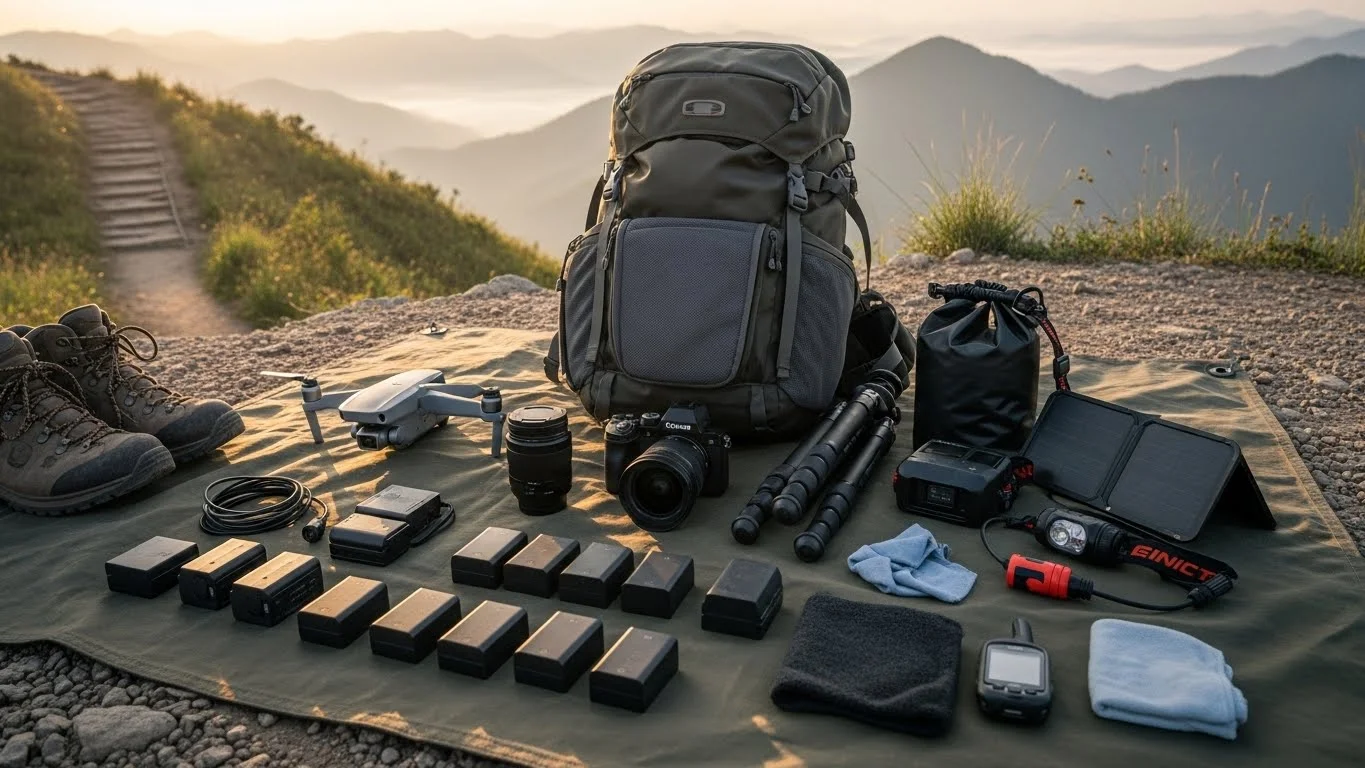
Essential Camera Gear for Backpacking Adventures

Backpacking can be an exhilarating way to explore the world, and capturing those moments with the right camera gear makes it even better. Let’s dive into the essential equipment that will help you document your adventures beautifully. Read Interesting article: Top 5 Affordable Cameras for Budget Backpackers
Essential Camera Gear for Backpacking Adventures

Understanding the Basics of Camera Gear for Backpacking

Importance of Choosing the Right Camera

When I first started backpacking, I realized how crucial it was to have the right camera. Not all cameras are created equal, especially when you’re out in the wild. The camera you choose can make a significant difference in the quality of your photos and your overall experience. I remember hiking up a steep trail, excited to capture the sunrise, only to find that my old bulky camera was too heavy to carry comfortably. It was then I understood that my camera should fit not just my photography style, but also my adventure style.

Choosing the right camera means considering factors like image quality, ease of use, and how well it performs in different lighting conditions. Whether you’re shooting stunning landscapes or candid moments with fellow hikers, your camera needs to deliver. I’ve tried various types of cameras on my trips, and I’ve learned that a good camera can inspire you to explore more and capture the beauty around you.

Weight and Portability Considerations

Weight is something every backpacker knows all too well. Every ounce matters, especially on long hikes where every bit of gear you carry adds up. I’ve been in situations where I’ve had to make tough decisions about what to leave behind, and I always regret it when I have to lug around a heavy camera. This is why I believe that finding a lightweight option is key.

For instance, mirrorless cameras are often lighter than their DSLR counterparts. I remember switching to a mirrorless system and instantly feeling the difference in my pack. Not only are they lighter, but they also provide excellent image quality, which is perfect for backpacking trips where you want to capture vibrant landscapes without the bulk.

A good rule of thumb I’ve adopted is to think of the camera as an investment. If it allows you to take stunning photos without weighing you down, it’s worth it. So, always check the weight specifications before making a purchase. Trust me, your back will thank you after a long day on the trails!

Durability and Weather Resistance

Another factor that I learned the hard way is durability. I remember one rainy day on a hike when my camera got soaked because I didn’t have a weather-resistant option. It was a nightmare! Cameras can be delicate, and when you’re out in nature, you want something that can handle the elements.

Many backpackers, including myself, prefer cameras that are built to withstand the harsh conditions of the outdoors. Look for cameras that are weather-sealed or designed for rugged use. I often check reviews that mention how well a camera holds up in tough conditions. There’s nothing worse than missing a perfect shot because I was worried about my gear getting damaged!

Another tip I’ve found useful is to invest in protective gear like cases and bags that can withstand impact and moisture. It’s a small price to pay for peace of mind. I’ve used waterproof bags that not only keep my camera safe from rain but also from dust and dirt when I’m trekking through rugged terrain. This extra layer of protection can make all the difference in ensuring your gear lasts through multiple adventures.

Overall, understanding the basics of camera gear for backpacking is vital. It’s not just about having the latest technology; it’s about finding the right balance between weight, durability, and functionality. I’ve experienced the joy of capturing breathtaking moments on my journeys, and it all started with choosing the right camera gear tailored to my adventures. As I continue to explore new trails and landscapes, I always keep these principles in mind, ensuring I’m ready to document every beautiful moment that comes my way. Read Interesting article: Stay Safe While Solo Backpacking: Top Safety Strategies

Essential Camera Types for Backpacking

DSLR Cameras: Pros and Cons

When I first started getting serious about photography, I invested in a DSLR camera. I loved it for its versatility and image quality; it allowed me to capture stunning landscapes and detailed portraits. However, I soon realized that DSLRs could be quite heavy, especially during long hikes. Carrying that weight up steep trails was a workout in itself! I found that while DSLRs offer great performance, they can be cumbersome if you’re not prepared to deal with the extra bulk.

One of the biggest advantages of a DSLR is the wide range of lenses available. I could switch from a wide-angle lens for breathtaking vistas to a zoom lens for those distant wildlife shots. But the trade-off is that I often left my DSLR behind on shorter trips, opting for lighter alternatives. So, if you’re considering a DSLR, think about how often you’re willing to carry that extra weight and whether it aligns with your backpacking style.

Mirrorless Cameras: Advantages for Backpackers

After my experience with a DSLR, I transitioned to a mirrorless camera, and I haven’t looked back since. The difference in weight was immediately noticeable, and I found myself more inclined to take my camera with me on hikes. Mirrorless cameras are compact, and they often come with impressive features like fast autofocus and high-quality video capabilities. I remember one trip where I captured some incredible wildlife footage simply because I had my mirrorless camera readily accessible.

Another advantage is that the battery life is often better in mirrorless systems. I love how I can shoot all day without worrying about running out of juice. However, I did have to get used to the electronic viewfinder, which can be a bit different from the optical viewfinder of a DSLR. Still, I think mirrorless cameras strike a great balance between quality and portability, making them an excellent choice for backpackers.

Compact Cameras: Lightweight Alternatives

If you’re looking for something even lighter, compact cameras can be a fantastic option. I’ve had my share of compact cameras, and they’re incredibly convenient for quick shots on the go. I remember hiking through a beautiful forest and being able to whip out my compact camera in seconds to capture a stunning sunbeam filtering through the trees. They fit easily in my pocket, which is a huge advantage when you’re trying to minimize your gear load.

While compact cameras may not offer the same image quality as DSLRs or mirrorless systems, many newer models are surprisingly good. They often come with built-in zoom lenses, which can be handy for various situations. If you’re someone who prefers spontaneity and ease of use, a compact camera could be just what you need on your adventures.

Action Cameras: Capturing Adventure

Action cameras have become a staple for many outdoor enthusiasts, and for good reason. I was initially skeptical about using one, but after taking my first action camera on a kayaking trip, I was hooked! These little devices are designed to be rugged, waterproof, and incredibly versatile. I loved the ability to document my adventures from unique angles, whether it was strapped to my chest while climbing or mounted on my kayak. The wide-angle lens captures so much of the action, giving viewers a thrilling perspective.

One of the best features of action cameras is their ability to shoot in extreme conditions. I’ve taken mine on muddy trails and rainy days without a worry. Plus, they’re lightweight and easy to carry, which makes them an excellent addition to any backpacking trip. If you’re an adrenaline junkie like me, an action camera can help you capture experiences that a traditional camera might miss.

Must-Have Accessories for Your Camera

Lenses: Choosing Versatile Options

While the body of the camera is essential, I’ve learned that the lenses you choose can dramatically change your photography. When I first started, I stuck with the kit lens that came with my camera, but I quickly realized I wanted more versatility. I invested in a fast prime lens for low light situations and a versatile zoom lens for those times when I needed to capture a wide range of subjects without changing lenses on the go. Having the right lenses can make all the difference in the quality of your photos.

Tripods: Stability on the Go

Another accessory I can’t live without is a good tripod. I used to think tripods were too bulky for backpacking, but I discovered lightweight options that fold down small enough to fit in my pack. During a sunrise hike, I set up my tripod and captured the stunning colors of the sky reflecting off a mountain lake. The stability it provided was incredible, allowing me to take long exposure shots that I couldn’t have done handheld.

Camera Bags: Protection and Organization

Finding the right bag for my camera gear has been a game changer. I used to stuff my camera into my backpack, thinking it would be fine, but I learned the hard way that it’s essential to have a dedicated camera bag. I found one that has padded compartments, which keeps my gear safe and organized. This way, I can easily access my camera when I see something worth capturing without rummaging through my entire pack.

Filters: Enhancing Your Shots

Filters are another accessory I’ve come to appreciate. Polarizing filters can help reduce glare and enhance colors, making landscapes pop. I remember using one during a hike along a river where the water was reflecting the vibrant foliage around it. The difference in my shots was striking! A good filter can elevate your images without requiring extensive editing later.

Extra Batteries and Memory Cards

Finally, I always pack extra batteries and memory cards. There’s nothing worse than running out of space or power right when you need to capture that perfect moment. I’ve had days where I took so many photos I filled up my card, and having a backup saved the day. Bringing extra batteries ensures that I’m always ready to shoot, especially on long trips where access to charging can be limited. Read Interesting article: Affordable Travel Insurance Tips for Safe Backpacking Trips

Best Camera Gear Brands for Backpacking

Canon: A Reliable Choice

When I think of reliable camera brands, Canon immediately comes to mind. I’ve owned a few Canon cameras over the years, and I’ve always appreciated their user-friendly design and solid build quality. One of my favorite things about Canon is the extensive range of lenses available, which is perfect for backpackers like us who want to capture everything from expansive landscapes to close-up shots of wildlife.

During one of my trips to the mountains, I used my Canon camera to shoot a stunning sunrise. The color accuracy and sharpness were remarkable, and I felt confident knowing I had a trustworthy brand in my hands. Canon’s DSLRs are a bit heavier, but their mirrorless line is gaining traction among backpackers for its lightweight and compact design, which is something I find appealing.

Nikon: Versatility and Performance

Nikon is another brand that often pops up in conversations about quality photography gear. I’ve had the opportunity to try out several Nikon models, and I can attest to their versatility. Nikon cameras tend to have excellent low-light performance, which has been a lifesaver for me during dawn hikes or evening sunsets when the lighting can be tricky.

One memorable experience was capturing the Milky Way during a camping trip. My Nikon camera handled the low light beautifully, allowing me to snap some incredible shots that I still cherish. The ergonomics of Nikon cameras are also quite comfortable, which is essential when you’re hiking for hours. Whether you opt for a DSLR or a mirrorless model, you can depend on Nikon to deliver quality performance in various settings.

Sony: Innovation in Mirrorless Technology

If there’s one brand that has truly revolutionized the photography world, it’s Sony. I made the switch to a Sony mirrorless camera a while back, and it quickly became my go-to for backpacking trips. The compact size without compromising on quality is a game changer for those of us who prioritize weight. I remember a hike where I needed to lighten my load, and switching to a Sony made a world of difference.

What I particularly love about Sony cameras is their impressive autofocus system. I captured some incredible wildlife moments with ease, something that was often a challenge with my previous gear. Plus, the video capabilities are fantastic, which has made documenting my adventures even more enjoyable. If you’re considering a mirrorless system, I highly recommend giving Sony a try.

Fujifilm: Compact and Powerful

Fujifilm is a brand that I often recommend to fellow backpackers looking for something compact yet powerful. Their cameras are known for producing stunning colors and a unique film-like quality, which I believe adds a special touch to outdoor photography. I’ve had several friends rave about their experiences with Fujifilm, especially when it comes to street photography and landscapes.

On a recent trip to a national park, I brought along my Fujifilm camera and was blown away by how lightweight it was. I was able to capture vibrant autumn foliage without feeling bogged down. The intuitive controls make it easy to adjust settings on the fly, which is crucial when you’re trying to snap that perfect shot before the light changes. If you enjoy a retro aesthetic combined with modern technology, Fujifilm might be the right fit for you.

Tips for Selecting the Right Gear for Your Trip

Assessing Your Photography Needs

Before I head out on a backpacking trip, I always take a moment to assess my photography needs. Do I want to focus on landscapes, wildlife, or maybe a mix of both? Understanding what I want to capture helps me decide which camera and lenses to bring. I remember a particular trip where I was fixated on capturing the night sky, so I opted for my fast prime lens and tripod. Knowing what I wanted made it easier to pack efficiently.

Budgeting for Camera Gear

Budgeting for camera gear can be a daunting task, especially with so many options out there. I’ve been in situations where I splurged on high-end gear only to realize it wasn’t necessary for my style of photography. I recommend setting a budget that includes not just the camera body but also lenses, accessories, and protective gear. It’s key to balance quality with affordability, as sometimes mid-range options offer fantastic value without breaking the bank.

Prioritizing Gear Based on Trip Length

When planning a trip, I always prioritize my gear based on how long I’ll be out. If it’s a quick weekend getaway, I tend to pack lighter and choose compact options. For longer excursions, I consider bringing more versatile gear that can handle various situations. I remember on a week-long trip, I packed my DSLR with a couple of lenses, and while it was heavier, the quality of my photos was worth the extra weight. Think about your trip’s demands and pack accordingly for the best experience!

Frequently Asked Questions

What is the importance of choosing the right camera for backpacking?

Choosing the right camera is crucial as it can significantly impact the quality of your photos and your overall backpacking experience. The camera should fit your photography style and adventure style, ensuring it is manageable to carry while providing the desired image quality.

Why is weight and portability a significant consideration for backpackers?

Weight is vital for backpackers because every ounce adds up, especially on long hikes. Selecting a lightweight camera option, such as a mirrorless camera, can make a substantial difference in comfort and ease during your adventures.

How does durability and weather resistance factor into camera selection for outdoor use?

Durability and weather resistance are essential for outdoor photography since cameras can be delicate and exposed to harsh conditions. Opting for weather-sealed cameras or investing in protective gear like waterproof bags can prevent damage and ensure your gear lasts through adventures.

What are the pros and cons of DSLR cameras for backpacking?

DSLR cameras offer excellent versatility and image quality, making them great for capturing landscapes and portraits. However, they can be quite heavy, which might not align with the needs of backpackers who prefer lighter gear for long hikes.

What advantages do mirrorless cameras offer to backpackers?

Mirrorless cameras are lighter and more compact compared to DSLRs, making them easier to carry. They often come with features like fast autofocus and better battery life, offering a balance between quality and portability for outdoor photographers.

Are compact cameras suitable for backpacking, and why?

Yes, compact cameras are suitable for backpacking as they are extremely lightweight and convenient for quick shots. While they may not match the image quality of DSLRs or mirrorless systems, many newer models are surprisingly good and offer built-in zoom lenses for versatility.

What are action cameras, and how can they enhance outdoor photography?

Action cameras are rugged, waterproof devices designed for capturing adventures from unique angles. They are lightweight and can shoot in extreme conditions, making them ideal for documenting outdoor activities like climbing or kayaking.

What essential accessories should backpackers consider for their camera gear?

Must-have accessories include versatile lenses, lightweight tripods for stability, protective camera bags for organization, filters to enhance shots, and extra batteries and memory cards to ensure you’re always ready to capture moments.

Which camera brands are recommended for backpackers?

Recommended camera brands for backpackers include Canon for reliability, Nikon for versatility and performance, Sony for innovation in mirrorless technology, and Fujifilm for compact and powerful options that produce stunning colors.

What tips can help in selecting the right gear for a backpacking trip?

Assess your photography needs to determine what to pack, set a budget that includes all necessary gear, and prioritize equipment based on the length of your trip to balance quality and weight effectively.
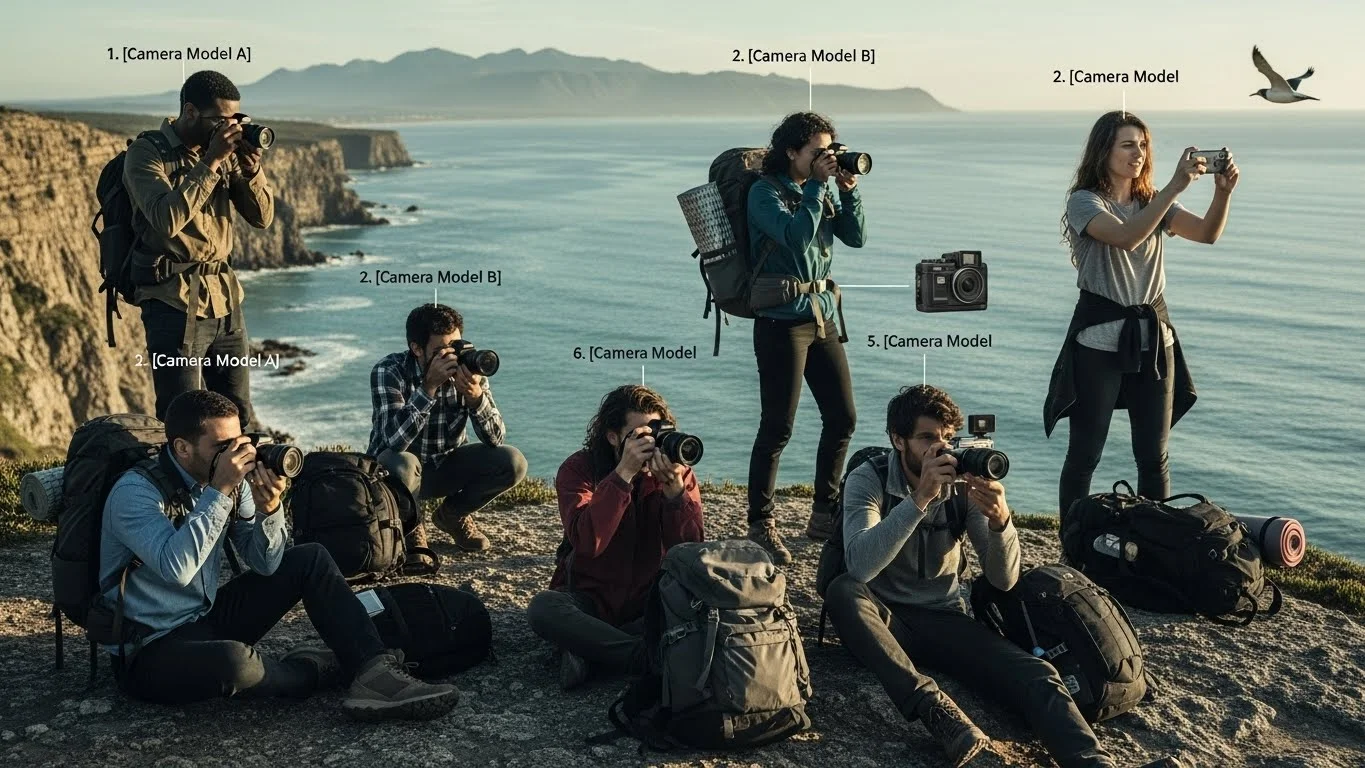
Top 5 Affordable Cameras for Budget Backpackers

As a backpacker, capturing those unforgettable moments on a budget can be a challenge. Luckily, there are plenty of affordable cameras that fit perfectly into our travel plans while delivering excellent photo quality. If you’re also looking to save on accommodations, check out How to Score Affordable Hostels: Tips for Budget Travelers.

Top 5 Affordable Cameras for Budget Backpackers

Understanding the Needs of Budget Backpackers

When we think about backpacking, several factors come to mind: mobility, affordability, and the desire to capture beautiful memories. As budget backpackers, I believe we often find ourselves torn between getting a reliable camera and staying within our tight budgets. Understanding our unique needs is essential when selecting a camera that can keep up with our adventures.

Importance of Compact and Lightweight Cameras

One of the most significant aspects of backpacking is the weight of our gear. I remember my first backpacking trip when I packed way more than I needed. Let me tell you, hiking with a heavy bag was not fun! That experience taught me the importance of choosing compact and lightweight equipment. A camera that is easy to carry and doesn’t take up too much space in my bag is a priority. It’s the difference between enjoying my trip and being bogged down by unnecessary weight. I’ve found that compact cameras are often perfect for capturing spontaneous moments without the hassle of a bulky setup.

Durability and Weather Resistance

Backpacking can take us to some incredible places, but it can also expose our gear to the elements. I learned the hard way during a hike in the rain when my camera got soaked, and I lost precious photos. Now, I always look for cameras that are durable and have some level of weather resistance. Whether it’s dust, humidity, or a sudden rainstorm, knowing my camera can withstand the conditions gives me peace of mind. I want to focus on my adventure, not on worrying about my equipment!

Image Quality vs. Price

As budget-conscious travelers, I know we often struggle with the balance between image quality and price. I’ve come to realize that just because a camera is affordable doesn’t mean it can’t take stunning photos. I’ve seen many budget models that produce amazing results, especially if you’re willing to learn some basics of photography. I always recommend doing a bit of research and reading reviews to find a camera that offers good quality at a price that won’t break the bank. Investing in a camera that performs well can make all the difference in how we remember our adventures.

Key Features to Look for in Affordable Cameras

When searching for the perfect camera for our travels, there are a few key features I always consider. It’s essential to focus on what will benefit our specific needs as we explore new destinations.

Resolution and Sensor Size

Resolution plays a significant role in the clarity of our photos. I’ve found that cameras with at least 16 megapixels typically deliver good enough quality for most travel situations. The sensor size also matters; larger sensors usually capture better images, especially in low light. I remember experimenting with different cameras, and the ones with bigger sensors always produced sharper, more vibrant images.

Lens Versatility and Zoom Capabilities

Having versatile lens options can be a game-changer. I love being able to switch between wide-angle shots for landscapes and zooming in for those detailed close-ups. Cameras with interchangeable lenses give us the flexibility to adapt to different situations. If you’re like me and enjoy taking a variety of shots, then having good zoom capabilities is essential too. It allows us to capture those far-off mountain peaks or wildlife without getting too close! If you’re interested in wildlife photography, don’t miss out on Affordable Wildlife Photography Adventures You Can’t Miss.

Battery Life and Storage Options

During my trips, I’ve learned the hard way that battery life is crucial. I can’t tell you how many times I’ve been out in the field, capturing beautiful moments, only to find my camera battery dying. I recommend looking for cameras that offer long battery life and consider bringing a spare battery just in case. Additionally, having ample storage options is vital. I always carry an extra memory card or two, just in case I end up taking more pictures than I planned!

Connectivity Features (Wi-Fi, Bluetooth)

In this digital age, connectivity features can enhance our travel experience. I love being able to transfer photos directly to my phone or share them on social media while I’m still on the road. Many affordable cameras now come with Wi-Fi or Bluetooth capabilities, which makes it easy to back up our images or send them to friends and family. It’s a nice way to stay connected and share our adventures in real-time.

Top 5 Affordable Cameras for Budget Backpackers

Camera 1: Canon PowerShot G7 X Mark III

Key Specifications

The Canon PowerShot G7 X Mark III is a compact camera that offers impressive photo quality and functionality. With a 20.1-megapixel sensor and a 1-inch type sensor, it excels in low-light situations. It has a fast f/1.8-2.8 lens and can shoot 4K video, making it a versatile option for travelers. Its lightweight design, at just 10.5 ounces, fits perfectly in my backpack without adding extra weight.

Pros and Cons

What I love about this camera is its ability to produce sharp images with vibrant colors, even in challenging conditions. It also has a great touchscreen for easy navigation. However, the battery life could be better, so I recommend carrying a spare battery when you’re out exploring. The price can be a bit steep for some, but I think the quality justifies the investment.

Best Use Cases

This camera shines for those who want high-quality photos without the hassle of bulky gear. It’s perfect for capturing landscapes, street photography, or action shots. If you’re planning to create vlogs or share videos on social media, the 4K video feature is a real bonus!

Camera 2: Sony Alpha a6000

Key Specifications

The Sony Alpha a6000 is a mirrorless camera that boasts a 24.3-megapixel APS-C sensor, which is fantastic for producing detailed images. It’s lightweight and compact, making it an excellent choice for backpackers. With fast autofocus and continuous shooting up to 11 frames per second, I’ve found it to be quite responsive, even in dynamic environments.

Pros and Cons

I appreciate the image quality and the variety of lens options you can choose from with this camera. However, the menu interface can be a bit tricky to navigate at first, which might be a downside for beginners. Also, while the body is compact, lenses can add some weight, so it’s essential to choose wisely.

Best Use Cases

This camera is ideal for those wanting to capture high-quality images of their adventures, whether it’s hiking, wildlife photography, or urban exploration. It’s versatile enough for different types of photography, so if you’re serious about improving your skills, this could be the camera for you.

Camera 3: Fujifilm X-T200

Key Specifications

The Fujifilm X-T200 is another excellent choice for budget backpackers, featuring a 24.2-megapixel APS-C sensor and a sleek, retro design. It has an electronic viewfinder and a fully articulating touchscreen, which I find incredibly useful for composing shots from various angles. It also offers 4K video capabilities, which is a nice touch for those wanting to capture their travels on film.

Pros and Cons

One of the things I love about the X-T200 is its lightweight body and stylish looks; it’s a camera that stands out! The film simulation modes allow for creative photography without needing extensive editing. However, it can be somewhat limited in low-light performance compared to some other options, so I make sure to plan my shots accordingly.

Best Use Cases

This camera is perfect for travelers who appreciate aesthetics and want to capture vivid images with a unique style. Whether you’re photographing a bustling market or tranquil landscapes, the X-T200 delivers quality and creativity.

Camera 4: Nikon Coolpix B500

Key Specifications

The Nikon Coolpix B500 is a budget-friendly point-and-shoot camera featuring a 16-megapixel sensor and a 40x optical zoom lens. It’s designed for ease of use, making it ideal for those who want to point and shoot without worrying about settings. The camera also supports Wi-Fi and Bluetooth for easy photo sharing.

Pros and Cons

I find the zoom capabilities to be impressive for its price, allowing me to capture distant subjects without needing to get too close. However, it lacks the manual controls that some photographers might desire, which can limit creative options. Additionally, the image quality may not match that of a mirrorless camera, but for casual use, it’s more than sufficient.

Best Use Cases

This camera is great for travelers who prefer simplicity and flexibility. If you’re visiting tourist hotspots or want to capture family moments on the go, the B500 is a hassle-free option that delivers solid results.

Camera 5: Olympus Tough TG-6

Key Specifications

If you’re an adventurous soul who loves to dive or hike in rugged terrains, the Olympus Tough TG-6 is a fantastic choice. It features a 12-megapixel sensor, is waterproof up to 50 feet, and is shockproof, crushproof, and freezeproof, making it one of the most durable cameras on the market.

Pros and Cons

I can’t stress enough how much I appreciate the toughness of this camera. It gives me the freedom to capture underwater shots or take it on rough hikes without fear of damage. However, the lower megapixel count means it may not produce images as detailed as others on this list. It’s also a bit bulkier than other compact cameras, but the trade-off is worth it for those who need a rugged option.

Best Use Cases

The TG-6 is perfect for adventure travelers who engage in activities like snorkeling, hiking, or skiing. If your adventures lead you off the beaten path, this camera can withstand whatever nature throws at it while still capturing high-quality images.

Comparison of the Top 5 Affordable Cameras

Price Range Comparison

When I started my search for the perfect camera, I quickly realized that price can vary significantly between different models. I think it’s essential to know what kind of budget we’re working with before diving in. Looking at the top five cameras I’ve shared, here’s a snapshot of their price ranges:

  • Canon PowerShot G7 X Mark III: Typically ranges from $600 to $700.
  • Sony Alpha a6000: Generally falls between $500 and $600.
  • Fujifilm X-T200: Priced around $600 to $700.
  • Nikon Coolpix B500: A much more budget-friendly option, usually around $300.
  • Olympus Tough TG-6: Sells for approximately $400 to $450.

From my experience, it’s important to consider not just the upfront cost, but also the long-term value each camera offers. Higher-priced models often come with better durability and image quality. On the other hand, budget options can be fantastic for casual users who just want to capture memories without the extra bells and whistles.

Feature Comparison Table

To make it easier to compare these cameras, I created a simple feature comparison table. This has helped me visualize the strengths and weaknesses of each option, and I hope it does the same for you:

Camera Megapixels Zoom Weight Video Quality
Canon PowerShot G7 X Mark III 20.1 4x 10.5 oz 4K
Sony Alpha a6000 24.3 Interchangeable 12.1 oz 1080p
Fujifilm X-T200 24.2 Interchangeable 13.5 oz 4K
Nikon Coolpix B500 16 40x 18.2 oz 1080p
Olympus Tough TG-6 12 4x 6.9 oz 4K

This table has been a lifesaver for me when comparing cameras quickly. I can see at a glance which features stand out and which cameras might not fit my needs as well. For instance, if I need something lightweight for trekking, the Olympus Tough TG-6 is appealing, but if I’m looking for versatility, I might lean toward the Sony Alpha a6000.

Tips for Choosing the Right Camera for Your Travels

Assessing Your Photography Needs

Before purchasing a camera, it’s vital to assess what you really need. I’ve learned to ask myself a few questions that help clarify my priorities. Are you more into landscapes, where wide-angle lenses are key? Or do you prefer street photography, which might require a different setup? I remember when I first started, I didn’t think about my shooting style, and I ended up with a camera that didn’t suit my needs. Now, I take time to reflect on what I want to capture during my trips.

Testing Cameras Before Purchase

If possible, I recommend testing cameras in-store before making a decision. Handling a camera helps me understand its weight, controls, and overall feel. I remember visiting a local camera shop and spending an afternoon trying out different models. It was enlightening! I found that some cameras felt more natural in my hands, while others felt clunky. Plus, getting a sense of the menu system can help avoid frustration later. If you can’t visit a store, watching video reviews can give you a good sense of how a camera performs in real life.

Considering Future Upgrades

Finally, I think it’s wise to consider the future. As our photography skills improve, we might want to upgrade our gear. I’ve made the mistake of buying a camera that didn’t offer the option for interchangeable lenses or additional features. It’s essential to think about how a camera fits into your long-term photography journey. Look for models with a good range of accessories and lenses, so you can expand your setup as you grow.

With these tips in mind, I believe we can make more informed choices that will not only fit our current travel needs but also grow with us as our photography skills develop. For more travel inspiration, check out the Ultimate Guide to Affordable Solo Travel Itineraries.

Budgeting for Your Camera Purchase

Setting a Realistic Budget

One of the first things I learned about buying a camera is the importance of setting a realistic budget. I remember being excited about the prospect of getting the perfect camera, but then I realized that if I didn’t plan ahead, I could easily overspend. I typically recommend determining how much you’re willing to spend before you start shopping. This way, you can focus on models that fit within your budget and avoid falling in love with something that’s out of reach. Whether it’s $300 or $700, knowing your limit can help guide your choices and keep you grounded.

Where to Buy: Online vs. Local Stores

When it comes to making a purchase, I’ve found that there are pros and cons to both online and local stores. I love the convenience of online shopping, especially since I can compare prices across multiple platforms quickly. I’ve snagged some great deals on websites like Amazon or B&H Photo. However, I also enjoy visiting local camera shops. There’s something special about holding a camera in my hands, feeling its weight, and getting a sense of its controls. Plus, local shops often have knowledgeable staff who can offer valuable insights. I suggest weighing both options and choosing what feels right for you.

Additional Costs: Accessories and Insurance

It’s crucial to consider that the price of a camera isn’t the only expense we might encounter. I remember being caught off guard by the costs of accessories like extra batteries, memory cards, and even a sturdy camera bag. I’ve invested in a good camera strap to prevent dropping my camera during hikes, and I think it’s worth it. Additionally, if you’re heading on a long trip or plan to use your camera extensively, consider looking into insurance or warranty options. It can give you peace of mind knowing that your investment is protected against accidental damage or theft.

Final Thoughts

As I reflect on my journey as a budget backpacker, I appreciate how choosing the right camera can significantly impact our travel experiences. The ability to capture beautiful moments, whether it’s a stunning landscape or a candid smile, is incredibly rewarding. By understanding our needs, setting a budget, and researching affordable options, we can find a camera that not only fits our lifestyle but also allows us to create lasting memories. Remember, it’s not just about the camera; it’s about the stories we tell and the adventures we share through our photographs. So grab your backpack, choose your camera wisely, and let the world become your canvas!

Frequently Asked Questions

What should budget backpackers consider when choosing a camera?

Budget backpackers should consider factors such as mobility, affordability, durability, weather resistance, image quality, and the specific features that meet their travel needs.

Why is it important to have a compact and lightweight camera?

A compact and lightweight camera is essential for backpackers because it makes it easier to carry during hikes and travels, allowing for spontaneous photo opportunities without being bogged down by heavy equipment.

How can weather resistance impact camera choice for backpackers?

Weather resistance is crucial for backpackers because it ensures that the camera can withstand exposure to elements like dust, humidity, and rain, allowing travelers to focus on their adventures without worrying about gear damage.

What resolution is recommended for travel cameras?

Cameras with at least 16 megapixels are typically recommended for travel situations, as they generally deliver good enough quality for most photography needs.

What features should backpackers look for in affordable cameras?

Backpackers should look for features such as resolution and sensor size, lens versatility and zoom capabilities, battery life, storage options, and connectivity features like Wi-Fi or Bluetooth for easy photo sharing.

What are some recommended affordable cameras for budget backpackers?

Some recommended affordable cameras for budget backpackers include the Canon PowerShot G7 X Mark III, Sony Alpha a6000, Fujifilm X-T200, Nikon Coolpix B500, and Olympus Tough TG-6.

How does price affect the durability and image quality of a camera?

Higher-priced camera models often come with better durability and image quality, while budget options can be sufficient for casual users who just want to capture memories without advanced features.

Why is battery life important for travel cameras?

Battery life is important because it ensures that the camera remains operational during trips, allowing backpackers to capture moments without the inconvenience of a dying battery in the field.

What should backpackers do before purchasing a camera?

Backpackers should assess their photography needs, test cameras in-store if possible, and consider future upgrades to ensure the chosen camera fits their long-term photography journey.

What additional costs should backpackers consider when buying a camera?

Backpackers should consider additional costs for accessories like extra batteries, memory cards, camera bags, and possibly insurance or warranties to protect their investment.

Essential Travel Accessories for Backpacking on a Budget

Backpacking on a budget is an exhilarating adventure that can lead to unforgettable experiences. With the right travel accessories, you can explore the world without breaking the bank. Let’s dive into what you need to make your journey enjoyable and affordable. Read Interesting article: Must-Have Travel Gear: Budget Accessories for Every Trip

Essential Travel Accessories for Backpacking on a Budget

Understanding Backpacking on a Budget

What is Backpacking?

Backpacking, for me, has always been about exploring the great outdoors while embracing simplicity. It’s a way to travel light and connect with nature, whether I’m wandering through rugged mountains or bustling city streets. The essence of backpacking lies in carrying everything I need on my back, allowing for a sense of freedom and adventure. Unlike traditional travel that often involves hotels and expensive tours, backpacking encourages a more immersive experience. I get to meet locals, discover hidden gems, and create memories that last a lifetime.

Benefits of Budget Backpacking

One of the biggest benefits of budget backpacking is that it allows for greater flexibility. When I’m not tied down by expensive accommodations or dining options, I can change my plans on a whim. I remember a trip where I decided to stay an extra day in a quaint village simply because I fell in love with its charm. Plus, budget backpacking often means spending more time outdoors, which I find rejuvenating. It’s also a chance to meet fellow travelers who share my passion for adventure, and I’ve formed great friendships along the way.

Traveling on a budget forces us to get creative. I’ve learned to cook my meals with a portable stove, explore local markets for affordable eats, and use public transportation instead of taxis. It’s often in these moments that I find the most joy, whether it’s making a new recipe with fresh ingredients or chatting with a local vendor. In my opinion, budget backpacking isn’t just about saving money; it’s about creating meaningful experiences that enrich our lives.

Must-Have Travel Accessories

Backpacks

Choosing the right backpack is crucial for any budget backpacker. I’ve gone through several backpacks over the years, and I’ve learned that fit and comfort are key. A good backpack should be able to carry your essentials without causing back strain. I prefer backpacks with adjustable straps and multiple compartments, which help me organize my gear efficiently. Investing in a waterproof backpack can also save you from a soggy disaster if you encounter unexpected rain.

Sleeping Gear

Having a good night’s sleep while backpacking can make a world of difference. From my experience, the right sleeping gear is essential for recharging after a long day of exploring.

Sleeping Bags

I always carry a lightweight sleeping bag. It keeps me warm and cozy during chilly nights and doesn’t take up much space in my pack. When choosing a sleeping bag, I look for one that’s compact and rated for the temperatures I might encounter. I’ve found that a three-season sleeping bag works well for most of my trips, covering me for spring, summer, and fall adventures.

Travel Pillows

I used to underestimate the importance of a good travel pillow until I spent a night on a hard surface without one. Now, I never travel without it. There are many inflatable options that save space in my backpack. A travel pillow can make all the difference in getting quality rest, especially after long days on the trail.

Clothing Essentials

When it comes to packing clothing, I’ve learned that less is more. I focus on versatile pieces that can be mixed and matched. Here are my go-to essentials:

Quick-Dry Clothes

I swear by quick-dry clothing for my travels. It’s perfect for those unexpected rain showers or when I need to wash something in a hostel sink. I find that synthetic fabrics dry faster than cotton, and they’re often lighter as well. I pack a couple of tops and bottoms that I can layer for different weather conditions.

Layering Options

Layering is key to staying comfortable while backpacking. I always bring a lightweight fleece or jacket that I can easily pack away during warmer days. This way, I can adjust to temperature changes without having to lug around bulky clothing. I often find myself adjusting layers while hiking, so having a few options makes it easy to stay comfortable.

By carefully selecting my travel accessories and clothing, I’ve been able to embrace backpacking without stretching my budget. Each item in my pack serves a purpose, helping create a smooth and enjoyable travel experience. As we continue this journey through essential travel accessories, I’ll share more items that are worth considering for your next adventure. Read Interesting article: Budget-Friendly Travel Accessories to Simplify Family Travel

Technology Accessories

Portable Chargers

In our modern age, staying connected while backpacking is essential, and I can’t stress enough how much I rely on my portable charger. I remember a hike where my phone battery died right before I reached a stunning viewpoint. I learned my lesson the hard way! Now, I always pack a lightweight portable charger that can easily fit in my pocket. It ensures that I can keep my devices charged, whether I’m using my phone for navigation or snapping photos of breathtaking landscapes. I recommend looking for chargers that offer multiple charges and have a compact design, so they don’t add unnecessary weight to my backpack.

Travel Adapters

When I ventured abroad for the first time, I found myself scrambling to find a compatible plug for my devices. After that trip, I made it a point to carry a universal travel adapter. It’s such a small item, but it can make a big difference. I love that it allows me to charge multiple devices simultaneously, which is especially helpful when I’m staying in hostels with limited outlets. Plus, having a travel adapter means that I can stay connected and powered up no matter where I am in the world!

GPS and Mapping Apps

As someone who enjoys exploring off the beaten path, having a good GPS app on my phone is a game-changer. I’ve found that downloading offline maps can save me from getting lost without a signal. There are several apps that let me download maps for specific areas, so I can navigate even without a Wi-Fi connection. I also love using apps that help me find hiking trails or points of interest nearby. It adds an element of spontaneity to my adventures, letting me discover hidden gems I might not have planned to see. Read Interesting article: Top 10 Affordable Travel Accessories for Backpackers

Health and Safety Gear

First Aid Kits

Health and safety are paramount while backpacking, and I never go on a trip without a compact first aid kit. I’ve had my fair share of scrapes and bruises, and having basic supplies like band-aids, antiseptic wipes, and pain relievers can make a huge difference. I always customize my kit to include specific items I might need, like allergy medication or blister treatment, based on my destination and planned activities. Being prepared gives me peace of mind so I can focus on enjoying my adventure.

Travel Insurance

When it comes to traveling, I believe that investing in travel insurance is a wise choice. I once encountered a situation where a sudden illness forced me to cut my trip short. Having travel insurance not only helped cover unexpected expenses but also provided me with support when I needed it most. I always compare plans to find one that suits my travel needs, especially when heading to remote areas. It’s a small price to pay for the peace of mind it brings while I’m on the road.

Personal Safety Items

While backpacking, I find it’s essential to have a few personal safety items on hand. I carry a whistle, which is lightweight and takes up almost no space in my pack. It’s a simple tool that can be a lifesaver in emergencies. Additionally, I’ve started using a small personal alarm that can deter unwanted attention. I also recommend having a lock for your backpack to secure your belongings when you’re out and about. Feeling safe allows me to immerse myself fully in the experience rather than worry about my surroundings.

Budget-Friendly Accessories

Water Bottles

Staying hydrated while backpacking is crucial, and investing in a good water bottle is one of the best decisions I’ve made. I prefer a reusable water bottle that keeps my drinks cold, especially during hot hikes. I also carry a water filter or purification tablets, so I can refill my bottle from streams or lakes along the way. This not only saves me money but also reduces plastic waste. Keeping hydrated has made a noticeable difference in my energy levels while exploring.

Reusable Bags

Reusable bags are a simple yet effective accessory I always pack. I use them for laundry, groceries, or even to store snacks. It’s amazing how often I find a use for them during my travels. They help keep my backpack organized and can prevent items from getting lost in the shuffle. Plus, I feel good knowing that I am making a more environmentally friendly choice by reducing single-use plastic.

Multi-tools

Having a multi-tool in my backpack is like having a toolbox on the go. I can’t count how many times I’ve used mine to fix something or open a can. From changing a tire on my bike to preparing a meal, it has proven invaluable. When choosing a multi-tool, I look for one that has a good balance of weight and functionality. It’s a small investment that carries a lot of potential benefits during my adventures.

Organizational Tools

Packing Cubes

Packing cubes have truly changed the way I organize my backpack. I remember the first time I used them; it felt like I unlocked a new level of efficiency. These little bags help me categorize my clothes, electronics, and other essentials, making it easy to find what I need without rummaging through my entire pack. I use different colors for different categories, which adds a fun element to packing. Plus, they compress my clothes, maximizing space in my backpack. I can’t recommend them enough for anyone who wants to keep their gear organized and easily accessible on the road.

Travel Journals

Keeping a travel journal has become one of my favorite parts of backpacking. Not only does it help me document my adventures, but it also allows me to reflect on my experiences. I love writing down my thoughts, feelings, and the little moments that might get lost in memory. Sometimes, I sketch the landscapes I encounter or jot down the names of locals I meet. This becomes a cherished keepsake that I can look back on for years to come. Plus, it’s a great way to unwind at the end of a long day. I always carry a compact notebook and a pen to make sure I never miss a moment.

Document Organizers

With all the important documents we need while traveling, having a good document organizer is essential. I’ve learned the hard way that keeping my passport, tickets, and essential IDs all in one place saves me a lot of stress. My organizer is lightweight and fits easily into the side pocket of my backpack. It’s also helpful for keeping track of travel itineraries and reservation confirmations. By having everything organized, I can avoid the panic of searching for documents right before catching a bus or plane. It’s one less thing to worry about while I’m navigating new places.

Essential Cooking Gear

Portable Cooking Stoves

Cooking while backpacking has been a game-changer for me. I used to rely on eating out, which quickly added up. Now, I bring along a portable cooking stove that’s lightweight and easy to use. I remember my first time cooking a warm meal in the great outdoors—it felt so rewarding! I love being able to prepare simple, healthy meals anywhere I go. I recommend looking for a stove that runs on propane or butane, as they are generally more efficient and easy to find. Cooking my meals not only saves money but also gives me the chance to experiment with local ingredients.

Lightweight Cookware

When it comes to cookware, I’ve found that lightweight options are the way to go. I usually carry a small pot and a pan that nest together, saving precious space in my pack. They are perfect for boiling water, sautéing vegetables, or heating up pre-made meals. I also make sure to choose materials that heat evenly and are easy to clean. After a long day of hiking, nothing beats enjoying a hot meal. Plus, I love the camaraderie that comes from cooking with fellow travelers at a campsite!

Utensils and Cutlery

Having the right utensils can really enhance the cooking experience while backpacking. I carry a lightweight spork, which serves as both a spoon and a fork. It’s saved me from packing multiple items, and it’s surprisingly sturdy. I also keep a small, foldable knife in my gear for food prep and other handy tasks. In my opinion, having the right cutlery makes mealtime more enjoyable, and it’s always nice to sit down after a long day and eat a meal I prepared myself.

How to Choose the Right Accessories

Assessing Your Travel Style

Choosing the right accessories starts with understanding my travel style. I’ve noticed that some travelers prefer a more minimalist approach, while others like to be ready for any situation. For me, I want to strike a balance between being prepared and not overpacking. I think about the activities I have planned and what accessories will truly enhance my experience. For instance, if I’m doing a lot of hiking, I prioritize gear that’s lightweight and functional. Identifying my travel style helps me make smarter choices.

Prioritizing Functionality vs. Weight

When I’m packing, I always weigh the functionality of an item against its weight. I’ve made mistakes in the past by bringing along unnecessary items, so I’ve learned to be more critical. I ask myself if an accessory is essential or if it’s just going to take up precious space in my pack. I prefer versatile items that can serve multiple purposes. For example, a multi-tool can take the place of several separate tools, allowing me to save weight while staying prepared for various situations.

Reading Reviews and Recommendations

Before I make any purchases, I spend time reading reviews and seeking recommendations from fellow travelers. I find that personal experiences can be more valuable than marketing claims. Online forums, travel blogs, and social media groups are great resources for getting honest feedback on specific products. I also pay attention to the durability and performance of items, especially for those that I plan to use frequently. By doing my research, I feel more confident that I’m choosing accessories that will truly support my adventures.

Where to Buy Affordable Travel Accessories

Online Retailers

When I’m searching for budget-friendly travel accessories, online retailers become my best friends. Websites like Amazon, REI, and Backcountry offer a vast selection, often at competitive prices. I love that I can read reviews from other travelers, which helps me make informed choices. Plus, I’ve found that seasonal sales and clearance items can lead to fantastic deals on high-quality gear. I recommend subscribing to newsletters or following these retailers on social media to stay updated on special promotions or discounts.

Thrift Stores and Second-Hand Shops

One of my favorite ways to score affordable gear is by exploring thrift stores and second-hand shops. You’d be surprised by the treasures you can find, from lightly used backpacks to cooking gear and clothing. I remember stumbling across a nearly brand-new hiking jacket at a thrift store for a fraction of the retail price. Not only does shopping second-hand save money, but it’s also a more sustainable choice. Plus, each item has its own story, which adds a unique charm to my travel gear.

Discount Outlets and Sales

Don’t overlook discount outlets and seasonal sales! Many outdoor brands have outlet stores where you can find previous season’s items at a fraction of the cost. I’ve scored some amazing deals on high-quality gear that has served me well on numerous trips. During off-peak seasons, I also keep an eye out for sales events, which can lead to significant savings on essential items. It’s definitely worth planning my purchases around these opportunities to make the most of my budget.

Tips for Packing Efficiently

Creating a Packing List

Creating a packing list has become an essential step in my travel preparation. I used to throw things in my backpack without much thought, which led to overpacking and forgetting important items. Now, I take the time to write down everything I need based on my itinerary and the activities I plan to do. This not only helps me stay organized but also ensures I don’t leave behind anything crucial. I often refer to templates I find online or create my own, which I can tweak for future trips.

Maximizing Space in Your Backpack

Maximizing space in my backpack is an art form I’ve mastered over time. I’ve learned to roll my clothes instead of folding them, as this saves space and helps reduce wrinkles. Packing cubes have also been a game changer, allowing me to compress my items and keep everything organized. I place heavier items closer to my back for better weight distribution, which makes carrying my backpack more comfortable. It’s all about finding the right balance and ensuring I can access what I need quickly.

Minimizing Weight and Bulk

Minimizing weight and bulk is a crucial part of my backpacking strategy. I always reassess each item before packing it to determine its necessity. If I find something that I’m unsure about, I often leave it behind. I also opt for lightweight gear, even if it sometimes costs a bit more upfront; the comfort during long hikes is worth it. I’ve found that multi-functional items, like a sarong that can serve as a towel, blanket, or wrap, can dramatically cut down on what I carry. It’s amazing how much easier my travels become when I pack smart!

Final Thoughts

Backpacking on a budget is not just about cutting costs; it’s about embracing the journey and making meaningful memories. With the right accessories, planning, and mindset, I believe anyone can enjoy the thrill of adventure without overspending. Each trip teaches me something new, whether it’s about the best gear to bring or how to travel more efficiently. I’ve learned to appreciate the little moments, whether cooking a meal in the wild or making friends with fellow travelers. I hope my experiences and tips help you on your own backpacking adventures. Remember, the world is waiting for you—go out and explore it!

Frequently Asked Questions

What is backpacking on a budget?

Backpacking on a budget is a way to travel light while exploring the outdoors and connecting with nature without incurring high costs associated with traditional travel, such as hotels and expensive tours.

What are the benefits of budget backpacking?

Budget backpacking allows for greater flexibility in travel plans, encourages spending more time outdoors, fosters creativity in meal preparation, and enhances opportunities to meet fellow travelers and create meaningful experiences.

What are some must-have travel accessories for budget backpacking?

Essential travel accessories include a comfortable backpack, lightweight sleeping gear (like sleeping bags and travel pillows), quick-dry clothes, portable chargers, travel adapters, and a first aid kit, among others.

How does one choose the right backpack for backpacking?

When choosing a backpack, it is crucial to consider fit, comfort, and features such as adjustable straps and multiple compartments to help organize gear efficiently.

What type of sleeping gear is recommended for backpacking?

It is recommended to carry a lightweight sleeping bag rated for the temperatures expected, and to use a travel pillow to ensure quality rest after long days of exploring.

Why is it important to have cooking gear while backpacking?

Having cooking gear like a portable stove and lightweight cookware allows backpackers to prepare meals, which saves money and enhances the travel experience by enabling them to experiment with local ingredients.

What items can enhance personal safety while backpacking?

Personal safety items like a whistle, personal alarm, and a lock for securing belongings are recommended to ensure safety while traveling.

Where can budget-friendly travel accessories be purchased?

Budget-friendly travel accessories can be purchased from online retailers, thrift stores, second-hand shops, and discount outlets during sales events.

What packing strategies can help maximize space and minimize weight?

Effective packing strategies include creating a packing list, rolling clothes instead of folding them, using packing cubes for organization, and reassessing the necessity of each item to minimize weight.

What is the overall philosophy behind backpacking on a budget?

The philosophy behind backpacking on a budget emphasizes embracing the journey, making meaningful memories, and enjoying adventures without overspending, while appreciating simple experiences along the way.

Must-Have Travel Gear: Budget Accessories for Every Trip

Traveling is an adventure, but having the right accessories can make all the difference. From organizing your luggage to staying connected, the must-have travel gear can elevate your journey without breaking the bank. For budget-conscious travelers, checking out Top 10 Affordable Travel Accessories for Backpackers can provide valuable insights.

Must-Have Travel Gear: Budget Accessories for Every Trip

Understanding Travel Gear: Why Accessories Matter

The Role of Accessories in Travel Convenience

When I first started traveling, I didn’t think much about accessories. I believed that as long as I had my passport and a packed bag, I was good to go. However, I quickly learned that the right travel accessories could simplify my trips in ways I never imagined. Think about it: how often have you rummaged through your suitcase, desperately searching for that one item? Accessories help keep everything organized and easy to access. From packing cubes to toiletry bags, these little items can make a substantial difference in your travel experience.

How Budget Accessories Can Enhance Your Experience

One of the best parts about travel gear is that you don’t need to spend a fortune to make your trips smoother. I remember my first trip abroad when I invested in a set of packing cubes. They were affordable, but the way they helped me keep my clothes organized was priceless. Instead of digging through a jumbled mess, I could easily find what I needed. For me, budget accessories are a game-changer. Not only do they save space and time, but they also allow me to travel lighter and stress-free.

Essential Travel Accessories for Every Trip

1. Packing Cubes: Organizing Your Luggage

Packing cubes are one of my favorite travel accessories. They come in various sizes and colors, allowing you to categorize your clothes and other items efficiently. I often use one cube for tops, another for bottoms, and a smaller one for undergarments. This way, when I arrive at my destination, I can quickly pull out a cube instead of digging through a mixed pile. Plus, they compress your clothing, helping to save space in your suitcase—a win-win!

2. Travel Toiletry Bags: Keeping Your Essentials Handy

Finding a good travel toiletry bag is essential. I’ve tried several, and I’ve learned that having separate compartments makes life so much easier. When I’m at a hotel or staying with friends, I can simply hang my bag on a hook and access everything without cluttering the bathroom counter. Look for a water-resistant bag to prevent leaks from ruining your other belongings. Trust me; it’s worth the investment!

3. Universal Travel Adapters: Powering Up Anywhere

One of the biggest headaches when traveling internationally is figuring out how to charge my devices. I always recommend a universal travel adapter. I remember my first trip to Europe when I forgot to pack mine. I had to buy an overpriced one at the airport, which was a lesson learned! With a universal adapter, you can plug in anywhere, keeping your devices charged and your stress levels low.

4. Portable Chargers: Staying Connected on the Go

Staying connected while traveling is crucial, especially for navigation and communication. I never leave home without a portable charger. There’s nothing worse than being out and about with a dying phone. I usually opt for a mid-range charger with multiple ports so I can charge my phone and tablet simultaneously. It’s a lifesaver during long days of exploring!

5. Lightweight Travel Towels: Quick-Drying and Compact

Travel towels are an underappreciated essential. Traditional towels are bulky and heavy, but lightweight travel towels dry quickly and take up barely any space in my bag. I’ve found them useful for beach days, hiking adventures, or even just drying off after a shower in a cramped hostel. The best part? Most of them come with a carrying pouch, making them super easy to pack.

6. Travel Pillows: Ensuring Comfort During Transit

Long flights or bus rides can be tiring, so comfort is key. I’ve tried various travel pillows, and I can’t stress enough how much of a difference a good one makes. Whether you prefer a U-shaped pillow or one that compresses for easy packing, find something that suits your style. Investing in a quality travel pillow can help you arrive at your destination feeling refreshed instead of exhausted.

7. Luggage Locks: Securing Your Belongings

Security is always on my mind when I travel. Luggage locks give me peace of mind, especially in busy airports or train stations. I prefer combination locks since I don’t have to worry about losing a key. Just make sure to get a TSA-approved lock if you’re flying, so that airport security can open it if needed without breaking it. It’s a small investment for added security!

8. Reusable Water Bottles: Staying Hydrated and Eco-Friendly

Staying hydrated while traveling is essential, and I’ve found that a reusable water bottle is a must-have. Not only does it help the environment, but it saves me money on buying bottled water. I usually look for a collapsible one that can fit in my bag when it’s empty. Many airports also have water refill stations, making it easy to keep my bottle filled while on the go.

9. Compression Bags: Maximizing Luggage Space

Compression bags are fantastic for maximizing luggage space, especially for longer trips. I remember packing for a two-week vacation and almost panicking about fitting everything in my suitcase. Compression bags allowed me to pack my bulky clothes more efficiently, freeing up space for souvenirs. They’re perfect for keeping your clothes wrinkle-free and making the most of every inch of your luggage.

Budget-Friendly Options: Where to Find Affordable Gear

Top Retailers for Budget Travel Accessories

When I’m on the hunt for travel accessories that won’t break the bank, I have a few go-to retailers that I always check out. Stores like Target and Walmart often have a great selection of travel gear at affordable prices. I remember finding a fantastic lightweight travel towel at Target for just a few dollars, and it turned out to be one of my best purchases. Another place I love is the local outlet mall; sometimes, you can snag high-quality items at a fraction of the original price. Don’t overlook discount stores like TJ Maxx or Marshalls, either. They often carry brand-name travel accessories that are perfect for budget travelers like us. Additionally, if you’re looking for tips on how to choose the right gear, check out How to Choose the Best Backpack for Budget Travelers.

Another option is to explore thrift stores or consignment shops. I found a nearly new travel backpack at a thrift store once, and it had all the features I wanted. Shopping secondhand not only saves money but also gives new life to items that might otherwise go unused.

Online Marketplaces: Comparing Prices and Reviews

Online shopping has opened up a world of options for finding budget-friendly travel accessories. Websites like Amazon and eBay allow us to compare prices and read reviews from other travelers. I’ll often scroll through customer feedback to ensure that I’m making a smart purchase. For instance, I once bought a portable charger on Amazon, and the reviews helped me choose a model that worked well for my needs. Plus, with the option for quick delivery, I can usually have my gear in hand before my next trip.

Another helpful tip is to sign up for alerts from travel accessory websites or follow them on social media. Many retailers have seasonal sales or special promotions that can save us a lot of money. I’ve snagged some great deals just by keeping an eye out for discounts!

Travel Accessories by Type of Trip

Weekend Getaways: Must-Have Accessories

For quick weekend trips, I like to keep my packing light and efficient. My essential weekend accessories include a small travel toiletry bag, a portable charger, and a sturdy yet compact backpack. I remember a last-minute trip I took where I only packed my essentials in a weekender bag. It was liberating not to worry about checking a suitcase!

Another item I find invaluable for short trips is a travel-sized laundry bag. It keeps my dirty clothes separate from the clean ones, so I don’t end up with a mess when I get home. And let’s not forget a good pair of noise-canceling headphones. They transform any trip, whether it’s a short flight or a long bus ride, into a more enjoyable experience.

International Travel: Essential Gear for Long Trips

When I’m preparing for an international adventure, I tend to pack a bit differently. Along with the basics, I make sure to include items like a universal travel adapter, a first-aid kit, and a travel insurance card. I once traveled to Southeast Asia and found myself in a pinch without a power adapter for my devices. Now, I never overlook this crucial accessory!

Additionally, having a lightweight daypack is essential for exploring new cities. I often use mine to carry my water bottle, snacks, and a guidebook as I wander through unfamiliar streets. And trust me, a portable charger is a must; nothing is worse than running out of battery while trying to navigate to a new destination!

Camping and Outdoor Adventures: Specialized Accessories

For those camping trips or outdoor adventures, the right accessories can make all the difference. I’ve learned that a good quality sleeping bag, a durable multi-tool, and a reliable headlamp are essentials for any camping gear list. I remember my first camping trip where I forgot a flashlight. It was quite the adventure trying to set up my tent in the dark!

Another item that has become a staple for my outdoor excursions is a portable water filter. Staying hydrated while hiking or camping is crucial, and having access to clean water can make a long trek much more enjoyable. I also recommend a compact food storage solution to keep snacks or meals fresh. You never know when you might need a quick energy boost on your journey!

Tips for Choosing the Right Travel Accessories

Consider Your Travel Style: Backpacker vs. Luxury Traveler

Understanding your travel style is a key factor in choosing the right accessories. For me, as a frequent backpacker, I prioritize lightweight and versatile items. I remember switching from a bulky suitcase to a travel backpack, and it made navigating through crowded airports so much easier. On the other hand, if you lean toward luxury travel, you might want to invest in higher-end items, like a stylish toiletry bag or a premium travel pillow.

Read Reviews and Ratings: Finding Quality on a Budget

Before making a purchase, I always take the time to read reviews and ratings. It’s so helpful to hear from other travelers about their experiences with a particular product. I’ve avoided buying items that seemed appealing at first glance only to find out they didn’t perform well. One time, I bought a highly rated portable charger that turned out to be unreliable. Lesson learned! Now, I cross-reference reviews from different websites to ensure I’m making informed choices.

Prioritize Versatility: Accessories that Serve Multiple Purposes

When I shop for travel accessories, I tend to look for items that can serve multiple purposes. For instance, a lightweight scarf can double as a blanket on a chilly flight or even a beach cover-up. The more versatile the accessory, the better! I’ve found that this approach not only saves space in my bag but also keeps my packing list simple and efficient.

Common Mistakes When Buying Travel Accessories

Overpacking: The Dangers of Excessive Gear

I’ve been there—standing in front of my suitcase, certain that I need every single item I own for my trip. Overpacking can be tempting, especially when I think about all the “what-ifs” that might happen during my travels. However, I’ve learned that less is often more. During one particular trip, I lugged around a suitcase filled with things I never even touched. It was exhausting, and I felt weighed down the entire time. Now, I focus on packing only what I truly need and what I can easily mix and match. A good rule of thumb is to lay out everything I think I’ll need and then remove at least one-third. It’s a great way to lighten the load and make my travels more enjoyable.

Ignoring Personal Needs: Accessories that Don’t Fit Your Style

When I shop for travel accessories, I remind myself that what works for someone else might not work for me. I once bought a highly recommended travel pillow because everyone raved about it, only to find it uncomfortable during my flights. I realized I should have considered my sleeping preferences first. I recommend thinking about your unique travel style and the specific needs you have. For instance, if you’re someone who likes to work on the go, a laptop-friendly backpack with adequate padding for your tech gear might be essential. Finding accessories that match your personal comfort and travel habits will make a world of difference in your overall experience.

Focusing Solely on Price: The Importance of Quality

While I love a good deal, I’ve learned the hard way that sometimes, cheaper isn’t always better. Early in my travels, I bought a low-cost suitcase that fell apart after just one trip. It was incredibly frustrating, not to mention it ended up costing me more in the long run. Now, I prioritize quality over price, especially for items I use frequently, like my travel backpack or portable charger. I’ve found that investing a little more upfront can lead to better durability and performance. It’s all about finding that balance—looking for budget-friendly options while still ensuring that I’m getting something that will last. When I do my research and check reviews, I can usually find high-quality items that fit my budget.

Travel Accessories for Different Types of Travelers

Business Travelers: Gear for Efficiency

For those of us who travel for work, efficiency is key. I remember my first business trip and how unprepared I felt without the right accessories. Now, I never leave home without a sleek laptop bag that has compartments for my tech gear and documents. A portable Wi-Fi hotspot has also been a lifesaver, ensuring I have reliable internet access wherever I go. I’ve discovered that noise-canceling headphones are a must for focusing in busy airport lounges or during long flights. These little things help me stay productive and make my travel experience so much smoother.

Adventure Travelers: Gear for the Great Outdoors

If you’re like me and love outdoor adventures, having the right gear can make or break your experience. I’ve come to rely on a good pair of hiking shoes that provide support and grip, which I learned the hard way after slipping on a wet trail. A durable, weather-resistant jacket is also essential—I’ve been caught in unexpected rainstorms before and regretted not packing one. Plus, I never underestimate the importance of a reliable backpack that can carry all my essentials while being comfortable during long hikes. Investing in gear that can withstand the elements keeps my adventures enjoyable and safe.

Family Travelers: Accessories for All Ages

Traveling with family presents its own set of challenges, and I’ve found that thoughtful accessories can alleviate some of those stresses. When my family and I traveled with young kids, a portable high chair was a lifesaver during meals. It allowed us to eat out without worrying about whether the restaurant would have a suitable seat. I also recommend a travel-friendly game or activity kit to keep the little ones entertained during long flights or road trips. These small additions can make family travel much smoother and more enjoyable for everyone involved. For more tips on family travel, check out Family Travel Made Easy: Smart Packing Tips for Parents.

Frequently Asked Questions

Why are travel accessories important for my trips?

Travel accessories help keep everything organized and easy to access, simplifying your trips significantly. They prevent the frustration of rummaging through your luggage for specific items, enhancing overall travel convenience.

What are some budget-friendly travel accessories I should consider?

Budget-friendly travel accessories include packing cubes, travel toiletry bags, universal travel adapters, portable chargers, lightweight travel towels, travel pillows, luggage locks, reusable water bottles, and compression bags. These items can greatly improve your travel experience without costing a fortune.

How do packing cubes enhance my travel experience?

Packing cubes help you categorize your clothes and other items efficiently, making it easier to find what you need upon arrival. They also compress clothing to save space in your suitcase, allowing for a more organized packing experience.

What should I look for in a travel toiletry bag?

A good travel toiletry bag should have separate compartments for organization, be water-resistant to prevent leaks, and ideally be able to hang for easy access when in use. This helps keep your essentials handy and your space tidy.

What is the benefit of using a universal travel adapter?

A universal travel adapter allows you to charge your devices anywhere in the world, avoiding the hassle of finding the right plug type for different countries. This accessory ensures your devices remain charged and your stress levels low while traveling internationally.

How do portable chargers contribute to a better travel experience?

Portable chargers ensure that your devices stay connected, which is crucial for navigation and communication while on the go. Having a reliable charger allows you to charge multiple devices simultaneously and prevents the inconvenience of a dying phone during your travels.

Why should I consider lightweight travel towels?

Lightweight travel towels are quick-drying, compact, and take up minimal space in your bag compared to traditional towels. They are ideal for various travel scenarios, such as beach days, hiking, or staying in hostels.

What are the advantages of using compression bags for packing?

Compression bags maximize luggage space by allowing you to pack bulky clothes more efficiently. They help keep clothes wrinkle-free and free up space for additional items, such as souvenirs, during longer trips.

How can I find affordable travel accessories?

You can find affordable travel accessories at retailers like Target, Walmart, and discount stores such as TJ Maxx or Marshalls. Online marketplaces like Amazon and eBay also allow you to compare prices and read reviews to ensure you’re making a smart purchase.

What should I keep in mind when choosing travel accessories for different types of trips?

When choosing travel accessories, consider your travel style and needs. For example, backpackers may prioritize lightweight and versatile items, while business travelers might focus on efficiency with tech compartments. Always read reviews and prioritize quality to ensure that the accessories meet your specific needs.

Top 10 Affordable Travel Accessories for Backpackers

Backpacking is an adventure filled with excitement and discovery, but the right travel accessories can make all the difference. I’ve learned that having the right gear not only saves money but also enhances the overall experience. Read Interesting article: How to Choose the Best Backpack for Budget Travelers

Top 10 Affordable Travel Accessories for Backpackers

Understanding the Essentials for Backpackers

Importance of Travel Accessories for Backpacking

As someone who has ventured into the world of backpacking more than a few times, I can’t stress enough how vital travel accessories are. They’re not just about convenience; they can genuinely enhance your comfort and safety on your journey. Picture this: you’re hiking through a breathtaking landscape, and suddenly, your phone dies. If you haven’t brought a portable charger, you might miss out on capturing stunning memories or navigating your way back. Accessories like a lightweight backpack or a travel first aid kit can be lifesavers, transforming a potentially stressful situation into a manageable one. I’ve found that the right gear allows me to travel lighter and smarter, giving me more freedom to explore.

Key Considerations When Choosing Accessories

When I first started choosing my travel accessories, I was overwhelmed by all the options out there. I’ve realized that a few key considerations can help narrow down the choices. First, think about the type of travel you’ll be doing. Are you embarking on a lengthy trek through mountains, or are you planning a city-hopping adventure? This will dictate the kind of accessories you’ll need. For me, lightweight and compact items became essential as I often found myself lugging my gear up hills or squeezing it into crowded buses.

Next, I’d recommend considering durability. I learned this the hard way when one of my cheaper bags ripped open on a particularly rugged trail. Investing in quality gear can save you money in the long run, as you won’t need to replace items frequently. Also, keep your budget in mind. There are many affordable options that don’t compromise on quality, and I often find that spending some time researching can lead to great discoveries. Lastly, always check user reviews. I’ve found that the experiences of fellow travelers can guide me to make informed choices that work for my own needs. Read Interesting article: Family Travel Made Easy: Smart Packing Tips for Parents

Top 10 Affordable Travel Accessories

1. Lightweight Backpack

The backbone of any backpacker’s gear is, of course, the backpack itself. I’ve tried a few different styles, but nothing beats a lightweight backpack that doesn’t weigh me down. Look for one that offers plenty of compartments for organization, adjustable straps for comfort, and breathable material to keep your back cool. I remember hiking through Italy with a trusty lightweight backpack that fit all my essentials without feeling bulky. It really made a difference, especially on those long days of exploring.

2. Packing Cubes

If you’re anything like me, you know how easy it is for a backpack to turn into a black hole of clothes and gear. Packing cubes have been a game changer for me. They help keep everything organized and make it easy to find what I need without emptying my entire bag. I’ve discovered that segregating my clothes by type or day of use makes packing and unpacking a breeze. Plus, they can help compress your clothing, giving you extra space for souvenirs!

3. Travel Toiletry Bag

When I first started traveling, I learned the hard way that a good toiletry bag can save you from messy spills and lost items. A travel toiletry bag with compartments keeps everything organized and easily accessible. I recommend looking for one that is water-resistant and has a hook for easy hanging. This way, you can keep your essentials off potentially dirty surfaces. Trust me, it’s worth it when you’re dealing with cramped hostel bathrooms.

4. Portable Phone Charger

My phone is my camera, my map, and my connection to the world while I travel. That’s why a portable phone charger is one of my must-haves. I’ve used several models and found that a compact, high-capacity charger can keep my devices powered throughout the day. It’s a lifesaver when I’m out exploring and need to navigate or snap photos. In my experience, having a reliable charger means I can enjoy my adventures without the anxiety of my phone dying.

5. Travel First Aid Kit

No one wants to think about injuries or illnesses while traveling, but having a travel first aid kit is essential. I always bring a small kit packed with the basics—band-aids, antiseptic wipes, pain relievers, and any personal medications I might need. I once had a minor cut while trekking, and having that little kit made a world of difference. It gave me peace of mind to know I was prepared for the unexpected.

6. Multi-tool or Swiss Army Knife

A good multi-tool can be a backpacker’s best friend. I’ve found it to be incredibly versatile, whether I need to open a bottle, tighten a screw, or even prepare a meal. Just make sure you check the regulations for your travel destination, as some places have restrictions on bringing multi-tools in carry-on luggage. I’ve had times when my multi-tool saved the day during impromptu picnics!

7. Quick-Dry Towel

Regular towels can take up a lot of space and can be heavy when wet. That’s why I swear by my quick-dry towel. It’s lightweight, compact, and dries in no time. I’ve used it for everything from beach days to hostel showers, and it has always performed beautifully. It’s a simple item, but it can make a big difference in your overall travel experience.

8. Travel Blanket or Sleeping Bag Liner

For a cozy touch on long journeys, I recommend bringing a travel blanket or sleeping bag liner. It can keep you warm on chilly bus rides, and many are compact and easy to pack. I’ve used mine in hostels, on trains, and during flights. It’s comforting to have something familiar, especially when I’m away from home.

9. Reusable Water Bottle

Staying hydrated is crucial, especially when you’re on the go. A reusable water bottle is an eco-friendly alternative to buying bottled water. I’ve found that many places offer refill stations, so I can save money and reduce waste. Plus, having my bottle with me reminds me to drink more water throughout the day, which keeps me energized for all my adventures.

10. Compression Socks

If you’re going on a long journey, consider packing a pair of compression socks. I learned this tip from a fellow traveler, and it has made a noticeable difference in my comfort during flights and long bus rides. They help improve circulation and reduce swelling, making those long hours much more bearable. I didn’t realize how much of a game changer they could be until I tried them myself!

Reviews and Recommendations

Best Lightweight Backpacks Under $50

Finding a great backpack that won’t break the bank can be a challenge, but I’ve discovered a few gems. One of my favorites is the Osprey Daylite. It’s lightweight, durable, and has multiple compartments to keep my gear organized. I remember snagging it during a sale for just under $50! Another great option is the REI Co-op Flash 22. I love its minimalist design and comfortable straps. It’s perfect for day hikes or as a carry-on for flights. Both options have served me well on various trips, and I highly recommend checking them out.

Top Packing Cubes for Organization

Packing cubes have truly transformed the way I organize my backpack. One brand that stands out for me is eBags Packing Cubes. They come in various sizes and colors, making it easy to categorize my clothes or gear. I also appreciate that they’re durable and easy to wash. Another great option is the AmazonBasics Packing Cubes. They offer excellent value for the price and have helped me keep my belongings tidy on countless trips. I can’t stress enough how much easier packing and unpacking has become!

Affordable Toiletry Bags with Smart Features

After dealing with messy spills more than once, I finally invested in a good toiletry bag, and it was worth every penny. The Vera Bradley Iconic Hanging Travel Cosmetic Case has been a favorite of mine. It has a hanging hook, plenty of compartments, and it’s easy to clean. I also like the AmazonBasics Toiletry Bag for its simplicity and functionality. Both bags have compartments that keep my items organized and prevent any leaks from ruining my clothes. If you want to keep your toiletries in check, these are solid choices!

Most Efficient Portable Chargers

Having a reliable portable charger can be a game changer. I’ve tried several, but the Anker PowerCore 10000 is my go-to. It’s compact and can charge my phone multiple times before needing a recharge itself. I also appreciate its lightweight design, which means it doesn’t add much to my backpack’s weight. The RAVPower Portable Charger is another solid option. It’s slightly bulkier but offers fast charging capabilities, which I love when I’m in a hurry to get back out exploring!

Essential Items for a Travel First Aid Kit

When putting together my travel first aid kit, I always include a mix of basics and personal needs. I recommend packing items like adhesive bandages, antiseptic wipes, pain relievers, and any specific medications you might need. The Adventure Medical Kits Ultralight Series has a great selection of compact kits that are easy to carry. I keep one in my bag on every trip. Tailoring it to your needs can help ensure you’re prepared for minor accidents and can travel with a little more peace of mind.

Popular Multi-tools for Backpackers

Multi-tools are incredibly handy, and my favorite is the classic Swiss Army Knife. It’s versatile, and I’ve used it for everything from opening packages to slicing cheese during a picnic. The Leatherman Wave Plus is another excellent choice. It’s a bit pricier, but its durability and range of tools make it worth it, especially for more adventurous travelers. I’ve found that having a good multi-tool can save time and hassle when I need a quick solution!

Best Quick-Dry Towels for Travelers

Quick-dry towels have been lifesavers on my trips. I highly recommend the PackTowl Personal Towel. It’s incredibly absorbent and dries faster than any regular towel I’ve used. I love how lightweight it is, making it easy to pack without taking up too much space. Another good option is the Sea to Summit DryLite Towel. It’s compact and feels soft against the skin, perfect for a quick drying off after a swim or shower.

Reliable Travel Blankets and Sleeping Bag Liners

For chilly nights or long journeys, a travel blanket can be a real comfort. I often use the Cocoon TravelSheet, which doubles as a sleeping bag liner. It’s lightweight, easy to pack, and adds a cozy layer when I’m staying in hostels or camping. Another option I adore is the Rumpl Original Puffy Blanket, which is warm and packable. It can also serve as a picnic blanket, making it versatile for different adventures.

Top Reusable Water Bottles for Hydration

Staying hydrated while exploring is crucial! I swear by my Hydro Flask water bottle. It keeps my drinks cold for hours, which is perfect for hot days of hiking. The Nalgene Wide Mouth Bottle is another fantastic choice for its durability and lightweight design. I love that it’s easy to refill and clean. Having a reliable water bottle not only helps me stay hydrated but also cuts down on plastic waste, which feels good.

Compression Socks for Long Journeys

Compression socks have become a staple in my travel gear. I usually opt for Physix Gear Compression Socks for their comfort and support. They help reduce fatigue during long flights or bus rides. I’ve noticed a significant difference in how my legs feel after using them, especially on long journeys. Another great option is Comrad Compression Socks. They come in various colors and styles, making them both functional and fashionable!

How to Choose the Right Accessories for Your Trip

Assessing Your Travel Style

Understanding my travel style has been a game changer when it comes to picking the right accessories. I’ve realized that some trips call for different gear than others. For instance, if I’m planning a hiking adventure through rugged terrain, I need durable and functional items that can withstand the elements. On the other hand, if I’m visiting cities, I can go for lighter, more compact accessories that help me navigate urban environments. I’ve learned to ask myself questions about my destination, planned activities, and even the climate. This reflection helps me pack what I truly need and leaves unnecessary items behind.

Budget Considerations

When I first started backpacking, I wanted to invest in everything at once, but that didn’t work out too well. I discovered the importance of setting a realistic budget for my travel accessories. I often prioritize what I need the most. For example, I’d rather spend a bit more on a quality backpack and skimp on a less crucial item like a fancy travel pillow. It’s about finding that balance. I always keep an eye on sales and discounts, especially during off-peak seasons. Websites like REI or outdoor gear outlets often have clearance sales, which I find immensely helpful. Spending wisely has allowed me to enjoy more adventures without breaking the bank. Read Interesting article: Travel on a Dime: Best Budget-Friendly Locations to Explore

Durability vs. Weight

Finding the right balance between durability and weight has been a challenge. In my experience, it’s tempting to go for light items, especially when I’m carrying everything on my back. However, I’ve learned that not all lightweight gear is created equal. I remember buying a super light tent once that ended up having a tear after just one use. Now, I look for gear that offers both durability and a reasonable weight. I often read customer reviews and product specifications to ensure I’m making an informed decision. It’s worth it to have gear that lasts, even if it weighs a little more.

Brand Reputation and User Reviews

Brand reputation plays a significant role in my accessory choices. I’ve found that established brands often have a track record of reliability. When I was looking for a portable charger, I noticed many travelers recommending Anker and RAVPower because they consistently deliver quality products. I also rely heavily on user reviews. They give me insights I’d never find in a product description. For instance, I remember reading about a compression sock brand that had rave reviews for comfort, and it turned out to be one of my best purchases. Fellow travelers often share their real-life experiences, which helps me feel more confident about my choices.

Where to Buy Affordable Travel Accessories

Online Retailers for Budget-Friendly Options

Shopping online has become my go-to for finding affordable travel accessories. Websites like Amazon offer a wide range of products, often with great deals and user reviews to help guide my choices. I’ve found that searching for items during flash sales or using coupon codes can lead to significant savings. Additionally, sites like REI or Backcountry frequently offer sales on outdoor gear that I just can’t resist. I love being able to compare prices and read customer feedback all in one place, making the shopping experience not only efficient but also enjoyable.

Local Stores to Explore for Discounts

While online shopping is convenient, I’ve discovered that local stores can offer fantastic deals, too. I often visit outdoor retailers or discount stores in my area. These places sometimes have clearance sections where I can find high-quality accessories at a fraction of the original price. I also enjoy chatting with store employees, as they usually have valuable insights about the best travel gear. Plus, you can physically touch and examine the items before purchasing, which is a big plus for me.

Second-Hand and Thrift Stores for Unique Finds

One of my favorite ways to save money while finding unique travel accessories is by browsing second-hand and thrift stores. I’ve stumbled upon some incredible items, like a barely-used travel blanket or a sturdy backpack, at a fraction of the retail price. It’s like a treasure hunt! I love the thrill of uncovering something special that someone else no longer needs. Plus, this approach is eco-friendly, which aligns with my values as a traveler. I always recommend checking these places out; you never know what gems you might find!

Tips for Packing Efficiently

Maximizing Space in Your Backpack

Over the years, I’ve learned a few tricks to maximize space in my backpack. One of my favorites is to roll my clothes instead of folding them. This method not only saves space but also helps reduce wrinkles. I also make use of every nook and cranny, stuffing socks inside shoes or using smaller items to fill gaps. I’ve found that packing heavier items closer to my back helps with balance when I’m on the move. This way, I can keep my backpack snug and manageable, which makes a huge difference on long treks.

Organizing Your Travel Accessories

Organization is key to a smooth travel experience. I always designate specific areas in my backpack for different types of gear. For example, I use packing cubes for clothes, a separate pouch for electronics, and a compartment for my toiletries. This makes it easy to find what I need without rummaging through everything. I also label my pouches when necessary; it’s a simple trick that saves me time and keeps my backpack tidy. I’ve realized that a little organization goes a long way in making my journeys more enjoyable.

Keeping Your Belongings Safe and Accessible

Safety is always a priority while traveling. I’ve learned to keep my valuables, like my wallet and phone, in secure, easily accessible pockets. I often use a money belt or a neck pouch to avoid pickpocketing in crowded places. When hiking, I make sure to have a lightweight, secure daypack that I can easily access for snacks, water, and my camera. This way, I can keep my essentials close and secure while still enjoying the sights around me. Being mindful of my belongings allows me to relax and focus on the adventure ahead.

Frequently Asked Questions

Why are travel accessories important for backpacking?

Travel accessories enhance comfort and safety during your journey. They help manage unexpected situations, such as keeping your phone charged or organizing your gear, which can significantly improve your overall travel experience.

What should I consider when choosing travel accessories?

Key considerations include the type of travel you’ll be doing, the durability of the items, your budget, and user reviews. Understanding your travel style and needs can help you select the most suitable accessories.

What are some essential travel accessories for backpackers?

Some essential travel accessories include a lightweight backpack, packing cubes, a travel toiletry bag, a portable phone charger, a travel first aid kit, a multi-tool, a quick-dry towel, a travel blanket, a reusable water bottle, and compression socks.

How can packing cubes help me while backpacking?

Packing cubes help keep your backpack organized by allowing you to segregate clothes and gear. They make it easy to find items without emptying your entire bag and can help compress clothing for more packing space.

What features should I look for in a travel toiletry bag?

A good travel toiletry bag should have compartments for organization, be water-resistant, and include a hook for easy hanging. This helps keep your essentials accessible and off potentially dirty surfaces.

Why is a portable phone charger a must-have for backpackers?

A portable phone charger is essential because it keeps your devices powered, allowing you to use your phone for navigation, capturing photos, and staying connected without the anxiety of running out of battery.

What items should I include in a travel first aid kit?

Your travel first aid kit should include adhesive bandages, antiseptic wipes, pain relievers, and any personal medications you might need. Having these items ensures you’re prepared for minor injuries or illnesses while traveling.

How can I maximize space in my backpack?

To maximize space, roll your clothes instead of folding them, utilize every nook and cranny by stuffing small items into shoes, and pack heavier items closer to your back for better balance during movement.

Where can I find affordable travel accessories?

You can find affordable travel accessories online through retailers like Amazon and REI, at local outdoor stores, or by browsing second-hand and thrift stores for unique finds at lower prices.

What are some tips for keeping my belongings safe while traveling?

Keep valuables in secure, accessible pockets, use a money belt or neck pouch to avoid pickpocketing, and have a lightweight, secure daypack for easy access to essentials while hiking or exploring.

Best Backpacking Backpacks Under $100: Our Reviews

When it comes to backpacking, finding the right gear can make or break your adventure. Luckily, there are fantastic options out there, even if you’re on a budget. Let’s explore some of the best backpacking backpacks under $100!

Best Backpacking Backpacks Under 0: Our Reviews

Understanding Backpacking Backpacks

What is a Backpacking Backpack?

I remember the first time I went backpacking. I thought any old backpack would do, but I quickly learned that a proper backpacking backpack is a game changer. Unlike regular backpacks, these are designed specifically for long hikes and overnight trips. They are typically larger, with features that enhance comfort and functionality over long distances. Backpacking backpacks often have adjustable straps, multiple compartments, and more robust materials to handle the wear and tear of outdoor adventures. Read Interesting article: Ultimate Guide to Affordable Backpacks for Travel

Key Features of Backpacking Backpacks

From my experience, when shopping for a backpacking backpack, there are several key features to consider. Firstly, the capacity is crucial. Most backpacking backpacks range from 40 to 70 liters, depending on the length of your trip. If you’re just going out for a weekend, a smaller pack might suffice, but for longer excursions, you’ll need something larger.

Next, weight plays a significant role. I’ve hiked with heavy packs, and trust me, your back will thank you for investing in a lightweight option. Durability is another vital feature; you want a backpack that can withstand the elements and rough terrain.

Comfort is paramount, too. Look for padded straps and a hip belt that distributes weight evenly. I’ve found that even a well-designed pack can feel burdensome if it’s not comfortable. Lastly, pockets and organizational features can keep your gear accessible, which is essential when you’re out in the wilderness. Read Interesting article: Must-Have Backpacking Gear on a Budget: A Complete Guide

Importance of Budget-Friendly Options

Many people, including myself, often shy away from the idea of buying quality gear on a tight budget. However, I’ve discovered that there are countless budget-friendly options that don’t skimp on quality. It’s essential to understand that you can find reliable backpacks under $100 without compromising on features. This price point opens up possibilities for many outdoor enthusiasts who want to explore without breaking the bank.

When I first started backpacking, I was surprised to find that several reputable brands offer solid backpacks within this price range. I believe that having a budget doesn’t mean you have to sacrifice comfort or functionality. It’s all about making informed choices and knowing what to look for. A well-chosen budget backpack can serve you well for many trips, giving you the freedom to enjoy the great outdoors without financial stress.

Top Brands Offering Backpacks Under $100

Osprey

Osprey is one of those brands that consistently pops up in conversations about quality outdoor gear. I’ve used an Osprey backpack for years, and I can attest to their comfort and durability. They offer several models under $100, making them a favorite among budget-conscious backpackers.

REI Co-op

REI Co-op is another brand I’ve come to appreciate. They produce gear designed by outdoor enthusiasts for outdoor enthusiasts. Their backpacks are well-constructed and reasonably priced, making them a top choice for budget backpacks. I’ve found that their products are often designed with the user in mind, which is reflected in their attention to detail.

Deuter

Deuter has a reputation for producing high-quality backpacks that focus on comfort and fit. I’ve noticed that their designs cater well to the needs of both beginners and seasoned backpackers. They offer several options that fall under the $100 mark, making them accessible for those looking to get into the hiking scene.

Kelty

Kelty is a brand that often brings back fond memories of my early backpacking days. Their backpacks are known for their reliability and affordability. I’ve used a Kelty pack on numerous occasions and love how they balance quality with a price point that suits budget-conscious adventurers.

Gregory

Last but not least, Gregory is a brand that’s recognized for its innovative designs and user-friendly features. I’ve found that many of their models are available under $100, especially during sales or discounts. Their backpacks often come with adjustable features that enhance fit and comfort, making them a great choice for anyone looking to hit the trails.

Essential Features to Look For

Capacity and Size

When I first started backpacking, one of the biggest challenges was figuring out the right size backpack for my needs. I quickly learned that capacity matters a lot. If you’re heading out for a weekend trip, a pack with a capacity of 40 to 50 liters usually works well. However, if you plan to be out for a week or longer, you might want to consider a backpack that holds 60 liters or more. I remember packing too much into a smaller pack once, which made the hike exhausting. Now, I always check my gear and choose a backpack that fits my planned trip length and the amount of gear I need to bring.

Weight and Durability

Weight is something I can’t stress enough. The lighter your pack, the easier your journey will be. I’ve carried heavier packs and learned that every ounce truly adds up over long distances. I recommend looking for materials like nylon or ripstop fabric, which are both lightweight and durable. A well-made backpack won’t just last through a single trip; it can be your trusty companion for years. I still use a lightweight backpack from my early days, and it shows no signs of wear, which is a huge plus!

Comfort: Straps and Padding

Comfort is key when selecting a backpack, and I’ve learned this the hard way. No matter how great a backpack looks, if it lacks padded straps and a good hip belt, it can lead to a miserable experience on the trail. I’ve tried packs that didn’t distribute weight well, and I was sore for days afterward. I recommend trying on different models to see how they fit. Look for adjustable straps that allow you to customize the fit, which can make all the difference in comfort during long hikes.

Water Resistance

Weather can be unpredictable when you’re out in nature. I can’t count the number of times I’ve been caught in rainstorms while backpacking. That’s why I’ve learned to prioritize water resistance in a backpack. While not every budget backpack will come with built-in waterproofing, many have water-resistant materials or at least a rain cover. I always carry a lightweight rain cover with me, just in case, and I’ve found that it protects my gear from sudden downpours effectively.

Pockets and Organizational Features

Having good organizational features in a backpack is something I’ve come to appreciate over the years. I like knowing exactly where my gear is when I’m on the trail. Look for backpacks with multiple pockets, including side pockets for water bottles, front pockets for easy access to snacks, and internal compartments for separating gear. I’ve used packs with great organizational designs, and it made a huge difference in how quickly I could grab what I needed without unpacking everything. It’s those little conveniences that can enhance the overall hiking experience.

Top Picks for Best Backpacking Backpacks Under $100

Osprey Daylite Plus

The Osprey Daylite Plus is one of my go-to recommendations. It’s incredibly versatile and comfortable, making it perfect for day hikes or short overnight trips. With a 20-liter capacity, it’s lightweight and has a breathable mesh back panel that keeps you cool while hiking. I love how it has multiple compartments for organization, which helps me keep my gear in order.

REI Co-op Flash 22

The REI Co-op Flash 22 is another excellent choice. I appreciate its minimalist design and lightweight build. It has a capacity of 22 liters, ideal for day hikes or minimalist overnight trips. The pack is also made from recycled materials, which reflects my values of sustainability. I find that the adjustable straps make it easy to get a comfortable fit, and the side pockets are perfect for water bottles.

Deuter Speed Lite 20

For those looking for a lightweight option, the Deuter Speed Lite 20 is fantastic. I’ve noticed that it balances weight and durability exceptionally well. With a capacity of 20 liters, this pack is great for day trips and has a sleek design that doesn’t feel bulky. The ventilation system is also a major plus, especially during warm weather hikes.

Kelty Redwing 40

The Kelty Redwing 40 is a classic and one of my favorites for weekend trips. With a 40-liter capacity, it strikes a great balance between size and weight. I love the front pocket that allows easy access to my essentials. The pack is comfortable to wear, thanks to its padded hip belt and adjustable straps, making it a reliable choice for long hikes.

Gregory Paragon 38

Last but not least, the Gregory Paragon 38 is an excellent pack that often goes on sale for under $100. It’s designed for both men and women, with various sizes to ensure a good fit. I appreciate the ample storage and organizational features, plus the adjustable torso length makes it easy to customize for my body shape. It’s a solid choice for anyone looking to explore the great outdoors without spending a fortune.

Frequently Asked Questions

What is a backpacking backpack?

A backpacking backpack is specifically designed for long hikes and overnight trips, featuring larger sizes, adjustable straps, multiple compartments, and robust materials to handle outdoor wear and tear.

What capacity should I look for in a backpacking backpack?

Backpacking backpacks typically range from 40 to 70 liters. For weekend trips, a pack with a capacity of 40 to 50 liters is usually sufficient, while longer excursions may require a backpack that holds 60 liters or more.

Why is weight important when choosing a backpack?

The weight of the backpack is crucial because a lighter pack makes hiking easier. Every ounce adds up over long distances, so investing in a lightweight option will help reduce fatigue on the trail.

What features should I consider for comfort in a backpack?

Look for padded straps and a good hip belt that distributes weight evenly. Adjustable straps are also important to customize the fit, enhancing overall comfort during long hikes.

Do budget-friendly backpacks compromise on quality?

No, many budget-friendly backpacks under $100 offer reliable quality without sacrificing essential features. It’s possible to find dependable gear even on a tight budget.

What are some reputable brands that offer backpacks under $100?

Some top brands that provide backpacks under $100 include Osprey, REI Co-op, Deuter, Kelty, and Gregory, all known for their quality and comfort.

What is the significance of water resistance in a backpack?

Water resistance is important because weather can be unpredictable. While not all budget backpacks have built-in waterproofing, many include water-resistant materials or rain covers to protect your gear from rain.

How can organizational features in a backpack enhance my hiking experience?

Organizational features, such as multiple pockets and compartments, help keep your gear accessible, making it easier to find items quickly while on the trail without needing to unpack everything.

What is a good choice for a day hiking backpack under $100?

The Osprey Daylite Plus is a great choice for day hikes or short overnight trips, offering a 20-liter capacity, multiple compartments, and a breathable mesh back panel.

Which backpack is suitable for weekend trips under $100?

The Kelty Redwing 40 is an excellent option for weekend trips, as it has a 40-liter capacity, a front pocket for easy access to essentials, and a comfortable design with padded straps.

Read Interesting article: How to Find the Cheapest Flights with Budget Airlines