Web Analytics

Recent Posts

Affordable Nature Getaways: Explore on a Budget

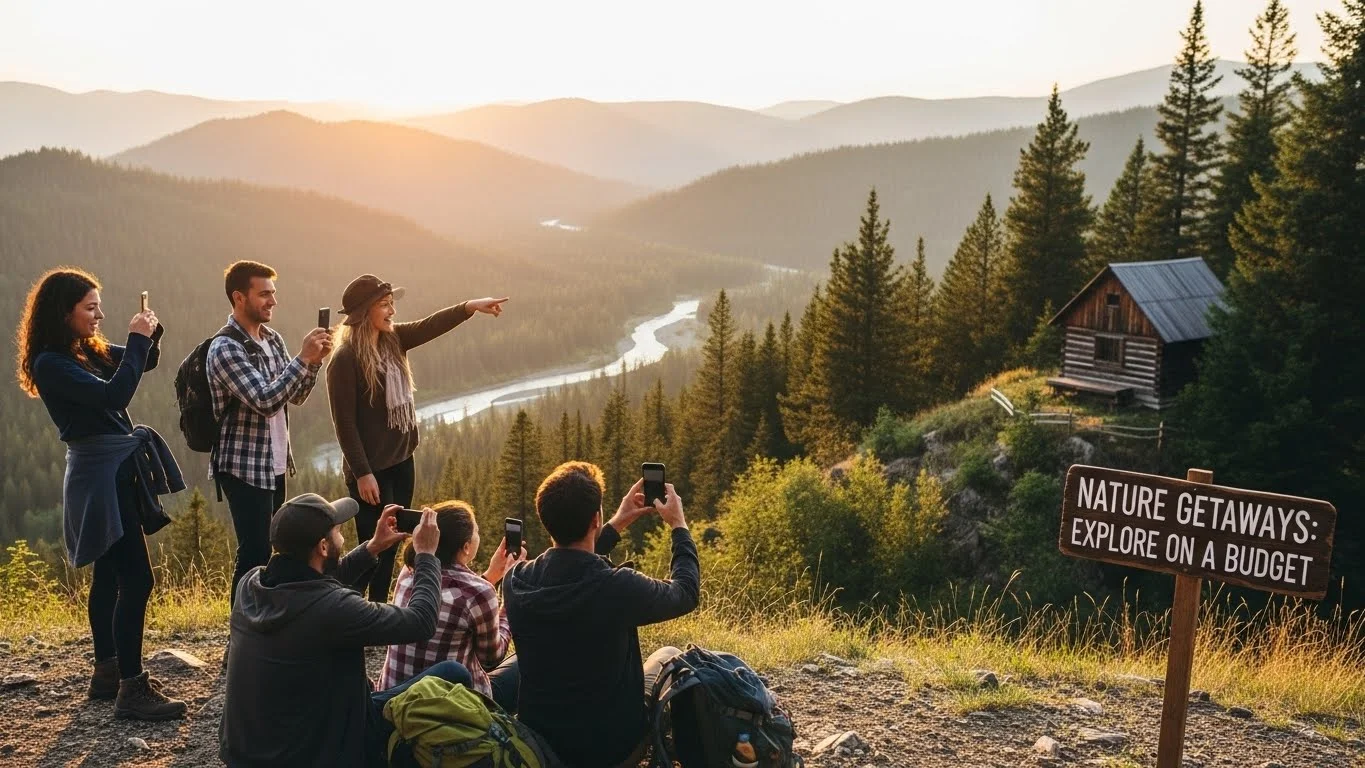
Nature is calling, and exploring the great outdoors doesn’t have to break the bank! Discover how affordable nature getaways can rejuvenate your spirit while keeping your wallet happy.
Affordable Nature Getaways: Explore on a Budget

Overview of Affordable Nature Getaways

Definition of Nature Getaways

When I think of nature getaways, I envision a place where I can escape the hustle and bustle of everyday life. It’s all about immersing myself in the beauty of the outdoors, whether it’s hiking through lush forests, lounging on a serene beach, or simply camping under a starry sky. A nature getaway can be anything from a weekend camping trip to a week-long retreat in a national park. For many of us, it’s a chance to reconnect with nature and recharge our batteries.

Benefits of Exploring Nature on a Budget

Exploring nature on a budget offers so many benefits that I’ve found to be life-changing. First, it allows me to enjoy adventures without the stress of financial strain. I’ve discovered that some of the best experiences come from simplicity. Nature reminds us that we don’t need extravagant luxuries to feel fulfilled. Plus, traveling on a budget often leads to more authentic experiences. I remember my trip to a state park where I shared stories with fellow campers around a fire instead of dining in a fancy restaurant.

Being outdoors has a way of grounding us and enhancing our well-being. Scientific research backs this up, showing that spending time in nature can reduce stress, improve mood, and boost creativity. When I’m in a national park, breathing in the fresh air and taking in the majestic views, I often forget about my worries. It’s like therapy for my soul! And let’s be honest, saving money while doing something good for my mental health? That’s a win-win situation!

In my experience, affordable nature getaways allow me to step back from my daily routine and appreciate life’s simple pleasures. Whether it’s watching a sunrise from a mountaintop or enjoying a picnic by a tranquil lake, those moments are what I cherish most. I believe everyone deserves to experience the magic of nature without breaking the bank. So, let’s dive deeper into some of the top affordable destinations that can make this possible.

Top Affordable Nature Destinations in the US

National Parks

Great Smoky Mountains National Park

One of my favorite places to visit is the Great Smoky Mountains National Park. Nestled on the border of North Carolina and Tennessee, it’s known for its breathtaking views, diverse wildlife, and endless hiking trails. The best part? Entry to the park is free! I love spending my days exploring the numerous trails, from easy strolls to challenging hikes. The panoramic views from Clingmans Dome are absolutely unforgettable. Plus, the chance to spot black bears in their natural habitat always gets my adrenaline pumping!

Shenandoah National Park

Another gem is Shenandoah National Park in Virginia. With over 200,000 acres of protected lands, hiking the Appalachian Trail here is a must for any nature lover. The park’s Skyline Drive is a beautiful scenic route that I never tire of driving, especially during the fall when the leaves change colors. Not to mention, the park has affordable campgrounds if you’re looking to extend your stay. I’ve spent many nights listening to the sounds of nature and stargazing, which truly makes for a magical experience. Explore these affordable family-friendly travel spots for more ideas!

State Parks

Red River Gorge, Kentucky

If you’re looking for stunning rock formations and natural bridges, Red River Gorge in Kentucky should be on your list. This state park is perfect for rock climbing, hiking, and even zip-lining! The picturesque scenery is like something out of a fairy tale. I remember standing on the edge of the Natural Bridge, feeling the cool breeze and taking in the expansive views. It’s a great spot for both adventure and relaxation.

Yosemite State Park

Yosemite might be famous, but it’s also a budget-friendly option if you plan wisely. The park offers free entry days throughout the year, and you can find affordable lodging options nearby. I’ve hiked to the breathtaking Yosemite Falls and marveled at the giant sequoias. Each visit feels like a new adventure, and the stunning landscapes never cease to amaze me.

Beaches

Outer Banks, North Carolina

The Outer Banks in North Carolina is another affordable gem. With miles of pristine coastline, it’s a paradise for beach lovers. I’ve spent countless days soaking up the sun, swimming, and even trying my hand at surfing. The laid-back vibe makes it an ideal place to unwind without spending a fortune. Camping on the beach or renting a cozy cottage can also keep costs down while providing memorable experiences. If you’re interested in beach destinations, check out Discover affordable beach getaways: a backpacker’s guide for more options!

Florida Panhandle

If you’re in the mood for sandy beaches and crystal-clear waters, the Florida Panhandle is a must-visit. Destin and Panama City Beach offer stunning views, and I love how budget-friendly the area can be. I’ve found many affordable motels and beach access points that allow me to enjoy the sun without overspending. Plus, there are plenty of free activities, like beachcombing and exploring local nature reserves, that make this destination even more appealing.

Forests and Woodlands

Green Mountain National Forest, Vermont

For those who enjoy the charm of New England, the Green Mountain National Forest in Vermont is a wonderful choice. The fall foliage is breathtaking, and the hiking opportunities are endless. I find joy in the tranquility of the forest, where I can hike, bike, or simply enjoy a picnic surrounded by nature. Plus, Vermont is known for its affordable local farms and markets where you can grab delicious snacks for your adventure.

Chequamegon National Forest, Wisconsin

Lastly, the Chequamegon National Forest in Wisconsin is a hidden treasure. It’s a fantastic place for camping, hiking, and exploring serene lakes. I’ve spent weekends here fishing and kayaking, and the peaceful atmosphere is something I cherish. The beautiful landscapes and abundant wildlife make it a perfect spot for a nature getaway on a budget.

Planning Your Affordable Nature Getaway

When to Visit: Seasonal Considerations

When planning a nature getaway, timing can be everything. I’ve learned that different seasons offer unique experiences and views. Spring is often my favorite time to visit, as everything comes to life. The flowers bloom, and the weather is usually mild, which makes hiking so enjoyable. I remember my trip to the Red River Gorge during spring; the wildflowers were in full bloom, painting the landscape with vibrant colors.

Summer brings its own charm, especially for beach trips. I’ve spent many lazy days at the Outer Banks, enjoying the warm sun and cool ocean breeze. However, I also think about the crowds and higher prices during peak summer months. If I can, I try to visit in late summer or early fall when the weather is still beautiful, but the crowds begin to thin out.

Fall is absolutely magical, especially in places like Shenandoah National Park. The trees transform into a riot of colors, and the crisp air is invigorating. I’ve had some of my most memorable hikes during the autumn months, feeling the crunch of leaves under my feet. Winter, while often overlooked, can be a great time for a getaway too. I’ve enjoyed quiet trails for snowshoeing and the peaceful stillness of a winter forest.

Transportation Options

Driving vs. Public Transport

When it comes to getting to my nature getaway, I often weigh the pros and cons of driving versus using public transport. Personally, I prefer driving. It allows me the flexibility to stop whenever I want, whether it’s to take a scenic photo or grab some snacks. I can pack my car with all my gear, which saves on rental costs once I arrive. Plus, I love the road trip vibe, especially if I’m traveling with friends or family.

However, I know that public transport can be a good option for some, especially if you’re heading to a big city near nature spots. Trains and buses can be economical and environmentally friendly choices. I’ve used public transport to reach national parks and then hopped on a shuttle service to get around the park, which took a lot of the stress out of finding parking.

Carpooling and Rideshares

Carpooling is another great way to save money and make new friends. I’ve found that sharing the ride not only reduces costs, but it also makes the journey more fun. A few times, I’ve coordinated trips with friends or even connected with fellow campers through social media groups. Rideshare apps can also be handy for getting to locations that are a bit out of the way. I remember using a rideshare service to reach a remote trailhead, which made the trip hassle-free while keeping costs down.

Accommodation Choices

Campsites

Campsites are often my go-to for affordable lodging when I’m on a nature getaway. There’s something about sleeping under the stars and waking up to the sounds of nature that I absolutely love. I’ve stayed in both developed campgrounds with amenities and more rustic sites in the backcountry. Each has its own charm. My favorite campsite experience was at Green Mountain National Forest, where I set up my tent beside a bubbling brook. The peaceful ambiance was worth every penny!

Budget-friendly Lodges and Cabins

If I’m looking for a bit more comfort, budget-friendly lodges and cabins can be a great alternative. I’ve found some cozy options near state and national parks that offer great amenities without breaking the bank. A small lodge I stayed at near Yosemite had a lovely common area where I met fellow travelers and swapped stories. It felt like a little community! Plus, having a warm shower and a bed after a long day of hiking is a nice treat.

Hostels and Shared Accommodations

Hostels are another great choice for budget-conscious travelers. I’ve stayed in hostels that offer both dormitory-style and private rooms. They often have kitchens, which allows me to prepare my own meals and save even more money. I particularly enjoyed a hostel stay in Shenandoah, where I met travelers from around the world. It was so inspiring to hear their stories and share travel tips!

Activities to Enjoy in Nature on a Budget

Hiking Trails and Nature Walks

One of my absolute favorite activities during a nature getaway is hiking. There’s something incredibly refreshing about hitting the trails and immersing myself in the beauty around me. I’ve explored countless trails, each offering unique sights and experiences. For me, hiking isn’t just about reaching the summit; it’s about enjoying the journey. I love feeling the earth beneath my feet and listening to the rustling leaves and chirping birds. Whether it’s a short, leisurely walk or a challenging hike, I always come away feeling rejuvenated.

Many national and state parks have well-maintained trails that cater to all levels of hikers, and the best part is that most of them are free! I remember hiking in Shenandoah National Park, where I discovered a hidden waterfall after following a less-traveled path. It was a delightful surprise that made the effort worth it. So, pack your hiking boots, grab a friend, and hit the trails—you never know what treasures you might find!

Camping and Outdoor Cooking

Camping is another fantastic way to enjoy nature without breaking the bank. I’ve found that there’s something magical about setting up a tent and sleeping under the stars. It’s a unique experience that connects you with the outdoors in a way that hotels simply can’t match. I remember my first camping trip at Green Mountain National Forest; I was a bit nervous, but I quickly fell in love with the thrill of being in the wild.

One of the joys of camping is outdoor cooking. I’ve mastered the art of cooking over a campfire and have had some of my best meals while camping. There’s nothing like roasting marshmallows for s’mores or grilling fresh veggies. I recommend planning your meals ahead of time, so you can enjoy delicious, home-cooked food right in the heart of nature. And if you’re unsure about what to make, simple recipes like foil packet meals or pasta dishes can be both easy and satisfying!

Wildlife Watching and Photography

Wildlife watching is a peaceful and exhilarating activity that I always look forward to. I can’t tell you how many magical moments I’ve had while quietly observing animals in their natural habitats. From spotting deer in the early morning mist to watching eagles soar overhead, these experiences remind me of the beauty of the natural world. I’ve learned to be patient and take my time, as the best sightings often happen when I least expect it.

Additionally, photography goes hand-in-hand with wildlife watching. I’ve developed a passion for capturing those moments through my camera lens. Whether it’s a stunning sunset or a curious squirrel, I love snapping photos to create lasting memories. Even if I’m just using my phone, I’ve found that taking pictures helps me appreciate the little things in nature. If you enjoy photography, I recommend bringing a camera along on your adventures—it’s a great way to document your experiences and share them with friends and family!

Water Activities: Swimming, Kayaking, and Fishing

If you’re near a body of water, take advantage of the many fun activities available! Some of my best summer memories are centered around swimming, kayaking, and fishing. I’ve spent hours paddling on serene lakes, feeling the gentle breeze and soaking in the sunshine. Kayaking is a fantastic way to explore hidden coves and enjoy nature from a different perspective. I remember renting a kayak at a local lake and discovering a peaceful area surrounded by lush trees—it felt like my own little paradise.

Swimming is another favorite pastime of mine, especially after a long hike. I love jumping into a cool lake or river to refresh myself. Many state and national parks have designated swimming areas that are perfect for cooling off. Fishing is also a great way to unwind and connect with the water. I’ve spent many tranquil mornings casting my line, enjoying the quiet and the anticipation of a catch. Whether you’re an experienced angler or a novice, fishing can be a relaxing way to spend your time outside.

Budgeting for Your Nature Getaway

Estimating Daily Costs

Budgeting for a nature getaway can feel daunting, but it’s often more straightforward than it seems. From my experience, breaking down daily costs helps keep everything manageable. I usually start by estimating my expenses for food, transportation, accommodation, and activities. This way, I can see how much I’m willing to spend and adjust my plans as needed.

Food and Dining

Food can be one of the more significant expenses when traveling, but I’ve learned that planning ahead can save me a lot. I often bring snacks like trail mix, granola bars, and fruit for the road, which keeps me fueled without relying on expensive roadside stops. When I do eat out, I look for local diners or food trucks that offer delicious, affordable meals. I remember discovering a little diner near Shenandoah National Park that served the best homemade pie at a fraction of the price of chain restaurants.

Entrance Fees and Permits

Many parks have entrance fees, but I’ve found that these can vary significantly. Some parks offer annual passes, which can be a great deal if you plan to visit multiple times. I also try to check for any special events or free entry days. For example, I once visited a national park during their anniversary, and entry was free for the entire weekend—a wonderful surprise! Knowing the costs up front helps me allocate my budget more effectively.

Money-Saving Tips

Pack Your Own Meals

One of my favorite money-saving tips is to pack my own meals, especially for breakfast and lunch. I’ve found that preparing simple meals like sandwiches or salads is not only cost-effective but also healthier. Having a portable cooler means I can enjoy fresh food while on the go. I remember making a picnic lunch of fresh veggies and hummus, which we enjoyed by a beautiful lake on a sunny day. It was one of the highlights of the trip!

Take Advantage of Free Activities

Nature is full of free activities waiting to be discovered. I always keep an eye out for local trails, scenic viewpoints, and parks that don’t require an entrance fee. On one trip, I stumbled upon a free outdoor concert in a state park, which turned out to be a fantastic evening of music and community. I recommend checking local tourism websites for free events happening during your visit.

Use Discounts and Coupons

Before heading out, I often search for discounts or coupons specific to national and state parks. Websites like Groupon sometimes have offers for accommodations, dining, and activities. I remember scoring a great deal on a guided tour, which made my experience richer and more enjoyable without putting a strain on my budget. Always keep an eye out for these opportunities—they can make a big difference!

Safety Tips for Budget Nature Travel

Preparing for Outdoor Conditions

Safety should always be a priority when exploring the great outdoors. I’ve learned the importance of checking the weather forecast before heading out. Being prepared with the right gear, such as layers for changing temperatures or waterproof jackets, can make all the difference. I remember a day hike that turned into a sudden downpour; I was grateful to have packed an extra rain jacket that kept me dry and comfortable.

Staying Safe While Camping

When camping, I always set up my camp in a safe location, away from hazards like falling branches or rushing water. I also make sure to follow campfire safety rules, as I’ve seen how quickly a small fire can get out of control. I remember learning this lesson the hard way during a camping trip where someone didn’t fully extinguish their fire, leading to a small scare. Always have a bucket of water or sand nearby for safety!

Wildlife Safety Awareness

Encountering wildlife is one of the most thrilling aspects of being in nature, but it’s essential to respect their space. I’ve learned to keep a safe distance and not to feed animals, as this can lead to dangerous encounters. I remember watching a family of deer from afar during a hike, and it was magical to see them in their natural habitat without disturbing them. It’s all about enjoying nature while also being responsible.

Local Food and Dining Options

Cooking Your Own Meals

Cooking while on a nature getaway can be both fun and economical. I love taking the opportunity to prepare meals outdoors, especially after a long day of hiking. A portable grill or camping stove allows me to whip up delicious dinners. I’ve often enjoyed cooking pasta with fresh veggies and grilled meats over a campfire. It’s not only budget-friendly but also a great bonding experience with family or friends.

Finding Affordable Local Eateries

Exploring local eateries is another delightful way to experience the area without overspending. I enjoy asking locals for their favorite spots; often, I find hidden gems that serve amazing food at reasonable prices. One time, I found a small taco joint near the beach that had the best fish tacos I’ve ever tasted—all at a great price! Eating where the locals go is usually a win-win.

Farmers’ Markets and Local Produce

Farmers’ markets are my go-to for fresh, local produce. I love browsing the stalls and chatting with farmers about their goods. Not only do I get to support local businesses, but I also find some amazing ingredients for my meals. I remember visiting a farmers’ market in Vermont and snagging delicious heirloom tomatoes and fresh herbs, which turned my camp cooking into an unforgettable culinary experience!

Final Thoughts

Planning an affordable nature getaway is not just about saving money; it’s about embracing experiences that enrich our lives. It’s about the joy of hiking a new trail, sharing meals under the stars, and connecting with nature and those around us. With a little planning and creativity, we can enjoy the beauty of the great outdoors without stretching our budgets. I believe that everyone deserves to experience the wonders of nature, and with these tips and insights, your next adventure is within reach. Let’s keep exploring, discovering, and making memories that last a lifetime!

Frequently Asked Questions

What is a nature getaway?

A nature getaway is a chance to escape everyday life and immerse oneself in the beauty of the outdoors. It can range from a weekend camping trip to a week-long retreat in a national park, providing an opportunity to reconnect with nature and recharge.

What are the benefits of exploring nature on a budget?

Exploring nature on a budget allows for adventures without financial strain, leading to more authentic experiences. Spending time in nature has been scientifically shown to reduce stress, improve mood, and boost creativity, making it beneficial for mental health while saving money.

Can you name some affordable nature destinations in the US?

Some affordable nature destinations include Great Smoky Mountains National Park, Shenandoah National Park, Red River Gorge in Kentucky, Yosemite State Park, Outer Banks in North Carolina, and Green Mountain National Forest in Vermont.

What types of accommodations are recommended for budget travelers?

Budget travelers can consider campsites, budget-friendly lodges and cabins, or hostels. Campsites provide an immersive outdoor experience, while lodges and hostels offer comfort and community at a lower cost.

What activities can be enjoyed during a nature getaway without spending much?

Activities like hiking, camping, wildlife watching, photography, and water activities such as swimming, kayaking, and fishing can be enjoyed on a budget. Many national and state parks offer free access to trails and scenic viewpoints.

How can one budget for a nature getaway?

Budgeting for a nature getaway involves estimating daily costs for food, transportation, accommodation, and activities. Planning meals ahead and seeking local dining options can help manage expenses effectively.

What are some money-saving tips for a nature getaway?

Some money-saving tips include packing your own meals, taking advantage of free activities, and using discounts or coupons for national and state parks. Planning ahead can significantly reduce costs during the trip.

What safety precautions should be taken while camping?

When camping, it’s important to set up camp in a safe location away from hazards, follow campfire safety rules, and be aware of wildlife safety. Keeping a safe distance from animals and not feeding them is crucial to avoid dangerous encounters.

How can one find affordable local dining options while traveling?

Finding affordable local eateries can be done by asking locals for their favorite spots or exploring farmers’ markets for fresh produce. Eating where the locals go often leads to discovering hidden gems that offer delicious meals at reasonable prices.

When is the best time to plan a nature getaway?

The best time to plan a nature getaway varies by season. Spring is great for blooming flowers, summer is ideal for beach trips, fall offers stunning foliage, and winter provides a peaceful atmosphere for activities like snowshoeing.
Top 10 Budget Nature Retreats for Adventurous Travelers

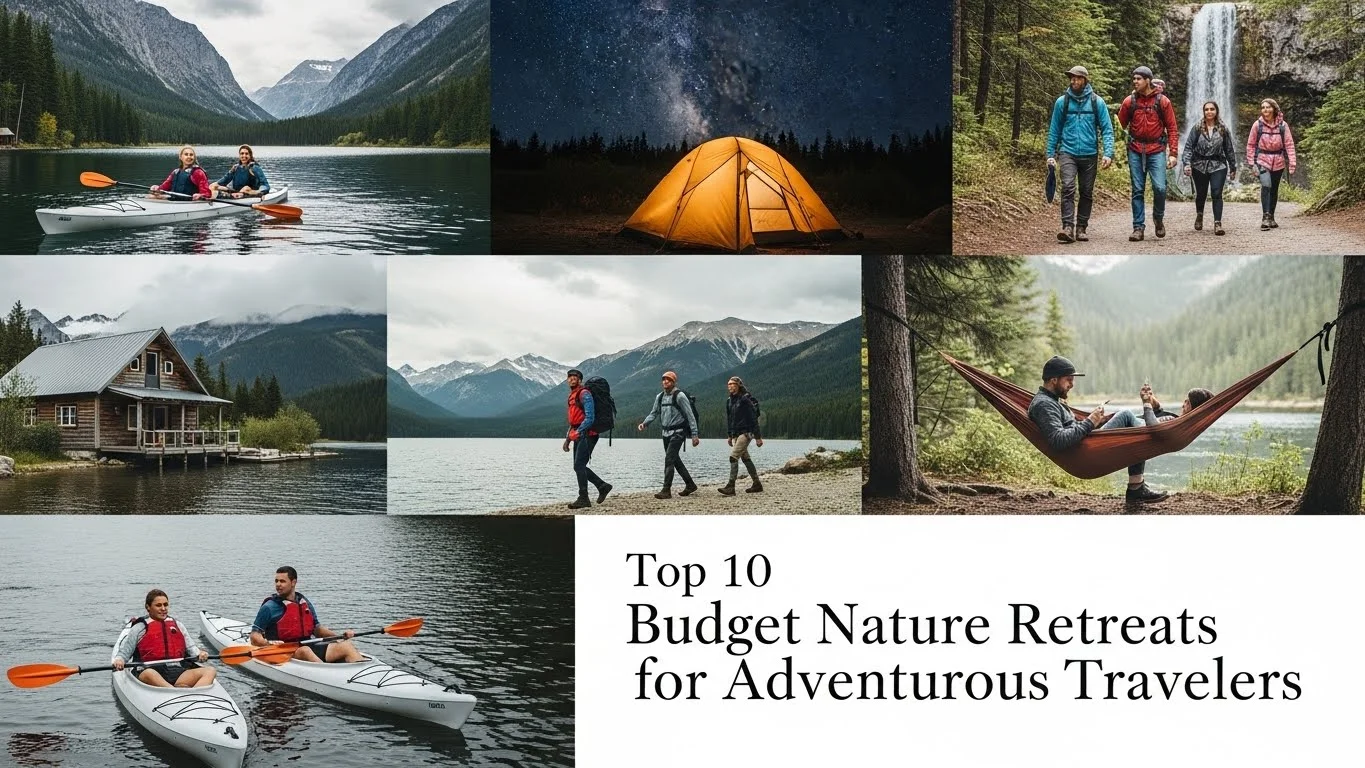
Nature lovers on a budget can still satisfy their wanderlust with incredible outdoor experiences. Here are ten fantastic nature retreats that won’t break the bank, perfect for adventurous travelers looking to explore without overspending. Read Interesting article: Experience Eco-Tourism: Best Budget Nature Retreats Revealed

Top 10 Budget Nature Retreats for Adventurous Travelers

Understanding Budget Nature Retreats

What is a Nature Retreat?

A nature retreat is more than just a getaway; it’s an opportunity to immerse ourselves in the beauty of the outdoors, disconnect from daily stresses, and reconnect with ourselves. Whether it’s hiking through a forest, meditating by a serene lake, or simply soaking in the vibrant sights and sounds of nature, these retreats offer a chance to rejuvenate our minds and bodies. I remember my first nature retreat, where the smell of pine trees and the sound of rustling leaves made me feel truly alive.

Benefits of Nature Retreats for Adventurous Travelers

As an adventurous traveler, I’ve found that nature retreats provide an array of benefits. First, they allow us to engage in physical activities like hiking, kayaking, or rock climbing, which can be exhilarating. These experiences not only boost our physical health but also enhance our mental well-being. I’ve noticed that being amidst nature reduces my anxiety and helps me think clearly.

Moreover, these retreats can lead to personal growth. When I challenge myself with something new, like climbing a steep trail or navigating rapids, I feel a sense of accomplishment that translates into other areas of my life. There’s something empowering about conquering nature’s challenges. Read Interesting article: Budget-Friendly Nature Retreats: Sustainable Stays Await You

Why Choose a Budget-Friendly Option?

Choosing budget-friendly options for nature retreats doesn’t mean sacrificing quality or experience. In fact, I believe it encourages creativity and resourcefulness. Being on a budget forces us to explore lesser-known locations, discover hidden gems, and connect with local communities more authentically. I’ve often found that the most memorable experiences come from spontaneous adventures, which are often the most affordable.

Additionally, opting for budget retreats allows for more frequent trips. Instead of saving for that one lavish vacation, I can plan several mini-adventures throughout the year. This not only enriches my life with diverse experiences but also keeps my spirit of adventure alive. Plus, many budget retreats are in stunning locations that offer natural beauty without a hefty price tag.

Top 10 Budget Nature Retreats

1. Shenandoah National Park, Virginia

Overview and Highlights

Shenandoah National Park is a treasure trove of stunning vistas and diverse wildlife. Stretching along the Blue Ridge Mountains, it offers breathtaking views, especially from Skyline Drive. I’ve spent hours just stopping at overlooks, taking in the rolling hills and vibrant fall colors. The park is home to over 200,000 acres of protected lands, which means endless opportunities for exploration.

Best Time to Visit

The best time to visit Shenandoah is during the fall when the foliage is at its peak. I remember being mesmerized by the vibrant reds, oranges, and yellows that blanket the mountains. Spring is also beautiful with wildflowers blooming, and summer offers warm weather perfect for hiking.

Budget Accommodation Options

For those looking to save, there are several budget-friendly camping options within the park. I often camped at Big Meadows Campground, which was both affordable and offered access to fantastic trails. If camping isn’t your thing, nearby towns like Luray offer affordable motels and cabins.

Activities for Adventurous Travelers

Adventurous travelers will find plenty to do here. Hiking is a must, with over 500 miles of trails, including a section of the Appalachian Trail. I loved tackling the Old Rag Mountain hike, known for its challenging rock scrambles. Wildlife watching, especially for deer and black bears, is also rewarding. Don’t forget to bring binoculars for birdwatching!

2. Olympic National Park, Washington

Overview and Highlights

Olympic National Park is a diverse playground that features mountains, forests, and coastline. I was amazed by how much variety there is, from the lush Hoh Rain Forest to the rugged beaches along the Pacific. Each area feels like a world of its own, which keeps every visit fresh and exciting.

Best Time to Visit

Summer is the most popular time to visit, with mild weather and accessible trails. However, I’ve found that the shoulder seasons—spring and fall—offer fewer crowds and equally stunning scenery. Just be prepared for some rain, especially in the rainforest areas!

Budget Accommodation Options

Camping is one of the best budget options here. The park has several campgrounds, and I’ve stayed at Kalaloch, right on the beach. It was breathtaking to wake up to ocean waves! For those who prefer a roof over their heads, there are affordable hostels and motels in nearby towns like Forks.

Activities for Adventurous Travelers

Adventurous travelers can enjoy hiking, kayaking, and even whale watching. I loved kayaking in the calm waters of Lake Crescent, and exploring the tide pools along the coast was a highlight. If you’re feeling brave, consider a guided backcountry trip to experience the park’s wild side!

3. Great Smoky Mountains National Park, Tennessee/North Carolina

Overview and Highlights

The Great Smoky Mountains National Park is renowned for its biodiversity and stunning landscapes. I was captivated by the misty mountains and vibrant wildlife. It’s a UNESCO World Heritage site, which showcases just how special this place is.

Best Time to Visit

Fall is particularly stunning here, with the leaves changing colors, but spring offers beautiful wildflowers. I’ve visited in both seasons and can attest that each has its unique charm!

Budget Accommodation Options

There are numerous campgrounds within the park, making it easy to find an affordable place to stay. I personally enjoyed the Cades Cove Campground, where I could wake up to the sound of nature. For those not into camping, budget motels are available just outside the park.

Activities for Adventurous Travelers

Hiking is the star activity here, with trails ranging from easy to challenging. I particularly enjoyed the Alum Cave Trail, which offers stunning views and a sense of accomplishment. Wildlife watching is also popular, and I’ve seen everything from black bears to deer. Don’t forget your camera!

4. Joshua Tree National Park, California

Overview and Highlights

Joshua Tree National Park is a mesmerizing blend of two distinct desert ecosystems, the Mojave and the Colorado. I was utterly captivated by the otherworldly landscapes, with its iconic Joshua trees and stunning rock formations. Each visit feels like stepping into a surreal painting—especially during sunrise and sunset when the colors dance across the sky. The unique geological features and diverse flora and fauna make it a fantastic spot for anyone looking to connect with nature.

Best Time to Visit

For me, the best time to visit Joshua Tree is in the spring (March to May) or fall (September to November) when the weather is mild and the desert blooms with wildflowers. Summer can be scorching, making it tough to enjoy the park during the day, but the night skies are spectacular if you brave the heat!

Budget Accommodation Options

Camping is the way to go if you’re on a budget! There are nine campgrounds in Joshua Tree, and I’ve had great experiences at Hidden Valley and Jumbo Rocks Campgrounds. Both offer incredible views and easy access to trails. If camping isn’t your style, you can find reasonably priced motels in nearby towns like Joshua Tree and Twentynine Palms.

Activities for Adventurous Travelers

There’s no shortage of adventure in Joshua Tree! I loved rock climbing, with options suitable for all skill levels. Hiking is another fantastic way to explore, with trails like the Hidden Valley Trail that showcase stunning rock formations. Don’t forget to try stargazing at night; it was an experience that left me in awe of the vast universe above us.

5. Acadia National Park, Maine

Overview and Highlights

Acadia National Park is a gem on the East Coast, known for its rugged coastline and breathtaking views. The combination of mountains and ocean is simply stunning. I’ve walked along the carriage roads and marveled at the scenic vistas from Cadillac Mountain, which is the highest point along the North Atlantic seaboard. The park offers a unique blend of natural beauty and cultural heritage, making it a must-visit for nature lovers.

Best Time to Visit

Fall is especially magical with the foliage changing colors, but I also recommend visiting in the summer when the weather is perfect for outdoor activities. Spring brings a sense of renewal as flowers bloom, and the wildlife begins to stir.

Budget Accommodation Options

For budget accommodations, I found that camping is fantastic. Blackwoods Campground is a popular choice, allowing easy access to the park’s many trails. If you prefer a bit more comfort, there are also budget-friendly inns and motels in nearby Bar Harbor, which is just a short drive away.

Activities for Adventurous Travelers

Acadia offers a plethora of activities! Hiking is a favorite of mine, especially the Jordan Pond Path, which provides stunning views of the Bubbles Mountains. Biking along the carriage roads is also a fantastic way to explore, and I loved kayaking in the calm waters of the park. The combination of adventure and tranquility makes Acadia one of my top choices.

6. Custer State Park, South Dakota

Overview and Highlights

Custer State Park is a hidden treasure that offers breathtaking views and abundant wildlife. I was amazed by the rolling hills and the famous herd of bison that roam freely. The park’s scenic drives, particularly the Needles Highway, are jaw-dropping, with unique rock formations and stunning vistas that take your breath away.

Best Time to Visit

The best time to visit is late spring and early fall when the weather is pleasant and the park is less crowded. I found that visiting during the fall offers beautiful foliage, making the landscape even more picturesque.

Budget Accommodation Options

Camping is an affordable way to experience Custer State Park. I’ve stayed at the Sylvan Lake Campground, which is conveniently located near a beautiful lake and hiking trails. For those who prefer more comfort, there are budget cabins and lodges available in the area.

Activities for Adventurous Travelers

Custer State Park is a playground for adventurers! I enjoyed hiking the Cathedral Spires Trail, which rewarded me with incredible views. Wildlife watching is a must—seeing bison up close is an unforgettable experience. Additionally, there are opportunities for fishing, rock climbing, and scenic drives that will make your heart race!

7. Glacier National Park, Montana

Overview and Highlights

Glacier National Park is often referred to as the “Crown of the Continent,” and for good reason. The majestic mountains, pristine lakes, and diverse ecosystems create a breathtaking backdrop for any outdoor enthusiast. I still remember the first time I saw Lake McDonald’s clear blue waters—it felt like stepping into a postcard!

Best Time to Visit

Summer is the most popular time, with all the trails open, but I’ve found that visiting in early fall can be just as rewarding, with fewer crowds and stunning autumn colors. Just keep in mind that some areas may close in late September due to snowfall.

Budget Accommodation Options

Camping is the best budget choice in Glacier. I loved staying at Apgar Campground, which is right by the lake and offers easy access to hiking. If camping isn’t for you, there are also affordable lodges and motels in nearby towns like West Glacier.

Activities for Adventurous Travelers

Glacier National Park is packed with adventure! Hiking is a must, with trails like the Highline Trail offering breathtaking views and a bit of a challenge. I also enjoyed kayaking on the lakes and wildlife spotting, particularly the mountain goats and bears. Just remember to bring your camera—you’ll want to capture every moment!

8. Red Rock Canyon, Nevada

Overview and Highlights

Red Rock Canyon is a stunning natural wonder just a short drive from Las Vegas. I was immediately drawn in by the vibrant red rock formations and the stark contrast against the blue sky. The scenic drive through the canyon offers breathtaking views and numerous pull-offs to capture those Instagram-worthy shots. I remember standing at the Calico Hills overlook, just soaking in the beauty and feeling a profound sense of peace wash over me.

Best Time to Visit

The best time to visit Red Rock Canyon is during the fall and spring when temperatures are mild. I’ve gone in both seasons and loved the pleasant weather that made hiking and exploring so enjoyable. Summer can be extremely hot, making daytime activities a bit challenging, but early mornings or later evenings can still provide a fantastic experience.

Budget Accommodation Options

For budget accommodations, there are several campgrounds within the park. I had a great experience at the Red Rock Canyon Campground, where I could wake up to the sound of chirping birds and the gentle rustling of leaves. If camping isn’t your style, there are affordable hotels and motels in nearby Las Vegas, allowing for easy access to the park each day.

Activities for Adventurous Travelers

There’s so much to do in Red Rock Canyon! I particularly enjoyed hiking the trails, with options ranging from easy nature walks to more challenging hikes like the Calico Tanks Trail. The views from the top are simply spectacular! Rock climbing is also popular here, and I decided to try it out one afternoon, which was both thrilling and empowering. Plus, the sunsets here are something I’ll never forget; the colors transform the rocks into a palette that’s almost surreal.

9. Big Bend National Park, Texas

Overview and Highlights

Big Bend National Park is a vast and remote area that offers a unique blend of desert landscapes and rugged mountains. When I first arrived, I was struck by the sheer size of the park and the feeling of solitude that enveloped me. The Rio Grande River runs through it, providing a stunning contrast to the desert scenery. I remember hiking to the Chisos Basin, where the views of the surrounding mountains left me speechless.

Best Time to Visit

The best time to visit Big Bend is during the fall and spring when the temperatures are more comfortable for outdoor activities. I visited in late March, and the wildflowers were in full bloom, making the landscape even more vibrant. Summers can be brutally hot, which can limit your outdoor adventures unless you’re an early riser!

Budget Accommodation Options

Camping is one of the best ways to experience Big Bend on a budget. The park has several campgrounds, and I’ve found that camping at Chisos Basin Campground is worth it for the incredible views. For those who prefer a bit more comfort, there are affordable lodges and budget motels in nearby Terlingua.

Activities for Adventurous Travelers

Big Bend is a playground for adventurers! I enjoyed hiking the Lost Mine Trail, which offers panoramic views of the mountains and valley below. The park is also great for stargazing, and I remember lying on my back at night, awestruck by the clarity of the stars. If you’re adventurous, consider kayaking on the Rio Grande, where you can take in the stunning canyon views from a whole new perspective! Read Interesting article: Top 5 Eco-Friendly Nature Retreats on a Budget

10. Olympic National Forest, Washington

Overview and Highlights

Olympic National Forest surrounds Olympic National Park, offering a different yet equally beautiful experience. I was captivated by the lush rainforest, towering trees, and serene lakes. Walking through the Hoh Rain Forest, I felt like I was in another world—moss-covered trees and ferns everywhere! The diversity of ecosystems here is remarkable, with stunning coastlines and mountains all in one area.

Best Time to Visit

The best time to visit Olympic National Forest is during the summer months when the weather is warmest and trails are most accessible. However, I’ve also visited in autumn, and the fall colors combined with occasional mist gave the forest an enchanting quality.

Budget Accommodation Options

For budget accommodations, I found several campgrounds within the forest. The Quinault Rain Forest Campground was a personal favorite, as it provided easy access to hiking trails and the beautiful Quinault Lake. If camping isn’t your preference, there are affordable cabins and motels in nearby towns like Forks.

Activities for Adventurous Travelers

In Olympic National Forest, there’s no shortage of adventure! Hiking is a must, with trails like the Enchanted Valley that will leave you breathless. I also had a fantastic experience birdwatching and photographing wildlife. Plus, the opportunities for kayaking and fishing in the many lakes and rivers add to the adventure. Each visit feels like a new discovery, and I can’t recommend it enough!

Frequently Asked Questions

“`html

What is a nature retreat?

A nature retreat is an opportunity to immerse oneself in the beauty of the outdoors, disconnect from daily stresses, and reconnect with oneself through activities like hiking, meditating, or simply enjoying nature.

What are the benefits of nature retreats for adventurous travelers?

Nature retreats provide physical activities such as hiking and kayaking, boost mental well-being, and encourage personal growth through new challenges, leading to a sense of accomplishment.

Why choose budget-friendly options for nature retreats?

Budget-friendly options foster creativity and resourcefulness, allowing travelers to explore lesser-known locations and connect with local communities. They also enable more frequent trips, enriching life with diverse experiences.

What is Shenandoah National Park known for?

Shenandoah National Park is known for its stunning vistas, diverse wildlife, and over 200,000 acres of protected lands, offering endless opportunities for exploration, especially along Skyline Drive.

What activities can adventurous travelers enjoy at Olympic National Park?

Adventurous travelers at Olympic National Park can enjoy hiking, kayaking, and whale watching, with highlights including kayaking on Lake Crescent and exploring tide pools along the coast.

What is unique about Acadia National Park?

Acadia National Park is known for its rugged coastline, breathtaking views, and a unique blend of natural beauty and cultural heritage, making it a must-visit for nature lovers.

What are some budget accommodation options in Custer State Park?

Budget accommodation options in Custer State Park include camping at Sylvan Lake Campground and budget cabins and lodges available in the area.

What makes Glacier National Park a popular destination?

Glacier National Park is popular for its majestic mountains, pristine lakes, and diverse ecosystems, offering breathtaking views and adventure opportunities like hiking and kayaking.

When is the best time to visit Red Rock Canyon?

The best time to visit Red Rock Canyon is during the fall and spring when temperatures are mild, making outdoor activities enjoyable.

What activities can visitors enjoy in Olympic National Forest?

Visitors to Olympic National Forest can enjoy hiking, birdwatching, wildlife photography, and kayaking or fishing in the many lakes and rivers, making for a diverse outdoor adventure.

“`

Culinary Travel on a Budget: Explore Delicious Destinations

Culinary travel on a budget is an exciting way to explore the world while savoring delicious local flavors. Let’s dive into how we can satisfy our taste buds without emptying our wallets! Read Interesting article: Budget-Friendly Culinary Adventures for Thrifty Travelers

Culinary Travel on a Budget: Explore Delicious Destinations

Understanding Culinary Travel on a Budget

What is Culinary Travel?

Culinary travel is all about exploring different cultures through their food. It’s not just about dining in high-end restaurants but also about experiencing local cuisines, street food, and home-cooked meals. I remember my first culinary travel experience in Italy, where I discovered that the best pasta I ever had was from a tiny, family-run trattoria rather than a fancy establishment. I’ve since realized that the heart of a destination often lies in its food, and traveling with this focus can turn a simple trip into a memorable adventure.

Importance of Budgeting for Culinary Adventures

When I first started my culinary travels, I quickly learned that budgeting is essential. I wanted to try everything—the street food, the local markets, and even cooking classes. But without a plan, it’s easy to overspend. I’ve seen friends miss out on experiences because they didn’t account for food costs in their overall travel budget. By setting a budget, we can prioritize our culinary experiences and make room for spontaneous treats. Budgeting allows us to taste a variety of dishes, engage with locals, and perhaps even take a cooking class or two without the stress of financial worries. Read Interesting article: Affordable Indulgence: Culinary Tours for Budget Travelers

Top Budget-Friendly Culinary Destinations

Street Food Capitals of the World

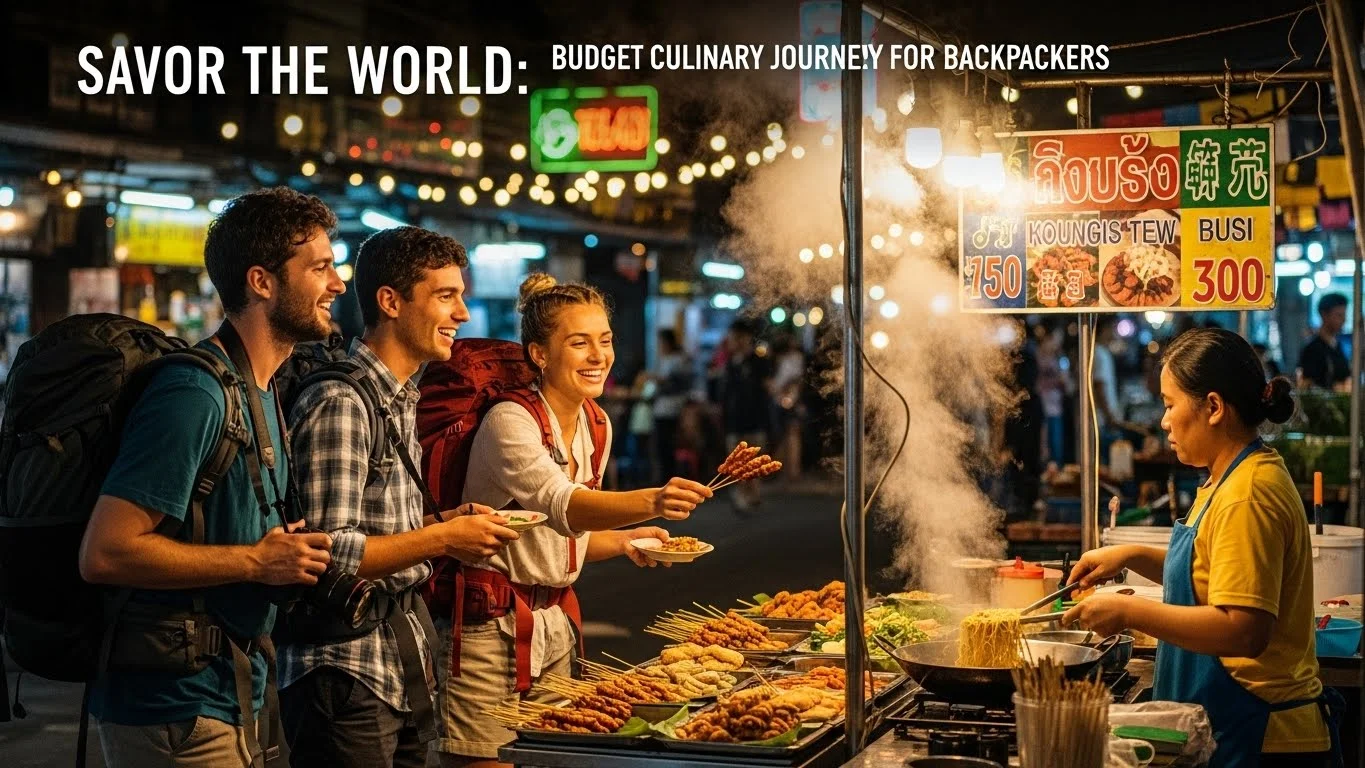
Street food is often the most budget-friendly and authentic way to experience a culture. Some cities are known for their vibrant street food scenes, where you can enjoy delicious meals for just a few dollars. Here are a couple of my favorite destinations.

Bangkok, Thailand

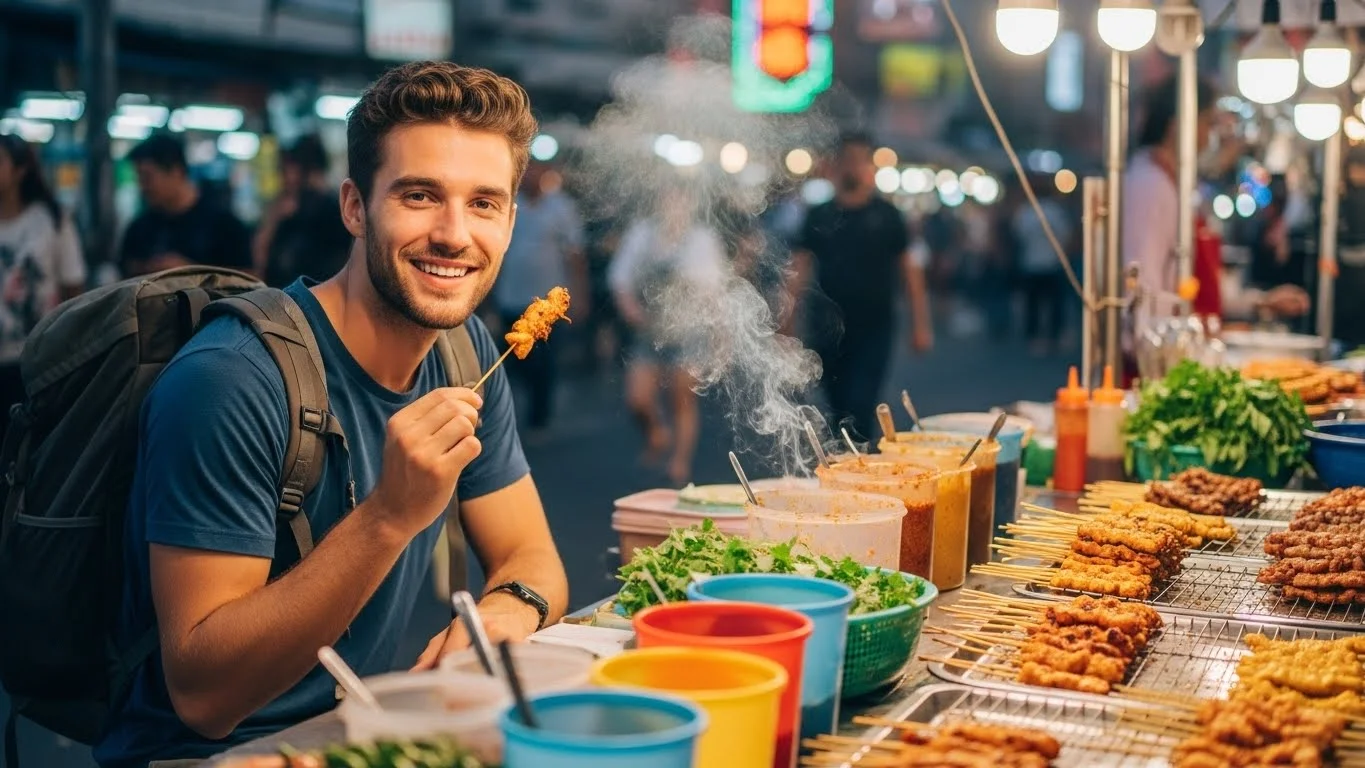
Bangkok is a street food paradise. From spicy pad thai to fragrant green curry, the options are endless. I remember wandering the bustling streets, drawn in by the sizzling sounds and enticing aromas wafting from food stalls. I could grab a tasty meal for under $2! Plus, the atmosphere is electric, with locals and travelers mingling, making it a perfect spot to make new friends. If you’re in Bangkok, don’t miss trying the mango sticky rice from a street vendor—it’s simply divine!

Mexico City, Mexico

Mexico City is another top destination for street food lovers. Tacos al pastor, tamales, and churros are just a few of the treats waiting for you. I had an unforgettable evening in a lively mercado, where I sampled various dishes from different stalls. Each bite told a story, flavored with local history and tradition. I found that a few pesos could get me an entire meal, and I often left feeling full and happy!

Regions Known for Affordable Cuisine

Beyond street food, some regions are known for their delicious and affordable dining options. Let’s explore a couple of my favorite spots.

Lisbon, Portugal

Lisbon is a culinary treasure trove. I was pleasantly surprised by how affordable dining could be in this charming city. Traditional dishes like bacalhau à brás and pastel de nata can be found in local eateries for a fraction of the price I’d expect in other European capitals. I often dined at tascas—small, informal restaurants where the atmosphere was warm and welcoming. I even made friends with a local chef who shared his secret for making the perfect pastel de nata!

Hanoi, Vietnam

Hanoi is famed for its vibrant food scene, particularly for its pho. I remember walking the streets, stopping at little stalls where the locals gathered, enjoying steaming bowls of this delicious noodle soup. The price? Just a couple of dollars! What amazed me was how every bowl tasted slightly different, reflecting the unique twist each vendor added. Exploring Hanoi’s food scene was like going on a culinary adventure, where each meal felt like a treasure waiting to be discovered.

Affordable Wine Regions

If you’re a wine lover, you might think exploring vineyards comes with a hefty price tag, but there are some regions where you can enjoy fantastic wines without breaking the bank.

Napa Valley, California

While Napa Valley is known for its luxury wineries, I found that there are plenty of budget-friendly options available too. Many wineries offer free tastings or low-cost events that allow you to sample local wines. I had a wonderful experience at a smaller winery where the staff was incredibly knowledgeable and eager to share their passion for wine. It felt more personal than larger vineyards, and I left with a bottle of delicious cabernet that didn’t break the bank.

La Rioja, Spain

La Rioja is another beautiful wine region where you can sip and savor without overspending. The quaint villages and picturesque vineyards create a perfect backdrop for wine tasting. I particularly enjoyed visiting local bodegas that offered tastings for just a few euros. Engaging with the winemakers and learning about their craft added to the experience. Plus, the tapas served alongside the wine were an affordable and delicious way to indulge in the local cuisine.

Planning Your Culinary Travel Experience

Setting a Budget

Setting a budget isn’t just about how much money we have; it’s a guiding principle for our culinary adventures. I’ve found that having a clear budget helps me prioritize experiences that matter the most to me. When I started planning my trips, I realized that estimating daily expenses was crucial. I’d sit down with a notebook and jot down how much I wanted to allocate for food, accommodations, transportation, and activities. This way, I could enjoy my meals without constantly worrying about my spending.

Estimating Daily Expenses

A good rule of thumb is to estimate daily expenses based on where you’re traveling. For instance, when I visited Southeast Asia, I noticed that I could enjoy local cuisine for just a few dollars a day. But in more expensive cities, like Paris or Tokyo, my food budget had to be higher. I usually plan for three meals a day, plus a few snacks and drinks. I also try to leave a little wiggle room for spontaneous food adventures. After all, who can resist a food truck that catches their eye? I remind myself that it’s not about depriving myself; it’s about making choices that align with my budget.

Finding Deals on Flights and Accommodations

Finding deals on flights and accommodations is another part of the budgeting puzzle. I’ve learned that using travel comparison websites can save a lot of money. I like to set alerts for flights to my desired destinations and book when prices drop. When it comes to accommodations, I often choose hostels or budget hotels that include breakfast. This way, I save money on at least one meal a day, giving me more flexibility for lunch and dinner. Plus, staying in hostels has led to some of my best travel friendships; sharing meals and stories with fellow travelers is always a highlight of my trips.

Choosing the Right Time to Travel

Timing can make a huge difference in our culinary experiences, especially when it comes to saving money. I’ve found that traveling during the off-peak seasons not only means fewer crowds but also lower prices.

Off-Peak Seasons

Off-peak seasons vary by destination, so I always do a little research. For example, I’ve traveled to Italy in the fall when the tourist rush has died down, and I was able to dine in popular spots without long waits. Plus, prices for accommodations tend to drop. I remember savoring truffle pasta in a cozy trattoria in Tuscany, enjoying every bite without the distraction of a bustling crowd. It felt like I had the place to myself, and I got to chat with the owner, who shared local insights and hidden gems.

Food Festivals and Local Events

Another great way to enhance our culinary travel experience is to plan around food festivals and local events. I’ve attended street food festivals in various cities, which not only celebrate local cuisine but also offer smaller portions for us to try multiple dishes. While in Mexico City, I stumbled upon a food festival showcasing regional flavors. I tried everything from traditional mole to innovative fusion foods. It was a delightful way to meet local chefs and fellow food lovers, each bite sparking conversation and connection. Read Interesting article: Explore Flavor: Best Budget Culinary Tours for Travelers

Local Cuisine to Try on a Budget

Signature Dishes in Budget-Friendly Destinations

Once we’ve planned our budget and timing, it’s time to dive into some must-try dishes. Each destination has its signature flavors that we can’t miss!

Street Tacos in Mexico City

In Mexico City, street tacos are not just food; they’re an experience. I remember standing at a busy taquería, overwhelmed by the many choices. I opted for tacos al pastor, and oh boy, was it worth it! The marinated pork, topped with fresh pineapple and onions, was bursting with flavor. I loved how affordable they were—just a few pesos for each taco, allowing me to sample a variety without feeling guilty about my budget!

Pho in Hanoi

Hanoi’s pho is legendary for a reason. I can still picture myself sitting on a tiny plastic stool, savoring a steaming bowl of this aromatic noodle soup for less than $2. The broth was rich and flavorful, and I enjoyed customizing it with fresh herbs and chili. I found that each vendor had their unique take, making each bowl a new adventure. It was one of those moments where I felt completely immersed in the local culture, where food was both nourishment and a way to connect with the community.

How to Find Affordable Restaurants

As we explore new places, the hunt for affordable yet authentic dining experiences is part of the fun. I’ve learned a few tricks along the way that can make this search easier.

Using Food Apps and Blogs

There are fantastic food apps and blogs dedicated to budget-friendly dining. I often turn to local food blogs or apps like Yelp and TripAdvisor to scout out hidden gems. I remember finding a local eatery in Barcelona that wasn’t on the tourist radar, serving the most delicious tapas at half the price of the more famous spots. The reviews helped me find places that were popular with locals, which always leads to a more authentic experience.

Asking Locals for Recommendations

Don’t underestimate the value of asking locals for recommendations. I’ve had some of my best meals after striking up conversations with residents. Whether it’s a waiter, a shop clerk, or someone I met at a café, locals can often direct you to the best spots that aren’t in the guidebooks. It’s a great way to connect with the community and discover unique dishes that you might not have found otherwise. I always feel a sense of satisfaction when I leave a restaurant recommended by a local, knowing I’ve had a true taste of the area.

Unique Experiences to Enhance Culinary Travel

Cooking Classes and Food Tours

One of the best ways to immerse myself in a new culture is through cooking classes and food tours. I’ve taken part in several cooking classes around the world, and each one has left me with not only new skills but also wonderful memories. They provide a unique opportunity to learn about local ingredients and traditional techniques.

Affordable Cooking Workshops

While some cooking classes can be pricey, I’ve discovered many affordable options that don’t skimp on quality. For instance, in Chiang Mai, Thailand, I joined a cooking workshop that included a trip to the local market. It was such a hands-on experience! We selected fresh ingredients, learned to prepare classic dishes like green curry and mango sticky rice, and then sat down to enjoy our creations. The cost was surprisingly low, especially considering all the food we got to eat afterward. I felt a true connection to the culture through this culinary experience.

Free or Low-Cost Food Tours

Food tours can also be a fantastic way to taste a variety of dishes while learning about the history and culture of a place. I remember joining a free walking food tour in Barcelona. The guide was a local, and his passion for the city and its food was infectious. We sampled pintxos, local cheeses, and even some delicious churros. Since the tour was tip-based, it allowed us to contribute what we felt was fair while still enjoying a wealth of information and flavors. I’ve found these types of tours are often filled with fellow travelers and locals, making them an excellent way to meet new friends.

Farmers’ Markets and Local Food Markets

Exploring farmers’ markets and local food markets is another delightful way to experience the culinary scene of a destination. I love wandering through vibrant markets, soaking in the colors and aromas while chatting with vendors.

Exploring Seasonal Produce

At a farmers’ market in Florence, I stumbled upon vibrant stalls filled with fresh fruits and vegetables. I was particularly drawn to the colorful heirloom tomatoes and aromatic basil. I decided to pick up a few items and had a lovely picnic in a nearby park. It was so refreshing to enjoy local produce while watching locals go about their day. I learned that many markets often have cooking demonstrations, which can be a fun way to gain insights into how to use seasonal ingredients in our own meals.

Sampling Local Delicacies

Local food markets often feature delicacies that I might not find in a restaurant. While visiting a market in Istanbul, I couldn’t resist trying a simit, a delicious sesame-covered bread. Each bite was a taste of the local culture, and it was incredibly affordable—less than a dollar! It’s those spontaneous moments of discovery that make culinary travel so special. I’ve often left markets with unique snacks or new favorite ingredients that I later try to recreate at home.

Travel Tips for Culinary Explorers

Staying Safe While Eating Out

While enjoying culinary adventures, it’s crucial to stay safe while dining out. I’ve learned a few guidelines that help me navigate food safety, especially in new environments.

Understanding Food Hygiene Standards

Before eating at a restaurant or food stall, I always pay attention to the cleanliness and hygiene standards. I look for places that have a steady stream of locals; this usually indicates a good reputation. I remember a time in Vietnam where I hesitated to try a food stall that looked a bit less tidy, but I noticed a line of locals waiting for their food. I decided to dive in, and it turned out to be one of the best meals I had during my trip! That said, I always trust my instincts; if something feels off, I move on to a different option.

Identifying Safe Street Food

Street food can be a highlight of culinary travel, but it’s essential to choose wisely. I often look for vendors who are busy and have a high turnover of food. This usually means that the ingredients are fresh and the food has been prepared recently. Additionally, I’ve found that cooked food is generally safer than raw. I once tried some delicious grilled meats from a street vendor in Bangkok, and the smoky aroma was irresistible. I watched as the vendor prepared each dish right in front of me, which gave me peace of mind about the food’s safety.

Maximizing Your Culinary Experience

Enhancing my culinary travels involves not just what I eat, but how I engage with the food culture around me.

Documenting Your Food Journey

I love documenting my food journey through photos and notes. It’s a great way to remember the dishes I’ve tried and the places I’ve visited. I often keep a small travel journal where I jot down my food experiences, including standout meals and local recommendations. This not only helps me recall my adventures when I return home, but it also allows me to share my favorite spots with friends and fellow travelers. Plus, looking back at those memories often inspires future trips!

Engaging with Local Chefs and Foodies

One of the most rewarding parts of culinary travel is connecting with local chefs and fellow food enthusiasts. I’ve found that many cities have culinary events or workshops where you can meet locals passionate about food. I once attended a cheese-making workshop in a small town in Italy, where I not only learned about the cheese-making process but also developed friendships with others who shared my love for food. The conversations that unfolded over shared meals often led to some of the best travel tips and experiences I could have asked for.

Frequently Asked Questions

What is culinary travel?

Culinary travel is about exploring different cultures through their food, focusing on local cuisines, street food, and home-cooked meals rather than just dining in high-end restaurants.

Why is budgeting important for culinary adventures?

Budgeting is essential in culinary travel to prioritize experiences, avoid overspending, and ensure room for spontaneous treats. It allows travelers to enjoy a variety of dishes and engage with locals without financial stress.

Which cities are known for budget-friendly street food?

Bangkok, Thailand, and Mexico City, Mexico, are renowned for their vibrant street food scenes, offering delicious meals at very affordable prices.

What are some affordable culinary destinations in Europe?

Lisbon, Portugal, and Hanoi, Vietnam, are highlighted as affordable culinary destinations with delicious local cuisines available at reasonable prices.

How can wine lovers explore wine regions on a budget?

Budget-friendly wine regions like Napa Valley, California, and La Rioja, Spain, offer free tastings or low-cost events, allowing visitors to enjoy local wines without high expenses.

What tips are there for setting a budget for culinary travel?

Setting a budget involves estimating daily expenses, allocating funds for food, accommodations, and activities, and allowing wiggle room for spontaneous food adventures.

How can travelers find deals on flights and accommodations?

Travelers can use travel comparison websites, set price alerts for flights, and opt for budget accommodations like hostels or budget hotels that include breakfast to save money.

What are off-peak seasons and how do they affect culinary travel?

Off-peak seasons are times when tourist crowds are fewer, leading to lower prices for accommodations and dining, allowing for a more relaxed and affordable culinary experience.

What are some ways to find affordable restaurants while traveling?

Using food apps and blogs, as well as asking locals for recommendations, can help travelers discover hidden gems and authentic dining experiences that are budget-friendly.

What unique experiences can enhance culinary travel?

Participating in cooking classes, food tours, and exploring farmers’ markets can provide immersive experiences, allowing travelers to learn about local cuisine and engage with the culture.

Taste the Globe: Affordable Culinary Adventures to Try Now

Embark on a flavorful journey around the world without breaking the bank! Affordable culinary adventures offer a unique way to explore cultures, savor new dishes, and create unforgettable memories. Read Interesting article: Explore Indigenous Flavors: Affordable Culinary Adventures

Taste the Globe: Affordable Culinary Adventures to Try Now

Understanding Culinary Adventures

What is a Culinary Adventure?

A culinary adventure is more than just eating; it’s about immersing yourself in the culture and traditions of a place through its food. I remember my first culinary adventure, where I not only tasted new flavors but also learned the stories behind them. It’s about discovering the hidden gems in a city, whether it’s a tiny street stall or a bustling market. Each bite tells a story, and each dish carries the essence of the local culture. For me, cooking is an opportunity to connect with people, understand their history, and share experiences that transcend language and borders.

Benefits of Exploring Global Cuisines

Exploring global cuisines brings a lot of joy and learning into our lives. First and foremost, it broadens our palates. I used to be a picky eater, but after trying dishes from different cultures, I’ve learned to appreciate flavors I never thought I’d enjoy. Additionally, these culinary adventures promote cultural appreciation. When we dive into a country’s food, we learn about their customs, traditions, and even their struggles. It’s a chance to break down stereotypes and foster connections with people from different backgrounds. Plus, let’s not forget the excitement of trying something new! Each culinary experience adds a new dimension to our travel memories. Read Interesting article: Explore Hidden Gems: Affordable Adventure Destinations

Budget-Friendly Culinary Experiences

Street Food Markets Around the World

One of my favorite ways to experience a new culture is through its street food. Street food markets offer a vibrant atmosphere filled with the scents and sounds of cooking. These markets are usually affordable and provide a taste of local life that you can’t find in fancy restaurants. I’ve spent countless hours wandering through bustling markets, sampling everything from skewered meats to sweet desserts, all while chatting with locals and soaking in the vibrant energy around me.

Asia: Night Markets and Food Stalls

In Asia, night markets are a culinary paradise. I vividly remember my time in Taiwan’s Shilin Night Market, where I munched on stinky tofu and bubble tea while watching the vibrant nightlife unfold around me. Each stall offers a unique dish, and the best part is that you can try a little bit of everything without spending much. Other places like Bangkok’s street stalls serve up dishes such as Pad Thai and mango sticky rice that are both delicious and easy on the wallet. It’s an adventure for your taste buds!

Europe: Local Bazaars and Food Trucks

Europe also boasts some fantastic street food scenes. I discovered food trucks in Lisbon serving up mouthwatering Portuguese pastries and grilled sardines that left me wanting more. Local bazaars, like those in Istanbul, offer a treasure trove of flavors, from savory kebabs to sweet baklava. The excitement of trying new dishes while mingling with locals is an experience I cherish every time I travel.

Cooking Classes on a Budget

Cooking classes are another fantastic way to dive deeper into a culture. I’ve taken a few classes during my travels, and they’ve always been a highlight. Learning to cook traditional dishes gives you a hands-on experience that you can take back home. Plus, it’s often more affordable than you might think!

Learning from Local Chefs

Many local chefs offer classes at reasonable prices. I participated in a class in Peru where we learned to make ceviche from fresh fish. The chef shared stories about the ingredients and how to truly capture the essence of Peruvian cuisine. It was not just a class but a cultural exchange that I found incredibly enriching.

Community Cooking Workshops

Community cooking workshops are another great option. These are often organized by local associations or cultural centers, and they can be a great way to learn while connecting with others. I remember joining a workshop in a small village in Italy, where we made pasta from scratch and shared a meal with locals. The experience felt genuine and left a lasting impression on me.

Food Festivals and Events

Food festivals are a celebration of culture and cuisine, and many of them are free or low-cost. I try to plan my trips around these events. They allow you to sample a wide variety of dishes and learn more about local food traditions.

Annual Food Festivals Worth Visiting

Events like the Taste of Chicago or the Melbourne Food and Wine Festival showcase local flavors and bring together food lovers from around the world. Attending these festivals is like a culinary adventure in itself, where you can taste everything from artisanal cheeses to gourmet street food.

Local Culinary Events and Tastings

In addition to large festivals, many towns host regular culinary events. I once found myself at a small-town tasting event in France where local farmers showcased their produce and homemade goods. It was a fantastic way to support local businesses while indulging in delicious samples.

Countries to Explore for Affordable Culinary Delights

Mexico: Tacos, Tamales, and More

When I think of culinary adventures, Mexico always comes to mind. The rich flavors and vibrant colors of Mexican cuisine are simply irresistible! I’ve had some of my most memorable meals there, from street carts to bustling markets. Tacos, tamales, and enchiladas are just the beginning. The variety is extraordinary, with each region offering its own specialties that reflect local ingredients and traditions.

Where to Find Authentic Street Tacos

Finding authentic street tacos in Mexico is like embarking on a treasure hunt. I remember wandering through the streets of Mexico City, guided by the intoxicating aroma of grilled meats and spices. One of my favorite spots was a small taqueria tucked away in a neighborhood. The tacos al pastor, made with marinated pork, fresh pineapple, and a squeeze of lime, were hands down the best I’ve ever had. Plus, they cost less than two dollars! In my experience, asking locals for recommendations is the key to discovering hidden gems.

Cooking Classes in Mexico City

If you want to dive deeper into the cuisine, consider taking a cooking class in Mexico City. I’ve participated in a class that started with a market tour. We picked out fresh ingredients, and then we went back to the chef’s kitchen to create traditional dishes like mole and quesadillas from scratch. The experience was not only educational but also filled with laughter and stories about the food culture of Mexico. Cooking with locals truly enhances your understanding of their culinary traditions.

Thailand: A Paradise for Food Lovers

Thailand is another destination that has captivated my taste buds. The explosion of flavors in Thai cuisine is something I can’t get enough of. From the tangy notes of lemongrass to the heat of chilies, every dish is an adventure in itself. I found that street food stalls in Thailand are not only affordable but also offer the best representation of local flavors.

Must-Try Dishes in Bangkok

During my time in Bangkok, I made it a mission to sample as many street foods as possible. I can still taste the pad thai, which was perfectly balanced with peanuts, lime, and fresh bean sprouts. And let’s not forget the mango sticky rice that’s become a favorite of mine! Each evening, I’d stroll through the night markets, trying everything from boat noodles to fried insects. The hustle and bustle of the city enhance the experience, making it feel alive and vibrant.

Local Markets and Cooking Experiences

Visiting local markets is a must when in Thailand. I remember exploring the Chatuchak Weekend Market, where I could find fresh ingredients and unique snacks. I also took a cooking class in Chiang Mai that focused on northern Thai cuisine. Learning how to make green curry and som tam (papaya salad) was fantastic! The best part was enjoying the dishes we prepared together with the other participants. It felt like a real celebration of food and culture.

Italy: The Heart of Culinary Arts

Italy holds a special place in my heart when it comes to culinary adventures. The country is synonymous with incredible food, and it’s astonishing how you can find amazing meals at such reasonable prices. From pizza to pasta, there’s no shortage of delicious options. I personally love how each region has its own specialties, reflecting local traditions and flavors.

Affordable Pizzerias and Pasta Shops

When I visited Naples, the birthplace of pizza, I made it a point to indulge in a classic Margherita pizza. Finding a small pizzeria that served them straight from a wood-fired oven was a highlight of my trip. The crispy crust, fresh tomatoes, and creamy mozzarella were divine! I also enjoyed visiting local pasta shops where I could watch the artisans make fresh pasta right in front of me. These little places often have prices that won’t break the bank.

Hands-On Cooking Classes in Tuscany

Taking a cooking class in Tuscany was one of the best experiences I’ve had. I joined a group at a charming farmhouse where we learned to make homemade pasta and sauces. It felt so rewarding to create something from scratch and then sit down to enjoy it together. Sharing a meal with newfound friends while overlooking the beautiful Tuscan countryside was a moment I will never forget. I highly recommend seeking out classes that focus on regional dishes for an authentic experience.

India: Spices and Street Food

India, with its complex and rich flavors, is another destination that I believe offers incredible culinary adventures. The diversity of regional cuisines is astounding, and each dish tells its own story. I found street food in India to be not only delicious but also a fantastic way to connect with local culture.

Exploring Local Street Food in Delhi

During my trip to Delhi, I dived headfirst into the street food scene. I remember savoring chaat, a delightful mix of flavors and textures, and the spicy samosas that were cooked to perfection. The vibrant streets were alive with vendors, and I loved the energy that came with tasting each bite. It was a feast for the senses, and I felt like I was truly part of the fabric of the city.

Cooking Workshops in Rajasthan

In Rajasthan, I joined a cooking workshop that was held in a local home. It was an unforgettable experience where I learned about spices and how to make traditional dishes like dal baati churma. Cooking alongside local women and sharing stories while preparing the meal created a sense of community that I cherish. The flavors we created together still linger in my memory, and I often try to recreate them at home.

Culinary Adventures at Home

International Recipe Kits and Subscription Services

Sometimes, I find myself daydreaming about my favorite culinary adventures while stuck at home. That’s when I discovered international recipe kits and subscription services. These kits bring the world of flavors right to my kitchen, allowing me to recreate the dishes I’ve enjoyed on my travels. I’ve tried a few different subscriptions, and each one has its unique charm.

One of my favorites is a service that specializes in cuisines from around the globe. Each month, I receive a box filled with all the ingredients I need to make a specific dish, along with detailed instructions. I remember the excitement of unboxing a kit that included ingredients for making Indian butter chicken. The spices alone transported me back to my time in India!

What I love most about these kits is that they take the guesswork out of sourcing ingredients. Sometimes, it can be challenging to find specific items locally, especially if they’re rare or unique to a certain cuisine. With these kits, I can focus on cooking and learning about the dish’s background without worrying about where to find the ingredients. It’s like having a little piece of my travels delivered to my door!

Virtual Cooking Classes with Global Chefs

Virtual cooking classes have become a fantastic way to keep the spirit of my culinary adventures alive, especially when travel isn’t possible. I’ve participated in several online classes led by chefs from different countries, and each experience has been a delightful journey. One memorable class was a Thai cooking session where we made green curry and spring rolls together.

Joining these classes allows me to connect directly with chefs and learn their techniques, stories, and tips. I remember the chef sharing family recipes and personal anecdotes about the cultural significance of the dishes we were making. It was as if I was sitting in their kitchen, soaking up not just recipes but a piece of their life.

These virtual classes also allow for interaction with other participants, creating a sense of community. I’ve met fellow food lovers from all over the world, and we often share our cooking experiences and results afterward. It’s a wonderful way to bond with others while expanding my culinary skills!

Tips for Budget-Friendly Culinary Exploration

Finding Affordable Dining Options

When traveling, I’ve learned that finding affordable dining options doesn’t mean sacrificing quality. In fact, some of my best meals have come from small, local eateries rather than high-end restaurants. I often use travel apps and websites to research dining options, looking for places with great reviews from locals rather than tourists.

One approach I’ve found helpful is to seek out lunch specials. Many restaurants offer discounted menus during lunchtime, allowing me to enjoy a full meal without breaking the bank. I vividly remember a charming bistro in Paris where I indulged in a three-course lunch for less than twenty euros. It was a delightful experience, and I felt like I was dining like a local!

Another great tip is to explore neighborhoods known for their culinary diversity. I often wander through markets or neighborhoods with a strong cultural presence, where I can find hidden gems offering authentic dishes at reasonable prices. The thrill of discovering a cozy diner or a food stall that serves the best local specialties is genuinely a part of the adventure. Read Interesting article: Top 10 Affordable Cultural Cities for Budget Travelers

Utilizing Local Transportation for Food Tours

Using local transportation can be an exciting way to explore a city’s food scene on a budget. I remember hopping on a tram in Lisbon that took me to a neighborhood famed for its food markets. It was a fun and affordable way to travel, and I discovered so many delicious options along the way.

In many cities, public transport systems are convenient and economical, making it easy to access various food spots. I often plan my route around different neighborhoods, ensuring I can sample a wide variety of cuisines. This way, I can experience the local food culture while enjoying the ride through the city.

Networking with Locals for Hidden Gems

One of the best ways to discover hidden culinary gems is by networking with locals. I always try to engage with the people I meet, whether it’s my taxi driver, hotel staff, or fellow travelers. They often have insider tips on where to find the best local food at budget-friendly prices.

During one trip, I struck up a conversation with a barista in a small café in Rome. After chatting about my love for pasta, she excitedly recommended a family-run trattoria just a few blocks away. That meal turned out to be one of the highlights of my trip, filled with laughter, stories, and delicious homemade pasta. I believe that locals always know the best spots, and I encourage everyone to ask for recommendations when they travel.

Essential Gear for Culinary Adventures

Travel-Friendly Cooking Tools

Having the right tools when embarking on culinary adventures can make all the difference. I’ve learned that traveling with a few essential cooking tools can enhance my experience, whether I’m taking a cooking class or whipping up a meal in a rental kitchen.

For instance, I always carry a compact chef’s knife and a cutting board, which are invaluable for food prep. A travel-sized spice kit has also been a game-changer, allowing me to recreate familiar flavors when cooking in different countries. I remember making a stir-fry in a tiny kitchen in Thailand, using spices I had packed with me, and it felt like a piece of home.

Additionally, I recommend bringing along reusable containers for leftovers or snacks. It’s a great way to keep meals fresh and save money on dining out. Plus, it’s environmentally friendly, and I feel good about reducing waste while on my culinary adventures!

Apps and Resources for Food Explorers

In this digital age, there are so many apps and resources available that can enhance our culinary exploration. I rely heavily on food apps that help me find local restaurants, food markets, and even cooking classes. Some of my favorites include Yelp for restaurant reviews and Google Maps for finding nearby food spots.

Another fantastic resource is food blogs and social media platforms. I often follow local food bloggers who share hidden gems and unique dining experiences. Their insights have led me to discover some incredible eateries I wouldn’t have found otherwise. Just the other day, a blog led me to a small gelato shop in Florence that served the most delightful flavors I’ve ever tasted!

Using these apps and resources not only helps me save money but also allows me to immerse myself more fully in the local food culture. I recommend taking some time to explore these tools before your next culinary adventure – you never know what delicious discoveries await!

Frequently Asked Questions

What is a culinary adventure?

A culinary adventure is about immersing yourself in the culture and traditions of a place through its food, discovering local gems, and connecting with people and their history through their culinary practices.

What are the benefits of exploring global cuisines?

Exploring global cuisines broadens our palates, promotes cultural appreciation, breaks down stereotypes, and adds excitement to travel memories by trying new flavors and dishes.

How can I experience street food markets on a budget?

Street food markets provide a vibrant atmosphere and affordable tastes of local life. They offer a wide variety of dishes, allowing you to sample different flavors without spending much money.

What are some affordable cooking class options while traveling?

Many local chefs offer reasonably priced cooking classes, and community workshops are also available, providing hands-on experiences that allow you to learn about traditional dishes and local culinary practices.

What types of food festivals should I consider attending?

Food festivals, whether large events like the Taste of Chicago or local culinary tastings, often showcase a variety of dishes and can be free or low-cost, making them great opportunities to explore local flavors.

Which countries are great for affordable culinary delights?

Countries like Mexico, Thailand, Italy, and India are known for their rich culinary experiences that can be enjoyed affordably, offering a variety of traditional dishes and street food options.

How can I find authentic street tacos in Mexico?

Finding authentic street tacos in Mexico involves asking locals for recommendations and exploring neighborhoods guided by the enticing aromas of grilled meats and spices.

What are some tips for budget-friendly culinary exploration while traveling?

Some tips include seeking out lunch specials, using local transportation to explore food spots, and networking with locals for insider tips on affordable dining options.

What cooking tools should I bring when traveling for culinary adventures?

Essential travel-friendly cooking tools include a compact chef’s knife, a cutting board, a travel-sized spice kit, and reusable containers for leftovers or snacks.

How can apps and resources help with culinary exploration?

Food apps can help find local restaurants and markets, while food blogs and social media can reveal hidden gems and unique dining experiences, enhancing your culinary adventures.

Savor the World: Budget Culinary Journeys for Backpackers

Embark on a flavorful adventure without breaking the bank! Budget culinary journeys for backpackers offer a unique way to explore cultures through their delicious foods while enjoying the thrill of travel. Read Interesting article: Ultimate Guide to Budget Backpacking Adventure Hotspots

Savor the World: Budget Culinary Journeys for Backpackers

Understanding Budget Culinary Travel

When I first set out to explore the world, I quickly learned that food is a gateway into different cultures. Culinary travel isn’t just about eating; it’s about experiencing a destination through its flavors and cooking traditions. I discovered that culinary travel could be budget-friendly, allowing us to savor the world’s cuisine without denting our wallets.

What is Culinary Travel?

Culinary travel is all about immersing yourself in a place’s food culture. It involves trying local dishes, visiting markets, and sometimes even participating in cooking classes or food tours. I remember my trip to Thailand, where I wandered through bustling street markets, tasting fresh mango sticky rice and spicy papaya salad. Each bite told a story of the region’s history and ingredients. Culinary travel has a way of connecting us to the places we visit, making our experiences richer and more memorable.

Why Choose Budget Culinary Journeys?

Choosing budget culinary journeys is a wise decision for those of us who love to travel but also want to keep an eye on our finances. I’ve realized that you don’t have to spend a fortune to indulge in exquisite flavors. In fact, some of the best culinary experiences can be found in the most unexpected places. Local street vendors, markets, and small family-run restaurants often serve dishes that are both delicious and affordable.

On my travels, I’ve found that dining at local spots not only saves money but often results in the most authentic experiences. When you eat where the locals eat, you get to enjoy the true essence of a place. Plus, it feels good to support small businesses rather than tourist traps. I think one of the best things about budget culinary travel is that it allows us to try more dishes, creating a richer experience as we explore new flavors. Read Interesting article: Explore Cultural Cities on a Budget: Ultimate Backpacker’s Guide

Essential Tips for Budget Culinary Backpacking

When planning a budget culinary journey, I found that having a few strategies up my sleeve can make all the difference. Here are some essential tips based on my own experiences that can help you navigate the world of food on a budget:

Planning Your Culinary Route

Before I hit the road, I like to research the culinary highlights of the destinations I plan to visit. I often sit down with a map and jot down local specialties I want to try. Knowing what dishes to seek out helps me avoid overspending on meals that aren’t worth it. For example, when I visited Mexico City, I focused on finding the best tacos al pastor and tamales, which led me to some amazing street vendors.

Additionally, I try to prioritize regions that are known for their food culture. Some cities have a reputation for incredible street food or local markets where you can get a delicious meal at a low cost. Making a list of these spots can ensure I maximize my culinary experiences without breaking the bank.

Choosing Affordable Destinations

Not all destinations are created equal in terms of food prices. I’ve learned that some countries are far more budget-friendly than others. Southeast Asia, for instance, is often a go-to region for backpackers like me, as it offers a plethora of inexpensive and mouthwatering options. I remember enjoying a plate of pho in Vietnam for just a couple of dollars, which was both filling and delicious.

In Europe, I found that eastern countries like Hungary and Poland offer fantastic culinary experiences at lower costs compared to western nations. Exploring lesser-known destinations can lead to surprising finds, so I always keep an open mind while planning my travels.

Traveling During Off-Peak Seasons

Traveling during off-peak seasons not only helps me save on accommodation and flights but also allows me to enjoy a quieter culinary experience. I’ve noticed that when I visit popular destinations during less crowded times, I can often chat with local chefs or vendors and learn more about their dishes without feeling rushed. This personal connection adds so much depth to my culinary journey.

Utilizing Local Transportation

Getting around can eat into my budget, so I always look for local transportation options. I love using public transport, like buses or subways, because they often provide a glimpse into everyday life in a city. For example, while in Barcelona, I took the metro to reach various neighborhoods known for their unique food scenes. Not only did I save money, but I also got to see the city from a local’s perspective.

Walking is another great way to explore culinary destinations. It allows me to stumble upon hidden gems that I might miss otherwise. On one of my walks in Istanbul, I discovered a tiny café where the owner served the best baklava I’ve ever tasted. That unexpected find made my day!

Top Affordable Culinary Destinations Around the World

Asia

Street Food in Thailand

Thailand is a treasure trove for food lovers on a budget. I remember walking through the vibrant streets of Bangkok, where every corner had a vendor selling something delicious. The aroma of grilled meats and fresh herbs floated through the air, and I couldn’t resist trying everything I could. From the spicy som tam (papaya salad) to the sweet and sticky mango with sticky rice, each dish was an explosion of flavor. The best part? Most of these street food delights cost just a few dollars each!

One evening, I joined a street food tour, where a local guide introduced me to hidden gems I would have never found on my own. We sampled crispy spring rolls, flavorful pad thai, and even a few dishes I had never heard of before. Those experiences not only filled my belly but also made me appreciate the cultural significance behind each meal.

Japanese Izakayas

When I think of Japan, I think of sushi, but my experience with izakayas—the casual bars where people gather for drinks and small plates—was a highlight of my culinary travels there. I discovered that izakayas offer a great way to sample a variety of dishes without spending a fortune. I remember sitting at a small bar in Kyoto, enjoying yakitori (grilled chicken skewers) and a warm bowl of edamame while chatting with fellow travelers and locals alike.

What I love about izakayas is the communal atmosphere. Sharing small plates created a sense of camaraderie, and I got to try so many flavors in one night. Plus, the prices were incredibly reasonable, allowing me to try more dishes without breaking the bank. It’s a fantastic way to experience Japanese culture while still being budget-conscious.

Europe

Tapas in Spain

Spain is another destination that offers an abundance of culinary delights on a budget. I had an unforgettable experience in Seville, where the tapas culture reigns supreme. I remember hopping from one bar to another, trying a variety of small plates like patatas bravas, jamón ibérico, and tortilla española. Each bar had its own unique twist on these classic dishes, and the prices were incredibly friendly to my wallet.

What made the experience even better was the lively atmosphere in the streets. Sharing plates with friends and locals while enjoying a glass of sangria felt like a celebration. I realized that tapas are not just about the food; they’re about the social experience of connecting with others over shared meals.

Street Markets in Italy

Italy is renowned for its culinary offerings, and I couldn’t resist visiting local markets during my travels. In Florence, I explored Mercato Centrale, where I found an array of fresh produce, cheeses, and cured meats. I decided to grab a few items and create my own picnic. The flavors were incredible, and the prices were reasonable, especially compared to dining in a restaurant.

One memorable afternoon, I bought a fresh focaccia, some prosciutto, and a couple of ripe tomatoes. I found a sunny spot by the river, and it turned into one of my favorite meals. Eating like a local not only saved me money but also allowed me to enjoy the simple, authentic flavors of Italy.

South America

Local Markets in Peru

Peru was a delightful surprise for my taste buds. While exploring the streets of Lima, I stumbled upon local markets that showcased the country’s unique ingredients. I remember trying ceviche made from freshly caught fish, marinated in lime juice and spices. It was a refreshing dish that I couldn’t resist, especially at such a low price.

Visiting these markets also allowed me to interact with local vendors, who were always eager to share their stories and tips on culinary traditions. I found that not only did I save money, but I also gained a deeper understanding of Peruvian culture by engaging with the people behind the food.

Churrascarias in Brazil

My journey through Brazil introduced me to the concept of churrascarias, where you can indulge in all-you-can-eat grilled meats. The experience at one in Rio de Janeiro was unforgettable! For a fixed price, I had access to skewers of different meats brought directly to my table. I remember savoring succulent cuts of beef and pork, all cooked to perfection. For me, it felt like a feast fit for royalty, yet it didn’t break the bank.

The atmosphere was vibrant, and I found myself surrounded by laughter and music, making it a fun evening. I think one of the best things about these establishments is the sense of community they foster. Sharing a meal with others, laughing, and enjoying great food is what travel is all about.

Africa

Moroccan Street Food

Morocco offered a whirlwind of flavors and colors that captivated my senses. I was particularly drawn to the street food scene in Marrakech. I remember walking through the bustling markets, where vendors served everything from savory tagines to sweet pastries. I couldn’t resist trying a warm bowl of harira soup, rich with spices and hearty ingredients, perfect for the cool desert evenings.

One of my favorite moments was at a food stall where a friendly vendor taught me how to enjoy traditional Moroccan mint tea. The hospitality I experienced made the food taste even better. Eating street food in Morocco felt like being part of a grand culinary tradition, and the affordability made it all the more enjoyable.

South African Braai

During my time in South Africa, I discovered the joy of a braai, which is a social barbecue that’s deeply rooted in the culture. I was invited to a local gathering, and the experience was one of the highlights of my travels. I remember the aroma of marinated meats sizzling on the grill, accompanied by sides like boerewors and pap. The atmosphere was relaxed, and everyone was welcoming.

Sharing stories over delicious food made it a memorable evening. The best part was that it was all quite affordable. A braai is not just about the food; it’s a way for communities to come together, and being part of that experience enriched my travels in ways I never expected.

Oceania

Fish and Chips in New Zealand

In New Zealand, I found myself drawn to the classic dish of fish and chips. I remember standing by the beach, enjoying crispy battered fish paired with perfectly cooked chips. The combination of flavors, especially with a sprinkle of salt and a squeeze of lemon, was delightful. You can find these meals at local fish and chip shops for a very reasonable price, making it a fantastic option for budget travelers like us.

Eating this dish by the ocean while watching the waves roll in was a simple pleasure that I will never forget. It’s amazing how some of the most delicious meals can come from the simplest places.

Café Culture in Australia

Australia has a vibrant café culture that I absolutely loved exploring. I made it a point to visit local coffee shops, especially in Melbourne, where I indulged in some of the best brunch experiences ever. I remember enjoying smashed avocado toast topped with poached eggs, all at a price that didn’t make me flinch.

Each café had its own unique vibe, and I appreciated how passionate the baristas were about their craft. I learned that you can enjoy high-quality meals in these casual settings without the hefty price tag typically associated with dining out. Read Interesting article: Top Family Travel Safety Tips for Budget Backpackers

Budget-Friendly Culinary Experiences

Cooking Classes for Backpackers

One of the most rewarding experiences I’ve had while traveling is participating in cooking classes. They offer a hands-on way to connect with local cuisine and culture. I remember taking a class in Chiang Mai, Thailand, where I learned to make pad thai and green curry from scratch. The instructor was not only knowledgeable but also shared stories about the local ingredients and their significance in Thai culture.

What I love about cooking classes is that they often come at reasonable prices, especially when compared to dining out at a fancy restaurant. Many local chefs offer classes that include a trip to the market, where you can learn about selecting fresh ingredients. This experience not only fills your belly but also gives you skills to recreate those dishes back home. I think it’s a beautiful way to extend your travel experience beyond the trip itself.

Food Tours on a Budget

Finding food tours that fit a budget can feel daunting, but they are often worth the investment. I remember joining a walking food tour in Lisbon where the guide took us through winding streets to taste iconic dishes like bacalhau and pastel de nata. It was fascinating to hear the history behind each dish while sampling bites from local eateries.

What I’ve noticed is that many food tours offer different price ranges, and some even provide discounts for students or groups. If you look around, you can often find tour operators that focus on budget-friendly options. Plus, the group setting makes it easier to meet fellow travelers, and sharing food experiences together can create lasting friendships.

Local Food Festivals

When I traveled through Europe, I made it a point to attend local food festivals. These events are fantastic for discovering regional specialties without spending too much. For example, I stumbled upon a cheese festival in France, where local producers showcased their finest cheeses. I was able to sample various types, from creamy bries to pungent blues, all for just a few euros.

Food festivals are often accompanied by live music and cultural performances, adding to the festive atmosphere. I found that they are also a great opportunity to interact with locals, who are usually eager to share their culinary traditions. Plus, because these events highlight local ingredients and dishes, it adds an authentic touch to my travel experience.

Community Dinners and Potlucks

In my travels, I’ve discovered that many places host community dinners or potluck-style meals. These gatherings are not only budget-friendly but also offer a unique opportunity to connect with locals and fellow travelers. I remember attending a potluck dinner in a small village in Italy, where everyone brought a dish to share. I contributed a simple pasta dish I had learned during my travels, and in return, I got to try everything from homemade lasagna to decadent tiramisu.

These community meals often foster a warm, inviting atmosphere, making it easy to engage in conversations with others. It’s a wonderful way to learn about the local food culture while enjoying a home-cooked meal. Plus, you leave with new recipes and stories that make your journey even more memorable.

Local Specialties to Try

Iconic Dishes by Region

Asian Cuisines

During my travels in Asia, I’ve come across a variety of iconic dishes that I still crave. For example, in Thailand, I became addicted to som tam, a spicy green papaya salad that’s bursting with flavor. In Vietnam, pho became a staple for me; there’s nothing quite like slurping up that savory broth with fresh herbs and lime. I’ve learned that each country has its own unique flavors and cooking styles that are worth exploring.

European Delicacies

In Europe, I found myself enchanted by regional specialties. In France, nothing beats a warm croissant paired with a rich café au lait. I still remember the flaky texture and buttery taste from a bakery in Paris that I stumbled upon. Italy, of course, introduced me to the magic of fresh pasta and gelato, especially in Bologna, where every bite felt like a taste of heaven.

Latin American Flavors

Latin America has a treasure trove of flavors. In Mexico, I can’t forget the joy of biting into a fresh taco filled with al pastor, topped with pineapple and cilantro. In Argentina, I experienced the delight of empanadas filled with savory meats and spices. Each country has its own takes on traditional dishes that reflect their culture and history.

African Dishes

Africa was another region that surprised me with its culinary delights. In Morocco, tagine dishes loaded with spices and slow-cooked meats offer a taste that lingers long after the meal. In South Africa, I was introduced to bobotie, a spiced minced meat dish topped with a savory custard. These meals were not just about the food; they were a connection to the land and its people.

Oceania Treats

In Oceania, I found fresh seafood to be the highlight of my culinary experience. In New Zealand, fish and chips from a local shop tasted even better with the stunning backdrop of the ocean. In Australia, I loved indulging in pies filled with savory meats and vegetables, often enjoyed at a local café. Each bite took me deeper into the local culture and made my travels even more fulfilling.

Frequently Asked Questions

What is culinary travel?

Culinary travel is all about immersing yourself in a place’s food culture, which includes trying local dishes, visiting markets, and sometimes participating in cooking classes or food tours.

Why should I choose budget culinary journeys?

Choosing budget culinary journeys allows you to explore exquisite flavors without spending a fortune. Many delicious culinary experiences can be found at local street vendors, markets, and small family-run restaurants, which often provide authentic experiences at lower costs.

What are some essential tips for budget culinary backpacking?

Some essential tips include planning your culinary route by researching local specialties, choosing affordable destinations known for budget-friendly food options, traveling during off-peak seasons, and utilizing local transportation to explore culinary scenes.

What are some affordable culinary destinations in Asia?

In Asia, Thailand is known for its vibrant street food scene, offering a variety of dishes at low prices. Japan’s izakayas provide an excellent way to sample multiple dishes without breaking the bank.

What culinary experiences can I find in Europe?

In Europe, you can enjoy tapas in Spain, explore local markets in Italy, and find budget-friendly culinary experiences in eastern European countries like Hungary and Poland.

What is a cooking class for backpackers?

A cooking class for backpackers is a hands-on experience where you can learn to prepare local dishes and gain insight into the culture and ingredients used in that cuisine, often at reasonable prices.

How can food tours be budget-friendly?

Many food tours offer various price ranges, and some provide discounts for students or groups. They often allow you to sample iconic dishes while learning about their history, making them a worthwhile investment.

What types of local food festivals can travelers attend?

Travelers can attend local food festivals that showcase regional specialties, allowing them to sample a variety of dishes at affordable prices while enjoying live music and cultural performances.

What are community dinners or potlucks?

Community dinners or potlucks are gatherings where locals and travelers come together to share home-cooked meals. These events are budget-friendly and provide a unique opportunity to connect with others while enjoying local cuisine.

What are some iconic dishes to try in different regions?

Regions offer various iconic dishes such as som tam and pho in Asia, croissants and gelato in Europe, tacos al pastor in Latin America, tagine in Africa, and fish and chips in Oceania.

Essential Tips for Visiting Historic Landmarks on a Budget

Exploring historic landmarks doesn’t have to break the bank. With a little planning and creativity, we can enjoy these treasures without overspending. Here are essential tips to make your next adventure both enriching and budget-friendly. Read Interesting article: Discover Hidden Historic Landmarks on a Budget

Essential Tips for Visiting Historic Landmarks on a Budget

Understanding Historic Landmarks

Definition of Historic Landmarks

When I think of historic landmarks, I picture places steeped in stories, culture, and history that have stood the test of time. These landmarks can be anything from ancient ruins to well-preserved buildings, monuments, or sites that hold significant cultural heritage. Each landmark tells a tale of the past, giving us glimpses into how previous generations lived, what they valued, and how they shaped the world we know today. Personally, visiting these sites feels like stepping into a different era, and I always find myself captivated by their stories.

Importance of Visiting Historic Sites

Visiting historic sites is more than just sightseeing; it’s about connecting with our shared human heritage. I believe these experiences foster a sense of appreciation for history and culture. When we walk through the same halls where important events transpired or stand in places where history was made, it instills a deeper understanding of our world. During my travels, I’ve found that these encounters often spark conversations and reflections, allowing us to learn from the past and apply those lessons to the present. Plus, they’re often more than mere attractions—they are reminders of resilience, innovation, and the human spirit.

Planning Your Visit

Researching Historic Landmarks

Before diving into my travels, I always dedicate some time to research the historic landmarks I want to visit. The internet is a treasure trove of information, and I often start by checking out travel blogs, official tourism websites, and historical societies. I look for details about the significance of each site, what to expect, and any insider tips that might enhance my visit. I’ve discovered hidden gems that aren’t in the mainstream guidebooks simply by doing a bit of digging. For me, knowing the backstory of a landmark enriches the experience and makes it way more meaningful. Read Interesting article: Top 10 Affordable Historic Landmarks You Must Visit

Choosing Budget-Friendly Destinations

One of the best strategies I’ve learned for planning my visits is to choose budget-friendly destinations. There are so many incredible historic sites that are either free or have very low admission fees. I often prioritize places that are renowned for their history but also offer affordable options. For instance, many European cities boast stunning landmarks that don’t require a hefty ticket price. I remember visiting a beautiful castle in Scotland that only charged a small fee, yet its history and beauty were priceless. By focusing on lesser-known sites, I not only save money but often enjoy a more intimate experience away from the crowds.

Best Times to Visit for Cost Savings

Timing my visits wisely has made a big difference in my budget. I’ve noticed that certain times of the year can significantly impact costs. For example, I try to visit during the shoulder seasons—just before or after peak tourist times. Not only are admission prices often lower, but the crowds are smaller, allowing for a more enjoyable experience. I’ve loved wandering through historic sites without feeling rushed or jostled by large groups. Additionally, visiting on weekdays usually means fewer crowds and sometimes even discounts, which I always appreciate.

Budget Travel Tips

Finding Affordable Accommodation

Accommodation can be one of the biggest expenses while traveling, but I’ve found several ways to keep costs down. I often look for budget hotels, hostels, or even vacation rentals. Websites like Airbnb or Booking.com provide a wide range of options at various price points. I also consider staying slightly outside the main tourist areas—sometimes, a short bus or train ride can save a lot of money while offering a different perspective of the area. I remember an instance in Rome when I stayed in a charming little guesthouse outside the city center; it was more affordable and allowed me to experience local life more authentically.

Transportation Options for Budget Travelers

Getting around can be tricky, but I’ve discovered that there are plenty of budget-friendly transportation options available. Public transport is often the most economical choice. I usually opt for buses or trains instead of taxis or car rentals. Not only does this save money, but it also gives me a chance to interact with locals. I remember taking a train from Barcelona to a nearby historic town; the scenery was breathtaking and added to the journey. Researching transport passes can also lead to savings, especially when planning multiple visits within a city.

Utilizing Public Transport vs. Car Rentals

While renting a car might seem convenient, I’ve realized that public transport is usually the way to go, especially in urban areas with good systems. It’s often more cost-effective, and I can relax instead of worrying about parking fees and navigation. I’ve used buses, trams, and even bikes to explore cities. In Amsterdam, for instance, I rented a bike, which allowed me to cover more ground while enjoying the fresh air and beautiful scenery. Plus, I got to see parts of the city that I might have missed if I’d been in a car.

Admission Fees and Discounts

Understanding Admission Costs

When planning my visits to historic landmarks, I’ve learned that understanding admission costs is crucial. Some sites have fixed entry fees, while others operate on a donation basis, which I find quite intriguing. I always check the official websites for current pricing, as costs can vary significantly depending on the time of year or any special events happening. I’ve been surprised to find that some popular landmarks have higher fees during peak tourist seasons. For example, when I planned a trip to a famous castle, I discovered that visiting in the off-season not only saved me money but also allowed me to fully enjoy the site without the usual crowds. I try to keep an eye out for any special pricing for students, seniors, or families, as these discounts can make a big difference in my overall budget.

Free Entry Days and Discounts

One of my favorite secrets to saving money while visiting historic sites is to take advantage of free entry days. Many landmarks offer specific days or times when entry is free or significantly discounted. I remember visiting a museum that had free admission on the first Sunday of every month. It was a fantastic opportunity, and I ended up spending the entire day exploring and learning without spending a dime! I always recommend checking a site’s calendar before my visit. Additionally, some cities have special tourist passes that include free entry to multiple attractions within a specified time frame, which can be a great deal. I once purchased a city pass that allowed me to visit several historic sites for one low price, which felt like a steal!

Passes and Memberships for Savings

Another strategy I’ve found valuable is investing in passes or memberships that offer savings for frequent visitors. If I know I’ll be visiting multiple historic sites in one location, I often look into whether there’s a bundled pass available. For instance, I bought a membership for a local historic society that granted me free entry to several local landmarks and even offered discounts on workshops and events. This not only saved me money but also deepened my connection to the history of the area. I always encourage fellow travelers to consider if a membership could be beneficial, especially if they’re passionate about history and plan to visit a specific region often. Read Interesting article: Explore Budget-Friendly Historic Landmarks Around the World

Free Activities at Historic Landmarks

Exploring Surrounding Areas Without Spending

One of the best parts of visiting historic landmarks is discovering the surrounding areas, which often have their own charm and stories to tell. I love taking leisurely walks around the vicinity of these landmarks, soaking in the architecture, local shops, and vibrant street life. On one trip, I visited a historic district where I stumbled upon a beautiful park that offered stunning views of the landmark itself. Sometimes, just sitting on a bench and watching the world go by can be as enriching as the site itself. I encourage everyone to open their eyes to what’s around them because some of the most memorable moments happen when we least expect them.

Participating in Free Tours and Events

Many historic sites and nearby communities offer free tours or events that can enhance our understanding and appreciation of the area. I’ve participated in guided walking tours where local historians share fascinating stories that don’t make it into the brochures. These free tours are often organized by volunteer groups or local tourism boards, and they provide unique insights that money can’t buy. I remember joining a ghost tour in a historic neighborhood, which was not only entertaining but also educational. I always keep an eye out for community calendars to find free events that coincide with my visits.

Local Parks and Public Spaces near Landmarks

Another great way to enjoy historic areas without spending much is by visiting local parks and public spaces nearby. I’ve found that many iconic landmarks are surrounded by beautiful parks that invite visitors to relax and enjoy a picnic. I often take a little break and have lunch in these green spaces after exploring a site. They can also be perfect spots for people-watching or just soaking up the atmosphere. On one occasion, after visiting a renowned cathedral, I found a lovely little park right next to it where I could unwind and reflect on what I had seen. It turned out to be one of the highlights of my day.

Dining on a Budget

Affordable Local Eateries and Food Stalls

When it comes to dining while traveling, I believe that exploring local eateries and food stalls can be one of the best ways to save money and experience authentic cuisine. I always make it a point to ask locals where their favorite affordable spots are, as they often know hidden gems that aren’t in the guidebooks. I remember eating at a small café near a historic landmark where I enjoyed a delicious meal for a fraction of the cost of more touristy restaurants. Street food is another fantastic option. In several cities, I’ve indulged in flavorful snacks from food stalls that not only filled my belly but also provided a taste of the local culture.

Pack Your Own Meals for Day Trips

One tip I’ve found particularly helpful is packing my own meals for day trips. It’s a simple way to avoid the high-priced tourist traps that often surround popular landmarks. I usually prepare a light lunch and snacks before heading out, which allows me to focus on my day of exploration without worrying about where to eat. When I visited a historic site that had limited dining options, I was grateful to have my own food with me. Sitting in a park or by a scenic view to enjoy my packed lunch makes for a memorable experience.

Finding Budget-Friendly Dining Options Nearby

While exploring historic landmarks, I’ve learned to keep my eyes peeled for budget-friendly dining options nearby. Many areas have local diners or cafés that cater to residents rather than tourists, and these spots often offer tastier meals at lower prices. I like to check out online reviews or apps to find places that are well-rated but still affordable. On one trip, I discovered a little bistro that was just a short walk from a famous landmark. The prices were reasonable, and the food was incredible! I always recommend wandering a bit off the main paths when looking for a good meal; you never know what culinary delights you might uncover.

Maximizing Your Experience

Guided vs. Self-Guided Tours

When it comes to exploring historic landmarks, I’ve often debated between taking guided tours or going solo. There’s something special about having a knowledgeable guide share stories and insights, but I also enjoy the freedom of self-guided exploration. I’ve found that a blend of both works best for me. For instance, I’ll often start with a guided tour to get the lay of the land and learn essential details, then venture out on my own to delve deeper into areas that piqued my interest. On a recent trip, I took a guided tour of an ancient fortress, and afterward, I spent hours wandering the grounds, taking in every detail and snapping photos at my own pace.

Utilizing Apps and Online Resources

In our digital age, there are so many apps and online resources that can enhance my visits to historic landmarks. I’ve downloaded several travel apps that provide audio guides, maps, and additional historical context about the places I’m visiting. It’s like having a tour guide right in my pocket! I remember using an app that allowed me to follow a self-guided tour of a historic neighborhood, complete with interesting tidbits about each stop. This not only saved me money but also allowed me to tailor my experience to my interests. I always recommend taking advantage of technology to enrich our travels.

Engaging with Local Culture and History

One of my favorite parts of visiting historic landmarks is the opportunity to engage with local culture and history. I try to attend workshops, demonstrations, or festivals that celebrate the area’s traditions. I once joined a local craftsman in a pottery-making session near an ancient site, and it was a highlight of my trip. This hands-on experience connected me to the culture in a meaningful way that I’ll carry with me long after I’ve left. I encourage fellow travelers to seek out these immersive experiences; they often provide a deeper appreciation of the landmarks and the stories they hold.

Safety and Preparedness

Staying Safe While Traveling on a Budget

Staying safe while traveling is a top priority for me, especially when I’m on a budget. I’ve learned to be aware of my surroundings and keep a close eye on my belongings, particularly in crowded tourist areas. I usually carry a small backpack with just the essentials and leave expensive items like jewelry at home. I’ve found that blending in with the locals makes me less of a target for pickpockets. It’s also wise to review any travel advisories for the area I’m visiting. I remember feeling reassured after reading about safety measures in a new city, which allowed me to relax and enjoy my trip.

Health and Emergency Preparedness

Health and wellness are essential components of my travel plans. I always carry a small first-aid kit with basic supplies, as well as any personal medications I might need. It’s also important to stay hydrated, especially when exploring historic sites that require a lot of walking. I try to remember to pack a refillable water bottle to save money and reduce plastic waste. I’ve learned that being prepared can make all the difference; on one trip, my first-aid kit came in handy when a friend had a minor scrape while hiking.

Keeping Your Belongings Safe at Historic Sites

When visiting historic sites, I’m mindful of keeping my belongings secure. I usually opt for a crossbody bag that I can easily reach and that keeps my items close. At sites that don’t allow bags, I make sure to only bring what I need, like my phone and wallet, and I leave larger bags at my accommodation. I’ve found that many historic landmarks also offer lockers or safe storage areas, which can provide peace of mind while I explore. Just being aware of my surroundings and following simple precautions helps me enjoy my visits without unnecessary stress.

Frequently Asked Questions

What are historic landmarks?

Historic landmarks are places steeped in stories, culture, and history that have stood the test of time. They can include ancient ruins, well-preserved buildings, monuments, or sites that hold significant cultural heritage, offering glimpses into how previous generations lived and shaped the world.

Why is it important to visit historic sites?

Visiting historic sites fosters a sense of appreciation for history and culture. It allows individuals to connect with shared human heritage and learn from the past, instilling a deeper understanding of the world while often sparking conversations and reflections.

How can I research historic landmarks before my visit?

To research historic landmarks, you can check travel blogs, official tourism websites, and historical societies. This helps you find details about the significance of each site, what to expect, and insider tips that can enhance your visit.

What are some tips for choosing budget-friendly destinations?

Choose destinations known for historic sites that are free or have low admission fees. Prioritizing lesser-known sites can save money and provide a more intimate experience away from crowds.

When is the best time to visit historic sites for cost savings?

Visiting during shoulder seasons—just before or after peak tourist times—can lead to lower admission prices and smaller crowds. Weekdays are also typically less crowded and may offer discounts.

What are some affordable accommodation options while traveling?

Affordable accommodation options include budget hotels, hostels, or vacation rentals. Staying slightly outside main tourist areas can also save money while providing a more authentic local experience.

What transportation options are available for budget travelers?

Public transport is the most economical choice for getting around. Buses or trains are recommended over taxis or car rentals, as they are cost-effective and provide opportunities to interact with locals.

How can I save on admission fees at historic landmarks?

Look for sites with fixed entry fees or donation-based entry. Take advantage of free entry days or discounts for students, seniors, or families, and consider purchasing city passes for bundled savings on multiple attractions.

What are some free activities to enjoy at historic landmarks?

Explore the surrounding areas, participate in free tours or events, and visit local parks and public spaces near landmarks. These activities can enrich your experience without additional costs.

How can I stay safe while traveling on a budget?

Stay aware of your surroundings, keep a close eye on your belongings, and blend in with locals to avoid attracting attention. Carry only essentials in a secure bag and review travel advisories for safety measures in the area you are visiting.