Web Analytics

Recent Posts

Ultimate Guide to Affordable Backpacks for Travel

Traveling can be exhilarating, but choosing the right backpack need not break the bank. In this guide, we’ll explore affordable options that combine style, durability, and functionality. Read Interesting article: How to Choose the Best Backpack for Budget Travelers
Ultimate Guide to Affordable Backpacks for Travel

Understanding Affordable Backpacks for Travel

When I first started traveling, the sheer number of backpack options was overwhelming. I remember standing in the aisle of a store, feeling lost among the colorful bags, wondering what really defined an “affordable” backpack. In my experience, an affordable backpack is one that fits your budget without sacrificing quality and comfort. Generally, you can expect to find travel backpacks priced between $50 and $150, depending on the features and brand.

What Defines an Affordable Backpack?

An affordable backpack is essentially a bag that doesn’t cost a fortune but still meets your travel needs. It’s not just about the price; it’s about the value you receive for that price. I learned that a good backpack should not only be easy on the wallet but also functional and durable. Brands often label their products as “affordable,” but I’ve found that the best way to judge is by looking at user reviews and real-life experiences. A backpack for $80 can be far better than one for $100 if it’s made from quality materials and has the features you need.

Key Features to Look For

From my travels, I discovered several key features that can make or break your backpack experience:

  • Comfort: Look for padded straps and a supportive back. I once had a backpack that dug into my shoulders, and trust me, that’s not fun on long trips.
  • Capacity: Depending on your travel style, the size can vary. I usually go for a 40-50 liter capacity for weekend trips.
  • Pockets and Compartments: Multiple pockets help you organize your items. I prefer having a separate section for my laptop and a quick-access pocket for my passport and phone.
  • Water Resistance: Weather can be unpredictable. I learned this the hard way when my backpack got soaked. A water-resistant material saves your belongings and keeps your mind at ease.

Common Materials and Durability

The materials used in backpacks greatly affect their durability. I’ve encountered backpacks made from various fabrics, but here are some common ones:

  • Nylon: Lightweight and durable, nylon is a popular choice for many affordable backpacks. It can withstand wear and tear while remaining relatively light, which is great for travel.
  • Polyester: Often used as a more budget-friendly option, polyester is also durable but may not be as water-resistant as nylon. I’ve found that some polyester backpacks can feel bulkier, too.
  • Cordura: This is a brand name for a highly durable nylon fabric. If you find a backpack made from Cordura, you might want to grab it! It’s tough and holds up well in rough conditions.

When choosing materials, consider how you will use the backpack. For example, if you’re hiking in wet conditions, invest a bit more in a nylon or water-resistant option. I’ve learned that spending a little extra can go a long way in ensuring your gear stays dry and protected.

Types of Affordable Travel Backpacks

When it comes to travel backpacks, the type you choose really depends on your travel plans. I’ve tried several types, and here’s what I’ve found:

Daypacks

Daypacks are perfect for short trips or day hikes. They typically have a capacity of about 20-30 liters. I often use mine for city tours or trips to the beach. They’re usually lightweight and easy to carry, which is a major plus for me.

Weekend Backpacks

For weekend getaways, I find that a 40-50 liter backpack is ideal. It’s just enough space for a couple of changes of clothes, toiletries, and maybe even a pair of shoes. I’ve packed my weekend backpack for camping trips, and it holds everything I need without feeling too bulky.

Hiking Backpacks

If you’re an outdoor enthusiast, a hiking backpack is a must. These often come with additional features like hydration reservoirs and external pockets for trekking poles. I once hiked for hours with my hiking backpack, and it was such a relief to have everything I needed within easy reach. Read Interesting article: Top 5 Budget Backpacks for Backpacking Adventures

Rolling Backpacks

Rolling backpacks combine the convenience of wheels with the versatility of a backpack. They’re great for travelers who prefer to roll their bags through airports but still want to have the option to carry it on their backs. I’ve seen friends use these when they had a lot of walking to do, and it’s a game changer.

Choosing the right type of backpack can significantly enhance your travel experience. Over the years, I’ve realized that understanding your travel habits is key to making the best choice. Whether you need a daypack for city exploring or a weekend backpack for short trips, there’s an affordable option out there for you.

Top Brands for Affordable Travel Backpacks

I’ve always believed that the brand can play a big role in the quality and functionality of a backpack. Over the years, I’ve tried various brands and have come to appreciate a few that really stand out when it comes to affordable options. Here are some of my favorites:

Osprey

Osprey is one brand that consistently impresses me. They offer a range of affordable backpacks that are not only stylish but also incredibly functional. One of my favorite things about Osprey is their attention to detail. Their packs often come with features like adjustable harness systems and ventilated backs, which make them super comfortable for long hikes. I remember trekking through the mountains with an Osprey backpack, and the comfort level was unmatched. Plus, they have a great reputation for durability, so you know you’re getting solid value for your money.

Deuter

Deuter is another brand I’ve grown fond of. Their backpacks are designed with travelers in mind, combining functionality with comfort. I’ve found Deuter backpacks to be particularly well-suited for those who love hiking and outdoor adventures. The materials they use are often durable and have excellent weather resistance, which saved me on several rainy trips. One of their affordable options, the Deuter Speed Lite, is lightweight and perfect for day hikes, making it an essential part of my travel gear.

North Face

The North Face has been a reliable name in outdoor gear for years, and their affordable backpack range doesn’t disappoint. I love that they offer backpacks in various sizes, so whether I need a daypack or something larger for a weekend trip, I can always find what I need. Their designs are rugged and practical, perfect for adventures. I remember using a North Face Borealis during a weekend festival; it held all my essentials and still looked great. Their products tend to be a bit pricier than some budget brands, but the quality and longevity often justify the investment.

REI Co-op

When I think of REI Co-op, I think of quality gear that doesn’t break the bank. They offer their own line of backpacks that are both affordable and practical. I’ve personally used the REI Co-op Trail series and found it to be a great choice for weekend hikes. The features, like multiple compartments and adjustable straps, made my experience much more enjoyable. Plus, shopping at REI feels like being part of a community that’s passionate about the outdoors, which I love.

Patagonia

Patagonia is another brand that I admire not just for their high-quality backpacks but also for their commitment to sustainability. Their affordable options, like the Arbor Grande Pack, are perfect for everyday use and travel. I’ve used Patagonia bags for both urban adventures and weekend getaways, and I appreciate their thoughtful designs. The materials they use are often recycled, making me feel better about my purchase. Plus, their warranty policy is fantastic, which gives me peace of mind knowing I can rely on them for years to come. Read Interesting article: Avoid Travel Scams: Essential Tips for Budget Backpackers

How to Choose the Right Backpack for Your Trip

Choosing the right backpack can sometimes feel like a daunting task, especially with so many options available. However, I’ve found that breaking it down into a few key considerations really helps. Here’s how I approach it:

Assessing Your Travel Style

Understanding my travel style has been crucial in selecting the right backpack. Am I going on a weekend trip? A day hike? Or perhaps an international adventure? I often jot down what activities I’ll be doing and what I’ll need to carry. For example, if I’m going on a city tour, I lean towards a daypack that can carry my essentials without feeling bulky. If it’s a longer trip, I opt for a weekend backpack with more space.

Capacity and Size Considerations

Capacity is another important factor. I typically look for a backpack that holds enough for my trip but isn’t too large to carry comfortably. As I mentioned before, a 40-50 liter capacity works well for me on weekend trips, while a smaller daypack suffices for shorter outings. I believe it’s smart to consider what items I typically pack, so I can choose a bag that fits them all without excess space or weight.

Comfort and Fit

Comfort is non-negotiable for me when it comes to travel backpacks. I always try on a backpack before purchasing it to ensure it fits securely without pinching or rubbing. Adjustable straps and padded backs are features I highly recommend looking for. I’ve had days ruined by an uncomfortable backpack, so I make it a priority to choose one that feels right from the start.

Weight vs. Durability

Lastly, I often find myself weighing the trade-off between weight and durability. I’ve learned that lighter backpacks are easier to carry, but they sometimes sacrifice durability. I usually prefer a lightweight option that still offers good quality materials. If I’m planning a trip where I know I’ll be hiking for hours, I choose a backpack that balances those two aspects well.

Finding the right backpack is like finding a good travel companion—it needs to fit your needs, support you through adventures, and make your travels smoother. With the right approach, I believe anyone can find an affordable backpack that’s perfect for their journey.

Budgeting for Your Travel Backpack

When I first started looking for a travel backpack, I quickly realized that budgeting was as important as choosing the right features. I remember the excitement of window shopping, but I also felt the pressure of trying to stay within my budget. I learned that with a little planning, I could find a backpack that met my needs without emptying my wallet. Here’s how I approach budgeting for a travel backpack.

Price Ranges for Affordable Options

Most affordable backpacks can be found in the $50 to $150 range, but understanding what you’re getting for that price is key. I’ve noticed that under $50, the quality often starts to dip, and you might miss out on essential features like durability and comfort. On the other hand, backpacks priced between $100 and $150 often come with better materials and design, which can really enhance your travel experience. For me, finding that sweet spot around $80 to $120 has worked well; I get a good balance of quality and budget without feeling like I’ve splurged.

Where to Find Discounts and Sales

One of my favorite ways to save money is by keeping an eye out for sales and discounts. I often browse online retailers, especially during holiday sales or back-to-school seasons, when outdoor gear can be marked down significantly. Websites like REI, Backcountry, and Amazon frequently have deals on backpacks, and I’ve scored some great finds during their clearance events. Additionally, signing up for newsletters from these retailers can provide you with exclusive discounts or alerts on upcoming sales, which I’ve found to be super helpful.

Local outdoor stores sometimes have sales or promotions, too. I remember walking into my local REI and being pleasantly surprised by a seasonal sale that knocked 20% off select items, including backpacks. I always try to support local businesses when I can, and finding a good deal is a bonus!

Buying Second-hand vs. New

Another option that I’ve explored is buying second-hand backpacks. Thrift stores, online marketplaces like eBay, and even local Facebook groups can be gold mines for gently used gear. I once found a barely-used hiking backpack for half its original price, and it served me well for a couple of years. The key is to inspect the backpack closely for any signs of wear (like zippers or seams) and to ensure that it fits your needs.

However, buying new can sometimes offer peace of mind, especially with warranties and return policies. For instance, I love that brands like Patagonia have fantastic warranty policies, which make me feel more comfortable investing in a new bag. So, whether you decide to buy second-hand or new, weigh the pros and cons based on your personal preferences and budget constraints.

Reviews of Popular Affordable Travel Backpacks

I’ve found that reading reviews can provide valuable insights into how a backpack performs in real-world scenarios. Here are some affordable travel backpacks that I think stand out based on my personal experience and the feedback I’ve gathered from fellow travelers.

Osprey Daylite Plus Review

The Osprey Daylite Plus has become one of my go-to daypacks. With a capacity of 20 liters, it’s the perfect size for short hikes or city exploration. I love the comfortable straps and the fact that it has a hydration sleeve, which is a game-changer on hot days. The mesh back panel offers good ventilation, so I never feel like I’m overheating when I’m on the move. I’ve received numerous compliments on its sleek design, too!

Deuter Speed Lite 20 Review

The Deuter Speed Lite 20 is lightweight and incredibly versatile. I took it on a recent day hike, and I was amazed at how much I could fit inside without it feeling bulky. The adjustable straps fit snugly, and the breathable back panel kept me comfortable throughout the day. Plus, the reflective elements added an extra layer of safety when I found myself out later than expected.

North Face Borealis Review

I’ve used the North Face Borealis on several weekend trips, and it never disappoints. With a larger capacity of 28 liters, it’s perfect for carrying everything I need for a short getaway. The organization features are impressive; I can easily access my laptop and have my essentials organized in quick-access pockets. The durability is fantastic too; it’s held up against rain and rough handling without any issues.

REI Co-op Trail 25 Review

The REI Co-op Trail 25 backpack has been a reliable companion for both day hikes and casual outings. It’s spacious enough for my gear, and the external pockets are perfect for stashing snacks or a water bottle. I appreciate the adjustable features, which make it comfortable to wear for extended periods. Plus, the price is hard to beat for the quality you get!

Patagonia Arbor Grande Pack Review

Last but not least, the Patagonia Arbor Grande Pack caught my attention with its stylish design and sustainable materials. I’ve used it for casual city outings and loved how it transitions from day trips to casual workdays. The padded laptop sleeve is a great feature, and I appreciate Patagonia’s focus on eco-friendly practices. It’s a backpack I feel good about using, both for its functionality and its environmental impact.

Frequently Asked Questions

What is considered an affordable backpack for travel?

An affordable backpack is generally priced between $50 and $150 and should fit your budget while not sacrificing quality and comfort.

What key features should I look for in an affordable travel backpack?

Key features include comfort (padded straps and supportive back), capacity (usually 40-50 liters for weekend trips), multiple pockets for organization, and water resistance to protect belongings from unpredictable weather.

What materials are commonly used in affordable backpacks?

Common materials include nylon (lightweight and durable), polyester (budget-friendly but may be bulkier), and Cordura (a highly durable nylon fabric). Each material affects the durability and weight of the backpack.

What types of affordable travel backpacks are available?

Types include daypacks (20-30 liters for short trips), weekend backpacks (40-50 liters for short getaways), hiking backpacks (often with extra features for outdoor enthusiasts), and rolling backpacks (which combine wheels with backpack functionality).

Which brands are recommended for affordable travel backpacks?

Recommended brands include Osprey (known for comfort and durability), Deuter (designed for outdoor adventures), North Face (rugged and practical), REI Co-op (quality gear at affordable prices), and Patagonia (high-quality and eco-friendly options).

How do I choose the right backpack for my trip?

Consider your travel style, the capacity needed, comfort and fit, and the balance between weight and durability to select the right backpack for your specific needs.

What is a good budget range for purchasing a travel backpack?

A good budget range for an affordable backpack is typically between $50 and $150, with most people finding the sweet spot around $80 to $120 for a balance of quality and budget.

Where can I find discounts on travel backpacks?

Look for sales at online retailers during holiday seasons, sign up for newsletters for exclusive discounts, or check local outdoor stores for seasonal promotions.

Is buying a second-hand backpack a good option?

Yes, buying second-hand can be a great way to save money, especially if you inspect the backpack for wear and ensure it fits your needs. However, new backpacks often come with warranties and return policies for peace of mind.

Can you provide examples of popular affordable travel backpacks?

Examples include the Osprey Daylite Plus, Deuter Speed Lite 20, North Face Borealis, REI Co-op Trail 25, and Patagonia Arbor Grande Pack, each known for their specific features and benefits.

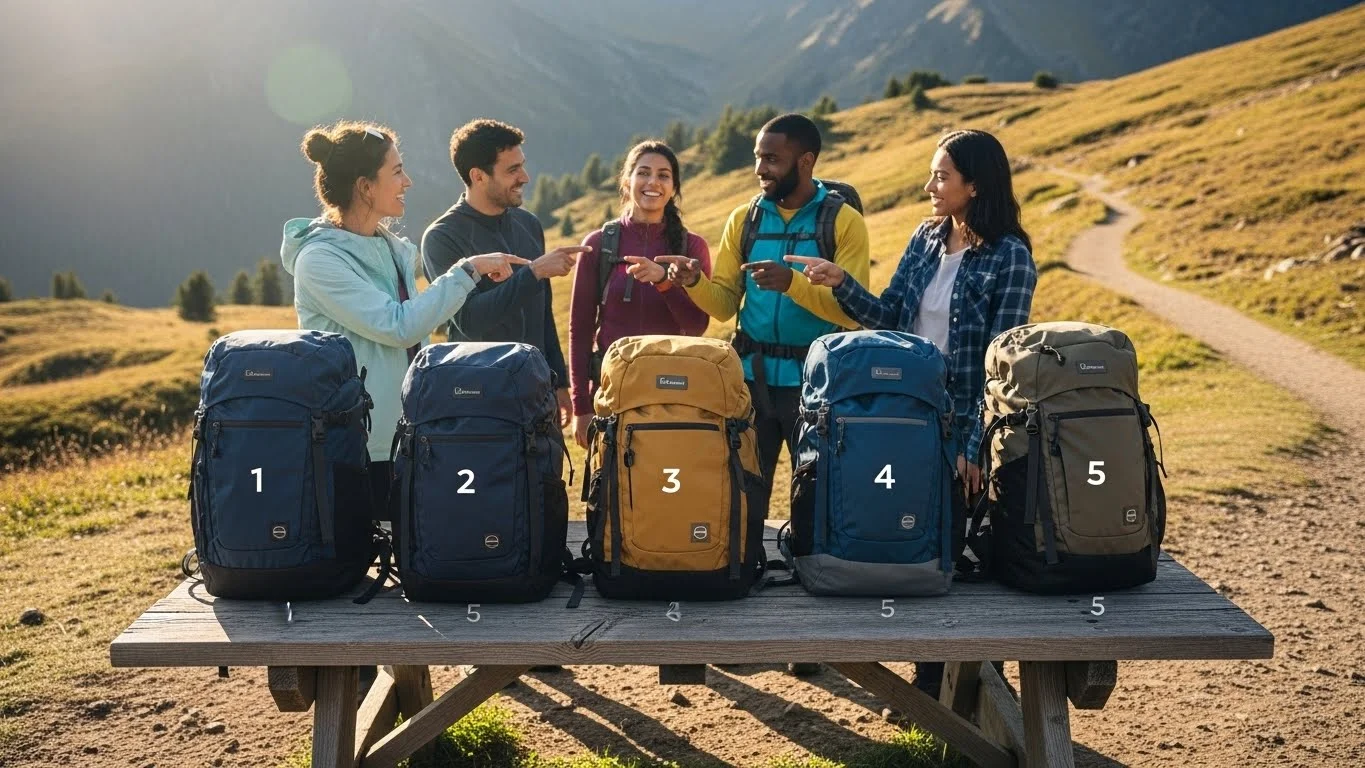
How to Choose the Best Backpack for Budget Travelers

Finding the perfect backpack can make or break your budget travel experience. I know the struggle of wanting both quality and affordability, so let’s dive into how to choose the best backpack without breaking the bank. Read Interesting article: Top 5 Budget Backpacks for Backpacking Adventures

How to Choose the Best Backpack for Budget Travelers

Understanding Backpack Types

When I first started traveling, I had no idea how many different types of backpacks there were. Each one seemed to cater to a specific need, and it felt overwhelming. But understanding the different types of backpacks can help you make an informed decision that suits your travel style. Let’s break down some of the most common types.

Daypacks vs. Multi-Day Backpacks

One of the first distinctions to make is between daypacks and multi-day backpacks. Daypacks are smaller, usually ranging from 15 to 30 liters. They’re perfect for short trips, day hikes, or city explorations. I remember using a daypack during my first city tour in Europe; it was just the right size for my essentials and a water bottle.

On the other hand, multi-day backpacks, which are typically 40 liters and above, are designed for longer trips where you need to carry more gear, like clothes, a sleeping bag, and cooking equipment. I learned this the hard way when I attempted a weekend camping trip with a daypack—it was a struggle to fit everything I needed! You’ll want to think about how long you’ll be traveling and what you’ll need to carry to choose the right type.

Travel Backpacks vs. Hiking Backpacks

Another important distinction is between travel backpacks and hiking backpacks. Travel backpacks usually have more organizational features, like compartments for easy access to your laptop or travel documents. They often come with stowable straps that keep them sleek while you’re navigating through airports or train stations. I found this feature incredibly handy during my last trip when I had to quickly pull out my passport and boarding pass.

Hiking backpacks, on the other hand, are built to endure rough terrains. They have features like hydration reservoirs and gear loops for trekking poles. If your travels involve more outdoor activities, a hiking backpack would be your best bet. I remember getting caught in a rainstorm on a hike, and my hiking backpack’s waterproof material saved my gear from soaking wet disaster!

Top-Loading vs. Front-Loading Backpacks

Backpacks also come in two main styles: top-loading and front-loading. Top-loading backpacks are accessed from the top and often have a drawstring closure. They tend to be more spacious, which I appreciate when I want to pack a lot. However, digging through my gear can be a hassle. I’ve spent too many moments trying to fish out my water bottle from the bottom!

Front-loading backpacks open like a suitcase, making it easier to access your belongings. I’ve found this style particularly useful when I’m in hostels and need to grab only a few items quickly. It’s all about personal preference and how you plan to use your backpack.

Key Features to Consider

Once you have a good grasp of the types of backpacks available, you’ll want to focus on the features that matter most to you. Here are some key features I always consider when selecting a backpack for my travels.

Size and Capacity

Size and capacity are crucial when choosing a backpack. Think about what you’ll be carrying and how much space you’ll need. A smaller backpack works well for minimalists, but if you tend to overpack (like I often do), consider something larger. I often find myself packing for every possible scenario, which is why I opted for a 50-liter backpack for my last trip.

Weight and Portability

The weight of the backpack itself is also important. A lightweight backpack is easier to carry, especially during long walks or hikes. I’ve noticed that the lighter my pack, the more I enjoy my journey. Look for materials that are durable yet light, and always consider how it will feel when fully loaded.

Durability and Material Quality

Durability matters, especially if you’re traveling frequently. I learned this lesson after my first backpack was ripped during a bus ride. Look for high-quality materials like nylon or polyester that can withstand wear and tear. Research the stitching and zippers too—these are often the first places to break down.

Comfort and Fit

The fit of the backpack is something I can’t stress enough. It should feel comfortable on your back and distribute weight evenly. I found that adjustable straps and padded hip belts make a world of difference. A well-fitted backpack can turn a long day of exploring into a breeze.

Storage Options and Organization

Think about how you like to organize your belongings. Compartments, pockets, and even detachable pouches can simplify your packing process. I love having a designated pocket for my electronics, so I can grab my charger without digging through everything else.

Water Resistance and Weatherproofing

Lastly, consider the weather conditions you might encounter. A water-resistant backpack can protect your gear during unexpected rain showers. I once got caught in a downpour, and my backpack was soaked through. Since then, I always opt for waterproof options or carry a rain cover.

Budget Considerations

Setting a Budget for Your Backpack

When I first started my backpacking adventures, I quickly realized that setting a budget was essential. With so many options available, it was easy to get carried away and overspend. I recommend deciding how much you can realistically spend before you start shopping. For me, I typically allocate a certain percentage of my travel budget specifically for gear. This helps me keep my spending in check while still allowing for some flexibility. Think about what features are most important to you and how much you’re willing to sacrifice for quality versus price. For more tips on budget travel, check out Budget Backpacking: Best Travel Passes for Frugal Travelers.

Where to Find Affordable Backpacks

Finding the right backpack doesn’t have to be a daunting task, especially when you know where to look. Online marketplaces, local outdoor shops, and even thrift stores can be gold mines for budget-friendly options. I’ve discovered some fantastic deals by browsing websites like Amazon, REI, and Backcountry, especially during seasonal sales. Don’t forget to check out clearance sections too; I once scored a high-quality backpack for half the retail price just because it was last season’s model!

Brands Known for Value

Certain brands have built a reputation for delivering reliable backpacks at a reasonable price. I’ve had great experiences with brands like Osprey, Deuter, and North Face, which often offer durable options that won’t break the bank. I learned to appreciate the balance of quality and affordability, especially when I found a mid-range backpack from a lesser-known brand that exceeded my expectations. It’s worth doing some research to discover brands that suit your needs and budget.

Discounts, Sales, and Deals

Keep an eye out for seasonal sales and special promotions. I’ve had luck finding discounts during holiday sales or at the end of summer when outdoor gear is being cleared out. Signing up for newsletters from outdoor retailers often gives you access to exclusive deals. I remember getting a sweet discount code after subscribing to a brand’s email list, which made my purchase even sweeter. Additionally, don’t hesitate to use price comparison websites to ensure you’re getting the best deal possible.

Evaluating Backpack Brands

Top Budget-Friendly Backpack Brands

As I navigated the backpack world, I found that some brands consistently popped up for their budget-friendly offerings. Brands like Kelty, REI Co-op, and Patagonia often have models that balance price and quality. I’ve owned a few Kelty backpacks that not only fit my budget but also performed remarkably well on my trips. It’s always a good idea to explore these brands and see what they have to offer in terms of functionality and comfort.

Brand Reputation and Warranty

Before making a purchase, I always check the brand’s reputation. A good warranty can be a game-changer. Many brands, like Osprey, offer lifetime warranties, which gives me peace of mind knowing that I’m investing in something that’s built to last. I remember my friend had an issue with her backpack, and the brand replaced it without any hassle. This kind of assurance can make a big difference in your overall satisfaction with your purchase.

User Reviews and Recommendations

Reading user reviews has become one of my go-to steps when considering a new backpack. I often check multiple sources, like outdoor forums and retail websites, to see what others have experienced. I’ve found that personal stories can reveal a lot about a backpack’s performance in real-life situations. For example, I noticed a lot of positive feedback about a specific model’s comfort during long hikes, which convinced me to give it a try. User reviews can be incredibly helpful in narrowing down my choices.

Testing and Trying Before You Buy

In-Store vs. Online Shopping

While I appreciate the convenience of online shopping, I can’t stress enough the value of trying on a backpack in-store. There’s something about physically feeling the weight and fit that you just can’t replicate online. When I tried on various backpacks, I quickly learned what styles and sizes worked best for my body. If you have a local outdoor store, I recommend visiting it. You might be surprised by how much more comfortable a certain model feels once you have it on your back!

Importance of Trying on a Backpack

Trying on a backpack is crucial for ensuring a good fit. I always take the time to adjust the straps and walk around the store with it for a few minutes. This simple step helps me gauge how it feels with weight and how well it distributes the load. I’ve made the mistake of buying a backpack that looked great online but felt terrible when I actually wore it. Trust me, comfort is key, especially if you plan on carrying it for long stretches.

Return Policies and Exchange Options

Finally, I always check the return policy before purchasing. It’s comforting to know that if I get my backpack home and it doesn’t feel right, I have the option to return or exchange it. A few stores even allow you to return used gear, which gives me confidence in my decision. I remember returning a backpack that I thought would work for me but didn’t quite fit my needs after a test run. Having that safety net makes all the difference when I’m making an investment in my travel gear.

Essential Backpack Accessories

Packing Cubes and Organizers

When it comes to staying organized while traveling, packing cubes have been a game changer for me. I remember the chaos of opening my backpack only to find clothes strewn everywhere. With packing cubes, I can neatly compartmentalize my clothing and gear. I typically use one cube for clothes, another for toiletries, and even a smaller one for my tech accessories. This system not only helps me find what I need quickly, but it also makes repacking a breeze. If you’re like me and appreciate a well-organized bag, I can’t recommend packing cubes enough!

Hydration Solutions

Staying hydrated while on the go is crucial, especially during long hikes or city tours. I’ve experimented with various hydration solutions, and I’ve found that a good water bottle or hydration bladder is essential. For day trips, I usually carry a reusable water bottle that fits in my backpack’s side pocket. It’s environmentally friendly and saves money. On longer treks, I prefer a hydration bladder, which allows me to sip water without stopping. I remember being on a hike and realizing how much easier it was to hydrate with a bladder rather than fumbling for a water bottle each time. It’s all about convenience!

Rain Covers and Protectors

Weather can be unpredictable, and I learned this the hard way on a trip to the Pacific Northwest. I got caught in a sudden downpour, and my backpack didn’t fare well. Since then, I always carry a rain cover for my backpack. These lightweight covers are easy to pack and provide a crucial layer of protection against the elements. I’ve also found that some backpacks come with built-in rain covers, which is a fantastic feature. If you plan on traveling to places with questionable weather, investing in a rain cover will keep your gear safe and dry.

Locks and Security Features

When I’m traveling, especially in crowded areas, I can’t help but worry about my belongings. That’s why I always carry a small lock for my backpack. It provides peace of mind when I’m in hostels or busy tourist spots. I often lock my zippers together to deter pickpockets. Additionally, some backpacks come with built-in security features, such as lockable zippers or hidden pockets, which I find incredibly reassuring. I remember sitting in a café, knowing my backpack was secure at my feet, and focusing entirely on enjoying my coffee rather than worrying about my belongings.

Backpacking Tips for Budget Travelers

Packing Light and Efficiently

As someone who tends to overpack, I’ve learned that packing light is one of the most valuable skills I can develop as a traveler. I remember my first trip where I brought way too many outfits, and I ended up wearing the same few items repeatedly. Now, I focus on versatile clothing that can be mixed and matched. I recommend choosing a color palette to stick with, making it easier to coordinate outfits. Additionally, I make a list before packing to ensure I only take what I need. This approach not only saves space but also makes navigating through airports and train stations much easier!

Using Your Backpack as a Carry-On

One of the best tips I’ve picked up is to utilize my backpack as a carry-on. This not only saves on baggage fees but also gives me easy access to my essentials during flights. I usually pack my electronics, a change of clothes, and snacks in my backpack. I’ve had situations where my main luggage got delayed, and having my backpack saved me from a lot of stress. It’s a great way to keep your important items close, especially if you’re traveling on a budget and need to be strategic about your packing.

Maximizing Space and Weight

Maximizing space in my backpack has been an ongoing journey. I’ve discovered that rolling my clothes instead of folding them saves a ton of space. This little trick allows me to fit more into my pack without adding weight. I also utilize the space within my shoes for storing small items like socks or chargers. It’s a clever way to use every inch of my backpack! Additionally, I always weigh my bag before heading to the airport to ensure it meets the weight limit, which can save me from unexpected fees.

Final Thoughts

Choosing the right backpack is more than just a shopping decision—it’s a crucial part of your travel experience. From my own journeys, I’ve learned that the right backpack can make all the difference in how comfortable and organized you feel on your adventures. Whether you’re wandering through bustling cities or exploring remote trails, your backpack should be a reliable companion.

It’s clear to me that each traveler has unique needs and preferences, which is why understanding the key features, types, and budget considerations is essential. I believe that taking the time to evaluate your options and think critically about what you truly need will lead to a much more enjoyable travel experience. The backpack you choose should fit your lifestyle and enhance your adventures, not hinder them.

As you shop for your next backpack, keep in mind that practicality and comfort should top your priority list. I’ve often found that investing in a quality backpack pays off in the long run, as it stands the test of time and accompanies me on countless trips. I hope my experiences help guide you in finding the perfect backpack that suits both your needs and your budget, allowing you to travel with confidence and ease.

So go ahead, embark on your backpacking journey with the knowledge you’ve gained, and let the adventures unfold. Happy travels!

Frequently Asked Questions

What are the main types of backpacks?

The main types of backpacks include daypacks, which are smaller (15 to 30 liters) and suitable for short trips, and multi-day backpacks, which are larger (40 liters and above) for longer trips where you need to carry more gear. Additionally, there are travel backpacks with organizational features and hiking backpacks designed for rough terrains.

What is the difference between top-loading and front-loading backpacks?

Top-loading backpacks are accessed from the top with a drawstring closure and tend to be more spacious but can be harder to access items from the bottom. Front-loading backpacks open like a suitcase, making it easier to access your belongings quickly, which is especially useful in hostels.

What key features should I consider when choosing a backpack?

Key features to consider include size and capacity, weight and portability, durability and material quality, comfort and fit, storage options and organization, and water resistance and weatherproofing.

How can I set a budget for my backpack?

Setting a budget involves deciding how much you can realistically spend before shopping and allocating a percentage of your travel budget for gear. This helps keep your spending in check while allowing for flexibility in choosing features that are most important to you.

Where can I find affordable backpacks?

You can find affordable backpacks at online marketplaces, local outdoor shops, and thrift stores. Websites like Amazon, REI, and Backcountry often have seasonal sales and clearance sections that can lead to great deals.

Which brands are known for budget-friendly backpacks?

Brands like Kelty, REI Co-op, Patagonia, Osprey, Deuter, and North Face are known for offering reliable backpacks at reasonable prices, balancing quality and affordability.

Why is it important to read user reviews before buying a backpack?

Reading user reviews helps you understand a backpack’s performance in real-life situations. Personal stories and feedback can reveal important insights about comfort and functionality that may not be apparent from product descriptions alone.

Should I try on a backpack before purchasing it?

Yes, trying on a backpack is crucial for ensuring a good fit. Adjusting the straps and walking around with the pack helps gauge comfort and weight distribution, which is essential for long-term wear.

What should I look for in return policies when buying a backpack?

It’s important to check the return policy before purchasing to ensure you can return or exchange the backpack if it doesn’t fit right after trying it at home. Some stores allow returns of used gear, providing additional assurance in your purchase.

What essential accessories should I consider for my backpack?

Essential accessories include packing cubes for organization, hydration solutions like reusable water bottles or hydration bladders, rain covers for weather protection, and locks or security features to safeguard your belongings.

Top 5 Budget Backpacks for Backpacking Adventures

Planning an adventure doesn’t have to break the bank. With the right budget backpack, you can explore the great outdoors without sacrificing quality or comfort. Let’s dive into the essentials of finding the perfect pack for your backpacking journey. Read Interesting article: Ultimate Guide to Budget Backpacking Adventure Hotspots

Top 5 Budget Backpacks for Backpacking Adventures

Understanding Budget Backpacks

What is a Budget Backpack?

When I first started backpacking, I was overwhelmed by the options available. What defines a budget backpack? Essentially, it’s a pack that offers decent quality and functionality without the hefty price tag usually associated with high-end brands. Typically, budget backpacks range from $50 to $150, making them accessible for everyone. They may not include all the bells and whistles, but they get the job done for casual hikers and serious adventurers alike.

Benefits of Using Budget Backpacks for Backpacking

From my experience, choosing a budget backpack can be a game-changer. Here are a few benefits I’ve discovered:

  • Affordability: Budget backpacks allow you to save money, which is perfect when you’re planning multiple trips or want to invest in other gear.
  • Lightweight Options: Many budget backpacks are designed to be lightweight, making them easier to carry on long hikes.
  • Functionality: Even budget options come with essential features like hydration reservoirs, multiple compartments, and adjustable straps.
  • Perfect for Beginners: If you’re just dipping your toes into the backpacking world, a budget backpack is a great way to start without a huge commitment.

Key Features to Look for in a Budget Backpack

While shopping for a budget backpack, I learned that not all packs are created equal. Here are some key features I always consider:

  • Capacity: Think about how much gear you’ll need to carry. I usually prefer backpacks in the 20-50 liter range for overnight trips.
  • Comfort: Look for padded shoulder straps and a supportive back panel. I often test the fit by wearing the pack for a few minutes in the store.
  • Durability: Check the material. Nylon and polyester are popular for their strength and water resistance.
  • Storage Options: I appreciate having multiple compartments for organization. Side pockets for water bottles and front pockets for snacks are crucial.
  • Weight: Keeping the pack lightweight has always been a priority for me, especially for longer hikes.

While I’ve come across some packs that are affordable but lack durability, finding one that balances cost and quality can lead to a rewarding backpacking experience.

Top 5 Budget Backpacks for Backpacking Adventures

1. Osprey Daylite Plus

Overview and Key Features

The Osprey Daylite Plus has become one of my go-to backpacks for day hikes and weekend getaways. With a capacity of 20 liters, it’s compact yet surprisingly spacious, allowing me to pack all my essentials. It features a hydration reservoir sleeve, multiple pockets, and a comfortable fit that I appreciate on long treks.

Pros and Cons

Pros:

  • Lightweight and versatile
  • Good organization
  • Comfortable fit

Cons:

  • Limited capacity for longer trips
  • Basic design without extra features

Ideal User Profile

This backpack is perfect for casual hikers or anyone looking for a reliable day pack. If you’re like me and enjoy short trips or need a secondary pack for travel, the Osprey Daylite Plus is a solid choice.

2. REI Co-op Flash 22

Overview and Key Features

The REI Co-op Flash 22 is another favorite of mine, especially for its minimalist design. With a 22-liter capacity, it’s lightweight and easily packable. It features a large main compartment and a front stash pocket, making it super easy to access my gear on the go.

Pros and Cons

Pros:

  • Ultra-lightweight
  • Great for minimalists
  • Affordable price point

Cons:

  • May lack padding for heavier loads
  • Limited additional features

Ideal User Profile

This pack suits lightweight backpackers or those who prefer to travel light. If you’re planning short hikes or daily adventures, the REI Co-op Flash 22 is a fantastic option.

3. Deuter Speed Lite 20

Overview and Key Features

The Deuter Speed Lite 20 is one I often recommend. It’s designed for speed, which I appreciate on those long, challenging hikes. It comes with a 20-liter capacity and has a streamlined design that reduces weight while maintaining durability.

Pros and Cons

Pros:

  • Durable and lightweight
  • Comfortable fit with adjustable straps
  • Multiple pockets for organization

Cons:

  • Less padding than some competitors
  • Not suitable for overnight trips

Ideal User Profile

If you’re an active hiker who enjoys speed and efficiency, the Deuter Speed Lite 20 will meet your needs perfectly.

4. Patagonia Black Hole Pack 25L

Overview and Key Features

Patagonia is known for its quality, and the Black Hole Pack 25L is no exception. It’s made with durable materials that can withstand the elements. I love the 25-liter capacity as it strikes a nice balance between being compact and spacious.

Pros and Cons

Pros:

  • Highly durable materials
  • Water-resistant
  • Stylish design

Cons:

  • Heavier than other budget options
  • Higher price point

Ideal User Profile

This backpack is ideal for those who prioritize durability and want a stylish backpack that can handle various conditions. If you’re like me and often find yourself in unpredictable weather, this pack is a solid investment.

5. Kelty Redwing 50

Overview and Key Features

The Kelty Redwing 50 is a fantastic option for those who need a bit more space. With a 50-liter capacity, it’s perfect for weekend trips. I appreciate the top-loading design, which allows for easy packing and access to my gear.

Pros and Cons

Pros:

  • Spacious and versatile
  • Comfortable suspension system
  • Great for overnight trips

Cons:

  • Heavier compared to day packs
  • May be too large for short hikes

Ideal User Profile

If you’re an avid backpacker planning longer trips, the Kelty Redwing 50 will provide the space and comfort you need without breaking the bank.

Comparative Analysis of the Top Budget Backpacks

Price Comparison

When I first started looking for a budget backpack, I quickly realized that price can vary significantly among different brands and models. For me, it was essential to find a good balance between price and features. The Osprey Daylite Plus, for instance, typically retails around $70, making it a solid entry point without feeling like I was skimping on quality. In contrast, the Kelty Redwing 50, which is perfect for longer trips, might set you back around $140. I found that while I wanted to save as much as possible, it was worth investing a bit more in a backpack that could serve my needs for years to come.

Weight and Capacity

Weight and capacity are two critical factors I always consider when choosing a backpack. The REI Co-op Flash 22 is incredibly lightweight at just over a pound, which is fantastic for day hikes. However, its capacity is limited to 22 liters, which might not work for everyone. On the other hand, the Kelty Redwing 50 offers a generous 50-liter capacity but weighs more, especially when packed. From my experience, I’ve learned that the best backpack for me is one that balances weight and capacity, allowing me to carry everything I need without feeling weighed down.

Durability and Materials

Durability is another aspect I pay close attention to. I’ve had my share of backpacks that fell apart after a few trips, and that’s something I wanted to avoid. The Patagonia Black Hole Pack 25L impresses me with its high-quality, durable materials that can withstand rugged conditions. In contrast, the Deuter Speed Lite 20, while lightweight, may not withstand as much wear and tear. I often think about the environments I’ll be in when choosing a backpack. For instance, if I’m headed somewhere with unpredictable weather, I’ll lean towards packs made from water-resistant materials.

Comfort and Fit

Comfort is paramount for me, especially on long hikes. I remember my first backpacking trip where I underestimated the importance of a good fit. I ended up with sore shoulders and a painful back. Now, I always prioritize testing a backpack’s comfort before purchasing. The Osprey Daylite Plus, for example, has a fantastic fit with its padded shoulder straps and adjustable harness, which I found crucial for long days on the trail. In contrast, my experience with the Kelty Redwing 50 showed me that while spacious, it can get uncomfortable if the load isn’t distributed properly. I recommend trying on a few backpacks to see which ones feel best for you.

How to Choose the Right Backpack for Your Adventure

Assessing Your Backpacking Needs

Before diving into purchasing a backpack, I’ve learned the importance of assessing my specific needs. Are you going on a day hike, or do you plan to spend a weekend in the wilderness? For day hikes, a smaller pack like the REI Co-op Flash 22 works perfectly for me. However, for longer trips, I need something like the Kelty Redwing 50 to accommodate more gear. I find it helpful to write down the types of trips I plan to take, as it gives me a clearer idea of what capacity and features I’ll need in a backpack.

Testing for Comfort and Fit

Once I’ve narrowed down my options, I always try them on. I remember the first time I walked into an outdoor store with the intention of finding my perfect backpack. I spent a good hour trying on different packs, adjusting the straps, and even walking around the store to see how they felt. I recommend bringing some weight to the store—like a water bottle or a few books—to simulate how the pack will feel on a hike. A comfortable fit can make all the difference, especially if you’re planning on being out for several hours.

Understanding Volume and Size Requirements

Understanding volume and size requirements is crucial for ensuring that you have enough space for your gear without overpacking. For shorter trips, I usually stick with a 20-30 liter pack, while for multi-day adventures, I opt for something larger, typically around 50 liters. I’ve found that sizing can also depend on the type of gear I’m bringing, like a sleeping bag or tent. It’s a good idea to think about the items you’ll carry most frequently and choose a backpack that accommodates them comfortably.

Backpacking Tips for Budget Travelers

Planning Your Trip on a Budget

Planning a backpacking trip on a budget is definitely a challenge, but I’ve picked up a few tips along the way. First, I always scout for free or low-cost camping sites. Websites like Freecampsites.net have been invaluable for me in finding great spots that don’t cost a dime. Additionally, I keep an eye out for local hiking groups that often organize free or low-cost trips. It’s a fantastic way to explore new areas while saving money. Read Interesting article: Avoid Travel Scams: Essential Tips for Budget Backpackers

Essential Gear for Budget Backpacking

Aside from a reliable backpack, I’ve learned that having the right gear is key to a successful trip. I tend to prioritize essentials like a good sleeping bag, a lightweight tent, and a portable stove. I also recommend checking out second-hand stores or online marketplaces for gently used gear. You’d be surprised at the quality of items you can find at a fraction of the original price. In my experience, having quality gear doesn’t have to mean spending a fortune.

Finding Affordable Accommodations

When it comes to accommodations, I’ve found that being resourceful can save a lot of money. I often use apps like Couchsurfing or Airbnb for budget-friendly options. If I’m in a popular area, I look for hostels which can be a fun way to meet fellow travelers and share tips. Additionally, I’ve discovered that some national parks offer affordable lodging for those who plan ahead. It’s always worth checking for any deals or discounts, especially during the off-peak season.

FAQs About Budget Backpacks

What is the difference between budget and high-end backpacks?

When I first started exploring the world of backpacks, I found myself wondering what really sets budget backpacks apart from those high-end options. From my experience, the primary difference lies in the materials and features. High-end backpacks often use more advanced materials that enhance durability, water resistance, and weight management. They might include additional features like enhanced suspension systems, more pockets, or unique ergonomic designs that can significantly affect comfort on long hikes. Budget backpacks, on the other hand, are built to provide essential functionality at an accessible price. They may not have all the bells and whistles, but they still do an admirable job for casual or beginner backpackers like myself.

Are budget backpacks durable enough for long trips?

I completely understand the concern about durability when considering a budget backpack for longer trips. In my own adventures, I’ve found that many budget backpacks can indeed handle long journeys, provided you choose wisely. For example, I’ve used the Kelty Redwing 50 on several weekend trips, and it held up surprisingly well despite its lower price point. It’s important to look for backpacks made from robust materials like nylon or polyester, as they tend to have better resistance against wear and tear. However, I would recommend being mindful of how you pack and treat your backpack. If you take care of it—by not overloading it and keeping it away from sharp objects—you can extend its lifespan significantly.

How do I maintain my budget backpack?

Maintaining my budget backpack has always been a priority, especially since I want to ensure it lasts through multiple adventures. Here are some tips I’ve picked up along the way:

  • Regular Cleaning: I usually clean my backpack after every few trips. A simple wipe with a damp cloth can remove dirt and grime. For deeper cleans, I hand wash it with mild soap and water, avoiding harsh detergents that can break down the materials.
  • Drying: After cleaning, I let it air dry completely before storing it. I learned the hard way that leaving it damp can lead to mold and unpleasant odors.
  • Storage: When I’m not using my backpack, I make sure to store it in a cool, dry place away from direct sunlight. Avoiding heavy pressure on the pack while it’s stored also helps maintain its shape and integrity.
  • Inspect Regularly: Before each trip, I check for any signs of wear, like fraying straps or loose seams. I’ve found that catching small issues early can prevent bigger problems down the road.

By following these maintenance tips, I’ve been able to extend the lifespan of my budget backpack and keep it ready for my next adventure.

Final Thoughts

As I reflect on my journey through the world of backpacking, I realize how important it is to choose the right gear without breaking the bank. Budget backpacks have not only enabled me to explore breathtaking landscapes but have also taught me valuable lessons about prioritizing needs and making informed choices. I believe that with the right approach, anyone can enjoy the thrill of backpacking, regardless of their budget.

Finding a budget backpack that fits your needs can feel daunting, but it’s all about understanding what you value most in your adventures. Whether you’re a weekend warrior or a casual day hiker, I’ve seen firsthand how the right pack can enhance your experience. It’s not merely about the price tag; it’s about the memories you create and the paths you tread. I’ve had incredible moments on the trail with my budget-friendly packs, and I wouldn’t trade those experiences for anything.

In my opinion, the heart of backpacking lies not in expensive gear, but in the spirit of adventure. I encourage you to embrace the journey, explore local trails, and take the time to connect with nature. The world is full of stunning sights, and with a reliable budget backpack, you can access all of them without financial strain. So, pack your essentials, lace up your boots, and let your curiosity guide you. The trail awaits, and who knows what unforgettable experiences lie just around the bend! Read Interesting article: Essential Solo Travel Safety Tips for Budget Backpackers

Frequently Asked Questions

Nature Retreats on a Budget: Explore the Great Outdoors

Nature retreats don’t have to break the bank! With a little planning and creativity, we can explore the great outdoors and rejuvenate our spirits without spending a fortune. Read Interesting article: Top 10 Budget Nature Retreats for Adventurous Travelers

Nature Retreats on a Budget: Explore the Great Outdoors

Understanding Nature Retreats

Definition of a Nature Retreat

When I think of a nature retreat, I picture a peaceful escape where we can disconnect from our busy lives and reconnect with the natural world. It’s a chance to breathe fresh air, immerse ourselves in stunning landscapes, and find tranquility away from the noise of everyday life. A nature retreat can take many forms, from camping under the stars to simply spending a day hiking through the woods. It’s about finding a space where we can relax, reflect, and recharge our souls.

Benefits of Spending Time in Nature

Spending time outdoors has numerous benefits, many of which I’ve personally experienced. For starters, nature has a unique way of reducing stress and anxiety. I’ve often found that a walk in the woods or a quiet moment by a lake can calm my racing thoughts and lift my spirits. Research shows that being in nature can lower our blood pressure, reduce cortisol levels, and improve our mood.

Additionally, I’ve discovered that time in nature can spark creativity. Whenever I take a break from my usual routine and immerse myself in a beautiful landscape, my mind feels clearer, and ideas seem to flow more easily. Nature also encourages physical activity, whether it’s hiking, biking, or even just wandering along a beach. This not only boosts our physical health but also contributes to our overall well-being.

Moreover, there’s something incredibly grounding about being outdoors. I feel more connected to the earth and our environment when I’m surrounded by trees, mountains, or rivers. It reminds me of my place in the world and the importance of protecting these natural spaces for future generations. Spending time in nature fosters a sense of belonging, reminding us that we are part of something larger than ourselves.

Types of Nature Retreats on a Budget

Campsites and Campgrounds

Campsites are one of the most budget-friendly options for a nature retreat. I remember my first camping trip—it was simple, affordable, and packed with adventure. Campsites often provide basic amenities like fire pits and picnic tables, allowing us to enjoy the great outdoors without spending much. Many state and national parks have campgrounds that are incredibly affordable, and we can even find free campsites if we’re willing to do a little research. Plus, camping encourages us to unplug and enjoy quality time with friends or family around the campfire.

Hostels and Affordable Lodging

If camping isn’t quite your style, hostels can be a great alternative. I’ve stayed in a few hostels during my travels, and they can be a fun way to meet like-minded adventurers while keeping costs low. Many hostels are located near beautiful natural attractions, making it easy for us to explore during the day and return to a cozy place at night without spending a fortune. Plus, staying in a shared room can lead to unexpected friendships and shared experiences, which often make the trip even more memorable.

Glamping: The Budget-Friendly Luxury

For those who crave a bit of comfort while still wanting to be close to nature, glamping offers a perfect compromise. I once treated myself to a glamping experience, and it was worth every penny! Think of it as camping with a touch of luxury—think cozy beds, chic tents, and sometimes even gourmet meals. While glamping can be pricier than traditional camping, I’ve found that there are often budget options available, especially if we book during off-peak seasons or look for deals. It allows us to experience the beauty of nature without sacrificing too much comfort.

National and State Parks

Navigating the vast landscapes of national and state parks is one of the best ways to immerse ourselves in nature on a budget. I’ve visited several parks that charge minimal entrance fees and provide stunning views, well-maintained trails, and unique wildlife. Some parks even offer free admission days, which can be a fantastic opportunity for us to explore without spending a dime. The vastness of these parks means there’s something for everyone, whether we’re into hiking, birdwatching, or simply enjoying a picnic with a view.

In my experience, the best part of these retreats is that they remind us of the beauty around us. With a little planning, we can embrace the great outdoors without straining our wallets. Nature has a way of renewing our spirit, and I believe it’s essential for all of us to make time for it, regardless of our budget. So let’s dive into this journey of exploration together, discovering the amazing retreats nature has to offer! Read Interesting article: Experience Eco-Tourism: Best Budget Nature Retreats Revealed

Top Budget-Friendly Nature Retreat Destinations

Best National Parks for Budget Travelers

I’ve always found that national parks are some of the best places to experience nature without spending a lot. One of my favorite memories is from a trip to Yellowstone National Park. The entrance fee was reasonable, and once inside, it felt like we had stepped into a different world. The geysers, hot springs, and wildlife were absolutely breathtaking. I remember standing at Old Faithful, watching it erupt and feeling a genuine sense of awe. Plus, the park offers plenty of free activities like hiking and wildlife watching, which kept our costs down.

Another fantastic destination is Yosemite National Park. I love the majestic granite cliffs and stunning waterfalls. The park has a wide array of affordable campgrounds, which are perfect for those of us who want to immerse ourselves in nature. And let’s not forget about Zion National Park! Its striking red rock formations and beautiful canyons are a sight to behold. I was amazed by how much beauty I could enjoy for just the price of entry. Each of these parks has unique landscapes and experiences that made my visits unforgettable, all while being budget-friendly.

State Parks Worth Visiting

State parks can be hidden treasures, often offering stunning scenery and activities at a fraction of the cost of national parks. I remember visiting a state park in my home state that had beautiful hiking trails and a sparkling lake. The entrance fee was almost non-existent, and I felt like I had stepped into paradise. I spent the day swimming, picnicking, and simply soaking in the sun, all without breaking the bank.

Some of my other favorite state parks include Acadia National Park in Maine, which has breathtaking coastal views and charming hiking paths, and Red Rock Canyon in Nevada, known for its vibrant rock formations and winding trails. The beauty of state parks is that they often feel less crowded than national parks, allowing for a more peaceful and personal experience in nature. I highly recommend checking out local state parks whenever we’re looking for a budget-friendly getaway.

Hidden Gems: Lesser-Known Natural Sites

Sometimes, the most memorable experiences come from exploring lesser-known natural sites. I’ve discovered some incredible spots that are off the beaten path and often free to visit. For instance, while driving through the backroads of Colorado, I stumbled upon a stunning waterfall that wasn’t listed in any guidebook. I spent hours there, enjoying the serene atmosphere and the sound of rushing water. It reminded me that adventure doesn’t always require elaborate planning.

Another hidden gem I came across was a small nature reserve in Oregon. It had beautiful trails that wound through lush forests and led to a tranquil pond. The best part? There were hardly any other visitors, giving me plenty of space to enjoy the beauty around me. I’ve found that asking locals or doing a bit of online research can lead to discovering these secret spots that provide a more intimate nature experience. So, if we’re feeling adventurous, let’s not hesitate to explore beyond the usual destinations!

Planning Your Budget Nature Retreat

How to Choose the Right Destination

Choosing the right destination for our nature retreat can make all the difference. I usually start by considering what type of experience I want. Do I want to hike, camp, or just relax by a lake? Based on that, I look for places that offer those activities. I also think about the distance and travel costs; sometimes, the best experiences are right in our own backyard. I’ve had wonderful retreats close to home, where I didn’t have to spend much on gas or accommodation.

I also like to check out reviews and recommendations from fellow travelers. Websites and social media platforms often have great insights into lesser-known spots, which can help me make an informed choice. Ultimately, I believe it’s important to choose a destination that resonates with us personally. When we’re excited about where we’re going, it sets the tone for a fulfilling retreat.

Planning Your Itinerary

Creating an itinerary for our nature retreat can enhance the experience, but it doesn’t have to be overly complicated. I usually jot down a few must-do activities and sights I want to see, but I leave plenty of room for spontaneity. Some of my best adventures have come from simply wandering off the planned path and discovering something unexpected. For example, I stumbled upon a beautiful overlook while hiking that wasn’t on my list, and it ended up being the highlight of my trip!

I also recommend including downtime in our itinerary. After a day of hiking or exploring, it’s nice to relax, whether that’s sitting by a fire or enjoying a good book. This balance of activity and relaxation helps us truly recharge during our retreat.

Budgeting for Travel Costs

When it comes to budgeting for travel costs, I find it helpful to break everything down. I usually start with transportation—whether it’s gas for a road trip or bus/train tickets if I’m traveling farther. I’ve learned to search for deals and discounts, which can save us quite a bit. For instance, I once scored a great deal on gas by using a rewards app that provided discounts.

Next, I consider food expenses. I prefer to pack meals and snacks rather than dining out, which can quickly add up. I often prepare simple, nutritious meals that are easy to cook on a camp stove or over a campfire. Not only does this save money, but it also allows us to enjoy a meal surrounded by nature, which is something I cherish.

Finding Affordable Accommodations

Finding affordable accommodations is key to keeping our budget in check. As I mentioned earlier, camping is a fantastic option, but if that’s not for us, I recommend looking into local guesthouses, cabins, or even Airbnb options. I’ve had great experiences using Airbnb; sometimes, we can find unique stays that offer a lot of character and charm without breaking the bank.

Additionally, I always keep an eye out for last-minute deals or discounts for various accommodations. Sites like Booking.com or Hostelworld often have great deals, especially if we’re flexible with our travel dates. Whatever route we choose, planning ahead can help us find the perfect place to rest after exploring the great outdoors.

Activities to Enjoy in Nature

Hiking Trails for All Skill Levels

Hiking is one of my favorite activities when I’m in nature. There’s something about putting one foot in front of the other while soaking in the beauty around me that feels incredibly rewarding. I’ve hiked trails that ranged from easy walks to challenging climbs, and each experience has been unique. When I choose a hiking trail, I always consider my skill level and how much time I want to spend on the trail. I’ve found that many parks offer a variety of trails, so whether you’re looking for a short stroll or an all-day adventure, there’s something for everyone.

One of the most memorable hikes I’ve done was in the Great Smoky Mountains National Park. The trail was moderate, winding through lush forests and leading to breathtaking views from the top. I remember reaching the summit and feeling a rush of accomplishment. I encourage everyone to check local hiking guides or apps, which often provide detailed information about the trails, including difficulty levels and highlights, to help us find the perfect fit.

Wildlife Watching Opportunities

Wildlife watching is another fantastic way to connect with nature. I’ve spent hours quietly sitting in a field or along a riverbank, waiting to catch a glimpse of deer, birds, or even the occasional bear. There’s something magical about observing animals in their natural habitat. Each encounter feels special, making every retreat worthwhile.

Many national and state parks offer guided tours or programs focused on wildlife observation. I’ve participated in a few, and they’ve enriched my understanding of the local ecosystem. Plus, I’ve learned a lot from park rangers or local naturalists who are passionate about the wildlife they study. Whether you’re bringing binoculars or just your eyes, keep an open mind and be patient. You never know what you might see!

Water Activities: Kayaking, Fishing, and Swimming

Water activities are perfect for those hot summer days when we want to cool off while enjoying nature. I’ve always loved kayaking, and there’s something incredibly peaceful about gliding across a calm lake or navigating gentle river currents. If you’re new to kayaking, many places offer rentals and even guided tours, which can make the experience easier and more enjoyable.

Fishing is another relaxing way to spend time outdoors. I remember a fishing trip I took with friends, where we spent hours on a quiet lake, sharing stories and enjoying the tranquility. Even if I didn’t catch anything, the experience of being out there was enough to rejuvenate my spirit. If fishing is on your agenda, check for local regulations and permits to ensure a smooth experience.

Swimming in natural bodies of water is also a joy. I often look for lakes and rivers with designated swimming areas. There’s nothing quite like diving into refreshing water after a long hike. It’s a great way to cool down and appreciate the beauty of our surroundings.

Photography Tips for Nature Enthusiasts

For those of us who love to capture memories, photography in nature is a wonderful way to document our experiences. I’ve always enjoyed taking photos during my adventures, and I’ve learned a few tips along the way. First, I recommend bringing a camera that you’re comfortable with, whether it’s a smartphone or a DSLR. The key is to experiment with different angles and perspectives. I often find that getting low to the ground or climbing up for a higher viewpoint can make a significant difference in my shots.

Lighting is crucial, too. I’ve noticed that early mornings and late afternoons provide the best natural light for photos. The golden hour, just before sunset, tends to cast beautiful warm tones on landscapes, making everything look magical. I also make it a point to focus on details—whether it’s a close-up of a flower or the texture of tree bark. These little shots often become my favorites.

Finally, don’t forget to enjoy the moment while photographing! It’s easy to get caught up in capturing every detail, but sometimes just standing back and soaking in the beauty around us is the best reward. I remind myself to take a mental snapshot if I can’t get the perfect photo. Nature’s beauty is often best experienced in person, after all.

Frequently Asked Questions

What is a nature retreat?

A nature retreat is a peaceful escape where individuals can disconnect from their busy lives and reconnect with the natural world. It involves activities like camping, hiking, or simply enjoying the outdoors to relax, reflect, and recharge.

What are the benefits of spending time in nature?

Spending time in nature reduces stress and anxiety, lowers blood pressure, and improves mood. It can also spark creativity, encourage physical activity, and foster a sense of belonging and connection to the environment.

What are some budget-friendly options for nature retreats?

Budget-friendly options include camping at campsites or campgrounds, staying in hostels, glamping for a bit of luxury, and visiting national and state parks, many of which have minimal entrance fees or free admission days.

Can you recommend some budget-friendly national parks?

Some budget-friendly national parks include Yellowstone National Park, Yosemite National Park, and Zion National Park. These parks offer affordable entrance fees and a variety of free activities like hiking and wildlife watching.

What are some lesser-known natural sites worth exploring?

Lesser-known natural sites can include hidden waterfalls, small nature reserves, and local state parks. These spots often provide intimate experiences with nature and are frequently free to visit.

How can I choose the right destination for my nature retreat?

To choose the right destination, consider the type of experience you want (hiking, camping, relaxing), the distance and travel costs, and check reviews for insights on lesser-known spots that resonate with you personally.

What should I include in my itinerary for a nature retreat?

Your itinerary should include must-do activities and sights, but also allow for spontaneity. It’s important to include downtime to relax and recharge, creating a balance between activity and relaxation.

How can I budget for travel costs during a nature retreat?

Budgeting for travel costs involves breaking down expenses for transportation, food, and accommodations. Look for deals on gas or transportation, pack meals to save on food costs, and consider affordable lodging options.

What activities can I enjoy in nature?

Activities in nature include hiking on various trails, wildlife watching, engaging in water activities like kayaking and fishing, and swimming in natural bodies of water. Each offers unique ways to connect with the outdoors.

Do you have any photography tips for nature enthusiasts?

When photographing nature, bring a comfortable camera, experiment with different angles, and take advantage of natural lighting during early mornings or late afternoons. Remember to enjoy the moment and take mental snapshots as well.

Ultimate Guide to Budget-Friendly Nature Retreats

Imagine escaping the hustle and bustle of daily life, immersing yourself in nature without breaking the bank. Budget-friendly nature retreats offer the perfect solution for anyone looking to recharge, explore, and reconnect with the great outdoors.

Ultimate Guide to Budget-Friendly Nature Retreats

Understanding Budget-Friendly Nature Retreats

What is a Nature Retreat?

A nature retreat typically involves spending time in natural surroundings, away from the distractions of everyday life. It can take many forms, from camping under the stars to staying in cozy cabins tucked away in the woods. I’ve always felt that these retreats are about more than just a getaway; they’re a chance to pause, reflect, and find peace in the beauty of nature. Whether it’s hiking through lush forests, sitting by a tranquil lake, or simply enjoying a sunrise, a nature retreat invites you to reconnect with your surroundings and yourself.

Benefits of Nature Retreats

The benefits of nature retreats are numerous and deeply personal. For me, one of the most significant advantages is the mental clarity that comes from being surrounded by nature. There’s something incredibly calming about the sounds of rustling leaves and flowing water. Studies have shown that spending time in nature can reduce stress, improve mood, and increase overall well-being. I remember my first retreat; I came back feeling rejuvenated and more attuned to my thoughts and feelings. Nature has a way of grounding us and reminding us of what truly matters.

Additionally, nature retreats can foster a sense of community. Whether you’re going solo or with friends, engaging in activities like group hikes or campfire storytelling can create lasting bonds. I’ve met incredible people during my adventures, each with their own unique stories and experiences. It’s a reminder that while we all lead different lives, we share a common love for the outdoors.

Why Choose a Budget-Friendly Option?

Budget-friendly nature retreats are not just about saving money; they provide access to the same transformative experiences without the hefty price tag. I’ve found that some of my most memorable trips were also the most affordable. Choosing budget-friendly options opens up a world of possibilities, allowing us to explore more destinations and create more memories. Discover breathtaking nature retreats that fit your budget and allow you to enjoy the great outdoors.

Moreover, opting for budget retreats often means embracing a simpler lifestyle. I’ve learned that sometimes the best experiences come from roughing it a little—like cooking over a campfire, sharing stories with friends, or sleeping under the stars. It’s an opportunity to appreciate the little things in life, which is something I believe we often overlook in our fast-paced world.

Budget-friendly retreats can also encourage us to be more resourceful. I remember planning a trip with friends where we pooled our supplies, shared meals, and explored local trails without spending a fortune. It turned out to be one of our best adventures, filled with laughter and unforgettable moments. When we choose budget options, we often find creative ways to enjoy our surroundings, enhancing our connection to nature and each other.

In addition, there’s a growing movement towards eco-tourism, which emphasizes sustainable travel practices. By choosing budget-friendly retreats, we often support local economies and contribute to conservation efforts. I’ve come to appreciate the importance of leaving a minimal footprint while enjoying nature, making our experiences even more meaningful.

Ultimately, the appeal of budget-friendly nature retreats lies in their ability to provide enriching experiences without draining our wallets. They encourage us to step outside our comfort zones, appreciate the beauty around us, and cultivate a sense of gratitude for the planet we inhabit. As I reflect on my journeys, I realize that some of the most profound moments have come from those trips where I was more focused on my experiences than my expenses.

For anyone looking to recharge and reconnect with nature, I highly recommend considering a budget-friendly nature retreat. The combination of affordability, simplicity, and connection can lead to some of the most rewarding experiences of our lives. Whether you’re a seasoned adventurer or planning your first getaway, the beauty of nature awaits—and it doesn’t have to cost a fortune.

Best Destinations for Budget-Friendly Nature Retreats

National Parks

Yosemite National Park

Yosemite holds a special place in my heart. The towering granite cliffs, including El Capitan and Half Dome, create a stunning backdrop that never ceases to amaze me. When I visited Yosemite, I found that camping in the park can be incredibly affordable, especially if you book well in advance. There are numerous trails to explore, each offering breathtaking vistas and the chance to encounter wildlife. I remember standing in front of Yosemite Falls, feeling the mist on my face as I soaked in the beauty around me. It’s a place where you can hike during the day and fall asleep under a blanket of stars at night, all without spending a fortune.

Great Smoky Mountains National Park

The Great Smoky Mountains National Park is another gem for budget-conscious nature lovers. It’s one of the most visited national parks in the U.S., and for good reason! I found that the park offers countless opportunities for hiking, picnicking, and enjoying the diverse wildlife. Plus, entering the park is free! I enjoyed numerous trails with breathtaking views and lush greenery. Whether you’re interested in a leisurely stroll or a challenging hike, the Smokies have something for everyone. The charm of this area is enhanced by the beautiful old-growth forests and stunning mountain vistas, making it a must-visit on any budget-friendly nature retreat. Top 10 budget nature retreats provide fantastic options for those looking to explore this stunning area.

State Parks

Red Rock Canyon State Park

If you’re looking for a stunning landscape that feels worlds away, I highly recommend Red Rock Canyon State Park in California. The vibrant red and orange rock formations are striking, and the park is packed with trails that cater to various skill levels. I spent a day hiking along the trails and marveled at the unique rock formations and desert flora. The park’s entrance fee is quite reasonable, and once you’re in, the beauty is all around you. I even packed a picnic to enjoy while soaking in the stunning views, proving that a fantastic day out doesn’t have to be expensive.

Hocking Hills State Park

Hocking Hills State Park in Ohio surprised me with its hidden beauty. With its waterfalls, deep gorges, and scenic trails, I found it to be a perfect escape from the everyday grind. The park has several affordable camping options, allowing you to immerse yourself in nature without overspending. I loved hiking to Old Man’s Cave and feeling the refreshing mist from the waterfalls. It’s a great place for a weekend getaway where you can truly unwind while exploring the great outdoors.

Natural Reserves and Wildlife Sanctuaries

Everglades National Park

Everglades National Park is a unique destination that showcases the beauty of Florida’s wetlands. When I visited, I was blown away by the incredible diversity of wildlife, from alligators to manatees. The park offers affordable entry fees and plenty of opportunities for hiking, kayaking, and wildlife watching. I remember taking a guided tour and learning about the delicate ecosystem, which made me appreciate nature even more. The experience was both educational and awe-inspiring, proving that nature retreats can also be enlightening.

Big Bend National Park

Big Bend National Park in Texas is a hidden treasure that deserves a spot on your list. I fell in love with the vast desert landscapes, rugged mountains, and the Rio Grande River. The park offers affordable camping options, making it easy to stay close to nature. The hiking trails vary in difficulty, and I enjoyed exploring the scenic paths that led to breathtaking viewpoints. Watching the sunset over the mountains was one of my favorite moments, reminding me that nature has a way of providing peace and beauty, often for less than we expect.

Planning Your Budget-Friendly Nature Retreat

When to Visit for the Best Deals

Timing can make a significant difference when planning a budget-friendly nature retreat. I’ve noticed that visiting during the shoulder seasons—spring and fall—often yields better deals and fewer crowds. These times are ideal for enjoying nature in a more serene setting. I remember visiting a national park during late September and being amazed at how the changing leaves painted the landscape in stunning colors while still keeping the costs low.

How to Get There on a Budget

Public Transportation Options

If you’re worried about transportation costs, I recommend checking for public transportation options that can take you close to your selected retreat. Many national and state parks offer shuttle services from nearby cities, making it easy to access the beauty of nature without the expense of driving. I once took a bus to a national park and found it to be stress-free, allowing me to focus on the adventure ahead.

Carpooling and Ridesharing

Carpooling with friends or family can also save money on gas and make the trip more enjoyable. I’ve had some of my best discussions on the road while sharing rides. Additionally, ridesharing apps can often provide cost-effective solutions if you’re traveling solo or with a small group. It’s a great way to meet fellow nature lovers and reduce travel expenses.

Planning Your Budget-Friendly Nature Retreat

When to Visit for the Best Deals

Timing can truly make or break your budget-friendly nature retreat. I’ve found that if you plan your trips during the shoulder seasons—spring and fall—you can often score the best deals and enjoy the added bonus of fewer crowds. My experience has shown me that visiting a park in late September, for instance, can reveal a stunning array of fall colors while keeping costs low. Not only is the weather usually pleasant, but you can also enjoy the beauty of nature without feeling rushed or jostled by large groups of tourists.

How to Get There on a Budget

Public Transportation Options

Transportation costs can add up quickly, but I’ve discovered that many national and state parks offer shuttle services from nearby cities, making it easier to access beautiful nature spots without breaking the bank. I once took a bus to a national park, and it turned out to be a delightful experience. The journey was stress-free, allowing me to focus on the excitement of the adventure ahead. Plus, using public transportation can be a great way to meet fellow nature enthusiasts who share your passion for the outdoors.

Carpooling and Ridesharing

Carpooling is another fantastic way to save money on gas while enjoying the journey. I remember a trip where I shared a ride with some friends, and the conversations we had along the way turned out to be just as memorable as the destination itself. If you’re traveling solo or with a small group, ridesharing apps can help lower your expenses. It’s like making new friends while saving money—what’s not to love? Plus, the shared experience of the open road often enhances the excitement of the retreat.

Choosing Affordable Accommodations

Campsites

When it comes to accommodations, campsites are often my go-to choice for budget-friendly nature retreats. There’s something so invigorating about sleeping under the stars, listening to the sounds of nature all around you. Most national and state parks have campsites that are quite affordable, and the experience of cooking meals over a campfire is one that adds a special touch to the trip. I recall a night spent around the fire with friends, sharing stories and laughter, which created memories that I cherish to this day.

Hostels and Budget Lodges

If camping isn’t your style, hostels and budget lodges can be a great alternative. I’ve stayed in a few hostels during my travels, and they often provide a cozy environment for meeting fellow adventurers. Many offer shared kitchens, which can help cut down on food costs. I remember a hostel I stayed in near a national park where we all came together to cook dinner, swapping recipes and travel stories. Not only did we save money, but we forged some amazing connections with people from all over the world.

Vacation Rentals

Vacation rentals can also be a good option for those who prefer a bit more comfort. I’ve found that renting a cabin or a cozy cottage with a group can be surprisingly affordable, especially when costs are split among friends. It’s a nice way to enjoy a homey atmosphere while still being close to nature. I once rented a cabin with friends that had stunning views of the mountains. We spent our mornings sipping coffee on the porch and our evenings cooking together, which made the whole experience feel even more special.

Activities to Enjoy on a Budget

Hiking Trails

Beginner-Friendly Trails

One of the best parts of a nature retreat for me is hitting the trails. There are so many beginner-friendly paths that allow you to soak in the beauty of your surroundings without demanding too much energy. I remember my first hiking experience, where I set out on a nature trail with stunning views. The sense of accomplishment I felt upon reaching the viewpoint was exhilarating. These trails often lead to hidden gems like waterfalls or scenic overlooks that can take your breath away, all without costing a dime.

Challenging Trails for Experienced Hikers

If you’re more experienced or seeking an adventure, there are plenty of challenging trails that promise to reward your efforts with beautiful landscapes. I’ve tackled several rigorous hikes that pushed my limits. The sense of achievement after conquering a tough trail is unlike anything else. I particularly remember one hike that led me to a breathtaking summit where I could see for miles. That feeling of standing on top of the world made every step worth it!

Wildlife Watching

Wildlife watching is another fantastic and completely free activity during nature retreats. I’ve spent countless hours sitting quietly in my favorite spots, just observing the natural world around me. Whether it’s spotting deer, birds, or even the occasional elusive fox, each encounter is special. I once had the chance to see a family of ducks waddling by a lake, and it brought such joy. Bringing binoculars can enhance the experience, allowing you to see animals up close without disturbing them.

Photography Tips for Nature Enthusiasts

If you love capturing moments, photography is an excellent way to document your adventures. Natural light, especially during sunrise and sunset, can create stunning images that tell your story. I find that early morning or late afternoon is the best time to take pictures, as the soft light adds a magical quality to landscapes. Don’t forget to capture candid moments with friends along the way—those photos often become cherished memories.

Free Outdoor Activities

Stargazing

Stargazing is one of my absolute favorite activities during nature retreats. Away from city lights, the night sky reveals a breathtaking display of stars. I’ve had some incredible nights lying on a blanket, identifying constellations, and simply marveling at the vastness of the universe. I recommend bringing a stargazing app on your phone to help you navigate the night sky. Some parks even offer guided stargazing sessions, which can enhance the experience even more.

Bird Watching

Bird watching can also be a rewarding way to spend your time in nature without any costs involved. I’ve learned to appreciate the different species that inhabit various environments, from vibrant songbirds to majestic birds of prey. A good pair of binoculars can enhance the experience, allowing you to see them up close. I remember visiting a park where I spotted a rare bird that I had only read about. It was exhilarating, and I felt a deep sense of connection to the natural world.

Frequently Asked Questions

What is a nature retreat?

A nature retreat typically involves spending time in natural surroundings, away from the distractions of everyday life. It can take various forms, such as camping or staying in cabins, and is a chance to pause, reflect, and find peace in nature.

What are the benefits of nature retreats?

Nature retreats offer numerous benefits, including mental clarity, stress reduction, improved mood, and increased overall well-being. They also foster a sense of community through shared activities, creating lasting bonds with others.

Why should I choose a budget-friendly nature retreat?

Budget-friendly nature retreats provide access to transformative experiences without high costs. They allow for exploration of more destinations and encourage a simpler lifestyle, fostering resourcefulness and appreciation for nature.

What are some recommended destinations for budget-friendly nature retreats?

Some recommended destinations include Yosemite National Park, Great Smoky Mountains National Park, Red Rock Canyon State Park, Hocking Hills State Park, Everglades National Park, and Big Bend National Park, all offering affordable options for nature lovers.

When is the best time to visit for budget-friendly nature retreats?

Visiting during the shoulder seasons, spring and fall, often yields better deals and fewer crowds. These times allow for a more serene experience in nature, with pleasant weather and stunning landscapes.

What are some budget transportation options for getting to nature retreats?

Public transportation options, such as shuttle services from nearby cities, can help reduce transportation costs. Carpooling with friends or using ridesharing apps can also save money on gas and enhance the travel experience.

What types of affordable accommodations are available for nature retreats?

Affordable accommodations include campsites, hostels, budget lodges, and vacation rentals. Campsites offer a chance to sleep under the stars, while hostels and budget lodges provide cozy environments for meeting fellow travelers.

What activities can I enjoy on a budget during nature retreats?

Budget-friendly activities include hiking on beginner-friendly or challenging trails, wildlife watching, stargazing, and bird watching. These activities are often free and allow for a deeper connection with nature.

How can I enhance my photography during nature retreats?

To enhance your photography, utilize natural light during sunrise and sunset for stunning images. Capture candid moments with friends, as these photos often become cherished memories of your adventures.

Is wildlife watching a cost-effective activity during nature retreats?

Yes, wildlife watching is a fantastic and free activity during nature retreats. Observing animals in their natural habitat can be a rewarding experience, and bringing binoculars can enhance the enjoyment of this activity.

Discover Breathtaking Nature Retreats Without Breaking the Bank

Imagine escaping the hustle and bustle of daily life, surrounded by the beauty of nature, all without spending a fortune. It’s possible to find breathtaking nature retreats that won’t break the bank, and I’m excited to share how we can make that happen! Read Interesting article: Discover Affordable Nature Retreats for Eco-Friendly Travelers

Discover Breathtaking Nature Retreats Without Breaking the Bank

Understanding Nature Retreats

What is a Nature Retreat?

When I think of a nature retreat, I picture a peaceful escape where the only sounds are rustling leaves and birds singing. A nature retreat is essentially a getaway focused on immersing ourselves in the natural world. It can be a weekend in a cabin, a week camping under the stars, or even a yoga retreat in the mountains. The beauty of nature retreats is their flexibility; they can cater to anyone looking to reconnect with the outdoors, recharge their spirit, or simply take a break from the everyday grind.

Benefits of Nature Retreats for Mental Health

We all know life can get overwhelming. I remember my first nature retreat—it was a game-changer for my mental health. Studies show that spending time in nature can reduce stress, anxiety, and even symptoms of depression. Being surrounded by trees, rivers, and mountains allowed me to clear my mind and gain perspective. It’s like nature has a way of healing us without us even realizing it. The fresh air, the sights, and the sounds can lift our spirits in ways that city life often can’t.

Types of Nature Retreats

There are so many types of nature retreats that cater to different interests and budgets. For instance, if you enjoy hiking, you might consider a retreat in a national park where trails are abundant. If you’re seeking tranquility and mindfulness, a yoga retreat in a serene forest might be your best choice. Additionally, there are wellness retreats that focus on holistic practices, while others might emphasize adventure sports like kayaking or rock climbing. The beauty is that you can find something that resonates with your personal interests and needs.

Budget-Friendly Nature Retreats: An Overview

Why Choose Budget-Friendly Options?

When I first started planning getaways, I was always concerned about costs. However, I quickly realized that I didn’t need to spend a fortune to enjoy the great outdoors. Budget-friendly nature retreats allow us to experience the beauty of nature without the financial burden. There are countless options, from camping in state parks to finding affordable cabins in the woods. I believe that everyone deserves a chance to escape and recharge, no matter their budget. Read Interesting article: Top 10 Budget Nature Retreats for Adventurous Travelers

Common Misconceptions About Cost and Experience

One of the biggest misconceptions I’ve encountered is that “affordable” means sacrificing quality. That couldn’t be further from the truth. I’ve had some of my best experiences in nature at budget-friendly retreats, where the focus was on the environment and community rather than luxury amenities. It’s easy to think that a higher price equates to a better experience, but often, the most memorable moments happen when we embrace simplicity. Nature has a way of offering us incredible experiences, regardless of how much we spend.

Top Affordable Nature Retreat Destinations

National Parks

Visiting national parks has been one of my favorite ways to experience nature without spending too much. They offer stunning landscapes, wildlife, and a variety of activities for everyone.

Yosemite National Park

Yosemite has captivated me with its towering cliffs and breathtaking waterfalls. There’s a range of camping options, from tents to cabins, allowing you to choose what fits your budget. Plus, the park features countless hiking trails that suit all skill levels, making it perfect for families, couples, or solo adventurers.

Great Smoky Mountains National Park

The Great Smoky Mountains National Park is another gem. It’s one of the most visited national parks in the U.S., and for a good reason! The diverse wildlife, stunning vistas, and rich history make it worthwhile. I always recommend checking out the park’s free ranger programs, which offer educational opportunities for all ages.

State Parks

State parks are often underrated and can provide an equally enriching experience at a lower cost.

New York’s Adirondack Park

I remember my trip to the Adirondacks fondly. The park is vast and offers a wide range of outdoor activities from hiking to canoeing. The best part? The campsites are affordable, and the scenery is stunning. It’s a wonderful place to escape to nature while being budget-conscious.

California’s Joshua Tree State Park

Joshua Tree has a unique beauty that I found mesmerizing. With its otherworldly rock formations and curious trees, it feels like stepping into another world. The campgrounds here are reasonably priced, and you can spend your days exploring the park’s trails or stargazing at night.

Off-the-Beaten-Path Locations

For those of us who love adventure, exploring lesser-known areas can be rewarding.

Red Rock Canyon, Nevada

Red Rock Canyon is a stunning spot, and it’s often overlooked by many travelers. I was amazed at the colorful rock formations and the variety of trails available. It’s close to Las Vegas, making it an easy escape from the city without a hefty price tag.

Congaree National Park, South Carolina

Congaree is a hidden gem I discovered while searching for unique places to visit. This national park is famous for its old-growth bottomland hardwood forest. It’s perfect for hiking and bird-watching, and the entrance fee is super affordable. Read Interesting article: Affordable Adventures: Must-Visit Budget Destinations

Choosing the Right Accommodations

Camping vs. Glamping

When it comes to accommodations during a nature retreat, I’ve found that the choice between camping and glamping can really shape the experience. Camping has always been close to my heart. There’s something magical about pitching a tent under the stars, the fresh smell of pine, and the warmth of a campfire. I remember my first time camping—setting up our tent, roasting marshmallows, and sharing stories until we fell asleep to the sounds of the wild. It’s budget-friendly, and I often find that being close to nature in this way enhances my connection to the environment.

On the other hand, glamping is a fantastic option for those who want a little more comfort. I recently tried it, and it was an eye-opener! Glamping usually includes cozy beds, sometimes even bathrooms, and those little luxuries that make life easier while still being immersed in nature. I loved waking up in a beautifully decorated tent with a view of the mountains, sipping coffee on a deck. It’s perfect for those who want to enjoy the outdoors but prefer a bit of comfort, especially if you’re traveling with family or friends who might not be as enthusiastic about roughing it.

Cabins and Cottages

If you’re looking for something a little more solid than a tent, cabins and cottages are often a great choice. I have a sweet spot for rustic cabins tucked away in the woods. They usually come with amenities that make cooking and relaxing easy, which can enhance the experience of being in nature. I remember booking a small cabin by a lake a few years back. The sound of water lapping at the shore while we cooked dinner was pure bliss. Plus, having a roof over your head can be a nice security blanket, especially if the weather turns sour.

There are many affordable options available, too. Websites like Airbnb or local rental sites often list charming cabins that won’t break the bank. I’ve had luck finding cozy spots where the owners are incredibly welcoming and offer local tips on where to hike or explore. It’s like having a home base in nature that adds a personal touch to the retreat.

Hostels and Budget Hotels

For those who prefer a more social atmosphere, hostels or budget hotels can be fantastic options. I’ve stayed in hostels near national parks that brought together fellow nature lovers from all over the world. It’s a great way to meet new people and share experiences. I remember chatting with a traveler from Australia about hiking trails and swapping stories about our adventures over breakfast. Hostels often provide communal kitchens, which means we could cook together and save on dining costs.

Budget hotels can also offer a comfortable stay if you’re looking for more privacy. They usually provide basic amenities without the hefty price tag, and some might even have special offers for longer stays. I always look for places that are conveniently located near nature spots so I can easily head out for a day of hiking or exploring without spending much time on the road.

Activities to Enjoy on a Budget

Hiking Trails for All Skill Levels

Hiking is, without a doubt, one of my favorite activities when I’m at a nature retreat. The beauty of hiking is that it’s accessible to everyone, regardless of skill level. I’ve hiked easy, scenic trails that were perfect for a relaxing stroll, as well as more challenging routes that pushed my limits. I find that each trail tells its own story, whether it’s through breathtaking views or hidden waterfalls. Some of my most cherished memories come from these hikes, where I’d stop to take in the surroundings or photograph a stunning vista.

Many national and state parks offer trails that are clearly marked and cater to different abilities. I’ve noticed that some parks even have free guided hikes led by rangers, which can add a lot of educational value to the experience. It’s a great way to learn more about the flora and fauna of the area while enjoying the fresh air.

Wildlife Watching Opportunities

One of the surprises I’ve encountered during my nature retreats is the incredible wildlife just waiting to be spotted. From deer and bears to colorful birds and unique insects, the opportunities for wildlife watching can truly enhance my experience. I remember sitting quietly by a river and watching a family of otters play, and it was one of the highlights of my trip. Having binoculars on hand is always a good idea, and it doesn’t cost much to bring along a pair.

Many parks even have designated viewing areas or times when certain animals are more active. I’ve found that attending wildlife talks or programs can also provide valuable insights into what to look for and how to respect the animals’ habitats.

Free Nature Tours and Workshops

Another fantastic way to engage with nature without spending a dime is to participate in free nature tours or workshops. Many parks offer talks or guided walks led by knowledgeable staff or volunteers. I once joined a wildflower identification walk that opened my eyes to the beauty of the plants around me. The guides often share interesting facts and stories that add depth to the experience.

These programs can also help foster a deeper appreciation for the environment, and I’ve found that they often lead to new friendships with fellow nature enthusiasts. Plus, it’s a great way to learn something new while enjoying the great outdoors!

Photography Spots and Tips

As someone who loves photography, I always keep my camera handy during retreats. Capturing the beauty of nature is one of my favorite ways to remember my experiences. I’ve found that many parks have iconic spots that are perfect for stunning photos, like viewpoints or picturesque trails. Early mornings and late afternoons often provide the best light, casting a magical glow over everything.

Even if you’re not a seasoned photographer, I recommend experimenting with different angles and perspectives. Sometimes, the simplest scenes turn into the most beautiful images. I’ve taken countless photos of sunsets, wildflowers, and wildlife that remind me of the serenity and joy I found during my retreats. Plus, it’s a great way to keep those memories close long after the trip is over!

Planning Your Nature Retreat

When to Go: Seasonal Considerations

One aspect of planning a nature retreat that I’ve learned to appreciate is the importance of timing. Each season offers a unique experience in the great outdoors. For instance, spring is beautiful for wildflowers and mild weather, making it perfect for hiking and photography. I remember visiting a national park in April, and the blossom-covered trails were simply stunning.

Summer is great for long days and vibrant greenery, but it can get crowded in popular areas. I’ve found that visiting during the early morning or late afternoon can help avoid the crowds and provide a more tranquil experience. Fall, with its colorful foliage, is another favorite of mine. The crisp air and changing leaves create a picturesque backdrop for outdoor adventures. I love capturing the vibrant reds and golds in my photos!

Winter, while cold, can offer a different kind of magic, especially in places that allow for snowshoeing or winter hikes. I once spent a weekend in a cabin surrounded by snow, and while it was chilly, the serene landscape felt like a winter wonderland. Knowing what each season has to offer can help you decide the best time for your retreat based on your interests and the experiences you’re seeking.

How to Save on Travel Costs

Saving on travel costs has been a game changer for my nature retreats. I’ve discovered that planning ahead, especially with transportation, can lead to significant savings. If I’m driving, I always make sure to check for gas prices along my route and look for apps that can help me find the cheapest options. Carpooling with friends or family has also helped cut down on expenses, and it’s a great way to share the experience together!

For longer trips, I like to explore budget airlines or train services that might offer deals. I remember finding a flight to a nature destination for half the regular price because I booked it a few months in advance. Flexibility is key here—if you can adjust your travel dates, you may find better deals. I often use fare comparison websites to scout for discounts and keep an eye on flash sales.

Lastly, consider alternative transportation options like buses or shuttles, especially when heading to national parks. Many parks have affordable shuttle services that can save you the hassle of parking and provide a more eco-friendly way to explore.

Essential Packing List for Nature Retreats

Creating a packing list for my nature retreats has become an essential part of my planning process. It helps ensure that I have everything I need while keeping my load manageable. I like to start with the basics: a good backpack, sturdy hiking shoes, and weather-appropriate clothing. Layering is key, as temperatures can change quickly when you’re out in nature.

I never forget to pack a reusable water bottle—staying hydrated is crucial! I’ve learned the hard way that running out of water can quickly turn a fun day into a challenging one. Snacks are also a must; I usually bring trail mix, granola bars, or fruit for quick energy boosts. I remember how much I appreciated having some snacks during a long hike when I needed a little pick-me-up.

In addition to these essentials, I like to bring along a first-aid kit, a map or GPS device, and my camera for capturing memories. Depending on the activities I plan to do, I might also pack a picnic blanket, binoculars for wildlife watching, or even a journal to jot down my thoughts and experiences. Having a well-thought-out packing list not only makes my trips smoother but also allows me to focus more on enjoying the beauty around me.

Food and Dining on a Budget

Cooking Your Own Meals

One of the joys of a nature retreat is the opportunity to cook your own meals. I’ve discovered that preparing food in nature can be a fun and rewarding experience. When I stay in cabins or campsites with cooking facilities, I often plan meals ahead of time. Simple recipes that require minimal ingredients work best for me. Think pasta, stir-fries, or one-pot meals that are easy to throw together after a day of exploring.

Bringing a portable grill or camp stove has transformed my outdoor cooking experience. I remember grilling fresh veggies and burgers while enjoying the sunset—nothing beats the taste of food cooked outdoors! Plus, cooking for myself saves a lot of money compared to eating out, especially in touristy areas where restaurant prices can be steep.

I’ve also found that involving friends or family in meal prep can turn it into a fun group activity. We’ll chop vegetables, share stories, and bond over the campfire. It’s a great way to create lasting memories while eating delicious food!

Local Markets and Food Trucks

During my nature retreats, I often love to explore local markets or food trucks for fresh ingredients or unique dining experiences. Visiting a farmer’s market not only provides fresh produce but also supports local farmers and artisans. I once stumbled upon a market near a national park and ended up buying some of the best homemade jams and fresh fruits I’ve ever tasted.

Food trucks can also offer a fantastic culinary adventure without the hefty price tag of sit-down restaurants. I remember finding a taco truck near a hiking trail, and it became a highlight of our trip. The food was delicious, and it felt great to enjoy a meal after a long day of hiking. Plus, it’s a wonderful way to experience the local culture and flavors of the area.

Picnic Ideas and Essentials

There’s something special about enjoying a picnic surrounded by nature. I always pack a picnic basket with easy-to-eat foods like sandwiches, salads, or cheese and crackers. I find that fresh fruits, like apples or berries, make for perfect snacks while out on a hike. Having a picnic allows you to take a break and truly soak in your surroundings, whether it’s by a lake, in a meadow, or at a scenic viewpoint.

I’ve learned to bring along a lightweight blanket or tarp to sit on, and reusable utensils and plates to minimize waste. A cooler bag is also handy for keeping things fresh, especially if you plan on spending the whole day outdoors. I remember one particularly memorable picnic by a beautiful waterfall—it was the perfect way to recharge before heading back to more adventures.

Frequently Asked Questions

What is a nature retreat?

A nature retreat is a getaway focused on immersing oneself in the natural world, which can include activities like camping, staying in a cabin, or participating in a yoga retreat in the mountains.

What are the mental health benefits of nature retreats?

Nature retreats can reduce stress, anxiety, and symptoms of depression. Being surrounded by nature allows individuals to clear their minds and gain perspective, contributing to improved mental well-being.

What types of nature retreats are available?

There are various types of nature retreats, including those focused on hiking, yoga, wellness practices, adventure sports, and more, catering to different interests and budgets.

Why should I choose budget-friendly nature retreats?

Budget-friendly nature retreats allow individuals to experience the beauty of nature without a significant financial burden, making outdoor escapes accessible to everyone.

What are some top affordable nature retreat destinations?

Top affordable nature retreat destinations include national parks like Yosemite and Great Smoky Mountains, state parks like New York’s Adirondack Park and California’s Joshua Tree, and off-the-beaten-path locations like Red Rock Canyon and Congaree National Park.

What are the differences between camping and glamping?

Camping typically involves a more rustic experience with tents and minimal amenities, while glamping offers more comfort with features like cozy beds and sometimes bathrooms, making it suitable for those who prefer a more luxurious outdoor experience.

What activities can I enjoy on a budget during a nature retreat?

Activities that can be enjoyed on a budget include hiking on various trails, wildlife watching, participating in free nature tours and workshops, and photography at scenic spots.

How can I save on travel costs for my nature retreat?

To save on travel costs, plan ahead, consider carpooling, explore budget airlines or train services, and look into alternative transportation options like buses or shuttles to national parks.

What should I pack for a nature retreat?

An essential packing list for a nature retreat includes a good backpack, sturdy hiking shoes, weather-appropriate clothing, a reusable water bottle, snacks, a first-aid kit, and a camera, among other items.

How can I dine on a budget during my nature retreat?

You can cook your own meals, visit local markets or food trucks for fresh ingredients, and plan picnics with easy-to-eat foods to save on dining expenses while enjoying nature.