Web Analytics

Recent Posts

Discover Hidden Historic Landmarks on a Budget

Are you ready to uncover hidden historic landmarks without breaking the bank? Join me on a journey as we explore these treasures waiting to be discovered! Read Interesting article: Top 10 Affordable Historic Landmarks You Must Visit
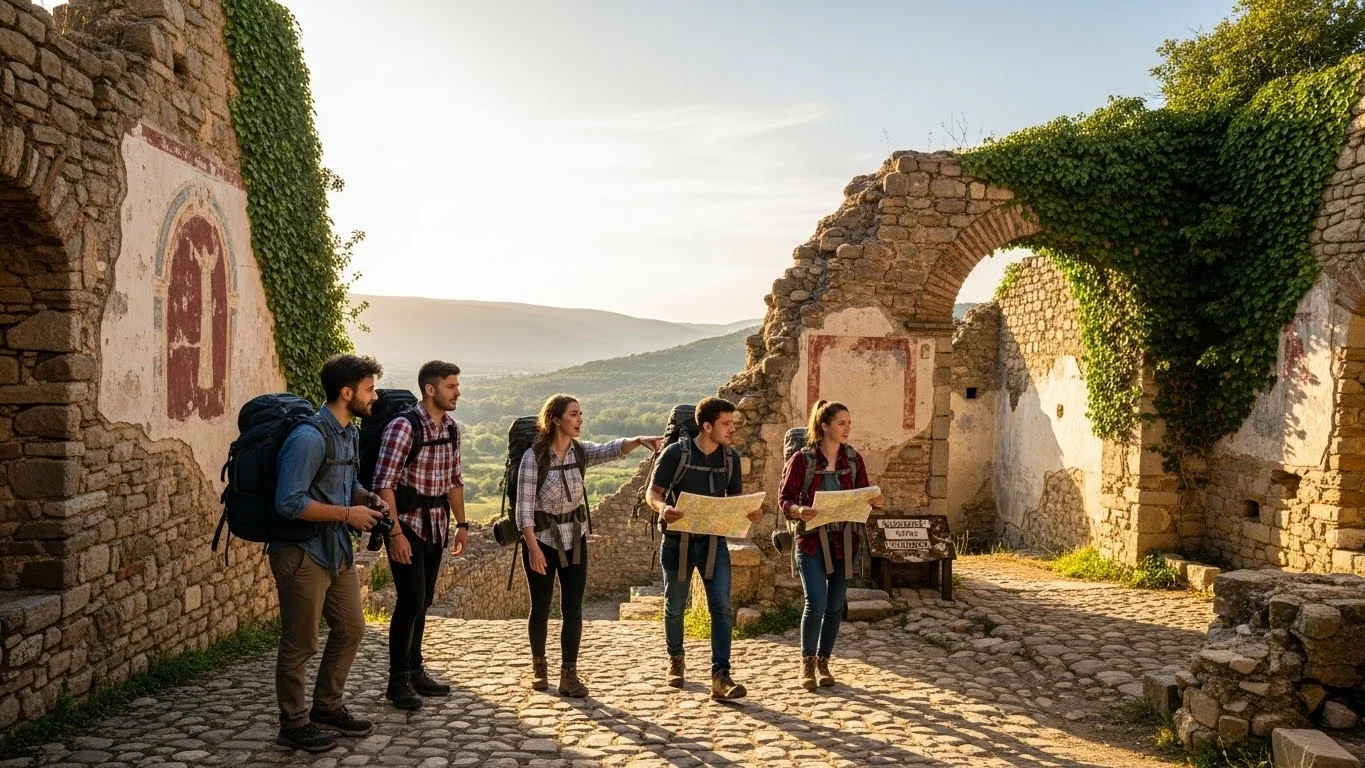
Discover Hidden Historic Landmarks on a Budget

Understanding Historic Landmarks

Definition of Historic Landmarks

When I think of historic landmarks, I can’t help but feel a sense of wonder. These sites are not just any old buildings or monuments; they are places rich with stories, representing significant moments in history. A historic landmark can be anything from a well-preserved battlefield to an ancient castle or a quaint town square where pivotal events unfolded. For me, visiting these places is like stepping into a time machine, allowing us to experience the past in a tangible way.

Importance of Preservation

Preserving historic landmarks is crucial for a variety of reasons. Firstly, these sites serve as educational resources that connect us to our heritage. I remember visiting a small historical society in my hometown where I learned about local events that shaped our community. Each landmark tells a story, and without preservation, these tales might fade away. Furthermore, preserving these sites encourages tourism, which can boost local economies. It’s a symbiotic relationship, as we explore and appreciate these landmarks, we also contribute to their upkeep. In my opinion, this makes visiting historic sites a rewarding experience, not just for us but for future generations as well.

Different Types of Historic Landmarks

There’s a fascinating variety of historic landmarks out there, and part of the excitement is discovering what each type has to offer. From my travels, I’ve categorized some of the most common types of historic landmarks:

  • Architectural Marvels: These include iconic buildings like cathedrals, castles, and government buildings. Each showcases the style and craftsmanship of the era in which they were built.
  • Battlefields: Sites where significant battles took place can be incredibly moving. Walking through these areas gives a palpable sense of the struggles and sacrifices made.
  • Historic Districts: Many cities boast entire neighborhoods filled with preserved buildings that reflect the local culture and history.
  • Monuments and Memorials: These structures commemorate important people, events, or movements, providing insight into societal values and collective memory.
  • Museums: While some may have entry fees, many museums are housed in historic buildings, allowing us to appreciate both the artifacts and the architecture.

Exploring these various types has opened my eyes to the rich tapestry of history that surrounds us. Each time I visit a new landmark, I come away with a deeper appreciation for our shared past.

Planning Your Budget-Friendly Landmark Tour

Setting a Budget for Your Trip

When I decided to embark on my landmark adventures, the first thing I did was set a budget. It might sound mundane, but this step is crucial to ensure I get the most out of my experience without overspending. I recommend breaking down your budget into categories like transportation, accommodation, food, and entry fees. For instance, I usually allocate a larger portion for experiences like guided tours or special events while keeping accommodations modest. I’ve found that being flexible with my travel dates can also help me find better deals, especially in the off-season.

How to Choose Your Destinations

Choosing where to go can be overwhelming, especially with so many options out there. I like to start by making a list of landmarks I’ve always wanted to visit. Then, I do a bit of research to find out which sites are lesser-known but still rich in history. I’ll often consult travel blogs, forums, or even local tourism websites to gather insights. This has led me to discover incredible places that I would have otherwise overlooked. For example, instead of heading straight to the well-trodden paths of famous cities, I’ve found charming small towns with their own unique stories and landmarks. Read Interesting article: Hidden Gems: 7 Budget-Friendly Destinations You Must Visit

Researching Hidden Historic Landmarks

Once my destinations are set, I dive deeper into researching each landmark. I usually look for visitor reviews on sites like TripAdvisor or local travel blogs. This helps me gauge what to expect and what I shouldn’t miss. I also try to find out if there are any special events or exhibitions happening during my visit. I remember stumbling upon a local reenactment festival at a historic site, and it turned out to be one of the highlights of my trip! Additionally, social media platforms like Instagram can be gold mines for discovering hidden gems. By following hashtags related to travel and history, I’ve come across beautiful, lesser-known sites that don’t always make it onto the standard tourist maps.

Top Budget-Friendly Historic Landmarks by Region

United States

Hidden Gems in the Northeast

As I explored the Northeast, I discovered some truly remarkable historic sites that often don’t make the usual travel itineraries. One of my favorites is the Old North Church in Boston, Massachusetts. This iconic site is not only beautiful but also offers free tours that recount its pivotal role in the American Revolution. I remember standing in the church, imagining the lanterns being hung to signal the approach of British troops. Another hidden gem is Fort Ticonderoga in New York. Nestled between Lake Champlain and Lake George, this fort has a rich history and offers affordable admission, especially if you go in the off-peak season. The reenactments they hold there are unforgettable!

Affordable Landmarks in the South

The South is bursting with history, and it doesn’t have to cost a fortune to explore it. One standout site is Fort Sumter in South Carolina, where the Civil War began. I loved taking the ferry out to the fort; the views of Charleston were breathtaking, and the admission fee was reasonable. If you’re near Atlanta, make sure to check out Martin Luther King Jr. National Historical Park. It’s free to enter, and walking through the historic neighborhood where Dr. King grew up is both moving and educational. I was left with a deeper understanding of the Civil Rights Movement after my visit.

West Coast Wonders

On the West Coast, I found some treasures that are often overlooked. Chinatown in San Francisco is not just a tourist trap; it’s the oldest Chinatown in North America. I wandered through its vibrant streets, soaking in the culture without spending much. The California State Capitol Museum in Sacramento is another spot that shouldn’t be missed. It’s free to explore, and the building itself is a masterpiece of architecture, with guided tours that are informative and engaging.

Europe

Underrated Sites in the UK

When I think of the UK, I immediately picture the famous landmarks like Big Ben or Buckingham Palace. However, there’s so much more to discover. For example, the Roman Baths in Bath are stunning and relatively affordable compared to other attractions. I was captivated by the history and even enjoyed a free walking tour of the city that included the baths as a highlight. Additionally, York Minster in York offers a reduced rate for students and seniors, making it accessible without breaking the bank. The intricate stained glass and medieval architecture blew me away.

Budget-Friendly Landmarks in France

France is often thought of as an expensive destination, but I found some beautiful landmarks that are budget-friendly. The Sainte-Chapelle in Paris is a must-see, especially if you visit on a weekday when the entry fee is lower. I remember feeling like I had walked into a fairytale, surrounded by those magnificent stained-glass windows. If you venture out to the countryside, Mont Saint-Michel is absolutely breathtaking. The entrance fee is modest, and the views from the top are worth every penny. I spent hours just wandering the quaint streets and absorbing the atmosphere.

Asia

Historic Sites in India

India is home to a myriad of historic sites, many of which are surprisingly affordable. I was fortunate enough to visit Hampi, a UNESCO World Heritage Site filled with ruins from the Vijayanagara Empire. The entry fees are minimal, and exploring the vast landscape was one of the most enriching experiences of my travels. Another site that left me in awe is the Qutub Minar in Delhi. It’s one of the tallest brick minarets in the world, and the surrounding complex is stunning, with an entry fee that won’t break the bank.

Hidden Treasures in Japan

Japan has a rich history, and while places like Kyoto may be on everyone’s list, I encourage travelers to explore lesser-known sites. Nara Park, home to friendly deer and historic temples, offers free entry to its beautiful grounds, with minimal fees for the temples themselves. I loved strolling through the park and soaking up the serene atmosphere. Another spot is Okayama Korakuen, one of Japan’s three great gardens. It’s affordable to enter, and the stunning landscapes made it a highlight of my trip.

Exploring these budget-friendly historic landmarks has opened my eyes to the stories they hold. Each visit not only enhances my understanding of history but also connects me with culture in a way that’s both meaningful and memorable. I can’t wait to share more tips and experiences on how to enjoy these sites while keeping costs low!

How to Experience These Landmarks on a Budget

Free Entry Days and Discounts

One of the best discoveries I made while traveling is the concept of free entry days. Many historic landmarks offer specific days each month when admission is free or at a reduced rate. I remember stumbling upon this while planning a trip to a famous museum in my hometown. They had a free admission day every first Sunday of the month! This not only saved me money but also allowed me to enjoy a rich cultural experience without worrying about costs. I recommend checking the websites of the places you plan to visit for any special offers. It’s a great way to stretch your travel budget while diving into history.

Local Tours vs. Guided Tours

When visiting historic landmarks, I’ve often debated whether to join a guided tour or explore on my own. While guided tours can provide valuable insights and context, I’ve found that local tours can be a more budget-friendly option. Many cities have local tour operators who offer affordable walking tours that highlight hidden gems and lesser-known stories about the area. I once joined a local walking tour in a small town, and the guide was a resident who shared fascinating anecdotes that I wouldn’t have learned from a standard guidebook. Plus, these tours often encourage tips instead of charging a hefty fee, allowing us to pay what we feel the experience was worth. Read Interesting article: Top Free Walking Tours: Uncover Hidden Gems in Your City

Using Public Transportation

Transportation costs can quickly add up when traveling, especially if you’re using taxis or rideshares. I’ve found that utilizing public transportation is a fantastic way to save money while exploring historic landmarks. In many cities, subways, buses, and trams are not only affordable but can also be an adventure in themselves. I once hopped on a tram in a European city that took me through charming neighborhoods, providing a glimpse of local life I wouldn’t have seen otherwise. Plus, many public transport systems offer day passes that allow unlimited travel, making it easy to visit multiple sites in a day without breaking the bank.

Best Times to Visit for Fewer Crowds

Timing can be everything when it comes to visiting popular historic landmarks. I’ve learned that visiting during the off-peak season or on weekdays can make a world of difference. For instance, I ventured to a well-known national park during the week in early spring, and the difference in crowd levels was astonishing. I was able to take my time exploring without feeling rushed or jostled by other tourists. Additionally, early morning visits often provide a chance to experience landmarks in a quiet, serene setting. There’s something magical about standing in front of a historic site with only a few others around, allowing for a deeper connection to the place.

Complementary Activities Near Historic Landmarks

Local Markets and Street Food

One of my favorite ways to enhance my travel experience is by exploring local markets and trying street food near historic landmarks. These vibrant spaces often reflect the culture and history of the area. I remember wandering through a bustling market in a city known for its rich culinary heritage. The aromas of fresh spices and local dishes filled the air, and I couldn’t resist trying some street food that was both delicious and budget-friendly. Markets also provide a fantastic opportunity to pick up unique souvenirs, often made by local artisans, which adds a personal touch to my travels.

Community Events and Festivals

Another way to immerse myself in the local culture while visiting historic landmarks is by attending community events and festivals. I’ve been lucky enough to stumble upon a few during my travels, like a local heritage festival that featured traditional music, dance, and crafts. These events not only celebrate the area’s history but also create a lively atmosphere that enhances the experience of visiting the landmark. Plus, many of these events are free or have a nominal entry fee, making them a great budget-friendly option.

Nature Walks and Scenic Views

Many historic landmarks are situated near beautiful natural settings, and I’ve found that taking the time to explore these areas can be incredibly rewarding. After visiting a landmark, I often seek out nearby nature trails or parks. For example, after exploring a historic battlefield, I found a lovely walking trail that led me to stunning views of the surrounding landscape. It was a peaceful way to reflect on what I had learned while also enjoying the beauty of nature. I highly recommend looking for scenic spots to complement your visits to historic sites; you might be pleasantly surprised by what you discover!

Safety and Accessibility Tips

Staying Safe While Exploring

As I’ve traveled to various historic landmarks, ensuring my safety has always been a priority. I’ve learned to stay vigilant and aware of my surroundings, especially in crowded areas. Simple things, like keeping my belongings secure and being cautious when taking photos, have helped me avoid potential mishaps. I also recommend researching the areas around the landmarks you plan to visit. Some may have specific safety tips or guidelines, which can make a noticeable difference in your experience.

Accessibility Options for Historic Sites

It’s essential to consider accessibility when planning visits to historic landmarks, especially if you’re traveling with someone who has mobility challenges. I’ve discovered that many sites are making efforts to improve accessibility, offering ramps, elevators, and guided tours tailored for those with special needs. I remember visiting a historic fort that had excellent accessibility options, making it easy for everyone to enjoy the site. Always check the landmark’s website or contact them directly to find out what accommodations they provide, ensuring a smooth experience for you and your travel companions.

Travel Insurance Considerations

Travel insurance might seem like an unnecessary expense, but it’s something I’ve come to value during my adventures. I’ve had experiences where flights were delayed or plans changed unexpectedly, and having travel insurance gave me peace of mind. I recommend looking into policies that cover trip cancellations, medical emergencies, and lost belongings, especially when you’re traveling to historic sites that may involve some risks. Investing in travel insurance can save you from financial headaches and allow you to focus on enjoying your journey.

Frequently Asked Questions

What is a historic landmark?

A historic landmark is a site rich with stories, representing significant moments in history. It can be anything from a well-preserved battlefield to an ancient castle or a town square where pivotal events unfolded.

Why is it important to preserve historic landmarks?

Preserving historic landmarks is crucial as they serve as educational resources connecting us to our heritage, encourage tourism, and help boost local economies. They tell stories that might otherwise fade away.

What types of historic landmarks are there?

Common types of historic landmarks include architectural marvels, battlefields, historic districts, monuments and memorials, and museums. Each type showcases different aspects of history and culture.

How can I set a budget for my landmark tour?

To set a budget for your trip, break down expenses into categories like transportation, accommodation, food, and entry fees. Being flexible with travel dates can also help in finding better deals.

How can I choose the right historic landmarks to visit?

Start by making a list of landmarks you want to visit and research lesser-known sites that are rich in history. Consulting travel blogs and local tourism websites can provide valuable insights.

What are some budget-friendly historic landmarks in the United States?

Some budget-friendly historic landmarks in the U.S. include the Old North Church in Boston, Fort Sumter in South Carolina, and Chinatown in San Francisco, which all offer affordable or free entry options.

How can I experience historic landmarks on a budget?

Look for free entry days at landmarks, consider local tours instead of guided ones, use public transportation for travel, and visit during off-peak times to avoid crowds and save money.

What complementary activities can I do near historic landmarks?

Explore local markets and street food, attend community events and festivals, and find nearby nature walks or scenic views to enhance your experience while visiting historic landmarks.

What safety tips should I keep in mind while exploring historic landmarks?

Stay vigilant and aware of your surroundings, keep your belongings secure, and research the areas around landmarks for specific safety tips or guidelines to ensure a safe experience.

Are historic sites accessible for people with mobility challenges?

Many historic sites are improving accessibility by offering ramps, elevators, and tailored guided tours. Always check the landmark’s website or contact them for information on accommodations available.

Top 10 Affordable Historic Landmarks You Must Visit

Exploring historic landmarks can be a thrilling way to connect with the past, and the best part? Many of these sites are surprisingly affordable. Let’s dive into why these treasures are worth your time and money. Read Interesting article: Explore Budget-Friendly Historic Landmarks Around the World

Top 10 Affordable Historic Landmarks You Must Visit

Understanding Historic Landmarks

Definition of Historic Landmarks

When I think of historic landmarks, I envision places that tell stories of our past—moments that shaped nations, cultures, and communities. A historic landmark is usually defined as a site that has significant historical, cultural, or architectural value. These landmarks can range from ancient ruins to iconic buildings and memorials. For us, visiting these sites isn’t just about seeing the sights; it’s about stepping into history and understanding the narrative of where we come from.

Importance of Preserving History

Preserving historic landmarks is essential for several reasons. First, these sites serve as tangible connections to our heritage, allowing us to reflect on our shared experiences. I remember visiting a historic site and being struck by the stories the walls held. It made me appreciate the struggles and triumphs of those who walked there before me. Furthermore, these landmarks can boost local economies through tourism, creating jobs and supporting businesses. It’s a win-win; we get to explore and learn, while communities benefit economically. We should all feel a sense of responsibility to safeguard them for future generations.

Criteria for Affordability

Now, let’s talk about what makes a historic landmark affordable. For me, affordability can be measured in a few ways. Entry fees play a significant role; some landmarks offer free admission or operate on a donation basis, which makes visiting them easier on the wallet. Additionally, accessibility is key. If a landmark is located in a city with affordable transportation options or close to budget-friendly accommodations, it can enhance the overall experience. I’ve found that researching dining options nearby can also save money, allowing us to enjoy local cuisine without breaking the bank. Ultimately, affordability is about the overall experience—enjoying rich history without feeling financially strained. Read Interesting article: Discover Affordable Solo Travel Destinations on a Budget

Top 10 Affordable Historic Landmarks

1. Independence Hall, Philadelphia

Independence Hall is a must-visit for anyone interested in American history. It’s where the Declaration of Independence and the U.S. Constitution were debated and adopted. I remember the excitement as I stood in the same room where these foundational documents were created. The best part? Admission is free, although I recommend reserving tickets in advance to avoid long lines. There’s something incredibly moving about walking through the halls and imagining the discussions that took place there. Plus, the surrounding area is rich with other historical sites, making it easy to spend a whole day in this historic district.

2. The Alamo, San Antonio

The Alamo is a symbol of Texas pride and resilience. Visiting this historic mission was an eye-opening experience for me. The entry is free, and I found the exhibits informative and engaging. Standing in the courtyard, I felt a deep connection to the sacrifices made during the Texas Revolution. The site also hosts living history demonstrations, which add a dynamic layer to the visit. If you’re in San Antonio, this landmark should be high on your list.

3. Monticello, Charlottesville

Monticello, the plantation home of Thomas Jefferson, offers a unique glimpse into American history. Though there is an admission fee, I believe it’s worth it for the guided tours and the chance to explore the beautifully maintained gardens. I learned so much about Jefferson’s life and the complexities of his legacy regarding slavery. The views from Monticello are stunning, which makes for a perfect photo opportunity. It’s a place that encourages reflection and discussion about our nation’s history.

4. Gettysburg National Military Park, Pennsylvania

Gettysburg was a pivotal battle in the Civil War, and visiting the National Military Park is both educational and moving. The park offers free entry, and I found the visitor center’s exhibits incredibly enlightening. Walking the battlefield, I felt the weight of history and the stories of those who fought there. The park also has guided tours available, which I highly recommend for those wanting a deeper understanding of the events that took place. It’s a somber yet important reminder of the sacrifices made for freedom.

5. The Freedom Trail, Boston

The Freedom Trail is a fantastic way to explore Boston’s rich revolutionary history. This 2.5-mile route takes you through 16 historical sites, including the Boston Common and Paul Revere’s House. What I loved about this trail is that it’s mostly free—just be sure to wear comfortable shoes! I enjoyed taking my time to explore each site at my own pace. The self-guided nature of the trail allows you to soak in the history while enjoying the vibrant atmosphere of Boston.

6. USS Midway Museum, San Diego

The USS Midway Museum offers a unique experience aboard a historic aircraft carrier. The admission fee is reasonable, and I found the self-guided audio tour to be informative and engaging. Exploring the ship and learning about naval aviation history was fascinating. The views of San Diego from the flight deck are an added bonus, making it a great spot for photos. It’s an experience that combines history with breathtaking scenery.

7. Colonial Williamsburg, Virginia

Colonial Williamsburg is a living history museum that transports you back to the 18th century. While there is an admission fee, I believe it’s worth it for the immersive experience. Walking through the restored buildings and interacting with costumed interpreters really brought history to life for me. I enjoyed watching demonstrations of colonial crafts and learning about daily life in that era. There’s so much to see and do that you could easily spend a whole day—or more—exploring.

8. Fort Sumter, South Carolina

Fort Sumter is famous for being the site where the first shots of the Civil War were fired. I took a ferry from Charleston to the fort, and the views of the harbor were stunning. Admission to the fort is free, but I recommend the ferry tour for a more enriching experience. Standing at the fort, I felt a profound sense of history and the weight of the events that unfolded there. It’s a wonderful way to connect with a pivotal moment in American history.

9. The Lincoln Memorial, Washington D.C.

The Lincoln Memorial is one of the most iconic landmarks in the U.S. and an absolute must-visit. Admission is free, and I was completely taken aback by the grandeur of the monument, especially at night when it’s beautifully lit. Standing in front of Lincoln’s statue, I felt a deep connection to our nation’s history and the ongoing struggle for equality. It’s a powerful place for reflection and understanding the impact of Lincoln’s legacy.

10. The Oregon Trail Ruts, Wyoming

The Oregon Trail Ruts are a fascinating glimpse into the westward expansion of the United States. This unique landmark features deep ruts carved into the ground by the wagon trains of pioneers. I found it awe-inspiring to think about the thousands who traveled this path in search of a better life. The site is free to visit, and it offers interpretive signs that provide context about the journey. It’s a perfect spot for history buffs and anyone interested in the American frontier.

Planning Your Visit

Best Time to Visit Historic Landmarks

Choosing the right time to visit historic landmarks can make a huge difference in your experience. From my perspective, spring and fall are often the best seasons. The weather is usually mild, perfect for walking around and taking in all the sights. Plus, tourist crowds tend to be smaller during these times, which means you can explore without feeling rushed. I remember visiting Monticello in the early fall; the trees were bursting with color, and the views were breathtaking. If you’re planning a trip, check the local calendar for any events or festivals, as these can enhance your visit and give you a deeper glimpse into local culture.

Tips for Budget Travel to Historic Sites

Traveling on a budget doesn’t mean you have to miss out on experiencing historic landmarks. I’ve learned a few tricks that have helped me save money without compromising the experience. First, consider traveling during the off-peak season when prices for accommodations and flights drop. I also recommend looking for combo tickets or city passes, which can give you access to multiple sites at a reduced rate. If you’re visiting a landmark with an admission fee, try to find out if there are any free entry days or discounts for students or seniors. Don’t forget to pack snacks and drinks; this can save you a lot on dining expenses while you’re out exploring. Read Interesting article: Affordable Adventures: Must-Visit Budget Destinations

Transportation Options

Getting to and around historic landmarks can be straightforward with a little planning. I prefer using public transportation whenever possible; it’s often more affordable and gives you a feel for the local vibe. For instance, when I visited Boston, the subway made it easy to hop from one historical site to another without the hassles of parking. If you’re in a more rural area, I suggest renting a car, as this can provide you with the flexibility to visit multiple landmarks in one trip. Always check the parking options in advance, as some landmarks may have limited parking or may require a fee.

Where to Stay Near Historic Landmarks

Finding a place to stay close to historic landmarks can enhance your visit by reducing travel time and costs. In my experience, I’ve found that opting for local inns or bed-and-breakfasts can be a charming way to immerse myself in the area. For example, when I stayed near Independence Hall, I truly enjoyed the historical ambiance of the neighborhood. Websites like Airbnb can also offer unique accommodations that fit various budgets. Always read reviews and check if there are any additional fees. Being close to the sites allows for spontaneous visits, which I always appreciate—whether it’s catching a sunset or revisiting a favorite spot from earlier in the day.

What to Expect When Visiting

Guided Tours vs. Self-Guided Exploration

When visiting historic landmarks, I often find myself debating between a guided tour and exploring on my own. Guided tours can provide in-depth knowledge and context that I may not get otherwise. I remember taking a guided tour at Gettysburg; the guide’s passion and storytelling truly brought the battlefield to life. However, there’s something special about wandering through a site at your own pace, soaking in the atmosphere. I recommend checking out both options if available. Sometimes, I opt for a guided tour in the morning and then take some time to explore on my own afterward. This way, I get the best of both worlds!

Accessibility of Historic Sites

Accessibility is a crucial factor to consider when planning a visit to any historic landmark. Many sites are making strides to accommodate visitors with disabilities, but I’ve noticed that not all places are equally prepared. Before I visit, I like to do a little research on each site’s accessibility options. For example, I was pleasantly surprised by how well Monticello catered to all visitors, with accessible paths and guides available. If you have specific needs, don’t hesitate to reach out to the site beforehand; most are more than willing to help you plan a comfortable visit.

Safety Considerations

Safety should always be a priority, especially when visiting busy historic areas. I’ve picked up a few best practices over the years. First, remain aware of your surroundings, particularly in crowded places. I always keep my belongings secure and opt for a small backpack or crossbody bag. If you’re exploring outdoor sites, wear comfortable shoes and be cautious of weather conditions. Most importantly, if you’re traveling with kids, set some ground rules and establish meeting points in case anyone gets separated. I remember a moment of panic when my child wandered off at a busy monument, but we quickly agreed on a meeting spot that helped us reconnect without stress.

Enhancing Your Experience

Local Food and Dining Options

One of the best ways to enhance your visit to historic landmarks is by indulging in local cuisine. I always try to seek out restaurants or food stalls that reflect the area’s culture. For example, while exploring San Antonio, I made it a point to enjoy some authentic Tex-Mex cuisine after visiting the Alamo. Researching popular dining spots ahead of time can save you time and ensure you don’t miss out on local favorites. Don’t hesitate to ask locals for recommendations—sometimes, the best meals come from small, family-owned establishments that you won’t find in tourist guides.

Nearby Attractions to Explore

When you visit a historic landmark, there’s often more to see and do nearby. I suggest planning a few extra hours to explore surrounding attractions. For instance, after visiting the Lincoln Memorial, I enjoyed wandering over to the Vietnam Veterans Memorial, which is just a short walk away. Many historic sites are part of larger neighborhoods or districts filled with museums, parks, and unique shops. Exploring these areas allows for a richer travel experience and the chance to discover hidden gems.

Photography Tips for Historic Landmarks

Capturing memories through photography is an important part of visiting historic landmarks. I’ve learned a few tricks that enhance the photos I take. First, I recommend visiting the site during golden hour—early morning or late afternoon—when the lighting is soft and magical. Don’t hesitate to get creative with angles; sometimes, taking a step back to include more of the surroundings can lead to stunning shots. If you’re interested in capturing details, zoom in on unique architectural features or inscriptions that tell a story. Finally, be respectful of the space and other visitors; sometimes the best photo is simply enjoying the moment without a camera in hand.

Making the Most of Your Visit to Historic Landmarks

To truly enjoy your time at historic landmarks, planning ahead can make a big difference. I often create a loose itinerary that includes not only the main attraction but also nearby sites or activities that catch my interest. This way, I can maximize my time and ensure I don’t miss anything important. I also think it’s helpful to check if there are any special events or exhibits happening during your visit. For example, while visiting Gettysburg, I learned about a reenactment event that was happening on the anniversary of the battle. It added a whole new layer to my understanding of the history and made the experience unforgettable.

Additionally, I recommend keeping a flexible mindset. Sometimes, the best experiences are unplanned, such as meeting a local historian who shares fascinating stories or discovering a quaint café with the best coffee. Embrace the unexpected; it often leads to the most delightful discoveries. I also try to keep an open heart and mind when engaging with the history around me—the more I immerse myself, the more meaningful the experience becomes. Whether it’s listening to a park ranger’s story or chatting with other visitors, I’ve found that these interactions enrich my understanding and appreciation of the landmarks.

Frequently Asked Questions

What is a historic landmark?

A historic landmark is defined as a site that has significant historical, cultural, or architectural value, telling stories of our past and shaping nations, cultures, and communities.

Why is it important to preserve historic landmarks?

Preserving historic landmarks is essential as they serve as tangible connections to our heritage, allowing us to reflect on shared experiences. They also boost local economies through tourism, creating jobs and supporting businesses.

What makes a historic landmark affordable?

Affordability can be measured by entry fees, with some landmarks offering free admission or operating on a donation basis. Accessibility, including transportation options and nearby budget-friendly accommodations, also contributes to overall affordability.

Can you name some affordable historic landmarks?

Some affordable historic landmarks include Independence Hall in Philadelphia, The Alamo in San Antonio, Monticello in Charlottesville, Gettysburg National Military Park in Pennsylvania, and the Lincoln Memorial in Washington D.C.

When is the best time to visit historic landmarks?

The best times to visit historic landmarks are usually spring and fall, as the weather is mild and tourist crowds tend to be smaller, allowing for a more enjoyable exploration experience.

What are some tips for budget travel to historic sites?

Traveling on a budget can include visiting during off-peak seasons, looking for combo tickets or city passes, checking for free entry days, and packing snacks and drinks to save on dining expenses.

What transportation options are available for visiting historic landmarks?

Public transportation is often the most affordable way to get to and around historic landmarks. Renting a car may also be a good option for flexibility, especially in rural areas. Always check parking options in advance.

How can I enhance my experience when visiting historic landmarks?

Enhance your experience by trying local cuisine, exploring nearby attractions, and capturing photos during golden hour for the best lighting. Engaging with locals and being open to unplanned experiences can also enrich your visit.

What should I know about accessibility at historic sites?

Not all historic sites are equally prepared for visitors with disabilities. Researching each site’s accessibility options beforehand is advisable to ensure a comfortable visit.

What safety considerations should I keep in mind when visiting historic landmarks?

Safety considerations include being aware of your surroundings, securing your belongings, wearing comfortable shoes for outdoor sites, and setting ground rules for kids to prevent separation in crowded areas.

Explore Budget-Friendly Historic Landmarks Around the World

Traveling to historic landmarks doesn’t have to break the bank. Join me as we explore remarkable sites around the world that offer rich history without the hefty price tag! For more tips on affordable travel, check out Budget-Friendly Historical Landmarks Around the World.

Explore Budget-Friendly Historic Landmarks Around the World

Understanding Budget-Friendly Historic Landmarks

Definition of Historic Landmarks

When I think of historic landmarks, images of grand structures, ancient ruins, and iconic sites come to mind. These are places that tell stories of our past, often reflecting the culture, architecture, and history of the regions they inhabit. A historic landmark can be anything from a famous building to a significant battlefield, all of which serve as tangible reminders of our collective heritage. I’ve often found that visiting these sites can be like stepping back in time, allowing us to connect with history in a way that books and documentaries can’t quite capture.

Importance of Budget-Friendly Travel

In my travels, I’ve learned that exploring the world doesn’t have to be a costly endeavor. Budget-friendly travel is not just about saving money; it’s about opening up opportunities to see more and experience local culture. I remember my first trip to Europe, where I was on a tight budget. I discovered that many of the most breathtaking historic sites offered affordable entry fees or even free admission on certain days. This realization changed the way I planned my adventures. I began to prioritize places where I could immerse myself in history without worrying about overspending. Traveling smartly allows us to allocate our funds toward experiences, like trying local cuisine or participating in cultural events. Plus, it often leads to unexpected discoveries and deeper connections with the places we visit. For families looking for fun, consider Budget-Friendly Cultural Adventures for Kids Abroad.

Top Budget-Friendly Historic Landmarks by Region

Europe

Colosseum, Rome, Italy

Visiting the Colosseum was a dream come true for me. This magnificent structure, a testament to ancient Roman engineering, is not only awe-inspiring but also relatively inexpensive to enter. I remember wandering through its arches, imagining the gladiatorial contests that once took place. You can often find discounts for students and young travelers, making it even more budget-friendly.

Acropolis, Athens, Greece

The Acropolis is another gem that I highly recommend. Standing atop a rocky outcrop, the Parthenon offers stunning views of Athens. The entry fee is modest, especially considering the historical significance of the site. I was struck by the beauty of the ancient ruins and the surrounding landscape. Pro tip: if you visit during the off-peak season, you might find fewer crowds and better prices.

Stonehenge, England

Stonehenge is shrouded in mystery, and visiting this iconic monument was one of the highlights of my travels. While the entrance fee is slightly higher than other sites, I found that the experience was worth every penny. Gazing at those massive stones, I felt a connection to the ancient peoples who built them. Plus, the visitor center has some fantastic exhibits that are included in your ticket price.

North America

Statue of Liberty, New York City, USA

The Statue of Liberty is a must-see for anyone visiting the U.S. While there is a ferry fee to get to Liberty Island, I found it to be quite reasonable. Standing at the base of such a significant symbol of freedom was incredible. I recommend taking the time to explore Ellis Island as well, as it provides a deeper insight into the immigrant experience.

Independence Hall, Philadelphia, USA

Independence Hall is another historical site I cherish. It’s where the Declaration of Independence was debated and adopted. Admission is free, but I suggest booking a guided tour in advance to truly appreciate the stories behind the walls. I learned so much during my visit, and it’s a fantastic way to immerse yourself in American history.

The Alamo, San Antonio, Texas, USA

The Alamo is steeped in history and is free to enter, making it a perfect budget-friendly option. I remember walking through the grounds, absorbing the stories of bravery and sacrifice that define this site. The nearby museum has a small admission fee, but it’s worth it for the exhibits that enhance your understanding of the Alamo’s significance.

Asia

The Great Wall, China

Visiting the Great Wall was a bucket-list experience for me. While some sections charge an entry fee, there are also parts of the wall that are free to access. Hiking along the wall while surrounded by breathtaking landscapes was unforgettable. I recommend going early in the morning to avoid crowds and fully enjoy the serenity of this historic marvel.

Angkor Wat, Cambodia

Angkor Wat is a spectacular site, and while the ticket is not free, it’s surprisingly affordable considering its cultural significance. Exploring the temples at sunrise was one of the most magical moments of my travels. I felt like I was walking through history, and my experience was further enriched by the local guides who shared their knowledge about the Khmer Empire.

Taj Mahal, India

The Taj Mahal is simply breathtaking. While there is an entrance fee, it’s worth every cent to witness this architectural wonder. I vividly remember the first time I saw it; the marble gleamed under the sun, and I was mesmerized. Visiting during the early hours can help you avoid the crowds and enjoy the beauty of this landmark in peace.

Africa

Pyramids of Giza, Egypt

The Pyramids of Giza are one of the most famous landmarks in the world. Fortunately, the entrance fee is quite reasonable, and the experience of standing before these ancient structures is indescribable. I felt a thrill as I learned about the history of the pharaohs and their incredible feats of engineering.

Robben Island, South Africa

A visit to Robben Island, where Nelson Mandela was imprisoned, is an eye-opening experience. The ferry ride is affordable, and the guided tours led by former political prisoners offer profound insights into South Africa’s history. I left with a deeper understanding of the struggle for freedom and equality.

Oceania

Port Arthur, Tasmania, Australia

Port Arthur is a historic site that used to be a convict settlement. The entry fee is quite reasonable, and I was captivated by the stories of resilience and redemption that permeate the grounds. Exploring the ruins and learning about the lives of the convicts was both enlightening and sobering.

Waitangi Treaty Grounds, New Zealand

The Waitangi Treaty Grounds are crucial to understanding New Zealand’s history. The entry fee is modest, and the cultural performances and exhibits are incredibly enriching. I remember being moved by the stories shared, which enhanced my appreciation for the country’s heritage.

When to Visit Historic Landmarks

Best Months for Travel

When planning a visit to historic landmarks, timing can make all the difference. From my experience, the best months to travel often depend on the specific region and its climate. For instance, I found that spring and fall are generally great times to explore Europe. The weather is mild, and the crowds are usually smaller compared to the summer months. I vividly remember visiting the Acropolis in early May. The temperatures were perfect for walking around, and the blooming flowers added a beautiful touch to the scenery.

In North America, I’ve enjoyed visiting places like Independence Hall in Philadelphia during the shoulder seasons, especially late September or early October. The fall foliage creates a stunning backdrop for such a historically rich site. Similarly, I recommend checking local events that might coincide with your visit, as they can enhance your experience in ways you might not expect.

Weather Considerations

Weather plays a crucial role in our travel plans. I’ve learned the hard way that visiting landmarks during extreme weather can be less enjoyable. For example, I once tried to explore the Great Wall in the middle of summer, and the heat made the hike exhausting. If you’re planning a visit to a hot climate, aim for early morning or late afternoon excursions when it’s cooler. In contrast, places like the Pyramids of Giza are best visited during the cooler months, typically from November to March, when temperatures are more manageable.

Always check the forecast ahead of your trip. I’ve had some wonderful experiences ruined by unexpected rain or storms. Being prepared with the right gear can help you maintain your plans without getting stuck in a downpour!

Local Events and Festivals

One of the joys of traveling is immersing ourselves in local culture. I’ve found that scheduling visits around local events and festivals can add another layer to the landmark experience. For example, when I visited the Taj Mahal, I was fortunate enough to be there during a local celebration, which included performances and festivities nearby. It was a beautiful way to witness not just the landmark but also the culture that surrounds it.

Many historic sites host special events that may offer free admission or unique experiences. I remember visiting Robben Island during Nelson Mandela Day, and the event turned what would have been a standard tour into a heartfelt celebration of freedom. Engaging with these local traditions can create lasting memories and deepen our understanding of the site’s historical significance. For those interested in exploring with family, check out Budget-Friendly Destinations for Family Backpacking Trips.

How to Save Money While Visiting

Free Entry Days and Discounts

One of the best ways I’ve saved money while visiting historic landmarks is by taking advantage of free entry days or discounts. Many sites offer specific days where admission is waived or reduced. For instance, I discovered that the Alamo has free entry every first Sunday of the month. This can be a fantastic opportunity, especially for families or budget travelers like myself. I recommend checking the official websites of landmarks before your visit to see if they have such offerings.

Additionally, if you’re a student, don’t forget to carry your student ID. I’ve saved quite a bit on entrance fees at various sites just by showing my student card. Some places even offer discounts for seniors or military personnel, so it’s worth inquiring about these options when you arrive.

Guided Tours vs. Self-Guided Tours

While guided tours can enhance your experience by providing in-depth knowledge, I’ve often found that self-guided tours can be just as rewarding and budget-friendly. For example, I once took a guided tour of the Colosseum, and while I enjoyed the insights, I later returned for a self-guided visit, using an app I downloaded. I found that I could explore at my own pace and even linger at the parts that fascinated me the most. Plus, I saved a good amount of money by skipping the guided tour this time around.

That being said, if you’re visiting a site with a rich and complex history, a guided tour can be worthwhile. I recommend doing some research and reading reviews to find a balance between cost and experience that works for you.

Public Transportation Tips

Getting around a new city can be daunting, but I’ve found that public transportation is often the most economical way to reach historic landmarks. In cities like New York, I relied heavily on the subway to get to the Statue of Liberty, and it was both efficient and affordable. I’ve learned to download local apps that provide real-time information, which can be incredibly helpful for navigating public transport systems.

Additionally, many cities offer travel passes that allow unlimited rides for a certain period. This can save you money if you plan to visit multiple landmarks. I once purchased a multi-day pass in Rome, and it allowed me to hop on and off public transport without worrying about the costs, making my explorations much more enjoyable.

Exploring Local Culture and Cuisine Nearby

Traditional Foods to Try

One of the most exciting aspects of visiting historic landmarks is the opportunity to indulge in local cuisine. I’ve always felt that food is a gateway to understanding a culture more deeply. For instance, when I visited the Acropolis, I made it a point to savor authentic Greek dishes like moussaka and souvlaki in a nearby tavern. The flavors were so rich and vibrant, and enjoying them while overlooking the ancient ruins added a layer of magic to the experience.

In Italy, where I explored the Colosseum, I couldn’t resist trying a slice of classic Roman pizza. I remember sitting in a small pizzeria, savoring each bite while listening to locals chatting animatedly around me. It was moments like these that made me feel more connected to the places I visited. I also recommend checking out local specialties wherever you go. For example, when visiting Angkor Wat, don’t miss trying some traditional Khmer dishes like amok (a coconut curry) or lok lak (stir-fried beef). Each meal is a delicious story waiting to be tasted!

Local Markets and Street Vendors

Exploring local markets is another way to soak in the culture surrounding historic sites. During my travels, I found that markets are often vibrant centers of local life. For instance, while visiting the Taj Mahal, I spent an afternoon wandering through the nearby markets in Agra. The colors, sounds, and aromas were overwhelming in the best way possible. I enjoyed bargaining for handmade crafts and sampling street food like petha (a sweet made from ash gourd) and chaat (a savory snack). It was a feast for the senses!

In South Africa, I visited local markets near Robben Island that were bustling with life. I remember watching vendors sell everything from traditional crafts to delicious braai (barbecue) dishes. These interactions not only gave me a taste of the local culture but also allowed me to support the community directly. If you have the chance, I highly recommend taking a stroll through local markets when visiting historic landmarks. You never know what unique treasures or flavors you might discover!

Safety Tips for Visiting Historic Landmarks

Common Scams to Avoid

While exploring historic landmarks, it’s important to stay aware of your surroundings. I’ve encountered a few scams during my travels that I wish I had known about beforehand. For instance, in major tourist areas, I’ve noticed individuals trying to sell “tickets” to attractions that are either free or have a much lower price. Always double-check the official website or ask locals for the correct information before purchasing anything.

Another common scam I’ve seen involves people posing as “official guides” who offer tours for a fee. Sometimes, these guides might not provide the actual depth of knowledge you’d expect. I learned to look for licensed tour guides or to join reputable tour groups. And always trust your instincts—if something feels off, it probably is. I’ve found that a little caution can go a long way in keeping my travels smooth and enjoyable.

Health and Safety Precautions

Your health and safety should always be a priority while traveling. I remember when I visited the Great Wall, I made sure to wear comfortable shoes and stay hydrated, especially since hiking can be intense. It’s crucial to carry a water bottle and take breaks as needed. I also recommend applying sunscreen and wearing a hat during outdoor visits to protect yourself from the sun.

In addition, it’s wise to be aware of your surroundings, especially in crowded areas. I’ve heard stories of pickpocketing in tourist hotspots, so I always keep my belongings close and use a crossbody bag for added security. Having a basic understanding of local customs and health regulations can also enhance your experience. For example, in some countries, it’s customary to remove your shoes before entering certain buildings or temples. These little details help show respect for local traditions while keeping you safe and comfortable during your adventures.

Frequently Asked Questions

What are historic landmarks?

Historic landmarks are sites that tell stories of our past, reflecting the culture, architecture, and history of the regions they inhabit. They can include famous buildings, ancient ruins, and significant battlefields that serve as tangible reminders of our collective heritage.

Why is budget-friendly travel important?

Budget-friendly travel opens up opportunities to see more and experience local culture without overspending. It allows travelers to allocate funds towards experiences such as trying local cuisine or participating in cultural events, leading to unexpected discoveries and deeper connections with places visited.

What are some budget-friendly historic landmarks in Europe?

In Europe, budget-friendly historic landmarks include the Colosseum in Rome, the Acropolis in Athens, and Stonehenge in England. Many of these sites offer affordable entry fees or discounts for students and young travelers.

Which historic sites in North America are free to enter?

In North America, Independence Hall in Philadelphia and the Alamo in San Antonio, Texas are historic sites that are free to enter. However, Independence Hall recommends booking a guided tour in advance to fully appreciate its historical significance.

What are some tips for visiting the Great Wall of China?

When visiting the Great Wall, it’s recommended to explore parts that are free to access and to go early in the morning to avoid crowds. Hiking while surrounded by breathtaking landscapes can enhance the experience significantly.

When is the best time to visit historic landmarks?

The best months to visit historic landmarks depend on the region’s climate. For instance, spring and fall are generally great times to explore Europe due to mild weather and smaller crowds. In North America, late September and early October are ideal for visiting sites like Independence Hall due to the beautiful fall foliage.

How can travelers save money when visiting historic landmarks?

Travelers can save money by taking advantage of free entry days, discounts for students or seniors, and using public transportation. Checking official websites for promotions or local events that might offer free admission can also be beneficial.

What types of local cuisine should travelers try near historic landmarks?

Travelers should try traditional foods from the region they are visiting. For example, enjoying Greek dishes like moussaka near the Acropolis or classic Roman pizza near the Colosseum can enhance the cultural experience of visiting historic sites.

What safety precautions should be taken while visiting historic landmarks?

Travelers should be aware of common scams, such as individuals selling fake tickets or posing as unofficial guides. It’s also important to stay hydrated, wear comfortable shoes, and keep belongings secure to prevent pickpocketing, especially in crowded areas.

How do local events and festivals enhance visits to historic landmarks?

Local events and festivals can add depth to the experience of visiting historic sites by providing cultural insights and unique experiences. Engaging with local traditions can create lasting memories and deepen understanding of the site’s historical significance.

Ultimate Guide to Budget Backpacking Adventure Hotspots

Exploring the world on a budget is one of life’s greatest adventures. Backpacking lets us experience new cultures, meet incredible people, and see breathtaking landscapes without breaking the bank. For those looking for inspiration, check out the Top 10 Budget-Friendly Adventure Spots Around the World.

Ultimate Guide to Budget Backpacking Adventure Hotspots

Understanding Budget Backpacking

Definition of Backpacking

Backpacking, to me, is the perfect blend of adventure and spontaneity. It’s about traveling with just the essentials on your back, embracing the freedom to go wherever the road leads. It usually involves staying in budget accommodations, using public transport, and engaging with locals. I remember my first backpacking trip; it felt like I was stepping into a new world, full of possibilities and discoveries. Each destination had its own unique story, and I was there to soak it all in.

The Appeal of Budget Travel

Budget travel has a certain charm that I find irresistible. It’s not just about saving money; it’s about experiencing life in its raw form. I’ve found that when I travel on a tight budget, I tend to connect more with the places I visit. I remember strolling through markets, haggling for souvenirs, and tasting street food that was not only affordable but bursting with flavors. I think the thrill of finding unexpected gems and making the most of a small budget creates lasting memories and a sense of accomplishment that luxury travel sometimes lacks.

Backpacking vs. Traditional Travel

When I compare backpacking to traditional travel, I see a world of difference. Traditional travel often revolves around comfort and convenience, with pre-planned itineraries and luxurious accommodations. Backpacking, on the other hand, feels more like a journey of self-discovery. I love the unpredictability that comes with it—the missed buses that lead to new friends, or the wrong turns that uncover hidden spots. Backpacking also allows for a deeper engagement with the culture and people of the places I visit. I’ve made incredible memories by simply wandering off the beaten path, chatting with locals, and immersing myself in their way of life.

Top Budget Backpacking Adventure Hotspots

South America

Peru: Machu Picchu and the Inca Trail

Peru is a backpacker’s paradise, and Machu Picchu is the crown jewel. I remember standing at the Sun Gate, gazing down at the ancient ruins bathed in the morning light. The Inca Trail is challenging but so rewarding. Along the way, I met fellow travelers who became lifelong friends. The landscape changes from lush green valleys to rugged mountains, and the air is filled with the scent of wildflowers. Plus, the local markets in Cusco are a treat, filled with vibrant textiles and delicious street food.

Bolivia: Salar de Uyuni

Next, I ventured to Bolivia and found myself at the breathtaking Salar de Uyuni. Walking on the vast salt flats felt like stepping onto another planet. I remember taking some of the most creative photos that I still cherish today, playing with perspective and reflections. The local hostels are affordable, and the tours to explore the surrounding landscapes can be done on a budget. The beauty and surreal experience of Uyuni are simply unforgettable.

Asia

Thailand: Islands and Temples

Thailand has always held a special place in my heart. The islands are stunning, but the culture is what truly captivates me. Visiting ancient temples in places like Chiang Mai taught me a lot about Thai traditions. I loved hopping on a local bus to explore hidden beaches and enjoying pad Thai from street vendors. The affordability of Thailand makes it possible to indulge in experiences like cooking classes or guided tours without feeling guilty about my budget.

Vietnam: Ha Long Bay and Cultural Experiences

When I traveled to Vietnam, I was blown away by the beauty of Ha Long Bay. Kayaking through the emerald waters, surrounded by towering limestone cliffs, made me feel alive. The locals were incredibly friendly, and I learned so much about their culture by simply engaging in conversations. I found that street food was not just cheap; it was an adventure in itself! Each dish told a story, and I felt like I was sampling the very essence of Vietnam.

Europe

Portugal: Lisbon and Porto

Portugal is another hotspot that I absolutely adored. Lisbon’s colorful neighborhoods and the iconic tram rides are a must-experience. I remember spending an afternoon in Alfama, getting lost in the narrow streets, and discovering quaint cafés where I could enjoy a coffee and pastel de nata. Porto, with its stunning river views, was another highlight. The wine cellars are affordable to visit, and I loved tasting the rich flavors of port wine without spending a fortune.

Bulgaria: Rila Monastery and the Black Sea

Bulgaria surprised me with its mix of history and natural beauty. The Rila Monastery, a UNESCO World Heritage site, left me in awe with its stunning architecture and serene atmosphere. I spent a few days along the Black Sea, enjoying the beach and local seafood. With low-cost accommodations and meals, I found that Bulgaria offered an incredible experience without putting a dent in my wallet.

Africa

Morocco: Marrakech and the Sahara Desert

Morocco was like stepping into a different world. I loved exploring the vibrant souks of Marrakech, where the colors and scents were overwhelming in the best way. I took a budget-friendly tour into the Sahara Desert, where I rode camels and slept under the stars. The experience of sharing stories around the campfire with fellow trekkers was one I’ll never forget. The hospitality of the Moroccan people made every moment special.

South Africa: Cape Town and National Parks

In South Africa, I was drawn to Cape Town’s stunning landscapes. Hiking up Table Mountain was one of my favorite experiences, and the breathtaking views made every step worthwhile. I found that there are many affordable hostels and guesthouses that cater to backpackers. Exploring the nearby national parks was also a highlight. Wildlife spotting on a budget was totally feasible, making for an unforgettable adventure.

Oceania

New Zealand: Adventure Sports and Scenic Landscapes

New Zealand is a dream for adventure lovers. I tried bungee jumping for the first time in Queenstown, which was both terrifying and exhilarating! The landscapes are breathtaking, and I loved hiking through national parks. I discovered that many hostels offer discounts on activities, making it easier to enjoy adventure sports without overspending. New Zealand is truly a backpacker’s playground.

Australia: Great Barrier Reef and National Parks

Australia’s Great Barrier Reef was another highlight of my travels. Snorkeling among colorful fish and coral was an experience I’ll treasure forever. The national parks in Australia are vast and stunning, with plenty of trails to explore. I found that camping was a great way to save money while enjoying the natural beauty the country has to offer. The sense of freedom while wandering through these landscapes was something I cherished deeply.

Planning Your Backpacking Trip

When to Visit Each Destination

Timing is everything when it comes to backpacking. I’ve learned that each destination has its own peak seasons, which can greatly affect prices and experiences. For example, I found that traveling to Southeast Asia during the dry season, from November to February, allowed me to enjoy the beautiful weather while avoiding the monsoon rains. In South America, I discovered that visiting Peru during the shoulder season, around April to June, offered fewer crowds at Machu Picchu while still having pleasant temperatures. I recommend researching the best times to visit each country, as it can enhance your experience and help you save on costs. Read Interesting article: Backpacking Through Cultural Cities: Tips for Budget Travelers

How to Choose Your Route

Choosing a route can be both exciting and overwhelming. I remember sitting with a map spread out before me, contemplating where to go next. I think it’s helpful to narrow down your destinations based on interests, travel time, and budget. For instance, if you love nature, consider a route that includes national parks or natural wonders. If cultural experiences are your priority, focus on cities known for their rich history. I often use travel forums and blogs to read about personal experiences and get tips on must-see spots. In my case, a flexible itinerary allowed me to adapt plans on the go, discovering hidden gems I never knew existed!

Budgeting for Your Adventure

Budgeting is key to enjoying a backpacking trip without financial stress. I usually start by estimating how much I can spend on the entire trip and break down the costs into categories. This way, I can prioritize what’s most important for my adventure.

Transportation Costs

Transportation can really eat into your budget if you’re not careful. I’ve learned to embrace public transport, like buses and trains, which are often much cheaper than flights. In countries like Thailand and Vietnam, I found that local buses or trains are not only affordable but also offer a chance to meet fellow travelers. I also recommend looking into travel passes that offer unlimited rides within a certain period, which can be a great deal if you plan to move around a lot.

Accommodation Options

Finding budget-friendly places to stay is essential for backpackers. I usually choose hostels, which not only save money but also provide a great opportunity to meet other travelers. I’ve stayed in some incredible hostels with friendly atmospheres and even organized outings. Additionally, consider guesthouses or homestays that can sometimes be cheaper and offer a more local experience. In my experience, platforms like Airbnb can also offer good deals if you’re traveling with friends.

Food and Daily Expenses

Food is one area where I love to explore local flavors without spending a fortune. Street food is often delicious and cheap, allowing for an authentic taste of the culture. I remember indulging in tacos in Mexico and pho in Vietnam for just a few dollars. I usually set aside a specific daily budget for meals and stick to it. Also, cooking for myself is an option if I have access to a kitchen, which can help stretch my budget even further.

Where to Stay on a Budget

Hostels and Guesthouses

Staying in hostels has become one of my favorite parts of backpacking. Not only are they affordable, but they often provide communal spaces where I can meet other travelers. I’ve found that many hostels offer fun activities like pub crawls or city tours, which can enhance my experience. Guesthouses can also be a cozy option, sometimes run by locals who are eager to share their culture and tips on what to do in the area.

Campsites and Outdoor Options

Camping is another fantastic way to save money while enjoying the great outdoors. I’ve camped in national parks, where I woke up to stunning views right outside my tent. Many parks have budget-friendly campsites, and I’ve learned that it’s a wonderful way to connect with nature. Just be sure to check the rules and regulations beforehand, as some areas require reservations. Bringing along my camping gear not only saved me money but also allowed for unforgettable nights under the stars.

Work Exchange Programs

Work exchange programs can be a game changer for budget backpackers. I’ve participated in a few, and they allowed me to stay in one place longer while covering my accommodation costs. Through platforms like Workaway and WWOOF, I’ve worked on farms, helped in hostels, and even assisted with community projects. In return, I received a place to stay and sometimes meals. It’s a rewarding way to immerse myself in local life while saving money and making new friends.

Top Activities for Backpackers

Trekking and Hiking Trails

Trekking and hiking are often at the heart of any backpacking adventure. I can’t emphasize enough how rewarding it is to lace up your boots and hit the trails. One of my favorite hikes was in Patagonia, where I experienced the stunning scenery of the Torres del Paine National Park. The trails vary in difficulty, but the breathtaking views of mountains, glaciers, and lakes make every effort worthwhile. I remember taking a moment to just breathe in the fresh air and soak in the beauty around me. It reminded me why I love backpacking so much—being one with nature and pushing my limits.

Many countries offer incredible trekking options that cater to all skill levels. In the Himalayas, I had the opportunity to trek to Everest Base Camp, which was both challenging and inspiring. The camaraderie among fellow trekkers made the experience even better. I found that trekking often leads to unique encounters with local communities and stunning landscapes that you wouldn’t see from a car or bus.

Cultural Immersion Experiences

One of the best parts of backpacking is diving into the local culture. I’ve taken part in several cultural experiences that allowed me to connect with the people and traditions of the places I visited. In India, I joined a cooking class in a local home, where I learned to make traditional dishes like biryani and naan. It felt as if I was sharing a meal with family, and I left with not just recipes but also lasting memories and friendships.

Participating in local festivals is another way to immerse yourself in the culture. I remember arriving in Thailand during the Songkran Festival, where I joined in the water fights and street celebrations. It was exhilarating to be part of such a vibrant tradition, connecting with locals and fellow travelers alike. These experiences often leave a deeper impact than typical tourist attractions, enriching my journey.

Adventure Sports on a Budget

For those thrill-seekers out there, adventure sports can be a fantastic addition to your backpacking itinerary without breaking the bank. I’ve tried everything from zip-lining in Costa Rica to white-water rafting in New Zealand. Many places offer deals for backpackers, allowing us to enjoy exhilarating experiences at a fraction of the usual cost. In Queenstown, I found a great package that included bungee jumping and a jet boat ride, which made for an unforgettable day!

Additionally, I discovered that certain activities can be cheaper when booked in advance or as part of a group. I often check online for deals or ask local hostels for recommendations on affordable adventure sports. It’s amazing how many opportunities are out there to get your adrenaline pumping while still keeping your budget intact.

Local Food Experiences

Street Food Recommendations

One of my favorite ways to truly experience a culture is through its food, and street food has been a delightful adventure! I recall wandering through the streets of Bangkok, enchanted by the scent of grilled skewers and the sight of vendors skillfully preparing dishes. I indulged in everything from spicy papaya salad to steaming bowls of boat noodles, all while chatting with locals and other travelers. Not only is street food typically affordable, but it also offers an authentic taste of the region’s flavors.

In Mexico, I made it a point to seek out taco stands, where I savored an array of fillings, from classic carne asada to fish tacos adorned with zesty sauce. Each bite was a celebration of local ingredients and culinary traditions. I’ve learned that asking locals for their favorite spots often leads to hidden gems that aren’t in any guidebook, making the experience even more special.

Affordable Restaurants and Cafés

While street food is fantastic, I also love discovering local restaurants and cafés that offer hearty meals without the hefty price tag. During my travels in Portugal, I stumbled upon a small, family-owned eatery in Porto that served the most incredible francesinha sandwich. The portions were generous, and the prices were a steal. Dining at these local spots not only fills your stomach but also supports community businesses.

When traveling, I usually use apps like Yelp or TripAdvisor to find budget-friendly dining options recommended by locals and travelers alike. I’ve often found that lunch menus are more affordable than dinners, so I’ll plan to enjoy big meals during the day and keep things light for dinner.

Cooking Classes and Local Markets

Another way to savor local cuisine is by taking cooking classes or visiting local markets. I remember joining a market tour in Italy, where I learned about fresh ingredients and regional specialties. The experience of selecting produce and then creating a meal was so fulfilling. Cooking classes often provide a chance to bond with other travelers while learning new skills that I can bring home.

Shopping at local markets is also a fun way to explore. I’ve wandered through bustling markets in places like Marrakech, where the spices and colors overwhelmed my senses. Picking up fresh fruits and snacks while chatting with vendors gave me a real taste of everyday life. Plus, it’s a fantastic way to support local economies while enjoying delicious, fresh food.

Safety Tips for Backpackers

Staying Safe in Hostels

Safety is a top priority while backpacking, especially when it comes to choosing where to stay. I’ve found that hostels can be both fun and secure, but it’s essential to choose wisely. Reading reviews and checking ratings on platforms like Hostelworld or Booking.com has always helped me find trustworthy places. When I arrive, I make it a point to familiarize myself with the hostel’s layout and safety features, like lockers for securing my belongings.

Connecting with fellow travelers in communal areas can also enhance safety. I remember teaming up with other backpackers for night outings, which made me feel more secure, plus we shared great experiences! Overall, staying aware of my surroundings and trusting my instincts has served me well throughout my travels.

Dealing with Theft and Scams

The unfortunate reality is that theft and scams can happen anywhere. I’ve had my share of close calls, but I’ve learned to be proactive. Keeping valuables close and using anti-theft backpacks have helped me feel more secure. I also try to blend in with locals and avoid drawing too much attention to myself as a tourist.

When it comes to transportation or tours, I always book through reputable companies. I remember hearing about a scam involving unofficial taxi services in some cities, so I made it a habit to use rideshare apps or arrange transportation through my accommodation. Staying informed has been crucial in avoiding pitfalls.

Health and Travel Insurance

Health is another significant concern while traveling. I’ve always made it a priority to have travel insurance that covers medical emergencies, trip cancellations, and lost belongings. It provides peace of mind, allowing me to focus on enjoying my journey. Before leaving, I ensure that I have essential medications and a basic first aid kit packed. Traveling can throw unexpected challenges your way, but being prepared has always saved me stress and headaches.

Essential Gear for Budget Backpacking

Backpacks and Packing Essentials

Having the right gear is vital for a successful backpacking trip. I’ve gone through several backpacks, and I’ve learned that comfort and functionality are key. A pack with good support and organization can make a world of difference, especially during long hikes or travel days. I typically choose a backpack that’s lightweight but spacious enough to carry all my essentials.

In terms of packing, I’ve learned to pack light and smart. I usually follow the rule of ‘three’—three tops, three bottoms, and mix-and-match accessories. This strategy not only saves space but also simplifies my choices. I also recommend packing versatile clothing items that can be used for various occasions, from casual outings to hikes.

Budget-Friendly Gear Recommendations

When it comes to gear, I’ve discovered a few budget-friendly items that have served me well. For example, my lightweight sleeping bag was an affordable choice, and it kept me cozy during camping trips. I’ve also found that investing in a good pair of walking shoes is worth every penny. After all, you’ll want comfort while exploring new places!

Additionally, I love using packing cubes to stay organized. They help me sort my clothes and gear, making it easy to find what I need without rummaging through my entire backpack. I’ve seen how this small investment can enhance my travel experience by saving time and reducing stress.

Technology and Apps for Travelers

In today’s world, technology can greatly enhance our travel experiences. I rely on several apps that make backpacking smoother. From navigation apps like Google Maps to language translators, having the right tools can save time and help avoid misunderstandings. I also recommend using budgeting apps to track expenses, ensuring I stay on budget as I go.

Wi-Fi is another consideration. I usually invest in a portable Wi-Fi device or a local SIM card to stay connected while on the move. It not only helps with navigation but also allows me to keep in touch with friends and family back home. Embracing technology has certainly made my backpacking adventures more manageable and enjoyable!

Community and Resources for Backpackers

Online Communities and Forums

Being part of the backpacking community can be incredibly enriching. I’ve found support and inspiration through online forums and social media groups. Platforms like Reddit and Facebook have dedicated backpacking groups where we share tips, itineraries, and experiences. Engaging with fellow travelers has expanded my horizons and introduced me to people whose stories I cherish.

Travel Blogs and Influencers to Follow

Travel blogs have been a treasure trove of information for planning my trips. I remember discovering travel blogs that offered detailed itineraries and budget tips, which helped shape my own adventures. Following influencers who share their backpacking journeys has also been motivating. They often showcase hidden gems and unique experiences that I wouldn’t have known about otherwise.

Useful Apps and Websites for Budget Travel

There are a plethora of apps and websites that I frequently use to make my travels easier. Booking.com and Hostelworld help me find accommodations, while Skyscanner is my go-to for cheap flights. I’ve also found that websites like Couchsurfing provide opportunities to connect with locals and stay for free, adding another layer of adventure to my travels. Read Interesting article: Backpacking Smart: How to Dodge Common Travel Scams

Ultimately, the resources available today have transformed the way we travel. I feel fortunate to be able to connect with fellow adventurers and share our experiences, making each journey even more special.

Frequently Asked Questions

What is backpacking?

Backpacking is a form of travel where individuals carry essential items on their back, allowing for spontaneous adventures. It typically involves budget accommodations, public transport, and engaging with locals.

Why is budget travel appealing?

Budget travel appeals to many because it allows for authentic experiences, deeper connections with places, and the thrill of discovering hidden gems without the stress of luxury expenses.

What are some top budget backpacking destinations in South America?

In South America, Peru (Machu Picchu and the Inca Trail) and Bolivia (Salar de Uyuni) are highlighted as top budget backpacking spots known for their breathtaking landscapes and unique experiences.

How can I budget for my backpacking trip?

To budget for a backpacking trip, start by estimating total spending and breaking it down into categories such as transportation, accommodation, and food. This helps prioritize what’s essential for your adventure.

What accommodation options are recommended for budget backpackers?

Budget backpackers are encouraged to stay in hostels or guesthouses, which are affordable and provide opportunities to meet fellow travelers. Camping and work exchange programs are also budget-friendly alternatives.

What activities are great for backpackers looking for adventure?

Backpackers can enjoy trekking and hiking trails, cultural immersion experiences, and adventure sports. These activities allow for unique encounters and thrilling experiences while being budget-conscious.

What are some safety tips for backpackers?

Backpackers should choose accommodations wisely, stay aware of surroundings, and use anti-theft measures. It’s also important to book transportation through reputable companies to avoid scams.

How can I find affordable local food options while traveling?

Travelers can explore local cuisine by indulging in street food, discovering affordable restaurants, and participating in cooking classes. Visiting local markets is another great way to enjoy fresh, authentic dishes.

What technology and apps can help with budget backpacking?

Useful technology includes navigation apps like Google Maps, budgeting apps to track expenses, and portable Wi-Fi devices or local SIM cards to stay connected while traveling.

How can I connect with other backpackers and find resources?

Engaging with online communities and forums, following travel blogs, and utilizing useful apps and websites for budget travel can enhance the backpacking experience and provide valuable support and inspiration.

Explore Hidden Gems: Affordable Adventure Destinations

Are you ready to uncover some of the most captivating, yet affordable adventure destinations around the world? Join me as we explore hidden gems that promise thrilling experiences without breaking the bank! Read Interesting article: Affordable Adventures: Must-Visit Budget Destinations

Explore Hidden Gems: Affordable Adventure Destinations

Overview of Affordable Adventure Destinations

When we think about travel, images of lavish resorts and pricey excursions often come to mind. But what if I told you that some of the most exhilarating adventures are hidden away in less-traveled corners of the globe? Affordable adventure destinations are about discovering places that offer rich experiences minus the hefty price tag. In my own travels, I’ve found that these hidden gems often deliver the most unforgettable memories.

What are Hidden Gems?

Hidden gems are those destinations that don’t typically make the top of travel lists but hold unique beauty and adventure. They are often less commercialized, allowing for more authentic experiences. I remember stumbling upon a tiny fishing village in Croatia that wasn’t in any travel guide. The locals welcomed me with open arms, and I enjoyed fresh seafood while soaking in stunning views. These secret spots often offer a deeper connection to the culture and environment, and trust me, they are worth seeking out.

Why Choose Affordable Adventure Travel?

The world is full of breathtaking landscapes and thrilling activities, but traveling doesn’t have to drain your wallet. Choosing affordable adventure travel allows us to explore more places while being conscious of our finances. I used to think that the best experiences came with a high price tag, but I’ve learned that some of the most enriching moments come from simple adventures. From hiking in lesser-known national parks to engaging with local communities, budget-friendly travel opens doors to unique adventures we might not have considered otherwise. Read Interesting article: Top Destinations for Affordable Luxury Solo Travel Adventures

Top Affordable Adventure Destinations

South America

South America is a treasure trove of affordable adventure opportunities. I’ve always been fascinated by its diverse landscapes, from lush jungles to towering mountains. Here are a couple of my favorites.

Patagonia, Chile

Patagonia is often regarded as a paradise for nature lovers. I remember hiking the Torres del Paine National Park and being in awe of the breathtaking scenery. The dramatic mountains, glaciers, and turquoise lakes create a stunning backdrop for adventure. Camping here is an incredible experience, and it’s surprisingly affordable when compared to other destinations. Whether you’re trekking, kayaking, or just soaking in the views, Patagonia offers an adventure of a lifetime without breaking the bank.

Salento, Colombia

Salento is a colorful town nestled in the Andes, famous for its coffee and stunning landscapes. I had the opportunity to visit a local coffee farm, and it was fascinating to see how coffee is grown and harvested. The views from the surrounding hills are breathtaking, and the hiking trails are accessible and well-marked. Plus, enjoying a cup of freshly brewed coffee while overlooking the lush hills was a highlight of my trip.

Asia

Next, let’s hop over to Asia, where adventure awaits at every turn. The rich culture and diverse landscapes make it a fantastic choice for affordable adventures.

Chiang Mai, Thailand

Chiang Mai is often dubbed the cultural capital of Thailand, and for good reason. I was enchanted by the bustling night markets and the rich history of its temples. Engaging with local artisans and taking part in traditional cooking classes was not only affordable but also incredibly rewarding. Plus, the surrounding mountains offer endless opportunities for trekking and exploring hidden waterfalls.

Hanoi, Vietnam

Hanoi is another hidden gem that left a lasting impression on me. The vibrant streets, delicious street food, and rich history make it an adventure on its own. I loved wandering through the Old Quarter, where I tried everything from pho to banh mi. The city is also a gateway to breathtaking landscapes like Halong Bay, which can be explored on a budget with day trips that don’t cost a fortune. Vietnam is truly one of the most affordable adventure destinations I’ve ever experienced.

Africa

Africa is home to some of the most stunning landscapes and wildlife experiences. It’s also surprisingly affordable if you know where to go.

Zanzibar, Tanzania

Zanzibar is famous for its pristine beaches and rich cultural heritage. When I visited, I was mesmerized by the crystal-clear waters and the vibrant markets. You can enjoy snorkeling or diving at a fraction of the cost compared to other tropical destinations. The local cuisine is also delicious, and eating at local restaurants kept my budget in check while allowing me to indulge in fresh seafood.

Ouarzazate, Morocco

Known as the “Gateway to the Sahara,” Ouarzazate offers a unique mix of adventure and culture. I found myself exploring ancient kasbahs and the stunning landscapes of the Atlas Mountains. The film studios here also offer a look into the movie-making process and are a fun stop. The affordability of local accommodations and food made my stay even more enjoyable.

Europe

Europe may have a reputation for being pricey, but there are hidden gems that provide affordable adventures without sacrificing the experience.

Lake Bled, Slovenia

Lake Bled is one of those fairy-tale places that feels like magic. I remember taking a traditional pletna boat to the island and hiking up to the castle for breathtaking views. The combination of nature and culture is mesmerizing, and the prices for activities and meals are much lower than in other European destinations.

Transylvania, Romania

Transylvania is known for its gothic castles and stunning landscapes. On my trip, I visited Bran Castle and explored charming villages filled with history. The cost of living is low, meaning you can enjoy hearty meals and unique experiences without stretching your budget. Plus, the warm hospitality of the locals made the experience even more special.

Activities and Attractions in Each Destination

Hiking Trails and National Parks

One of the best ways to immerse ourselves in the natural beauty of affordable adventure destinations is through hiking. I’ve found that trekking through stunning landscapes not only brings a rush of adrenaline but also allows us to connect with nature in a profound way. Here are some of the best hiking spots I’ve discovered in my travels.

Torres del Paine, Chile

Returning to Patagonia, I must highlight the Torres del Paine National Park. The iconic granite peaks are a sight to behold, and the well-marked trails cater to different skill levels. I remember spending several days exploring the park, each trail offering a unique perspective of the breathtaking scenery. Whether it was the famous W Trek or the more challenging O Circuit, I felt a sense of accomplishment with every step I took. The park is a haven for wildlife, and I even spotted guanacos and condors during my hikes!

Mount Rinjani, Indonesia

Mount Rinjani is another gem for hiking enthusiasts. Located in Lombok, this active volcano offers a challenging trek that’s worth every effort. I’ll never forget the sunrise I witnessed from the summit; the colors painted across the sky were simply surreal. The trek can be tough, often requiring a guide, but the experience of hiking through lush forests and past stunning crater lakes is unforgettable. Plus, the local guides are incredibly knowledgeable and share fascinating insights about the flora and fauna.

Cultural Experiences

Exploring the culture of a destination is just as important as experiencing its natural beauty. I’ve come to realize that the heart of any place can often be found in its traditions and daily life. Here are a couple of cultural experiences that have enriched my travels.

Traditional Markets in Vietnam

In Hanoi, I spent hours wandering through the bustling markets. The vibrant colors and tantalizing smells drew me in, and I found myself sampling fresh fruits, grilled meats, and local specialties. The atmosphere is buzzing, with vendors shouting out prices and haggling with customers. I even tried my hand at bargaining, which was both fun and challenging! Engaging with the locals and learning about their crafts and daily routines made my visit even more special.

Festivals in Colombia

Colombia is a country rich in culture and festivals. During my visit to Salento, I was lucky enough to witness a local festival celebrating coffee culture. The streets were filled with music, dance, and delicious food. I participated in traditional dances and learned about the significance of coffee in Colombian culture. These festivals are authentic and immersive, allowing travelers to connect with the community in a meaningful way. I believe that experiencing local traditions is one of the best ways to truly appreciate a destination.

Water Activities

For those who enjoy adventure on the water, affordable destinations offer plenty of options. I’ve had some of my most thrilling experiences while diving, snorkeling, and kayaking, and each has its own charm.

Diving in Zanzibar

Zanzibar’s underwater world is a paradise for divers. The coral reefs are teeming with colorful fish and marine life. I remember diving at Mnemba Atoll, where the visibility was incredible, and I swam alongside sea turtles! The diving costs are reasonable, especially compared to other destinations, and there are many local operators who provide gear and guidance. Even if you’re a beginner, the crystal-clear waters make it a perfect place to learn.

Kayaking in Lake Bled

Lake Bled is not just a beautiful sight; it’s also a fantastic spot for kayaking. I rented a kayak and paddled out to the island, taking in the stunning views of the surrounding mountains and the charming church on the island. It’s a peaceful way to enjoy the lake, and the rental prices were very budget-friendly. I found that spending time on the water offered a different perspective of this magical place, and I loved every minute of it.

When to Visit These Destinations

Best Seasons for Adventure Travel

Timing can make a huge difference in our travel experiences. I’ve learned that each destination has its peak seasons, and understanding when to visit can help us avoid crowds and enjoy better prices. For example, the best time to explore Patagonia is during the southern hemisphere’s summer months from December to March, when the weather is milder, and the trails are accessible.

Weather Considerations

Weather can also vary significantly across different regions. When I traveled to Southeast Asia, I found that visiting during the dry season, typically from November to February, made my adventures much more enjoyable. In contrast, I’ve visited places like Zanzibar in the rainy season and found that brief downpours often cleared up quickly, leaving behind stunning skies and fewer tourists. Being flexible with plans can lead to unexpected delights, and I recommend keeping an eye on local weather patterns for the best experience.

Affordable Accommodation Options

Hostels and Guesthouses

When it comes to finding affordable places to stay, hostels and guesthouses have always been my go-to options. I’ve had some of my most memorable experiences in these types of accommodations. Not only are they budget-friendly, but they also provide a great way to meet fellow travelers and share stories from the road. For instance, during my stay in Chiang Mai, I booked a cozy guesthouse that was run by a local family. They not only offered a bed but also shared tips about the best local spots to explore. I remember sitting on the porch with other travelers, swapping travel tales over steaming cups of Thai tea. The camaraderie was unmatched!

In many destinations, hostels often offer both dormitory-style and private rooms, giving us options depending on our budget and preference. I’ve found that booking in advance through websites like Hostelworld or Booking.com can result in significant savings. Plus, many of these places provide common areas where you can cook your meals, which I always recommend as a way to save money while enjoying the local vibe.

Camping and Glamping Choices

If you’re looking for a unique and affordable way to immerse yourself in nature, consider camping or even glamping. I’ve enjoyed camping in places like Torres del Paine, where pitching a tent under the stars felt like a dream. There’s something incredibly peaceful about falling asleep to the sound of rustling leaves and waking up to majestic mountains. It’s an experience that goes beyond just a place to sleep.

For those who want a bit more comfort, glamping offers a fabulous middle ground. During my travels in Morocco, I stayed in a luxury tent in the Sahara Desert. It was such an incredible blend of nature and comfort, with plush bedding and beautiful decor. Waking up to the golden sands of the desert was something I’ll never forget. I highly recommend looking for glamping options if you’re visiting more remote areas; they often provide a unique way to experience the local landscape while still enjoying some creature comforts.

Budget Hotels and Lodges

Sometimes, I prefer a little more privacy, and that’s when budget hotels or lodges come into play. I’ve found that many destinations have charming, affordable hotels that don’t compromise on quality. For example, when I visited Salento, I stayed in a quaint lodge that offered stunning views of the coffee plantations. Each morning, I would wake up to the sound of birds and the aroma of fresh coffee wafting through the air, which made for a perfect start to the day.

Booking sites like Agoda and Airbnb can help us discover these hidden gems. I usually look for places that offer breakfast included; it not only saves money but also provides a chance to start the day with a local meal. Plus, I’ve often been able to negotiate rates, especially for longer stays, which can lead to significant savings.

Local Cuisine to Try

Street Food Favorites

One of my favorite parts of traveling is indulging in local cuisine, especially street food. It’s often affordable, delicious, and a true reflection of the culture. I remember wandering through the streets of Hanoi, where the aroma of sizzling dishes filled the air. I couldn’t resist trying a bowl of pho from a street vendor; the flavors were incredible, and the experience of sitting on a tiny stool with locals surrounded by laughter and chatter made it even more special.

Another thrilling street food experience was in Salento, where I sampled arepas from a local food cart. These cornmeal cakes filled with cheese or meat became one of my favorite snacks. Street food gives us a chance to taste authentic flavors without spending much, and I always recommend trying as many dishes as possible. Just look for the stalls with the longest lines; those are usually a good sign of quality!

Traditional Dishes

Each destination has its own signature dishes that are worth seeking out. In Colombia, I discovered bandeja paisa, a hearty platter filled with beans, rice, avocado, and various meats. It’s a meal that not only fills you up but also tells a story about the region’s culinary heritage. I had it at a local restaurant in Medellín, and the flavors were unlike anything I’d tasted before.

In Vietnam, I was introduced to banh xeo, a savory pancake filled with shrimp, pork, and bean sprouts. Eating this dish while sitting at a small table, with the hustle and bustle of the city around me, was a delightful experience. I love how traditional dishes often reflect the history and culture of a place, and I always try to seek out these culinary experiences when I travel. They truly enrich our understanding of the local way of life.

Transportation Tips

Getting Around Locally

Navigating a new city can be daunting, but I’ve found that with a little planning, it can also be a breeze. In many affordable destinations, public transportation is often efficient and budget-friendly. For instance, in Bangkok, I relied on the BTS Skytrain and local buses to get around. It not only saved me money but also gave me a chance to see the city from a local’s perspective.

In places like Zanzibar, I discovered the local dala dala (minibus) system. It’s an adventure in itself! These colorful minibuses are an affordable way to get from one spot to another, and I loved the experience of cramming in with locals, all laughing and sharing stories along the way. I recommend doing a bit of research before arriving to understand the best ways to navigate your destination. Walking is another fantastic option; I often find that exploring on foot allows me to stumble upon hidden gems that I would’ve missed otherwise.

Best Budget Airlines for International Travel

When it comes to international travel, finding budget airlines can make a significant difference in our overall trip costs. I’ve had great experiences flying with carriers like AirAsia in Southeast Asia and Ryanair in Europe. These airlines often offer super low fares, but it’s essential to book in advance and keep an eye out for promotions. I recall booking a round-trip flight from Barcelona to Marrakech for less than $50, which allowed me to explore the vibrant culture of Morocco without breaking the bank.

However, it’s important to be aware of additional fees, such as baggage costs and seat selections. I usually travel light and opt for carry-on only to avoid extra charges. Overall, using budget airlines effectively has allowed me to explore more destinations during my adventures, giving me the freedom to create unforgettable memories!

Frequently Asked Questions

What are affordable adventure destinations?

Affordable adventure destinations are places that offer rich experiences without a hefty price tag, often found in less-traveled corners of the globe. These hidden gems provide thrilling adventures while being budget-friendly.

What are hidden gems in travel?

Hidden gems are destinations that don’t typically make the top travel lists but hold unique beauty and adventure. They are often less commercialized, allowing for more authentic experiences and deeper connections to the local culture.

Why should I choose affordable adventure travel?

Choosing affordable adventure travel allows you to explore more places while being conscious of finances. It opens doors to unique experiences, from hiking in lesser-known national parks to engaging with local communities, often resulting in enriching moments.

Can you recommend some affordable adventure destinations in South America?

Two recommended destinations in South America are Patagonia, Chile, known for its stunning landscapes and outdoor activities, and Salento, Colombia, famous for its coffee and beautiful hiking trails.

What activities can I enjoy in Chiang Mai, Thailand?

In Chiang Mai, you can explore bustling night markets, engage with local artisans, take part in traditional cooking classes, and enjoy trekking in the surrounding mountains.

What makes Zanzibar, Tanzania, a good budget destination?

Zanzibar is known for its pristine beaches, rich cultural heritage, and affordable snorkeling and diving options. The local cuisine is also delicious, allowing you to enjoy fresh seafood without overspending.

What are some cultural experiences to seek out while traveling?

Engaging in traditional markets, like those in Hanoi, Vietnam, or participating in local festivals, such as those in Salento, Colombia, can enrich your travel experience by connecting you with the culture and community.

What are some tips for finding affordable accommodation?

Look for hostels and guesthouses, consider camping or glamping for a unique experience, and explore budget hotels or lodges. Booking in advance through platforms like Hostelworld or Airbnb can also help you find great deals.

How can I experience local cuisine while traveling on a budget?

Indulge in street food, which is often affordable and delicious, and seek out traditional dishes that reflect the local culture. Trying local snacks from vendors or restaurants can provide a true taste of the region without spending much.

What are some tips for navigating local transportation?

Use public transportation, which is often efficient and budget-friendly. Research the local transport options before arriving and consider walking to explore hidden gems in the area.

What are the top budget-friendly adventure spots around the world?

Some of the top budget-friendly adventure spots around the world include destinations like Patagonia in Chile, Salento in Colombia, and Chiang Mai in Thailand. These places offer unique experiences without breaking the bank. Read Interesting article: Top 10 Budget-Friendly Adventure Spots Around the World

Top 10 Budget-Friendly Adventure Spots Around the World

Adventure doesn’t have to break the bank! If you’re craving thrilling experiences without the hefty price tag, I’ve got you covered. Here’s a guide to budget-friendly adventure spots that will satisfy your wanderlust without draining your wallet. Read Interesting article: Discover Budget Backpacking Spots for Solo Adventures

Top 10 Budget-Friendly Adventure Spots Around the World

Overview of Budget-Friendly Adventure Travel

Definition of Adventure Travel

Adventure travel, in my experience, is all about stepping outside your comfort zone. It means exploring new landscapes, embracing different cultures, and participating in activities that get your heart racing. Whether it’s hiking through lush forests, surfing on stunning beaches, or immersing yourself in local traditions, adventure travel challenges us to discover the world in unique ways. Personally, I love the adrenaline rush that comes with trying something new, and I believe that adventure isn’t just about the destination, but also about the journey and the stories we gather along the way.

Importance of Budget-Friendly Options

When I first started traveling, I often thought adventure was only for those with deep pockets. However, as I explored more, I realized that there are countless budget-friendly options. Choosing affordable adventures not only allows for more frequent trips but also opens the door to discovering lesser-known gems. For me, budget travel has led to some of my most memorable experiences, like hiking in national parks where I shared the trails with few others. I think it’s essential to find options that fit within our financial means, allowing us to enjoy travel without stress. Plus, budget travel often encourages us to connect more with locals and find unique spots that aren’t on the tourist radar. If you’re into surfing, check out my article on Top 10 Budget Surfing Hotspots for Adventure Seekers.

Criteria for Selecting Adventure Spots

Affordability and Cost of Living

One of my top priorities when selecting a destination is affordability. I always consider the overall cost of living in the area, from food to accommodations. For instance, in places like Southeast Asia, I’ve found that my dollar stretches much further, allowing me to splurge on experiences instead of just basic needs. The cost of activities is also key; I recommend looking for places where you can enjoy free or low-cost experiences, like hiking or swimming in natural settings. This way, you can fill your itinerary with excitement without worrying about overspending.

Accessibility and Transportation

When planning adventures, accessibility is crucial. I’ve learned that destinations with good public transportation can save us a lot of money. In cities like Lisbon, for example, I’ve navigated the streets on trams rather than paying for pricey taxis. Additionally, consider how easy it is to reach outdoor activities. Some of my best adventures happened when I could hop on a bus or train and be surrounded by nature in no time. I often look for places where the adventure starts right at my doorstep, which adds to the thrill of spontaneity.

Adventure Activities Available

Another major factor is the variety of activities available. I love finding spots that offer multiple options for adventure – from hiking and biking to water sports and cultural experiences. For instance, when I visited Costa Rica, I was able to zip-line through the canopy and then hit the waves for some surfing, all in the same day! I recommend checking local tourism websites or blogs to see what adventures await you in a destination before committing. If you’re interested in wildlife, don’t miss my article on Wildlife Adventures: Best Budget-Friendly African Safari Spots.

Safety and Health Considerations

Safety is something I never overlook when planning my adventures. I always do some research about health care access, local laws, and any travel advisories before I go. I remember my trip to Vietnam, where I made sure to get any necessary vaccinations and packed a basic medical kit. Being informed allowed me to enjoy my travels without unnecessary worries. Always trust your instincts and stay in safe areas, especially if you’re out exploring solo.

Top 10 Budget-Friendly Adventure Spots

1. Costa Rica

Best Time to Visit

For those seeking a perfect blend of adventure and nature, Costa Rica is a must-visit. The best time to explore is during the dry season from December to April, when the weather is ideal for outdoor activities.

Activities: Zip-lining, Surfing, Hiking

From zip-lining through lush rainforests to surfing on breathtaking beaches, Costa Rica has it all. I particularly enjoyed hiking in Arenal Volcano National Park, where the views were simply stunning.

Where to Stay: Budget Accommodations

There are plenty of budget-friendly hostels and guesthouses in Costa Rica. I found that staying in shared dorms or eco-lodges helped me save money while meeting fellow travelers.

2. Thailand

Best Time to Visit

Thailand is best explored from November to February, during the cool and dry season. This is when the weather is at its best for outdoor adventures.

Activities: Island Hopping, Rock Climbing

Whether you’re island hopping in the crystal-clear waters of the Andaman Sea or scaling the limestone cliffs in Krabi, Thailand offers exhilarating experiences. I loved exploring the islands and trying my hand at rock climbing!

Where to Stay: Hostels and Guesthouses

With affordable hostels and guesthouses, finding a place to stay is easy. I recommend checking out local options that offer kitchen facilities, so you can save on meals.

3. Peru

Best Time to Visit

The dry season from May to September is the best time to visit Peru, especially for trekking enthusiasts.

Activities: Hiking the Inca Trail, Exploring Machu Picchu

Hiking the Inca Trail is a bucket-list experience, and exploring the awe-inspiring Machu Picchu was a highlight of my travels. The landscapes are breathtaking and steeped in history.

Where to Stay: Affordable Lodging Options

In towns like Aguas Calientes, I found several affordable lodges and hostels that catered to backpackers. Staying close to the starting point of the trek was a game-changer!

4. Portugal

Best Time to Visit

Portugal shines in spring (March to May) and fall (September to November), when the weather is pleasant, and tourist crowds are smaller.

Activities: Surfing, Hiking in the Azores

Portugal is a surfer’s paradise, especially in places like Ericeira. I also enjoyed hiking in the Azores, where the scenery is absolutely gorgeous.

Where to Stay: Budget Hotels and B&Bs

Portugal offers many budget hotels and charming B&Bs, often with delicious breakfast included. I found that it’s easy to find affordable options in both cities and rural areas.

5. Mexico

Best Time to Visit

For those wanting to soak up vibrant culture and stunning landscapes, Mexico is a fantastic choice. I found that the best time to visit is during the dry season from November to April. The weather is perfect for exploring ancient ruins and beautiful beaches without worrying about rain.

Activities: Cenote Diving, Jungle Tours

Mexico offers so many exciting adventures! One of my favorite experiences was diving in cenotes, which are natural sinkholes filled with crystal-clear water. The feeling of swimming in these serene pools surrounded by lush vegetation was unforgettable. Additionally, I recommend jungle tours in places like Chiapas, where you can hike through vibrant landscapes and learn about the incredible biodiversity. It’s a great way to connect with nature while being mindful of your budget.

Where to Stay: Affordable Vacation Rentals

Staying in affordable vacation rentals has been a game changer for me. Websites like Airbnb and Vrbo have plenty of options that won’t break the bank. I loved staying in local neighborhoods where I could walk to markets and eateries, experiencing the authentic side of Mexico.

6. South Africa

Best Time to Visit

South Africa is an adventure lover’s dream, especially during the dry season from May to September, when wildlife viewing is at its peak. I found this time ideal for safaris and outdoor activities.

Activities: Safari Tours, Hiking Table Mountain

Going on a safari in Kruger National Park was one of the highlights of my travels. Seeing the Big Five in their natural habitat was exhilarating! I also took a hike up Table Mountain in Cape Town, which offered breathtaking views of the city and coastline. There are many trails to choose from, catering to all fitness levels, and it’s a great way to experience the stunning landscapes of South Africa.

Where to Stay: Budget Lodges and Camps

There are plenty of budget lodges and camps throughout South Africa. I often opted for campsites in national parks, which not only saved me money but also allowed me to immerse myself in nature. Plus, it’s an excellent opportunity to meet fellow travelers and share stories around the campfire.

7. Vietnam

Best Time to Visit

Vietnam has quickly become one of my favorite travel destinations. The best time to visit is from December to April when the weather is cooler and drier, making it perfect for outdoor activities.

Activities: Motorbiking, Trekking in Sapa

One of the most thrilling things I did in Vietnam was rent a motorbike and explore the scenic countryside. Riding through terraced rice fields and quaint villages gave me a sense of freedom that I cherish. Trekking in Sapa is also a must-do; the breathtaking mountain views and the chance to interact with local hill tribes added a rich layer to my travel experience.

Where to Stay: Hostels and Homestays

Hostels and homestays are abundant in Vietnam and offer fantastic budget options. I loved staying with a local family in Sapa, where I learned about their culture while enjoying home-cooked meals. It was a beautiful way to connect with the people and truly experience their way of life.

8. Nepal

Best Time to Visit

Nepal is a paradise for trekkers. The best time to visit is from September to November and March to May, when the weather is clear and perfect for trekking in the Himalayas.

Activities: Trekking in the Himalayas, Cultural Tours

Trekking in the Annapurna region was one of the most rewarding experiences of my life. The views of the snow-capped mountains are simply breathtaking. I also enjoyed cultural tours in Kathmandu, exploring ancient temples and learning about the rich history of the country. Nepal is a place where adventure and culture beautifully intertwine.

Where to Stay: Budget Tea Houses

While trekking, I stayed in budget tea houses along the trails. These simple lodgings not only provided a cozy place to rest, but they also offered delicious meals prepared by friendly local families. Sharing stories with other trekkers in these communal spaces made for some of my fondest memories.

9. Greece

Best Time to Visit

Greece is an incredible destination for adventure. The best time to visit is during the spring (April to June) or fall (September to October) when the weather is mild and the tourist crowds are thinner.

Activities: Island Hopping, Hiking in Crete

I loved island hopping between the beautiful Greek islands, each offering unique charm and adventure. Hiking in Crete was another highlight; the Samaria Gorge trek was a mix of stunning views and a good workout. Exploring ancient ruins like those in Delphi added a historical twist to my adventures.

Where to Stay: Affordable Airbnb Options

In Greece, I found affordable Airbnb options that allowed me to experience local life. Staying in traditional homes or nearby villages gave me a deeper understanding of the culture and made my trip even more enjoyable.

10. Mongolia

Best Time to Visit

Mongolia is a land of stunning landscapes and nomadic culture. The best time to visit is during the summer months, from June to August, when temperatures are warm and perfect for outdoor activities.

Activities: Horse Riding, Camping in Gers

One of my most memorable experiences in Mongolia was horse riding across the vast steppes. The freedom of riding through such open landscapes is something I’ll never forget. Camping in traditional gers (yurts) and experiencing the nomadic lifestyle was a unique adventure that connected me to the land and its people.

Where to Stay: Budget Guesthouses

While in Mongolia, I found budget guesthouses in cities like Ulaanbaatar that offered a comfortable and affordable base for my explorations. Staying in guesthouses often meant sharing meals and stories with locals, which greatly enriched my travel experience.

Tips for Budget Adventure Travel

Planning and Research

One of the most important aspects of budget adventure travel is thorough planning and research. I always spend time looking for the best deals on flights, accommodations, and activities. Websites like Skyscanner and Google Flights have been my go-to tools for finding affordable tickets. I also check local travel blogs to discover hidden gems and off-the-beaten-path activities that won’t cost a fortune.

Travel Insurance and Safety

Travel insurance is something I never overlook. Having coverage gives me peace of mind while I’m on the road. I always recommend looking into various options to find a plan that fits your needs and budget. It’s important to stay safe, and I make it a priority to read up on local safety practices before arriving.

Using Local Transportation

Using local transportation is a fantastic way to save money and experience a destination authentically. I’ve taken buses, trains, and even shared taxis that not only kept my travel expenses down but also allowed me to interact with locals and see the sights from a different perspective.

Eating on a Budget

Food is one of my favorite parts of traveling, and I’ve learned that eating on a budget doesn’t mean sacrificing flavor. I often search for local markets and street food stalls, where I can enjoy delicious meals at a fraction of the cost of restaurants. Connecting with local food culture has led to some of my most delightful culinary discoveries.

Finding Free or Low-Cost Activities

Lastly, I always look for free or low-cost activities to fill my itinerary. Many cities offer free walking tours, public parks, and local events that provide a taste of the culture without the price tag. I’ve discovered some of my favorite experiences this way, from exploring local art scenes to enjoying live music in the parks.

Travel Insurance and Safety

Travel insurance is something I always prioritize before embarking on any adventure. I remember when I was heading to Peru; I made sure to get comprehensive coverage that would protect me from any unexpected mishaps. Whether it’s a missed flight, lost luggage, or even a medical emergency, having insurance gives me peace of mind. I recommend comparing different plans to find one that fits your needs and budget. There are many options available, and it’s worth taking the time to choose wisely. Additionally, I always read up on local safety practices and culture before I arrive. Each country has its own norms, and understanding them can help me blend in and stay safe.

Using Local Transportation

Using local transportation has been one of my favorite ways to experience a destination authentically. I’ve taken buses in Costa Rica that were not only affordable but also allowed me to meet locals and fellow travelers. In many places, public transport is an adventure in itself! I remember squeezing into a packed minivan in Vietnam, where I shared laughs with strangers while navigating through bustling streets. It’s often much cheaper than renting a car or taking taxis, and it gives you an opportunity to see the real daily life of the locals. Plus, it can be a fun experience to figure out the routes and schedules. I encourage everyone to embrace local transport; you never know what stories you might gather along the way!

Eating on a Budget

Food is one of the highlights of traveling for me, and I’ve learned that eating on a budget doesn’t mean sacrificing flavor. I often seek out local markets and street food stalls, where I can savor delicious meals without breaking the bank. For instance, in Thailand, I delighted in mouthwatering street pad thai that cost less than a couple of dollars! I find that these meals not only satisfy my taste buds but also allow me to connect with the local culture. Don’t shy away from trying new dishes or eating where the locals do; you might discover some of your favorite foods. I also recommend looking for restaurants with lunch specials, which can offer great deals for hearty meals.

Finding Free or Low-Cost Activities

When traveling, I constantly search for free or low-cost activities to fill my itinerary. Many cities have free walking tours that are a great way to explore and learn about the local history from knowledgeable guides. I’ve joined these tours in places like Lisbon and Edinburgh, and they often lead me to hidden gems I wouldn’t have discovered otherwise. Parks, public beaches, and local festivals are also fantastic ways to enjoy a destination without spending much. I remember stumbling upon a free music festival in Mexico City; it turned into one of the best nights of my trip! Local events can provide a genuine glimpse into the culture and are often filled with smiling faces and vibrant energy. Make sure to check local tourism sites or community boards to find out what’s happening during your visit.

Staying Connected While Traveling

Staying connected while traveling is important for me, especially for navigation and staying in touch with family. I usually purchase a local SIM card upon arrival or rely on Wi-Fi whenever it’s available. Many hostels and cafes offer free Wi-Fi, which can help reduce costs related to data roaming. I’ve also found that downloading maps or travel apps before I go can help me navigate without needing constant internet access. Plus, these apps often provide insights into local attractions and restaurants, making planning my day easier. I can’t stress enough how useful it is to have access to information while on the go, and it can save time and money by helping me avoid getting lost!

Connecting with Fellow Travelers

One of the best parts of budget travel is the chance to connect with other travelers. I’ve met incredible people from all walks of life while staying in hostels, joining group tours, or participating in local events. Sharing stories over dinner or exploring together often leads to unforgettable experiences. I remember meeting a fellow traveler in a hostel in Vietnam, and we decided to rent motorbikes to explore the countryside together. That spontaneous decision turned into one of the most memorable adventures of my trip! Don’t hesitate to strike up conversations with fellow travelers; you never know what new friendships or experiences might come from it. I believe that travel is as much about the people we meet as it is about the places we visit.

Frequently Asked Questions

What is adventure travel?

Adventure travel is about stepping outside your comfort zone, exploring new landscapes, embracing different cultures, and participating in activities that get your heart racing. It involves discovering the world in unique ways, focusing on the journey and the stories gathered along the way.

Why is budget-friendly adventure travel important?

Budget-friendly options allow for more frequent trips and open the door to discovering lesser-known gems. It enables travelers to enjoy experiences without financial stress and encourages connections with locals, leading to unique discoveries that aren’t part of the typical tourist experience.

What criteria should I consider when selecting budget-friendly adventure spots?

Key criteria include affordability and the overall cost of living, accessibility and transportation options, the variety of available adventure activities, and safety and health considerations.

What are some budget-friendly activities to do while traveling?

Budget-friendly activities include hiking, swimming in natural settings, exploring local markets, street food stalls, and participating in free walking tours or local festivals that provide cultural insights without high costs.

What are some recommended budget-friendly adventure spots?

Top budget-friendly adventure spots include Costa Rica, Thailand, Peru, Portugal, Mexico, South Africa, Vietnam, Nepal, Greece, and Mongolia, each offering unique activities and affordable accommodations.

What is the best time to visit Costa Rica for adventure travel?

The best time to visit Costa Rica is during the dry season from December to April, which provides ideal weather for outdoor activities like zip-lining and hiking.

How can I save money on accommodations while traveling?

Travelers can save money on accommodations by choosing budget hostels, guesthouses, or vacation rentals, which often provide cost-effective options while allowing for cultural immersion.

What are the benefits of using local transportation while traveling?

Using local transportation can save money and provide an authentic experience. It allows travelers to interact with locals, navigate the area more cheaply, and often becomes an adventure in itself.

How can I find free or low-cost activities at my travel destination?

Travelers can find free or low-cost activities by checking local tourism sites or community boards for events, parks, public beaches, or free walking tours that highlight the culture and history of the area.

What is the importance of travel insurance for adventure travel?

Travel insurance provides peace of mind by covering unexpected mishaps such as missed flights, lost luggage, or medical emergencies, making it an essential consideration before embarking on any adventure trip.