Web Analytics

Recent Posts

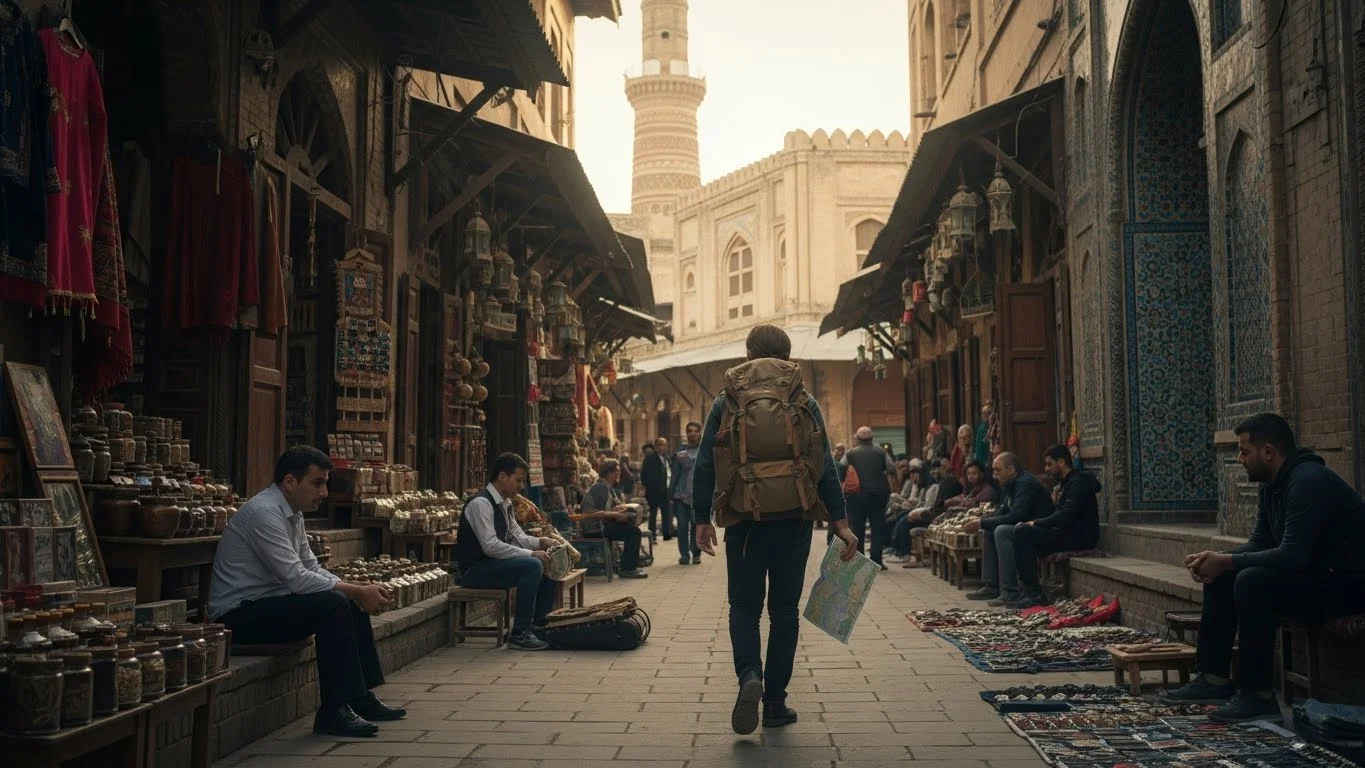
Discover Unique Cultural Cities: A Budget Backpacker’s Journey

Traveling can be a transformative experience, especially when you immerse yourself in unique cultural cities. I’ve learned that exploring these vibrant places on a budget is not only possible but incredibly rewarding. Read Interesting article: Backpacking Through Cultural Cities: Tips for Budget Travelers
Discover Unique Cultural Cities: A Budget Backpacker’s Journey

Understanding Cultural Cities

Definition of Cultural Cities

Cultural cities are often defined by their rich heritage, artistic expressions, historical significance, and vibrant local communities. They are places where the past meets the present, offering travelers a glimpse into the life, traditions, and customs of the locals. In my travels, I’ve found that these cities tend to have a unique energy. They aren’t just about the sights; they’re about the stories, the people, and the pulse of everyday life.

Importance of Culture in Travel

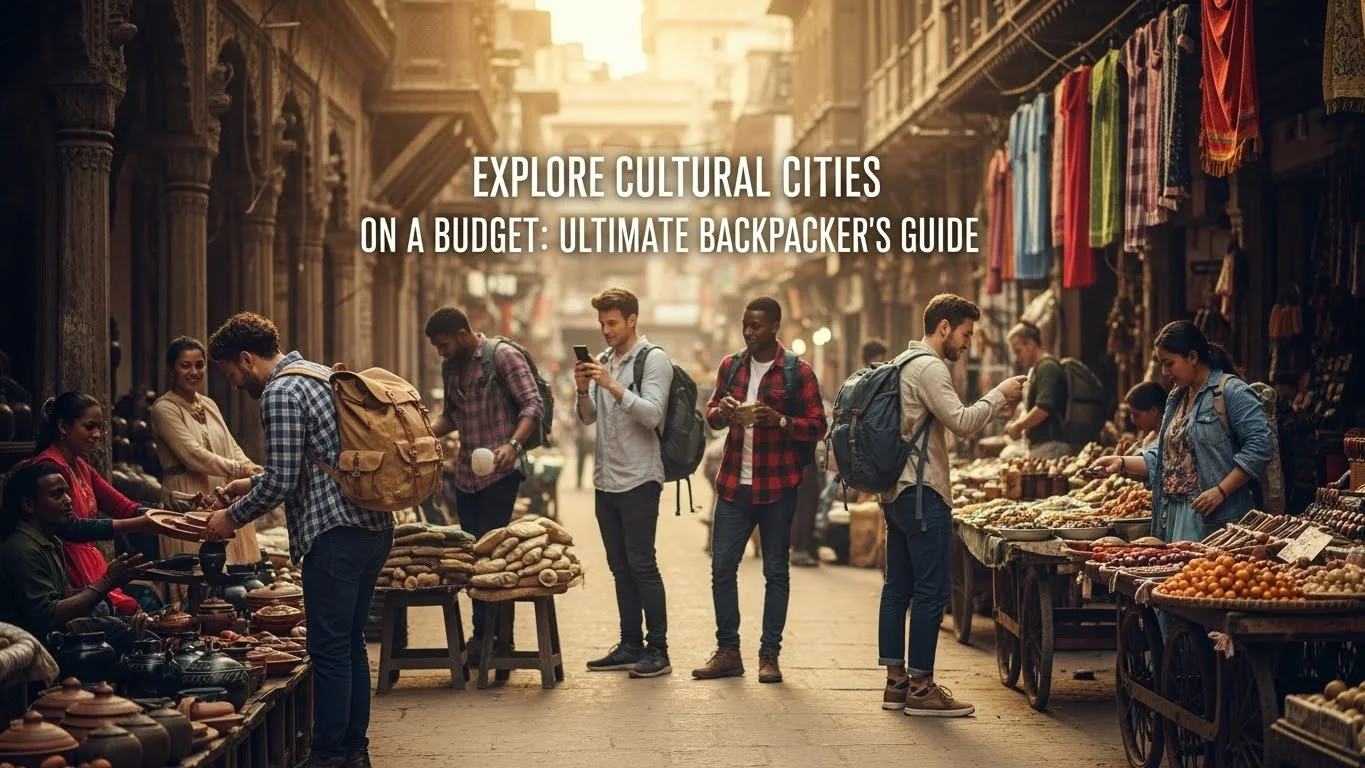
Culture plays a pivotal role in shaping our travel experiences. When we travel, we don’t just visit monuments or landmarks; we connect with people and their way of life. I think this is what makes a trip truly memorable. By engaging with local customs, trying traditional foods, and participating in festivities, we enrich our understanding of the world. I remember my first trip to a cultural city — it was about more than just seeing the sights; it was about feeling the energy and history in the air. Each interaction deepened my appreciation for the place and its people, giving me stories to share long after I returned home. Read Interesting article: Explore Cultural Cities on a Budget: Ultimate Backpacker’s Guide

Top Unique Cultural Cities to Visit on a Budget

Lisbon, Portugal

Must-See Attractions

Lisbon is a city that stole my heart with its charming streets and stunning views. Walking through Alfama, the oldest district, I was captivated by the narrow winding alleys and colorful buildings. Don’t miss the iconic Belém Tower and the Jerónimos Monastery. They both tell tales of Portugal’s Age of Discoveries. I truly enjoyed riding the historic Tram 28, which takes you through some of the city’s most beautiful neighborhoods.

Local Cuisine and Dining Options

When it comes to food, Lisbon offers a delightful mix of flavors. I recommend trying the famous Pastéis de Belém, a traditional custard tart that’s simply irresistible. For budget dining, look for local tascas (small restaurants) where you can enjoy a hearty meal for a low price. I found that the grilled sardines and bacalhau à brás (codfish) were not only delicious but also affordable.

Budget Accommodation Choices

For accommodation, Lisbon has plenty of options to suit backpackers. I found that hostels in the Bairro Alto area offered both comfort and a chance to meet fellow travelers. You might also consider Airbnb options for shared spaces, which can be a great way to save money while getting a local experience.

Bansko, Bulgaria

Must-See Attractions

Bansko is often known for its ski resorts, but there’s so much more to explore. I discovered its rich history by visiting the Holy Trinity Church and the Velyanova House, both showcasing stunning architecture. The nearby Pirin National Park is a must-visit for nature lovers, offering breathtaking hikes and beautiful landscapes.

Local Cuisine and Dining Options

Bulgarian cuisine is hearty and delicious. I enjoyed traditional dishes like banitsa (cheese pastry) and shopska salad (fresh vegetables and cheese). For budget-friendly dining, local eateries often serve generous portions at reasonable prices, making it easy to indulge without breaking the bank.

Budget Accommodation Choices

Bansko is particularly accommodating for budget travelers. I found several cozy hostels and guesthouses that offered great service without the hefty price tag. Many places have kitchens, so you can save even more by cooking some of your meals.

Chiang Mai, Thailand

Must-See Attractions

Chiang Mai is a cultural gem in northern Thailand. I was enchanted by the ancient temples like Wat Phra That Doi Suthep, which offers stunning views of the city. The Sunday Walking Street Market is a vibrant affair where you can experience local crafts and street food. I loved wandering through the stalls, soaking up the atmosphere.

Local Cuisine and Dining Options

The food in Chiang Mai is a highlight of any visit. I recommend trying Khao Soi, a delicious coconut curry noodle dish. Street food vendors are everywhere, offering authentic local flavors at incredibly low prices. I often found myself stopping at a food stall for a quick and tasty meal.

Budget Accommodation Choices

Chiang Mai is backpacker-friendly, with numerous hostels and guesthouses that cater to budget travelers. I stayed in a lovely hostel that offered free breakfast and organized group activities, making it a great place to meet other travelers.

Budapest, Hungary

Must-See Attractions

Budapest is a city that perfectly blends history and modernity. I absolutely loved visiting the stunning Buda Castle and soaking in the thermal baths. The Fisherman’s Bastion offered breathtaking views of the Danube, especially at sunset. I spent hours just wandering the streets, taking in the beautiful architecture.

Local Cuisine and Dining Options

When it comes to food, Budapest does not disappoint. I remember indulging in goulash at a local eatery, which was both satisfying and affordable. For budget-friendly options, look for restaurants with daily specials or try the street food at the Great Market Hall.

Budget Accommodation Choices

Budapest has a variety of affordable accommodations. I found a charming hostel in the Jewish Quarter that was not only budget-friendly but also had a great atmosphere. Many hostels offer free walking tours, which is a fun way to learn about the city.

Mexico City, Mexico

Must-See Attractions

Mexico City is a vibrant cultural hub filled with history and art. I was blown away by the Zócalo, one of the largest squares in the world, and the stunning Palacio de Bellas Artes. The Frida Kahlo Museum is another must-visit, showcasing the life and work of this iconic artist.

Local Cuisine and Dining Options

The food scene in Mexico City is incredible. I dined on tacos al pastor from street vendors that were not only delicious but incredibly affordable. For a more traditional meal, try a local market where you can sample a variety of dishes without spending much.

Budget Accommodation Choices

Finding a place to stay in Mexico City is easy on a budget. I discovered several hostels in the Roma and Condesa neighborhoods, which offered a mix of comfort and social atmosphere. Many accommodations also provide access to communal kitchens, which is great for saving money while traveling.

Planning Your Backpacking Journey

When to Visit Cultural Cities

Timing can make a world of difference in your travel experience. I’ve learned that each cultural city has its peak seasons and off-seasons, which significantly influence the vibe, crowds, and even prices. For instance, I discovered that visiting Lisbon in spring or fall offers pleasant weather without the summer tourist rush. The same goes for Budapest, where I found the autumn foliage added an extra layer of beauty while keeping the crowds manageable.

In contrast, I remember my trip to Chiang Mai during the Yi Peng Lantern Festival. The city was bustling, filled with glowing lanterns, but the accommodation prices soared. If I had gone a few weeks earlier or later, I could have enjoyed the same charming atmosphere with fewer people and lower costs. So, my advice is to do some research on local events and peak travel times. This way, you can plan your visit to maximize both your budget and your experience.

How to Get Around on a Budget

Getting around in cultural cities can be an adventure in itself, and it doesn’t have to drain your wallet. I remember how in Budapest, I took advantage of the city’s efficient public transportation system. The metro, trams, and buses are not only affordable but also give you a chance to mingle with locals. I found buying a multi-day pass was a great way to explore without worrying about individual fares.

In Mexico City, I was pleasantly surprised by the extensive metro system that allowed me to travel across the city quickly and cheaply. Plus, I discovered that walking is often the best way to absorb the sights and sounds of a new place. I would recommend downloading offline maps on your phone to navigate easily while you stroll through neighborhoods, soaking in the culture along the way.

Essential Gear for Backpackers

Packing wisely can make or break your backpacking journey. Over the years, I’ve learned to keep my gear minimal yet functional. A sturdy, comfortable backpack is a must; I’ve found that a good fit can save my back during long treks. I also recommend packing a reusable water bottle. Not only does it save money, but it’s also an eco-friendly choice. Many public places, like parks and hostels, offer water refill stations.

Another essential is a portable charger. I can’t tell you how many times I’ve relied on my phone for maps or communication, only to find it running low on battery. A lightweight power bank has saved me countless times. And for those unexpected rainy days, a packable rain jacket or poncho can keep you dry without taking up too much space. These small items can make your travels smoother and much more enjoyable. Read Interesting article: Backpacking Abroad? Key Health Safety Tips You Can’t Miss

Experiencing Local Culture

Attending Festivals and Events

One of the most exhilarating ways to immerse yourself in a new culture is by attending local festivals and events. I remember being in Chiang Mai for the Songkran Festival, which celebrates the Thai New Year with water fights and traditional ceremonies. It was an unforgettable experience! The energy was infectious, and I felt like a part of the community as I joined in the celebrations.

In Budapest, I stumbled upon a summer music festival while exploring the city. I was captivated by the local bands and the vibrant atmosphere. The best part? Many local events are free or have minimal ticket prices, making them perfect for budget travelers like us. I suggest checking local calendars or social media pages to find out what’s happening during your visit; you might just stumble upon something extraordinary.

Engaging with Local Art and Music

Art and music are windows into a culture’s soul. I’ve found that visiting local galleries, street art districts, and music venues gives a deeper understanding of the place. In Lisbon, I explored the LX Factory, a creative hub filled with art studios, galleries, and cafes. It was incredible to see local artists at work and even chat with them about their inspirations.

In Mexico City, I had the chance to attend a mariachi performance in a local plaza. The music was lively and joyous, and it felt like a celebration of life itself. Engaging with local art and music, whether through formal events or casual encounters, has enriched my travels in ways I never expected. It’s a beautiful reminder that culture is alive and constantly evolving around us.

Finding Off-the-Beaten-Path Experiences

While the must-see attractions are undeniably worth visiting, I’ve learned that some of the most memorable experiences come from wandering off the beaten path. For example, in Bansko, I ventured beyond the ski resorts and discovered charming villages and picturesque hikes that tourists often overlook. The peace and tranquility in those areas allowed me to connect with nature and the local way of life.

Another gem was in Budapest, where I explored the lesser-known ruin bars. These eclectic spots, housed in abandoned buildings, are filled with art, quirky decor, and a diverse crowd. I felt like I was partaking in a hidden aspect of the city’s culture. If you take the time to ask locals for their recommendations or explore areas away from tourist traps, you may uncover unique experiences that will become highlights of your journey.

Budget Tips for Backpackers

Saving on Transportation

Transportation costs can add up quickly when you’re traveling, but I’ve discovered several strategies to help keep those expenses low. One of my favorite tips is to use public transportation. In cities like Budapest and Mexico City, the metro systems are extensive and affordable, allowing you to cover a lot of ground without spending much. I remember purchasing a week-long public transport pass in Budapest, which saved me both time and money as I explored the city’s many attractions.

Another great option is to consider walking or biking. Not only does this save you money, but it also allows you to experience the city at a slower pace. I often found that walking through the streets of Lisbon or Chiang Mai led me to hidden gems I might have otherwise missed. If you’re up for it, renting a bike can be a fun way to explore larger cities. Just be sure to choose a good route that’s safe for cyclists!

Eating Well on a Budget

Food is one of the joys of travel, and I believe you shouldn’t have to sacrifice quality for affordability. I’ve learned that local markets are a treasure trove for budget travelers. In places like Mexico City, I loved visiting open-air markets where I could sample a variety of traditional dishes at a fraction of the price of sit-down restaurants. I remember indulging in street tacos while chatting with local vendors, which made the experience even more memorable.

For those times when I wanted a sit-down meal, I sought out restaurants that offered daily specials or lunch deals. Many local eateries in cultural cities serve up delicious meals at discounted prices during the day. I found this to be a fantastic way to enjoy authentic cuisine while sticking to my budget. Plus, sharing meals with fellow travelers can lead to great conversations and new friendships!

Free and Low-Cost Activities

One of the best parts about cultural cities is that many of them offer a plethora of free or low-cost activities. I discovered that museums often have specific days when admission is free or discounted, which is a great opportunity to explore the local art scene without breaking the bank. In Budapest, for instance, I visited the Hungarian National Museum on a free entry day, and it was a highlight of my trip.

Additionally, I recommend exploring parks and public spaces. In Chiang Mai, I spent a lovely afternoon lounging in one of the city’s many parks, people-watching and enjoying the beautiful surroundings. Often, these spaces host free events or performances, providing a unique cultural experience at no cost. It’s moments like these that remind me travel is about more than just sightseeing; it’s about immersing myself in the local way of life.

Safety Tips for Backpackers

Staying Safe in Cultural Cities

Safety is a top concern for many travelers, and I’ve picked up a few tips that have helped me navigate new cities with confidence. First and foremost, it’s essential to stay aware of my surroundings. I make it a habit to keep my belongings close, especially in crowded areas. It’s easy to forget about pickpockets in a vibrant, bustling market, so staying vigilant has always been a priority for me.

I also recommend blending in with the locals. Dressing like a local can help you avoid drawing unnecessary attention to yourself. In many places, I’ve found that wearing simple, casual clothing helps me feel more comfortable and less like a tourist. Plus, it allows me to connect with locals without the added barrier of being seen as an outsider.

Health Precautions While Traveling

Staying healthy while traveling is crucial for enjoying your adventure to the fullest. I always make sure to pack a basic first-aid kit with essentials like band-aids, pain relievers, and any personal medications. I’ve found that being prepared can make a big difference if I happen to get a minor injury or fall ill during my travels.

Additionally, I try to stay hydrated, especially in hotter climates. Carrying a reusable water bottle not only saves money but also ensures I’m drinking enough water throughout the day. I also pay attention to local food and water safety guidelines, as trying new foods is a big part of my travel experience, but it’s important to do so wisely.

Emergency Contacts and Resources

Lastly, knowing what to do in case of an emergency is crucial. Before heading out on my trip, I always research local emergency numbers and save them on my phone. I also keep a list of nearby hospitals or clinics in case I need medical attention. In my experience, having this information readily available provides peace of mind and allows me to focus on enjoying my travels.

Connecting with fellow travelers or locals can also be beneficial. I’ve often exchanged contact information with other backpackers or hosts, just in case I need assistance or someone to reach out to in an unfamiliar city.

Frequently Asked Questions

What are cultural cities?

Cultural cities are defined by their rich heritage, artistic expressions, historical significance, and vibrant local communities. They offer travelers a glimpse into the life, traditions, and customs of the locals, making each visit about the stories and everyday life of the residents.

Why is culture important in travel?

Culture plays a pivotal role in shaping travel experiences as it allows travelers to connect with people and their way of life. Engaging with local customs, trying traditional foods, and participating in festivities enriches one’s understanding of the world and creates memorable experiences.

What are some budget-friendly dining options in Lisbon?

In Lisbon, travelers can enjoy local cuisine at small restaurants called tascas, where hearty meals are available at low prices. Local favorites include Pastéis de Belém, grilled sardines, and bacalhau à brás (codfish).

What attractions should I visit in Chiang Mai?

Must-see attractions in Chiang Mai include the ancient temple Wat Phra That Doi Suthep for stunning city views and the Sunday Walking Street Market, which offers a vibrant atmosphere with local crafts and street food.

How can I save on transportation while traveling?

To save on transportation costs, travelers can use public transportation systems like the metro, trams, and buses, which are affordable and efficient. Walking or biking is also a great way to explore cities while immersing oneself in the local culture.

What types of accommodations are available in Budapest for budget travelers?

In Budapest, budget travelers can find a variety of affordable accommodations, including budget-friendly hostels, particularly in the Jewish Quarter, which also often offer free walking tours and a great atmosphere.

How can I immerse myself in local culture during my travels?

Travelers can immerse themselves in local culture by attending festivals and events, engaging with local art and music, and exploring off-the-beaten-path experiences that showcase the unique aspects of each city.

What are some tips for eating well on a budget while traveling?

Eating well on a budget can be achieved by visiting local markets, where travelers can sample traditional dishes at lower prices, and seeking out restaurants that offer daily specials or lunch deals for affordable sit-down meals.

What safety tips should I keep in mind while backpacking in cultural cities?

Travelers should stay aware of their surroundings, keep belongings close in crowded areas, and blend in with locals by dressing casually to avoid drawing unnecessary attention. It’s also important to be prepared for emergencies by knowing local emergency numbers and having a basic first-aid kit.

What essential gear should I pack for backpacking?

Essential gear for backpacking includes a sturdy backpack, a reusable water bottle, a portable charger, and a packable rain jacket or poncho. These items help ensure a comfortable and enjoyable travel experience while minimizing inconvenience.
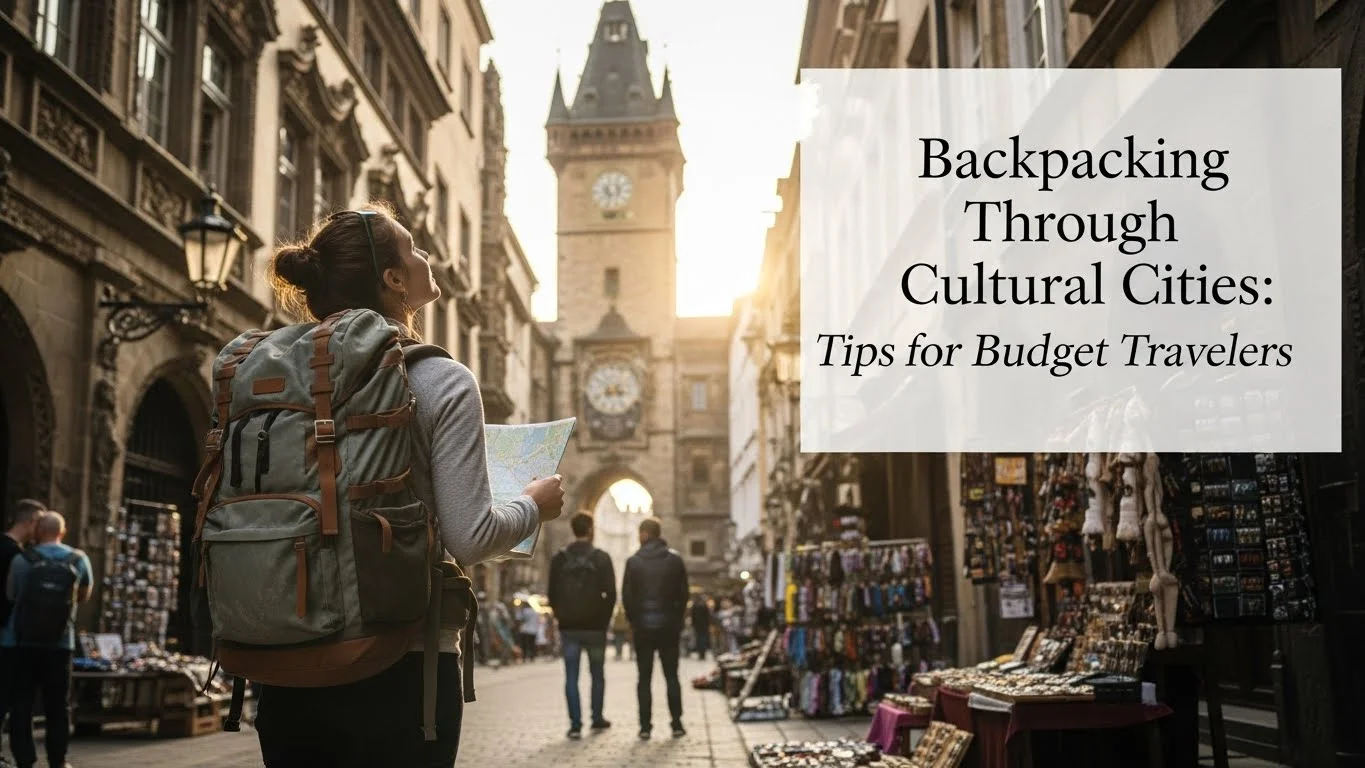
Backpacking Through Cultural Cities: Tips for Budget Travelers

Backpacking through cultural cities is a thrilling way to immerse yourself in diverse traditions, art, and history—all while staying on a budget. Join me as I share my experiences and tips for exploring these vibrant urban landscapes without breaking the bank. Read Interesting article: Explore Cultural Cities on a Budget: Ultimate Backpacker’s Guide

Backpacking Through Cultural Cities: Tips for Budget Travelers

Understanding Cultural Cities

Defining Cultural Cities

Cultural cities are those that celebrate and showcase their unique heritage, art, and customs. These places are often rich in history, boasting museums, galleries, theaters, and festivals that highlight local traditions. From my travels, I’ve found cities like Barcelona, Istanbul, and Mexico City to be perfect examples where you can feel the pulse of culture in every corner.

Benefits of Backpacking in Cultural Cities

Backpacking through cultural cities comes with numerous benefits that can enrich your travel experience. First and foremost, it allows you to dive deep into the local way of life. I remember wandering through the narrow streets of Venice, listening to the sounds of gondoliers and the chatter of locals—it felt like stepping into a different world.

Additionally, these cities often have a wealth of free or low-cost attractions. Museums may have free entry days, public parks are perfect for picnics, and many cultural festivals are open to everyone. When I visited Berlin, I stumbled upon an open-air art exhibition, which was not only free but also a fantastic way to connect with the local art scene.

Another great aspect is the opportunity to meet fellow travelers and locals. Whether it’s at a communal hostel or a bustling market, I’ve made lifelong friends by simply striking up a conversation. These interactions often lead to discovering hidden gems off the beaten path that you wouldn’t find in a guidebook.

Lastly, backpacking often encourages a more sustainable way of traveling. By using local transport, eating street food, and staying in smaller accommodations, we can reduce our carbon footprint while supporting the local economy. I’ve found that being a budget traveler often aligns beautifully with being an eco-conscious one.

Essential Tips for Budget Travelers

Setting a Realistic Budget

Before embarking on your journey, it’s crucial to set a realistic budget. I like to break down my expenses into categories: accommodation, food, transport, entertainment, and souvenirs. This way, I can see where I can save or splurge. I also keep a little extra for unexpected expenses, which always seem to pop up!

Choosing Affordable Accommodation

When it comes to accommodation, hostels are a backpacker’s best friend. Over the years, I’ve stayed in some incredible hostels that not only provide a place to rest but also foster a sense of community. They often organize events or tours that help you connect with other travelers. However, I also recommend checking out alternatives like guesthouses or Airbnb, as I’ve found some fantastic stays that offered a more local experience.

Another tip is to consider staying slightly outside the city center. I once booked a cozy room in a neighborhood that was just a tram ride away from the main attractions, and it not only saved me money but also allowed me to explore a quieter side of the city. Plus, I often found great local eateries in these neighborhoods that were much more affordable than those in tourist hotspots.

Utilizing Public Transportation

Getting around in cultural cities is often best done through public transportation. It’s cost-effective and gives you a real taste of daily life. I’ve enjoyed taking trains, trams, and buses, which often provide a different perspective of the city. In cities like Barcelona, I found the metro to be incredibly user-friendly and efficient.

Many cities offer transportation passes that allow unlimited travel for a set number of days, which can save you a lot of money. I remember getting a week-long pass in Paris that included not just metros but also buses and trams. It made hopping from one museum to another a breeze!

Finding Free or Low-Cost Attractions

One of the best parts of visiting cultural cities is the abundance of free or low-cost attractions. I often plan my days around free museum days or local festivals. For example, in Mexico City, I was thrilled to discover that many museums had free entry on Sundays. I felt like a kid in a candy store, exploring art and history without spending a dime!

Don’t overlook the beauty of public parks and gardens either. I’ve spent countless afternoons lounging in parks, soaking in the local atmosphere, and enjoying a good book. It’s a great way to rest and recharge while taking in the sights and sounds of the city.

As we continue to explore these vibrant cultural cities, remember that traveling on a budget doesn’t mean sacrificing experiences. By being smart with your planning and prioritizing what truly matters to you, we can make the most of our adventures without straining our wallets. Read Interesting article: Backpacking Abroad? Key Health Safety Tips You Can’t Miss

Top Cultural Cities to Explore

Barcelona: A Blend of Art and History

Barcelona holds a special place in my heart as one of the most vibrant cultural cities I’ve explored. The mix of modernist architecture, historical landmarks, and a lively atmosphere makes it a must-visit. I remember my first steps on Las Ramblas, soaking in the energy of street performers and the aroma of fresh flowers from the stalls. The city is a canvas where art and history collide, and I can’t recommend it enough.

Must-See Attractions

When in Barcelona, you can’t miss the stunning Sagrada Família. Even though there’s an entrance fee, I found that the guided tours were worth every penny. The intricate details and Gaudí’s vision are truly mind-blowing. And for a taste of local life, head to the Gothic Quarter. Wandering through its narrow, winding streets felt like stepping back in time. I discovered charming little boutiques and local cafés along the way.

Another highlight for me was Park Güell. It’s a bit outside the city center but well worth the trek. The colorful mosaics and whimsical structures are simply breathtaking. I spent hours there, taking pictures and just enjoying the view of the city from above. If you can, try to visit early in the morning to avoid crowds and fully soak in the magic of the place.

Local Cuisine on a Budget

Now let’s talk food. Barcelona is a foodie paradise, and I discovered that you don’t have to spend a fortune to enjoy delicious meals. Tapas bars are everywhere, and they offer a fantastic way to sample various dishes. I found that many places have a “menu del día” during lunchtime, which is a full meal at a reasonable price. One of my favorite spots had the best patatas bravas I’ve ever tasted!

Also, don’t forget about trying local markets like La Boqueria. It’s bustling with vendors selling fresh produce, meats, and cheeses. I loved grabbing some fresh fruit and cheese for a picnic in the park. The atmosphere was vibrant, and it offered a true taste of local life.

Berlin: A Hub of Modern Culture

Berlin is another city that left a lasting impression on me. Known for its rich history and dynamic culture, it’s a city that embraces both its past and its future. I felt a palpable energy as I walked through the streets, where modern art meets historical significance.

Historical Sites and Museums

One of the first places I visited was the Berlin Wall Memorial. Standing there, I could feel the weight of history, and it was a powerful experience. The documentation center nearby was free and provided deep insights into the wall’s significance. I also highly recommend the Pergamon Museum on Museum Island. While there’s an entry fee, I learned that you can get a combination ticket for multiple museums, which is a fantastic deal.

Another must-see is the East Side Gallery, where artists from around the world have left their mark on the remnants of the Berlin Wall. It’s an open-air gallery that tells stories of hope and freedom, and visiting it felt like a celebration of creativity and resilience.

Street Food and Markets

When it comes to food, Berlin’s street food scene is unbeatable. I found myself drawn to the numerous food stalls offering everything from currywurst to falafel. I remember trying the famous kebabs in Kreuzberg—absolutely delicious and incredibly affordable! Markets like Markthalle Neun are a treasure trove of local and international street food that shouldn’t be missed.

For a more local experience, I suggest visiting a beer garden. Sharing a table with locals while enjoying a pint and some pretzels was one of the highlights of my trip. It was a great way to engage with the culture and make new friends.

Istanbul: Where East Meets West

Istanbul is a unique city that blends two continents and multiple cultures. The chaos of the Grand Bazaar, the tranquility of the Blue Mosque, and the delightful sounds of street vendors captured my heart. Every corner tells a story, and I felt excited to explore!

Cultural Landmarks

The Hagia Sophia is a must-visit. Standing before its grand dome and intricate mosaics was awe-inspiring. I learned that it has served as a church, a mosque, and now a museum, making it a symbol of the city’s layered history. The entrance fee is reasonable, and I found guided tours to be particularly informative.

Don’t miss the Topkapi Palace either. The gardens are serene, and the views of the Bosphorus are stunning. I spent a leisurely afternoon wandering through the palace and soaking in the rich history.

Affordable Dining Options

Food in Istanbul is also incredibly affordable. I recommend trying street food options like simit (a sesame-covered bread) and fresh fish sandwiches near the Galata Bridge. The flavors were vibrant, and I loved experiencing the local cuisine without emptying my wallet. One night, I stumbled upon a small, family-run restaurant that served the best lentil soup I’ve ever tasted, all for just a few lira!

Mexico City: A Vibrant Metropolis

Mexico City is bursting with life and culture. I remember stepping off the plane and being enveloped by the energy of the city. With its rich history, colorful streets, and mouthwatering food, it’s a place that truly feels alive.

Art and History Museums

The National Museum of Anthropology is a treasure trove of history. I spent hours there, marveling at ancient artifacts and learning about the rich cultures that shaped Mexico. The museum has free entry on Sundays, which was a delightful surprise for me. I suggest arriving early to avoid crowds and fully enjoy the exhibits.

Xochimilco, with its colorful boats and floating gardens, is another highlight. Renting a trajinera (boat) gives you a unique perspective of this UNESCO World Heritage site. It’s a perfect spot for picnics, music, and a relaxing day under the sun.

Budget-Friendly Street Food

Street food in Mexico City is a culinary adventure. Tacos al pastor became my go-to meal, and I found them at small stands for just a couple of dollars. I loved experiencing the city’s vibrant culinary scene while mingling with locals at food stalls. Each bite was a burst of flavor, and I couldn’t get enough!

As I reflect on these incredible cities, I encourage you to embrace the experiences they offer. Each has its own unique charm and opportunities to connect with local culture without breaking the bank. Our journey through these vibrant urban landscapes is just beginning, and I can’t wait to share more tips on planning your itinerary to make the most of your adventures. Read Interesting article: Budget-Friendly Destinations for Family Backpacking Trips

Planning Your Itinerary

Researching Cultural Events and Festivals

When it comes to planning my itinerary, I’ve learned that researching cultural events and festivals can really enhance my travel experience. These events often showcase the local culture in its most vibrant form. For instance, I remember stumbling upon the La Mercè festival in Barcelona, which celebrates the city’s patron saint. The streets were alive with parades, fireworks, and traditional Catalan human towers called “castells.” It was an unforgettable way to experience the spirit of Barcelona!

To find these events, I usually check local tourism websites and social media pages dedicated to the city. I also like to ask locals or fellow travelers what’s happening during my visit. Often, they can point me toward lesser-known events that are equally enriching. For example, during my trip to Mexico City, I learned about a street festival that featured local crafts and music that I wouldn’t have found in any guidebook. Being part of these celebrations gave me a deeper understanding of the culture.

Creating a Flexible Travel Schedule

While having a plan is essential, I’ve found that flexibility is equally important. Sometimes, the best experiences come from unexpected opportunities. I remember in Istanbul, I had a full day planned, but I stumbled upon a small art exhibit in a local café. I decided to check it out, and it turned out to be one of my favorite moments of the trip. I met the artists and learned about their inspirations, which added a personal touch to my understanding of the local art scene.

To stay flexible, I usually prioritize a few must-see attractions or events but leave gaps in my schedule. This way, I can explore neighborhoods or visit places I hear about from locals or other travelers. It’s a great way to embrace spontaneity and discover hidden gems that you wouldn’t find on a typical tourist’s itinerary.

Incorporating Local Experiences

In my travels, I’ve realized that incorporating local experiences is what truly enriches our journey. Whether it’s taking a cooking class in Berlin or participating in a traditional tea ceremony in Istanbul, these hands-on activities allow me to connect with the culture on a deeper level. I once joined a street food tour in Mexico City, where a local guide took us through bustling markets and introduced us to various dishes. Not only did I get to taste incredible food, but I also learned about the history and significance behind each dish.

When planning your itinerary, I recommend looking for workshops, classes, or local tours that align with your interests. Websites like Airbnb Experiences or local tourism sites often list unique activities that you can book in advance. This way, you can ensure that your trip is filled with authentic moments that bring the culture to life.

Local Etiquette and Cultural Norms

Understanding Local Customs

As I’ve traveled, I’ve learned that understanding local customs can go a long way in enhancing my experience and showing respect to the cultures I’m visiting. Each city has its own set of traditions, and I always try to familiarize myself with them before I arrive. For instance, in Istanbul, I learned that it’s customary to remove your shoes when entering someone’s home and to greet people with a friendly “Merhaba” (hello). These small gestures can make a big difference in how I’m perceived by locals.

I also pay attention to dining etiquette. In many cultures, sharing meals is a significant part of social life. For example, in Mexico, it’s common to share a “comida” (meal) with family and friends, and I found myself enjoying meals more when I embraced this communal spirit. Being aware of these customs not only helps me blend in but also enriches my interactions with the people I meet along the way.

Language Tips for Backpackers

Language can be a barrier, but I’ve found that making an effort to learn a few basic phrases can truly enhance my travel experience. I remember my first time in Barcelona when I learned to say “gracias” (thank you) and “por favor” (please). The smiles I received from locals when I attempted to speak their language were priceless! It showed them that I respected their culture, and it often led to warmer interactions.

When I’m planning my trips, I usually download a translation app or carry a pocket phrasebook. I focus on learning key phrases that will come in handy, like greetings, ordering food, or asking for directions. Even if I can’t speak fluently, locals appreciate the effort, and it makes me feel more connected to the culture.

Respecting Cultural Traditions

Respecting cultural traditions is essential when traveling. I’ve seen firsthand how small actions can reflect larger attitudes. For example, I’ve been fortunate to witness traditional ceremonies, and I always make sure to be respectful, whether that means dressing appropriately or staying quiet during significant moments. I remember visiting a temple in Bali, and I was reminded to cover my shoulders and wear a sarong—this showed my respect for the local customs and allowed me to fully immerse myself in the experience.

When encountering different cultural practices, I approach them with an open mind. It’s important to ask questions and learn about the significance of what I’m witnessing. This not only deepens my understanding but also fosters a respectful relationship with the local community. In my opinion, being a thoughtful traveler can lead to enriching experiences that go beyond mere sightseeing.

Frequently Asked Questions

What are cultural cities?

Cultural cities are those that celebrate and showcase their unique heritage, art, and customs. They often have rich histories and feature museums, galleries, theaters, and festivals that highlight local traditions.

What are the benefits of backpacking in cultural cities?

Backpacking in cultural cities allows travelers to immerse themselves in the local way of life, discover free or low-cost attractions, meet fellow travelers and locals, and encourages sustainable travel practices.

How can I set a realistic budget for my trip?

To set a realistic budget, break down your expenses into categories such as accommodation, food, transport, entertainment, and souvenirs. Always keep a little extra for unexpected expenses that may arise during the trip.

What type of accommodation is recommended for budget travelers?

Hostels are highly recommended for budget travelers, as they provide affordable lodging and foster a sense of community. Alternatives like guesthouses and Airbnb can also offer local experiences at reasonable prices.

How can I utilize public transportation effectively in cultural cities?

Utilizing public transportation is cost-effective and provides a real taste of daily life in cultural cities. Many cities offer transportation passes for unlimited travel over certain periods, which can help save money.

What are some ways to find free or low-cost attractions?

One can find free or low-cost attractions by planning visits around free museum days, local festivals, and exploring public parks and gardens. Researching local events or asking locals for recommendations can also lead to great discoveries.

What are some must-see attractions in Barcelona?

Must-see attractions in Barcelona include the Sagrada Família, the Gothic Quarter, and Park Güell. Each offers unique insights into the city’s art, history, and culture.

What are some affordable dining options in Istanbul?

In Istanbul, street food options like simit and fresh fish sandwiches near the Galata Bridge are affordable and delicious. Small, family-run restaurants also offer budget-friendly meals with vibrant flavors.

How can I incorporate local experiences into my travel itinerary?

Incorporating local experiences can be done by looking for workshops, cooking classes, or local tours that align with your interests. Websites like Airbnb Experiences often list unique activities to book in advance.

What are some language tips for backpackers traveling to cultural cities?

Learning a few basic phrases in the local language can enhance travel experiences. Familiar phrases like greetings and polite expressions can lead to warmer interactions with locals and show respect for their culture.

Top 10 Affordable Cultural Cities for Budget Travelers

Traveling on a budget doesn’t have to mean sacrificing rich experiences. Discovering cultural cities that offer a blend of history, art, and local flavors can be both affordable and exhilarating! Read Interesting article: Explore Cultural Cities on a Budget: Ultimate Backpacker’s Guide

Top 10 Affordable Cultural Cities for Budget Travelers

Overview of Affordable Cultural Cities

Definition of Cultural Cities

I’ve always been fascinated by cultural cities—places where history, art, and community converge in vibrant ways. A cultural city is defined by its rich heritage, museums, galleries, theaters, festivals, and local traditions. These cities offer a window into the heart and soul of a region, showcasing what makes it unique. I remember wandering through the cobblestone streets of such cities, feeling the pulse of the local culture in every corner. It’s in these destinations where you can truly immerse yourself in the stories of the past while enjoying the present.

Importance of Budget Travel

When I first started traveling, I thought exploring new cultures was a luxury reserved for those with deep pockets. But as I dove deeper into budget travel, I discovered that experiencing the world doesn’t have to break the bank. Budget travel allows us to stretch our dollars further, letting us explore more without sacrificing quality. In my experience, traveling affordably opens the door to authentic interactions and experiences that luxury travel often overlooks. I believe that with careful planning and a spirit of adventure, anyone can explore cultural cities without emptying their wallets.

Criteria for Selection

Cost of Living

The cost of living is a significant factor when I choose a destination. I’ve learned that some cities can provide amazing cultural experiences without the hefty price tag. When considering affordability, I look for cities where accommodation, food, and activities are reasonably priced. For instance, I remember my trip to Budapest, where my money stretched much further than in other European capitals. By prioritizing places with a lower cost of living, we can enjoy rich experiences without financial stress.

Cultural Attractions

Cultural attractions are what make a city come alive. I’ve found that the best cities for budget travelers are teeming with museums, galleries, and historical sites often accessible at little to no cost. For example, many cities offer free walking tours that introduce you to their history and culture—something I always seek out when I arrive somewhere new. Exploring art and history in an affordable way enhances my travel experience and leaves me with lasting memories. Read Interesting article: Budget-Friendly Cultural Adventures for Kids Abroad

Accessibility and Transportation

A city’s accessibility can greatly impact our travel experience. I appreciate cities that have efficient public transportation or are walkable, as this allows me to explore more without the extra costs associated with taxis or rental cars. During my travels, I’ve often relied on local buses or metros, which not only save money but also give me a taste of everyday life in that city. I also recommend looking for cities with bike rentals, which can be an enjoyable way to see the sights while getting some exercise!

Local Cuisine

Food is a vital part of any culture, and I believe trying local cuisine is one of the best ways to connect with a place. When searching for affordable cultural cities, I look for destinations where I can enjoy delicious meals without overspending. I’ve found that street food markets often offer the most authentic experiences at a fraction of the cost of sit-down restaurants. For instance, in Hanoi, indulging in a bowl of pho from a street vendor was not only cheap but also one of the best meals I’ve ever had! Embracing local food is an adventure in itself and often leads to discovering hidden gems in the city.

I’m excited to share my top ten affordable cultural cities with you! Each of these places offers an incredible mix of experiences, history, and local flavor that won’t strain your budget. Let’s dive into the first city on our list!

Top 10 Affordable Cultural Cities

1. Lisbon, Portugal

Key Attractions

Lisbon has a certain charm that I fell in love with instantly. The cobbled streets of Alfama, the historic tram rides, and the stunning viewpoints like Miradouro da Senhora do Monte feel like scenes straight out of a postcard. I recommend starting your exploration at the Belém Tower, a UNESCO World Heritage site that tells tales of the Age of Discoveries. Don’t miss the Jerónimos Monastery, where the architecture left me in awe. Plus, the atmosphere in Lisbon is so vibrant, with street performers and artists adding to the city’s magical feel.

Local Food and Drinks

For me, tasting the local cuisine is one of the best parts of traveling. In Lisbon, I had the chance to indulge in pastéis de nata—those creamy custard tarts that are simply irresistible! I also loved dining at the Time Out Market, where local chefs showcase their best dishes. From fresh seafood to traditional dishes like bacalhau à brás, there’s so much to savor without breaking the bank.

Transportation Tips

Getting around Lisbon is easy and affordable. The public transportation system includes trams, buses, and the metro, which makes it convenient to explore. I found the Lisboa Card particularly useful, as it provides unlimited travel on public transport and discounts on attractions. Plus, walking around the city is a joy, with so many hidden gems to discover along the way!

2. Budapest, Hungary

Key Attractions

Budapest is often called the “Pearl of the Danube,” and after visiting, I can see why. The stunning architecture of the Parliament Building and the breathtaking views from Fisherman’s Bastion were highlights of my trip. I also recommend visiting the thermal baths, which are not only relaxing but steeped in history. Gellért Baths was my favorite, and it felt like a luxurious experience without the hefty price tag.

Local Food and Drinks

Hungarian cuisine is hearty and delicious! I enjoyed trying goulash and chimney cake (kürtőskalács). I found that local markets, like the Great Market Hall, provided a great opportunity to sample various dishes at reasonable prices. Plus, I loved sitting at a café, sipping on strong Hungarian coffee while watching the world go by.

Transportation Tips

Budapest has an efficient public transport system featuring trams, buses, and a metro. I often bought a multi-day pass, which made it affordable to hop from one attraction to another. Walking across the Chain Bridge was a highlight, as it offered stunning views of both Buda and Pest. I do recommend wearing comfortable shoes, as you’ll likely do a lot of exploring!

3. Prague, Czech Republic

Key Attractions

Prague feels like stepping into a fairy tale. The Old Town Square, with its Astronomical Clock and colorful buildings, was a sight to behold. I also loved exploring Prague Castle, where I took a leisurely stroll through the beautiful gardens. The Charles Bridge, especially at sunrise, was one of my favorite moments, surrounded by statues and the gentle sound of the river.

Local Food and Drinks

Czech cuisine is hearty and satisfying. I tried trdelník, a delicious pastry, and paired it with a glass of local Pilsner beer. Dining in local pubs is affordable, and I recommend enjoying a traditional Czech meal of svíčková—marinated beef with creamy sauce. Eating where locals dine often leads to the best culinary experiences!

Transportation Tips

Prague is quite compact, making it easy to explore on foot. However, when I needed to use public transport, I found the metro and tram systems to be efficient and budget-friendly. A travel pass for the day was all I needed to get around without worrying about individual ticket prices.

4. Mexico City, Mexico

Key Attractions

Mexico City is a vibrant metropolis filled with history and culture. I spent hours exploring the Zócalo, the main square, and visiting the stunning Metropolitan Cathedral. The National Museum of Anthropology was another highlight that left me fascinated by the country’s rich history. I also recommend taking a trip to the ancient ruins of Teotihuacan—climbing the Pyramid of the Sun was an unforgettable experience!

Local Food and Drinks

Mexican food is one of my favorites, and in Mexico City, it’s an adventure in itself. Street tacos are everywhere, and I tried a variety, from al pastor to fish tacos. I also loved visiting local markets like Mercado de San Juan, where I found fresh ingredients and delicious snacks. Don’t forget to try some churros with hot chocolate while you’re there!

Transportation Tips

Getting around Mexico City is relatively easy with its extensive metro system, which is also very affordable. I learned to avoid rush hour, though! For the best experience, I often used ride-sharing apps, which were convenient for late-night outings. Walking in neighborhoods like Roma and Condesa allowed me to soak in the culture and street art.

5. Hanoi, Vietnam

Key Attractions

Hanoi is a city that truly captivated me with its blend of history and modernity. The Old Quarter, with its narrow streets and bustling markets, was like a living museum. Visiting Hoan Kiem Lake and the Ngọc Sơn Temple was a peaceful escape from the vibrant city life. I also loved exploring the Ho Chi Minh Mausoleum and learning about Vietnam’s history.

Local Food and Drinks

The food in Hanoi is a highlight of any visit. I absolutely loved trying pho from street vendors, each with their own unique flavors. The bun cha, grilled pork served with noodles, was another delightful dish. I found that eating at local restaurants and food stalls allowed me to enjoy authentic Vietnamese cuisine without spending much.

Transportation Tips

Hanoi is quite walkable, especially in the Old Quarter. However, when I needed to go further, I often opted for the local buses, which were incredibly cheap and easy to navigate. I also enjoyed renting a bike for a day—it was a fun way to explore the city while getting some exercise!

6. Athens, Greece

Key Attractions

Athens is a city steeped in history, and standing beneath the Acropolis was a surreal experience for me. I spent hours exploring the ancient ruins and the Acropolis Museum, which is a treasure trove of artifacts. The vibrant Plaka neighborhood, with its winding streets and shops, was perfect for leisurely strolls.

Local Food and Drinks

Greek food is a delight! I enjoyed trying souvlaki and moussaka, often at small tavernas where locals gathered. The prices were surprisingly reasonable, especially for the quality of food. I loved savoring a glass of ouzo while enjoying the warm atmosphere!

Transportation Tips

Athens has a reliable metro system that made getting around easy. I often bought a day pass, which allowed me to hop on and off as I explored different parts of the city. I also recommend walking to soak in the city’s history and culture—each neighborhood has its own unique vibe.

7. Marrakesh, Morocco

Key Attractions

Marrakesh is a city that bursts with color, scents, and sounds. The bustling Jemaa el-Fnaa square was a sensory overload in the best way possible. I loved wandering through the souks, where I found beautiful textiles, pottery, and spices. The Majorelle Garden, with its stunning blue hues, was a tranquil oasis amidst the chaos.

Local Food and Drinks

Moroccan cuisine is rich and flavorful, and I couldn’t resist trying tagine and couscous. Street food is plentiful, and I enjoyed sampling everything from fresh olives to sweet pastries. The experience of dining outdoors, surrounded by the sounds of the market, was unforgettable.

Transportation Tips

Getting around Marrakesh is manageable, especially in the medina where walking is the best way to explore. I often used local taxis, which were affordable, but be sure to negotiate fares beforehand. I also enjoyed riding a mule to explore the nearby Atlas Mountains—it was an adventure in itself!

8. Sofia, Bulgaria

Key Attractions

Sofia is often overlooked, but it’s a hidden gem full of history. I visited the Alexander Nevsky Cathedral, which is stunning and a must-see. The city’s parks are lovely for a stroll, and I particularly enjoyed the vibrant street art scattered throughout. The National Palace of Culture was another highlight that showcased the city’s artistic side.

Local Food and Drinks

Bulgarian cuisine is hearty and delicious. I loved trying banitsa (a pastry filled with cheese) and shopska salad, which was refreshing. Local eateries offer affordable meals, and I found that dining at small cafes gave me the chance to interact with locals over a meal.

Transportation Tips

Sofia’s public transport system is efficient, with trams and buses making it easy to navigate. I often used the metro, which is clean and affordable. Walking around the city was enjoyable, as many attractions are close to each other.

9. Istanbul, Turkey

Key Attractions

In Istanbul, the East meets the West beautifully. Visiting the Hagia Sophia and the Blue Mosque left me in awe of their grandeur. I also loved exploring the Grand Bazaar, where I felt like a kid in a candy store with all the vibrant colors and scents. A ferry ride on the Bosphorus was a highlight, showcasing the city from a unique perspective.

Local Food and Drinks

The food scene in Istanbul is diverse and delicious. I enjoyed sampling kebabs, baklava, and Turkish delight. Street vendors selling simit (sesame bread) were a delightful find, and I loved sipping on çay (Turkish tea) while soaking in the atmosphere.

Transportation Tips

Istanbul’s public transport includes trams, buses, and ferries, making it easy to explore. I found that getting an Istanbulkart was handy for convenient travel around the city. Walking in neighborhoods like Galata and Istiklal Street allowed me to experience the local vibe fully.

10. Belgrade, Serbia

Key Attractions

Belgrade is a city that surprised me with its energy and creativity. Exploring Kalemegdan Fortress offered beautiful views of the confluence of the Sava and Danube rivers. I also loved visiting the Museum of Contemporary Art, which showcased a unique blend of local and international artists.

Local Food and Drinks

Serbian cuisine is hearty and comforting. I enjoyed trying ćevapi (grilled minced meat) and delicious pastries. The lively kafanas (traditional restaurants) offered both great food and an authentic local experience. I found that meals were quite affordable, allowing me to indulge in local flavors without worry.

Transportation Tips

Getting around Belgrade is straightforward, with trams, buses, and taxis readily available. I often walked around the city center, discovering charming streets and unique shops. For longer distances, I found public transport to be budget-friendly and efficient.

Budgeting for Cultural Travel

Accommodation Options

Finding the right place to stay can make or break a budget trip. I’ve learned that there are so many options available beyond traditional hotels. For instance, hostels can offer not just a bed but also a chance to meet fellow travelers and share experiences. I remember my stay in a charming hostel in Prague with a communal kitchen where I enjoyed cooking meals with new friends. Airbnb also provides affordable alternatives, allowing you to live like a local and often save on dining out. In some cities, I’ve discovered guesthouses and B&Bs that offer a cozy atmosphere at lower rates than hotels. I recommend researching these options before booking, and look for reviews about cleanliness and hospitality to ensure a pleasant experience.

Dining on a Budget

When it comes to food, I believe that dining on a budget doesn’t mean sacrificing flavor or experience. Street food has been a highlight of my travels, offering delicious local dishes at prices that won’t make me cringe. For example, I loved trying local snacks in Mexico City’s vibrant markets, where I could fill my belly without emptying my wallet. Another tip is to seek out lunch specials, as many restaurants offer discounted menus during midday hours. I’ve also found that grocery stores can be a lifesaver; picking up fresh fruits, bread, and cheese for a picnic can be both enjoyable and economical. Dining where the locals eat often leads to the best meals and gives a true taste of the culture. Read Interesting article: Discover Affordable Beach Getaways: A Backpacker’s Guide

Free and Low-Cost Activities

One of the joys of budget travel is discovering that many cultural experiences are completely free or low-cost. I’ve stumbled upon free walking tours in almost every city I’ve visited, which not only helped me learn about the local history but also kept my budget in check. Museums often have free admission days, and exploring parks and public spaces can be a relaxing way to absorb the local vibe. In Sofia, I spent a lovely afternoon wandering through the city’s green spaces, soaking in the sun and encountering local artists. I also recommend checking local tourism websites, as they frequently list free events or festivals happening during your stay. It’s amazing how much you can experience without spending a dime!

When to Visit Each City

Best Seasons for Travel

Timing your visit can dramatically impact both your budget and your experience. I’ve noticed that traveling during the shoulder seasons—those months that fall between peak and off-peak times—often yields the best results. For many of the cities on our list, spring and fall offer mild weather and fewer tourists, making it simpler to enjoy attractions without the crowds. For example, I visited Lisbon in early May, and the blooming flowers and pleasant temperatures made my experience all the more enjoyable. Additionally, prices for accommodation and flights are often lower during these seasons, helping to stretch my travel budget even further.

Local Festivals and Events

Participating in local festivals and events can be a fantastic way to immerse yourself in a city’s culture while having fun. I’ve often planned my trips around these occasions to experience local traditions firsthand. For instance, I was fortunate to be in Budapest during its annual Spring Festival, which celebrated music and arts across the city. It was an unforgettable experience that enriched my understanding of Hungarian culture. Many cities have cultural festivals that highlight food, music, or art, and they can often be enjoyed for free or at a minimal cost. I recommend researching events taking place in the cities you’re planning to visit, as they can add a unique flavor to your travel experience.

Safety Tips for Budget Travelers

General Safety Tips

Traveling on a budget doesn’t mean we should compromise our safety. From my experience, I’ve learned a few essential tips that can help keep us secure while exploring new cities. Firstly, it’s wise to stay aware of your surroundings, especially in crowded areas where pickpockets might be lurking. I always keep my valuables close and use a money belt or a secure bag. Researching the neighborhoods I plan to visit helps me avoid areas that may be unsafe. I also find it helpful to have the contact information for my country’s embassy or consulate in case of emergencies. Lastly, it’s always a good idea to trust your instincts—if something feels off, it’s perfectly okay to walk away.

Health Precautions

When it comes to health, I believe that a little preparation goes a long way. I always check if vaccinations are recommended for the countries I plan to visit. Carrying a small first aid kit with basic supplies has been incredibly helpful, especially for minor injuries or ailments. I also recommend staying hydrated and being mindful of what I eat, especially when trying street food for the first time. In my travels, I’ve learned to embrace local cuisine but also to listen to my body. Packing hand sanitizer and avoiding tap water in certain countries can go a long way in preventing health issues. Staying healthy allows me to fully enjoy my travels and create lasting memories!

Resources for Further Planning

Travel Blogs and Websites

In today’s digital age, there are countless resources available for budget travelers. I often turn to travel blogs for firsthand accounts and tips from fellow wanderers. Blogs not only provide insights into destinations but also recommend budget-friendly accommodations and eateries. Websites like Lonely Planet or Nomadic Matt are great for practical advice and inspiration. I also love engaging with travel forums like Reddit’s r/travel, where I can ask questions and get advice from seasoned travelers. These platforms have been invaluable in planning my trips and ensuring I make the most of my adventures.

Budget Travel Apps

There are several apps that I’ve found to be game-changers when planning my travels. Apps like Skyscanner and Google Flights help me compare flight prices and find the best deals. For accommodations, I often use Booking.com or Hostelworld to read reviews and book at competitive prices. Additionally, mapping apps like Citymapper or Google Maps are essential for navigating public transport in unfamiliar cities. I also recommend using budgeting apps like Trail Wallet to keep track of expenses on the go. These tools have helped me stay organized and make informed choices as I explore the world!

Frequently Asked Questions

What defines a cultural city?

A cultural city is characterized by its rich heritage, museums, galleries, theaters, festivals, and local traditions. These cities provide a unique insight into the region’s heart and soul.

How can budget travel enhance cultural experiences?

Budget travel enables travelers to stretch their dollars further, allowing for authentic interactions and experiences that might be overlooked in luxury travel. With careful planning, anyone can explore cultural cities without overspending.

What factors should be considered when selecting an affordable cultural city?

Key factors include the cost of living, availability of cultural attractions, accessibility and transportation options, and the local cuisine.

What are some tips for enjoying local cuisine on a budget?

Look for street food markets, seek out lunch specials, and consider grocery stores for fresh ingredients. Dining where locals eat can also lead to delicious meals at reasonable prices.

What transportation options are recommended for budget travelers in cultural cities?

Efficient public transportation systems like buses and metros are ideal, as well as walking or biking to explore the city. Consider purchasing travel passes for unlimited travel at a discounted rate.

How can travelers find free or low-cost activities in cultural cities?

Many cultural cities offer free walking tours, museums with free admission days, and public parks to explore. Checking local tourism websites can also reveal free events and festivals during your visit.

What is the best time to visit cultural cities for budget travelers?

Traveling during shoulder seasons—spring and fall—often results in milder weather, fewer tourists, and lower prices for accommodations and flights.

What general safety tips should budget travelers keep in mind?

Stay aware of your surroundings, keep valuables secure, research neighborhoods, have emergency contact information, and trust your instincts if something feels off.

What health precautions should budget travelers consider?

Check for recommended vaccinations, carry a first aid kit, stay hydrated, be cautious with street food, and avoid tap water in certain countries to prevent health issues.

What resources can help with planning a budget trip to cultural cities?

Travel blogs, websites like Lonely Planet, travel forums, and budgeting apps like Skyscanner and Trail Wallet are great resources for tips, accommodations, and expense tracking.

Explore Cultural Cities on a Budget: Ultimate Backpacker’s Guide

Exploring cultural cities on a budget is a thrilling adventure that opens doors to new experiences. Imagine immersing yourself in art, history, and local flavors without breaking the bank! For families, this can be especially rewarding, as there are many budget-friendly cultural adventures for kids abroad that make travel enriching for all ages.

Explore Cultural Cities on a Budget: Ultimate Backpacker’s Guide

Understanding Cultural Cities

Definition of Cultural Cities

When I think of cultural cities, I picture vibrant places where history meets contemporary life. These are cities rich in art, music, traditions, and local customs. They often showcase museums, theaters, galleries, and historical landmarks that tell the story of their past. For me, walking through a cultural city feels like stepping into a living museum. Each street, each corner, has tales waiting to be uncovered. Places like Paris, Kyoto, and Istanbul come to mind as they radiate an essence that resonates deeply with cultural heritage. But it’s not just about the big names; many lesser-known cities offer a treasure trove of cultural experiences just waiting to be discovered.

Why Explore Cultural Cities?

Exploring cultural cities is like embarking on a journey of self-discovery. I remember my first experience traveling to a cultural city on a budget. I wasn’t just visiting; I was connecting with the locals, tasting their food, and understanding their way of life. This connection is what makes cultural cities so special. They offer unique insights into different lifestyles and traditions. Plus, traveling on a budget forces us to be resourceful, often leading to unexpected adventures and friendships. In my opinion, the richness of these experiences far outweighs the financial constraints. Whether it’s listening to street musicians, joining in community events, or just wandering through local neighborhoods, cultural cities allow us to immerse ourselves in the essence of a place.

Choosing the Right Cultural City for Your Budget

Top Budget-Friendly Cultural Cities

Choosing a cultural city that fits your budget can feel daunting, but I’ve found that many amazing cities offer affordable experiences. Cities like Budapest and Lisbon have a rich history and culture but are also budget-friendly. During my travels, Budapest’s thermal baths and stunning architecture captivated me, all while keeping my wallet happy. Lisbon, with its colorful streets and affordable local cuisine, became one of my favorite places. Other noteworthy mentions are Prague, Mexico City, and Bangkok—they boast incredible cultural offerings at a fraction of the cost compared to more touristy destinations. Each city has its unique charm, and I encourage travelers to consider exploring these gems. Families can also find top cultural experiences for kids while traveling in these cities.

Criteria for Selection: Cost of Living, Attractions, and Accessibility

When selecting a cultural city, I always consider three main criteria: cost of living, available attractions, and accessibility. First, the cost of living can vary significantly. Some cities may have low accommodation costs but high food prices, while others might offer the opposite. I remember researching cities where I could eat well without spending much, and it made a huge difference in how I experienced my trip. Next, the attractions are crucial. I look for cities with a mix of free and affordable activities, such as public parks, museums with free entry days, and vibrant markets. Lastly, accessibility is important, especially when navigating a new city. Cities with efficient public transport systems can save you time and money. I discovered that walking through a city is often the best way to experience its culture up close.

In my experience, the best approach is to compile a list of potential cities and evaluate them based on these criteria. I often use travel blogs or forums to gather insights from fellow travelers, and it’s amazing how much information is out there. Finding a city that aligns with my budget has always enhanced my travel experience, allowing me to dive deeper into the local culture. If you’re planning a family trip, consider looking into budget-friendly destinations for family backpacking trips to ensure everyone has a memorable experience.

When to Visit Cultural Cities

Best Times for Budget Travel

Timing your visit to a cultural city can significantly impact your budget. From my experience, visiting during the shoulder seasons—spring and fall—can be a game changer. I remember my trip to Lisbon in early April; the weather was delightful, and the crowds were manageable. This meant I could explore popular attractions without long lines and still enjoy lower accommodation rates. Prices for flights and hotels tend to spike during peak summer months, so planning a trip around these seasons has allowed me to stretch my budget further.

In many cultural cities, winter can also be a surprisingly good option. While it might get chilly, cities often have fewer tourists, which means a more authentic experience. Plus, many attractions offer discounted entry during this time. I visited Budapest in December, and while the cold was brisk, the city’s Christmas markets were absolutely magical. I found that being flexible with travel dates can lead to amazing deals, whether it’s on flights, accommodations, or even dining.

Seasonal Events and Festivals

One of the highlights of visiting cultural cities is the chance to experience local festivals and events. I’ve found that aligning my travels with these events not only enriches the trip but often comes with budget-friendly experiences. For instance, during the Carnival season in cities like Venice or Rio de Janeiro, it’s possible to join in the festivities without spending a lot. Many parades and street performances are free to attend, and the atmosphere is electric!

Additionally, local festivals often showcase traditional music, dance, and food, allowing me to dive deep into the culture. I once stumbled upon the Cherry Blossom Festival in Tokyo, which was a beautiful celebration complete with picnics in the parks, free concerts, and cultural exhibits. These events made my travel experience not only unforgettable but also affordable, as many activities were free or low-cost. Always check the local event calendars when planning your trip; you might be surprised by the opportunities available!

Budget Accommodation Options

Hostels: Pros and Cons

Hostels have become a staple for budget travelers, and for good reason. Personally, I’ve had great experiences staying in hostels while exploring cultural cities. They are often centrally located, making it easy to access attractions. Plus, the communal atmosphere encourages socializing with fellow travelers, which has led to some of my most memorable adventures.

However, hostels aren’t without their downsides. Privacy can sometimes be a concern, especially if you’re sharing a room with strangers. I remember one night in a bustling Prague hostel where the noise made it hard to sleep. But on the flip side, I met some incredible people who became friends during my stay. If you’re comfortable with a little shared space and noise, hostels can be an affordable gateway to meeting new people and discovering a city together.

Affordable Hotels and Guesthouses

If hostels aren’t your style, affordable hotels and guesthouses can be a great alternative. I’ve found that these options often provide a more private experience without stretching my budget too thin. Websites like Booking.com or Airbnb can be goldmines for finding cozy guesthouses that reflect local charm. I stayed in a lovely guesthouse in Istanbul that offered both comfort and a generous breakfast, all at a reasonable rate.

When searching for affordable accommodations, I make sure to read reviews and check the location. Staying in less touristy neighborhoods can not only save money but also give a more authentic feel of the city. I often prefer places where I can walk to local markets and cafes rather than relying on public transport. This way, I get to soak in the environment and culture as I go.

Couchsurfing and Homestays

Couchsurfing and homestays have become popular ways to save money while traveling. From my experience, these options can offer unique insights into local life. Couchsurfing allows travelers to stay with locals for free, and it’s a fantastic way to make new friends and learn about the culture firsthand. I remember staying with a fantastic family in Mexico City, who not only provided me with a place to rest but also shared delicious home-cooked meals and took me to local events.

While these options can be economical, it’s essential to approach them with an open mind and a sense of adventure. I always check profiles and reviews before deciding to ensure I’m comfortable with the arrangement. With a little luck and positivity, you can turn these experiences into lasting friendships and unforgettable memories. There’s something incredibly special about being welcomed into someone’s home and sharing stories over a meal, and I believe it enriches the travel experience beyond measure.

Top Cultural Attractions to Explore on a Budget

Free Museums and Galleries

Exploring cultural attractions doesn’t have to drain your wallet, especially when it comes to museums and galleries. Many cities offer free entry to their best cultural spots on certain days of the week or even year-round. I’ve had the joy of wandering through the Museo del Prado in Madrid for free during its late-night hours. Standing in front of masterpieces while not spending a dime felt almost surreal! In Paris, the first Sunday of each month allows visitors to enjoy the Louvre without an entry fee. Just a little planning can unlock a treasure trove of art and history at no cost.

Even smaller galleries often feature local artists and exhibitions that are free to enter. I remember stumbling upon a quaint gallery in Budapest that showcased emerging artists from Hungary. It was a fantastic way to connect with the local art scene without any cost involved. I always check local listings for “free museum days” when planning my itinerary. You never know what cultural gems you might find!

Historical Landmarks and UNESCO Sites

Cultural cities are typically home to stunning historical landmarks and UNESCO World Heritage Sites. Many of these sites can be explored at little or no cost. I’ll never forget my visit to the historic center of Prague, where simply wandering the streets felt like stepping back in time. The architecture, the atmosphere—everything was captivating! While some landmarks may charge an entry fee, many others can be admired from the outside or enjoyed in public squares nearby.

In cities like Rome, I found that walking around the Colosseum and the Roman Forum’s perimeter allowed me to appreciate their majesty without paying a ticket price. I often pack a small picnic and enjoy it in nearby parks, soaking up the history around me. It’s a beautiful way to combine sightseeing with relaxation, all on a budget.

Public Parks and Gardens

Public parks and gardens are some of my favorite places to unwind while traveling. They often serve as cultural hubs, offering free events, concerts, and performances. I recall visiting the Luxembourg Gardens in Paris, where I spent an entire afternoon lounging under the trees, watching the world go by. The best part? It didn’t cost me a thing!

Many cities also have botanical gardens or nature reserves that charge a minimal entry fee. For example, when I visited Lisbon, the Jardim Botânico da Ajuda was a delightful escape that only required a small ticket price. The lush greenery and stunning views made it worth every cent! Public parks can also be perfect spots for picnicking or reading a book, allowing you to recharge without spending money on cafes.

Local Transportation Tips

Using Public Transport: Buses, Trains, and Trams

Getting around cultural cities can be a breeze if you utilize public transport effectively. I’ve found that most cities have efficient bus, tram, or metro systems that are not only budget-friendly but also give a taste of local life. When I traveled to Barcelona, I bought a multi-day travel pass that allowed me unlimited access to the metro and buses. It made hopping from one cultural attraction to another seamless!

Before traveling, I always check transportation maps and schedules online. Many cities also have apps that can navigate public transport for you in real-time. This can save both time and money by ensuring you don’t take unnecessary detours. Plus, riding the local transport often provides a unique glimpse into everyday life, something I cherish during my travels.

Walking Tours and Biking

Walking and biking are not only economical ways to explore cultural cities but also allow for a more immersive experience. I love setting out on foot to discover hidden gems that I might miss while using public transport. Many cities offer free walking tours, where knowledgeable guides share local history and stories. I joined a free walking tour in Berlin, and it was one of the highlights of my trip. Not only did I learn a lot, but I also made new friends along the way.

If you’re feeling adventurous, renting a bike is another fantastic option. In Amsterdam, I rented a bike for the day and cycled through the city’s picturesque streets and parks. It was a great way to cover more ground while enjoying the fresh air. I highly recommend checking for bike-sharing programs in cities you visit; they can be incredibly affordable.

City Passes and Discounts

If you plan to visit several attractions, consider purchasing a city pass. These passes often include entry to multiple attractions at a discounted rate, along with public transport options. I bought a city pass in Vienna, which not only covered entry fees to major sites but also provided free use of public transport for the duration of my stay. It saved me a significant amount and ensured I didn’t miss out on must-see attractions.

Additionally, many cultural cities offer discounts for students, seniors, or groups. Always ask about available discounts when purchasing tickets. I’ve often saved a few bucks just by showing my student ID or asking about group rates. It’s all about being aware of the options that can help stretch your budget further while still enjoying the rich cultural experiences these cities offer.

Food on a Budget

Local Street Food and Markets

One of the best parts of traveling in cultural cities is the food! I’ve discovered that indulging in local street food can be both delicious and budget-friendly. When I was in Bangkok, for instance, I couldn’t resist the vibrant street food scene. I remember savoring pad Thai and mango sticky rice for just a few dollars. It was a fantastic way to taste authentic cuisine while chatting with local vendors and soaking in the atmosphere.

Markets are another treasure trove for budget-conscious food lovers. Whether it’s a bustling market in Mexico City, where I found fresh tacos, or the famed Borough Market in London, where artisanal foods abound, these places offer a chance to sample a variety of dishes at reasonable prices. I often recommend setting aside some time to explore local markets—sometimes you can even find cooking demonstrations or food festivals that showcase local ingredients. Plus, it’s a great way to mingle with locals and learn about their culinary traditions.

Affordable Restaurants and Cafés

If you’re looking for a sit-down meal without splurging, I suggest seeking out family-run restaurants or cafes popular with locals. During my visit to Lisbon, I stumbled upon a charming little eatery where the daily special was homemade and incredibly affordable. The atmosphere was warm, and I felt like I was dining in someone’s home. I believe that dining where the locals go can lead to some of the most authentic culinary experiences.

Another tip is to look for lunch specials or early bird menus. Many restaurants offer discounted meals during certain hours. I often take advantage of this when traveling—it’s a smart way to enjoy a nice meal without breaking the bank. Also, don’t hesitate to ask locals for their recommendations; they often know the best spots that might not be on the tourist radar.

Cooking Your Own Meals: Tips for Backpackers

If you’re staying in hostels or guesthouses that have kitchen facilities, cooking your own meals is a fantastic way to save money. I’ve done this countless times while backpacking. Picking up fresh ingredients from local markets not only helps keep costs down but also adds to the overall travel experience. I remember making a simple pasta dish with fresh tomatoes and basil in a cozy hostel kitchen in Florence. It was a fun way to connect with fellow travelers as we all gathered to cook and share meals together.

When preparing your own meals, I recommend planning simple recipes that require minimal ingredients. Things like stir-fries, salads, or sandwiches can be whipped up quickly and are usually healthy. Plus, cooking can be a creative outlet and a wonderful way to unwind after a day of exploring. I make it a point to always have some basic spices and oils on hand to elevate simple dishes. Who knew saving money could be so much fun?

Experiencing Local Culture for Free

Community Events and Festivals

One of the most enriching aspects of traveling is immersing myself in the local culture, and community events often provide the perfect opportunity. I’ve been fortunate enough to stumble upon various local festivals, from music nights in parks to art fairs showcasing local talent. During my time in Barcelona, I attended a neighborhood festival where the streets were filled with colorful decorations, music, and traditional dancing. Best of all, it was all free!

These events allow you to participate in the local culture and often include free performances, food tastings, and workshops. I always make it a priority to check local event calendars before my trips; you’ll be surprised at the number of free happenings that take place, especially during holidays or local celebrations.

Free Walking Tours and Cultural Experiences

Free walking tours are a fantastic way to get acquainted with a new city while learning its history and stories from knowledgeable guides. I’ve joined several such tours in places like Berlin and Prague, and they’ve never disappointed me. They often operate on a tips-based system, so you can contribute what you feel the tour was worth. It feels good to support the local community while gaining valuable insights into the city’s culture.

In addition to walking tours, I’ve found that many cultural cities offer free events like outdoor concerts or film screenings. I attended a free jazz concert in a park in New Orleans, and it turned into one of my most cherished memories! These experiences remind me of the importance of community and the joy of enjoying art in open spaces.

Engaging with Locals: Language and Customs

While traveling, I’ve learned that engaging with locals can lead to memorable experiences. Even a simple “hello” or “thank you” in the local language can open doors and create connections. I remember practicing a few basic phrases in Hungarian before my trip to Budapest. The locals appreciated my efforts, and it encouraged friendly interactions. I believe that understanding a bit about local customs and etiquette can go a long way in building rapport.

Participating in community gatherings, joining a local class, or even just striking up conversations in cafés can enrich your travel experience immensely. The stories and insights shared by locals often provide a perspective that you won’t find in guidebooks. I cherish the friendships I’ve made through these interactions, and I always come away with a deeper appreciation for the culture I’m exploring.

Staying Safe and Healthy on a Budget

Safety Tips for Backpackers

Staying safe while traveling on a budget is crucial. I’ve learned to stay aware of my surroundings, especially in crowded areas. Keeping my valuables secure and being cautious about where I’m using my phone are habits I’ve developed over the years. I often use a money belt or a secure backpack to keep important items safe while exploring. If I’m in a busy city, I make it a point to avoid displaying expensive gadgets or jewelry.

Additionally, I research the areas I’ll be visiting beforehand, familiarizing myself with neighborhoods that are safe and those I might want to avoid at night. If ever in doubt, I ask locals for advice; they often know which places are best to visit and which to steer clear of.

Health Considerations and Access to Medical Care

Maintaining health while traveling is essential. I always pack a basic first aid kit with essentials like band-aids, pain relievers, and any personal medication I might need. I also make sure to stay hydrated, especially when exploring in hot weather. I often carry a refillable water bottle, which not only saves money but is environmentally friendly too.

In case of health issues, I research beforehand where to find local clinics or pharmacies. It’s reassuring to know where to go if needed. I always recommend having travel insurance that covers health emergencies; it provides peace of mind while you’re on the road.

Managing Your Budget Effectively

Daily Budget Planning

Creating a daily budget is one of the best ways to manage my finances while traveling. I usually set a daily limit for food, activities, transportation, and accommodations. Keeping track of my spending helps me make informed choices throughout my trip. I often use a simple notebook or a budgeting app to jot down my expenses daily. This practice prevents me from overspending and allows me to adjust if I splurge one day.

Apps and Tools for Budget Tracking

In today’s digital age, there are numerous apps available to help track expenses. I’ve experimented with several, but my favorite is one that allows me to categorize my spending and view graphs to see where my money goes. It’s been a game-changer for staying accountable and making sure I stick to my budget while still enjoying all the experiences I crave.

Saving Tips for Backpackers

There are countless ways to save money while traveling on a budget. I’ve learned to prioritize experiences over material purchases; for example, I’d much rather spend money on a local cooking class than a souvenir. Utilizing public transport, cooking my meals, and seeking out free attractions are all strategies I’ve embraced. I also keep an eye out for discounts and special offers, which can help me save significantly. Sometimes, it’s the little things—like opting for a picnic in the park over dining at a restaurant—that can make a big difference in my overall travel costs.

Essential Packing List for Backpackers

Clothing and Gear for Different Climates

Packing the right clothing and gear is essential for any backpacking adventure. I’ve found that layering is key, allowing me to adjust to varying temperatures. I always pack a lightweight rain jacket, a warm sweater, and comfortable walking shoes. Additionally, I carry a versatile scarf that can serve multiple purposes, from keeping warm to doubling as a beach cover-up.

Travel Documents and Money Management

Keeping my travel documents organized is a must. I use a travel wallet to store my passport, tickets, and any important contacts. It’s also wise to have both physical and digital copies of these documents in case of emergencies. For managing money, I prefer to use a mix of cash and cards. I always notify my bank before traveling to avoid any issues with card usage.

Technology: Apps and Gadgets to Bring

Technology can enhance my travel experience, so I pack a few essential gadgets. My smartphone is my go-to tool for navigation, translation, and keeping in touch with family and friends. I also bring a portable charger to ensure I’m never caught with a dead battery. Apps for language translation, public transport navigation, and local recommendations can significantly ease the travel process. Investing in a good pair of noise-canceling headphones also makes long journeys much more enjoyable!

Final Thoughts

Traveling through cultural cities on a budget is a rewarding experience filled with unforgettable moments and meaningful connections. I believe that with a little planning, creativity, and an open heart, we can discover the beauty and richness of diverse cultures without straining our finances. Whether it’s savoring street food, engaging in local traditions, or exploring free cultural attractions, the world is full of opportunities just waiting to be explored. Each adventure offers a chance to learn, grow, and create memories that last a lifetime. So pack your bags, embrace the journey, and let the discovery begin!

Frequently Asked Questions

What defines a cultural city?

A cultural city is characterized by its rich history, art, music, traditions, and local customs. These cities often feature museums, theaters, galleries, and historical landmarks that tell the story of their past, creating an immersive experience for visitors.

Why should I explore cultural cities on a budget?

Exploring cultural cities on a budget allows for unique insights into different lifestyles and traditions. It encourages resourcefulness and can lead to unexpected adventures and friendships, enriching the overall travel experience.

What are some budget-friendly cultural cities to consider?

Some top budget-friendly cultural cities include Budapest, Lisbon, Prague, Mexico City, and Bangkok. These cities offer rich cultural experiences at a fraction of the cost compared to more touristy destinations.

What criteria should I consider when choosing a cultural city?

When selecting a cultural city, consider the cost of living, available attractions, and accessibility. This includes evaluating accommodation costs, the availability of free or affordable activities, and the efficiency of public transport options.

When is the best time to visit cultural cities for budget travel?

The best times for budget travel are during the shoulder seasons, such as spring and fall, when weather is pleasant and crowds are manageable. Additionally, winter can offer fewer tourists and discounted attractions.

What types of budget accommodation options are available?

Budget accommodation options include hostels, affordable hotels, guesthouses, couchsurfing, and homestays. Each option provides different experiences regarding privacy, cost, and opportunities for socializing with locals.

How can I find free cultural attractions in cities?

Many cultural cities offer free entry to museums and galleries on specific days or during special events. Researching local listings for “free museum days” and exploring historical landmarks that can be admired without an entry fee can help save money.

What are some tips for using public transportation in cultural cities?

To effectively use public transport, consider purchasing multi-day travel passes for unlimited access, check transportation maps and schedules online, and utilize local transport apps for real-time navigation.

How can I enjoy local cuisine on a budget?

Indulging in local street food, dining at family-run restaurants, and exploring markets can provide delicious and budget-friendly meals. Cooking your own meals in accommodations with kitchen facilities is also a great way to save money.

What are some safety tips for budget travelers?

Stay aware of your surroundings, keep valuables secure, research safe neighborhoods, and ask locals for advice on areas to avoid. Carrying a money belt or secure backpack can also help keep important items safe while exploring.

Explore Stunning Beaches Without Breaking the Bank: Tips Inside

Dreaming of sun-kissed shores and gentle waves without the hefty price tag? I’ve been there, and I’m excited to share how we can explore stunning beaches without breaking the bank! Read Interesting article: Backpacking on a Budget: Best Beach Destinations Revealed

Explore Stunning Beaches Without Breaking the Bank: Tips Inside

Overview of Budget-Friendly Beach Destinations

Why Choose Affordable Beach Vacations?

When I think of beach vacations, my mind often drifts to the idea of crystal-clear waters and relaxing on the sand. However, I know how quickly those dreams can turn into financial nightmares. That’s why I believe affordable beach vacations are not just a trend; they’re a smart choice for anyone who wants to escape without emptying their wallets. There’s something incredibly freeing about finding joy in budget-friendly options. It allows us to stretch our dollars, enjoy more experiences, and even travel more often. Plus, when you choose budget destinations, you often get to discover hidden gems that the usual tourist spots overlook. Hidden gems can make your trip even more memorable.

Top Budget Beach Destinations in the US

I’ve spent a fair amount of time researching and visiting various beaches across the United States, and I’ve found some incredible options that won’t leave your bank account gasping for air. Here are my top picks:

  • Outer Banks, North Carolina: This beautiful stretch of barrier islands is perfect for those who want to enjoy pristine beaches without the crowds. You can find affordable rental homes and local eateries.
  • Pacific City, Oregon: Known for its stunning views and picturesque coastline, this spot offers budget-friendly accommodations and plenty of outdoor activities, including hiking and beach bonfires.
  • Gulf Shores, Alabama: With soft white sands and warm waters, Gulf Shores is a family favorite. The area has numerous affordable condos and access to free public beaches.
  • Tybee Island, Georgia: Just a short drive from Savannah, Tybee Island has a charming, laid-back vibe. You can find reasonably priced guesthouses and enjoy local seafood at budget-friendly prices.

International Budget Beach Getaways

If you’re itching to travel abroad, there are plenty of stunning international beach destinations that are budget-friendly. I’ve jotted down a few that I think are worth considering:

  • Bali, Indonesia: Known for its breathtaking beaches, Bali is a paradise for budget travelers. With affordable accommodation options and cheap local food, you can enjoy a tropical getaway without overspending.
  • Lisbon Coast, Portugal: Just a short train ride from the city, the Lisbon Coast offers beautiful beaches and charming towns. You can find affordable guesthouses and delicious meals at low prices.
  • Playa del Carmen, Mexico: This vibrant beach town has plenty of budget-friendly hotels and local eateries serving up mouthwatering tacos and fresh seafood.
  • Phuket, Thailand: With stunning beaches and vibrant nightlife, Phuket offers a variety of affordable accommodations and delicious street food that doesn’t break the bank.

From my experience, exploring these international spots can give you a taste of adventure while keeping it light on your wallet. It’s amazing how far your money can go in some of these stunning locations. For more insights, check out Discover Affordable Beach Getaways: A Backpacker’s Guide.

Planning Your Beach Trip on a Budget

When to Visit: Off-Peak vs. Peak Seasons

Timing is everything when it comes to planning a budget beach trip. I’ve learned that traveling during off-peak seasons can save us a lot of money. This might mean visiting a beach in late spring or early fall rather than the peak summer months. The difference in accommodation prices can be significant, and you’ll find the beaches are less crowded, allowing for a more relaxed experience. Plus, who doesn’t love having a little extra space to spread out on the sand?

How to Find Affordable Accommodation

Finding a good place to stay can make or break your budget. I usually start my search on websites like Airbnb or Booking.com, where you can find competitive rates. Another trick I’ve used is to look for hostels or vacation rentals instead of hotels. They often provide kitchen facilities, which can help save on meals. I remember my last trip, where cooking a few meals at our rental made a huge difference in our overall spending.

Transportation Tips for Budget Travelers

Getting to and around your beach destination can also eat into your budget. I often look for flights well in advance and use fare comparison websites. Once I arrive, I like to use public transportation or rent bikes to explore the area. It’s not only cheaper but also a great way to experience the local culture. I’ve even used rideshare apps when public transport wasn’t an option—just make sure to compare prices!

Beach Activities That Won’t Break the Bank

Free and Low-Cost Beach Activities

When it comes to beach vacations, I’ve discovered that some of the best experiences don’t require spending a fortune. There are so many free and low-cost activities that allow us to soak up the sun and enjoy the beach without worrying about our wallets. For instance, simply lounging on the sand with a good book or taking long walks along the shore can be incredibly refreshing. I remember one trip where my friends and I spent hours collecting seashells and building sandcastles—simple activities that turned into some of our fondest memories.

Another fantastic way to engage with the beach is through beachcombing. It’s amazing what treasures you can find if you keep your eyes open. And don’t forget about beach bonfires if the area allows it! Gathering around a fire with friends, roasting marshmallows, and sharing stories is a delightful way to spend an evening. Often, local beaches will even have community events or free yoga classes at sunrise—definitely worth checking out!

Best Beach Games and Sports for Families

If you’re traveling with family or friends, I highly recommend bringing along some beach games. Classic activities like frisbee, beach volleyball, or paddleball can provide hours of entertainment. I’ve found that simply setting up a game of beach soccer can bring everyone together and create a fun, friendly competition. Plus, these games are often free and can help keep the kids (and adults) active and engaged.

Something I absolutely love is a good old-fashioned scavenger hunt. Creating a list of items to find on the beach can turn a simple day into an exciting adventure. For example, we once made a list that included things like a feather, a piece of driftwood, and a uniquely shaped shell. It turned into a great bonding experience as we raced around searching for these items!

Exploring Nature: Snorkeling and Hiking

For those of us who enjoy a bit more adventure, snorkeling can be a fantastic way to explore the underwater world without spending a ton. Many beaches have areas that are perfect for snorkeling, and sometimes you can rent gear at reasonable prices or even find spots where you can borrow equipment for free! I remember my first time snorkeling off the coast of a budget-friendly beach in Mexico. I was amazed by the vibrant marine life just a few feet below the surface—it was like entering a whole new world!

If you’re near a beach that offers hiking trails, I definitely recommend taking some time to explore. Hiking along coastal paths can provide breathtaking views and a chance to connect with nature. I found that some of the best views of the ocean come from a high trail overlooking the shoreline. Bringing a packed lunch to enjoy at a scenic overlook can make for a perfect day out!

Affordable Dining Options Near the Beach

Where to Find Cheap Eats

Eating out while on vacation can sometimes feel like a budget buster, but I’ve learned that there are plenty of ways to enjoy delicious food without overspending. One of my favorite strategies is to seek out local diners or cafes instead of tourist traps. Often, these places serve up delicious meals at much more reasonable prices. I’ve had some of the best seafood in small, unassuming joints that the locals frequent. It’s a win-win; we get to enjoy amazing food while supporting local businesses.

Local Market and Food Truck Options

Another fantastic option is to check out local farmers’ markets or food trucks. I’ve found that these spots often offer fresh ingredients and unique dishes at a fraction of the price you’d pay at a restaurant. Plus, there’s something special about trying local specialties. I remember stumbling upon a food truck festival once, and the variety of food available was incredible! Tacos, fresh seafood, and even homemade desserts—all at very reasonable prices. It turned out to be one of the highlights of that trip.

Picnic Ideas for the Beach

One of my favorite things to do while at the beach is to pack a picnic. It’s not only a cost-effective option, but it also allows us to enjoy a meal right on the sand. I usually prepare simple sandwiches, fresh fruit, and some snacks. Bringing along a cooler with drinks can help us stay refreshed. I’ve found that picnics create such a relaxed atmosphere, and there’s something delightful about enjoying a meal with the sound of waves in the background. Plus, we can eat at our leisure without the pressure of a restaurant’s time constraints.

Tips for Saving Money While Enjoying the Beach

Budgeting for Beach Activities

When planning a beach trip, I’ve found that creating a budget for activities can make a huge difference in how much I end up spending. Before I go, I like to research the kinds of activities available at my destination. This way, I can prioritize what interests me the most and allocate my funds accordingly. For instance, if I know I want to go snorkeling or rent paddleboards, I set aside specific amounts for those experiences.

Moreover, I try to keep track of my expenses throughout the trip. I often jot down what I’m spending in a small notebook or on my phone. This helps me stay aware of my budget and make adjustments if needed. I remember a trip where my excitement led me to overspend on a few activities, but keeping a close eye on my budget allowed me to balance it out later in the trip by choosing free options, like beachcombing and exploring local trails.

Using Coupons and Discounts for Attractions

One of the best ways I’ve saved money on beach trips is by using coupons and discounts for local attractions. Many tourist areas offer discount cards or passes that can provide access to multiple attractions at a reduced rate. I usually do a quick online search before my trip to find any available deals. Sometimes, local tourism websites have links to discounts or special promotions for attractions like water parks, museums, or boat tours.

Additionally, I’ve noticed that some apps and websites offer coupons for restaurants and activities in the area I’m visiting. I recently found a discount for a popular local boat tour that saved me quite a bit! It’s all about doing a little research ahead of time, which pays off when it comes time to enjoy those activities.

How to Pack Wisely to Avoid Extra Costs

Packing wisely can also help us avoid unnecessary expenses during our beach trips. I learned the hard way that forgetting essentials leads to last-minute purchases that can really add up. For me, it’s all about making a checklist of items I know I’ll need—like sunscreen, beach towels, swimsuits, and reusable water bottles.

When I bring my own reusable water bottle, I save money and reduce plastic waste, which is a win-win! I also pack snacks to have on hand while at the beach. I generally opt for easy-to-carry items like granola bars, nuts, and fresh fruit. This way, I’m not tempted to buy pricey snacks from beach vendors when hunger strikes.

Moreover, I try to remember to pack a small cooler for picnics or drinks. It’s surprising how much money I save by bringing a few meals and beverages rather than relying solely on restaurants or beachside stands. Planning ahead makes my experience more enjoyable and keeps my budget intact!

Safety and Comfort on a Budget Beach Trip

Essential Beach Safety Tips

While enjoying the beach is all about fun and relaxation, I’ve learned that safety should always be a priority. One of the first things I do is familiarize myself with the beach’s safety guidelines and flag warning systems. These can provide important information about swimming conditions, riptides, and any potential hazards. I remember a time when I didn’t pay attention to the flags, and it led to a scary moment. Now, I always check before heading into the water.

Staying hydrated is another essential safety tip I can’t stress enough. I try to drink plenty of water, especially on sunny days, to avoid getting dehydrated. I also make it a point to apply sunscreen regularly, even on cloudy days. Finding a water-resistant sunscreen that fits my budget has made it easier to enjoy long days in the sun without worrying about sunburn.

Choosing the Right Beach Gear for Savings

Having the right beach gear can enhance the experience without costing a fortune. I’ve found that investing in a few versatile items—like a good beach umbrella or a quality beach chair—can save money in the long run. I typically look for deals during off-seasons or check local thrift stores for gently used gear. This way, I avoid spending too much on rentals or last-minute purchases at the beach.

Additionally, I keep an eye out for multi-use items. For example, I love a beach towel that doubles as a picnic blanket. It’s practical, and I’m not lugging around extra gear. Finding ways to maximize what I pack helps keep things light and manageable while saving money.

Sun Protection on a Budget

Sun protection doesn’t have to come with a hefty price tag. I always look for budget-friendly sunscreen brands that offer broad-spectrum protection. I’ve even tried making my own natural sunscreen using simple ingredients—I found some great DIY recipes online! While I always keep a store-bought option handy for convenience, knowing I have alternatives saves me money.

Wearing protective clothing, like a wide-brimmed hat and UV-protective swim shirts, can also reduce the need for loads of sunscreen. I often find sales at local stores or online for these items, which helps me stock up without spending much. For me, these simple steps ensure I can enjoy the sun while keeping my budget in check.

Resources for Further Exploration

Budget Travel Blogs and Websites

As I’ve navigated my way through budget travel, I’ve stumbled upon some fantastic blogs and websites that are treasure troves of information. One of my go-to resources is Nomadic Matt, where I’ve found plenty of tips and tricks for traveling on a budget. His experiences and insights have often inspired my own trips, and I appreciate the community built around shared experiences. Another favorite is The Points Guy, especially for learning how to maximize travel points and miles. I’ve even managed to snag a few free flights thanks to his advice!

Additionally, websites like Budget Travel and Lonely Planet offer destination guides specifically focused on budget-friendly options. I often refer to their articles to get an overview of what to expect and where to save money while traveling. These resources have helped me plan trips that are not only affordable but also packed with memorable experiences.

Apps for Finding Deals and Discounts

In today’s digital age, I find that using apps can make a world of difference when it comes to saving money. One app that I’ve loved using is Hopper, which predicts flight prices and helps you decide when to book for the best deals. I’ve saved quite a bit on airfare by following their recommendations. Another favorite is Skyscanner, which allows me to compare prices across various airlines and find the best deals.

For accommodations, I recommend using HotelTonight, which offers last-minute deals on hotels. I’ve had some great luck with this app, especially when I’m flexible about where I stay. Lastly, don’t overlook Groupon, where I often find discounted deals for activities, dining, and even spa days at my destination. It’s a fun way to discover local hotspots while keeping our budget intact!

Local Tourism Boards and Guides

Before heading to any beach destination, I always check the local tourism board’s website. They usually offer free guides, maps, and brochures that highlight attractions and activities. I’ve found that these resources often include discounts or coupons for local attractions, which can save us money. Plus, tourism boards often promote special events happening during our stay, allowing us to experience the local culture more fully.

During one of my trips, I stumbled upon a local guide at the tourism office that led us to secret beaches and hidden gems that weren’t on any of the popular travel websites. Engaging with locals can sometimes lead to the best recommendations, and I’ve learned to ask questions and soak in their knowledge. It’s incredible how much more rewarding our trips can be when we connect with the local community.

Final Thoughts

As I reflect on my beach adventures, I realize that budget-friendly vacations can be just as fulfilling and memorable as splurging on luxurious getaways. Through my experiences, I’ve learned that it’s not about how much money we spend, but about the moments we create and the memories we cherish. By being mindful of our spending and exploring creative ways to enjoy the beach, we can have a fantastic time without the financial stress.

So, whether you’re lounging on the sandy shores of the Outer Banks, indulging in fresh seafood at a local eatery, or discovering a hidden cove while snorkeling, embrace the journey. There’s a whole world of beautiful beaches waiting for us, and with a little planning and resourcefulness, we can explore them all without breaking the bank. Happy travels!

Frequently Asked Questions

What are some budget-friendly beach destinations in the US?

Some top budget beach destinations in the US include Outer Banks, North Carolina; Pacific City, Oregon; Gulf Shores, Alabama; and Tybee Island, Georgia. These locations offer affordable accommodations and local dining options.

What are some affordable international beach getaways?

Affordable international beach getaways include Bali, Indonesia; Lisbon Coast, Portugal; Playa del Carmen, Mexico; and Phuket, Thailand. These destinations provide budget-friendly accommodations and local food options.

When is the best time to visit beaches to save money?

Traveling during off-peak seasons, such as late spring or early fall, can save a lot of money on accommodations and allow for a less crowded and more relaxed experience.

How can I find affordable accommodations for my beach trip?

To find affordable accommodations, consider using websites like Airbnb or Booking.com, look for hostels or vacation rentals, and choose places with kitchen facilities to save on meals.

What are some free or low-cost activities to do at the beach?

Some free and low-cost activities at the beach include lounging on the sand, beachcombing, taking long walks, collecting seashells, enjoying beach bonfires, and participating in community events or free yoga classes.

What are some tips for saving money on food while at the beach?

To save money on food, seek out local diners or cafes, visit farmers’ markets or food trucks, and consider packing a picnic with simple sandwiches, fresh fruit, and snacks to enjoy on the sand.

How can I budget for beach activities?

Creating a budget for activities involves researching available options before your trip, prioritizing what interests you, allocating funds accordingly, and tracking your expenses throughout the trip.

What are some ways to find deals and discounts for attractions at beach destinations?

You can find deals and discounts for local attractions by searching online for discount cards or passes, using coupon apps, and checking local tourism websites for promotions and special offers.

What essential safety tips should I keep in mind at the beach?

Essential beach safety tips include familiarizing yourself with safety guidelines and flag warning systems, staying hydrated, and applying sunscreen regularly to protect against sunburn.

How can I pack wisely to avoid extra costs during my beach trip?

Packing wisely involves creating a checklist of essentials, bringing a reusable water bottle and snacks, and considering a small cooler for picnics, which can help avoid last-minute purchases and save money.

Backpacking on a Budget: Best Beach Destinations Revealed

Backpacking on a budget opens a world of possibilities, especially when it comes to stunning beach destinations. Imagine exploring sun-soaked shores, vibrant cultures, and delicious local cuisines—all without breaking the bank! Read Interesting article: Top 10 Budget Beach Destinations for Backpackers in 2023

Backpacking on a Budget: Best Beach Destinations Revealed

Why Backpacking on a Budget is Ideal for Beach Destinations

The Appeal of Beach Backpacking

There’s something magical about the beach. The sound of waves crashing, the smell of salt in the air, and the warm sun on your skin create an atmosphere that’s hard to resist. When I first started backpacking, I was drawn to the beach not just for relaxation but for the adventure it promised. Each destination offered a unique blend of culture, scenery, and activities that made every trip memorable.

From my experiences traveling along the coasts of Southeast Asia to strolling through sandy shores in Central America, I realized that beach backpacking is not just about lounging on the sand. It’s about discovering local customs, meeting fellow travelers, and experiencing life in a way that you simply can’t in a resort. I remember one time in Thailand when I joined a beach clean-up. It was an unexpected highlight of my trip, connecting me with locals and giving back to the community.

Benefits of Traveling on a Budget

Backpacking on a budget is more than just saving money; it’s a lifestyle choice. For one, it allows for a more immersive experience. When I traveled on a tight budget, I often stayed in hostels or guesthouses, which led to meeting fellow travelers who shared their stories, tips, and even travel companions. These interactions enriched my journey beyond what I could have imagined.

Another benefit is the freedom it offers. With a budget mindset, I learned to be flexible with my plans. Instead of sticking to a strict itinerary, I could explore off-the-beaten-path destinations that weren’t crowded with tourists. I remember wandering down a dirt road in Costa Rica, ending up at a hidden beach that was pure paradise—complete with friendly locals and an incredible sunset. That spontaneity is what makes budget travel special.

Moreover, traveling on a budget encourages creativity. Whether it’s finding the best local food stalls or discovering free activities, I found that it challenged me to seek out experiences that were genuinely authentic. I remember learning how to cook traditional dishes in a small village in Vietnam after making friends with a local chef who offered me a class in exchange for a few stories about my travels. These moments stay with you long after you’ve left a place.

Top Affordable Beach Destinations Worldwide

1. Southeast Asia

Thailand: Koh Phi Phi

Koh Phi Phi is nothing short of a dream. While it can get touristy, there are many budget-friendly accommodations and eateries. I was amazed by how much beauty you could find here without spending a fortune. Island-hopping tours are relatively inexpensive, allowing you to explore stunning lagoons and snorkel in crystal-clear waters. I remember the thrill of swimming alongside vibrant fish and discovering hidden beaches—all for a reasonable price.

Vietnam: Da Nang

Da Nang has become one of my favorite beach destinations. The stunning My Khe Beach is perfect for sunbathing, and the local food scene is to die for. I often indulged in fresh seafood at local markets without feeling guilty about my wallet. Plus, the nearby Marble Mountains offer incredible hiking opportunities that are completely free. There’s nothing like reaching the top and taking in the panoramic views!

Indonesia: Bali

Bali is often seen as a luxury destination, but I found plenty of affordable options. From homestays to budget hostels, it caters to backpackers well. I spent my days exploring rice terraces, relaxing on beaches like Kuta and Canggu, and joining yoga classes that didn’t cost an arm and a leg. Every evening, I would unwind at beachside cafes, sipping on fresh coconut water as the sun set.

2. Central America

Costa Rica: Tamarindo

Tamarindo is a surf town that has something for everyone. While you might think it’s pricey, I discovered plenty of budget-friendly hostels and laid-back restaurants serving delicious food. I spent my days taking surf lessons—many of which were quite affordable—and enjoyed watching the sunset from the beach with fellow travelers. The vibe here is so welcoming, and I felt at home right away. Read Interesting article: Unveiling Hidden Beach Gems: Budget Backpacking Destinations

Nicaragua: San Juan del Sur

San Juan del Sur offers stunning beaches and a relaxed atmosphere. I found that the local bars and eateries were inexpensive, and the beach is perfect for lounging. It’s also a great place to meet fellow backpackers, making it easy to make new friends and share adventures. Whether it was hopping on a local bus to nearby beaches or joining a yoga class, every day felt like a new discovery.

3. South America

Colombia: Santa Marta

Santa Marta is a hidden gem with beautiful beaches and rich history. I loved exploring the local markets and indulging in fresh fruit juices. The nearby Tayrona National Park is a must-visit; I took a day trip there that cost little and provided unforgettable views and hikes. It’s incredible to experience nature without draining your wallet!

Peru: Mancora

Mancora is known for its laid-back vibe and surf culture. I remember spending my days lounging on the beach and my evenings enjoying local seafood at beachside shacks. The prices were shockingly low, and the sunsets here are some of the best I’ve ever seen. I felt like I found my slice of paradise without going broke.

4. Europe

Portugal: Algarve

The Algarve region in Portugal has some of the most breathtaking beaches in Europe, and it’s surprisingly affordable. I found hostels with stunning ocean views at decent prices. Exploring the cliffs and hidden coves was a highlight for me, and the local cuisine, especially seafood, was fresh and affordable. I even joined a local fishing tour that was an amazing experience!

Spain: Costa Brava

Costa Brava’s charm is undeniable. The rugged coastline and quaint towns make for a perfect getaway. I loved wandering through small villages, sampling tapas, and enjoying beach days without the touristy prices. The public transport made it easy to explore different beaches, and I found myself falling in love with the local culture.

5. Africa

Morocco: Taghazout

Taghazout is a surfer’s paradise, but it’s also budget-friendly. The local accommodations are incredibly affordable, and I enjoyed the relaxed atmosphere. I took yoga classes overlooking the ocean and dove into the local culture, which made my stay unforgettable. Plus, the local food is delicious and cheap!

South Africa: Jeffrey’s Bay

Jeffrey’s Bay is known for its stunning beaches and surf spots. I remember meeting fellow backpackers in budget hostels and sharing stories over braais (barbecues). The relaxed vibe and natural beauty made it easy to forget about my budget while still enjoying an amazing experience. Read Interesting article: Discover Affordable Beach Getaways: A Backpacker’s Guide

When to Visit These Budget-Friendly Beach Destinations

Understanding the Best Seasons

When planning a beach backpacking trip, timing can make a huge difference in both your experience and your budget. I’ve learned from my travels that visiting during the off-peak season often allows for lower prices and fewer crowds. For many beach destinations, this means avoiding the summer months or major holidays. I remember traveling to Vietnam in early spring—my favorite time there. The weather was warm, the beaches were less crowded, and I snagged amazing deals on accommodations.

In Southeast Asia, for example, the dry season typically runs from November to April. I found that planning my trip during these months allowed me to enjoy sunny days without the sweltering heat. Similarly, in Central America, the dry season from December to April is ideal for beach lovers. I remember soaking up the sun in Costa Rica during this time and marveling at how much more vibrant everything felt with the perfect weather.

Weather Considerations

Weather can vary significantly across different beach destinations, and I’ve had my fair share of unexpected weather surprises. For instance, during my trip to Bali, I was caught in a sudden rainstorm while exploring Ubud. While it was a little inconvenient, it also led me to find a cozy café where I met some wonderful locals. I learned to embrace these moments, but planning for the weather can save you some discomfort and ensure you have the best beach experience.

Researching the climate before you go is essential. I remember checking weather patterns for my visit to Santa Marta, Colombia. The dry season made all the difference in my beach days, as I was able to hike in Tayrona National Park and enjoy the beaches without worrying about sudden downpours. Similarly, in places like the Algarve, the summer months can get hot, so I found visiting in late spring or early fall was perfect for enjoying the beaches without the intense heat.

Budget Accommodation Options

Hostels and Backpacker Hotels

Finding the right place to stay can significantly impact your budget while traveling. Hostels have been my go-to choice, and I’ve met some of the best people in these communal spaces. For instance, in Tamarindo, I stayed at a lively hostel where I bonded with fellow travelers over shared meals and sunset views. The affordability of hostels means I could use my savings for experiences rather than just a place to sleep.

Many hostels also offer free or low-cost activities. I participated in organized beach volleyball games and cooking classes that were included in the price of my stay. This not only saved me money but also created some of the best memories from my trips. Booking a private room in a hostel can also be an excellent option for couples or friends traveling together while still keeping costs down.

Camping and Alternative Stays

If you’re up for a little adventure, camping can be an incredible way to bond with nature and save on accommodations. I’ve camped on beaches in places like Taghazout, Morocco, and it was a fantastic experience. Falling asleep to the sound of waves and waking up to stunning sunrises was unforgettable. Plus, it’s often much cheaper than staying in hotels or even hostels.

Another option I discovered was staying with locals through platforms like Couchsurfing. This not only saved me money but also provided a unique opportunity to learn about the local culture directly from residents. I remember staying with a family in Santa Marta, and they took me to their favorite local spots that I wouldn’t have found on my own. Their hospitality made my trip even more special, and I came away with a deeper understanding of the area.

How to Save on Food and Dining

Local Street Food to Try

One of the joys of traveling is trying local food, and I’ve found that street food is often the best way to eat well on a budget. In Da Nang, I couldn’t get enough of the vibrant street markets filled with delicious options. I often had breakfast for less than a dollar, enjoying freshly made banh mi and local coffee. It was not just filling but also a fantastic way to connect with locals and experience their culture.

In Bali, I remember eagerly seeking out warungs, small family-owned eateries. The prices were incredibly low, and I enjoyed some of the tastiest meals of my travels. Sharing a table with other backpackers, we would swap recommendations on what to order, making every dining experience a new adventure. The shared plates and laughter made meals memorable beyond just the food.

Affordable Restaurants and Cafes

While street food is great, I also enjoyed discovering affordable restaurants. In Tamarindo, I found a local spot where I could get a massive plate of fresh ceviche for the price of a small drink back home. I always made it a point to ask locals for their recommendations, and they rarely led me astray. It’s amazing how much you can save by opting for places that cater to residents rather than tourists.

Grocery Shopping Tips

For those times when I wanted a break from dining out, grocery shopping became my best friend. I found markets in every destination I visited, where I could stock up on fresh fruits, snacks, and even ingredients to prepare simple meals. In places like Jeffrey’s Bay, I picked up some fresh bread and local cheeses for a beach picnic, which was not only cost-effective but also a delightful way to enjoy the scenery.

In my experience, learning a few local phrases can help when shopping at markets. A friendly hello and a smile can go a long way in making connections and sometimes even scoring better prices! So, don’t shy away from trying to engage with the locals; it’s a rewarding experience that often leads to unexpected delights.

Transportation Tips for Beach Backpacking

Getting Around Locally

One of the biggest challenges when backpacking is figuring out how to get around, especially in beach destinations. From my experiences, I’ve found that local transportation often offers the best value. In places like Vietnam, I relied heavily on motorbike taxis, known as Grab, which were not only affordable but also a fun way to navigate the bustling streets. I remember zipping through Da Nang on the back of a motorbike, feeling the wind in my hair as I headed to the beach. It’s moments like these that really make travel memorable!

Bicycles are another fantastic option. In Bali, I rented a bike for the day and explored the island at my own pace. Pedaling through rice fields and along the coast, I stumbled upon hidden gems that most tourists miss. Plus, it kept my budget in check! Many beach towns have bike rentals available, and it’s a great way to stay active while soaking in the beautiful scenery.

When I visited Costa Rica, I discovered the joy of local buses. They were incredibly economical, and the routes often take you through stunning landscapes. I remember hopping on a bus from Tamarindo to a nearby beach, getting to chat with locals and fellow travelers along the way. It felt much more authentic than taking a private taxi, and I saved quite a bit of money!

Budget Airlines and Buses

For longer distances, budget airlines and buses can be lifesavers. I’ve had great experiences flying with budget carriers in Southeast Asia, where you can find flights for as little as $20 if you book in advance. I flew from Bali to Thailand and was pleasantly surprised by how affordable it was compared to other regions. Just make sure to check for any extra fees that might apply, like baggage costs.

Buses are also an excellent option for traveling between countries or across regions. I remember taking a long bus ride from Nicaragua to Costa Rica, which was an adventure in itself. The journey offered stunning views of the landscape, and the price was unbeatable. It’s essential to research the bus companies beforehand to ensure you choose a reliable one, and I always found it helpful to read reviews from other travelers.

Top Activities to Enjoy on a Budget

Free or Low-Cost Beach Activities

One of the best parts about beach destinations is that many activities come at little to no cost. I’ve spent countless hours simply lounging on the beach, soaking up the sun and enjoying good company. In Da Nang, I joined locals for morning exercises on the beach, a vibrant scene filled with laughter and energy. It was a fantastic way to connect with the community and start my day off right!

Snorkeling is another affordable activity that I loved. Many beaches, especially in Indonesia and the Philippines, offer free snorkeling right from the shore. I remember renting a mask and snorkel for just a few dollars in Bali and being mesmerized by the colorful marine life beneath the surface. It felt like exploring a whole new world. Sometimes, I’d join a group heading out on a boat for a small fee, which often included gear rental.

Local Attractions and Natural Wonders

Exploring natural wonders is one of the highlights of budget travel for me. In Colombia, a visit to Tayrona National Park cost a small entrance fee but was worth every penny. The stunning beaches, lush jungles, and gorgeous hiking trails offered an incredible experience without needing to spend much. I remember hiking through the park and discovering beautiful secluded beaches, where I could relax and take in the breathtaking views.

In Costa Rica, the national parks are a treasure trove of natural beauty. I took advantage of the free hiking trails in Manuel Antonio National Park, where I spotted monkeys, sloths, and vibrant tropical birds. It was exhilarating to be surrounded by nature, and I loved that I could do it without spending a fortune. I always recommend packing a picnic and making a day of it!

Visiting local festivals or events is another fantastic way to enjoy a destination without straining your budget. I’ve stumbled upon beach festivals in places like Santa Marta, where local music, dance, and food create a vibrant atmosphere. These experiences often cost nothing to join and provide a deeper connection to the culture.

Frequently Asked Questions

What are the benefits of backpacking on a budget?

Backpacking on a budget allows for a more immersive experience, offers flexibility in travel plans, encourages creativity in seeking authentic experiences, and often leads to meeting fellow travelers who share interesting stories and tips.

What are some top affordable beach destinations mentioned in the article?

The article highlights several affordable beach destinations, including Koh Phi Phi in Thailand, Da Nang in Vietnam, Tamarindo in Costa Rica, Santa Marta in Colombia, and the Algarve region in Portugal.

When is the best time to visit budget-friendly beach destinations?

The best time to visit is often during the off-peak season, which varies by location but generally avoids summer months or major holidays. For example, Southeast Asia’s dry season runs from November to April, while Central America’s dry season is from December to April.

What types of accommodations are recommended for budget travelers?

Budget travelers are encouraged to stay in hostels or backpacker hotels, which are affordable and provide opportunities to meet other travelers. Camping and staying with locals through platforms like Couchsurfing are also great options.

How can travelers save on food while backpacking?

Travelers can save on food by trying local street food, dining at affordable restaurants, and grocery shopping for snacks or simple meal ingredients. Engaging with locals for dining recommendations can also lead to budget-friendly options.

What transportation options are available for getting around beach destinations?

Local transportation options include motorbike taxis, bicycles, and local buses. These methods are often more economical and provide a more authentic travel experience compared to taxis or private transfers.

What are some free or low-cost activities to enjoy at beach destinations?

Many beach activities are free or low-cost, such as lounging on the beach, joining locals for morning exercises, snorkeling from the shore, and exploring natural parks with minimal entrance fees.

Which beach destinations offer rich cultural experiences for budget travelers?

Destinations like Santa Marta in Colombia, where visitors can join local festivals, and Da Nang in Vietnam, known for its vibrant street markets, provide rich cultural experiences without straining a budget.

What should travelers consider regarding weather when planning beach trips?

Travelers should research the climate of their destination to avoid unexpected weather events. Visiting during the dry season can enhance the beach experience and ensure more favorable conditions for activities.

How can budget travelers find affordable entertainment while backpacking?

Budget travelers can find affordable entertainment by participating in local events or festivals, exploring natural attractions with low entrance fees, and engaging in free community activities, which enhance their cultural experience.