Web Analytics

Recent Posts

Unveiling Hidden Beach Gems: Budget Backpacking Destinations

Exploring hidden beach gems can unlock unforgettable experiences without breaking the bank. Join me as we dive into some incredible budget backpacking destinations that offer stunning beauty and adventure! Read Interesting article: Discover Affordable Beach Getaways: A Backpacker’s Guide

Unveiling Hidden Beach Gems: Budget Backpacking Destinations

Overview of Hidden Beach Gems

Definition of Hidden Beach Gems

When I think of hidden beach gems, I picture serene spots away from the crowds, where the sand is soft and the waters are crystal clear. These beaches often fly under the radar, meaning they’re less commercialized and perfect for those of us seeking authentic experiences. Hidden beach gems are typically located in lesser-known regions, providing a sense of solitude that popular tourist beaches just can’t match. It’s all about finding those secret slices of paradise where you can unwind, recharge, and soak in nature’s beauty.

Benefits of Budget Backpacking

Backpacking on a budget has its perks, and I’ve experienced them firsthand. For one, it opens up a whole new world of travel opportunities. I’ve found that by opting for budget-friendly destinations, I can extend my travel time and fully immerse myself in local cultures. It allows for more spontaneous adventures, whether it’s hopping on a bus to a nearby village or striking up conversations with locals. Read Interesting article: Top 10 Budget Beach Destinations for Backpackers in 2023

Another benefit is the chance to connect with fellow travelers. I remember sharing stories around a beach bonfire with new friends I met at a hostel. There’s something special about bonding over shared experiences, especially when those experiences involve breathtaking sunrises and the sound of waves crashing. Plus, budget backpacking often leads to unique discoveries, from hidden cafes to secret trails, that I might not have found otherwise.

With my limited budget, I’ve learned to prioritize experiences over luxury. I’d rather spend my money on a kayak rental to explore a secluded cove than on a fancy hotel. The memories made while backpacking on a budget are often the most cherished, filled with adventure, laughter, and a few unexpected challenges that make for great stories later. It’s this spirit of adventure that drives me to seek out the hidden beach gems we’ll explore next.

Top Hidden Beach Destinations

1. Nacpan Beach, Philippines

Nacpan Beach is one of those magical places I stumbled upon while traveling through the Philippines. Located near El Nido, it boasts two miles of golden sand and turquoise waters. I loved that it wasn’t overcrowded, allowing for peaceful sunbathing and beachcombing. The stunning sunset views from Nacpan are unforgettable, making it a perfect spot for an evening picnic.

2. Praia da Marinha, Portugal

Praia da Marinha is often regarded as one of the most beautiful beaches in the world, and I can see why. Nestled in the Algarve region, its dramatic cliffs and clear waters are breathtaking. I spent hours swimming and diving into the sea, exploring the underwater caves. This beach feels like a world away from the bustling tourist spots, making it a hidden treasure worth visiting.

3. Whitehaven Beach, Australia

Whitehaven Beach is a true paradise. The pristine white sand is made up of 98% silica, which means it stays cool even under the blazing sun. I’ve enjoyed long walks along the shoreline, and the surrounding Whitsunday Islands are perfect for day trips. The beach can be accessed via boat or seaplane, and I found the trip to be an adventure in itself.

4. Playa del Amor, Mexico

Playa del Amor, also known as the Hidden Beach, is tucked away in the Marieta Islands. I remember feeling like I had discovered a secret world when I first arrived. Accessible only by swimming through a cave, this beach is a unique experience. The vibrant marine life and the soft sands made it feel like being in a postcard.

5. El Nido, Philippines

El Nido is often praised for its stunning beaches, but I found some hidden gems within the area that are simply breathtaking. The lagoons and karst formations create a stunning backdrop for swimming and snorkeling. I loved hopping from one secluded beach to another, exploring hidden coves, and enjoying the rich marine life that surrounds them.

6. Secret Beach, Hawaii

Located on the island of Kauai, Secret Beach is a secluded paradise. I was amazed by its beauty when I first laid eyes on it. The beach is a bit of a trek to get to, which keeps the crowds away. I enjoyed lounging on the soft sand and listening to the waves crash against the shore. It’s an ideal place for a quiet day away from the hustle and bustle.

When to Visit Each Destination

Climate and Weather Patterns

One of the key aspects I’ve learned about visiting hidden beach gems is understanding the climate and weather patterns of each destination. It can really make or break your experience. For instance, when I visited Nacpan Beach in the Philippines, I went during the dry season, which runs from November to April. The sunny skies and gentle breeze made my beach time truly enjoyable. On the other hand, I’ve heard stories of travelers who went during the wet season and faced heavy rain and strong winds, which is definitely not ideal for lounging on the beach.

Similarly, when I explored Praia da Marinha in Portugal, I went during the late spring, just before the summer crowds arrived. The weather was warm but not too hot, perfect for swimming and hiking along the cliffs. Each location has its own rhythm, so it’s worth doing a little research. I remember checking weather apps and local forecasts before traveling, which helped me pack appropriately and plan outdoor activities without interruption.

Best Time for Budget Travelers

Timing your visit can also significantly impact your budget. I’ve found that traveling during the shoulder seasons—just before or after the peak tourist months—can save a lot of money. For instance, visiting El Nido in the Philippines in October, right after the summer rush, allowed me to enjoy the beauty without the inflated prices. I noticed that accommodations and activities were much cheaper, and the beaches were less crowded.

In Hawaii, I learned that visiting during the off-peak months can lead to significant savings, especially for things like flights and lodging. I chose to visit Kauai from late April to early June, which meant I could enjoy Secret Beach with fewer visitors and still experience the stunning natural beauty of the island. I always recommend checking for local events or festivals, as they can attract crowds during certain times and potentially raise prices.

Accommodation Options for Backpackers

Hostels Near Hidden Beaches

As a budget traveler, hostels have become my go-to accommodation option. They not only provide affordable lodging but also a chance to meet fellow travelers. When I was in El Nido, I stayed at a cozy hostel just a short walk from the beach. The staff were friendly, and I loved the communal vibe, where we shared travel stories and tips over breakfast. I remember one evening, we all decided to walk down to the beach together to catch the sunset, which turned into a beautiful bonding experience.

In Portugal, I found a charming hostel near Praia da Marinha that offered dormitory beds at a fraction of the cost of hotels. It was great to have a shared kitchen where I could prepare my own meals to save money. Plus, I enjoyed meeting people from around the world who were also on their own adventures.

Campsites and Budget Lodging

If you’re a nature lover like I am, campsites can be an incredible way to experience hidden beach gems. I remember camping near Whitehaven Beach in Australia, which allowed me to fall asleep to the soothing sounds of the ocean. It was a little rough around the edges, but waking up to that view made it all worth it. Many campsites are affordable, and they often provide facilities like bathrooms and cooking areas, making them a practical choice for backpackers.

In Mexico, I found budget lodges near Playa del Amor that offered rustic accommodations at reasonable rates. Staying in these simpler places gave me a more authentic feel of the local culture, and I enjoyed meeting the locals who ran the lodges. They often shared tips on hidden spots to explore that weren’t in my guidebook.

Tips for Finding Affordable Accommodation

Over the years, I’ve picked up some useful tips for finding affordable accommodations. First, I recommend using comparison websites and apps to scout for deals. I typically start my search on platforms like Hostelworld or Booking.com, where I can filter options based on my budget. I also look for reviews from other travelers to ensure I’m choosing a place that’s not only affordable but also safe and welcoming.

Another strategy I’ve found effective is to reach out to hostels directly. Sometimes, they offer discounts for booking directly through their website or even over the phone. I remember contacting a hostel in Hawaii and scoring a last-minute deal because they had a cancellation. It pays to ask! Lastly, if I’m feeling adventurous, I’ve tried couch surfing, which not only saves money but also offers a unique way to connect with locals. Read Interesting article: Budget Backpacking: Discover Hidden Travel Gems Worldwide

Transportation to Hidden Beaches

Getting There: Flights and Ferries

One thing that has always intrigued me about traveling to hidden beach gems is the journey itself. Often, reaching these remote locations requires a bit of planning and creativity, and I’ve found that it can lead to some of the most memorable experiences. For instance, when I traveled to Nacpan Beach in the Philippines, I took a short flight to El Nido. From there, I hopped on a van that took me through some breathtaking landscapes before arriving at the beach. The excitement of the journey only heightened my anticipation to see that beautiful stretch of sand.

Similarly, when I planned my trip to Praia da Marinha, I discovered that flying into Faro was the most convenient option. After landing, I took a train to Lagos, followed by a bus that dropped me close to the beach. The scenic views from the train were a highlight, and it felt like I was already on an adventure before I even reached the sand. In places like Hawaii, I found that ferries are often the best way to reach more secluded beaches, such as Secret Beach, adding an extra layer of excitement to the trip.

Local Transportation Options

Once I arrived at my destination, figuring out how to get around became my next quest. I’ve found that local transportation can be quite affordable and a great way to immerse myself in the local culture. In El Nido, for example, I used tricycle rides to hop between different beaches. It was a fun and thrilling ride, and the drivers often shared tips about hidden spots along the way. I remember one driver even recommended a secluded cove that wasn’t on any tourist map, leading to one of my favorite swimming spots.

Public buses and shuttles can also be an excellent option for getting to hidden beaches. In Portugal, I took a bus from Lagos to Praia da Marinha, and the ride was just as stunning as the destination itself. I was able to sit back, take in the views, and meet fellow travelers excited about exploring the area. I always recommend checking local transportation schedules in advance, especially during off-peak seasons, to ensure you don’t miss out on any adventures.

Tips for Budget Travel

From my experience, there are several tips I’ve picked up over the years to save on transportation while exploring these hidden beach gems. First off, I always look for discounts or passes that allow unlimited travel within a certain timeframe. For instance, in some regions, you can find bus passes that offer unlimited rides for a day or week, which can save you a lot of money if you’re planning to explore multiple beaches.

Another tip is to be flexible with your travel dates. I’ve found that traveling during weekdays rather than weekends can lead to lower prices and less crowded transport options. Additionally, it’s worth considering alternate routes. Sometimes taking a longer or less direct route can be cheaper and just as beautiful. I once discovered a lovely beach along the way to my intended destination simply by taking a different bus line, which reminded me that the journey can be as rewarding as the destination.

Lastly, don’t hesitate to chat with locals about the best ways to get around. They often have the inside scoop on the most affordable and efficient options. I remember chatting with a local in Hawaii, who directed me to a less-known shuttle service that cost a fraction of the price of the more touristy options and provided a much more personalized experience.

Activities and Attractions

Water Sports and Adventure Activities

When I’m at a hidden beach, the first thing I want to do is dive into the water. I’ve always been drawn to the thrill of water sports, and these hidden gems provide the perfect backdrop for adventure. At Whitehaven Beach, I took part in some snorkeling adventures and was amazed by the vibrant marine life. The coral reefs were teeming with colorful fish, and I felt like I was swimming in an aquarium. I’ve also tried paddleboarding and kayaking in places like El Nido, where the lagoons are just breathtaking.

In Mexico, I couldn’t resist the chance to go snorkeling at Playa del Amor. Swimming alongside schools of tropical fish while surrounded by dramatic rock formations felt surreal. I’ve learned that many hidden beaches offer rental services for water sports equipment, making it easy to get involved without breaking the bank. For anyone who loves adventure, these are experiences that I wholeheartedly recommend!

Local Culture and Festivals

Exploring hidden beach gems is not just about the stunning landscapes; it’s also about immersing myself in the local culture. I’ve been fortunate enough to stumble upon festivals that celebrate the region’s heritage. In the Philippines, I happened to be in El Nido during a local festival, where the streets were filled with vibrant colors, music, and delicious food. The locals were incredibly welcoming, and I enjoyed dancing and celebrating with them. It made my experience feel even more special.

In Portugal, I visited Praia da Marinha during a small seafood festival. I had the chance to taste fresh catches and learn about traditional cooking methods from the locals. Participating in these cultural experiences has always enhanced my travels and created lasting memories. I encourage anyone to check local calendars for events or festivals happening during their visit; you never know what unique experiences await!

Wildlife and Nature Exploration

One of the most rewarding aspects of visiting hidden beaches is the opportunity to connect with nature. I’ve always been drawn to wildlife, and many of these locations offer unique opportunities for exploration. While visiting Secret Beach in Hawaii, I stumbled upon sea turtles resting on the shore. Watching them in their natural habitat was an awe-inspiring moment that I’ll never forget. I remember sitting quietly at a distance, just observing these magnificent creatures.

In Australia, I explored surrounding islands from Whitehaven Beach and encountered various wildlife, from colorful birds to playful dolphins. I’ve realized that many hidden beach destinations prioritize conservation, allowing travelers to appreciate nature without disturbing its delicate balance. Whether it’s a hike through lush greenery or a quiet moment by the shore, I feel that these experiences remind me of the beauty of our planet.

Frequently Asked Questions

What are hidden beach gems?

Hidden beach gems are serene spots away from the crowds, where the sand is soft and the waters are crystal clear. They are typically located in lesser-known regions and provide a sense of solitude that popular tourist beaches can’t match, offering authentic experiences.

What are the benefits of budget backpacking?

Budget backpacking opens up a world of travel opportunities, allowing for extended travel time and immersion in local cultures. It fosters spontaneous adventures and connections with fellow travelers, leading to cherished memories filled with adventure and unique discoveries.

What is Nacpan Beach known for?

Nacpan Beach, located near El Nido in the Philippines, is known for its two miles of golden sand and turquoise waters. It is less crowded, offering peaceful sunbathing and stunning sunset views, making it ideal for a relaxing picnic.

When is the best time to visit hidden beach gems?

The best time to visit hidden beach gems often depends on the climate and weather patterns. For example, visiting during the dry season is ideal for Nacpan Beach, while late spring is recommended for Praia da Marinha to avoid summer crowds and enjoy pleasant weather.

What types of accommodations are available for budget travelers near hidden beaches?

Budget travelers can find hostels, campsites, and budget lodges near hidden beaches. Hostels provide affordable lodging and a chance to meet fellow travelers, while campsites offer a closer connection to nature. Budget lodges often provide rustic accommodations with local cultural experiences.

How can travelers save on transportation costs while visiting hidden beaches?

Travelers can save on transportation costs by looking for discounts or passes for unlimited travel, being flexible with travel dates, considering alternate routes, and chatting with locals for affordable transportation options.

What activities can travelers enjoy at hidden beaches?

Travelers can enjoy various activities at hidden beaches, including water sports like snorkeling, paddleboarding, and kayaking. Many hidden beaches also offer opportunities to explore local culture and wildlife, enhancing the overall experience.

How can local culture enhance the experience at hidden beach destinations?

Immersing in local culture, such as participating in festivals and tasting local cuisine, can significantly enhance the experience at hidden beach destinations. These interactions create lasting memories and provide insights into the region’s heritage.

What wildlife can travelers expect to see at hidden beaches?

Travelers can expect to encounter diverse wildlife at hidden beaches, such as sea turtles, colorful birds, and playful dolphins. Many destinations prioritize conservation, allowing visitors to observe wildlife in their natural habitats responsibly.

What is the transportation like to reach hidden beaches?

Transportation to hidden beaches can include flights, ferries, and local transport options like buses and tricycles. The journey often involves scenic views and planning to ensure a smooth arrival at these remote locations, adding to the adventure.
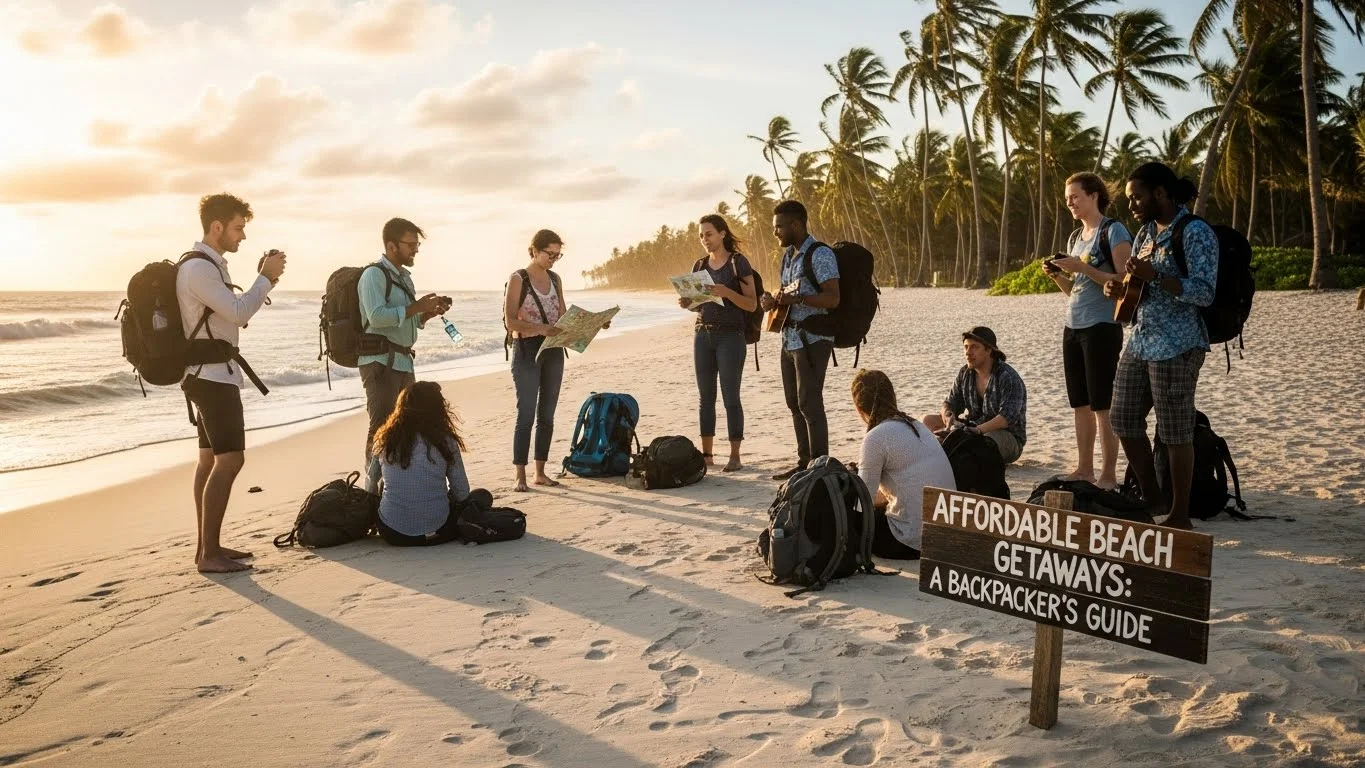
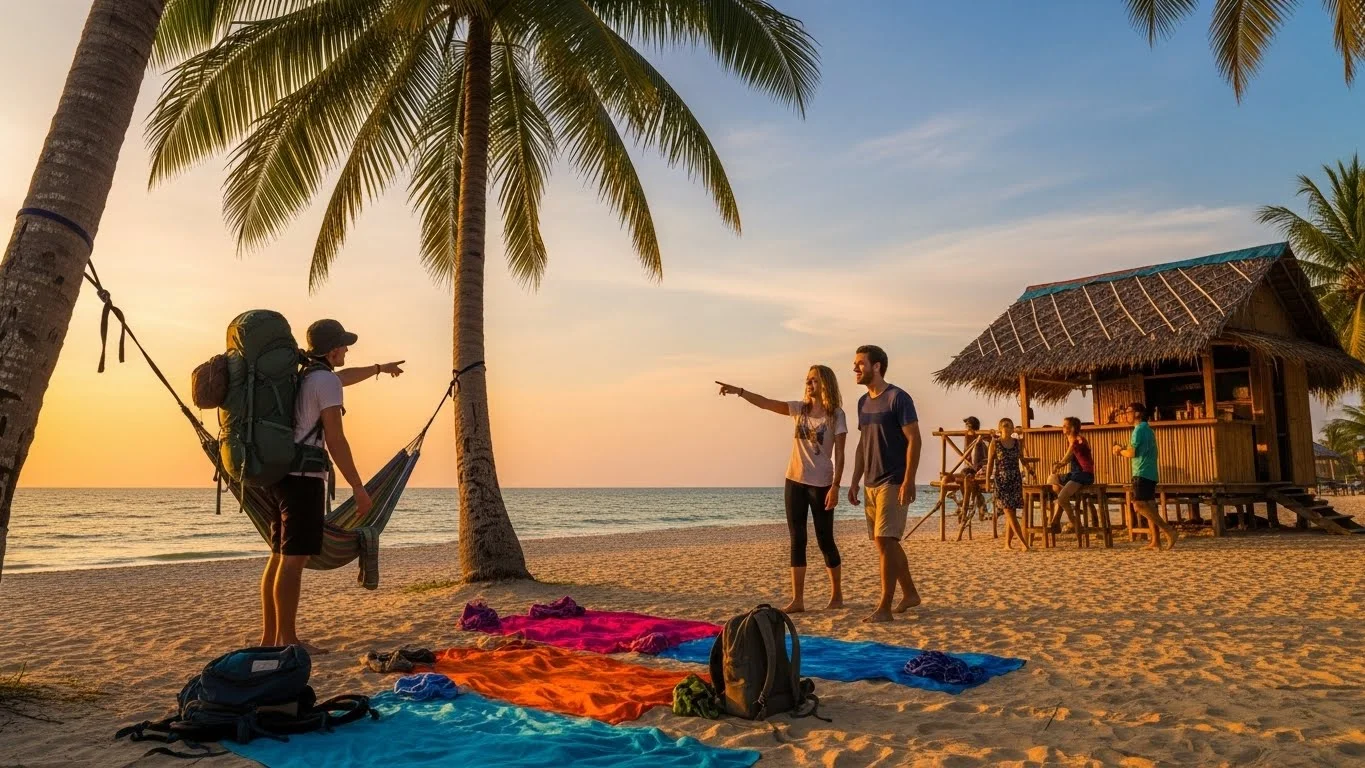
Discover Affordable Beach Getaways: A Backpacker’s Guide

Dreaming of sun-soaked beaches without breaking the bank? Let’s dive into the world of affordable beach getaways, perfect for those of us who love to explore without emptying our wallets. For families seeking budget-friendly options, you can explore these affordable family-friendly travel spots that cater to all ages.

Discover Affordable Beach Getaways: A Backpacker's Guide

Understanding Affordable Beach Getaways

What Defines an Affordable Beach Getaway?

When I think of an affordable beach getaway, I picture endless stretches of sand, crystal-clear waters, and the sound of waves lapping at the shore—all without the hefty price tag. An affordable beach getaway doesn’t just mean cheap; it means finding that sweet spot where comfort meets cost-effectiveness. This could be a small, lesser-known coastal town, a vibrant backpacker’s haven, or even a beautiful beach that’s slightly off the beaten path. For many of us, it’s about experiencing the beach vibe without the luxury resort price. We want to swim in the ocean, sip a cold drink, and feel the sun on our skin without worrying about our budget.

Benefits of Choosing Budget-Friendly Destinations

There’s something exhilarating about discovering new places that don’t come with a hefty price tag. From my own travels, I’ve learned that budget-friendly destinations often offer unique experiences that the more popular spots can’t match. First off, they tend to be less crowded, which means you can enjoy the beauty of nature without feeling rushed or cramped. I remember my time in a small beach town where I could stroll along the shore, soak up the sun, and even have conversations with locals who were eager to share their culture.

Another major benefit is the opportunity to stretch your dollar further. With the money saved on accommodation and activities, you can splurge a bit on local cuisine or take a guided tour that showcases hidden gems. I found that eating where the locals eat not only filled my stomach but also enriched my travel experience. Plus, traveling on a budget often leads to meeting fellow backpackers who share the same passion for adventure. I’ve forged some incredible friendships during those budget-friendly trips that I still cherish to this day.

Lastly, opting for affordable beach destinations encourages sustainability. These places often rely on eco-tourism and community support, allowing us to contribute positively to the local economy. I’ve always felt good knowing that my travels help support locals and preserve the natural beauty of the areas I visit. For those interested in eco-friendly options, check out affordable eco-friendly vacation rentals you can’t miss.

Top Affordable Beach Destinations for Backpackers

Central America

Playa del Carmen, Mexico

Playa del Carmen is a special place for me. It’s a vibrant beach town that combines beautiful beaches with a lively atmosphere. Here, you can find affordable hostels and beach clubs that welcome backpackers. The stunning coastline offers plenty of opportunities for snorkeling and diving, particularly in the nearby cenotes. I remember spending lazy afternoons lounging on the beach, soaking up the sun, and sipping on delicious fresh juices. The nightlife is also a plus! Whether you want to dance the night away or enjoy a quiet beach bonfire, Playa del Carmen has something for everyone.

San Juan del Sur, Nicaragua

San Juan del Sur is a favorite among surfers and backpackers. I was drawn there by the laid-back vibe and the stunning sunsets. The accommodation options are budget-friendly, and the local eateries serve up tasty meals without breaking the bank. One memorable experience was taking a surf lesson with locals who were incredibly patient, helping me stand up on the board. The surrounding landscape with its lush hills and crystal-clear waters left a lasting impression on me.

South America

Cartagena, Colombia

Cartagena is a colorful city that feels like a step back in time with its colonial architecture and vibrant streets. The beaches here are simply gorgeous, and I found that the costs were quite reasonable compared to other beach destinations. I loved wandering through the old town, sampling street food, and enjoying the lively atmosphere. The nearby Rosario Islands offer pristine beaches and fantastic snorkeling—just a boat ride away!

Florianópolis, Brazil

Florianópolis, or “Floripa” as the locals call it, is an island paradise that backpackers adore. It offers a mix of stunning beaches, lush mountains, and a rich cultural scene. I was pleasantly surprised by the affordability of hostels and the delicious, budget-friendly food options. The beaches range from lively spots filled with beach bars to quieter, secluded areas perfect for relaxation. I still reminisce about the fantastic hikes I did, which led me to breathtaking viewpoints overlooking the ocean.

Asia

Vang Vieng, Laos

Vang Vieng is a hidden gem in Laos that backpackers flock to for its stunning landscapes and laid-back vibe. I remember tubing down the river surrounded by limestone cliffs and lush greenery. The town has a good selection of budget accommodations and eateries, allowing us to enjoy our stay without overspending. Exploring the nearby caves and lagoons was an unforgettable adventure that I highly recommend.

Koh Lanta, Thailand

Koh Lanta has captured my heart with its relaxed atmosphere and beautiful beaches. It’s not as commercialized as some other Thai islands, making it a great option for budget travelers. We found affordable bungalows right on the beach, and the local restaurants served up some of the best Thai food I’ve ever tasted. I spent my days snorkeling in crystal-clear waters and my evenings watching the sun dip below the horizon—truly magical.

Europe

Algarve, Portugal

The Algarve region in Portugal is stunning, with its rugged coastline and beautiful beaches. I found that many beach towns there are quite affordable. We enjoyed exploring the cliffs, hidden coves, and charming villages. The fresh seafood was delicious and also reasonably priced, making it easy to indulge without feeling guilty. I loved visiting local markets where I could pick up fresh fruit for a beach picnic.

Budva, Montenegro

Budva is a charming coastal town that feels like a mix of old and new. The beaches are beautiful, and the historic old town is impressive. It’s incredibly affordable, especially for those traveling on a budget. I spent my days lounging by the sea and exploring the quaint streets filled with shops and cafes. The warm hospitality of the locals made my experience even better.

Africa

Zanzibar, Tanzania

Zanzibar is a paradise I will never forget. The beaches are absolutely breathtaking, and the culture is rich and vibrant. When I visited, I was amazed at how affordable it was compared to other destinations. The local food was delicious and inexpensive, and we found charming guesthouses that welcomed travelers with open arms. I loved exploring Stone Town, where the history is palpable, and the sunsets were simply unforgettable.

Essaouira, Morocco

Essaouira is a coastal town with a unique blend of Moroccan culture and beach vibes. I enjoyed the affordability of accommodations and found some incredible local dining options. The beach is perfect for windsurfing, and I spent my afternoons wandering through the medina, soaking in the sights and sounds. The friendly locals made the experience even more memorable.

When to Visit Affordable Beach Getaways

Understanding Off-Peak Seasons

Timing plays a huge role in enjoying an affordable beach getaway. From my experience, visiting during off-peak seasons can save you a ton of money while also enhancing your overall experience. For instance, I’ve traveled to places like Playa del Carmen in late September, when the summer crowds have dwindled. Not only did I find cheaper accommodations, but I also had the beaches mostly to myself. The weather was still warm, and I was able to enjoy the local attractions without long lines or waiting for a table at my favorite restaurants.

Each region has its unique off-peak season. In the Caribbean, for example, the late summer and early fall are considered off-peak due to the hurricane season. I’ve found it’s worth checking the historical weather patterns when planning my trips. You can often find great deals on flights and lodging, and you might even discover hidden gems that aren’t overrun by tourists. Just be sure to do a bit of research to avoid any weather surprises!

Climate Considerations for Different Regions

Understanding the climate of your chosen beach destination is crucial. I remember planning a trip to Zanzibar in April, only to find out that it was the start of the rainy season. While I still had a wonderful time, the unexpected showers limited some of my outdoor activities. Researching the average temperatures and rainfall for each month helped me fine-tune my plans. For places like Koh Lanta, I learned that the best time to visit is during the dry season, from November to April, when the weather is sunny, and the beaches are inviting.

Additionally, I’ve noticed that some regions have microclimates. For instance, the Algarve in Portugal can be quite warm during the summer, but towns further inland might be sweltering. Knowing what to expect in terms of climate helps in packing appropriately and planning daily activities. I always try to strike a balance between enjoying the sun and avoiding the peak heat of the day, especially if I want to explore the local scenery.

Budgeting for Your Beach Getaway

Estimating Travel Costs

Budgeting is an essential part of any trip, especially when it comes to affordable beach getaways. I’ve learned from experience that having a clear idea of my travel costs can make or break a trip. I usually start by estimating expenses for flights, accommodations, meals, and activities. Websites like Skyscanner or Google Flights have been my go-to for finding budget-friendly airfare. I often set up alerts for price drops; I’ve snagged some great last-minute deals that way!

Once I have my flight booked, I look into accommodations. I find that using apps like Hostelworld or Airbnb can assist in finding great deals. I tend to create a rough budget for each day, allotting a certain amount for food, activities, and any spontaneous adventures that might come up. I remember a trip to Florianópolis where I planned for just $30 a day for meals, but I ended up discovering so many local food trucks that I slightly increased my budget to indulge in local cuisine. It’s all part of the adventure!

Accommodation Options for Backpackers

Hostels vs. Guesthouses

One of the first things I always consider when planning a beach trip is my accommodation. From my travels, I’ve found that hostels are often the most budget-friendly option. They not only save money but also provide opportunities to meet fellow travelers. A few times, I’ve made lifelong friends while staying in hostels in places like San Juan del Sur. Plus, many hostels offer activities and tours at discounted rates, which can help you save even more.

Guesthouses are also a great alternative, especially if you’re looking for a more homey feel. I once stayed at a guesthouse in Essaouira that was run by a lovely local family. They provided breakfast, shared stories of their culture, and even recommended places to visit that weren’t in the guidebooks. In my opinion, choosing between a hostel or a guesthouse often depends on whether I want to socialize more or have a quieter experience.

Campsites and Beach Bungalows

If you’re feeling a bit adventurous and want to immerse yourself in nature, consider camping or staying in beach bungalows. I’ve camped on the shores of Koh Lanta, and it was one of the best experiences of my life. Waking up to the sound of the waves and the smell of salt in the air is unbeatable. Plus, camping usually comes with a lower price tag. Beach bungalows can range in price but often provide a cozy, rustic experience that enhances your connection with the surroundings.

Food and Dining on a Budget

Local Street Food Options

One of my favorite parts of traveling is trying local food, and I’ve found that street food is often not only delicious but also budget-friendly. I remember sitting on a busy street in Cartagena, indulging in arepas and fresh fruit smoothies for just a few dollars. Street food is a fantastic way to taste the local culture and meet locals. I’ve often chatted with vendors who shared their stories and recommendations, which made my experience even richer.

Grocery Stores and Markets

Another great way to save money on meals is to shop at local grocery stores and markets. I’ve had some great picnics on the beach by picking up fresh bread, cheeses, and fruits from local shops. In places like the Algarve, visiting the markets can be a delightful experience, filled with vibrant colors and the friendly chatter of locals. Cooking a simple meal while staying in a hostel or guesthouse can save money, and it can be a fun activity to share with fellow travelers.

Transportation Tips for Backpackers

Getting to Your Destination

One of the first things I consider when planning a beach getaway is how to get there. Transportation can significantly impact our budget, but I’ve found some great ways to save money. Budget airlines are often my go-to option, especially in regions like Southeast Asia and Europe. I remember booking a flight with a low-cost carrier from Bangkok to Koh Lanta, and it was surprisingly affordable. Just be aware of the extra fees that can sneak up on you, like baggage costs or seat selection. I always check the fine print before finalizing my booking!

Budget Airlines and Train Options

In my experience, using budget airlines can be a game-changer for affordable travel. Websites like Skyscanner or Kayak help me compare prices across different carriers. I also love the thrill of traveling by train when possible. Train journeys can be scenic and often more comfortable than a cramped bus. For example, I hopped on a train from Lisbon to the Algarve, and the ride offered stunning views of the Portuguese countryside. It was a relaxing start to my beach adventure!

Bus and Ferry Services

When it comes to getting around once I’m at my destination, buses and ferries are indispensable. In places like Nicaragua, I took a local bus from Granada to San Juan del Sur, and it was an adventure in itself. The fares were incredibly cheap, and I got to interact with locals. For island hopping, ferries are often the best option. I took a ferry from Cartagena to the Rosario Islands, enjoying the fresh sea breeze while keeping my costs low. Just remember to check the schedules in advance, as they can vary based on the season!

Getting Around Locally

Once I arrive at my beach destination, I always seek the most cost-effective ways to explore. Walking is often my favorite mode of transportation. I love discovering hidden gems and enjoying the local atmosphere at my own pace. In Koh Lanta, I spent hours wandering the beach and small villages, stumbling upon quaint cafes and local markets.

Bicycles and Motorbikes

Renting a bicycle or motorbike can be a fantastic way to get around, especially in more laid-back beach towns. I rented a scooter in San Juan del Sur, which allowed me to explore not only the beach but also some beautiful viewpoints and secluded spots. Just be sure to check if you need an international driver’s license and make sure to wear a helmet! Cycling along the coastal roads in places like Algarve was another memorable experience. The fresh air and stunning views made the ride enjoyable.

Public Transport and Rideshares

In larger cities, public transportation can be an excellent option. I’ve used buses and trams in places like Lisbon to navigate the city without spending much. Rideshare apps like Uber are also available in many regions, providing a convenient way to get around without the hassle of finding a taxi. I remember using an app to get from my guesthouse to the beach in Essaouira, and it was both affordable and efficient. Just keep an eye on surge pricing during peak times!

Essential Packing Tips for Beach Backpackers

Beach Gear and Essentials

Packing for a beach getaway as a backpacker can be a bit of an art. From my travels, I’ve learned to keep it simple and practical. A good-quality beach towel is a must; I prefer quick-drying types that take up less space in my pack. I always include a reusable water bottle to stay hydrated, as it’s easy to refill and saves money on buying drinks. Sunscreen is another essential—trust me, I’ve learned the hard way how important it is to protect my skin!

Clothing Considerations

When it comes to clothing, I focus on versatility. My go-to items usually include lightweight, breathable fabrics that dry quickly. A couple of swimsuits are essential since I tend to spend a lot of time in the water. I also bring a sarong that works as a beach cover-up, blanket, or even a makeshift towel. Packing a light jacket for cooler evenings is wise, especially in coastal areas where temperatures can drop after sunset.

Health and Safety Items

Health and safety are definitely top priorities for me when packing. A basic first aid kit is crucial—band-aids, antiseptic wipes, and any medications I might need are always in my bag. Insect repellent is another must-have, especially in tropical locations. I remember getting bitten more times than I could count in places like Nicaragua! And, of course, travel insurance is essential for peace of mind. I always make sure to have all my documents and emergency contacts written down.

Top Activities to Enjoy at Affordable Beaches

Water Sports and Adventure Activities

When I think about beach getaways, I can’t help but get excited about the activities waiting for me! There’s something about the ocean that calls for adventure. Water sports are often an affordable way to make the most of my beach time. I’ve tried my hand at snorkeling in the warm waters of Koh Lanta and found it to be one of the most vibrant experiences. The underwater world was bursting with color and life, and the rental fees for gear were minimal.

Snorkeling and Scuba Diving

In places like Cartagena, I discovered that many companies offer snorkeling tours at reasonable prices. These guided trips often include gear rental and transport, making it convenient to explore the nearby reefs. I remember swimming alongside schools of fish, and even spotting a sea turtle, which was a highlight of my trip! If you’re interested in scuba diving, many locations have affordable courses for beginners that allow you to explore further underwater.

Surfing and Paddleboarding

Surfing is another activity that I’ve enjoyed during my beach travels. San Juan del Sur is renowned for its surf spots, and I took a couple of lessons that were well worth the investment. With a little practice, I was able to catch some small waves, and the rush was incredible! Paddleboarding is also a fun option, and I’ve found it to be a peaceful way to explore the coastline while getting a bit of exercise. Rentals are usually inexpensive, and it’s a great way to soak up the natural beauty of the surroundings.

Local Culture and Festivals

One of my favorite ways to fully experience a destination is by immersing myself in the local culture. Each beach town often has its own unique festivals or events, which can be a fantastic way to connect with locals. I’ve enjoyed vibrant beach parties and cultural festivals that celebrate music, dance, and food. For instance, during my time in Essaouira, I stumbled upon a local festival featuring traditional music and crafts, which allowed me to experience the culture firsthand.

Nature Exploration and Wildlife

Don’t forget to explore the natural beauty surrounding the beaches! Hiking trails, national parks, and wildlife reserves often offer breathtaking views and unique experiences. I remember hiking along the cliffs in the Algarve, where the stunning panoramas of the coastline left me in awe. In places like Vang Vieng, I explored caves and lagoons, surrounded by lush landscapes. Keep an eye out for wildlife, as you might spot fascinating creatures native to the area!

Frequently Asked Questions

What defines an affordable beach getaway?

An affordable beach getaway is characterized by beautiful beaches, crystal-clear waters, and a relaxing atmosphere without a hefty price tag. It means finding a balance between comfort and cost-effectiveness, often in lesser-known coastal towns or vibrant backpacker’s havens.

What are the benefits of choosing budget-friendly beach destinations?

Budget-friendly beach destinations often provide unique experiences, less crowded environments, and opportunities to stretch your dollar further. They promote sustainability by supporting eco-tourism and local economies, allowing travelers to enjoy authentic experiences while helping preserve natural beauty.

Can you name some affordable beach destinations for backpackers?

Some affordable beach destinations for backpackers include Playa del Carmen in Mexico, San Juan del Sur in Nicaragua, Cartagena in Colombia, Florianópolis in Brazil, Vang Vieng in Laos, Koh Lanta in Thailand, the Algarve in Portugal, Budva in Montenegro, Zanzibar in Tanzania, and Essaouira in Morocco. If you’re traveling solo with pets, consider checking out solo travel with pets: affordable destinations to visit.

When is the best time to visit affordable beach getaways?

Visiting during off-peak seasons can save money and enhance the experience. Each region has its unique off-peak seasons, such as late summer and early fall in the Caribbean, which coincide with the hurricane season. Researching historical weather patterns can help in planning trips effectively.

What should I consider when budgeting for a beach getaway?

When budgeting for a beach getaway, estimate costs for flights, accommodations, meals, and activities. Use websites like Skyscanner for airfare and apps like Hostelworld or Airbnb for accommodation deals. It’s also helpful to create a daily budget for food and activities.

What are the accommodation options for backpackers at beach destinations?

Backpackers can choose from various accommodation options, including hostels, guesthouses, campsites, and beach bungalows. Hostels are often budget-friendly and provide social opportunities, while guesthouses offer a more homey feel. Camping and beach bungalows can enhance the connection with nature.

How can I save money on food while traveling to the beach?

Travelers can save money on food by trying local street food, which is often delicious and budget-friendly. Additionally, shopping at local grocery stores and markets for picnic supplies can be a cost-effective way to enjoy meals while experiencing local culture.

What transportation options are available for getting to beach destinations?

Budget airlines are a popular option for reaching beach destinations, along with train services that can offer scenic routes. Once at the destination, local buses and ferries are affordable ways to get around, while walking and renting bicycles or motorbikes can enhance the exploration experience.

What essential items should I pack for a beach backpacking trip?

Essential items for a beach backpacking trip include a quick-drying beach towel, reusable water bottle, sunscreen, lightweight clothing, and a basic first aid kit. Insect repellent and travel insurance are also important for health and safety while traveling.

What activities can I enjoy at affordable beaches?

Affordable beaches offer a variety of activities, including water sports like snorkeling and scuba diving, surfing, paddleboarding, and local cultural events and festivals. Nature exploration through hiking and wildlife observation can also enhance the beach experience.

Top 10 Budget Beach Destinations for Backpackers in 2023

If you’re dreaming of sun-soaked shores and vibrant cultures without breaking the bank, you’re in the right place! Let’s explore some of the best budget beach destinations for backpackers in 2023, where adventure meets affordability. Read Interesting article: Family Travel on a Budget: Essential Tips for Parents

Top 10 Budget Beach Destinations for Backpackers in 2023

Overview of Budget Beach Destinations

What Defines a Budget Beach Destination?

When I think of budget beach destinations, I envision places where the sun is bright, the waves are inviting, and our wallets can breathe a sigh of relief. A budget beach destination typically offers affordable accommodations, low-cost dining options, and a wealth of free or inexpensive activities. For me, the best spots aren’t just about the stunning ocean views; they also provide a rich cultural experience without the hefty price tag. These destinations can be found in various corners of the globe, each with its unique charm and character. The best part? You don’t need to sacrifice comfort or fun to stick to your budget.

Why Backpackers Prefer Beach Destinations

As a backpacker, I’ve always felt a magnetic pull towards beach destinations. There’s something incredibly freeing about the ocean breeze and the sound of waves crashing on the shore. Beach locations often have a laid-back vibe, making it easier to meet fellow travelers and locals alike. I’ve spent countless evenings chatting with new friends around a beach bonfire, sharing stories and laughs under the stars. Plus, beach destinations generally offer a variety of activities like snorkeling, surfing, and exploring coastal towns, which can often be done on a budget. It’s a perfect blend of relaxation and adventure that makes these places irresistible.

Top 10 Budget Beach Destinations for Backpackers in 2023

1. Bali, Indonesia

Best Time to Visit

Bali has been on my travel radar for years, and for good reason! The best time to visit is during the dry season, from April to October. The weather is perfect for beach activities and exploring the lush landscapes. I remember wandering through rice paddies and discovering hidden waterfalls, all while soaking up the sun.

Accommodation Options

When it comes to budget accommodation, Bali excels. I found plenty of hostels and guesthouses in areas like Ubud and Canggu, often available for as low as $10 a night. Many places come with amenities like free Wi-Fi and breakfast, which is a huge plus!

Top Attractions

There’s no shortage of things to do in Bali. I loved visiting the iconic Uluwatu Temple and taking in the stunning ocean views. The beaches in Seminyak and Kuta are perfect for sunbathing or surfing, and there are countless opportunities for yoga and wellness retreats that fit any budget.

Local Cuisine

Bali’s food scene is a feast for the senses! I indulged in delicious local dishes like Nasi Goreng and satays at warungs (local eateries) for just a few dollars. Plus, the fresh tropical fruits are a must-try!

2. Tulum, Mexico

Best Time to Visit

Tulum is often synonymous with eco-chic vibes and beautiful beaches. The best time to visit is from November to April when the weather is delightful. I found the evenings particularly magical, with soft breezes and stunning sunsets.

Accommodation Options

In Tulum, you can find budget-friendly hostels and beach cabanas. I loved staying at a cozy hostel that charged around $15 a night, with hammocks strung between palm trees for the ultimate relaxation.

Top Attractions

The Mayan ruins overlooking the Caribbean Sea are a must-see. I spent an unforgettable day exploring the archaeological site and swimming in the nearby cenotes—a unique experience that I highly recommend!

Local Cuisine

Tacos, fresh seafood, and homemade salsas are just the beginning. I remember indulging in street tacos for under $2, and each bite was bursting with flavor!

3. Lisbon, Portugal

Best Time to Visit

Lisbon is a delightful mix of history and stunning ocean views. I found that the best time to visit is during the spring (March to May) or fall (September to October). The weather is mild, and the crowds are lighter, making it a perfect time to explore.

Accommodation Options

Lisbon offers a range of budget accommodations, from hostels to guesthouses. I managed to snag a decent hostel for around $20 a night, which was a great base for exploring the city.

Top Attractions

The city is full of stunning views from places like Miradouro de Santa Catarina. I could spend hours wandering through the narrow streets of Alfama, soaking in the vibrant culture and history.

Local Cuisine

Don’t miss trying the iconic Pastéis de Nata (custard tarts) from local bakeries. I often found them for less than a dollar, and they became my daily treat!

4. Goa, India

Best Time to Visit

Goa is a haven for beach lovers! The best time to visit is from November to February. The weather is perfect for lounging on the beach or exploring the colorful markets.

Accommodation Options

In Goa, budget accommodations are abundant, with many beach huts starting at just $10 a night. I loved waking up to the sound of waves crashing just outside my door.

Top Attractions

Beyond the beaches, I enjoyed visiting spice plantations and the vibrant night markets. There’s something magical about Goa’s laid-back atmosphere that keeps me coming back.

Local Cuisine

The food in Goa is a delightful mix of Indian and Portuguese influences. I fell in love with the seafood curries and fresh fish, all incredibly affordable!

5. Siargao, Philippines

Best Time to Visit

Siargao is known for its surf culture and beautiful beaches. The best time to visit is during the dry season from March to November, when the waves are perfect for surfing.

Accommodation Options

Budget-friendly hostels and beach bungalows can be found for around $10-$20 a night. I enjoyed meeting fellow travelers and sharing experiences in communal areas.

Top Attractions

I was blown away by the beauty of Cloud 9, a world-famous surf spot. Plus, island hopping tours to nearby islands are a must-do! They’re often affordable and filled with breathtaking sights.

Local Cuisine

Siargao’s food scene is fresh and diverse, with plenty of seafood options. I loved indulging in local dishes like kinilaw (ceviche) while sipping on fresh coconut water.

6. Canggu, Indonesia

Best Time to Visit

Canggu has quickly become one of my favorite places in Bali. The best time to visit is during the dry season, from April to October, when the sun shines brightly and the surf is just right. I remember spending lazy afternoons soaking up the sun and watching surfers ride the waves—it’s a sight that stays with you.

Accommodation Options

For budget travelers, Canggu offers a plethora of options. I found lovely hostels and guesthouses for around $15 a night. Many of them have great communal areas where you can meet other backpackers. I made some fantastic friends just by hanging out in the common lounge, sharing travel stories, and planning our next adventures.

Top Attractions

Canggu is famous for its stunning beaches like Echo Beach and Batu Bolong, which are perfect for sunbathing and surfing. I took a walk along the beach, and the sunset views were simply breathtaking. Additionally, visiting the rice fields and enjoying a yoga session at one of the many studios in the area were highlights of my trip.

Local Cuisine

The food scene in Canggu is vibrant and varied. I loved trying out the local warungs, where I could grab a delicious bowl of Nasi Campur for just a few dollars. The smoothie bowls are also a must-try, and they’re a perfect way to cool down after a day in the sun!

7. Puerto Escondido, Mexico

Best Time to Visit

Puerto Escondido is a gem on Mexico’s Pacific coast. The best time to visit is between May and October, as the weather is warm and ideal for beach activities. I remember the thrill of riding the waves during this time—it’s a surfer’s paradise!

Accommodation Options

Finding budget accommodation in Puerto Escondido is a breeze. I stumbled upon a cozy hostel that charged around $12 a night. It had a laid-back atmosphere and was just a short walk from the beach, which made it easy to jump in the ocean whenever I wanted.

Top Attractions

One of my most memorable experiences was visiting the famous Zicatela Beach, known for its big waves and vibrant nightlife. I also enjoyed exploring the lagoons where you can spot turtles and a variety of wildlife. Every sunset felt like a celebration, with colors painting the sky over the ocean.

Local Cuisine

The local cuisine is irresistible. I often indulged in fresh ceviche and tacos, which were not only delicious but also incredibly affordable. Eating at local food stalls allowed me to savor the authentic flavors of Mexico without spending much.

8. Hoi An, Vietnam

Best Time to Visit

Hoi An is a coastal town that captured my heart with its historic charm and beautiful beaches. The best time to visit is from February to April when the weather is pleasant and dry. I loved wandering through the lantern-lit streets during the evenings—it felt magical!

Accommodation Options

Budget travelers will be delighted with the options available in Hoi An. I found a lovely guesthouse for around $10 a night, complete with a friendly owner who offered tips on local attractions and hidden gems. The hospitality made my stay even more special.

Top Attractions

The ancient town is a UNESCO World Heritage site, and exploring it felt like stepping back in time. I spent hours strolling along the riverside and visiting the local markets. The nearby An Bang Beach is perfect for relaxing, and I enjoyed a day swimming and sunbathing there.

Local Cuisine

Vietnamese cuisine is a highlight of any trip, and Hoi An’s specialties are no exception. I loved trying Cao Lau, a local noodle dish, for just a couple of dollars. The street food scene is vibrant, and I often found myself grabbing snacks from vendors while wandering the streets.

9. Koh Lanta, Thailand

Best Time to Visit

Koh Lanta is another beautiful Thai island that I have fond memories of. The best time to visit is from November to April, when the weather is sunny, and the beaches are at their best. I remember taking long walks along the sandy shores, soaking up the tranquility.

Accommodation Options

Finding budget accommodations is easy in Koh Lanta. I found a charming guesthouse for about $15 a night, complete with friendly owners who offered insights into the island. I loved the peaceful atmosphere—perfect for unwinding after a day of exploration.

Top Attractions

Exploring the national parks and visiting the stunning beaches like Klong Dao and Long Beach was a highlight of my trip. I also enjoyed snorkeling trips to nearby islands, where I was amazed by the vibrant marine life. Each day was an adventure waiting to happen.

Local Cuisine

The food in Koh Lanta is delicious and affordable. I often dined at beachfront restaurants where I could enjoy fresh seafood and pad thai for under $5. Eating while listening to the sound of waves was a daily pleasure I cherished.

10. Nha Trang, Vietnam

Best Time to Visit

Nha Trang, with its stunning beaches and vibrant nightlife, is a destination I would recommend to any backpacker. The best time to visit is from January to August when the weather is warm and perfect for beach outings.

Accommodation Options

In Nha Trang, I found budget-friendly hostels for around $8 a night. The communal vibe made it easy to meet fellow travelers and share plans for the day. I enjoyed staying in a place that felt like home while on the road.

Top Attractions

Besides the beautiful coastline, I loved visiting the ancient Po Nagar Cham Towers and taking a dip in the natural hot springs. Exploring the vibrant markets was also a highlight, with plenty of opportunities to try local delicacies.

Local Cuisine

Nha Trang’s food scene is fantastic. I enjoyed indulging in fresh seafood and local pho at street stalls for just a few dollars. The flavors are rich and diverse, making every meal an adventure in itself.

Tips for Backpacking on a Budget at Beach Destinations

Budget Accommodation Options

Finding budget accommodation is one of the most rewarding parts of my travels. I’ve discovered that with a little research, there are plenty of options available. Hostels are often the go-to choice for backpackers, offering not only affordable rates but also a chance to meet fellow travelers. I’ve stayed in some incredible places, from beachside bungalows to cozy dorms, all while spending under $20 a night. Websites like Hostelworld and Booking.com have been my best friends in finding these hidden gems.

In addition to hostels, I’ve also explored guesthouses and homestays. These options can provide a more authentic experience, and often the owners are eager to share their local knowledge. I remember staying with a family in Thailand where breakfast was included, and they even took me on a local market tour! It’s amazing how much richer your travel experience can be when you choose to stay with locals. Read Interesting article: Budget-Friendly Destinations for Family Backpacking Trips

How to Save on Food and Drink

Food is one of the highlights of travel for me, but I’ve learned that it doesn’t have to break the bank. Street food has been my go-to while backpacking. I’ve enjoyed mouthwatering dishes for just a couple of dollars, and I love how it allows me to taste authentic local flavors. I remember munching on fresh spring rolls in Vietnam or tacos in Mexico for under $2 each. Eating where the locals eat not only saves money but also immerses you in the culture.

When available, I also recommend checking out local markets for fresh produce and snacks. I often buy fruit or bread to have during the day, which helps keep costs down while still enjoying delicious food. Plus, sipping on fresh coconut water straight from the source is an experience all on its own!

Affordable Activities and Attractions

One of the greatest joys of visiting beach destinations is the plethora of free or low-cost activities available. I’ve spent countless days lounging on the beach, hiking scenic trails, and swimming in natural pools—all without spending a dime! Many beaches have free access, and I’ve found that simply soaking up the sun and enjoying the sound of the waves is priceless.

When I want to explore more, I usually look for local tours that are budget-friendly. I’ve joined group tours for snorkeling or island hopping, which often offer a great way to save money while enjoying a fun day out. I remember a snorkeling trip in the Philippines that cost me less than $30, and I got to see some of the most beautiful coral reefs and marine life I’ve ever encountered.

Transportation Tips

Getting around can be one of the biggest expenses when traveling, but I’ve found several ways to keep costs low. In many beach destinations, public transportation is a budget-friendly option. I’ve hopped on local buses, shared taxis, or even rented a bicycle to explore at my own pace. It’s a great way to see more of the area while saving money. I remember riding a bike along the coast in Bali—it was both exhilarating and scenic!

For longer distances, I’ve often opted for overnight buses or trains, which save on accommodation costs and allow me to wake up in a new spot. I’ve learned to book tickets in advance for the best deals, especially during peak seasons. Using apps like Skyscanner or Rome2rio has helped me find the best transportation options available. Read Interesting article: Explore the World on a Budget: Family Travel Guide

Frequently Asked Questions

What defines a budget beach destination?

A budget beach destination typically offers affordable accommodations, low-cost dining options, and a wealth of free or inexpensive activities. These destinations provide a rich cultural experience without the hefty price tag.

Why do backpackers prefer beach destinations?

Backpackers prefer beach destinations for their laid-back vibe, which makes it easier to meet fellow travelers and locals. Additionally, these locations often offer a mix of relaxation and adventure, with activities like snorkeling and surfing available on a budget.

What is the best time to visit Bali, Indonesia?

The best time to visit Bali is during the dry season, from April to October, when the weather is ideal for beach activities and exploration.

How affordable is accommodation in Tulum, Mexico?

In Tulum, budget-friendly hostels and beach cabanas can be found, with rates around $15 a night for cozy accommodations with relaxing amenities like hammocks.

What are some must-see attractions in Goa, India?

Must-see attractions in Goa include its beautiful beaches, spice plantations, and vibrant night markets, all contributing to its magical atmosphere.

What is the local cuisine like in Siargao, Philippines?

Siargao’s food scene is fresh and diverse, with plenty of seafood options. Local dishes like kinilaw (ceviche) are popular, and fresh coconut water is a favorite drink.

What budget accommodations are available in Hoi An, Vietnam?

In Hoi An, budget travelers can find guesthouses for around $10 a night, often with friendly owners who provide local insights.

What are some activities to do in Koh Lanta, Thailand?

Activities in Koh Lanta include exploring national parks, visiting stunning beaches like Klong Dao and Long Beach, and snorkeling trips to nearby islands.

How can travelers save on food and drink while backpacking?

Travelers can save on food and drink by opting for street food, which offers authentic local flavors at low prices. Local markets for fresh produce and snacks are also a great way to keep costs down.

What transportation options are available for traveling around beach destinations?

Many beach destinations offer budget-friendly public transportation options like local buses and shared taxis. Renting bicycles is another way to explore at a low cost, and overnight buses or trains can save on accommodation costs for longer distances.

Backpacking Smart: How to Dodge Common Travel Scams

Backpacking can be one of the most thrilling experiences, but it also comes with its share of risks, especially when it comes to scams. Let’s dive into how we can outsmart the tricks that often target travelers like us. Read Interesting article: Avoid Travel Scams: Essential Tips for Budget Backpackers

Backpacking Smart: How to Dodge Common Travel Scams

Understanding Travel Scams: An Overview

What Are Travel Scams?

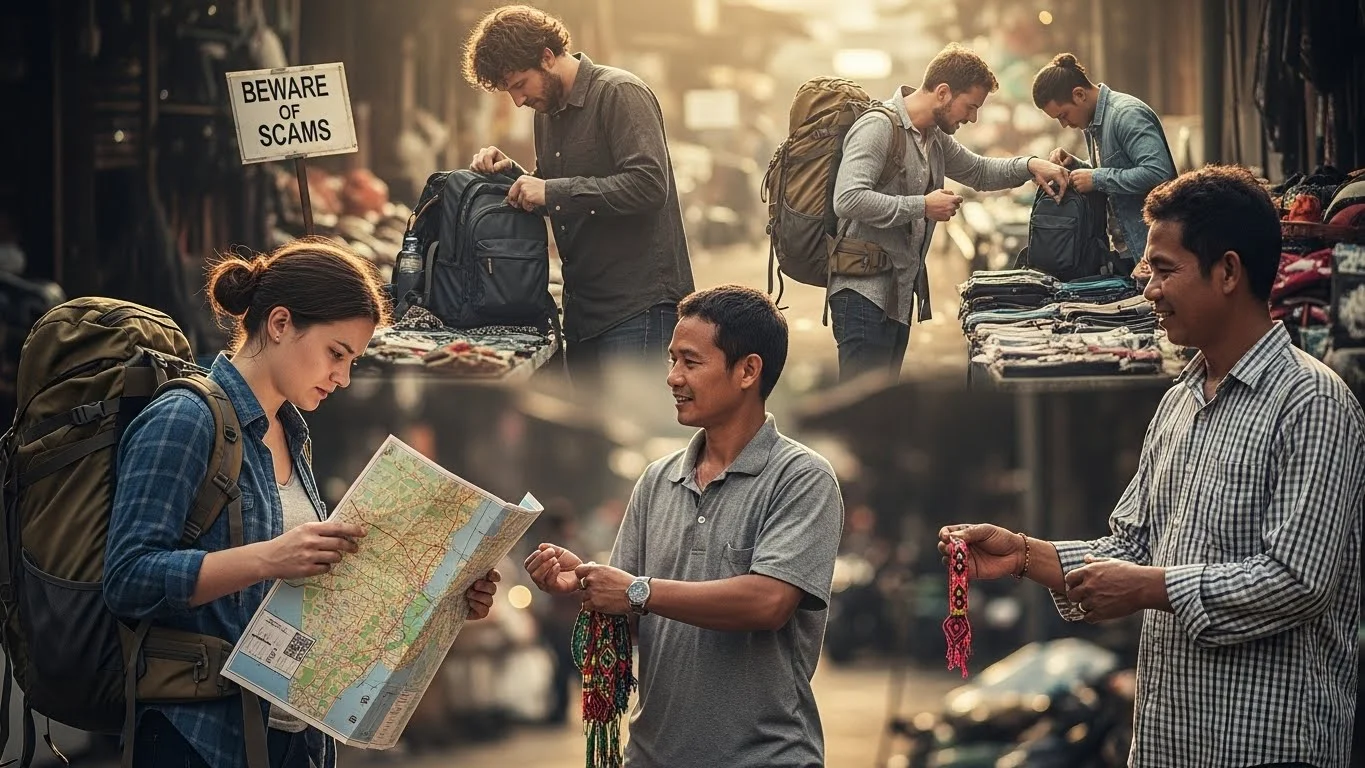
Travel scams are deceptive schemes designed to trick travelers into losing money, personal information, or both. They can take many forms, from fake tour guides to seemingly innocent street vendors offering too-good-to-be-true deals. I’ve found that scams often prey on our excitement and unfamiliarity with a new location, making it crucial for us to stay aware and informed.

Why Backpackers Are Targeted

Backpackers, in particular, are frequent targets for scammers. Often, we’re traveling on a budget, which might make us more susceptible to offers that seem like great deals. Additionally, as backpackers, we usually carry our belongings with us, making us potential victims for pickpockets and other thieves. I remember my first backpacking trip; I was so focused on seeing the sights that I didn’t fully grasp the importance of being cautious. It’s a lesson I learned the hard way, and I’ve vowed to share my experiences to help others avoid similar pitfalls. Read Interesting article: Top Scams Targeting Backpackers: Stay Safe While Traveling

Common Types of Travel Scams to Avoid

Fake Tour Guides and Services

One of the most common scams I’ve encountered is the fake tour guide. These individuals often approach us in popular tourist areas, offering guided tours at a fraction of the price. While some may indeed be legitimate, others can lead us into uncomfortable situations or even dangerous areas. I once ended up following a “guide” who took me on a wild goose chase, and I lost my way. It taught me to always do my homework beforehand or rely on trusted recommendations.

Currency Exchange Scams

Currency exchange is another area where scams thrive. I’ve seen cases where exchange booths offer rates that seem too good to be true, only to hit us with hidden fees. I remember exchanging currency at a kiosk that had an eye-catching rate, but when I did the math later, I realized I was shortchanged significantly. Now, I prefer to use ATMs that dispense local currency, as they generally provide better rates and are more reliable.

Accommodation Scams

When booking accommodations, it’s easy to fall into traps set by scammers. I once booked a room through a website that looked reputable, only to arrive at a place that didn’t exist! To avoid this, I learned the importance of checking multiple sources for reviews and using well-known booking platforms. It’s frustrating to think about how close I came to losing money and sleep over that experience.

Transportation Scams

Transportation scams can be particularly tricky, especially in unfamiliar cities. From overpriced taxi rides to phony shuttle services, I’ve seen it all. I once hopped into a cab that charged me double the fare because I didn’t know the local rates. Now, I always make sure to ask locals or check online for typical pricing before I get into any vehicle.

Street Vendor Scams

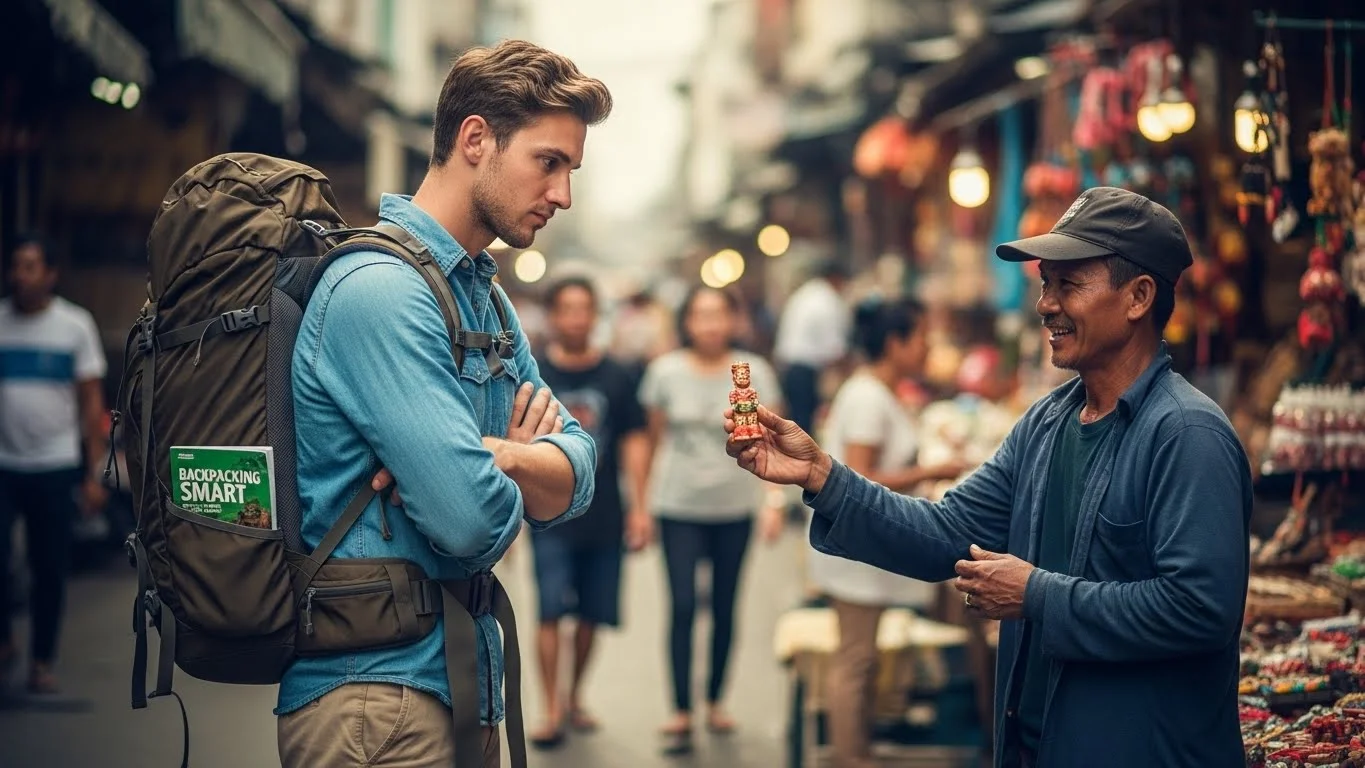
Street vendors can offer some of the best local food and souvenirs, but they can also be a source of deception. I’ve encountered vendors who switch items or inflate prices when they see me as a tourist. I learned to ask for prices upfront and to be cautious when accepting unsolicited help from strangers. Trust me, it’s better to be safe than sorry when it comes to street food and markets!

ATM and Credit Card Scams

Finally, ATM and credit card scams are rampant in tourist areas. Skimming devices can be placed on ATMs, capturing our card information. I remember using an ATM that looked a bit off, and luckily, I had a gut feeling to walk away. Now, I only use ATMs located inside banks and always cover my PIN when entering it. It’s a small precaution that can save us a lot of headaches.

As backpackers, our adventures are meant to be memorable and enriching. By staying aware of these common scams and learning from our experiences, we can make our travels safer and more enjoyable. I’ve certainly grown wiser with each trip, and I hope sharing my journey helps you navigate the exciting yet sometimes tricky world of backpacking!

How to Identify Potential Scams

Recognizing Red Flags

Identifying scams can sometimes feel like a daunting task, but I’ve learned to recognize certain red flags that signal trouble. For instance, if someone approaches you too aggressively, or if their offer seems way too good to be true, that’s a classic sign to be cautious. I remember walking through a bustling market when a vendor insisted I try their product without giving a clear price. My gut told me something was off, and I politely declined. Trusting my instincts helped me dodge what could have been an uncomfortable situation. It’s always best to be alert and use our intuition; if something feels wrong, it probably is.

Researching Destinations Before You Go

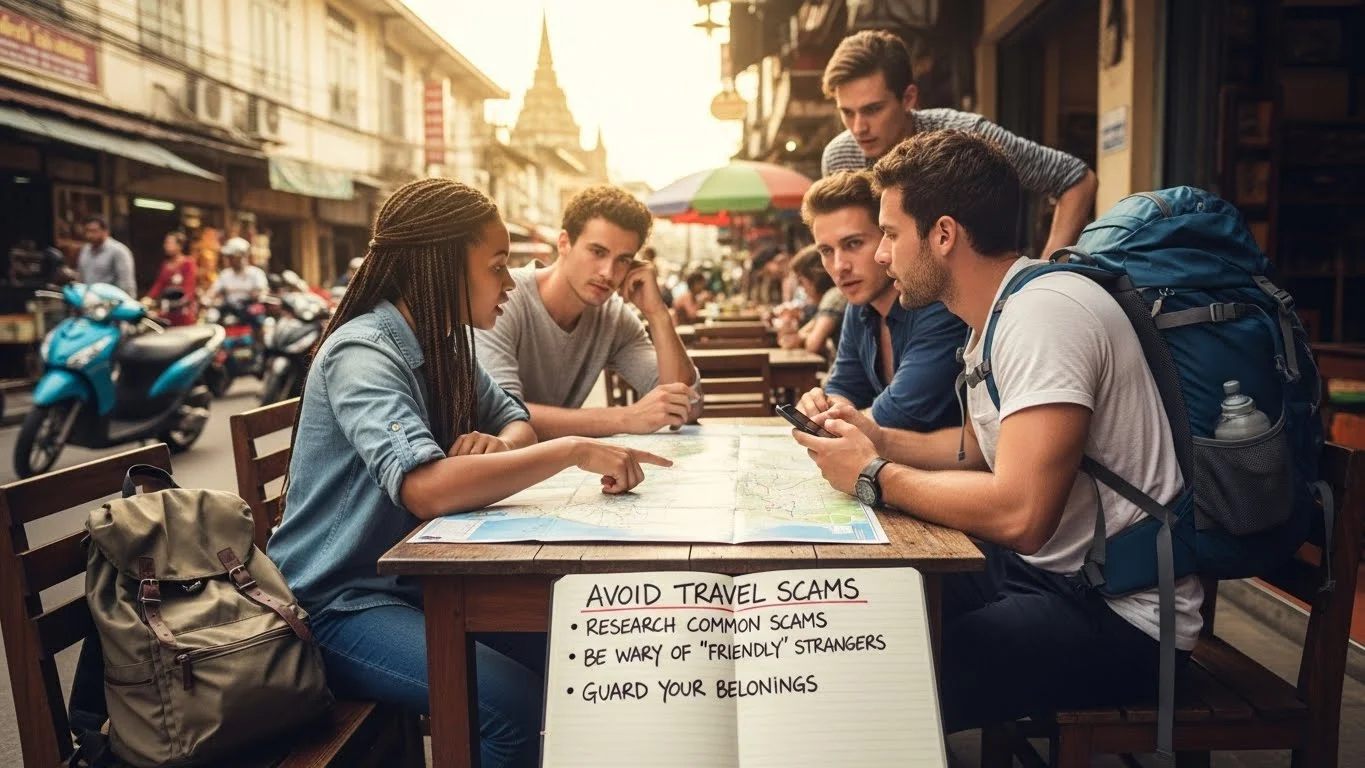
Before embarking on a trip, I always dive deep into researching my destination. This includes reading reviews, checking travel forums, and even connecting with fellow travelers who have been there. I find that familiarizing myself with common scams specific to the area really helps. For example, on my last trip to Southeast Asia, I came across a blog that highlighted popular scams in major cities. This knowledge kept me one step ahead. Knowing what to watch out for not only empowers us but also enhances our travel experience.

Using Trusted Resources and Apps

In our digital age, there are countless resources at our fingertips to help us stay safe while traveling. I’ve come to rely on certain apps and websites that provide real-time information about local scams and safety tips. For instance, apps like TripAdvisor and Google Maps not only help in navigating but also allow us to read recent reviews from other travelers. I once avoided a scammy tour company simply because I checked their ratings on an app before booking. It’s amazing how much a little foresight can save us from potential headaches!

Essential Safety Tips for Backpackers

Staying Aware of Your Surroundings

One of the most vital lessons I’ve learned is to always stay aware of my surroundings. I’ve been in crowded places where it’s easy to get distracted and lose focus. Keeping my belongings close and being aware of who’s around me has saved me from several close calls. I recommend taking a moment to step back and observe your environment, especially in busy markets or tourist hotspots. It’s a simple practice that can make a significant difference.

Travel Insurance: Why You Need It

Travel insurance has become a non-negotiable part of my travel planning. I can’t stress enough how important it is to have coverage, especially as backpackers who might find ourselves in unpredictable situations. I once had to use my travel insurance when my backpack was stolen. What a relief it was to know I had some financial protection! I always recommend reviewing policy details carefully to ensure it covers theft, cancellations, and any unexpected medical emergencies. It gives me peace of mind to know I’m covered no matter what happens.

Securing Your Belongings

Securing my belongings has become second nature to me while backpacking. I learned this the hard way after a close call with a pickpocket in a crowded square. Now, I use a combination of anti-theft bags and strategies like wearing my backpack on my front in crowded areas. I also invest in locks for my zippers to deter opportunistic thieves. Taking these precautions might seem excessive, but it’s better to be safe than sorry. Plus, it allows me to enjoy my travels without constantly worrying about my stuff!

Keeping Emergency Contacts Handy

Having emergency contacts easily accessible is something I now prioritize before every trip. I keep a list of important numbers in my phone, including local emergency services, my country’s embassy, and even a few trusted contacts back home. I remember feeling panicked during my first trip abroad when I got lost in a city without knowing who to call. Now, I make sure to have these contacts written down in addition to my phone, just in case I lose it. It’s a small effort that can provide a lot of comfort.

Best Practices to Dodge Scams

Using Cash Wisely

Managing my cash wisely while traveling has been crucial. I often find that using cash helps me avoid situations where my credit card details could be compromised. I try to use local currency as much as possible and only take out what I need for the day. I once encountered a scammer who tried to distract me while their accomplice slipped into my bag, but luckily, I had only a small amount of cash on me. It’s a good strategy to keep larger amounts secured in a safe place and only carry what I’ll need for the day.

Communicating Clearly with Locals

Clear communication with locals has not only enhanced my travel experiences but also helped me avoid scams. I’ve found that asking straightforward questions can clarify prices, services, and anything else I might be unsure of. During a recent trip, I asked a local restaurant owner about their menu, and they were more than happy to help me navigate through it. Plus, engaging with locals often leads to genuine recommendations and insights that make my travel experience richer.

Booking Accommodations and Tours in Advance

Booking accommodations and tours in advance is another practice I’ve adopted. It might seem daunting, but it’s worth it to avoid scams later on. I remember my first backpacking trip when I arrived in a city without a reservation and ended up in a questionable hostel. Now, I always read reviews and book through trusted platforms. This not only ensures I have a place to stay but also offers peace of mind knowing I’m staying somewhere vetted by others.

Trusting Your Instincts

Finally, trusting my instincts has been my best ally while traveling. If something feels off, I’ve learned to listen to that inner voice. I once felt uneasy during a tour that seemed too rushed and chaotic, and I decided to leave. In hindsight, it was the right choice. I feel that we all have that gut feeling for a reason, and it’s essential to pay attention to it. Our safety comes first, and it’s perfectly okay to walk away from a situation that doesn’t feel right.

Resources for Backpackers

Online Communities and Forums

One of the best resources I’ve found while backpacking is connecting with online communities and forums. Platforms like Reddit, Facebook groups, and travel-specific forums have been invaluable for gathering firsthand information from fellow travelers. I remember joining a Facebook group dedicated to backpacking in Southeast Asia. The tips and warnings shared by other members helped me avoid scams and made my trip much smoother. These communities often discuss current scams, safety tips, and hidden gems that can enhance our journey. Plus, it’s always comforting to know we’re not alone out there; we can share experiences and support each other!

Travel Blogs and Vlogs

Travel blogs and vlogs have also played a significant role in my planning process. I love watching travel vloggers who share their adventures and provide updates on scams they’ve encountered. One particular vlogger I follow shared a story about getting scammed by an unlicensed taxi service in a popular tourist spot. Their experience opened my eyes to the importance of using legitimate transportation options. Blogs often contain detailed accounts and practical tips, including local insights that guide us away from potential pitfalls. I frequently find myself bookmarking posts that outline common scams and how to avoid them, making my travel prep much more efficient.

Mobile Apps for Safety

In our tech-savvy world, mobile apps are essential for staying safe on our travels. I’ve downloaded several apps that keep me informed about local safety issues and scams. For instance, apps like Safety Map and Sitata provide real-time alerts about unsafe areas or known scams in specific locations. I once used a safety app while exploring a new city, and it directed me away from a neighborhood that had recently been flagged for pickpocketing incidents. Having this information at my fingertips has been a game-changer and allows me to feel more secure as I navigate unfamiliar territory.

Case Studies: Real-Life Scam Experiences

Stories from Fellow Backpackers

Hearing stories from fellow backpackers can be both eye-opening and educational. I remember chatting with a traveler at a hostel who had just returned from a trip to South America. She recounted an experience where she was approached by someone claiming to be a police officer, who then demanded to see her passport and wallet. Fortunately, she had done her research and recognized that legitimate officers don’t typically ask for money or personal items. Her quick thinking saved her from a potentially dangerous situation. Stories like hers remind me of the importance of vigilance and staying informed about local customs and scams.

Lessons Learned from Travel Scam Incidents

Every scam story I hear often comes with valuable lessons. I once met a couple who had fallen for a common hotel scam where they were offered a “special rate” that turned out to be significantly higher than what they could have booked online. Their experience taught me to always double-check prices on reputable booking platforms, even when approached directly. They emphasized the importance of patience and doing a bit of homework before making any financial commitments. These lessons from others can help shape our own travel strategies and prevent us from making similar mistakes.

Final Thoughts

As backpackers, we embark on journeys filled with excitement, adventure, and discovery. But the reality is, we also need to be prepared to face some challenges along the way, including the risk of scams. Throughout my travel experiences, I’ve come to realize that staying informed and cautious is just as important as the joy of exploring new places. I often think about my own journey and the lessons I’ve learned, and I want to share that wisdom with others.

Traveling smart means understanding the landscape of potential scams and adopting strategies to protect ourselves. For instance, I’ve made it a habit to always have a backup plan. Whether it’s knowing where the nearest bank is, having a list of emergency contacts, or keeping an extra copy of my important documents, these little precautions have proven invaluable during my travels. I remember a time when my wallet was stolen while I was exploring a bustling market. Thankfully, I had kept a separate stash of cash hidden and had my cards safely locked away. It’s those moments that highlight just how important it is to be prepared.

I’ve also found that striking up conversations with locals can be a game-changer. Not only do they provide insights into the culture and must-see spots, but they can also offer crucial information about common scams in the area. I once met a friendly local who warned me about a taxi service that charged tourists triple the normal fare. That simple conversation saved me from a frustrating and costly experience. Engaging with the community can open doors to richer experiences and safer travels.

As we prepare for our adventures, let’s not forget the importance of trusting our instincts. There have been times when I’ve felt uneasy about a situation, be it a mysterious offer or a suspicious-looking person. Listening to that gut feeling has kept me safe more times than I can count. It’s a reminder that we hold the power to steer our journeys, and sometimes that means saying no to something that doesn’t feel right.

Ultimately, traveling is about creating memories and connecting with the world around us. By arming ourselves with knowledge and staying vigilant, we can minimize the risks and maximize the joy of our adventures. I firmly believe that the more we learn from each other by sharing experiences, the safer we all become as travelers. So, let’s keep the conversation going, share our stories, and support one another on this incredible journey we call backpacking. Safe travels, everyone!

Frequently Asked Questions

What are travel scams?

Travel scams are deceptive schemes designed to trick travelers into losing money, personal information, or both. They can take many forms, including fake tour guides and street vendors offering unrealistic deals.

Why are backpackers targeted by scams?

Backpackers are often traveling on a budget, making them more susceptible to offers that seem like great deals. Additionally, they usually carry their belongings with them, making them potential victims for pickpockets and thieves.

What types of travel scams should I be aware of?

Common travel scams include fake tour guides, currency exchange scams, accommodation scams, transportation scams, street vendor scams, and ATM and credit card scams.

How can I identify potential scams?

Recognizing red flags, such as aggressive approaches or offers that seem too good to be true, is crucial. Researching your destination and using trusted resources and apps can also help you identify potential scams.

What precautions should I take regarding my belongings while backpacking?

Securing your belongings is essential. Use anti-theft bags, wear your backpack in front in crowded areas, and invest in locks for your zippers to deter thieves.

Why is travel insurance important for backpackers?

Travel insurance provides financial protection in unpredictable situations, such as theft or cancellations. It gives peace of mind knowing you are covered for unexpected events during your travels.

How can I manage my cash wisely while traveling?

Using cash helps avoid situations where credit card details could be compromised. Carry only what you need for the day and keep larger amounts securely stored away.

What are some best practices to avoid scams when booking accommodations?

Booking accommodations in advance through trusted platforms and reading multiple reviews can help avoid scams. Always double-check prices to ensure you’re getting a fair deal.

How can communication with locals enhance my travel experience?

Clear communication with locals can clarify prices and services, helping you avoid scams. Engaging with them often leads to genuine recommendations and valuable local insights.

What role do online communities and travel blogs play in avoiding scams?

Online communities and travel blogs provide firsthand information and updates on scams encountered by fellow travelers. They can offer tips and warnings that help you navigate your journey more safely.

Top Scams Targeting Backpackers: Stay Safe While Traveling

Traveling as a backpacker can be an exhilarating adventure, but it also comes with its fair share of risks. Scams targeting travelers can leave lasting impacts, both financially and emotionally. Let’s dive into the world of backpacker scams and how to safeguard ourselves. Read Interesting article: Avoid Travel Scams: Essential Tips for Budget Backpackers

Top Scams Targeting Backpackers: Stay Safe While Traveling

Overview of Scams Targeting Backpackers

Definition of Backpacker Scams

Backpacker scams are deceptive schemes specifically designed to exploit travelers, particularly those who are on a budget. These scams can range from fake accommodation listings to overpriced tours, and they often occur in popular tourist destinations. I’ve seen friends fall victim to these scams, and it’s heartbreaking to watch someone’s travel experience tainted by such dishonesty.

In my travels, I’ve encountered various scams myself. The first time I was approached by someone offering “too good to be true” deals, I felt a mix of excitement and suspicion. Understanding these scams can make all the difference in how we navigate our adventures. Read Interesting article: Essential Solo Travel Safety Tips for Budget Backpackers

Why Backpackers are Targeted

So why are backpackers specifically targeted? For one, many backpackers are often traveling on a tight budget, making them more vulnerable to scams that promise savings or deals. Additionally, backpackers tend to be less familiar with local customs and languages, which can make them easy targets for tricksters. I remember a time when I was in a bustling market, and the language barrier made it challenging to decipher whether a price was fair or not.

Moreover, backpackers generally carry cash and important documents, making them attractive targets for pickpockets and con artists. I’ve learned to be extra cautious with my belongings, especially in crowded areas where distractions are common.

Common Types of Scams

Fake Accommodation Listings

One of the most common scams backpackers encounter is fake accommodation listings. Imagine arriving in a new city after a long journey, only to find that the place you booked doesn’t exist or is significantly different from what was advertised. I experienced this firsthand when I booked a hostel online that looked great in photos, but when I arrived, it was more of a run-down apartment. It was a wake-up call for me to do my research thoroughly before booking.

To avoid falling for this scam, I recommend checking reviews on trusted travel websites and ensuring the listing has a profile with real feedback. Engaging in forums where travelers share their experiences can also provide valuable insights.

Overpriced Tours and Activities

Another scam that frequently targets backpackers involves overpriced tours and activities. I’ve been approached by enthusiastic locals offering guided tours at seemingly great prices, only to realize later that I could have explored on my own for free or at a much lower cost. It’s essential to do some prior research on what’s available and compare prices.

When booking tours, I’ve learned to ask locals for recommendations or consult online travel communities. Often, fellow travelers can point you in the direction of genuine experiences without the hefty price tag.

Taxi and Transportation Scams

Taxi scams are prevalent in many tourist-heavy areas. I remember hailing a taxi in a foreign city, only to find out that the driver took a longer route than necessary, racking up the fare. To avoid this, I now use rideshare apps whenever possible or ask my accommodation for a reliable taxi company. Knowing the estimated fare beforehand can also help in negotiations.

It’s also wise to check if the taxi has a meter and if not, agree on a fare before getting inside. Transparency is key, and being aware of common routes can save us from unnecessary hassle.

Street Vendor Scams

Street vendors can be a fun way to experience local culture, but they can also be a source of scams. I’ve been lured into buying items that were overpriced or of poor quality. One time, I paid a high price for what I thought was a unique souvenir, only to find the same item at a fraction of the cost a few blocks away. I learned to look around and compare prices before making a purchase.

When dealing with street vendors, it’s helpful to ask locals about fair prices or to walk away if something feels off. Trusting our instincts often leads us in the right direction.

Scams Involving Currency Exchange

Currency exchange scams can also catch backpackers off guard. I remember exchanging currency at a local shop that presented a very favorable rate, only to discover later that I was given counterfeit notes. It’s essential to exchange money at legitimate places, such as banks or authorized exchange offices, to avoid being shortchanged.

Before traveling, I usually research the current exchange rates to avoid being misled. Having a rough idea of what to expect can save us a lot of trouble.

Pickpocketing and Theft

Pickpocketing is a common concern for backpackers, especially in crowded areas like markets or public transport. I’ve had moments where I felt a sudden push in a crowd and instinctively checked my pockets to find my wallet was still there. It’s a reminder of how alert we need to be. Keeping our belongings close and using anti-theft bags can make a significant difference.

Using hidden pockets for valuables and staying aware of our surroundings has helped me tremendously. When we’re in unfamiliar places, a little caution can go a long way in keeping our belongings safe.

Online Scams and Phishing

Lastly, we mustn’t forget about online scams and phishing attempts. I once received an email that looked like it was from a trusted travel site, asking me to confirm my booking. Thankfully, I paused and checked the email address. It wasn’t legitimate. This experience highlighted the importance of being cautious with our online activities while traveling.

Using secure connections, avoiding public Wi-Fi for sensitive transactions, and being skeptical of unsolicited messages can help protect our information. I always double-check URLs and think twice before clicking links.

Regions with High Scam Risks

Europe

Europe is a beautiful continent filled with rich history, stunning landscapes, and vibrant cultures. However, it also has its fair share of scammers looking to take advantage of unsuspecting backpackers. I remember walking through famous tourist spots like Barcelona and Paris, where I saw countless individuals selling counterfeit tickets or offering “exclusive” tours that turned out to be nothing special. In cities like Rome, I heard stories about fake charity collectors, who would tug at our heartstrings only to pocket our donations. It’s essential to stay vigilant, especially in highly trafficked areas.

One tip I’ve found helpful is to keep my eyes peeled for local news or travel advisories that highlight common scams in specific cities. Knowing what to expect can save us from falling victim to these tactics.

Asia

Asia is another hotspot for backpackers, known for its affordability and breathtaking sights. However, I’ve learned that it’s also rife with scams. In places like Thailand, tuk-tuk drivers often lure tourists in with promises of cheap rides that turn into overpriced detours to tourist traps. I once took a ride that led me to a shop where the driver received a commission for bringing in customers. It taught me the importance of understanding where I want to go before hopping into a vehicle.

Additionally, in certain regions, I’ve encountered scams involving “friendly locals” who offer to help but instead lead you to overpriced shops or services. It’s a good idea to research transportation options and have a general itinerary in mind, so you’re less likely to be swayed by these tricks.

South America

South America is filled with vibrant cultures and breathtaking landscapes, but scams are prevalent. I’ve heard cautionary tales about people getting approached by seemingly friendly individuals who offer to show them around, only to take advantage of their trust. In cities like Buenos Aires, I’ve seen how distractions can lead to pickpocketing. One moment, I was admiring the street art, and the next, I had to check my bag to ensure nothing was missing.

When I traveled through this region, I learned to stay alert and limit my valuables to what I truly needed for the day. Trusting my gut instinct helped me avoid situations that felt off.

Africa

Africa has so much to offer, from wildlife safaris to stunning beaches. However, scams are not uncommon. In places like Morocco, I’ve encountered situations where I was offered “exclusive” guided tours that turned out to be overpriced and underwhelming. I remember a time when I was approached in a market, and the vendor insisted on giving me a “special price” for a product, only to inflate the cost once I showed interest.

To navigate these situations, I recommend asking locals for advice and keeping an eye out for reviews from other travelers. It’s also beneficial to engage with multiple vendors before making a purchase, as it helps to gauge fair pricing.

North America

Even in North America, scams exist, particularly in tourist-heavy areas. I recall visiting certain cities in the U.S., where individuals posed as officials or police officers to extract money for “fines” or donations. These encounters were shocking, as they felt more brazen than I had experienced elsewhere. I learned quickly to ask for identification and not to hand over cash without verifying the authenticity of the request.

It’s also important to watch out for online scams involving vacation rentals or event tickets. I’ve been tempted by offers that seemed too good to be true, and I learned the hard way that researching and booking through trusted platforms is crucial.

How to Recognize Scams

Red Flags to Watch For

Recognizing scams can sometimes feel overwhelming, but there are clear red flags to watch for. One major sign is if someone is overly persistent or aggressive in their pitch. I learned to be wary of people who approach me in a hurry, especially in crowded places. If they’re trying to sell something or push an agenda without giving me a moment to think, I typically walk away.

Another red flag is when someone offers something at a significantly lower price than the going rate. I remember the first time I encountered a “too-good-to-be-true” offer for a tour. It turned out to be a lemon. Always trust your instincts and take a moment to consider whether the deal seems reasonable.

Common Phrases and Tactics Used by Scammers

Scammers often have a repertoire of phrases designed to disarm or entice us. I’ve noticed that many will start with, “You’re lucky! I’m having a special deal today,” or “This is a one-time offer.” These phrases are meant to create urgency and pressure you into making a decision without thinking it through. I’ve also encountered the classic, “I’m just trying to help!” which can sometimes mask ulterior motives.

Additionally, be cautious of anyone who tries to engage you in conversation about your plans or where you’re staying. Scammers often use this information to tailor their approach and gain your trust. I’ve found that keeping my plans to myself and deflecting questions has saved me from potential scams.

Staying Safe While Traveling

Pre-Travel Tips

Before embarking on any journey, I find that being prepared can make a world of difference. One of my favorite pre-travel tips is to research my destination thoroughly. I like to read up on the local customs, typical scams, and even the safest neighborhoods to stay in. Knowing what to expect helps me feel more confident and less vulnerable. I remember planning a trip to Southeast Asia, and diving deep into travel blogs and forums helped me understand common pitfalls that other travelers had encountered.

As part of my preparation, I also create a detailed itinerary that includes the addresses of my accommodations and any important landmarks. I print these out and keep them handy while traveling. Having a physical backup is especially helpful in case my phone dies or I can’t access the internet. I also make copies of my passport, ID, and critical documents, storing them separately from the originals. This way, if anything gets lost or stolen, I have a better chance of resolving the issue quickly.

Staying Alert and Aware in Public Spaces

Once I’m on the road, staying alert becomes my priority. I’ve learned that being aware of my surroundings can often help me avoid potentially dangerous situations. When I’m in crowded places like markets or public transport, I tend to keep my belongings close and always in sight. I remember a time in a busy train station, where I noticed a group of people acting suspiciously. By staying aware, I was able to move to a safer area before anything could happen.

I also make it a habit to scan the faces around me and trust my instincts. If something feels off—like too many people crowding one space or someone getting too close—I step back and reassess. I find that taking a moment to breathe and observe can prevent a lot of unnecessary stress.

Using Technology Wisely

Technology can be a great ally while traveling, but it also comes with risks. When I travel, I’m cautious about the Wi-Fi networks I connect to. I avoid public Wi-Fi for sensitive transactions, like banking or making reservations. Instead, I rely on my mobile data or use a VPN to protect my information. I remember once trying to book a last-minute flight while on a café’s Wi-Fi, only to be bombarded with strange ads and pop-ups. That taught me a valuable lesson about being cautious online.

There are also numerous apps that can enhance our travel experience. I love having translation apps on hand, which can help me navigate language barriers. Additionally, using maps and navigation apps allows me to find my way around without needing to ask strangers for directions. I’ve found that having offline maps downloaded ahead of time can come in handy in places where internet access is spotty.

Trusting Your Instincts

Above all, I believe trusting my instincts is one of the best tools I have in my travel safety belt. Over the years, I’ve learned to listen to that little voice in my head. If a situation feels uncomfortable or if someone’s approach seems too pushy, I don’t hesitate to walk away. I remember one instance where a local approached me, offering a guided tour. The deal sounded amazing, but something about it felt off. I decided to politely decline, and later I learned from fellow travelers that it was a common scam. It reinforced the idea that if something doesn’t feel right, it probably isn’t.

I think it’s important to remember that our instincts are often based on subconscious observations. If we feel uneasy, it’s okay to prioritize our safety over politeness. I’ve learned to be assertive and remember that it’s perfectly acceptable to decline offers that don’t sit well with me.

Frequently Asked Questions

What are backpacker scams?

Backpacker scams are deceptive schemes designed to exploit travelers, particularly those on a budget. These scams can include fake accommodation listings, overpriced tours, and various other tricks that often occur in popular tourist destinations.

Why are backpackers targeted by scammers?

Backpackers are often traveling on tight budgets, making them more vulnerable to scams that promise savings. They are typically less familiar with local customs and languages, which can make them easy targets. Additionally, backpackers usually carry cash and important documents, attracting pickpockets and con artists.

What is a common type of scam involving accommodation?

A common scam is fake accommodation listings. Travelers may arrive at a location to find that the place they booked doesn’t exist or is significantly different from what was advertised. To avoid this, it’s recommended to check reviews and engage in travel forums for feedback.

How can backpackers avoid overpriced tours?

Backpackers can avoid overpriced tours by doing prior research on available options and comparing prices. They should ask locals for recommendations or consult online travel communities to find genuine experiences at fair prices.

What should I do to avoid taxi scams?

To avoid taxi scams, use rideshare apps when possible, ask for reliable taxi companies from your accommodation, and check if the taxi has a meter. Agreeing on a fare before getting in can also help prevent being overcharged.

How can I protect myself from pickpocketing?

To protect yourself from pickpocketing, keep your belongings close and use anti-theft bags. Staying aware of your surroundings and using hidden pockets for valuables can also make a significant difference in preventing theft.

What are some red flags to recognize a scam?

Red flags to watch for include overly persistent or aggressive pitches and offers that are significantly lower than the going rate. If someone seems too eager to sell something or pressure you into a quick decision, it’s wise to walk away.

How can I stay safe while traveling online?

To stay safe online while traveling, avoid public Wi-Fi for sensitive transactions, use secure connections, and be skeptical of unsolicited messages. Always double-check URLs and think twice before clicking on links.

What pre-travel tips can help me avoid scams?

Before traveling, research your destination, including local customs and typical scams. Creating a detailed itinerary with addresses of accommodations and important landmarks, and making copies of important documents can also enhance your safety.

How important is trusting my instincts while traveling?

Trusting your instincts is crucial for travel safety. If a situation feels uncomfortable or someone seems too pushy, it’s acceptable to walk away. Your instincts are often based on subconscious observations and can help you avoid potentially harmful situations.

Avoid Travel Scams: Essential Tips for Budget Backpackers

Traveling on a budget can be thrilling, but it also comes with its share of challenges, especially when it comes to scams. Let’s explore how to navigate the world of travel while keeping our hard-earned money safe.

Avoid Travel Scams: Essential Tips for Budget Backpackers

Understanding Travel Scams

As someone who’s spent a good amount of time traveling as a backpacker, I’ve seen firsthand how easy it is to fall victim to scams. It’s a real bummer when you’re trying to enjoy new experiences, and suddenly, you find yourself in a tricky situation. Understanding the landscape of travel scams is the first step in protecting ourselves. I remember the first time I encountered a scam; it was eye-opening and a little embarrassing, but those experiences taught me valuable lessons.

Types of Common Travel Scams

There are countless scams out there, each one more creative than the last. Here are some of the most common ones I’ve encountered:

  • Fake Tour Guides: Some people pose as official guides and offer overpriced tours. They often target tourists who seem lost or confused.
  • Currency Exchange Scams: I once saw someone lose out on a significant amount of money because they didn’t check the exchange rate before exchanging cash at a sketchy kiosk.
  • Overpriced Transportation: Whether it’s taxis or shuttle services, it’s not uncommon for unsuspecting travelers to be charged double or even triple the normal fare.
  • Accommodation Scams: I’ve read stories of travelers booking a “cheap” hotel online only to find it doesn’t exist or is in terrible condition.
  • Street Vendor Scams: Vendors can sometimes trick tourists into paying far too much for simple items. I’ve been there, and it’s frustrating!

How Scams Target Backpackers

As backpackers, we often find ourselves in vulnerable situations. We’re usually on the move, juggling our backpacks and navigating unfamiliar environments. This makes us prime targets for scammers. I’ve noticed that we often appear enthusiastic but somewhat naive, which can attract con artists. When we’re busy taking in the sights or trying to find our way, it’s easy to overlook warning signs. I remember feeling overwhelmed while trying to communicate in a foreign language; this sense of disorientation can make anyone susceptible to trickery.

Additionally, many of us are on tight budgets, which can lead to desperation. I once tried to save money by opting for the cheapest option available, only to end up in a sketchy situation. Scammers thrive on this willingness to cut corners, offering solutions that seem too good to be true. From my experience, it’s crucial to maintain a balanced approach to budget travel without compromising safety. For further insights on staying safe while traveling, check out Solo Travel Safety: Your Ultimate Guide for Backpackers.

Preparing for Your Trip

Before heading off on an adventure, preparation is key. I can’t stress enough how much research can save you from potential scams and mishaps.

Researching Destinations

Knowing where you’re going can make a world of difference. I always spend time researching my destination before I arrive. This includes reading travel blogs, checking forums, and looking at recent traveler reviews. I remember visiting a city where I read about a particular scam beforehand, and it helped me avoid a sticky situation. It’s about arming ourselves with information so we can recognize red flags when they pop up.

Choosing the Right Accommodation

Accommodation is another area where scams can sneak in. I used to rely solely on online booking platforms which can sometimes lead to disappointment. Now, I always check multiple sources. Reading recent reviews is essential; I pay attention to comments about safety and the honesty of the staff. Sometimes, a little extra cash for a reputable place can save you a big headache later on.

Understanding Local Culture and Customs

Lastly, immersing myself in the local culture has been a game-changer. Understanding the customs and social norms can help me spot scams more easily. For instance, in some countries, haggling is expected, while in others, it’s frowned upon. When I took the time to learn a few key phrases or customs, it not only made my interactions smoother, but it also showed locals that I respected their culture, which often made them more inclined to help me rather than take advantage.

In my experience, knowledge is power. The more we know about where we’re going, the better equipped we are to navigate the complexities of travel. I’ve learned that being prepared doesn’t just enhance the travel experience; it also keeps us safe and our finances intact. Let’s move on to some practical tips for identifying scams before they can trip us up on our adventures.

Identifying Common Scams

Having traveled extensively, I’ve run into a variety of scams that can catch even the savviest travelers off guard. It’s one thing to read about scams, but experiencing them firsthand really opens your eyes. I want to share some key scams that I’ve encountered so we can all stay alert and dodge these pitfalls.

Fake Tour Guides

One of the most memorable scams I faced involved a charming “tour guide” in a bustling market. He approached me with a friendly smile and offered a guided tour of the area, claiming he was an official representative. I remember feeling tempted by the idea of having someone show me around, but something didn’t sit right. After some hesitation, I politely declined and walked away. Later, I learned that many travelers had fallen for similar scams. They ended up paying a hefty price for a subpar experience. My takeaway? Always do your research on legitimate tours before agreeing to anything. If someone approaches you, don’t be afraid to ask questions or walk away if it feels off.

Overpriced Transportation Services

I once landed in a new city and, after a long flight, I was eager to get to my hostel. A taxi driver approached me immediately, offering a ride for what seemed like a reasonable price. However, after a short ride, I realized he had taken a longer route and charged me double what I should’ve paid. I felt so frustrated and a little foolish. Now, I recommend using ride-sharing apps or asking locals about fair taxi rates before hopping in a cab. It’s always better to have a clear understanding of costs upfront.

Currency Exchange Scams

Currency exchange can be a minefield. I remember exchanging money at an airport kiosk, and the attendant handed me a stack of bills without explaining the rates. It wasn’t until later that I discovered I’d been charged a hefty fee. I’ve learned the hard way to always check the exchange rates online before making any transactions. Also, look for reputable exchange services or withdraw cash from ATMs that offer reasonable rates. It’s amazing how a little knowledge can save you a lot of cash.

Accommodation Scams

When it comes to accommodation, I’ve had both great and terrible experiences. I vividly recall booking a “great deal” online, only to arrive at a rundown hotel that barely resembled the pictures. It taught me the importance of reading recent reviews and doing thorough research. I recommend looking for accommodations that have a significant number of reviews, especially from travelers who have recently stayed there. Sometimes a small increase in budget can lead to a much safer and more pleasant stay.

Street Vendor Scams

Street vendors can be a mixed bag. I love trying local foods from street stalls, but I’ve also had moments where I was charged way too much for a simple snack. I remember buying a drink from a vendor, and when I looked around, I noticed others were paying far less. It made me realize how crucial it is to understand the prices of common items in the area. I’ve learned to ask locals about typical costs or even to walk around a bit before making a purchase to get a sense of what’s reasonable.

Budgeting Wisely

Budgeting is a fundamental aspect of any travel plan, especially for us backpackers. I’ve had my share of financial misadventures, and over time, I learned how crucial it is to set a realistic budget. Let’s dive into some strategies that have worked for me.

Setting a Realistic Travel Budget

When planning my trips, I always start by outlining my total budget. I consider transportation, accommodation, food, activities, and a little extra for unexpected expenses. I remember the first time I traveled without a solid budget; I ended up overspending and regretting it later. Now, I allocate specific amounts for each category, which helps me stay on track. I often use apps to track my spending in real time. This way, I can adjust as needed and ensure I don’t run out of funds before the trip is over.

Using Local Currency Effectively

Using local currency can save you money, but it can also lead to confusion. I’ve learned to familiarize myself with the currency of my destination before I arrive. This includes understanding the denominations and the exchange rate. I’ve made a habit of carrying a small amount of local currency for small purchases, which can help avoid currency conversion fees when using credit cards. It’s amazing how much easier it can make transactions when you’re not fumbling with coins or bills!

Finding Affordable Dining Options

Food is one of the highlights of travel for me, and I love trying local cuisine. However, dining out can quickly eat into your budget. I’ve found that asking locals for recommendations often leads to discovering hidden gems—places that serve delicious food at a fraction of the price of tourist traps. I also enjoy shopping at local markets and preparing some meals myself. Not only is it budget-friendly, but it also adds an authentic touch to my travel experience.

Staying Safe While Traveling

Safety is a top priority when we travel, and I’ve learned that being proactive can make all the difference. Whether it’s in a bustling city or a quiet village, staying alert gives me peace of mind. Here are some strategies I find effective in keeping myself safe during my adventures. For more tips, check out Essential Solo Travel Safety Tips for Budget Backpackers.

Staying Aware of Your Surroundings

I can’t stress enough how important it is to be aware of my surroundings while traveling. I remember one time I was exploring a crowded market, completely mesmerized by the sights and sounds. I got so caught up in the experience that I didn’t notice how close I was to some pickpockets. Fortunately, I noticed them just in time and adjusted my bag. Since then, I make it a point to regularly scan my environment. I try to find a balance between enjoying the moment and being alert. Whether it’s keeping my bag close or being cautious when someone approaches me, staying aware has helped me avoid sticky situations.

Using Technology for Safety

In our digital age, technology can be a great ally for safety. I’ve downloaded various travel apps that help with navigation and even have offline maps handy. This way, I avoid looking too lost or vulnerable when I’m in an unfamiliar place. I also use apps to share my location with friends or family back home, which gives me added comfort. When I’m traveling alone, I find it reassuring to know that someone knows where I am. Besides, I’ve discovered that many apps offer safety features, like emergency contacts and alerts, which can be invaluable in a pinch.

Emergency Contacts and Resources

Having a plan in case something goes wrong can ease a lot of stress. I always compile a list of emergency contacts, including local authorities, my country’s embassy, and even nearby hospitals. I remember a trip where a friend lost her wallet, and having the embassy’s contact information on hand made it easier to resolve the situation. I also ensure that I have travel insurance, which is a lifesaver when unexpected events occur. Knowing that I have support in case of emergencies allows me to focus on enjoying my travels rather than worrying about what could happen.

Tips for Avoiding Scams

Over the years, I’ve picked up some valuable tips that have helped me steer clear of scams while traveling. These small actions can make a significant difference in our experiences.

Trust Your Instincts

One of the best pieces of advice I can give is to trust your instincts. If something feels off, it probably is. I recall a time in a foreign city where a stranger approached me with an offer that seemed too good to be true. I hesitated and ultimately walked away, and I later learned that others had fallen for the same trick. It’s easy to get swept up in the excitement of travel, but listening to that little voice inside can help prevent unpleasant situations. If you feel uncomfortable or unsure, don’t hesitate to remove yourself from the situation.

Asking Locals for Advice

Locals often have the best insights about their areas, including which places to avoid. I’ve made it a habit to strike up conversations with residents, whether it’s at a café or while waiting for public transport. They can provide valuable tips and recommendations that can enhance my trip and keep me safe. I remember asking a store owner for restaurant suggestions, and he not only directed me to a great spot but also warned me about a nearby area known for scams. Building these connections can make my travel experience richer and safer.

Documenting Important Information

Keeping a record of essential information can be a lifesaver. I keep a note on my phone with details like the address of my accommodation, emergency contacts, and important identification numbers. In the event of a lost wallet or phone, having easy access to this info can speed up the recovery process. I also recommend taking pictures of important documents, like my passport and travel insurance, and storing them in a secure place online. It’s a simple step that can save a lot of headaches if something goes wrong.

Using Reputable Travel Apps and Websites

When it comes to planning and booking, I’ve learned to stick with reputable travel apps and websites. I remember once using a lesser-known site to book a hostel, only to find out it was a scam. After that experience, I turned to well-reviewed platforms, especially those with strong customer service. I also check for reviews and ratings before making any reservations. This extra step has helped me avoid unpleasant surprises and ensure that I’m making safe choices when traveling.

Resources for Budget Backpackers

As a backpacker, I’ve discovered that having the right resources at my fingertips can make all the difference. Whether it’s finding a place to stay or getting advice on safety, the following resources have been invaluable to me on my travels. You can also explore Family Travel Safety: How to Backpack on a Budget Safely for additional tips.

Travel Forums and Communities

Online travel forums are a goldmine for budget backpackers. I’ve spent countless hours on platforms like Lonely Planet’s Thorn Tree and Reddit’s travel communities, where I’ve found tips from fellow travelers who have been in similar situations. I remember posting a question about safe neighborhoods in a city I was planning to visit, and I received so many helpful responses. These communities are not only informative but also supportive, making it easier to connect with other travelers who share similar experiences.

Guides and Blogs on Travel Safety

Blogs dedicated to travel safety are another resource I frequently turn to. I follow several travel bloggers who focus on budget traveling and share their experiences with scams and safety tips. Their firsthand accounts and practical advice have helped me avoid pitfalls. For instance, I found a blog post detailing a common scam in a city I was visiting, which allowed me to navigate the area with confidence. I recommend checking recent posts for updates, as scams and local conditions can change quickly.

Government Travel Advisories

Before I head out on a new adventure, I always check for government travel advisories. These advisories provide crucial information about safety concerns and areas to avoid in various destinations. I recall a trip where the advisory specifically highlighted a region known for scams; being aware of this helped me plan my itinerary to stay clear of trouble. It’s a straightforward step that can save you from unexpected situations.

What to Do If You Encounter a Scam

Despite all the precautions we take, sometimes scams can still catch us off guard. Here’s what I’ve learned to do if I find myself in such a situation.

Reporting the Scam

If I ever fall victim to a scam, my first instinct is to report it. Many cities have local authorities or tourist police departments that take scams seriously. I remember a time when I witnessed a scam happening to another traveler; I reported it to local authorities, which not only helped that person but also raised awareness about the issue. Reporting scams can sometimes lead to action against scammers and help protect future travelers.

Seeking Assistance from Local Authorities

When I’ve been in a situation where I felt threatened or unsafe, I’ve learned that it’s essential to seek assistance from local authorities. Whether it’s the police or a local tourist information center, they can often provide guidance and support. I remember losing my wallet in a busy market once, and the local police were incredibly helpful in filing a report and giving me advice on how to proceed. It’s good to know that there are people who can help, even when the situation feels overwhelming.

Protecting Yourself in the Future

After encountering a scam, I always take some time to reflect on what happened. Analyzing the situation helps me recognize warning signs for future travels. I often journal about my experiences, noting what I learned and how I could have reacted differently. This practice not only helps me grow but also serves as a reminder to share these experiences with fellow travelers. Learning from our experiences can be one of the best defenses against scams in the future.

Final Thoughts

Traveling on a budget shouldn’t mean compromising our safety or enjoyment. By staying informed, preparing thoroughly, and trusting our instincts, we can navigate the world with confidence. I’ve learned that the key to a fulfilling travel experience lies in being proactive and aware. Every adventure brings its own challenges, but with the right mindset and resources, we can turn potential pitfalls into valuable lessons. Let’s continue exploring the world while keeping ourselves and our finances safe!

Frequently Asked Questions

What are some common types of travel scams?

Common types of travel scams include fake tour guides, currency exchange scams, overpriced transportation, accommodation scams, and street vendor scams.

How do travel scams specifically target backpackers?

Backpackers often appear vulnerable while navigating unfamiliar environments, making them prime targets for scammers. Their enthusiasm and tight budgets can lead to poor decision-making, increasing their susceptibility to scams.

What are some tips for preparing for a trip to avoid scams?

Preparing for a trip involves researching destinations, choosing the right accommodation, and understanding local culture and customs. This knowledge helps travelers recognize potential scams and avoid pitfalls.

How can travelers identify common scams during their journey?

Travelers can identify common scams by being aware of fake tour guides, overpriced transportation services, currency exchange scams, accommodation scams, and street vendor scams. Researching the area beforehand can also help recognize red flags.

What budgeting strategies can help prevent financial issues while traveling?

Setting a realistic travel budget, using local currency effectively, and finding affordable dining options are essential budgeting strategies. Tracking spending in real time can also help travelers stay within their budget.

What safety measures should travelers take while exploring new places?

Travelers should stay aware of their surroundings, use technology for safety, and have a list of emergency contacts and resources. These measures can help ensure safety during their adventures.

What should travelers do if they encounter a scam?

If travelers encounter a scam, they should report it to local authorities and seek assistance from local police or tourist information centers. Reflecting on the experience can also help recognize warning signs in the future.

How can travelers use technology to enhance their safety?

Travelers can use travel apps for navigation, share their location with friends or family, and access safety features like emergency contacts and alerts, which can provide reassurance and assistance in unfamiliar locations.

What resources are available for budget backpackers?

Budget backpackers can utilize online travel forums, guides and blogs on travel safety, and government travel advisories to gather valuable information and tips for their trips.

What is the importance of trusting your instincts while traveling?

Trusting your instincts is crucial while traveling. If something feels off or too good to be true, it is often best to walk away. This practice can help prevent unpleasant situations and protect travelers from scams.