Web Analytics

Recent Posts

Solo Backpacking Safety: Tips for Worry-Free Adventures

Solo backpacking can be one of the most exhilarating experiences, but it also comes with its own set of challenges. Ensuring your safety during these adventures is crucial for a worry-free journey. Read Interesting article: Stay Safe While Solo Backpacking: Top Safety Strategies
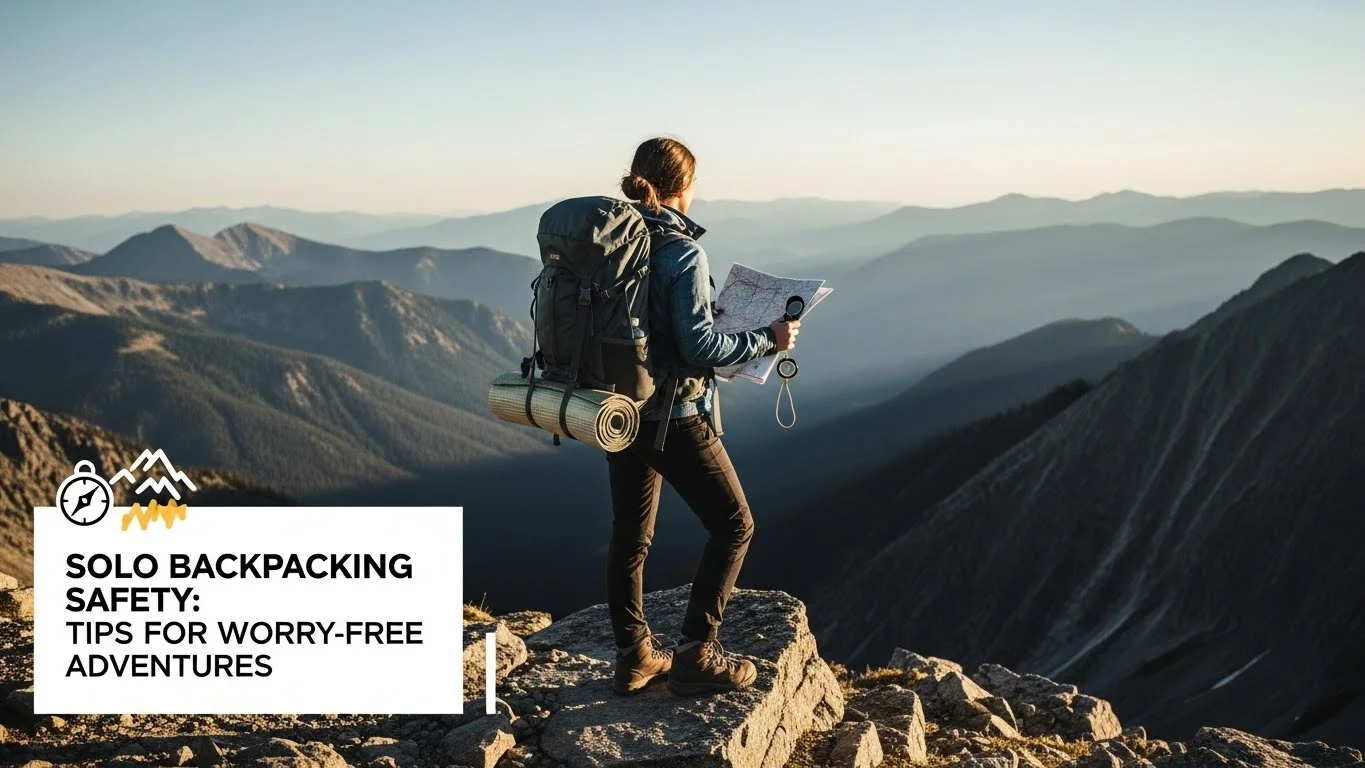
Solo Backpacking Safety: Tips for Worry-Free Adventures

Understanding Solo Backpacking Safety

What is Solo Backpacking?

Solo backpacking is all about immersing yourself in nature and exploring new destinations on your own terms. I remember my first solo trip vividly. It was a mix of excitement and nervousness. The thrill of discovering hidden trails and quiet campsites was empowering. I loved the freedom of setting my own pace, but it also meant I had to take full responsibility for my safety. Every decision – from where to camp to how to navigate unfamiliar terrain – fell squarely on my shoulders. That said, solo backpacking is not just about the destination; it’s about the journey and the personal growth that comes with it.

Importance of Safety in Solo Backpacking

When I first ventured into solo backpacking, safety was my top concern. I quickly learned that understanding the risks involved is essential for a successful trip. Being out in the wild alone can be daunting; there’s no one to rely on but yourself. This realization pushed me to prioritize safety measures, both physical and mental. I found that being prepared not only gave me peace of mind but also allowed me to fully enjoy my surroundings without constantly worrying about what might go wrong.

Additionally, safety in solo backpacking doesn’t just protect you from physical harm; it also enhances your experience. The more confident you are in your safety plan, the more you can focus on the beauty of your adventure, whether that’s spotting wildlife or enjoying a stunning sunset. Knowing I had taken the necessary precautions allowed me to embrace spontaneity, which is one of the greatest joys of backpacking. So let’s dive into how to ensure you stay safe while exploring on your own! Read Interesting article: Top Safety Tips for Solo Backpacking Adventures on a Budget

Pre-Trip Planning

Researching Your Destination

Before setting off, I always dedicate time to researching my destination. This step is crucial since different locations come with varying risks. I make a habit of checking online forums, local news, and travel advisories related to my planned route. For example, when I decided to backpack through the Rocky Mountains, I learned about wildlife encounters and weather patterns that could affect my trip. I found it helpful to read about other solo travelers’ experiences; their insights often highlighted things I wouldn’t have considered otherwise. I also mapped out potential hazards, such as steep trails or areas prone to flash floods.

Creating a Travel Itinerary

Putting together a travel itinerary was something I initially resisted. I thought spontaneity was part of the thrill. However, I’ve learned that having a general plan can significantly enhance my safety. I include details like my starting point, main stops, and estimated timelines. This way, if something goes wrong, I have an outline to share with someone back home. In my experience, sharing your itinerary with a trusted friend or family member is a smart move. It gives them peace of mind and can be crucial if an emergency arises.

Understanding Local Laws and Customs

Every place I visit has its own set of rules and customs. I’ve discovered that understanding these nuances can keep me safe and help me blend in with the local culture. For example, when I backpacked in Southeast Asia, I made sure to familiarize myself with local dress codes and customs around public behavior. Ignorance can lead to unwanted attention or even legal trouble, so I always take the time to learn about the local laws. Simple things, like knowing whether it’s okay to camp in certain areas, can make a big difference.

Health and Travel Insurance

Health and travel insurance is something I can’t stress enough. On my first solo backpacking trip, I took it for granted and ended up needing medical assistance for a minor injury. That experience taught me the importance of having reliable insurance. I recommend checking out various options and finding a policy that fits your needs, especially if you plan on hiking or engaging in more adventurous activities. Make sure your insurance covers emergency evacuations and medical expenses. Trust me, being prepared for the unexpected can save you a lot of stress and money down the road.

Essential Gear for Safety

Backpacks and Packing Techniques

Choosing the right backpack is one of the most important decisions I make before any solo trip. It’s my lifeline out there, so I always look for something comfortable, durable, and weather-resistant. I remember the time I opted for a lightweight, 50-liter backpack for a week-long hike in the Cascades. It was perfect for my needs, but I learned that loading it properly was just as crucial as the bag itself. I discovered that packing heavier items close to my back and lighter ones at the top helped me maintain balance and comfort while hiking.

Additionally, I practice packing an emergency kit within easy reach, along with essential items like snacks and water. This way, I can quickly access what I need without rummaging through everything. I also use packing cubes to keep my gear organized, which makes it easier to find things when I’m setting up camp or on the move. I can’t stress enough how important it is to pack smartly; it not only enhances your safety but also makes your journey much more enjoyable.

Safety Gear (First Aid Kit, Whistle, etc.)

When packing for a solo trip, I always include a well-stocked first aid kit. My first one was a basic kit, but I quickly realized I needed to customize it for my adventures. Now, I ensure it includes essentials like antiseptic wipes, adhesive bandages, gauze pads, and pain relievers. I also carry a blister kit because I learned the hard way how painful those can be during long treks. It’s comforting to know I have the tools to address minor injuries, allowing me to focus on the beauty around me rather than my discomfort.

In addition to the first aid kit, I always carry a whistle. It’s a small item, but it can be a lifesaver. If I find myself in a situation where I need to signal for help, I know that a whistle is much louder than my voice and requires less energy than shouting. I also recommend including a multi-tool or knife, which can be incredibly versatile for various tasks, from meal prep to emergency fixes.

Technology for Safety (GPS, Offline Maps, etc.)

Technology has become an invaluable ally in ensuring my safety while backpacking. I always carry a GPS device or, at the very least, make sure my phone is equipped with offline maps. On my last solo trip in the Adirondacks, I relied on an offline map app that guided me through unfamiliar trails and helped me avoid getting lost. It’s a little piece of mind that makes a big difference when I’m navigating through dense forests or rugged terrain.

Additionally, I find that carrying a portable charger can be a game-changer. I learned this lesson when my phone battery died right before I needed to check my route. Now, I always bring a lightweight power bank so I can keep my devices charged. This way, I can stay connected for emergencies and keep my maps and communication devices operational. And let’s not forget a good old-fashioned map and compass; sometimes, they’re the most reliable tools, especially when technology decides to let you down.

Staying Safe While Traveling

Choosing Safe Accommodations

Finding safe places to stay during my solo travels has been something I’ve learned to prioritize. I prefer booking accommodations that have positive reviews, especially regarding security. I remember staying at a hostel in a bustling city once, and it was comforting to know that there were security measures in place, such as locked doors and 24/7 reception. It allowed me to relax after a long day of exploring without worrying about my belongings or personal safety.

Another tip I’ve picked up is to choose accommodations that are close to essential amenities and public transport. It’s easier to navigate when I’m not far from main roads or transportation hubs, and it makes returning after a long day much simpler. Plus, I always try to arrive during daylight hours whenever possible; it just feels safer to get my bearings in the light.

Managing Money and Valuables

I’ve had my fair share of lessons on managing money while backpacking. One of my best practices is to carry a mix of cash and credit cards. I learned to keep my cash in different places—some in my wallet and some tucked away in a hidden pocket. This way, if I lose one, I still have backup. I also use a money belt, especially in crowded areas, to keep my valuables safe from pickpockets.

Additionally, I always inform my bank about my travel plans. There’s nothing more stressful than getting my card declined when I’m trying to buy something crucial. Setting up a travel alert helps avoid those situations. I also recommend keeping digital copies of important documents, like my ID and insurance information, in a secure cloud storage service. If anything goes wrong, I’ll have access to these documents without having to panic.

Transportation Safety Tips

Transportation safety is another area where I’ve gained some valuable insights. Whether I’m taking public transit, rideshares, or renting a car, I make it a point to stay alert and aware of my surroundings. I remember a time when I was on a crowded bus in a foreign city; I made sure to keep my bag close and my belongings secure. I always sit near the driver or in areas that feel safer if the option is available.

When using rideshare services, I double-check the vehicle’s details and the driver’s name before getting in. I’ve even shared my ride details with a friend, so they know where I’m headed. It’s just a little extra layer of safety that I find comforting. And if I ever feel uneasy about a situation, I trust my instincts and look for an alternative.

Staying Aware of Your Surroundings

Lastly, I cannot emphasize enough the importance of staying aware of my surroundings. I try to avoid getting too lost in my phone while walking through unfamiliar areas. Instead, I take in the sights and sounds around me. There is so much beauty in nature and new places, and being present in the moment not only enhances my experience but also helps me notice anything that seems off.

While hiking, I always make a conscious effort to be aware of trail conditions and other hikers. I’ve learned that if something feels off, it’s okay to turn back or adjust my plans. Being mindful of my environment is one of the best practices I’ve adopted, and it contributes significantly to my overall safety and enjoyment while solo backpacking.

Emergency Preparedness

Creating an Emergency Plan

Emergency planning is something I take very seriously before heading out on a solo backpacking trip. I’ve learned that having a solid plan can make a world of difference in a crisis. One of the first things I do is identify the nearest towns or villages along my route, just in case I need help or resources. It’s comforting to know where I can go if something goes wrong. I create a list of emergency contacts, including local authorities, hospitals, and people I trust back home.

Additionally, I make sure to establish a few key guidelines for myself. For instance, I always tell myself what to do if I get lost, injured, or face extreme weather conditions. I often outline meeting points with friends or family in case we get separated. Writing down these plans in a small notebook that I keep in my backpack helps me remember them when the adrenaline is pumping. Having a plan not only reduces stress but also gives me the confidence to tackle any unexpected situations.

Important Contacts and Resources

Having the right contacts at my fingertips is crucial while I’m out in the wilderness. I always save important phone numbers in my phone, but I also write them down in my notebook. This way, if my phone dies or I lose it, I still have access to vital information. I keep numbers for local emergency services, parks or forest services, and my insurance provider. I also include the contact details of trusted friends or family members who can assist if anything goes wrong.

I often familiarize myself with the local ranger stations or visitor centers, as they can be a wealth of information. When I visit a new area, I find it helpful to stop by and ask about any recent safety concerns or wildlife activity that might impact my trip. The staff usually have valuable insights, and I appreciate having those connections established before I head off on my adventure. Read Interesting article: Backpacking Solo? Here’s How to Ensure Your Safety

What to Do in Case of an Emergency

Despite all the planning, emergencies can still happen. I remember a time when I twisted my ankle while hiking alone; it was a scary moment. The first thing I did was stay calm and assess the situation. I took inventory of my surroundings and my supplies. It’s crucial to know what resources you have available, whether that’s food, water, or medical supplies. I’ve learned that being level-headed can make all the difference in how I respond.

If I ever find myself in a serious situation, like encountering a wild animal or getting lost, I rely on the emergency plan I created. I’ve practiced using my whistle to signal for help, which has given me a sense of security. If I have mobile service, I always try to call for help as soon as possible. It’s vital to keep my GPS or offline maps handy, as they can help pinpoint my location if I do need to communicate with rescuers.

It’s important to remember that not every emergency is a major crisis. Sometimes, it can be as simple as running out of food or water. In those situations, I remind myself to stay resourceful. I’ve found that there are often ways to ration supplies or find alternatives in nature, like drinking from a stream or foraging for edible plants. This is where my research and knowledge about local flora come into play.

Communicating While Backpacking Solo

Staying Connected with Friends and Family

Communication is another layer of safety that I prioritize while backpacking alone. I always share my itinerary with friends or family, as it gives them peace of mind knowing where I am. I find that sending regular updates, whether through text or social media, helps keep my loved ones informed and reassured. I try to set aside time each day to check in, even if it’s just a quick message to let them know I’m safe.

In the past, I’ve also used a satellite messenger for areas without cell service. It’s a bit of an investment, but having that ability to reach out in emergencies is priceless. I remember a trip where I had to navigate through some remote areas, and knowing I could send a message for help made my experience much less stressful. Technology can be a wonderful ally in these situations.

Using Technology for Communication

In addition to the satellite messenger, I always ensure my phone is loaded with communication apps that work offline. I’ve found that apps like WhatsApp can be handy for sending messages without needing cellular data, as long as I’m connected to Wi-Fi. Before my trips, I make a habit of downloading offline maps and storing important contacts in my phone. This way, I can access information without worrying about battery life, especially in areas where charging might be challenging.

While technology is essential, I also believe in the power of face-to-face communication when possible. I love chatting with fellow travelers or locals I meet along the way. These interactions not only enrich my experiences but also provide local insights that can enhance my safety. When I can connect with others, I feel more grounded and secure in my journey.

Frequently Asked Questions

What is solo backpacking?

Solo backpacking is about immersing yourself in nature and exploring new destinations on your own terms, allowing for personal growth and the freedom to set your own pace while taking full responsibility for your safety.

Why is safety important in solo backpacking?

Safety is crucial in solo backpacking as it protects you from physical harm and enhances your experience, allowing you to focus on enjoying the beauty of your surroundings without constant worry.

How should I prepare before a solo backpacking trip?

Preparation should include researching your destination, creating a travel itinerary, understanding local laws and customs, and obtaining health and travel insurance to ensure a safe trip.

What essential gear should I pack for safety?

Essential gear includes a well-stocked first aid kit, a whistle for signaling for help, a multi-tool or knife, a comfortable and durable backpack, and technology for navigation such as GPS and offline maps.

How can I ensure my accommodations are safe while traveling solo?

Choose accommodations with positive reviews regarding security, stay near essential amenities and public transport, and try to arrive during daylight hours to feel safer and more comfortable.

What are some tips for managing money and valuables while backpacking?

Carry a mix of cash and credit cards, keep cash in different places, use a money belt in crowded areas, inform your bank of travel plans, and keep digital copies of important documents in a secure cloud storage service.

What transportation safety tips should I follow?

Stay alert and aware of your surroundings, sit near the driver in public transit, double-check rideshare details, and trust your instincts if you feel uneasy about a situation.

How do I create an emergency plan for solo backpacking?

Create an emergency plan by identifying nearby towns for resources, listing emergency contacts, establishing guidelines for various situations, and writing down these plans in a notebook to keep in your backpack.

What should I do in case of an emergency while backpacking?

Stay calm, assess your situation, use your emergency plan, signal for help using a whistle if needed, and rely on GPS or offline maps to communicate your location to rescuers if required.

How can I stay connected with friends and family while backpacking solo?

Share your itinerary with friends or family, send regular updates about your safety, consider using a satellite messenger for areas without cell service, and use offline communication apps to stay connected.
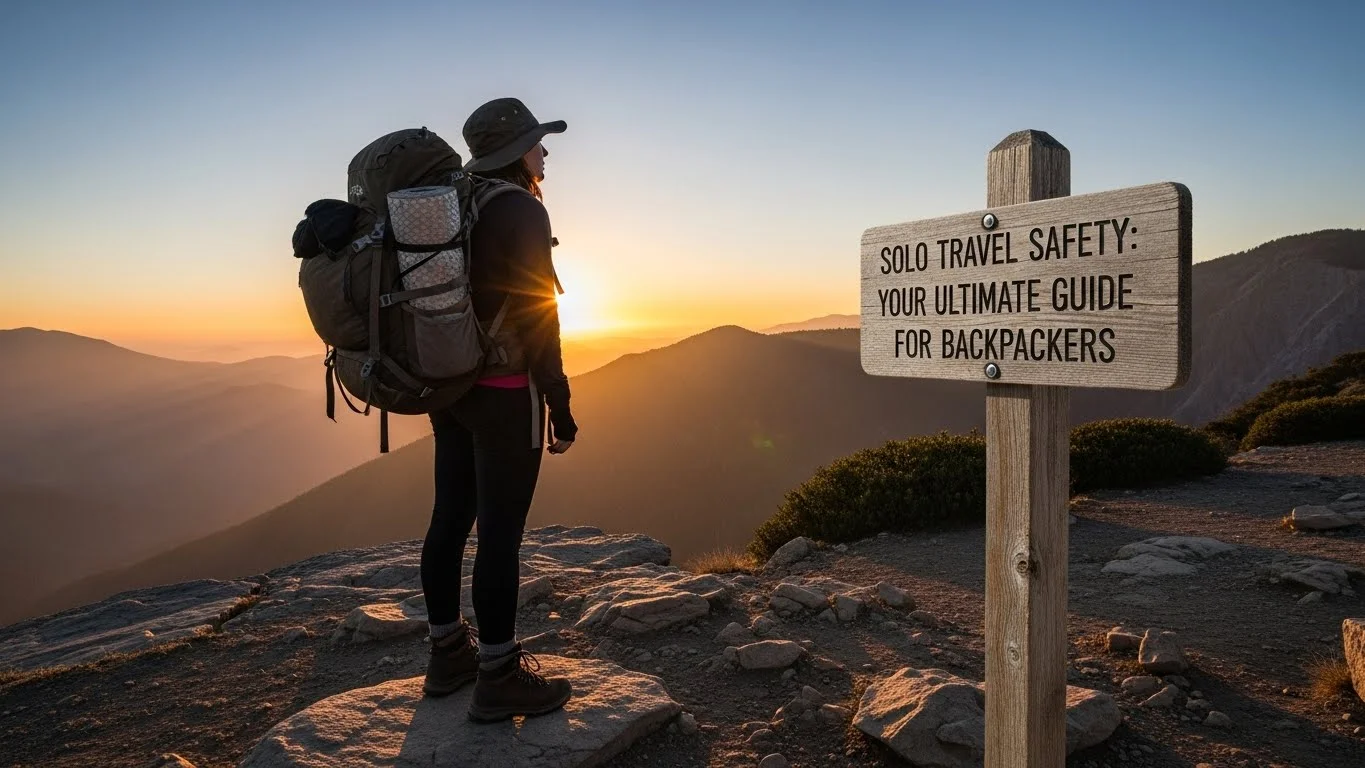
Solo Travel Safety: Your Ultimate Guide for Backpackers

Embarking on a solo travel adventure can be exhilarating, but safety should always be a top priority. Let’s dive into essential strategies for staying safe while backpacking alone. Read Interesting article: Essential Solo Travel Safety Tips for Budget Backpackers

Solo Travel Safety: Your Ultimate Guide for Backpackers

Understanding Solo Travel Safety

Importance of Safety for Solo Travelers

As someone who has ventured into the world of solo travel, I can tell you that safety is paramount. When you’re on your own, you’re not just responsible for your enjoyment but also for your well-being. The thrill of exploring new places can quickly turn into anxiety if you don’t take the necessary precautions. I’ve learned that being proactive about safety significantly enhances the travel experience, allowing me to focus on the adventure instead of worrying about potential dangers. It’s essential to understand that while solo travel can be liberating, it also comes with unique challenges that require careful consideration.

Common Risks Faced by Backpackers

From my experience, backpackers face a variety of risks that can range from minor inconveniences to serious threats. Theft is one of the most common issues; pickpockets often target tourists, especially in crowded areas. I remember a time in a bustling market where I almost lost my wallet to a sly thief. Being aware of your surroundings and keeping valuables close is crucial.

Another risk is getting lost, which can be daunting in unfamiliar territories. There’s a fine line between adventure and danger when it comes to navigating new places alone. I’ve had my share of wrong turns that led to unexpected experiences, both good and bad. Then there’s the risk of scams, which can be especially prevalent in tourist-heavy areas. I once fell for a seemingly friendly local offering to show me around, only to find out I was being led into a trap for overpriced tours. Awareness and a bit of skepticism can save you from these situations.

Health risks also shouldn’t be overlooked. Depending on the destination, you might encounter different health threats, from foodborne illnesses to more serious diseases. I learned this the hard way when I didn’t take the time to research local cuisine. It’s always wise to understand what you’re eating and ensure food hygiene standards are met.

Pre-Trip Planning

Researching Your Destination

Before I embark on any trip, I dive deep into research about my destination. This isn’t just about finding the best sights to see; it’s about understanding local customs, languages, and potential hazards. I often start by reading travel blogs and watching vlogs from fellow travelers who have been there. Their firsthand experiences can provide insights that guidebooks might miss. Websites like Reddit and travel forums also offer valuable tips from those who have walked the path before me.

Travel Insurance: Why It’s Essential

One of the best decisions I made in my solo travel journey was to invest in travel insurance. This small step provides a sense of security that I can’t recommend enough. Whether it’s covering lost luggage, unexpected cancellations, or medical emergencies, travel insurance has saved me from financial headaches. I remember a trip where I experienced a minor injury. Having insurance meant I could visit a local clinic without worrying about the costs. I believe that every traveler should prioritize getting insurance because, in the end, it’s about protecting yourself against the unexpected.

Health Precautions and Vaccinations

Health is something I never take lightly, especially when traveling solo. Before heading to a new country, I always check the recommended vaccinations. Some destinations require certain shots, and it’s better to be safe than sorry. I’ve had experiences where I neglected this and ended up regretting it. I now carry a small first aid kit in my backpack, which includes basic medications, antiseptics, and plasters. This little kit has come in handy more times than I can count.

Understanding Local Laws and Customs

Each country has its own set of laws and customs, and I think it’s crucial to familiarize myself with them before I land. I once found myself in a tricky situation in a country where certain gestures were considered offensive. Understanding these nuances not only helps avoid trouble but also shows respect for the local culture. Engaging with locals can be a fantastic experience, but it’s important to know the boundaries of that engagement. I make it a habit to look up any cultural protocols that might affect how I interact with others.

Solo travel is an incredible journey filled with freedom, and with the right precautions, you can enjoy every moment without unnecessary worry. The steps I take before my trip have always made a difference, allowing me to focus on the adventure ahead rather than potential setbacks. Remember, preparation is your best companion when exploring the world alone!

Choosing Your Destination Wisely

Safe Countries for Solo Backpackers

When I plan my trips, one of the first things I consider is the safety of the country I’m visiting. There are several destinations that are known for being particularly welcoming and safe for solo travelers. For example, countries like Japan, New Zealand, and Canada have a reputation for low crime rates and friendly locals. I remember my time in Japan, walking alone late at night in Tokyo without a single worry. The culture of respect and order made me feel secure, allowing me to truly immerse myself in the experience. I always suggest checking travel advisories and reading up on traveler reviews to get a sense of how safe a country is for solo backpackers.

Avoiding High-Risk Areas

While it’s exciting to explore new places, I’ve learned the importance of avoiding high-risk areas. Some neighborhoods may have higher crime rates or be less safe for tourists. I remember arriving in a city where my accommodation was located in an area that didn’t feel right, so I decided to change my plans. Trusting your instincts about safety is crucial. I always recommend researching local crime statistics and asking fellow travelers or locals about which areas to avoid. This simple step can make a world of difference in your overall experience.

Understanding Political Stability

Another factor I take into account is the political stability of a region. Traveling to a country experiencing unrest can quickly turn an adventure into a nightmare. I recall a time when I was planning a trip to a place that suddenly faced protests and political turmoil. Thankfully, I kept an eye on the news and chose to postpone my journey. It’s essential to stay informed about the political climate and any travel warnings. I often check websites like the U.S. State Department or local news sources to gauge the stability of my intended destination. This helps me avoid potentially dangerous situations and ensures a smoother travel experience.

Travel Gear for Safety

Essential Safety Gear for Backpackers

When it comes to solo travel, having the right gear can make all the difference. I’ve learned that certain items can enhance safety and peace of mind. For instance, I always carry a personal alarm. It’s a small device that makes a loud noise if I feel threatened, attracting attention and potentially scaring off a would-be attacker. Additionally, I find that a money belt or neck pouch is invaluable for keeping my valuables secure and close to my body. These little precautions can go a long way in ensuring I feel safe while wandering through new places.

Choosing the Right Backpack

The backpack itself is also crucial. I remember when I invested in a high-quality, anti-theft backpack that comes with hidden zippers and lockable compartments. Not only does it make it more difficult for pickpockets, but it also gives me peace of mind knowing my belongings are secure while I’m out exploring. A good backpack should be comfortable to wear for long periods and have enough space for everything I need, without being too bulky. I recommend trying on different packs to see what feels best and fits your style of travel.

Technology: Apps and Devices for Safety

In today’s digital age, having the right technology can significantly enhance safety. I always download safety apps before I travel. For instance, I like using apps like Google Maps for navigation, which helps me feel more confident when I’m exploring new areas. There are also apps designed specifically for safety, like bSafe, which allows you to send out alerts to friends or family if you feel unsafe. Staying connected and informed is key. Having a portable charger is also a lifesaver, ensuring that my devices remain charged throughout the day, so I can access important information whenever I need it. Read Interesting article: Solo Travel Safety: Budget-Friendly Tips for Peace of Mind

Accommodation Safety Tips

Choosing Safe Hostels and Hotels

Finding the right place to stay is another essential aspect of ensuring safety while traveling solo. I usually opt for hostels or hotels that have good reviews regarding safety. Websites like Hostelworld or Booking.com allow travelers to leave feedback about their experiences, which can be incredibly helpful. I always look for places that have 24-hour reception and security measures in place. After all, it’s comforting to know that there are staff members available to assist if I need help at odd hours.

Staying in Shared Accommodations

Staying in shared accommodations can be a fun way to meet other travelers, but it does come with its own set of safety considerations. I make it a point to keep my dorm room locked, even when I’m inside. It’s a habit I’ve developed after hearing about incidents of theft in shared spaces. I also recommend using a lock for your locker, if available, to secure important items. Additionally, I try to be mindful of who I share my space with. Getting a feel for fellow travelers can help me gauge whether I feel comfortable around them or not.

Checking Reviews and Ratings

Before booking any accommodation, I always spend some time reading reviews. Sites like TripAdvisor and Google Reviews offer valuable insights from other travelers. I focus on comments about safety, cleanliness, and staff behavior. It’s incredible how much information I can gather from others’ experiences. On one occasion, I avoided a hotel that had multiple reviews mentioning safety concerns, and I’m grateful for that decision. Remember, the reviews are there for a reason, and they can guide us toward making safer choices.

Transportation Safety

Safe Travel Methods for Backpackers

When I think about transportation while traveling solo, I remember how vital it is to choose safe options. For me, trains and buses are often the go-to methods, especially in countries where public transport is reliable. I’ve had great experiences hopping on trains across Europe, where the systems are well-organized and generally safe. Before I book any travel, I always check reviews and local safety tips about the transportation methods available in my destination. Sometimes, opting for a reputable bus company can make all the difference. I once took a long-distance bus in a foreign country and was pleasantly surprised by the comfort and the safety protocols in place. It felt good knowing that I was in safe hands while traversing new landscapes.

Using Public Transportation Wisely

Public transportation can be both economical and efficient, yet I’ve learned to be cautious. I make it a habit to plan my routes ahead of time, so I’m not wandering aimlessly or looking lost. This also helps me identify the safest times to travel. I remember being on a packed metro in a bustling city and feeling a bit overwhelmed. However, I kept my belongings secured and stayed alert. I find that keeping my phone in my pocket instead of visible and limiting my interactions with strangers helps me maintain a lower profile. If I’m unsure about a route, I don’t hesitate to ask locals or staff for assistance, as they often appreciate a polite traveler.

Alternative Transportation Options

Sometimes, I prefer alternative transportation options to explore local areas. Options like ride-sharing apps or reputable taxi services can be a great way to get around, especially when I’m in a new city. I always check for a car’s license plate and confirm the driver’s details before getting in, as it gives me reassurance. I remember using a ride-sharing app in a foreign city late at night; the convenience was undeniable, but I made sure to share my ride details with a friend just in case. Biking and walking are also fantastic ways to soak in the culture and sights while staying active. I often choose walking tours to not only navigate but also learn about the local history; just remembering to stay aware of my surroundings is key!

Personal Safety Tips While Traveling

Staying Aware of Your Surroundings

Being aware of my surroundings is something I take seriously when traveling solo. I’ve found that simply paying attention to the people, sounds, and environment around me can help me sense if something feels off. I often observe how locals behave in different situations, as it gives me clues about what’s normal and what’s not. I remember walking through a marketplace, taking in the vibrant sights and sounds, when I noticed a group of people acting suspiciously. Trusting my instincts, I chose to alter my route, avoiding what could have been an uncomfortable situation. I try to stay off my phone in crowded places, as it distracts me and makes me an easier target.

Managing Your Belongings

I can’t stress enough how important it is to manage my belongings effectively. I always keep my valuables in secure places, like a money belt or a hidden pocket in my backpack. I learned this the hard way after a small incident where I lost my phone while distracted in a busy café. Since then, I’ve made it a point to keep my essentials close and secure, even when I’m in familiar surroundings. I also minimize what I carry with me each day; I only take what I need, leaving my more valuable items locked up at my accommodation. This way, I can roam freely without constantly worrying about what’s in my bag.

Establishing Emergency Contacts

Before I set off on any trip, I always take the time to establish emergency contacts. I make sure to have a list of important numbers saved in my phone and written down in my travel journal—just in case my phone dies or gets lost. This includes local emergency services, my country’s embassy, and trusted friends or family back home. I remember a time when I mistakenly locked myself out of my accommodation in a foreign city. Thankfully, I was able to call the hostel’s emergency contact number and get immediate assistance. Having these contacts readily available gives me peace of mind, knowing that help is just a call away if I ever need it.

Solo Travel Etiquette

Interacting with Locals Safely

While engaging with locals can enrich my travel experience, I’ve learned to approach these interactions with caution. I always try to be friendly and respectful, but I remain aware of personal boundaries. For instance, I recall a time when a local offered to show me around, and while I was tempted, I made sure to meet in public places and kept my distance at first. Building trust slowly is key. I find that using simple phrases in the local language, like “hello” or “thank you,” can go a long way in showing respect and breaking down barriers.

Respecting Cultural Norms

Understanding and respecting cultural norms is another aspect of solo travel etiquette I prioritize. I often research local customs and traditions before I arrive. Doing so has saved me from embarrassing situations and helped me connect meaningfully with people. For example, I once visited a country where it was considered rude to point with my finger. Knowing this beforehand allowed me to engage respectfully and led to wonderful conversations with locals. I’ve found that being open to learning and adapting my behavior goes a long way in creating positive interactions.

Understanding Non-Verbal Cues

Non-verbal communication is something I pay close attention to during my travels. I remember a situation where my enthusiasm was misinterpreted as aggression in a different culture. This taught me to observe body language more keenly. Whether it’s a smile, a nod, or maintaining eye contact, these cues can tell me a lot about how I’m being received. I’ve learned that being mindful of these signals can help me navigate social situations more smoothly, ensuring that my interactions remain positive.

Emergency Situations: What to Do

Handling Theft or Loss of Belongings

Despite my best efforts, situations like theft or loss of belongings can happen, and I’ve learned the importance of staying calm and collected. If I ever find myself in such a predicament, I take a deep breath and assess the situation. I remember a time when my wallet was stolen while I was distracted at a café. Instead of panicking, I quickly informed the staff and reported the incident to the local police. I also contacted my bank to freeze my cards. Having a plan in place for such emergencies makes a world of difference, and I always try to keep a copy of important documents and contact numbers separate from my valuables.

Dealing with Medical Emergencies

Medical emergencies can be daunting, especially when traveling solo. I’ve made it a point to familiarize myself with local healthcare options before I travel. I remember a time when I had an allergic reaction while abroad; thankfully, I had researched nearby clinics and knew what to do. I always carry a basic first aid kit and any necessary medications, but knowing where to find help is crucial. I recommend checking if your travel insurance covers medical emergencies and understanding how to access healthcare services in your destination.

Contacting Authorities and Embassies

If I ever face serious issues, knowing how to contact the appropriate authorities or my country’s embassy is vital. I keep the embassy’s contact information handy, just in case. I recall a situation where a friend faced an emergency while traveling solo, and having the embassy’s number made it easier for her to get assistance. It’s essential to know that embassies can help with lost passports, legal issues, and other emergencies. I believe having this information at my fingertips adds an extra layer of security during my travels.

Staying Connected

Choosing the Right SIM Card or Roaming Plan

Staying connected while traveling solo is crucial for both safety and convenience. I always research local SIM card options or international roaming plans before I leave. I remember my excitement when I found a great local SIM card that offered ample data at a low price, which made navigating and staying in touch with friends and family easy. Being able to communicate not only helps keep me safe but also allows me to share my adventures in real-time!

Using Social Media for Safety Updates

Social media can be a powerful tool for staying connected. I often share my location or check-in at places whenever I’m exploring a new city. This gives my loved ones peace of mind and allows them to know I’m safe. I’ve found that using location-sharing features can be beneficial, especially in unfamiliar areas. I remember a time when I was hiking alone, and I shared my route with a friend. If anything had gone wrong, they would have known where to look for me.

Emergency Apps to Download Before Travel

Before any trip, I make it a habit to download emergency apps that can assist me if needed. These include translation apps, local emergency numbers, and safety apps that can share my location with trusted contacts. I’ve had experiences where these apps proved invaluable, like when I needed medical assistance but struggled with the language barrier. Having these tools on hand gives me confidence that I’m prepared for any situation that may arise. Read Interesting article: Solo Travel Safety Tips: Stay Secure on a Budget Journey

Post-Trip Safety Considerations

Sharing Your Experience Safely

After returning from my travels, I often feel compelled to share my experiences. However, I’ve learned to be cautious about how much I disclose online. I avoid posting sensitive information such as my exact location or travel plans in real-time. Instead, I prefer to share stories and photos after I’ve returned home. This way, I can keep my adventures alive without compromising my safety.

Following Up on Security Incidents

If I experienced any security incidents during my trip, I make sure to follow up once I return. This could mean reporting theft or scams to local authorities or sharing my experience with fellow travelers. I remember after a minor theft during one of my trips, I contacted the local police to file a report. It felt good to inform others, and I hoped it could prevent someone else from falling victim to the same situation.

Reflecting on Your Travel Experience

Finally, I believe reflection is a vital part of the travel experience. Once home, I take some time to think about what went well and what I could improve for future trips. I often jot down notes in my travel journal, detailing my adventures and any safety lessons I learned along the way. This practice not only helps me grow as a traveler but also prepares me for new experiences ahead. Each journey teaches me something new, and I cherish those lessons as I plan my next solo adventure.

Frequently Asked Questions

What are the key safety concerns for solo travelers?

Solo travelers face several safety concerns, including theft, getting lost, scams, and health risks. Being aware of your surroundings and taking precautions can help mitigate these risks.

How can I prepare for a trip to ensure my safety?

Pre-trip planning is essential for safety. This includes researching your destination, investing in travel insurance, checking health precautions and vaccinations, and understanding local laws and customs.

What destinations are considered safe for solo backpackers?

Countries like Japan, New Zealand, and Canada are known for their low crime rates and welcoming locals, making them ideal for solo backpackers.

What types of travel gear should I consider for safety?

Essential safety gear for backpackers includes personal alarms, money belts, and high-quality anti-theft backpacks. These items can enhance your sense of security while traveling.

How can I choose safe accommodations while traveling?

When selecting accommodations, look for places with good reviews regarding safety, 24-hour reception, and security measures. Reading traveler feedback on sites like TripAdvisor or Booking.com can be helpful.

What should I do in case of theft or loss of belongings?

If you experience theft or loss of belongings, stay calm, assess the situation, inform local staff, report it to the police, and contact your bank to freeze your cards if necessary.

How can I stay connected and safe while traveling alone?

Research local SIM card options or international roaming plans, use social media to share your location for safety updates, and download emergency apps before traveling for added security.

What precautions should I take when using public transportation?

Plan your routes ahead of time, keep your belongings secured, and avoid displaying your phone in crowded areas. If unsure about a route, ask locals or staff for assistance.

How can I interact with locals safely while traveling?

Engage with locals respectfully and be cautious. Build trust slowly, meet in public places, and use simple phrases in the local language to foster positive interactions.

What should I reflect on after returning from a trip?

After returning, reflect on your travel experiences, evaluate what went well and what could improve, and consider following up on any security incidents to help inform other travelers.

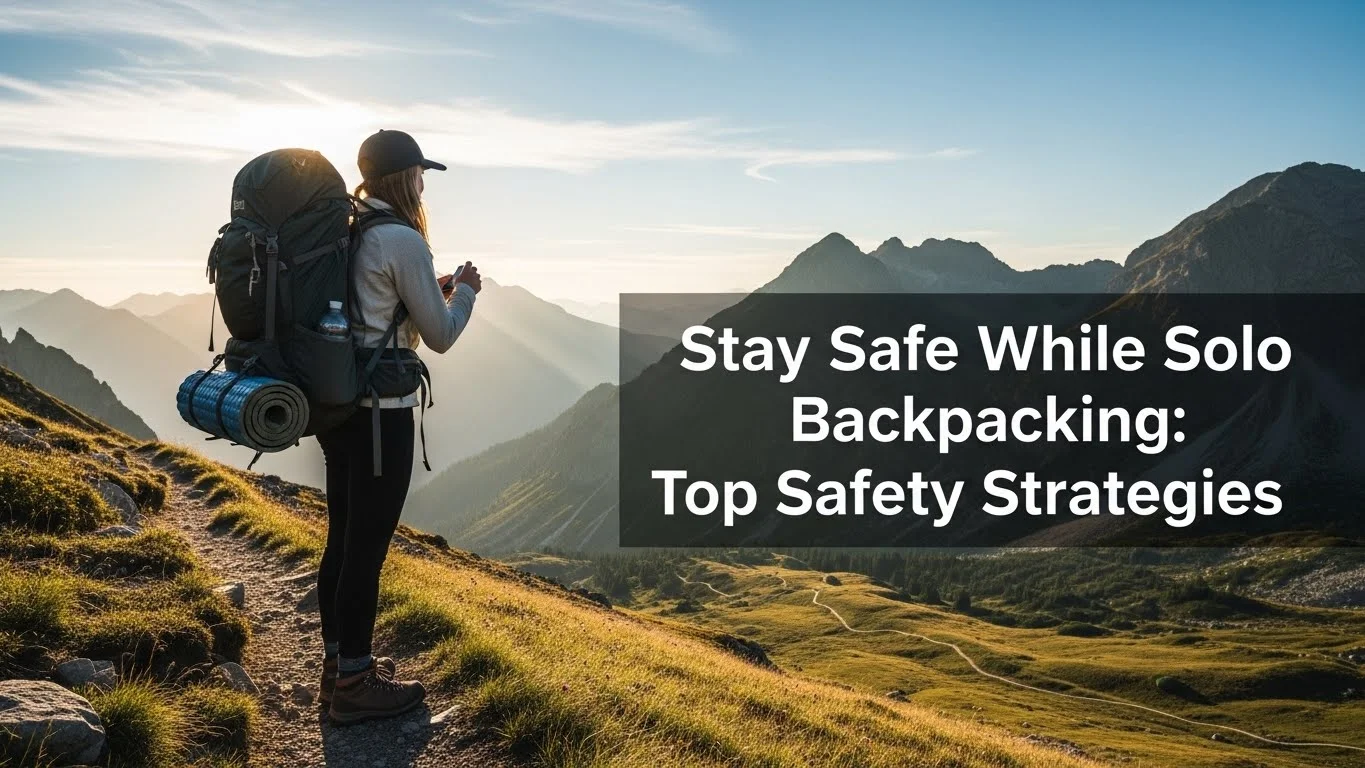
Stay Safe While Solo Backpacking: Top Safety Strategies

Solo backpacking can be an exhilarating adventure, but safety is key to enjoying the experience. Here’s how to ensure your journey is both thrilling and secure. Read Interesting article: Top Safety Tips for Solo Backpacking Adventures on a Budget

Stay Safe While Solo Backpacking: Top Safety Strategies

Understanding Solo Backpacking

Definition of Solo Backpacking

When I think of solo backpacking, I picture freedom. It’s the opportunity to travel alone, exploring new places at my own pace. Solo backpacking means carrying everything I need on my back and venturing into the wild, away from the cozy comforts of home. It’s about immersing myself in nature and culture, meeting new people, and pushing my limits. But it also comes with its unique set of challenges and safety considerations.

Benefits of Solo Backpacking

There’s nothing quite like the feeling of being on my own journey. Solo backpacking allows me to truly experience a destination without the influence of others. I can change my plans on a whim, explore hidden gems that aren’t in the guidebooks, and engage with locals in a way that feels more intimate. Some of the benefits I’ve found include:

  • Self-Discovery: Traveling alone offers a chance to learn more about myself, my preferences, and my limits.
  • Flexibility: I can decide my itinerary. If I want to linger at a stunning vista, I can.
  • Building Confidence: Navigating new situations alone can boost my self-esteem and problem-solving skills.
  • Meeting New People: When I’m on my own, I tend to be more open to connecting with fellow travelers and locals.

Common Concerns About Safety

While the benefits are abundant, I’ve also faced many concerns regarding safety when solo backpacking. I’ve worried about theft, getting lost, and even encountering dangerous wildlife. The key is to prepare and arm myself with knowledge. Here are some common concerns and how I address them:

  • Personal Safety: I often think about how to keep myself safe in unfamiliar environments. This means being aware of my surroundings and trusting my instincts.
  • Health Risks: Traveling alone can sometimes mean dealing with illnesses or injuries without immediate help. I learned it’s crucial to have proper health precautions in place.
  • Navigation Challenges: Getting lost can be frightening. I’ve found the importance of having a reliable map and knowing how to read it before I set out.

Essential Safety Strategies for Solo Backpackers

Research and Plan Your Route

Before I embark on any solo backpacking trip, I make it a point to thoroughly research my route. This includes reading about the trails, checking weather conditions, and understanding the terrain. I remember my first big solo trip; I spent hours pouring over maps and travel blogs. This not only gave me insight into the best paths to take but also helped me identify potential hazards. I recommend using resources like local hiking forums and travel guides to gather tips from those who have been there before. Additionally, Backpacking Solo? Here’s How to Ensure Your Safety can provide more insights into preparation.

Choosing Safe Destinations

Choosing where to go is just as crucial as planning the route. I consider areas known for tourism and safety. Some destinations are more welcoming and have established infrastructures for solo travelers, which I personally find comforting. I always read up on travel advisories and reviews from other solo backpackers. For me, places with a good reputation for safety often lead to a better experience overall.

Understanding Local Cultures and Customs

Every culture has its norms and customs, and understanding these can greatly enhance my safety. I’ve found that showing respect for local traditions can create a sense of goodwill. Before my trips, I spend time learning about the customs of the places I plan to visit. This includes basic language phrases, social etiquette, and any local laws I should be aware of. It’s amazing how much this preparation can help me blend in and avoid unwanted attention.

From my experience, engaging with locals can also provide valuable insights on safety. They often have the best advice on areas to avoid or tips on navigating specific regions. I love making connections with people from different backgrounds, and understanding their culture has helped me feel more secure during my travels.

Preparation Before You Go

Travel Insurance: Why It Matters

One of the most important steps I take before any solo backpacking adventure is to get travel insurance. It might seem like an unnecessary expense, but in my experience, it’s worth every penny. I remember a trip where I twisted my ankle on a hiking trail. Having insurance meant I could get the medical help I needed without worrying about the costs piling up. Travel insurance can cover everything from medical emergencies to trip cancellations and lost luggage. I always recommend reading the fine print to ensure it fits my needs, especially regarding activities I plan to do during the trip.

Emergency Contacts and Local Resources

Before I head out, I make a list of emergency contacts, including local emergency numbers, the nearest hospital, and even the local embassy or consulate. I usually save this information on my phone and write it down on a piece of paper as a backup. I’ve learned that having these contacts readily available gives me peace of mind. In one situation, I had to reach out to a local resource for help with a lost passport, and knowing who to contact made all the difference. I also find it helpful to familiarize myself with local emergency services before I arrive. It’s nice to know what to expect if something goes wrong.

Health Precautions and Vaccinations

Health precautions can be a game changer when it comes to solo backpacking. Before I travel, I research any recommended vaccinations and health advisories for my destination. For example, I remember getting vaccinated for hepatitis A and typhoid before a trip to Southeast Asia. It’s a small step that made me feel safer while exploring. I also pack a small first-aid kit with essentials like pain relievers, antiseptic wipes, and any personal medications. Knowing I’m prepared always eases my mind, especially when I’m venturing into more remote areas where medical facilities might be limited. Essential Solo Travel Safety Tips for Budget Backpackers can also be a helpful guide in this regard.

Packing Smart for Safety

Choosing the Right Backpack and Gear

When it comes to packing, I firmly believe that choosing the right backpack can make or break my trip. I’ve gone through a few different backpacks, but I’ve found that a comfortable, durable pack with good support is essential. I typically opt for a backpack with multiple compartments, which helps me stay organized and access my gear easily. Additionally, I’ve learned to pack light and only bring what I truly need. This not only makes hiking easier but also reduces the risk of losing items. I usually lay everything out before I pack to ensure I don’t forget anything important.

Emergency Supplies to Include

Beyond my first-aid kit, I always pack a few emergency supplies that have proven invaluable on my journeys. A multi-tool or Swiss Army knife has come in handy more times than I can count. I also keep a whistle, a flashlight, and a portable charger in my pack. I remember a time when my phone died, and having a portable charger saved me from being completely cut off. It’s these little preparations that can make a big difference when you’re on your own in the wilderness.

Securing Your Valuables

Securing my valuables is another priority when I’m backpacking solo. I’ve learned the hard way to keep my important items—such as my passport, cash, and credit cards—close to me at all times. I usually use a money belt or a neck pouch that I can hide under my clothing. This way, I can enjoy my adventures without constantly worrying about pickpockets or losing my things. I also try to keep a small stash of cash in a separate spot, just in case something happens. Having a backup always gives me a sense of security.

Staying Safe While Traveling

Using Technology for Safety

I can’t stress enough how useful technology can be for safety during solo travels. I always download offline maps before heading into remote areas, so I’m never completely lost. Apps that share my location with friends or family give me extra peace of mind. I even have a personal safety app that can alert my emergency contacts if I’m in trouble. These tools have made me feel more secure on numerous occasions, especially when I’m hiking alone or navigating unfamiliar cities.

Staying Aware of Your Surroundings

Being aware of my surroundings is crucial for my safety when I’m out exploring. I’ve developed a habit of taking a moment to scan my environment, especially when I’m in crowded places or unfamiliar neighborhoods. Trusting my instincts has saved me from potentially unsafe situations. For example, I once felt uneasy in a bustling market and decided to leave. It turned out to be the right choice, as I later learned about a recent increase in petty theft in that area. I always advise fellow travelers to stay alert and listen to that little voice in their heads.

Managing Money and Payments Safely

I try to keep my spending organized while also being cautious with my money. Using a combination of cash and a credit card works best for me. I usually only carry a small amount of cash for daily expenses and keep the rest secured in my backpack. Additionally, I’ve found that notifying my bank of my travel plans helps avoid any issues with my cards while I’m abroad. I also avoid using public Wi-Fi for online banking, opting for secure networks instead. These simple practices keep my finances in check and reduce the risk of fraud.

Navigating Accommodations

Choosing Safe Places to Stay

Finding the right place to stay can greatly impact my overall experience while solo backpacking. I prioritize safety by researching accommodations before booking. I prefer hostels or guesthouses with good reviews specifically mentioning safety and security. It’s amazing how much the feedback from fellow travelers can help. I remember when I was looking for a place in a bustling city; I found a cozy hostel that not only had a great location but was also praised for its staff and security measures. I always check for features like 24-hour reception, secure lockers, and good lighting in common areas, as these little details can make all the difference.

Understanding Hostel Etiquette

Staying in hostels can be a fantastic way to meet people, but it also comes with its own set of unwritten rules. I’ve learned that being respectful of shared spaces is crucial. For instance, I make sure to keep my noise level down, especially in dorm rooms where others might be sleeping. I also try to be mindful of my belongings; it’s easy to forget that not everyone has the same intentions as I do. Lockers are my best friend when it comes to safeguarding my valuables, and I’ve found that keeping my area tidy shows respect to my fellow travelers.

Connecting with Other Travelers

One of the biggest perks of solo backpacking is the chance to connect with other travelers. I’ve often struck up conversations in shared kitchens or lounges, which have led to some unforgettable adventures. I find that being open and approachable helps me meet new people. Sometimes, just a smile or a simple “Where are you headed next?” can spark a great friendship. I also enjoy attending organized activities offered by hostels, like group hikes or city tours. These not only enhance my safety but also foster a sense of community among travelers.

Transportation Safety Tips

Choosing Safe Transportation Options

Transportation is a vital part of any solo backpacking journey, and I’ve learned the importance of choosing safe options. Whenever possible, I prefer reputable taxi services or rideshare apps over hailing random cabs on the street. I remember arriving in a new city late one night and opting for a rideshare instead of public transport. It felt safer, especially in an unfamiliar environment. I always do a little research on local transportation options ahead of time to understand which ones are considered the safest.

Ridesharing and Public Transport Safety

Using public transport is often an adventure in itself, but I’ve picked up a few tips to keep myself safe. I try to travel during daylight hours whenever possible and stay aware of my surroundings. I often keep my belongings close and avoid displaying valuable items like expensive cameras or jewelry. On one trip, I rode a crowded bus and made sure to hold my backpack tightly while standing. It’s these little precautions that help me feel more secure during my travels.

Walking and Biking Safety

Exploring on foot or by bike can be one of the most rewarding aspects of solo travel. I enjoy discovering hidden corners of a city that I might miss when using public transport. However, staying safe while walking or biking is crucial. I always plan my routes ahead of time and try to stick to well-lit, populated areas. If I’m biking, wearing a helmet is non-negotiable; I’ve seen too many accidents while out exploring. I also try to blend in with the locals by not overly attracting attention to myself, which includes dressing appropriately for the area I’m in.

Dealing with Emergencies

What to Do in Case of Theft

Theft is a concern I’ve had while traveling solo, and it’s something I take seriously. I’ve learned to act quickly if I ever find myself in that situation. If my belongings are stolen, I first assess the situation—ensuring my personal safety is always the priority. I try to remain calm and gather any necessary information for a police report. I also reach out to my travel insurance provider as soon as possible to understand the next steps. One time, I had my wallet stolen while in a crowded market, and I was grateful I had secured a backup stash of cash and cards in a different location.

Handling Medical Emergencies

Medical emergencies can be daunting, especially when I’m far from home. I always carry a basic first-aid kit and know the location of nearby hospitals or clinics. I remember feeling a bit under the weather during a trip; knowing where to go for help eased my worries. It’s also essential for me to have a local SIM card or access to Wi-Fi so that I can call for help if necessary. I’ve found that being prepared and knowing how to communicate my needs in the local language can significantly reduce panic during medical emergencies.

Getting Help from Locals and Authorities

When I encounter difficulties, I’ve learned that locals and authorities can be invaluable resources. Most people are willing to help if I ask politely. I’ve had instances where a local guided me to the nearest hospital when I was confused. I always keep a few basic phrases in the local language handy to facilitate communication. Building rapport with locals not only makes it easier to get help, but it can also lead to unexpected friendships and enriching experiences during my travels.

Frequently Asked Questions

What is solo backpacking?

Solo backpacking is the opportunity to travel alone, carrying everything needed on your back and exploring new places at your own pace. It involves immersing oneself in nature and culture while facing unique challenges and safety considerations.

What are some benefits of solo backpacking?

Benefits of solo backpacking include self-discovery, flexibility in travel plans, building confidence, and the opportunity to meet new people by being more open to connections.

What are common safety concerns for solo backpackers?

Common safety concerns include personal safety, health risks, and navigation challenges, such as getting lost. It is important to prepare and be aware of these issues before embarking on a trip.

How can I prepare my route for solo backpacking?

Thoroughly research your route by reading about trails, checking weather conditions, and understanding the terrain. Utilize resources like local hiking forums and travel guides to gather insights and tips from experienced travelers.

Why is travel insurance important for solo backpackers?

Travel insurance is crucial as it can cover medical emergencies, trip cancellations, and lost luggage. Having insurance provides peace of mind, especially when faced with unexpected situations.

What should I do before heading out on a solo backpacking trip?

Before heading out, create a list of emergency contacts, familiarize yourself with local resources, and research any necessary health precautions and vaccinations for your destination.

What safety gear should a solo backpacker consider packing?

A solo backpacker should pack a comfortable backpack, a first-aid kit, emergency supplies like a multi-tool, flashlight, portable charger, and secure their valuables using money belts or neck pouches.

How can technology enhance safety during solo travels?

Technology can enhance safety by providing offline maps, location-sharing apps, and personal safety applications that alert emergency contacts if needed. These tools help ensure a safer experience while navigating unfamiliar areas.

What should I consider when choosing accommodations for solo backpacking?

When choosing accommodations, prioritize safety by researching places with good reviews regarding security. Look for features like 24-hour reception, secure lockers, and adequate lighting in common areas.

What should I do in case of theft while traveling solo?

If theft occurs, prioritize personal safety, remain calm, and gather information for a police report. Reach out to your travel insurance provider as soon as possible to understand the next steps and utilize backup cash or cards if needed.

Essential Solo Travel Safety Tips for Budget Backpackers

Solo travel can be one of the most exhilarating experiences, especially for budget backpackers. But while the thrill of adventure awaits, safety should always come first. Here are essential tips to keep you safe while exploring the world on your own. Read Interesting article: Solo Travel Safety: Budget-Friendly Tips for Peace of Mind

Essential Solo Travel Safety Tips for Budget Backpackers

Understanding Solo Travel Safety

Why Safety is Crucial for Solo Backpackers

When I first ventured into solo backpacking, I was filled with excitement and a touch of apprehension. I quickly learned that safety is not just a precaution—it’s a necessity. Traveling solo offers a unique sense of freedom, but it also comes with risks that require awareness and preparation. For me, understanding safety meant embracing both adventure and caution, which allowed me to fully enjoy my travels without unnecessary worries. I believe every backpacker should prioritize safety to ensure memorable experiences without unwanted incidents overshadowing them.

Common Risks Faced by Solo Travelers

From my travels, I’ve noticed several common risks that solo travelers often encounter. These include petty theft, scams, and getting lost in unfamiliar places. Petty theft can happen anywhere, especially in crowded tourist spots where pickpockets thrive. I’ve had a close call once when I felt someone bump into me, only to realize later that my wallet had nearly been taken. Scams can also vary widely depending on the location. In some places, friendly locals might approach you with seemingly helpful advice but actually aim to lead you into a trap. And let’s not forget the challenge of navigating unfamiliar streets alone, which can lead to stressful situations. Recognizing these risks early on helped me develop strategies to mitigate them effectively.

Pre-Travel Preparations

Researching Your Destination

Before setting off, I always dive deep into researching my destination. I love reading travel blogs, browsing forums, and checking out local news. This gave me incredible insights into not just the attractions, but also the areas that might be less safe. For instance, during one trip to a vibrant city, I learned which neighborhoods to avoid, which helped me plan my routes better. I recommend creating a list of must-see spots, but also noting down areas that might be best to skip, especially if you’re traveling alone. Read Interesting article: Solo Travel Safety Tips: Stay Secure on a Budget Journey

Understanding Local Laws and Customs

Every country has its own set of rules and customs, and I’ve often found that being informed can save you a lot of trouble. For example, I once visited a country where the dress code was more conservative than I was used to. Understanding local laws can prevent unintentional offenses. I remember feeling relieved when I learned about the local customs before I arrived. It allowed me to blend in better and show respect to the culture, which I believe is essential while traveling.

Choosing Safe Accommodation

Choosing where to stay can significantly impact your safety. I’ve always preferred hostels or guesthouses that have good reviews, especially those mentioning security features like lockers or 24-hour reception. During one trip, I stayed in a hostel known for its vibrant community, which not only made me feel safe but also connected me with other travelers. It’s important to read recent reviews and look for mentions of safety from fellow backpackers. A safe and welcoming place can set the tone for your entire trip.

Travel Insurance: Why It’s Essential

One of the best decisions I made was to invest in travel insurance. I can’t stress enough how important it is. During my travels, I faced a minor health issue that required medical attention. Luckily, my insurance covered the expenses, saving me a lot of stress. I recommend looking for a plan that covers theft and personal liability, in addition to medical emergencies. It’s a small price to pay for peace of mind while traveling.

Packing Smart for Safety

What to Pack for Safety

Packing wisely can enhance your safety as a solo backpacker. I learned to carry essentials like a portable charger, a first-aid kit, and an emergency whistle. The portable charger ensures my phone stays charged, which is crucial for navigation and staying in touch. A first-aid kit has come in handy more than once for minor injuries. I found that these small preparations can make a significant difference in ensuring a smoother travel experience.

Choosing the Right Backpack

Choosing the right backpack is more than just about style; it’s about functionality and safety. I’ve experienced the advantages of a backpack with lockable zippers and a hidden pocket. These features give me an extra layer of security against theft. When I’m out exploring, having my valuables secured makes me feel more at ease. I suggest trying different backpacks before your trip to find one that feels right for you.

Document Safety: Copies and Digital Backups

Keeping your important documents safe is a must. I recommend making copies of your passport, visa, and other essential documents. I also take photos of them and store them on my phone and in the cloud. This way, if anything gets lost or stolen, I have a backup to fall back on. I learned this lesson the hard way during a trip when my wallet was stolen. Having digital backups saved me from a lot of hassle as I navigated the situation.

Staying Safe While Traveling

Staying Aware of Your Surroundings

I can’t stress enough how important it is to stay aware of your surroundings while traveling solo. I’ve found that simply being present and alert can prevent many potential issues. Whenever I walk through a new area, I try to absorb everything around me—the people, the sounds, and even the vibe of the place. I remember one time in a bustling market, I noticed a group of people gathered around a street performer. Instead of getting swept away by the excitement, I made it a point to keep an eye on my belongings and be mindful of my surroundings. This practice not only keeps me safe but also enhances my travel experience as I become more attuned to the local culture.

Using Technology to Enhance Safety

In today’s digital age, technology can be an incredible ally for solo travelers. I always carry my smartphone with essential apps installed. For instance, I’ve found navigation apps like Google Maps invaluable for finding my way around unfamiliar cities. Additionally, I use safety apps that share my location with trusted friends or family members. This way, someone always knows where I am, which provides an extra layer of security. I remember a time when I took a wrong turn in an unfamiliar city, and being able to quickly access my map saved me from wandering into a less safe area.

How to Handle Strangers and New Friends

Meeting new people while traveling is one of the most rewarding aspects of solo backpacking, but it’s essential to be cautious. I’ve had some wonderful experiences with fellow travelers, but I’ve also learned to be discerning. I always trust my instincts when someone approaches me. If I feel uncomfortable, I don’t hesitate to walk away. On one trip, I met a group of travelers, and we bonded over shared experiences. However, I made sure to keep my valuables secure and not share too much personal information too quickly. It’s all about finding a balance between being friendly and staying safe.

Avoiding Risky Situations

Throughout my travels, I’ve learned to recognize potentially risky situations and how to avoid them. For instance, I avoid walking alone at night in poorly lit or unfamiliar areas. I also steer clear of overly crowded places where I could easily become a target for pickpockets. I remember a time in a crowded festival where I felt the excitement of the atmosphere but chose to stay near the edges rather than getting lost in the crowd. By doing so, I maintained a sense of control and safety. I believe it’s essential to trust your gut feelings and always have an exit strategy if something doesn’t feel right.

Transportation Safety Tips

Choosing Safe Modes of Transport

Choosing the right mode of transport can make a big difference in your safety as a solo traveler. I usually opt for reputable transportation options—whether it’s a trusted bus service, a well-reviewed train, or a known rideshare company. For instance, during one of my trips, I decided to take a local bus to explore a nearby town. I made sure to check online reviews and asked other travelers for recommendations. This not only ensured my safety but also enriched my experience with local interactions.

Using Public Transportation Wisely

I’ve found public transportation to be both cost-effective and a great way to immerse myself in local culture. However, I always remain vigilant. I pay attention to my belongings and try to blend in with the locals to avoid drawing unnecessary attention. A trick I’ve learned is to keep my bag close to me and in front of my body, especially in crowded settings. I remember feeling a bit anxious during a bus ride in a city I was unfamiliar with. But by staying alert and observing the other passengers, I felt more at ease and was able to enjoy the ride.

Taxi and Rideshare Safety

Using taxis or rideshare services can be a convenient way to get around, but it’s crucial to prioritize safety. I always ensure that the taxi has a working meter or that I agree on a price beforehand. When using rideshare apps, I check the driver’s name and car details before getting in. One time, I almost hopped into the wrong car because it looked similar to my driver’s. Thankfully, I double-checked, which prevented a potentially awkward situation. I also prefer to sit in the back seat, as it feels safer and gives me more space to assess the situation during the ride.

Emergency Preparedness

What to Do in Case of an Emergency

As a solo traveler, I learned the importance of being prepared for emergencies. I think it’s essential to have a plan in place before something goes wrong. For example, I always identify the nearest hospital and police station when I arrive in a new place. One time, I experienced a minor accident while exploring, and knowing exactly where to go for help made a stressful situation much easier to handle. I also suggest saving emergency numbers in your phone, such as local police or ambulance services. Having this information at your fingertips can be a lifesaver if you find yourself in need of immediate assistance.

Important Contacts to Have on Hand

I’ve realized that having a list of important contacts can really ease my mind while traveling. I keep a note on my phone with contact information for my country’s embassy or consulate, local emergency numbers, and any travel insurance contacts. During a trip, I once had to contact my insurance provider due to a lost bag, and having their number easily accessible made the process so much smoother. I recommend also sharing this information with a trusted friend or family member back home, so they know how to reach you and how to help if something goes wrong.

Finding Local Help: Police, Hospitals, and Consulates

While I hope for the best during my travels, I always prepare for the worst. Knowing how to find local help is crucial. I remember wandering around a new city and getting lost late at night. I stumbled upon a police station and felt an instant sense of relief. It’s comforting to know where to go if you ever feel unsafe or need assistance. I recommend using local maps, both physical and digital, to locate hospitals and police stations ahead of time. This way, if an emergency occurs, you won’t waste valuable time searching for help.

Staying Connected

Using Mobile Apps for Safety

In this modern era, our smartphones can be our best travel companions. I use various mobile apps that enhance my safety while traveling solo. For example, apps like Google Maps not only help with navigation but also allow me to download maps for offline use, making it easier when I find myself in areas without service. I also use apps that provide real-time updates on safety and local news. Having access to information at my fingertips can help me avoid dangerous situations. I remember a situation where a protest erupted in a city I was visiting. Thanks to a local news app, I was able to stay informed and avoid the area, ensuring my safety.

Staying in Touch with Friends and Family

Keeping in touch with friends and family is a priority for me while I travel alone. I make a point to regularly update someone back home about my whereabouts. I’ve found that sharing my itinerary and sending text updates can ease their worries and mine. Using apps like WhatsApp or Facetime allows me to connect easily, no matter where I am. I once got caught in a sudden rainstorm and was delayed in my plans. I sent a quick message to my family, letting them know I was okay and would be a bit late. It provided them with peace of mind and allowed me to enjoy the moment without worrying about their concerns.

Budget-Friendly Safety Strategies

How to Travel Safely on a Budget

Traveling on a budget doesn’t mean I have to compromise on safety. I’ve learned to make smart choices that keep my wallet and my well-being in check. For instance, I often use public transportation instead of taxis, which helps me save money and allows me to experience a destination like a local. However, I’m always vigilant about my belongings. I also look for free walking tours, which not only offer insight into the city but often provide tips on safe areas to explore. When I participated in one such tour, our guide shared valuable safety tips that I used throughout my travels. Read Interesting article: Essential Solo Travel Safety Tips for Adventurous Backpackers

Finding Free Resources for Safety Information

I believe that knowledge is power, especially when it comes to safety. Before I travel, I search for free resources that provide safety information about my destination. Websites like government travel advisories offer valuable insights into potential risks or safety concerns. Additionally, I’ve found that local tourism offices often have materials that highlight safe practices and areas to avoid. During my trip, I visited an office and received a brochure detailing safe neighborhoods and tips that helped enhance my overall experience.

Post-Travel Safety Considerations

Sharing Your Travel Experiences Safely

After returning from a solo trip, I always take some time to reflect on my experiences. Sharing these stories can be empowering, but I’ve learned to be cautious about what I disclose, especially online. While I love posting pictures and highlights on social media, I try to avoid sharing my exact location in real-time. I remember a time when I posted about being in a bustling market, and a friend pointed out how it could attract unwanted attention. Now, I share my adventures after I’ve left the location. It’s a simple practice that helps maintain my privacy and safety while still allowing me to connect with friends and fellow travelers.

Reflecting on Your Solo Travel Experience

Every trip I take teaches me something valuable about the world and myself. Once I’m back home, I like to sit down and reflect on what went well and what I could improve for next time. This reflection is not just about the thrilling moments but also about the challenges I faced. I find that learning from those experiences shapes my future travels. I remember feeling anxious during a solo hike, but I realized I had the tools and awareness to navigate safely. Embracing both the highs and lows of my journey makes me a more resilient traveler. I encourage everyone to take the time to document their thoughts, whether in a journal or a blog. It can be a comforting reminder of how far you’ve come and what you’ve accomplished.

Final Thoughts

Solo travel is a beautiful journey of self-discovery and adventure, but it comes with its challenges. Prioritizing safety doesn’t mean you have to miss out on the thrill of exploration; it means you’re setting yourself up for a more enjoyable experience. I’ve learned that a little preparation and mindfulness go a long way, allowing me to embrace every moment of my travels. I believe that by staying aware, being prepared, and trusting our instincts, we can navigate the world solo without fear, ensuring our journeys are filled with joy and unforgettable memories. So here’s to more adventures, more stories, and all the safety tips that help us thrive on the road!

Frequently Asked Questions

Why is safety crucial for solo backpackers?

Safety is essential for solo backpackers because it allows them to embrace the freedom of traveling while being aware of the risks involved. Understanding safety helps travelers enjoy their adventures without unnecessary worries and ensures memorable experiences without unwanted incidents.

What common risks do solo travelers face?

Common risks for solo travelers include petty theft, scams, and getting lost in unfamiliar places. Petty theft often occurs in crowded tourist spots, scams can vary by location, and navigating unfamiliar streets can lead to stressful situations.

What should I research before traveling solo?

Before traveling solo, it’s important to research your destination thoroughly. This includes understanding attractions, identifying less safe areas, and familiarizing yourself with local laws and customs to avoid unintentional offenses.

How can I choose safe accommodation?

To choose safe accommodation, look for hostels or guesthouses with good reviews, particularly those mentioning security features like lockers or 24-hour reception. Reading recent reviews from fellow backpackers can help ensure a safe and welcoming stay.

Why is travel insurance essential for solo travelers?

Travel insurance is essential as it provides peace of mind and financial protection during emergencies. It can cover medical expenses, theft, and personal liability, which can significantly ease stress when unexpected situations arise.

What essential items should I pack for safety?

Essentials to pack for safety include a portable charger, a first-aid kit, and an emergency whistle. These items help ensure that your phone stays charged for navigation and communication, while a first-aid kit can address minor injuries.

How can I stay aware of my surroundings while traveling?

Staying aware of your surroundings involves being present and alert to the environment, including people and the general atmosphere. This vigilance can help prevent potential issues and enhance your overall travel experience.

What should I do in case of an emergency while traveling?

In case of an emergency, it’s crucial to have a plan in place. Identify the nearest hospital and police station upon arrival, and save local emergency numbers on your phone to ensure you can quickly access help if needed.

How can I use technology to enhance my safety while traveling?

Technology can enhance safety through navigation apps like Google Maps and safety apps that share your location with trusted friends or family. These tools help you stay informed and connected in unfamiliar areas.

What should I keep in mind when sharing my travel experiences online?

When sharing travel experiences online, it’s important to avoid disclosing your exact location in real-time to maintain privacy and safety. Instead, consider sharing highlights after you’ve left the location to prevent attracting unwanted attention.

Travel Safety: How to Prepare Emergency Procedures Abroad

Traveling can be one of life’s greatest adventures, but it’s essential to prioritize safety while exploring new places. Preparing for emergencies abroad ensures that we can enjoy our journeys with peace of mind.

Travel Safety: How to Prepare Emergency Procedures Abroad

Understanding Travel Safety

The Importance of Travel Safety

When I think about travel safety, I remember the excitement of my first solo trip. I was eager to explore, but I quickly learned that being safe is just as important as having fun. Travel safety isn’t just about avoiding dangerous places; it’s about being prepared for any situation that might arise. I believe that by understanding the potential risks and preparing for them, we can enjoy our adventures without unnecessary worry.

Common Travel Risks

Traveling opens us up to a world of new experiences, but it also comes with its own set of risks. I remember a friend who lost her wallet on a crowded train in Europe. It made me realize how easy it is to become a target for theft when we’re distracted by the sights around us. Common risks include theft, medical emergencies, natural disasters, and political unrest. Each destination has its unique challenges, and being aware of these can help us navigate our travels more safely.

Travel Insurance: Why You Need It

After hearing countless stories about travel mishaps, I decided that travel insurance was a must for my trips. It might seem like an extra expense, but I’ve found it to be worth every penny. Insurance can cover everything from lost luggage to medical emergencies. I remember one trip where my flight was canceled due to a storm, and my insurance helped cover the extra accommodation costs. Having that safety net gave me peace of mind, allowing me to focus on enjoying my travels instead of worrying about what might go wrong. For more details, check out Affordable Travel Insurance Tips for Safe Backpacking Trips.

Preparing for Emergencies Before You Leave

Researching Your Destination

Before any trip, I spend time researching my destination. I look for local customs, cultural norms, and potential risks. I’ve noticed that understanding the local culture not only helps me blend in but also keeps me safe. For example, in some countries, certain behaviors might be considered disrespectful or unsafe. By knowing these things in advance, I can avoid awkward situations and stay out of trouble.

Understanding Local Laws and Customs

Every country has its laws, and some of them can be quite different from what we’re used to. I once found myself in a situation where I didn’t know that a local law prohibited taking photos in a certain area. It was embarrassing when a local officer approached me, but I was grateful I had taken the time to learn about local regulations beforehand. Understanding the laws and customs not only keeps us safe but also shows respect to the places we visit.

Emergency Contact Information

Having emergency contact information is something I’ve learned to prioritize. I always create a list that includes local emergency services, my country’s embassy, and personal contacts back home. I keep this list in my wallet and on my phone for easy access. I remember a time when I got lost in a new city and felt overwhelmed. Having those contacts handy made it easier to find help and get back on track.

Creating a Travel Safety Plan

One of the best steps I take before traveling is to create a travel safety plan. This plan includes everything from how I’ll handle a medical emergency to what I’ll do if my belongings are stolen. I find that mapping out these scenarios gives me confidence. For instance, I always identify the nearest hospital or clinic before I arrive. Knowing I have a plan in place takes away some of the fear of the unknown. It’s like having a guidebook for emergencies, and I can adjust it based on each destination.

Emergency Procedures: What to Do in Crisis Situations

Medical Emergencies

Medical emergencies can happen at any moment, and I learned this firsthand while traveling. I remember hiking in a national park when a sudden pain in my chest made me panic. I had to think clearly and quickly about what to do next. It’s crucial to stay calm and assess the situation. Knowing how to respond can make a huge difference. For additional health safety tips, consider reading Backpacking Abroad? Key Health Safety Tips You Can’t Miss.

Finding Local Hospitals and Clinics

Before I travel, I always take the time to locate nearby hospitals and clinics. I find it reassuring to know where I can go if something goes wrong. I even save their addresses and phone numbers in my phone. During that hike, I was thankful I had done my homework. I quickly found the closest medical facility and was able to get help swiftly. It’s a good idea to use apps or websites that provide information on health services in the area. This way, I can avoid wasting time searching in a panic.

Understanding Health Insurance Coverage Abroad

Before my first trip abroad, I was surprised to learn that not all health insurance plans cover international travel. I made sure to check my health insurance policy and even called my provider to clarify what was and wasn’t covered. There was a time when I needed to visit a doctor while in a foreign country, and having the right coverage made the process much smoother. If you’re unsure about your coverage, I recommend looking into travel health insurance options. It can save you from unexpected medical bills later on.

Natural Disasters

Natural disasters are unpredictable, and they can disrupt our travels. I recall being caught in a tropical storm while visiting an island. It was a reminder to always be prepared for the unexpected. Knowing how to respond can help keep us safe.

Preparing for Earthquakes, Hurricanes, and Floods

When I travel to areas prone to natural disasters, I research what to do in case of an earthquake, hurricane, or flood. For instance, I learned that during an earthquake, it’s best to drop, cover, and hold on. In hurricane-prone areas, I familiarize myself with the evacuation routes and local emergency shelters. I also keep an eye on weather forecasts, especially if I’m traveling during storm season. This knowledge helps me feel more secure, knowing that I have a plan if the worst happens.

Local Emergency Services and Procedures

Understanding how local emergency services operate is key. I remember during that storm, I found it helpful to know how to contact local authorities. I had saved the emergency service numbers on my phone, which made reaching out for help much easier. Also, I always check for local disaster preparedness resources or guides that explain the specific protocols in the area. Being informed can save precious time in a crisis.

Crime and Theft

While I love exploring new places, I’ve encountered my fair share of crime and theft. One time in a busy market, I was almost pickpocketed, and it shook me up. After that experience, I made it a priority to learn how to protect myself and my belongings.

What to Do if You’re Victimized

If you find yourself a victim of theft, the first step is to stay calm and assess what was taken. I remember feeling overwhelmed, but I took a deep breath and focused on the next steps. Immediately reporting the incident to local authorities is crucial. I usually try to locate the nearest police station and file a report as soon as possible. This not only helps you document the theft for insurance purposes but could also assist in recovering your belongings.

How to Report a Crime Abroad

Reporting a crime abroad can be different from home. I’ve learned to look for guidance on how to navigate this process in the destination I’m visiting. Many embassies provide resources for travelers. I always keep the contact information for my country’s embassy handy, as they can assist with legal matters and help you understand the local process for filing a police report. It’s a safety net that I appreciate having, especially when things don’t go as planned.

Political Unrest and Civil Disturbances

Traveling during times of political unrest can be daunting. I remember arriving in a country that was experiencing protests. It was unsettling, but I managed to stay safe by being aware of my surroundings.

Staying Informed About Local News

Staying updated on local news is essential. I often check news apps or social media to see if there are any alerts about demonstrations or unrest. It helps me plan my activities and avoid areas that may be unsafe. I’ve found that connecting with locals can also provide insights into what’s happening on the ground. They often have the best advice on which areas to avoid.

Evacuation Procedures

In case of serious unrest, knowing the evacuation procedures is vital. I always familiarize myself with exit routes and emergency protocols specific to my location. Many hotels provide this information, and I make a point to ask the staff about what to do if things escalate. Having this knowledge empowers me and gives me confidence that I can navigate a crisis if it arises.

Essential Items to Pack for Safety

First Aid Kit Essentials

One of the first things I always pack is a first aid kit. I can’t tell you how many times I’ve found myself needing a band-aid or some aspirin while traveling. I remember one time in a remote area where the nearest pharmacy was miles away. It made me realize how vital it is to prepare for minor injuries or ailments. My go-to kit includes adhesive bandages, antiseptic wipes, pain relievers, and any personal medications I might need. I also like to add things like allergy medication and insect bite cream. Having these essentials can make a big difference in how comfortable I feel during my travels.

Emergency Contact Cards

Creating emergency contact cards has become a part of my travel routine. I jot down important information like local emergency numbers, my accommodation details, and the contact information for my country’s embassy. I remember feeling a little silly doing this at first, but it turned out to be a lifesaver during one of my trips. I misplaced my phone in a bustling market, and having that card on hand allowed me to reach out for help quickly. I keep these cards in my wallet and give a copy to a travel companion if I have one. It’s a simple yet effective way to stay prepared.

Portable Phone Charger and Communication Devices

In today’s digital age, staying connected is crucial, especially during emergencies. My portable phone charger is one of my must-have items. I can’t count the number of times I’ve been out exploring and my phone battery started to dwindle. I remember wandering through a city with no way to navigate back to my hotel, and it was a stressful experience. Having a backup charger gives me peace of mind. I also like to bring along a power bank for longer outings. Additionally, consider having a communication device like a whistle or a personal alarm. They can be invaluable if you find yourself in a situation where you need to draw attention or alert someone for help.

Travel Safety Gear (e.g., whistle, personal alarm)

Safety gear is another essential I never underestimate. I always carry a whistle on my keychain and a small personal alarm. These tools are lightweight and can easily fit into my bag. I remember hearing a story about a traveler who used a whistle to alert others when they got lost in a remote area. It’s a simple item, but it can really help in emergencies. Personal alarms, which emit a loud sound when activated, can deter potential threats and attract assistance. Having these safety gadgets makes me feel more secure, especially in unfamiliar places.

Staying Safe While Traveling

Staying Aware of Your Surroundings

Being aware of my surroundings is something I constantly remind myself to do while traveling. I’ve learned that keeping my head up and paying attention can avoid a lot of trouble. For instance, when I’m walking through busy streets or markets, I stay alert to what’s happening around me. I remember once getting so caught up in taking photos that I didn’t notice a group of people gathering nearby. Thankfully, nothing happened, but it was a wake-up call to always be present. I try to blend in with the locals as much as possible, which helps me stay aware and reduces the chances of standing out as a tourist.

Tips for Safe Transportation

Transportation safety is another aspect I take seriously. I prefer using reputable transportation services, whether it’s a taxi, ride-sharing app, or public transport. I remember a time when I opted for a random taxi that seemed convenient, and it turned out to be a sketchy situation. Now, I always do my research in advance. I check reviews and ask locals for recommendations. It’s also important to keep my belongings close and secure while traveling. I try to avoid using my phone in public transit, as it can draw unnecessary attention. Staying aware of my surroundings and choosing safe transportation options has made my travels much more enjoyable. Additionally, you might find useful tips in Smart Airport Safety Hacks for Budget Travelers.

Choosing Safe Accommodations

When selecting accommodations, I always prioritize safety. I read reviews and look for places with good security measures, like 24-hour reception and secure entrance systems. I remember booking a charming little hotel once, but later found out it had no security features. Luckily, nothing happened, but I learned my lesson. I now look for accommodations that have good lighting, are located in safer neighborhoods, and have positive reviews regarding safety. It’s one of those things that can really impact how secure I feel during my stay.

Keeping Your Belongings Secure

Keeping my belongings secure is something I’ve become quite vigilant about. I use anti-theft bags and keep my valuables close to me. I remember a time when I was at a café and left my bag unattended for just a moment. I turned around to see someone eyeing it, and it made my heart race. Since then, I always keep my bag in sight or secure it to my chair. When I’m out and about, I also avoid carrying too much cash or flashy items. I try to keep only what I need for the day, which makes me feel lighter and less anxious about theft.

Resources for Travel Safety

Government Travel Advisories

Before heading to any destination, I always check government travel advisories. They provide up-to-date information on safety concerns, entry requirements, and local conditions. I recall planning a trip to a country that had recently issued warnings regarding civil unrest. Checking the advisories allowed me to make an informed decision about my travel plans. It’s a great resource that helps keep me aware of the situation on the ground.

Travel Safety Apps and Tools

There are so many travel safety apps available that I’ve found incredibly useful. Apps that provide maps, emergency contacts, and local news updates have become essential tools for my trips. I remember downloading an app that offered real-time alerts about local emergencies. It helped me stay informed during a trip to a region prone to natural disasters. These tools make it easier to keep safety at the forefront of my travels.

Connecting with Local Authorities

Establishing a connection with local authorities can enhance my sense of safety while traveling. I always take the time to introduce myself to the staff at my accommodation and ask for their advice on safe practices in the area. I’ve found that locals can provide invaluable insights, from which neighborhoods to avoid to tips for navigating public transport safely. Building these connections has made my travels more enriching and secure.

Frequently Asked Questions

What is the importance of travel safety?

Travel safety is crucial as it ensures that we can enjoy our journeys without unnecessary worry. It involves being prepared for any situation that might arise, not just avoiding dangerous places.

What are some common travel risks?

Common travel risks include theft, medical emergencies, natural disasters, and political unrest. Being aware of these risks can help travelers navigate their trips more safely.

Why should I consider travel insurance?

Travel insurance is essential as it can cover various mishaps, such as lost luggage and medical emergencies. It provides a safety net, allowing travelers to focus on enjoying their trips without worrying about potential problems.

How can I prepare for emergencies before traveling?

Preparing for emergencies includes researching your destination, understanding local laws and customs, having emergency contact information, and creating a travel safety plan that outlines how to handle different scenarios.

What should I do in case of a medical emergency while traveling?

In a medical emergency, it’s important to stay calm and assess the situation. Knowing the location of nearby hospitals and clinics beforehand can help ensure you receive prompt care.

How can I stay informed about local news and events during my travels?

Staying informed can be achieved by checking news apps or social media for alerts about demonstrations or unrest. Connecting with locals can also provide valuable insights regarding safety and current events.

What essential items should I pack for safety while traveling?

Essential items to pack for safety include a first aid kit, emergency contact cards, a portable phone charger, communication devices like a whistle or personal alarm, and travel safety gear.

What tips can help ensure safe transportation while traveling?

When it comes to transportation safety, use reputable services, keep belongings close, and avoid using your phone in public transit to minimize distractions and attention.

How can I keep my belongings secure while traveling?

To keep belongings secure, use anti-theft bags, keep valuables close, avoid carrying too much cash or flashy items, and always keep your bag in sight or secured to your chair.

Why is it important to check government travel advisories?

Checking government travel advisories is important as they provide up-to-date information on safety concerns, entry requirements, and local conditions, helping travelers make informed decisions about their travel plans.

Essential Emergency Contacts for Budget Backpackers

When you’re out exploring the world on a budget, the last thing you want to think about is an emergency. However, having the right contacts can make all the difference. Let’s dive into why these contacts are essential for every backpacker.

Essential Emergency Contacts for Budget Backpackers

Understanding the Importance of Emergency Contacts

Why Emergency Contacts are Crucial for Backpackers

As a backpacker, I often find myself in places that are far from home, and sometimes, things don’t go as planned. I remember one trip where I got lost in a new city. It was pretty unsettling, but I quickly realized how important it is to have emergency contacts at my fingertips. These contacts can be your lifeline in unexpected situations. Whether it’s a lost wallet, a sudden illness, or an emergency situation, knowing who to call can save you time and stress.

Emergency contacts are more than just phone numbers; they represent safety and security. They help you feel connected, even when you’re miles away from familiar surroundings. I’ve learned that having a reliable network means I can focus on enjoying my adventure without constantly worrying about what might happen next. Read Interesting article: Essential Health Precautions for Budget Backpackers Abroad

Types of Emergencies Backpackers Might Face

Backpacking is an exhilarating experience, but it comes with its own set of challenges. From my travels, I’ve encountered various types of emergencies that every backpacker should be prepared for:

  • Medical Emergencies: Whether it’s a sudden illness or an injury from a fall, knowing where to find medical help is crucial. I once twisted my ankle hiking, and thankfully I had the contact info for a local clinic.
  • Theft: Unfortunately, theft can happen anywhere. I’ve had my phone stolen on a crowded bus. Having the local police number saved me from feeling completely helpless.
  • Natural Disasters: Depending on where you are traveling, you might face natural disasters like earthquakes or floods. Knowing who to call for help can save lives.
  • Lost or Missing Persons: If you’re traveling with friends, it’s essential to know how to report someone missing. I once had a friend fail to return from a day hike, and knowing whom to contact was incredibly important.
  • Travel Disruptions: Missed flights and canceled trains can leave you stranded. Having the contact information for your accommodation or local travel services can help you rebook quickly.

Essential Emergency Contacts to Have

Local Emergency Services

When traveling, the first step to staying safe is knowing how to reach local emergency services. I’ve found that having these numbers handy can lead to quicker responses in times of need.

Police

Every country has its own emergency number for police. In some places, it’s as simple as dialing 112 or 911, while others have different numbers. Before my trips, I always make a note of the local police number in my phone. During my last trip to Thailand, I had to call the police due to a theft. Knowing their number made the process so much smoother.

Fire Department

While I hope to never need to call the fire department, it’s still important to have their number saved. Fires can happen, and knowing who to contact can save lives. I always check online for the local emergency number for fire services before I arrive at a new destination.

Medical Services

Medical emergencies are often unexpected, which is why it’s crucial to have local medical service contacts. I’ve learned that some countries have unique numbers for ambulances. During my travels in Europe, I found out that 112 connects you to emergency medical services in many countries. It’s a good idea to familiarize yourself with these numbers before you need them.

Embassies and Consulates

Having the contact information for your country’s embassy or consulate is another cornerstone of backpacker safety. They can assist in numerous ways, especially if you lose your passport or face legal issues.

How to Find Your Country’s Embassy

Finding your embassy’s contact details can be as easy as a quick internet search. I always bookmark the embassy’s website before I travel. They usually list their contact numbers and emergency protocols. When I was in Chile, my friend lost her passport, and the embassy was incredibly helpful in getting her a temporary replacement.

What Services Embassies Provide

Embassies can assist with a variety of issues, such as lost passports, legal troubles, and even emergency evacuations in extreme situations. Knowing that I can contact my embassy provides an incredible sense of security while traveling. I once had to rely on them for assistance when I faced unexpected travel delays due to a local strike. They were a great resource!

Travel Insurance Contacts

Travel insurance is an essential part of backpacking. I never travel without it. Having the insurance provider’s contact details handy can be invaluable when something goes wrong. Read Interesting article: Essential Airport Safety Tips for Budget Backpackers

How to Choose the Right Travel Insurance

Choosing travel insurance can feel overwhelming, but I always look for a policy that covers medical emergencies, trip cancellations, and theft. I recommend comparing different providers and reading reviews from fellow travelers. I learned the hard way that not all policies cover the same things!

Contacting Your Insurance Provider

Before I travel, I always write down my insurance provider’s contact details and keep them in my wallet. In my experience, it’s crucial to know how to contact them, especially in a medical emergency. I once had to call my provider from a hospital in a foreign country, and having that number saved me time and stress.

How to Organize Your Emergency Contacts

Creating a Contact List

One of the first steps I take before a trip is creating a comprehensive contact list. I find that writing down essential numbers helps me remember them better, and it’s a great way to keep everything organized. I usually include local emergency services, my embassy, and any travel insurance contacts. Additionally, I add friends or family members back home who can help if needed. Having this list handy makes it so much easier to reach out in an emergency.

When I create my contact list, I also categorize the numbers. For instance, I have a section for medical services, another for emergency services, and one for my travel insurance. This way, if something happens, I can quickly find the number I need. I remember when I was in Spain and a friend had an allergic reaction. We were able to find the local hospital’s number in seconds because it was clearly listed on my contact sheet.

Using Digital Tools and Apps

In today’s tech-savvy world, using digital tools can be a lifesaver. I’ve found that several apps can help me store and organize emergency contacts efficiently. For example, I use a notes app that allows me to create a dedicated folder for travel contacts. Some apps even let you share your location, making it easier for others to find you in case of an emergency.

Another helpful tool I discovered is a specialized travel app that stores vital information, including emergency contacts and local emergency numbers. This app can work offline, which is fantastic because I’ve often found myself in areas with limited internet access. Having everything saved in one place means I can avoid scrambling to find a signal when I’m in a tight spot.

Keeping a Physical Copy

While digital tools are super convenient, I personally believe in the importance of having a physical copy of my emergency contacts. I usually print out my contact list and keep it in my wallet or passport holder. It’s a simple backup plan in case my phone dies or gets lost — something I’ve unfortunately experienced on a couple of trips.

During one memorable adventure in Vietnam, my phone slipped out of my pocket while I was exploring a bustling market. I felt a wave of panic wash over me, but then I remembered I had a physical copy of my essential contacts. I was able to reach out to my travel insurance provider and the local police without missing a beat, which really saved me a lot of stress in that moment.

Regional Emergency Contacts: A Country-by-Country Guide

Europe

Key Emergency Numbers

Traveling through Europe has its perks, especially when it comes to emergency contact numbers. Most countries share the emergency number 112, which connects you to police, fire, and medical services. This uniformity has helped me feel more secure while traveling through countries like France, Italy, and Germany.

Useful Local Services

Besides the general emergency number, I always look for local services that can assist me. For example, in Paris, I found a great app that connects travelers with English-speaking doctors. It made a huge difference when I caught a cold during my stay. Knowing I could easily access healthcare helped ease my worries.

Asia

Key Emergency Numbers

Asia can be a bit different when it comes to emergency contacts. In Japan, for example, the emergency number is 110 for police and 119 for fire and medical emergencies. I make sure to memorize these numbers, even though I have them saved on my phone. I appreciate how helpful locals can be in emergencies, which I experienced firsthand in Thailand when I needed help finding a hospital.

Useful Local Services

In many Asian countries, there are also tourist police or dedicated services for travelers. I’ve always found it reassuring to know that there are authorities specifically trained to assist tourists. In Bali, for instance, I reached out to a local tourism office when I had questions about safety and security, and they were incredibly helpful.

South America

Key Emergency Numbers

Traveling through South America offers its own set of challenges. Each country has its own emergency numbers, so I always do my research before I go. In Brazil, for instance, the police can be reached at 190, while in Argentina, it’s 911. I jot these numbers down and keep them accessible during my travels.

Useful Local Services

In South America, I’ve found that having a contact for local tourist information can also be a lifesaver. These offices often provide assistance with everything from lost property to emergency situations. In Peru, I visited a tourist center in Cusco, and they provided me with valuable safety tips — knowing where the nearest hospital was, for instance — that proved helpful during my stay.

Africa

Key Emergency Numbers

Africa is another continent where emergency numbers greatly vary. In South Africa, the police can be reached at 10111, while in Egypt, the number is 122. I always make a point to familiarize myself with these before I travel, as each country has unique challenges and services.

Useful Local Services

In Africa, having local contacts is crucial. I’ve learned that personal recommendations can lead to trustworthy services, especially if you’re in a less touristy area. During a trip to Kenya, a local guesthouse owner helped me locate a reliable taxi service, which brought me peace of mind while exploring.

Oceania

Key Emergency Numbers

In Oceania, Australia and New Zealand share the emergency number 000, while in Fiji, it’s 911. I always keep these numbers in mind, especially since I’ve done quite a bit of backpacking in this region. The natural beauty often comes with its own set of challenges, so knowing who to call is essential.

Useful Local Services

In Australia, I’ve found that each state has local resources available for tourists. I remember when I wanted to hike in the Blue Mountains; I contacted a local ranger service to ask about safety guidelines, and they provided me with invaluable information.

Communication Tips for Backpackers

How to Stay Connected in Emergencies

Staying connected while traveling is vital, especially during emergencies. I’ve learned that having multiple ways to communicate can really make a difference. First and foremost, I always ensure that my phone is in good working order and that I have a local SIM card or an international plan. This way, I can make calls and use data without worrying about exorbitant fees.

In my experience, messaging apps like WhatsApp or Facebook Messenger are lifesavers. They allow me to connect with family and friends without incurring hefty charges, and I can send updates about my whereabouts, especially if I find myself in a tricky situation. I remember once I was stuck at a train station late at night, and being able to reach out to my friends back home kept me calm and connected.

Additionally, carrying a portable charger is a must. I can’t tell you how many times my phone battery has died at the worst possible moment. Having a reliable power source gives me peace of mind that I can always reach out for help or access important information, even if I’m on the go.

Language Barriers and Translation Apps

Language barriers can be daunting, particularly in emergencies. I’ve faced situations where I needed help, but the local language was a challenge. That’s where translation apps come into play. I highly recommend downloading a reliable translation app before you embark on your journey. Google Translate has saved me countless times, allowing me to communicate with locals when I needed directions or assistance.

During one memorable trip to a remote village in Thailand, I found myself needing to ask for help when I got lost. Thanks to my translation app, I was able to communicate with a local who directed me back to my accommodation. It was a relief to bridge that communication gap, and it made me appreciate the kindness of strangers even more.

Additionally, I often find it helpful to learn a few basic phrases in the local language, such as “Help!” or “Emergency!” This not only shows respect to the locals but can also make a significant difference in urgent situations.

Safety Tips for Budget Backpackers

Staying Aware of Your Surroundings

One of the best pieces of advice I’ve received as a backpacker is to stay aware of my surroundings. I think there’s a tendency to get lost in the adventure and forget to pay attention to what’s going on around us. I make it a point to observe my environment, especially in crowded places or unfamiliar areas. I’ve noticed that being aware allows me to spot potential threats before they escalate.

During a trip to Barcelona, I was waiting for a bus at a busy station when I noticed a group of people acting suspiciously nearby. I decided to move to a different spot, and soon after, I saw them trying to pickpocket someone. Trusting my instincts really paid off, and it reminded me that being vigilant is just as important as enjoying the experience.

Using Trusted Transportation Options

Transportation can be a tricky aspect of travel, especially for budget backpackers like myself. I’ve learned that using trusted transportation options is crucial for avoiding potential scams and unsafe situations. Whenever possible, I opt for reputable taxi services or well-known rideshare apps. Researching local transportation options before I arrive has made a significant difference in my travels.

On a recent trip to Mexico City, I relied on the local subway system, which was efficient but could be overwhelming. I made it a point to familiarize myself with the routes and schedules in advance. Not only did this save me time, but it also kept me from feeling lost or vulnerable in a new environment.

Storing Important Documents Securely

Keeping my important documents secure is something I take very seriously. I always carry copies of my passport, travel insurance, and emergency contacts, storing them separately from the originals. I learned this lesson the hard way when my wallet was stolen during a crowded festival in Brazil. Thankfully, I had a backup plan in place, which made it easier to report the theft and get assistance.

Additionally, I recommend using a money belt or a travel pouch that can be worn under clothing. This keeps money and important documents safe from pickpockets. I’ve found that being discreet about my valuables helps me feel more secure, especially when exploring bustling markets or tourist hotspots.

Common Questions and Concerns

What to Do if You Lose Your Phone or Wallet

Losing your phone or wallet while traveling can be one of the most stressful experiences, and I’ve been there. The first thing I recommend is to remain calm and take a deep breath. It’s easy to panic, but I’ve found that thinking clearly helps me navigate the situation. If I lose my wallet, I immediately check for any lost and found services in the vicinity. I’ve had luck with this in the past, especially in places like hostels or public transport stations.

Next, I contact my bank to report the lost cards and freeze my accounts if necessary. For my phone, I use tracking apps to locate it if possible. If I can’t find it, I usually visit a local mobile service provider to discuss options for getting a temporary replacement or sim card. I learned that most places are willing to help, especially if I explain my situation.

How to Report a Crime Abroad

Reporting a crime while traveling can feel daunting, but it’s essential for your safety and the safety of other travelers. If I find myself in this situation, I always go directly to the local police station. I’ve had to do this a couple of times, and it’s important to have all relevant information on hand, such as details of the incident and any identification necessary.

In one instance, after my phone was stolen, I visited the local police station in Spain. They were understanding and guided me through the process of filing a report, which ultimately helped with my travel insurance claim. Keeping a copy of the police report is crucial, as it can serve as documentation for any further claims or assistance I might need.

What to Do in a Medical Emergency

In the unfortunate event of a medical emergency, I always remember the importance of staying calm. First, I assess the situation to determine if I need immediate medical attention. If so, I contact local emergency services or go to the nearest hospital. Having the local emergency numbers saved in my phone has made this process much smoother.

In addition, I carry a small first aid kit with basic supplies like band-aids, antiseptic wipes, and pain relievers. I also make sure to have any necessary medications on hand. During a trip to Thailand, I had a minor allergic reaction, and being prepared with my own supplies and knowing where to go for help made all the difference.

Frequently Asked Questions

Why are emergency contacts crucial for backpackers?

Emergency contacts are essential for backpackers as they provide a lifeline in unexpected situations, such as a lost wallet, sudden illness, or emergencies. Having these contacts allows travelers to focus on their adventures without constant worry about potential issues.

What types of emergencies should backpackers prepare for?

Backpackers should be prepared for various emergencies, including medical emergencies (like injuries or sudden illnesses), theft, natural disasters, lost or missing persons, and travel disruptions like missed flights or canceled trains.

What are some essential emergency contacts to have while traveling?

Essential emergency contacts include local emergency services (police, fire department, medical services), your country’s embassy or consulate, and travel insurance providers. Having these contacts readily available can significantly help in emergencies.

How can I find my country’s embassy while traveling?

You can find your country’s embassy contact details through a quick internet search. It’s advisable to bookmark the embassy’s website before traveling, as they typically list their contact numbers and emergency protocols.

What should I include in my emergency contact list?

Your emergency contact list should include local emergency services, your embassy, travel insurance contacts, and friends or family members back home. Organizing these numbers into categories can make it easier to find them in an emergency.

How can digital tools help in organizing emergency contacts?

Digital tools, such as notes apps or specialized travel apps, can help store and organize emergency contacts efficiently. Some apps even work offline, allowing you to access important information without needing internet connectivity.

What are key emergency numbers in Europe?

In Europe, the key emergency number is 112, which connects you to police, fire, and medical services in many countries. It’s important to familiarize yourself with local emergency numbers before traveling.

What should I do if I lose my phone or wallet while traveling?

If you lose your phone or wallet, remain calm and check for lost and found services nearby. Contact your bank to report lost cards, and for a lost phone, use tracking apps if available. Visit a local service provider for options regarding a temporary replacement or SIM card.

How can I stay connected during emergencies while traveling?

To stay connected during emergencies, ensure your phone is in good working order, obtain a local SIM card or international plan, and use messaging apps like WhatsApp or Facebook Messenger to communicate without incurring high charges.

What steps should I take in a medical emergency abroad?

In a medical emergency, assess the situation and contact local emergency services or go to the nearest hospital. Having local emergency numbers saved on your phone and carrying a small first aid kit can help manage the situation more effectively.