Web Analytics

Recent Posts

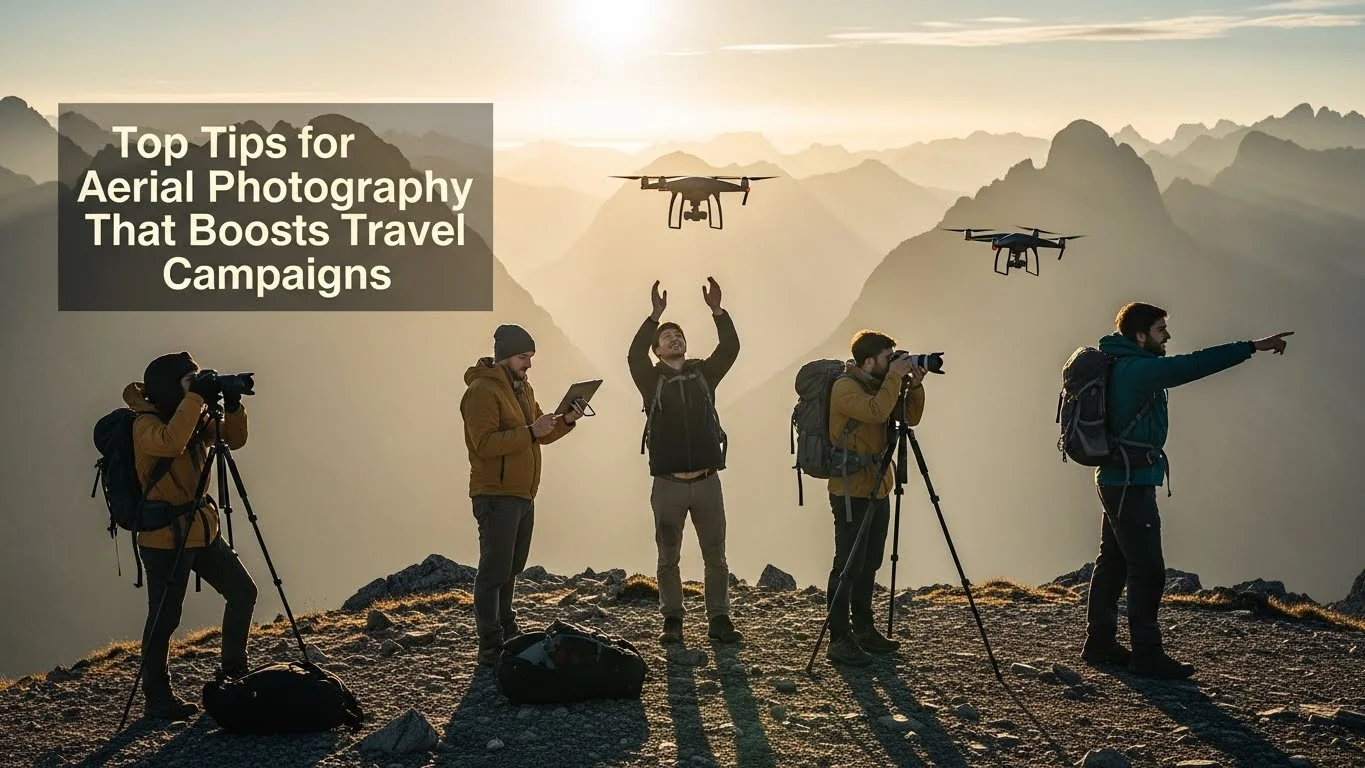
Top Tips for Aerial Photography That Boosts Travel Campaigns

Aerial photography can transform travel campaigns into stunning visual experiences. With a bird’s-eye view, we can capture a location’s beauty like never before, enticing travelers to explore new destinations and adventures. If you’re looking for guidance on navigating the complexities of aerial photography, check out Essential Legal Tips for Aerial Photography on a Budget.

Top Tips for Aerial Photography That Boosts Travel Campaigns

Understanding Aerial Photography

What is Aerial Photography?

Aerial photography is the art of taking images from an elevated position. This can be done using various platforms, including drones, helicopters, or even tall buildings. I remember the first time I tried aerial photography; it felt like I was seeing the world from a different perspective. The expansive views and unique angles not only changed how I captured a scene but also how I understood the landscape beneath me. Aerial photography allows us to tell stories through images—conveying the scale of nature, the layout of a city, or the beauty of a landmark in a way that ground-level shots simply can’t.

Types of Aerial Photography

When diving into aerial photography, I discovered several types that cater to different needs and styles. Here are the most common types:

  • Vertical Aerial Photography: This involves taking photos directly from above, providing a clear, top-down view. It’s great for mapping and surveying.
  • Oblique Aerial Photography: This captures images at an angle, which can provide a more dynamic perspective of landscapes and structures.
  • 360-Degree Aerial Photography: Using specialized equipment, this type captures panoramic views, allowing viewers to explore the surroundings in every direction.

Each type has its unique applications and can be beneficial depending on what story we want to tell with our images. For me, experimenting with these different styles has been a journey of discovery.

Benefits of Aerial Photography for Travel Campaigns

Aerial photography brings a wealth of benefits to travel campaigns. First and foremost, it grabs attention. In a world overflowing with images, standing out is essential. When I see a stunning aerial shot, I’m immediately drawn in—it’s like being invited to explore a new world. Here are some key benefits I’ve noticed:

  • Enhanced Visual Appeal: Aerial images often highlight the beauty of a destination, showcasing landscapes in ways that ground shots can’t. They have a magical quality that can transform a simple scene into something extraordinary.
  • Storytelling: Aerial photography provides context. It can show how a location fits into its environment, offering a narrative about the area’s geography or culture. This context can make people feel more connected to a place.
  • Increased Engagement: Posts featuring aerial photography tend to generate more likes and shares on social media platforms. I’ve found that incorporating these stunning visuals into campaigns significantly boosts engagement rates.
  • Versatility: Aerial photography can be used in various media, from brochures to websites and social media ads. The versatility allows for a cohesive look across all platforms, strengthening brand identity.

In my experience, when we combine engaging aerial photographs with compelling storytelling, we create an irresistible invitation for potential travelers. I’ve seen campaigns that leverage this technique lead to increased bookings and higher interest in the destination. To learn more about how to utilize aerial photography in your campaigns, read Elevate Your Travel Marketing with Stunning Aerial Photography.

As I started integrating aerial photography into my travel projects, I realized it’s not just about capturing pretty pictures; it’s about creating an emotional connection with the audience. The thrill of seeing a landscape from above can ignite a sense of adventure and wanderlust, compelling people to seek out those experiences for themselves. So, whether you’re a travel marketer, a photographer, or simply an enthusiast, understanding the power of aerial photography can change the way you approach your projects. It’s all about getting that unique perspective that leaves a lasting impression.

Essential Equipment for Aerial Photography

Drones: Choosing the Right Model

When I first dove into aerial photography, the choice of drone felt overwhelming. With so many models on the market, I had to consider what was most important for my needs. I learned that the right drone can make a significant difference in the quality of my photos. For those just starting out, I recommend looking for a model that balances user-friendliness with advanced features. Drones like the DJI Mini series are great for beginners because they are lightweight, easy to operate, and produce stunning images. As I gained experience, I found myself gravitating toward models like the DJI Phantom or Mavic series, which offer superior stability and camera quality. My advice is to think about what you want to capture—whether it’s vast landscapes or intricate cityscapes—and choose a drone that fits those needs.

Cameras: DSLR vs. Mirrorless

Choosing the right camera is another crucial aspect of aerial photography. I’ve experimented with both DSLR and mirrorless cameras, and I can tell you that each has its strengths. DSLRs are robust and have excellent battery life, which is handy when you’re out on long shoots. However, I found that mirrorless cameras are lighter and often boast quicker autofocus, making them a great option for aerial photography where agility matters. I personally settled on a mirrorless camera because it allowed me to pack light while still delivering high-resolution images. Whichever type you choose, make sure it’s compatible with your drone. I’ve seen some drones that can carry DSLRs, but they tend to be on the heavier side, so it’s worth checking the specs to find the perfect match.

Lenses: Wide-Angle vs. Telephoto

The choice of lens can significantly impact the final look of my aerial photos. Wide-angle lenses are fantastic for capturing expansive landscapes, as they allow me to fit more into the frame. I remember using a 16-35mm lens on a recent trip to the coast; the sweeping views made for some breathtaking shots. On the flip side, telephoto lenses are incredible for isolating subjects, like a unique building or a group of people in a landscape. I often switch lenses based on the story I want to tell. If I want to highlight the sprawling beauty of a national park, I reach for the wide-angle. But if I’m focusing on a particular detail, like a historic lighthouse, a telephoto lens is my go-to.

Accessories: Filters, Tripods, and More

While the camera and drone are critical, I’ve learned that accessories can elevate my aerial photography to another level. Neutral density (ND) filters, for instance, help manage light exposure, allowing me to capture smoother video and better images in bright conditions. I also discovered that using a tripod, even when shooting from a drone, can stabilize my shots during windy conditions. Don’t overlook the importance of extra batteries and memory cards; I’ve been caught out during shoots with a dead battery or full memory card, which is never fun. A little planning ahead with these accessories can save a lot of disappointment later.

Planning Your Aerial Shoot

Researching Locations

Before heading out for an aerial shoot, I always spend time researching locations. Some spots are better suited for aerial photography than others, and I’ve found that local knowledge can be invaluable. Online forums, photography blogs, and social media platforms are gold mines for discovering hidden gems. On one trip, I stumbled upon an abandoned castle that wasn’t on any travel guides. The unique angles from above captured its beauty perfectly. I believe taking the time to explore a location beforehand not only enhances my composition but also helps me anticipate lighting and weather conditions. For those looking for ideas, consider Exploring the Most Instagrammable Aerial Photography Sites.

Understanding Local Regulations and Permissions

As I started flying drones, I quickly realized that understanding local regulations is crucial. Different areas have varying rules about drone flights, especially in national parks or urban settings. I remember feeling overwhelmed when I first tried to navigate these regulations, but I learned that local drone user groups can be incredibly helpful. They provide insights on where I could fly legally and safely. Always check for no-fly zones, and if needed, secure the necessary permissions to avoid any legal hassles. This step is essential for ensuring both the success of my shoot and the safety of others.

Best Times for Aerial Photography (Golden Hour, Weather Conditions)

Time of day can make or break an aerial photo. I’ve found that the golden hour—shortly after sunrise or before sunset—offers the most magical lighting. The soft, golden tones can transform an ordinary landscape into something extraordinary. I also pay close attention to weather conditions. A clear day is fantastic, but sometimes, a little cloud cover can create dramatic effects, adding depth and texture to my images. The key for me is to be flexible and ready to adapt my plans based on the weather, as it often leads to unexpected and beautiful results.

Composition Techniques for Stunning Aerial Photos

The Rule of Thirds in Aerial Photography

When I first started taking aerial photos, I quickly learned that composition is key to making an image captivating. One of the first techniques I embraced was the Rule of Thirds. This method involves dividing the frame into nine equal parts using two horizontal and two vertical lines. By placing key elements of my shot along these lines or at their intersections, I found that my photos became much more dynamic and engaging. For instance, while shooting a cityscape, I would often position the skyline along the top third line, which allowed the sky to take up the remaining space, giving it a dramatic feel. This simple adjustment can completely change the impact of an aerial shot.

Leading Lines and Patterns

Another technique that has enriched my aerial photography is the use of leading lines. While capturing landscapes from above, I’ve noticed how natural features like rivers, roads, and even paths can guide the viewer’s eye through the image. I remember a time when I shot an aerial view of a winding coastline; the lines created by the shore drew attention to the horizon, making the photo feel more immersive. Patterns also play a significant role—whether it’s the geometric layout of a city or the rhythmic lines of agricultural fields, these elements add a layer of intrigue to my compositions. By focusing on these features, I can create images that not only showcase the beauty of a location but also tell a story.

Capturing Scale and Depth

One of the most exciting aspects of aerial photography is the ability to convey scale and depth. I’ve found that including familiar objects in my frames can help viewers grasp the size of a landscape. For example, when photographing a massive mountain range, I might include a tiny car or a person at the base. This not only gives context but also emphasizes the grandeur of nature. I also experiment with angles—shooting from higher elevations can create a sense of depth, while lower angles can bring foreground elements into focus, adding layers to the composition. Understanding how to manipulate scale has been a game-changer for me, making each shot more impactful.

Incorporating Foreground and Background Elements

To create more visually interesting images, I’ve learned the importance of incorporating both foreground and background elements. When I look through my lens, I try to include something in the foreground that leads into the main subject. For instance, while photographing a beautiful island from above, I might include the turquoise waves crashing against the rocks in the foreground. This technique not only adds depth but also draws the viewer’s eye into the photo. Background elements can be equally important; they provide context and help the viewer understand the scene better. I often find that a well-composed aerial shot with balanced foreground and background can convey a sense of place and atmosphere that resonates emotionally with the audience.

Editing Aerial Photography for Impact

Choosing the Right Editing Software

After capturing stunning aerial shots, the next step involves editing, which can significantly enhance the final result. I’ve experimented with various editing software, but I always come back to Adobe Lightroom and Adobe Photoshop for their user-friendly interfaces and powerful editing tools. Lightroom is fantastic for quick adjustments like exposure, contrast, and color correction, while Photoshop allows for more detailed edits, like retouching or creating composites. If you’re just starting, I recommend trying out free software like GIMP, which offers many essential features without the price tag. Finding the right tool that suits your workflow can make the editing process enjoyable rather than daunting.

Basic Editing Techniques (Color Correction, Cropping)

When I dive into the editing process, my first steps often involve color correction and cropping. Adjusting the white balance helps to ensure that the colors in my aerial photos are true to life. I remember an instance where I captured a sunset over the mountains, and the colors looked a bit washed out. A simple tweak in the saturation and vibrance brought the scene back to life, making it feel more vibrant. Cropping is another fundamental technique that I use to refine my composition further. I often find myself adjusting the frame to follow the Rule of Thirds or to eliminate distractions around the edges. These basic edits can make a significant difference in how my images are perceived.

Advanced Techniques (HDR, Panorama Stitching)

As I became more comfortable with editing, I started exploring advanced techniques like HDR (High Dynamic Range) and panorama stitching. HDR has been particularly useful during my aerial shoots in high-contrast environments. By blending multiple exposures, I can capture the full range of light in a scene, resulting in dramatic, detailed images. I recall taking a shot of a valley at sunrise where the bright sky and dark landscape posed a challenge. Using HDR allowed me to highlight both elements beautifully. Panorama stitching is another technique I love; it enables me to create sweeping views of landscapes by merging several images. It’s a fantastic way to showcase the vastness of a location that a single shot simply can’t capture.

Showcasing Your Aerial Photography

Integrating Photos into Travel Campaigns

Once I’ve captured those breathtaking aerial shots, the next challenge is figuring out how to integrate them into my travel campaigns effectively. I learned that these images can be powerful tools for storytelling. By placing aerial photos at the forefront of promotional materials, I can create a compelling narrative that invites potential travelers to imagine themselves in those stunning landscapes. For instance, I often use a captivating aerial shot as the hero image on a landing page for a travel website, making it the first thing visitors see. This strategy not only grabs attention but also sets the tone for the entire campaign. I believe that combining these visuals with engaging copy that resonates emotionally can lead to a much stronger connection with the audience.

Utilizing Social Media (Instagram, Facebook, Pinterest)

Social media has become an essential platform for sharing my aerial photography. Platforms like Instagram and Pinterest are perfect for showcasing these stunning visuals. I’ve discovered that sharing a well-edited aerial shot can lead to significant engagement. On Instagram, I often include a thoughtful caption that adds context to the image, revealing the story behind the shot. Hashtags play a crucial role too; using location-based tags can help reach new audiences who are searching for travel inspiration. Pinterest is another fantastic avenue, as it allows me to create boards that highlight specific destinations through aerial photography. The visual appeal of these photos often leads to repins and shares, further expanding my reach. I’ve seen firsthand how effective these platforms can be in driving traffic to travel campaigns.

Creating a Portfolio Website

Building a portfolio website has been one of the best decisions I made for showcasing my aerial photography. It serves as a dedicated space where I can present my work in a professional manner. I’ve spent time curating a selection of my best aerial shots, ensuring that each image tells part of my journey as a photographer. Including a mix of travel narratives, tips, and behind-the-scenes insights adds depth to the site. This way, visitors not only appreciate the visuals but also learn about the experiences that shaped them. I find that an effective portfolio can attract potential clients or partnerships, allowing me to showcase my skills to travel agencies or brands looking for captivating imagery for their campaigns.

Case Studies: Successful Travel Campaigns Using Aerial Photography

Destination Marketing Organizations

Some of the most inspiring examples of aerial photography in travel campaigns come from destination marketing organizations (DMOs). I remember seeing a campaign from a DMO that used stunning aerial shots to highlight the diversity of their landscapes—from mountains to beaches. They not only showcased the beauty of the destination but also created emotional connections by featuring local stories and experiences. The campaign garnered significant attention, leading to a boost in tourism, and it reminded me of the impact that well-executed aerial imagery can have on travel marketing.

Influencer Partnerships in Travel Campaigns

Influencer partnerships have also proven to be effective in amplifying the reach of aerial photography. I’ve noticed how influencers sharing their aerial shots from destinations can create a buzz among their followers. One influencer I follow collaborated with a travel brand, combining breathtaking drone footage with engaging storytelling. This synergy not only showcased the destination but also inspired many of their followers to consider visiting. It’s a reminder that when influencers genuinely connect with their content, they can drive interest and engagement in ways that traditional advertising sometimes can’t.

Impact of Aerial Photography on Engagement and Conversion Rates

In my experience, the use of aerial photography can significantly enhance engagement and conversion rates for travel campaigns. I’ve seen metrics that suggest posts featuring aerial shots generate higher click-through rates and more shares. This visual allure can prompt potential travelers to seek more information or book a trip. By analyzing these patterns, I came to realize just how important it is to include captivating visuals in marketing strategies. A well-placed aerial image can act as a hook, drawing people in and encouraging them to explore further.

Common Mistakes to Avoid in Aerial Photography

Ignoring Safety Regulations

One of the first lessons I learned in aerial photography was the importance of adhering to safety regulations. I remember a time when I was so eager to get the perfect shot that I overlooked local drone laws. It was a stressful experience, and I quickly realized that understanding and following regulations is crucial—not only for my safety but also for the safety of others. Before any flight, I always double-check the rules in my area, ensuring that I’m compliant.

Neglecting to Plan for Battery Life and Storage

Battery life is another aspect I had to learn the hard way. I’ve had moments where I was out in the field, excited to capture beautiful landscapes, only to have my drone battery die unexpectedly. Now, I always make sure to carry extra batteries and check their charge levels before heading out. Additionally, having enough storage space for all my images is vital. I remember losing some great shots because I underestimated how many images I would take. A little organization can save a lot of stress later.

Underestimating the Importance of Lighting

Lighting can make or break an aerial photo. I’ve had days where I thought I could get decent shots in the middle of the day, only to be disappointed by harsh shadows and blown-out highlights. Now, I prefer planning my shoots during golden hours whenever possible. This small adjustment can lead to dramatic improvements in the quality of my images. I’ve learned to respect the power of light, and it has elevated my aerial photography significantly.

Future Trends in Aerial Photography for Travel Campaigns

Advancements in Drone Technology

The future of aerial photography is bright, thanks in large part to advancements in drone technology. I’ve seen how newer models are becoming more user-friendly, with improved image quality and longer flight times. These advancements open up opportunities for capturing stunning visuals that were previously difficult to achieve. I’m excited to see how these innovations will continue to shape the landscape of travel photography.

Emerging Techniques and Styles

Along with technology, emerging techniques in aerial photography are evolving as well. I’ve noticed a trend towards more dynamic compositions, such as using drone shots to capture movement—like waves crashing or crowds gathering. These techniques bring a fresh perspective to travel campaigns, making them more engaging. I believe that as photographers, we need to keep experimenting and pushing our creative boundaries to stay ahead of the curve.

Impact of AI and Automation on Aerial Photography

Artificial intelligence (AI) and automation are starting to play a role in aerial photography, and I find it fascinating. From automated flight paths to AI-assisted editing software, these tools can streamline the workflow, allowing us to focus more on creativity. I’ve seen how AI can analyze images and suggest edits, which can save time during the post-processing stage. I’m curious to see how these technologies will revolutionize the industry even further in the coming years.

Final Thoughts

Aerial photography has truly been a game-changer in how we experience and promote travel. From the breathtaking views to the stories behind each shot, it offers a unique perspective that captures the essence of a destination. As I continue to explore this exciting field, I’m reminded that the journey is just as important as the destination. Whether you’re a beginner or an experienced photographer, embracing the art of aerial photography can elevate your work and connect with audiences in powerful ways. So let’s keep pushing the boundaries, exploring new horizons, and sharing the beauty of our world from above.

Frequently Asked Questions

What is aerial photography?

Aerial photography is the art of taking images from an elevated position using various platforms such as drones, helicopters, or tall buildings, allowing for unique perspectives and expansive views of landscapes and structures.

What are the different types of aerial photography?

The most common types of aerial photography include vertical aerial photography (top-down view), oblique aerial photography (angled view), and 360-degree aerial photography (panoramic views). Each type serves different storytelling and visual needs.

What are the benefits of aerial photography for travel campaigns?

Aerial photography enhances visual appeal, provides context for storytelling, increases engagement on social media, and offers versatility across various media platforms, making it a powerful tool for attracting travelers.

What essential equipment is needed for aerial photography?

Essential equipment for aerial photography includes drones (such as the DJI Mini series for beginners or the Phantom and Mavic series for more advanced users), cameras (either DSLR or mirrorless), various lenses (wide-angle for landscapes and telephoto for details), and accessories like filters and tripods.

How should one plan for an aerial shoot?

Planning for an aerial shoot involves researching locations for suitability, understanding local regulations and permissions for drone flights, and identifying the best times for photography, such as during the golden hour for optimal lighting conditions.

What composition techniques are effective in aerial photography?

Effective composition techniques in aerial photography include using the Rule of Thirds, employing leading lines and patterns, capturing scale and depth by including familiar objects, and incorporating both foreground and background elements to enhance visual interest.

What editing techniques can enhance aerial photography?

Basic editing techniques include color correction and cropping, while advanced techniques involve using HDR (High Dynamic Range) for high-contrast environments and panorama stitching to create expansive views of landscapes.

How can aerial photography be integrated into travel campaigns?

Aerial photography can be integrated into travel campaigns by using captivating images as the hero visuals in promotional materials, posting on social media platforms like Instagram and Pinterest, and creating a dedicated portfolio website to showcase work professionally.

What common mistakes should be avoided in aerial photography?

Common mistakes to avoid include ignoring safety regulations, neglecting to plan for battery life and storage, and underestimating the importance of lighting, as these factors can significantly affect the quality of aerial images.

What are some future trends in aerial photography for travel campaigns?

Future trends in aerial photography include advancements in drone technology, emerging techniques that capture dynamic compositions, and the impact of AI and automation in streamlining workflows and enhancing creativity in photography.

Elevate Your Travel Marketing with Stunning Aerial Photography

Imagine soaring high above breathtaking landscapes, capturing stunning visuals that draw travelers in. Aerial photography can transform your travel marketing, offering a unique perspective that traditional images simply can’t match.

Elevate Your Travel Marketing with Stunning Aerial Photography

Understanding Aerial Photography in Travel Marketing

What is Aerial Photography?

Aerial photography involves capturing images from an elevated position, typically using drones or aircraft. This type of photography allows us to see scenes from angles we wouldn’t normally experience on the ground. I remember the first time I saw a promotional video featuring aerial shots of a national park; the sweeping views of mountains and lakes instantly made me want to visit. Aerial photography isn’t just about height; it’s about showcasing a destination’s beauty in a way that feels immersive and expansive.

The Evolution of Aerial Photography in Travel

Aerial photography has come a long way since the days of manned flight and bulky cameras. Early pioneers used kites, balloons, and even pigeons to capture images from above. Over the years, technological advancements have made aerial photography accessible to many, with drones becoming the go-to tool for capturing stunning visuals. I’ve seen how this evolution has impacted travel marketing. With the rise of social media, the demand for eye-catching content has skyrocketed, and aerial photography is at the forefront of this visual revolution.

Today, travel agencies and destination marketers leverage aerial photography to create dynamic content that resonates with potential travelers. I’ve noticed that a single well-placed aerial shot can tell a story that invites people to explore. It sets the mood and creates an emotional connection, making viewers feel as if they are already on their journey.

Benefits of Aerial Photography for Travel Marketing

Enhanced Visual Appeal

There’s no denying that aerial photography is visually striking. It provides a fresh perspective that enhances the appeal of any location. I remember browsing travel websites and being immediately drawn to the stunning aerial shots of serene beaches and bustling cityscapes. These images not only capture the beauty of a destination but also give potential travelers a sense of scale and context. In my opinion, the allure of aerial photography lies in its ability to make viewers feel like they are part of something bigger, something they can explore.

Creating Unique Perspectives

Aerial photography offers unique perspectives that ground-level shots simply can’t achieve. It allows us to showcase the layout and geography of a destination, highlighting its features in a way that captivates the imagination. For instance, aerial shots of sprawling vineyards or intricate city streets present visual stories that stimulate curiosity. I’ve experienced firsthand how these unique perspectives can make a location more enticing and memorable. It’s almost as if the viewer is invited to discover hidden gems that they might overlook from the ground.

Improving Engagement Rates

In today’s digital landscape, engagement is key to successful marketing. I’ve found that posts featuring aerial photos tend to receive more likes, shares, and comments compared to standard images. People are inherently drawn to beautiful visuals, and aerial photography taps into that instinct. It’s a powerful tool for capturing attention on social media platforms and drawing users into your content. I believe that by incorporating aerial images, we can significantly boost engagement rates and encourage conversations around travel experiences.

Showcasing Destinations Effectively

When it comes to travel marketing, the goal is to showcase destinations in their best light. Aerial photography excels at this by allowing marketers to highlight key attractions, natural wonders, and the overall vibe of a place. I’ve seen how aerial shots can convey the essence of a location, whether it’s the serene beauty of a coastline or the vibrant energy of a city. By effectively showcasing these elements, we can entice potential travelers and spark their wanderlust.

Aerial photography doesn’t just sell a destination; it sells an experience. I remember planning a trip after viewing an aerial video that beautifully captured a city’s culture and ambiance. It inspired me to explore beyond the typical tourist spots, making me feel like I was about to embark on an adventure filled with discovery.

In my experience, incorporating aerial photography into travel marketing can elevate our content in remarkable ways. It’s not just about taking stunning photos; it’s about telling a story and inviting others to join in on the journey. As we continue exploring the essential equipment and techniques for capturing these breathtaking images, I’m excited to see how we can further enhance our travel marketing strategies.

Essential Equipment for Aerial Photography

Drones: Choosing the Right Model

When it comes to aerial photography, the drone you choose can make a significant difference. I remember my first experience with a drone; it felt like I was piloting a spaceship! There are so many options available today that it can be overwhelming. I recommend starting with a model that fits your budget while also providing quality images. For many, the DJI Mavic series has been a game-changer. These drones are not only compact and portable but also offer great camera capabilities. I’ve found that having a reliable drone can enhance the overall experience of capturing beautiful landscapes.

For beginners, I suggest considering user-friendly drones that offer intelligent flight modes. These features allow for easier navigation and help in capturing steady shots without much hassle. As I learned more about aerial photography, I gradually moved to more advanced models, but starting with a basic drone helped me build confidence in my skills.

Cameras: Best Options for Aerial Shots

The camera is another crucial component for capturing stunning aerial shots. While many drones come with built-in cameras that produce impressive images, there are benefits to using a separate camera. For instance, I’ve had great success using mirrorless cameras like the Sony A7 series, which can be mounted on certain drones. The image quality is fantastic, and they allow for more versatility in capturing different styles of photography.

Remember that the lens you choose can affect the outcome of your shots, too. A wide-angle lens is usually ideal for aerial photography because it allows you to capture expansive landscapes. I’ve noticed that using a variety of lenses can give different perspectives to the same scene, making the final images more interesting.

Accessories: Gimbals and Filters

To take your aerial photography to the next level, consider investing in accessories like gimbals and filters. A gimbal stabilizes your camera, helping to reduce shake and ensure smoother footage. I’ve experienced firsthand how having a gimbal can elevate my video quality. It’s almost like having a professional cinematographer at your side!

Filters are also essential for managing light and enhancing colors in your shots. Polarizing filters, for example, can help reduce glare and bring out the vibrancy of the skies and landscapes. I remember experimenting with different filters and being amazed at how much they could transform an otherwise flat image into something that truly pops. Overall, investing in good accessories can make a significant difference in your aerial photography results.

Techniques for Capturing Stunning Aerial Photos

Planning Your Shots: Timing and Location

Capturing breathtaking aerial shots isn’t just about flying your drone and snapping away; it’s also about planning. I often take time to research the best times to shoot, keeping in mind the golden hours—early morning or late afternoon—when the light is soft and warm. These times can create stunning visuals that add depth and dimension to photographs.

Location matters too. I’ve found that scouting out locations can lead to unexpected discoveries. Sometimes, what seems like a mundane area from the ground can transform into a breathtaking view from above. Using apps that provide information on popular photography spots can help. I’ve used sites like Instagram or Flickr to see what others have captured in specific locations, and it often inspires my own shots.

Understanding Composition and Framing

Composition is key in photography, and it holds especially true for aerial shots. I’ve learned to play with different angles and framing techniques to create dynamic images. The rule of thirds is a great starting point; dividing your frame into a grid can help position key subjects in a more balanced way. I also enjoy experimenting with leading lines and patterns that draw the viewer’s eye into the photo.

One of my favorite techniques is capturing symmetry, which can create a striking visual impact. Whether it’s a perfectly aligned row of trees or the symmetrical layout of a city street, these elements can create stunning focal points in your aerial photography.

Utilizing Natural Light and Weather Conditions

The weather can significantly affect the quality of your aerial photos. I’ve learned to embrace different weather conditions instead of shying away from them. Overcast days can provide soft, diffused light that reduces harsh shadows, making colors appear more vibrant. Meanwhile, dramatic cloud formations can add depth and interest to your shots.

Understanding how natural light interacts with your surroundings can help you capture truly unique images. For instance, shooting just after a rainstorm can reveal lush landscapes with vivid colors. I’ve also found that incorporating elements like reflections in water bodies can create stunning visuals. Paying attention to the weather and being ready to adapt can make all the difference in capturing unforgettable aerial shots.

Editing Aerial Photography for Maximum Impact

Basic Photo Editing Software

Once I capture stunning aerial shots, the next step is editing them to bring out their full potential. I’ve found that basic photo editing software can go a long way in enhancing my images. Programs like Adobe Lightroom and Photoshop are fantastic, but I’ve also had success with simpler tools like Canva or GIMP, especially when I’m on the go or just need quick adjustments.

For me, the first thing I usually do is adjust the exposure and contrast to make the colors pop. A subtle increase in saturation can bring the sky and landscape to life, giving it that vibrant, inviting feel that draws viewers in. I also focus on cropping to get rid of distractions and highlight the most compelling parts of the shot. I remember a time when I overlooked a distracting object in the frame; after cropping it out, the entire image became much more impactful.

Don’t underestimate the power of sharpening your images, either. I once learned that a little sharpening can help enhance details, making textures stand out. I enjoy using these basic tools because they allow me to put my personal touch on each image, creating a consistent style that reflects my vision. Read Interesting article: Top Techniques for Editing Aerial Photos on a Budget

Advanced Techniques for Enhancing Images

As I grew more comfortable with editing, I started exploring advanced techniques to take my aerial photography to the next level. One of my favorite methods is using layers in Photoshop. This allows me to mix different exposures or blend multiple images for a high dynamic range (HDR) effect, which can be breathtaking in aerial shots. I remember the first time I successfully created an HDR image; it was like adding a new dimension to my photography.

Another technique I enjoy is color grading. This process allows me to create a specific mood for my images. Whether I want a warm, inviting look for a beach scene or a cooler, more dramatic tone for mountainous landscapes, color grading helps convey the feeling I want viewers to experience. It’s fascinating how a shift in color can change the entire narrative of an image.

I also love experimenting with creative filters and textures. I’ve found that adding a light texture can give my images a unique feel, making them stand out even more on social media. There’s something thrilling about taking a photo that’s already stunning and giving it that extra flair through editing.

Integrating Aerial Photography into Your Marketing Strategy

Creating Eye-Catching Social Media Content

Once I’ve polished my aerial shots, the next step is to share them with the world. I’ve learned that social media is a powerful platform for showcasing these images. I love the excitement of posting an aerial photo and watching the engagement unfold. The key, in my experience, is to create eye-catching content that invites interaction.

For instance, I like to use captions that tell a story behind the image. Sharing a little anecdote about my experience while capturing the shot can draw my audience in even more. I’ve noticed that posts with engaging captions tend to receive more comments and shares, which can significantly boost visibility.

Another strategy I use is incorporating hashtags that resonate with my target audience. Aerial photography is popular on platforms like Instagram, so I often include relevant hashtags to reach a broader audience. I remember one specific post that gained unexpected traction simply because I used the right tags. It was thrilling to see so many people connect with my work!

Using Aerial Photos in Website Design

Integrating aerial photography into website design is another effective way to capture attention. I’ve found that using these stunning visuals on landing pages or in sliders can create an immediate impact. When visitors arrive at a website and are greeted with breathtaking aerial shots, they’re often compelled to explore further.

One of my favorite things to do is to feature full-width aerial images as backgrounds for sections of a website. This creates a visually striking experience that transports viewers to the destination. I’ve noticed that it can significantly improve user engagement, as people are more likely to stay on the page and learn more about what’s being offered.

Additionally, using aerial photography to highlight unique selling points—like a scenic view from a hotel or a bird’s-eye view of an attraction—can effectively entice potential travelers. This approach helps to reinforce the message that the destination is not just a place, but an experience worth having.

Incorporating Aerial Imagery in Email Marketing

When crafting email marketing campaigns, I’ve discovered that incorporating aerial imagery can significantly enhance the overall appeal. A well-placed aerial shot in an email can create a visual hook that captures readers’ attention. I always aim to include at least one stunning aerial photo in my newsletters or promotional emails. It’s a great way to break up text and keep readers engaged.

Another tip I’ve learned is to use aerial images to showcase special deals or packages. For example, if a travel agency is offering a tour that includes breathtaking aerial views, featuring those images can ignite excitement and curiosity. I’ve seen how effective this strategy can be; often, higher open rates and click-through rates follow when an engaging image is included.

Overall, integrating aerial photography into my marketing strategy has not only enhanced my content but has also created a deeper connection with my audience. It’s all about creating a visual narrative that invites people to explore and engage with the travel experiences I’m passionate about sharing.

Case Studies: Successful Use of Aerial Photography in Travel Marketing

Destination Marketing Organizations

When I think about successful uses of aerial photography, one of the first examples that comes to mind is how destination marketing organizations (DMOs) have embraced this visual medium. I remember seeing a campaign by the tourism board of a popular coastal region. They released a series of aerial videos showcasing the stunning coastline, lush forests, and vibrant local towns. The footage was breathtaking and gave viewers a sense of the area’s scale and beauty that typical photos just couldn’t convey.

These aerial shots not only highlighted the natural beauty of the destination but also provided a real sense of what travelers could expect. From that campaign, I learned how DMOs can effectively draw potential visitors in by sharing the unique features of their locations. The emotional connection developed through these visuals can inspire someone to book a trip just because they want to experience that beauty for themselves. It’s a powerful reminder of how aerial photography can elevate a marketing strategy.

Travel Agencies and Tour Operators

In my journey exploring aerial photography in travel marketing, I’ve also noticed how travel agencies and tour operators have adopted these stunning visuals. I recall a specific travel agency that used aerial photography to promote an adventure tour in the mountains. They created a captivating video montage featuring aerial shots of hikers on cliffs, glistening lakes, and expansive views of the valleys below. It not only showcased the thrill of the adventure but also highlighted the incredible landscapes that travelers could explore.

What struck me most was how this approach transformed the agency’s marketing. They reported a significant increase in bookings for that specific tour after launching the aerial campaign. It was clear that the emotional appeal of those images made a difference in how potential customers perceived the experience. Aerial photography can convey excitement and adventure in a way that standard images cannot, encouraging people to step outside their comfort zones and try something new.

Legal and Ethical Considerations in Aerial Photography

Understanding FAA Regulations

As I delved deeper into aerial photography, I realized the importance of understanding the legal landscape surrounding it. The Federal Aviation Administration (FAA) has specific regulations that govern the use of drones for commercial purposes. I remember feeling a bit overwhelmed when I first tried to navigate these rules, but it became clear that following them is crucial for anyone looking to incorporate aerial photography into their work. Read Interesting article: Essential Legal Tips for Aerial Photography on a Budget

The FAA requires drone operators to obtain a Remote Pilot Certificate, which ensures that pilots understand airspace rules and safety regulations. I found that investing time in learning these regulations not only protects my work but also adds credibility to my photography. It’s essential to stay informed about any changes in the law, especially as drone technology continues to evolve.

Privacy Concerns and Best Practices

While capturing stunning aerial imagery can be exhilarating, I’ve learned that respecting privacy is paramount. There have been instances where drone operators have faced backlash for flying over private properties or sensitive areas. I always make it a point to familiarize myself with the locations I intend to shoot, ensuring that I’m being respectful of local privacy laws and customs.

One best practice I’ve adopted is to obtain necessary permissions when filming in private areas. Additionally, I try to maintain a respectful distance from crowded spaces or residential areas to avoid any uncomfortable situations. Being considerate of privacy not only helps maintain positive relationships with communities but also enhances the overall perception of aerial photography as a legitimate and respectful practice.

Future Trends in Aerial Photography for Travel Marketing

Technological Advancements and Innovations

The world of aerial photography is constantly evolving, and I can’t help but feel excited about what the future holds. With advancements in drone technology, we’re seeing more powerful cameras, improved stabilization, and longer flight times. I’ve noticed that some newer models even offer features like obstacle avoidance and automated shooting modes, making it easier for photographers to capture stunning shots.

As I look ahead, I believe these advancements will continue to enhance the quality of aerial photography, allowing us to tell even more compelling stories. I can imagine using drones equipped with 360-degree cameras to create immersive experiences that viewers can explore from their own homes. This kind of innovation could completely change how travel marketing is approached, inviting potential visitors to virtually experience destinations before they arrive.

Shifts in Consumer Preferences and Expectations

Alongside technological advancements, I’ve noticed shifts in consumer preferences that will impact the future of aerial photography in travel marketing. Today’s travelers are seeking authenticity and unique experiences, and aerial photography can help deliver that. I’ve experienced firsthand how people are drawn to visuals that feel genuine and relatable, which puts pressure on marketers to continuously evolve their strategies.

In this context, I believe aerial photography will play a pivotal role in crafting narratives that resonate with modern travelers. As I follow these trends, I’m reminded of the importance of staying connected with my audience and understanding their desires. By continuing to innovate and adapt my approach to aerial photography, I can help create marketing content that not only captures attention but also inspires genuine exploration and adventure.

Final Thoughts

Reflecting on my journey with aerial photography, I can’t help but feel a sense of excitement for the future of travel marketing. The way we capture and present destinations is transforming, and aerial imagery is at the forefront of this change. I’ve seen how it enhances storytelling, boosts engagement, and invites potential travelers to embark on new adventures. As we navigate the evolving landscape of drone technology, legal considerations, and consumer expectations, it’s clear that aerial photography offers us a powerful tool to connect with audiences in meaningful ways. Let’s embrace the journey and continue to inspire wanderlust through our stunning images!

Frequently Asked Questions

What is aerial photography?

Aerial photography involves capturing images from an elevated position, typically using drones or aircraft. It allows us to see scenes from angles we wouldn’t normally experience on the ground, showcasing a destination’s beauty in an immersive and expansive way.

How has aerial photography evolved in travel marketing?

Aerial photography has evolved from early methods like kites and balloons to the use of drones, making it more accessible. The rise of social media has increased the demand for eye-catching content, positioning aerial photography at the forefront of travel marketing strategies.

What are the benefits of using aerial photography for travel marketing?

The benefits include enhanced visual appeal, unique perspectives, improved engagement rates, and effective showcasing of destinations. Aerial photography can create emotional connections with potential travelers, enticing them to explore new places.

What equipment is essential for aerial photography?

Essential equipment includes drones, cameras, and accessories like gimbals and filters. Choosing a suitable drone and camera can significantly impact the quality of aerial shots, while accessories can enhance the overall photography experience.

What techniques can be utilized for capturing stunning aerial photos?

Techniques include planning your shots based on timing and location, understanding composition and framing, and utilizing natural light and weather conditions. These elements can enhance the quality and impact of aerial images.

How can aerial photography be edited for maximum impact?

Editing can involve using basic photo editing software to adjust exposure, contrast, and saturation, as well as advanced techniques like using layers in Photoshop for HDR effects and color grading to set the mood of the images.

How can aerial photography be integrated into a marketing strategy?

Aerial photography can be used in social media content, website design, and email marketing campaigns. Eye-catching images can draw in audiences, enhance engagement, and effectively showcase destinations and travel experiences.

What are some successful case studies of aerial photography in travel marketing?

Destination marketing organizations have effectively used aerial photography to showcase locations, such as coastal regions, highlighting their beauty. Travel agencies have also seen increased bookings by using aerial visuals to promote adventure tours, emphasizing the emotional appeal of the images.

What legal and ethical considerations should be taken into account in aerial photography?

It’s important to understand FAA regulations regarding drone use, including obtaining a Remote Pilot Certificate. Additionally, respecting privacy concerns and obtaining necessary permissions when shooting in private areas is crucial for maintaining positive relationships with communities.

What future trends are expected in aerial photography for travel marketing?

Future trends may include technological advancements in drone capabilities and shifts in consumer preferences towards authenticity and unique experiences. Aerial photography will likely play a significant role in crafting compelling narratives that resonate with modern travelers.

Exploring the Most Instagrammable Aerial Photography Sites

Aerial photography opens up a world of breathtaking perspectives, showcasing stunning landscapes and urban jungles from above. Let’s dive into the art of capturing these incredible views and discover the best spots to take your Instagram game to the next level. Read Interesting article: Top 10 Affordable Transportation Options for Budget Travelers

Exploring the Most Instagrammable Aerial Photography Sites

Understanding Aerial Photography

What is Aerial Photography?

Aerial photography is the art of taking pictures from an elevated position, usually from an aircraft, drone, or other aerial platforms. I remember the first time I tried it – the thrill of seeing my hometown from above was nothing short of magical. The way familiar landscapes transformed into miniature versions of themselves completely changed how I perceived space and depth. It’s about capturing expansive views that tell a story, evoke emotions, and create a sense of wonder.

Benefits of Aerial Photography for Instagram

Why is aerial photography so popular on Instagram? For me, it’s all about the unique perspectives and stunning visuals that grab attention. These images stand out in a crowded feed, and they can convey a lot of information in a single shot. Aerial photos often highlight natural beauty, architectural marvels, and vibrant colors that are simply captivating. They can spark curiosity and inspire wanderlust among followers, which is essential if you want to grow your audience and engagement. Plus, there’s something incredibly satisfying about sharing a view that few people get to see!

Equipment Needed for Aerial Photography

When I started my aerial photography journey, I realized that having the right gear is crucial. If you’re looking to explore this art form, consider the following equipment:

  • Drones: Drones have revolutionized aerial photography. Brands like DJI offer user-friendly models that capture stunning high-resolution images and videos. I personally love the DJI Mavic series for its portability and excellent camera quality.
  • Cameras: If drones aren’t your style, you can also use cameras mounted on planes or helicopters. A DSLR or mirrorless camera works great, especially if paired with a wide-angle lens to capture more of the landscape.
  • Stabilizers: For smoother shots, use a gimbal or stabilizer. This helps eliminate shaky footage and keeps your images crisp and clear.
  • Editing Software: Don’t forget about post-processing! Software like Adobe Lightroom or Photoshop can help enhance your photos, making colors pop and details shine.

For me, learning how to edit my aerial shots was a game-changer. It allowed me to express my vision fully and highlight the beauty I witnessed from above.

Top Instagrammable Aerial Photography Sites Worldwide

Iconic Landmarks

Grand Canyon, USA

The Grand Canyon is a must-visit for any aerial photographer. The vastness of the canyon and its stunning colors create an unforgettable view. I remember hovering over the edge and being captivated by the intricate patterns carved into the rock—it’s like nature’s artwork. The interplay of light and shadow adds depth to every shot, making it a perfect spot for some Instagram magic.

Eiffel Tower, France

Flying above the Eiffel Tower offers a unique perspective on this iconic landmark. I’ve seen stunning shots taken during sunset, where the golden light bathes the tower in warmth. From the air, you can capture the bustling Parisian streets winding below, which adds a layer of context to the photo. It’s an experience that combines romance and beauty in one frame.

Great Wall of China

The Great Wall stretches for thousands of miles, making it an incredible subject for aerial photography. I was amazed at how it snakes through the mountains, offering countless angles to capture its grandeur. The Wall’s historical significance and stunning surroundings create a breathtaking backdrop for any photo, especially when shot in the early morning light.

Natural Wonders

Maldives

If you’re dreaming of turquoise waters and white sandy beaches, the Maldives is a paradise worth capturing from above. I remember the first time I saw aerial shots of the islands – the colors were so vibrant, it felt like a painting. The contrast between the water and the islands is a photographer’s dream, making it a top destination for Instagrammable moments. Read Interesting article: Exploring Luxury All-Inclusive Resorts: Value vs. Price

Lake Hillier, Australia

Lake Hillier is famous for its bubblegum pink color, which is even more striking when viewed from the sky. I was lucky enough to capture it from a small plane, and the vibrant hue against the surrounding greenery was breathtaking. Aerial shots of this unique lake definitely stand out on Instagram and spark curiosity among viewers.

Giants Causeway, Northern Ireland

The unique hexagonal basalt columns of Giants Causeway make for stunning aerial photography. I was mesmerized by the geometric patterns formed by nature and the dramatic coastline. Capturing the waves crashing against the rocks from above added a sense of movement to the stillness of the columns, making it one of my favorite photography spots.

Urban Landscapes

New York City, USA

New York City is a concrete jungle bursting with life, and there’s something magical about seeing it from above. I remember capturing the skyline during sunset, with the buildings ablaze in golden light. The grid-like streets and iconic landmarks make for a visually stunning composition, and I found myself constantly inspired by the energy of the city.

Tokyo, Japan

Tokyo’s blend of tradition and modernity is captivating from an aerial perspective. The sea of rooftops, cherry blossoms in spring, and the iconic Tokyo Tower create a vibrant canvas for photography. I felt like I could capture the essence of this bustling city through my lens, and the shots I got were some of my favorites.

Dubai Marina, UAE

Dubai Marina is a marvel of modern architecture, and capturing it from the air highlights its stunning layout. The contrast between the high-rises and the marina waters is nothing short of spectacular. I remember marveling at how the city seemed to rise out of the desert, offering endless possibilities for striking aerial shots.

Unique Geographical Features

The Wave, Arizona, USA

The Wave is a geological wonder characterized by its colorful, undulating sandstone formations. From above, the swirls and patterns look otherworldly. I felt like I was flying over a painting, and the vibrant reds and oranges are mesmerizing. Capturing this unique landscape is a must for any aerial photography enthusiast.

Antelope Canyon, USA

Antelope Canyon is known for its stunning light beams and narrow passages. Aerial shots showcase the canyon’s intricate shapes and textures beautifully. I loved capturing the shadows and highlights that dance along the canyon walls, creating an almost ethereal quality in my photos.

Socotra Island, Yemen

Socotra Island is often called the “Galapagos of the Indian Ocean” due to its unique biodiversity. The Dracaena trees and alien-like landscapes offer a striking contrast, making for incredible aerial shots. I found the island’s unique features fascinating, and I believe it’s a hidden gem that deserves more attention from aerial photographers. Read Interesting article: Explore Exotic Jungles: Backpacking on a Budget

When to Visit These Aerial Photography Sites

Best Seasons for Photography

Timing is everything when it comes to aerial photography. I’ve learned that each season offers unique opportunities and challenges. For instance, spring is often my favorite time to shoot, especially in places like Japan during cherry blossom season. The vibrant pinks against the green landscapes create such a stunning contrast that really pops in photos. In contrast, autumn is fantastic for capturing landscapes painted in warm hues, as seen in places like New England. The rich colors during this season provide a beautiful backdrop for aerial shots.

Summer, while it offers longer daylight hours, can bring harsh lighting conditions, making it tricky to capture the best images. On the flip side, winter can deliver breathtaking scenes, especially when snow blankets the landscape. I remember capturing a snow-covered version of the Grand Canyon—it transformed the rugged terrain into a serene, otherworldly vista.

Time of Day for Optimal Lighting

The golden hour is a term I’ve come to love as an aerial photographer. This magical time just after sunrise and before sunset bathes everything in a warm, soft light. I’ve found that shooting during these hours adds a layer of depth and richness to my photos. The shadows created by the low angle of the sun can enhance textures and bring out details that would otherwise be lost. I remember one particular evening in Dubai, where the sunset turned the skyline into a canvas of gold and orange hues—absolutely breathtaking!

Midday light can be harsh and create unflattering shadows, so I often try to avoid it. However, if you’re shooting in areas with interesting shapes or textures, such as rock formations, this light can sometimes work in your favor. It’s all about experimenting and figuring out what works best for each location.

Weather Considerations

Weather plays a significant role in aerial photography, and I’ve had my fair share of weather-related challenges. Overcast days can create a soft, diffused light that works wonders for capturing vibrant colors without harsh shadows. I remember flying over the Maldives on a cloudy day—the water’s colors were so vivid, it felt like I was gliding over a giant canvas.

On the other hand, clear blue skies can provide stunning contrasts, particularly in places with vibrant landscapes. However, I’ve also learned to check the wind conditions before flying my drone. High winds can lead to shaky footage and even crashes, which is something no photographer wants to deal with!

Lastly, don’t underestimate the power of dramatic weather—stormy skies or fog can create mood and atmosphere in your shots, adding a layer of intrigue. I once shot Antelope Canyon during a slight drizzle, and the way the light filtered through the clouds created an ethereal quality I’ll never forget.

How to Capture Stunning Aerial Photos

Composition Techniques

When it comes to composition, I’ve found that following the rule of thirds can significantly enhance the visual appeal of my aerial shots. Placing the horizon on the top or bottom third of the frame often creates a more balanced image. I also love to experiment with leading lines, whether they’re roads, rivers, or natural formations, to guide the viewer’s eye through the photo. One of my favorite shots was taken over the winding roads of a mountainous area—it drew the eye in and created a sense of adventure.

Additionally, varying my altitude can dramatically change how a scene looks. Sometimes being a little higher can provide a sense of scale, while getting lower can help emphasize patterns or textures. In my experience, capturing the same scene from different heights has led to some surprisingly beautiful outcomes.

Use of Filters and Editing Apps

I can’t stress enough how much filters and editing can transform an aerial photo. Using polarizing filters helps reduce glare and enhances colors, especially in water shots. I remember capturing the vibrant blue of the ocean in the Maldives, and a polarizing filter made all the difference in bringing out those rich hues.

When it comes to editing apps, I often use Adobe Lightroom for its powerful tools to adjust exposure, contrast, and color balance. I’ve learned that a little tweaking can go a long way in making my images pop. I also enjoy experimenting with presets, which can give my photos a consistent look and feel, helping to create a cohesive theme on my Instagram feed.

Drone Regulations and Safety Tips

Before I started flying drones, I didn’t realize how important it was to understand the regulations surrounding aerial photography. I’ve made it a point to research local laws and obtain any necessary permits, especially in national parks or urban areas. It’s crucial to respect these guidelines, not only for safety but also to protect the places we love to photograph.

Safety is paramount, and I always conduct a pre-flight check to ensure my drone is in good working condition. I keep an eye on battery levels and ensure I’m flying in safe, open areas. I also recommend being mindful of other people and wildlife when capturing aerial shots; it’s essential to be respectful and considerate. By following these regulations and safety tips, I’ve managed to enjoy my aerial photography adventures while keeping myself and others safe.

Where to Stay Near Instagrammable Sites

Accommodation Options

Finding the right place to stay when you’re on an aerial photography adventure can enhance your experience dramatically. I’ve learned that choosing accommodation near your shooting locations not only saves time but can also provide unique opportunities for spontaneous photography. For example, when I visited the Maldives, I opted for a resort that was right on the beach, which allowed me to catch the sunrise without having to travel far. The soft morning light and stunning views from my balcony were a perfect way to start the day!

When considering where to stay, think about the type of experience you want. Do you prefer a cozy boutique hotel with local charm, or a large resort with all the amenities? I’ve found that boutique hotels often offer a more immersive experience, with opportunities to engage with local culture. On the other hand, resorts may have better access to tours and activities, which could be beneficial if you’re looking to explore multiple sites.

Unique Stays for Photographers

If you’re like me and love to find unique accommodations, there are some incredible options that cater specifically to photographers. For instance, I once stayed in a treehouse in Costa Rica, which not only offered stunning views of the jungle but also had easy access to local wildlife. These kinds of stays can provide unexpected angles for your aerial shots and allow you to experience the location from a different perspective.

Another memorable experience was staying in a yurt in Mongolia while photographing the vast steppes. The open skies and remote setting were perfect for late-night star photography. Unique accommodations not only provide a place to rest but can also inspire your photography with their distinct atmospheres. I recommend looking for places that highlight the natural beauty of the area, as they often come with built-in photography opportunities!

Budget-Friendly Choices

Traveling can sometimes be expensive, especially when you factor in equipment and travel costs. However, I’ve discovered plenty of budget-friendly options that still allow for great access to aerial photography sites. Hostels, guesthouses, or even camping can be fantastic alternatives if you’re on a tighter budget. During my travels, I’ve stayed in various hostels where I met fellow photographers and exchanged tips on the best local spots. It can be a great way to build a network and learn from others.

Additionally, consider platforms like Airbnb or Vrbo that offer various accommodation types at different price points. Sometimes, you can find a charming apartment or house near your favorite shooting locations for a reasonable price. I remember booking a cozy apartment in New York City that was just a short subway ride away from the best aerial photography spots. It was affordable and allowed me to explore the city like a local!

Local Tips for Aerial Photography

Engaging with Local Photographers

One of the best ways to enhance your aerial photography skills is to connect with local photographers. I’ve found that reaching out to others who are familiar with the area can lead to invaluable insights. They often know hidden gems that may not be on the typical tourist radar, and their firsthand knowledge can help you find the perfect angles and shooting times. During a recent trip to Iceland, I joined a photography group for a day. Not only did I learn new techniques, but I also discovered breathtaking locations that I wouldn’t have found on my own.

Social media can be a great tool for connecting with local photographers. Platforms like Instagram and Facebook have groups and communities dedicated to photography in various regions. I often browse these groups for tips and even reach out to individuals for recommendations before my travels. Engaging with the local community can add depth to my experience and even lead to future collaborations.

Exploring Off-the-Beaten-Path Locations

While iconic landmarks are fantastic for aerial photography, I’ve learned that some of the most stunning shots come from lesser-known locations. These hidden gems can often provide more unique perspectives and fewer crowds. Whenever I travel, I make it a point to research off-the-beaten-path spots. For instance, during my trip to Australia, I visited a secluded beach known only to locals. The pristine waters and untouched sands made for some of the best aerial shots I’ve ever captured.

Using apps like Google Maps can help identify interesting geographical features or lesser-known parks that may not be on the average photographer’s list. I try to look for unique shapes in landscapes or natural formations that could tell a story through my lens. Sometimes, the journey to reach these locations can be an adventure in itself!

Respecting Nature and Local Communities

As photographers, it’s essential to remember that we are guests in the places we visit. I always try to respect the local environment and communities while capturing my aerial shots. This means following local regulations and guidelines, especially in natural areas where wildlife may be affected by our presence. I’ve often encountered breathtaking views that were off-limits, and while it was tough to pass them up, I understood the importance of preserving these areas.

Additionally, engaging positively with local communities can enhance my experience and create lasting memories. I’ve often found that locals are more than willing to share their stories and insights, which can enrich my understanding of the place and add context to my photography. Building these relationships is not only respectful but can lead to unexpected opportunities for future shoots!

Frequently Asked Questions

What is aerial photography?

Aerial photography is the art of taking pictures from an elevated position, usually from an aircraft, drone, or other aerial platforms. It captures expansive views that tell a story, evoke emotions, and create a sense of wonder.

Why is aerial photography popular on Instagram?

Aerial photography is popular on Instagram because it offers unique perspectives and stunning visuals that grab attention. These images stand out in crowded feeds and convey a lot of information in a single shot, often inspiring wanderlust among followers.

What equipment is needed for aerial photography?

Essential equipment for aerial photography includes drones, cameras (DSLR or mirrorless), stabilizers for smoother shots, and editing software like Adobe Lightroom or Photoshop for post-processing.

What are some top Instagrammable aerial photography sites worldwide?

Top sites for aerial photography include the Grand Canyon (USA), Eiffel Tower (France), Great Wall of China, Maldives, Lake Hillier (Australia), Giants Causeway (Northern Ireland), New York City (USA), Tokyo (Japan), and Dubai Marina (UAE).

When is the best time to visit aerial photography sites?

The best time to visit varies by season. Spring is ideal for cherry blossoms, while autumn offers warm hues. Summer has long daylight, but harsh lighting can be challenging. Winter provides breathtaking snow scenes.

What is the golden hour, and why is it important for aerial photography?

The golden hour refers to the time just after sunrise and before sunset when the light is warm and soft. Shooting during this time enhances depth and richness in photos, making them more visually appealing.

How does weather affect aerial photography?

Weather significantly impacts aerial photography; overcast days can create soft light, clear skies provide stunning contrasts, and dramatic weather can add mood and atmosphere to shots.

What composition techniques can improve aerial photos?

Using the rule of thirds, leading lines, and varying altitude can enhance aerial photos. Experimenting with different heights can provide unique perspectives and improve the overall visual appeal of the images.

What should photographers consider regarding drone regulations and safety?

Photographers should research local regulations, obtain necessary permits, conduct pre-flight checks, monitor battery levels, and respect the environment and wildlife while flying drones.

How can local photographers enhance one’s aerial photography experience?

Engaging with local photographers can provide valuable insights, help discover hidden gems, and improve skills. They often know the best shooting locations and times, enhancing the overall photography experience.

Ultimate Guide to Aerial Photography Hotspots You Must Visit

Aerial photography opens up a breathtaking world of perspectives, capturing the beauty of our planet from above. Whether you’re a seasoned pro or just starting out, exploring the best hotspots can elevate your photography game. For those interested in adventure photography, check out Top Destinations for Affordable Wildlife Adventure Photography.

Ultimate Guide to Aerial Photography Hotspots You Must Visit

Understanding Aerial Photography

What is Aerial Photography?

Aerial photography is the art of taking pictures from an elevated position, typically from an aircraft, drone, or even a tall building. I remember the first time I experienced aerial photography; it felt like seeing the world from a fresh angle. Instead of being limited by the ground, I was able to capture sweeping landscapes, intricate patterns of cities, and the stunning expanse of nature. This unique viewpoint reveals details that often go unnoticed when viewed from the ground. With advancements in technology, especially drones, it’s more accessible than ever to get started with aerial photography.

Types of Aerial Photography

There are various types of aerial photography, each with its unique charm and purpose. In my experience, the two main categories are:

  • Vertical Aerial Photography: This type captures images directly below the camera, providing a bird’s-eye view. It’s perfect for mapping, surveying, or real estate photography, showcasing properties in their entirety.
  • Oblique Aerial Photography: This captures images at an angle, offering a three-dimensional perspective. This style is often used for artistic purposes, where the scenery can tell a story with depth and context.

Understanding these types helps us choose the right approach depending on what we want to convey in our photographs. I’ve learned that each has its strengths, and experimenting with both can help refine my skills.

Equipment Needed for Aerial Photography

Getting started with aerial photography requires some essential equipment. While I’ve seen people get creative with what they use, having the right gear can make a significant difference in the quality of your shots. Here’s a list of what I recommend:

  • Camera: A DSLR or mirrorless camera is ideal, as they allow for interchangeable lenses and manual settings. I personally prefer a camera that shoots in RAW format, giving me flexibility during editing.
  • Drone: If you’re leaning towards drone photography, look for a model with a decent camera. Drones like the DJI Mavic series have become my go-to for their ease of use and quality. Just remember to learn how to fly it safely before taking it to the skies!
  • Stability Equipment: A gimbal stabilizer can help reduce shaky footage and improve the quality of your shots. I’ve found using one can significantly enhance my video quality.
  • Lenses: Wide-angle lenses are fantastic for capturing expansive landscapes, while zoom lenses can help focus on specific details from a distance. I often carry a variety to adapt to different shooting situations.
  • Editing Software: Post-processing is where the magic happens. I use Adobe Lightroom and Photoshop for editing my aerial shots, allowing me to enhance colors, contrast, and clarity.

As I gathered my gear, I quickly realized that investing in quality equipment can really pay off. It’s not just about having the latest tech; the right tools can help me express my creative vision effectively. If you’re also interested in cultural heritage photography, consider checking out Top 10 Affordable Cultural Heritage Sites to Visit This Year.

Best Aerial Photography Hotspots Around the World

Iconic Landmarks

Now that we have a grasp on what aerial photography is and the equipment needed, let’s dive into some of the best hotspots around the world that I believe every aerial photographer should consider visiting.

The Grand Canyon, USA

The Grand Canyon is a dream for aerial photographers. The vastness and the layers of colors in the rock formations are simply mesmerizing from above. I remember hovering over the canyon during sunrise, watching the light dance across the ridges. It’s an experience I’ll never forget, and the resulting photos were stunning.

The Great Wall of China

Spanning thousands of miles, the Great Wall offers breathtaking visuals. Flying above it gives you a unique perspective on its winding path through the mountains. I found that capturing the wall amidst the lush greenery created a stunning contrast that really brought my photos to life.

Stonehenge, England

Stonehenge is another iconic site that looks incredible from the air. The arrangement of the stones against the surrounding landscape tells a story of ancient history. When I visited, I was struck by how the aerial view showcased the monument’s alignment with the landscape, something I hadn’t appreciated before.

Natural Wonders

Nature presents some of the most awe-inspiring scenes for aerial photography. Here are a few natural wonders that have left a lasting impression on me:

Banff National Park, Canada

Banff National Park is a treasure trove of stunning vistas. The turquoise lakes, majestic mountains, and dense forests create a stunning palette from above. One of my favorite moments was capturing Lake Louise with its vibrant blue water, framed by the snow-capped peaks. It felt like a postcard come to life.

Great Barrier Reef, Australia

Seeing the Great Barrier Reef from the air is like witnessing a real-life watercolor painting. The vibrant coral formations and the contrast of the deep blue ocean are breathtaking. I remember being in awe as I flew over the reef, capturing its beauty and the myriad of colors that made it so special.

Mount Kilimanjaro, Tanzania

Mount Kilimanjaro offers a unique opportunity for aerial photography. As you ascend, the diverse ecosystems become visible, from lush forests to desert landscapes. I was captivated by the varying terrains and how they looked from above, capturing the mountain’s majesty in a way that portraits just can’t convey.

Urban Landscapes

Urban settings provide a different kind of beauty, showcasing human creativity and architecture. Here are a few cities to consider:

Dubai Skyline, UAE

Dubai’s skyline is a masterpiece of modern architecture. The juxtaposition of the futuristic buildings against the desert landscape is striking. I loved capturing the Burj Khalifa from above and the way it towers over the city, especially during sunset when the sky turned golden.

New York City, USA

New York City is iconic, and capturing its skyline from the air creates a sense of scale that’s hard to replicate. I found that the grid-like structure of the city made for compelling compositions, especially with landmarks like the Statue of Liberty and Central Park visible.

Tokyo, Japan

Tokyo’s blend of tradition and modernity is fascinating from above. The contrast between ancient temples and bustling skyscrapers creates a vibrant tapestry. I remember flying over Shibuya Crossing, watching the chaos below while capturing the organized beauty of the city layout.

When to Visit Aerial Photography Hotspots

Best Seasons for Aerial Photography

Timing can make all the difference in aerial photography. Through my travels, I’ve noticed that each season brings its own charm and challenges. For instance, spring is often ideal for capturing lush landscapes and blooming flowers. I remember photographing the tulip fields in the Netherlands; the vibrant colors were breathtaking from above. Summer is great for capturing beaches and coastal areas, with clear blue skies enhancing colors. However, autumn is my personal favorite—those rich oranges, yellows, and reds create a stunning palette that’s hard to resist. I’ve found that shooting during fall can transform ordinary scenes into something magical.

Winter, while more challenging due to colder weather and limited daylight, offers its own beauty, especially with snow-capped mountains and frozen lakes. I once flew over a forest after a fresh snowfall, and it felt like I was gliding over a winter wonderland. The contrast of the white snow against the deep green of the evergreens was simply striking. I think it’s essential to consider what each season has to offer when planning your aerial photography trips.

Weather Considerations

Weather plays a crucial role in aerial photography. Overcast days can be a double-edged sword; while they often reduce harsh shadows, the lack of sunlight can also make colors appear dull. I’ve had days where I waited for the clouds to part just to capture a scene bathed in sunlight, and it was worth the wait. On the other hand, clear blue skies can enhance the vibrancy of colors, especially in landscapes. However, I’ve also learned that early mornings or late afternoons, when the sun is lower, can create beautiful golden hour lighting that adds warmth to my photos.

Wind is another factor to consider, especially if you’re using a drone. High winds can affect stability and make flying challenging. I’ve had times when I had to abort a shoot because the wind picked up unexpectedly. Checking the weather forecast beforehand and being flexible with your plans can save a lot of frustration. I recommend using apps that provide real-time updates on wind conditions to help you make informed decisions before heading out.

Time of Day for Optimal Lighting

The time of day can dramatically influence the quality of your photos. From my experience, the golden hours—just after sunrise and just before sunset—provide the most flattering light. I remember capturing a sunrise over a mountain range once; the warm hues painted the landscape, creating a serene atmosphere that was simply unforgettable. The shadows during these times add depth and texture, making my images pop.

Midday light can be harsh, leading to unflattering shadows and overexposed highlights. However, I’ve found that certain subjects, like urban landscapes or colorful markets, can still shine under bright conditions if you’re strategic with your angles. High vantage points offer unique perspectives during this time, allowing me to capture the city’s buzz against the stark backdrop of the sky.

I often plan my shoots around these golden hours, ensuring I’m in the right spot at the right time. It’s all about patience and planning, but the payoff in terms of stunning visuals is well worth it.

Planning Your Aerial Photography Trip

Choosing the Right Destination

Choosing a destination for aerial photography is more than just picking a pretty location; it’s about finding a place that resonates with your vision and style. I’ve learned to think about what I want to capture—whether it’s vast landscapes, urban settings, or unique natural formations. For instance, if you’re drawn to coastal photography, places like the Amalfi Coast in Italy offer dramatic cliffs and vibrant waters that can make for spectacular shots. On the other hand, if you’re interested in urban landscapes, cities like Barcelona or San Francisco offer a rich blend of architecture and natural beauty.

Researching locations ahead of time has been invaluable for me. I often look for places with diverse elements that can provide a variety of compositions. Websites, travel blogs, and photography forums can be great resources for discovering lesser-known spots that might not be on the typical tourist trail. I also recommend keeping a list of places you’d love to shoot someday—this can help guide your travel plans!

Budgeting for Your Trip

Budgeting for an aerial photography trip can feel overwhelming, but I’ve found that planning ahead makes it manageable. First, consider the costs of travel and accommodation. I’ve learned that booking flights and hotels in advance not only helps save money but also gives me peace of mind. Setting a daily budget for meals and transportation is also helpful. I usually keep my budget in mind while choosing local cuisine, as food experiences can enrich my travels and inspire my photography.

Don’t forget to account for any entrance fees at national parks or other attractions. Sometimes, a small fee can grant access to some of the best aerial views. And if you’re using a drone, check for any drone usage fees in specific areas. After a few trips, I became more adept at estimating costs and setting aside a little extra for unforeseen expenses, which has made my trips less stressful. If you’re planning a budget-friendly adventure, consider reading about Budget Safari Planning: Create Your Ultimate Adventure Guide.

Travel and Accommodation Tips

When it comes to travel and accommodation for aerial photography, I’ve learned a few tricks along the way. I prefer staying in locations that offer easy access to shooting spots, so I can maximize my time in the air rather than commuting. Vacation rentals or local hostels can often provide a cozy place to rest while being budget-friendly. I love using apps that let me filter for places near my desired photography locations.

Additionally, I always check local regulations regarding drone flying. Some areas require permits or have restrictions on where you can fly, which can change depending on the time of year or specific events. It’s best to research these details before your trip to avoid any surprises. I’ve found that connecting with local photographers through social media platforms can be a fantastic way to get insider tips about the area, including the best spots to shoot and any potential hurdles to avoid.

Techniques for Capturing Stunning Aerial Shots

Camera Settings for Aerial Photography

Getting the right camera settings can make a huge difference in the quality of aerial shots. I’ve gone through a lot of trial and error to discover what works best for me. Here are some settings I often adjust before taking off:

  • Shutter Speed: A fast shutter speed is essential for capturing sharp images, especially when you’re in motion. I typically aim for at least 1/2000 of a second to freeze the action and minimize blur. When I’m shooting landscapes, I might use a slower shutter speed, but I make sure my drone is stable to avoid any motion blur.
  • Aperture: The aperture affects the depth of field in your photos. For landscapes, I usually set my aperture between f/8 and f/11 to ensure that both the foreground and background are in focus. I remember shooting a mountain range and adjusting my aperture to capture the entire scene crisply; it really made a difference.
  • ISO: Keeping the ISO as low as possible reduces noise in your images. In bright conditions, I often set it to 100 or 200. However, as the light changes, I adjust it accordingly. I’ve learned to keep an eye on my histogram to ensure I’m not losing details in the highlights or shadows.

Experimenting with these settings has been a game-changer for me. I suggest doing some test runs in various conditions to see how different settings impact your shots.

Composition Tips for Aerial Shots

Composition is key in photography, and aerial shots are no different. Over time, I’ve picked up some techniques that help me create striking images from the sky:

  • Rule of Thirds: I love using the rule of thirds to create balanced images. By placing points of interest off-center, I can create a more dynamic composition. When I captured a sprawling cityscape, I positioned the skyline along one of the grid lines, which added depth to the image.
  • Leading Lines: Utilizing natural lines in the landscape, like rivers or roads, can draw the viewer’s eye into the frame. I’ve found that these lines guide the viewer through the photograph, making it more engaging. Flying over winding roads in the countryside has often led to some of my favorite shots.
  • Framing: Incorporating elements in the foreground can help frame your subject and add depth. I remember flying over a forest where I included the treetops at the bottom of the frame, which made the distant mountains stand out even more.
  • Symmetry: Aerial photography often lends itself to symmetrical compositions. I’ve captured stunning images of bridges or architectural landmarks where symmetry played a crucial role. The balance created a sense of harmony that I found visually appealing.

These techniques have helped me think differently about aerial shots, and I encourage you to try them out. You might find that they change the way you see the world from above.

Editing Aerial Photographs

Once I’ve captured my aerial shots, the next exciting step is editing. I believe this is where I can truly enhance the images and express my creativity. Here are some editing tips that have worked for me:

  • Start with RAW Files: Shooting in RAW format gives me more flexibility in editing. I can adjust exposure, contrast, and colors without losing quality. I always begin by correcting any exposure issues I might have encountered.
  • Enhance Colors: Aerial photos often benefit from vibrant colors. I typically adjust saturation and vibrancy to make the colors pop, especially in landscapes. However, I’ve learned to be careful not to overdo it, as it can make the photo look unnatural.
  • Sharpening: Adding a little sharpening can bring out details, especially in textures like clouds or rocky formations. I usually apply subtle sharpening selectively to avoid artifacts, which can detract from the overall image quality.
  • Crop for Impact: Sometimes, cropping can dramatically improve the composition. I often take a moment to reassess my framing during editing; this has led to some of my best work. By removing distracting elements, I can focus the viewer’s attention on the main subject.
  • Use Presets: I’ve created a few editing presets that reflect my style, making it easier to maintain consistency across my portfolio. While I tweak them to fit each image, having a base to work from saves me a lot of time.

Editing can be a rewarding process, and I encourage you to explore different styles and techniques to find what resonates with you. Over time, I’ve developed a workflow that feels natural, and it enhances my vision for each aerial photograph.

Frequently Asked Questions

What is aerial photography?

Aerial photography is the art of taking pictures from an elevated position, typically from an aircraft, drone, or a tall building. It allows photographers to capture sweeping landscapes, intricate patterns of cities, and the beauty of nature from a unique viewpoint.

What are the main types of aerial photography?

The two main types of aerial photography are vertical aerial photography, which captures images directly below the camera and is perfect for mapping and surveying, and oblique aerial photography, which captures images at an angle for a three-dimensional perspective, often used for artistic purposes.

What equipment is recommended for aerial photography?

Essential equipment for aerial photography includes a DSLR or mirrorless camera, a drone with a decent camera, stability equipment like a gimbal stabilizer, various lenses (wide-angle and zoom), and editing software such as Adobe Lightroom and Photoshop.

What are some iconic landmarks for aerial photography?

Some iconic landmarks for aerial photography include the Grand Canyon in the USA, the Great Wall of China, and Stonehenge in England. These sites offer breathtaking visuals and unique perspectives from above.

When is the best season for aerial photography?

The best seasons for aerial photography vary; spring is ideal for lush landscapes, summer for beaches, autumn for vibrant colors, and winter for snow-capped scenes. Each season presents unique opportunities and challenges for photographers.

How does weather impact aerial photography?

Weather plays a crucial role in aerial photography. Overcast days can reduce harsh shadows but may dull colors, while clear skies enhance vibrancy. Wind can affect drone stability, so checking weather conditions is essential before a shoot.

What time of day is best for aerial photography?

The golden hours—just after sunrise and just before sunset—provide the most flattering light for aerial photography, creating warm hues and adding depth to images. Midday light can be harsh, but with strategic angles, great shots can still be captured.

How should I choose a destination for aerial photography?

Choosing a destination involves considering what you want to capture, such as landscapes or urban settings. Researching locations ahead of time and looking for diverse elements can help find unique spots that resonate with your vision.

What camera settings are important for aerial photography?

Key camera settings for aerial photography include a fast shutter speed (at least 1/2000 of a second), an aperture between f/8 and f/11 for landscapes, and a low ISO to reduce noise. Experimenting with these settings can improve image quality.

What are some editing tips for aerial photographs?

Editing tips for aerial photographs include starting with RAW files for flexibility, enhancing colors carefully, sharpening selectively, cropping for impactful composition, and using presets for consistency across images.

Capture Stunning Views: Best Aerial Photography Locations

Capturing breathtaking aerial views can transform ordinary scenery into extraordinary visuals. Whether you’re a seasoned photographer or a curious traveler, finding the perfect locations for aerial photography can lead to stunning results. Discover the Best Aerial Photography Spots Around the World to enhance your experience.

Capture Stunning Views: Best Aerial Photography Locations

Introduction to Aerial Photography

What is Aerial Photography?

Aerial photography is the art of capturing images from above, often using drones, helicopters, or planes. I remember the first time I experienced how a different perspective could change everything. Standing on the edge of a cliff, I watched as the landscape unfolded beneath me. The sweeping curves of the rivers and the patchwork of fields looked almost like a painting. It’s a unique way to document the world, offering a bird’s-eye view that allows us to appreciate the beauty and complexity of our surroundings. I believe aerial photography adds a layer of depth to our visual storytelling, making it an exciting medium for both professional photographers and hobbyists alike.

Importance of Aerial Photography in Visual Storytelling

Aerial photography has a powerful role in visual storytelling. It captures the scale and intricacies of a location that ground-level shots simply can’t convey. For example, I’ve seen how a single aerial shot can tell a story of urban development, environmental changes, or historical significance. It has the ability to evoke emotion and provoke thought. When I look at aerial images, I often find myself pondering the stories behind the landscapes—who walked those fields, what events unfolded in those bustling city streets, or how nature has shaped our world over time. This storytelling aspect is what draws many of us to this art form, allowing us to connect more deeply with what we see.

Top Aerial Photography Locations Around the World

Iconic Urban Landscapes

New York City: The Skyline from Above

New York City is one of my favorite places for aerial photography. The skyline is iconic, and from above, it looks like a maze of steel and glass. I remember taking a helicopter tour, and as we soared over Manhattan, the view of the Empire State Building and Central Park was breathtaking. The contrast between the grid of streets and the lush greenery of the park was something I hadn’t fully appreciated until I saw it from the skies. If you have the chance to visit, sunrise and sunset are magical times to shoot. The golden hour light reflects beautifully off the skyscrapers, creating a warm glow that enhances the city’s energy.

Tokyo: A Blend of Tradition and Modernity

Tokyo offers a unique blend of tradition and modernity that is fascinating to capture from above. The juxtaposition of ancient temples surrounded by towering skyscrapers is something truly special. I remember hovering above the Senso-ji Temple, where the vibrant colors of the pagoda stood out against the sea of modern architecture. It was a reminder of how history coexists with the future. The city is known for its intricate street patterns, which create a stunning visual tapestry when viewed from the air. For me, capturing Tokyo’s essence through aerial photography was an experience that deepened my appreciation for this bustling metropolis.

Dubai: Architectural Wonders and Desert Landscapes

Dubai is another incredible location for aerial shots. The architectural wonders, like the Burj Khalifa and the Burj Al Arab, are even more impressive when viewed from above. I had the opportunity to fly over the Palm Jumeirah, and the symmetry of the man-made island was surreal. The contrast between the blue waters of the Arabian Gulf and the golden sands of the desert creates a stunning visual palette. The best time to capture Dubai’s beauty is during the golden hours when the sun casts long shadows and enhances the city’s futuristic vibe. I felt transported to another world, a place where innovation meets tradition.

Breathtaking Natural Landscapes

The Grand Canyon: A Geological Marvel

The Grand Canyon is a must-visit for anyone interested in aerial photography. The vastness of the canyon, with its layers of colorful rock, tells a story of time and nature. I took a small plane tour, and as we flew over, I was amazed at how the shadows danced across the canyon walls. The play of light and color from different angles offers a plethora of photo opportunities. I learned that early morning or late afternoon is the best time to capture the canyon’s beauty, as the lower sun creates depth and dimension in the landscape.

Victoria Falls: The World’s Largest Waterfall

Victoria Falls is another spectacular location for aerial photography. The sheer power of the waterfall is awe-inspiring. From above, you can see how the Zambezi River carves through the landscape, leading to the dramatic drop that creates one of the natural wonders of the world. I found that the mist rising from the falls creates a beautiful effect, especially during sunrise when the light filters through. Capturing the falls from a helicopter gave me a sense of scale that I couldn’t imagine from the ground. It’s an experience that stays with you long after you’ve left.

Mount Everest: The Roof of the World

For those seeking adventure, aerial photography of Mount Everest is unparalleled. The majestic peaks surrounded by clouds create a dramatic scene. I’ve read about photographers who trek to base camp to capture the mountain from above, and the effort is worth it. The unique perspective highlights the rugged terrain and the serene beauty of the Himalayas. I believe capturing Everest is not just about the mountain itself but also about the journey to get there. The experience deepens the connection to nature and the incredible force it represents.

Unique Aerial Views of Historical Sites

Machu Picchu: Inca Architecture Amidst the Andes

Machu Picchu is a dream location for anyone interested in aerial photography, and I can’t emphasize enough how magical it is to see this ancient site from above. The way the ruins sit perched high in the Andes Mountains is nothing short of breathtaking. I remember hiking the Inca Trail, my anticipation growing with each step, but when I finally reached the viewpoint, the aerial perspective added a whole new layer to the experience. From that height, the site looks like a puzzle piece nestled in the lush green mountains, surrounded by peaks that seem to touch the sky. The early morning mist rolling in and out of the ruins creates an ethereal scene that is perfect for capturing stunning photographs. I recommend taking a helicopter tour if you want to see Machu Picchu from a unique angle—the sweeping views are unforgettable.

The Pyramids of Giza: Ancient Wonders from Above

When I was able to capture aerial shots of the Pyramids of Giza, it felt like a moment frozen in time. The pyramids themselves are monumental, but seeing them from the air allows you to appreciate their scale and the surrounding desert landscape. I remember the thrill as I flew over the Great Pyramid, noticing how the sand formed patterns that complemented the geometric shapes below. The contrast of the vibrant blue sky against the golden sands is something I will never forget. For anyone interested in history and architecture, capturing the pyramids from above is a breathtaking experience that showcases the ingenuity of the ancient Egyptians. The sight reinforces the idea of these structures being crafted with incredible precision and purpose.

Angkor Wat: A Temple Complex Through the Lens

Visiting Angkor Wat was a highlight of my travels, and capturing it from the air was a thrill. The sheer size of the temple complex is astonishing, and from above, you can see how it blends into the surrounding jungle. I’ll never forget the moment I hovered above this UNESCO World Heritage site, taking in the intricate carvings and the layout of the structures. The symmetry of the temple reflects the architectural genius of its creators. The best time to photograph Angkor Wat aerially is at sunrise when the first light casts a golden hue over the stone and the surrounding water. The reflections create a stunning visual that is a photographer’s dream. I felt a deep connection to the history of the place, and capturing it from the air added a layer of depth to my photos.

Best Practices for Aerial Photography

Choosing the Right Equipment

Cameras and Lenses for Aerial Shots

When it comes to aerial photography, having the right equipment can make a world of difference. I’ve learned that while drones are a popular choice, using a good camera with the right lens is also crucial. For aerial shots, I recommend a camera that can shoot high-resolution images, as well as lenses that allow for versatility in focal lengths. My favorite lens for aerial photography is a wide-angle lens; it captures the expansive landscapes beautifully. I remember one particular trip when I used a 24-70mm lens, and it allowed me to get close-ups of interesting patterns in the landscape while also capturing broad vistas. Investing in quality gear is essential for capturing those stunning shots that make you feel like you’re flying.

Using Drones for Stunning Aerial Imagery

Drones have revolutionized aerial photography, and I can personally attest to the freedom they offer. I still remember my first time piloting a drone over a beautiful coastline. The ability to control the angle and height gave me the chance to capture unique perspectives that simply wouldn’t be possible otherwise. When using a drone, I always ensure to check local regulations and guidelines before flying. I’ve learned that understanding the restrictions in a given area can help prevent any issues and make for a smoother experience. Also, practicing flying your drone in open spaces before capturing your intended shots helps to build confidence and skill. It’s amazing how much creativity you can unlock when you explore with a drone!

Techniques for Capturing Stunning Aerial Photos

Understanding Composition in Aerial Photography

Composition is key in aerial photography, just like in any other form of photography. I’ve found that applying the rule of thirds can create more dynamic images. When I shoot from above, I try to place key elements along the grid lines or at their intersections. This technique helps to draw the viewer’s eye across the frame. I also like to experiment with leading lines—like roads or rivers—that guide the viewer’s attention to the focal point of the image. Aerial photography allows for creative compositions that can shift dramatically with just a slight change in angle, which is part of what makes it so exciting.

Lighting Considerations for Aerial Shots

Lighting plays a vital role in aerial photography. I’ve noticed that the best times to shoot are during the golden hour—early morning or late afternoon—when the light is softer and adds warmth to the landscape. I remember capturing a sunrise over a mountain range, and the way the first rays of light illuminated the peaks was magical. It’s important to be aware of shadows as well; they can add depth but can also obscure details if the light is too harsh. I often adjust my flight times to ensure I’m working with the most flattering light conditions for my photos.

Timing: The Best Times to Shoot Aerial Photographs

Timing is everything, especially in aerial photography. I’ve learned to be patient, waiting for the right moment to capture the scene. For example, certain locations may look vastly different depending on the season or time of day. I found that shooting over a vibrant fall landscape can yield stunning colors that simply wouldn’t appear in the starkness of winter. Planning for specific times, such as during a festival or event, can also yield unique opportunities. I always keep a flexible schedule to allow for spontaneous moments that can lead to remarkable images.

Planning Your Aerial Photography Trip

When to Visit Popular Aerial Photography Locations

Planning the timing of your trip can make all the difference in your aerial photography experience. I’ve often noticed that different seasons can drastically change the scenery and the type of shots you can capture. For instance, visiting places like New England during the fall gives you a chance to photograph vibrant autumn foliage that transforms the landscape into a canvas of reds, oranges, and yellows. I remember capturing a series of shots of a quaint town nestled among the hills, and the colors were just breathtaking. Meanwhile, visiting a coastal area during the summer can provide stunning azure waters and clear skies that are perfect for aerial shots.

Also, consider local climate and weather patterns. I’ve learned the hard way that overcast days can create flat images, so checking forecasts ahead of time is essential. In some cases, I’ve found that a little rain can add a unique perspective; for example, shooting over a city right after a downpour can lead to reflections and a different mood in your photos. Always keep an eye on the weather to ensure you’re set up for success!

Permits and Regulations for Aerial Photography

When planning your aerial photography trip, it’s crucial to be aware of the legalities involved. I remember the excitement of flying my drone over a beautiful national park, but I quickly learned that many places have strict regulations regarding drone use. Before heading out, I always check the local rules and regulations for aerial photography in the area I’m visiting. Some locations require permits, especially if you’re flying a drone, while others might have specific times when flying is prohibited.

For instance, I discovered that many national parks in the U.S. do not allow drone flights at all, which was a bit disappointing initially. But understanding these rules helps avoid potential fines or issues with authorities. Additionally, I recommend looking for local resources or websites that provide updated information on no-fly zones and restricted areas. By doing your research, you can enjoy your adventure without worries and focus on capturing those stunning shots!

Local Guides and Tours for Aerial Photography

Sometimes, enlisting a local guide or joining a photography tour can take your aerial photography experience to the next level. I remember when I visited Iceland; I joined a guided tour specifically focused on aerial photography. Not only did the local guide take us to some of the best spots, but they also shared invaluable tips about the landscape and lighting conditions that I might not have discovered on my own. I felt like I was gaining insights that would enhance my photography skills while enjoying the breathtaking views!

Whether it’s a helicopter tour over the Grand Canyon or a guided drone photography expedition in the Maldives, having someone familiar with the area can help you maximize your time and creativity. I also recommend connecting with local photographers through social media or photography forums before you travel. They often have recommendations for the best spots and hidden gems that make for striking aerial photographs.

Read Interesting article: Top 10 Breathtaking Locations for Aerial Photography

Editing and Post-Processing Aerial Photos

Software Options for Aerial Photography Editing

Once I’ve captured my aerial photos, the editing process becomes a crucial part of making those images pop. I’ve experimented with various software options, but I often find myself gravitating toward Adobe Lightroom and Photoshop. Lightroom is fantastic for batch editing and adjusting exposure, contrast, and colors without sacrificing quality. I remember when I first learned how to use the adjustment brush to enhance specific areas in my aerial shots, and it opened up a whole new world of creativity.

Photoshop, on the other hand, allows for more in-depth editing, like removing unwanted elements or creating composites. For me, using both programs in tandem can elevate my photographs to a new level. I suggest starting with Lightroom for basic adjustments and then transitioning to Photoshop for more detailed work. There’s something so satisfying about enhancing an image and bringing it closer to the vision I had in mind when I took the shot.

Techniques for Enhancing Aerial Images

Enhancing aerial images is more than just making them look pretty—it’s about conveying the feeling and story behind the shot. I often start with basic adjustments like cropping for better composition, adjusting contrast to make the colors stand out, and fine-tuning white balance to get the hues just right. I remember one particular image of a lush green valley where I adjusted the vibrance to bring out the rich greens without making them look unnatural.

Another technique I love is using graduated filters to enhance skies. It’s amazing how a simple adjustment can add drama to a photo and help capture the mood of the moment. Shadows can be emphasized to add depth to the landscape, while highlights can bring attention to specific details I want viewers to notice. Experimenting with these techniques has dramatically improved my aerial photography, allowing me to share a piece of my experience with others.

Frequently Asked Questions

What is aerial photography?

Aerial photography is the art of capturing images from above, often using drones, helicopters, or planes. It offers a unique perspective of the landscape, allowing for a different appreciation of beauty and complexity in our surroundings.

Why is aerial photography important in visual storytelling?

Aerial photography plays a significant role in visual storytelling as it captures the scale and intricacies of a location that ground-level shots cannot convey. It can evoke emotion and provoke thought, allowing viewers to ponder the stories behind the landscapes.

What are some iconic urban locations for aerial photography?

Iconic urban locations for aerial photography include New York City, Tokyo, and Dubai. Each city offers unique architectural and cultural elements that can be captured beautifully from above.

What natural landscapes are recommended for aerial photography?

Recommended natural landscapes for aerial photography include the Grand Canyon, Victoria Falls, and Mount Everest. These locations provide stunning geological features and breathtaking views that are ideal for capturing from the air.

What equipment is recommended for aerial photography?

For aerial photography, it is recommended to use a camera that can shoot high-resolution images and lenses that allow for versatility in focal lengths. A wide-angle lens is particularly effective for capturing expansive landscapes.

What are the best practices for capturing stunning aerial photos?

Best practices for capturing stunning aerial photos include understanding composition, paying attention to lighting, and being mindful of timing. Techniques like the rule of thirds and leading lines can enhance the visual appeal of aerial images.

When is the best time to shoot aerial photographs?

The best times to shoot aerial photographs are during the golden hour—early morning or late afternoon—when the light is softer and adds warmth to the landscape. Additionally, certain locations may look vastly different depending on the season or time of day.

What permits and regulations should be considered for aerial photography?

Before engaging in aerial photography, it is crucial to check local regulations regarding drone use and obtain any necessary permits. Some locations, like national parks, may have strict restrictions on flying drones or require permits for aerial photography.

How can local guides enhance the aerial photography experience?

Local guides can enhance the aerial photography experience by providing access to the best spots, sharing valuable tips about lighting and landscapes, and helping photographers maximize their time and creativity while capturing stunning images.

What software options are available for editing aerial photos?

Popular software options for editing aerial photos include Adobe Lightroom for batch editing and basic adjustments, and Adobe Photoshop for more in-depth editing such as removing unwanted elements or creating composites.

Discover the Best Aerial Photography Spots Around the World

Have you ever gazed at breathtaking aerial photographs and wondered how they capture such stunning perspectives? Let’s uncover the magic behind aerial photography and explore some of the best spots around the globe to capture those unforgettable views. For more ideas, check out Top 10 Breathtaking Locations for Aerial Photography.

Discover the Best Aerial Photography Spots Around the World

Understanding Aerial Photography

What is Aerial Photography?

Aerial photography is a technique of taking pictures from an elevated position. I remember the first time I was captivated by an aerial shot; it was a stunning view of a winding river from a helicopter. There’s something truly mesmerizing about seeing the world from above. This style of photography can be done using various platforms, including drones, airplanes, and even hot air balloons, depending on the desired effect and altitude.

Types of Aerial Photography (Drones, Helicopters, Planes)

When I first got into aerial photography, I quickly realized that the choice of platform can greatly impact the shots you capture. For instance, drones have become the go-to for many photographers due to their affordability and accessibility. I’ve found that their ability to hover and maneuver in tight spaces allows for unique perspectives that you just can’t get from a plane. Helicopters offer a more stable platform and can reach higher altitudes, providing expansive views, while planes can cover larger areas and capture stunning vistas from thousands of feet up. Each method has its own appeal, and I believe choosing the right one depends on the vision you have for your photographs.

The Importance of Aerial Perspectives

The beauty of aerial photography lies in its ability to showcase landscapes and urban environments from a fresh angle. I’ve seen how it can transform familiar locations into something extraordinary. Aerial views can highlight patterns, textures, and shapes that are often missed from the ground. For instance, the symmetry of city blocks or the fluid lines of a river winding through a forest can reveal hidden beauty that’s simply captivating. It reminds me of how we often overlook the big picture in our daily lives. Aerial photography invites us to step back and appreciate the world in a whole new way.

Top Aerial Photography Destinations Worldwide

Iconic Landscapes

The Grand Canyon, USA

The Grand Canyon is truly a photographer’s dream. I’ll never forget standing on the edge, peering down into the vastness below. Capturing this natural wonder from the air reveals the intricate layers of rock that tell the story of millions of years of erosion. The colors change throughout the day, offering a rainbow of hues that make every shot unique.

Mount Everest, Nepal

There’s something surreal about capturing the world’s highest peak from the sky. The sheer scale of Mount Everest is awe-inspiring. I’ve read that aerial views can showcase the surrounding Himalayan range, offering a perspective that highlights both its beauty and its daunting presence. The clouds swirling around the peaks add an element of mystique that’s hard to resist.

Antelope Canyon, USA

Antelope Canyon is famous for its wave-like structure and light beams that filter through the narrow openings above. From the air, you can see how the canyon twists and turns, creating an intricate pattern that looks almost otherworldly. It’s a spot I dream of visiting, knowing that aerial photography will reveal the stunning colors and shapes carved by nature over time.

Cities from Above

New York City, USA

New York City’s skyline is iconic, and capturing it from above is an experience like no other. I remember the first time I saw a drone shot of Manhattan—seeing Central Park nestled among the urban jungle was breathtaking. The contrast between the green space and the concrete jungle highlights how vibrant and alive the city truly is.

Tokyo, Japan

Tokyo is a bustling metropolis that feels like a world of its own. From above, the chaos of the streets transforms into a mesmerizing pattern of lights and colors. I’ve often thought about how capturing the Shibuya Crossing from the sky could showcase the organized chaos of pedestrians in a way that’s enchanting and surreal.

Dubai, UAE

Dubai is famous for its modern architecture and luxury. Aerial views of the Burj Khalifa, the world’s tallest building, can be stunning. I’ve seen photographs that depict the city’s futuristic skyline surrounded by the vast desert, creating a beautiful contrast. The mix of urban life and natural landscape makes it a unique spot to capture.

Natural Wonders

The Great Barrier Reef, Australia

As one of the world’s most stunning natural wonders, the Great Barrier Reef is a paradise for aerial photographers. I’ve always been fascinated by the vibrant colors of the coral and the patterns of the water. An aerial view truly captures the vastness and beauty of this underwater ecosystem.

Victoria Falls, Zambia/Zimbabwe

Victoria Falls is one of the largest and most impressive waterfalls in the world. From an aerial perspective, the sheer volume of water cascading down creates a breathtaking sight. I can only imagine how capturing the mist rising from the falls adds an ethereal quality to the photographs.

The Amazon Rainforest, South America

The Amazon rainforest is teeming with life and biodiversity. I’ve always dreamed of capturing it from above, where the dense canopy gives way to winding rivers and hidden clearings. Aerial photography can bring to light the intricate ecosystem that thrives within, showcasing the vibrant colors and vastness of this incredible region.

Unique Structures and Landmarks

The Eiffel Tower, France

The Eiffel Tower is a symbol of Paris, and from above, it’s even more striking. I’ve seen aerial shots that beautifully frame the tower with the Seine River and the lush parks surrounding it. The perspective adds a layer of romance and elegance that makes this landmark even more captivating.

The Pyramids of Giza, Egypt

The Pyramids of Giza have fascinated me for as long as I can remember. Seeing them from an aerial view reveals the vastness of the surrounding desert and the alignment of these ancient structures. It’s a powerful reminder of human ingenuity and history.

The Great Wall of China

The Great Wall stretches across mountains and valleys, and experiencing it from above is truly awe-inspiring. I can only imagine how capturing its winding path through the landscape reveals both its grandeur and the natural beauty of the surroundings.

Best Times to Photograph Aerial Views

Understanding Lighting Conditions

Lighting is one of the most crucial elements in photography, and aerial photography is no exception. I’ve learned that the time of day can dramatically affect how a shot turns out. The golden hours, which are just after sunrise and just before sunset, provide the softest and most flattering light. I remember capturing a sunrise over a mountain range, and the way the early light painted the peaks in shades of gold was simply magical. During these times, shadows are softer, and colors are richer, making landscapes and cityscapes look almost surreal. I recommend planning your aerial shoots around these times to capture that special glow.

Seasonal Considerations

Seasons can add distinct characteristics to your aerial photographs. I’ve noticed how autumn can drape landscapes in vibrant reds and oranges, while spring brings a fresh burst of greens and blooming flowers. Each season tells a story, and I find joy in adapting my photography style to match. For example, shooting during winter can provide stunning contrasts between white snow and dark trees or buildings, creating a dramatic effect. It’s essential to think about what season will best highlight the locations you want to photograph. In my experience, each season offers something unique and beautiful that deserves to be captured from above.

Weather Patterns and Their Impact

Weather can significantly impact aerial photography. On one of my flights, I experienced how clouds can add depth and drama to a photograph. I’ve learned that shooting on partially cloudy days can create beautiful light and interesting textures in the sky. However, I also know that clear skies can offer crisp details and a different kind of beauty, especially for expansive landscapes. I recommend checking the weather forecast before heading out for a shoot and being prepared for sudden changes. Sometimes, the best moments are found when we embrace the unexpected, such as a light rain creating a mist that adds a mystical quality to the scene below.

Equipment and Techniques for Aerial Photography

Recommended Drones for Aerial Photography

Choosing the right drone can make all the difference in capturing stunning aerial photographs. I’ve experimented with a few models and found that drones like the DJI Mavic Air 2 and DJI Phantom 4 Pro offer excellent image quality and ease of use. The Mavic Air 2 is compact and user-friendly, making it a great option for beginners. On the other hand, the Phantom 4 Pro has a larger sensor and superior stability, perfect for professional-grade shots. I recommend considering what features are most important to you, such as camera quality, flight time, and portability, before making a purchase.

Camera Settings and Techniques

Understanding camera settings is key to getting the most out of your aerial photography. I’ve learned that shooting in RAW format allows for greater flexibility in post-processing, which is something I value. I typically set my ISO as low as possible to minimize noise and adjust the shutter speed according to the lighting conditions. For landscapes, I often use a smaller aperture (like f/8 or f/11) to achieve a greater depth of field. I also recommend using ND filters to manage exposure, especially in bright conditions. Experimenting with these settings can really enhance the overall quality of your aerial shots.

Editing Tips for Aerial Photos

Once I’ve captured my aerial shots, the editing process becomes an exciting part of the journey. I usually start by adjusting exposure and contrast to bring out the details in the shadows and highlights. I often play with color balance to ensure the hues are vibrant without looking unnatural. My go-to software is Adobe Lightroom, where I can make precise adjustments and use presets to save time. I’ve found that a little sharpening goes a long way in enhancing details, especially for landscapes. It’s fascinating how post-processing can transform a good shot into a great one, and I encourage you to find your editing style through practice and exploration.

Legal Considerations for Aerial Photography

Drone Regulations by Country

Navigating the legal side of aerial photography can feel overwhelming at times, but I’ve come to realize how crucial it is. Each country has its own regulations regarding drone use, and it’s important to familiarize yourself with these rules before flying. For instance, in the U.S., the FAA has established guidelines that require drone pilots to register their drones and adhere to specific altitude limits. I remember feeling a rush of excitement when I first took my drone out for a spin, but I was also mindful of the laws to ensure I was flying responsibly. Always check the regulations for your location and the areas you plan to shoot; it can save you from potential fines and ensure you’re respecting the airspace. For more details, see Navigating Legalities of Aerial Photography While Traveling.

Permits and Restrictions

In some cases, you may need special permits to fly your drone in particular locations, especially in national parks or urban areas. I’ve encountered instances where iconic landmarks required permits for aerial photography. It can be a bit of a hassle, but the extra effort is often worth it when you capture those stunning shots. I recommend doing thorough research and applying for any necessary permits well in advance of your planned shoots. This way, you can focus on the creative side of photography without worrying about legal issues.

Respecting Privacy and Ethical Considerations

As someone who values the importance of privacy, I always consider the ethical implications of aerial photography. Capturing candid moments can be beautiful, but I’ve learned that it’s vital to respect people’s privacy. If I’m shooting in populated areas, I make sure to avoid intrusive angles and focus on landscapes or architectural features instead. It’s essential to strike a balance between artistic expression and ethical responsibility. I encourage fellow photographers to be mindful of their surroundings, ensuring that our passion for photography doesn’t infringe on others’ rights.

Tips for Capturing Stunning Aerial Shots

Framing and Composition Techniques

When it comes to aerial photography, I’ve learned that framing and composition can make all the difference in creating a captivating image. One technique I often use is the rule of thirds. By placing key elements of the scene along the gridlines or at their intersections, I find that the composition feels more balanced and engaging. I remember one time when I captured a stunning sunset over a coastline, and by positioning the horizon along the top third of the frame, it drew the viewer’s eye directly to the vibrant colors reflecting off the water.

Another method I enjoy is leading lines. Whether it’s a winding road or a river, these natural lines can guide the viewer’s eye through the image, creating a sense of depth and movement. During my travels, I’ve often looked for these elements when scouting locations to shoot from above. I believe that a thoughtfully composed shot has the power to tell a story, making it an essential aspect of aerial photography.

Utilizing Natural Elements

Incorporating natural elements into my aerial shots can really elevate the overall impact of the photograph. I’ve found that including features like trees, mountains, or bodies of water can provide a sense of scale and context. For instance, when shooting a vast landscape, I often look for a foreground element to anchor the scene. This could be a cluster of trees or a rocky outcrop that adds depth and interest to the image.

I also enjoy playing with reflections, especially when photographing bodies of water. Capturing the mirror-like quality of a lake or a pond can create a mesmerizing effect. I remember a time when I flew over a tranquil lake just as the sun was setting. The reflections of the colorful sky danced on the surface, making for a breathtaking shot. It’s moments like these that remind me of the beauty of nature and how it can enhance my aerial photography.

Experimenting with Angles and Heights

One of the most exciting aspects of aerial photography is the ability to explore different angles and heights. I’ve found that changing my altitude can completely transform a shot. For example, flying lower to the ground can provide more detail and context, while shooting from a higher elevation can capture the vastness of a landscape. I often switch between different heights to see how the scene evolves.

Angles also play a significant role in my photography. I’ve noticed that shooting from a diagonal angle can create a more dynamic composition, while a straight-on shot can give a sense of symmetry and order. I remember experimenting with various angles during a shoot at a coastal cliff. By tilting my drone slightly, I was able to capture the dramatic drop-off into the ocean, which added a sense of adventure and excitement to the image.

Don’t be afraid to get creative with your angles—sometimes the most unexpected perspectives lead to the most stunning results. I believe that embracing experimentation is key to discovering new ways to highlight the beauty of our world from above.

Inspiration and Resources for Aerial Photography

Notable Aerial Photographers to Follow

Following talented aerial photographers has been a great source of inspiration for me. One of my favorites is Alex MacLean, known for his stunning aerial images that capture the interplay of nature and human development. His work has taught me the importance of storytelling through composition and perspective.

Another photographer I admire is Alex Strohl, who has a knack for capturing breathtaking landscapes and adventure scenes from above. His approach to aerial photography encourages me to get outside my comfort zone and explore new locations. I strongly recommend following these artists on social media to see their latest work and gain insights into their creative processes.

Online Communities and Forums

Connecting with fellow aerial photography enthusiasts has been invaluable to my growth as a photographer. I’ve found that online communities and forums offer a space to share experiences, ask questions, and learn from one another. Websites like Drone Forum and Reddit’s r/drones are great places to start. I remember posting a question about drone settings for low-light conditions and receiving helpful advice from experienced members.

Facebook groups dedicated to aerial photography can also be a fantastic resource. I’ve joined a couple that focuses on sharing tips, tricks, and even hosting photo challenges. Engaging with others who share my passion has helped me improve my skills and find new inspiration in my aerial photography journey.

Books and Courses on Aerial Photography

Investing in books and courses has given me a deeper understanding of aerial photography techniques and best practices. One book that I found particularly helpful is “Drones: The Future of Aerial Photography” by David McLain. It covers everything from drone operation to composition and editing techniques, providing a solid foundation for beginners and experienced photographers alike. If you want to dive deeper into techniques, I suggest checking out Aerial Photography 101: Techniques to Capture Breathtaking Scenes.

Online courses, such as those offered on platforms like Udemy and Skillshare, have also been beneficial. I took a drone photography course that walked me through essential techniques and editing tips. The hands-on lessons helped me build confidence in my abilities and expand my creative horizons. I encourage anyone interested in aerial photography to seek out resources that resonate with them and enhance their skills.

Frequently Asked Questions

What is aerial photography?

Aerial photography is a technique of taking pictures from an elevated position using various platforms such as drones, airplanes, and hot air balloons to capture unique perspectives of the world from above.

What are the different types of platforms used for aerial photography?

The types of platforms used for aerial photography include drones, helicopters, and planes. Drones are popular for their affordability and maneuverability, while helicopters provide stability at higher altitudes, and planes can cover larger areas from thousands of feet up.

Why are aerial perspectives important in photography?

Aerial perspectives allow photographers to showcase landscapes and urban environments from a fresh angle, highlighting patterns, textures, and shapes that are often missed from the ground, transforming familiar locations into something extraordinary.

What are some recommended aerial photography destinations?

Some top aerial photography destinations include the Grand Canyon, Mount Everest, Antelope Canyon, New York City, Tokyo, Dubai, the Great Barrier Reef, Victoria Falls, the Amazon Rainforest, the Eiffel Tower, the Pyramids of Giza, and the Great Wall of China.

What are the best times to photograph aerial views?

The best times to photograph aerial views are during the golden hours, right after sunrise and just before sunset, as these times provide the softest and most flattering light for capturing landscapes and cityscapes.

What camera settings are recommended for aerial photography?

Recommended camera settings for aerial photography include shooting in RAW format, using low ISO to minimize noise, adjusting shutter speed according to lighting conditions, employing a smaller aperture for greater depth of field, and using ND filters to manage exposure.

What legal considerations should be kept in mind for aerial photography?

Legal considerations include understanding drone regulations by country, obtaining necessary permits for certain locations, and respecting privacy and ethical considerations while capturing images, particularly in populated areas.

What framing and composition techniques are effective in aerial photography?

Effective framing and composition techniques in aerial photography include using the rule of thirds to create balanced images and leading lines to guide the viewer’s eye, enhancing the overall impact of the photograph.

How can natural elements enhance aerial photographs?

Incorporating natural elements like trees, mountains, or bodies of water can provide a sense of scale and context, while reflections in water can create a mesmerizing effect, adding depth and interest to the aerial shots.

What resources can help improve aerial photography skills?

Resources that can help improve aerial photography skills include following notable aerial photographers, engaging in online communities and forums dedicated to aerial photography, and investing in books and online courses that cover techniques and best practices.