Capturing the essence of a place through portraits is one of the most rewarding experiences for any traveler. Let’s dive into how we can create stunning travel portraits that reflect the culture and spirit of the places we visit. For those interested in enhancing their skills, check out Mastering Candid Travel Portraits: A Beginner’s Guide.
Understanding Travel Portraits
What is a Travel Portrait?
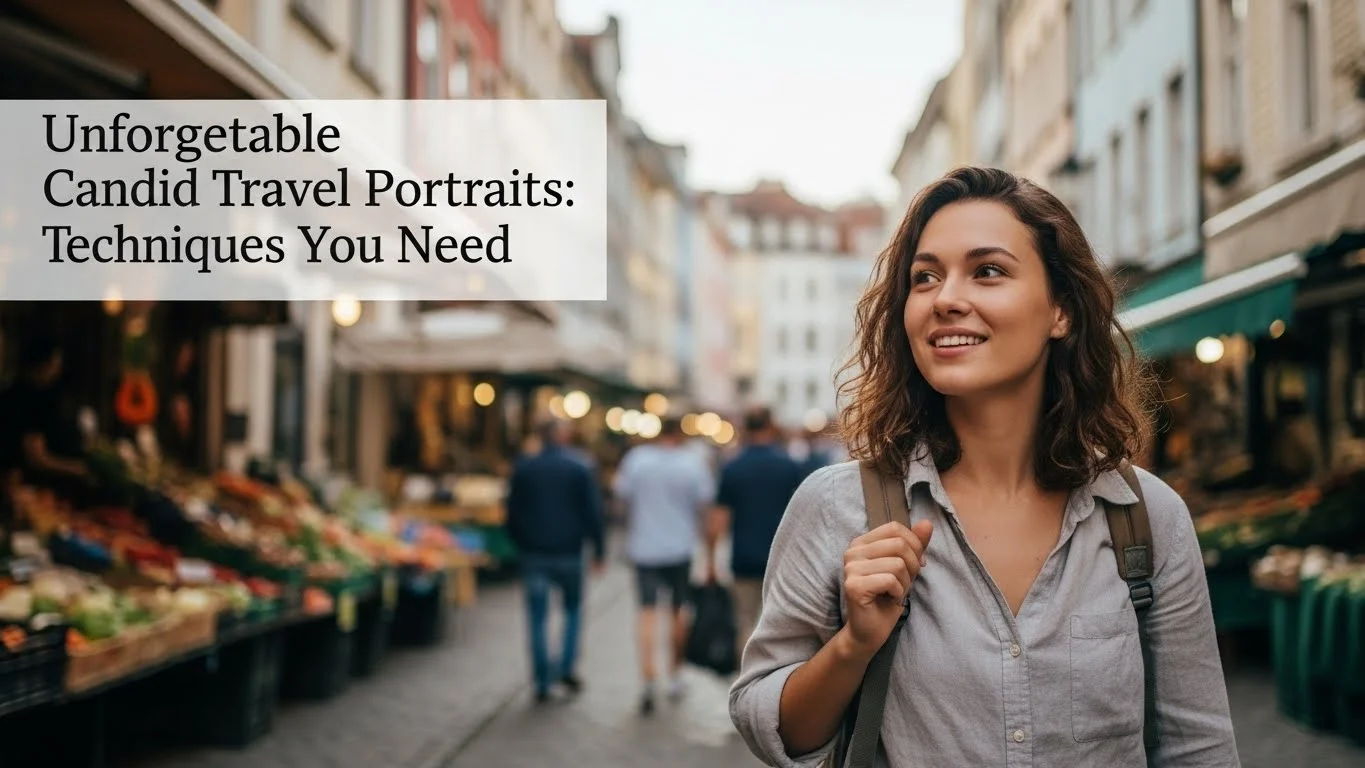
A travel portrait, in my opinion, goes beyond just a photograph of a person; it tells a story. These images encapsulate the personality and culture of the subjects, set against the backdrop of their environment. I remember my first attempt at capturing travel portraits. I had my camera ready, but it wasn’t just about snapping a pretty picture. It was about connecting with the locals and illustrating their way of life through my lens. That’s what makes a travel portrait special—it’s a snapshot of a moment that resonates with the viewer, conveying emotions and experiences.
Importance of Capturing Culture in Portraits
When we travel, we often seek to understand different cultures. Capturing culture through portraits helps to bridge the gap between different worlds. I’ve found that portraits can showcase traditions, attire, and daily life in a way that words sometimes can’t. For instance, during my trip to India, I photographed women wearing colorful sarees while they were working in the fields. The vibrant colors, combined with their expressions and the scenery, told a powerful story about their lives and culture. If you’re looking for inspiration, consider visiting 10 Stunning Destinations for Candid Travel Portraits.
Moreover, these portraits can foster appreciation and respect for diverse ways of living. They help us share stories that might otherwise be overlooked. I think it’s crucial to capture these moments not only for ourselves but also to share them with others who may not have the opportunity to travel. It’s a way of bringing distant cultures closer, and that’s why I believe travel portraits are so important.
Essential Gear for Travel Portraits
Cameras: DSLR vs. Mirrorless
Now, let’s talk about gear. When I started out, I was overwhelmed by the choices available. I ultimately decided on a mirrorless camera, which I found to be lightweight and versatile for travel. Mirrorless cameras often offer high-quality images and excellent autofocus, which is crucial for capturing those spontaneous moments with locals. However, I know many professional photographers who swear by their DSLRs for their robust features and battery life. In my experience, both types can produce stunning portraits, so it really comes down to personal preference and the style of photography you want to pursue.
Lenses: Best Options for Portrait Photography
The choice of lens can make a significant difference in the quality of your portraits. I’ve discovered that a prime lens with a wide aperture is great for achieving that beautiful bokeh effect, blurring the background while keeping the subject crisp. A 50mm or 85mm lens is often recommended for portraits because they allow you to get close to your subject without being intrusive. On one of my trips, I used a 35mm lens to capture street portraits, which allowed me to include more of the surroundings, adding context to my images. It’s all about figuring out what works best for your style and the story you want to tell.
Accessories: Tripods, Reflectors, and More
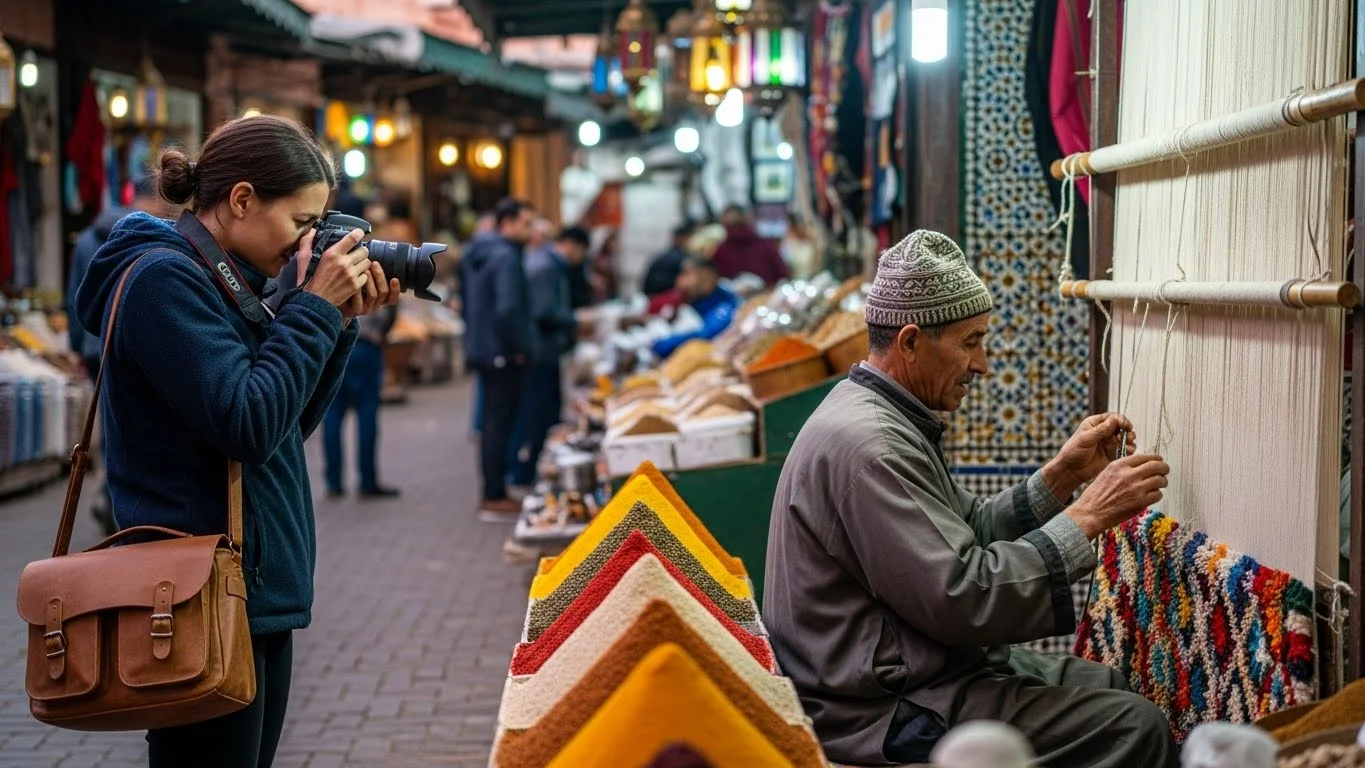
While I usually prefer to travel light, there are a few accessories I never leave behind. A portable reflector can help bounce natural light onto my subject, especially in harsh sunlight. I remember a sunny day in Morocco when I used a reflector to brighten a portrait of a local artisan, and the results were stunning. I also occasionally bring a small tripod for low-light situations or if I want to include myself in the frame. It’s all about being prepared and flexible, adjusting to each unique situation as it arises.
Choosing the Right Locations
Iconic Landmarks and Cultural Hotspots
Finding the perfect location for your travel portraits can elevate your photography. Iconic landmarks often serve as stunning backdrops. I’ve enjoyed capturing portraits at places like the Eiffel Tower or the Taj Mahal, where the history and grandeur add depth to each image. However, I always try to arrive early to avoid crowds. Early mornings not only offer beautiful light but also give me a chance to connect with locals before the tourist rush begins.
Off-the-Beaten-Path Locations
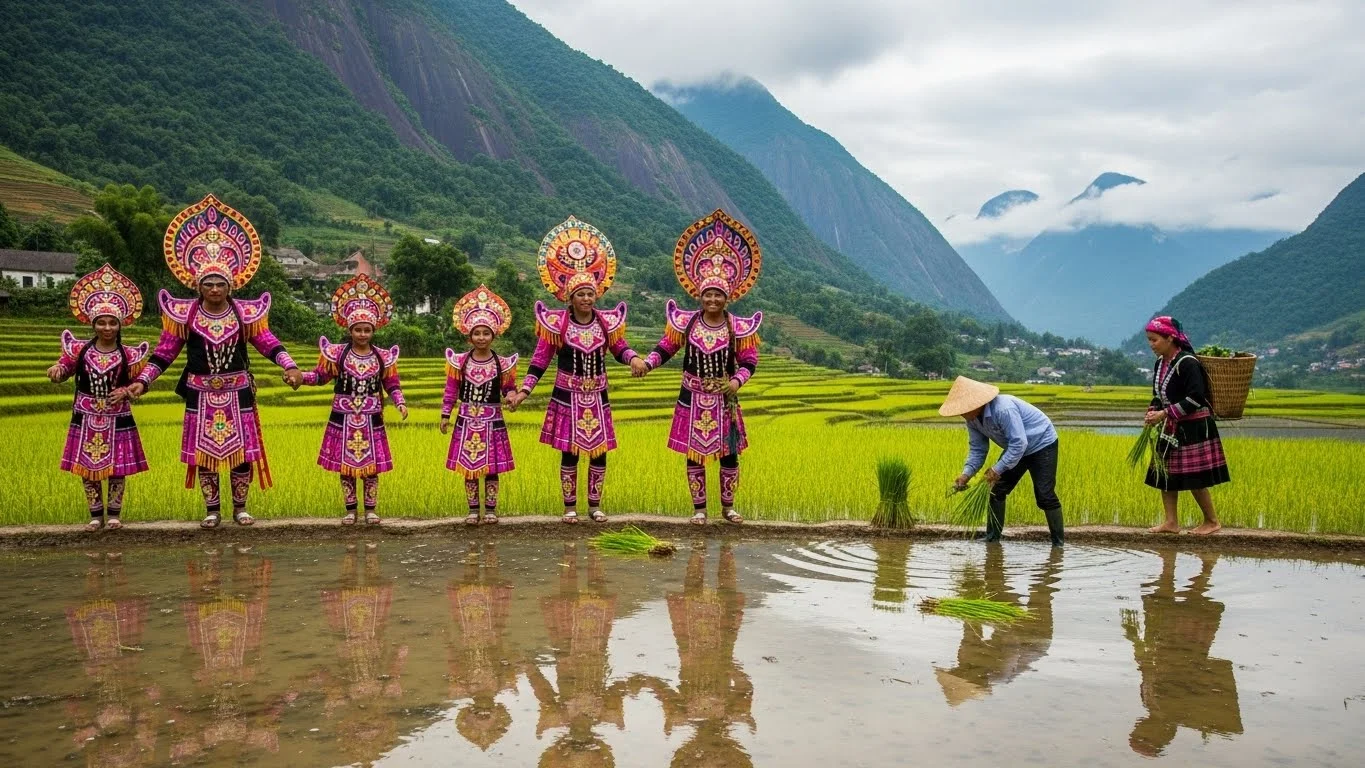
On the other hand, I also love discovering off-the-beaten-path locations. These hidden gems often reveal a more authentic side of a culture. I once stumbled upon a small village in Vietnam where the locals welcomed me with open arms. The narrow streets, vibrant markets, and smiling faces made for the most heartwarming portraits. I believe these candid moments often resonate more with viewers, making them feel like they are part of the experience.
Natural Backdrops: Parks and Landscapes
Lastly, don’t underestimate natural backdrops like parks or stunning landscapes. I’ve found that nature can create an enchanting atmosphere for portraits. For example, a serene lake or a blooming garden can complement the subject beautifully. When I was in Oregon, I captured portraits amongst the lush greenery and wildflowers, which not only highlighted the subjects but also brought a sense of peace and tranquility to the images. The key is to embrace your surroundings and allow them to enhance the story you’re telling through your portraits.
Understanding Cultural Nuances
Researching Local Traditions and Customs
Before heading out to capture portraits, I always make an effort to research the local traditions and customs of the place I’m visiting. This preparation not only enriches my experience but also informs my approach when photographing people. I remember reading about the importance of family in many cultures, which helped me appreciate the smiles and warmth I encountered during my travels. Understanding local customs allows me to connect more deeply with my subjects. For example, in Japan, I learned about the significance of bowing as a greeting. When I was able to incorporate this understanding into my interactions, it made the portraits feel even more genuine.
Respecting Cultural Sensitivities in Photography
Respecting cultural sensitivities is paramount when taking travel portraits. I’ve had experiences where I was reminded that not everyone is comfortable being photographed. During my travels in a rural village, I approached a group of women working together. Instead of immediately raising my camera, I asked if they would be open to having their picture taken. Their nod of approval made the moment feel special and respectful. I believe that being aware of cultural norms around photography helps to create a trusting environment, which ultimately leads to better portraits. It’s important to remember that we’re guests in these cultures, and treating them with respect is essential.
Communicating with Locals: Building Rapport
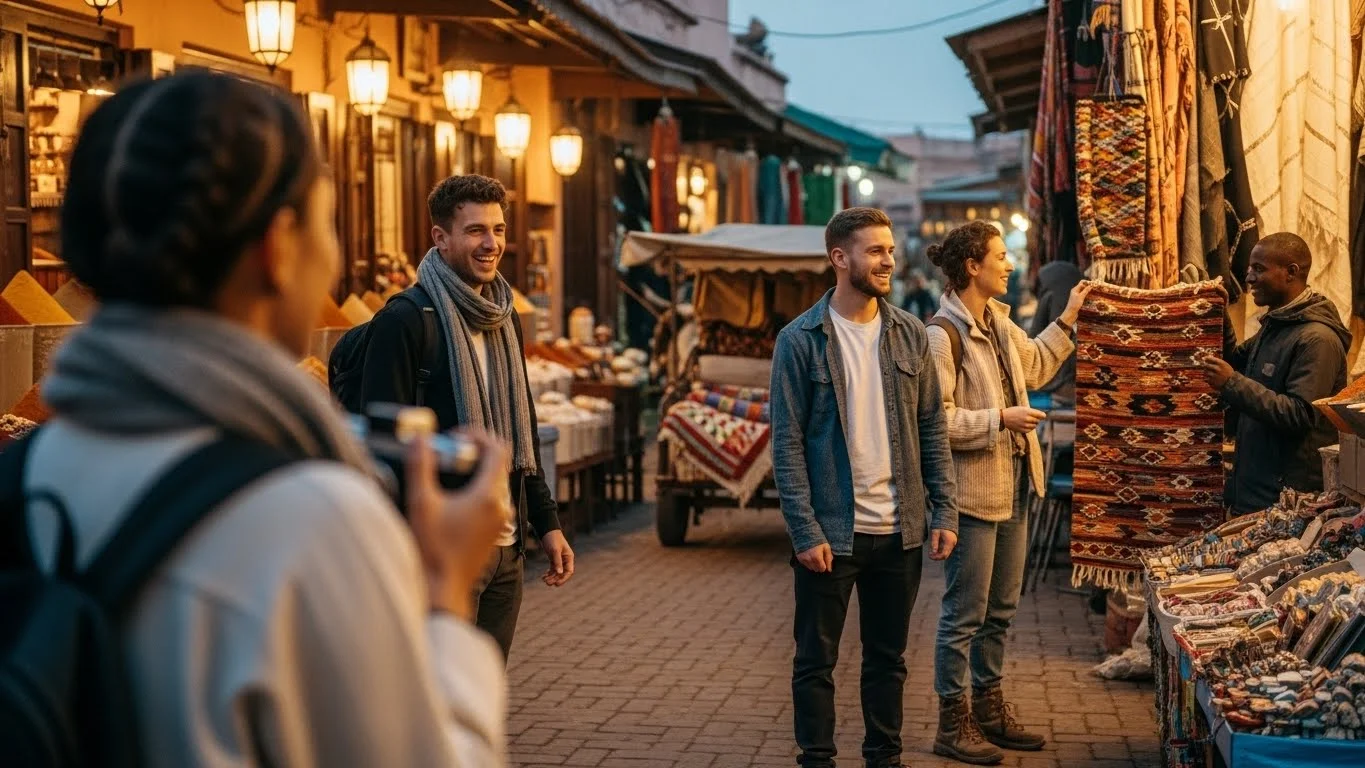
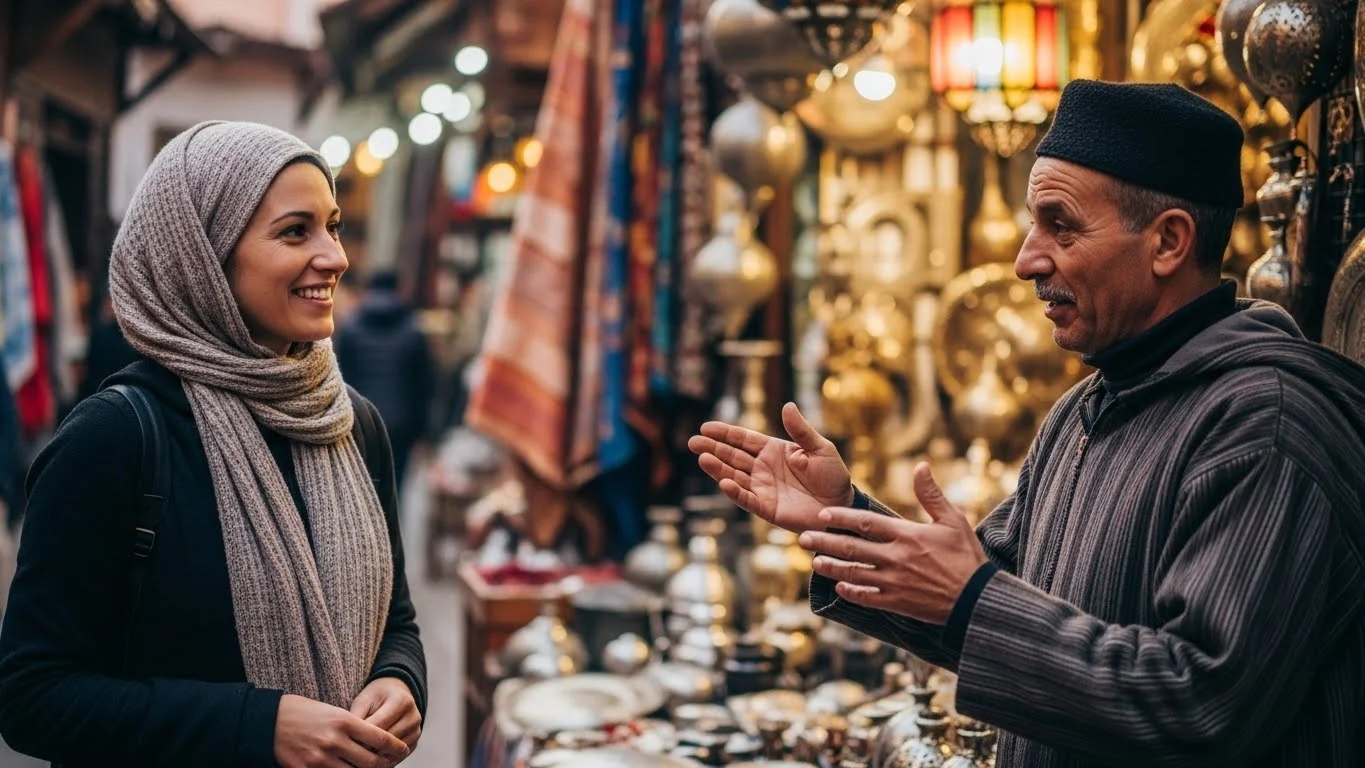
Building rapport with the locals is one of the most rewarding parts of capturing travel portraits. I’ve found that a simple smile or greeting in their native language can go a long way. During a trip to Mexico, I learned a few key phrases in Spanish, and not only did it break the ice, but it also opened doors to conversations that led to meaningful portraits. When I connect with the locals, they often share stories about their lives, which adds depth to my images. I remember photographing an elderly man in a market who was proud of his craftsmanship. After chatting with him about his work, he allowed me to take his portrait, and the warmth in his expression reflected the pride he felt for his culture.
Lighting and Timing for Stunning Portraits
Golden Hour: The Best Time for Portraits
Lighting can make or break a portrait. Over the years, I’ve learned that the golden hour—just after sunrise or before sunset—is the best time to capture stunning portraits. The soft, warm light during these times creates a beautiful glow on skin tones and adds a magical quality to the images. I remember one evening in Santorini when I arrived at a cliffside viewpoint just before sunset. The golden light illuminated the vibrant blue domes of the buildings, and as I photographed a local artist against this backdrop, the light enhanced her features beautifully. Planning my shooting schedule around these times has become a habit, and it’s made a noticeable difference in my work.
Using Natural Light vs. Artificial Light
While I prefer natural light for most of my portraits, there are times when I need to adapt and use artificial light. I’ve experimented with portable flashes and reflectors, especially in low-light environments. For instance, during a night market in Thailand, I found that using a small external flash helped to highlight my subject while still capturing the vibrant atmosphere around them. It’s all about finding the right balance and being flexible with the tools at your disposal. Sometimes, blending both natural and artificial light can lead to unique and captivating portraits.
Adapting to Different Weather Conditions
I’ve faced various weather conditions during my travels, from bright sunny days to overcast skies. Each presents its challenges and opportunities for portrait photography. I remember a rainy afternoon in Italy when I thought my plans were ruined. Instead of packing away my camera, I decided to embrace the weather. I found some locals seeking shelter under a colorful awning, and their expressions of laughter and camaraderie created a compelling scene. The overcast light was soft and flattering, making their portraits truly special. Adapting to the environment around me has taught me that every weather condition can offer a unique perspective on storytelling through portraits.
Posing and Directing Subjects
Guiding Subjects for Natural Expressions
When it comes to posing and directing subjects, I’ve learned that the goal is to create a relaxed atmosphere that encourages natural expressions. I often start by engaging in conversation with my subjects, which helps to break the ice. For instance, during a portrait session in a bustling market, I asked a vendor about her favorite local dishes. This not only made her smile genuinely but also brought out her personality in the portrait. I believe that when people feel comfortable, their true selves shine through, making for stunning images.
Incorporating Movement and Interaction
Capturing movement can also add a dynamic element to portraits. I’ve experimented with incorporating actions like walking or laughing into my shots. One memorable experience was photographing dancers in a local festival. Instead of stiff poses, I encouraged them to move and interact with each other. The resulting images were filled with energy and joy. I’ve found that allowing subjects to engage in their natural activities often leads to the most authentic portraits, showcasing their culture in a genuine way.
Using Props to Enhance Cultural Elements
Props can add a rich layer of storytelling to portraits. During my time in Kenya, I photographed a woman wearing traditional Maasai attire while holding a colorful bead necklace. This not only highlighted her vibrant culture but also made the portrait more visually engaging. I’ve learned to pay attention to the details in my surroundings and consider how they can enhance the narrative of my images. Whether it’s traditional clothing, local crafts, or even food, incorporating culturally relevant props can elevate the storytelling aspect of the portrait.
Editing and Post-Processing Tips
Choosing the Right Editing Software
Editing is where I really get to play with the images I’ve captured. The software I choose can make a big difference in how my portraits turn out. I’ve experimented with various options, but I always come back to Adobe Lightroom and Photoshop. Lightroom is fantastic for organizing my photos and making batch edits. I love how easy it is to adjust exposure, contrast, and colors. On the other hand, Photoshop allows for more intricate edits, like retouching or adding creative effects. For anyone new to editing, I recommend starting with Lightroom and gradually exploring Photoshop as you get more comfortable. It’s amazing what a little tweaking can do to enhance an image!
Basic Editing Techniques for Portraits
When I edit my travel portraits, I focus on a few key techniques that help bring out the best in each image. First, I often adjust the exposure to ensure the subject pops against the background. I’ve learned that a little contrast can go a long way in adding depth. Another technique I use is sharpening the subject’s eyes; it draws the viewer in and creates a connection. I also like to play with color grading, especially if I want to evoke a specific mood or feeling. For instance, a warm tone can give a portrait a cozy vibe, while cooler tones might evoke a more serene atmosphere. I always remind myself to keep it natural—over-editing can take away the authenticity of the portrait.
Enhancing Cultural Elements in Post-Processing
One of my favorite parts of editing is the opportunity to highlight cultural elements further. I’ve found that enhancing colors can really celebrate the vibrancy of the local culture. For example, during my time in India, I captured portraits of artisans surrounded by their colorful crafts. In post-processing, I dialed up the saturation just enough to reflect the lively spirit of their surroundings without it looking artificial. Additionally, I sometimes add subtle vignettes to draw attention to the subject, making them stand out even more. It’s about striking a balance between enhancing the image and staying true to the moment I captured.
Showcasing Your Travel Portraits
Creating a Travel Photography Portfolio
Once I have a collection of portraits I’m proud of, I love putting together a travel photography portfolio. This is where I can showcase my work and tell a visual story of my journeys. I usually start by selecting a theme or a specific destination that ties the images together. For example, I might focus on a series of portraits from my trip to Southeast Asia, highlighting the diversity and warmth of the people I met. I use platforms like Adobe Portfolio or Squarespace to create a sleek and professional-looking website. It’s a satisfying process to see my experiences come together visually, and I often feel a sense of accomplishment when I share it with others.
Using Social Media to Share Your Work
Social media is a fantastic tool for sharing my travel portraits with a wider audience. Platforms like Instagram have become my go-to for showcasing my work. I’ve learned that consistency is key—posting regularly helps keep my audience engaged. I often use relevant hashtags to reach people interested in travel photography, which has led to some great connections within the photography community. I also appreciate the instant feedback I receive from followers, which can be encouraging. Engaging with my audience through comments and messages has opened up wonderful conversations about travel and photography that I truly cherish.
Participating in Photography Exhibitions
Another way I’ve found to showcase my travel portraits is by participating in local photography exhibitions. I remember the excitement I felt when my work was accepted into a community art show. It was an incredible opportunity to not only display my portraits but also to connect with fellow photographers and art lovers. The experience of seeing my images printed large and displayed for others to enjoy was exhilarating. Plus, it gave me a chance to share the stories behind each portrait, enriching the viewing experience. I encourage anyone interested in photography to look for local exhibitions. It’s a fantastic way to gain exposure and learn from others in the field.
Learning from Other Travel Photographers
Influential Travel Photographers to Follow
To grow as a travel photographer, I’ve found it invaluable to learn from others in the field. There are so many talented photographers whose work inspires me. For instance, I admire Steve McCurry, known for his stunning portraits that capture the essence of different cultures. His famous “Afghan Girl” portrait is a testament to the power of storytelling through photography. I also follow the work of Annie Leibovitz; her unique style and ability to create captivating narratives through her portraits always leave me in awe. I believe that studying the work of these influential photographers can provide insights into composition, lighting, and storytelling techniques that I can apply to my own work.
Books and Resources for Further Learning
In addition to following photographers, I’ve invested time in reading books and resources focused on travel photography. One book that particularly resonated with me is “The Travel Photographer” by Richard Bernabe. He offers practical tips and shares his experiences, which have helped me refine my technique. I also enjoy photography blogs and online articles that delve into specific aspects of travel photography, like portraiture or cultural sensitivity. These resources have been instrumental in expanding my knowledge and inspiring new ideas for my photography journey.
Online Courses and Workshops
Finally, I can’t emphasize enough the value of online courses and workshops. Platforms like Skillshare and Masterclass have a plethora of courses on travel and portrait photography. I recently took a course focused on storytelling through images, and it opened my eyes to new ways of approaching my work. Workshops, both in-person and virtual, provide opportunities to get hands-on experience and receive feedback from instructors and peers. I’ve found that these experiences not only improve my skills but also connect me with like-minded individuals who share my passion for photography.
Frequently Asked Questions
What is a travel portrait?
A travel portrait goes beyond just a photograph of a person; it tells a story by encapsulating the personality and culture of the subjects against the backdrop of their environment.
Why is capturing culture in portraits important?
Capturing culture through portraits helps bridge the gap between different worlds, showcasing traditions, attire, and daily life, which fosters appreciation and respect for diverse ways of living.
What type of camera is recommended for travel portraits?
Both mirrorless and DSLR cameras can produce stunning portraits. Mirrorless cameras are lightweight and versatile, while DSLRs are known for their robust features and battery life. The choice depends on personal preference.
What lenses are best for portrait photography?
A prime lens with a wide aperture, such as a 50mm or 85mm lens, is often recommended for achieving beautiful bokeh effects. A 35mm lens can also be used to include more surroundings in the context of the image.
What are some essential accessories for travel portrait photography?
Essential accessories include a portable reflector to bounce light onto the subject and a small tripod for low-light situations. These tools help enhance the quality of portraits in various settings.
What is the best time for taking portraits outdoors?
The golden hour, just after sunrise or before sunset, is the best time for capturing portraits due to the soft, warm light that creates a beautiful glow on skin tones.
How can one respect cultural sensitivities when taking portraits?
Respecting cultural sensitivities involves being aware of local customs and asking for permission before taking photos. Building rapport and understanding the cultural context can lead to more genuine interactions.
What are some tips for posing and directing subjects?
Creating a relaxed atmosphere is key. Engaging in conversation with subjects can help elicit natural expressions. Incorporating movement and interaction, as well as using props, can also enhance the storytelling aspect of portraits.
What editing software is recommended for travel portraits?
Adobe Lightroom and Photoshop are highly recommended for editing travel portraits. Lightroom is great for organizing and batch editing, while Photoshop allows for more intricate edits and creative effects.
How can one showcase travel portraits effectively?
Travel portraits can be showcased through a photography portfolio, social media platforms like Instagram, and participation in local photography exhibitions. Each method provides opportunities to share stories and connect with a wider audience.