Web Analytics

Recent Posts

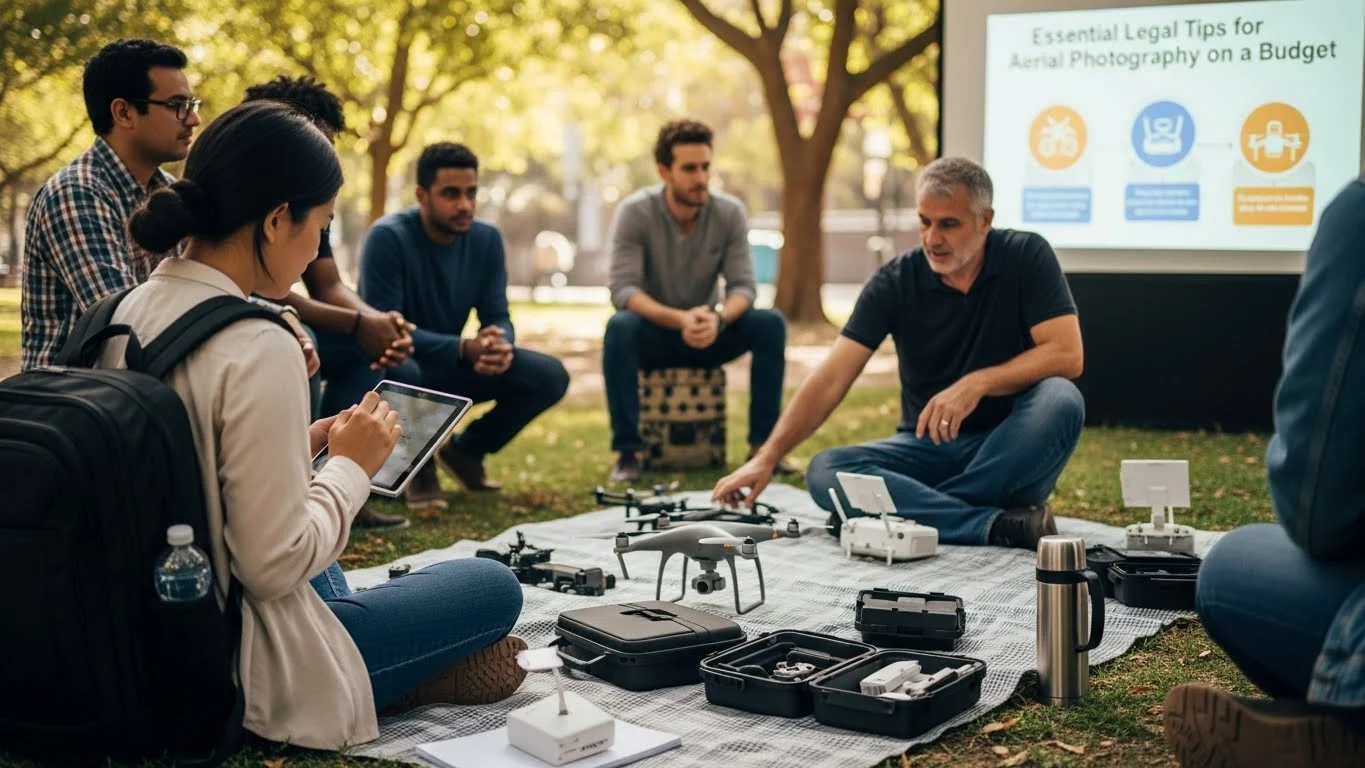
Essential Legal Tips for Aerial Photography on a Budget

Aerial photography can be an exhilarating way to capture stunning visuals, but navigating the legal landscape can feel daunting. If you’re on a budget, understanding your rights and responsibilities is essential for a smooth experience. Read Interesting article: Navigating Legalities of Aerial Photography While Traveling
Essential Legal Tips for Aerial Photography on a Budget

Understanding Aerial Photography Regulations

Federal Aviation Administration (FAA) Guidelines

When I first started exploring aerial photography, I quickly realized how crucial it was to understand the regulations set by the Federal Aviation Administration (FAA). The FAA governs all drone use in the United States, and they have specific guidelines that every drone operator must follow. One key rule is that you must fly your drone below 400 feet, which helps ensure safety around manned aircraft. I remember the first time I flew my drone; I was filled with excitement but also a bit of anxiety about staying within the legal limits.

Another important FAA requirement is that your drone must be registered if it weighs over 0.55 pounds. The registration process is straightforward and can be completed online. I found it reassuring to know that once I registered my drone, I was taking a responsible step towards being a compliant aerial photographer.

State and Local Laws

In addition to FAA guidelines, each state and some local municipalities have their own laws regarding drone use. I learned this the hard way when I was excited to shoot some stunning landscapes only to find out that the area I chose had specific restrictions. It’s crucial to check the local regulations before flying. Some cities may have laws prohibiting drone flights entirely, especially in populated areas or parks. This local knowledge can be a game-changer, helping to avoid fines or having my equipment confiscated.

I recommend visiting state government websites or local forums to stay updated on regulations. I often found valuable information from fellow photographers who shared their experiences and insights about local laws. It’s always better to be informed than to risk violating any regulations. Read Interesting article: Aerial Photography 101: Techniques to Capture Breathtaking Scenes

Privacy Laws Affecting Aerial Photography

Privacy is another significant consideration when taking aerial photos. I remember one incident where I unintentionally captured images of someone’s backyard while photographing a nearby landscape. This made me realize that privacy laws can vary greatly between states, and it’s crucial to respect people’s personal space. While I was within my rights to photograph from the sky, I felt uncomfortable knowing I might be infringing on someone’s privacy.

In most cases, if you are shooting in a public area, you’re likely fine, but if your shots include private property, it’s best to err on the side of caution. Obtaining permission from property owners can save you a lot of hassle down the road. I’ve found that just asking can often lead to fantastic collaborations, and people appreciate being asked for permission. This not only protects you legally but can also enhance your portfolio with unique shots.

Essential Licensing and Permits

When You Need a Part 107 License

One of the most important steps I took as I ventured deeper into aerial photography was obtaining a Part 107 license from the FAA. This is required if you want to use your drone for commercial purposes, and it involves some preparation. I remember studying hard for the exam, focusing on airspace regulations, weather, and drone operations. It felt rewarding to finally pass the test and receive my license, giving me the confidence to take on paid gigs legally.

Even if you’re just starting out and not planning to sell your photos immediately, understanding the licensing process is beneficial. It opens doors for future opportunities and ensures you have the knowledge to operate safely and legally. I believe investing the time to learn about these requirements pays off in the long run.

Obtaining Necessary Permits for Aerial Photography

Beyond the Part 107 license, I discovered that some specific locations may require additional permits for aerial photography. For example, if you plan to fly over national parks or certain public lands, you may need to apply for a special use permit. The application process can take time, so I recommend planning ahead. I once missed out on a great opportunity because I didn’t check the permit requirements in advance.

Researching these permits is essential, especially if you have a particular location in mind. The good news is that many parks and public areas have clear guidelines on their websites. I found that reaching out to local authorities can also clarify what’s required. They often appreciate your proactive approach to following the rules.

Drone Registration Requirements

As I mentioned earlier, registering your drone is a must if it exceeds 0.55 pounds. The registration lasts for three years, which is convenient. I remember feeling a sense of accomplishment after getting my drone registered. It felt like I was officially part of the aerial photography community, and I was ready to explore the skies legally.

To register, you simply need to provide your name, address, and email. The process is easy and can be completed online. I recommend keeping a copy of your registration handy, as you may need to present it when flying. This small step can help you avoid any unnecessary accusations or complications during your sessions.

Budget-Friendly Equipment Options

Affordable Drones for Beginners

When I first dipped my toes into aerial photography, one of my biggest concerns was the cost of equipment. I quickly learned that there are plenty of affordable drones available that still deliver impressive results. For instance, I found the DJI Mini series to be a fantastic option for beginners. These drones are lightweight, easy to handle, and they come equipped with decent cameras. I remember the first time I flew my Mini; it was exhilarating to see the world from above without breaking the bank.

Another option worth considering is the Holy Stone HS720. This drone offers 4K video and GPS features while still being budget-friendly. I loved that it had a sturdy build and was user-friendly, which made my early learning curve a bit less intimidating. Whatever drone you choose, I recommend checking user reviews and watching video comparisons online to see what fits your needs best. It’s amazing how much quality you can get without spending a fortune!

Camera Gear on a Budget

Alongside a good drone, having the right camera gear can make a huge difference in the quality of your aerial shots. I remember starting with a lower-end DSLR camera paired with a versatile lens. This combination allowed me to experiment with different styles without an overwhelming investment. I learned that even mid-range cameras can yield stunning results, especially when combined with some thoughtful post-processing.

If you’re looking for budget-friendly alternatives, consider second-hand equipment. Websites like KEH or B&H Photo often have great deals on used cameras and lenses. I once snagged a fantastic lens for a fraction of the price, and it became my go-to for capturing those breathtaking aerial landscapes. Additionally, don’t underestimate the power of smartphone cameras. With the right editing apps, some of my best aerial shots came from my phone when I was out and about without my main gear.

Free and Low-Cost Software for Editing

Editing is where the magic happens, and thankfully, there are many free and low-cost software options available. I started my editing journey with software like GIMP and DaVinci Resolve. Both programs have robust features that cater to beginners and advanced users alike. GIMP is great for photo editing, while DaVinci Resolve is perfect for video editing, allowing you to fine-tune your aerial footage.

As I became more comfortable with these tools, I realized that there are tons of online tutorials that can help you learn the ropes. I spent hours on YouTube watching editing tutorials, and it was a game-changer for my skills. If you’re willing to invest a bit in your editing software, Adobe Lightroom and Premiere Pro are also fantastic choices with comprehensive capabilities. The key is to find what works for you without feeling pressure to spend too much right off the bat. Read Interesting article: Unlock Stunning Views: Aerial Photography Techniques Explained

Insurance Considerations for Aerial Photography

Why Liability Insurance is Important

As I progressed in my aerial photography journey, I learned about the importance of liability insurance. Accidents can happen, and the last thing you want is to be financially responsible for damages or injuries. I remember hearing a story about a fellow photographer who accidentally crashed his drone into a car, leading to costly repairs. It made me realize how crucial it is to protect myself and my equipment.

Liability insurance can help cover incidents like property damage or injuries to others. I found it comforting to know that I was safeguarded should anything go wrong during my shoots. There are specific insurance providers that cater to drone operators, so I recommend doing your research to find a plan that suits your needs and budget. I opted for a policy that offered comprehensive coverage, and it gave me peace of mind to focus on my photography without worrying about potential liabilities.

Finding Affordable Insurance Options

When looking for insurance, I discovered that many companies offer plans tailored specifically for drone operators. A quick online search helped me find a few reputable providers. I recommend comparing quotes and coverage options before making a decision. Some companies even offer pay-as-you-fly policies that can be a great way to save money if you’re flying less frequently.

I also found that joining a drone photography association sometimes provides access to discounted insurance rates, which can save you money in the long run. It’s worth looking into local or national organizations that align with your interests. In my experience, investing in the right insurance not only protects you but also enhances your credibility as a serious aerial photographer.

Best Practices for Conducting Aerial Photography Legally

Respecting No-Fly Zones

One of the most eye-opening experiences I had in my aerial photography journey was learning about no-fly zones. These are areas where drone flights are restricted to ensure safety, privacy, and security. For instance, I remember planning a shoot near an airport, only to discover that I was in a designated no-fly zone. It was a real wake-up call, and I learned the hard way that these regulations are in place for a reason.

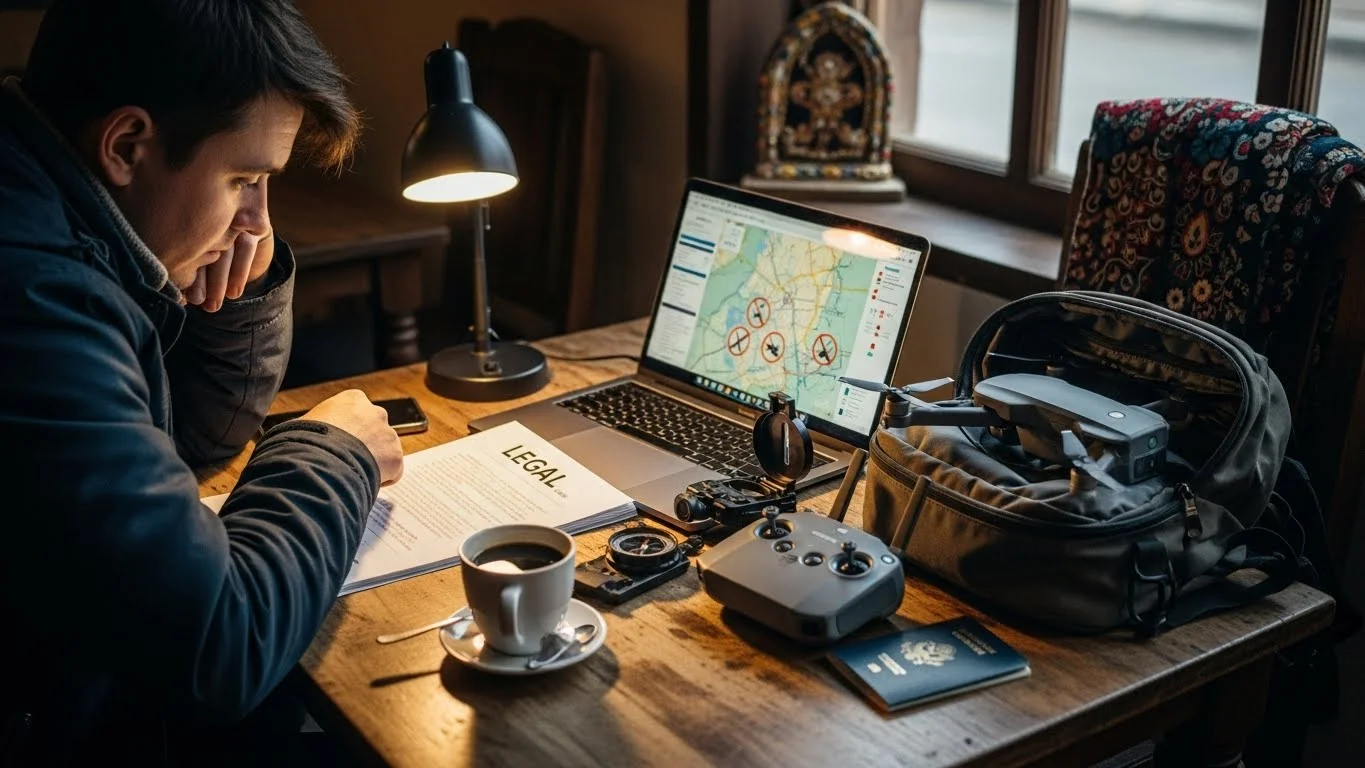
Before you take off, I highly recommend checking resources like the FAA’s B4UFLY app. This tool can help you identify no-fly zones and other airspace restrictions in your area. I found it incredibly helpful in planning my shoots and avoiding any legal complications. Respecting these zones is not just about following the law; it’s about being a responsible drone pilot and respecting the airspace shared with manned aircraft.

Securing Permission for Private Property

Securing permission for aerial photography on private property is paramount. I have learned that while the skies may be public, the land below often isn’t. I remember a particularly stunning location I wanted to capture, but it was surrounded by private homes. Rather than risk any legal trouble, I decided to knock on a few doors and ask for permission. To my surprise, the homeowners were not only accommodating but also excited to see the results!

Getting written permission is a good practice, even if the property owner is friendly. It helps protect both parties and gives you peace of mind knowing you have the right to shoot. I found that most people appreciate being asked, and it can even lead to interesting conversations and networking opportunities. Don’t hesitate to reach out; you might be pleasantly surprised by the responses you get!

Understanding Airspace Limitations

Understanding the different classes of airspace is crucial in ensuring safe and legal drone operations. When I was first starting, I had no idea that airspace was divided into various classes, each with its own set of rules. For instance, Class B airspace is usually found around major airports and requires special authorization for drone flights. I remember preparing for a shoot and almost overlooked checking the airspace classification of my intended flying area. That would have been a big mistake!

To navigate airspace limitations effectively, I found it helpful to familiarize myself with sectional charts and online resources that explain airspace classifications. The FAA also provides educational materials that can be invaluable for beginners. Knowing whether you’re in Class G, E, or B airspace can be the difference between a successful shoot and a costly violation. I recommend taking the time to learn this, as it not only helps you stay legal but also enhances your skills as a drone pilot.

Marketing Your Aerial Photography Services

Creating an Online Portfolio on a Budget

Once I felt more confident in my aerial photography skills, I knew I needed to showcase my work online. Creating an online portfolio doesn’t have to break the bank. I started with a simple website using platforms like Wix and WordPress, which offer free or low-cost options. I remember spending weekends designing my site, selecting the best shots to highlight my style, and crafting engaging descriptions of my work.

One tip I learned is to keep the layout clean and easy to navigate. Potential clients should be able to find your contact information and portfolio pieces effortlessly. I also recommend adding a blog section where you can share your experiences, tips, and behind-the-scenes looks at your shoots. It not only helps improve your website’s SEO but also builds a personal connection with your audience.

Utilizing Social Media for Promotion

Social media has been a game-changer in promoting my aerial photography. Platforms like Instagram and Facebook allow you to share your work with a broader audience and connect with other photographers and potential clients. I remember starting an Instagram account dedicated to my aerial shots, and it was thrilling to see my followers grow as I posted regularly.

Engaging with your audience is equally important. I found that responding to comments, collaborating with other photographers, and using relevant hashtags helped me reach more people. Don’t be afraid to share not just your finished pieces but also the creative process behind them—people love seeing how a shot comes together. Consistency and authenticity are key, and over time, I’ve built a community that appreciates my work.

Common Legal Pitfalls to Avoid

Ignoring Local Laws and Regulations

One of the most common mistakes I see among new aerial photographers is ignoring local laws and regulations. When I was starting out, I thought that as long as I followed FAA guidelines, I was good to go. Boy, was I wrong! I found out that local municipalities could have their own set of rules that can be very different from federal laws. For example, I once planned an exciting shoot at a local park, only to discover that drone use was completely banned there. It was disappointing, but it taught me a valuable lesson about doing thorough research.

I strongly encourage everyone to take the time to familiarize themselves with local laws. It may take a bit of effort upfront, but it’s worth it to avoid any fines or complications later. Many parks or recreational areas might have specific regulations, and knowing them helps ensure that our passion for aerial photography doesn’t turn into a legal nightmare.

Failure to Obtain Necessary Permits

Another pitfall I learned about the hard way is failing to obtain necessary permits. There were times when I was too eager to capture the perfect shot that I overlooked the need for permits, especially in sensitive areas like national parks or historical sites. I remember a specific instance when I attempted to fly over a national monument without checking the permit requirements. I was confronted by a park ranger, and let me tell you, that was a lesson I won’t forget! It’s essential to recognize that sometimes, the best locations for your photography may come with specific legal requirements.

Before planning your shoot, take the time to research whether you need a permit. The application processes can sometimes be lengthy, so it’s smart to plan ahead. Getting the right permissions not only keeps you compliant but also shows your professionalism as a photographer.

Infringing on Privacy Rights

Privacy rights are another area where many photographers stumble. I once thought that as long as I was in a public space, I could shoot anything without consequences. That was until I captured a photo of a private residence, which inadvertently crossed a line. The owner was understandably upset, and it made me realize that privacy laws vary greatly from state to state. It’s important to be sensitive about what you photograph, especially when it comes to private properties.

Whenever you’re unsure, it’s always best to get permission from property owners, especially if your shot includes their land. I often find that people appreciate being asked, and it can foster goodwill and even collaboration. Respecting privacy not only protects you legally but also builds trust within the community.

Resources for Staying Informed

FAA Resources and Updates

The FAA provides a wealth of information that can keep you updated on regulations and best practices in aerial photography. I often check their website for the latest news, guidelines, and changes in the law. Subscribing to their newsletters was a game-changer for me, as it keeps me informed and compliant. They even have a dedicated section for recreational and commercial drone users that can provide clarity on any questions I might have.

Aerial Photography Forums and Communities

Joining aerial photography forums and communities has been incredibly beneficial for my growth. Platforms like Reddit, Facebook groups, and dedicated photography forums allow us to share experiences, ask questions, and learn from one another. I remember posting a question about best practices for obtaining permissions, and I received a flood of helpful responses from experienced photographers. It’s a great way to network and gather insights from those who have been in our shoes.

Legal Advice and Consultation Services

Sometimes, it can be overwhelming to navigate all the legal aspects of aerial photography on our own. That’s why I recommend seeking legal advice or consultation services when needed. There are professionals who specialize in drone law and can provide clarity on specific questions or concerns. Investing in a consultation can save us from potential legal troubles and provide peace of mind as we pursue our passion.

Final Thoughts

Aerial photography is an incredible way to capture the world from a unique perspective. However, being aware of the legal landscape is just as important as having the right equipment and skills. I’ve shared my journey, filled with lessons learned and valuable insights. By respecting regulations, obtaining necessary permits, and being mindful of privacy rights, we can all enjoy this exhilarating hobby while remaining compliant and responsible. Remember, it’s not just about capturing breathtaking images; it’s about doing so legally and ethically. Let’s fly high, but let’s also stay grounded in our responsibilities.

Frequently Asked Questions

What are the key FAA guidelines for drone use in aerial photography?

The FAA guidelines state that drone operators must fly below 400 feet and register their drones if they weigh over 0.55 pounds. Following these regulations is crucial for safety around manned aircraft.

How can I find out about local laws related to drone use?

To stay updated on local laws, it is recommended to visit state government websites or local forums. Checking these resources can help you avoid fines or equipment confiscation due to specific restrictions in your area.

What should I do if I want to photograph private property from the air?

If you plan to photograph private property, it is best to obtain permission from the property owners. This practice not only keeps you legally protected but can also lead to unique collaborations and enhance your portfolio.

When do I need to obtain a Part 107 license?

A Part 107 license from the FAA is required if you want to use your drone for commercial purposes. It involves studying for an exam that covers airspace regulations, weather, and drone operations.

What types of permits might I need for aerial photography?

Some locations, such as national parks or certain public lands, may require additional permits for aerial photography. It’s essential to research these requirements in advance to avoid missing out on shooting opportunities.

How do I register my drone?

To register your drone, you need to provide your name, address, and email. The registration process is straightforward and can be completed online. Remember that registration lasts for three years.

What are some affordable drones recommended for beginners?

For beginners, the DJI Mini series is highly recommended for its lightweight build and decent camera quality. Another budget-friendly option is the Holy Stone HS720, which offers 4K video and GPS features.

Why is liability insurance important for aerial photographers?

Liability insurance is important because it protects you from financial responsibility for damages or injuries that may occur during your photography sessions. It provides peace of mind and safeguards your equipment.

What are no-fly zones and why should I respect them?

No-fly zones are areas where drone flights are restricted to ensure safety, privacy, and security. It’s vital to respect these zones as it helps avoid legal complications and ensures responsible drone operation.

How can I market my aerial photography services effectively?

Creating an online portfolio using platforms like Wix or WordPress and utilizing social media for promotion are effective ways to market your aerial photography. Engaging with your audience and sharing your creative process can help build a community around your work.
Navigating Legalities of Aerial Photography While Traveling

Exploring the world through aerial photography offers breathtaking perspectives, but it’s essential to navigate the legalities involved. Join me as we uncover the intricate layers of this fascinating field. Read Interesting article: Unlock Stunning Views: Aerial Photography Techniques Explained

Navigating Legalities of Aerial Photography While Traveling

Understanding Aerial Photography

Definition of Aerial Photography

Aerial photography is capturing images from an elevated position, often using drones, aircraft, or even balloons. I remember the first time I looked at a stunning aerial shot of a coastline; it reshaped my understanding of landscapes. The depth and detail captured from above can reveal patterns and features that ground-level views can’t offer. For many, it’s not just about taking pretty pictures; it’s about storytelling through a unique lens.

Types of Aerial Photography

There are several types of aerial photography, and each can serve different purposes. Some of the most common types include:

  • Drone Photography: This has become increasingly popular due to the accessibility and affordability of consumer drones. I’ve seen friends create stunning travel blogs featuring their drone shots.
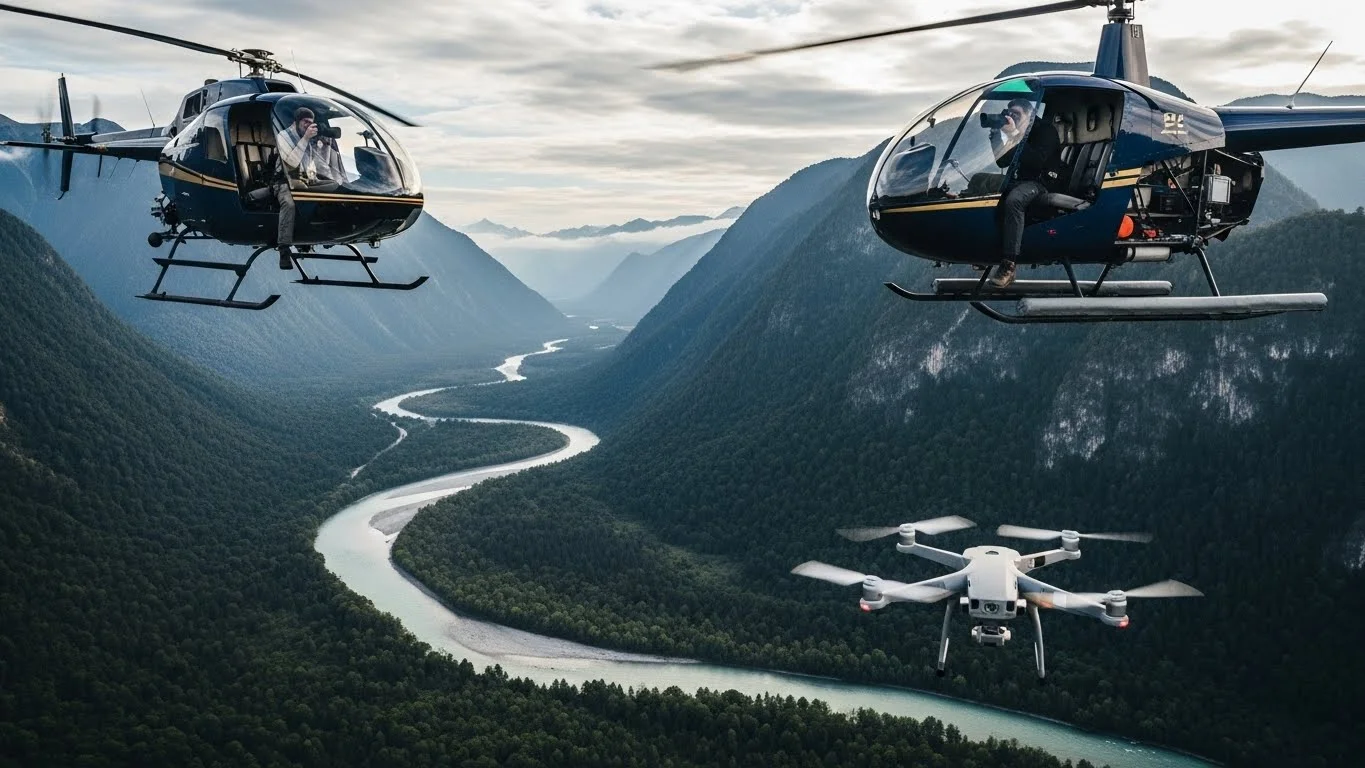
  • Helicopter or Plane Photography: This method is often used for commercial purposes or in professional settings. I once took a helicopter tour, and the views were absolutely breathtaking!
  • Satellite Imagery: Used for mapping and research, this type is less intimate but equally fascinating. It’s amazing to think about how much data is collected from space.
  • Bird’s Eye View Photography: Sometimes taken from buildings or other tall structures, this gives a unique perspective of urban landscapes.

Each type comes with its own set of challenges and advantages, but I believe that the choice often depends on the specific vision and context of the project.

Common Uses of Aerial Photography

The uses of aerial photography are vast and varied. In my experience, I’ve encountered it in several fields:

  • Real Estate: Aerial shots can showcase properties in their entirety, giving potential buyers a better sense of the location and surroundings.
  • Environmental Monitoring: Aerial photography plays a crucial role in conservation efforts, helping to monitor changes in ecosystems or track wildlife.
  • Events and Weddings: Capturing special moments from above can add a unique flair to photography, and many couples now opt for drone photographers to create memorable keepsakes.
  • Urban Planning: City planners utilize aerial images to make informed decisions about development and infrastructure.
  • Travel Photography: Many travel enthusiasts, myself included, use aerial photography to capture breathtaking landscapes and create stunning travel blogs. Read Interesting article: Top 5 Budget Drones for Stunning Travel Photos

I’ve found that the versatility of aerial photography makes it a valuable tool in numerous sectors, and its popularity continues to grow as technology advances.

Legal Framework for Aerial Photography

National vs. International Laws

When it comes to aerial photography, understanding the legal framework is crucial. Different countries have different regulations, and if you’re traveling, it’s essential to know what applies where you are. I learned this lesson the hard way during a trip abroad when I attempted to take drone shots without checking local laws first. It’s always best to research the regulations in the country you’re visiting to avoid legal issues.

FAA Regulations in the United States

In the U.S., the Federal Aviation Administration (FAA) has specific regulations for drone use. For instance, drone pilots must register their drones if they weigh more than 0.55 pounds. I remember registering my drone before a trip, and it felt good to know I was following the rules. Furthermore, operating a drone for commercial purposes requires a Part 107 certification, which involves passing an exam. It might seem complicated, but I found that it’s a great way to ensure safety and compliance.

European Union Regulations

In the European Union, the regulations are also stringent. The European Union Aviation Safety Agency (EASA) governs drone usage, and regulations can vary by country. I was surprised to find out that some countries require special permits even for hobbyist drone use. Before my travels in Europe, I made sure to check the local laws, and it saved me from potential fines or confiscation of my equipment.

Other Regional Laws to Consider

Beyond the U.S. and the EU, many countries have their own specific laws regarding aerial photography. For example, some countries in Asia have strict regulations that can include no-fly zones over certain areas. I once found myself in a situation where I had to adjust my plans because a popular tourist spot was off-limits for aerial photography. It’s a good reminder to always stay informed about local restrictions before flying my drone.

Permits and Permissions

When is a Permit Required?

The need for permits in aerial photography can be a bit of a gray area, depending on where you are and what you plan to shoot. Personally, I’ve found that if you’re using a drone, it’s almost always best to assume you’ll need some kind of permission. For instance, in the U.S., if you intend to fly for commercial purposes, you must have that Part 107 certification. But even for recreational flying, many parks and natural reserves require a permit. I once tried to capture some amazing shots at a national park and was stopped by a ranger who informed me about their strict no-drone policy. That experience taught me the importance of checking local rules before heading out.

How to Obtain Aerial Photography Permits

Obtaining permits can vary greatly based on your location and the nature of your photography project. In most cases, you’ll need to contact local authorities, such as parks, municipalities, or even the FAA in the U.S. For example, I’ve had success by emailing park management at places I wanted to shoot, explaining my project, and asking for permission. They were usually quite helpful, and in some cases, I received a permit that allowed me to shoot where I wanted.

If you’re flying in a city, you might need to check with local zoning laws or city regulations. Sometimes, you can get the necessary permits through online portals; I’ve used city websites that have simplified the process. It’s a little bit of work upfront, but it’s worth it to avoid any legal troubles down the line.

Local Restrictions and Guidelines

Every location has its own set of restrictions, and I’ve learned that staying informed is key. For instance, certain areas might have temporary no-fly zones due to events, construction, or wildlife protections. I remember planning a trip to shoot an iconic skyline but discovered that there was a temporary restriction due to a festival taking place. Being aware of these local restrictions can save you a lot of frustration and wasted time.

Additionally, many places have guidelines regarding how close you can fly near buildings, people, or wildlife. I always try to err on the side of caution, respecting these guidelines, not only to stay legal but also out of respect for the environment and the people around me. For instance, I once flew my drone over a beautiful beach but was careful to keep a safe distance from sunbathers and kids playing in the sand. It’s all about being conscious of our presence in shared spaces.

Privacy Concerns and Ethical Considerations

Understanding Privacy Laws

Privacy is a significant concern in aerial photography, especially with drones. I’ve often thought about how capturing images from above can inadvertently invade someone’s personal space. Many regions have specific privacy laws that dictate where you can and cannot shoot. For example, I learned that in some states, you can’t photograph someone’s home without their consent. It made me more cautious when planning my shots in residential areas.

Before shooting, I always ask myself: “Would I feel comfortable if someone took a picture of me in this setting?” It’s a good guideline to follow. Understanding local privacy laws not only helps you stay compliant but also allows you to be respectful of others’ rights.

Respecting Personal Space While Shooting

Respecting personal space is something I take to heart as an aerial photographer. I’ve noticed that while the drone gives me a bird’s-eye view, it doesn’t mean I should capture everything in my sight. If I’m near a community event or residential area, I try to be mindful of what I’m filming.

There was a time when I was shooting a local fair, and while the aerial shots of the crowd were tempting, I made sure to focus on the event’s broader atmosphere instead of individual participants. In my opinion, finding that balance between capturing beautiful footage and respecting people’s privacy is essential.

How to Handle Complaints or Conflicts

If you find yourself in a situation where someone approaches you with concerns about your photography, the best approach is to stay calm and respectful. I’ve had a couple of encounters where individuals were wary of my drone flying overhead. In those moments, I explained what I was doing and assured them that I was following all the necessary regulations.

Listening to their concerns goes a long way in diffusing tension. I even had one instance where a concerned homeowner mentioned privacy issues. After we talked, I offered to show them my footage (which I hadn’t captured any close-ups), and they were surprisingly understanding. I think it’s all about communication and transparency.

Equipment and Safety Regulations

Choosing the Right Drone for Travel

When it comes to selecting a drone for aerial photography while traveling, there are several factors to consider. I remember the excitement I felt when I purchased my first drone. I wanted something compact and lightweight, perfect for packing in my suitcase. After some research, I found that many travel photographers recommend drones like the DJI Mavic series. They’re portable, easy to use, and deliver excellent image quality.

Another aspect to think about is battery life. I’ve been in situations where I only had a limited window to capture the perfect shot. A drone with a longer flight time allows for more flexibility, especially when scouting locations. Additionally, check for features like obstacle avoidance and GPS functionality. These can make a significant difference, especially for beginners like I was. I’ve experienced a few close calls, and having those safety features has saved me from some potential mishaps.

Safety Guidelines for Aerial Photography

Safety is paramount when flying drones, especially in unfamiliar locations. I’ve learned the hard way that being aware of my surroundings is crucial. Before taking off, I always perform a pre-flight check, ensuring my drone is in good condition and that I understand the local airspace rules. I remember a trip where I was eager to get some shots over a beautiful landscape, but I took a moment to double-check my drone’s battery and settings. That extra precaution paid off.

Moreover, I avoid flying my drone near crowds or during adverse weather conditions. Wind can be unpredictable, and I’ve had moments where I almost lost control due to gusts. There’s something magical about flying a drone, but it also comes with a responsibility to ensure the safety of both the drone and those around me. I always keep a safe distance from people, buildings, and wildlife, as respecting their space is just as important as capturing the perfect shot.

Insurance Considerations for Equipment

As I delved deeper into aerial photography, I realized the importance of insuring my equipment. Drones can be quite an investment, and the last thing I wanted was to face a hefty repair bill if something went wrong. I found that many photography or drone-specific insurance policies cover damage to the drone itself and liability for any unintentional harm caused while flying. It gave me peace of mind knowing that I was protected.

When researching insurance options, I noticed that some policies even cover theft, which is particularly valuable for travelers like us who might be vulnerable at times. I once had a friend whose drone was stolen while on a trip, and it was a tough lesson about the risks involved. I now make it a priority to ensure my gear is not only insured but also secured when I’m not actively using it.

Best Practices for Aerial Photography While Traveling

Planning Your Shots

Planning is essential for capturing stunning aerial photographs. I’ve found that taking the time to map out my shooting locations can greatly enhance the quality of my work. Whenever I travel, I research potential spots where I can get the best views. I often use apps that show popular photography locations or ones that provide user-generated content to see what others have captured before me.

Moreover, I try to visualize my shots beforehand. On one trip, I planned to shoot over a famous landmark at sunrise. I arrived early, set up my drone, and waited for the golden hour light. The result was breathtaking, and it reinforced my belief in the power of preparation. By planning my shots, I could maximize my time and ensure I captured the essence of the location.

Timing and Location Considerations

Timing is everything in aerial photography. I’ve learned that the best light for shooting is typically during the golden hours—early morning and late afternoon. The soft, warm light at these times can transform even the most ordinary landscape into something magical. I remember one evening capturing the sunset over a mountain range, and the colors were so vibrant that it felt surreal.

Location matters too. Some areas are more photogenic during specific seasons. For example, I’ve visited places where fall foliage creates vivid colors that are perfect for aerial shots. I always check seasonal weather patterns to ensure I’m visiting at the right time. It’s also wise to be aware of any upcoming events or festivals that might influence the atmosphere of a location. I’ve stumbled upon local festivals that provided unique opportunities for dynamic shots, adding a layer of cultural context to my photography.

Respecting Cultural Sensitivities

Traveling to different regions means encountering diverse cultures. I’ve learned to be respectful and mindful of local customs when flying my drone. Before setting up for a shoot, I often try to engage with locals to understand their perspectives on aerial photography. I recall a time when I was in a small village, and after asking for permission, the community welcomed me and even offered to show me around. That experience enriched my photography and fostered a sense of connection.

It’s crucial to recognize that not all cultures embrace aerial photography. Some places have deep-rooted beliefs about privacy or sacred spaces. I always do my research ahead of time and approach such areas with sensitivity. If I feel unsure, I simply ask for permission. The interactions I’ve had while being respectful have often led to insights that enhanced my understanding of the community and its values.

Resources for Aerial Photographers

Online Forums and Communities

Being part of a community can make all the difference in your journey as an aerial photographer. I remember joining a few online forums where fellow drone enthusiasts shared tips, tricks, and resources. Websites like Reddit or dedicated Facebook groups can be treasure troves of information. I’ve found support in communities where members exchange experiences, discuss equipment, and even offer critiques on each other’s work. It’s nice to connect with others who share the same passion and to learn from their successes and challenges.

Another great resource is platforms like DJI Forum, where you can find specific discussions about different drone models and features. I often browse through these discussions to stay updated on the latest trends and improvements in drone technology. Engaging with these communities not only enhances my skills but also keeps me motivated.

Government Resources and Websites

For anyone venturing into aerial photography, knowing where to find reliable information is essential. I’ve often turned to government websites for up-to-date regulations and guidelines. In the U.S., the FAA website is a must-visit for drone pilots. It contains all the necessary regulations, including airspace restrictions and safety guidelines. I also recommend checking local government websites for regional laws and permits that might affect where you can fly.

In my experience, many countries have aviation authorities that provide similar resources. For example, during my travels in Europe, I frequently referred to the EASA website to clarify regulations. It’s reassuring to have accurate information directly from official sources, ensuring that I’m compliant and safe while capturing stunning shots.

Photography Workshops and Courses

Investing in your education can pay off tremendously in aerial photography. I’ve attended several workshops that focused on drone operation and photography techniques. These workshops not only taught me technical skills but also allowed me to connect with professionals in the field. I remember one workshop where we were guided through a stunning landscape, and the instructor provided real-time feedback on our shots, which helped me improve significantly.

Online courses are another option to consider. Platforms like Udemy or Skillshare offer various classes focused on aerial photography, covering everything from basic drone operation to advanced editing techniques. I’ve taken a few myself, and they helped me refine my post-processing skills, which is just as important as the actual shooting. Learning continuously keeps my passion alive and ensures I’m always improving.

Case Studies and Examples

Successful Aerial Photography Projects

Looking at successful projects can be incredibly inspiring. I’ve seen numerous aerial photography projects that not only showcased stunning visuals but also told compelling stories. One project that stood out to me was a photographer who documented the effects of climate change on coastal areas through aerial images. They combined breathtaking shots with powerful narratives, creating an impactful message that resonated widely. It reminded me of the potential we have as aerial photographers to raise awareness about important issues while capturing beauty.

Another example is the use of aerial photography in real estate. A friend of mine started a real estate photography business, and incorporating aerial shots transformed how properties were presented. Clients were amazed by the comprehensive views, and his business grew rapidly. It goes to show how effective aerial photography can be in various fields, enhancing visibility and engagement.

Lessons Learned from Legal Issues

It’s not all smooth sailing in aerial photography, and learning from others’ mistakes can save you from potential headaches. I remember hearing about a photographer who faced legal trouble after capturing images over a sensitive area without permission. This incident underscored the necessity of understanding and respecting local laws. I’ve learned to approach my photography with caution and to always double-check for any restrictions or permits needed before flying. These experiences serve as reminders to prioritize compliance and respect for others while pursuing my passion.

Additionally, I’ve read about photographers who had to deal with complaints from locals. Their experiences stressed the importance of open communication and transparency. If I ever encounter similar situations, I’ll remember to engage respectfully and clarify my intentions. Learning from these cases has shaped how I approach each aerial photography opportunity, ensuring I stay informed and respectful.

Final Thoughts

Aerial photography has opened up a whole new world for me, offering unique perspectives and endless possibilities. While navigating the legalities, ethical considerations, and technical aspects can feel daunting, I believe that with the right preparation and respect for others, we can create stunning imagery that tells powerful stories. My journey in aerial photography has been filled with learning experiences, and I encourage anyone interested to embrace the challenges and joys that come with it. Whether you’re a hobbyist or a professional, always keep your passion alive, stay informed, and enjoy the breathtaking views from above. Read Interesting article: Plan Your Next Budget Whitewater Rafting Expedition Here!

Frequently Asked Questions

“`html

What is aerial photography?

Aerial photography is the process of capturing images from an elevated position, typically using drones, aircraft, or balloons, which provides unique perspectives and storytelling opportunities through a different lens.

What are the common types of aerial photography?

The common types of aerial photography include drone photography, helicopter or plane photography, satellite imagery, and bird’s eye view photography. Each type has its own advantages and challenges depending on the project’s context.

What are some common uses for aerial photography?

Aerial photography is used in various fields including real estate, environmental monitoring, events and weddings, urban planning, and travel photography. It helps showcase locations, monitor ecosystems, and capture stunning landscapes.

What legal considerations should I be aware of when doing aerial photography?

Legal considerations for aerial photography include understanding national and international laws, FAA regulations in the U.S., EU regulations, and regional laws. It’s important to research local laws before taking aerial shots to avoid legal issues.

When is a permit required for aerial photography?

A permit is often required if you are using a drone, especially for commercial purposes. Many parks and natural reserves have specific rules regarding drone use, so it’s best to check local regulations before proceeding.

How can I obtain permits for aerial photography?

To obtain permits for aerial photography, you typically need to contact local authorities, such as parks or municipalities, or check with the FAA in the U.S. Some permits can be acquired through online portals or by directly communicating with park management.

What should I know about privacy concerns in aerial photography?

Privacy concerns in aerial photography revolve around local privacy laws that may restrict photographing private properties without consent. It’s essential to be respectful and consider personal space when planning your shots.

What safety guidelines should I follow when flying a drone?

Safety guidelines for drone flying include performing pre-flight checks, being aware of local airspace rules, avoiding crowds, and not flying in adverse weather conditions. Keeping a safe distance from people, buildings, and wildlife is also crucial.

How can I respect cultural sensitivities while taking aerial photographs?

To respect cultural sensitivities, engage with locals to understand their perspectives on aerial photography, and be aware of local customs regarding privacy or sacred spaces. Always seek permission when in doubt.

What resources are available for aerial photographers?

Resources for aerial photographers include online forums and communities for sharing tips and experiences, government resources for regulations and guidelines, and workshops or online courses for improving skills and techniques.

“`

Aerial Photography 101: Techniques to Capture Breathtaking Scenes

Aerial photography transforms how we see the world from above, capturing breathtaking vistas that leave us in awe. Whether you’re a beginner or an experienced photographer, mastering this art can inspire your creativity. Read Interesting article: Unlock Stunning Views: Aerial Photography Techniques Explained

Aerial Photography 101: Techniques to Capture Breathtaking Scenes

Understanding Aerial Photography

Definition and Overview

Aerial photography is the art of taking pictures from an elevated position, typically using drones, helicopters, or planes. I remember the first time I looked at an aerial photo; it felt like seeing the world through a new lens. This technique offers a unique perspective, allowing us to capture landscapes, cityscapes, and wildlife in ways that ground-level shots simply can’t match. The beauty of aerial photography lies not just in the high vantage points but also in how it reveals patterns, textures, and the interconnectedness of our environment.

History of Aerial Photography

The roots of aerial photography stretch back to the mid-19th century. The first photograph taken from the air was shot in 1858 by Gaspard-Félix Tournachon, known as Nadar, using a hot air balloon. It’s fascinating to think about how this simple balloon flight sparked a revolution in photography. Over the decades, as technology advanced, so did aerial photography. By the 20th century, we saw significant developments with the introduction of airplanes and dedicated cameras designed for aerial work. I often find myself reflecting on how far we’ve come, from those early balloon shots to the sophisticated drones we use today.

Types of Aerial Photography

When diving into aerial photography, it’s essential to understand the different types. Typically, they fall into two categories: oblique and vertical. Oblique aerial photography captures images at an angle, providing depth and perspective. I love this style because it often tells a more dynamic story. On the other hand, vertical aerial photography captures images straight down, resembling a map. Each type serves its purpose, and I often mix them in my projects to create a more comprehensive view of a location. For more insights on these methods, check out Top Aerial Photography Techniques for Stunning Travel Shots.

Common Uses of Aerial Photography

Aerial photography isn’t just about stunning visuals; it has practical applications too. I’ve seen it used in various fields, from real estate to environmental monitoring. For instance, real estate agents use aerial shots to showcase properties, giving potential buyers a bird’s-eye view of the landscape and nearby amenities. In agriculture, farmers utilize aerial photography for crop monitoring and management. This technique also plays a critical role in urban planning, allowing city planners to visualize land use and infrastructure development. It’s amazing how a simple photograph can influence decisions and strategies in so many areas.

Essential Equipment for Aerial Photography

Drones: Choosing the Right Model

Choosing the right drone is one of the most crucial steps when starting with aerial photography. I remember feeling overwhelmed by the options available. There are many models out there, each with varying features and price points. I recommend looking for a drone that offers a good camera, stable flight, and user-friendly controls. Brands like DJI have become popular among enthusiasts and professionals alike for their reliability and advanced features. Start with something within your budget, and as you gain experience, you can explore more advanced options.

Camera Types and Specifications

Your choice of camera can significantly impact the quality of your aerial photographs. Many drones come equipped with decent cameras, but if you want to go a step further, consider using a drone that allows for interchangeable lenses. When I upgraded my gear, I noticed the difference in image quality right away. Look for a camera with at least 12 megapixels and the ability to shoot in RAW format, which gives you more flexibility in post-processing.

Lenses: Wide-Angle vs. Telephoto

Another aspect to consider is the type of lens you’ll be using. Wide-angle lenses are fantastic for capturing expansive landscapes, while telephoto lenses allow for detailed shots of distant subjects. I often find myself gravitating towards wide-angle lenses when shooting breathtaking vistas, as they truly capture the grandeur of the scene. However, understanding when to switch to a telephoto lens is also essential, especially if you’re trying to isolate specific elements in your composition.

Essential Accessories

There are several accessories that I believe can enhance your aerial photography experience. First and foremost, extra batteries are a must. I can’t count the number of times I’ve had to cut a session short because my battery died. Additionally, consider investing in ND filters to help manage exposure and maintain image quality in bright conditions. A sturdy carrying case is also essential for protecting your gear during transport.

Software for Aerial Photography Editing

Post-processing is where the magic often happens, and having the right software can make a world of difference. Programs like Adobe Lightroom and Photoshop are favorites among many photographers for enhancing images and correcting colors. I’ve spent hours perfecting my shots, and it’s rewarding to see how a little editing can elevate an aerial photo. Don’t be afraid to experiment with different editing techniques to find your unique style. For beginners, I recommend checking out Master Aerial Photography: Essential Techniques for Beginners.

Techniques for Capturing Stunning Aerial Shots

Planning Your Flight Path

One of the first things I learned about aerial photography is that planning your flight path can make a substantial difference in the outcome of your shots. Before I head out, I often take the time to research the location and identify the best angles and compositions. I like to use mapping apps to visualize my flight route, ensuring I cover all the stunning spots without missing any hidden gems. By planning ahead, I can also account for factors like wind direction and potential obstacles, which helps me capture the best images possible.

Understanding Composition Principles

Composition is a key element in photography, and it holds even more significance in aerial shots. I remember when I first learned about the rule of thirds; it transformed how I framed my images. Instead of centering everything, I started to place points of interest along the gridlines or at their intersections. This simple technique adds balance and draws the viewer’s eye naturally into the scene. I also encourage experimenting with leading lines, which can guide the viewer’s gaze through the photo, creating depth and interest. Each time I shoot, I try to remind myself that composition is about storytelling, and every angle can tell a different narrative.

Lighting and Time of Day Considerations

The right lighting can elevate an aerial shot from good to breathtaking. I’ve noticed that the golden hour—shortly after sunrise or before sunset—produces some of the most magical light for photography. The soft, diffused sunlight creates beautiful shadows and highlights, adding depth and texture to my images. On the other hand, midday sun can be harsh and lead to washed-out colors. I often try to plan my shoots around these golden hours to capture the elements of light and shadow that bring my photos to life. Weather also plays a crucial role; sometimes, a little cloud cover can create a dramatic effect that I find incredibly captivating.

Using Altitude to Your Advantage

Having the ability to adjust my altitude while flying has opened up a world of creative possibilities. I remember a specific shoot where changing my height dramatically altered the perspective of the landscape. By flying lower, I was able to capture details that would have been lost from higher altitudes. Conversely, shooting from higher up can offer sweeping views that showcase vast expanses, which can be awe-inspiring. I like to mix it up, experimenting with different altitudes to see what unique perspectives I can uncover. It’s amazing how much a change in height can affect the overall feel of the image.

Incorporating Foreground Elements

One technique I love to use is incorporating foreground elements into my aerial photography. This adds depth, interest, and context to my images. For instance, I might include trees, buildings, or even water features in the foreground to lead the viewer’s eye into the scene. I remember one shoot where I captured a stunning mountain range, but it was the colorful flowers in the foreground that made the shot pop. This technique can enhance the story of your photo, creating layers that invite viewers to explore every part of the image.

Experimenting with Angles and Perspectives

One of the joys of aerial photography is the freedom to explore different angles and perspectives. I often try shooting from various positions to see how the photo changes. Sometimes, I tilt the camera slightly, which can create a dynamic effect that feels more alive and engaging. I’ve also played around with drone movements—flying in a circle or spiraling up can yield stunning results that capture the essence of a scene uniquely. I encourage everyone to break away from the conventional and let curiosity guide you. You never know what breathtaking shot you might discover when you dare to experiment.

Post-Processing Tips for Aerial Photography

Basic Editing Techniques

Once I’ve captured my aerial shots, the fun truly begins in the editing room. I’ve learned that basic editing techniques can dramatically enhance the quality of my images. The first step I usually take is cropping, which helps in framing the subject better and eliminating any distractions from the edges. I also adjust the exposure and contrast to ensure that the details stand out. It’s amazing how just a few tweaks can transform a photo from flat to vibrant. I recommend familiarizing yourself with the basic tools in your editing software to streamline this process.

Color Correction and Grading

Color correction has become one of my favorite steps in post-processing. I remember the first time I adjusted the colors in an aerial shot; it felt like breathing new life into my work. Photos taken from high altitudes can sometimes appear washed out or overly vibrant due to the atmosphere. I often use the HSL (Hue, Saturation, Luminance) sliders to fine-tune the colors in my images. This allows me to make specific colors pop, like the vibrant greens of a forest or the deep blues of a lake. Color grading can also help set the mood of the photo—whether I want it to feel warm and inviting or cool and dramatic.

Enhancing Details and Textures

One of the most satisfying aspects of editing is enhancing the details and textures in my photos. I usually apply some sharpening to bring out the fine details, especially in landscapes where textures can tell a story of their own. I remember a time when I captured a rugged mountain range; enhancing the texture made the peaks look even more majestic. I also like to use clarity adjustments to give my images a bit more punch. However, I remind myself to be cautious with these enhancements; too much can lead to unnatural-looking images. It’s all about finding that perfect balance.

Creating Panoramas and Mosaics

Creating panoramas is another exciting way I like to showcase the stunning vistas I capture. When I have a particularly vast landscape, I often take multiple overlapping shots and stitch them together in post-processing software. It’s a bit of a puzzle, but the result can be breathtaking. I remember one panoramic shot of a coastal sunset; the final image was so expansive that it almost felt like I was standing there. Additionally, I’ve experimented with mosaics, combining several images to form a larger picture. This technique can highlight the details of a scene that might be missed in a single shot. I encourage anyone interested in aerial photography to explore these creative possibilities!

Legal and Safety Considerations in Aerial Photography

Understanding Drone Regulations

As exciting as aerial photography can be, I’ve learned that it comes with its own set of responsibilities. Understanding drone regulations is crucial for anyone looking to fly. Each country has its own rules, and it’s essential to familiarize yourself with the local regulations governing drone operations. I remember the first time I flew in a new area; I took the time to research the laws, which allowed me to fly confidently and legally. Resources like the FAA in the U.S. provide guidelines on registration, flight restrictions, and safety protocols. Always check these regulations before taking to the skies!

Airspace Restrictions

Another critical aspect of flying drones is being aware of airspace restrictions. I’ve discovered that certain areas, such as near airports or military installations, have strict regulations that I must follow. Using apps that provide real-time information about airspace can be a game-changer. They help me identify safe zones for flying and avoid areas where I shouldn’t be. It’s always better to be safe than sorry, and respecting these boundaries not only keeps me within the law but also ensures that I’m flying responsibly.

Privacy Laws and Ethical Considerations

Privacy laws are another layer I’ve had to navigate while pursuing aerial photography. I believe it’s essential to respect the privacy of individuals when capturing images. In my experience, I’ve always ensured that I’m not flying over private properties without permission. It’s a good practice to ask for consent if I suspect someone might be in the frame. This not only helps me avoid legal trouble but also fosters a sense of community and respect. Aerial photography should be about capturing beauty, not invading privacy.

Safety Tips for Flying Drones

Safety is paramount when flying drones. I’ve picked up several tips along the way to ensure a safe flying experience. First, always conduct a pre-flight check of your equipment; it’s amazing how a simple oversight can lead to accidents. I also make it a habit to fly in open areas away from crowds, minimizing the risk of injury to people or damage to property. When conditions are windy or rainy, I choose to postpone my flight. I’ve learned that patience is key—waiting for the right weather can lead to much better results. By prioritizing safety, I not only protect my gear but also everyone around me.

Inspiration and Best Practices

Showcasing Famous Aerial Photographers

As I navigated my journey in aerial photography, I found inspiration from many talented photographers who have made a mark in this field. One of my favorites is George Steinmetz, known for his stunning images taken from a paraglider. His ability to capture the world from unique angles resonates with me, especially as he often highlights environmental and cultural themes in his work. Another photographer that stands out is Yann Arthus-Bertrand, whose series, “Earth from Above,” profoundly illustrates the beauty and fragility of our planet. I remember flipping through his book and feeling a deep connection with the landscapes he portrayed; it motivated me to strive for a similar emotional impact in my own work. There’s so much to learn from these artists, and following their work can inspire us to think outside the box and push our creative boundaries.

Analyzing Iconic Aerial Photography Examples

Analyzing successful aerial photography examples can be a great way to improve our skills. I’ve found that breaking down the elements of a photograph I admire helps me understand what makes it compelling. For instance, I often examine how photographers use light, composition, and color to evoke emotions. One iconic image that comes to mind is the breathtaking shot of the Great Wall of China snaking through the mountains. I admire how the photographer utilized the landscape’s curves to lead the viewer’s eye, creating a sense of depth. By studying such examples, I’ve learned to appreciate the thought process behind each shot, which has been instrumental in developing my own style.

Participating in Aerial Photography Communities

Engaging with aerial photography communities has also enriched my experience. I’ve joined online forums and social media groups where enthusiasts share tips, techniques, and feedback. These communities are vibrant and supportive, making it easy to connect with other photographers who share my passion. I remember posting one of my aerial shots and receiving constructive criticism that helped me see my work from a different perspective. Participating in challenges and contests has pushed me to explore new techniques and subjects that I might not have considered otherwise. The camaraderie and shared enthusiasm in these groups remind me that we are all on a journey together, learning and growing side by side.

Advanced Techniques and Future Trends

Using 360-Degree Aerial Photography

One of the exciting trends I’ve been exploring is 360-degree aerial photography. This technique allows us to capture an immersive view of the surroundings, providing a richer experience for viewers. I remember the first time I experimented with a 360-degree shot; it felt like I was opening a door to a whole new world. By using specialized cameras or drones equipped with 360 capabilities, I’ve been able to create interactive images that invite the viewer to explore every angle. This has added a new layer to my work and opened up possibilities for storytelling that are truly engaging.

Integrating Drone Mapping and Surveying

Drone mapping and surveying have become increasingly popular, especially in fields like agriculture, construction, and environmental monitoring. I’ve seen firsthand how aerial photography can provide valuable data for these industries. For instance, during a project on crop health assessment, I used aerial imagery to identify areas needing attention. The precision and detail captured from above can provide insights that ground-level observations might miss. This integration of photography with practical applications is a trend I’m excited to watch grow. It feels good to know that our passion for photography can also contribute to real-world solutions.

Emerging Technologies in Aerial Photography

Lastly, I’m fascinated by the emerging technologies in aerial photography. Advances in drone technology, such as improved battery life and enhanced camera capabilities, are paving the way for new creative opportunities. I’ve recently learned about AI-driven editing software that can help streamline the post-processing phase, making it easier for photographers to achieve stunning results. Keeping up with these innovations not only inspires me but also pushes me to adapt and incorporate new techniques into my work. I believe that as technology continues to evolve, so will our ability to capture the beauty of our world from above.

Final Thoughts

Aerial photography is a thrilling journey that combines art, technology, and adventure. From understanding the equipment to mastering techniques and navigating legal considerations, each step brings its own set of challenges and rewards. I’ve found that passion and curiosity are the guiding forces that fuel our creativity in this field. Whether you’re capturing sprawling landscapes or intimate details, the beauty of aerial photography lies in its ability to reveal the world from new perspectives. As we continue to explore and innovate, I hope we all find joy in the process and inspiration in the stunning images we create. Let’s keep flying high and capturing the wonders of our planet!

Frequently Asked Questions

What is aerial photography?

Aerial photography is the art of taking pictures from an elevated position, typically using drones, helicopters, or planes. It offers a unique perspective, allowing us to capture landscapes, cityscapes, and wildlife in ways that ground-level shots cannot match.

What are the main types of aerial photography?

The main types of aerial photography are oblique and vertical. Oblique aerial photography captures images at an angle, providing depth and perspective, while vertical aerial photography captures images straight down, resembling a map.

What are some common uses of aerial photography?

Aerial photography is used in various fields, including real estate for showcasing properties, agriculture for crop monitoring, and urban planning for visualizing land use and infrastructure development.

What essential equipment is needed for aerial photography?

Essential equipment for aerial photography includes a suitable drone, a good camera (preferably with interchangeable lenses), and accessories such as extra batteries, ND filters, and a sturdy carrying case.

What software is recommended for editing aerial photographs?

Popular software for editing aerial photographs includes Adobe Lightroom and Photoshop, which are used for enhancing images and correcting colors. Familiarizing oneself with these tools can significantly improve photo quality.

How can I capture stunning aerial shots?

To capture stunning aerial shots, it is important to plan your flight path, understand composition principles, consider lighting and time of day, use altitude creatively, and incorporate foreground elements for added depth.

What are some tips for post-processing aerial photography?

Basic editing techniques such as cropping, adjusting exposure and contrast, color correction, enhancing details and textures, and creating panoramas or mosaics can significantly enhance aerial photographs.

What legal and safety considerations should I be aware of in aerial photography?

When engaging in aerial photography, it is crucial to understand drone regulations, be aware of airspace restrictions, respect privacy laws, and follow safety tips for flying drones to ensure a responsible and legal experience.

Who are some famous aerial photographers to draw inspiration from?

Famous aerial photographers include George Steinmetz, known for his unique angles captured from a paraglider, and Yann Arthus-Bertrand, whose work highlights the beauty and fragility of the planet in his series “Earth from Above.”

What emerging trends are there in aerial photography?

Emerging trends in aerial photography include 360-degree aerial photography for immersive views, integrating drone mapping and surveying for practical applications, and advancements in drone technology that enhance creative opportunities.

Unlock Stunning Views: Aerial Photography Techniques Explained

Imagine soaring high above breathtaking landscapes, capturing stunning views that leave everyone in awe. Aerial photography opens up a world of creativity and perspective, allowing us to see our surroundings in a whole new light. For more insights, check out Top Aerial Photography Techniques for Stunning Travel Shots.

Unlock Stunning Views: Aerial Photography Techniques Explained

Understanding Aerial Photography

What is Aerial Photography?

Aerial photography is the art of taking photos from an elevated position, often using drones, airplanes, or helicopters. I remember the first time I looked at a photo taken from above; it felt like I was seeing the world for the first time. The patterns, textures, and colors that usually go unnoticed from the ground suddenly popped out. It’s a unique way to showcase landscapes, cityscapes, and even events, giving a broader context to the subjects we often overlook.

History and Evolution of Aerial Photography

Taking pictures from the sky isn’t a new concept. In fact, the history of aerial photography goes back to the mid-19th century when hot air balloons were used to capture images from above. I find it fascinating how, during the early days of aviation, photographers would climb into these balloons equipped with large cameras, risking their safety for a great shot. Over the years, aerial photography evolved with advancements in technology. The introduction of airplanes in the early 20th century allowed for more extensive coverage and higher-quality images. Today, with the rise of drones, anyone can become an aerial photographer with just a smartphone and a drone. It’s incredible to think about how accessible this art form has become.

Types of Aerial Photography

There are several types of aerial photography, each serving different purposes. From my experience, I’ve classified them into a few categories:

  • Oblique Aerial Photography: This involves taking photos at an angle, which provides a more dynamic view of the landscape. I love using this technique to capture the depth and scale of a scene.
  • Vertical Aerial Photography: This is taken from directly above, providing a bird’s-eye view of the subject. It’s particularly useful for mapping and surveying.
  • 360-Degree Aerial Photography: With the right equipment, I’ve experimented with capturing panoramic views that allow viewers to look around in all directions. It’s a great way to immerse people in the scenery.

Essential Equipment for Aerial Photography

Drones: Choosing the Right Model

Drones are the heart of modern aerial photography. When I first started, I was overwhelmed by the number of options available. I learned that it’s crucial to choose a drone that fits your needs. For beginners, I recommend going for a user-friendly model that offers decent camera quality. Some popular options include the DJI Mavic series and the Phantom series. They offer great features without breaking the bank. As you get more experienced, you might want to upgrade to models with better stabilization and advanced camera settings. For recommendations, check out Best Compact Drones for Stunning Aerial Travel Shots.

Cameras and Lenses for Aerial Shots

While drones typically come with built-in cameras, I’ve found that having a good DSLR or mirrorless camera can significantly enhance the quality of aerial shots. The lenses you choose can also make a difference. Wide-angle lenses are fantastic for capturing expansive landscapes, while telephoto lenses can help you zoom in on specific subjects. I usually carry a couple of lenses to ensure I’m ready for any shot that comes my way.

Stabilizers and Gimbals

Stability is key in aerial photography, and that’s where gimbals come in. When I first tried to shoot without one, my images came out shaky and unusable. Investing in a good gimbal can help you achieve smooth footage and crisp images. They stabilize the camera, allowing you to capture clear shots even in windy conditions.

Accessories: Filters and Batteries

To take your aerial photography to the next level, consider using filters. Polarizing filters can reduce glare and enhance colors, which is especially useful when capturing water bodies or lush landscapes. I always carry extra batteries too; flying your drone can quickly drain its power, and the last thing you want is to miss a perfect shot because your battery died. Having a spare or two can save your day!

Basic Aerial Photography Techniques

Understanding Composition in Aerial Shots

Composition is crucial in any form of photography, and aerial shots are no exception. I remember when I first started, I struggled with how to frame my images properly from above. One technique I found helpful was the rule of thirds. By dividing my frame into a grid of nine equal parts, I could place the main subject along the lines or at their intersections. This simple adjustment made my photos more balanced and engaging. Additionally, I often look for leading lines—like roads or rivers—to draw the viewer’s eye into the image. It’s all about creating a visual path that guides your audience through the scene. For more techniques, refer to Master Aerial Photography: Essential Techniques for Beginners.

Utilizing Natural Light for Best Results

The time of day you choose to shoot can dramatically affect the quality of your aerial photography. I’ve learned that the golden hours—just after sunrise and before sunset—offer the most beautiful, soft lighting. The warm tones create a magical atmosphere, accentuating the colors in your shots. When I’ve shot during midday, I noticed shadows can become harsh and unflattering. To counteract this, I sometimes use filters to manage brightness, but whenever possible, I try to plan my flights around those golden hours. It really pays off!

Angles and Perspectives: Finding the Right Shot

Experimenting with different angles and perspectives can lead to some truly breathtaking aerial photographs. I often try to shoot from various heights and distances. Sometimes, I’ll fly my drone low to capture intricate details of landscapes, while other times, I’ll go higher to showcase the vastness of the scene. I also enjoy tilting the camera slightly to create a more dynamic composition. This shift can add a sense of movement and excitement to an otherwise static shot. It’s exciting to discover how a simple change in angle can transform an ordinary image into something extraordinary.

Planning Your Flight Path

Before I head out for an aerial shoot, I always take some time to plan my flight path. This preparation is essential for capturing the best shots while ensuring safety. I’ve found it beneficial to use mapping apps or software that allow me to visualize the area I want to photograph. This way, I can identify potential obstacles, like buildings or trees, and decide on the best angles to take from the air. I also consider wind conditions, as strong gusts can affect the stability of my drone and the quality of my shots. Having a solid plan helps me feel more confident and focused when I’m in the air.

Advanced Aerial Photography Techniques

High Dynamic Range (HDR) Photography

One of the most exciting techniques I’ve dabbled in is High Dynamic Range (HDR) photography. This method is perfect for capturing scenes with a wide range of light, like a sunset over a city skyline. I usually take several photos at different exposures and then blend them together in post-processing. The result is a stunning image that showcases every detail, from the darkest shadows to the brightest highlights. I love how HDR can create a more dramatic and immersive experience for the viewer.

Long Exposure Techniques for Aerial Photography

Long exposure photography has become one of my favorite ways to capture motion from the sky. By slowing down the shutter speed, I can create beautiful effects, like the smooth flow of water or the light trails of cars. When I first tried this technique, I was amazed at how different my photos looked. The key is to stabilize my drone to prevent any unwanted movement. I typically use a neutral density filter to reduce the light hitting the sensor, allowing for longer exposures without overexposing my images. The results can be absolutely mesmerizing!

Creating 360-Degree Aerial Panoramas

Creating 360-degree aerial panoramas adds a unique twist to my portfolio. This technique allows viewers to explore the scene from every angle, making them feel like they are right there with me. To achieve this, I take multiple overlapping shots while rotating the drone. I then stitch them together in post-processing software. I remember my first successful panorama; it was such a rewarding experience to see the final product come together. These immersive images can really captivate an audience and provide a fresh perspective on familiar landscapes.

Post-Processing Aerial Photos

Post-processing is where the magic happens for me. After spending time capturing aerial shots, I love diving into editing software to enhance my images. I usually start with basic adjustments, like correcting exposure and contrast. From there, I might tweak colors to bring out the vibrancy of the scene. I’ve learned that subtlety is important; I want my images to look natural while still being striking. I often share my processed images online, and it’s incredible to see how much a little editing can elevate the final result.

Best Locations for Aerial Photography

Urban Landscapes: City Skylines and Architecture

Urban landscapes are one of my favorite subjects for aerial photography. Capturing a city skyline from above offers a fresh perspective that reveals the intricate layout and design of buildings. I often find that shooting during twilight creates stunning photos, where the city lights start to twinkle against the fading light. I’ve explored various cities, and each has its unique skyline that’s just waiting to be captured. I remember flying over Manhattan, and the sight of the skyline against the sunset was breathtaking.

Naturally Stunning Locations: Mountains and Oceans

There’s something truly magical about photographing natural beauty from the air. Mountains, oceans, and forests provide endless opportunities for stunning aerial shots. I love capturing the textures of the landscape, whether it’s the ruggedness of the mountains or the gentle waves of the ocean. When flying over national parks, I often feel a sense of awe at how the patterns of nature unfold below me. These locations offer a chance to showcase the beauty of our planet, and I feel lucky to be able to share these moments through my photography.

Unique Perspectives on Landmarks

Photographing famous landmarks from above can yield some truly unique images. I enjoy discovering new angles that people usually don’t see. For instance, shooting the Eiffel Tower from above reveals its intricate design and the layout of the surrounding area. I’ve also found that lesser-known landmarks can tell fascinating stories when captured from the air. Finding these hidden gems and showcasing them is one of the joys of aerial photography. It allows me to share a different side of the world that many may not have experienced.

Legal and Safety Considerations

Understanding FAA Regulations for Drone Use

As I dove deeper into the world of aerial photography, I quickly realized that understanding the legalities surrounding drone use is crucial. The Federal Aviation Administration (FAA) has established regulations to ensure safety for both drone operators and the general public. I remember feeling overwhelmed when I first tried to navigate these rules, but it’s essential to know them before taking to the skies. For instance, obtaining a Remote Pilot Certificate is necessary if you plan to use your drone for commercial purposes. If you’re flying recreationally, you still need to follow guidelines, such as flying below 400 feet and keeping your drone within visual line of sight. It’s worth taking the time to familiarize yourself with these regulations to avoid potential fines and complications.

Insurance and Liability for Aerial Photography

Insurance is another aspect I didn’t initially consider, but it has become a vital part of my aerial photography toolkit. Accidents can happen, and having liability insurance protects me in case my drone causes damage or injury. I’ve seen stories of drones crashing into buildings or even people, leading to significant financial consequences. I recommend looking into different insurance options that cover drone operations. Some companies even offer specialized drone insurance, which can give you peace of mind while capturing those stunning shots. It’s a small investment that can save you from a lot of stress in the long run.

Safety Tips When Flying Drones

Safety should always be a top priority when flying drones. I’ve learned a few key tips that help keep my flights smooth and safe. First, I always check the weather conditions before heading out. High winds or rain can make flying dangerous, and I’ve had my share of near-misses due to unpredictable weather. Keeping an eye on local airspace restrictions is also essential. I often use apps that provide real-time information about no-fly zones, which helps me avoid any legal troubles. Additionally, I’ve made it a habit to conduct a pre-flight checklist. This includes ensuring my drone is in good working condition, the batteries are fully charged, and I have all necessary equipment. Taking these precautions allows me to focus on capturing the perfect shot without worrying about technical issues.

Showcasing Your Aerial Photography

Building a Portfolio of Aerial Work

Once I had a collection of aerial shots, I realized that showcasing my work effectively was just as important as capturing it. Building a portfolio became a rewarding project. I started by selecting my best images that reflect my style and skills. I wanted potential clients or viewers to see not just my range but also my ability to tell a story through my photography. I often organize my portfolio by themes—urban landscapes, nature, and unique landmarks—so people can easily navigate and find what interests them the most. I’ve also learned to include a little background on each image, sharing the story or experience behind the shot. It adds a personal touch and connects viewers to my journey as an aerial photographer.

Sharing on Social Media: Best Practices

Social media has been a game-changer for me in terms of sharing my aerial photography. Platforms like Instagram and Facebook allow me to reach a wider audience and connect with fellow photographers. I’ve found that consistency is key. Posting regularly keeps my followers engaged, and using relevant hashtags helps my work get discovered. I also enjoy interacting with my audience by responding to comments and sharing tips based on my experiences. It’s a great way to foster a community around my passion. I often participate in themed challenges, which not only pushes me creatively but also exposes my work to new viewers.

Entering Aerial Photography Competitions

Competitions are another fantastic avenue for showcasing aerial photography. I remember nervously submitting my first entry, unsure of how it would be received. To my surprise, I not only received positive feedback but also gained valuable exposure. Many competitions offer opportunities to have your work featured in exhibitions or online galleries. I’ve learned that even if you don’t win, participating can provide great learning experiences and help you connect with other photographers. It’s also a chance to see how others approach aerial photography, which inspires me to push my creative boundaries even further.

Learning from the Experts

Top Aerial Photographers to Follow

One of the best ways I’ve improved my skills is by learning from the experts in aerial photography. I follow several talented photographers who inspire me with their unique styles and perspectives. For instance, I admire those who capture breathtaking landscapes that make you feel like you’re flying right alongside them. I believe that engaging with their work not only motivates me but also provides insights into different techniques and approaches. I often spend time analyzing their compositions and post-processing styles, picking up tips that I can incorporate into my work.

Online Courses and Workshops

Online courses and workshops have also played a significant role in my growth as an aerial photographer. I’ve enrolled in a few that cover everything from drone operation to advanced editing techniques. These courses often provide hands-on projects, allowing me to practice what I’ve learned in real-time. I appreciate the flexibility of online learning, as I can go at my own pace and revisit lessons whenever needed. I feel that investing in education, whether through formal courses or tutorials, has been invaluable in honing my skills and expanding my knowledge base.

Photography Communities and Forums

Being part of photography communities and forums has enriched my journey in aerial photography. I’ve joined several online groups where members share their work, exchange tips, and offer constructive feedback. It’s a supportive environment that encourages growth and collaboration. I remember posting one of my aerial shots and receiving thoughtful critiques that helped me see things from a different perspective. These communities have not only enhanced my skills but have also connected me with like-minded individuals who share my passion for capturing the beauty of the world from above.

Frequently Asked Questions

What is aerial photography?

Aerial photography is the art of taking photos from an elevated position, often using drones, airplanes, or helicopters. It allows us to see landscapes, cityscapes, and events from a unique perspective that showcases patterns, textures, and colors generally overlooked from the ground.

What are the different types of aerial photography?

There are several types of aerial photography, including:

  • Oblique Aerial Photography: Photos taken at an angle for a dynamic view.
  • Vertical Aerial Photography: Captured from directly above for a bird’s-eye view, useful for mapping.
  • 360-Degree Aerial Photography: Provides panoramic views that allow viewers to look around in all directions.

What essential equipment is needed for aerial photography?

Essential equipment for aerial photography includes drones, cameras (DSLR or mirrorless), lenses (wide-angle and telephoto), stabilizers or gimbals, and accessories such as filters and extra batteries.

How can composition affect aerial photography?

Composition is crucial in aerial photography. Techniques like the rule of thirds and using leading lines can create balanced and engaging images. Proper framing from above helps draw the viewer’s eye into the scene.

What are the best times of day for aerial photography?

The best times for aerial photography are during the golden hours, just after sunrise and before sunset. This period offers beautiful, soft lighting that enhances colors and creates a magical atmosphere in the images.

What is High Dynamic Range (HDR) photography?

HDR photography involves taking several photos at different exposures and blending them in post-processing. This technique captures a wide range of light and showcases every detail, from shadows to highlights, creating dramatic and immersive images.

What safety considerations should be taken into account when flying drones?

Safety considerations for flying drones include checking weather conditions, being aware of local airspace restrictions, conducting a pre-flight checklist, and ensuring the drone is in good working condition to avoid accidents.

How can one showcase their aerial photography effectively?

Showcasing aerial photography effectively involves building a portfolio that reflects your style, sharing work on social media, and entering competitions. Providing context or stories behind the images can also engage viewers more deeply.

What role do online courses and photography communities play in learning aerial photography?

Online courses and photography communities provide valuable learning opportunities. Courses can cover various aspects of aerial photography, while communities offer support, feedback, and the chance to connect with like-minded individuals, enhancing skills and creativity.

What are the FAA regulations for drone use?

The FAA regulations for drone use include obtaining a Remote Pilot Certificate for commercial use, flying below 400 feet, and keeping the drone within visual line of sight for recreational use. Familiarizing oneself with these rules is essential for safe and legal flying.

Top Aerial Photography Techniques for Stunning Travel Shots

Aerial photography has taken the travel photography world by storm, offering breathtaking perspectives that can transform ordinary scenes into extraordinary visuals. If you’re eager to elevate your travel shots, let’s dive into the techniques that will help you capture stunning aerial images. For more insights, check out Master Aerial Photography: Essential Techniques for Beginners.

Top Aerial Photography Techniques for Stunning Travel Shots

Understanding Aerial Photography

What is Aerial Photography?

Aerial photography is all about capturing images from an elevated perspective, typically from a drone, airplane, or helicopter. I remember the first time I saw a stunning aerial shot of a coastline; it felt like I was seeing the world from a completely new angle. This type of photography allows us to explore landscapes, cityscapes, and natural wonders in ways that ground-level shots simply can’t achieve. The images can reveal patterns, textures, and compositions that are often invisible from below.

Benefits of Aerial Photography for Travel

There are countless reasons why aerial photography is a game-changer for travel enthusiasts. For one, it provides a unique viewpoint that can highlight the beauty of a destination in a dramatic and captivating way. I’ve found that aerial shots can evoke emotions and tell stories that traditional photography sometimes misses. For travelers, this means not just capturing memories, but creating art that reflects the essence of a place.

Another significant benefit is the ability to showcase scale and context. When I took aerial photos of the Grand Canyon, I noticed how the vastness of the landscape was truly captured from above, showing its grandeur in ways that ground-level shots couldn’t replicate. It offers viewers a sense of the land’s true size and beauty, making them feel as if they are soaring above the destination themselves.

Moreover, aerial photography can help highlight human impacts on the environment, such as urban sprawl or deforestation. Documenting these changes from above can create awareness and encourage responsible tourism. I believe that with the right approach, aerial photography can contribute to a greater understanding of the places we visit, enriching our travel experiences. You might also find inspiration in exploring Top Destinations for Affordable Wildlife Adventure Photography.

Essential Equipment for Aerial Photography

Drones: Choosing the Right Model

When I first ventured into aerial photography, choosing the right drone was a bit overwhelming. There are so many options out there! My advice? Start by considering your budget and the features that are important to you. If you’re a beginner, a mid-range drone with a good camera and stable flight features can be a great starting point. I settled on a model that was user-friendly and compact enough for travel, which made all the difference on my adventures. For more information, you can check out Best Compact Drones for Stunning Aerial Travel Shots.

Don’t forget to check the drone’s camera specifications as well. Look for a model with at least a 12 MP camera and the capability to shoot in 4K for the best quality shots. Battery life is another crucial factor; I’ve learned the hard way that nothing ruins an aerial session like a drone running out of battery mid-flight. Aim for a drone with longer flight times if you plan to cover large areas.

Camera Types and Specifications

If you’re using a drone, it likely has a built-in camera. However, some drones allow for interchangeable cameras, which can significantly enhance image quality. I found that using a camera with a larger sensor can yield better results, especially in low-light conditions. If you’re serious about aerial photography, consider investing in a high-quality DSLR or mirrorless camera that can be mounted on a drone for more versatility.

Accessories: Lenses, Filters, and More

The right accessories can make a world of difference in your aerial photography. I’ve found that using ND (neutral density) filters helps control the amount of light entering the lens, allowing for better exposure and more creative shooting options. Additionally, wide-angle lenses can help capture more of the landscape in a single shot, which is especially useful when photographing vast areas like mountains or beaches.

Safety Gear and Regulations

Safety should always be a priority when flying drones. I always ensure I’m aware of the local regulations regarding drone use, as these can vary widely by location. Many areas have restrictions on where and when you can fly, so it’s essential to do your research. I also recommend investing in safety gear, such as propeller guards and carrying cases, to protect your equipment during transport and while flying.

In my experience, keeping a checklist of safety measures not only protects my gear but also gives me peace of mind while capturing those stunning aerial shots. Remember, being responsible helps us all enjoy the beauty of aerial photography!

Top Aerial Photography Techniques

Understanding Composition and Framing

When I first started taking aerial photos, I quickly learned that composition is key to creating stunning images. It’s not just about getting the shot but about how you frame it. I remember my excitement when I discovered the rule of thirds—it’s a simple yet powerful technique. By placing key elements along the grid lines or at their intersections, I found that my shots became much more engaging. I often visualize a tic-tac-toe grid in my mind while composing my aerial images, which helps me balance the visual weight of each shot.

Another aspect I focus on is the foreground and background. Including interesting elements in the foreground can add depth to my aerial photos. For instance, when I captured a beautiful beach scene, I made sure to include some rocky outcrops in the foreground, which really helped frame the vast ocean behind it. This technique gives the viewer a sense of place and helps them feel more connected to the scene.

Utilizing Natural Light and Timing

Natural light can make or break an aerial photograph. I’ve found that the golden hours—just after sunrise and just before sunset—offer the most magical light. The warm, soft tones during these times create an almost ethereal quality to the images. I remember one particular morning when I flew my drone over a misty lake; the sun rising behind the hills bathed everything in a golden hue, and it was one of my favorite shots to date.

Cloudy days can also be advantageous. While I used to think that overcast weather meant dull photos, I’ve found that it actually helps reduce harsh shadows and highlights, allowing for more even lighting across the scene. Embracing the natural lighting conditions available at your location can lead to some unexpectedly beautiful results.

Exploring Different Angles and Perspectives

One of the joys of aerial photography is the freedom to explore and experiment with various angles. I’ve learned that shooting directly overhead can yield some of the most striking images, especially in urban settings or when capturing geometric patterns in nature. I remember hovering above a sunflower field and capturing a shot that looked like a giant, swirling mandala—it was incredible!

But it’s not just about being directly above the subject; I often tilt my drone at different angles to create dynamic shots. I’ve had great success capturing landscapes from a slight angle, adding a sense of depth and movement that keeps the viewer’s eye engaged. If you’re feeling adventurous, try varying your altitude too—some of my most unique photos came from shooting at different heights, revealing new perspectives on familiar scenes.

Incorporating Leading Lines and Patterns

Patterns and leading lines are like visual guides that can draw the viewer’s eye into the photo. When I’m out shooting, I often look for natural lines in the landscape, such as roads, rivers, or even the way shadows fall. These elements can create a sense of flow and lead the viewer’s gaze through the image. For example, while capturing an aerial shot of a winding river, I noticed how the curves created a natural path that made the photo feel alive. I think it’s one of those little tricks that can turn a good photo into a great one.

Don’t overlook repetitive patterns in nature, either! From fields of crops to the rows of houses in a city, these can add a layer of intrigue to your images. I often find myself getting lost in the details when I focus on capturing these patterns from above.

Capturing Movement: Dynamic Shots

Adding movement to your aerial photography can result in vibrant, exciting images. I’ve experimented with capturing moving subjects, such as people walking on the beach or cars driving along a highway. One of my favorite techniques is to follow the movement with my drone, creating a sense of action in the shot. I remember shooting a festival parade from above; the energy of the people and the vibrant colors really popped, making the final images feel alive.

Another way to bring dynamism to your photos is by using longer exposure times to capture motion blur. I’ve done this when photographing waves crashing on rocks, and the effect is mesmerizing. It creates a sense of action that static shots can’t replicate. Just be sure to use ND filters to manage the light and avoid overexposure while doing this!

Editing Techniques for Aerial Photos

Basic Editing Tools and Software

Once I’ve captured my aerial shots, the next exciting step is editing. I remember feeling a bit overwhelmed at first, not knowing where to start. However, I discovered that using editing software can significantly enhance my photos. Programs like Adobe Lightroom and Photoshop are favorites among many photographers, including myself. These tools offer a range of features to help refine and elevate our images.

I typically start with basic adjustments such as cropping, exposure, and contrast. Cropping can help improve composition, especially if I need to eliminate distractions. I’ve found that adjusting the exposure can make a huge difference in how my images feel. For instance, brightening a shot can evoke warmth and joy, while lowering exposure can add drama and mood. The clarity slider is another feature I love to use; it sharpens details and can make textures pop, which is especially important in aerial photography.

Color Correction and Enhancements

Color correction is a crucial step in my editing process. Aerial shots often capture vibrant landscapes, but sometimes those colors need a little boost to truly shine. I usually adjust the saturation and vibrance to keep colors looking natural while enhancing their appeal. I also pay attention to white balance; the right temperature can change the mood of an image dramatically. For example, I remember editing a sunset shot where adjusting the warmth made the colors richer and more inviting.

Another trick I’ve learned is to use color grading to create a specific atmosphere or style. By applying different tones to the shadows, midtones, and highlights, I can establish a unique look that reflects my artistic vision. Sometimes, a slight teal in the shadows and a warm orange in the highlights can give my aerial images a cinematic feel that’s hard to resist.

Creating HDR Images from Aerial Shots

Creating High Dynamic Range (HDR) images has been a game-changer for my aerial photography. HDR allows me to capture a broader range of tones, especially in scenes where the sky is bright and the ground is darker. I’ve often blended multiple exposures to bring out details in both the highlights and shadows. The first time I tried this technique, I was amazed at how much more dynamic my images looked!

To create an HDR image, I typically take a series of shots at different exposure levels. I use a tripod when possible to ensure consistency, though it can be tricky with a drone. Afterward, I stitch these images together in software like Lightroom or Photoshop. The result is a beautifully balanced photo that showcases the full spectrum of light in the scene, which I find particularly effective in landscapes.

Using Filters for Dramatic Effects

Filters can add a whole new layer of creativity to my aerial photography. One of my favorites is the graduated neutral density (ND) filter. This filter helps balance the exposure between the sky and the land, which is especially useful during sunrise or sunset. I’ve had some stunning results when shooting landscapes where the sky is bright, and the ground is in shadow. The graduated ND filter allows me to retain detail in both areas without compromising the overall image quality.

I also enjoy experimenting with polarizing filters. They help reduce glare and enhance colors, particularly in shots of water or foliage. I remember capturing a lake surrounded by trees; using a polarizer made the colors pop and the water look crystal clear. The difference was striking, and I believe it can take an aerial shot from good to spectacular.

In my experience, post-processing is where the magic truly happens. It allows us to express our creativity and vision, transforming ordinary captures into breathtaking works of art. And the best part? The more I practice editing, the more confident I feel in my abilities, unlocking new potential in every aerial shot I take.

Best Locations for Aerial Photography

Iconic Landscapes and Landmarks

When it comes to aerial photography, some locations are simply iconic. I’ve always been drawn to places like the Cliffs of Moher in Ireland or the Great Wall of China. These landmarks offer dramatic topography and sweeping views that are breathtaking from above. I remember being awestruck while capturing the vastness of the Grand Canyon, where you can see the intricate patterns carved by nature over millions of years. It’s a reminder of how small we are in the grand scheme of things.

National Parks and Natural Wonders

National parks are treasure troves for aerial photography. Yosemite National Park is one of my favorites, with its towering granite cliffs and beautiful waterfalls. From the air, the park reveals a stunning array of textures and colors that are often missed at ground level. I’ve flown my drone over the lush forests and vast meadows, capturing the vibrant hues of wildflowers in spring. Each park has its unique charm, making them ideal for stunning aerial shots. I highly recommend checking the regulations for drone use in these areas, as they often have specific guidelines to protect wildlife and natural beauty.

Urban Environments and Cityscapes

Capturing the hustle and bustle of urban life from above can be exhilarating. I’ve had some incredible experiences photographing cities like New York and San Francisco. The intricate patterns of buildings, roads, and parks create a fascinating patchwork from the sky. I remember taking a shot of the iconic Golden Gate Bridge framed by the city skyline; it was one of those moments that made me appreciate both nature and human ingenuity. Urban environments provide endless opportunities for creative compositions that can tell compelling stories.

Unique Travel Destinations for Aerial Shots

Sometimes, the most unexpected places yield the best aerial shots. I’ve discovered that remote islands or lesser-known destinations can provide stunning visuals that stand out from the typical tourist spots. For instance, I found an isolated beach in the Maldives that looked like a paradise from above. The water was so clear, and the sand so white that it almost felt surreal. Exploring off-the-beaten-path locations can lead to some of my favorite captures, and I encourage everyone to seek out those hidden gems! They often result in unique perspectives that are both refreshing and inspiring.

Common Challenges in Aerial Photography

Dealing with Weather Conditions

Weather can be a significant factor in aerial photography. I’ve experienced my share of windy days and unexpected rain while trying to capture the perfect shot. It’s crucial to check the weather forecast before heading out. On breezy days, I often find it challenging to keep my drone stable, which can lead to blurry images. I’ve learned that waiting for the right conditions can make all the difference. Sometimes, a little patience pays off with stunning light and clear skies.

Navigating Airspace Regulations

Understanding airspace regulations is essential for safe and responsible flying. I remember feeling a bit nervous the first time I flew in a busy area, but knowing the rules helped me feel more at ease. Each country and region has its own regulations, and it’s vital to research them before flying. I often check local guidelines and even consult apps that provide information on no-fly zones. This diligence not only keeps me out of trouble but also helps protect other airspace users.

Managing Battery Life and Flight Time

Battery life can make or break an aerial shoot. I’ve had moments when I was just about to nail the perfect shot, only to have my drone beep at me, warning of low battery. I’ve learned to carry extra batteries for longer sessions, which has saved me on multiple occasions. It’s also helpful to plan my flights around battery life—aiming to shoot in shorter bursts allows me to maximize my time in the air without fear of losing my drone mid-flight.

Stability and Wind Resistance Issues

Wind can be another challenge I’ve faced while flying drones. Even a slight breeze can impact stability, making it tough to get those crisp shots. I’ve found that flying on calm days or early in the morning often provides the best conditions. Adjusting my shooting techniques—like avoiding high altitudes or using the drone’s GPS for stabilization—has helped me manage these wind-related issues. Over time, I’ve become more adept at reading conditions and making the necessary adjustments for smoother shots.

Tips for Capturing Stunning Travel Shots

Planning Your Shots in Advance

Before heading out, I always take some time to plan my aerial shots. I research the locations I want to capture and consider the best times for lighting and angles. Sometimes, I even create a shot list to ensure I don’t miss anything important. This preparation allows me to be more efficient during my flights and helps me stay focused on capturing the best images possible.

Experimenting with Different Settings

I’ve found that experimenting with different camera settings can yield exciting results. Don’t be afraid to try various shutter speeds, ISO levels, and exposure settings. I remember one shoot where I decided to play with a slower shutter speed, which allowed me to capture beautiful motion blur in the waves crashing against the rocks. It’s all about finding what works best for the scene and not being afraid to think outside the box.

Utilizing Post-Processing Techniques

Post-processing is an essential part of my workflow. I tweak exposure, contrast, and colors to ensure my photos truly shine. I love the feeling of bringing an image to life during editing, and it’s often where I can add my personal touch. I recommend taking the time to learn various editing techniques to elevate your work further.

Sharing and Showcasing Your Work

Finally, sharing my aerial photography has been a rewarding experience. Whether it’s through social media or photography exhibitions, I love showcasing my work. It connects me with fellow enthusiasts and opens the door for feedback and inspiration. I also enjoy hearing the stories behind other photographers’ experiences, and it often motivates me to keep creating and exploring.

Final Thoughts

Aerial photography has truly transformed the way I view the world around me. The unique perspectives and stunning visuals I’ve captured have not only enhanced my travel experiences but also deepened my appreciation for the beauty in our surroundings. By understanding the essential techniques, equipment, and editing processes, we can all elevate our aerial photography game. So whether you’re flying over iconic landmarks, breathtaking landscapes, or vibrant cities, I hope you’ll find joy in capturing the world from above. Embrace the adventure, and don’t forget to keep exploring—the sky is the limit!

Frequently Asked Questions

What is aerial photography?

Aerial photography is the practice of capturing images from an elevated perspective, typically using a drone, airplane, or helicopter. It allows photographers to explore landscapes and urban environments in ways that ground-level shots cannot achieve, revealing patterns, textures, and compositions from above.

What are the benefits of aerial photography for travel?

Aerial photography offers unique viewpoints that highlight the beauty of destinations dramatically. It can evoke emotions, tell stories, showcase scale and context, and even document environmental changes, thereby enriching travel experiences and promoting responsible tourism.

What equipment is essential for aerial photography?

Essential equipment for aerial photography includes a good quality drone, preferably with at least a 12 MP camera capable of shooting in 4K, and accessories like ND filters and wide-angle lenses. A high-quality DSLR or mirrorless camera can also enhance image quality when mounted on a drone.

What are some key techniques for capturing stunning aerial photos?

Key techniques include understanding composition and framing (like using the rule of thirds), utilizing natural light during golden hours, experimenting with different angles and perspectives, incorporating leading lines and patterns, and capturing movement to add dynamism to images.

How can post-processing enhance aerial photographs?

Post-processing is crucial for enhancing aerial photographs. It involves basic adjustments like cropping, exposure, and contrast, as well as color correction and enhancements to ensure colors shine. Techniques like creating HDR images and using filters can also add dramatic effects to the final images.

What are some ideal locations for aerial photography?

Ideal locations for aerial photography include iconic landscapes and landmarks like the Cliffs of Moher and the Grand Canyon, national parks such as Yosemite, urban environments like New York City, and unique travel destinations like remote islands that offer stunning visuals from above.

What challenges do photographers face in aerial photography?

Challenges in aerial photography include dealing with weather conditions that can affect stability, navigating airspace regulations, managing battery life for drones, and ensuring stability in windy conditions. Each of these factors can impact the quality of aerial shots.

How can one plan effectively for aerial photography shoots?

Effective planning for aerial photography involves researching locations, considering the best times for lighting and angles, and creating a shot list to ensure all important images are captured. This preparation helps maximize efficiency during flights.

What tips can improve aerial photography skills?

To improve aerial photography skills, photographers should experiment with different camera settings, utilize post-processing techniques, and share their work for feedback. Engaging with other enthusiasts can provide inspiration and motivate continued exploration and creativity.

What is the overall impact of aerial photography on a photographer’s perspective?

Aerial photography transforms how photographers view the world by offering unique perspectives and stunning visuals. It enhances travel experiences and deepens appreciation for the beauty in surroundings, encouraging photographers to embrace adventure and continuous exploration.

Master Aerial Photography: Essential Techniques for Beginners

Have you ever looked at stunning aerial photographs and thought, “I want to create images like that”? Aerial photography opens up a whole new world of perspective, and I’m here to help you master it! If you’re considering investing in a drone, check out the Best Compact Drones for Stunning Aerial Travel Shots to find the perfect model for your needs.

Master Aerial Photography: Essential Techniques for Beginners

Understanding Aerial Photography

What is Aerial Photography?

Aerial photography is the art of capturing images from above, typically using drones, helicopters, or airplanes. I remember the first time I took my drone out for a spin; the feeling of seeing the world from such a different angle was exhilarating! It’s not just about flying high; it’s about telling stories through unique perspectives. This type of photography allows us to capture landscapes, architecture, and events from a viewpoint we usually don’t get to see. Each shot can evoke emotions and curiosity, making your audience feel as though they’re a part of something larger.

History and Evolution of Aerial Photography

The roots of aerial photography stretch back to the mid-19th century, when photographers began using balloons to capture images from above. It’s fascinating to think about how far we’ve come since then! I often reflect on the evolution from those early efforts to today’s technology, where drones can capture high-resolution images with incredible ease. The introduction of aerial photography changed the way we see and understand our world. During wars, aerial photography was crucial for reconnaissance, and now it serves various purposes, from real estate to environmental monitoring. Understanding this history gives me a deeper appreciation for the craft and its impact on society.

Types of Aerial Photography

When diving into aerial photography, it’s essential to know the different types you can explore. I’ve experimented with several methods, and each has its unique charm. Here are a few to consider:

  • Vertical Aerial Photography: This type captures images directly from above, often used in mapping and surveying.
  • Oblique Aerial Photography: Captured at an angle, these images offer a more dynamic view of the landscape. I love how this perspective can add depth and context to a photo.
  • Drone Photography: This is perhaps the most popular today, allowing for creative freedom and versatility. Drones can reach heights and angles that traditional aircraft simply can’t. If you’re looking for guidance, the Ultimate Guide to Affordable Drones for Backpacking is a great resource.
  • Infrared Aerial Photography: This technique captures images using infrared light, revealing details not visible to the naked eye. It’s amazing for landscape analysis and can even show plant health!

Each type serves different purposes and can help you develop your style. I find that experimenting with all these methods can really expand your creativity and skill set.

Essential Equipment for Aerial Photography

Choosing the Right Drone

When I first started with aerial photography, choosing the right drone was a daunting task. There are so many options! I recommend looking for a drone that offers a good balance between price, quality, and ease of use. Features like a stable gimbal, decent camera resolution, and good battery life are crucial. I started with a beginner-friendly model that didn’t break the bank, and it allowed me to learn the ropes without overwhelming me. As you gain experience, you can upgrade to more advanced models that offer greater control and features.

Camera Specifications

While the drone itself is essential, the camera specifications play a huge role in the quality of your images. I always check for a camera with at least 12 megapixels and the ability to shoot in RAW format, as this gives you more flexibility in post-processing. Additionally, features like a wide aperture and adjustable shutter speeds allow for better performance in diverse lighting conditions. I remember my excitement when I upgraded to a drone with a better camera—it completely transformed the quality of my aerial shots!

Additional Gear: Filters, Gimbals, and Batteries

Beyond the drone and camera, having the right accessories can enhance your aerial photography experience. I can’t stress enough how useful ND filters are; they help reduce glare and allow for longer exposures without overexposing your images. Gimbals, which stabilize the camera during flight, are also crucial for achieving smooth, cinematic shots. And don’t forget about extra batteries! I learned the hard way that running out of battery mid-flight can cut a great shoot short. Always have some backups ready to go!

Fundamental Techniques

Understanding Composition in Aerial Photography

When I first began my journey into aerial photography, I was surprised by how crucial composition is from the sky. It’s not just about getting the right angle; it’s about how you frame your subject within that vast landscape. I learned that the rule of thirds can still apply beautifully here. By imagining a grid of nine squares over my frame, I could position key elements along those lines or at their intersections to create a more balanced image. I remember my first successful shot where I applied this technique, capturing a stunning sunset over a lake, with the horizon perfectly aligning with the top third of the frame. It made the photo feel dynamic and engaging!

Another technique that has served me well is leading lines. These natural or man-made lines guide the viewer’s eye through the photo. I once shot a winding road from above, and framing it within the scene led the viewer’s gaze right into the heart of the landscape. I feel that utilizing these compositional techniques not only enhances the beauty of each shot but also tells a more compelling story.

Mastering Camera Settings for Aerial Shots

Getting comfortable with camera settings can feel overwhelming, but it’s essential for capturing the best aerial images. I remember feeling anxious about adjusting my settings in real-time while flying, but through practice, I learned the importance of understanding exposure, ISO, and shutter speed. For aerial photography, I often start with a higher shutter speed to avoid motion blur from the drone’s movement. I typically aim for at least 1/2000th of a second, especially if I’m shooting fast-moving subjects or during windy conditions.

ISO is another critical setting. I usually keep it as low as possible to reduce noise, particularly in low-light situations. Balancing these settings while keeping an eye on changing light conditions can be tricky, but it becomes easier with time. I’ve found that shooting in manual mode gives me the control I need to adjust settings on the fly and achieve the desired results. Practice is key, and I suggest going out on clear days to experiment with different settings without the pressure of getting the perfect shot right away.

Utilizing Natural Light and Weather Conditions

Natural light can transform aerial photography into something magical. I believe that the time of day and weather can entirely change the mood of your images. Early mornings and late afternoons often provide the soft, golden light that enhances colors and textures. I’ve captured some of my favorite shots during the golden hour, where the light casts long shadows and creates a warm glow over the landscape. The lighting conditions can also help define the subject’s features, especially in landscapes where shadows add dimension.

Weather, too, plays a significant role in how your photos turn out. I remember one time I went out to shoot thinking it would be a clear day, only to find the sky overcast. At first, I was disappointed, but then I discovered that the diffused light from the clouds created stunningly even lighting. This was perfect for capturing the details of a lush forest. So, I encourage you to embrace different weather conditions rather than avoid them! Each offers unique opportunities for creativity. Use that overcast sky to your advantage or even seek out dramatic storms for intense imagery.

Planning Your Aerial Shoot

Choosing the Right Location

Finding the perfect location for aerial photography can often feel like a treasure hunt. I remember when I was scouting for spots to shoot, I’d take long drives just to see what landscapes caught my eye. Urban settings, coastlines, mountains, and fields all provide different vibes and stories to tell. I recommend using tools like Google Earth to explore potential locations beforehand. It helped me visualize how different perspectives would look before even getting my drone into the air.

Some of my favorite spots have been unexpected ones—like the abandoned buildings on the outskirts of town. I found that these unique locations often yield striking images. Plus, they can tell fascinating stories when captured from above. Make a list of places you want to explore, and don’t be afraid to venture off the beaten path! If you’re interested in wildlife photography as well, check out the Top Destinations for Affordable Wildlife Adventure Photography for inspiration.

Scouting and Pre-Flight Checklists

Before I head out for a shoot, I’ve learned the importance of having a solid plan. I developed a pre-flight checklist to ensure I’m prepared and to avoid any mishaps. This checklist usually includes checking the weather conditions, ensuring my drone is fully charged, and confirming that I have enough memory cards and batteries. I also make it a point to scout the area physically if possible. Walking around the location allows me to better understand the landscape and find the most interesting angles.

Additionally, I take a moment to visualize the shots I want to capture. This mental preparation often helps me focus on the story I want to tell through my images. It’s so rewarding when everything comes together and I can create the images I envisioned!

Understanding Local Regulations and Permissions

One crucial aspect I’ve learned in aerial photography is respecting local regulations. Every place has its own set of rules regarding drone usage, and I can’t stress enough how important it is to know them. I always check for no-fly zones and any necessary permits before heading out. In some cases, I’ve had to get special permissions, especially when shooting in national parks or urban areas. It can be a bit of a hassle, but it’s always worth it to ensure a smooth shoot without any interruptions.

Whenever I’m unsure about the regulations, I’ve found that reaching out to local drone communities or forums can be incredibly helpful. They often share advice and experiences that can guide you in navigating these rules. Following these guidelines not only keeps us safe but also helps maintain a good relationship with the places we love to photograph.

Post-Processing Your Aerial Images

Essential Editing Software for Beginners

After capturing stunning aerial shots, the next step in my creative process is post-processing. This is where the magic happens! I remember feeling a bit overwhelmed by the options available, but I quickly learned that choosing the right editing software can make a huge difference. For beginners, I recommend starting with user-friendly tools like Adobe Lightroom or Canva. They offer great features without being too complex. I’ve used Lightroom extensively to enhance my aerial photos, and its intuitive interface made it easy for me to adjust exposure, contrast, and colors without feeling lost.

If you’re looking for free alternatives, programs like GIMP or Pixlr can be great starting points as well. They may not have all the bells and whistles of paid software, but they’re effective for basic edits. I suggest spending some time experimenting with different software to find what works best for you. The more comfortable you become with the tools, the more you can focus on bringing your creative vision to life.

Basic Editing Techniques for Aerial Photos

Once I’ve settled on my editing software, I dive into the basic editing techniques that can significantly enhance the quality of my aerial images. One of the first things I do is crop the image to improve composition. I often revisit the rule of thirds here, ensuring that key elements are placed in a way that draws the viewer’s eye.

Next, I adjust the brightness and contrast to make the colors pop. I’ve found that increasing contrast can help to define the details in the landscape, making the image more vibrant and engaging. Don’t be afraid to experiment with the saturation levels, too; sometimes, a little boost can make the colors sing without looking unnatural.

White balance is another critical adjustment. I usually check the warmth of my images, especially those taken during golden hour, and make slight tweaks to enhance the overall mood. It’s amazing how a simple adjustment can transform a flat image into something captivating!

Advanced Editing Tips for Stunning Results

As I’ve gained more experience, I’ve discovered some advanced editing techniques that can really take aerial photography to the next level. One of my favorites is using graduated filters in Lightroom. These filters allow me to darken the sky while keeping the landscape well-lit, creating a more dramatic effect. I love how this technique can help emphasize the contrast between the earth and the sky.

Another technique I enjoy is sharpening my images selectively. I usually apply sharpening to the subject of the photo while gently reducing it in other areas to keep the focus where I want it. This can really make details stand out without overwhelming the viewer. I also like to play with clarity and texture to enhance the details in the landscape. Just remember: moderation is key. Too much clarity can lead to unnatural results.

Lastly, I’ve started exploring the world of photo composites, where I combine multiple images to create a final piece that tells a story. I once merged several shots of a coastline, stitching them together to capture the full expanse of the waves crashing against the rocks. This approach adds a unique touch to my portfolio and allows for creativity that goes beyond traditional aerial shots.

Common Challenges and Solutions

Dealing with Weather and Environmental Factors

Weather can be both a friend and a foe in aerial photography. I recall one shoot where the forecast promised clear skies, but I ended up facing unexpected gusts of wind. It was frustrating, but I learned to adapt quickly. One solution I’ve found is to always check the weather conditions beforehand and plan for the unexpected. If it’s too windy, I’ll either wait for calmer days or shoot in locations that provide some natural shelter.

Another challenge I often encounter is dealing with changing light conditions. I remember a time when the sun peeked out from behind clouds, creating stark contrasts that were tricky to capture. In situations like this, I’ve learned to embrace the variations. I’ll shoot multiple images as the light shifts, which gives me options to choose from during the editing process. Sometimes, it’s those unexpected changes that lead to the most stunning photographs!

Avoiding Common Aerial Photography Mistakes

Like any skill, aerial photography has its pitfalls, and I’ve had my fair share of mistakes along the way! One of the most common blunders I’ve made is forgetting to check my camera settings before takeoff. I can’t tell you how many times I’ve flown my drone only to realize I was shooting in the wrong mode. To avoid this, I’ve created a checklist that includes a quick review of all my settings before launching.

Another mistake that I’ve learned to overcome is not paying enough attention to the background. In aerial shots, backgrounds can make or break an image. I’ve occasionally found myself focused solely on the subject, only to notice later that the background was distracting. Now, I consciously evaluate the entire scene to ensure that everything complements the main subject.

How to Handle Motion Blur and Focus Issues

Motion blur can be a tricky issue in aerial photography, especially when flying in windy conditions. I’ve dealt with blurry shots before, and it can be disheartening. To counter this, I always use a higher shutter speed, as I mentioned earlier. I’ve also learned to practice smooth, controlled movements when piloting my drone. Keeping a steady hand while adjusting angles can help maintain sharpness in the image.

If I do end up with a blurry image, I’ve found that sharpening tools in editing software can help salvage the shot to some extent. However, it’s always better to prevent motion blur in the first place. Ensuring that my drone is properly calibrated for the conditions can make a world of difference.

Focus issues can also arise, especially when capturing landscapes at varying distances. I tend to use autofocus for most of my shots, but I double-check that my focal point is set on the subject. If I’m shooting in manual mode, I’ve found that using a larger aperture can help keep more of the scene in focus, adding depth to my images.

Frequently Asked Questions

What is aerial photography?

Aerial photography is the art of capturing images from above, typically using drones, helicopters, or airplanes. It allows photographers to tell stories through unique perspectives, capturing landscapes, architecture, and events from viewpoints that are usually not accessible.

What are the main types of aerial photography?

The main types of aerial photography include vertical aerial photography, oblique aerial photography, drone photography, and infrared aerial photography. Each type serves different purposes and offers unique perspectives and creative opportunities.

What should I consider when choosing a drone for aerial photography?

When choosing a drone, look for a balance between price, quality, and ease of use. Key features to consider include a stable gimbal, decent camera resolution, and good battery life. Beginner-friendly models can help you learn without overwhelming you.

What camera specifications are important for aerial photography?

For aerial photography, it’s important to have a camera with at least 12 megapixels and the ability to shoot in RAW format for better post-processing flexibility. Additional features like a wide aperture and adjustable shutter speeds improve performance in varying lighting conditions.

What are some fundamental techniques for aerial photography composition?

Fundamental techniques for composition in aerial photography include applying the rule of thirds to frame subjects within the landscape and using leading lines to guide the viewer’s eye through the photo. These techniques can enhance the beauty of the shot and tell a more compelling story.

How can natural light and weather conditions affect aerial photography?

Natural light can greatly enhance aerial photography, with early mornings and late afternoons providing soft, golden light that enhances colors and textures. Weather conditions can also impact the mood of images; overcast skies can create even lighting, while dramatic storms can offer intense imagery.

What should I include in a pre-flight checklist for aerial photography?

A solid pre-flight checklist should include checking the weather conditions, ensuring your drone is fully charged, confirming you have enough memory cards and batteries, and scouting the area if possible to visualize your shots. Mental preparation is also beneficial for focusing on the story you want to tell.

What editing software is recommended for beginners in aerial photography?

Beginners are recommended to start with user-friendly editing software like Adobe Lightroom or Canva, which offer great features without complexity. Free alternatives like GIMP or Pixlr can also be effective for basic edits.

What are some common challenges in aerial photography and their solutions?

Common challenges include dealing with unpredictable weather, motion blur, and focus issues. Solutions involve checking weather conditions beforehand, using higher shutter speeds to prevent motion blur, and ensuring proper focus settings, especially when capturing landscapes at varying distances.

How can I improve the quality of my aerial images during post-processing?

To enhance aerial images during post-processing, you can crop for better composition, adjust brightness and contrast, and tweak white balance to enhance mood. Experimenting with advanced techniques like graduated filters and selective sharpening can also elevate the quality of your images.