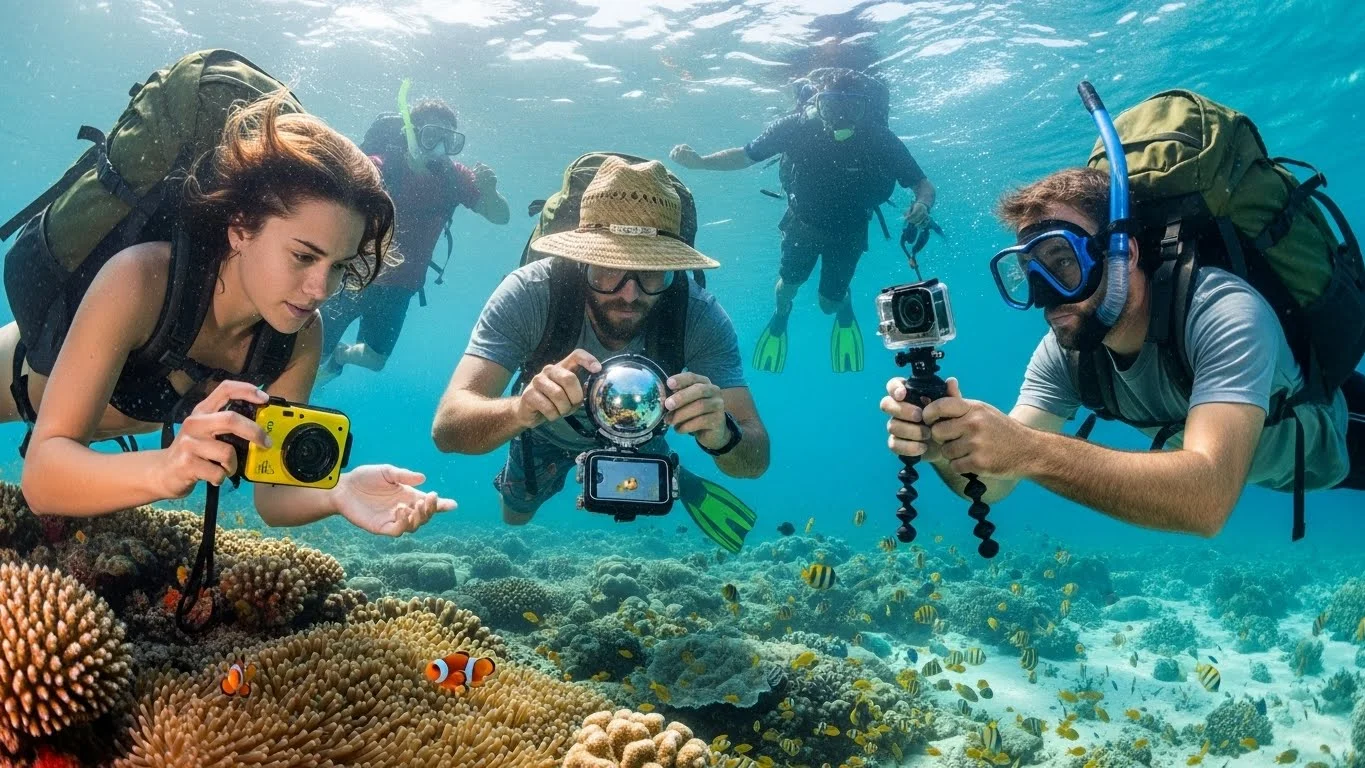
Underwater photography can feel like a dream come true, especially for backpackers eager to capture the breathtaking beauty beneath the waves. It’s accessible, affordable, and allows us to explore a whole new world. For those just starting, there are many resources available, such as Affordable Gear for Underwater Adventure Photography Beginners.
Understanding Underwater Photography
The Basics of Underwater Photography
When I first dipped my toes into the world of underwater photography, I was amazed by how different it was from traditional photography. The light behaves differently underwater, colors shift, and the surrounding environment adds layers of complexity. I discovered that the deeper you go, the more significant the color loss becomes. Reds fade out first, which can make underwater images look blue or green if you’re not careful. This realization drove me to learn more about the basics of shooting in these conditions.
One of the first lessons I learned was to always keep an eye on my buoyancy. I remember my early attempts when I struggled to stay stable while trying to frame the perfect shot. It took me a while to master my buoyancy control, but once I did, I noticed a dramatic improvement in my photos. Understanding how to use your body effectively can make a world of difference in underwater photography, as you want to avoid disturbing marine life or kicking up sand.
Benefits of Underwater Photography for Backpackers
For backpackers like us, underwater photography isn’t just an exciting hobby; it’s a way to document our adventures uniquely. I’ve found that capturing the aquatic life I encounter adds depth to my travel stories. Each photo tells a tale of my journey and the places I’ve explored. Plus, it’s an incredible way to connect with nature and witness the beauty that lies beneath the surface.
Another benefit I’ve noticed is that it encourages me to explore new locations. When planning my trips, I often consider places with clear waters and vibrant marine life. I remember planning a backpacking trip to the Caribbean, specifically to dive and photograph the colorful coral reefs. The excitement of having a purpose beyond just hiking made the trip even more rewarding.
Additionally, I believe underwater photography fosters a sense of community. I’ve met fellow travelers and photographers who share tips, tricks, and stories, creating a bond over our shared experiences. It’s like we’re part of an exclusive club, united by our passion for capturing the world beneath the waves.
Essential Gear for Underwater Photography
Waterproof Cameras
Choosing the right camera is crucial for underwater photography. I’ve experimented with a few options, and waterproof cameras have become my go-to for backpacking trips. They’re compact, lightweight, and designed to withstand the elements. Many of them even come with built-in features tailored for underwater shooting, like color correction and scene modes. I remember when I got my first waterproof camera; it felt like a game changer. Suddenly, I could capture images without worrying about damaging my gear!
Underwater Camera Housings
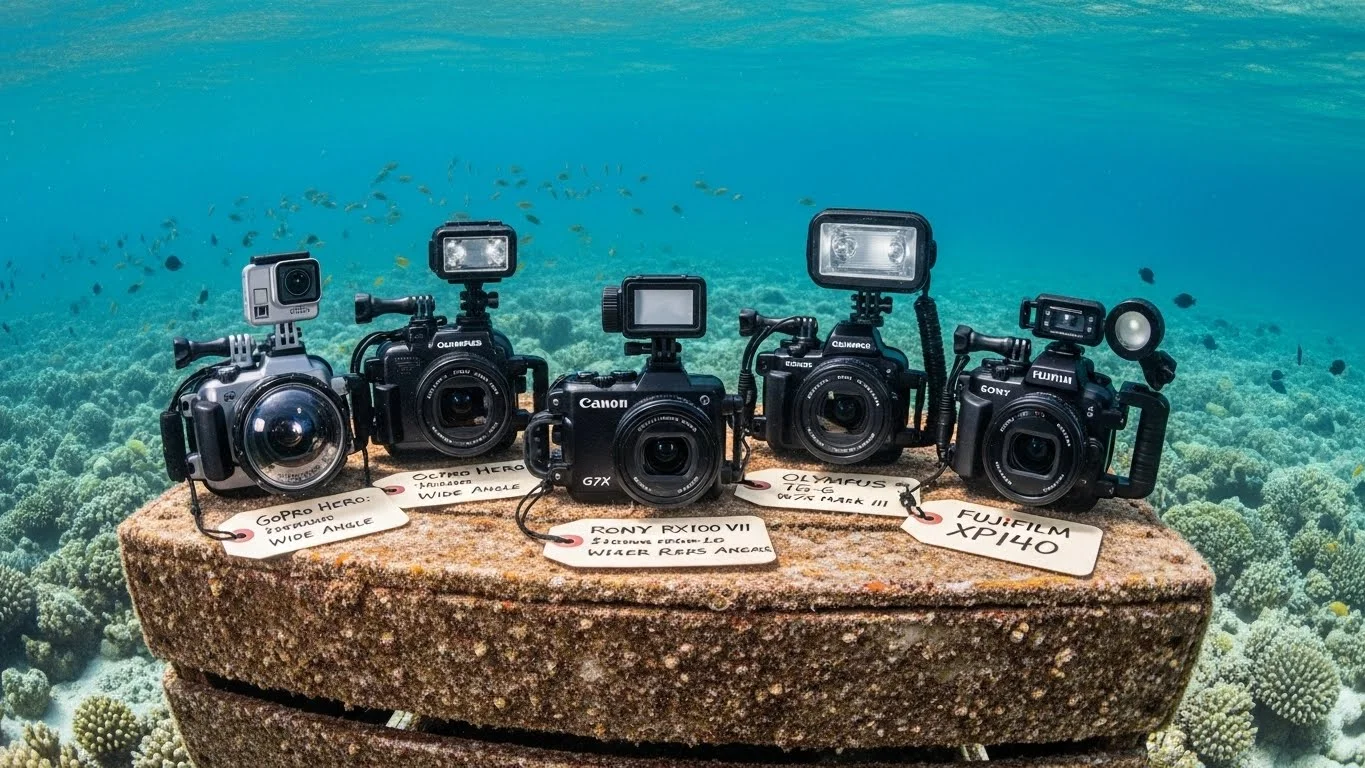
If you already own a camera you love, investing in an underwater housing can be a great alternative. These housings protect your camera while allowing you to take it beneath the waves. I’ve found that using a housing gives me the freedom to use my favorite lenses and settings, which is essential for getting the best possible shots. Just ensure it’s rated for the depths you plan to explore; I learned this the hard way when I accidentally took a housing too deep, and it didn’t hold up!
Underwater Lenses
Underwater lenses can significantly enhance your photography by helping to correct color loss and distortion. I’ve seen a noticeable difference in my images since I started using a wide-angle lens for underwater shots. It allows me to capture the entire scene, making the underwater world feel vast and immersive. When using a wide-angle lens, you can also get closer to your subject, which helps to reduce the effects of water distortion, resulting in clearer images.
Lighting Equipment
Lighting is another critical element in underwater photography. Because water absorbs light, using an external flash or video light can dramatically improve your photos’ quality. I remember when I first tried shooting without any additional lighting; the results were often disappointing. Once I started using a strobe, I could capture vibrant colors and details I never knew existed. Proper lighting can truly transform your underwater photography, making it look professional and eye-catching.
Affordable Underwater Cameras for Backpackers
Compact Cameras
When I think about affordable options for underwater photography, compact cameras come to mind immediately. They’re lightweight and easy to pack, making them perfect for backpackers like us. I remember trying out a compact camera on a trip to Thailand. It was astonishing how well it performed underwater. With decent image quality and features like automatic scene detection, I didn’t have to fuss too much with settings while I was busy enjoying the vibrant marine life. Plus, many models are designed to be waterproof right out of the box, so there’s no need to invest in additional housing.
Some popular brands offer compact cameras that are not only budget-friendly but also packed with features. They often include built-in Wi-Fi, which makes it easy to share your underwater photos on social media while still on your trip. I found that having a compact camera gave me the freedom to capture spontaneous moments without the bulk of larger equipment weighing me down. For more options, check out Top 5 Budget Cameras for Stunning Underwater Photography.
Action Cameras
Action cameras have become a staple for underwater photography enthusiasts, and for good reason. They’re incredibly versatile, compact, and often come with waterproof housing. I can’t tell you how many times I’ve taken my action camera snorkeling or surfing. It’s great for capturing dynamic movements and the fast-paced action of marine life. Plus, the variety of mounts available means I can attach it to my gear, my body, or even my paddle board.
One of my favorite experiences was filming a school of fish swimming around me while freediving. The wide-angle lens allowed me to capture a panoramic view of underwater scenes, making it feel like you were right there with me. Action cameras are also generally more affordable than traditional underwater cameras, which is a big plus for budget-conscious backpackers.
Smartphones with Waterproof Cases
Smartphones have revolutionized photography, and underwater photography is no exception. With a good-quality waterproof case, your smartphone can become a powerful tool for capturing underwater images. I remember the first time I used my phone underwater; it felt like an exciting experiment. The convenience of having my phone on hand meant I didn’t have to lug around extra gear. Plus, I could edit and share my photos instantly, which was a game changer for me.
Many modern smartphones come equipped with impressive cameras that can produce stunning results even in challenging conditions. I recommend looking for a waterproof case that fits snugly while still allowing you to access your phone’s features. Just ensure that it’s rated for the depths you plan to explore—nothing worse than taking a plunge with your precious device unprotected!
Best Budget Underwater Camera Accessories
Floating Hand Grips
One accessory that I absolutely swear by is a floating hand grip. It’s a simple tool, but it makes a world of difference when you’re shooting underwater. I’ve had moments where I accidentally dropped my camera while trying to get the perfect shot, and having a floating grip saved me from losing it to the depths! These grips keep your camera buoyant, so it won’t sink if you let go. Plus, they provide a more stable hold, which is essential when you’re trying to capture sharp images in an unpredictable environment.
Lens Filters
Using lens filters can greatly enhance the quality of your underwater photos, especially in terms of color accuracy. I learned this the hard way when my early photos looked washed out due to color loss from the water. Investing in a good red filter, for instance, can help bring back those vibrant hues. I remember attaching a filter for a dive in the Caribbean, and the difference was night and day. The coral reefs popped back to life in my images, capturing the essence of the underwater world beautifully.
Tripods and Stabilizers
Stability is key in underwater photography, and that’s where tripods and stabilizers come into play. While I used to think they were unnecessary for underwater work, I quickly changed my mind after a few shaky shots. Using a stabilizer helps me get clearer and more focused images, especially in low-light conditions or when shooting macro subjects. I’ve even seen lightweight, portable tripods designed for underwater use, which are perfect for backpacking. They fit easily in my pack and give me the stability I need for those breathtaking underwater landscapes.
Choosing the Right Underwater Photography Gear
Factors to Consider
When diving into the world of underwater photography, choosing the right gear can be overwhelming. I found that considering a few key factors can make the decision process easier. First, think about the type of underwater environments you’ll be exploring. For example, if you’re planning to shoot in shallow, bright waters, a compact camera might suffice. For deeper dives, you might want to invest in more robust gear. I’ve learned to assess my travel plans and pick gear that matches my adventures.
Weight and Portability
As backpackers, weight and portability are crucial. I can’t tell you how many times I’ve regretted overpacking. That’s why I always look for gear that balances performance with portability. Lightweight options that don’t compromise on quality are the holy grail. It’s important to remember that every ounce counts when you’re lugging your camera around on hikes. I’ve discovered that a good rule of thumb is to test your gear before the trip—this way, you can determine what’s essential and what can stay behind.
Durability and Build Quality
Underwater photography gear faces unique challenges, so durability is a must. I learned this the hard way after my first housing cracked during a dive. It’s essential to choose equipment made from high-quality materials that can withstand the rigors of saltwater, pressure, and potential impacts. I recommend researching customer reviews and looking for gear that has a solid reputation for durability. Investing a bit more in quality equipment can save you headaches and money in the long run.
Top Brands for Affordable Underwater Photography Gear
GoPro
GoPro has become a household name for action cameras, and their underwater capabilities are truly impressive. I remember the first time I used a GoPro during a snorkeling trip; I was blown away by the quality of the footage and photos. These cameras are compact, rugged, and come with waterproof housing that allows you to dive deep without a worry. Plus, they have a range of accessories that make it easy to capture unique angles and perspectives.
What I love about GoPro is the ease of use. The intuitive interface allows you to switch between photo and video modes quickly, which is perfect for those spontaneous moments. I’ve had so much fun experimenting with different mounting options, from attaching it to my snorkel to strapping it to my wrist while diving. For backpackers who need something lightweight and versatile, GoPro is a top contender.
Nikon
Nikon offers a variety of underwater cameras that cater to different skill levels and budgets. Their Coolpix series, for instance, includes models specifically designed for underwater photography, making them perfect for beginners and enthusiasts alike. I remember my friend using a Nikon Coolpix while we were exploring a hidden cove, and the shots he captured were nothing short of stunning.
Nikon cameras often feature robust image stabilization, which is essential when shooting in unpredictable underwater conditions. I found that having a camera that can handle slight movements helped me get clearer images, especially when photographing fast-moving marine life. The user-friendly controls and decent zoom capabilities also make it a great option for backpackers who want to capture a variety of subjects.
Olympus
Olympus has been a key player in the underwater photography scene for years. Their Tough series is designed to withstand tough conditions, making them ideal for adventurous backpackers like us. I personally had a fantastic experience using an Olympus Tough camera during a dive trip in Belize, where the vibrant coral reefs were just begging to be photographed.
One standout feature of Olympus cameras is their underwater modes, which adjust settings automatically to enhance color and clarity. I was especially impressed with how well it handled low-light conditions, allowing me to take beautiful photos even in deeper waters. The durability of these cameras means you can take them on all your hiking and diving adventures without worrying about damage.
Where to Buy Affordable Underwater Photography Gear
Online Retailers
In my quest for the best underwater photography gear, I’ve found that online retailers often offer the most competitive prices. Websites like Amazon, B&H Photo Video, and Adorama have extensive selections of cameras and accessories. I remember scoring a great deal on a waterproof case during a flash sale on one of these sites, which saved me a good chunk of change.
Shopping online also allows you to read customer reviews, which can help you make informed decisions. I always check the ratings and comments from fellow backpackers or photographers who have used the gear. It’s a great way to ensure that I’m investing in quality equipment that will meet my needs.
Local Camera Shops
While online shopping is convenient, I can’t emphasize enough the benefits of visiting local camera shops. There’s something special about being able to hold the gear in your hands and ask questions to knowledgeable staff. I’ve had great experiences at my local camera store, where staff members provided insights and recommendations based on my specific photography interests.
Additionally, many local shops offer used or refurbished gear at lower prices. I remember finding a gently used underwater housing that fit my camera perfectly. Not only did I save money, but I also supported a local business. Plus, if you’re lucky, you might stumble upon a workshop or community event focused on underwater photography, which can further enhance your skills.
Tips for Backpacking with Underwater Photography Gear
Packing Strategies
Packing for a backpacking trip that includes underwater photography requires some thought. I’ve learned to be strategic about what gear I bring along to ensure I don’t weigh myself down. One trick I use is to pack my camera and accessories in a waterproof dry bag. Not only does this keep everything safe from potential water exposure, but it also helps organize my gear.
When packing my camera, I prioritize the essentials—usually a compact camera or an action camera, along with a floating grip and a few lens filters. I’ve found that keeping my kit minimal, yet versatile, allows me to adapt to different situations without feeling overwhelmed. Also, don’t forget to leave some space in your pack for souvenirs or any unexpected finds along the way!
Protecting Your Equipment
Protecting my underwater gear is something I take very seriously. Over the years, I’ve developed a few habits to keep my equipment safe. First, I always double-check that my waterproof housing is securely sealed before every dive. I remember one time I was in a rush and didn’t do a thorough check; thankfully, I noticed just in time.
After each underwater session, I rinse my gear with fresh water to remove any salt or sand. This simple step can extend the life of your equipment significantly. Additionally, I make sure to store my gear in a cool, dry place and avoid leaving it in direct sunlight for extended periods. By following these precautions, I feel confident that my camera will be ready for the next underwater adventure.
Frequently Asked Questions
What are the basic principles of underwater photography?
Underwater photography differs significantly from traditional photography due to the way light behaves underwater, with color loss becoming more pronounced with depth. Reds fade first, leading to blue or green images if not managed properly. Mastering buoyancy control is also essential to avoid disturbing marine life and to frame shots effectively.
How does underwater photography benefit backpackers?
Underwater photography allows backpackers to uniquely document their adventures, adding depth to travel stories and encouraging exploration of new locations. It also fosters a sense of community among photographers who share tips and experiences. For more insights, consider Exploring Cultures: Affordable Tips for Documentary Photography.
What type of camera is best for underwater photography?
Waterproof cameras are recommended for underwater photography due to their compact size and built-in features for underwater shooting. Alternatively, using underwater housings for existing cameras can also be effective.
What accessories enhance underwater photography?
Key accessories include floating hand grips for buoyancy, lens filters to enhance color accuracy, and tripods or stabilizers to improve stability and clarity in images.
Which brands are popular for budget-friendly underwater photography gear?
Popular brands include GoPro for action cameras, Nikon for their Coolpix series, and Olympus for their Tough series, known for durability and ease of use in underwater conditions.
Where can I buy affordable underwater photography equipment?
Affordable underwater photography gear can be found at online retailers like Amazon, B&H Photo Video, and Adorama, as well as local camera shops that may offer used or refurbished equipment.
What packing strategies should I consider for underwater photography gear?
When packing for a trip, use a waterproof dry bag to organize and protect gear. Prioritize essential items like compact or action cameras, floating grips, and lens filters to keep the kit minimal yet versatile.
How can I protect my underwater photography equipment?
To protect your equipment, ensure the waterproof housing is securely sealed before use, rinse gear with fresh water after sessions to remove salt and sand, and store it in a cool, dry place away from direct sunlight.
What types of cameras are recommended for underwater photography?
Compact cameras, action cameras, and smartphones with waterproof cases are all recommended for underwater photography, each offering different advantages in terms of size, functionality, and ease of use.
What is the importance of lighting in underwater photography?
Lighting is crucial in underwater photography as water absorbs light, making the use of external flashes or video lights important to capture vibrant colors and details in images.