Web Analytics

Recent Posts

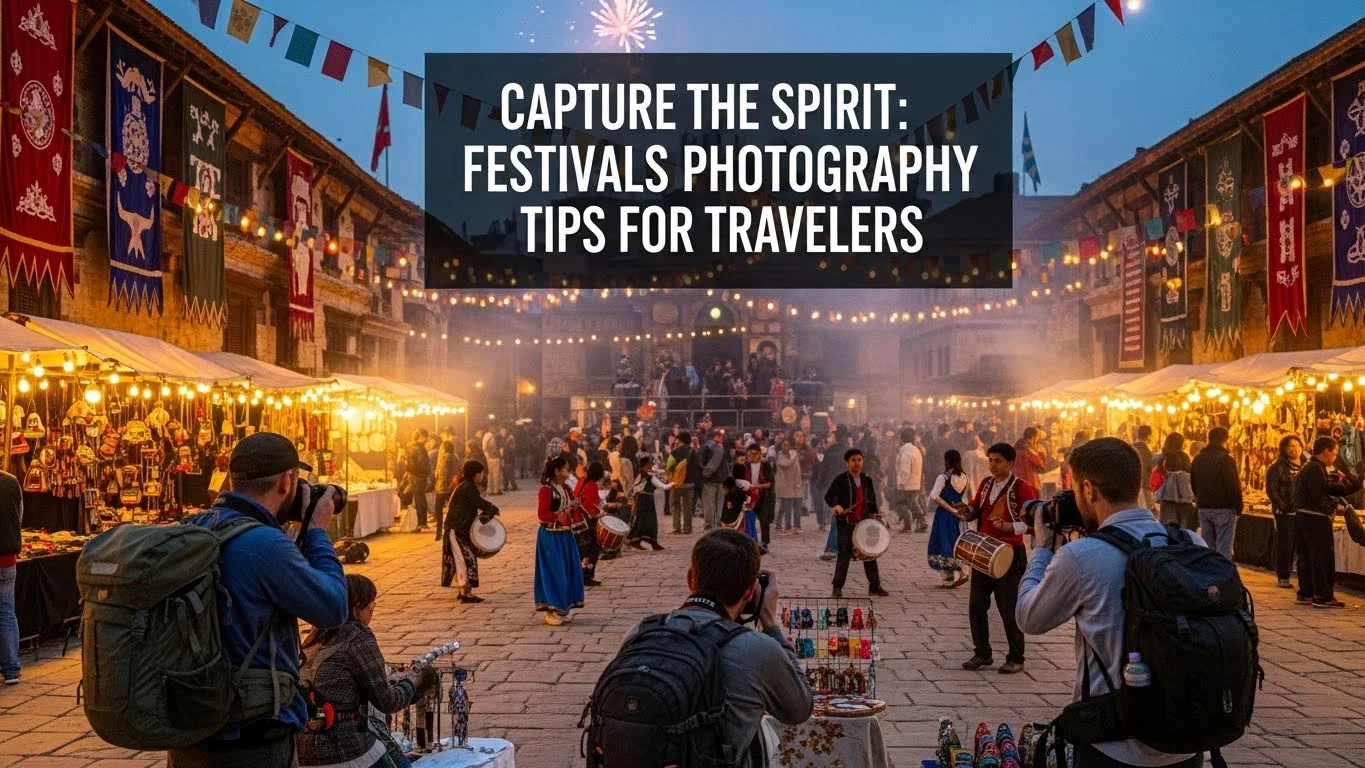
Capture the Spirit: Festivals Photography Tips for Travelers
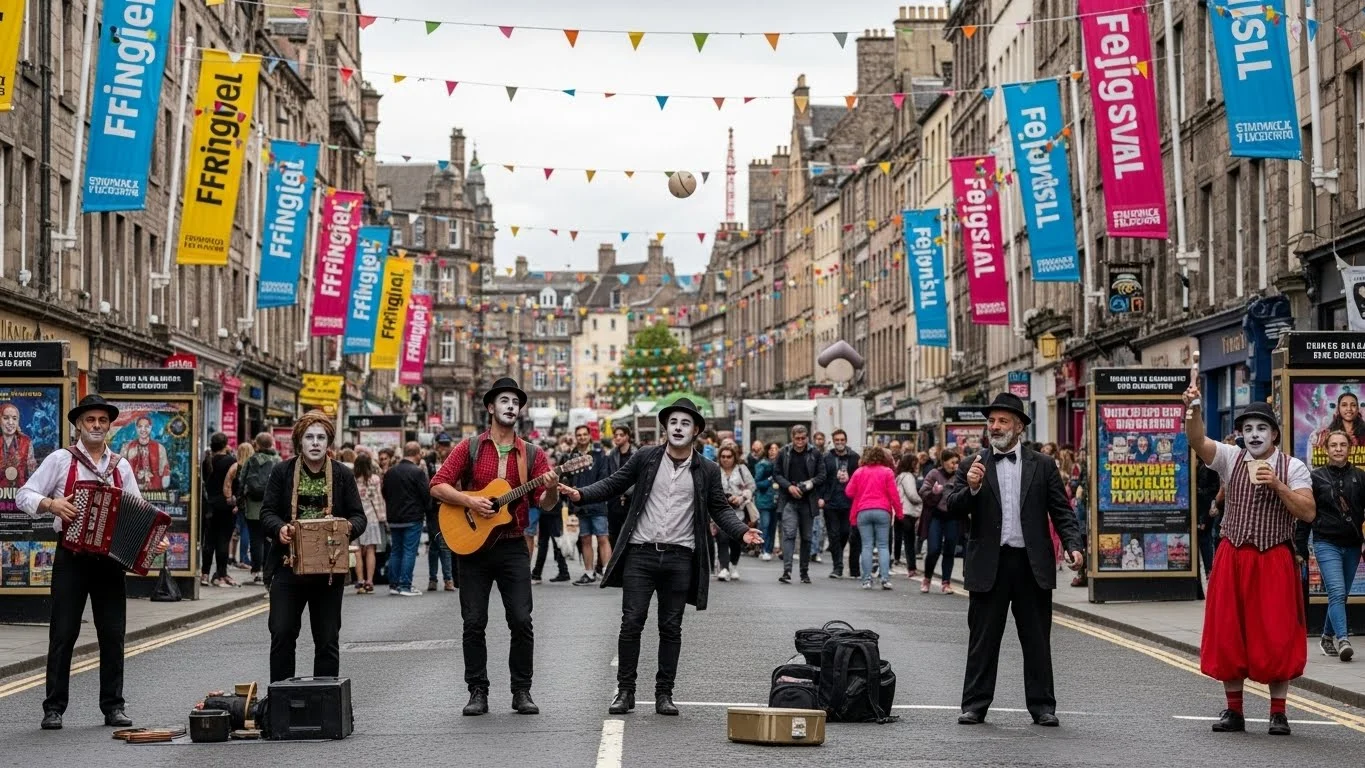
There’s something magical about festivals that makes every moment feel alive and vibrant. As travelers, capturing these moments through our lens allows us to hold onto the spirit and energy of these incredible experiences. If you’re interested in expanding your photography skills, consider Exploring Cultures: Affordable Tips for Documentary Photography.

Capture the Spirit: Festivals Photography Tips for Travelers

Understanding Festival Photography

What is Festival Photography?

Festival photography is about more than just snapping pictures; it’s about storytelling through the lens. It embodies the celebration of life, culture, and community during special events. Each festival has its unique vibe, colors, rituals, and people, and capturing these elements can create powerful images that evoke emotions and memories. I’ve found that every festival offers a different perspective, and it’s my job as a photographer to convey that through my images.

The Importance of Capturing Cultural Moments

When I think about festival photography, I reflect on the importance of preserving cultural moments. Festivals are a beautiful mix of tradition and joy, showcasing the essence of a community’s heritage. For me, capturing these moments is like preserving a piece of history. Each photograph tells a story, whether it’s a joyful dance, a vibrant costume, or the simple yet profound connection between people. I believe that by sharing these images, we not only celebrate those moments but also help others understand and appreciate diverse cultures. I’ve often noticed how the emotions in my photos can spark conversations and connections long after the festival has ended. If you want to learn more about budget-friendly photography, check out Budget Backpacking: Tips for Stunning Cultural Photography.

Essential Equipment for Festival Photography

Camera Types: DSLRs vs. Mirrorless vs. Smartphones

Choosing the right camera for festival photography is crucial. Personally, I love my DSLR for its versatility and image quality. However, I’ve also fallen in love with my mirrorless camera due to its lightweight design and impressive performance in low light. If you’re traveling light or just starting out, don’t underestimate the power of your smartphone. Nowadays, many smartphones have excellent cameras that can capture stunning images, especially with the right techniques and apps. I’ve often found that the best camera is the one you have with you, so choose what works for you and your style.

Must-Have Lenses for Different Festival Scenarios

When it comes to lenses, I recommend having a few options in your bag. A good all-purpose lens, like a 24-70mm, can cover a wide range of scenarios. For me, a prime lens like a 50mm is invaluable for capturing portraits and details, allowing for beautiful bokeh and sharp focus. If you’re at an outdoor festival, a wide-angle lens can help capture the entire scene, showcasing the atmosphere and scale of the event. I remember using my wide-angle lens during a music festival, and the crowd shots turned out phenomenal, capturing the energy of the moment.

Accessories: Tripods, Filters, and External Flash

While it’s possible to shoot without many accessories, I’ve found that having a few key items can elevate my festival photography. A sturdy tripod is great for low-light conditions or for capturing long exposures, especially during nighttime events. I’ve also found circular polarizing filters helpful for reducing glare and enhancing colors. External flashes can be a game changer, especially in dimly lit venues. I remember when I used my flash to capture some spontaneous moments at a night festival, and those images ended up being some of my favorites.

Planning Your Festival Photography

Researching the Festival: Dates, Location, and Activities

Planning is essential when it comes to festival photography. I always start by researching the festival dates, location, and specific activities. Knowing the schedule helps me prioritize which events I want to capture. Last year, for example, I attended a cultural festival that featured different performances throughout the day. By planning accordingly, I was able to capture the most vibrant moments without missing out.

Understanding the Cultural Context of the Festival

Understanding the cultural context is equally important. It allows me to appreciate and respect the traditions being celebrated. I often dive into the festival’s history and significance, which informs my approach to photography. During my visit to Diwali in India, for instance, knowing the cultural importance of the festival helped me capture the spirit of joy and light in a way that resonated with those who viewed my photos.

Creating a Shot List: Key Moments to Capture

Creating a shot list can be incredibly helpful, especially for larger festivals. I like to make notes of key moments that I don’t want to miss, such as parades, performances, or specific rituals. Having a plan keeps me organized and ensures I capture the essence of the festival. For me, it’s all about being prepared but also flexible, as sometimes the best shots come from spontaneous moments that I didn’t foresee. This combination has led to some of my most cherished festival photographs.

Techniques for Capturing the Spirit of Festivals

Using Natural Light to Your Advantage

One of the best things I’ve learned in my festival photography journey is the power of natural light. Festivals often provide beautiful lighting, especially during golden hour—just before sunset or after sunrise. I make it a point to scout the venue ahead of time to see how the light changes throughout the day. I remember at a recent festival, I found myself in awe as the warm light bathed the performers on stage, creating a magical atmosphere that was perfect for capturing the vibrant colors of their costumes. I always try to position myself to take advantage of this natural light, as it can enhance the mood and depth of my photos. Soft shadows and highlights can tell a story that harsh artificial lights just can’t replicate.

Capturing Movement and Action Shots

Festivals are alive with movement—dancers twirling, musicians playing, and crowds celebrating. Capturing this energy is one of my favorite aspects of festival photography. I’ve learned that using a faster shutter speed can freeze action, but sometimes I like to experiment with slower speeds to create a sense of movement. For example, during a parade, I played with my shutter speed to create a blur effect that emphasized the excitement and liveliness of the scene. It’s about finding that balance to convey the atmosphere effectively. I often take a series of shots in quick succession, which gives me a variety of options to choose from later. This technique has led to some of my most dynamic and exciting images.

Framing and Composition Tips for Festival Scenes

Composition can make or break a photograph. I think about framing carefully before I press the shutter button. One technique I use often is the rule of thirds. I try to place my focal point off-center in the frame, which tends to create a more engaging image. Also, when I shoot large crowds, I look for interesting patterns or leading lines that draw the viewer’s eye into the scene. I remember one festival where the rows of colorful tents created a beautiful leading line, guiding the viewer’s gaze toward the festivities ahead. Additionally, including foreground elements can add depth to my images, making them more immersive.

Storytelling Through Photography: Capturing Emotions

For me, photography is all about storytelling, especially during festivals. I always aim to capture the emotions of the people around me—the joy, the excitement, the connection. I often focus on expressions, whether it’s a child’s sheer delight as they watch a performance or the serene look of someone lost in thought during a ritual. I’ve noticed that the best stories come from candid moments rather than posed shots. At one festival, I spent some time just observing the crowd, waiting for those genuine, spontaneous interactions. When I finally clicked the shutter at the right moment, I captured a beautiful exchange between two friends dancing. Those images resonate with people because they tell a relatable story. I believe that each photo should evoke an emotion, allowing viewers to feel a connection to the moment.

Social Media and Festival Photography

Best Practices for Sharing Your Festival Photos

In today’s digital age, sharing our festival photos on social media is a fantastic way to showcase our experiences. I’ve found that timing is key when posting. I usually try to share my favorite shots soon after the festival ends while the excitement is still fresh. Engaging captions can also make a difference—sharing a little story or anecdote about the moment captured can help others connect with the image. I remember posting a candid shot of a dancer mid-twirl, and I described how the joy in her expression captured the essence of the entire festival. It received a great response, and many people shared their own stories in the comments.

Using Hashtags and Geotags Effectively

Utilizing hashtags and geotags can significantly increase the visibility of my photos. I like to research popular and relevant hashtags before I post. For festivals, using specific event hashtags can help my photos reach a wider audience and connect with other festival-goers. I often include a mix of general photography hashtags along with festival-specific ones. Geotagging my location helps others discover the festival too. I’ve noticed that my posts tend to get more engagement when tagged properly, and I often discover new photographers and enthusiasts in the process.

Engaging with Festival Communities Online

Engaging with communities is one of the most rewarding aspects of sharing my festival photography online. I love connecting with other photographers and festival lovers through comments and shares. Participating in photography groups or following festival-specific pages can open doors to collaborations and friendships. I’ve even joined online challenges where photographers share their best festival shots, and it’s inspiring to see the diverse perspectives and styles. I always encourage others to share their experiences, as it deepens our appreciation for different cultures and the art of capturing those moments. For more insights into budget-friendly photography, consider reading Capture Cultures: A Guide to Budget Documentary Photography.

Ethics in Festival Photography

Respecting Cultural Sensitivities and Privacy

Photography at festivals comes with a responsibility to respect the cultural sensitivities of the communities we are capturing. I always strive to be aware of the traditions and customs being celebrated, as well as how my presence might affect local participants. I remember attending a festival where certain rituals were sacred, and I made sure to maintain a respectful distance and not intrude. It’s essential to understand that some moments should be observed rather than documented, ensuring that my photography honors the culture and community.

Obtaining Consent for Portraits and Close-Ups

When photographing people, I always prioritize obtaining consent, especially for portraits and close-ups. I’ve found that a simple smile and a polite request can go a long way. When I ask for permission, it often leads to a more genuine expression and an even better photograph. I’ve had fantastic conversations with people who were thrilled to share their stories, enriching my festival experience. This practice not only ensures ethical photography but also builds trust and rapport within the community.

Post-Processing and Editing Festival Photos

Choosing the Right Editing Software

Once I’ve captured my festival shots, the next exciting step is post-processing. The right editing software can make a huge difference in how my photos turn out. I’ve experimented with various options, but I always find myself returning to Adobe Lightroom for its user-friendly interface and powerful features. It’s perfect for organizing my photos and making quick adjustments. For more detailed editing, I sometimes use Adobe Photoshop. I love how it allows for fine-tuning, especially for enhancing details. There are also great free alternatives like GIMP and RawTherapee, which I’ve recommended to friends who are just starting out. No matter what software I choose, I believe that post-processing is an essential part of bringing the images to life, allowing me to share the festival vibes as I experienced them.

Techniques for Enhancing Colors and Details

One of the biggest joys of editing is enhancing the colors and details in my photos. Festivals are bursting with vibrant hues, and I want my images to reflect that energy. I often start by adjusting the exposure and contrast to ensure the colors pop. I remember editing a series of shots from a cultural festival where the costumes were incredibly colorful. By increasing the saturation and vibrance slightly, I was able to enhance the vividness without making it look unnatural. I also use the sharpening tool to bring out the details in the costumes and expressions. Adjusting clarity can help make textures stand out, which adds depth to the images. I often find that these enhancements can transform a good photo into a great one, allowing the viewer to really feel the festival atmosphere.

Creating a Cohesive Photo Series from the Festival

After editing, I think about how I can present my festival photos as a cohesive series. I love to tell a story through my images, and creating a series allows me to do just that. I typically select a theme or a specific event within the festival to focus on, making sure each photo complements the others. When I created a series from a music festival I attended, I aimed to capture the different aspects of the experience—from the performers on stage to the audience’s reactions. I often use similar editing styles across the series, such as consistent color grading, to tie everything together. This approach not only adds a professional touch but also helps convey the overall spirit of the festival in a way that feels complete and engaging. I’ve shared these series on my blog and social media, and the feedback has been rewarding, with many people appreciating the narrative behind the photos.

Top Festivals Around the World for Photography Enthusiasts

Carnival in Rio de Janeiro, Brazil

The Carnival in Rio de Janeiro is one of the most vibrant and exhilarating festivals I’ve ever experienced. The energy in the air is palpable as samba music fills the streets, and the colorful parades are a feast for the eyes. I remember standing on the sidelines, taking in the elaborate costumes and the joy on people’s faces. This festival is a photographer’s dream, offering countless opportunities to capture the celebration of culture and community. The lively atmosphere, along with the stunning backdrop of Rio’s iconic scenery, makes it a must-visit for anyone passionate about festival photography.

Diwali in India

Diwali, the Festival of Lights, is another incredible event that deserves a spot on this list. I had the privilege of celebrating Diwali in India, and the experience was nothing short of magical. The streets lit up with oil lamps, and the vibrant colors of rangoli designs created an enchanting atmosphere. Capturing the light during this festival is a unique challenge, but it’s also what makes it so special. The warmth and joy shared among families during the celebrations can be felt in every photograph. I’ve found that the emotions displayed during Diwali are some of the most beautiful and poignant moments to capture, making it a highlight of my festival photography adventures.

Oktoberfest in Munich, Germany

Oktoberfest is renowned for its beer, traditional food, and lively atmosphere. I remember attending this festival and being amazed by the cheerful faces and the colorful Bavarian outfits. The large beer tents filled with laughter and clinking glasses provide fantastic opportunities for candid shots. I’ve also enjoyed capturing the intricate details of the traditional attire worn by festival-goers. The overall ambiance, combined with the delicious food and drink, creates a warm and inviting environment perfect for photography.

Holi Festival of Colors in India

The Holi Festival is a riot of colors and joy, and it has been one of my favorite festivals to photograph. I’ve experienced the thrill of being covered in vibrant powders as people celebrate together. The unique challenge is to capture the emotions and energy while managing the chaos of color throws. I often bring along a lens that I don’t mind getting dirty, as splashes of color can make for stunning photos. The expressions of joy and laughter during Holi are infectious, and I always feel grateful for the moments I’ve captured during this lively celebration.

La Tomatina in Buñol, Spain

La Tomatina is a festival like no other, where participants throw tomatoes at each other in a massive food fight. I’ve attended this event and had a blast capturing the fun and hilarity of the day. The vibrant red of the tomatoes against the laughter and chaos creates a unique visual experience. I’ve learned to bring a waterproof cover for my camera, as things can get messy quickly! The spontaneous nature of La Tomatina makes for dynamic shots, and I’ve found that the best moments often happen when you least expect them, adding to the thrill of festival photography.

Frequently Asked Questions

What is festival photography?

Festival photography is about storytelling through the lens, capturing the celebration of life, culture, and community during special events. It involves conveying the unique vibe, colors, rituals, and people of each festival to create powerful images that evoke emotions and memories.

Why is capturing cultural moments important in festival photography?

Capturing cultural moments is essential for preserving a piece of history. Festivals showcase a community’s heritage, and by sharing images, photographers help others understand and appreciate diverse cultures while celebrating those moments.

What equipment is recommended for festival photography?

For festival photography, it’s recommended to have a good camera, such as a DSLR or mirrorless, and a smartphone can also be effective. Essential lenses include an all-purpose lens (like a 24-70mm), a prime lens (like a 50mm), and a wide-angle lens for outdoor festivals. Accessories such as tripods, filters, and external flashes can enhance the photography experience.

How can I plan my festival photography effectively?

Effective planning involves researching the festival’s dates, location, and activities to prioritize events to capture. Understanding the cultural context of the festival is also crucial, as it informs the photographer’s approach and helps in capturing the spirit of the event.

What techniques can enhance festival photography?

Using natural light effectively, capturing movement and action shots, and employing composition techniques like the rule of thirds can enhance festival photography. Focusing on emotions and candid moments can also tell a compelling story through the images.

How should I share my festival photos on social media?

When sharing festival photos on social media, timing is key; post soon after the event while excitement is fresh. Engaging captions that tell a story about the moment can help connect with viewers. Using relevant hashtags and geotags can increase visibility and engagement.

What ethical considerations should be taken in festival photography?

Respecting cultural sensitivities and obtaining consent for portraits and close-ups are crucial ethical considerations in festival photography. Understanding traditions and maintaining a respectful distance is important, as is engaging with subjects to build trust.

What software is recommended for editing festival photos?

Adobe Lightroom is highly recommended for its user-friendly interface and powerful features, while Adobe Photoshop can be used for detailed editing. Free alternatives like GIMP and RawTherapee are also great options for those just starting out.

How can I create a cohesive photo series from a festival?

To create a cohesive photo series, select a theme or specific event within the festival and ensure each photo complements the others. Using similar editing styles and consistent color grading across the series can help tie everything together and convey the festival’s spirit effectively.

What are some top festivals around the world for photography enthusiasts?

Some top festivals for photography enthusiasts include Carnival in Rio de Janeiro, Diwali in India, Oktoberfest in Munich, Holi Festival of Colors in India, and La Tomatina in Buñol, Spain. Each of these festivals offers unique opportunities to capture vibrant moments and cultural celebrations.

Exploring Cultures: Affordable Tips for Documentary Photography

Documentary photography has the power to tell stories that transcend borders, capturing the essence of cultures in their rawest forms. If you’re eager to explore the world through your lens without breaking the bank, let’s dive into some affordable tips! Read Interesting article: Budget Backpacking: Tips for Stunning Cultural Photography

Exploring Cultures: Affordable Tips for Documentary Photography

Understanding Documentary Photography

What is Documentary Photography?

Documentary photography, in my view, is more than just taking pictures; it’s about telling a story through visuals. When I first started exploring this genre, I quickly realized that it revolves around capturing real-life events and situations, often focusing on social issues, cultural practices, and human experiences. Unlike commercial photography, which often aims to sell a product or idea, documentary photography aims to document and highlight the realities of life as they are.

This genre is about authenticity. I remember the thrill of capturing a candid moment in a bustling market or the quiet reflection of an elderly person in their home. Each photograph serves as a powerful narrative, inviting viewers to step into a different world and gain insight into lives that may be vastly different from their own.

History and Evolution of the Genre

The roots of documentary photography can be traced back to the late 19th century when photographers began to document social issues and human conditions. I find it fascinating how pioneers like Jacob Riis and Lewis Hine used their cameras to advocate for social change, shedding light on the struggles of the urban poor and child laborers. Over the years, this genre has evolved, embracing various styles and techniques. In the 20th century, photographers like Dorothea Lange and Henri Cartier-Bresson took documentary photography to new heights, capturing the human experience in times of crisis and joy.

Today, with the rise of digital technology and social media, the accessibility of documentary photography has expanded. Many aspiring photographers, including myself, can now share our experiences and stories with a global audience, connecting cultures in ways that were once unimaginable. I’ve seen how a single photograph can spark conversations and bring awareness to pressing issues, which is one of the most rewarding aspects of this art form. Read Interesting article: Capture Cultures: A Guide to Budget Documentary Photography

Key Elements of Effective Documentary Photography

From my experience, there are several key elements that can elevate your documentary photography. First, storytelling is essential. Each image should convey a narrative, offering a glimpse into the lives of your subjects. I often think about what story I want to tell before I even lift my camera. This might mean spending time observing my surroundings, listening to the sounds of the environment, and getting to know the people I’m photographing.

Another crucial element is composition. I’ve learned that the way you frame a shot can dramatically impact the story it tells. Using techniques like the rule of thirds can create a more dynamic image, while leading lines can guide the viewer’s eye. That said, breaking the rules can also result in powerful images, so I encourage experimenting with different compositions.

Lighting is another factor that can make or break a photograph. Natural light often adds depth and emotion to an image. I’ve found that shooting during the golden hour, right after sunrise or before sunset, can produce some of the most stunning images. But don’t shy away from shooting in different lighting conditions; each has its own mood and character.

Lastly, patience is vital in documentary photography. Sometimes, the best moments come when you least expect them. I remember waiting for hours at a local festival, simply observing and soaking in the atmosphere, until the perfect moment presented itself. Trust me, the wait is often worth it.

In summary, documentary photography is a powerful medium that allows us to connect with diverse cultures and share meaningful stories. By understanding its roots, focusing on essential elements, and harnessing our creativity, we can capture moments that resonate deeply with our audiences. As we move forward, let’s explore how we can choose compelling subject matter for our photographic journeys.

Choosing Your Subject Matter

Cultural Events and Festivals

One of the most vibrant ways to dive into documentary photography is by capturing cultural events and festivals. There’s something magical about the energy and emotion that these gatherings evoke. I recall my first experience at a local festival, where the colors, sounds, and smells swirled together in a beautiful chaos. I felt instantly drawn to the vibrant costumes, the joyful faces, and the intricate rituals that unfolded before my eyes.

When photographing festivals, I focus on the details that tell a story about the culture. For instance, capturing a close-up of a dancer’s intricate costume can reveal much about their heritage. I find that the excitement of these events provides a wealth of opportunities for storytelling. It’s essential to be prepared, though; knowing the schedule of events and understanding the traditions behind them can help you anticipate those perfect moments that encapsulate the spirit of the occasion.

Everyday Life in Different Cultures

I’ve always believed that some of the most powerful stories can be found in the mundane aspects of everyday life. Documenting people in their daily routines provides a raw glimpse into their world, showcasing their joys, struggles, and the intricate tapestry of life. I remember spending a day in a small village, where I followed a local farmer from dawn till dusk. The simplicity of his tasks, from tending to crops to sharing meals with his family, was profound.

To capture everyday life effectively, I usually take time to observe and listen. This approach allows me to find those unique moments that might otherwise go unnoticed. Whether it’s the laughter of children playing in the streets or the quiet moments shared between family members, these snippets of life resonate deeply. I often think that these candid moments remind us of our shared humanity, no matter where we are in the world.

Portraits of Local Communities

Portrait photography holds a special place in documentary photography for me. It’s such an intimate way to connect with people and tell their stories. I’ve found that taking the time to get to know my subjects makes all the difference in capturing their essence. I recall a particular experience where I spent time with a group of artisans in a small town. Each person had a story to tell, and I felt honored to capture their spirit through my lens.

When taking portraits, I pay attention to the background and environment, as they can add context to the image. Sometimes I’ll ask my subjects to stand in their workspace or a location that holds significance to them. This way, the photograph reflects not just their face but also their life and passions. The connection I build with my subjects often results in images that are not only visually striking but also deeply meaningful.

Social Issues and Humanitarian Themes

Documentary photography can also serve as a powerful tool for social change by shedding light on pressing issues. I find it incredibly rewarding to use my camera to advocate for those who may not have a voice. When I visited a refugee camp, I was struck by the resilience and strength of the people living there. Capturing their stories of hope and struggle reminded me of the importance of empathy and understanding in our world.

When approaching sensitive topics, it’s crucial to do so with respect and thoughtfulness. I always strive to portray the dignity of my subjects, even when documenting challenging circumstances. This means having conversations with them about their experiences and ensuring they feel comfortable with how I represent them. I believe that through compassionate storytelling, we can foster a greater sense of awareness and inspire action.

In choosing your subject matter, think about what resonates with you personally. I’ve learned that passion shines through in photographs, and when you genuinely care about the story you are telling, it translates into your work. Embrace the journey of discovery, and you may find that the subjects you choose not only enrich your photography but also deepen your understanding of the world around you.

Essential Gear for Documentary Photography

Camera Options for Every Budget

When I first dipped my toes into documentary photography, I was overwhelmed by the sheer number of camera options available. I remember feeling like I needed the latest, most expensive gear to get started, but that couldn’t be further from the truth. Whether you’re on a tight budget or ready to invest a bit more, there’s a camera that can suit your needs.

If you’re just beginning, I recommend starting with a good smartphone camera. These days, many smartphones have impressive camera capabilities. I’ve captured some of my favorite moments using my phone, especially when I wanted to travel light. As I progressed, I moved to a mirrorless camera because of its compact size and versatility. They’re great for documentary work, allowing you to swap lenses and manually adjust settings while still being lightweight enough to carry around all day.

For those with a larger budget, a DSLR can be a fantastic investment. They offer excellent image quality and a wide range of lenses, which can help you adapt to various shooting scenarios. My first DSLR came with a kit lens, and I found it to be an excellent all-around option for documenting various subjects.

Must-Have Lenses for Various Situations

Your choice of lens can dramatically affect the outcome of your photographs, and I’ve learned that having a few options can be invaluable. For documentary photography, a versatile zoom lens, like a 24-70mm, is a fantastic choice. It allows you to capture wide shots in crowded spaces, like festivals, and zoom in on details when needed. I’ve used this lens during many events, and it never let me down.

Another lens I love is a prime lens with a wide aperture, such as a 50mm f/1.8. This lens creates beautiful, sharp images with a lovely background blur, perfect for portraits or intimate moments. I remember taking a portrait of an elderly artisan in his workshop using my 50mm lens. The way the background softened made his expression stand out, capturing the essence of his craft.

Finally, a wide-angle lens can be a game-changer when you want to include more of the environment in your shots. I’ve found it particularly useful in tight spaces or when capturing expansive scenes, like a bustling market. Remember, the right lens can not only enhance your storytelling but also give you the creative freedom to experiment with different perspectives.

Accessories to Enhance Your Photography

While a camera and lenses are essential, I’ve discovered that a few accessories can make a world of difference in my documentary photography. A sturdy camera strap is one of those must-haves. It keeps my camera secure while I’m on the go and makes it comfortable to carry for long periods. I remember a day spent wandering through a local festival, and I was grateful for a strap that didn’t dig into my shoulder.

A good quality tripod can also be beneficial, especially for low-light situations or capturing long exposures. I often set up my tripod during sunset to capture the warm glow on the faces of festival-goers. Plus, having a tripod allows me to frame my shots more carefully, ensuring I capture the moment just right.

Lastly, don’t underestimate the power of a spare battery and memory card. I can’t tell you how many times I’ve been caught off guard by a dying battery or a full memory card. Having backups means I can keep shooting without worrying about missing an important moment.

Editing Software for Post-Processing

Once I’ve captured my images, the editing process is where I truly bring my vision to life. I’ve experimented with various editing software, but I keep coming back to Adobe Lightroom for its user-friendly interface and powerful tools. It’s amazing how simple adjustments in exposure, contrast, and color can elevate an image from good to great.

Another tool I often use is Adobe Photoshop, especially for more detailed editing work like retouching or creating composites. I remember a time when I wanted to create a photo story about a community project. Using Photoshop, I was able to blend multiple images together to illustrate the project’s impact, helping to convey a deeper narrative.

For those on a budget, there are also excellent free editing programs like GIMP or even mobile apps like Snapseed that can help you make edits on the go. I’ve used these apps to quickly touch up images while traveling, allowing me to share my experiences in real-time. No matter what software you choose, remember that editing is an extension of your storytelling; it should enhance your work, not overshadow it.

Affordable Tips for Capturing Cultures

Researching Cultural Norms and Etiquette

One of the most important lessons I’ve learned in documentary photography is the significance of understanding cultural norms and etiquette before diving into a new environment. I remember my first international trip, filled with excitement and curiosity. However, I quickly realized that knowing a few key cultural practices could make all the difference. For instance, in some cultures, taking photos of people without permission can be considered rude or intrusive. Familiarizing myself with these nuances has not only helped me avoid uncomfortable situations but also allowed me to connect more deeply with the communities I’m photographing.

Before a trip, I usually spend time researching online, reading travel blogs, and watching documentaries about the culture I’m about to explore. I’ve found that engaging with local customs, such as greetings and daily rituals, can create a more authentic experience. For example, in many Asian cultures, showing respect to elders is crucial. Learning to greet someone properly with a bow or a slight nod can open doors and create a sense of trust, making it easier for me to capture candid moments.

Building Rapport with Subjects

When it comes to documentary photography, building rapport with my subjects has been one of the most rewarding aspects of the journey. I often find that the more comfortable my subjects feel, the more genuine the moments I capture. I remember a day spent in a small fishing village where I took the time to sit down and chat with the fishermen before snapping any photos. Sharing stories over a cup of tea helped break the ice, and soon enough, I was welcomed into their world. I witnessed their daily routines and captured the essence of their lives in a way that felt respectful and authentic.

To establish this connection, I always approach subjects with curiosity and openness. I ask questions about their lives, interests, and the stories behind their work. This engagement often leads to spontaneous moments that I couldn’t have planned, resulting in richer photographs. I also make sure to show gratitude for their time and willingness to share their lives with me. A simple “thank you” can go a long way in fostering a relationship that transcends the camera.

Using Natural Light to Your Advantage

Lighting can dramatically alter the mood and emotion of a photograph, and I’ve found that natural light is my best friend in documentary photography. I often plan my shoots around the time of day when the light is at its best. Early mornings and late afternoons, known as the golden hours, provide that soft, warm light that can enhance any scene. I remember capturing a portrait of a woman selling flowers at dawn, her face lit by the soft glow of the rising sun. The result was a stunning image that conveyed the peacefulness of the moment.

However, shooting in different lighting conditions can also yield interesting results. I’ve experimented with harsh midday light and found that it can create striking contrasts and dramatic shadows. The key is to be adaptable. I often carry a reflector or a diffuser to help manipulate the light when necessary. Embracing the natural light available has allowed me to add a layer of authenticity to my work while also challenging myself creatively.

Incorporating Local Elements into Your Shots

In my experience, incorporating local elements into my photography can tell a more comprehensive story. Whether it’s a market bustling with vendors, traditional architecture, or even the local landscape, these details help set the scene and provide context. I recall walking through a narrow alley in a vibrant city, where colorful murals adorned the walls. Capturing these elements alongside the people in the frame added depth and richness to my photographs, making them more relatable and engaging for viewers.

When I’m out shooting, I make it a point to look for textures, colors, and patterns that reflect the local culture. Sometimes, it’s as simple as focusing on the intricate designs of a traditional garment or the arrangement of local produce in a market stall. These small details can transform an image from ordinary to extraordinary, allowing viewers to feel a sense of place and time.

Budget-Friendly Travel Tips for Documentary Photographers

Finding Affordable Accommodation

As documentary photographers, we often want to explore and capture as much as possible without overspending. I’ve found that booking budget-friendly accommodations, like hostels, guesthouses, or even homestays, offers a unique way to immerse myself in the local culture. I remember staying in a cozy guesthouse run by an elderly couple who shared stories about their city over breakfast. Not only did I save money, but I also gained insights that enriched my photography.

Websites like Airbnb and Couchsurfing can also provide affordable options, often with the added benefit of connecting with locals. These experiences can lead to spontaneous photo opportunities and deeper cultural exchanges, which are invaluable in documentary photography.

Transportation Options on a Budget

Getting around on a budget can be one of the most challenging aspects of travel, but I’ve learned to embrace public transportation. Buses and trains often allow me to see the landscape and interact with locals, providing a more authentic experience. In my journeys, I’ve taken long train rides through beautiful countryside that led to unexpected encounters and fascinating stories to capture.

Walking or biking is also a fantastic way to explore a new area. I find that being on foot allows me to discover hidden gems and capture candid moments that I might have missed otherwise. Plus, it keeps me fit while I’m on the go!

Eating Local: Affordable Dining Options

Food is such an integral part of any culture, and I always make it a point to seek out local dining options. I’ve discovered that street food can be both affordable and delicious, often reflecting the heart and soul of a community. I remember tasting a local dish from a street vendor that was bursting with flavors, and capturing the process of preparation while chatting with the vendor was one of the highlights of my trip.

Dining at local markets or small family-run eateries not only saves money but also gives me a chance to connect with the people and understand their culinary traditions. Plus, it can provide great photo opportunities to document the vibrant food culture.

Free or Low-Cost Activities to Enhance Your Experience

Exploring a new place doesn’t have to be expensive. I often look for free or low-cost activities that allow me to soak in the local culture. Visiting public parks, museums with free admission days, or taking part in community events can offer unique insights and photo opportunities. I remember stumbling upon a community fair in a town square, where locals showcased their crafts and talents. It was a fantastic opportunity to capture the community spirit without spending a dime.

Additionally, many cities offer free walking tours led by locals. I’ve participated in a few, and they’ve provided not only historical context but also led me to hidden spots perfect for photography. It’s a win-win for both my wallet and my portfolio!

Editing and Presenting Your Work

Choosing the Right Editing Style for Documentary Photography

When it comes to editing my documentary photographs, I believe that the style I choose should reflect the story I want to tell. I’ve experimented with various approaches, from vibrant colors to muted tones, depending on the mood of the subject matter. For instance, while working on a series about a community struggling with economic hardships, I opted for a more subdued color palette to evoke a sense of somberness.

I’ve learned that consistency in editing is key, especially if you’re presenting a series of images. Keeping a cohesive style helps to create a narrative that flows, allowing viewers to connect with the story more deeply. I often take the time to create presets in Lightroom that reflect my preferred style, streamlining my editing process and maintaining that consistency across my work.

Creating a Compelling Photo Story

Crafting a compelling photo story requires both skill and vision. I’ve found that selecting a theme or message upfront can guide my entire approach, from shooting to editing. Each image should contribute to the overall narrative, creating a cohesive body of work that resonates with the audience. After completing a shoot, I often lay out my images and consider how they relate to one another. This helps me identify which images are essential to the story and which might be better left out.

Storytelling can also be enhanced by incorporating captions or short descriptions that provide context. I remember showcasing a series on rural artisans, and adding their quotes and stories alongside the images made the experience much richer for viewers.

Sharing Your Work: Online Platforms and Exhibitions

In today’s digital age, there are countless platforms available for sharing our work. I’ve found that social media, like Instagram or Facebook, can be a fantastic way to reach a wider audience. Creating a dedicated photography account allows me to showcase my documentary work and connect with like-minded individuals. Additionally, online platforms like Behance or 500px can provide exposure and feedback from a community of photographers.

But there’s something uniquely rewarding about exhibiting my work in person. Participating in local art shows or community exhibitions has allowed me to share my stories directly with viewers. Engaging with people face-to-face provides an opportunity for dialogue and a deeper understanding of the impact of my work. I encourage fellow photographers to seek out these opportunities; they can be incredibly fulfilling!

Legal and Ethical Considerations

Understanding Photography Laws in Different Countries

As documentary photographers, navigating the legal landscape is crucial, especially when traveling abroad. I’ve learned that photography laws can vary significantly from one country to another. In some places, you may need a permit to shoot in public spaces, while in others, it’s perfectly acceptable. Before I embark on any trip, I make it a point to research the local laws to ensure I’m compliant and respectful of the culture.

Additionally, I’ve discovered that certain locations, like government buildings or military installations, often have strict restrictions on photography. Being aware of these regulations not only protects me but also ensures that I can continue to pursue my passion without running into legal trouble.

Respecting Privacy and Consent

Respect for privacy is paramount in documentary photography. I always approach subjects with sensitivity, especially when it comes to capturing vulnerable populations. I remember a moment when I was photographing a group of homeless individuals. I took the time to introduce myself and explain my intentions. By seeking their consent, I was able to build trust and create a more authentic representation of their lives.

Obtaining consent doesn’t always have to be formal; it can be as simple as having a conversation and gauging comfort levels. I believe that when subjects feel seen and respected, the resulting photographs are not only more powerful but also more truthful.

Ethical Storytelling in Documentary Photography

Ethics play a significant role in documentary photography, and I’ve made it a point to uphold ethical storytelling in my work. This means portraying subjects with dignity and honesty, avoiding sensationalism or exploitation. I strive to capture the essence of my subjects’ stories while being mindful of the impact my work may have on their lives.

Engaging in conversations with subjects about how they want to be represented has been pivotal in my practice. I remember a particular project where a subject expressed concerns about how their story would be portrayed. By collaborating with them, I was able to create a narrative that they felt comfortable with, ultimately resulting in a more authentic and respectful depiction.

Resources for Aspiring Documentary Photographers

Online Courses and Workshops

For those looking to deepen their skills, I highly recommend exploring online courses and workshops. Websites like Skillshare and MasterClass offer a variety of classes from experienced photographers who share their insights and techniques. I remember taking a workshop focused on visual storytelling, which completely transformed the way I approach my projects. Learning from experts in the field can provide inspiration and practical knowledge that is invaluable.

Books and Documentaries for Inspiration

Books and documentaries can serve as a rich source of inspiration for any photographer. I often find myself turning to the works of legendary documentary photographers like Sebastião Salgado or Mary Ellen Mark. Their storytelling techniques and powerful imagery have influenced my own work. Additionally, documentaries about photojournalism or specific social issues can provide context and ignite my passion for storytelling.

Photography Communities and Forums

Connecting with other photographers can be incredibly enriching. I’ve joined various online photography communities and forums where members share their experiences, critiques, and advice. These spaces foster a sense of belonging and creativity. Engaging with others who share the same passion can lead to collaborations, feedback, and new perspectives that help us grow as photographers.

Final Thoughts

Embarking on a journey in documentary photography has been a profound experience for me. It’s allowed me to connect with diverse cultures, share untold stories, and explore the world through a different lens. I believe that by approaching this art form with an open heart and mind, we can create meaningful narratives that resonate with people across the globe. Whether you’re just starting or have been capturing images for years, remember that your unique perspective can make a difference. Embrace the challenges and joys of documenting life, and let your passion guide you on this beautiful journey of storytelling. Read Interesting article: Essential Tips for Budget Underwater Adventure Photography

Frequently Asked Questions

What is documentary photography?

Documentary photography is about telling a story through visuals, capturing real-life events and situations, often focusing on social issues, cultural practices, and human experiences. It aims to document and highlight the realities of life as they are, rather than selling a product or idea.

What are the key elements of effective documentary photography?

Key elements include storytelling, composition, lighting, and patience. Each image should convey a narrative, and the way a shot is framed can impact the story it tells. Natural light adds depth and emotion, and being patient often leads to capturing the best moments.

How can I choose compelling subject matter for documentary photography?

Compelling subject matter can include cultural events and festivals, everyday life in different cultures, portraits of local communities, and social issues. It’s important to choose subjects that resonate with you personally, as passion can enhance the storytelling in your work.

What camera options are recommended for documentary photography?

For beginners, a good smartphone camera is a great start. As you progress, consider a mirrorless camera for its compact size and versatility, or a DSLR for excellent image quality. The right camera depends on your budget and intended use.

What types of lenses are beneficial for documentary photography?

A versatile zoom lens (like 24-70mm) is great for capturing a range of shots. A prime lens with a wide aperture (such as 50mm f/1.8) is excellent for portraits, while a wide-angle lens can help capture expansive scenes and tight spaces.

What editing software is recommended for post-processing documentary photos?

Adobe Lightroom is favored for its user-friendly interface and powerful tools. Adobe Photoshop is great for detailed editing, while budget-friendly options include GIMP and mobile apps like Snapseed for quick edits on the go.

How can I build rapport with my subjects in documentary photography?

Building rapport involves approaching subjects with curiosity and openness, asking questions about their lives, and showing gratitude for their time. Sharing stories and creating a comfortable environment can lead to more genuine moments being captured.

What are some budget-friendly tips for documentary photographers?

Look for affordable accommodations such as hostels or guesthouses, use public transportation to explore, seek local dining options like street food, and engage in free or low-cost activities to enhance your experience and photography opportunities.

What legal and ethical considerations should I keep in mind?

It’s essential to research photography laws in different countries, respect privacy and obtain consent from subjects, and uphold ethical storytelling by portraying subjects with dignity and honesty while avoiding exploitation.

Where can I find resources to improve my documentary photography skills?

Online courses and workshops on platforms like Skillshare and MasterClass, as well as books and documentaries about legendary photographers and social issues, can provide inspiration. Joining photography communities and forums can also enrich your experience and knowledge.

Budget Backpacking: Tips for Stunning Cultural Photography

Budget backpacking can open up a world of opportunity for photographers eager to capture stunning cultural moments. With a mix of adventure and creativity, this journey leads to unforgettable images and experiences.

Budget Backpacking: Tips for Stunning Cultural Photography

Understanding Budget Backpacking

What is Budget Backpacking?

Budget backpacking is all about traveling on a shoestring while immersing yourself in the local culture. I remember my first trip; I traded hotel stays for hostels and fancy dinners for street food. This approach allows us to stretch our dollars, making it possible to explore more destinations while enjoying the thrill of adventure. We often carried everything we needed on our backs, embracing spontaneity and the freedom that comes with a lighter load.

For photographers like us, budget backpacking means not just saving money but also finding inspiration in unexpected places. Instead of rushing through tourist traps, we can savor the local vibe, capture candid moments, and create authentic stories through our lenses. This style of travel encourages us to connect with the environment and the people we meet, which is a treasure trove for cultural photography.

Benefits of Budget Backpacking for Photographers

One of the most significant benefits of budget backpacking is the chance to engage more deeply with our surroundings. I’ve found that when I’m not confined to a strict itinerary or a lavish hotel, I’m more open to exploring local neighborhoods, markets, and hidden gems. This openness often leads to the most stunning photographs. I’ve taken some of my favorite shots in places I stumbled upon by accident, like a bustling local market or a small village festival.

Additionally, budget backpacking fosters creativity. Without the pressure of spending money, I’ve experimented with different techniques and styles, often resulting in unexpected yet beautiful images. I remember one evening in Thailand, I didn’t have my tripod, so I leaned my camera against a nearby wall to capture the vibrant sunset—an image that turned out to be one of my best.

Another advantage is the opportunity to meet fellow travelers and locals who share their stories and cultures. These interactions often inspire new ideas for photography. Engaging with diverse perspectives can lead to richer narratives in our visual storytelling. I’ve made lifelong friends on my journeys, and each encounter has left a mark on my photography, as I learned to see the world through different eyes.

Essential Gear for Budget Backpacking Photography

Camera Options for Budget Travelers

When it comes to gear, choosing the right camera is essential, especially when budget constraints are in play. I started with a compact DSLR that balanced quality with portability. It was light enough to carry around all day without feeling burdened. Nowadays, mirrorless cameras are also fantastic options for budget backpackers. They’re often smaller and lighter than DSLRs while still delivering high-quality images.

If you’re really looking to save, a smartphone with a good camera can be a great alternative, especially for social media sharing. I’ve seen some stunning images taken on smartphones that rival those from professional cameras. Don’t shy away from using what you have, but make sure to learn how to maximize your device’s capabilities. Read Interesting article: Capture Cultures: A Guide to Budget Documentary Photography

Lens Selection for Cultural Photography

Lens selection can significantly impact your photography. I’ve found that a versatile zoom lens (like a 24-70mm) is perfect for capturing a range of scenes—from wide landscapes to intimate portraits. If you like shooting in low light or want to create beautiful bokeh, a prime lens with a wide aperture is a worthy investment. It allows us to take sharp, stunning photos, especially in crowded markets or during sunset.

Remember, it’s not just about the gear you have but how you use it. I often pack just one or two lenses to keep my bag light and my focus sharp. The less I carry, the more I can immerse myself in the moment and capture the essence of the place.

Accessories: Tripods, Filters, and More

While traveling on a budget, it’s easy to overlook accessories, but they can make a big difference. A lightweight tripod is invaluable for long exposure shots, especially at dawn or dusk. I’ve often found myself wishing I had one when trying to capture those magical moments. If you’re short on space, look for a compact, collapsible version that fits easily into your pack.

Filters are another excellent investment. A polarizing filter can enhance colors and reduce glare, making your landscape shots pop. I’ve used them to capture the rich blue skies and vibrant colors of local markets, bringing my photos to life. Remember, every little accessory adds to your ability to capture stunning cultural moments without breaking the bank.

Choosing the Right Destinations for Cultural Photography

Top Budget-Friendly Countries for Backpacking

When it comes to budget backpacking, some countries simply stand out as fantastic options for both adventure and cultural photography. In my travels, I’ve discovered that Southeast Asia is often a hotspot—countries like Vietnam and Thailand offer rich cultural experiences without breaking the bank. For instance, street food in Vietnam is not just affordable; it’s also a feast for the senses, providing endless opportunities to capture vibrant colors and authentic moments.

Another favorite of mine is Eastern Europe. Countries like Hungary and Poland have stunning architecture, deep histories, and friendly locals, all at a fraction of the cost compared to Western Europe. I remember wandering the streets of Krakow, camera in hand, capturing the lively atmosphere of the local squares, all while enjoying delicious, inexpensive meals. South America is another great option, with places like Bolivia and Peru. The landscapes are breathtaking, and the local cultures are incredibly photogenic—think of capturing the colorful markets in La Paz or the ancient ruins of Machu Picchu.

Local Cultures Worth Capturing

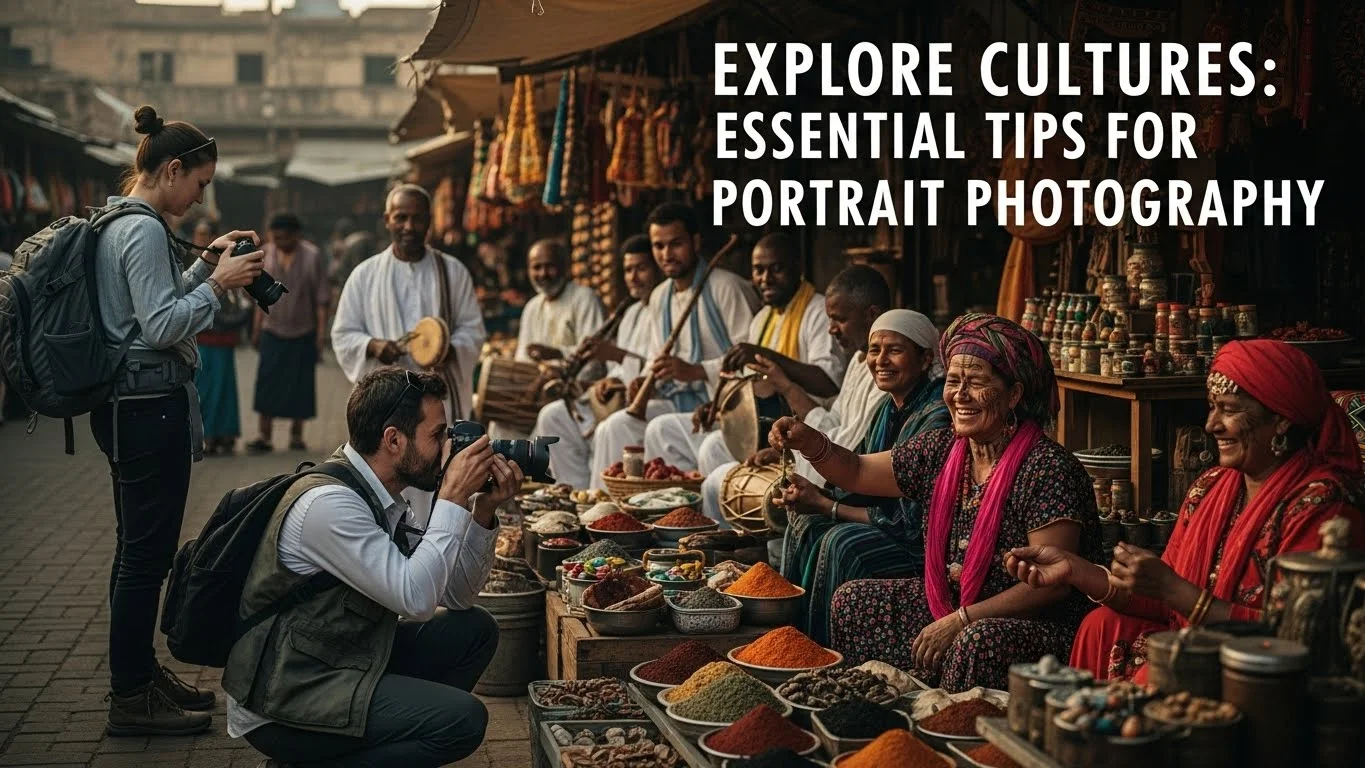
Each destination has its unique culture, and that’s where the magic happens for photographers. For me, the vibrant festivals in India, like Holi or Diwali, are a photographer’s dream. The colors, the emotions, and the rituals provide countless opportunities for stunning shots. Being part of these celebrations not only enriches my travel experience but allows me to capture the essence of the local culture in a way that feels genuine and immersive. Explore Cultures: Essential Tips for Portrait Photography

Additionally, I’ve found that smaller, lesser-known towns often have an authentic charm that larger cities can lack. For example, in Portugal, the town of Sintra offers fairy-tale like scenery with its palaces and gardens. I spent a day there, capturing the whimsical architecture and the serene landscapes, free from the crowds typically found in more popular destinations. Each culture tells its story through its people, traditions, and landscapes, and I love finding those stories through my lens.

Best Off-the-Beaten-Path Locations

Traveling off the beaten path can lead to some of the most memorable photographs. I recall my trip to the remote village of Gjirokastër in Albania, where time seemed to stand still. The cobblestone streets, old stone houses, and warm locals provided countless opportunities for capturing candid moments. The lack of tourists meant I could interact more genuinely with the residents, allowing me to document their daily lives and traditions.

Another hidden gem I stumbled upon was the coastal town of Vardzia in Georgia, known for its stunning cave monastery. The landscape was breathtaking, and I felt like I had entered a different world. I spent hours photographing the intricate carvings and the surrounding mountains, reveling in the solitude. These off-the-beaten-path locations often yield unexpected results, and I recommend keeping an open mind and a flexible itinerary to discover the hidden treasures.

Timing Your Shots: When to Capture Cultural Moments

Golden Hour and Blue Hour Photography

Timing can make all the difference in photography. I’ve learned that the golden hour, just after sunrise or before sunset, provides the best light for capturing rich colors and soft shadows. I remember standing on a hill in Santorini, Greece, waiting for the sun to dip below the horizon. As it did, the sky transformed into a canvas of oranges, pinks, and purples, illuminating the whitewashed buildings and creating a magical scene. It was a reminder that patience pays off in photography.

The blue hour, the time just before dawn or after sunset, also offers a unique atmosphere. I’ve captured stunning cityscapes during this time when the sky is a deep blue and the city lights begin to twinkle. It creates a serene mood that’s perfect for cultural photography. Planning your shoots around these times can elevate your images and help you create a beautiful visual narrative.

Seasonal Events and Festivals to Photograph

Attending local festivals is one of my favorite ways to immerse myself in a culture while capturing incredible photographs. I’ve attended various festivals around the world, from the Lantern Festival in Taiwan to the Day of the Dead in Mexico. Each one provides a unique opportunity to see cultural practices in action and capture moments that tell a story.

For instance, during the Cherry Blossom Festival in Japan, I found myself surrounded by stunning blooms and celebrations, which translated into a plethora of vibrant photographs. The energy of these events, combined with the beautiful scenery, creates a perfect storm for capturing breathtaking cultural moments. I recommend researching local festivals in advance and planning your travels around these events to enrich your photography experience.

Techniques for Stunning Cultural Photography

Composition Tips for Engaging Images

Composition is an essential aspect of photography that I’ve come to appreciate more with each trip. One technique I often use is the rule of thirds. By dividing my frame into a 3×3 grid and positioning key elements along those lines or at their intersections, I find my photos come alive. I remember capturing a vibrant market scene in Marrakech; I placed the bustling vendors slightly off-center, which drew the viewer’s eye across the image, creating a sense of movement and energy.

Another tip is to frame your shots using natural elements around you. I often look for doorways, arches, or branches to create a frame within my image. This technique adds depth and context to the photograph, allowing the viewer to feel more immersed in the scene. During my time in Italy, I captured a beautiful view of the Leaning Tower of Pisa through the arches of a nearby building, providing a unique perspective that added interest to a typically photographed landmark.

Using Natural Light to Your Advantage

Natural light is a photographer’s best friend, especially when you’re on a budget and can’t afford extra lighting gear. I’ve learned to embrace the golden hour, as mentioned earlier, but I also pay attention to how different times of day affect the quality of light. For example, midday sun can be harsh, creating strong shadows and overly bright highlights. I try to seek shade or shoot during overcast days when the light is diffused, which softens the images. I remember wandering through the streets of Barcelona on a cloudy day; the soft light brought out the intricate details in the architecture without the harsh contrasts.

When I’m capturing people, I often look for open shade, like the shadows of trees or awnings, as it creates a more flattering light for portraits. I’ve found that shooting in this way allows me to highlight the emotions and expressions of my subjects without the distraction of unflattering shadows. It’s all about being mindful of the light and how it shapes the story I want to tell.

Capturing Authentic Moments: Candid Photography

Candid photography is where my heart truly lies. There’s something magical about capturing genuine moments that reflect the culture and emotions of a place. I’ve discovered that the best way to achieve this is to be present and patient. I often find myself blending into the background, simply observing the interactions around me. One of my favorite candid shots was taken during a family gathering in a small village in Thailand. I sat quietly, watching as children played and adults shared stories, and without realizing it, I was able to snap a photo of a child laughing, which perfectly encapsulated the joy of that moment.

To get those authentic shots, I’ve also learned to engage with my surroundings. I make it a point to interact with locals, which often brings unexpected opportunities. For instance, while in Peru, I struck up a conversation with a group of women weaving traditional textiles. As they shared stories about their craft, I captured their expressions and the intricate details of their work. This approach not only enriches my photography but also fosters connections that can enhance the storytelling aspect of my images.

Another technique I find helpful is to have my camera ready at all times. I’ve missed many great moments simply because I wasn’t quick enough to grab my camera. I’ve made it a habit to keep my camera accessible, whether it’s slung over my shoulder or easily reachable in my bag. This way, I can be spontaneous and ready to capture those fleeting moments that often become the heart of my travel stories.

Interacting with Locals: Ethical Photography Practices

Building Rapport for Better Shots

Building rapport with locals is vital for capturing authentic cultural moments. I’ve always believed that photography is not just about taking pictures but also about telling stories. When I approach someone for a photograph, I try to establish a connection first. A simple smile or a few words in the local language can go a long way in bridging gaps and showing respect. For example, while traveling in India, I took the time to learn a few basic phrases that helped me connect with people. This openness often led to more natural interactions and, in turn, beautiful photographs.

I also find that asking for permission before taking someone’s photo is essential. I always approach individuals with genuine interest, explaining why I want to capture their image and how I hope to share their story. This practice not only shows respect but often results in a more relaxed subject, which translates to a better photograph. I remember asking a street vendor in Vietnam if I could take his photo while he prepared food. His smile and willingness to pose created a wonderfully warm shot that encapsulated the spirit of the market.

Respecting Cultural Norms and Traditions

Every culture has its own customs and traditions, and respecting them is crucial when photographing. I’ve learned the hard way that it’s essential to research local customs before embarking on a photography adventure. For instance, in some communities, taking photos of certain places or people may be frowned upon. I’ve encountered situations where I needed to be careful, such as during religious ceremonies or in sacred spaces. I always try to take a moment to observe and understand the context before clicking that shutter.

I also try to dress appropriately and behave respectfully while photographing locals. For example, when visiting temples in Thailand, I made sure to wear modest clothing and removed my shoes as a sign of respect. This respectful approach often opens doors for deeper interactions and enhances the chance of capturing meaningful moments. By honoring cultural norms, I not only enrich my photography but also create a positive experience for myself and the people I meet along the way.

Frequently Asked Questions

What is budget backpacking?

Budget backpacking is traveling on a shoestring while immersing yourself in local culture, often substituting hotel stays for hostels and fancy dinners for street food. It allows travelers to stretch their budgets and explore more destinations while embracing spontaneity.

How does budget backpacking benefit photographers?

Budget backpacking enables photographers to engage more deeply with their surroundings, fostering creativity without the pressure of spending. This style of travel encourages capturing candid moments and authentic stories, leading to stunning photographs.

What camera options are recommended for budget travelers?

For budget travelers, a compact DSLR or a mirrorless camera is ideal due to their balance of quality and portability. Alternatively, a smartphone with a good camera can also be a great option for social media sharing.

What type of lens is best for cultural photography?

A versatile zoom lens, such as a 24-70mm, is perfect for capturing a range of scenes. A prime lens with a wide aperture is beneficial for low light and creating bokeh effects, allowing for sharp and stunning photos.

What are some essential accessories for budget backpacking photography?

Essential accessories include a lightweight tripod for long exposure shots and filters like polarizing filters, which enhance colors and reduce glare in photographs. Compact, collapsible versions are recommended for easy packing.

Which countries are considered budget-friendly for backpacking and photography?

Southeast Asian countries like Vietnam and Thailand are popular for their rich cultural experiences and affordability. Eastern Europe, particularly Hungary and Poland, and South American countries like Bolivia and Peru also provide great opportunities for budget backpacking and photography.

What cultural events or festivals are good for capturing photographs?

Local festivals, such as Holi in India, the Lantern Festival in Taiwan, or the Cherry Blossom Festival in Japan, provide unique opportunities for cultural immersion and stunning photography. Planning travels around these events is recommended for enriching photography experiences.

What composition techniques can enhance photography?

Using the rule of thirds, framing shots with natural elements, and being mindful of light conditions can enhance composition. Placing key elements off-center and using frames like doorways or arches can add depth and interest to images.

How can photographers build rapport with locals for better shots?

Building rapport involves establishing a connection with locals, often through a smile or basic phrases in the local language. Asking for permission before taking photos and explaining the intent behind capturing their image can result in more relaxed and natural photographs.

Why is it important to respect cultural norms and traditions when photographing?

Respecting cultural norms is crucial to avoid offending locals and to enhance interactions. Understanding local customs and dressing appropriately, especially in sacred or traditional spaces, helps create a positive experience for both the photographer and the subjects.

Capture Cultures: A Guide to Budget Documentary Photography

Documentary photography is a powerful way to capture cultures on a budget. By focusing on the stories behind the images, we can create meaningful connections and share diverse experiences without breaking the bank. Read Interesting article: Essential Tips for Budget Underwater Adventure Photography

Capture Cultures: A Guide to Budget Documentary Photography

Understanding Documentary Photography

Definition and Purpose of Documentary Photography

Documentary photography, in my view, is more than just taking pictures; it’s about telling stories through visuals. It serves as a powerful tool to document reality and evoke emotions. I’ve always believed that a photograph can capture a moment in time, allowing us to reflect on the world as it is. Whether it’s the daily life of a community or a specific cultural event, documentary photography strives to present the subject authentically. It’s about being a storyteller, a silent observer, and a passionate advocate for the subjects we choose to photograph.

The Importance of Cultural Representation

When I first ventured into documentary photography, I quickly realized the vital role of cultural representation. Every culture has its unique stories, traditions, and struggles. I remember attending a local festival where I witnessed vibrant displays of dance and music. It struck me then how important it was to represent these experiences visually. By capturing the essence of diverse cultures, we not only preserve their stories but also educate others. I believe that sharing these narratives can foster understanding, appreciation, and empathy among different communities.

Key Elements of Documentary Photography

As I dove deeper into this art form, I learned that there are several key elements that contribute to effective documentary photography. First and foremost is authenticity. I’ve found that the most compelling images often come from genuine moments rather than staged scenarios. Secondly, context plays a crucial role. Understanding the background of the subject can drastically improve how I convey the story through my images. Composition, light, and emotional impact also significantly influence how the audience perceives the narrative. Over time, I’ve discovered that blending these elements can create a powerful visual story.

Getting Started with Budget Documentary Photography

Essential Gear for Budget Photographers

Embarking on a documentary photography journey doesn’t require top-of-the-line equipment. When I started out, I quickly learned that budget-friendly options can still yield amazing results. It’s about making the most of what you have while being resourceful. Read Interesting article: Edit Urban Photography Like a Pro: Step-by-Step Guide

Camera Options for Every Budget

For anyone starting out, I recommend looking into entry-level DSLR cameras or even mirrorless options. They are often available at reasonable prices and can produce great quality images. I used a basic DSLR for my first few projects, and it was more than sufficient. If you’re looking for something even more budget-friendly, consider using your smartphone. I’ve captured some of my favorite moments with just my phone; it’s all about the perspective and creativity you bring to the table.

Lenses and Accessories

Lenses can significantly affect the quality of your images, but you don’t have to buy the most expensive ones. A versatile zoom lens can cover a wide range of situations, which is what I relied on during my initial projects. Additionally, accessories like tripods and external flashes can enhance your photography without costing a fortune. I found that a simple tripod helped stabilize my shots, especially in low-light situations. Sometimes, it’s the little things that can make a big difference.

Choosing the Right Subject Matter

Choosing the subjects for my documentary projects has always been an exciting yet challenging process. I’ve learned that connecting with the right communities and stories can make or break a project.

Identifying Cultural Subjects

When I began, I took time to explore various cultures within my local area. I discovered that cultural subjects could include festivals, everyday life, and unique traditions. I remember attending a community gathering that celebrated heritage through food and dance. These events are rich in stories and make excellent subjects for documentary photography. It’s essential to keep an open mind and be curious about the world around us. Sometimes, the most compelling subjects are right at our doorstep.

Community Engagement and Ethics

Engaging with the community I was documenting was a lesson I learned the hard way. Initially, I approached subjects with a camera, but I quickly realized the importance of building relationships first. I started to engage with people, ask questions, and genuinely listen to their stories. This not only helped me capture authentic moments but also made the subjects feel valued and respected. Ethical considerations are paramount in documentary photography. Always seek permission and be transparent about your intentions. Respecting the people I photographed transformed my work and made the stories richer.

Planning Your Documentary Photography Project

Researching Cultures and Communities

When I start a documentary photography project, I realize the importance of thorough research. Before I even pick up my camera, I dive deep into understanding the culture or community I want to document. I often find myself reading articles, watching documentaries, and even reaching out to local historians or community members. This background knowledge helps frame the narrative I want to capture. I remember when I was preparing for a project focused on a local indigenous community; the more I learned about their history, values, and current issues, the more I felt equipped to tell their story authentically.

Setting a Budget for Your Project

Creating a budget for my documentary projects has been a game-changer. It allows me to plan effectively without overspending. I often break down my budget into specific categories to see where my money is going. I’ve learned that having a clear financial plan not only eases my anxiety but also allows me to focus more on the creative aspects of my project.

Travel Costs

Traveling to different communities or cultural events can be one of the more significant expenses when working on a documentary. I’ve often opted for public transportation or carpooling to keep costs low. If there’s a community event I want to document, I try to plan my visits during local festivals, where I know there will be a lot of activities and opportunities to capture meaningful moments. I also look into local accommodations that offer fair rates, sometimes even considering staying with locals to immerse myself in the culture.

Equipment and Supplies

As I mentioned before, you don’t need fancy equipment to create compelling documentary images. I always make a checklist of the gear I’ll need for my project. This typically includes my camera, a couple of lenses, extra batteries, and memory cards. I also consider bringing along basic supplies like a notebook for jotting down notes and thoughts during my shoots. I’ve found that sometimes the best insights come from spontaneous moments, and having a notebook handy helps me capture those ideas before they slip away. Planning these supplies means I can focus on what I love: documenting stories.

Building a Shooting Schedule

Creating a shooting schedule is another crucial step in preparing for my documentary projects. I’ve learned that having a plan helps me stay organized and ensures I don’t miss out on vital moments. I usually outline the days I’ll be shooting, including specific events or locations I want to cover. This is especially important when documenting festivals or cultural celebrations, as they often have set timings and schedules. My first experience with a shooting schedule was during a local arts festival. By mapping out the events, I was able to capture the vibrant energy throughout the day without feeling rushed.

Techniques for Effective Documentary Photography

Composition Tips for Capturing Culture

Composition is one of those aspects of photography that takes practice. I often remind myself of the rule of thirds, where I divide my frame into a grid and position my subjects along these lines or at their intersections. This approach has helped me create more dynamic images. I also love experimenting with different angles; sometimes, a shot from a low angle can give a fresh perspective on a familiar scene. I remember capturing a street performance from the ground up, which added a unique drama to the image that I hadn’t anticipated.

Lighting Techniques on a Budget

Lighting can make or break a photograph, and I’ve learned to work with natural light as much as possible to save on costs. I try to shoot during the golden hour, just after sunrise or before sunset, when the light is soft and warm. This has transformed my images, giving them an inviting glow that enhances the stories I’m trying to tell. When I find myself in situations where natural light is scarce, I often adapt by using available light sources like street lamps or windows. I’ve even used reflectors made from simple materials to bounce light back onto my subjects, which can dramatically brighten a scene without spending a dime.

Storytelling through Photography

At the heart of documentary photography is the art of storytelling. I’ve discovered that each photograph should tell a story, whether it’s about a single moment or a broader narrative. It’s about capturing emotions, context, and the essence of the subject. I often think about what I want my audience to feel when they look at my work. This drives the choices I make when framing a shot or selecting which moments to capture. Read Interesting article: Urban Street Photography: Techniques for Capturing Life

Creating a Narrative Arc

Creating a narrative arc within my documentary work has become an essential practice. I often think of my series as chapters in a book. I try to start with an engaging opening image that draws viewers in, followed by a series of images that build the story’s context before culminating in a powerful concluding shot that leaves a lasting impression. This approach has allowed me to create a cohesive body of work that resonates with viewers. For instance, during a community project, I captured images of preparation, the main event, and then the aftermath, which allowed me to convey the full experience.

Capturing Authentic Moments

Authenticity is key in my documentary work. I aim to capture genuine interactions and emotions rather than staged setups. I often find that the best moments occur when people are unaware of the camera. I remember a time when I was photographing a family gathering; the best shots came when I stepped back and let the interactions unfold naturally. This has taught me to be patient and to blend into the environment, allowing me to witness the stories as they happen.

Post-Production and Editing on a Budget

Affordable Editing Software Options

Once I’ve captured my images, the next step in the documentary photography process is editing. I used to think that high-quality editing software was a necessity, but I quickly discovered that there are several budget-friendly options that can produce stunning results. Programs like GIMP or Darktable offer great features without the hefty price tag. I’ve even found that some online tools, like Canva or Pixlr, can help with basic edits and are incredibly user-friendly. For me, the key is to choose software that I feel comfortable with while still allowing me to enhance my work effectively.

Basic Editing Techniques for Documentaries

During my editing process, I focus on a few essential techniques that have helped me elevate my documentary photography. First, I always adjust the exposure and contrast to ensure that my images reflect the mood I want to convey. I remember one time when an image I shot during a festival was too dark, but with a little tweaking, I was able to bring out the vibrant colors that truly represented the event’s energy.

Another critical aspect is cropping. I often find that a simple crop can significantly enhance the composition and draw attention to the subject. I make it a point to avoid over-editing; I want my images to maintain their authenticity. I believe that the essence of documentary photography lies in its honesty, so subtle adjustments are usually all I need.

Preparing Your Photos for Publication

After I’ve edited my images, preparing them for publication is the next exciting step. I always ensure that my photos are saved in the correct format, typically JPEG for online sharing or TIFF for printing, depending on the purpose. I’ve learned the hard way that file sizes matter, especially when posting online; no one wants to wait for a huge photo to load! I also pay attention to resolution, ensuring my images are sharp and clear, which helps them stand out.

One of my favorite practices is creating a cohesive set of images. When I’m preparing for an exhibition or a blog post, I often group my photos in a way that tells a complete story. This could mean arranging them chronologically or thematically, depending on the narrative I want to convey. I find that this approach not only engages the viewer but also enhances the overall impact of the documentary.

Sharing Your Documentary Work

Building an Online Portfolio

Creating an online portfolio has been one of the most rewarding steps in sharing my work. I started by using platforms like WordPress or Wix, which offer user-friendly templates that make it easy to showcase my photography. I remember spending hours customizing my site to reflect my style and the essence of my projects. It’s essential to organize my work in a way that highlights my best images and provides context for each series.

I also make sure to include descriptions of each project, sharing the stories behind the images. This not only helps viewers connect with the work but also gives me a chance to share my journey and experiences. I’ve found that storytelling doesn’t stop with the camera; it continues through the way I present my work online.

Utilizing Social Media for Exposure

Social media has been a game-changer for me in terms of exposure. I love using platforms like Instagram and Facebook to share my images and connect with a broader audience. I remember the first time I posted a photo from a local cultural event, and it received an unexpected amount of engagement. It made me realize the power of sharing my work online and how it can resonate with people from various backgrounds.

Consistency is key, so I try to post regularly, showcasing different aspects of my projects. I also engage with my followers by asking questions or encouraging them to share their thoughts on the images. This interaction has helped me build a supportive community of fellow photographers and art lovers who appreciate documentary photography.

Platforms for Photographers

In addition to social media, there are platforms specifically designed for photographers, like 500px or Flickr, where I can share my work and receive constructive feedback. I find that these communities are incredibly supportive and often provide valuable insights. Participating in online forums or groups related to documentary photography has also connected me with like-minded individuals, and I’ve learned so much from their experiences.

Engaging with Your Audience

Engaging with my audience is something I prioritize. I love hearing feedback about my work and what resonates with people. I often encourage conversations about the stories behind the images. By sharing my thought process and reasoning for capturing certain moments, I invite viewers to engage on a deeper level. This connection fosters a sense of community and allows others to feel part of the story I’m telling.

Submitting to Photography Competitions and Exhibitions

Participating in photography competitions and exhibitions has opened up many doors for me. I remember my first time submitting my work to a local exhibition; the excitement was palpable. Even if I didn’t win any awards, just having my work displayed was an incredible experience. It allowed me to share my passion with a wider audience and gain valuable exposure.

I often look for competitions that focus on documentary photography, as they align closely with my interests. I’ve learned to read the submission guidelines carefully, ensuring my images fit the theme and requirements. Whether it’s a local gallery or an international competition, each opportunity is a chance to grow and connect with others in the field.

Frequently Asked Questions

What is documentary photography?

Documentary photography is a form of photography that focuses on telling stories through visuals, serving as a powerful tool to document reality and evoke emotions. It strives to present subjects authentically, capturing moments that reflect the world as it is.

Why is cultural representation important in documentary photography?

Cultural representation is vital in documentary photography as it preserves unique stories, traditions, and struggles of different cultures. By capturing these experiences visually, we can educate others and foster understanding, appreciation, and empathy among communities.

What are the key elements of effective documentary photography?

The key elements include authenticity, context, composition, light, and emotional impact. Authentic moments are often more compelling than staged scenarios, and understanding the subject’s background enhances the story conveyed through images.

What type of camera is recommended for budget documentary photographers?

Entry-level DSLR cameras or mirrorless options are recommended for budget photographers. Additionally, smartphones can also be used effectively, as creativity and perspective are more important than the equipment itself.

How can one choose the right subject matter for a documentary project?

Choosing the right subject matter involves connecting with communities and exploring various cultural aspects. Attending local events such as festivals and gatherings can provide rich stories that make compelling subjects for documentary photography.

What is the significance of community engagement in documentary photography?

Community engagement is crucial in documentary photography as it helps build relationships with subjects. Engaging, asking questions, and listening to their stories allows for capturing authentic moments and respecting the people being photographed.

How should a photographer budget for their documentary projects?

Creating a budget involves breaking down expenses into specific categories, including travel costs and equipment. This financial plan helps manage resources effectively, allowing the photographer to focus more on the creative aspects of the project.

What are some techniques for effective documentary photography composition?

Effective composition techniques include using the rule of thirds, experimenting with different angles, and capturing dynamic images. These approaches can enhance the visual storytelling aspect of documentary photography.

What affordable editing software options are available for photographers?

Budget-friendly editing software options include GIMP, Darktable, Canva, and Pixlr. These programs offer great features for editing photos without the high costs associated with premium software.

How can photographers share their documentary work online?

Photographers can build an online portfolio using platforms like WordPress or Wix, utilize social media for exposure, and participate in photography competitions and exhibitions to share their work and engage with a wider audience.

Explore Cultures: Essential Tips for Portrait Photography

Portrait photography can be a powerful way to explore and celebrate diverse cultures. Understanding the nuances of different backgrounds enhances not just your photography but also your connection to the subjects you capture. For more insights, check out Cultural Portraits: Tips for Stunning Travel Photography.

Explore Cultures: Essential Tips for Portrait Photography

Understanding Portrait Photography in Different Cultures

Definition of Portrait Photography

When I think of portrait photography, I often picture the ability to capture the essence of a person in a single image. It’s not just about taking a photo; it’s about telling a story through expressions, settings, and the overall atmosphere. Portrait photography involves framing a subject, usually a person or a group, in a way that reveals their personality or emotional state. I’ve found that the best portraits often resonate on a deeper level, inviting viewers to engage with the subject’s story, background, and even their culture.

Importance of Cultural Context in Portraits

Diving into portrait photography across different cultures has enriched my experience as a photographer. Each culture has its unique way of expressing identity, and understanding cultural context is crucial. When I traveled to India, for instance, I noticed that the vibrant colors and intricate patterns in traditional clothing told stories of heritage and tradition. It made me realize that culture shapes not only how people present themselves but also how they wish to be portrayed. A good portrait photographer should aim to capture this essence, ensuring that cultural significance is reflected in their work.

For example, in some cultures, direct eye contact in photographs is considered disrespectful, while in others, it signifies confidence and strength. I’ve learned to research and respect these cultural nuances to create portraits that honor the subjects’ backgrounds. This understanding deepens our connection to the subject, as they often feel seen and appreciated when their cultural context is recognized and respected in the portrait.

Essential Tips for Portrait Photography

Choosing the Right Location

Choosing the right location for portrait photography can make all the difference in conveying cultural significance. I remember a time when I photographed a family in a small village in Mexico. Instead of opting for a plain studio backdrop, we decided to shoot in their home, surrounded by traditional decorations and everyday life. The environment spoke volumes about their culture and added layers to the portraits. It’s important to think about how the location complements the subject’s identity and story. Ask yourself: What does this setting say about them? Is it meaningful in their cultural context?

Moreover, I’ve discovered that some locations can be more than just aesthetic choices. They can represent cultural heritage, history, or even family ties. When photographing someone who values their connection to nature, for instance, I might seek out a setting that resonates with their cultural beliefs, such as a local park or a sacred site. This approach transforms the portrait into a narrative, allowing the viewer to feel the emotions and stories tied to that place. Read Interesting article: Essential Tips for Budget Wildlife Portrait Photography

Understanding Natural Light and Its Impact

Natural light is one of the most powerful tools in a photographer’s arsenal, and I’ve learned that it can dramatically affect the mood and tone of a portrait. In my experience, shooting during golden hour—the hour after sunrise or before sunset—creates a soft, warm glow that enhances skin tones and adds depth to the photograph. It’s a magical time where the light feels more forgiving, and your subject radiates warmth.

Understanding how light interacts with different skin tones and cultural attire is also essential. For example, darker fabrics may absorb light differently than lighter ones, influencing how the final image appears. I’ve experimented with shadows and highlights to emphasize various features or cultural elements, creating a more dynamic and engaging portrait. Always be mindful of how natural light can enhance or detract from your subject’s story. I’ve found that taking the time to study the light can elevate your portraits significantly.

Utilizing Cultural Elements in Composition

Incorporating cultural elements into the composition can transform a simple portrait into a powerful narrative. For instance, I once captured a portrait of a woman wearing a stunning traditional dress adorned with intricate beadwork. Instead of framing her against a neutral backdrop, I decided to include elements of her culture in the shot—like incorporating some local textiles in the foreground. This not only highlighted her attire but also contextualized her heritage, creating a more compelling story.

Additionally, I often think about how cultural symbols can be integrated into the composition. Whether it’s a specific gesture, an object, or even the way a person stands, these elements can add layers of meaning to your images. When photographing a dancer, for example, capturing the movement and the cultural significance of their dance style can lead to more impactful portraits. I’ve learned that paying attention to these cultural cues can guide the viewer’s understanding and appreciation of the subject’s identity.

Ultimately, my approach to portrait photography has evolved significantly through my exploration of various cultures. Each experience has taught me the importance of understanding and respecting the cultural context, which not only enriches my portfolio but also fosters a deeper connection with my subjects. By choosing the right locations, understanding natural light, and utilizing cultural elements, I’ve been able to create portraits that tell authentic stories. These lessons have shaped my perspective and approach, and I hope they can inspire you in your portrait photography journey as well. Read Interesting article: Mastering the Art of Cultural Portrait Photography Abroad

Exploring Cultural Diversity Through Portraits

Traditional Clothing and Attire

One of the most striking aspects of portrait photography is the way traditional clothing can tell a story about a person’s culture. I remember a time when I was fortunate enough to photograph a group of Indigenous people in Canada. Their clothing was not just beautiful; each piece was deeply symbolic, representing their heritage and identity. The vibrant colors and unique designs were a visual language that spoke volumes about their customs and history.

When I photograph someone in traditional attire, I make it a point to learn about the significance of what they are wearing. For example, during a festival in Ghana, I was amazed by the Kente cloth worn by the locals. Each pattern and color had specific meanings, often tied to historical events or proverbs. It inspired me to incorporate the fabric into my compositions, allowing the clothing to enhance the narrative of the portraits. I believe that by showcasing traditional attire, we not only celebrate diversity but also educate ourselves and our viewers about the rich stories behind these garments.

Facial Expressions and Gestures

Facial expressions and gestures can vary significantly across cultures, and I’ve learned to pay close attention to these nuances when capturing portraits. During my travels in Japan, I noticed that subtlety often played a crucial role in expressions. A slight smile could convey warmth and friendliness, whereas a more expressive face might be seen as overly dramatic in certain contexts. Understanding these differences allows me to capture portraits that resonate authentically with the subjects’ cultural backgrounds.

I also love exploring how gestures can add depth to a portrait. For instance, I once photographed a young dancer in Brazil who used hand movements that were rich with cultural meaning. By capturing these gestures in her portrait, I was able to illustrate not just her talent but also her connection to her cultural roots. I’ve found that every culture has its own way of expressing emotions, and incorporating these elements into my photography helps to create a more engaging narrative.

Significant Cultural Symbols

Cultural symbols can be incredibly powerful in portrait photography. I’ve had the opportunity to incorporate various symbols into my work, whether it’s a specific object, a piece of jewelry, or even the setting itself. For example, while photographing a Native American elder, I learned about the symbolism of the feathers worn in his headdress. By placing these feathers prominently in the shot, I was able to highlight not only his heritage but also the respect he commanded within his community.

Incorporating significant cultural symbols into portraits can enrich the viewer’s understanding of the subject’s identity. During a shoot with a Muslim woman wearing a hijab, I made sure to include her prayer beads in the frame. This detail added depth to her portrait, illustrating her faith and the importance of spirituality in her life. I feel that these symbols can serve as visual anchors, making the portraits more relatable and meaningful to viewers who may not be familiar with the culture.

Technical Aspects of Portrait Photography

Camera Settings for Portraits

When it comes to camera settings for portraits, I’ve learned that getting the right settings can make all the difference. I often start with a wide aperture, like f/2.8 or even f/1.8, to create a soft background blur. This way, the focus remains on the subject while gently blurring out distractions. I remember experimenting with different settings during a family portrait session in a bustling market. By using a wide aperture, I managed to capture the family’s expressions while softly blurring the vibrant market scenes behind them.

Shutter speed is another crucial element. I prefer a faster shutter speed, especially when photographing children or people in motion, to freeze those fleeting moments that truly capture their spirit. I often set my ISO according to the lighting conditions; in natural light, I like to keep it as low as possible to maintain image quality. Learning and mastering these settings has been a game-changer for me, allowing me to capture portraits that are not only visually stunning but also full of life.

Lens Selection for Different Cultural Contexts

The lens I choose for a portrait can significantly affect the outcome of the image. I typically gravitate towards prime lenses, like the 50mm or 85mm, because they offer great sharpness and beautiful bokeh. I remember a session where I used an 85mm lens to photograph a bride in her traditional wedding attire. The compression provided by the lens made her appear more prominent, while the background melted away, drawing attention to her radiant smile and intricate details of her dress.

However, I also appreciate the versatility of zoom lenses, especially in environments where I need to quickly adapt to various settings. For example, while photographing a cultural festival, I used a 24-70mm lens to capture both close-up portraits and wider shots that included the surrounding festivities. Understanding how different lenses can enhance cultural portraiture has allowed me to tell richer stories through my images.

Post-Processing Tips for Enhancing Cultural Features

Post-processing is where I can truly bring out the essence of a portrait. I often focus on color correction to ensure that the hues of traditional clothing are accurately represented. For instance, during a shoot with a woman wearing a vibrant sari, I made sure to enhance the colors without oversaturation, so the fabric’s beauty remained authentic. I’ve found that subtle adjustments can make a significant impact, helping to preserve the true spirit of the culture being represented.

I also enjoy using tools like dodge and burn to enhance specific features, such as the textures of a subject’s skin or the intricate details of cultural jewelry. This technique allows me to create a more three-dimensional feel, drawing the viewer’s eye to the elements that tell the subject’s story. Being mindful of these details during post-processing has helped me to create portraits that resonate deeply with both the subject and the audience.

Engaging with Subjects: Building Trust Across Cultures

Communication Tips for Different Cultures

One of the most important aspects of portrait photography is how I engage with my subjects. I’ve discovered that effective communication goes far beyond just words; it’s about understanding and respecting cultural nuances. For example, during a shoot in a rural village in Peru, I realized that my approach had to be different from what I was used to in urban settings. Many of the villagers spoke Quechua, so I had to rely on a local translator to convey my intentions. This experience taught me the value of patience and active listening. I made sure to express my appreciation for their heritage and asked open-ended questions that allowed them to share their stories with me.

Body language also plays a significant role in communication. I’ve noticed that maintaining an open posture and using gentle gestures can help put subjects at ease, especially when there’s a language barrier. I’ve made it a habit to smile and nod, showing that I’m engaged and interested in what they have to say. When I genuinely listen, I find that my subjects feel more comfortable, which in turn leads to more authentic portraits.

Respecting Cultural Norms and Boundaries

Understanding the cultural norms of my subjects is crucial in building trust. I remember a time when I was photographing a group of Muslim women. I was aware that modesty is significant in their culture, so I made it a point to ask how they preferred to be photographed. Their responses guided the way I approached the shoot. I learned to respect their boundaries regarding clothing, poses, and the overall context of our session. By showing I valued their comfort, I was able to capture moments that felt genuine and true to them.

In some cultures, certain gestures or poses may be considered inappropriate or disrespectful. For instance, I was once in a setting where direct eye contact was discouraged, especially between men and women. Acknowledging these norms not only helps in creating a respectful atmosphere but also enhances the quality of the photographs. My subjects are more likely to open up and express themselves if they feel understood and respected.

Establishing Rapport with Subjects

Building rapport with my subjects is something I’ve come to cherish in my portrait sessions. I’ve found that sharing a little about myself can break the ice and create a warm atmosphere. During a shoot with a family from Ethiopia, I took the time to learn about their customs and shared some of my own experiences. This exchange not only made them feel valued but also encouraged them to be more expressive in front of the camera.

Humor can also be a great connector. I remember cracking a few light-hearted jokes while photographing a lively group of teenagers in Brazil. Laughter filled the air, and suddenly, the tension melted away. They became comfortable, playful, and willing to try different poses. I realized that establishing a connection is sometimes the key to unlocking the essence of my subjects, allowing me to capture their true spirit.

Another technique I’ve found helpful is to involve my subjects in the creative process. Asking for their input on poses or locations can empower them and create a sense of ownership over the portrait. This collaborative approach not only strengthens our bond but also results in images that authentically reflect their personality and cultural identity.

Showcasing Portraits: Sharing Your Work

Choosing the Right Platforms for Cultural Portraits

Once I’ve captured those meaningful portraits, the next step is sharing them with the world. I’ve learned that choosing the right platform can significantly impact how the images are received. Social media, for instance, offers a vast audience, but it’s essential to consider how the context of the platform aligns with the message I want to convey. For me, Instagram is perfect for visual storytelling, while platforms like Facebook allow for more in-depth discussions about the cultural narratives behind the portraits.

When I share portraits on my website, I like to create a dedicated section for cultural photography. This not only highlights my commitment to celebrating diversity but also allows me to provide context and background for each subject. I often include a short story or a quote from the person being photographed, which gives viewers a more profound understanding of the culture and identity being represented.

Writing Captions that Respect Cultural Contexts

Captions play a crucial role in enhancing the viewer’s experience. I’ve found that writing thoughtful captions that respect cultural contexts can foster greater appreciation and understanding. Instead of simply stating what’s happening in the photo, I aim to provide insights into the background, significance, and any cultural symbolism involved. For instance, when I posted a portrait of a young girl in a traditional African dress, I included information about the meaning behind the patterns and colors in her attire. This approach invites viewers to engage more deeply with the image.

Additionally, I make it a point to avoid any assumptions or stereotypes in my captions. I prefer to let my subjects’ voices shine through, whether it’s through their own words or insights I’ve gathered during our time together. This practice not only respects their individuality but also promotes a more accurate representation of their culture.

Legal and Ethical Considerations in Cultural Portrait Photography

As someone who values cultural representation, I’ve learned that understanding the legal and ethical implications of portrait photography is crucial. Obtaining consent is an absolute must. I always ensure that my subjects are aware of how their images will be used and give them the option to opt out if they feel uncomfortable. I’ve found that having a simple release form can clarify this process and reassure subjects that they have control over their likeness.

Moreover, I strive to credit any cultural elements or inspirations in my work. Respecting intellectual property and acknowledging the cultural richness behind the attire, symbols, or settings is essential. I believe that these practices not only honor the subjects but also contribute to a more inclusive and respectful photography community.

Frequently Asked Questions

What is portrait photography?

Portrait photography is the art of capturing the essence of a person or group in a single image, telling a story through expressions, settings, and atmosphere, while revealing their personality or emotional state.

Why is cultural context important in portrait photography?

Cultural context is crucial in portrait photography as it enhances the photographer’s connection to the subjects, ensuring that their identity and the significance of their culture are reflected in the portraits.

How does location impact portrait photography?

The right location can convey cultural significance and complement the subject’s identity. A meaningful setting adds layers to the portraits, transforming them into narratives that resonate with the viewer.

What role does natural light play in portrait photography?

Natural light dramatically affects the mood and tone of a portrait. Shooting during golden hour creates a warm glow that enhances skin tones, while understanding how light interacts with different fabrics can improve the final image.

How can cultural elements be incorporated into portrait composition?

Incorporating cultural elements into the composition can enrich the narrative of a portrait. This may include using traditional attire, gestures, or objects that highlight the subject’s cultural background and identity.

What camera settings are recommended for portrait photography?

It is often recommended to use a wide aperture (like f/2.8 or f/1.8) for a soft background blur and a faster shutter speed to capture fleeting moments, while adjusting ISO based on lighting conditions to maintain image quality.

How can post-processing enhance cultural features in portraits?

Post-processing can enhance a portrait’s essence by focusing on color correction to accurately represent traditional clothing and using techniques like dodge and burn to highlight features and cultural elements.

What are effective communication tips for engaging with subjects from different cultures?

Effective communication involves understanding and respecting cultural nuances, using active listening, maintaining an open posture, and expressing appreciation for the subjects’ heritage to create a comfortable atmosphere.

How can photographers respect cultural norms and boundaries during shoots?

Photographers can respect cultural norms by being aware of the subjects’ preferences regarding clothing, poses, and interactions, which fosters a respectful environment and enhances the authenticity of the portraits.

What legal and ethical considerations should photographers keep in mind?

Photographers should obtain consent from their subjects regarding the use of images, credit cultural elements appropriately, and ensure that subjects feel comfortable and have control over their likeness in the photographs.

Mastering the Art of Cultural Portrait Photography Abroad

Capturing the essence of diverse cultures through portrait photography can be an unforgettable adventure. Mastering this art form abroad not only enhances our skills but also deepens our understanding of humanity. To further explore this topic, you can check out Portraits in Context: A Guide to Cultural Travel Photography.

Mastering the Art of Cultural Portrait Photography Abroad

Understanding Cultural Portrait Photography

Definition and Importance

Cultural portrait photography goes beyond simply taking pictures of faces. It’s about storytelling—capturing the spirit, traditions, and emotions of people from different backgrounds. I remember my first experience with cultural portraits while traveling through Southeast Asia. Each photograph I took told a unique story, reflecting the subjects’ lives, beliefs, and customs. This type of photography is essential because it fosters empathy and connection. It allows us to see the world through someone else’s eyes, helping to bridge cultural gaps.

Elements of Cultural Portraits

When I think of cultural portrait photography, several key elements come to mind that help create a powerful image. First, the subject’s expression is crucial. It should reflect their personality, mood, and cultural context. For instance, I found that capturing a bright smile in a bustling market setting conveyed warmth and hospitality, while a more serious expression in a quiet village setting revealed deep contemplation.

Next, location plays a vital role. The background should tell a story, adding depth to the portrait. I’ve learned that including cultural artifacts, clothing, or even the surrounding environment can provide invaluable context. For example, a woman dressed in traditional garb against the backdrop of colorful street murals told a multidimensional story of cultural pride and modernity.

Lighting is another crucial element. I often prefer natural light for cultural portraits, as it creates a soft, authentic look. The golden hour, just after sunrise or before sunset, can cast a magical glow on your subjects. I’ve found that this kind of light enhances the colors of traditional clothing and the textures of the surroundings, making the portraits even more captivating. For more tips on capturing stunning images, check out Cultural Portraits: Tips for Stunning Travel Photography.

Choosing Your Destination

Top Countries for Cultural Portrait Photography

Choosing the right destination can significantly impact your cultural portrait photography experience. Some of my favorite countries for capturing vibrant cultural portraits include India, Morocco, and Peru. In India, the diversity of languages, customs, and festivals provides endless opportunities. I remember wandering through the colorful streets of Jaipur, where every corner held a new story waiting to be captured.

Morocco offers a rich tapestry of culture from bustling markets in Marrakech to the serene landscapes of the Sahara. I found that the contrasting landscapes and intriguing people made it an incredible place for portrait photography. Peru, with its stunning scenery and rich Incan heritage, allows for capturing both people and their breathtaking surroundings. I recall my time in Cusco, where the locals’ vibrant clothing against the backdrop of ancient ruins created striking images.

Local Customs and Traditions

Understanding local customs and traditions is essential for effective cultural portrait photography. Before embarking on my travels, I always spent time researching the local culture. It not only helped me to approach subjects respectfully, but it also enriched my portraits with deeper meaning. For instance, I learned that certain gestures or poses could be culturally significant, and I wanted to ensure my images honored those traditions.

During my visit to a small village in Thailand, I had the privilege of joining a local festival. Participating in the celebrations allowed me to build rapport with the villagers, resulting in more authentic portraits. I was welcomed into their lives, which made for stunning images that truly represented their culture.

Best Seasons for Photography

Timing is everything in photography, and it’s no different for cultural portraits. Different seasons can dramatically change the atmosphere and visuals of a location. I’ve discovered that the best times for cultural portraits often align with local festivals, when communities come alive with color and energy. For instance, I visited Mexico during Día de los Muertos, and the vibrant costumes and decorations created a uniquely picturesque backdrop for my portraits.

Conversely, off-peak seasons can offer quieter and more intimate moments with subjects. I once traveled to Japan in the spring, during cherry blossom season. The ethereal beauty of the blossoms paired with traditional kimonos created stunning, serene portraits that I still cherish. I learned that every season has its charm, and being mindful of when to visit can enhance your photography experience.

Preparing for Your Cultural Portrait Photography Trip

Researching Local Cultures

Before I embark on any cultural portrait photography trip, I spend a good amount of time researching the local cultures. This isn’t just about reading travel guides; it’s about immersing myself in the history, traditions, and daily lives of the people I’ll be photographing. I remember when I was preparing for a trip to Ethiopia, I delved into the country’s diverse ethnic groups, customs, and even language. This preparation allowed me to connect more deeply with my subjects and understand the significance behind their expressions and attire.

I found that local festivals, religious practices, and even folklore can provide incredible context for my portraits. For example, learning about the significance of the Gada system among the Oromo people enriched my understanding and appreciation for the people I photographed. I felt that this knowledge not only made my approach more respectful but also allowed me to capture portraits that were more meaningful. Sometimes, I even reach out to local photographers or cultural experts, as they can offer insights that transform my photography experience.

Permits and Permissions

When I first started traveling for photography, I didn’t fully grasp the importance of permits and permissions. However, I quickly learned that obtaining the right permissions is crucial for a smooth experience and for showing respect to the communities I photograph. In some countries, photographing certain groups or at specific locations may require special permits. For instance, while in Bhutan, I discovered that I needed a permit to photograph the vibrant festivals, which are deeply rooted in the country’s culture.

I always try to approach potential subjects with a friendly demeanor and express my intentions clearly. I’ve found that asking for permission not only helps me establish trust, but it can also lead to more intimate and genuine portraits. One memorable experience was in a small town in Indonesia, where the locals were initially hesitant. After I introduced myself and explained my project, they welcomed me warmly, and I was able to capture stunning portraits filled with emotion and authenticity.

Gear and Equipment Essentials

Choosing the right gear is vital for cultural portrait photography. I’ve learned that less is often more. I usually opt for my DSLR camera with a versatile lens, like a 35mm or 50mm, which allows me to shoot both portraits and wider scenes without switching gear constantly. I also carry a lightweight tripod for low-light situations, especially during festivals or indoor ceremonies where lighting can be challenging.

Another essential is a sturdy but compact camera bag. I once traveled through a bustling market in India, and having a bag that wasn’t too bulky made it much easier to navigate through crowds while keeping my gear safe. Don’t forget extra batteries and memory cards, as you never know when you might encounter that perfect moment. I’ve certainly been caught off guard without enough storage or battery life on several occasions, and it’s something I now always plan for.

Moreover, I’ve started bringing along a portable reflector. It’s surprisingly helpful in bright sunlight, allowing me to bounce light onto my subjects’ faces, softening harsh shadows. I also bring a small notebook to jot down notes about my experiences or thoughts regarding each portrait. This has helped me remember details about the people I’ve photographed, which I later incorporate into my storytelling when sharing the images.

Techniques for Capturing Cultural Portraits

Using Natural Light Effectively

Natural light has become my best friend in cultural portrait photography. I prefer to shoot during the golden hour, which adds a warm and inviting glow to my images. I learned early on that understanding the direction of light can dramatically change the mood of a portrait. For instance, backlighting can create a beautiful halo effect around my subjects, while side lighting can enhance textures and details in their clothing.

However, I’ve also faced challenges with harsh midday sun. I remember one day in a Moroccan market when the sunlight was so intense that my subjects’ features were harshly illuminated. To tackle this, I sought out shaded areas or used the buildings as natural reflectors. This experience taught me to be adaptable and creative with my approach to lighting, ensuring that I always flatter my subjects while staying true to the environment.

Composition Tips for Cultural Context

Composition is key in cultural portrait photography. I always try to incorporate elements that provide context to the portrait. For example, when photographing a craftsman in their workshop, I make sure to include the tools of their trade and the work they’re creating. It’s a way to tell a more complete story. I’ve found that the rule of thirds can be a helpful guideline, but I also love breaking this rule when I think it enhances the narrative.

Additionally, I often experiment with angles. Sometimes, shooting from a lower perspective can give a sense of grandeur and importance to my subjects. I’ve discovered that this angle can also create a connection with viewers, drawing them into the story. On the other hand, capturing a subject from above can add a more intimate feeling, especially if they are engaged in a quiet moment. Each angle I try has the potential to transform a simple portrait into a captivating story.

Engaging with Subjects

Engaging with my subjects goes a long way in capturing authentic portraits. I’ve learned that taking the time to have a conversation can help ease any tension, making them feel comfortable in front of the camera. I often start by asking them about their lives or the significance of what they are wearing. I remember a woman I met in a village in Peru who wore a beautiful traditional outfit. As I chatted with her about its history and meaning, I felt her walls come down, and I was able to capture a radiant smile that truly reflected her spirit.

Building rapport not only helps in creating a relaxed atmosphere but also provides me with deeper insights into their stories. This connection can lead to portraits that resonate with viewers, as they encapsulate genuine emotions and experiences. I often find that the best shots come when subjects are lost in their thoughts or laughter, and this kind of magic only happens when there’s a personal connection.

Post-Processing Cultural Portraits

Editing Techniques for Authenticity

After capturing cultural portraits, the post-processing phase is where I truly bring my vision to life. I’ve learned that editing should enhance the story without overshadowing the authenticity of the moment. My go-to software is Adobe Lightroom, where I can make adjustments that preserve the essence of the original image. For instance, I often adjust the contrast and brightness to highlight the textures and colors inherent in traditional clothing.

One technique I frequently use is color grading. I find that adjusting the hues slightly can evoke the mood of a particular culture or setting. For example, while editing portraits from my travels in India, I often warm up the colors to reflect the vibrant, lively atmosphere of the festivals I attended. I believe this helps the viewer feel the energy of the moment I experienced. I also try to keep skin tones natural, ensuring that my edits don’t alter the true beauty of the subjects I photograph.

Another crucial aspect of editing is cropping. I’ve noticed that sometimes a simple crop can transform an image. It can help to remove distractions from the background, bringing the focus back to the subject and their story. However, I always make sure that my cropping choices align with the cultural context of the photograph. I want the viewer to feel the connection to the subject while also appreciating the details of their environment.

Maintaining Cultural Integrity in Edits

As I edit my cultural portraits, I constantly remind myself of the importance of maintaining cultural integrity. I believe that my role as a photographer goes beyond capturing images; it involves telling respectful and accurate stories. I’ve made it a point to avoid overly dramatic edits that might misrepresent my subjects or the culture they belong to.

For example, while editing portraits taken during a traditional ceremony in Bhutan, I refrained from adding heavy filters or effects that could distort the authenticity of the experience. Instead, I focused on enhancing the natural colors and textures that reflected the significance of the occasion. This approach not only honors the culture but also resonates deeply with viewers who appreciate the true essence of the moment.

I also think about the narratives I want to convey through my edits. Sometimes, I’ll choose to highlight specific cultural artifacts or symbols within the image, drawing the viewer’s attention to details that tell a richer story. I’ve learned that this kind of thoughtful editing can create a more profound connection between the portrait and the audience, encouraging them to engage with the culture represented in the photograph.

Sharing and Showcasing Your Work

Building an Online Portfolio

Once I’ve edited my cultural portraits, the next step is sharing my work with the world. I believe that having a well-curated online portfolio is essential for any photographer, especially those focusing on cultural portraits. I started by creating a website that showcases not only my best images but also the stories behind them. This personal touch allows visitors to understand the context and significance of each photograph.

I recommend organizing the portfolio by geographic regions or themes, which makes it easier for viewers to navigate. I’ve found that this approach helps to draw connections between different cultures and highlights the diversity of human experiences. It’s been rewarding to receive feedback from people who resonate with the stories told through my images, reinforcing the idea that photography is a powerful means of communication.

Moreover, I make sure to include a blog section where I share my experiences, insights, and challenges encountered during my travels. This not only helps to engage my audience but also provides an avenue for discussing cultural nuances and the ethical considerations of portrait photography. You can also explore more about this in Capturing Culture: Portraits That Tell a Story.

Using Social Media for Exposure

Social media has been a game changer for showcasing my work. Platforms like Instagram and Facebook allow me to reach a wider audience and connect with fellow photographers and culture enthusiasts. I’ve found that sharing behind-the-scenes stories and the journey of capturing a portrait can enrich the viewer’s experience. People love seeing the process, and it often generates meaningful conversations about culture and photography.

Using specific hashtags related to cultural photography has also helped me get discovered by a broader community. I often engage with other photographers by liking and commenting on their work, which has led to valuable connections and collaborations. I remember one instance where I connected with a photographer from Kenya, and we ended up collaborating on a project focused on traditional clothing and its significance, allowing us to explore cultural narratives together.

Additionally, I try to participate in photography competitions and exhibitions, both online and offline. These opportunities not only showcase my work but also push me to improve my craft. I’ve learned that sharing my work is just as important as capturing it, as it fosters community and dialogue around cultural portrait photography.

Frequently Asked Questions

What is cultural portrait photography?

Cultural portrait photography is about storytelling through images, capturing the spirit, traditions, and emotions of people from various backgrounds. It aims to foster empathy and connection by allowing viewers to see the world through someone else’s eyes.

What are the key elements of cultural portrait photography?

The key elements include the subject’s expression, the location, and lighting. The subject’s expression should reflect their personality and cultural context, the background should add depth to the story, and natural light is preferred for creating an authentic look.

Which countries are recommended for cultural portrait photography?

Some recommended countries include India, Morocco, and Peru. Each of these locations offers vibrant cultural experiences and unique opportunities for capturing meaningful portraits.

Why is understanding local customs important in cultural portrait photography?

Understanding local customs and traditions is essential for approaching subjects respectfully and enriching portraits with deeper meaning. It ensures that gestures or poses captured are culturally significant and honor the traditions of the community.

What are the best seasons for cultural portrait photography?

The best seasons often align with local festivals, which bring communities to life with color and energy. Off-peak seasons can also offer quieter moments for more intimate portraits.

What should I research before a cultural portrait photography trip?

Before a trip, it’s important to research the local cultures, including their history, traditions, and daily lives. This preparation helps in building rapport with subjects and capturing more meaningful portraits.

Why are permits and permissions necessary for cultural portrait photography?

Obtaining permits and permissions is crucial for respecting the communities being photographed and ensuring a smooth experience. Some locations or groups may require special permissions to photograph them.

What gear is essential for cultural portrait photography?

Essential gear includes a DSLR camera with a versatile lens, a lightweight tripod, extra batteries and memory cards, and a portable reflector. A sturdy camera bag is also important for navigating through crowds.

How can natural light be effectively used in cultural portrait photography?

Natural light, especially during the golden hour, can enhance the warmth and beauty of portraits. Understanding the direction of light and seeking shaded areas during harsh sunlight can also improve the quality of the images.

How should cultural portraits be edited to maintain authenticity?

Edit cultural portraits to enhance the story without overshadowing authenticity. Adjustments in color, contrast, and cropping should preserve the essence of the moment and maintain cultural integrity, avoiding overly dramatic edits.