Web Analytics

Recent Posts

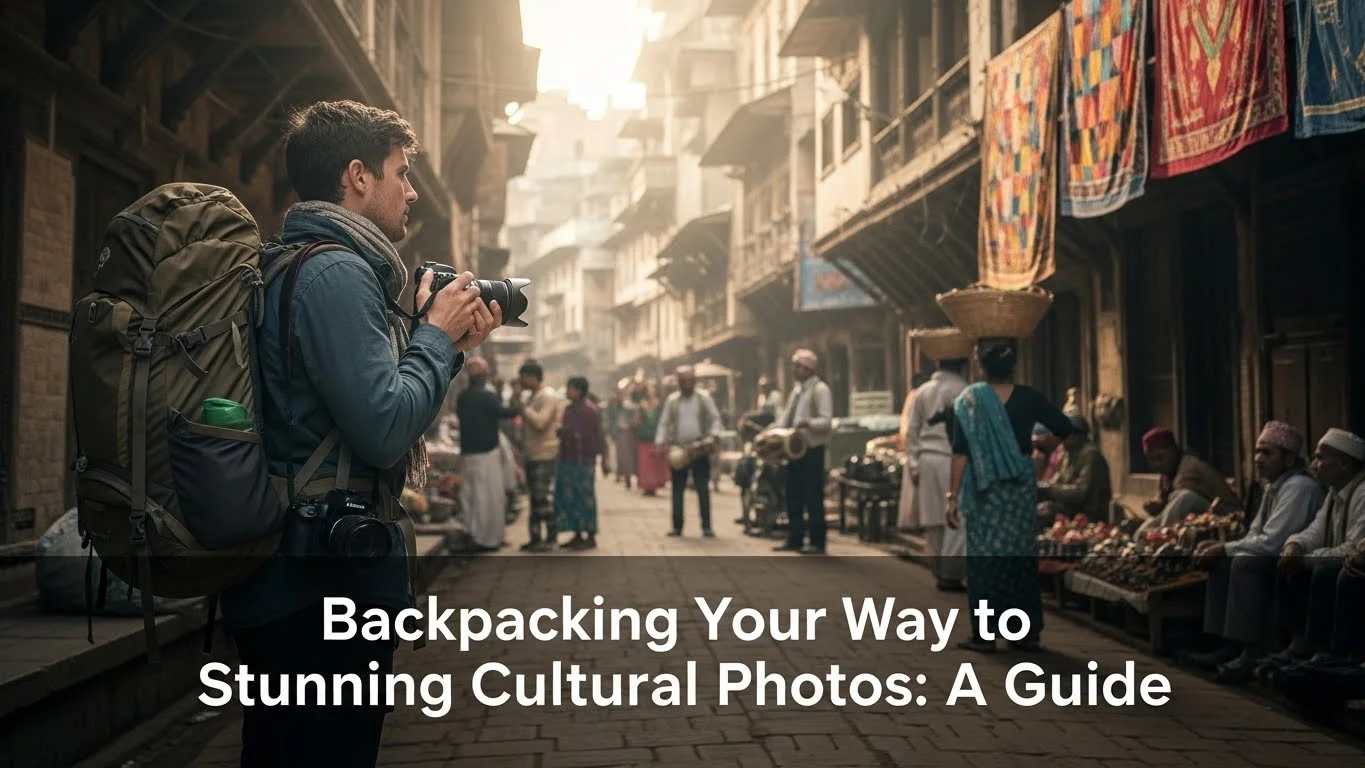
Backpacking Your Way to Stunning Cultural Photos: A Guide

Backpacking and photography go hand in hand, especially when it comes to capturing the vibrant cultures of the world. Join me on a journey where every step can lead to a stunning cultural photograph! Read Interesting article: Explore the World: Best Cultural Festivals for Photographers

Backpacking Your Way to Stunning Cultural Photos: A Guide

Understanding Cultural Photography

What is Cultural Photography?

Cultural photography is more than just snapping pictures; it’s about telling a story of people, their traditions, and their way of life. I remember the first time I picked up my camera during a trip abroad. I was fascinated by the vibrant colors of local attire, the expressions on people’s faces, and the rich textures of everyday life. Cultural photography aims to capture these moments authentically, reflecting the essence of a community. It’s about immersing yourself in the culture, understanding its nuances, and then translating that experience into visual art.

The Importance of Cultural Context in Photography

When I began my journey into cultural photography, I quickly realized how crucial context is. Each photo tells a part of the larger story, and without understanding what you’re capturing, those stories can get lost. For instance, I once photographed a local festival in a small town. The colors, the music, and the joy were palpable. But it wasn’t until I learned about the festival’s history and significance that I truly appreciated what I had captured. Context adds depth to your images and helps viewers connect with the culture on a more personal level. It’s about observing and understanding the traditions, the celebrations, and the everyday life that shapes a community.

Preparing for Your Backpacking Journey

Choosing Your Destinations

Choosing where to go can be both exciting and overwhelming. For me, the best destinations are those rich in history and culture. I often think back to my trip to Morocco, where every corner of the market was alive with color and sound. It’s important to research destinations that celebrate their heritage, whether it’s through festivals, food, or local traditions. Sites like UNESCO’s World Heritage list can be a great starting point, but personal recommendations from fellow travelers often lead to hidden gems. Consider what aspects of culture speak to you the most—art, music, food, or history—and let that guide your choices. Additionally, I recommend reading about cultural experiences in resources like Portraits in Context: A Guide to Cultural Travel Photography to enhance your understanding.

Essential Gear for Backpacking and Photography

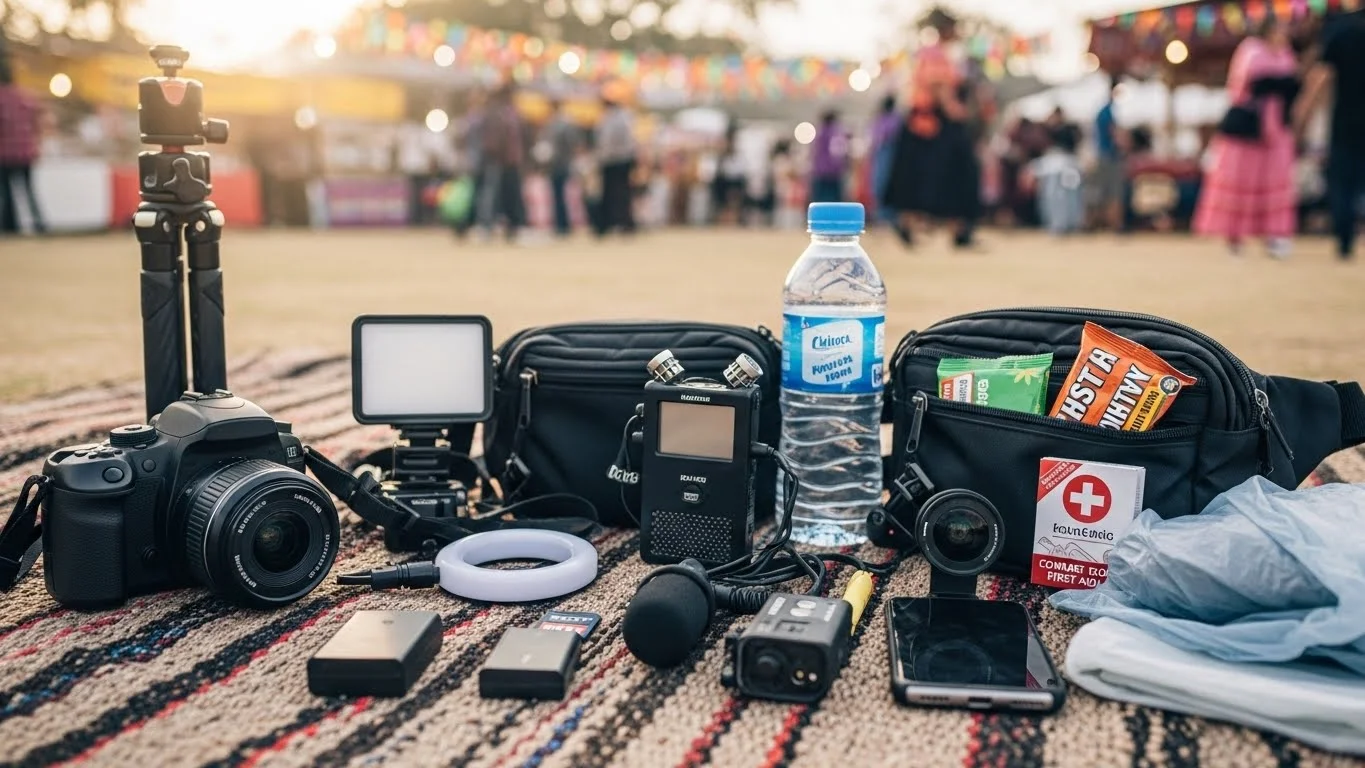
When it comes to gear, I’ve learned that less is often more. Over the years, I’ve trimmed my pack to the essentials. A good camera is a must, but I recommend starting with something manageable. A DSLR or a mirrorless camera with a versatile lens can work wonders, but even a smartphone can yield stunning results when used thoughtfully. Don’t forget extra batteries, memory cards, and a lightweight tripod. For me, a good backpack that can comfortably carry my gear is a game changer. It allows me to explore freely without worrying about my equipment. Also, pack a few items to help you stay safe and comfortable, like a first aid kit, a reusable water bottle, and snacks.

Backpacking Safety Tips

Safety is paramount, especially when you’re focused on photography. I always make it a point to stay aware of my surroundings. It’s easy to get lost in the moment while capturing the perfect shot, but I remind myself to stay vigilant. Always keep your belongings close and be cautious about where you set up your shots. I also recommend sharing your itinerary with someone back home and checking in regularly. It’s a small step that can make a big difference. Additionally, familiarize yourself with local customs and laws regarding photography; some places may have restrictions that you’ll want to respect.

Finding Local Guides

Having a local guide can enhance your experience immensely. I remember hiring a guide during my travels in Vietnam. They not only took me to the must-see spots but also introduced me to local customs and lesser-known locations. This connection often leads to more authentic photographs. Plus, guides can help you navigate language barriers, making it easier to engage with locals and get permission for photos, which is crucial for cultural sensitivity.

As you prepare for your backpacking adventure, embracing the culture and understanding its context will elevate your photography. I’ve found that when we genuinely connect with the places we visit, our images resonate more deeply, capturing the very spirit of the culture. So, pack your bags and get ready to explore the world through your camera lens!

Best Times to Travel for Cultural Events

Seasonal Festivals and Events

One of my favorite ways to immerse myself in a culture is through its seasonal festivals. These events are often a burst of color, sound, and emotion, offering unparalleled opportunities for cultural photography. I remember traveling to India during Diwali, the Festival of Lights. The streets were alive with lights, fireworks, and joyful revelers. Capturing the expressions of families celebrating together was incredibly rewarding. I’ve learned that each season brings its unique festivals, from the vibrant Carnival in Brazil to the serene Cherry Blossom Festival in Japan. Researching and planning my trips around these events has not only enriched my experience but also provided a wealth of photographic opportunities. Websites and local tourism boards can be great resources for finding out about upcoming festivals.

Local Holidays and Celebrations

In addition to large festivals, I’ve discovered that local holidays often reveal the heart of a culture. These celebrations can be more intimate and less touristy, giving me a chance to see traditions in their purest form. For instance, when I visited Peru, I was fortunate enough to witness Inti Raymi, the Festival of the Sun. The locals dressed in traditional attire, and the atmosphere was filled with reverence and excitement. These smaller holidays are not always well-publicized, so I recommend talking to locals or guides to find out what celebrations may be happening during your visit. I’ve found that engaging with local communities during their holidays can lead to some of my most cherished memories and photographs.

Capturing Stunning Cultural Photos

Techniques for Cultural Photography

When it comes to capturing stunning cultural photos, I’ve realized that technique plays a crucial role. First and foremost, I always try to be respectful and unobtrusive while photographing people. I often use a longer lens to capture candid moments from a distance, allowing me to document authentic interactions without interrupting them. I’ve also learned about the importance of natural light; shooting during the golden hour—shortly after sunrise or before sunset—can dramatically enhance the warmth and beauty of my images. Another technique that I find useful is focusing on details. Close-ups of hands at work, intricate patterns in textiles, or colorful spices in a market can tell compelling stories on their own.

Best Practices for Engaging with Locals

Engaging with locals can transform my photography experience. I make it a point to greet people, learn a few phrases in their language, and express genuine interest in their lives. This approach has helped me build trust, making it easier to ask for permission to take photos. I remember one instance in a small village in Thailand where I was nervous about approaching a group of women making traditional crafts. But after sharing a smile and a few words, they welcomed me into their space, and I was able to capture beautiful moments of their craftwork and laughter. I’ve learned that being open and respectful can lead to not just better photographs, but also deeper connections with the culture.

Key Locations for Cultural Photography

Historic Sites and Landmarks

Exploring historic sites is often a gateway to understanding a culture’s past. I feel that these locations can offer insight into how traditions have been shaped over time. For instance, visiting the ancient ruins of Machu Picchu in Peru provided me with a sense of connection to the Incan civilization. The backdrop of the Andes mountains added a dramatic element to my photos. I always recommend taking time to wander around these sites, looking for unique angles and perspectives. Early mornings or late afternoons can provide softer light, which can enhance the beauty of these landmarks.

Local Markets and Street Scenes

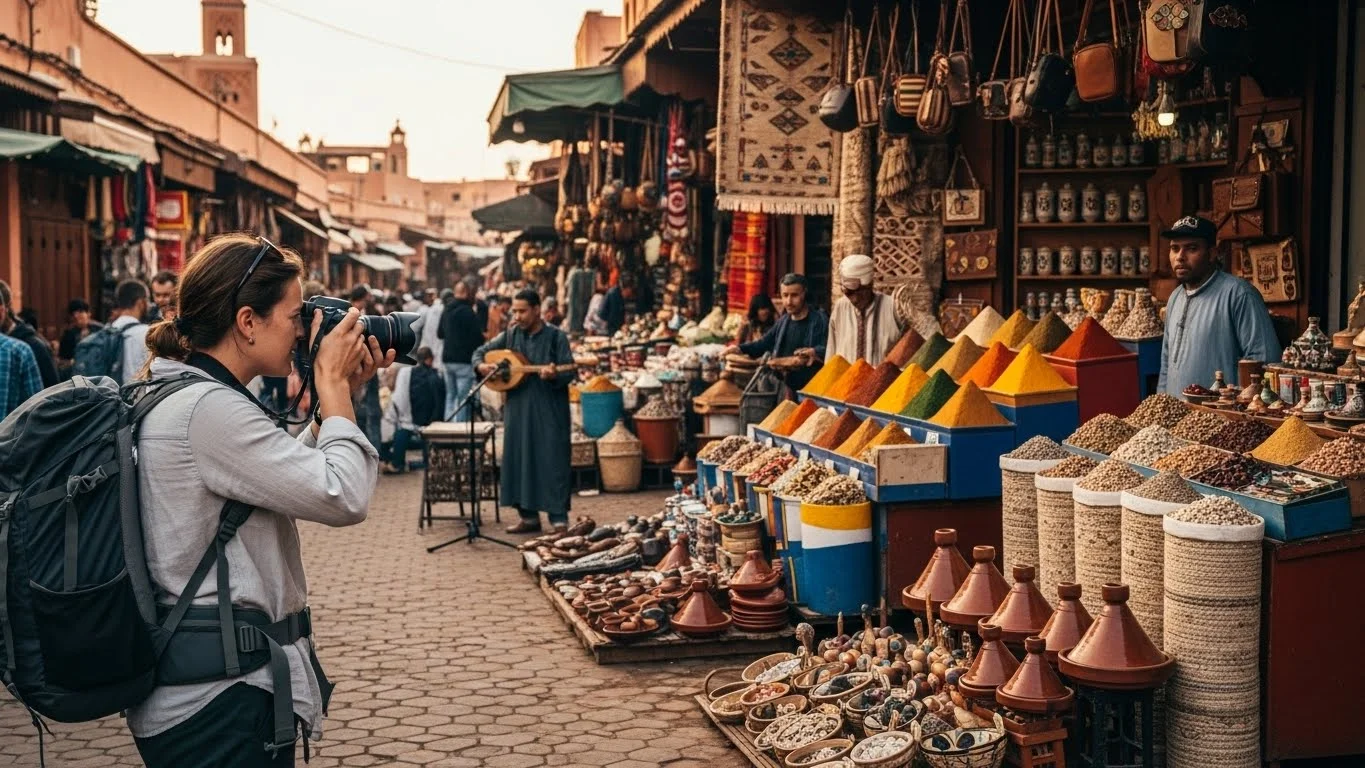
Local markets are treasure troves for cultural photography. During my travels, I’ve found that these bustling spaces often reflect the daily life of a community. In Marrakech, the souks were vibrant with merchants selling spices, textiles, and crafts. Capturing the energy of these markets—with their vivid colors and lively interactions—has become one of my favorite challenges. I like to roam through the stalls, observing and photographing the local vendors and shoppers. I’ve noticed that sometimes, the best shots come from unexpected moments, like a vendor sharing a laugh with a customer or a child playing nearby.

Religious and Spiritual Sites

Religious and spiritual sites can offer profound insights into a culture’s beliefs and values. I remember visiting the temples of Angkor Wat in Cambodia, where the intricate carvings and peaceful atmosphere were captivating. These sacred spaces often inspire deep respect and contemplation, so I always approach them with care. While photographing, I try to capture the serenity and spirituality of the surroundings. I’ve found that it’s essential to be aware of customs and rules in these sites, such as dress codes or restrictions on photography, to ensure that I’m not only respectful but also able to create meaningful images.

Understanding and Respecting Local Customs

Cultural Sensitivity in Photography

As I’ve traveled, I’ve come to realize that cultural sensitivity is key to capturing authentic images while showing respect to the communities I visit. It’s essential to remember that behind every photo is a story and people who may feel vulnerable or exposed. I always try to familiarize myself with local customs and traditions before snapping away. For example, in some cultures, photography can be seen as intrusive, and I’ve learned that a simple gesture of respect, like asking permission, can go a long way. I remember visiting a remote village in Nepal where I was keen to capture daily life. By simply asking if I could take pictures, I was met with smiles and openness, which allowed me to photograph their beautiful moments without feeling like an outsider. Being aware of local norms not only enriches my photography but also fosters trust and goodwill.

Obtaining Permission for Photos

In my experience, obtaining permission before photographing people is crucial. I can’t stress enough how a respectful approach can change the dynamics of my interactions. In many places, especially in communities where traditions and privacy are highly valued, asking for permission is not just polite; it’s a sign of respect. I’ve found that a few simple phrases in the local language can break the ice and often lead to delightful exchanges. For instance, while in a small town in Morocco, I approached a group of artisans crafting pottery. With a friendly smile and a simple request in Arabic, I was welcomed to not only take photos but also to learn about their craft. This engagement not only made my photos richer but also deepened my understanding of their culture. Remember, if someone declines, it’s important to respect their wishes without taking it personally.

Editing and Showcasing Your Cultural Photos

Basic Photo Editing Techniques

Once I’m back from a trip, the fun of editing my cultural photos begins. I always start by organizing my images, selecting the ones that resonate most with the stories I want to tell. For me, basic editing techniques can significantly enhance the narrative of my photos. I typically use software like Lightroom or Photoshop, where I can adjust exposure, contrast, and color balance to bring out the best in my images. I often find that cropping can help focus on the subject, eliminating distractions from the frame. One of my favorite tips is to play with the shadows and highlights to create a more dynamic feel, which can really bring the emotion of a scene to life. I also enjoy adding a touch of warmth to my travel images, as it often reflects the vibrant cultures I experienced during my travels.

Creating a Photo Portfolio or Blog

After editing, showcasing my cultural photography becomes the next exciting step. I decided to create a blog to share my travels and the stories behind my photos. I find that a blog is a perfect platform to connect with others who share my passion. When I write about my experiences, I aim to include not just the technical aspects of photography but also the emotions and connections I made with the people and places I encountered. I often structure my blog posts around themes, such as festivals or daily life, allowing readers to journey with me through my lens. Additionally, I’ve learned the importance of engaging with my audience through social media, where I can share snippets of my travels and gather feedback. It’s rewarding to see how my photos resonate with others, igniting their curiosity and encouraging them to explore cultural photography themselves. I always encourage readers to explore Cultural Photography on a Budget: Techniques for Travelers for more tips.

Budgeting for Backpacking and Photography

Estimated Costs for Travel and Accommodation

Budgeting for a backpacking and photography trip can feel daunting, but I’ve found that with a little planning, it can be manageable. When I start to plan a trip, I break down my estimated costs into categories: travel, accommodation, food, and activities. I often look for budget airlines and consider traveling during off-peak seasons to save money. Staying in hostels or guesthouses not only cuts costs but also provides opportunities to meet fellow travelers who share my interests. I also recommend using travel apps to find deals on accommodation and activities, which can help stretch my budget further. I remember my trip to Southeast Asia, where I used a combination of public transport and local eateries, allowing me to immerse myself in the culture while keeping expenses low.

Affordable Photography Gear Options

As a backpacking photographer, I’ve learned that having the latest gear isn’t always necessary. I often explore affordable options that still provide great quality. I started with a budget-friendly DSLR camera, which served me well as I honed my skills. Over time, I’ve invested in a couple of versatile lenses, like a prime lens for low-light situations and a zoom lens for capturing distant subjects. I’ve also discovered that second-hand gear can be a goldmine. I’ve found fantastic deals on gently used equipment through online marketplaces and local photography shops. Remember, it’s not just about the gear; it’s about how you use it. With creativity and practice, I’ve been able to capture compelling images regardless of my equipment.

Resources for Cultural Photography Enthusiasts

Books and Online Courses

I’ve always believed that learning never stops, especially in the world of photography. There are countless resources available that can help us refine our skills and deepen our understanding of cultural photography. One of my favorite books is “Photographing the World: The Complete Guide to Travel Photography” by David duChemin. This book is packed with insights on how to capture the essence of a place and its people. Additionally, online platforms like Skillshare and Udemy offer courses specifically focused on cultural photography, where I’ve picked up useful techniques and tips from experienced photographers. I remember taking a travel photography course that emphasized storytelling through images, which resonated with my passion for cultural documentation.

Photography Communities and Forums

Connecting with fellow photography enthusiasts can be incredibly valuable. I often turn to online communities like Flickr and Instagram, where I can share my work and receive constructive feedback. Engaging in forums like Reddit’s r/photography or specialized groups on Facebook has allowed me to exchange ideas and learn from others’ experiences. One community I found particularly inspiring is the “Street Photography International” group, where members share their cultural street photography from around the world. I’ve not only gained insights into different styles and techniques but have also made connections with photographers who share my passion for cultural exploration.

Final Thoughts

Reflecting on my journey in cultural photography, I realize it’s about so much more than just capturing images; it’s about building connections, understanding diverse cultures, and sharing those stories with the world. I’ve learned that the most memorable photographs often come from moments of genuine interaction and respect. As we set out to explore new cultures through our lenses, let’s remember the importance of being sensitive and respectful towards the people and traditions we encounter. Embracing the beauty of our differences enriches our experiences and enhances our photography. So, grab your camera, embark on your backpacking adventure, and let each photo tell a story that celebrates the vibrant tapestry of human culture you encounter along the way!

Frequently Asked Questions

What is cultural photography?

Cultural photography is about telling the story of people, their traditions, and their way of life through images. It aims to capture authentic moments that reflect the essence of a community.

Why is cultural context important in photography?

Cultural context adds depth to images and helps viewers connect with the culture on a personal level. Understanding the significance of what you are capturing allows you to appreciate and convey the larger story behind the photographs.

What gear is essential for backpacking and photography?

Essential gear includes a good camera, such as a DSLR or mirrorless camera, extra batteries, memory cards, a lightweight tripod, and a comfortable backpack to carry your equipment. Even a smartphone can yield great results when used thoughtfully.

How can I enhance my photography experience with local guides?

Hiring a local guide can provide insights into local customs, take you to lesser-known locations, and help navigate language barriers, enhancing your cultural photography experience and resulting in more authentic images.

What are some best practices for engaging with locals when taking photos?

Engaging with locals involves greeting them, learning a few phrases in their language, and expressing genuine interest in their lives. This builds trust and makes it easier to ask for permission to take photographs.

What techniques can improve cultural photography?

Using natural light, especially during the golden hour, capturing candid moments from a distance, and focusing on details can significantly enhance the quality of cultural photos.

How can I find out about seasonal festivals for cultural photography?

Researching seasonal festivals can be done through websites and local tourism boards, which provide information about upcoming events. Engaging with locals or fellow travelers can also reveal lesser-known celebrations.

Why is cultural sensitivity important in photography?

Cultural sensitivity is crucial for capturing authentic images while respecting the communities you visit. Familiarizing yourself with local customs and asking for permission before taking photos fosters trust and goodwill.

What are some basic photo editing techniques for cultural photography?

Basic editing techniques include organizing images, adjusting exposure, contrast, and color balance, cropping for focus, and enhancing shadows and highlights to create a dynamic feel in the photos.

How can I share my cultural photography with others?

Creating a blog or using social media platforms allows you to showcase your cultural photography and connect with others. Writing about your experiences alongside your images can engage your audience and foster a community around shared interests.

Cultural Photography on a Budget: Techniques for Travelers

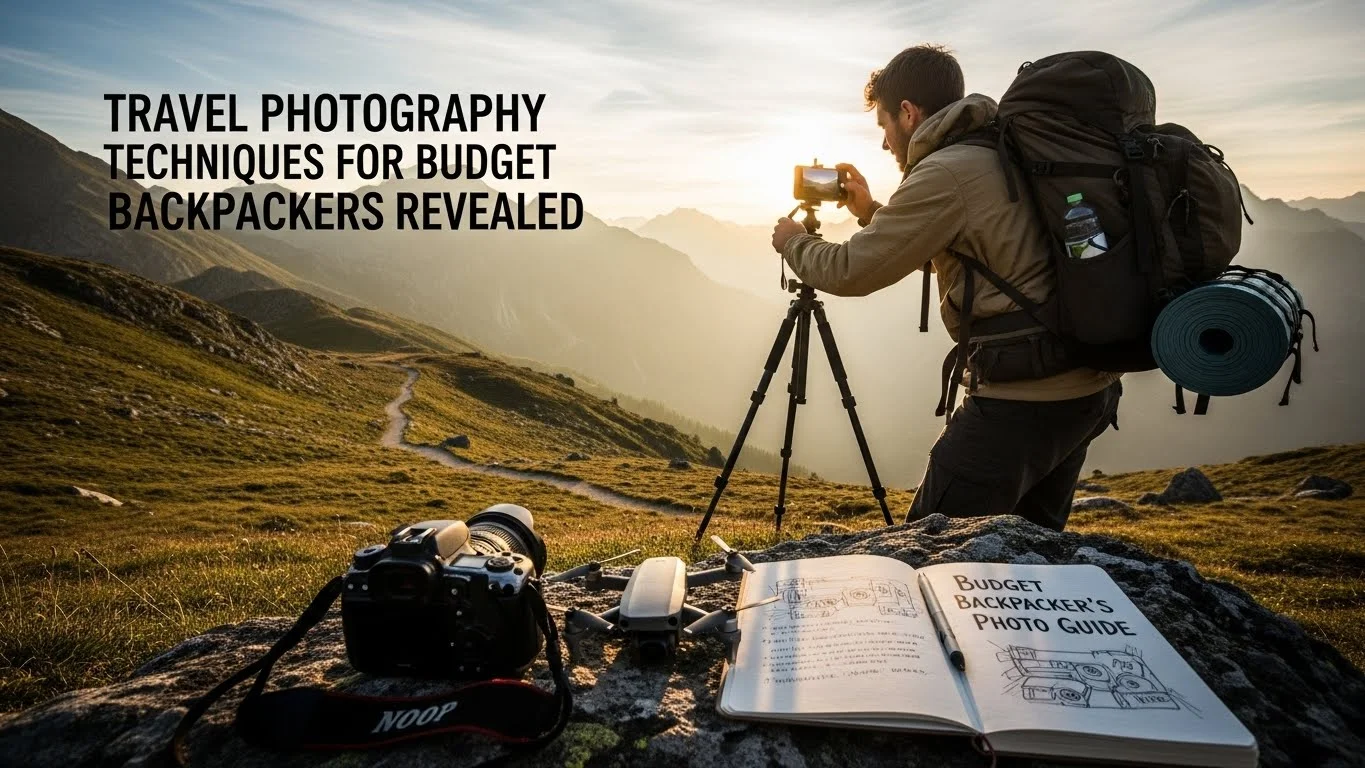
Cultural photography lets us capture the heart and soul of a place. If you’re a traveler like me, you’ll find that you don’t need to spend a fortune to take stunning cultural photographs that tell a story. Read Interesting article: Master Travel Photography: Budget Tips for Capturing Culture
Cultural Photography on a Budget: Techniques for Travelers

Understanding Cultural Photography

What is Cultural Photography?

Cultural photography is all about capturing the essence of a community, its traditions, and the daily lives of its people. I remember my first trip to a bustling market in Marrakech. I was mesmerized by the vibrant colors, the intricate patterns of the textiles, and the warmth of the local vendors who welcomed me with open arms. Each photograph I took that day was more than just an image; it was a glimpse into a unique culture. From festivals to everyday life, cultural photography aims to portray the world through a personal lens, allowing viewers to connect with experiences they may never have the chance to live themselves.

The Importance of Capturing Culture

When I think about cultural photography, I realize how vital it is to document and share the stories of diverse communities. In a world that often feels increasingly homogenized, these images can serve as reminders of our rich cultural tapestry. They help preserve traditions that might be fading away, and they foster understanding and appreciation between different societies. Whether it’s a portrait of an artisan crafting pottery or a child playing in a village square, each photo can evoke emotion and provoke thought, encouraging viewers to learn more about the culture behind it. Read Interesting article: Explore the World: Best Cultural Festivals for Photographers

Preparing for Your Cultural Photography Journey

Researching Destinations

Preparation is key to successful cultural photography. Before traveling, I like to dive deep into research about my destination. I search for information on local customs, historical sites, and any festivals or events happening during my visit. Websites, travel blogs, and social media platforms are fantastic resources. I’ve often discovered hidden gems this way—like a small village in Italy that celebrates a harvest festival, complete with parades and traditional food. Knowing what to expect not only helps me plan my itinerary but also allows me to be respectful and aware of what’s culturally appropriate during my visit.

Understanding Local Customs and Etiquette

One of the most significant lessons I’ve learned is the importance of understanding local customs and etiquette. Every culture has its own rules about photography, and being respectful can make a big difference. For example, in some cultures, taking photos of people without permission can be seen as intrusive or disrespectful. When I was in Bhutan, I always asked before taking portraits, sometimes even offering to share the photo with my subjects afterward. This not only built trust but also opened up wonderful conversations that enriched my experience. Being aware of local customs can enhance your interactions and lead to more authentic photographs.

Choosing the Right Equipment on a Budget

When it comes to photography gear, I know firsthand that you don’t need to break the bank. My first camera was a modest DSLR, and while it served me well, I found that I could achieve great shots with even more compact options. If you’re on a budget, consider a lightweight mirrorless camera or even a good point-and-shoot. I often carry my smartphone, which has come in handy for spontaneous shots when my main camera isn’t out. The key is to focus on learning techniques and improving your skills rather than solely relying on expensive gear. Invest in a decent lens and remember that composition and lighting are what truly make a photo stand out.

Techniques for Capturing Cultural Moments

Using Natural Light to Your Advantage

Natural light is one of my favorite tools for enhancing cultural photography. I’ve found that the golden hours—early morning and late afternoon—offer the best soft, warm light for outdoor shots. When I was in Greece, I wandered through the streets of Santorini at sunrise, and the light beautifully illuminated the white-washed buildings. Shadows and highlights can bring depth and dimension to my photos, making them more compelling. I recommend exploring different times of day to see how the light changes a scene, and don’t be afraid to experiment!

Storytelling Through Composition

Composition is where the magic happens in photography. I’ve learned to think about how I frame my shots to tell a story. Using the rule of thirds, leading lines, and framing elements can guide the viewer’s eye and create a more interesting photograph. I remember a moment in a small village in Thailand where I captured a woman weaving on her porch. I positioned myself to include her surroundings, like the lush greenery behind her and the traditional tools at her feet. This context not only captured the woman’s skill but also the essence of her life and culture.

Capturing Authenticity in Portraits

When taking portraits, I strive for authenticity. It’s easy to take a snapshot, but I believe that connecting with people makes a significant difference. I often start by chatting with my subjects, asking about their lives and stories. This approach has led to some of my most memorable photos. For instance, in a village in Peru, I met an elderly man who shared tales of his ancestors. I took his portrait as he spoke, and the emotion in his expression conveyed so much more than just a posed shot. I think it’s essential to make people feel comfortable and valued, which often results in more genuine, heartfelt images.

Utilizing Environmental Context in Shots

Finally, I’ve found that incorporating environmental context can enhance cultural photography dramatically. Instead of focusing solely on my subject, I try to capture the environment around them. This technique tells a broader story and gives viewers a sense of place. I recall a time in India, where I photographed a group of women grinding spices in a market. By including the bustling stalls and colorful spices in the background, I was able to convey not just the action but the vibrancy of the culture. It transformed a simple image into a story that transports viewers right into the heart of that market.

Affordable Photography Gear and Alternatives

Best Budget Cameras for Travelers

I know how overwhelming it can be to choose the right camera, especially when you’re on a budget. Over the years, I’ve tried various cameras, and I’ve found some fantastic options that won’t empty your wallet. For beginners, I recommend looking at entry-level DSLRs like the Canon EOS Rebel series or the Nikon D3500. They’re user-friendly and provide great image quality. If you prefer something lighter, mirrorless cameras like the Sony Alpha a6000 or the Fujifilm X-T200 are excellent choices. They’re compact, versatile, and perfect for travel.

Recently, I’ve noticed a lot of travelers using compact cameras like the Sony RX100 series, which are small enough to fit in your pocket yet deliver stunning photos. For an even more budget-friendly option, consider a good point-and-shoot camera. They might not have all the fancy settings but can still capture beautiful moments. In my experience, it’s less about the brand and more about how you use your gear. Focus on learning the basics of photography, and you’ll be amazed by the results you can achieve.

Essential Accessories Without Breaking the Bank

Alongside your camera, I’ve found some affordable accessories that can enhance your photography experience. A sturdy tripod is a must-have for low-light situations or when you want to take long exposures. You don’t need to splurge; there are many good options under $50 that are lightweight and portable. A lens cleaning kit is another essential. I can’t tell you how many times I’ve been saved by a simple microfiber cloth to wipe away dust or smudges.

Also, consider investing in an extra battery and a large memory card. There’s nothing worse than running out of battery or storage space during an exciting moment! I like to carry a small bag to organize my accessories, which helps me stay focused on capturing the beauty around me rather than searching through my gear.

Smartphone Photography Tips

Let’s not forget our smartphones! I’ve learned that they can be powerful tools for capturing cultural moments. Nowadays, smartphones have incredible cameras that allow us to take stunning photos without carrying bulky gear. I always keep my phone ready for spontaneous shots. To make the most out of smartphone photography, I recommend using natural light as much as possible. This will help you avoid grainy photos. I also like to explore different angles and perspectives, which can lead to unique shots that stand out.

Editing apps can take your smartphone photos to the next level. My favorites include Snapseed and VSCO, both of which have free versions packed with features. A little editing can enhance colors and contrast, making your images pop. Remember, the best camera is the one you have with you, so don’t underestimate the power of your smartphone!

Finding Unique Cultural Photography Opportunities

Local Festivals and Events

One of the most exciting ways to capture culture is by attending local festivals and events. I’ve been fortunate enough to experience vibrant parades, traditional dances, and colorful markets during my travels. These events offer a glimpse into a community’s spirit and customs, making them perfect for cultural photography. I remember attending the Diwali festival in India, where the streets were lit up with lights and the air was filled with laughter and celebration. The colors, the joy, and the intricate details of the festivities made for some of my most cherished photos. Read Interesting article: Capture the Spirit: Festivals Photography Tips for Travelers

Before you travel, check local calendars or social media pages to find out what events are happening during your stay. Even smaller gatherings can provide beautiful opportunities to connect with locals and capture their culture. I’ve discovered that being present in these moments often leads to unexpected encounters and stories that enrich my photography journey.

Hidden Gems: Off-the-Beaten-Path Locations

While tourist spots can be stunning, I’ve found that some of the best cultural photography opportunities lie in lesser-known areas. Exploring off-the-beaten-path locations allows me to capture authentic experiences without the crowds. For instance, during a recent trip to Vietnam, I stumbled upon a small fishing village that wasn’t on my itinerary. The fishermen were bringing in their catch, and the vibrant life around the docks was a photographer’s dream. I felt like I had discovered a secret world, and the images I captured there still resonate with me.

To find these hidden gems, I often turn to travel forums, local blogs, or even ask locals for recommendations. Sometimes, just wandering through a neighborhood can lead to unexpected discoveries. I’ve learned to keep an open mind and be flexible with my plans, as the best moments often happen when I least expect them.

Engaging with Local Communities

Building connections with local communities can greatly enhance your cultural photography experience. I make it a point to engage with people, whether it’s through casual conversations or participating in local activities. I’ve volunteered in artisan workshops, joined cooking classes, and even participated in traditional ceremonies. These experiences not only allow me to learn about the culture but also provide genuine opportunities for photography.

When I was in Mexico, I spent time in a small village where I was welcomed into a family’s home for a traditional meal. The warmth of their hospitality and the lively atmosphere made for incredible photographs. I encourage you to immerse yourself in local life; it can lead to meaningful interactions and beautiful images that truly capture the essence of a culture.

Editing and Presenting Your Cultural Photos

Free and Affordable Editing Tools

Editing is where I believe the magic truly comes alive in photography. Once I’ve captured my cultural moments, I often turn to editing tools to refine my images. Thankfully, there are many free and affordable options that can help enhance your photos without costing a fortune. For my editing needs, I frequently use programs like Adobe Lightroom and GIMP. Both have robust features that allow me to adjust exposure, contrast, and color balance. I remember the first time I used Lightroom; I couldn’t believe how much a simple adjustment could transform a photo from good to great.

For those who prefer using their smartphones, apps like Snapseed and VSCO are fantastic alternatives. They offer user-friendly interfaces and powerful editing capabilities. I often find myself spending time on Snapseed, using the selective adjustments feature to highlight specific areas of my photos. It’s amazing how a little editing can help showcase the emotions and stories behind cultural moments. Investing time in learning these tools can really elevate your photography game.

Creating a Visual Story with Your Photos

When I think about sharing my cultural photography, I feel it’s essential to create a narrative. Each photo should tell a part of a larger story. I’ve found that curating a series of images from a specific event or location can weave a compelling tale. For instance, during my visit to a local festival in Peru, I took a range of photos—from colorful decorations to candid shots of families enjoying the festivities. When I put them together, they painted a vivid picture of the celebration, allowing viewers to feel as if they were part of the experience.

I like to use platforms like Instagram or personal blogs to share my visual stories. For me, it’s not just about posting pretty pictures; it’s about conveying emotions and experiences. I often accompany my images with descriptive captions that provide context and share my personal reflections. This combination of visuals and storytelling can engage my audience on a deeper level, making my cultural photography more meaningful.

Best Practices for Sharing on Social Media

Social media has become a fantastic platform for showcasing photography, especially cultural moments. I’ve learned that there are a few best practices to keep in mind when sharing my work online. First, consistency is key; I try to maintain a cohesive style across my posts, whether it’s through consistent editing or thematic content. This helps create a recognizable brand for my photography.

Engagement is another important aspect. I make it a point to interact with my followers by responding to comments and asking questions about their experiences. It fosters a sense of community, which I truly enjoy. I also encourage others to share their stories and insights about the cultures they’ve encountered, creating a rich dialogue.

Lastly, proper tagging and using relevant hashtags can help reach a broader audience. I often tag locations and cultural events in my posts, making it easier for others interested in those areas to find my work. It’s rewarding to connect with fellow travelers and photographers who share a love for cultural exploration.

Budgeting for Cultural Photography Trips

Cost-Effective Travel Tips

Traveling can sometimes feel like a financial burden, but I’ve discovered several cost-effective tips that allow me to explore and capture cultural moments without going broke. One of my favorite strategies is to travel during the off-peak seasons. Not only can I save on flights and accommodations, but I also get to experience destinations without overwhelming crowds. It’s often during these quieter times that I find the best opportunities for cultural photography.

I also keep an eye out for deals and discounts online. Websites like Skyscanner and Google Flights have helped me snag budget-friendly airfare. Additionally, booking accommodation through platforms like Airbnb or Hostelworld can save money and provide unique lodging experiences. I’ve stayed in local homes and guesthouses that allowed me to connect more deeply with the culture than any hotel ever could.

Finding Affordable Accommodation

When it comes to finding a place to stay, I always prioritize affordability without sacrificing comfort. I often look for hostels, which not only offer budget-friendly rates but also provide opportunities to meet fellow travelers. Many hostels organize cultural activities or tours, which is a fantastic way to immerse myself in the local scene while capturing beautiful moments.

If hostels aren’t your thing, consider guesthouses or homestays. I’ve had incredible experiences staying with local families, where they often share meals and stories with me. This not only enriches my understanding of the culture but also provides fantastic photography subjects right at my doorstep.

Dining on a Budget While Traveling

Food is an integral part of cultural photography, and I’ve found that exploring local cuisine doesn’t have to be expensive. Street food markets are often my go-to spots. I’ve discovered some of the best dishes this way, while also capturing the vibrant life of the market. During my time in Thailand, I enjoyed delicious pad Thai prepared right in front of me, and the atmosphere was electric with the sounds of sizzling woks and cheerful vendors.

I like to set aside a budget for meals, often prioritizing experiences over fancy restaurants. Dining at local eateries rather than tourist traps can lead to incredible culinary adventures. Plus, it gives me the chance to meet locals and learn about their food traditions, which adds yet another layer to my cultural photography.

Frequently Asked Questions

What is cultural photography?

Cultural photography is about capturing the essence of a community, its traditions, and the daily lives of its people. It aims to portray the world through a personal lens, allowing viewers to connect with experiences they may never have the chance to live themselves.

Why is capturing culture important?

Capturing culture through photography is vital for documenting and sharing the stories of diverse communities. It helps preserve fading traditions and fosters understanding and appreciation between different societies, evoking emotion and provoking thought among viewers.

How should I prepare for a cultural photography journey?

Preparation involves researching your destination’s local customs, historical sites, and events. Understanding cultural etiquette is essential for respectful interactions, and planning your itinerary based on this knowledge can enhance your photography experience.

What type of photography equipment do I need on a budget?

You don’t need to break the bank for photography gear. Options like lightweight mirrorless cameras, compact point-and-shoots, or even a smartphone can provide great results. It’s more about learning techniques and improving skills than relying solely on expensive equipment.

What techniques can enhance cultural photography?

Utilizing natural light, thoughtful composition, capturing authenticity in portraits, and incorporating environmental context are effective techniques. Each of these approaches helps tell a compelling story and enhances the overall impact of the photographs.

What are some affordable cameras for travelers?

For beginners, entry-level DSLRs like the Canon EOS Rebel series or Nikon D3500 are recommended. Mirrorless cameras such as the Sony Alpha a6000 or Fujifilm X-T200 are also great choices. Compact cameras like the Sony RX100 series provide stunning photos in a pocket-sized format.

What are some tips for smartphone photography?

To make the most of smartphone photography, use natural light, explore different angles, and consider editing apps like Snapseed and VSCO to enhance your images. Keeping your smartphone ready for spontaneous shots can also lead to great cultural captures.

How can I find unique cultural photography opportunities?

Engaging with local communities, attending local festivals, and exploring off-the-beaten-path locations can provide unique opportunities for cultural photography. Participating in local activities and connecting with people can lead to meaningful interactions and authentic experiences.

What are some budget-friendly travel tips for cultural photography trips?

Traveling during off-peak seasons, looking for deals online, and choosing affordable accommodations like hostels or guesthouses can help reduce costs. Dining at local eateries and street food markets also allows for rich cultural experiences without overspending.

What are the best practices for sharing cultural photography on social media?

Consistency in style, engagement with followers, and proper tagging are essential practices for sharing cultural photography on social media. Creating a narrative with your images and encouraging community dialogue can enhance the impact of your work.

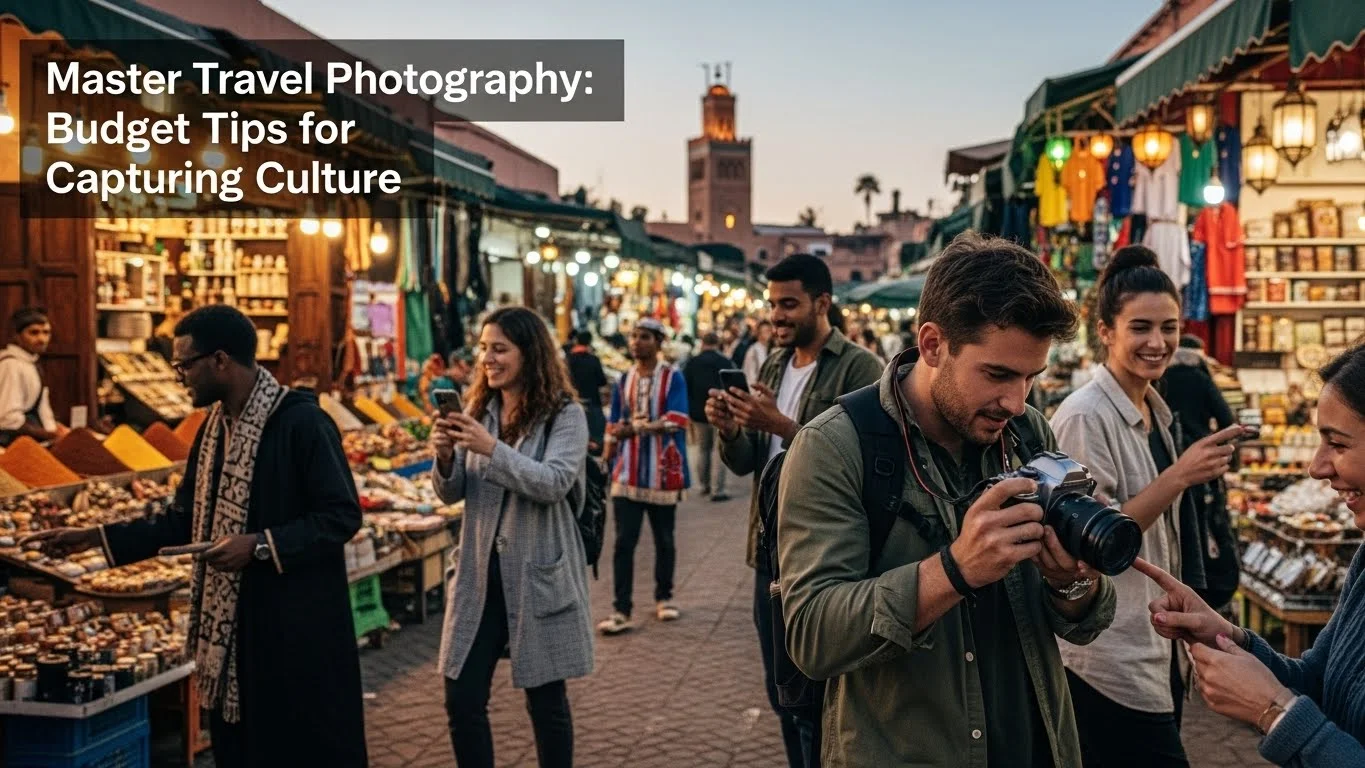
Master Travel Photography: Budget Tips for Capturing Culture

Travel photography is more than just snapping pictures; it’s about capturing the essence of a place and its people. With a tight budget, you can still create stunning visuals that reflect the culture you experience.

Master Travel Photography: Budget Tips for Capturing Culture

Understanding Travel Photography

What is Travel Photography?

When I think about travel photography, I imagine the vibrant streets of a bustling market, the serene beauty of a sunrise over a mountain, or the candid laughter of locals enjoying their day. It’s this blend of art and storytelling that makes travel photography special. For me, it’s not just about the destination but the moments that unfold along the journey. Travel photography involves capturing the essence of different cultures, landscapes, and experiences that make each place unique. Whether it’s through the lens of a professional camera or a smartphone, the goal is to tell a story that resonates with viewers, allowing them to feel the place even if they’ve never been there.

The Importance of Cultural Representation

When I travel, I often reflect on how important it is to represent the cultures I encounter accurately and respectfully. Every culture has its own stories, traditions, and nuances that deserve to be portrayed authentically. I’ve experienced this firsthand when I visited a small village in Thailand. Instead of just taking pictures of the scenery, I focused on capturing the interactions among locals, their traditional attire, and even the food they were preparing. By doing this, I felt like I was not just a tourist, but a storyteller bringing these moments to life. I believe that when we share photographs that respect and reflect the culture, we foster understanding and appreciation among people from different backgrounds. Capturing cultural events is a great way to enhance this representation.

Essential Gear for Budget Travel Photography

Choosing the Right Camera

Choosing a camera for travel is a personal journey. I remember my first travel camera; it was a compact point-and-shoot. While it was easy to carry, I quickly found myself wanting more control over my shots. For budget-conscious travelers, I recommend considering entry-level DSLRs or mirrorless cameras. They offer great image quality without breaking the bank. I learned that even a budget-friendly camera can produce stunning photos if you know how to use it well. Before you buy, think about what type of photography you want to pursue. If you’re into landscapes, a camera with a good dynamic range is essential. For street photography, a lightweight option that allows for quick shots might be more beneficial. You can also explore cultural portraits for inspiration.

Affordable Lenses for Different Scenarios

Lenses can be a bit tricky, especially when you’re on a budget. I used to think that I needed a whole kit of expensive lenses to get great photos. But I’ve since realized that a versatile lens can do wonders. A 24-70mm lens, for example, is great for landscapes and portraits alike, and it doesn’t have to be the priciest one out there. I remember finding a second-hand lens that became my go-to for capturing local life. If you’re using a smartphone, consider adding clip-on lenses for added versatility. They are often inexpensive and can dramatically change the way you capture images.

Smartphone Photography: Is It Enough?

Smartphones have come a long way in terms of photography capabilities. I have a friend who swears by her smartphone for all her travel photos. She captures incredible images using just her device, proving that you don’t need a fancy camera to create beautiful travel photography. For many of us, the convenience of a smartphone is unmatched. Plus, with editing apps readily available, you can enhance your images right on your phone. Just remember to pay attention to lighting and composition, and you can achieve stunning results without carrying heavy gear.

Accessories That Don’t Break the Bank

When it comes to photography accessories, I’ve found that you don’t need to splurge to get quality items. A sturdy tripod can make a huge difference, especially for low-light shots or long exposures. I picked up a lightweight travel tripod that fits easily into my backpack, making it a constant companion on my journeys. Additionally, a good camera bag is essential to protect your gear. I recommend looking for bags that are both functional and stylish, so you can blend in while exploring urban landscapes. Filters, such as polarizers or ND filters, can also be found at reasonable prices and can elevate your photos significantly. I also carry a microfiber cloth, which is handy for keeping my lens clean while out and about.

Planning Your Photography Journey

Researching Cultural Events and Festivals

One of the most exciting parts of travel photography is capturing cultural events and festivals. I remember planning a trip to India during Diwali, the Festival of Lights. I dove deep into researching the local events happening during my stay, and it paid off immensely. I found myself surrounded by vibrant colors, joyous celebrations, and heartwarming traditions that I could never have anticipated. To make the most of your photography journey, I suggest looking up local festivals, parades, or rituals specific to your destination. Websites, local tourism boards, and social media groups can be great resources for finding these events. By aligning your travel schedule with these cultural happenings, you can capture the essence of a place in ways that go beyond the usual tourist attractions. You can also learn how to capture candid moments effectively during these events.

Best Locations for Capturing Local Life

When it comes to travel photography, finding the right locations can make all the difference. I’ve often wandered off the beaten path, discovering hidden gems that truly reflect local life. Markets, parks, and community centers are fantastic spots to capture candid moments. I once stumbled upon a small fishing village in Greece that was teeming with life. The fishermen were bringing in their catch, and the locals were bustling about, chatting and laughing. These spontaneous moments created an authentic narrative that I cherished in my photos. I recommend checking out local blogs or travel forums to find suggestions on where to go in your destination. Don’t shy away from asking locals too; they often have the best insights into where to find the heart of their culture.

Understanding Local Customs and Etiquette

Every culture has its own customs and etiquette, and understanding these can enhance your photography experience. I learned this the hard way during a trip to Japan. I excitedly raised my camera to capture a beautiful Shinto shrine, but I quickly realized I was doing so without understanding the local customs regarding photography in sacred spaces. I felt embarrassed and learned that taking the time to understand local customs not only enriches our experience but shows respect to the people and places we encounter. Before you visit a new destination, it’s worth spending some time researching what’s acceptable. This can include knowing when it’s appropriate to take photos, asking for permission, or understanding how to dress respectfully in certain areas.

Budget-Friendly Tips for Capturing Culture

Using Natural Light Effectively

One of the best things I’ve learned about photography is how to take advantage of natural light. I often find that the soft glow of early morning or the warm hues of sunset can transform a simple scene into something magical. I remember walking through a vibrant market at sunrise, with golden light filtering through the stalls, creating a stunning backdrop for my shots. I recommend planning your outings around these times of day for the best lighting. This doesn’t just apply to landscapes; even portraits can benefit from natural light. Experimenting with shadows and highlights can produce compelling images without needing any extra gear.

Timing: The Golden Hour and Blue Hour

The golden hour—the period shortly after sunrise or before sunset—can make your photos look incredible. I’ve been lucky enough to capture some breathtaking moments just as the sun dipped below the horizon. The colors during this time are rich and warm, adding depth to my images. The blue hour, which occurs just before sunrise and after sunset, offers a different kind of beauty, with soft blue tones creating a serene atmosphere. Timing your photography sessions to coincide with these periods can elevate your work significantly. It’s a bit of planning, but trust me, the results are worth it.

Engaging with Locals for Authentic Shots

Some of my favorite travel photos have come from engaging with locals. I remember visiting a small café in Portugal, striking up a conversation with the owner, who shared stories about the history of the neighborhood. I asked if I could take her portrait, and the result was a beautiful image that I cherish. People often appreciate it when you show genuine interest in their lives. Not only does this create an opportunity for stunning photographs, but it also helps us connect on a human level. I encourage you to approach locals, ask questions, and share your journey. You’ll find that this leads to authentic shots that tell a story far beyond the surface.

Free and Low-Cost Photography Workshops

Finding ways to improve my photography skills on a budget has been a game-changer for me. I’ve discovered that many cities offer free or low-cost photography workshops, which can be incredibly beneficial. I participated in one during my travels in Vietnam, where a local photographer shared tips on capturing street life and cultural nuances. These workshops often provide not only valuable learning experiences but also opportunities to meet fellow travelers who share your passion. Look for community centers, galleries, or local photography groups that might offer sessions. Even if it’s just a few hours, the insights you gain can elevate your photography game.

Post-Processing on a Budget

Free Editing Software Options

After capturing those stunning travel photos, the next step is bringing them to life through post-processing. I used to think great editing required expensive software, but I quickly learned that there are fantastic free options available. Programs like GIMP and darktable are powerful tools that can handle everything from basic adjustments to complex edits. I remember downloading GIMP for the first time and playing around with its features; I was amazed at how much I could achieve without spending a dime. Additionally, mobile apps like Snapseed and Lightroom Mobile are great for editing on-the-go, offering user-friendly interfaces and creative filters. They’ve become my go-to tools for quick edits while traveling. The key is to explore these options and find what works best for your style.

Basic Editing Techniques for Stunning Photos

Editing doesn’t have to be overwhelming, and I’ve found that sticking to a few basic techniques can drastically improve my photos. First, I always start with adjusting the exposure and contrast. I remember my travel photos from a rainy day in Paris; with a slight tweak in exposure, those cloudy skies transformed into a beautiful backdrop. Next, I play with saturation and vibrance to make the colors pop without looking unnatural. Cropping is another essential tool; sometimes, simply tightening the frame can draw focus to the subject and create a more impactful image. I also recommend exploring the use of sharpening and noise reduction tools, especially for low-light shots. Each of these techniques can make a significant difference in the final outcome of your images.

Organizing and Storing Your Photos Efficiently

As someone who loves to take a lot of photos, I’ve learned the importance of organization. I used to just dump all my images into one folder, but that quickly became chaotic. Now, I create specific folders for each trip or event, which helps me find what I need later. I also tag my photos with keywords, making it easier to search for specific images. Cloud storage options like Google Drive or Dropbox have been lifesavers for me, ensuring that my photos are backed up and accessible from anywhere. This way, I can focus on editing without the fear of losing precious memories. I recommend investing a little time in organizing your files; it makes a world of difference when looking back at all the incredible moments captured.

Sharing Your Travel Photography

Creating an Online Portfolio on a Budget

Once I started building my photography skills, I felt the urge to share my work with others. Creating an online portfolio doesn’t have to be expensive or complicated. I found platforms like WordPress and Wix to be user-friendly and cost-effective. You can choose from various templates that allow you to showcase your photos beautifully. I remember being thrilled when I launched my first portfolio; it felt like a milestone in my photography journey. The best part is that these platforms often have free options, so you can start sharing your work without any financial commitment. The key is to choose your best images, create engaging captions, and consider organizing your portfolio by themes or locations.

Utilizing Social Media for Exposure

Social media has been a game-changer for sharing my travel photography. Platforms like Instagram and Pinterest allow us to reach a broader audience without spending a dime. I’ve found that posting regularly and engaging with my followers has helped me grow my presence. Using relevant hashtags also makes it easier for people to discover my work. I recall one of my photos gaining unexpected attention when I used popular travel hashtags, which led to meaningful connections with fellow photographers. It’s essential to not only post your photos but also interact with other users by commenting on their work and sharing tips. This community aspect can be incredibly rewarding.

Participating in Photography Communities

Joining photography communities has enhanced both my skills and my network. There are numerous online forums and groups dedicated to travel photography, where members share tips, critiques, and inspiration. I remember joining a Facebook group dedicated to travel photography. Not only did I receive feedback on my work, but I also learned a lot from others’ experiences. Sites like Flickr and 500px can also be great platforms to showcase your images and connect with like-minded individuals. Engaging in these communities fosters a sense of camaraderie and support that can ignite your passion for photography even further. I encourage you to explore these avenues; you never know what you might learn or who you might meet along the way.

Final Thoughts on Budget Travel Photography

Reflecting on my journey through travel photography, I can’t help but feel grateful for the experiences I’ve had and the lessons I’ve learned along the way. It’s incredible how a camera can open doors to new cultures, friendships, and perspectives. I believe that travel photography is not just about capturing pretty images; it’s about creating a visual narrative that shares our experiences with the world. Even on a budget, we have the power to create compelling stories that resonate with others.

One of the greatest revelations for me has been the realization that great photography doesn’t always require expensive gear or extravagant trips. Instead, it comes down to our willingness to explore, engage, and immerse ourselves in different environments. Every trip I take teaches me something new, whether it’s discovering an off-the-beaten-path location or learning how to communicate with locals despite language barriers. These experiences enrich our photographs and help us grow as photographers and individuals.

As I continue to refine my skills, I always keep a few principles in mind: be curious, be respectful, and be open to the unexpected. I’ve had moments where the best shots came from spontaneous encounters rather than planned ones. Embracing these moments has made my photography journey all the more rewarding. I encourage you to grab your camera, venture out, and capture the world around you. You never know what incredible stories await you on your next adventure.

Finally, remember that photography is a journey, not a destination. As we share our images and connect with others through our art, we contribute to a collective understanding of the world. So, let’s celebrate the beauty of each culture, each moment, and each photograph we create. I can’t wait to see what you capture on your travels!

Frequently Asked Questions

What is travel photography?

Travel photography involves capturing the essence of different cultures, landscapes, and experiences that make each place unique. It blends art and storytelling, allowing viewers to feel the place even if they’ve never been there.

How can I represent cultures accurately in my travel photography?

To represent cultures accurately, focus on capturing authentic moments, interactions among locals, and traditional aspects like attire and food. This fosters understanding and appreciation among people from different backgrounds.

What type of camera is recommended for budget travel photography?

For budget-conscious travelers, entry-level DSLRs or mirrorless cameras are recommended as they offer great image quality without being expensive. Even budget-friendly cameras can produce stunning photos if used well.

Are smartphones sufficient for travel photography?

Yes, smartphones have advanced significantly in photography capabilities. Many travelers use them successfully to capture beautiful images without the need for a fancy camera, especially with the availability of editing apps.

What are some essential accessories for budget travel photography?

Essential accessories include a sturdy tripod for low-light shots, a good camera bag for protection, and filters like polarizers or ND filters. A microfiber cloth is also useful for keeping the lens clean.

How can I find cultural events to photograph during my travels?

Research local festivals, parades, or rituals specific to your destination by checking websites, local tourism boards, and social media groups. Align your travel schedule with these events to capture unique cultural moments.

What is the significance of the golden hour in photography?

The golden hour, occurring shortly after sunrise or before sunset, provides rich and warm colors that can enhance the beauty of your photos. Timing your photography sessions around these periods can significantly elevate your work.

How can I improve my photography skills on a budget?

Look for free or low-cost photography workshops in the cities you visit. These workshops often provide valuable insights and opportunities to connect with fellow travelers who share your passion for photography.

What free editing software options are available for post-processing photos?

Free editing software options include GIMP and darktable for desktop use, and mobile apps like Snapseed and Lightroom Mobile for on-the-go editing. These tools can handle a range of adjustments and enhancements.

How can I create an online portfolio for my travel photography?

Creating an online portfolio can be done using user-friendly platforms like WordPress and Wix, which often have free options. Choose your best images, create engaging captions, and organize your portfolio by themes or locations.

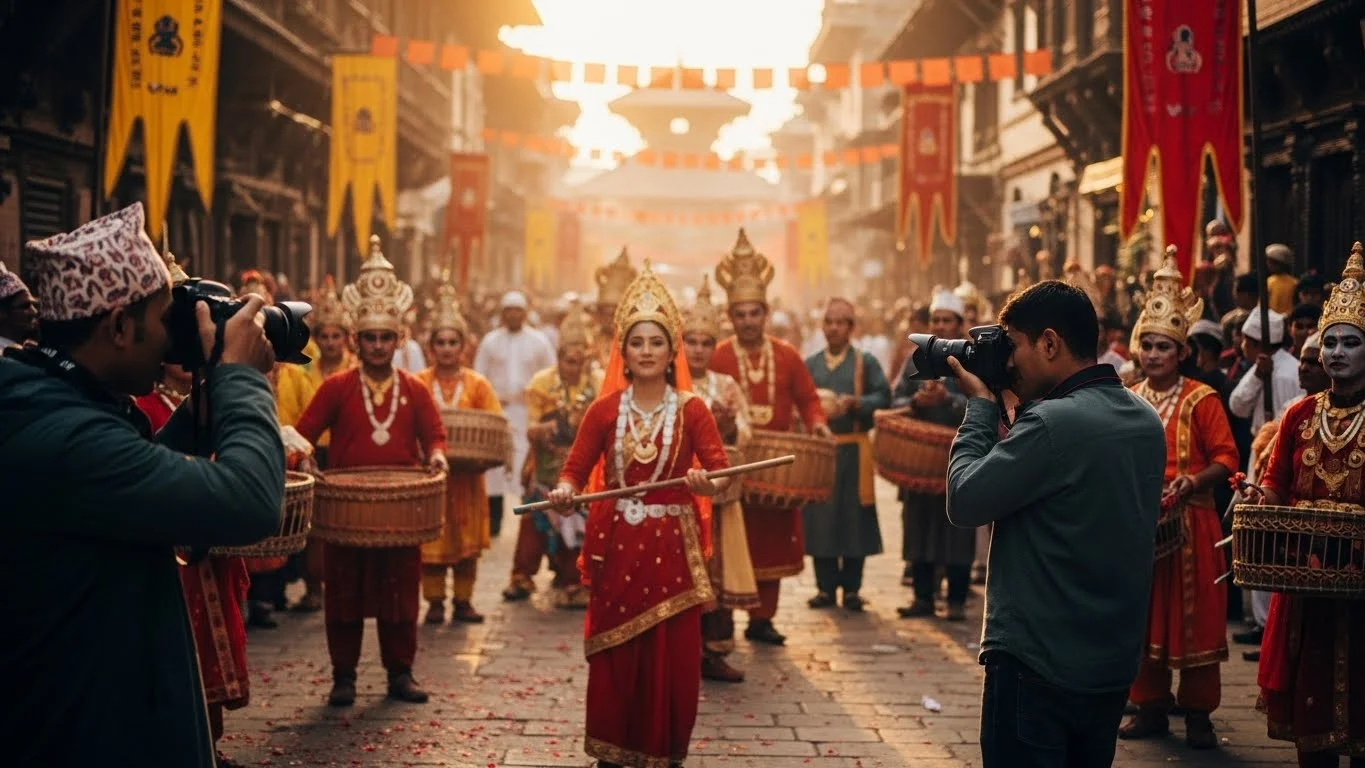
Explore the World: Best Cultural Festivals for Photographers

Ready to embark on a colorful journey through the world’s most vibrant cultural festivals? As photographers, we have the chance to capture stories filled with life, tradition, and emotion. Let’s dive into why these festivals are a treasure trove for our lenses.

Explore the World: Best Cultural Festivals for Photographers

Understanding Cultural Festivals: A Photographer’s Perspective

Definition of Cultural Festivals

Cultural festivals can be defined as celebrations that showcase the unique traditions, customs, and art forms of a community or nation. These events often feature music, dance, food, and rituals that reflect the cultural heritage of a place. I remember attending my first cultural festival and being immediately swept away by the colors, sounds, and energy. It felt like stepping into a living tapestry of human expression. Each festival has its flavor, inviting us to explore and document its essence through photography.

Importance of Cultural Festivals in Photography

For photographers, cultural festivals are more than just events—they are opportunities to connect with diverse communities and capture humanity in all its forms. These festivals help us tell stories that resonate beyond borders. I’ve found that photographing festivals allows me to engage with people and their traditions on a deeper level. Whether it’s the joy of a dancer or the solemnity of a ritual, every moment holds potential for striking images that convey emotions and narratives.

Unique Photography Opportunities at Festivals

The unique nature of cultural festivals offers countless photography opportunities. From the intricate details of costumes and decorations to the spontaneous moments of joy and celebration, there’s a wealth of content waiting to be captured. I’ve had some of my most memorable photography experiences at these events. For instance, I once found myself in the middle of a vibrant parade, surrounded by dancers adorned in elaborate costumes, their smiles radiating joy. Those fleeting moments are what make festival photography exhilarating.

Moreover, festivals often take place in stunning locations, providing beautiful backdrops for our images. A bustling market in India during Diwali, or the serene temples of Kyoto during Gion Matsuri, are just a few examples of how the setting enhances our photography. Each location tells its own story, and as photographers, we get to weave our narratives through the images we capture.

Lighting is another aspect that makes festival photography so dynamic. Festivals usually occur at different times of the day, and each time brings its own unique lighting conditions. From the golden hour glow just before sunset to the vibrant neon lights at night, each scenario offers a different challenge. I’ve learned to embrace these conditions, adapting my techniques to capture the essence of the moment. For instance, using natural light effectively can create a magical atmosphere in your photos, while low light conditions at night can lead to stunning, dramatic images with the right settings.

What I find truly fascinating about cultural festivals is the sense of community they foster. People come together to celebrate, share, and experience something greater than themselves. As a photographer, I believe it’s our responsibility to honor that spirit. We must capture not just the visuals but also the emotions and connections that make these events special. I strive to document candid moments, where people express joy, laughter, or even quiet contemplation, which can evoke powerful feelings in those who view the images later.

In my experience, having a plan can be incredibly helpful when photographing cultural festivals. Researching ahead of time about the festival’s significance, its rituals, and the best vantage points for capturing the action can dramatically improve the results. However, I’ve also learned that remaining flexible and open to unexpected moments can lead to some of the best shots of all. Festivals are alive and ever-changing, and sometimes the most stunning images come from spontaneous experiences that we didn’t plan for. I often find myself wandering through the crowd, waiting for the right moment to capture the essence of the festival unfolding around me.

Read Interesting article: Essential Gear for Capturing Cultural Festivals on a Budget

Ultimately, cultural festivals are a playground for photographers. They not only provide us with the chance to hone our skills but also allow us to immerse ourselves in new cultures and traditions. Each festival we attend becomes a chapter in our storytelling journey, filled with lessons, friendships, and unforgettable memories. As we prepare to explore the best cultural festivals around the world, let’s keep in mind that we are not just observers but participants in a larger narrative of human expression.

Top Cultural Festivals Around the World for Photographers

Carnival in Rio de Janeiro, Brazil

Carnival in Rio de Janeiro is arguably one of the most famous cultural festivals in the world, and for good reason! The energy is palpable, and the colors are nothing short of breathtaking. I had the chance to experience it firsthand, and I still remember the sound of samba music echoing through the streets, the vibrant costumes, and the sheer joy of the crowd. As photographers, we are in a prime position to capture the essence of this exhilarating event.

Photography Tips for Capturing the Vibrant Atmosphere

When it comes to photographing Carnival, timing is everything. The parades are a feast for the eyes, but they move quickly, so being prepared is key. I recommend using a fast shutter speed to freeze the dancers in motion, as they twirl and sway through the streets. Also, consider shooting in burst mode; this way, you won’t miss those spontaneous moments of joy and excitement. Wide-angle lenses can help capture the grand scale of the events and the enthusiastic crowds surrounding them.

Key Moments to Photograph

Keep an eye out for the lively street parties, known as blocos, where locals and tourists alike dance together. The faces of the performers, their intricate costumes, and the crowd’s reactions make for incredible portraits. I often found that some of my best shots were the unplanned moments—the laughter, the surprises, and the interactions between strangers celebrating together. These candid captures tell a story that resonates with viewers long after the festival is over.

Diwali Festival in India

Diwali, the Festival of Lights, is another stunning opportunity for photographers. The sights and sounds of this festival evoke a sense of warmth and community. I remember being captivated by the glow of oil lamps and the vibrant rangoli designs that adorned many doorsteps. It’s a beautiful reminder of the importance of light in our lives, both literally and metaphorically.

Best Locations for Capturing the Festivities

In India, every city celebrates Diwali in its own unique way. I found that places like Varanasi, with its historic ghats, offer a magical backdrop for capturing the festivities. Jaipur, known for its colorful architecture, also comes alive with lights and decorations. I recommend exploring local neighborhoods where families celebrate together; these intimate settings often reveal the heart of the festival.

Lighting Techniques for Night Photography

Since Diwali is primarily a night festival, mastering low-light photography is crucial. A tripod is an essential tool for stabilizing your shots, especially when capturing the intricate details of diyas and fireworks. I also experimented with longer exposures, which allowed the lights to blur beautifully, creating a dreamy effect. Don’t forget to adjust your ISO settings to avoid too much noise in your images; I’ve found that a balance between ISO, aperture, and shutter speed can yield stunning night shots.

Oktoberfest in Munich, Germany

Oktoberfest is not just about beer; it’s a celebration of Bavarian culture that offers a plethora of photographic opportunities. The lively atmosphere, traditional attire, and festive decorations are a photographer’s dream. I remember feeling a sense of camaraderie each time I captured someone raising their stein, laughing with friends, and enjoying the festivities.

Best Times for Candid Shots

The best time for capturing candid shots is during the afternoon when the crowds are in full swing. I’ve found that if you wait for people to relax a bit, you can catch authentic moments of joy. Additionally, the golden hour just before sunset adds a warm glow to your images, making them even more inviting. Don’t shy away from approaching people and asking if you can take their picture; many are delighted to share their experience.

Capturing the Essence of Bavarian Culture

The traditional Bavarian attire, like lederhosen and dirndls, is essential to capture. I suggest focusing on the details, from the embroidery to the vibrant colors. In my experience, photographing people engaged in traditional dances, singing, or simply enjoying their food can beautifully convey the spirit of Oktoberfest. I often found myself immersed in conversations with locals, which led to some of my favorite portraits.

Holi Festival in India

Holi, the Festival of Colors, is another lively event that offers incredible opportunities for photography. The joy of throwing colored powders and the spirit of togetherness create an atmosphere that’s hard to forget. I remember the exhilaration I felt when I got caught up in the festivities, covered in colors myself!

Tips for Protecting Your Gear

One major consideration while photographing Holi is protecting your gear from the colored powders. I always recommend using a camera bag with a rain cover or a protective sleeve for your camera. A lens hood can also help keep the powders off the lens. I learned the hard way when some bright pink powder got into my camera; now, I bring along a few microfiber cloths to clean my lenses quickly.

Best Practices for Action Shots

Capturing the action during Holi can be challenging due to the fast-paced environment. To get those vibrant action shots, I often use a fast shutter speed and focus on the joyful expressions of people as they play. I found that getting low to the ground can provide a unique perspective and make the images feel more immersive. And, of course, don’t forget to embrace the chaos and have fun with it; sometimes the best shots come when you’re not taking yourself too seriously!

La Tomatina in Buñol, Spain

La Tomatina is one of the wildest festivals I’ve ever attended. The sheer fun of hurling tomatoes at each other makes for epic photos. I remember the excitement as everyone prepared for the tomato fight, and the vibrant red splashes created a canvas of chaos.

Strategies for Action Photography

When it comes to action photography during La Tomatina, anticipation is key. I recommend positioning yourself at a high vantage point to capture the full scope of the event. A zoom lens can help you get close-up shots without getting caught in the fray. I found that shooting in burst mode allows you to capture the perfect moments of tomato-splattered faces and laughter.

Unique Angles for Memorable Shots

Experimenting with different angles can help make your images stand out. I often crouched down to shoot through the crowd, giving a sense of depth to my photos. Capturing the aftermath of the event, like the expressions of joy and laughter, can also tell a compelling story of the day. After all, the fun doesn’t stop when the tomatoes do!

The Running of the Bulls in Pamplona, Spain

The Running of the Bulls is an adrenaline-pumping event that gives photographers a mix of excitement and challenge. The thrill of capturing the moment when the bulls charge down the streets is something I’ve never experienced anywhere else.

Safety Tips for Photographers

Your safety comes first! I always advise fellow photographers to choose their spots wisely and be aware of the surroundings. Stay behind barriers and keep a safe distance while still being able to capture the action. I also recommend that you wear sturdy shoes and be prepared to move quickly if needed. The key is to balance the urge to capture the moment with staying safe.

Best Locations for Spectacular Shots

Finding the right location is crucial for getting those breathtaking shots. I’ve found that areas at the corners of the streets tend to offer dynamic views of the bulls and runners. A wide-angle lens can help capture the drama of the scene, showcasing the excitement of both the bulls and the spectators. Remember to stay alert and keep your camera ready; the action unfolds quickly!

Chinese New Year Celebrations

Chinese New Year is a magnificent festival filled with rich traditions and cultural significance. I’ve had the chance to witness the vibrant parades, dancing dragons, and intricate lantern displays, all of which are a treat for any photographer.

Capturing Traditions and Performances

During this festive time, I recommend focusing on the details that represent the culture—like the intricate decorations and traditional performances. I loved capturing the expressions on people’s faces during lion dances and the excitement of children receiving red envelopes. It’s a moment of joy that translates beautifully into photographs.

Best Cities for Photography

While many cities celebrate Chinese New Year, I found San Francisco and New York City to be particularly stunning. The parades in these cities are grand, with countless opportunities for striking photographs. I suggest scouting locations ahead of time to find the best spots to capture the action and atmosphere.

Gion Matsuri in Kyoto, Japan

The Gion Matsuri is one of Japan’s most famous festivals, and it provides a glimpse into the country’s rich traditions. I felt honored to witness the stunning floats and beautiful traditional attire during my visit.

Traditional Attire and Processions

Make sure to capture the elaborate kimonos worn by participants; the colors and details are simply mesmerizing. I found that focusing on the expressions of those in traditional attire can create some powerful images that showcase the spirit of the festival. The processions are slow-paced, allowing for ample opportunities to capture the movement and essence of the event.

Best Times for Street Photography

Street photography during Gion Matsuri is best done during the daytime, especially when the floats are paraded through the streets. The sunlight highlights the vibrant colors, making for stunning shots. I enjoyed finding quiet moments amidst the bustling crowds, where I could capture interactions and genuine emotions. This festival is as much about the people as it is about the floats, so don’t forget to tell their story through your lens.

When to Visit: Timing Your Travel for Festivals

Understanding Festival Calendars

One of the most exciting aspects of cultural festivals is knowing the right time to visit. Each festival has its own calendar, often tied to local traditions, religious events, or historical dates. I remember when I began planning my travels specifically around these festivals. I quickly realized that understanding the festival calendars was crucial for making the most of my photography experiences. Many festivals occur at the same time each year, but some can vary, so doing a bit of research can really pay off.

For instance, I learned that the dates for Diwali shift slightly each year based on the lunar calendar, making it essential to check the specific dates before planning my trip. I found various online resources and local tourism websites that provided up-to-date information about these events, which made my planning process much smoother.

Also, keep in mind that some festivals, like Carnival in Brazil, can last for several days, offering photographers multiple opportunities to capture different aspects of the celebrations. I found that by visiting during the buildup to the festival, I could also capture the preparations, which often tell a beautiful prelude to the main event.

Best Months for Cultural Festivals Worldwide

In my journey, I discovered that certain months are more popular for cultural festivals across different regions. For example, the months of February and March are bustling with festivals in many parts of the world, from Carnival in Brazil to Holi in India. I remember planning a trip that spanned across these months and felt lucky to experience such a variety of celebrations all in one go.

Summer months, particularly June through August, tend to have numerous outdoor festivals. I found that places like Europe come alive with fairs, street performances, and music festivals during this time. The vibrant atmosphere is infectious, and the long daylight hours provide excellent lighting conditions for photography.

Another important point is that fall can be a fantastic time to visit places like Japan, where festivals like Gion Matsuri offer breathtaking views against the backdrop of autumn foliage. I made it a point to visit Kyoto in October, and the blend of cultural richness and natural beauty made for unforgettable photographs.

Weather Considerations for Outdoor Photography

Weather can play a significant role in your festival photography experience. I’ve learned to always check the weather forecast before heading out to a festival. Some festivals take place in the rain, which can create dramatic and moody images, while others might be spoiled by unfavorable conditions. For instance, attending the La Tomatina festival in Spain was an exhilarating experience, but I was also grateful for the sunny weather that day, which made the colors pop even more in my photos.

In colder climates, such as during the Winter Carnival in Quebec, Canada, knowing how to dress appropriately is key. I remember layering up to stay warm while still being able to move freely for photography. Cold weather can also lead to unique photo opportunities, like capturing people wrapped in vibrant scarves or enjoying hot drinks, which can add warmth to your images.

For festivals that occur during hot summer months, staying hydrated and taking breaks is vital. I found that carrying a small water bottle and finding shade when needed helped me maintain my energy levels for shooting throughout the day. This way, I could focus on capturing the joyful expressions of festival-goers without feeling drained.

Preparing for Festival Photography

Essential Photography Gear for Festivals

When it comes to festival photography, having the right gear can make a world of difference. Over the years, I’ve learned what to pack for these vibrant events to ensure I’m ready for anything. A lightweight, portable camera is often my go-to choice. I remember using my mirrorless camera at a busy street festival, which allowed me to maneuver easily through crowds without feeling weighed down.

Bringing extra batteries and memory cards is also a must. I’ve had moments when I was caught off guard by how many shots I wanted to take, especially during a particularly exciting festival. I always keep a few spare batteries and cards handy, just in case. A good camera bag that allows easy access to my gear is crucial too. I learned the hard way when I fumbled around trying to grab my camera in the middle of a parade!

Camera Recommendations

For festivals, I often recommend cameras with great low-light performance, as many events take place in less-than-ideal lighting conditions. I have found DSLRs and mirrorless cameras with larger sensors typically yield better results. A camera with a fast autofocus system is also helpful when capturing fast-moving subjects, like dancers or parade floats. I remember how my camera’s autofocus made capturing those dynamic moments so much easier.

Lens Selection for Different Scenarios

Lens selection is another key factor in festival photography. I usually pack a versatile zoom lens that covers a range of focal lengths, allowing me to adapt to different situations. I found that a 24-70mm f/2.8 lens is perfect for capturing both wide scenes and close-up details. When photographing crowds, having a wider aperture can help create beautiful bokeh, isolating subjects against the vibrant background. A prime lens with a fast aperture can also work wonders in low-light settings, like during nighttime celebrations.

Frequently Asked Questions

What are cultural festivals?

Cultural festivals are celebrations that showcase the unique traditions, customs, and art forms of a community or nation. They often feature music, dance, food, and rituals that reflect the cultural heritage of a place.

Why are cultural festivals important for photographers?

Cultural festivals provide photographers with opportunities to connect with diverse communities and capture humanity in all its forms. They allow photographers to tell stories that resonate beyond borders and engage with people and their traditions on a deeper level.

What unique photography opportunities are available at cultural festivals?

Cultural festivals offer countless photography opportunities, including intricate details of costumes, spontaneous moments of joy and celebration, and stunning locations that serve as beautiful backdrops for images.

How can photographers adapt to different lighting conditions at festivals?

Photographers can adapt to different lighting conditions by embracing the unique scenarios that festivals present. They can use natural light effectively, adjust their camera settings for low light conditions, and experiment with techniques such as longer exposures to capture the essence of the moment.

What are some tips for photographing the Carnival in Rio de Janeiro?

For Carnival, it is recommended to use a fast shutter speed to freeze the dancers in motion, shoot in burst mode, and consider using wide-angle lenses to capture the grand scale of the events and enthusiastic crowds.

What should photographers consider when capturing Diwali in India?

Photographers should master low-light photography techniques, use a tripod for stability, experiment with longer exposures, and adjust ISO settings to avoid noise in images. Key locations include Varanasi and Jaipur for their unique celebrations.

What are some best practices for photographing Holi?

To protect gear from colored powders, photographers should use a camera bag with a rain cover, a lens hood, and microfiber cloths for cleaning. Fast shutter speeds and getting low to the ground can help capture vibrant action shots during the festival.

How can photographers effectively capture the essence of Oktoberfest?

Photographers should focus on the details of traditional Bavarian attire, capture candid moments during the afternoon, and approach people for portraits. The golden hour just before sunset can enhance the warmth of the images.

What safety tips should photographers keep in mind during the Running of the Bulls?

Photographers should choose their spots wisely, stay behind barriers, wear sturdy shoes, and be prepared to move quickly. Balancing the urge to capture the moment with safety is crucial.

How can photographers prepare for festival photography?

Essential preparation includes bringing a lightweight, portable camera, extra batteries and memory cards, and a good camera bag for easy access. Selecting cameras with great low-light performance and versatile lenses can significantly improve photography results at festivals.

Read Interesting article: Top 10 Festivals to Photograph: A Backpacker’s Guide

Read Interesting article: Capture the Spirit: Festivals Photography Tips for Travelers

Essential Gear for Capturing Cultural Festivals on a Budget

Cultural festivals are vibrant celebrations filled with color, music, and rich traditions. Capturing these moments doesn’t have to break the bank; with the right gear and a little creativity, you can document these experiences beautifully. For inspiration, check out Top 10 Festivals to Photograph: A Backpacker’s Guide.

Essential Gear for Capturing Cultural Festivals on a Budget

Understanding Cultural Festivals

Definition of Cultural Festivals

Cultural festivals are events that celebrate the traditions, arts, and social practices of specific groups. These gatherings can range from music and dance festivals to food fairs and historical reenactments. They provide a platform for communities to showcase their heritage and allow visitors to immerse themselves in different cultures. I’ve attended various cultural festivals over the years, and each one has offered its unique flavor and essence, making them truly memorable experiences.

Importance of Cultural Festivals in Society

Cultural festivals play a vital role in society. They bring people together, fostering a sense of community and belonging. I’ve noticed that these events often encourage cultural exchange, creating dialogue between diverse groups, which helps to break down barriers and promote understanding. Additionally, festivals can boost local economies by attracting tourists and providing opportunities for local artisans and performers. In my opinion, they are more than just celebrations; they’re essential for preserving cultural identities and promoting social cohesion.

Popular Types of Cultural Festivals

There’s a wide variety of cultural festivals that take place around the world, each with its own unique features. Some of the most popular types include:

  • Music Festivals: These focus on different genres and can range from large-scale events like Coachella to local folk music festivals.
  • Food Festivals: Celebrating regional cuisines, these festivals often feature tastings, cooking demonstrations, and local chefs.
  • Art Festivals: Showcasing visual arts, crafts, and performances, these festivals provide a platform for local and international artists.
  • Religious Festivals: These celebrate significant religious traditions and often include rituals, parades, and communal gatherings.

From my experience, attending different types of festivals has allowed me to appreciate the vastness of human creativity and expression.

Essential Gear for Capturing Cultural Festivals

Camera Equipment

When it comes to capturing the essence of cultural festivals, having the right camera equipment is essential. I’ve learned that choosing the right gear can significantly impact the quality of my photos and videos.

DSLR vs. Mirrorless Cameras

DSLRs and mirrorless cameras each have their strengths. I used to favor DSLRs for their durability and battery life, but I’ve recently switched to a mirrorless camera, which is lighter and offers fantastic video capabilities. The choice ultimately depends on your style and needs. If you’re traveling light, a mirrorless camera might be the way to go. However, if you’re comfortable with a bulkier setup and prefer optical viewfinders, DSLRs are still a great option.

Smartphones: Pros and Cons

Smartphones have come a long way in terms of camera quality. I’ve found that my smartphone often captures stunning images, especially in good lighting. However, the limitations in zoom and low-light performance can be a drawback. For quick shots or candid moments, smartphones are fantastic, but for more serious photography, I still recommend a dedicated camera.

Lens Recommendations for Different Scenarios

The right lens can make all the difference. I’ve experimented with various lenses and found that a versatile zoom lens is perfect for festivals. It allows me to capture wide shots of crowds and zoom in on details without changing lenses. A prime lens, like a 50mm with a wide aperture, is great for portraits and low-light situations, capturing the emotions of the festival-goers beautifully.

Audio Equipment

Audio quality is often overlooked but is crucial for capturing the festival atmosphere. Good audio can elevate your content significantly.

External Microphones for Better Sound

I learned that using an external microphone can drastically improve sound quality, especially in noisy environments. Whether you’re recording interviews or ambient sounds, consider using a shotgun or lavalier mic. These mics help to isolate your audio source, making your recordings clearer and more professional.

Audio Recorders for Interviews and Ambient Sounds

Sometimes, I prefer using a portable audio recorder for interviews or capturing ambient sounds. These devices can offer better quality than just using your camera’s built-in mic. Plus, they allow you to capture sounds without being tied to your camera setup, giving you the freedom to explore different areas of the festival.

Tripods and Stabilizers

Keeping your shots steady is essential, especially when filming videos or taking long exposures.

Types of Tripods for Different Terrains

I’ve used both lightweight travel tripods and heavier ones, depending on the festival location. For outdoor festivals with uneven terrain, I recommend a sturdy tripod with adjustable legs. It’s essential to ensure stability to avoid shaky footage. For events held in crowded spaces, a compact tripod can be beneficial as it allows for easier maneuvering.

Gimbals for Smooth Video Capture

To achieve that cinematic look, I’ve found gimbals to be incredibly helpful. They stabilize your camera, allowing for smooth panning and movement while filming. If you plan to capture dynamic moments, like dancers or performers, a gimbal can make a huge difference in the final quality of your footage.

Lighting Gear

Lighting can change everything. Festivals often take place during the day, but evening events may require additional lighting gear.

Portable LED Lights for Nighttime Events

I’ve brought portable LED lights to nighttime festivals, and they’ve been a game-changer. These lights are lightweight and can be adjusted for brightness, allowing me to highlight specific subjects without overwhelming the scene.

Reflectors and Diffusers for Natural Light

When I shoot during the day, I often carry a collapsible reflector. It helps bounce natural light onto my subjects, especially during harsh sunlight. Diffusers can also soften the light, creating a more flattering look for portraits. I’ve found that using these tools can vastly improve the quality of my photos.

Budget-Friendly Alternatives

Buying Used or Refurbished Gear

Finding quality gear doesn’t have to mean emptying your wallet. I’ve often turned to the second-hand market for my photography equipment, and it has saved me a lot of money. Websites like eBay, KEH, and even local camera shops sometimes offer used or refurbished gear in great condition. I remember purchasing a refurbished lens that was practically brand new at half the retail price. It felt like a score! Just be sure to check the return policy and warranty options. Trust me, it’s worth it to ensure you’re making a smart investment.

Renting Equipment for Short-Term Use

If you’re attending a festival and want to use high-end equipment without the hefty price tag, renting can be a fantastic option. There are several rental services available that allow you to take home professional gear at a fraction of the cost. I’ve rented cameras and lenses for specific events, and it’s a game changer. This way, I can experiment with different setups without the long-term commitment. Plus, many rental services have knowledgeable staff who can help you pick the best equipment for your needs.

DIY Photography and Videography Solutions

Sometimes, the best solutions come from creativity rather than cash. I’ve found that a little ingenuity can go a long way in capturing amazing shots. For example, I once used a simple piece of cardboard to create a DIY reflector, which helped bounce light onto my subject during an afternoon festival. It cost me nothing but a few minutes of my time. Additionally, you can create handheld stabilizers using household items like rubber bands and weight to reduce shaky footage. These DIY tricks not only save money but also challenge your creativity and resourcefulness as a photographer. For more budget-friendly tips, check out Budget Backpacking: Tips for Stunning Cultural Photography.

Planning Your Festival Coverage

Researching Festivals in Advance

Before heading out to a festival, I find that doing a bit of research can make a huge difference in my coverage. I like to check the festival’s official website or social media pages to find out about the schedule, featured performers, and any special events that might be happening. This helps me prioritize what I want to capture and plan my day accordingly. I remember attending a cultural festival where some of the best performances were scheduled for later in the day, and knowing that in advance allowed me to explore more freely without missing out on key moments.

Creating a Shot List and Storyboard

Having a shot list is another trick I use to stay organized while documenting a festival. I jot down the types of shots I want to capture, like portraits of performers, candid moments of festival-goers enjoying themselves, and wide shots of the overall atmosphere. I even sketch a rough storyboard to visualize how I want the final product to flow. This preparation helps keep me focused, especially in the hustle and bustle of a lively event. The last thing you want is to forget to capture something special because you got caught up in the moment!

Budgeting for Travel and Accommodation

Festivals can sometimes be a little pricey, especially if you’re traveling far. I’ve found that budgeting ahead of time helps me enjoy the experience without financial stress. I look for nearby hotels or Airbnb options that fit my budget. Sometimes, I even consider camping if the festival allows it, as it can be a fun way to immerse myself in the experience. Additionally, I try to keep an eye out for early bird ticket sales, which can save a significant amount. Planning ahead not only smooths the journey but also allows me to enjoy the festival without worrying about expenses.

Practical Tips for Capturing Cultural Festivals

Arriving Early for Optimal Shots

One of my favorite tips is to arrive early at the festival. Not only does this give me a chance to avoid the crowds, but it also allows me to capture the setup, which can tell a great story of the event. The early morning light is usually softer and more flattering, making it perfect for photography. I remember arriving at a festival just as the vendors were setting up, and I got some stunning shots of colorful stalls and empty performance stages that felt magical before the chaos began.

Engaging with Participants and Locals

Connecting with participants and locals can elevate your festival experience and your photography. I’ve always found that striking up conversations with artists, performers, or attendees leads to candid moments and genuine smiles that make for great photos. Being open and friendly creates an inviting atmosphere, and people are often willing to share their stories or even pose for a portrait. I once chatted with a local artisan who not only shared her creative process but also invited me to capture her work in progress, which resulted in some of my favorite shots from that festival.

Respecting Cultural Sensitivities

Each cultural festival carries its unique traditions and customs, and it’s essential to approach these events with respect. I make it a point to learn about the culture being represented and understand any restrictions on photography. For instance, some rituals may be personal or sacred, and it’s important to ask for permission before taking photos. Respecting these boundaries not only honors the culture but also helps build trust, which can lead to more meaningful interactions and photographs.

Post-Capture: Editing and Sharing Your Work

Free and Affordable Editing Software Options

After spending hours capturing the vibrant moments at a festival, the next step is editing my photos and videos. I’ve found that the right editing software can transform my raw footage into something truly special. Fortunately, there are plenty of free and budget-friendly options available.

One of my go-to free tools is GIMP. It’s a fantastic alternative to Photoshop, offering a wide range of features that let me tweak colors, adjust lighting, and even add creative filters. For video editing, I’ve had great success with DaVinci Resolve. Its free version is packed with professional-grade tools for color correction and video effects, allowing me to create polished content without spending a dime.

If I’m looking for something a bit simpler, Canva has an easy-to-use interface for quick edits and graphic designs. I often use it to create engaging social media posts featuring my festival highlights. For those who prefer more direct editing on their smartphones, Snapseed is an excellent mobile app. I love how intuitive it is, making it easy to apply filters and make adjustments on the go.

Best Practices for Sharing on Social Media

Once my photos and videos are edited, sharing them on social media is one of the most exciting parts! I’ve learned that how I present my work can make a big difference in engagement. First, I think it’s important to choose the right platform. Instagram is fantastic for visuals, while Facebook can be better for sharing stories and connecting with friends.

I always aim to use high-quality images and videos when posting. I’ve found that vibrant, eye-catching content tends to attract more attention. Along with great visuals, I like to incorporate thoughtful captions that provide context to my images. For instance, I might share a short story about a particular moment I captured or the significance of a tradition I witnessed at the festival. This personal touch encourages people to engage with my posts.

Another strategy I use is to utilize relevant hashtags. Researching popular hashtags related to the festival or cultural themes can help my posts reach a wider audience. I remember one time using hashtags like #CulturalFestival and #ArtInTheCommunity when I shared my photos from a local art festival, which helped connect me with other photographers and festival-goers.

Building a Portfolio from Festival Coverage

Over the years, I’ve built a portfolio that reflects my passion for cultural festivals and the vibrant stories they tell. Creating a dedicated portfolio not only showcases my work but also allows me to track my growth as a photographer. I often curate a selection of my best shots from various festivals, focusing on a mix of candid moments, stunning performances, and the colorful atmosphere.

To compile my portfolio, I use a simple yet effective approach. I start by selecting my favorite images that evoke emotion and tell a story. I’ve found that grouping photos by theme or festival can create a cohesive narrative. For example, I might have a section dedicated to music festivals and another for food festivals, showcasing the unique experiences each offers.

Once I have a solid selection, I create an online portfolio using platforms like Adobe Portfolio or Squarespace. These sites provide templates that make it easy to display my work professionally. I also include a brief bio and contact information, allowing potential clients or collaborators to reach out.

I’ve learned that networking is key to building a successful portfolio. Attending festivals not only gives me the opportunity to capture amazing moments but also to connect with other creatives. I often exchange business cards with fellow photographers, artists, or organizers, which has led to exciting collaborations and even paid gigs. It’s amazing how one shared experience at a festival can open new doors!

Frequently Asked Questions

What are cultural festivals?

Cultural festivals are events that celebrate the traditions, arts, and social practices of specific groups. They can include music and dance festivals, food fairs, and historical reenactments, providing a platform for communities to showcase their heritage.

Why are cultural festivals important in society?

Cultural festivals play a vital role in fostering community, encouraging cultural exchange, and boosting local economies. They help break down barriers, promote understanding, and preserve cultural identities.

What types of cultural festivals are popular?

Popular types of cultural festivals include music festivals, food festivals, art festivals, and religious festivals. Each type features unique elements that highlight different aspects of culture and creativity.

What camera equipment is recommended for capturing cultural festivals?

Recommended camera equipment includes DSLRs or mirrorless cameras, smartphones for quick shots, versatile zoom lenses for different scenarios, and external microphones for better audio quality.

How can I improve audio quality when capturing festivals?

Using external microphones, such as shotgun or lavalier mics, can significantly improve audio quality, especially in noisy environments. Portable audio recorders can also capture better sound without being tethered to a camera.

What are budget-friendly options for photography gear?

Budget-friendly options include buying used or refurbished gear, renting equipment for short-term use, and creating DIY solutions, such as using household items to build stabilizers or reflectors.

How can I plan my festival coverage effectively?

Effective planning involves researching festivals in advance, creating a shot list and storyboard, and budgeting for travel and accommodation to ensure a smooth experience.

What practical tips can help in capturing cultural festivals?

Arriving early to avoid crowds and capture setup, engaging with participants and locals for candid moments, and respecting cultural sensitivities are practical tips for capturing the essence of festivals.

What software options are available for editing festival photos and videos?

Free and affordable editing software options include GIMP for photo editing, DaVinci Resolve for video editing, Canva for quick edits, and Snapseed for mobile editing.

How can I effectively share my festival coverage on social media?

To effectively share on social media, choose the right platform, use high-quality images, incorporate thoughtful captions, and utilize relevant hashtags to reach a wider audience.

Top 10 Festivals to Photograph: A Backpacker’s Guide

Festivals are vibrant celebrations that offer a unique chance to capture the essence of culture and community. For photographers, these events become a canvas filled with colors, emotions, and stories waiting to be told. Read Interesting article: Capture the Spirit: Festivals Photography Tips for Travelers

Top 10 Festivals to Photograph: A Backpacker's Guide

Understanding Festival Photography

The Importance of Festivals in Culture

Festivals are more than just events; they are a celebration of culture, history, and community. I’ve always felt that attending a festival is like stepping into a living museum, where traditions come to life through vibrant costumes, lively music, and delectable food. Each festival I’ve experienced tells a story, be it through the joyful chaos of Holi in India or the haunting beauty of Day of the Dead in Mexico. These events serve as a reminder of the rich tapestry of human experience, connecting us through shared joy and creativity.

Why Photographing Festivals is Unique

Photographing festivals is unlike any other type of photography. The energy, excitement, and spontaneity of these gatherings create a unique atmosphere that is often challenging but immensely rewarding. I remember my first time photographing a festival; I was overwhelmed by the sights and sounds. The laughter, the music, and the vibrant colors all begged for my attention, and I quickly learned that capturing these moments required more than just technical skills. It required me to immerse myself in the experience, to feel the pulse of the celebration around me. Each click of the shutter became an attempt to freeze a fleeting moment in time—a joyful dance, a shared smile, or the explosion of color. Read Interesting article: Exploring Cultures: Affordable Tips for Documentary Photography

Top 10 Festivals to Photograph

1. Carnival of Venice, Italy

Overview and Historical Significance

The Carnival of Venice is a stunning showcase of elaborate masks, opulent costumes, and historical pageantry. Dating back to the 12th century, this festival symbolizes the city’s rich cultural heritage. I was captivated by the mysterious allure of the masks, which not only add to the aesthetic but also tell stories of Venetian history and intrigue. Each mask has its own tale, and the artistic expressions seen here are a photographer’s dream.

Best Times for Photography

Early morning is my favorite time to capture the Carnival. The soft light of dawn casts a magical glow over the city, and the streets are less crowded, allowing for intimate portraits of costumed participants. The golden hour just before sunset can also create breathtaking backdrops against the historic architecture of Venice.

Key Locations for Capturing the Magic

St. Mark’s Square is the heart of the Carnival, where you’ll find the most elaborate costumes and masks. I found that wandering through the narrow alleyways of the city can lead to unexpected surprises—hidden corners where participants gather, or quiet moments captured away from the hustle and bustle. The Grand Canal, too, offers a stunning setting for capturing the festival against the iconic Venetian backdrop.

2. Holi Festival, India

Overview and Cultural Meaning

Holi, the festival of colors, is a joyous celebration that marks the arrival of spring. It signifies the triumph of good over evil, and participating in this festival is one of the most exhilarating experiences I’ve ever had. The enthusiasm and sense of community are palpable as people throw colored powders, dance, and share sweets. It’s a festival rooted in mythology and cultural significance that brings people together, regardless of age or background.

Best Times for Photography

Holi celebrations typically start early in the morning. I recommend getting there before the festivities begin to capture the anticipation and excitement in the air. The early morning light beautifully illuminates the colors, making for striking photographs. As the day progresses, the colors and chaos intensify, so be prepared for a wild ride!

Essential Tips for Capturing Color

Protecting your camera gear is crucial at Holi. I learned this the hard way! Use a waterproof bag and consider a lens that you don’t mind getting dirty. Fast shutter speeds can help you freeze the action as people throw colors, while a wide aperture can create beautiful bokeh effects among the vibrant crowds. Don’t forget to immerse yourself in the celebration—sometimes the best shots come when you let go and enjoy the moment!

3. Oktoberfest, Germany

Overview and Historical Background

Oktoberfest in Munich is the world’s largest beer festival, attracting millions of visitors each year. I’ve always been drawn to its lively atmosphere, traditional music, and delicious food. The festival celebrates Bavarian culture, and its roots date back to 1810, when it was held to honor a royal wedding. The history adds a unique layer to the experience, making it more than just a beer festival.

Best Times for Photography

Visiting during the golden hour, right before sunset, gives a warm glow to the tents and rides. The energy peaks in the late afternoon when the crowds are lively, and the laughter fills the air. I love capturing candid shots of friends enjoying their steins in the bustling beer tents.

Must-Photograph Locations and Activities

The iconic ferris wheel offers stunning views of the festival grounds, while the tents themselves are filled with vibrant decorations and happy revelers. I recommend capturing traditional dancers and musicians as they perform; their costumes and expressions tell stories of Bavarian heritage. Don’t miss the food stalls—each dish is a work of art in its own right.

4. Diwali, India

Overview and Significance

Diwali, the festival of lights, is one of the most important festivals in India, symbolizing the victory of light over darkness. I’ve celebrated this festival in various places, and each time, I am amazed by the beauty and joy it brings. Homes are adorned with oil lamps, colorful rangoli designs, and fireworks light up the sky, creating a mesmerizing spectacle.

Best Times for Photography

The best time to photograph Diwali is during the evening when the lights are at their brightest. The twinkling lamps and decorations create a magical atmosphere that’s perfect for capturing the spirit of the celebration.

Lighting Techniques for Night Photography

Capturing the glow of the lamps can be tricky but rewarding. I recommend using a tripod to stabilize your shots and experimenting with long exposures to create trails of light. Also, consider a wide aperture to allow more light in, which will help your images pop against the night sky.

5. La Tomatina, Spain

Overview and Origins

La Tomatina is a fun, messy festival held in Buñol, where participants throw tomatoes at each other in a massive food fight. The event originated in the 1940s and has since turned into a world-famous spectacle. I was amazed by the sheer joy and camaraderie among participants, all celebrating the silliness of life.

Best Times for Photography

Arriving early is key to finding a great spot to shoot the action. The festival usually kicks off in the morning, and the best light is found before the tomato-throwing begins, capturing the anticipation on people’s faces.

Safety Tips for Photographers

Safety is paramount at La Tomatina. I recommend wearing old clothes and a pair of sturdy shoes. Protect your camera by using a waterproof cover and a lens cloth to wipe off the tomato juice. I found that being in the thick of the action allowed me to capture some of the most memorable moments, so don’t be afraid to get messy!

6. Running of the Bulls, Spain

Overview and Cultural Context

The Running of the Bulls in Pamplona is one of the most exhilarating festivals I’ve ever attended. Part of the San Fermín festival, it takes place every July and draws thousands of adrenaline junkies from around the world. The event involves participants running in front of a group of bulls that have been let loose on a set course through the city. I’ve experienced the unique blend of excitement and fear, where the thrill of the chase meets deep-rooted tradition. The festival has its origins in the 13th century, initially serving as a way to transport cattle to the market, and it has evolved into a vibrant celebration full of local music, food, and culture.

Best Times for Photography

When it comes to capturing the essence of the Running of the Bulls, timing is everything. The actual run takes place in the early morning, usually around 8 AM. I recommend arriving at least an hour early to secure a good spot along the route. The energy in the air is electric as participants line up, and the early morning light adds a beautiful glow to the scene. After the run, the festivities continue throughout the day with parades and music, providing countless opportunities for candid photography.

Best Spots for Capturing Action

Finding the right spot to photograph the action can make all the difference. I found that standing near the corners where the bulls turn creates dramatic shots of the chase. The final stretch of the route, near the plaza, is also a great place to capture the culmination of the run. It’s a bit risky, but I’ve found that being amongst the runners gives you an up-close perspective of the event. Just be sure to stay alert! After the run, the streets fill with revelers celebrating, and capturing their jubilation amidst the chaos is equally rewarding.

7. Mardi Gras, New Orleans, USA

Overview and Historical Context

Mardi Gras in New Orleans is a kaleidoscope of color, music, and culture. It’s a festival that celebrates life in the most exuberant way possible, culminating on Fat Tuesday. The history of Mardi Gras here is rich, influenced by French, Spanish, and African traditions, making it a unique cultural melting pot. I remember the first time I experienced it—the parades, the floats, and the festive spirit were like nothing I had ever seen before. The atmosphere is infectious, and the creativity of the masks and costumes is something I can’t get enough of.

Best Times for Photography

The best time for photography during Mardi Gras is during the parades, which often take place throughout the day and into the evening. Arriving early to grab a good spot along the parade route is essential. I’ve found that late afternoon, when the sun begins to set, is perfect for capturing the vibrant colors of the floats against the dusk sky.

Key Parades and Events to Photograph

Some of the most famous parades include Zulu and Rex, which are known for their elaborate floats and community spirit. I love capturing the interactions between the float riders and the crowd—those moments of joy when beads and trinkets are thrown into the audience create such excitement. Additionally, the street performers and musicians add an authentic touch to the festival, so I always make sure to explore the side streets for spontaneous performances.

8. Cherry Blossom Festival, Japan

Overview and Cultural Importance

The Cherry Blossom Festival, or Hanami, is a celebration of the fleeting beauty of cherry blossoms. It holds a special place in Japanese culture, symbolizing the transient nature of life. I recall my visit to Tokyo during this festival; the parks were transformed into a sea of pink and white blooms. Families and friends gather for picnics under the trees, creating a heartwarming atmosphere filled with laughter and appreciation for nature. It’s a time for reflection and connection, making it a captivating subject for photography.

Best Times for Photography

The best time to photograph cherry blossoms is during the peak bloom, which typically occurs in late March to early April. Early morning is ideal, as the soft light enhances the delicate colors of the blossoms. I recommend checking the cherry blossom forecast to ensure you’re there at the right time to capture the breathtaking scenery.

Best Locations for Cherry Blossom Shots

Some of the most picturesque locations include Ueno Park and Shinjuku Gyoen National Garden in Tokyo, where the blossoms create stunning backdrops. I’ve also found that less crowded parks, like Chidorigafuchi, offer lovely views of the blossoms reflected in the water, making it perfect for those serene shots. Don’t forget to include people enjoying the blossoms in your photos to add a sense of scale and joy!

9. Day of the Dead, Mexico

Overview and Cultural Significance

The Day of the Dead, or Día de los Muertos, is a vibrant celebration dedicated to honoring and remembering loved ones who have passed away. I’ve participated in this festival in various towns in Mexico, and each has its unique flavor. The mix of colorful altars, sugar skulls, and marigold flowers creates an atmosphere of joy rather than sorrow. It’s a beautiful reminder of the cycle of life and death, and I’ve always felt a deep connection to the stories shared during this time.

Best Times for Photography

The best time to capture the essence of Día de los Muertos is during the evening when families gather in cemeteries to celebrate their loved ones. The flickering candlelight creates a magical ambiance that’s perfect for photography. Arriving early allows you to capture the preparations as families set up their altars and decorate graves.

Essential Elements to Capture

Key elements to photograph include the colorful altars adorned with pictures, food, and mementos of the departed. I find that capturing the intricate details, like the vibrant papel picado (perforated paper) and the unique sugar skulls, adds depth to my images. Additionally, candid shots of families interacting and sharing stories create a powerful narrative of love and remembrance.

10. Sundance Film Festival, USA

Overview and Importance in Film

The Sundance Film Festival in Park City, Utah, is a mecca for filmmakers and cinephiles alike. It’s where new voices in cinema are celebrated, and I’ve always been inspired by the creative energy that permeates the air. The festival showcases independent films and provides a platform for emerging talent. Having attended a few years now, I can attest to the excitement that builds as films premiere and conversations spark about the art of filmmaking.

Best Times for Photography

The best time for photography during Sundance is around the premieres, especially in the evenings when the red carpets are rolled out. Photographers line up to capture the stars, and the excitement is palpable. Arriving early allows you to find the perfect vantage point.

Best Locations for Celebrity Shots

While the red carpet is a must for celebrity shots, I also recommend exploring the town. The casual lounges and cafes often attract filmmakers and actors, providing more intimate opportunities for candid photography. I’ve found that hanging out near the hot spots, like the Egyptian Theatre or the Sundance House, often leads to unexpected encounters.

Essential Photography Tips for Festival Settings

Camera Gear Recommendations

When it comes to festival photography, the right gear can make all the difference. I’ve learned that a good DSLR or mirrorless camera is essential for capturing those vibrant moments. My go-to lens is a versatile zoom lens, usually in the range of 24-70mm, which allows me to shoot both close-ups and wider scenes without constantly swapping lenses. If you have a prime lens, like a 50mm or 85mm, it can offer stunning portraits with beautiful bokeh, especially during festivals where emotions run high.

Don’t forget extra batteries and memory cards! Festivals can be long days, and I’ve run out of space or power at the worst moments. A sturdy camera strap is also a must—trust me, it’s comforting to know your camera is secure while you’re navigating through crowds. Additionally, a portable tripod can be handy for low-light situations, especially during evening events like Diwali or the Running of the Bulls. Read Interesting article: Budget Backpacking: Tips for Stunning Cultural Photography

Dealing with Crowds

Crowds can be both a blessing and a challenge in festival photography. I’ve found that blending in with the crowd can yield some of the best and most candid shots. Instead of standing on the sidelines, I try to immerse myself in the action, capturing the excitement from within. However, it’s essential to be mindful of your surroundings. I always keep my gear close and be aware of my space to avoid bumping into others.

Arriving early can give you a head start on finding the best spots to shoot. At events like Mardi Gras or the Cherry Blossom Festival, getting there ahead of time can help you secure a prime location to capture the unfolding festivities. I’ve noticed that patience often pays off; sometimes, the best shots come when you wait for the perfect moment amidst the hustle and bustle.

Understanding Lighting Conditions

Lighting can be unpredictable during festivals, and I’ve had to adapt my shooting techniques accordingly. For daytime events, the bright sun can create harsh shadows, so I recommend looking for shaded areas where the light is soft and diffused. If you’re shooting during golden hour, the warm light can add a magical touch to your images, especially with vibrant colors like those at Holi or the Cherry Blossom Festival.

For nighttime festivals, such as Diwali or Day of the Dead, I’ve learned to experiment with longer exposure times and higher ISO settings. A tripod can be incredibly useful here, allowing you to capture the glow of lamps or candles without introducing motion blur. If you’re in a particularly dimly lit area, using a faster lens with a wide aperture can help you get those stunning shots while keeping the details intact.

Respecting Cultural Norms in Photography

Respecting the cultural significance of festivals is paramount, and I always approach my photography with this in mind. Each festival has its own customs and traditions, and I’ve found that taking the time to learn about them enhances my experience and allows me to connect more meaningfully with the participants. For instance, during Holi, I always ask for permission before photographing individuals, especially children. This simple gesture goes a long way in building trust and rapport.

It’s also important to be aware of the local customs surrounding photography. Some festivals may have restrictions on where and what you can photograph. I remember attending a traditional ceremony during the Day of the Dead and discovering that capturing certain altars was frowned upon. Understanding these nuances not only shows respect for the culture but also enriches our photography journey.

Where to Stay During Festivals

Recommended Accommodation Types

Finding the right place to stay during a festival can enhance your overall experience. Depending on the festival location and your budget, I’ve discovered a variety of accommodation options that cater to different needs. For instance, staying in a local guesthouse or homestay can provide a more immersive experience, allowing you to connect with the culture and community. I have found that these smaller accommodations often offer valuable insights into the festival and its traditions.

If you prefer a more social atmosphere, hostels can be a great option, especially during large festivals like Oktoberfest or Mardi Gras. They often have communal areas where you can meet fellow travelers, share stories, and even team up for photography adventures. For those looking for comfort and convenience, hotels or vacation rentals can provide a good balance. Just make sure to book well in advance, as accommodations tend to fill up quickly during popular events!

Booking Tips for Backpackers

Booking accommodation as a backpacker during festivals can be a bit tricky, but I’ve learned a few tips that can streamline the process. First, always plan ahead. I’ve saved myself from last-minute stress by researching and booking my stay as soon as I know the festival dates. Additionally, flexibility is key. If you can adjust your travel dates slightly, you might find lower rates or better availability. For example, arriving a few days early or leaving a day later can sometimes open up more options.

Lastly, consider using travel apps or websites that cater to budget travelers. Sites that specialize in backpacker-friendly accommodations often offer discounts or special deals during festivals. I’ve found that being proactive and open to different lodging types can lead to unique experiences and lasting memories!

Frequently Asked Questions

What is the significance of festivals in culture?

Festivals are a celebration of culture, history, and community, serving as a reminder of the rich tapestry of human experience. They bring traditions to life through vibrant costumes, music, and food, connecting people through shared joy and creativity.

Why is photographing festivals considered unique?

Photographing festivals is unique due to the energy, excitement, and spontaneity of these gatherings. The atmosphere is often challenging yet rewarding, requiring photographers to immerse themselves in the experience to capture fleeting moments of joy, color, and connection.

What are some top festivals recommended for photography?

Some top festivals to photograph include the Carnival of Venice, Holi in India, Oktoberfest in Germany, Diwali in India, La Tomatina in Spain, Running of the Bulls in Spain, Mardi Gras in New Orleans, the Cherry Blossom Festival in Japan, Day of the Dead in Mexico, and the Sundance Film Festival in the USA.

What is the best time for photography during the Carnival of Venice?

The best time for photography during the Carnival of Venice is early morning when the soft light creates a magical glow and the streets are less crowded, allowing for intimate portraits of costumed participants.

What precautions should photographers take during Holi?

Photographers should protect their camera gear by using a waterproof bag and a lens they don’t mind getting dirty. Fast shutter speeds can help freeze the action, while a wide aperture can create beautiful bokeh effects among the vibrant crowds.

What are essential tips for taking photos during Diwali?

The best time to photograph Diwali is during the evening when the lights are brightest. Using a tripod for stabilization and experimenting with long exposures can help capture the glow of the lamps effectively.

What gear is recommended for festival photography?

A good DSLR or mirrorless camera is essential, along with a versatile zoom lens (24-70mm) for various shots. Extra batteries, memory cards, a sturdy camera strap, and a portable tripod for low-light situations are also recommended.

How can photographers deal with crowds during festivals?

Blending in with the crowd can yield candid shots. Arriving early helps in finding the best spots to shoot, and being patient often leads to capturing the perfect moment amidst the hustle and bustle.

What should photographers consider regarding cultural norms?

Photographers should respect the cultural significance of festivals by learning about customs and traditions. It’s important to ask for permission before photographing individuals and to be aware of any restrictions on photography that may exist.

What types of accommodation are recommended during festivals?

Accommodation options include local guesthouses or homestays for an immersive experience, hostels for a social atmosphere, and hotels or vacation rentals for comfort and convenience. It’s essential to book well in advance due to high demand during popular events.