Web Analytics

Recent Posts

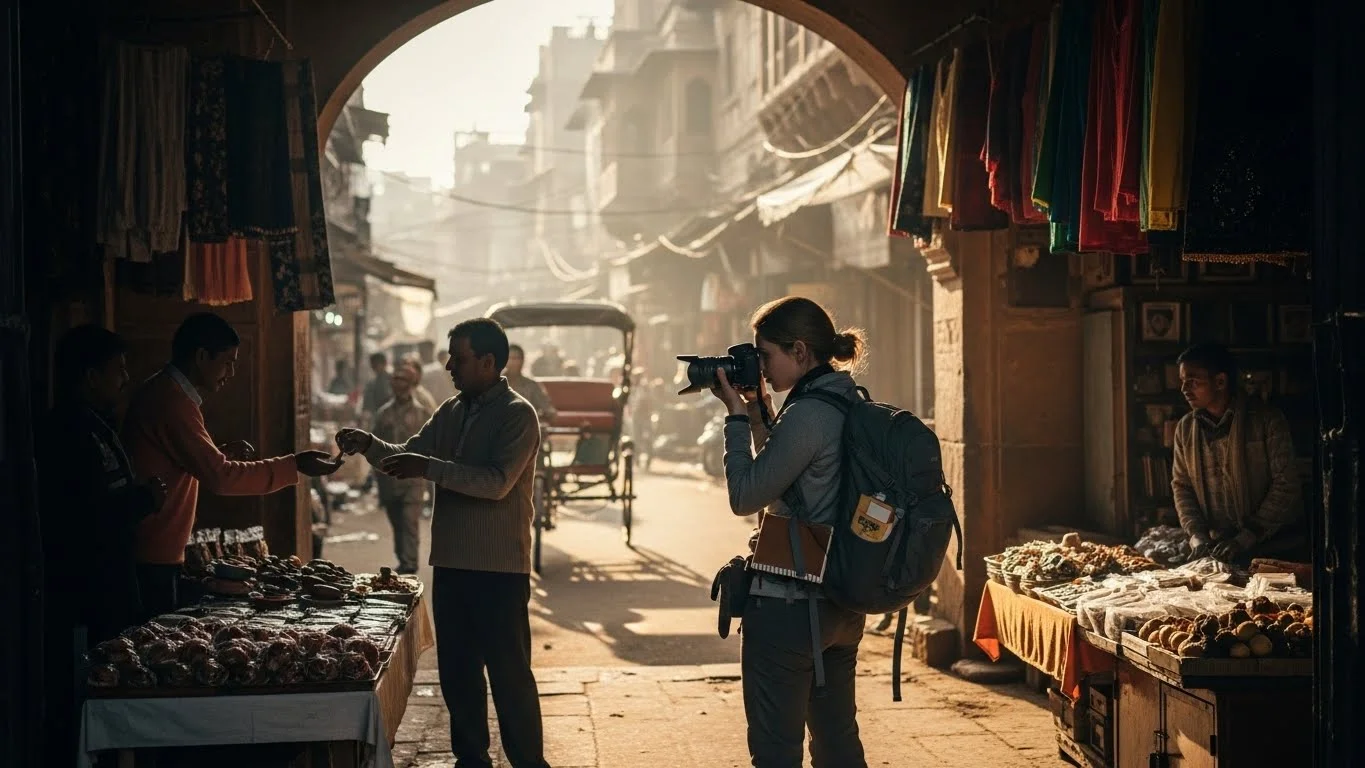
Mastering Street Photography: Essential Techniques for Travelers
Street photography is not just a hobby; it’s a way to capture the essence of life as it unfolds. For travelers, it’s a passport to storytelling through the lens, revealing moments that words often can’t express. If you’re also interested in how to capture stunning landscapes without breaking the bank, check out Your Guide to Budget-Friendly Seasonal Landscape Photography.

Mastering Street Photography: Essential Techniques for Travelers

Understanding Street Photography

Definition and Purpose

When I think of street photography, I see it as a dynamic form of art that focuses on capturing candid moments in public spaces. It’s more than just snapping pictures; it’s about telling stories through the lens. Street photography allows us to explore and connect with our environment, showcasing the beauty and complexity of everyday life. I believe each photo holds a unique narrative, whether it’s a fleeting smile between strangers or a bustling market scene. The purpose is to document life as it happens, capturing those raw, unscripted moments that often go unnoticed.

History of Street Photography

The roots of street photography can be traced back to the early 20th century, with pioneers like Henri Cartier-Bresson, who believed in capturing the “decisive moment.” I find it fascinating how street photography evolved with advancements in technology, from bulky cameras to the compact, lightweight models we use today. The movement gained momentum in the 1950s and 1960s, influenced by social changes, urbanization, and the rise of documentary photography. I remember reading about how different cities became backdrops for iconic images that reflected the zeitgeist of those times. Each era brought its own flavor to street photography, showcasing the world through fresh perspectives.

Key Influencers in Street Photography

As I delved into street photography, I realized how much I admired the works of several key influencers. Besides Cartier-Bresson, there’s Vivian Maier, whose stunning street portraits were discovered posthumously. Her ability to capture the essence of humanity with her camera resonates deeply with me. Another name that often comes to mind is Garry Winogrand, known for his spontaneous and energetic approach. I admire how he transformed the ordinary into extraordinary visuals, reflecting the chaos of American life in the mid-20th century. Each of these photographers has left an indelible mark on the world of street photography, inspiring countless others, including myself, to pick up a camera and start exploring the streets.

Essential Equipment for Street Photography

Choosing the Right Camera

When I first got into street photography, I spent a lot of time figuring out which camera suited my style best. For me, it was essential to have a camera that was not only capable of taking high-quality images but also lightweight and unobtrusive. I found mirrorless cameras to be a perfect fit; they allow for great flexibility without the bulk of traditional DSLRs. It’s important to select a camera with quick autofocus and a good burst mode, so you don’t miss those fleeting moments. I often take my compact camera on my travels because it doesn’t draw too much attention, which is ideal for candid shots. If you’re also considering gear for urban photography, I recommend checking out Best Budget Gear for Urban Landscape Photography.

Lens Selection for Street Photography

Choosing the right lens can truly make or break your street photography experience. I’ve found that a prime lens, particularly a 35mm or 50mm, works wonders for most street situations. These focal lengths give a natural perspective, close enough to capture intimate moments without being intrusive. I remember a time when I used a wider lens, and while it captured more of the environment, it felt too far removed from the subjects. A good lens can help you tell a story, drawing viewers into the scene while keeping the focus on the emotions and the action happening in front of you.

Importance of a Lightweight Setup

As I started to explore street photography more, I learned the value of keeping my setup lightweight. Traveling with heavy gear can be a burden, and it can hinder your ability to be spontaneous. I remember a day in Barcelona where I regretted lugging around a heavy backpack filled with equipment. Since then, I’ve streamlined my gear to just one camera body and one versatile lens. This way, I can move quickly and capture those special moments without feeling weighed down. Trust me, when you’re traveling, less is definitely more.

Accessories: Tripods, Filters, and More

While I prefer to travel light, I do carry a few essential accessories that enhance my street photography experience. A small, portable tripod can be useful if you plan to shoot in low-light conditions or want to try long exposures. I also like to keep a polarizing filter handy for reducing glare and enhancing colors, especially in vibrant city environments. However, I’ve learned to avoid overcomplicating things. The best shots often come from being ready and present, rather than fussing with too many gadgets. So, I recommend focusing on the essentials that will truly enhance your work without bogging you down.

Techniques for Capturing Stunning Street Photos

Mastering Composition

Composition is something I’ve spent a lot of time thinking about in my street photography journey. It’s the backbone of any great photo, and I’ve learned that a well-composed image can tell a story just as powerfully as the subject itself. One rule I often rely on is the Rule of Thirds, which suggests dividing the frame into a grid and placing points of interest along those lines or at their intersections. This technique helps create a balanced image that naturally draws the viewer’s eye. I’ve had moments where shifting my angle slightly or adjusting my framing made all the difference in turning a mediocre shot into something truly captivating.

Another aspect of composition I enjoy playing with is symmetry and patterns. Urban environments are filled with lines, shapes, and textures that can create interesting visual frameworks for my photos. I remember one day in New York City, standing in front of a beautifully symmetrical building. I snapped a few shots, and the resulting images felt so striking. It was a reminder of how much our surroundings can contribute to the narrative we want to convey.

Understanding Lighting Conditions

Lighting is one of those things that can really make or break a street photograph. I’ve come to appreciate the magic of natural light and how it changes throughout the day. Early mornings and late afternoons are my favorite times to shoot; the golden hour casts a warm glow that can transform even the most ordinary scenes into something extraordinary. I remember a particular morning in Paris, where the soft sunlight illuminated the bustling café scene. The light seemed to dance off the tables, highlighting the smiles of patrons enjoying their coffee.

However, shooting during harsh midday light can also yield fantastic results if handled correctly. I’ve experimented with shadows and contrasts during this time, capturing dramatic effects that added depth to my images. Learning to recognize and adapt to various lighting conditions has been a game-changer for me. It’s about finding ways to work with what you’ve got, rather than waiting for the “perfect” moment.

Utilizing Natural Frames and Leading Lines

Natural frames and leading lines have become essential tools in my street photography toolkit. I love how they can guide the viewer’s eye and add context to the story I’m trying to tell. Finding doorways, windows, or even branches to frame my subjects adds a layer of depth to my images. I recall wandering through a narrow alley in Venice, and I spotted an archway that perfectly framed a gondola gliding by. That moment taught me the beauty of taking a second to look for creative framing opportunities.

Leading lines are another fantastic way to draw attention to my subjects. Streets, pathways, and even the edges of buildings can serve as lines that lead the eye toward the focal point of the image. I often look for converging lines that create a sense of depth, making the viewer feel as though they’re stepping right into the scene. The more I experimented with these techniques, the more dynamic and engaging my photographs became.

Capturing Candid Moments

For me, one of the greatest joys of street photography is capturing candid moments that reveal genuine emotions and interactions. I’ve learned that patience is key here. Sometimes, I’ll find a spot and simply wait for life to unfold in front of me. One day, while sitting on a park bench, I witnessed a joyful reunion between two friends. I quickly raised my camera and captured their laughter, and that shot remains one of my favorites to this day. It’s these unguarded moments that often resonate the most.

To get the best candid shots, I’ve found it helpful to blend into the environment. Wearing inconspicuous clothing and using a small camera can make a huge difference. Additionally, I’ve practiced being discreet and non-intrusive, often using longer focal lengths to capture intimacy without invading someone’s space. The thrill of capturing an authentic moment is what keeps me coming back to the streets.

Dealing with Motion and Blur

Street photography is inherently dynamic, with people constantly on the move. I’ve had my share of blurry shots, but I’ve learned to embrace motion as part of the art. I often experiment with slower shutter speeds to create intentional blur, which can convey the energy and pace of city life. I remember a bustling market scene where I intentionally set a slower shutter speed. The result was a beautiful blend of vibrant colors and fluid movement, capturing the essence of the moment.

However, there are times when I want to freeze motion to highlight a specific action. In these cases, I’ll increase my shutter speed to ensure crispness. Understanding how to play with motion and blur has added another layer of creativity to my photography. The key is to experiment and find what resonates with my vision. Whether it’s capturing the hustle and bustle of a street or the tranquility of a quiet corner, mastering motion has enriched my storytelling.

Street Photography Styles and Approaches

Documentary vs. Artistic Styles

As I’ve explored street photography, I’ve come to appreciate the different styles that define this art form. Documentary street photography resonates with me the most; it feels like an honest representation of life. This style focuses on capturing real-life moments without manipulation, allowing the viewer to see and feel the authenticity of each scene. I remember walking through a local market, where I snapped a photo of an elderly vendor joyfully interacting with customers. That image told a story of community and connection, which I found profoundly moving.

On the other hand, I’ve also enjoyed experimenting with more artistic approaches. This style allows for creative expression, where I can play with elements like color, composition, and abstraction. For instance, I once captured a reflection in a puddle that transformed a chaotic street scene into something surreal. The juxtaposition of reality and art can create powerful images that provoke thought and emotion. I believe both styles have their place in street photography, and finding a balance between the two is part of the joy.

Exploring Cultural and Social Contexts

One of the most rewarding aspects of street photography is the opportunity to explore different cultural and social contexts. Every city has its own unique vibe, and I’ve found that immersing myself in local customs can greatly enhance my photography. I remember visiting Marrakech, where the vibrant colors and bustling souks provided a rich tapestry for my lens. Capturing street performers, artisans, and everyday life allowed me to document the essence of the culture in a way that words couldn’t express. If you need tips on traveling affordably, consider checking out Urban Landscape Photography: Travel on a Budget.

Understanding the social dynamics at play is equally important. I’ve learned to be sensitive to the stories behind my subjects, as every photo can carry a deeper meaning. One day, I photographed a group of children playing in a neighborhood park, their laughter echoing around me. Later, I learned that this community was struggling with economic challenges, which made the joy in their expressions even more poignant. I believe that being aware of the cultural and social contexts can transform a simple photograph into a powerful narrative.

Black and White vs. Color Photography

When it comes to the choice between black and white or color photography, I find myself torn between the two, as each has its unique strengths. Black and white photos have a timeless quality that emphasizes contrast and emotion. I remember a particularly moody day in London when I decided to shoot in black and white. The overcast sky and the rain-soaked streets created a dramatic atmosphere that enhanced the emotional weight of my images. There’s something about stripping away color that allows the viewer to focus on the raw feelings captured in each moment.

Color photography, on the other hand, can be equally captivating. The vibrant hues of a bustling market or the soft pastels of a sunset can evoke different feelings and tell a different story. I recall a vibrant street festival where the explosion of colors—from costumes to decorations—was irresistible. I captured images that celebrated the joy and energy of the event, and they felt alive with emotion. Ultimately, I think the choice between black and white and color comes down to the story I want to tell and the mood I want to convey.

Best Practices for Ethical Street Photography

Understanding Privacy and Consent

As I dove deeper into street photography, I quickly realized the importance of understanding privacy and consent. It’s a delicate balance between capturing authentic moments and respecting people’s personal space. I often find myself asking whether it’s appropriate to photograph someone, especially in vulnerable situations. I’ve learned that being observant and sensitive to the emotions of those around me can guide my decisions. For instance, if I see someone who seems to be struggling, I opt to keep my camera down. I believe that empathy should always come first.

When it comes to candid shots, I’ve developed a sense of when it’s acceptable to capture a moment without explicit consent. If I’m in a public space and the subject is part of a larger scene—like a street performer entertaining a crowd—I feel more comfortable taking the shot. However, if someone catches my eye and seems aware of my camera, I often smile and nod, acknowledging their presence. In a way, it opens a dialogue without words, and that can lead to more meaningful interactions.

Respecting Local Cultures and Norms

Traveling for street photography has taught me that every culture has its own norms and values regarding photography. I always make it a point to research local customs beforehand. I remember visiting a serene temple in Thailand, where photography was restricted. I respected this rule and focused on enjoying the atmosphere instead. Understanding these boundaries is crucial not only for ethical reasons but also for building trust with the communities I photograph.

Being respectful often leads to more authentic interactions. I’ve had instances where locals, upon noticing my camera, approached me and offered to share their stories. This openness can result in some of the most beautiful images, enriched by the narratives behind them. Embracing cultural differences and showing genuine interest has always been a rewarding experience for me.

When to Approach vs. When to Stay Invisible

One of the most challenging aspects of street photography is knowing when to approach someone for a portrait versus when to simply observe from a distance. I’ve found that intuition plays a significant role here. If I spot a subject that intrigues me, I often gauge their body language first. If they seem open and inviting, I’ll approach them with a friendly smile and ask if I can take their photo. I remember one afternoon in Lisbon when I asked a street musician if I could capture him playing. His enthusiastic smile and willingness turned into a vibrant portrait that I cherish.

Conversely, I’ve also learned to appreciate the beauty of staying invisible. Some of my favorite shots have come from simply observing life as it unfolds around me. I’ve spent hours in busy squares, capturing the ebb and flow of people without intruding. This approach has allowed me to capture unguarded moments that tell a more authentic story. Balancing these two approaches has truly enriched my experience and the depth of my work.

Frequently Asked Questions

What is street photography?

Street photography is a dynamic form of art that focuses on capturing candid moments in public spaces. It tells stories through the lens, documenting life as it happens and showcasing the beauty and complexity of everyday life.

Who are some key influencers in street photography?

Key influencers in street photography include Henri Cartier-Bresson, known for capturing the “decisive moment,” Vivian Maier, whose street portraits were discovered posthumously, and Garry Winogrand, recognized for his energetic approach to capturing ordinary scenes.

What type of camera is recommended for street photography?

A mirrorless camera is often recommended for street photography as it is lightweight and unobtrusive, allowing for high-quality images without drawing much attention. Quick autofocus and a good burst mode are also important features.

What lens is best for street photography?

A prime lens, particularly a 35mm or 50mm, is ideal for most street situations. These focal lengths provide a natural perspective, allowing for intimate moments to be captured without being intrusive.

Why is a lightweight setup important in street photography?

A lightweight setup allows photographers to be spontaneous and move quickly, which is crucial for capturing fleeting moments. Carrying heavy gear can hinder mobility and creativity in street photography.

What are some techniques for capturing stunning street photos?

Techniques for capturing stunning street photos include mastering composition, understanding lighting conditions, utilizing natural frames and leading lines, capturing candid moments, and experimenting with motion and blur.

What is the difference between documentary and artistic street photography?

Documentary street photography focuses on capturing real-life moments without manipulation, portraying authenticity. Artistic street photography allows for creative expression through elements like color and composition, often transforming reality into something surreal.

How can cultural and social contexts enhance street photography?

Immersing oneself in local customs and understanding social dynamics can greatly enhance street photography, allowing for the documentation of unique cultural narratives and adding depth to the images captured.

What are best practices for ethical street photography?

Best practices for ethical street photography include understanding privacy and consent, respecting local cultures and norms, and knowing when to approach a subject versus when to remain invisible to capture candid moments.

How can lighting affect street photography?

Lighting can greatly influence street photography. Natural light changes throughout the day, with early mornings and late afternoons providing a warm glow. Understanding how to work with different lighting conditions can enhance the mood and quality of images.

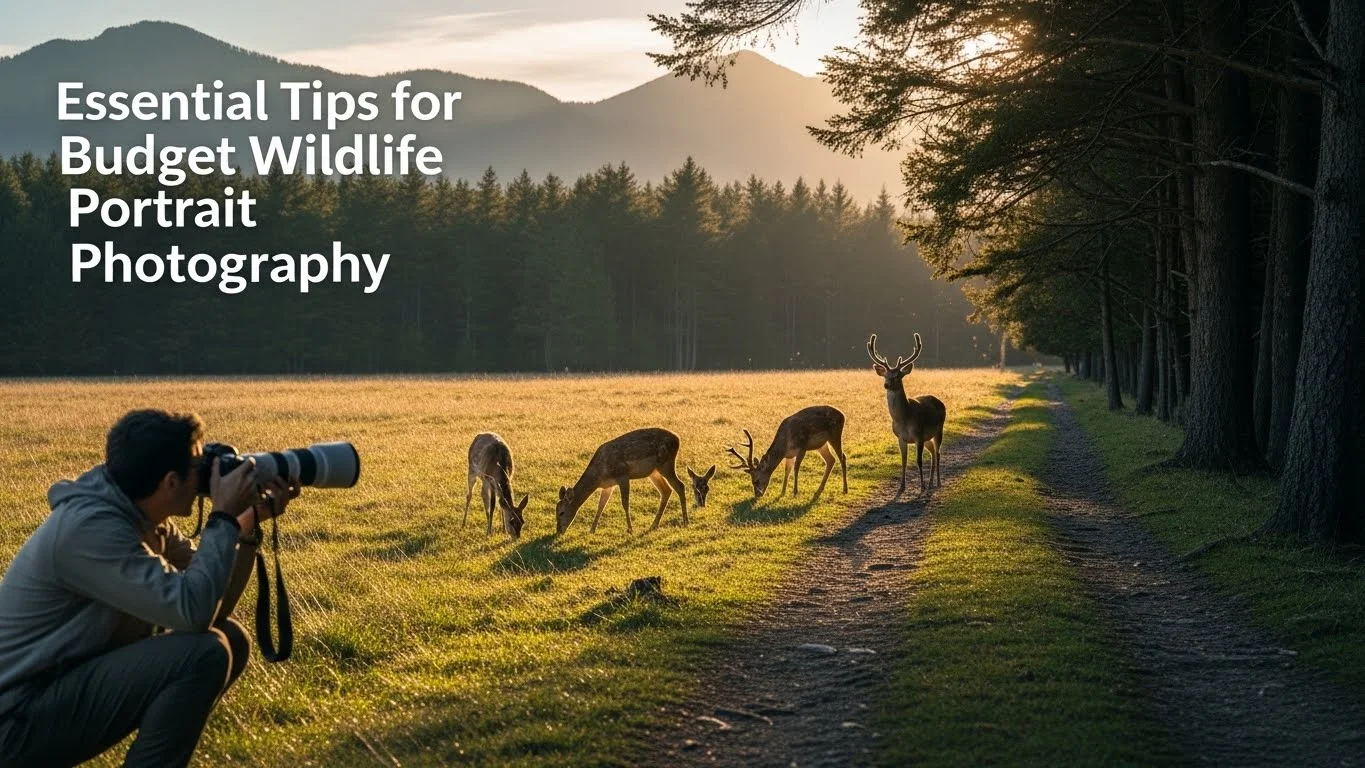
Essential Tips for Budget Wildlife Portrait Photography

Capturing stunning wildlife portraits can be an exhilarating journey, even on a budget. With a little creativity and some essential tips, we can all embrace the beauty of nature through our lenses. If you’re looking for more insights, check out Capture Nature’s Wonders: Budget Wildlife Photography Tours.

Essential Tips for Budget Wildlife Portrait Photography

Understanding Wildlife Portrait Photography

What is Wildlife Portrait Photography?

Wildlife portrait photography is all about capturing the essence of animals in their natural habitats. It’s not just about snapping a picture; it’s about telling a story through the eyes of the creatures we encounter. I remember my first attempt at wildlife photography; I was filled with excitement and a bit of nervousness. The thrill of observing an animal and anticipating that perfect moment is a feeling like no other. Wildlife portraits often focus on the animal’s face, showcasing its expressions, features, and character. This style of photography allows us to connect with wildlife, revealing their beauty and the intricacies of their lives.

Importance of Wildlife Photography

Why do I think wildlife photography is important? It goes beyond just capturing pretty pictures. Wildlife photography plays a crucial role in raising awareness about the natural world. It helps us appreciate the diverse species we share our planet with and can inspire conservation efforts. Through our photographs, we can evoke emotions and spark conversations about protecting wildlife and their habitats. Personally, I’ve found that every time I share a wildlife portrait, it encourages others to look closer at the world around them, fostering a sense of responsibility towards nature.

Essential Gear for Budget Wildlife Photography

Camera Options: DSLRs, Mirrorless, and Point-and-Shoot

When I started my journey into wildlife photography, choosing the right camera was a big decision. I quickly learned that I didn’t need the most expensive gear to capture stunning images. There are three main types of cameras to consider: DSLRs, mirrorless cameras, and point-and-shoots. DSLRs offer versatility and excellent image quality, but they can be bulky. Mirrorless cameras are lightweight and compact, making them great for hiking in the wild. However, a good point-and-shoot can also do the trick, especially for beginners. I’ve used all three types over the years, and each has its strengths. It really depends on your comfort level and the type of wildlife photography you want to pursue. For more gear recommendations, check out Essential Gear for Macro Wildlife Photography on a Budget.

Lens Recommendations for Wildlife Portraits

Now, let’s talk lenses. A good lens can make all the difference in your wildlife portraits. I learned early on that a telephoto lens is essential for capturing animals from a distance without disturbing them. A lens with a focal length of at least 200mm is a solid choice for wildlife photography. I’ve found myself using a 300mm lens a lot, and it’s been a game-changer for getting those close-up shots. If you’re on a budget, consider buying used lenses or looking for budget-friendly brands that offer decent quality. Remember, it’s not always about having the most expensive gear; it’s about how you use it.

Tripods and Stabilizers: Do You Really Need Them?

When it comes to stabilization, I’ve often debated whether a tripod or stabilizer is necessary. For me, it really depends on the situation. If I’m photographing stationary animals or doing long exposures, a tripod is invaluable. However, if I’m on the move, I prefer to shoot handheld. I’ve found that a good strap or a stabilizer can help reduce camera shake when capturing wildlife in action. If you’re just starting out and on a budget, I recommend investing in a sturdy strap before splurging on a tripod.

Budget Accessories: Filters, Bags, and More

Let’s not forget about accessories! I’ve discovered that simple items can enhance my wildlife photography experience. A polarizing filter can help reduce glare and enhance colors in your images, which I’ve found especially useful when shooting near water. A good camera bag is also essential for protecting your gear while you’re out in the field. I personally use a backpack style that allows me to carry my camera and lenses comfortably. Don’t overlook the benefits of extra batteries and memory cards, too. There’s nothing worse than running out of power or storage just when the perfect moment arises!

Finding the Best Locations for Wildlife Photography

National Parks vs. Local Reserves

When I set out to find the perfect spots for wildlife photography, I quickly realized that both national parks and local reserves have their unique charm and advantages. National parks are often teeming with diverse wildlife and stunning landscapes. I remember visiting Yellowstone for the first time; it was like stepping into a wildlife documentary. The sheer variety of animals—from bison to elk—made every moment feel like a potential photo opportunity.

However, local reserves can also be gold mines for wildlife photographers, especially if you’re on a budget. I’ve found that many smaller reserves are less crowded, making it easier to observe animals without disturbing them or being disturbed myself. Plus, they often have their unique species that you might not encounter in larger parks. I’ve spent countless afternoons in my local wildlife refuge, capturing birds and small mammals. It’s all about being open to exploring new places and realizing that adventure can be found right around the corner. For those interested in exploring more, consider Budget Backpacking for Macro Wildlife Photography Lovers.

Timing Your Visits: Best Seasons and Times of Day

The timing of your photography trips can greatly influence the quality of your wildlife portraits. I’ve learned that early mornings and late afternoons are often the best times to photograph animals. During these hours, the light is softer, and animals tend to be more active. I can’t tell you how many breathtaking shots I’ve captured during golden hour—the warm light just adds magic to the images.

Seasonality also plays a significant role in wildlife sightings. For instance, spring is an incredible time to observe animals with their young, while fall can offer stunning migration scenes. I remember hiking during the autumn months and witnessing a flock of geese taking off at sunset. It was a moment that reminded me of nature’s beauty and rhythm. I encourage you to research the wildlife in your area and plan your visits around their activity patterns. Making this a part of your routine can lead to some truly rewarding experiences.

Understanding Animal Habitats and Behavior

To capture compelling wildlife portraits, understanding the habitats and behaviors of animals is essential. I’ve spent hours researching the animals I wanted to photograph, learning about their feeding habits, social structures, and migration patterns. This knowledge has helped me anticipate where and when to find them. For example, I learned that certain bird species are usually found near water sources, which led me to some of my best shots.

It’s also crucial to be patient and observant. I remember sitting quietly by a pond for what felt like an eternity, waiting for a heron to strike. Just when I thought all hope was lost, it swooped down and caught a fish. That moment was exhilarating, and I was able to capture the entire sequence. Embracing the slow, meditative aspect of wildlife photography has made my experiences richer and more fulfilling. I recommend taking the time to sit quietly in nature and really observe what’s going on around you; you may be surprised by what you see.

Techniques for Capturing Stunning Wildlife Portraits

Understanding Animal Behavior for Better Shots

Getting to know the behavior of the animals you want to photograph can significantly enhance your chances of capturing stunning portraits. I’ve found that observing animals for a while before shooting helps me understand their patterns. For instance, I remember watching a family of foxes play in a field for an entire afternoon. By paying attention to their interactions, I was able to predict when they would come into the best light for a shot. This kind of observation not only leads to better photos but also deepens our connection with wildlife.

Composition Techniques: Rule of Thirds and Leading Lines

When it comes to composition, using techniques like the rule of thirds and leading lines can take your wildlife portraits to the next level. I always try to position my subject off-center, which creates a more dynamic image. For example, when photographing a lion lounging in the grass, I place it in one third of the frame while leaving the other two-thirds to showcase its environment. This approach invites viewers into the scene and helps tell a story.

Leading lines are another fantastic technique. I often look for natural lines in the landscape, such as paths or rivers, to draw the viewer’s eye toward the subject. The result is a more engaging and visually appealing photograph. Experimenting with different compositions is key, and I encourage you to try varying angles and perspectives to find what works best for you.

Using Natural Light to Your Advantage

Natural light is one of the most powerful tools in wildlife photography. I’ve learned that the quality of light can dramatically change the mood of a photograph. I prefer to shoot during the golden hours—early mornings and late afternoons—when the light is soft and warm. I remember capturing a majestic elk against a backdrop of vibrant sunrise colors, and it’s still one of my favorite images. Always keep an eye on the direction and quality of light when you’re out in the field; it can make a world of difference in your portraits.

Focusing Techniques: Depth of Field and Shutter Speed

Getting your focus right is crucial for creating sharp wildlife portraits. I’ve found that using a shallow depth of field can beautifully isolate your subject from the background, making the animal stand out. When I photograph birds, for instance, I often set my aperture wide open (like f/2.8 or f/4) to achieve that creamy background blur. This not only emphasizes the subject but also adds an artistic touch to the photo.

Shutter speed is equally important, especially when dealing with fast-moving animals. I’ve learned to increase my shutter speed to freeze motion, which is essential when photographing animals in action. A faster shutter speed (like 1/1000s or higher) has helped me capture incredible moments, like a cheetah sprinting across the savannah. Understanding and mastering these techniques has been a game-changer in my photography journey.

Editing and Post-Processing on a Budget

Free and Affordable Editing Software Options

Once I started capturing wildlife portraits, I quickly realized that editing plays a crucial role in enhancing my images. Thankfully, there are several free and affordable software options that can help us polish our photos without breaking the bank. I’ve experimented with programs like GIMP and Paint.NET, which are excellent free alternatives to Photoshop. They offer a wide range of tools to adjust colors, contrast, and sharpness. For those looking for something a bit more user-friendly, I recommend trying out Lightroom’s mobile app or Adobe’s Creative Cloud Photography plan, which provides a great mix of functionality at a reasonable price.

Basic Editing Techniques for Wildlife Portraits

Editing doesn’t have to be daunting. I remember feeling overwhelmed at first but found that focusing on a few basic techniques can significantly improve my wildlife images. One of the first things I do is crop my photos to eliminate any distractions and improve composition. I also adjust the exposure and contrast to make the details pop. Sometimes, I find that increasing the shadows can reveal more intricate details in darker areas, which adds depth to my portraits. Simple adjustments can make a world of difference, and I’ve learned that less is often more when it comes to editing.

Enhancing Colors and Details without Overdoing It

Color enhancement is another area I enjoy exploring in my editing process. I’ve found adjusting the saturation and vibrance can make the colors in my wildlife portraits come alive. However, it’s important to be cautious not to overdo it. I remember editing a photo of a bright red cardinal and accidentally making it look more like a cartoon than a real bird! I now aim for natural-looking colors that stay true to the animal’s appearance. I also use sharpening tools to bring out the details in the fur or feathers, but I’ve learned to apply these effects subtly to avoid an unnatural look. Ultimately, my goal is to enhance the beauty of the wildlife while maintaining authenticity.

Tips for Staying Safe and Ethical in Wildlife Photography

Respecting Wildlife and Their Habitats

As I’ve delved deeper into wildlife photography, I’ve become increasingly aware of the importance of ethics in our art. Respecting wildlife and their habitats is not just a moral obligation; it’s crucial for ensuring that we can continue to enjoy these beautiful moments in nature. I’ve made it a point to follow guidelines from wildlife organizations, which often emphasize the importance of keeping a safe distance from animals and not disturbing their natural behaviors. I remember one particular encounter with a nesting bird; instead of getting too close for that perfect shot, I set up my camera at a distance and patiently waited. The result was a beautiful portrait without intruding on its space.

Staying Safe in the Field: Personal Safety Tips

Staying safe while pursuing wildlife photography is essential, especially when venturing into remote areas. I always make sure to inform someone about my location and plans before heading out. It’s also wise to carry a basic first-aid kit, just in case. I’ve learned the hard way that wearing appropriate clothing and sturdy shoes can make a huge difference in comfort and safety. I remember one hike where I underestimated the terrain and ended up with muddy shoes and sore feet. Being prepared for various conditions—whether it’s rain, sun, or insects—has saved me from many uncomfortable situations.

Understanding Local Laws and Regulations

Before heading out to photograph wildlife, I make it a habit to research local laws and regulations. Different areas have specific rules regarding wildlife interactions, and I’ve discovered that being informed helps protect both myself and the animals. For example, many national parks have strict guidelines about where you can and can’t go, and respecting these areas is part of being a responsible photographer. I remember getting excited about capturing shots of a moose in a protected area and realizing I had to stay on the designated paths. It was a great reminder that nature deserves our protection and respect, and by following the rules, we’re doing our part to preserve it.

Sharing Your Wildlife Portraits

Best Platforms for Showcasing Your Work

Once I feel satisfied with my wildlife portraits, sharing them with others brings me great joy. Over the years, I’ve discovered several platforms that are perfect for showcasing my work. Instagram has become a favorite of mine, as it allows me to connect with other photographers and wildlife enthusiasts. I also enjoy using Flickr, where I can upload high-resolution images and join groups that cater to specific interests in wildlife photography. Each platform has its unique audience, and I’ve found that engaging with different communities can really help my work reach a wider audience.

Building a Portfolio on a Budget

Creating a portfolio doesn’t have to be an expensive endeavor. I’ve learned that a simple website can serve as an effective showcase for my wildlife photography. I use affordable website builders that provide templates and easy customization options. Sharing my journey through blog posts and images has also helped me connect with viewers on a personal level. I often include stories behind the shots, which adds depth to my portfolio and makes it more relatable.

Engaging with the Wildlife Photography Community

Getting involved in the wildlife photography community has enriched my experience immensely. I’ve participated in local photography meetups, online forums, and social media groups where I can share tips and learn from others. I find that exchanging ideas and constructive feedback not only helps me grow as a photographer but also fosters lasting friendships. There’s something special about connecting with people who share the same passion for wildlife and nature, and it’s transformed my journey into one of collaboration and shared excitement.

Frequently Asked Questions

What is wildlife portrait photography?

Wildlife portrait photography is about capturing the essence of animals in their natural habitats. It focuses on telling a story through the eyes of the creatures, often highlighting their expressions, features, and character.

Why is wildlife photography important?

Wildlife photography raises awareness about the natural world, helps us appreciate the diverse species we share our planet with, and can inspire conservation efforts. It encourages conversations about protecting wildlife and their habitats.

What types of cameras are recommended for wildlife photography?

The three main types of cameras to consider are DSLRs, mirrorless cameras, and point-and-shoots. DSLRs offer versatility but can be bulky, while mirrorless cameras are lightweight and great for hiking. A good point-and-shoot can also be effective, especially for beginners.

What lens is best for capturing wildlife portraits?

A telephoto lens with a focal length of at least 200mm is essential for capturing animals from a distance. A 300mm lens is particularly useful for close-up shots without disturbing the wildlife.

Is it necessary to use a tripod or stabilizer for wildlife photography?

Whether to use a tripod or stabilizer depends on the situation. A tripod is invaluable for photographing stationary animals or long exposures, while handheld shooting is preferable for moving subjects. A good strap can help reduce camera shake.

What are some budget accessories that enhance wildlife photography?

Budget accessories include a polarizing filter to reduce glare, a good camera bag for protection, extra batteries, and memory cards. These items can significantly enhance the wildlife photography experience.

When is the best time to photograph wildlife?

Early mornings and late afternoons are often the best times to photograph animals due to softer light and increased animal activity. Seasonality also plays a role, with spring being great for observing young animals and fall for migration scenes.

How can understanding animal behavior improve wildlife photography?

Understanding animal behavior allows photographers to predict patterns and capture better shots. Observing animals for a while before shooting helps anticipate the best moments for photography.

What are some basic editing techniques for wildlife portraits?

Basic editing techniques include cropping to eliminate distractions, adjusting exposure and contrast to enhance details, and increasing shadows to reveal intricate details. It’s important to keep edits subtle to maintain the authenticity of the wildlife.

How can photographers share their wildlife portraits effectively?

Photographers can share their work on platforms like Instagram and Flickr, which cater to wildlife photography audiences. Building a portfolio through affordable website builders and engaging with the wildlife photography community can also enhance exposure.

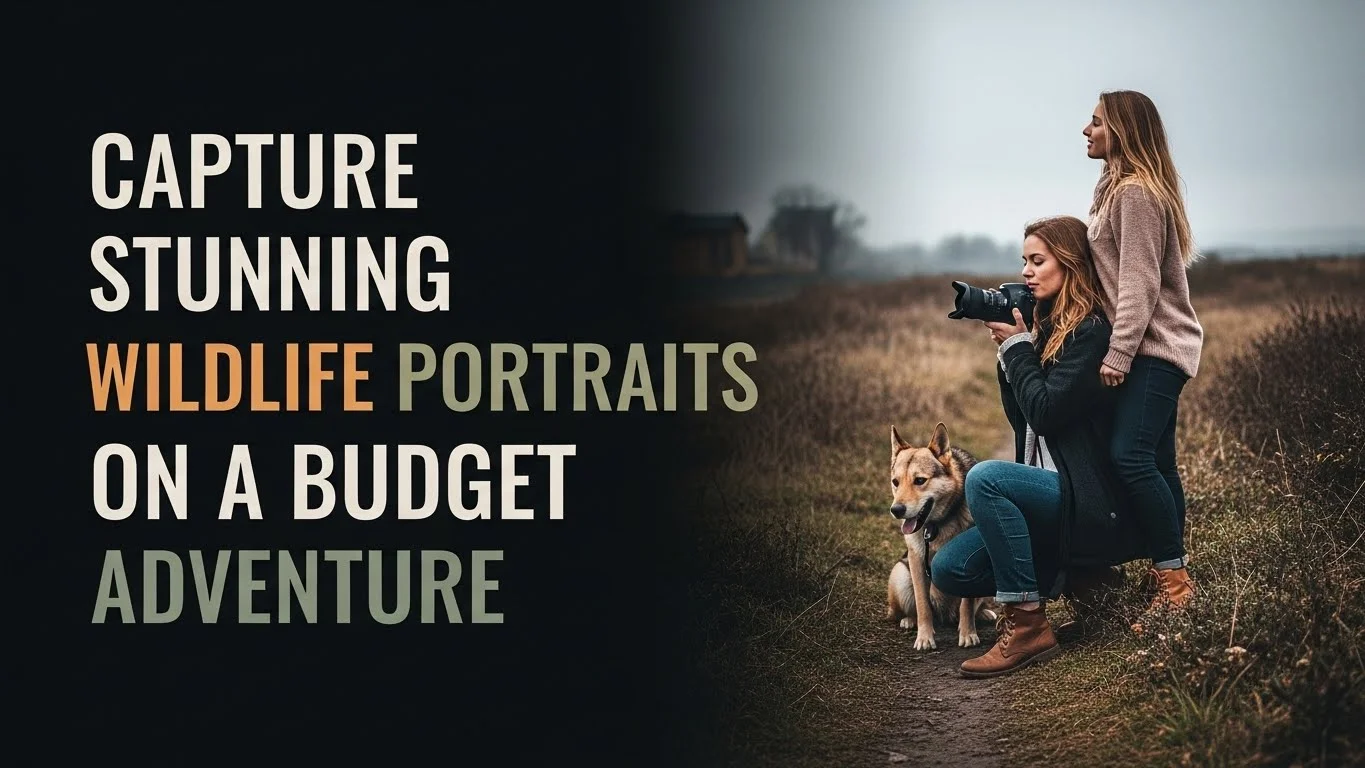
Capture Stunning Wildlife Portraits on a Budget Adventure

Wildlife photography is a thrilling adventure, allowing us to connect with nature and capture its beauty. You don’t need an extravagant budget to create stunning images; with the right approach, you can embark on this journey without breaking the bank. Read Interesting article: Capture Stunning Wildlife in Landscapes on a Budget

Capture Stunning Wildlife Portraits on a Budget Adventure

Understanding Wildlife Photography

What is Wildlife Photography?

Wildlife photography is all about capturing images of animals in their natural habitats. For me, this art form goes beyond just taking pictures; it’s about storytelling. Every shot has a narrative, whether it’s the elegance of a soaring eagle or the playful antics of a group of monkeys. The beauty of wildlife photography is that it allows us to freeze moments in time, showcasing the wonder and diversity of life around us. I remember my first encounter with a deer while hiking. The moment I spotted it, my heart raced, and I instinctively reached for my camera. That’s the magic of wildlife photography—it’s all about the thrill of the chase and the perfect capture.

The Importance of Ethical Wildlife Photography

Ethics play a crucial role in wildlife photography. I’ve learned that respecting animals and their environments is vital. Getting too close can disturb their natural behaviors, leading to stress or harm. I often remind myself to maintain a safe distance, using my zoom lens to capture intimate shots without intruding. Additionally, I believe it’s important to leave no trace—taking only photos and leaving only footprints. This respect not only helps preserve wildlife but also ensures that future generations can enjoy the same experiences we cherish today.

Essential Gear for Wildlife Photography on a Budget

Budget-Friendly Cameras for Wildlife Photography

When I first started, I didn’t have a fancy camera. I used an entry-level DSLR that was light on my wallet but still delivered great images. I recommend looking for cameras with fast autofocus and good low-light performance, as wildlife often moves quickly or appears in shaded areas. Brands like Canon and Nikon offer solid options for beginners. More recently, I discovered mirrorless cameras, which are compact yet powerful. If you’re on a tight budget, consider searching for used or refurbished models. I found a great deal on one online that’s served me well for years.

Choosing the Right Lens Without Breaking the Bank

Lenses can be a significant investment, but there are budget-friendly options that still perform well. Telephoto lenses are essential for wildlife photography, as they allow you to capture distant subjects. I started with a 300mm lens, which was affordable and versatile. Over the years, I’ve learned to appreciate prime lenses for their sharpness and low-light capabilities. If you can, try to test lenses before buying to see what feels comfortable for you. My favorite lens now is a 70-300mm zoom lens—I love the flexibility it offers!

Accessories to Enhance Your Photography

While cameras and lenses are crucial, accessories can elevate your photography experience. I’ve found several items invaluable during my adventures.

Tripods and Stabilizers

A sturdy tripod is a must-have for wildlife photography, especially in low-light conditions or when shooting at longer focal lengths. I learned this the hard way when I missed a perfect shot of a heron because my hands were shaky. A lightweight tripod is ideal for traveling. There are also stabilizers that help reduce camera shake, which I’ve found particularly useful when I’m on the move.

Camera Bags and Protection

Investing in a good camera bag is essential to protect your gear from the elements. I once got caught in the rain without a waterproof bag, and it was a nightmare. Now, I always carry a weather-sealed bag that’s padded and has enough space for my gear. A backpack-style bag is great for hikes, as it distributes weight evenly and keeps my hands free.

Editing Software Options

Editing is where the magic happens. While there are expensive software options out there, I’ve found free or low-cost programs that work wonders. Lightroom and GIMP are fantastic for beginners. I started with GIMP, and it helped me learn the basics of photo editing without spending a dime. Over time, I’ve transitioned to Lightroom for its user-friendly interface and powerful capabilities, which I believe is worth the investment.

Embarking on a wildlife photography adventure doesn’t have to be expensive. With the right gear and approach, amazing moments are just waiting to be captured. I can’t wait to dive deeper into the best locations and techniques in the rest of this journey. Stay tuned for more tips and insights! Read Interesting article: Top Tips for Wildlife Photography in Scenic Landscapes

Best Locations for Wildlife Photography

National Parks for Budget-Friendly Adventures

When it comes to wildlife photography, national parks are often the first places that come to mind. They are protected areas where animals roam freely, providing a fantastic backdrop for our photography adventures. I’ve had the pleasure of exploring several national parks, and I can confidently say they offer some of the best opportunities for capturing stunning wildlife images without spending a fortune.

Yellowstone National Park

Yellowstone is a gem for wildlife enthusiasts like us. It’s home to a diverse range of species, including bison, elk, and wolves. I remember my first trip there—I woke up early to catch the sunrise over the Lamar Valley. The mist rising from the ground created a perfect mystical atmosphere, and I was lucky enough to spot a herd of bison grazing peacefully. The park also has well-marked trails that make it easy to find great spots for photography. Just make sure to bring a zoom lens, as some animals like to keep their distance!

Everglades National Park

The Everglades offers a totally different experience, with its unique ecosystem filled with alligators, wading birds, and vibrant plant life. I was pleasantly surprised by how accessible the park is for photographers on a budget. The park has several areas that are easy to navigate by foot or bike, allowing us to get close to the action. I remember one afternoon spent near a wetland, where I caught an incredible shot of a heron hunting for fish. The reflections in the water were just stunning, highlighting how the Everglades is a paradise for wildlife photography.

Local Wildlife Reserves and Sanctuaries

Don’t overlook local wildlife reserves and sanctuaries! These hidden treasures can provide amazing opportunities to observe animals up close without the crowds of national parks. I’ve often visited local reserves, and I’ve found they can be very budget-friendly. Admission fees are usually low, and they often have guided tours that can enhance our experience.

One of my favorite spots has been a nearby sanctuary focused on rescuing and rehabilitating local wildlife. I’ve had the chance to photograph everything from owls to foxes. The staff is passionate and can offer great tips on the best times and locations for sightings. I love how these places help raise awareness about conservation while also allowing us to capture beautiful moments.

Urban Wildlife Photography Opportunities

Urban environments can surprise us with unexpected wildlife photography opportunities. I’ve discovered that if I look closely, there’s a whole world of animals thriving amidst the city hustle. From pigeons to raccoons, I’ve found that city parks, gardens, and even rooftops can be great places to snap some captivating shots.

One afternoon, I decided to visit a local park known for its birdwatching. I was amazed by the variety of birds I encountered, and I ended up capturing some delightful close-ups of sparrows and cardinals. Urban wildlife photography can be a fun challenge, as it requires us to adapt our techniques to the fast-paced environment around us.

Plus, photographing wildlife in urban settings can help raise awareness about their presence and the need for conservation efforts. I feel that every shot I take helps tell a story about how nature coexists with our bustling lives.

Techniques for Capturing Stunning Wildlife Portraits

Understanding Animal Behavior

To take great wildlife photos, understanding animal behavior is key. I’ve learned that observing animals in their natural surroundings gives us clues about when and where to capture them at their best. For instance, some animals are more active during specific times of the day. I often find myself researching the habits of the species I want to photograph. Knowing their routines can lead to incredible opportunities, like catching a fox at dawn or spotting deer during the golden hour.

I also try to be patient and stay quiet. Animals can easily be startled, and observing them from a distance often leads to more natural and candid shots. I’ve spent hours waiting with my camera ready, and those moments of stillness have rewarded me with some of my favorite captures. It’s all about being in tune with nature and respecting its rhythm.

Using Natural Light to Your Advantage

Natural light plays a significant role in wildlife photography. I’ve found that the best times to shoot are early in the morning or just before sunset, often referred to as the golden hour. The soft, warm light during these times creates beautiful highlights and shadows in our photographs. I remember one sunset when I was at a lake capturing otters playing around. The golden light reflecting off the water made the whole scene magical. It’s moments like these that remind me why I love this craft so much.

Composition Tips for Wildlife Portraits

Composition can make or break a wildlife photo. I’ve discovered a few simple techniques that help create striking images. The rule of thirds is one of my favorites. By placing the subject off-center, I find it adds more interest and balance to the shot. I often visualize a grid when looking through my lens to guide me.

Rule of Thirds and Framing

Additionally, framing is a powerful tool in wildlife photography. I like to use natural elements like branches or leaves to frame my subject, which draws the viewer’s eye to the animal. I remember framing a hawk perched on a branch with leaves in the foreground, creating depth in the image. It transformed a simple shot into a more compelling story.

Close-Ups vs. Wide Shots

Lastly, I think it’s essential to mix up our shots between close-ups and wide angles. Close-ups can capture intricate details and expressions, while wide shots show animals in their habitats. I try to alternate between the two, which helps tell a more complete story of the wildlife I’m photographing.

Timing Your Wildlife Photography Adventure

Best Times of Day for Wildlife Photography

Timing plays a crucial role in wildlife photography. I’ve learned that certain times of the day can significantly enhance my chances of capturing stunning images. Early mornings and late afternoons are magical for wildlife enthusiasts like us. During these hours, the light is soft and warm, perfect for bringing out the colors in our photographs. I often wake up before dawn, coffee in hand, excited to catch the first rays of sunlight. There’s something special about that quiet morning atmosphere; it feels like the world is waking up, and so are the animals.

I’ve noticed that many animals are most active during these golden hours. For instance, I’ve seen deer grazing and birds hopping about in search of breakfast. Likewise, early mornings offer a peacefulness that allows for more intimate encounters. I remember one morning in a foggy meadow, where I spotted a family of foxes playing just as the sun began to rise. Those moments are the ones I cherish the most because they remind me of the beauty and unpredictability of wildlife.

Seasonal Considerations for Wildlife Sightings

Seasons also greatly impact wildlife photography. Each season brings its own unique set of opportunities and challenges. I’ve discovered that understanding seasonal patterns can help me plan my adventures effectively. Spring, for example, is an excellent time for spotting newborn animals. I went to a local nature reserve last spring and was thrilled to photograph a fawn taking its first steps. The joy of capturing those tender moments is irreplaceable.

Summer, on the other hand, can be a bit tricky. With the heat, animals tend to be less active during the day, often seeking shade. I’ve learned to adapt by focusing on early mornings or late evenings, which still provide excellent opportunities. Fall is another favorite of mine; the changing leaves create a stunning backdrop for wildlife. I remember photographing a bald eagle perched on a tree with vibrant autumn colors in the background. It was a breathtaking scene!

Winter, while challenging with its cold temperatures, can offer some of the most striking images. I’ve ventured out during snowy days and captured stunning shots of animals against a white backdrop. Just remember to dress warmly and protect your gear from the elements. Each season brings with it a new adventure, and I embrace the unique experiences they offer.

Budgeting for Your Wildlife Photography Adventure

Travel Costs: Transportation and Accommodation

When planning a wildlife photography trip, I’ve learned that budgeting for transportation and accommodation is essential. I often choose to drive instead of flying, which can save a significant amount of money. Road trips allow me to explore various locations along the way, turning the journey into part of the adventure. I remember a trip where I drove through several states, stopping at different parks to photograph wildlife. Those spontaneous moments often lead to the most memorable experiences.

For accommodation, I usually opt for camping or budget-friendly lodges. Campsites can be surprisingly affordable and put me right in the heart of nature. I’ve spent countless nights under the stars, waking up to the sounds of wildlife around me. It’s such a rewarding experience! When camping isn’t an option, I recommend looking for hostels or budget hotels that cater to travelers. Websites offering discounts and last-minute deals can be a lifesaver.

Food and Supplies on a Budget

Food can often add up when traveling, but I’ve found ways to keep costs low. I like to pack my meals and snacks, which allows me to save money while enjoying my favorite foods on the go. Simple items like sandwiches, trail mix, and fruit can make for satisfying meals during long days in the field. Plus, enjoying a meal surrounded by nature is always a delightful experience.

I also make sure to bring plenty of water and refillable bottles to stay hydrated. Staying prepared means I can focus on capturing amazing wildlife shots instead of searching for a cafe. If I do choose to eat out, I often look for local diners or food trucks that offer delicious meals at reasonable prices. Exploring local cuisine is a fun part of any adventure!

Free and Low-Cost Activities

Wildlife photography doesn’t have to be an expensive hobby. I’ve discovered many free or low-cost activities that can enhance my experience while keeping my budget intact. Exploring local parks or nature trails is a fantastic way to practice my skills without spending a dime. I often take long walks, enjoying the scenery and keeping an eye out for wildlife. Many parks also offer free guided tours, which can be a great way to learn more about the area and increase my chances of spotting animals.

Another budget-friendly option is joining photography clubs or online communities. I’ve met many fellow photographers who share tips, locations, and even gear. Some clubs organize outings, which can be an excellent way to explore new places while connecting with others who share the same passion. I believe that the more we collaborate and learn from each other, the more we grow as photographers. Read Interesting article: Explore Coastal Wonders: Budget-Friendly Photography Guide

Frequently Asked Questions

What is wildlife photography?

Wildlife photography is the art of capturing images of animals in their natural habitats. It goes beyond taking pictures; it involves storytelling and showcasing the beauty and diversity of life around us.

Why is ethical wildlife photography important?

Ethical wildlife photography is crucial because it involves respecting animals and their environments. Getting too close can disturb their natural behaviors, causing stress or harm. Maintaining a safe distance and leaving no trace are essential practices.

What type of camera is recommended for wildlife photography on a budget?

For wildlife photography on a budget, entry-level DSLRs with fast autofocus and good low-light performance are recommended. Brands like Canon and Nikon offer solid options, and mirrorless cameras can also be a compact yet powerful choice.

What lens is ideal for wildlife photography?

Telephoto lenses are essential for wildlife photography as they allow you to capture distant subjects. A 300mm lens is a good starting point, and prime lenses are appreciated for their sharpness and low-light capabilities.

What accessories are helpful for wildlife photography?

Accessories like sturdy tripods, camera bags for protection, and editing software can greatly enhance the wildlife photography experience. A lightweight tripod is important for stability, while a good camera bag protects gear from the elements.

What are the best locations for wildlife photography?

National parks, local wildlife reserves, and urban environments are excellent locations for wildlife photography. Parks like Yellowstone and the Everglades offer diverse species, while local reserves provide intimate encounters with animals.

What times of day are best for wildlife photography?

Early mornings and late afternoons, known as golden hours, are the best times for wildlife photography. The soft, warm light during these times enhances the colors in photographs and many animals are more active during these hours.

How do seasonal changes affect wildlife photography?

Seasons impact wildlife photography by presenting unique opportunities and challenges. Spring is great for spotting newborn animals, while summer heat can reduce animal activity. Fall offers stunning backdrops, and winter can provide striking images against a snowy backdrop.

How can one budget for a wildlife photography trip?

To budget for a wildlife photography trip, consider transportation and accommodation costs. Driving instead of flying can save money, and camping or budget-friendly lodges can keep accommodation costs low. Packing meals and looking for local dining options can also help manage food expenses.

What are some free or low-cost activities related to wildlife photography?

Free or low-cost activities like exploring local parks or nature trails, joining photography clubs, and participating in guided tours can enhance the wildlife photography experience without incurring significant expenses.

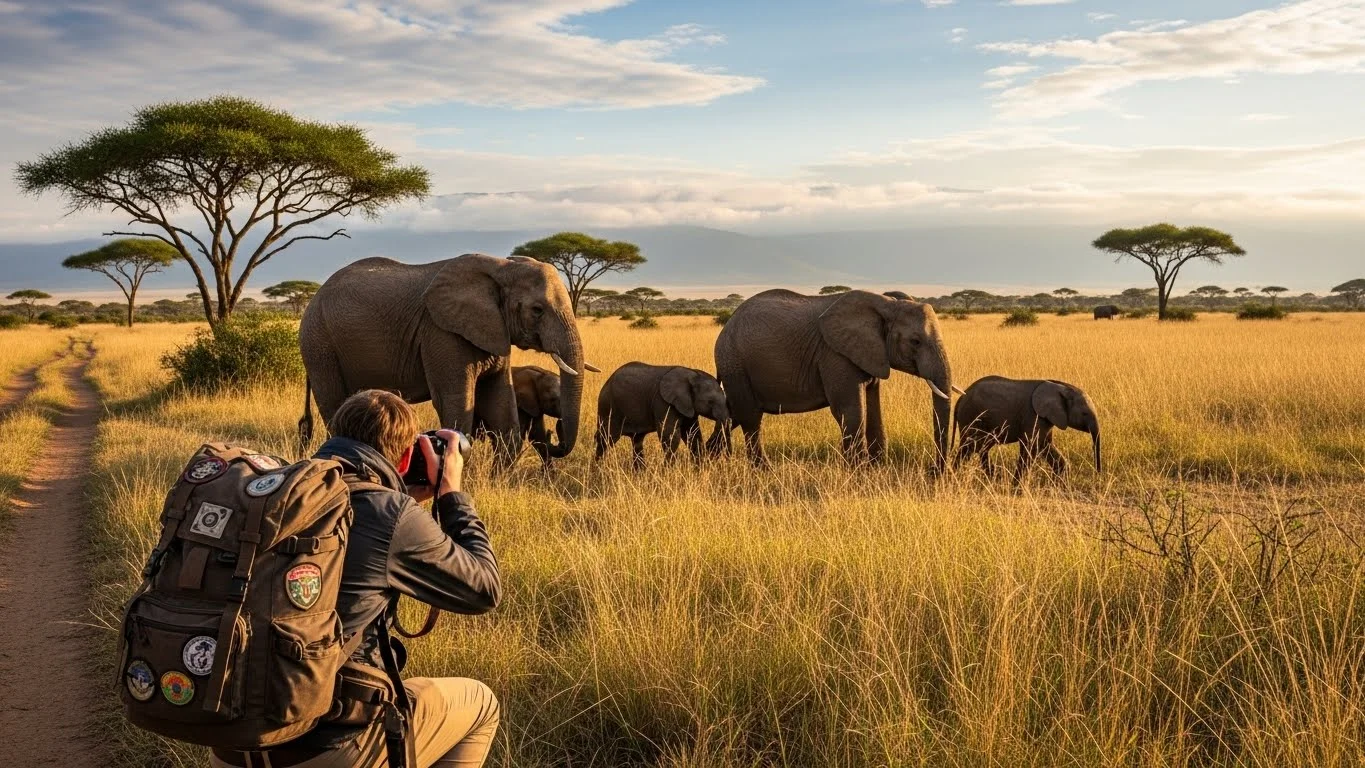
Wildlife Wonders: Budget Backpacking for Conservation Shots

Embarking on a budget backpacking adventure focused on wildlife photography is an exhilarating way to connect with nature while contributing to conservation. Let’s explore how you can capture stunning shots without breaking the bank. For more insights, check out Budget Backpacking for Macro Wildlife Photography Lovers.

Wildlife Wonders: Budget Backpacking for Conservation Shots

Understanding Wildlife Conservation

What is Wildlife Conservation?

Wildlife conservation is the practice of protecting animal species and their habitats to ensure they can thrive for future generations. For me, it’s a deeply personal endeavor that combines my love for nature and the urgency of preserving it. When I first learned about wildlife conservation, I was struck by how interconnected we are with the environment. Every photograph I take holds a story—one that reflects the beauty and fragility of wildlife.

Importance of Wildlife Conservation

The importance of wildlife conservation cannot be overstated. Healthy ecosystems are vital for our survival, providing clean air, water, and food. I remember a trip to a national park where I witnessed a delicate balance of life; every creature played a role in that ecosystem. Protecting wildlife helps maintain that balance and ensures biodiversity, which is critical for resilience against climate change and other environmental threats.

Threats to Wildlife

From habitat destruction and climate change to poaching and pollution, wildlife faces numerous threats today. I’ve seen firsthand the impact of deforestation while hiking in areas once rich with flora and fauna. It makes you realize how urgent conservation efforts are. Animals are losing their homes, and entire species are on the brink of extinction. This realization fuels my passion for photography, as I strive to document the beauty of wildlife before it’s too late.

Budget Backpacking Essentials

Choosing the Right Backpack

When it comes to backpacking on a budget, choosing the right backpack is crucial. I’ve learned that a good backpack should fit comfortably, be durable, and have enough space for your gear without being overly bulky. A few years back, I invested in a mid-range backpack that’s lightweight and has multiple compartments. It’s been a game-changer for organizing my camera gear, snacks, and personal items. Always try on different styles and sizes to find what suits you best; comfort is key, especially during long treks.

Essential Gear for Wildlife Photography

Now, let’s talk about gear. I used to think that I needed the most expensive camera to take great wildlife photos, but that’s not true. While quality gear helps, I’ve found that understanding your equipment and having the right lenses can make a bigger difference. A good zoom lens is essential for capturing distant animals without disturbing them. I also recommend a sturdy tripod for stability, especially in low-light conditions. And don’t forget spare batteries and memory cards—there’s nothing worse than running out of space when you spot that perfect shot!

Budget Travel Tips for Backpacking

Traveling on a budget doesn’t mean skimping on experiences. I’ve discovered a few tips that might help you save money while still enjoying your trip. First, consider traveling during the off-peak season. Prices drop significantly, and you’ll encounter fewer crowds. Also, try to use public transportation instead of renting a car. It not only saves money but also gives you a chance to mingle with locals and learn more about the area. I’ve had some of my most memorable conversations with fellow travelers on buses and trains.

Another tip is to seek out free or low-cost activities, like hiking trails or wildlife observation points. Many national parks offer ranger-led programs that are free with entry. I’ve learned so much from these programs about the ecosystems I’m exploring. Lastly, don’t be afraid to camp! It’s a great way to immerse yourself in nature and save on accommodation costs. Plus, the experience of sleeping under the stars is truly magical.

As we dive deeper into the world of wildlife photography and conservation, remember that every journey is an opportunity to learn and connect with the natural world. Backpacking for conservation shots isn’t just about photography; it’s about making a difference, one picture at a time. For more tips, check out Budget Backpacking: Wildlife Conservation Tours You’ll Love.

Best Destinations for Wildlife Photography

National Parks for Wildlife Observation

When I think about the best spots for wildlife photography, national parks always come to mind. They are natural sanctuaries that protect diverse species and their habitats. One of my favorite destinations is Yellowstone National Park. The vast landscapes and abundant wildlife, from bison to grizzly bears, never cease to amaze me. I remember the thrill of spotting a herd of elk early in the morning—such a magical experience!

Another fantastic option is Yosemite National Park. Not only is it famous for its stunning cliffs and waterfalls, but the park is also home to black bears, deer, and numerous bird species. I once spent hours waiting patiently to capture a bear foraging for food. Patience truly pays off in wildlife photography! You can easily find trails that lead to prime observation points, making it accessible for those of us backpacking on a budget.

Unique Wildlife Sanctuaries

If you want something beyond the traditional national park experience, I highly recommend seeking out wildlife sanctuaries. The Wildlife Conservation Society’s sanctuaries, for instance, focus on rehabilitation and protection. I had the chance to visit a sanctuary that rehabilitates injured birds of prey. Watching these magnificent creatures up close was an unforgettable experience, and I came away with some powerful images.

Another sanctuary worth mentioning is the Cheetah Conservation Fund in Namibia. They not only protect cheetahs but also educate visitors about their plight. The opportunity to photograph these graceful animals in their natural habitat was incredible. I felt a real sense of purpose knowing that my photography could help raise awareness about their conservation.

Off-the-Beaten-Path Locations

For those looking to escape the crowds, off-the-beaten-path locations can offer unique wildlife encounters. I once stumbled upon a hidden gem in Costa Rica—a remote beach that was a nesting site for sea turtles. I was fortunate enough to document the hatching process, and it remains one of my proudest photography moments. Finding these lesser-known spots takes a bit of research, but it’s often worth the effort.

In addition, consider visiting smaller reserves or protected areas, like the Osa Peninsula in Costa Rica. The wildlife there is rich and varied, with opportunities to see everything from sloths to colorful toucans. I found that the smaller reserves often have fewer visitors, allowing for a more intimate experience with nature. Plus, the local guides are usually incredibly knowledgeable and can help you spot wildlife that you might otherwise miss.

Timing Your Trip

Best Seasons for Wildlife Photography

The timing of your trip can make a significant difference in what wildlife you’ll encounter. I’ve learned that spring and early summer are often the best times for wildlife photography. Many animals are more active, and you can witness the newborns taking their first steps. I remember visiting a park in June and being surrounded by playful baby deer. Capturing those moments was pure joy!

On the other hand, if you’re interested in migratory birds, planning your trip in the fall can be rewarding. I’ve seen vast flocks of birds during migration seasons, and it’s a sight I will never forget. The changing scenery and the excitement of seeing different species keep my passion for wildlife photography alive.

Understanding Animal Behavior and Migration

Understanding animal behavior is crucial for a successful photography outing. I’ve spent time learning about the animals I want to photograph, which has enhanced my experience immensely. For example, knowing that certain animals are more active during dawn and dusk helps me plan my shooting schedule effectively. I remember waking up before sunrise to capture the golden light filtering through the trees while animals were still waking up. That soft light added a magical touch to my photos.

Additionally, studying migration patterns can open up exciting opportunities for wildlife encounters. I often keep an eye on local wildlife reports and social media groups to find out where animals are currently spotted. The more I understood about the animals and their habits, the easier it became to anticipate their movements. It’s like being part of a secret club where the only entry fee is curiosity and a willingness to learn!

Capturing the Perfect Shot

Camera Gear and Settings for Wildlife Photography

When it comes to capturing stunning wildlife shots, having the right camera gear is essential. I use a DSLR with a versatile zoom lens that allows me to get close-ups without intruding on the animals’ space. I’ve found that shooting in RAW format gives me the flexibility to edit the photos later, ensuring they come out just as I envision. If you’re on a tight budget, remember that many older camera models still perform excellently for wildlife photography.

Don’t forget to experiment with different settings. I often shoot in Aperture Priority mode, which allows me to control the depth of field. This feature can help blur the background and make the subject stand out. I’ve learned that sometimes, the best shots happen when you’re willing to adjust your settings quickly—like when a bird suddenly takes flight. Being prepared is key!

Composition Techniques for Stunning Shots

Composition is another critical element of wildlife photography that can make or break a shot. I’ve found that following the rule of thirds often leads to more dynamic images. Positioning the subject off-center creates a sense of balance and makes the photo more engaging. I remember a moment when I captured a lion resting in the savanna while aligning it with the horizon. The result was breathtaking, and it really showcased the vastness of its habitat.

Additionally, I recommend trying different angles and perspectives. Getting low to the ground can give a unique viewpoint that adds depth to your images. I often crawl through the grass to capture shots of animals at their level, which creates a more intimate feel in my photos. These little tweaks can transform a standard shot into something truly special.

Ethical Wildlife Photography Practices

Ethics in wildlife photography is something I hold dear. It’s essential to respect the animals and their habitats while capturing stunning images. I always maintain a safe distance and use my zoom lens to avoid disturbing wildlife. This approach not only keeps the animals safe but also allows me to capture more natural behaviors. I’ve seen too many photographers get too close, and it often results in stressed animals or missed opportunities.

Additionally, I practice the “leave no trace” principle. I make sure to pack out everything I bring in, keeping the environment pristine for future visitors and wildlife. I believe that as wildlife photographers, we have a responsibility to advocate for the animals we love to photograph. Every click of the shutter should tell a story that honors their existence and highlights the need for conservation.

Budget-Friendly Accommodation Options

Camping vs. Hostels

When it comes to finding budget-friendly accommodations, I’ve had great experiences with both camping and hostels. Camping truly immerses you in nature, and I love the feeling of waking up to the sounds of chirping birds and rustling leaves. I’ve camped in some stunning locations, like by a serene lake or in a forest surrounded by towering trees. The cost of camping is usually much lower than staying in hotels, and many national parks offer designated campsites that are clean and well-maintained.

However, if camping isn’t your thing or if you’re looking for a more social environment, hostels can be a fantastic option. I remember staying in a hostel near a national park where I met fellow travelers who shared my love for wildlife photography. We exchanged tips and even teamed up for some early morning shoots. Hostels often have kitchens, which can save you money on meals, and they provide a fun atmosphere to connect with like-minded people. Whether you choose to camp or stay in a hostel, I recommend booking in advance, especially during peak seasons, to snag the best spots.

Eco-Lodges and Budget Hotels

If you prefer a bit more comfort while still keeping your budget in check, eco-lodges and budget hotels are worth considering. I recently discovered a charming eco-lodge that not only offered affordable rates but also prioritized sustainable practices. Staying there made me feel good about supporting a place that’s committed to preserving the environment. These lodges often provide unique experiences, like guided nature walks or workshops on local wildlife.

Budget hotels can also be a great option, especially if you’re looking for a private space after a long day of exploring. I’ve found that many budget hotels offer basic amenities, which are perfect for resting up before another day of adventure. When searching for accommodation, I always check reviews to ensure the place is clean and safe. Websites that specialize in budget travel can help you find deals that fit your needs.

Wildlife Camps and Conservation Projects

Another exciting option I’ve come across is staying at wildlife camps or participating in conservation projects. These opportunities often combine accommodation with hands-on experiences in wildlife conservation. I once volunteered at a wildlife camp that focused on rehabilitating injured animals. Not only did I get to stay in a quaint tent surrounded by nature, but I also learned so much about animal care and conservation efforts. Plus, every day brought new adventures, from tracking wildlife to assisting in feeding sessions.

Many of these camps also offer the chance to engage with local communities and learn about their conservation initiatives. I remember meeting local guides who shared stories about their efforts to protect endangered species. It was inspiring to see how passionate they were about their work, and it made me feel like I was contributing to something bigger than myself. If you’re open to it, I highly recommend looking for these types of experiences while planning your trip. They can be incredibly rewarding and often come at a lower cost than traditional accommodations.

Food and Transportation on a Budget

Local Cuisine to Try

One of the best parts of traveling is experiencing local cuisine, and I’ve found that trying local foods doesn’t have to break the bank. In many countries, street food is not only affordable but also delicious and authentic. I remember savoring fresh empanadas in Argentina and indulging in spicy street tacos in Mexico. Eating where the locals eat often leads to discovering hidden gems that are both tasty and budget-friendly.

Whenever I travel, I also make it a point to visit local markets. They offer a variety of fresh produce, snacks, and ready-to-eat meals at reasonable prices. I once grabbed a picnic lunch from a local market and enjoyed it in a beautiful park while watching wildlife around me. It’s a simple yet fulfilling way to enjoy a meal while saving money.

Budget Transportation Options

Getting around on a budget can be a challenge, but it’s definitely achievable with some planning. I usually opt for public transportation, as it’s often cheaper than renting a car. Buses and trains can take you to stunning locations while giving you a chance to soak in the scenery. I remember a scenic train ride through the mountains that offered breathtaking views I would have missed had I been driving. Plus, using public transport allows for unexpected encounters with friendly locals and fellow travelers.

In some areas, biking can be a fun and effective way to explore. I once rented a bike in a small town near a national park, and it allowed me to cover more ground while enjoying the fresh air. Many parks also have bike paths, making it easy to get around. If you’re planning to hike, check out shuttle services that can transport you to trailheads; they’re often more affordable than parking fees.

How to Save on Food Costs

Saving on food costs doesn’t mean sacrificing quality. I’ve learned to embrace cooking while traveling, especially if I have access to a communal kitchen in a hostel or eco-lodge. Preparing simple meals can be a fun way to bond with fellow travelers, and it can significantly cut down on expenses. I often pack a few essentials like pasta, rice, and spices, which can be easily transformed into satisfying meals.

Additionally, I try to stay hydrated by carrying a reusable water bottle. In many places, it’s easy to find refill stations, which means I can avoid buying overpriced bottled water. I also keep an eye out for local deals or happy hour specials at restaurants, which can provide great meals at lower prices. When it comes to food, being flexible and open to trying new things often leads to unexpected culinary delights without straining my budget.

Connecting with Conservation Efforts

Volunteering for Wildlife Conservation

Volunteering for wildlife conservation has been one of the most fulfilling experiences of my travels. There are countless organizations that welcome volunteers to help with various projects, from habitat restoration to wildlife monitoring. I remember volunteering at a sea turtle rescue center, where I helped with beach clean-ups and learned about the threats these magnificent creatures face. It was a hands-on way to contribute while also gaining a deeper understanding of conservation.

Many of these volunteer opportunities provide training and support, allowing you to immerse yourself in the work while also gaining valuable skills. Plus, the connections you make with like-minded individuals can lead to lifelong friendships. I’ve met people from all walks of life who share my passion for wildlife, often resulting in collaborative projects that continue even after the trip ends. If you’re open to the idea, I highly recommend exploring volunteer options that align with your interests.

Supporting Local Conservation Initiatives

Supporting local conservation initiatives is another way to make a difference while traveling. I’ve learned that even small contributions can have a significant impact. Whether it’s donating to a local organization or participating in their programs, every bit helps. I once joined a guided nature walk led by a local conservation group, and the fees went directly to their efforts to protect endangered species in the area. Not only did I gain valuable insights, but I also felt good knowing my money was going toward a cause I believe in.

Many areas also have gift shops or visitor centers that sell products made by local artisans, with proceeds often going to support conservation efforts. I love picking up unique souvenirs that remind me of my travels while also supporting the local economy. By actively seeking out these opportunities, we can play a part in the conservation narrative and contribute to the well-being of wildlife and their habitats.

Photography Workshops for Conservation Awareness

Participating in photography workshops focused on conservation can be a fantastic way to enhance your skills while promoting awareness about wildlife issues. I recently attended a workshop that combined photography training with talks from conservation experts. It was enlightening to learn how my passion for photography could be leveraged to support conservation efforts. I found that many workshops encourage participants to create images that tell compelling stories about wildlife, which can help raise awareness about their plight.

These workshops often take place in breathtaking locations, providing the perfect backdrop for capturing stunning wildlife shots. I remember working alongside experienced photographers who shared invaluable tips while also discussing the ethical considerations of wildlife photography. It was inspiring to see how art could be used as a powerful tool for advocacy. If you’re interested in combining your love for photography with conservation, I highly recommend seeking out these unique learning experiences. For those interested in underwater photography, check out Explore Underwater Wildlife: Budget Backpacking Photography Guide.

Frequently Asked Questions

What is wildlife conservation?

Wildlife conservation is the practice of protecting animal species and their habitats to ensure they can thrive for future generations. It combines a love for nature with the urgency of preserving it.

Why is wildlife conservation important?

The importance of wildlife conservation lies in maintaining healthy ecosystems, which are vital for our survival. Healthy ecosystems provide clean air, water, and food, and help ensure biodiversity, which is critical for resilience against climate change and other environmental threats.

What are some threats to wildlife?

Wildlife faces numerous threats today, including habitat destruction, climate change, poaching, and pollution. These factors contribute to the loss of homes for animals and can lead to entire species being on the brink of extinction.

What essentials should I consider when choosing a backpack for wildlife photography?

When choosing a backpack for budget backpacking, it should fit comfortably, be durable, and have enough space for your gear without being overly bulky. Trying on different styles and sizes to find what suits you best is important.

What camera gear is essential for wildlife photography?

A good zoom lens is essential for capturing distant animals without disturbing them, along with a sturdy tripod for stability in low-light conditions. Spare batteries and memory cards are also crucial to avoid running out of space for photos.

What are some budget travel tips for backpacking?

Traveling during the off-peak season can save money, as prices drop significantly. Using public transportation instead of renting a car, seeking out free or low-cost activities, and camping are also effective ways to save while enjoying your trip.

What are the best seasons for wildlife photography?

Spring and early summer are often the best times for wildlife photography, as many animals are more active and you can witness newborns taking their first steps. Fall is ideal for observing migratory birds.

How can I ethically practice wildlife photography?

Ethical wildlife photography involves respecting animals and their habitats by maintaining a safe distance and using zoom lenses. Practicing the “leave no trace” principle and advocating for the animals you photograph is also important.

What budget-friendly accommodation options are available for wildlife photography?

Camping and hostels are great budget-friendly options. Eco-lodges and budget hotels offer more comfort while still being affordable. Wildlife camps and conservation projects can also provide unique experiences and often come at a lower cost.

How can I contribute to wildlife conservation while traveling?

You can volunteer for wildlife conservation projects, support local initiatives, and participate in photography workshops focused on conservation. These activities allow you to make a positive impact while gaining valuable insights and experiences.

Exploring Nature: Affordable Conservation Photography Tips

Embracing the beauty of nature through photography not only allows us to capture stunning images but also fosters a deep commitment to conservation. Let’s dive into affordable ways to explore and document our planet while making a positive impact. Read Interesting article: Capture the Wild: Budget Tips for Conservation Photography

Exploring Nature: Affordable Conservation Photography Tips

Understanding Conservation Photography

What is Conservation Photography?

Conservation photography is more than just snapping pretty pictures of nature. It’s a powerful medium used to promote awareness about environmental issues and inspire action. I remember the first time I saw a stunning photograph of a polar bear in its dwindling habitat. That image struck a chord with me, igniting a passion not just for photography, but for protecting our planet. This type of photography combines art and activism, aiming to showcase the beauty of nature while highlighting the urgent need for conservation efforts.

The Importance of Conservation Photography

As I ventured deeper into photography, I realized that every image has the potential to tell a story. In conservation photography, those stories can be about endangered species, vanishing habitats, or the impact of climate change. I truly believe that captivating imagery can evoke emotions that lead to action. It can drive home the message that our ecosystems are fragile and need our protection. When I share my photos, I often hear how they resonate with people, sparking discussions about environmental issues. The more we can connect images with emotions, the more likely we are to inspire change.

Key Principles of Conservation Photography

Over the years, I’ve learned that effective conservation photography hinges on a few key principles. The first is authenticity. Capturing genuine moments in nature speaks volumes. I remember a day spent observing sea turtles nesting on a beach, and I felt a responsibility to portray that experience faithfully. The second principle is storytelling. Each photograph should communicate a message or tell a story about the subject. Think about what you want your audience to feel or understand. Lastly, ethics play a critical role. I strive to respect wildlife and their habitats, ensuring my presence doesn’t disrupt their natural behaviors. This means being patient, waiting for the right moment, and sometimes, simply observing rather than snapping away.

Essential Equipment for Affordable Conservation Photography

Camera Options on a Budget

When I first started, I didn’t have the budget for an expensive camera. Instead, I opted for a reliable entry-level DSLR, which offered great image quality without breaking the bank. Brands like Canon and Nikon offer budget-friendly options that are perfect for beginners. If you’re just starting out, consider looking for used cameras online. I found that buying second-hand can save a lot of money while still delivering high-quality results. Read Interesting article: Top Destinations for Stunning Macro Wildlife Photography

Lens Recommendations for Nature Photography

The lens you choose can make a huge difference in the quality of your nature photos. I recommend investing in a versatile zoom lens, like a 70-300mm. This allows you to capture distant wildlife without disturbing them. For landscapes, a wide-angle lens is invaluable. It lets you capture the grandeur of a scene. If you’re on a tight budget, remember that there are also affordable third-party lenses that offer excellent quality.

Smartphone Photography: An Affordable Alternative

Not everyone has access to fancy cameras, and that’s perfectly okay! I’ve seen incredible nature photographs taken with smartphones. These devices are surprisingly powerful. Using apps that enhance resolution and quality can elevate your shots. I often use my smartphone for spontaneous captures when I’m out hiking. It’s about being ready to seize the moment, regardless of the equipment. Plus, there are many apps available that can help you edit and enhance your photos right on your phone.

Accessories for Enhanced Shooting

There are several accessories I find indispensable for enhancing my nature photography experience. They can be affordable and make a significant difference.

Tripods

A sturdy tripod is a must-have, especially for landscape photography or low-light conditions. I recall a stunning sunset I captured while on a hike; having my tripod allowed me to steady the camera for long exposures that brought out the colors beautifully.

Filters

Filters, like polarizers and ND filters, can dramatically improve your images. A polarizing filter helps reduce glare and enhance the colors of the sky and water. It’s a small investment that can yield significant improvements. I remember using one during a hike by a lake, and it truly brought out the richness of the water and sky.

Carrying Cases

Finally, a good carrying case is essential for protecting your gear while you’re out in nature. I’ve learned the hard way that the elements can be unforgiving. A waterproof bag can save your equipment from unexpected rain or splashes, ensuring that I can focus on capturing the moment without worrying about my gear.

Techniques for Capturing Nature Effectively

Understanding Natural Light

One of the most important things I learned about photography is that light is everything. Natural light can transform an ordinary scene into something magical. I remember my first early morning shoot when the sun began to rise, casting a golden hue over the landscape. It was a waking moment for me in my photography journey. I’ve found that shooting during the golden hour—shortly after sunrise and just before sunset—gives my photos a warm, soft glow. It’s the perfect time to capture those vibrant colors without harsh shadows. I recommend always checking the weather and planning shoots around these times whenever possible.

Framing and Composition Tips

Framing is another key element that can make or break a photo. I often think of the classic rule of thirds, where you imagine dividing your image into a 3×3 grid and placing the focal point along those lines or at their intersections. This technique creates balance and draws the viewer’s eye. Besides that, I love experimenting with different perspectives. Sometimes, getting low to the ground or finding a higher vantage point can completely change the photo’s dynamics. I recall one time climbing a small hill to capture a group of deer in a meadow; the view transformed from ordinary to breathtaking just by changing my angle.

Using Depth of Field to Your Advantage

Depth of field is a fantastic tool that can add dimension to your photographs. I often play with it to either blur the background or keep everything in focus, depending on the story I want to tell. If I want to highlight a single flower in a field, I’ll use a shallow depth of field to isolate it, making it pop against a soft background. Conversely, when capturing vast landscapes, I tend to increase the depth of field to ensure every detail is crisp and clear. It’s all about what I want to convey with the image, and changing the depth of field can significantly enhance the overall impact.

Timing: The Golden Hour and Other Best Times to Shoot

Timing is crucial in nature photography. As I’ve experienced, certain times of day and even specific seasons can dramatically change how a scene looks. Besides the famous golden hour, I’ve found that different weather conditions can also create unique opportunities. For example, shooting just after a rainstorm can lead to vibrant colors and dramatic skies. I love the way the light dances on wet leaves and how the earth looks freshly washed. Snowy landscapes offer their own kind of magic, too, reflecting soft light that creates an ethereal feel to the images. Always be ready to adapt your plans based on changing conditions—some of my best shots have come from unexpected weather!

Exploring Different Natural Environments

Forests: Tips for Capturing Woodlands

Forests can be both enchanting and challenging to photograph. One of my favorite techniques is to look for patterns and textures in the trees and foliage. I often find that photographing bark, moss, or fallen leaves can yield beautiful, abstract shots. I also try to showcase the scale of the forest by including a person or an animal in the frame; it really helps illustrate just how vast and majestic these environments are. I’ve had some wonderful experiences lying on the forest floor, capturing the towering trees reaching for the sky. It’s a different perspective that can lead to stunning results.

Mountains: Photographing Landscapes and Wildlife

When I head to the mountains, I feel a sense of adventure. The rugged terrain offers incredible opportunities for capturing both landscapes and wildlife. I’ve learned to take advantage of the leading lines created by trails or rivers that draw the viewer’s eye into the scene. It really adds depth. Wildlife photography in the mountains can be rewarding, too. Patience is key when waiting for animals to appear. I once spent hours observing mountain goats from a distance, and when they finally came into view, I felt a thrill that made every minute of waiting worthwhile. The key is to remain quiet and blend into the surroundings as much as possible.

Water Bodies: Techniques for Rivers, Lakes, and Oceans

Water bodies provide endless inspiration for photography. I love capturing reflections in lakes, especially at dawn when the water is like glass. Using a low angle can amplify these reflections, creating a breathtaking symmetry. When photographing rivers, I often experiment with long exposure techniques to create that silky smooth effect of flowing water. It’s incredible how motion can be translated into still images. I remember a mesmerizing sunset at the beach, where I captured the waves rolling in with a slow shutter speed, resulting in an ethereal look that felt alive.

Deserts: Capturing Unique Flora and Fauna

Deserts may seem barren, but they are teeming with life and striking landscapes. I’ve always been fascinated by the contrasts between the sandy dunes, rocky outcrops, and the occasional splash of color from wildflowers. When I photograph deserts, I focus on the patterns created by sand dunes, which can be mesmerizing. Early mornings or late afternoons are the best times to shoot, as the shadows create depth and drama. I often find myself captivated by the stillness of the environment; capturing a single cactus bathed in golden light can tell a powerful story of resilience and survival.

Post-Processing on a Budget

Free and Affordable Editing Software Options

When I first started my photography journey, I quickly realized that capturing the perfect shot is only part of the process. Post-processing is where you can really bring your vision to life. Fortunately, there are plenty of free and affordable editing software options available that cater to all skill levels. I’ve used programs like GIMP and Darktable, which are excellent free alternatives to more expensive software like Adobe Photoshop. They might have a steeper learning curve, but I found that online tutorials make it easier to navigate these tools. If you’re looking for something more user-friendly, I recommend trying out Adobe Lightroom’s free trial, which is fantastic for organizing and editing photos. It’s a great way to see if you want to invest in the full version later on.

Basic Editing Techniques for Nature Photography

Once I got my hands on some editing software, I discovered a few basic techniques that really enhanced my nature photos. Cropping is a simple yet effective way to improve composition; it allows me to focus on the main subject and eliminate distractions. I also learned to adjust exposure and contrast to bring out the details in shadows and highlights, which can be crucial in nature photography where lighting can be tricky. I remember a photo I took of a sunset where the colors were muted; a little boost in contrast transformed it into a vibrant masterpiece. Lastly, sharpening the image can help make the details pop, especially in wildlife shots where textures can be key to drawing the viewer in.

Enhancing Colors and Contrast

Colors are what make nature photography so captivating. I’ve found that enhancing colors in my images brings out the beauty of the landscapes I capture. In my experience, adjusting the saturation and vibrance can make a significant difference. I like to be cautious, though, as it’s easy to overdo it. I aim for a natural look that reflects what I saw in the field. For instance, when I edited a photo of a field of wildflowers, I increased the vibrance to make the colors more vivid without making them unrealistic. Contrast plays a similar role; increasing it can add drama to cloudy skies or make the greens in a forest feel lush and alive.

Creating a Consistent Style

As I developed my skills, I wanted my photos to have a cohesive look that reflected my style. I realized that creating a consistent editing style helps tell a story and evokes certain emotions in viewers. I started by developing a set of editing presets that I could apply to my photos for uniformity. This not only saved me time but also gave my portfolio a more professional feel. I often experiment with different looks—sometimes opting for a warm, golden tone and other times a cool, moody palette. The key is to find a balance that resonates with your personal vision while still showcasing the beauty of nature.

Sharing Your Work and Advocating for Conservation

Building an Online Portfolio

Sharing my work has been one of the most rewarding aspects of my photography journey. I took the plunge and created an online portfolio to showcase my favorite images. For me, platforms like Wix and Squarespace made it easy to design a visually appealing site without needing to know how to code. I focused on curating my best shots and organizing them by themes, such as wildlife, landscapes, and macro photography. It’s a great way to present my work professionally and helps me connect with others who share similar interests. Plus, having a dedicated space for my images motivates me to keep improving.

Utilizing Social Media for Awareness

Social media has become an incredible tool for photographers to share their work and advocate for conservation. I’ve found platforms like Instagram and Facebook particularly useful for reaching a broader audience. By posting my nature photos, I not only share my passion for photography but also raise awareness about conservation issues. I often include captions that educate my followers about the subjects and their habitats, which has sparked engaging conversations. I believe that each post can be a small step towards inspiring others to appreciate and protect our environment.

Engaging with Conservation Communities

Connecting with like-minded individuals is vital for both personal growth and advocacy. I joined several online communities focused on conservation photography, where members share tips, experiences, and resources. Being part of these groups has opened my eyes to various conservation efforts happening around the world. I remember participating in a discussion about wildlife photography ethics, which made me reflect on my practices. Engaging with these communities not only helps me improve my craft but also strengthens my commitment to conservation.

Participating in Conservation Projects and Initiatives

One of the most fulfilling ways to combine my love for photography with conservation is by participating in projects and initiatives. I’ve joined local clean-up efforts and tree-planting events, capturing moments that showcase the impact of collective action. These experiences have not only enriched my portfolio but also connected me with passionate individuals who believe in the same cause. I encourage everyone to look for opportunities to volunteer or collaborate with organizations focused on conservation; it’s a rewarding way to contribute while honing your skills as a photographer. Read Interesting article: Explore Underwater Wildlife: Budget Backpacking Photography Guide

Frequently Asked Questions

What is conservation photography?

Conservation photography is a powerful medium used to promote awareness about environmental issues and inspire action. It combines art and activism, showcasing the beauty of nature while highlighting the urgent need for conservation efforts.

Why is conservation photography important?

Conservation photography tells stories about endangered species, vanishing habitats, or the impact of climate change. Captivating imagery can evoke emotions that lead to action, promoting discussions about environmental issues and inspiring change.

What are the key principles of effective conservation photography?

The key principles include authenticity, storytelling, and ethics. Capturing genuine moments, communicating a message through each photograph, and respecting wildlife and their habitats are essential for impactful conservation photography.

What camera options are recommended for budget-conscious photographers?

Entry-level DSLRs from brands like Canon and Nikon are recommended for beginners. Additionally, considering used cameras online can save money while still delivering high-quality results.

How can smartphone photography be used for nature photography?

Smartphone photography is an affordable alternative that can yield impressive results. Many smartphones have powerful cameras, and using apps to enhance resolution and quality can elevate shots taken spontaneously while hiking or exploring nature.

What accessories are essential for enhancing nature photography?

Indispensable accessories include sturdy tripods for stability, filters (like polarizers and ND filters) to improve image quality, and good carrying cases to protect gear while out in nature.

What techniques can improve the quality of nature photographs?

Understanding natural light, using framing and composition techniques like the rule of thirds, and playing with depth of field are all effective ways to enhance the quality of nature photographs.

What editing software options are available for post-processing on a budget?

Free options like GIMP and Darktable are excellent alternatives to expensive software. Adobe Lightroom also offers a free trial, which is user-friendly and great for organizing and editing photos.

How can photographers share their work to advocate for conservation?

Creating an online portfolio and utilizing social media platforms like Instagram and Facebook can help photographers share their work and raise awareness about conservation issues, fostering engaging conversations.

How can photographers get involved in conservation efforts?

Photographers can participate in local conservation projects and initiatives, such as clean-up efforts or tree-planting events. Engaging with conservation communities and volunteering is a rewarding way to combine photography skills with environmental advocacy.

Capture the Wild: Budget Tips for Conservation Photography

Conservation photography is more than just capturing stunning images; it’s about telling stories that inspire change. Join me as we explore budget-friendly tips for capturing the wild while preserving our planet’s beauty. Read Interesting article: Top Destinations for Stunning Macro Wildlife Photography

Capture the Wild: Budget Tips for Conservation Photography

Understanding Conservation Photography

What is Conservation Photography?

When I first stumbled upon conservation photography, I felt an immediate connection. It’s a unique blend of art and activism, aimed at raising awareness about environmental issues through powerful imagery. Unlike traditional photography, which often focuses on aesthetics, conservation photography emphasizes subjects that need attention, like endangered species, habitats at risk, and the impacts of climate change. I remember my first wildlife shoot where I wasn’t just focused on getting that perfect shot; I was also thinking about the message behind it. It resonated deeply with me, and I realized I could contribute to something much bigger than myself.

The Importance of Wildlife Conservation

Wildlife conservation is crucial not just for the animals but for the health of our entire planet. Every species plays a role in its ecosystem, and when one is threatened or goes extinct, the ripple effects can be catastrophic. I’ve seen firsthand how conservation efforts can bring back populations that were once on the brink. For example, witnessing the return of the American bald eagle in places where it had disappeared was a profound experience. It reinforced my belief that we can make a difference, and photography can be a powerful tool in this fight. By capturing compelling images, we can inspire others to care and take action, whether that’s supporting conservation initiatives or simply appreciating nature more deeply. Read Interesting article: Explore Underwater Wildlife: Budget Backpacking Photography Guide

Key Principles of Ethical Photography

As I delved deeper into conservation photography, I learned about the importance of ethics in our work. Ethical photography isn’t just about getting the shot; it’s about respecting the wildlife and their habitats. One key principle I always keep in mind is to minimize disturbance. This means observing wildlife from a distance and being patient rather than intruding on their space. I remember a time when I was photographing a family of deer. Instead of rushing in, I took a step back, allowing them to behave naturally. This not only resulted in better images but also ensured I wasn’t stressing the animals.

Another principle I adhere to is honesty in representation. It’s tempting to enhance or manipulate images to create a more dramatic impact, but I believe that authenticity is crucial. I strive to portray the reality of wildlife and their challenges, even if that means showcasing difficult moments. It’s a way to tell a true story that resonates with viewers. I think about the responsibility we have as photographers to accurately represent the subjects we are passionate about—and that’s something we must never take lightly.

Lastly, I emphasize the importance of educating myself and others. Each time I go out to capture images, I try to learn more about the species or environment I’m photographing. This knowledge not only helps me take better photographs but also allows me to share valuable information with my audience. I’ve found that the more I know about the subjects I’m photographing, the more powerful the images become.

Essential Gear for Budget-Conscious Photographers

Camera Options for Every Budget

When I began my journey into photography, I quickly learned that you don’t need the most expensive gear to make a difference. There are numerous camera options available today that cater to various budgets. For beginners, I often recommend starting with a good entry-level DSLR or mirrorless camera. These models are affordable, user-friendly, and provide excellent image quality. I remember my first DSLR cost me less than $500, and with it, I was able to capture some amazing wildlife moments.

If you’re looking for something even more budget-friendly, consider compact cameras or even smartphones. Many modern smartphones come with impressive camera capabilities, making them an accessible option for capturing spontaneous wildlife moments. I’ve often found myself out in the field with my phone, and while I’ve missed some perfect shots, I’ve also captured some spontaneous moments that turned out beautifully.

Lens Selection: What You Need vs. What You Want

Choosing the right lens can be daunting, especially with so many options available. I’ve personally found that a good zoom lens can be a game-changer for wildlife photography. A lens with a focal length of 200mm or more allows you to capture animals from a distance without disturbing them. However, I remember when I first bought a fancy lens that was way beyond my budget; it didn’t make me a better photographer. I learned that it’s more about how you use the gear than the gear itself. Start with a versatile lens that fits your budget, and as you grow in your skills, you can consider upgrading.

Accessories that Enhance Your Photography

Accessories can make a significant difference in your photography experience, and fortunately, there are many affordable options out there. I’ve found that having a sturdy tripod is essential for wildlife photography, especially in low light conditions. It stabilizes the camera and ensures sharp images, which is vital when capturing fast-moving subjects. While tripods can range in price, I recommend investing in a reliable but budget-friendly option that suits your needs.

Tripods and Stabilization Tools

Another accessory that I’ve come to appreciate is a monopod. It’s lightweight and easy to carry, making it perfect for long hikes in search of wildlife. I often use it when I need stability but don’t want to lug around a heavy tripod. It’s a small investment for the difference it can make in image quality.

Protective Gear for Outdoor Photography

Protecting your gear is equally important. I always carry a rain cover for my camera bag, especially when I’m out in unpredictable weather. Additionally, I’ve learned the hard way that lens filters can protect your lens from scratches and dust, which is especially important when shooting in rugged environments. These little additions to my gear have saved me both money and headaches in the long run.

Budget-Friendly Techniques for Capturing Wildlife

Using Natural Light to Your Advantage

One of the most significant lessons I’ve learned in wildlife photography is the importance of natural light. It’s amazing how the quality of light can change the mood and tone of my images. I often find that the best times to shoot are during the golden hours—shortly after sunrise and just before sunset. The warm, soft light during these times adds a magical touch to my photos, making them feel alive. I remember one early morning when I set out to capture images of a family of foxes. The way the sunlight filtered through the trees created a perfect backdrop that highlighted their fur and the glint in their eyes. It made all the difference and reminded me that nature’s light is a powerful ally.

When I’m out in the field, I also pay close attention to how the light falls on my subjects. I try to position myself so that the light is behind me or to the side, illuminating the animal without casting harsh shadows. If I’m shooting in the middle of the day when the light can be too harsh, I seek out shaded areas where the light is softer. I’ve found that being patient and waiting for the right moment to capture an animal in the best light can turn an ordinary shot into something extraordinary.

Finding Locations: Where to Shoot on a Budget

When I first started exploring wildlife photography, I wanted access to all the exotic locations. But I quickly realized that some of the best spots are often right in our backyards or within a short drive. Local parks, nature reserves, and even urban areas can provide a wealth of opportunities. I’ve stumbled upon incredible wildlife in places I never expected. For instance, I was amazed to find a family of owls living in an old tree just a few blocks from my house. It reminded me that adventure doesn’t always mean traveling far; sometimes, it’s about looking closer to home.

Research can be your best friend when scouting for locations. I use apps and websites dedicated to wildlife sightings, which can guide me to areas where certain species have been spotted. Additionally, I’ve connected with local photography groups that often share tips on where to find great wildlife. This community support has helped me discover hidden gems that are easily overlooked. I recommend keeping a list of go-to places that you can revisit during different seasons, as wildlife behavior and visibility can change dramatically throughout the year. Read Interesting article: Affordable Underwater Wildlife Photography Tips for Backpackers

Time of Day: Best Times for Wildlife Photography

Timing is everything in wildlife photography. I’ve learned that animals are most active during the early morning and late afternoon, which coincidentally aligns with those golden hours for light. This is when I’ve had some of my most memorable encounters. For example, I once set out before dawn to photograph a local wetland, and I was rewarded with a breathtaking sunrise and a flurry of activity as birds began to emerge. The thrill of witnessing nature waking up is something I cherish deeply.

On the flip side, midday can be challenging for wildlife photography since many animals seek shade and become less active. However, I’ve also found that this time can be useful for capturing different types of behavior, such as animals resting or finding shelter. It’s all about adjusting my approach based on the time of day and the wildlife I’m trying to photograph. I often plan my trips around these peak activity times, and I’m consistently rewarded with stunning images and unforgettable experiences.

Cost-Effective Travel Tips for Photographers

Choosing Budget Accommodations

Traveling to capture wildlife doesn’t have to break the bank. I’ve learned to find budget-friendly accommodations that are convenient to my shooting locations. Instead of splurging on fancy hotels, I often opt for affordable motels, hostels, or even camping when I’m in remote areas. Camping is one of my favorite ways to immerse myself in nature, and it allows me to wake up close to wildlife without the need for extensive travel each day. I remember one camping trip where I was able to photograph deer right outside my tent in the early morning light.

Websites and apps dedicated to budget travel can provide great deals on accommodations. I also look for places that offer kitchen facilities so I can prepare my meals. This not only saves money but also allows me to focus more on my photography rather than spending time looking for food. In my experience, planning ahead and being flexible with my travel dates can lead to significant savings, making those wildlife adventures more accessible.

Transportation Options for Wildlife Locations

Getting to wildlife locations can be challenging, but I’ve discovered numerous cost-effective transportation options that make trips easier. When I can, I prefer to carpool with fellow photographers or friends who share my passion. This way, we can split gas costs and enjoy each other’s company while exploring. I’ve made some of my best memories on the road with friends, sharing tips and excitement about the sights we hope to capture.

For destinations that are further away, I often look for budget airlines or long-distance buses. While they may take a bit longer than flying, the savings can be substantial. I also use travel apps to find the best deals on transportation. Sometimes being open to various modes of transport, like trains or rental bikes, can add to the adventure and give me a unique perspective on the landscape I’m traveling through.

How to Save on Food While Traveling

Food costs can add up quickly while traveling, but I’ve found ways to keep my meals affordable without sacrificing quality. I usually pack snacks and easy-to-prepare meals that I can take with me on my photographic excursions. Items like nuts, granola bars, and fruit are great for keeping my energy up while I’m out in the field.

When it comes to meals, I love exploring local markets or grocery stores for fresh produce and local specialties. It’s a fun way to experience the area and often much cheaper than dining out. Plus, I’ve discovered some of the best local dishes this way! One time, I stumbled upon a small market near a national park and found some amazing local cheese and bread, which made for a delicious picnic while I planned my next shots.

Editing and Post-Processing on a Budget

Free and Affordable Editing Software

Editing is a crucial part of photography that can elevate your images and convey the message you want to share. I remember when I first started editing my photos; I was overwhelmed by the options available. Thankfully, I discovered some fantastic free and affordable editing software that has helped me tremendously. Programs like GIMP and Darktable are great for beginners and offer a lot of powerful features without costing a dime. I’ve found that they allow me to make adjustments to exposure, contrast, and color without feeling like I’m sacrificing quality.

If you’re willing to invest a little, Adobe Lightroom offers a subscription model that’s quite affordable and is particularly user-friendly for photographers. It’s becoming my go-to for organizing and editing my photos. I love how I can quickly edit a batch of images and maintain a consistent look across my portfolio. The best part? There are plenty of online tutorials that can help you get started, making it easier to learn the ropes without feeling lost.

Basic Editing Techniques for Wildlife Photos

Once I got the hang of editing software, I learned a few basic techniques that can truly make a difference in wildlife photography. One of my favorites is adjusting the exposure to bring out details in both the highlights and shadows. I’ve found that wildlife photos can sometimes look flat straight out of the camera, and a simple adjustment can add depth and vibrancy.

Another technique I often use is cropping to enhance the composition. Sometimes, framing a subject differently can bring out its best features and create a more impactful photo. I remember a shot of a heron I took that wasn’t quite right at first. After cropping to focus more on its striking profile against the water, it transformed into one of my favorites.

Don’t underestimate the power of color correction, either. Adjusting the white balance can help bring out the natural colors of your subjects, making your images feel more lifelike. I’ve spent hours playing with different settings, and it’s amazing how a little tweaking can create such a difference. I encourage you to experiment and find your style; it’s all part of the fun!

Online Resources for Learning Photography Skills

As I dove deeper into the world of photography, I realized that learning doesn’t stop after you leave the classroom or finish a workshop. Online resources have been invaluable for me. There are countless websites, YouTube channels, and podcasts dedicated to photography skills that cater to all experience levels. I particularly enjoy watching tutorials on platforms like YouTube, where there are step-by-step guides for everything from basic camera settings to advanced editing techniques.

Additionally, I’ve found that joining forums and online communities can provide not only support but also constructive feedback on my work. Platforms like Reddit have dedicated photography forums where you can share your images and receive advice from fellow photographers. I remember posting my first wildlife shot and receiving feedback that helped me grow so much. It’s a reminder that we’re all on this journey together, and collaboration can lead to amazing results.

Finally, don’t overlook the power of online courses. Websites like Udemy or Skillshare often have affordable photography courses that can deepen your understanding of specific topics. I once enrolled in a wildlife photography course that opened my eyes to new techniques and perspectives that I hadn’t considered before. Investing in your education, even if it’s just a small fee, can pay off in dividends through the quality of your work.

Funding Your Conservation Photography Endeavors

Grants and Scholarships for Wildlife Photographers

One of the challenges I faced when pursuing conservation photography was funding my projects. I quickly discovered that there are various grants and scholarships specifically aimed at wildlife photographers. These funding opportunities can help cover travel costs, equipment, and even living expenses while working on a project. I’ve found several organizations that offer grants for conservation-related projects, and applying for one can be a game-changer.

For example, I applied for a small grant aimed at wildlife photography projects that focused on endangered species. The application process encouraged me to refine my project proposal and clarify my objectives, which ultimately helped me focus my efforts. When I received the funding, it felt like validation of my work and commitment to conservation. I encourage you to research potential grants in your area or specialized organizations that align with your conservation goals.

Building a Portfolio to Attract Sponsors

Creating a compelling portfolio is essential if you want to attract sponsors or collaborators. I remember spending months curating my best work into a presentation that showcased not just my photography skills but also conveyed my passion for conservation. It’s important to tell a story through your images—showcasing the challenges wildlife face and the beauty that still exists. Potential sponsors want to see that you’re dedicated, and a well-crafted portfolio can communicate that effectively.

When building your portfolio, I recommend including a variety of images that highlight different aspects of wildlife and conservation. This diversity will not only appeal to a broader audience but also demonstrate your versatility as a photographer. It was through this process that I discovered my niche within conservation photography, which helped me connect with like-minded organizations.

Utilizing Social Media for Exposure and Support

Social media has become an invaluable tool for photographers looking to gain exposure and support for their work. I’ve seen firsthand how platforms like Instagram and Facebook can help me reach a wider audience. I started sharing my conservation photography journey, and it opened doors I never expected. Connecting with other photographers and conservationists through hashtags and groups has provided a sense of community that motivates me to keep pushing forward.

Regularly posting my work and engaging with followers has led to meaningful conversations about conservation issues. I’ve even had opportunities to collaborate with organizations that align with my values. Social media isn’t just about sharing pretty pictures; it’s about fostering connections and raising awareness for the causes we care about. I encourage you to share your journey, ask questions, and engage with others; you never know where it might lead!

Frequently Asked Questions

What is conservation photography?

Conservation photography is a unique blend of art and activism aimed at raising awareness about environmental issues through powerful imagery. It emphasizes subjects that need attention, such as endangered species and habitats at risk, and focuses on the message behind the images rather than just aesthetics.

Why is wildlife conservation important?

Wildlife conservation is crucial for the health of our planet as every species plays a role in its ecosystem. When a species is threatened or goes extinct, it can lead to catastrophic ripple effects. Conservation efforts can help restore populations and inspire others to take action through compelling imagery.

What are the key principles of ethical photography?

Key principles of ethical photography include minimizing disturbance to wildlife, being honest in representation, and educating oneself and others about the subjects being photographed. These practices ensure that photographers respect wildlife and accurately portray their realities.

What camera options are available for budget-conscious photographers?

Budget-conscious photographers can start with entry-level DSLR or mirrorless cameras that are user-friendly and provide excellent image quality. Compact cameras and modern smartphones with good camera capabilities are also viable options for capturing wildlife moments without breaking the bank.

What accessories can enhance wildlife photography?

Essential accessories for wildlife photography include sturdy tripods for stability, monopods for lightweight support, and protective gear like rain covers and lens filters to safeguard equipment. These items can significantly improve the photography experience and image quality.

What are budget-friendly techniques for capturing wildlife?

To capture wildlife on a budget, photographers should use natural light effectively, find accessible shooting locations close to home, and plan outings during the best times of day when animals are most active, such as early morning and late afternoon.

How can photographers save on travel costs while capturing wildlife?

Photographers can save on travel costs by choosing budget accommodations like motels or camping, carpooling with fellow photographers, using budget airlines, and exploring local markets for affordable food options while traveling.

What editing software is recommended for wildlife photographers?

Free and affordable editing software options for wildlife photographers include GIMP and Darktable, which offer powerful features without cost. Adobe Lightroom is also recommended for its user-friendly subscription model, helping photographers organize and edit their images effectively.

How can photographers find funding for conservation photography projects?

Photographers can find funding through various grants and scholarships aimed at wildlife photographers. Researching specialized organizations that align with conservation goals can lead to opportunities that cover travel costs, equipment, and living expenses for projects.

How can social media be utilized for conservation photography?

Social media platforms like Instagram and Facebook can help photographers gain exposure and support for their work. By sharing their conservation photography journey, photographers can connect with a wider audience, engage in meaningful conversations about conservation, and potentially collaborate with like-minded organizations.